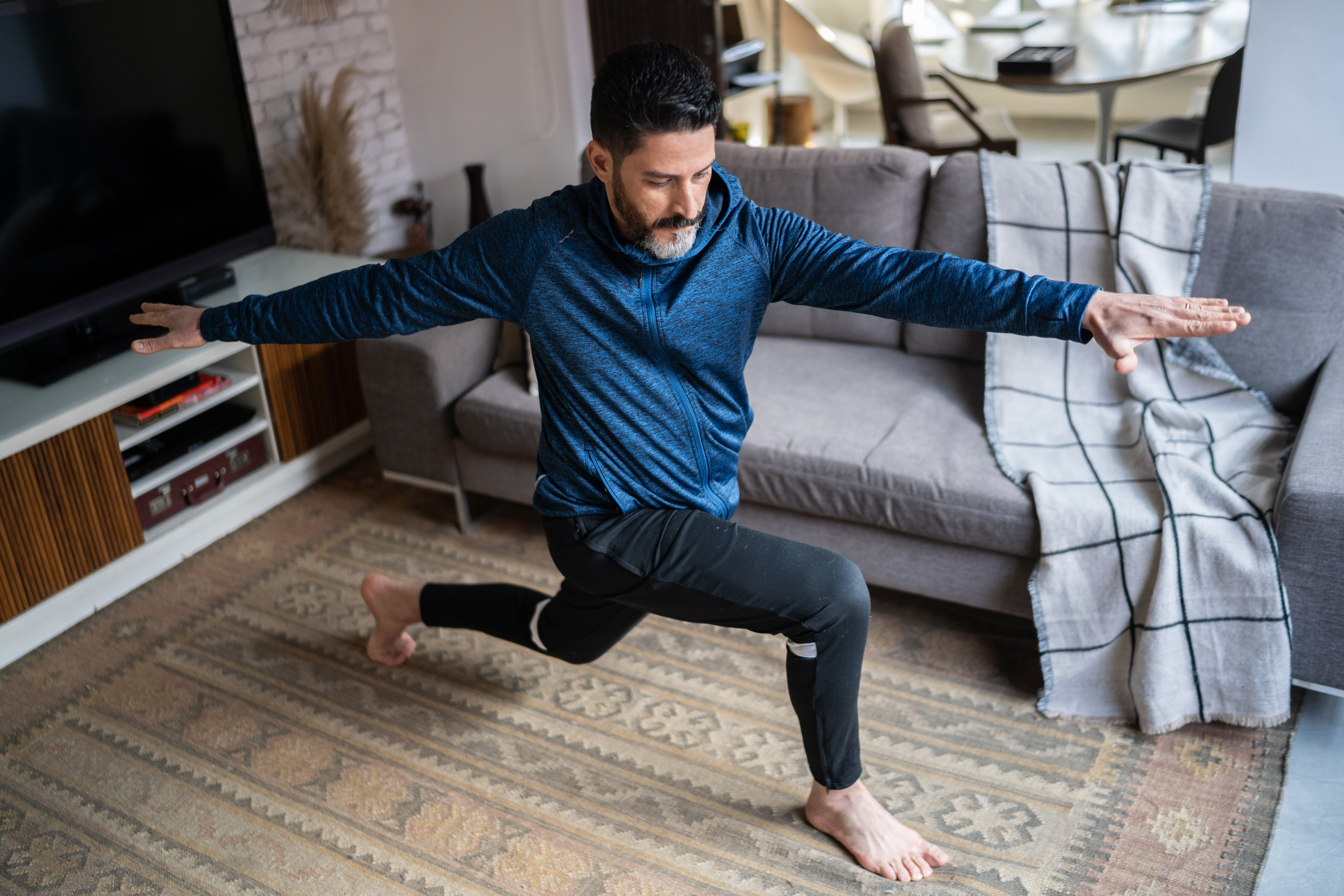
This Olympic Athlete Schooled A TikTok User Who Commented On Her BMI, And It’s Deliciously Satisfying

In a recent TikTok, US rugby player Ilona Maher shared a comment she’d gotten on a previous video.

It read, “I bet that person has a 30% BMI” (it seems she was referencing a BMI of 30, which is the point at which a person is officially classed as “obese” by the index).

“Hi, thank you for this comment. I think you were trying to roast me, but this is actually a fact,” Ilona began her video in response to the remark.

“I do have a BMI of 30. Well, 29.3 to be even more exact. I’ve been considered ‘overweight’ my whole life,” the professional athlete explained.

The rugby player broke down how BMI works

After sharing that she had been classed as “overweight” as the result of a physical she’d completed in high school, the rugby star said, “I was so embarrassed.”

Since then, though, things have changed.

“I chatted with my dietician, because I go off of, you know, facts,” she explained, “and we talked about BMI. And we talked about how it really isn’t helpful for athletes,” she said.

That’s because muscle is denser than fat, meaning a square inch of muscle will be heavier than a square inch of fat; you can have a very low body fat percentage (the thing doctors tend to worry about) while maintaining a high weight, especially as a sportsperson.

“BMI doesn’t tell you much. It just tells you your height and weight and what that equals,” Ilona shared. “I’m 5′10″, 200 pounds ― and I have about, and this is an estimate, but about 170 pounds of lean muscle,” she added.

That puts her body fat percentage at 15% (that’s at the lower limit of the Royal College of Nursing’s recommended body fat percentage for women aged 20-40, which is 15% to 31%).

Maher added, “BMI doesn’t really tell you what I can do… So, I do have a BMI of 30. I am considered ‘overweight.’ But alas, I’m going to the Olympics, and you’re not.”

BMI has long had its faults

Not only is BMI not very useful for athletes, but it wasn’t even devised to measure people’s health.

Lambert Adolphe Jacques Quetelet came up with it in the 1830s as a part of his measure of the “average” man, which he saw as aspirational. (“Average” to Quetelet was, of course, exclusively Western European men.)

Researchers from the Perelman School of Medicine, University of Pennsylvania, have published an article in the journal Science which shared that BMI “is an inaccurate measure of body fat content and does not take into account muscle mass, bone density, overall body composition, and racial and sex differences.”

Nick Trefethen, Professor of Numerical Analysis at Oxford University’s Mathematical Institute, also told The Economist in a letter that the calculations of the index are off.

“We live in a three-dimensional world, yet the BMI is defined as weight divided by
height squared. It was invented in the 1840s, before calculators, when a formula had to be very simple to be usable.”

“As a consequence of this ill-founded definition, millions of short people think they are thinner than they are, and millions of tall people think they are fatter,” he wrote.

Take THAT, Wii Fit circa 2008…

Share Button

Thousands Of Women Are Being Failed Every Year Thanks To These Symptoms Being Misdiagnosed

New research has revealed that misdiagnosis of symptoms women are experiencing is exacerbating debilitating conditions and leaving thousands untreated.

In a survey of 500 women who have experienced a misdiagnosis, Higgs LLP found that 86% of women have had at least one symptom related to periods misdiagnosed.

For example, despite the condition impacting 1 in 10 women, the most frequently misdiagnosed condition was endometriosis, which can cause chronic pain, heavy periods, and fatigue, just to name a few symptoms.

Symptoms that are most often misdiagnosed in women

The top ten most common misdiagnosed symptoms found from the survey were as follows:

  1. Fatigue

  2. Lightheadedness and dizziness

  3. Irregular periods

  4. Painful periods

  5. Heavy periods

  6. Stomach cramps

  7. Achy joints

  8. Headache

  9. Migraines

  10. Nausea/vomiting

With so many of these being tied to menstruation, it’s hard to not see this as widespread medical misogyny.

Health expert and founder of healthcare company Maxwellia, Anna Maxwell said: “On average women will experience 480 periods in their lifetime, which means they bleed for around 7 years of their lives.

“The normalisation and dismissal of period problems can potentially be really damaging for women, both physically and emotionally. Early intervention is key for managing chronic menstrual conditions; it’s so important that women feel heard and that they are being taken seriously to help improve women’s quality of life.”

This research correlates with long waits women have for diagnosis. Endometriosis alone takes around 7 years to diagnose.

The conditions that women were mostly commonly misdiagnosed with were anxiety and depression, irritable bowel syndrome, stress, and skin conditions.

Clare Langford, Medical Negligence Expert at Higgs LLP commented: “The issue of misdiagnosis is not just a failing among medical professionals but a deeply concerning gendered problem that desperately requires reform.

“We must recognise that these misdiagnoses are a trend. They are not just mistakes but symptoms of a larger, systemic problem within the healthcare system where women’s symptoms are too often dismissed or misunderstood.”

Share Button

Brits Are Seeking Fertility Treatment Abroad Due To Soaring Costs In UK

According to the NHS, around one in seven couples in the UK may have difficulty conceiving. Despite this, experts are saying that fertility treatment in the UK is inadequate.

Additionally, research from Fertility Family has found that one in three couples trying to conceive have sought treatment abroad.

In their Infertility Awareness Report, the fertility experts have found that not only are people struggling to conceive naturally but when they speak to a specialist, they often don’t feel like they are even being taken seriously.

Costs of UK fertility treatments has resulted in prospective parents seeking treatment abroad

Fertility Family said: “The cost of fertility treatment has had a huge impact on the way people are seeking help.

“According to the results of the survey, the high cost of fertility treatment in the UK has driven over one in four people to spend over £10,000 on both treatments and investigative procedures.”

This has led to people considering going abroad for fertility treatment thanks to the allure of lower costs. However, of those seeking fertility treatment in a foreign country, only 14% believe that clinics abroad have a higher success rate.

The attitudes of health professionals don’t help either. Over 50% of the respondents said that they felt dismissed by medical professionals when they discussed fertility problems, and only a third felt listened to.

This desperate situation, which seems near-impossible to navigate, has had a huge impact on people’s mental health. Half of the respondents admitted that they feel ashamed due to their difficulties in trying to conceive.

Others admitted that they believe those around them think ‘less’ of them because of their infertility, which further highlights the need for more mental health considerations within fertility support.

Dr Gill Lockwood, Consultant at Fertility Family, said: “Although the psychological struggles of infertility can be overwhelming, many patients ultimately reach some type of resolution.

“Some of the alternatives include becoming parents to a relative’s children, adopting children, or deciding to adopt a child-free lifestyle. Needless to say, this resolution is usually psychologically demanding, and patients may feel forever impacted by the experience of infertility.”

Help and support:

  • Mind, open Monday to Friday, 9am-6pm on 0300 123 3393.
  • Samaritans offers a listening service which is open 24 hours a day, on 116 123 (UK and ROI – this number is FREE to call and will not appear on your phone bill).
  • CALM (the Campaign Against Living Miserably) offer a helpline open 5pm-midnight, 365 days a year, on 0800 58 58 58, and a webchat service.
  • The Mix is a free support service for people under 25. Call 0808 808 4994 or email help@themix.org.uk
  • Rethink Mental Illness offers practical help through its advice line which can be reached on 0808 801 0525 (Monday to Friday 10am-4pm). More info can be found on rethink.org.
Share Button

Why Is The New Government Facing Backlash From Its Own MPs Over Puberty Blockers?

Just ten days after being elected, the government is already facing some internal turmoil over its stance on trans rights – specifically, over its restrictions on puberty blockers.

Here’s why Labour MPs are calling out the health department, why it matters, and how health secretary Wes Streeting has responded.

What has happened?

Streeting has decided to extend a ban – first implemented by the Conservatives – on puberty blockers prescribed to children for gender-related issues.

Puberty blockers are used to help children who start puberty very early.

And, for the last 30 years, they have also been used for those under 18 who are unsure of their gender identity and want to delay reaching sexual maturity.

It prevents physical signs of puberty appearing, like facial hair.

But, then-health secretary Victoria Atkins announced using puberty blockers for young people experiencing gender-related problems would be banned in both in the NHS and the private sector.

She announced the news in May, just before the dissolution of parliament – the emergency ban was implemented in England, Wales and Scotland.

That decision is now being legally challenged in the High Court by The Good Law Project and pro-trans group, TransActual.

The campaigners say the ban did not undergo sufficient parliamentary scrutiny before it was passed, and a statutory committee was not consulted.

According to the government’s legal department in the ongoing case, the government “is minded to renew the emergency banning order with a view to converting it to a permanent ban, subject to appropriate consultation.”

Why did the Conservative government – and now its Labour successor – ban the puberty blockers?

Atkins’ decision came after the Cass review – by paediatrician Dr Hilary Cass – into the NHS services for trans children and young people was published earlier this year.

The review said the evidence for the long-term safety of using puberty blockers was weak, and called for more research into its use.

Who within the Labour Party has criticised this?

Labour, which has struggled to unite the party over its stance on trans issues in the past, is now facing internal backlash over its decision to extend the controversial Tory ban.

Stella Creasy – a frontbencher under Ed Miliband – said: “Cass review recommended caution, not exclusion, for any treatment and drew attention to shortcomings of previous GIDs service.

“To those asking will always be MP who listens to demand for better research & evidence base for help for those with gender dysphoria, not abandons them.”

Backbencher Zarah Sultana lashed out at Streeting on X, saying their party’s manifesto vowed to “remove indignities for trans people who deserve recognition & acceptance”.

She added: “That entails ending the Tories’ ban on puberty blockers. Young people – cis & trans – must have access to healthcare they need. I’ll always stand with the trans community.”

Fellow backbencher Nadia Whittome said: “Only a small number of young people are prescribed puberty blockers.

“Those who are often describe them as lifesaving. I know the distress the puberty blockers ban is causing them. No matter what happens in court, I will continue fighting for the government to scrap it.”

Clive Lewis, who ran in the 2020 leadership contest, wrote on X: “I’ve met young people who’ve been prescribed puberty blockers. Some told me they’d helped lift them from depression & probably saved their life. A blanket ban is wrong & not what Cass recommended. Careful, clinical provision is the way forward, not this politicisation.”

LGBT+ Labour also wrote to Streeting, saying the Cass review also called for a cut in waiting lists for trans youth and long-term staffing issues to be addressed.

It demanded “comprehensive training for NHS staff on how best to support and work sensitively with trans and questioning young people, and better address the current toxicity of public debate which is actively harmful to young people”.

The group called for Streeting to set out a timeline of a clinical trial for the puberty blockers, adding: “We hope that, under this new Labour government, progress can be made to reset the public discussion on trans rights, centring on the humanity of, and compassion for, each individual trans person.”

Campaigners protesting the ban on puberty blockers

How has Streeting responded to criticism?

In a thread on X (formerly Twitter), Streeting acknowledged there’s “lots of fear and anxiety” around the decision he has made, but the “safety of children must come first”.

He argued the Cass review did not find enough evidence about puberty blockers’ long-term impact, adding: “The evidence should have been established before they were ever prescribed.”

The health secretary said the NHS is setting up a clinic trial with National Institute for Health and Care Research so the effects can be “safely monitored” to prove the evidence required.

He said puberty blockers’ use in children who start puberty much too early has been “extensively tested” and met safety requirements – but the same is yet to be said for gender dysphoria.

Streeting explained: “This is because the puberty blockers are suppressing hormone levels that are abnormally high for the age of the child.

“This is different to stopping the normal surge of hormones that occur in puberty. This affects children’s psychological and brain development.”

He added: “I am determined to improve the quality of, and access to, care for trans people.”

Share Button

After Years Of Trying To Conceive, I Fell Pregnant As My Husband Discovered A Brain Tumour

Everything had always gone well in my life.

I think, on the balance of probability, I would probably even be called lucky.

Aged 33, I had a well-paid job, house in the country, fabulous friends and family, one relatively well-behaved spaniel and, to cap it all, a sporty, good-looking husband who was six years younger than me.

David and I had moved to Devon about a year after getting married and all we needed to complete our perfect unit was a baby. We had commenced trying for a baby in the same way we did everything: with enthusiasm, enjoyment, and commitment.

However, after months of trying our carefree attitude was replaced by ovulation strips, schedules and more than my fair share of having my legs propped up against our headboard!

‘Fun’ had definitely left the building.

Eventually we concluded that we might need intervention and sought out our local GP, who was extremely supportive. She told us that quite a lot of the time, as soon as people sought help, it all seemed to happen naturally but she agreed to refer us on for further investigations.

What happened next was not part of the plan.

One night, around 2am, I woke to find David having a seizure in bed. One of those scary ones you see on the television. I watched the person I loved most in the world contorted, shaking, grey foam laced with blood where he had bitten his tongue streaking the bedclothes. Then I watched him lose control of his bladder. Despite calling out, shouting and pleading with him, I couldn’t get through to him. He couldn’t hear me. I called for help.

The paramedics were amazing and being able to abdicate all responsibility for caring for the one that you love to a highly trained specialist was something that I never grew complacent about. I thanked them from the bottom of my heart.

Waking up the next morning was a slightly surreal experience. David didn’t understand why he was on a towel and why there was blood on the bedding and the carpet. It appeared that he had no recollection of what had happened.

What followed was over three weeks of tests, scans, appointments and follow ups which led us to a final consultation one early spring day. We were told that David had a brain tumour and that it had been the cause of the seizure. David now had epilepsy.

The tumour was the size of a small orange and it was sitting in the speech and memory part of David’s brain. What do you do with that information? How on earth are you meant to process that? Later we were given options: do nothing, do nothing then have surgery, have surgery. We opted for surgery. After all, if you take as much as you can away then there is less tumour to spread. It seemed logical.

But life continued. A couple of weeks later, David was out playing golf and I was painting up a ladder listening to the radio. ‘Stand by your Man’, a song I’m not particularly fond of, was playing and I was wailing along with Tammy Wynette at the top of my voice and somehow I knew all the words…how does that happen? What part of your brain stores the words to all the songs that you knew before you were sixteen? I digress. The wailing wasn’t strange, but the crying was. I put it down to the tumour news.

The next day I woke with sore breasts. Crying? Sore breasts? Surely, in amongst all this hideousness, we hadn’t forgotten the possibility that I might be pregnant. I did a test and yes, there were clearly two blue lines. We worked out the day that we conceived. It was a week before David’s seizure. It seemed miraculous.

Our happiness knew no bounds, there was no-one that I didn’t want to tell. David urged caution but there was no waiting the obligatory twelve weeks for me – I wanted the world to know we had joyous news. I needed a reason to be happy, to smile again.

The edge was taken off the tumour and life was rosy again. We put off surgery: we wanted to wait until the baby was born, just in case.

But the start of the pregnancy didn’t run as smoothly as expected, possibly because of the level of stress hormones that had been coursing around my body. About eight weeks in, I started to bleed and I was sent to our local hospital for tests. I remember saying to the nurse: ‘I can’t lose this baby, my husband has got a brain tumour’.

And reality struck.

My husband has got a brain tumour.

I’m pregnant and my husband has got a brain tumour.

A life for a life.

That was the start of our journey: in the space of a month I had received the best and worst news. I learned that I could cry with bone shattering grief whilst my soul soared with happiness. I was introduced to the tightrope I would balance on for the next twelve years of my life.

Seven months later we had our only son George. Nine months later David had his first craniotomy; an operation to remove as much of the tumour as possible. Nine months and one week later we were told that David’s brain cancer was terminal.

And then I was faced a choice: to go down or to go up; to be fearful or to have faith; to drown or to float. I chose to float.

David’s brain tumour progressed to a glioblastoma, the most aggressive form of brain tumour, in July 2020 and he died in May 2021 when his son, George, was 12 years old.

Clare Campbell-Cooper’s new book Choosing to Float is out now, priced at £8.99 and available from Amazon.co.uk. Clare will be giving at least 10% of her net royalties to Brain Tumour Research.

Share Button

There Is Now More Proof That Alzheimer’s Is Linked To This Key Area Of The Body

The past couple of years have been incredible for Alzheimer’s research with experts seemingly getting closer to the truth of how Alzheimer’s is developed, and, crucially, how it can be prevented.

Now, researchers have revealed that the gut health link to Alzheimer’s is becoming more apparent with gut inflammation being tied to an increased risk of developing the neurodegenerative disease.

69 humans with Alzheimer’s disease and 64 healthy humans donated blood for research with some also providing gut microbiota via stool samples.

The gut microbiota from Alzheimer’s patients was then transplanted into 16 young adult rats whose microbiomes had been depleted by antibiotics for a week. A matching group of 16 rats received gut microbiota from humans in the healthy control group.

The researchers found that Alzheimer’s could be given to young rats through a transfer of gut microbes, confirming a link between the digestive system and the health of the brain.

This news could mean earlier diagnosis is possible

Lead researcher Yvonne Nolan said: “People with Alzheimer’s are typically diagnosed at or after the onset of cognitive symptoms, which may be too late, at least for current therapeutic approaches.

“Understanding the role of gut microbes during prodromal – or early stage- dementia, before the potential onset of symptoms may open avenues for new therapy development, or even individualised intervention.”

Professor Sandrine Thuret, Professor of Neuroscience at King’s College London and one of the study’s senior authors said: “Alzheimer’s is an insidious condition that there is yet no effective treatment for. This study represents an important step forward in our understanding of the disease, confirming that the make-up of our gut microbiota has a causal role in the development of the disease.

“This collaborative research has laid the groundwork for future research into this area, and my hope is that it will lead to potential advances in therapeutic interventions.”

Here’s hoping there are more developments soon.

Share Button

I Just Learned How To Properly Juice A Lemon Without A Juicer And It’s Genius

As somebody that puts lemon juice in tea, rice, and every chicken dish I ever cobble together, let me tell you: there is never enough lemon juice to satiate my zesty needs.

With all of that being said, I don’t own a juicer. It’s not necessary, it’s not essential, but it does make the whole juicing process a little faster. I just keep forgetting to pick one up when I’m at the shops.

However, one genius, one utter SAINT, has shared his hack to thoroughly juicing a lemon without a juicer and let me tell you, lives were changed.

How to properly juice a lemon without a juicer

TikTok user Michael Hayes, who has over a million followers, shared his tip for juicing a lemon without a juicer.

For his method, he simply slices a lemon in half and then puts it between tongs, and then squeezing.

How. Did. I. Not. Think. Of. This.

I did immediately run to the kitchen to try this and honestly, it worked a treat. Pretty ideal for doing directly over a pan or even just a cup of ginger tea. Obsessed.

The chef also urged people not to throw out broccoli stalks and instead, sauté them in soy sauce for a side dish that tastes “just like sautéed onions.”

Health benefits of lemons

Thinking of becoming a fiend like I am and adding lemons to everything? Well, as well as being delicious and adding a tonne of flavour to dishes, lemons are also great for your health.

According to WebMD, lemons can:

  • Be an ideal source of vitamin C
  • Help to maintain iron levels and prevent amenia
  • Prevent kidney stones
  • Improve your complexion
  • Reduce your risk of heart disease
  • Support the immune system
  • Lower blood pressure
  • Reduce risk of diabetes

Not bad for a tiny little fruit, eh?!

Share Button

4 Simple, Effective Ways To Cope In Hot Weather During Pregnancy

Pregnancy can come with a myriad of symptoms, including nausea and back pain. However, one that’s especially difficult during the summer is feeling that your body is warmer than usual.

According to the NHS, this is due to hormonal changes and an increase in blood supply to the skin. It can also cause you to sweat more.

This is already difficult enough, but during a heatwave, like the one that’s set to hit the UK later this month, staying cool can seem outright unmanageable.

How to cope with hot weather and heatwaves during pregnancy

Stay hydrated, especially if you’re prone to sweating

According to the National Institute of Health, the current recommendation for water intake is drinking 8–10 glasses of water each day. Perhaps up it a little more if you need to or are prone to sweating.

Your pee should be a pale yellow in shade, if it’s darker, you need to drink more water.

Adjust your approach to exercise

The National Childbirth Trust warned: “You might need to adjust your exercise plan while pregnant, particularly if there’s a heatwave. If your body temperature rises too high in the early stages of pregnancy, there are risks.

“So make sure you aren’t over-exerting yourself, particularly in the first 12 weeks of pregnancy.”

Wear light, cool clothing

Try to wear clothing that is breathable and light-coloured. This means avoiding synthetic fabrics, opting for more airy clothes.

Travel expert Justin Chapman said: “Stick to light-coloured, natural fabrics like cotton and linen in hot weather. These are breathable and will keep you cool, unlike synthetic fabrics that will trap heat, along with bacteria and odour, and make you feel hotter.”

Stay out of the sun where possible

Of course, we all want to make the most of the sun while it’s here, especially in the UK. However, protecting yourself from the sun’s rays will help you to stay cool during hot days.

The NHS recommends staying out of the sun between 11am-3pm, when the sun’s rays are the strongest, and wearing sunglasses and hats to protect yourself and stay cool.

Finally, make sure that you rest! Hot days are tiring as our bodies have to work harder in the heat, so make sure you’re being kind to yourself and resting as much as possible.

Share Button

10 Simple Tips For Ensuring You Get A Great Sleep At A Festival

It’s summer in the UK which can only mean one thing for music lovers: it’s festival season.

Festivals are famously great for getting together with friends for the weekend, enjoying live music and partying until the early hours. What they’re definitely not famous for is being an ideal spot for getting some restful sleep.

However, according to sleep expert Edward Gorst from Panda London, getting a good sleep at a festival is not only possible but essential.

10 steps to ensuring you sleep well at a festival

Choose the right camping spot for quiet

If possible, choose a camping spot in a quieter area away from stages, walkways and communal spots where noise levels tend to be higher.

Invest in quality camping gear

While festivals aren’t exactly wild camping, having the best camping gear will make a huge difference to your festival sleeping experience.

Gorst said: “A comfortable sleeping bag suited to the weather conditions, along with a good sleeping mat or air mattress, can greatly enhance your sleeping experience.

“These items offer better support and insulation from the cold ground, ensuring you remain warm and comfortable throughout the night.”

Invest in earplugs and an eye mask

Festivals are lively and often run late into the night, and even if you party into the night, chances are the bright lights and chatter will still keep you up when you’re ready to hit the hay.

Gorst said: “Earplugs can help muffle the sounds of music and chatter, while an eye mask will block out ambient light, creating a dark and quiet environment conducive to sleep.”

Establish a bedtime routine (yes, even at a festival!)

Even at a festival, having a routine can signal to your body that it’s time to wind down.

This could include reading a book, listening to calming music, or practising relaxation techniques such as deep breathing exercises. A consistent routine can make it easier to fall asleep in an unfamiliar and potentially noisy environment.

Be mindful of stimulants

While this may sound counterintuitive to going to a festival, limiting the alcohol you consume close to your bedtime can help you get a good night’s rest. Additionally, cut off caffeine before the evening so that your body can wind down effectively.

Stay hydrated as much as possible

Drink plenty of water throughout the day to stay hydrated, but try to reduce fluid intake in the hour or so before bed. This will help minimise nighttime trips to the loo, which can disrupt your sleep.

Wear comfortable clothing to sleep

Opt for comfortable, breathable clothing for sleeping. Layers are ideal, as they allow you to adjust your temperature throughout the night. Being too hot or too cold can interfere with your ability to fall and stay asleep.

Create a comfortable sleep environment

Personalise your tent to make it as comfortable as possible. Bring a small pillow from home, use a soft blanket, and consider using a camping pillow for added neck support. Familiar and comfortable items can help you feel more at ease.

A little bit of home right there in your tent!

Practise good sleep hygiene

Try to go to bed and wake up at consistent times, even at a festival. This helps regulate your body’s internal clock and can improve the quality of your sleep. Avoid screen time before bed as the blue light emitted from devices can interfere with your natural sleep cycle.

Take naps if needed

If you find it difficult to get a full night’s sleep, short naps during the day can help. Even a 20-30 minute nap can refresh you and make up for lost nighttime sleep. Find a quiet spot, use your earplugs and eye mask, and take a quick rest to recharge.

Share Button

Honey Bees Can Sniff Out This Kind Of Cancer, And I Am In Awe

New research from Michigan State University has found that honey bees can detect biomarkers or chemical concentrations associated with lung cancer just by smelling human breath.

Not only that, but these clever little bugs can distinguish between different lung cancer cell types using the smell of the cultures.

Researchers hope that these findings will be used as a model for developing new tests for diagnosing lung cancer earlier.

Debajit Saha, an assistant professor in the Michigan State University College of Engineering and the Institute for Quantitative Health Science and Engineering said that the honey bees have an incredible sense of smell, meaning they can find just a small sample of the cancer.

Saha said: “The honey bees detected very small concentrations; it was a very strong result. Bees can differentiate between minute changes in the chemical concentrations of the breath mixture which is in the parts per 1 billion range.”

This research was done by attaching a 3D-printed harness to a live honey bee while a tiny electrode was attached to the bee’s brain to measure changes in the bee’s brain signals.

Incredible.

What this means for the future of cancer diagnoses

Researcher Autumn McLane-Svoboba said: “What’s amazing is the honey bees ability to not only detect cancer cells, but also distinguish between cell lines of various types of lung cancer.

“The future implications for this are huge as our sensor could allow for patients to receive specific cancer diagnoses quickly which is imperative for correct treatment routes.”

Saha and his team hope that this work will open the door for more scent-based disease detection technologies.

The team plan to develop a noninvasive test which will only require patients to breathe into a device and the sensor inside, based on honey bee brains, would analyse and report on the breath in real time.

How unbelievably exciting.

Share Button