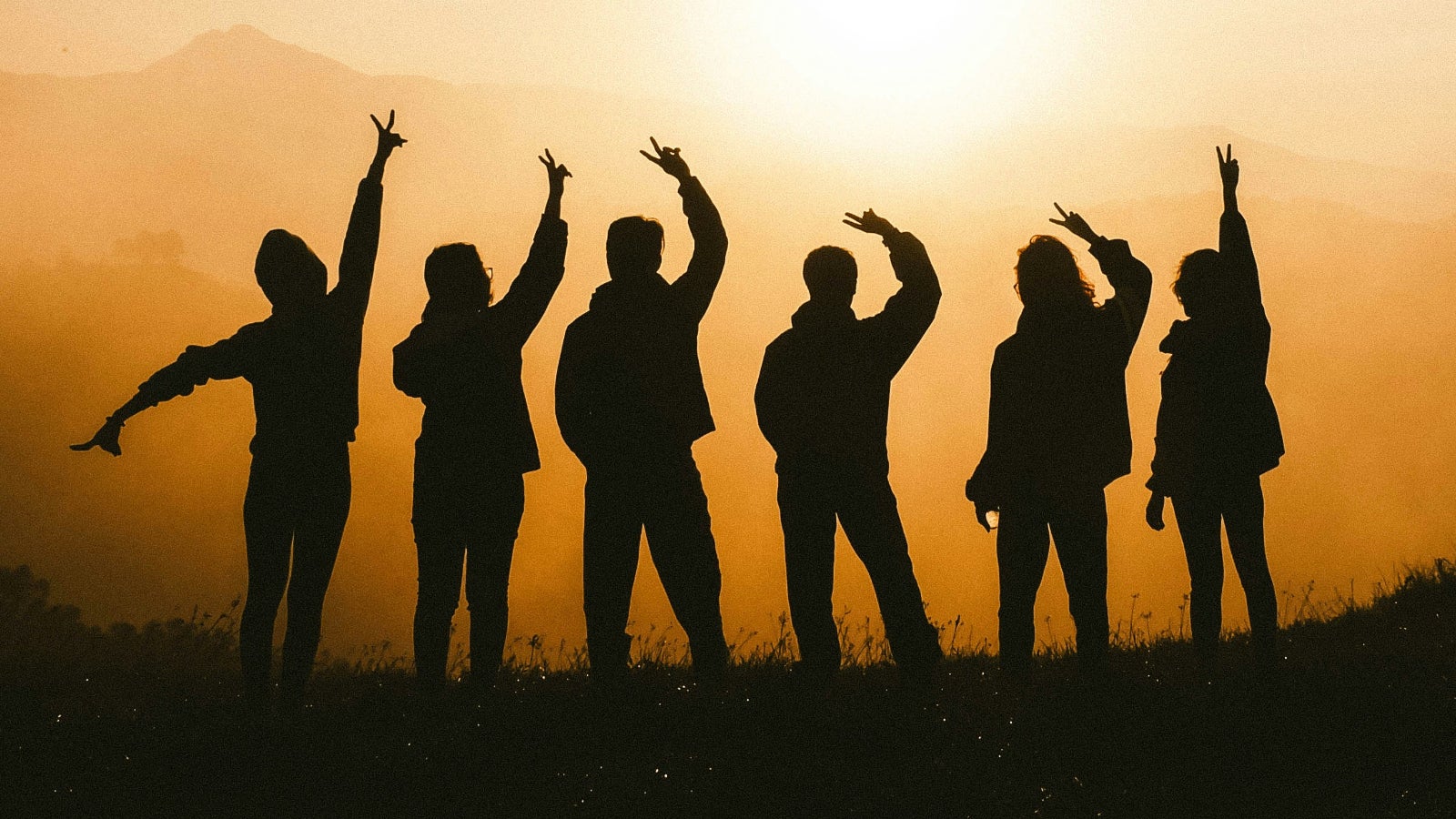
According to an Oxfam poll, loneliness doens’t just affect older generations – almost half (47%) of Gen Z, or those born between around 1997-2012, say they often feel lonely.
49% of those asked said the trend was down to a lack of social opportunity. So I was intrigued to read the responses to a post shared to r/GenZ, which asked other forum members to share “How tf to make friends”.
Advertisement
“I barely have any friends, and I commute to college so I don’t get the same social opportunities, and I don’t have a job ATM,” u/Shot_Veterinarian215 wrote.
“And I know lots of people meet online, but how are you supposed to turn that into an actual in-person connection and friendship?”
Here are some of the top responses:
Advertisement
1) “Don’t discount people older than you as potential friends.”
“The coolest people I know have always been older than me. Commonalities transcend generations. You probably have more in common than you realise.
“My most recent community of friends has been older people that I have connected with while regularly going to my local dog park.”
“I’ve found that a large part of friendship is mutual admiration, and it can be as simple as through hobbies,” u/Who_am_i_to_say_so agreed.
3) “You have to talk to people.”
“For an introvert like me, it’s an absolute nightmare, but that’s really what it is. Starting conversations based on small interactions.
Advertisement
“Becoming a regular at places also helps – like gyms, dog parks, and coffee shops. Join clubs, community theatre, sports, a pottery studio, etc. Go to meetups, community events, and free things.
“It comes very naturally to some people, and for others it has to be a very intentional process.”
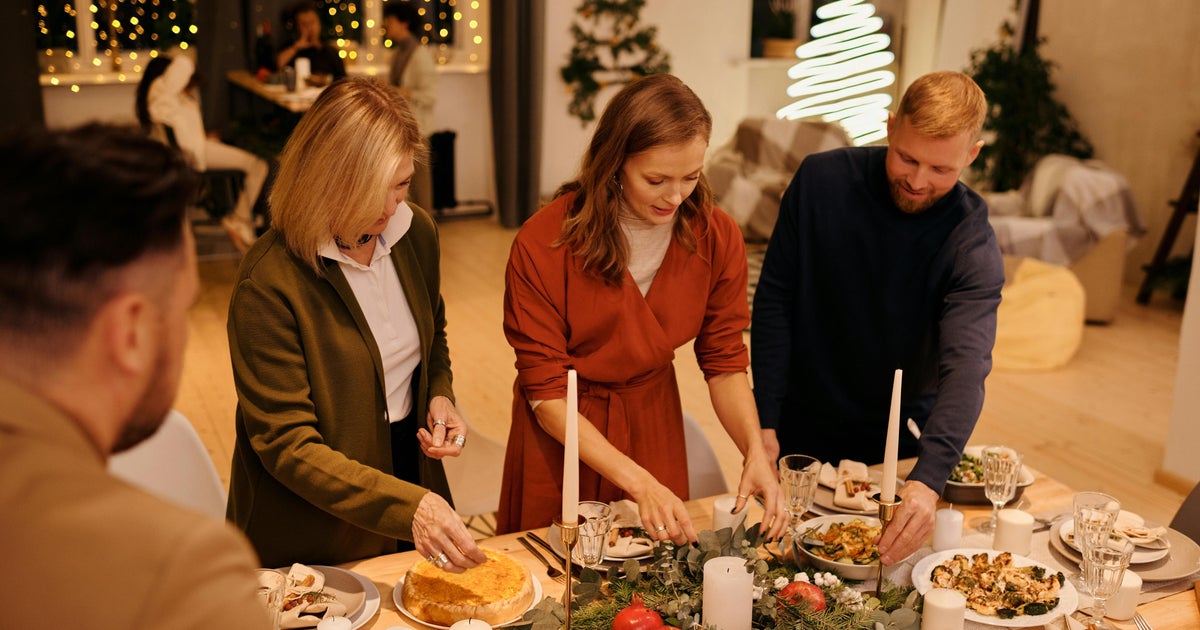
In a time when many of us are opting to create our own Christmas traditions, finding inspiration from around the globe to sprinkle into your own life could be just the festive magic you’re looking for.
After all, this is a celebration that happens in so many places internationally, why would you not want to invoke Christmas spirit in new (to you) ways that could even revive the holiday if you’ve been feeling a bit miserly in recent years?
Advertisement
Plus, you can brag about being cultured, a little Christmas gift to yourself.
How Christmas is celebrated in places around the world
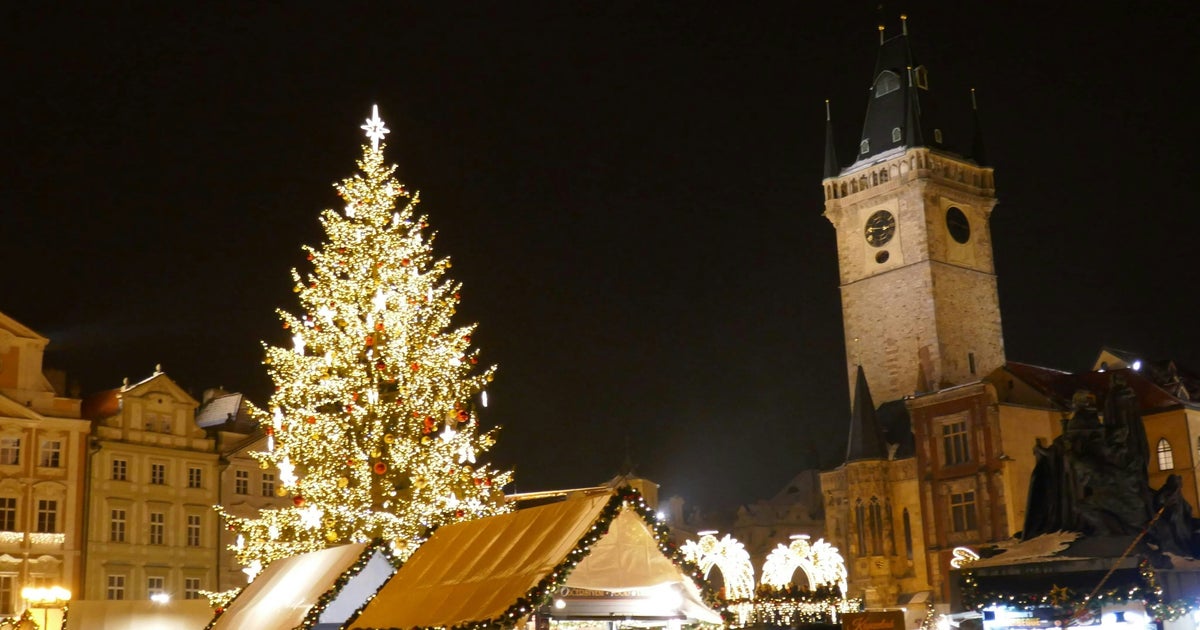
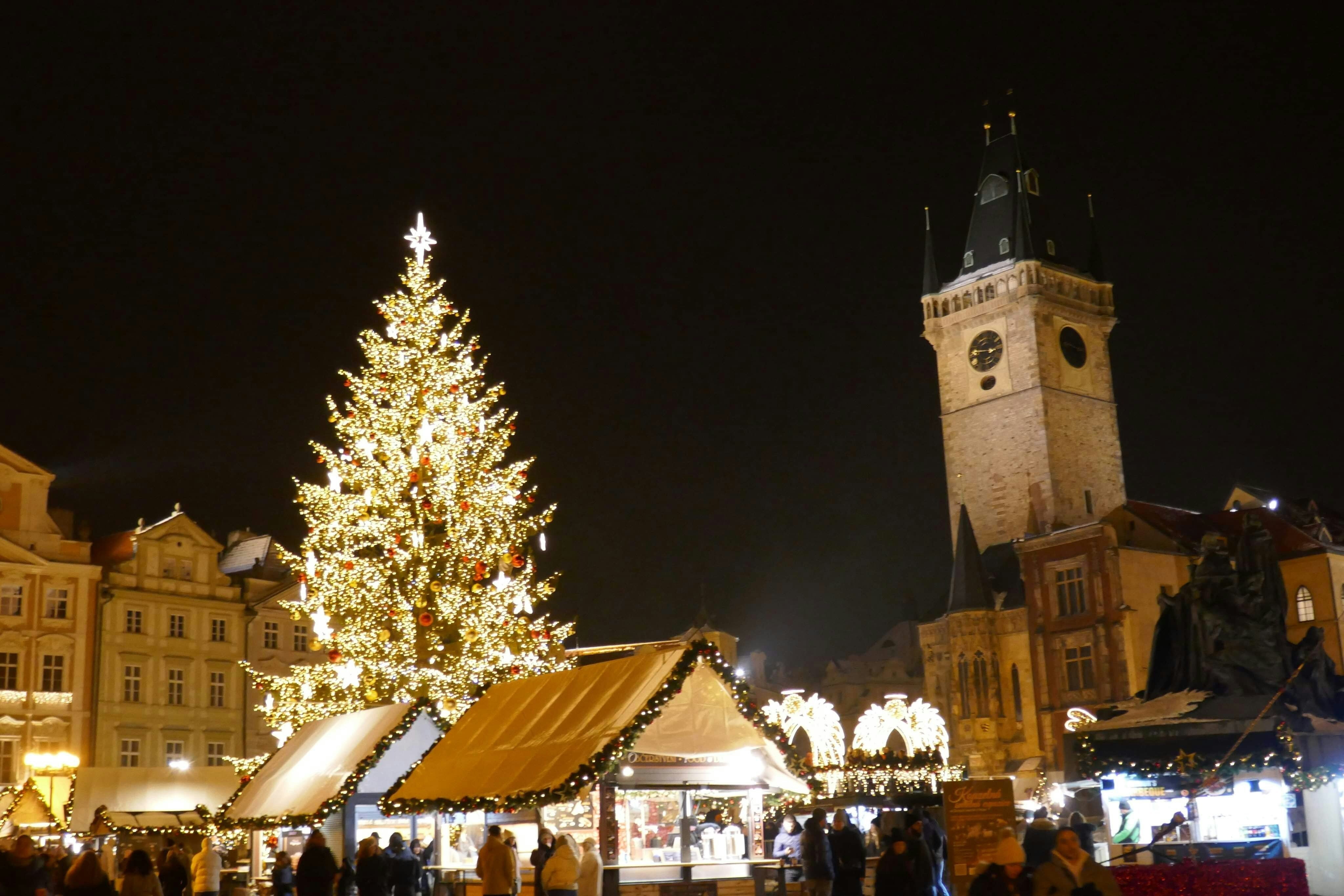
Ježíšek in Prague at Christmas
Prague City Adventures explains: “I have lived with Santa Claus visiting on Christmas Eve night since I could understand what a holiday was. No such fat jolly person visits here. Instead the gifts are brought by Ježíšek, or baby Jesus.
They went on to explain that though this sounds religious, Prague is largely atheist and this is real Christmas magic in action, adding: “Ježíšek is magic. He is the bringer of toys and fun though I suspect he also brings new underwear, something parents claim you need, and no one wants for Christmas.
“Under the Communist regime there was an attempt to replace Ježíšek with a Santa like figure known as Děda Mráz (Grandfather Frost) but he never had as big of a following as baby Jesus.”
Advertisement
Ježíšek also drops off gifts during Christmas dinner and rings a bell to let the family know that he’s finished, which I can only imagine results in a stampede of children racing to unwrap their presents.
Christmas Eve feast in Brazil
According to World Holiday Traditions: “Following [Christmas Eve mass], families gather for a traditional Christmas Eve dinner, typically served around 10 PM. The meal is a festive spread that reflects Brazil’s diverse culinary heritage.
“It usually includes roasted turkey, ham, various salads, and fresh tropical fruits. A signature dish is rice cooked with raisins, accompanied by farofa—seasoned manioc flour that adds a distinctive flavour and texture to the meal.”
Advertisement
KFC in Japan
Japan Rail Pass says: “Every Christmas, an estimated 3.6 million Japanese families get their holiday meal from none other than Kentucky Fried Chicken. Somehow this tradition is one of the most sacred and one that really embodies the Japanese Christmas spirit.
“The demand is so high that people start placing their orders for the special Christmas menu six weeks in advance. And the wait in line on Christmas day is so long that it takes hours for people to get their meal. In short, doing Christmas the Japanese way means a visit to the Colonel!”
KFC is closed on Christmas Day in the UK but you could definitely make your own at home…
Visiting ancestors in Finland
On Christmas Eve in Finland, cemeteries across the country are lit up with candles placed by people paying their respects to ancestors.
Advertisement
Speaking to This Is Finland, Risto Lehto, who manages six cemeteries run by the Parish Union of Helsinki said: “As many as three-quarters of Finnish families visit a cemetery at Christmas, mostly on Christmas Eve, and we even have to make special traffic arrangements to accommodate the crowds.”
For those who don’t have a loved one buried in the cemetery, there is a space for lighting candles in memorium for loved ones. A quiet moment of reflection before the chaos of the big day itself.
According to the World Health Organization (WHO), a total of 1.23 million people died from tuberculosis (TB) in 2024 (including 150 000 among people with HIV). Globally, TB is the world’s leading cause of death from a single infectious agent and among the top 10 causes of death.
Additionally, the UK Health Security Agency reported that in England, TB diagnoses increaseds by 13% in 2024 compared with the previous year, to 5480 people.
Advertisement
While in the UK, we are still just about under the WHO threshold for ‘low incidence’ status of the disease, these figures and similar trends in the US are a sign that progress has stalled and we’re no longer on the trajectory for ending TB.
Which is desperately sad as the disease is both curable and treatable.
Who is at risk of TB in the UK?
BBC Science Focus explains: “TB is closely tied to poverty and to the conditions in which people live and work. Crowded or poorly ventilated housing, homelessness, low income and health risks such as under-nutrition, diabetes, smoking and heavy alcohol use can all increase a person’s vulnerability.
“People in disadvantaged communities are more likely to be exposed and less likely to be diagnosed early, meaning that generally they suffer from worse treatment outcomes. Social stigma, gaps in health systems and misattributed symptoms can also further delay care.”
We all know that we could and should be doing more to help others but with busy work lives, busy home lives and attempting to make time for self-care, there often just aren’t enough hours in the day.
However, new research from the University of Texas at Austin has revealed that, well, a bit selfishly, helping others could also be the secret to helping our own long-term brain health.
Advertisement
This is essential as according to Alzheimer’s Research UK, 982,000 people are estimated to be living with dementia in the UK and this number is predicted to rise to 1.4 million by 2040.
Helping others could slow down brain ageing
The study, which followed more than 300,000 adults in the US over two decades found that people who consistently helped others outside of the home showed a slower rate of age-related decline.
This decline was reduced by 15-20% among those who either volunteered formally or helped in informal ways by doing things like helping neighbours, family or friends.
Advertisement
Notably, the most consistent benefit was found when people spent around two to four hours per week helping others. So, even a few hours one evening or an hour here or there could make a significant difference.
How to get started in volunteering
Reach Volunteering offers the following advice to those that have never volunteered before: “If you’ve never volunteered before, start with a time limited project, or a short-term commitment. This will give you a chance to try out volunteering and experiment with what works for you.
“Think carefully about what you can reasonably offer. Consider how much time you can spare, whether you can travel or if remote working would be best for you, and what sort of commitment you’re willing to make. Don’t overstretch: work out what you can confidently commit to and start there – you can always build on it later.”
I was only 8 when an older man first caught my attention. It was during “The Parent Trap” that I felt an illicit flutter when Dennis Quaid’s Nick Parker reclined, chest hair exposed, while Meredith Blake, played by Elaine Hendrix, sat on his lap, stroking the tuft of hair.
Throughout my adolescence, there was a rotating list of older men who caught my eye: George Clooney, Russell Crowe, and my parents’ friend Raúl, whose salt-and-pepper beard made me dizzy. I wanted a man who’d been around long enough to have stories — someone whose confidence I could run my fingers through.
The first time I heard his voice, I was hunched over a laptop at Frothy Monkey, a coffee shop in Nashville, the city where we both were living at the time.
“Want to join our book club?” he asked the server.
I turned and saw a man with silver-streaked hair sitting with an older woman with a brightly printed sweater, both of them smiling at the server. I approached their table to ask if I could join. The two of them — Christopher and Dorinda, I found out — were so excited to have a new member that they offered to let me pick the first book.
Every Thursday, we met at Frothy Monkey. We read books like “Migrations” by Charlotte McConaghy, “Planes Flying Over a Monster”by Daniel Saldaña París, and“Poor Things” by Alasdair Gray. We didn’t always have the same taste in books, but we could spend hours talking about them. I felt a pull toward Christopher after he helped me take my car to the shop when I got a flat tire. I knew he was older than me, but I wasn’t sure of his age. I only knew I left each meeting starving for the next.
Advertisement
Courtesy of Nicole Reed
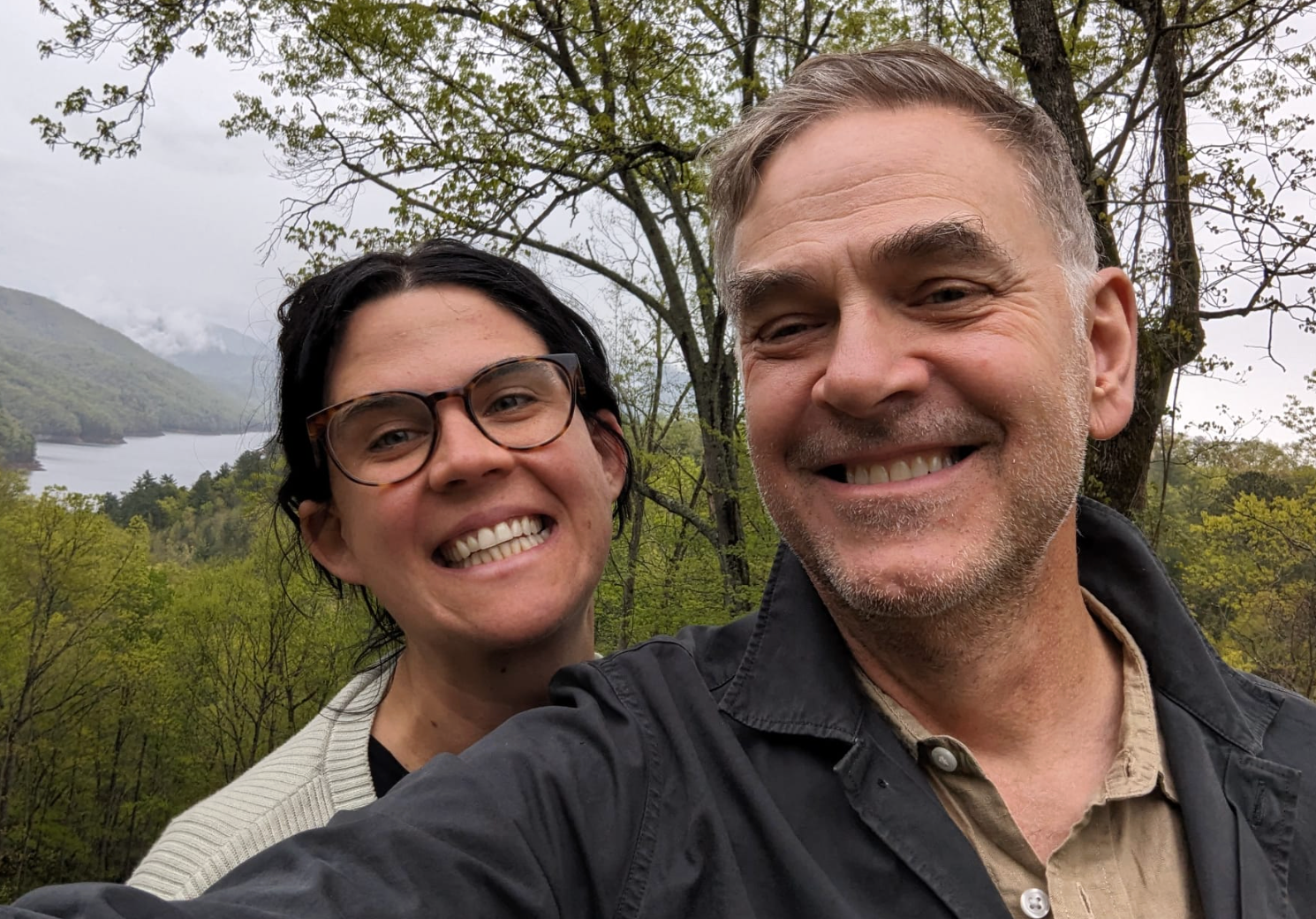
The author and Christopher on a road trip from Asheville, North Carolina, to Nashville.
I wasn’t actively seeking an older man, but, then again, I wasn’t necessarily seeking anything. I had dated men in their 30s and 40s when I was in my 20s. At the time, the age gap was too noticeable. These men either had young kids or they were fresh out of a divorce. I had been using dating apps at that time and my age range was set from 32 to 60, but I had little luck and decided to get off them. My friend Kelcey and I printed out date cards with brief bios and our phone numbers, and we passed them out at bars. We wanted a real-life meet-cute.
Around the same time, Christopher and I began to spend time together outside the book club, mostly dinner and drinks at his favourite restaurants. I always insisted on paying for myself — I didn’t want him to think I was looking for a sugar daddy (not that there’s anything wrong with that — it just wasn’t what I was looking for).
Advertisement
We had so much more in common than two people of different generations; we both had lived in Arabic-speaking countries, were in creative fields, and were very (very) anti-Trump. Christopher checked off traits that I wanted in a partner: well-traveled, artsy and liberal. But even though we had been spending a lot of time together, I couldn’t tell if we were heading to friends or flirtation. I was growing impatient and knew I needed to find out one way or another.
I invited him to my house for Thanksgiving for an intimate meal with my parents, cousin and friend. During dinner, I found out Christopher was actually in his 60s and that he had been married for 16 years. Was I shocked? Yes. But it wasn’t a deal-breaker. It excited me because it meant he wasn’t afraid of commitment — that was until my mom asked him if he would ever get married again, and he replied, “Hell no!” I couldn’t tell exactly what I felt for him yet, but when I heard him say that and I felt a twinge inside of me, I suspected I was falling for him.
Not long after, I decided to go on a weekend trip to Shaker Village in Kentucky and invited Christopher to go with me. I hoped being away from our everyday lives would give me the boost of confidence I needed to make a move and finally figure out what there was between us — if anything. We booked separate rooms, but as we were unloading the car and dropping off his bags to his room, I kissed him. There was no buildup: I simply walked over, wrapped my arms around his waist, and kissed him. He kissed me back.
Advertisement
“I was really hoping you would do that,” he admitted.
Afterward, he pulled out an additional key to his room and handed it to me.
The night we kissed, Christopher explained that I had to be the one to make a move because he respected me and wanted to make sure he was reading the signs correctly.
Courtesy of Nicole Reed
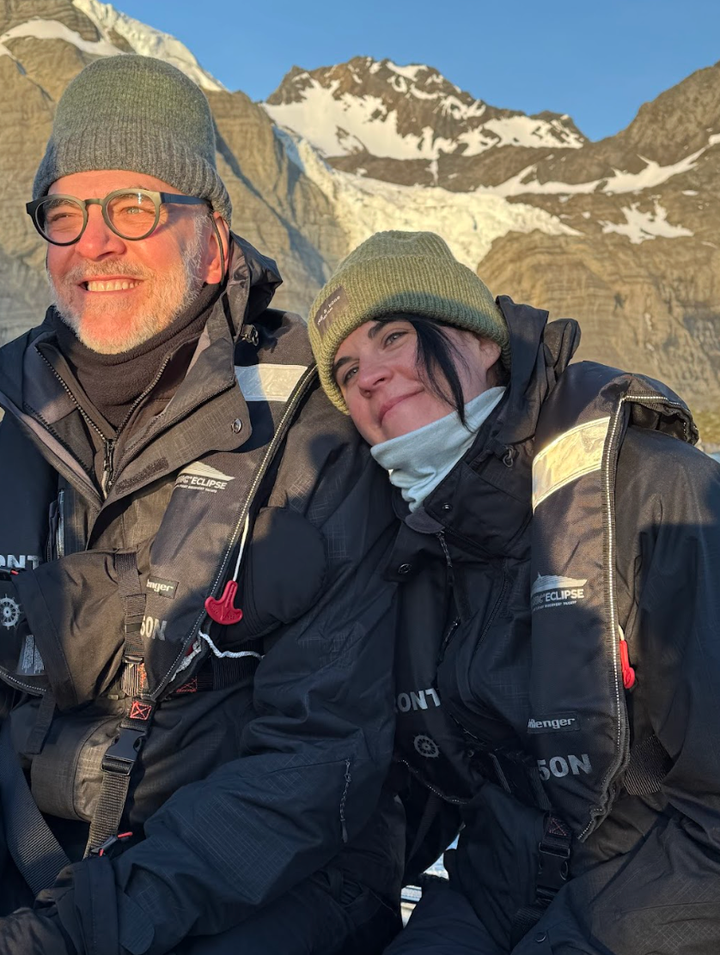
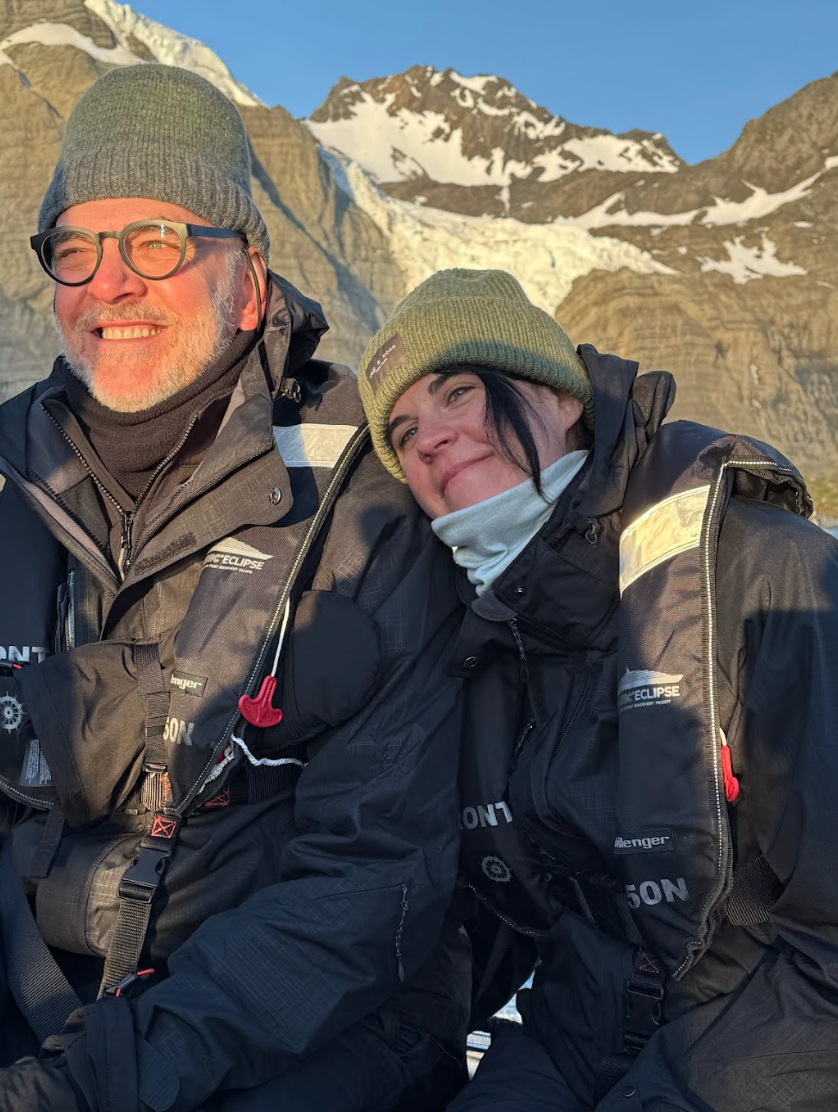
The author and Christopher at sunrise off of South Georgia Island.
I saw Christopher in a new way that weekend. He was the one who initiated conversations that others I had been with shied away from. I was no stranger to moving quickly in relationships, so when we cuddled up in bed the next night, I had every intention of having sex with him because I wanted to know if we were physically compatible. Before we were intimate, he asked me about STIs — something I’ve never had anyone do. We confirmed that neither of us was sleeping with other people. We left the weekend agreeing that if we were to go on dates with other people, we would be transparent about it, but neither of us saw other people after that.
Advertisement
Christopher was initially self-conscious about holding hands or kissing in public. He said women would give him this look, like how dare you take advantage of this younger woman? I never noticed. It didn’t bother me. Once Christopher saw how confident I was around him, he loosened up too.
My concerns didn’t stem from the knee-jerk pop-culture associations people often make the moment they learn I’m 28 years younger than Christopher. No, I’m not concerned that he’ll dump me for someone younger once I “get too old.” I know he loves me because I’m me, not because of how old I am.
My worries boiled down to longevity — in years and in novelty. At the age of 62, were there any firsts left for him to share with me? What would our future look like when he got older? Would the age gap be noticeable when it came to our hobbies and interests?
Advertisement
And though I have some anxiety about what happens when Christopher gets older, he isn’t the only one aging in this relationship. I, too, will go through changes, including menopause. Though he’s older than me, that doesn’t mean that he will necessarily die first — though statistically, he will — but ultimately, that’s not something I spend my time worrying about.
A few weeks after our first kiss, we were lying in a hotel bed in Denver.
“I almost bought a ring,” Christopher told me.
“I would say yes if you asked,” I told him.
“So should we … get married?”
In previous relationships, we both had played it safe. This time around, we were in love. We didn’t want to talk ourselves out of what we had. When I told my parents we were getting married — ideally in a few months — they were more worried. They said they weren’t uneasy about the age gap — even though Christopher is only five years younger than my dad — but the speed at which we were moving concerned them. However, as they spent more time with Christopher, their initial hesitation gave way to a realisation of how much we love each other and they gave us their blessing.
Courtesy of Nicole Reed
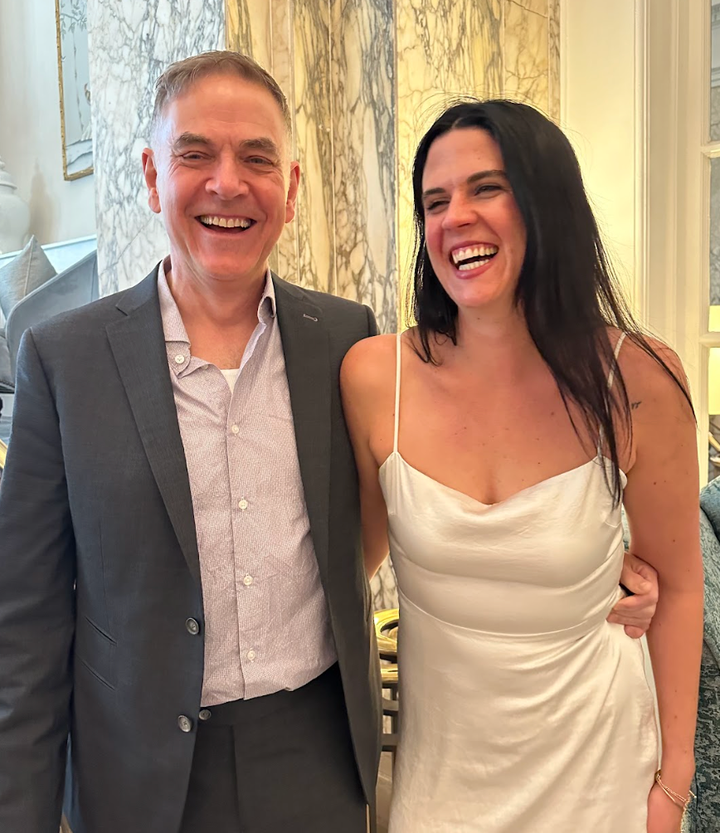
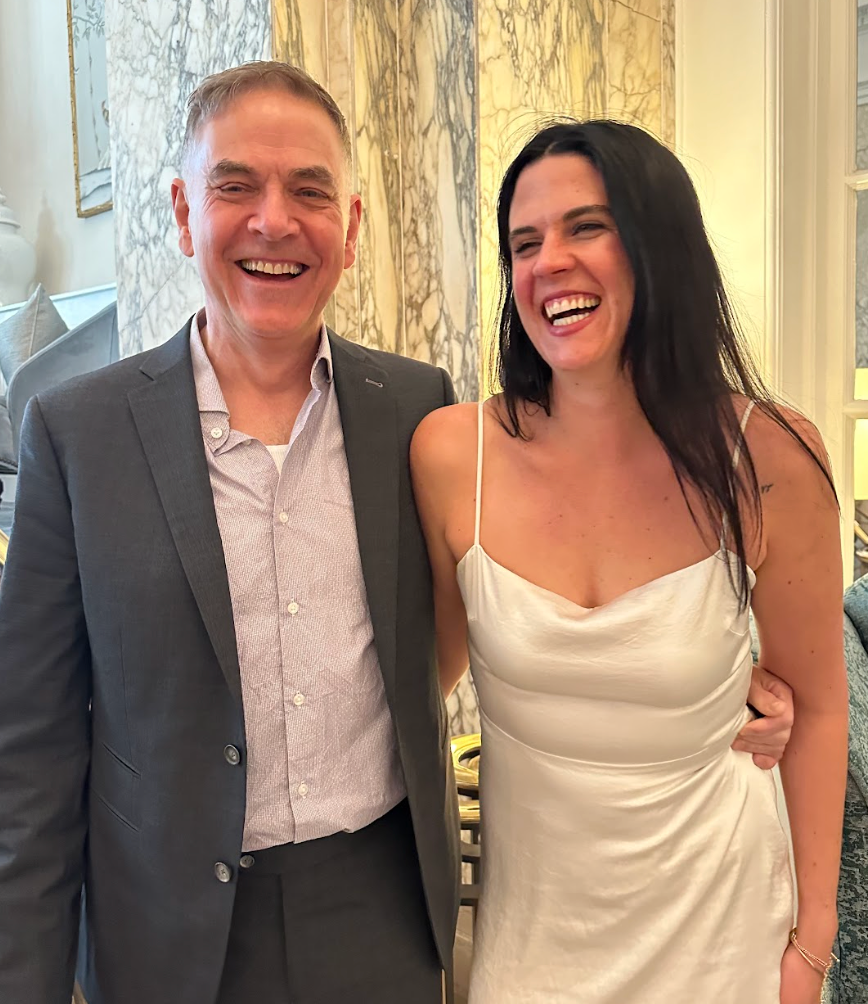
The author and Christopher in Nashville on their wedding day.
Advertisement
Not everyone was quite as supportive.
“Won’t it be weird bringing him around your friends? What if you decide you want kids? What’s it going to be like in 20 years?” My friend Kelcey fired off. She wasn’t the only one with questions. But others could see how happy I was and welcomed Christopher into their worlds. My friend Jessica and Christopher have the same music taste and bonded over bands I had never heard of. Drew chatted with him about politics while Christopher made silly faces at Drew’s 1-year-old son. My cousin and Christopher have inside jokes, like calling each other the wrong names, which was their lighthearted way of poking fun at my dad, who referred to Christopher as “Steven” for the longest time.
Before I met Christopher, I knew I wasn’t interested in having children, and he was happy with the three grown children he already had. We both loved what opportunities a child-free life could bring us: taking vacations whenever we wanted, not having an obligation to live in an any particular city, and extra income to spend on travel. He offered to get a vasectomy, and I happily got off birth control.
Being with someone older also means they’ve seen a lot. That time I needed to rush off the subway because I thought I was about to shit my pants? It didn’t faze Christopher a bit. When I got that bump on my ass and I didn’t know what it was, he took a picture and offered to pop it for me when it was ready. With people I dated previously, I often felt that I needed to impress them. I was self-conscious of my body. Early on, when Christopher and I were still new in bed together, I was on my period and he didn’t care.
Advertisement
Having a nearly 30-year age gap means we know different things. We have different passions and experiences. It’s not just him — the more experienced one — teaching me. I’ve introduced him to silicon instead of single-use bags, kink in the bedroom, and “Legally Blonde” (he has the “bend and snap” down). Christopher and I are both Virgos; we tend to be serious and care what other people think, but it’s much easier to play, to be silly, when you’re not alone. I told him the theory about how dogs look like their owners, and now we can’t pass a dog and their human without comparing the two. He’s taught me about brutalist architecture, introduced me to my new favourite kitchen tool, the mouli grater, and one of my new favourite podcasts, “The Ezra Klein Show.” Sometimes he’ll reference a film, and he’ll be surprised I never saw it, until he remembers I was 2 when it came out.
Courtesy of Nicole Reed
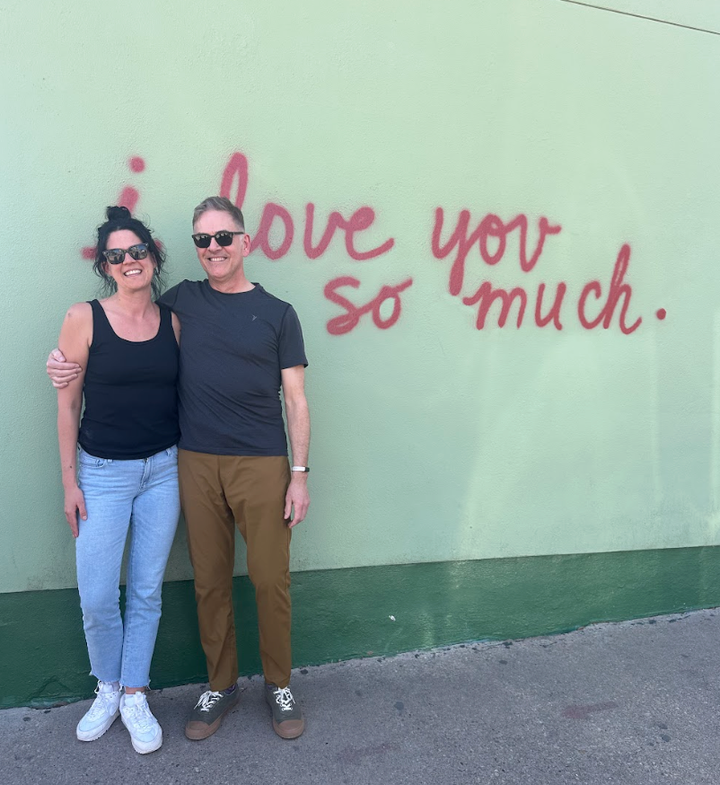
The author and Christopher in Austin, Texas.
Advertisement
We’ve had candid conversations about how our age difference could impact our sex life, what our financial future looks like, and balancing our life with my parents, who are also aging. Our therapist helped us map our short-, medium-, and long-term goals. We planned what we could by setting up a joint banking account, making a will, and having weekly “state of the unions,” a designated time for us to discuss finances, weekly schedules, and anything else on our minds.
Since our marriage in March 2024, we’ve had to navigate a series of traumatic deaths — four in one year — the end of my parents’ 36-year-old marriage, and we’ve made a major move from Nashville to New York. Nothing has been too much for Christopher. He’s stuck by my side — not just because he’s already experienced it all, but because he loves me.
We’ve had so many firsts as a couple: the first time he ever used a vibrator on someone. Our first time visiting Antarctica. The first time either of us has lived in New York. I couldn’t believe that at 63 years old he had never had an apple cider doughnut. Turns out, there are plenty of firsts left for us to share. It took falling for someone much older to realise that time doesn’t make love more real — or less worth it. And age isn’t a reason to be afraid of falling.
Advertisement
Christopher often tells me, “I’ve never loved anyone the way I love you.” The same is true for me.
Nicole Reed is a Brooklyn-based writer. She is currently pursuing her master’s in happiness studies and working on her first-person essay collection that explores her marriage in relation to her parents’ gray divorce. You can read more of her work at www.nicolelouisereed.com.
The Edward Pola and George Wyle song says that Christmas is the “most wonderful time of the year” but when you’re having hot flushes from some of the ‘best’ parts of the season, it can suddenly feel like the most overwhelming time of the year.
Adrienne Benjamin, in-house expert nutritionist explains: “At Christmas we see the perfect mix of alcohol, stress, late nights, richer food, and drastic indoor and outdoor temperature variations, which can all nudge the gut out of balance.
Advertisement
“When the gut is under strain, the whole body can feel more uncomfortable and reactive, including the brain and blood vessels that drive hot flushes.”
Thankfully, Benjamin has shared her tips for getting through the festive season comfortably.
How to reduce menopausal hot flushes at Christmas
Central heating and overheated homes
Gone are the days when having a warm home felt ‘cosy’. Benjamin explains: “Warm indoor air is one of the most common hot-flush triggers as it raises core temperature quickly and it can be difficult to cool down in this environment.”
Of course, it’s not reasonable to expect your loved ones to endure cold homes in December. Instead she suggests: “Try lowering the heating slightly where possible, have a window open whilst cooking, and always have a glass of water at hand to sip when a flush starts.”
Advertisement
Crowded shops and busy venues
Yes, Christmas shopping looks very romantic in Love Actually and YES, Christmas markets appeal to many of us but these crowded spaces can be overly warm, elevating stress levels and cortisol.
Benjamin adds: “Sudden stress itself can trigger a hot flush, and stress also impacts gut motility and microbiome balance, which may make the body more prone to sudden flush ‘waves’ in menopause.”
She advises choosing quieter times to shop, taking breaks outside or chjilling in a cafe and adds: “stepping into cooler spaces during events can help the nervous system settle without needing to leave the fun entirely.”
Advertisement
A lovely winter breeze will feel like BLISS.
Too many layers
While getting bundled into heavy coats and gorgeous thick scarves can be a treat, Benjamin warns: “Multiple thick layers can create a heat ‘lock-in’, especially when moving between outdoors and warm interiors.”
Instead, she says, wear breathable base layers and ‘easy off’ outer layers so you can adjust quickly rather than feeling trapped in rising heat. Yuck.
Shapewear and tight festive outfits
Gorgeous glittery dresses with sheer tights, isn’t this what Christmas parties were designed for? However, Benjamin says that tight waistbands, shapewear, and high-compression fabrics don’t just trap heat, they can compress the abdomen and worsen bloating, reflux, or gut discomfort.
Advertisement
You don’t have to hang up your dancing shoes just yet, though. Benjamin says: “Prioritise comfort, choosing looser silhouettes or natural fibres that don’t constrict the stomach, and allow the body to cool itself more effectively. ”
Extra caffeine in cold-weather routines
Whether you’re rushed off your feet, finding time to get coffee with friends or just warming up with more cups of tea and coffee throughout the day, Benjamin warns that caffeine can be a risk.
She says: “Warming coffee, strong tea, and seasonal hot drinks can stimulate the blood vessels to widen and increase blood flow triggering flushes, and may also increase gut sensitivity and discomfort, particularly in women who are prone to reflux or IBS-type symptoms in midlife.”
Advertisement
She suggests altering these drinks with herbal tea or water will help moderate stress signalling and digestive irritation.
Turns out the word “solstice” comes from a Latin term meaning “to stand still”. In the actual moment of the solstice, the sun lies exactly over the Tropic of Capricorn and appears to stall in the sky.
This event has been celebrated for thousands of years. Even the word “Yule,” which is used interchangeably with “Christmas” in many countries, has its origins in Jol, a pre-Christian solstice celebration held across northern Europe and Scandinavia.
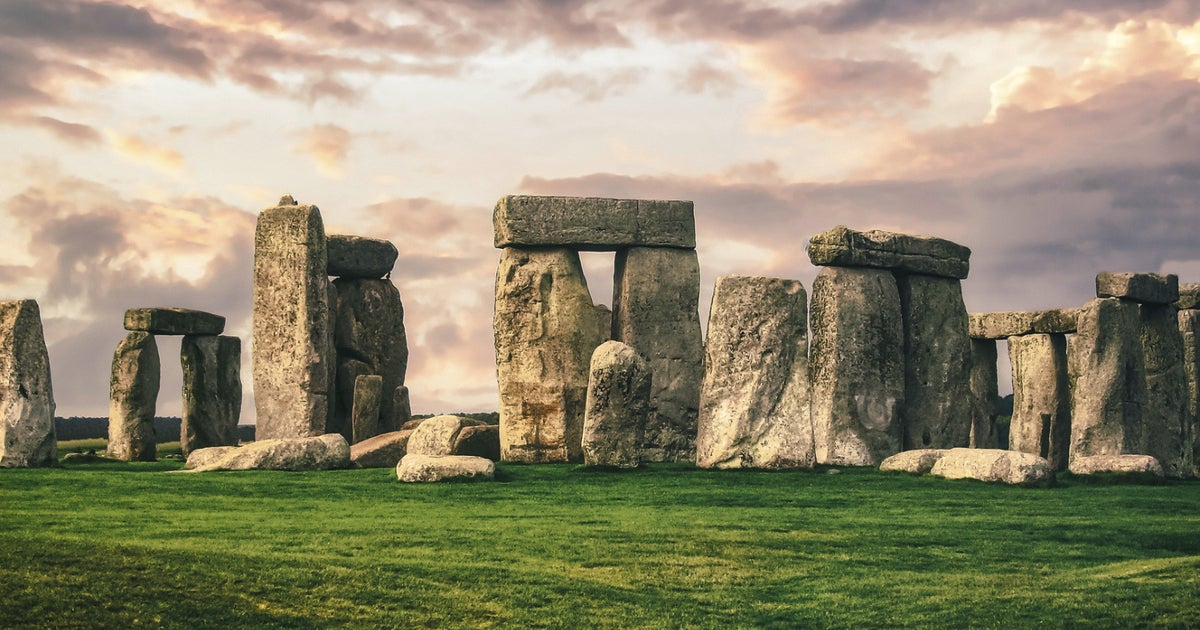
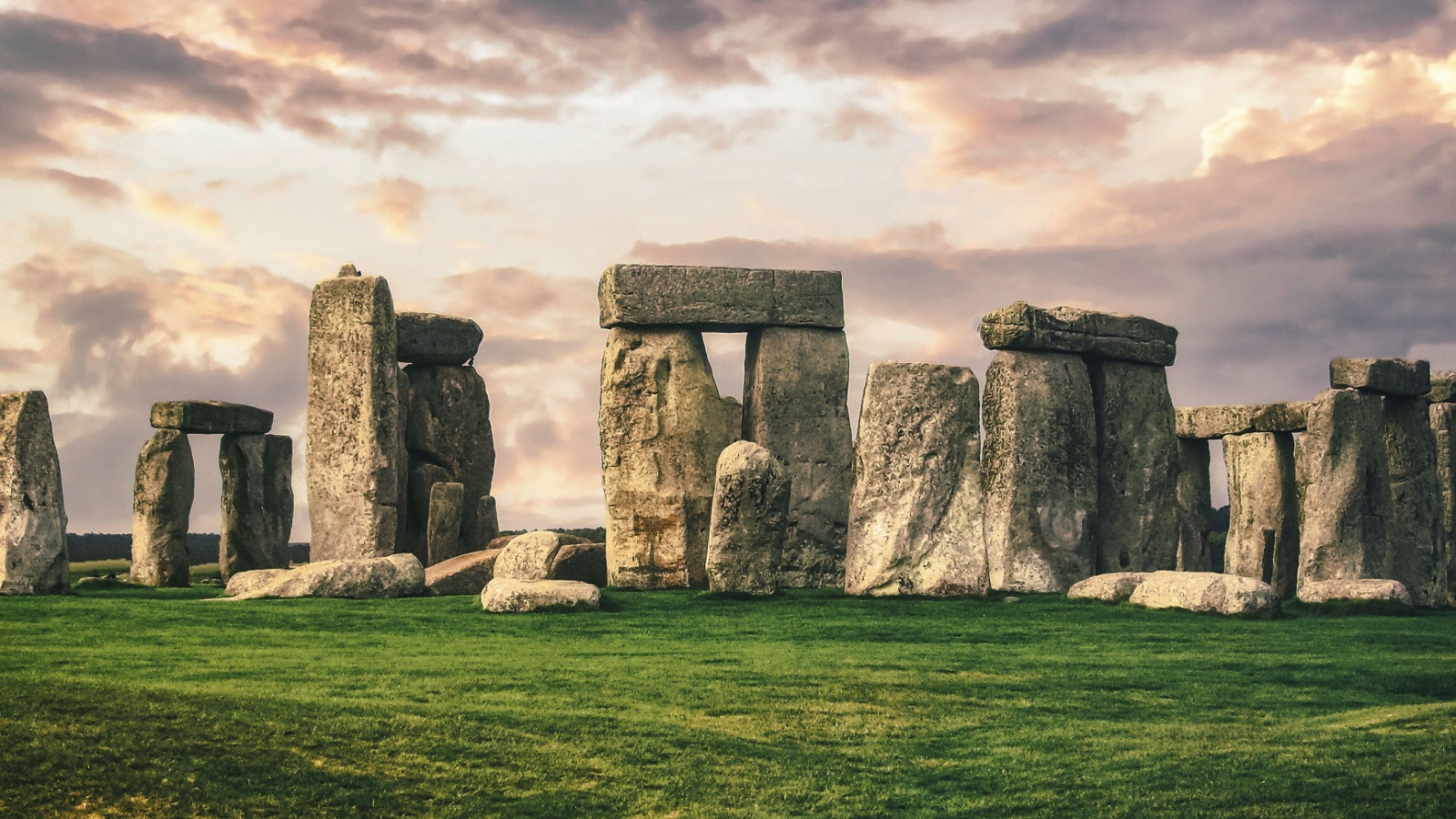
But if you’re not in the area, you can stream the moment the sun rises behind the monument’s “heel stone” and reaches into the centre of the ancient structure.
These are set to go live on December 21, with the YouTube one scheduled for 7:30am onwards.
Advertisement
2) …Or pick one of the many other viewing spots
Newgrange in the Republic of Ireland is an ancient burial tomb. Light hits the back of its passage every winter solstice, and while only those who win a lottery can see it in person on the day, the rest of us can watch the livestream on Heritage Ireland’s site.
Avebury, Glastonbury Tor, and the Calanais Standing Stones are also stunning sunrise locations for this time of year.
3) Light a log
The festival of Juul, which we mentioned earlier, used to involve the burning of an entire tree. That’s why we call it a “Yule log”.
Advertisement
If that seems a bit dramatic, though, try burning a log in your fireplace instead. And to truly stick to tradition, try keeping the log burning all day ― and use the ashes for your garden to encourage a bumper crop.
4) Eat tang yuan
The glutinous rice-covered dumpling is traditionally eaten at China’s Dōngzhì Festival, which celebrates the solstice.
One of the reasons people have celebrated the winter solstice for so long is because it signals the end of the darkest parts of winter. As a result, lights and fire are associated with multiple solstice celebrations.
Advertisement
Take part in the tradition by lighting a candle, if you like.
6) Feast!
Another common thread throughout traditional solstice celebrations? Feasting (and gifting).
And while this later became linked to decadent Christmas dinners, I reckon it’s as good a reason as any to tuck into that delicious fare early.
Confession: I love Christmas Dinner but I am deathly afraid of cooking it. I’m actually a great cook (if I do say so myself…) but the thought of spending almost the entire day in a roasting hot kitchen cooking and keeping up with timers etc is frankly unbearable.
I am wholly grateful to my lovely partner who takes on the duty every year as I swan about the living room reading my festive books and watching Christmas flicks on tv.
Advertisement
Don’t worry, I am the cook throughout the year.
This year though, I am determined to play more of a part in my festive feast and spoke with two chefs about what can be prepped and frozen ahead of the Big Day.
Which foods can be frozen ahead of Christmas Day
Robbie Smith, head chef at Glasgow restaurant Zique’s says: “There are plenty of things you can do ahead of time to make Christmas dinner feel a lot less daunting. Making your stuffing in advance is a big one. Roll it in clingfilm, freeze it, then simply slice and cook it on the day.
“If you’re making gravy, the stock can also be done well in advance. Roast your bones and vegetables, simmer, strain and freeze it, then bring it straight back to the stove on Christmas Day, adding the resting juices from your meat, of course.”
Advertisement
UM. Who knew?!
As for veg, he advises: “Braised red cabbage and roast potatoes are also ideal for prepping ahead. Parboil the potatoes, cool and freeze them, then defrost on the day and put them straight into hot oil in the oven.
“If I’m cooking Christmas dinner, I also like to have a batch of croquettes in the freezer, cooked straight from frozen, so people have something to snack on and are not constantly asking when the turkey will be ready.”
Snacking croquettes is definitely something I can get behind…
Danny Carruthers, head chef at Sebb’s advises that changing your choice of meat could help: “Beef is a brilliant alternative to turkey, especially if you need something that can be pre-cooked without losing quality.
Advertisement
“Cuts like beef short rib, feather blade or ox cheek are rich in fat and collagen, which means they really come into their own when slow-cooked or braised, and they reheat beautifully in the oven or even the microwave in small portions.”
As for vegetables, he suggests a good slow roast: “For veg, keep things whole or in large pieces and roast them slowly. You’re aiming for a deep, caramelised crust, which helps protect the veg when thawing and re-roasting.
“Think slow-roast carrots with plenty of butter and salt, or even those viral glass parsnips from chef Adam Byatt.”
Call me a hypocrite: even though I toss and turn when I sleep, I hate when my sausage bigs in their bacon blankets wiggle out of their salty duvets as they cook.
I’m always left with tough, rubbery rashers and half-burnt, half-pale sausages, neither of which taste anything like as good as their combined selves.
Advertisement
But executive head chef Aaron Craig at The Milner York said I may be “making Christmas dinner harder than it needs to be” – preventing them from bursting is simpler than you might think.
How can I stop pigs in blankets from splitting open?
It’s down to one factor, Craig said: your oven settings.
“If your pigs in blankets burst, it’s not the sausages – it’s the temperature,” he said.
“Once you’ve wrapped them, chill them. Pop them in the fridge for about 30 minutes or into the freezer for 10. It firms up the fat, so they cook evenly without splitting,” he explained.
Want even more delicious festive food? Try coating the pigs in blankets in a delicious dressing.
“Right before they go in the oven, brush them with a little honey and wholegrain mustard,” the chef said.
Advertisement
“You get a glossy, golden coating and a lovely sweet–savory kick.”
Any other tips?
Yes. The chef said gravies really complete the Yuletide meal, but too many of us rush the process.
“Most home gravies end up way too pale,” he said.
“If you want proper rich flavour, don’t rush the roasting stage. Get your onions, carrots, celery, garlic and any poultry trimmings really deep brown ― not just lightly golden. That colour gives you depth.”
After you add your stock, simmer it gently.
“And here’s a little chef trick: a teaspoon of soy sauce or Marmite gives it an incredible umami boost without making it taste any less ‘Christmas’. It just rounds everything out,” he added.
It is hard to explain what it is really like to work as a nurse inside a hospital. The experience is almost impossible to understand unless you have lived it. There is no real-world equivalent to a bad shift in nursing.
Most people do not understand how working three days a week can drain a person so deeply that they spend their days off unable to function. Or why night shift nurses sleep through almost their entire stretch of days off. Or why we cannot always be fully present for our families.
Advertisement
The answer is exhaustion — physical, mental and moral.
When I graduated, I knew nursing would be difficult, but I did not understand what difficult truly meant. My first medical-surgical job showed me immediately. Our ratio was eight patients to one nurse. The charge nurse, the person meant to be the extra support, also carried a full patient load.
Normal was med passes that took hours, often starting one round of medications before finishing the last. Normal meant having to push charting to the end of the shift, and hoping your documentation made sense when you were already 15 hours into a 12-hour shift. Breaks were rare. Getting to go to the bathroom was luck. There was no time to think, much less feel.
Early in my career, one of the most capable nurses I knew accidentally gave the wrong medication to a patient because she was drowning in the workload. Instead of asking what changes could prevent something like that from happening again, our manager asked me what I thought. I was a brand new nurse. I told the truth: The system set her up to fail. She has eight patients. No one can do this safely.
Advertisement
He looked at me and said, “If that is your opinion, you are never going to make it in nursing.”
I carried that moment with me for years. It was the first time I understood that in hospital culture, leadership said the right things about honesty and safety, but the reality did not match the words. Speaking up about real problems was treated as an inconvenience. Vulnerability was something you were expected to swallow. What mattered was endurance.
Eventually, I moved into paediatrics. The ratio was better, but it wasn’t any less intense. Children can look fine one moment and be critically unstable the next. Parents needed reassurance, explanations and someone to translate what was happening. It was a different kind of emotional work.
When the pressure mounted, communication was always the first thing to break. Once, a child went to surgery and never returned to the room. No one told the parents or the unit that the child had been transferred to the ICU. They waited quietly, expecting their child to come back until I told them their child was in intensive care and that we needed to go immediately. Under normal circumstances, someone would have updated them. It was another cut.
Advertisement
I asked leadership whether anyone was tracking these lapses. In every setting I had worked before, investigating what went wrong was standard practice. Leadership told me someone, somewhere, was handling it. It never felt like an answer.
So I moved into leadership as a house supervisor, where I could see the hospital from the top down. I believed that if I could understand the system at a higher level, maybe I could help fix what was breaking.
Instead, I learned how powerless we really were.
As house supervisor, I existed between two worlds. Floor nurses often blamed me for every gap in staffing. Upper leadership expected me to justify every instinct I had. If I believed a unit needed more help, even as I could feel the tension rising on the floor, I had to wake up a director in the middle of the night and explain why. Most of the time, the answer was no.
Advertisement
But the hardest part was not staffing. It was enforcing policies I no longer believed in.
People imagine a nurse quits after one traumatic night or a tragic patient death. That is not how it happens. Most of us enter nursing because we want to help people, because we believe it is our calling, because we think we can make a difference. What breaks you is not one catastrophe. It is the accumulation of moments when you knew what should have been done and were not allowed to do it.
There were nights when I had to walk into a room with security behind me and tell a family member they had to leave. Not because the situation was unsafe. Not because they were disruptive. But because the rulebook said they could not stay.
One night stands out more than any other. A parent begged me to let both of their children stay. One child had been admitted. The other could not be left alone. They pleaded for them to remain together. I called leadership and asked for an exception. I was told there were no exceptions.
Advertisement
I was placed in the position of having to enforce a rule that would separate a family in the middle of the night, with one child remaining in the hospital and the other sent home. That was the moment I knew I was not practicing nursing anymore. I was enforcing rules that made no human sense. Rules that hurt families. Rules that I could not find a way to defend.
Burnout did not hit me all at once. It settled into my body and refused to leave. I began experiencing chest tightness and hyperventilation on the drive to work. I had my heart checked, but I knew it was not cardiac. Panic attacks mimic heart failure. I had seen enough of both to know the difference.
I thought stepping into leadership would give me the tools to fix what was breaking. It did not. The panic worsened. That was when I realised I did not need a new unit or a new specialty. I needed a new life. Something quieter. Something more human.
Advertisement
So I left.
Photo Courtesy Of Melissa Main
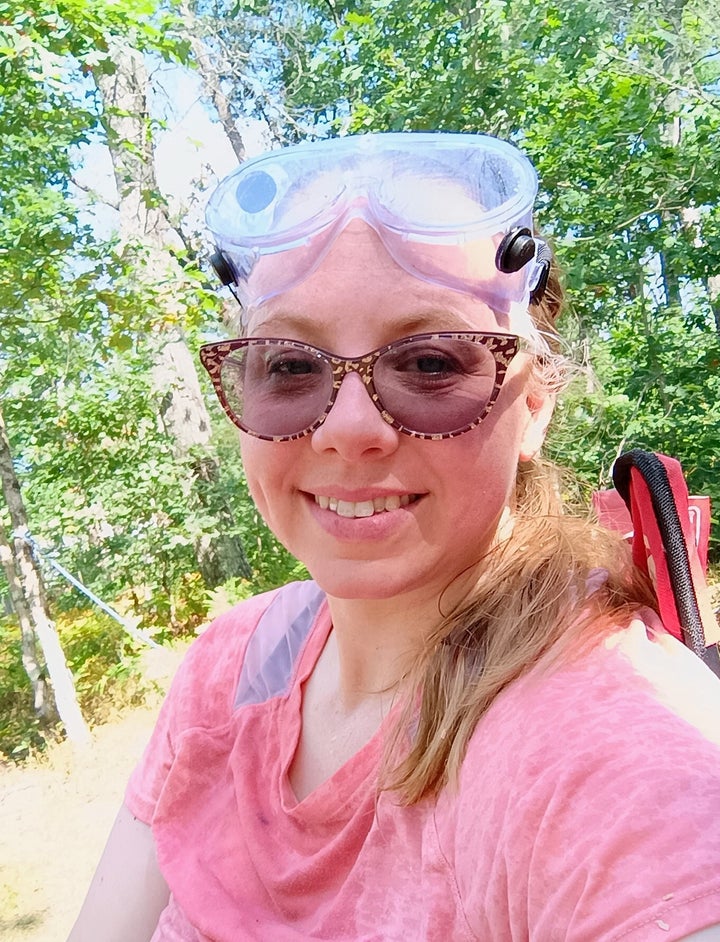
The author working outside in her new life.
Public health felt like the one corner of nursing where the stakes were not life or death every single minute. I moved to a rural county where many families lived off-grid, and I became the only public health nurse for the region. I imagined helping with water access, housing instability, food shortages and clothing needs. My family started our own life in Michigan in a camper, filling five-gallon jugs by hand and navigating limited heat and water, so I understood the community.
But even in public health, the work was limited by funding and politics. Instead of addressing big problems, I found myself focused on vaccines, birth control and disease contact tracing. All important, but much smaller scale than the work the community needed. Then the funding cuts began. Programs froze. Jobs were eliminated. Leadership reminded us every few months that no one’s job was safe, not even theirs. Instead of building long-term public health, we were waiting for the next round of layoffs.
Advertisement
Then the shutdown happened, and the writing was on the wall. How do you serve a community when the structure meant to support it is being dismantled faster than you can help? I realised I could not keep practicing nursing inside systems that were dissolving beneath me.
We say nurses “leave the profession,” but you never really do. I did not stop being a nurse, but I stepped to the side of nursing.
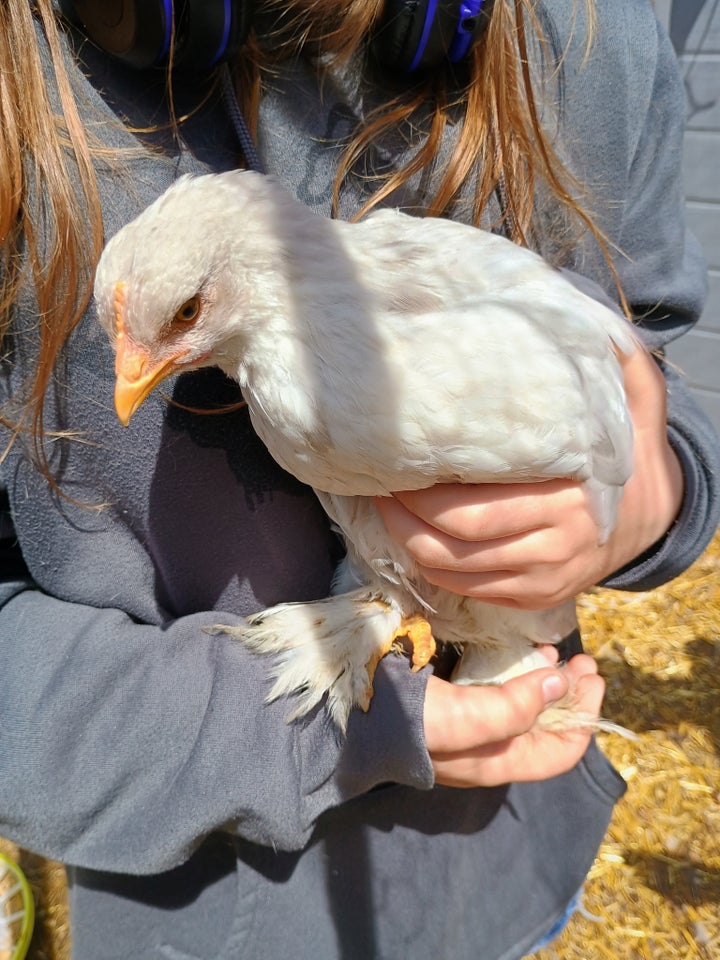
Out here in the woods, I began to feel like myself again. I wake with the sun. I tend to the animals who depend on me. Building a homestead was not only survival. It became a new way to serve. When I gather eggs or bottle-feed calves, I am reminded that even now, in small ways like giving free eggs to neighbours, I am building the kind of community I always wanted. A community where people support one another directly instead of relying on systems that continue to fail them.
Advertisement
Photo Courtesy Of Melissa Main
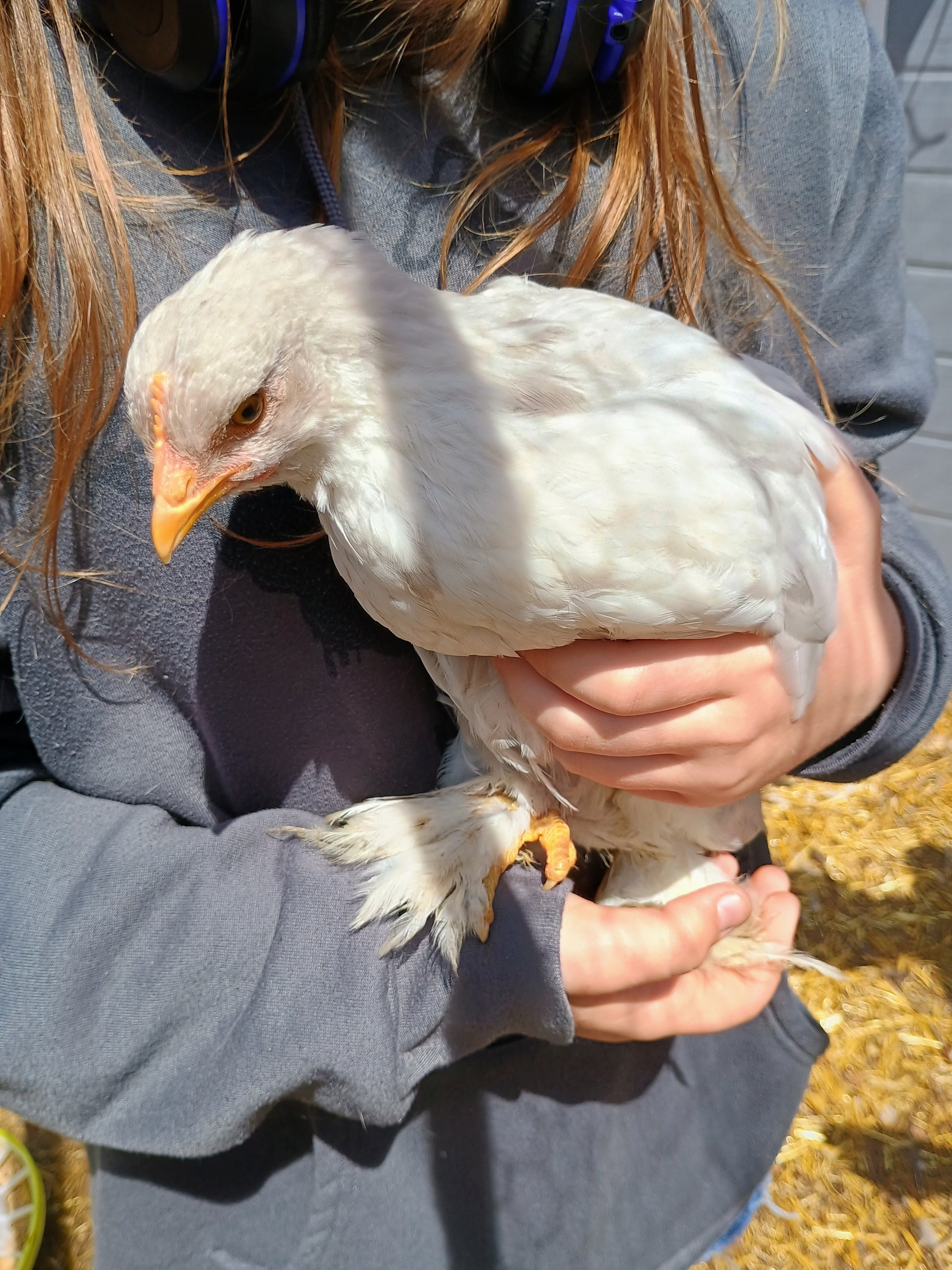
One of the chickens on the author cares for.
But this story is not about me. It is about the nurses still showing up every day to a system full of cracks they did not create but are expected to hold together. They deserve a health care system that cares for them with the same intensity they give to everyone else.
Instead, nurses across the nation are watching their profession be reclassified so that the education required for it is no longer considered a professional degree. The wording alone is in poor taste, and it lands like salt in a wound that nurses have never been given the time or space to heal. For many of us, it is one more reminder that the system does not value the work we do.
Advertisement
I have built a peaceful life, one that lets me breathe. But nurses should not have to leave the bedside to save themselves. Nurses do not need more resilience. What they need is support, respect and a health care system that gives them a reason to stay.