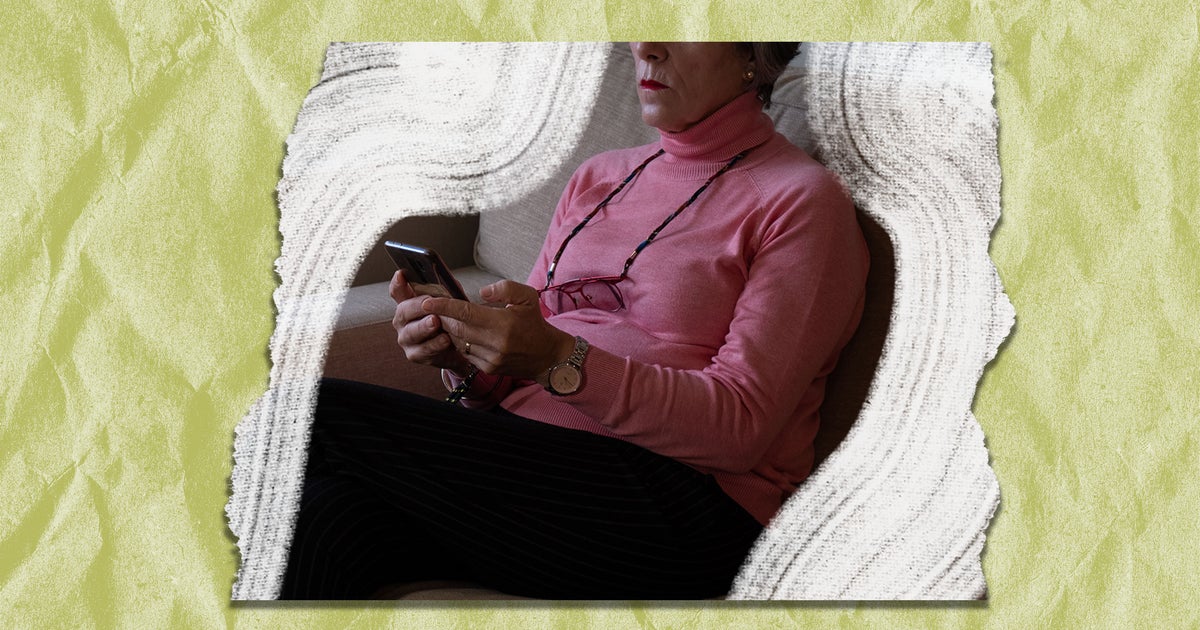
I’m A Mattress Expert — These 4 Signs Mean It’s Time To Replace Your Mattress

One of the biggest expenses when moving into your own home is a bed and mattress. Matresses are deeply personal purchases — finding one that fits your sleep style, your physical needs and those of your partner is a precise process — but unfortunately, it’s advised that we replace them every six to eight years.

Which frankly seems too often, given how much a good mattress costs.

However, according to Mattress expert Steve Adams, CEO of Mattress Online, there can be signs even earlier than this that your mattress needs to be replaced.

Four signs your mattress needs to be replaced

You’re waking up feeling stiff and achy

If you start your day with stiffness or aches that fade as the day goes on, Adams warns that your mattress might be to blame.

He explains: “Over time, our body and sleep needs may change meaning the mattress that was once suitable, may not be any more, this can lead to increased pressure points and discomfort.

“Poor sleep caused by a mattress which is unsupportive and does not meet our sleep needs can even lead to longer-term health issues if left unchecked.”

The mattress is sagging or uneven

It’s time to give your mattress a good look and ask if you can see any excessive sagging, lumps or indentations where you sleep.

According to Adams, these are signs that internal materials have broken down. He says: “Some materials will have natural settlement, such as fibres – but an extreme amount of sagging can lead to discomfort, high areas of pressure and speed up the degradation of other areas of the mattress, all which will make it harder to get a restful night’s sleep.”

Allergies are getting worse at night

Ugh, there is nothing worse.

If you have noticed that you are sneezing more often, your eyes are more itchy and sensitive or you are simply more congested when you sleep, it could be your mattress that’s to blame.

This is because over time, mattresses accumulate dust mites, mould, and other allergens that might be triggering your symptoms.

Adams advises: “If washing your bedding and using allergy covers doesn’t help, it may be time to replace your mattress altogether.”

Your mattress is making noise

Not only is this incredibly awkward if you’re doing the deed while others are home but a noisy mattress, particularly one that creaks or squeaks from springs is a clear sign of wear and tear.

Adams says: ” This noise suggests that the springs inside are deteriorating, compromising support and comfort. Swapping to a newer mattress with advanced materials could be the solution to both better sleep and a quieter night.”

Share Button

It’s Not Just You – Your Headphone Batteries Really Have Gotten Worse

We’ve written before at HuffPost UK about the fact that lyrics really do seem to have declined in quality over the past few decades.

But if you think that the devices you use to hear them with have also become worse since you bought them, science says you might be correct on that front, too.

In a recent paper published in the journal Advanced Materials, researchers looked at how wireless headphone battery life declines after leaving the box, by using imaging technology, infrared scanners and even X-rays.

They wanted to find out whether headphones which last for eight hours when they were new can only run for, say, six hours after a couple of years without needing a charging break.

Our suspicions aren’t unfounded, it seems ― the longer we own our battery-powered earphones, the shorter the battery life seems to get.

Why?

The scientists found that little structures in earphones like Bluetooth antennae, microphones and circuit boards can make the battery’s environment a little taxing (for instance, it can warm up one side of the battery but not the other).

Even temperature changes in our own lives, like going for a walk in the cold with our earphones in, risk slightly damaging the battery, the researchers add.

For that reason, the study says: “Conventional battery failure analysis in controlled lab settings may not capture the complex interactions and environmental factors encountered in real-world, in-device operating conditions.”

In other words, the batteries in your earphones weren’t tested for real-life conditions as they actually play out.

Wait ― how can you tell what’s happening inside a battery to begin with?

It’s a big ask, which is why the University of Texas at Austin team used some of the world’s most advanced X-rays for the job.

They worked with groups from SLAC National Accelerator Laboratory’s Stanford Synchrotron Radiation Lightsource, Brookhaven National Laboratory’s National Synchrotron Light Source II, Argonne National Laboratory’s Advanced Photon Source, and the European Synchrotron Radiation Facility (ESRF) to get their data, Science Direct reports.

Physicist Xiaojing Huang, who worked in the Brookhaven lab that collaborated with these researchers, told the publication: “Most of the time, in the lab, we’re looking at either pristine and stable conditions or extremes.”

“As we discover and develop new types of batteries, we must understand the differences between lab conditions and the unpredictability of the real world and react accordingly. X-ray imaging can offer valuable insights for this.”

Share Button

7 Signs Of Low Potassium To Look For And How To Add More To Your Diet

Low potassium is also known as ‘Hypokalemia’, and the health experts at Cleveland Clinic say: “Your body needs potassium to function correctly. It gets potassium through the food you eat.

“Hypokalemia is often caused by an excessive loss of potassium in your digestive tract due to vomiting, diarrhoea or laxative use.”

They also urge that if left untreated, Hypokalemia can cause serious heart rhythm problems and life-threatening paralysis may occur.

Probably best to stay on top of it, then…

The symptoms of low potassium to look for

According to Healthline, these are 7 crucial signs of low potassium:

  • Weakness and fatigue
  • Muscle weakness and cramps
  • Digestive problems, such as bloating and constipation
  • Persistent tingles and numbness
  • Abnormal heartbeat
  • Peeing more often than usual
  • High blood pressure

While it is a good idea to try and eat potassium-rich foods, Healthline warns that this likely won’t be sufficient to treat a deficiency, saying: “Mild to moderate hypokalemia is typically treated with oral potassium supplements. In some cases, a healthcare professional may also need to adjust any other medications or treat underlying causes, like diarrhea, vomiting, or eating disorders.

“A potassium-rich diet is usually not enough to treat hypokalemia, since most potassium in food is paired with phosphate, not potassium chloride. Hypokalaemia often also involves a chloride deficiency, so it’s best to treat both deficiencies with potassium chloride supplements.”

However, if you are looking to prevent Hypokalemia, there are foods you can eat…

Potassium-rich foods

BBC Good Food advises that the following foods are high in potassium:

  • Almonds
  • Avocado
  • Bananas
  • Beans
  • Cashews
  • Coconut water
  • Dried fruit (raisins, apricots, figs)
  • Oranges
  • Peanuts
  • Potatoes
  • Squash
  • Tomatoes
  • Yoghurt

The food and cooking experts add: “As it’s water-soluble, potassium is lost during boiling, so it’s better to steam, bake or stir-fry vegetables. In addition, food processing reduces the amount of potassium in many foods and a diet high in processed foods and low in fresh fruits and vegetables may lack potassium.”

Brb, need to stock up.

Share Button

Here’s How Alcohol Affects Your Cholesterol, And I Had No Idea

Did you know that healthy cholesterol levels can change a little by age?

They also differ by gender ― women usually have lower cholesterol readings than men, but this can change after menopause, which causes some peoples’ levels to skyrocket.

And while most of us know that fatty foods, smoking, and staying inactive can also put your cholesterol levels outside of the healthy range, I for one wasn’t aware how much of an effect booze can have on the metric.

According to cholesterol charity Heart UK, alcohol’s better-known toll on your liver can have knock-on effects on your heart.

How does alcohol affect cholesterol?

When we drink alcohol, it gets broken down into triglycerides (a type of fat) and cholesterol in our body.

Triglycerides can settle in our liver, which causes fatty liver if it happens too often.

In that case, Heart UK says your liver stops being as good at removing cholesterol from your system as it should be. That leads to higher cholesterol levels.

“Alcohol can lead to the combination of a high triglyceride level along with low HDL cholesterol,” they add, which may cause heart disease.

Over time, drinking a lot of alcohol can lead to high blood pressure too (this is sometimes referred to as a “silent killer” because it’s linked to heart health issues like cardiac arrest and stroke, but shows few symptoms).

Drinkaware adds that you can even develop a condition called ‘Holiday Heart Syndrome’, when you experience an irregular heartbeat following a period of binge drinking.

How much should I drink to prevent heart issues?

The Chief Medical Officers’ guidelines read: “to keep health risks from alcohol to a low level it is safest not to drink more than 14 units a week on a regular basis.”

If you do go over those limits, it’s better to do so over three or more days, they advise.

Drinkaware offers a test to see whether your relationship to alcohol may be unhealthy.

If you’re worried about it, seek help ― you don’t have to manage any concerns alone.

Help and support:

  • Drinkline ― call 0300 123 1110 (weekdays 9 am to 8 pm, weekends 11 am to 4 pm).
  • Alcoholics Anonymous (AA) ― available online and in-person
  • Al-Anon Family Groups offer support and understanding to the families and friends of problem drinkers. Alateen is part of Al-Anon and can be attended by 12 to 17-year-olds who are affected by another person’s drinking.
  • We Are With You is a UK-wide treatment agency that helps individuals, families and communities manage the effects of drug and alcohol misuse.
  • Adfam is a national charity working with families affected by drugs and alcohol. Adfam operates an online message board and local support groups.
  • The National Association for Children of Alcoholics (Nacoa) provides a free, confidential telephone and email helpline for children of alcohol-dependent parents and others concerned about their welfare. Call 0800 358 3456 for the Nacoa helpline.
  • SMART Recovery groups help people decide whether they have a problem, build up their motivation to change, and offer a set of proven tools and techniques to support recovery.
Share Button

8 Secrets About Flight Delays You Need To Know Before Your Next Trip

Flight delays are inevitable, but they can be incredibly frustrating.

If you don’t fly very often, you might think the situation is completely out of your hands, and you’ll wind up stewing in annoyance and uncertainty. But there are ways to reduce your risk of facing a flight delay or, at the very least, know when they’re coming, to make the experience less stressful.

We asked travel experts to share what many inexperienced passengers don’t know about flight delays and their advice for understanding the process. After all, knowledge is power.

You can track your airplane.

It’s useful to download the mobile app for the airline you’re flying to get notifications about gate changes and delays before they even get announced on the screen at the airport. But you can also use it to follow your plane’s journey ahead of its arrival at your airport and anticipate potential delays to your flight.

“In the app for your airline, you can often see specifically where the plane is coming from and if it is arriving on time,” said Ravi Roth, queer travel expert and “Gaycation Travel Show” host.

There are also a number of non-airline apps and websites that allow you to keep tabs on your flight and previous departures. All you need is your flight number, the airline and the departure date.

FlightAware and Flightradar are two of my favourites, and you are able to track where your flight came from and also where it is in that moment, which I think is so fun to be able to see your plane in real time,” said travel blogger Esther Susag. “Also, just simply checking the published flight status of the plane via a simple Google search can also be much more informative than you think.”

Earlier flights are less likely to get delayed.

“Later flights, which are relying on crew and potentially the plane itself from a prior segment, are more susceptible to be delayed,” said Adit Damodaran, an economist at the travel booking app Hopper. “In other words, an early flight getting delayed can have a ‘ripple effect’ in which subsequent flights are also delayed. We recommend always booking the first flight out if you can to avoid any impact of delays from earlier in the day.”

So if you hate flight delays more than you hate waking up at the crack of dawn, opt for a morning flight. Being able to track your plane can also be reassuring when you have a morning flight.

“If I wanted to fly from D.C. to Chicago tomorrow, I could book a 6:45 a.m. flight from Dulles and see that the plane will arrive from Los Angeles at 12:45 a.m.,” said Willis Orlando, senior product operations specialist at Scott’s Cheap Flights. “The plane is scheduled to arrive six hours before my flight, so even if there are mass delays, that plane ― or at least a plane ― will be there for me in the morning. Whereas, if I decided on a 1 p.m. flight, my plane would be arriving only an hour beforehand, and the odds increase that there might be a delay due to weather issues, staffing issues, mechanical issues.”

Of course, morning flights aren’t immune to delays and other problems. But even if something does happen with your morning flight or it ends up getting canceled, you’ll typically have many more options for getting to your destination on the same day ― whereas a cancelled flight in the late afternoon or evening often means having to go home or to a hotel and return to the airport the following day.

Flying nonstop also offers better odds.

In addition to booking a morning flight, you can also try to avoid delays by opting for nonstop when possible.

“Obviously you lower your odds of being delayed by flying nonstop because there are fewer flights involved,” Orlando said.

The nonstop option can cost more money, but you don’t have to go to as many airports and gates. You can also avoid worrying about missing the connection if your first flight is delayed. If you crave that peace of mind and can’t stand delays, paying a little extra might be worth it.

That being said, nonstop isn’t always an option. In those cases, you can be strategic about your layover choices with timing and location. Aim to give yourself at least an hour between flights. You should also try to connect through a city that has many flights to your final destination.

“Choose a route that’s offered several times in the day,” Orlando advised. “That way your chances of getting rebooked on another flight quickly are better.”

Factor the weather at hubs into your travel planning.

SimonSkafar via Getty Images

Factor the weather at hubs into your travel planning.

Paying attention to weather patterns can help.

Another way to stay on top of flight delays is to think about weather. This also plays into your choice of flight connections.

“If you’re flying cross-country on a major U.S. airline and have to make a stop, they have hubs in both warm and cold places,” Orlando explained. “So with United, you could connect through Chicago or Houston. The wise choice would be Houston in the winter to avoid the snow in Chicago and Chicago in the summer to avoid potential tropical storms in Houston.”

As your trip approaches, you might want to pay attention to weather patterns at your departure and arrival airports and along the flight route. Being aware of bad storms ahead of time can help you anticipate potential delays, especially around the holidays, when winter storms are a concern.

Weather issues in other parts of the country can also have a cascading effect on flights across the U.S., including places that aren’t directly affected. And, of course, weather isn’t the only cause for delays.

“Keep in mind that even in clear weather conditions, airlines can still face delays and cancellations as a result of disruptions to incoming flights, staffing issues, technical issues or other unforeseen circumstances, so don’t let clear skies stop you from being vigilant,” said Jen Moyse, senior director of product at TripIt.

You can check the on-time percentage for your flight when you book.

Federal regulations require airlines to share the on-time flight performance data on their websites. So when you’re scheduling your travel, you can usually see how frequently a given flight arrives on time. Understandably, you might want to opt for one with a higher on-time percentage.

If you can’t easily find that data on the airline’s website, there are other places that publish this information, including FlightAware and FlightStats.

The U.S. Bureau of Transportation Statistics website also offers statistics on airline and airport delays to give you a better picture before you purchase your ticket.

It’s important to know your rights.

Even if air travel makes you feel like a herded cow, you actually do have rights as a passenger. The Department of Transportation website outlines your rights during a delay at the airport or on the tarmac.

“Luckily there are rules tied to tarmac delays, or passengers stuck in a plane waiting on the tarmac,” Moyse said. “Airplanes are required to allow passengers to leave an outbound or inbound plane after three hours for domestic flights, and four for international.”

Passengers are also entitled to up-to-date information about their delays from the airline, so don’t hesitate to inquire about what’s going on if you feel it’s been a while since you heard an update.

You might be entitled to money.

“When I think about flight delays and common mistakes people make, I think about how many times people miss out on the chance to get money back or compensated,” Susag said. “Always, always look at the airline terms and conditions, because most of the time you can always find a way to get a large chunk of what you paid for back when your flight is delayed.”

Indeed, eligible passengers traveling in the European Union can be entitled to compensation for flights delayed three hours or more. Your travel insurance plan could also include compensation for delays of a certain duration, so check the fine print.

Susag also noted that airlines are obligated to give your refund in money rather than in miles or a credit with the carrier, so ask for cash if you prefer that option. Depending on the circumstances, airlines can also be obliged to cover expenses incurred due to delays or cancellations (like food and hotel accommodations).

Additionally, some travel rewards credit cards include trip delay protection, so you could get reimbursed for expenses that the airline won’t cover. If you booked your trip through a third-party travel planner, pay attention to the plan you chose. Apps like Hopper offer plans with compensation or free rebooking options for flights delayed more than one hour, for example.

Delays happen. Build in a buffer for important trips and don’t take it out on airport workers.

Sometimes travel stakes are high. You might be flying to your wedding weekend or trying to make it home for the holidays for the first time in years. In these instances, it’s helpful to build in a buffer to avoid having a delay derail your plans.

“Try to bake some flexibility into your schedule if you can, especially for Christmas and New Year’s holidays coming up,” Damodaran said. “It’s always a good idea to buffer an extra day or so, in case there are disruptions to your trip, to ensure you can make it in time for any holiday festivities.”

Delays are normal, especially in peak travel season. The days just before Christmas and New Year’s Eve are some of the busiest of the year, and the air travel industry is still recovering from staffing shortages.

“It’s been an unusual year for travel with flight disruptions and changing COVID-19 restrictions,” Moyse noted. “This has led to many heated interactions at the airport and on planes, and a rise in unruly passengers, which have impacted the overall travel experience.”

Whatever happens with your flights, taking out your frustration on airport workers will probably not make the experience more pleasant.

“Patience is key to managing the ups and downs of travel, as it will always be a little stressful to navigate schedules and crowds,” Moyse said. “Prepare for potential disruptions and pack a smile.”

Share Button

I’m A Surgeon ― Here’s Why Quitting Vaping Is So Tough

Vapes, which were originally introduced as a measure to help smokers give up ciggies, have proven a vice of their own to some.

Per a 2023 survey, 15% of occasional or one-off vapers aged 11-17 and 32% of regular vapers in the same age group said they’d never touched a cigarette before trying a vape.

Some of the products have been criticised by the government for marketing that they see as being aimed at children.

If you’re seeking to quit your vape pen ― which may be better than cigarettes, but which still contains addictive nicotine, and whose long-term effects haven’t been extensively studied yet ― surgeon, author, and lecturer Dr Karan Rajan says he has “some good and some bad news.”

Why is it so hard to quit vaping?

“The good news is that there are tools that you can use” to cut down on the habit, the doctor advised.

These include nicotine replacement therapy, prescription medications (like Varenicline), and sometimes therapy.

But, the doctor added that “the bad news is that these are all smoking cessation tools” ― in other words, they’re usually designed for people who smoke cigarettes, rather than vape users.

Indeed vapes themselves feature in the same list as other nicotine replacement options on the NHS’ site, as e-cigarettes were meant to be one such treatment for smokers to begin with.

“Whilst they may work for vaping too, this highlights the fact that there’s almost no high-quality research on how to quit vaping, specifically,” Dr Rajan continued.

Why is vaping so addictive?

The surgeon says that vaping is a slightly “different beast” to smoking, which is part of the reason why it’d be so useful to have more data on effective ways to give up e-cigarettes.

That’s because they’re “more habitual” than ciggies, Dr Rajan shared ― “with cigarettes, you light one, smoke it, and move on. With vaping, you can take a puff every few minutes, turning it into an almost unconscious reflex.”

Add that to the fact that you can vape in places you wouldn’t usually smoke and it’s no wonder vaping ends up “seamlessly integrated into daily life,” the doctor says.

That can make it “more challenging” to quit.

The sooner quality research can be done into quitting the pens, the better, Dr Rajan added, stressing that this “isn’t just a tobacco problem with a glossy finish ― it’s a new public health frontier that requires its own solutions.”

Share Button

‘I Chose My Dog Over My Boyfriend And Never Looked Back’

When I met Zoe, an 85-pound, deaf American bulldog with different coloured eyes, I knew she was my companion. Seeing her pumpkin-shaped head in my rearview mirror as I drove with her away from the Los Angeles rescue gave me a sense of, “There you are!” as though I’d found someone I’d been searching for for years without realising it.

When my then boyfriend — let’s call him Jax — met Zoe, he had the opposite reaction. “We can’t keep her,” he said, backing away from us toward our living room wall.

Wait, what? His words didn’t compute. Where I saw my sweet, furry friend, Jax saw a monster.

Through difficult conversations, I learned that Jax’s time in a community gripped by generational violence and dog fights led him to associate certain breeds with trauma. It didn’t matter that Zoe stayed calm around him.

Jax said he would try to make it work with Zoe, but couldn’t seem to stay in the house for more than one night with her in it. Within a week, it was clear that Zoe would never be welcome.

Jax owned the home, and I’d only recently moved in, so all I felt I could do was make sure Zoe had a safe place where she was welcome. I sobbed, driving her back to the rescue, and hyperventilated after. “If she ends up with no place to go, call me,” I’d pleaded with the rescue manager. “I would come back for her. I’d figure it out.”

Maybe there was a loving home waiting for her around the corner, I told myself. That thought did little for my heartache, but it kept me from falling apart completely.

Jax and I attempted to carry on, but our experience with Zoe seemed to shed light on our differences that now felt like incompatibilities. He needed things to stay spotless and orderly. I needed my own space to be creative, without stressing over any mess I might make. He enjoyed discotheques and nightlife. I prefer sunrise hikes and turning in early. When he told me he wasn’t yet ready to share my attention, even with a dog, I appreciated his honesty. Meanwhile, I wasn’t willing to sacrifice my independence. Or, I realised, not care for a dog.

“I think we rushed into living together,” I told Jax, which started a heated argument. The conflict strengthened my qualms. So instead of slowing things down, we broke up.

After weeks of searching, I found a guest house in my price range that allowed dogs, then contacted the rescue and learned that Zoe was still available. The news gave me a full body exhale.

“She’s protective and doesn’t always like men,” Zoe’s adoption materials read. Works for me, I thought, signing the agreement.

When Zoe met Mike, my kind, funny and brilliant-without-being-intimidating neighbour, she rushed toward him. I panicked. How protective was she? Rather than attack, Zoe placed her front paws on Mike’s shoulders, like a canine hug.

Within two years, Mike and I got married on the steps we met on. Our wedding party consisted of Zoe, Mike’s parrot Wombley, and our dear friends’ senior beagle Eunice Petunia. When Eunice rolled up in her pink stroller with our rings strapped to her back, I lost it.

The writer with her husband and Zoe on their wedding day.

Stefanie Keenan

The writer with her husband and Zoe on their wedding day.

I’m not alone in having chosen a pet over a partner. When I posted about my experience on social media, over 40 people responded with similar experiences.

Ashley, a school principal in Oklahoma, realized her two large, mixed-breed dogs may be a dealbreaker with her partner when an argument erupted over whether or not the dogs would be allowed on the bed once they all lived together.

“They were here before him,” she told me. “I wasn’t kicking them out of their bed!” Beyond that, he didn’t understand her responsibility to them. “He’d want me to impulsively take an overnight trip, without a sitter or boarding lined up, and get annoyed when I’d say I couldn’t,” she said.

She called it quits when her partner took a job in a rural town. “We would have lived over two hours away from our primary care veterinarian, and 1 1/2 hours away from any 24/7 veterinary emergency rooms,” Ashley said. “That was a hard no for me.”

Jeanne Cross, owner and licensed therapist at EMDR Center of Denver, has helped people navigate breakups related to disagreements about animals. “A pet can contribute to a breakup when disagreements arise about pet care, responsibilities or lifestyle compatibility,” she said. “One partner may want a pet-free home due to allergies or a demanding schedule, while the other insists on keeping the pet.” Conflicts can also arise when one person is “significantly more invested in the pet,” she added.

A pet may even give people the courage to leave a harmful relationship. T., an office employee in California who preferred to remain anonymous, was in a relationship that seemed healthy and happy at first. Over time, frequent arguments gave way to abuse by T.’s boyfriend.

On a smoldering, triple digit day, T. returned home to find a skinny, tick-covered dog that had recently had puppies, lying down under her boyfriend’s truck. He told her he’d known about the dog but ignored her, not even offering water.

“During my search for her owner and trying to get her to lead me to her puppies, my boyfriend said, ‘Just leave her alone,’” T said. “So eventually I had to call Animal Control to pick her up. When they were walking her to the truck, she turned around and looked at me, and my heart just broke.”

Besotted with the dog, T. decided to visit her at the shelter daily until she was spayed and available for adoption. Then, T. took her home. “I had never experienced so much happiness and joy,” she said of that day. “She very quickly became my heart-and-soul dog.”

T.’s boyfriend, who at one point threw garbage at the dog, soon became her ex. “I felt guilty and heartbroken for my dog being brought into that situation,” she reflected. “I hadn’t cared about my own well-being, but I cared about hers… She saved me from a horribly abusive relationship, and I will forever be grateful for her because of it. We saved each other.”

Relationship experts agree that choosing a pet over a partner can be the right decision. But there is a “wrong” motivation, according to Melissa Legere, a licensed marriage and family therapist and clinical director of California Behavioral Health: choosing the pet out of spite.

“If a couple breaks up and one of them insists on keeping the pet…just to hurt the other person, that’s not fair to anyone, especially the pet,” she said. “Doing this turns the pet into a pawn, which isn’t good because pets are supposed to be loved and looked after, not used as a way to get back at someone.”

Approached with genuine care, however, the decision has major benefits: “When you choose the pet, you put its well-being first and can make sure it’s in a stable, loving environment where its needs will come first,” said Legere. “Sometimes, this can be the most responsible and compassionate choice.”

Choosing a pet can also lead to strengthened self-compassion. Ashley, who parted with her ex two years ago, remains happily single. She’ll approach any new relationship differently. “One thing [choosing my dogs over a partner] taught me is that my ideal partner will value and prioritise the same things I do,” she said. “Someone that loves me shouldn’t be asking me to kick the canine loves of my life out of my bed after years of them sleeping with me, or to move somewhere that could leave them without [life-saving] veterinary care.”

The day of our wedding, Zoe started to limp. When a specialist revealed the cost of the surgery she needed, we looked at each other in agreement. Our honeymoon plans turned into a “Zoe-moon,” as we rehabilitated her in our living room for two months. All considering, I wouldn’t have had it any other way.

Share Button

I Cook This Simple Chicken Thigh Recipe Every Week And I’m Still Obsessed

I like to think of myself as a foodie, a home cook, a kitchen whizz if you will but, in the middle of the week when I’m tired and rushed off my feet, I’m more of a kitchen… wimp.

I just want to have a delicious, nutritious meal with almost 0 effort on my part and minimal cleanup, if possible. Is that really too much to ask?

Well, I thought it was until I stumbled upon this chicken thigh recipe one desperate night when I didn’t know what I wanted but I did know I needed to use up the chicken in the fridge and I’d had a hankering for honey for a while.

Listen, if nothing else, I always know I’ll be eating this through the week.

The chicken thigh recipe that saved my sanity

I came up with this myself so, for the most part, measure with your heart. Maybe measure a little with your heart health, too, let’s not go too hard on the sodium.

The ingredients I use are:

  • Soy sauce
  • Honey
  • Ginger
  • Lemon

I personally am intolerant to garlic but if you are blessed with garlic tolerance, I recommend throwing some in there, too.

First, grab yourself a bowl. Into that bowl, you should grate a nub of ginger, squeeze in some lemon juice, add a little honey and soy sauce. Mix all of these together before adding just a tiny bit of the oil of your choice.

Then, spread this mixture over your chicken thighs.

You can cook them straight away or leave them to marinade throughout the day (which is what I do).

To cook them, either use the air fryer at 190° for 20 minutes, turning halfway through or in the oven for 30 minutes or until juices run clear at 200°.

I usually serve them with basmati rice and some steamed broccoli and spinach with a little sesame oil.

Finally, if you have a little lemon juice and ginger left over, boil the kettle, add them to a mug with some honey and have a lovely, soothing drink while you wait for your culinary masterpiece to cook.

Share Button

Is Your Turmeric Actually Benefiting Your Health? Here’s What To Look For.

Golden milk lattes, turmeric face masks, turmeric pills and turmeric powder are everywhere, from social media advertisements to retail stores and shopping malls. You may opt for one, tempted by the promise of natural health benefits.

But before buying into any trend, it’s important to understand what the product is, what’s in it, how to consume it, and how it can benefit you specifically.

“Turmeric being called the ‘new’ superfood is a misnomer,” said New York-based registered dietitian Esther Tambe. “Turmeric has been around in many cultures for a long time, and we should respect that heritage and try to understand the what, why and how.”

But there’s more to the golden spice.

It’s All About The Curcumin

“If you’re turning to turmeric because you’ve heard that it can help fight inflammation, you should know that curcumin is the active ingredient that’s doing the good work,” said Carolyn O’Neil, a registered dietitian nutritionist and co-author of “The Dish on Eating Healthy and Being Fabulous!

However, curcumin content in most turmeric sold in the U.S. is only between 2% and 3% by weight, which means that the turmeric may have a deep yellow-orange colour and earthy flavor, but very little nutritional benefit. High-potency turmerics can contain upward of 7% curcumin.

Lakadong turmeric, also known as haldi, is a high-potency turmeric that contains as much as 7-12% curcumin — and you can always look at your turmeric’s label to see if yours is made with Lakadong (many brands use it).

When Ushma Patel and Malvika Mohan, the co-founders of Humble Origin Superfoods, were researching quality turmeric to source from, they turned to Lakadong. Grown only in the fertile land of Lakadong Village in Meghalaya, a state in northeastern India, Lakadong turmeric is the only one of its kind. Its higher curcumin level comes from the unique growing conditions and the genetic traits of the plant in this region.

“Lakadong turmeric is specifically grown for its medicinal properties, particularly its strong anti-inflammatory and antioxidant effects, making it more valuable for health benefits than regular turmeric,” Patel explained. Educating consumers about turmeric became paramount for the two women, who saw their own health improve by substituting Lakadong for the commercial variety of turmeric they had used most of their lives.

Cooking turmeric with fat will make it easier to absorb, according to experts.

Brian Yarvin via Getty Images

Cooking turmeric with fat will make it easier to absorb, according to experts.

How To Source And Store Turmeric

“Where you source the turmeric from makes a big difference,” confirmed Dr. Vrinda Devani, a board-certified obstetrician and gynecologist who is a practitioner at The Ayurvedic Institute in Asheville, North Carolina.

She recommends asking the manufacturer for a certificate of analysis (most good herbal companies will have one) that discloses the presence of any heavy metals or pesticides and confirms the quality of the turmeric.

Before buying turmeric, Devani said, she always checks the labels (single-origin, organic, GMO-free, sustainably sourced, ethically grown, etc.), visits the company’s website and looks at their values. Producers who are thoughtful in their sourcing should be able to answer those questions fairly quickly, but if they hesitate, that’s not a good sign.

Low-quality and discounted turmeric may be adulterated or contaminated with starch, lead chromate (to enhance colour) or synthetic curcumin, compromising purity.

“Also, many mass-produced turmeric powders lose potency over time due to poor storage (exposure to light, heat, and moisture) on store shelves for months at a time,” Mohan warned.

For best results, opt for fresh, high-curcumin turmeric like Lakadong and store it properly in dark, airtight containers to maintain its effectiveness. Devani additionally recommends purchasing herbs and spices from specialty stores rather than big box retailers, and from boutique brands such as Gaia Herbs, Banyan Botanicals and Organic India.

Store spices in a cool, dark place, like a cabinet or pantry, and away from heat, light and humidity to preserve potency.

Certain Foods Help Your Body Absorb Turmeric

In traditional South Asian cooking, turmeric and other spices are often sautéed with ghee or oil, not just for flavour and technique, but because the fat makes it easier to absorb the curcumin. She recommends balancing turmeric with another extract — piperine (a chemical compound found in black pepper and long pepper) for bioavailability, drinking preferably raw and whole warm turmeric milk at night, and sautéing turmeric in oil with vegetables, rice, quinoa and beans.

A turmeric latte, aka golden milk, contains milk to help your body better absorb curcumin.

Rocky89 via Getty Images

A turmeric latte, aka golden milk, contains milk to help your body better absorb curcumin.

Patel recommends a daily dose of a pinch of turmeric in the morning on an empty stomach combined with black long pepper and a spoonful of honey, coconut oil and warm water. Tambe tells her clients to use turmeric as a natural salt alternative to season food if they are trying to cut down on sodium.

The Truth About Turmeric Supplements

Many nutritionists recommend turmeric supplements if you can’t consume turmeric in its natural form. “Since turmeric typically contains less than 10% curcumin, it’s more effective to take supplements which may contain up to 95% curcumin,” O’Neil said. “Also, since curcumin is often hard for the body to absorb, it is recommended to choose a supplement that includes black pepper and take it with a meal or snack that contains some fats to help enhance absorption.”

Devani also warns against turmeric supplements that have low potency, filler substances or don’t contain activating ingredients (piperine, for example). Always check the labels for a list of ingredients.

Also be aware that you can risk consuming too much turmeric when taking supplements.

According to the Botanical Safety Handbook by the American Herbal Products Association, 8 grams (or 3 teaspoons) of extracted turmeric with a high concentration of curcumin (or pure curcumin supplements) per day is plenty. However, some people end up consuming much more.

“If you have gastro-intestinal side effects, liver or gallbladder issues, or are already on blood thinners or undergoing chemotherapy, turmeric can counteract and cause more harm than good,” Devani warned. It is best to consult your doctor or a dietitian about your eating habits and food-drug interactions before consuming supplements.

Even if you use high-quality turmeric activated with fat and piperine, it is important to be consistent. You won’t get immediate results from just a few golden lattes.

“It is important to understand that herbs and spices are not a cure for a disease, but simply an aid for better overall health. You can’t just take herbs alone and expect everything will be solved for you,” Tambe said.

When used in conjunction with eating well, exercising and maintaining a balanced lifestyle, turmeric can help enhance your well-being and immunity and help your recovery from ailments. A popular ancient Ayurvedic proverb says, “Without proper diet, medicine is of no use. With a proper diet, medicine is of no need.”

Share Button

The 1 Little-Known Factor That Could Affect Your Heart Health

There are a handful of things you probably associate with better heart health: regular exercise, a healthy diet and quitting smoking being some of them.

But did you know that getting out in the sunlight, and taking a daily vitamin D supplement in winter, could also work wonders for your ticker?

One study, using data from almost 300,000 UK citizens and published in the International Journal of Epidemiology, suggested having a vitamin D deficiency can cause inflammation in the body, which could then contribute to heart and circulatory disease.

And another, from the University of Leeds, found a daily dose of vitamin D improved heart function in those with chronic heart failure.

Dr Christopher Broyd, consultant cardiologist at Nuffield Health Brighton Hospital, told The Independent: “A lack of sunlight exposure can lead to vitamin D deficiency, which has been linked to higher blood pressure, inflammation, and an increased risk of heart disease.

“Safe sun exposure or supplementation can help maintain heart health.”

How much vitamin D is enough?

It’s worth noting that between April and September, sunlight and a healthy balanced diet is enough to meet most people’s vitamin D needs in the UK.

Foods rich in vitamin D include salmon, sardines, red meat, liver, eggs and some fortified foods like cereal and spreads.

Studies have found about 5-10 minutes of sun exposure on the arms and legs; or the hands, arms and face; two or three times a week is sufficient.

In the winter though, it can be harder to get enough sunlight to meet our needs.

The British Heart Foundation (BHF) suggests that between October and March the UK’s light levels aren’t strong enough, which is why it suggests a daily 10mcg vitamin D supplement. The UK government also backs this approach.

Babies up to the age of one need 8.5 to 10 micrograms of vitamin D a day, according to the NHS. Those on formula milk will already be getting this as their milk is fortified with the vitamin, however breastfed babies will need an additional supplement.

Here’s to a happy heart.

Share Button