I’ll be completely honest here: I know as much about plumbing as I do marine biology or rocket science (which is to say, next to nothing).
So when I told a friend “you know, I always think tap water is way colder in water,” I had no idea how to respond when she asked how I thought that’d happen.
Advertisement
An even more embarrassing admission; I’m not even sure where the reservoir that holds the water that runs through my sink is, or if it’d even be possible for the liquid in it to be affected by the weather.
So, I thought I’d ask Myles Robinson ― former boiler repair company owner and current CEO of UK Composite Doors ― whether I was losing it in the run-up to Christmas, or if this was a real thing.
So… Is tap water really colder in winter?
Yes, Myles says.
He told HuffPost UK: “tap water is definitely colder in the winter. It all comes down to a combination of factors, the water source, the pipes, and how they interact with the colder weather.”
Advertisement
“Most water systems draw from reservoirs, rivers, or groundwater. In winter, these sources naturally drop in temperature, especially in areas with freezing conditions,” he continued.
“Even groundwater, which is insulated by the earth, gets colder as the ground above freezes. So, the water entering your home starts off colder during winter months.”
If you’re thinking “wait, wouldn’t it warm up in the pipes?”, we were in the same boat ― but Myles has answers.
Advertisement
“Pipes running through unheated spaces, like basements, crawl spaces, or underground, are understandably more exposed to the colder air or ground temperatures in winter,” he explained.
“As the water sits in these pipes, it cools even more before reaching your tap. The longer the run of pipe from the main supply to your tap, the more pronounced this cooling effect can be.”
Does tap water get hotter in summer too?
I knew I wasn’t imagining lukewarm glasses of water in the colder months!
“Interestingly, in the summer, the opposite can happen. Heat from the air or soil can warm up the water in your pipes, making it feel less refreshing than winter’s icy flow,” Myles said. Huh!
Advertisement
By the way, if freezing tap water is bothering you, the home expert says there are steps you can take to get rid of the problem.
“If you’re noticing your tap water feels shockingly cold in winter, especially in older homes, you might want to check if your pipes are insulated,” he told HuffPost UK.
“Proper insulation won’t stop the water from being cooler—it starts that way from the source, but it can keep your pipes from freezing, which is a much bigger concern!’’
Poinsettias weren’t always a common Christmas flower in the UK ― but flower company Bloom & Wild say they became that way thanks to their festive colour and star-like shape.
So if you’ve got one in your home, chances are you’re trying your hardest to keep it fresh throughout the festive season.
Advertisement
Thankfully, David Denyer, an expert florist at Eflorist, told HuffPost UK that there are some surefire ways to accidentally kill your festive plant before it’d otherwise fade ― including some “people often overlook.”
What could cause an early plant death?
“Pests are a big issue that people often overlook. Aphids, whiteflies, and mealybugs are drawn to the fragile leaves of poinsettias,” David told us.
“If the leaves appear curled or feel sticky, it’s often a clear indication of a pest problem,” he added.
You can protect other surrounding plants by removing the affected plant from their area and treating it with insecticide or neem oil.
Advertisement
“Another comment problem is people often believe that yellowing leaves are solely due to overwatering, but in many cases, it could also indicate low light or a lack of nutrients,” David continues.
Poinsettias do need a bit of extra care in terms of nutrients, especially after they’ve been moved from one place to another or after Christmas. A slow-release fertiliser can make a difference in terms of overall health.”
How should I take care of poinsettia?
Even if you’re not worried about murdering your flower entirely, David has some tips for keeping it at its best.
Most of us over-water our poinsettia, he points out: “You have to focus on not letting the plant sit in water,” he stresses.
It’s an easy trap to fall into because people often water their poinsettias frequently, but they don’t check if the soil has good drainage. The plant’s survival is more about the quality of the watering routine than the quantity.”
Advertisement
Misting the leaves with water is a much better option than drenching the leaves ― you shouldn’t leave droplets on the bracts or they’ll “develop unsightly spots,” David warns.
You might want to move your plant from that spot by your window too, the flower expert says.
“Poinsettias are incredibly sensitive to changes, particularly temperature fluctuations. Avoid placing them near places where drafts or sudden warm air from vents can affect them,” he told HuffPost UK.
“The changes in temperature can be subtle but enough to cause them to shed their leaves.”
And “While they enjoy bright, indirect light, some people make the mistake of giving them too much direct sunlight, which causes the leaves to burn.”
While this is said to be the happiest time of year, with many of us putting up our Christmas decorations and enjoying a festive night out or two, it doesn’t quite have the same magic for those in poverty.
In fact, the latest government figures show that 159,380 children across England are spending this winter in temporary accommodation – the highest number on record.
Advertisement
A figure that is a 15% increase on last year.
Housing charity Shelter says: “The figures also show that there are 9,550 families with children stuck in B&Bs and hostels. Government rules say families should only be put in B&B accommodation as a last resort and only for a maximum of six weeks.
“B&Bs and hostels are considered some of the worst type of temporary accommodation as families are often cramped into one room, forced to share kitchens and bathrooms with strangers and where children have no space to play and are unable to have friends over.”
“They had cockroaches, mice, beetles, bedbugs and a bee infestation”
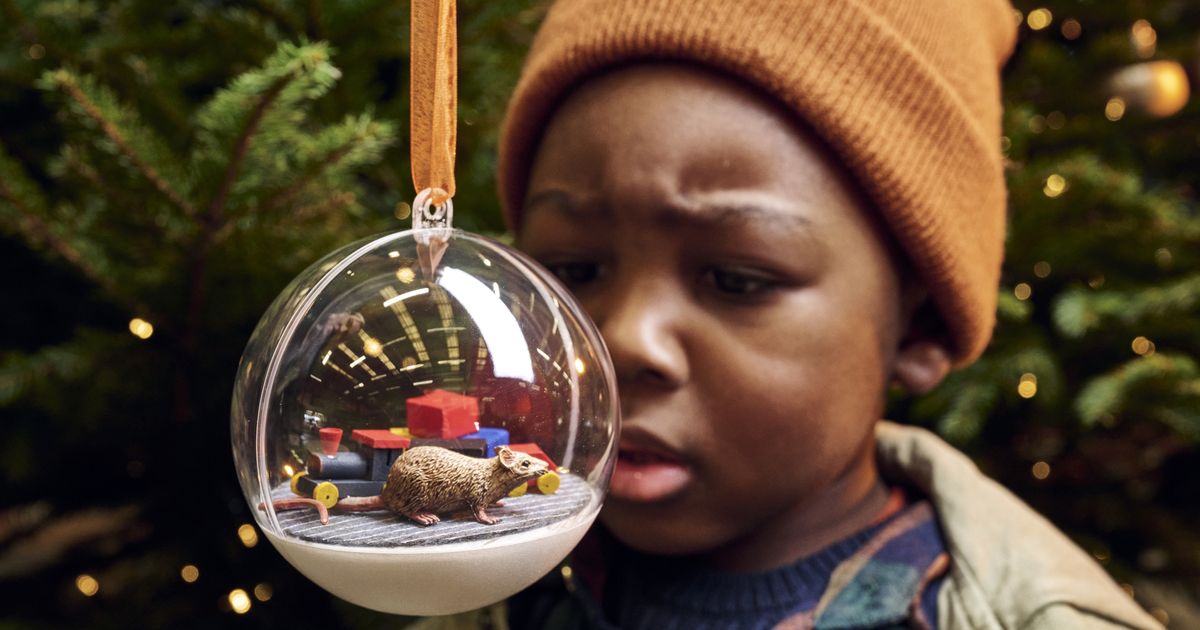
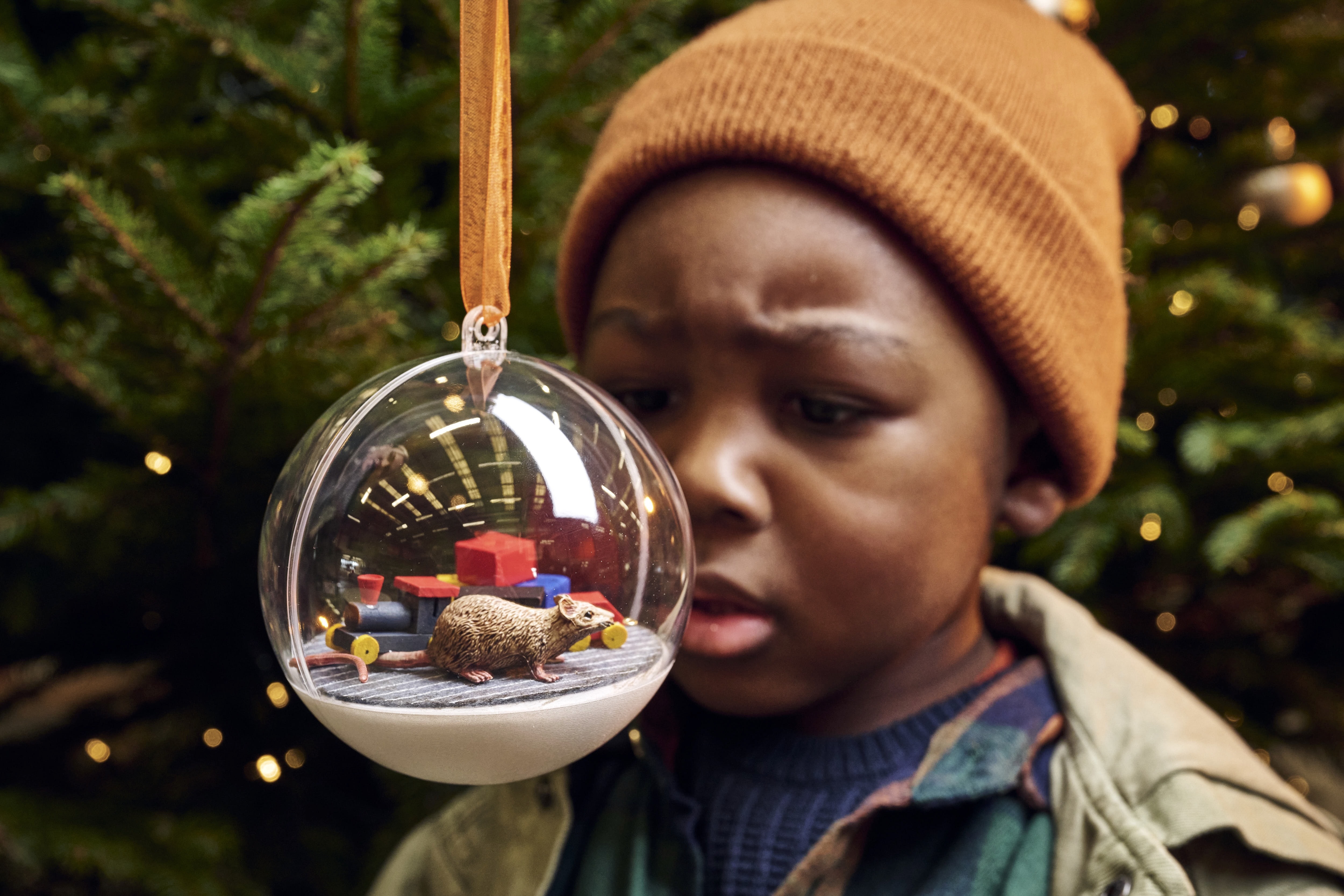
As part of Shelter’s collaboration with B&Q, people who have stayed in temporary accommodation shared their stories, which inspired a range of charity baubles.
Lauren, who was made homeless with her three sons says: “It was one room with one double bed and two single beds. It had a tiny fridge freezer, which kept defrosting and you couldn’t really store anything in it, and a microwave which was absolutely filthy, and we didn’t use”
Advertisement
Aimee and her two young children faced similar issues of cleanliness in their hotel room. She explains: “On the day we moved in we found old chips and ketchup stuck to the windowsill. They had cockroaches, mice, beetles, bedbugs and a bee infestation. The water came out of the tap a dirty colour and the toilet backed up.”
Sam and his family were actually placed in a flat but it was overrun with rodents and wasn’t fit to live in. He says: “We’ve got mice. We’ve got rats in the ceiling – running, fighting in the middle of the night. We had no electricity for two weeks, had no shower for about a month. It feels like I’m in a prison sometimes.”
Temporary accommodation is often unsanitary
Shelter’s ‘Living in Limbo’ report surveyed over 1,000 people living in temporary accommodation.
The report found that a devastating four in 10 reported problems with damp, mould or condensation, over a third had issues with insect or animal infestations and over half of parents say that living in temporary accommodation has harmed their child’s health.
“Utterly unacceptable”
Polly Neate, Chief Executive of Shelter, says: “It is utterly unacceptable that so many families will spend the festive season homeless and trapped in overcrowded, damp, unsafe temporary accommodation.
“Sky high private rents combined with a dire shortage of genuinely affordable social homes has caused homelessness to spiral and sadly it’s children who are paying the price. Too many are growing up sharing beds with siblings, in one-room hostels infested with cockroaches, bedbugs, and rats, in conditions that harm their health and futures.”
Advertisement
To find your nearest B&Q to purchase your tree and help donate towards B&Q and Shelter’s shared mission, visit their website.
We hope you love the products we recommend! All of them were independently selected by our editors. Just so you know, HuffPost UK may collect a share of sales or other compensation from the links on this page if you decide to shop from them. Oh, and FYI — prices are accurate and items in stock as of time of publication.
As Christmas draws near, I’ve been feeling the panic pretty much anyone who’s hosted a big dinner has experienced ― how am I meant to cook everything I need to when I’ve only got one oven?
Advertisement
Don’t get me wrong, I love my slow cooker (where I’m planning to make some spiced apple red cabbage on the day), and I’m not completely against steamed veggies.
But with Yorkies, stuffing, pigs in blankets, roast parsnips, spuds, and some kind of fowl in the mix, I genuinely started to lose sleep over how it was all going to come together.
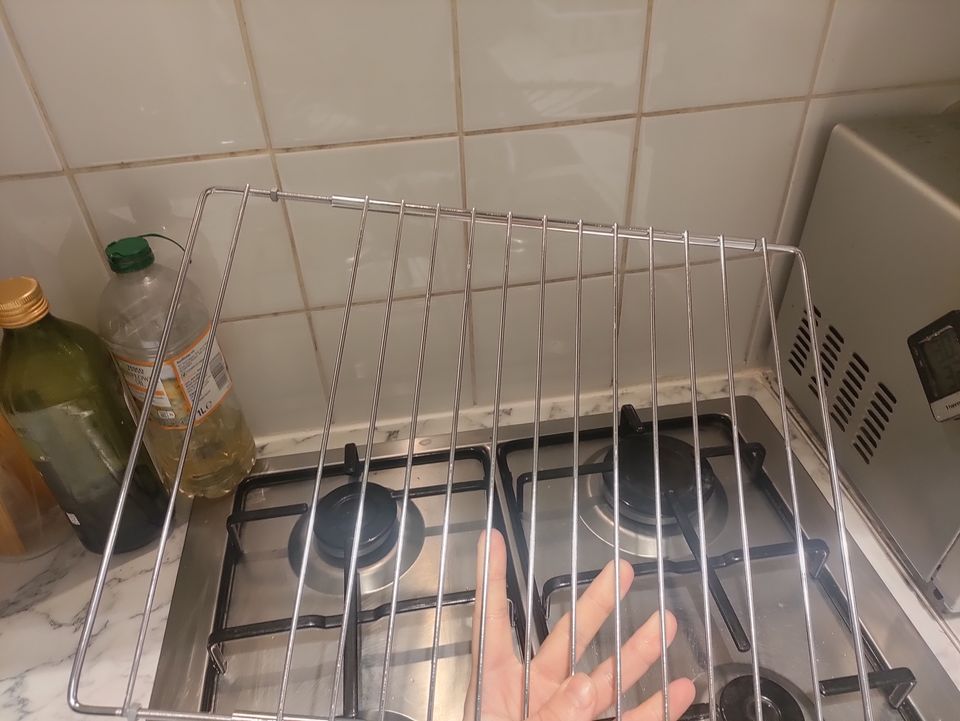
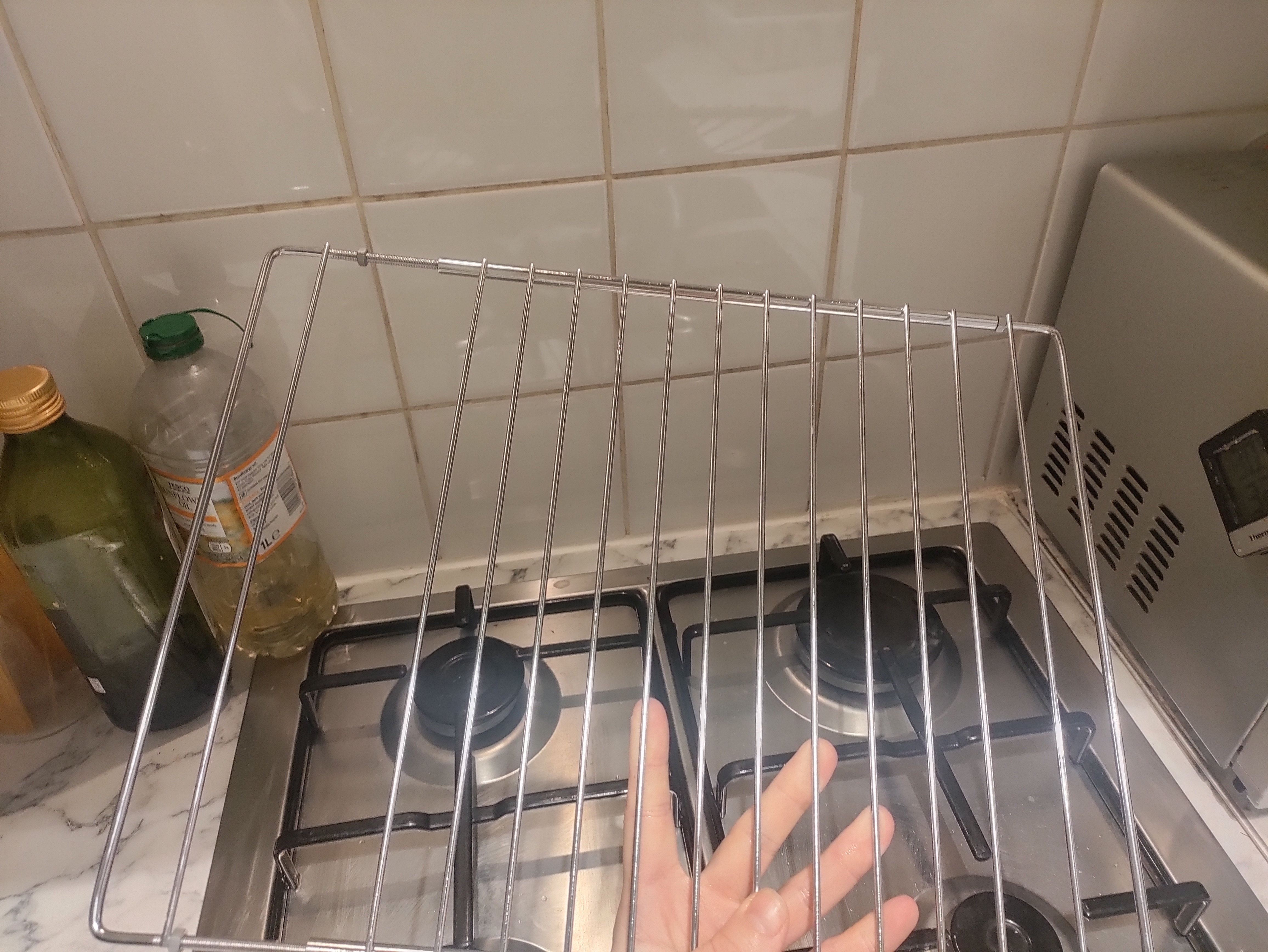
That was, of course, before I spotted this £12 universal oven rack from Amazon, which instantly made all my fears look ridiculous.
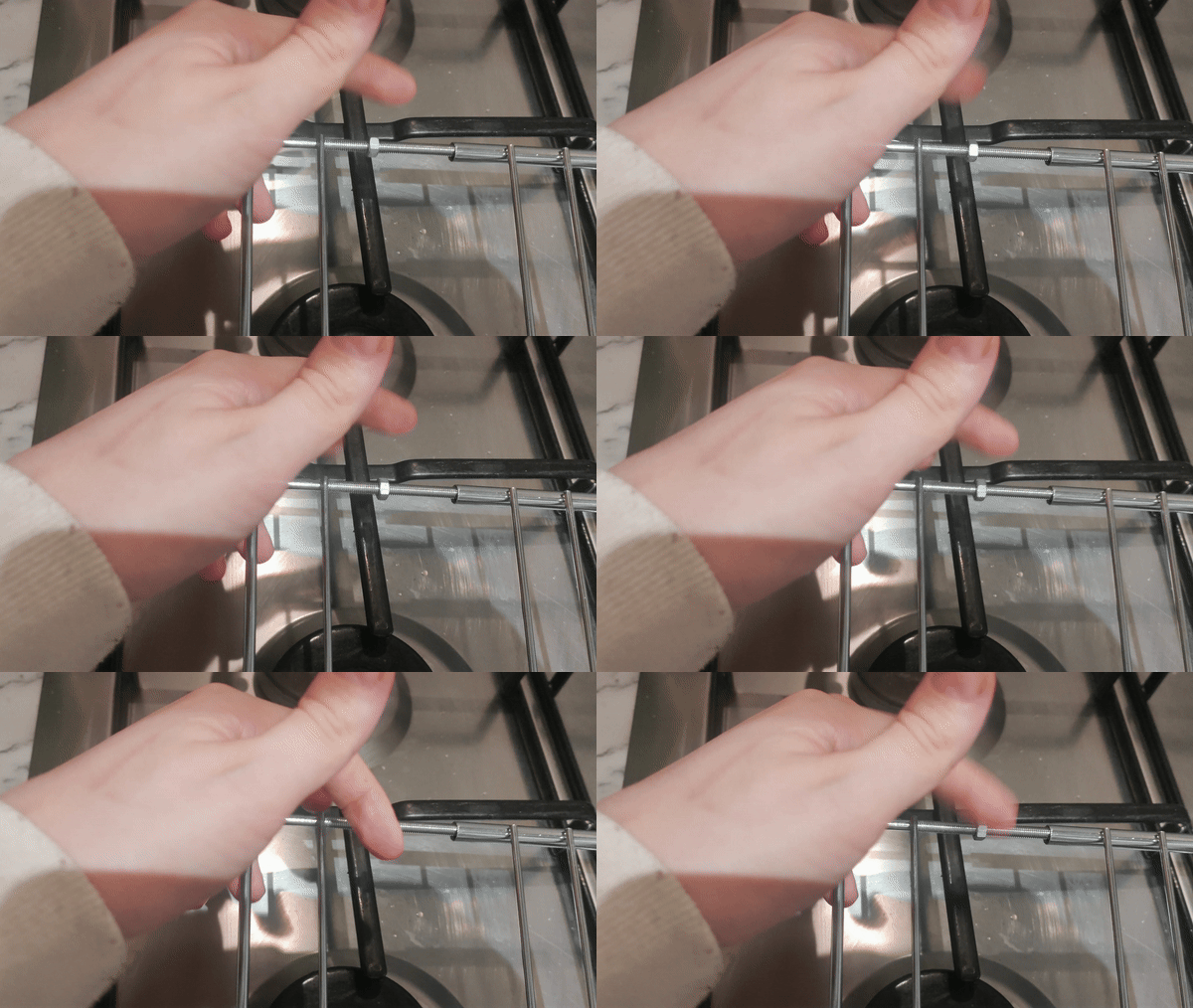
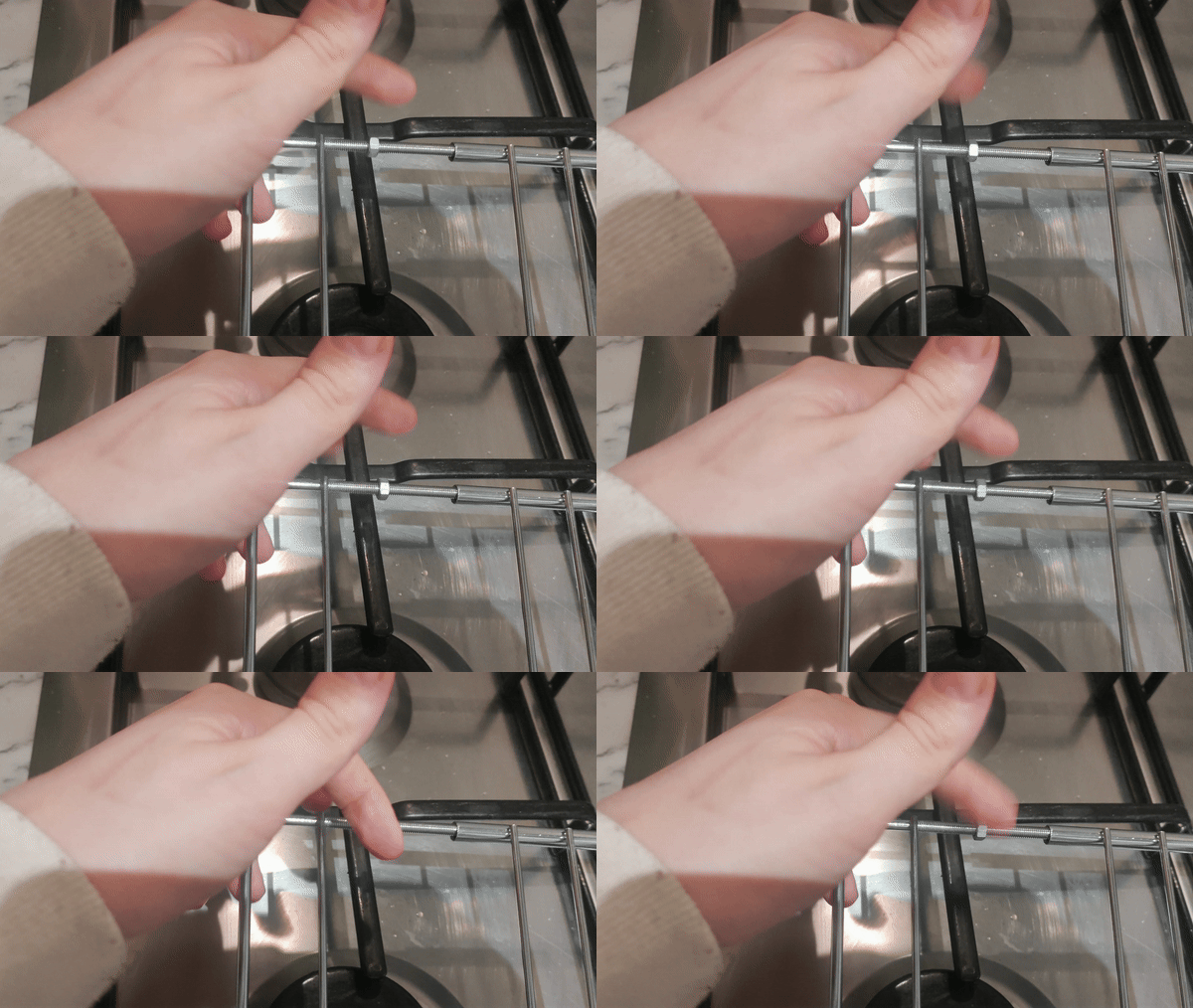
It’s got adjustable arms that you can tighten or loosen with the bolts attached to both sides of the rack.
Advertisement
You don’t need any tools to tighten or loosen it ― a simple twist with your thumb and forefinger is more than enough.
It extends from 36cm to 59cm, making it perfect for most ovens (it only took about a minute to make it fit mine).
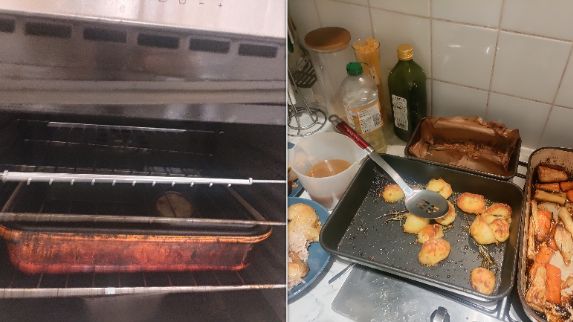
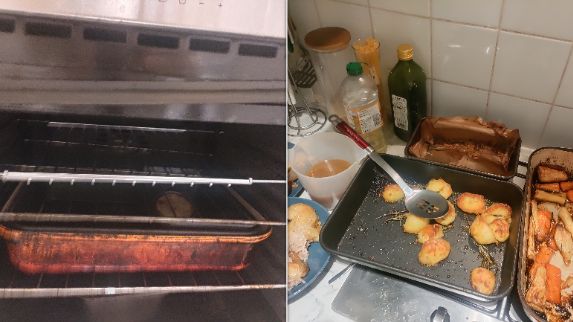
After I’d fitted it into my oven, my first step was to try a dry run of the Crimbo dinner (basically, I did a roast).
I’ll be honest; I was worried there wouldn’t be enough height in my oven to properly accommodate everything I wanted to include, but by placing the top and bottom racks at the highest and lowest ridges respectively, I got away with a lot more than I thought I would.
So it’s pretty safe to say I’m sold on the addition ― you can nab your own here, if you like.
My two kids, my husband and I were at an outdoor picnic table at Roberta’s pizza on a chilly day in Brooklyn when our then-7-year-olddeclared that they were nonbinary.
The kids had finished eating their plain cheese pizzas and were goofing around, giddy to be eating at a restaurant after endless pandemic meals at home. In the middle of the hand-slapping game they were engaged in, my oldest said something to my youngest about them becoming a dad one day. Our 7-year-old let out an exasperated yell, like they had hit some kind of boiling point.
Advertisement
“I’m not a he or a she!” they said, their fists clenched. “I’m nonbinary, call me they.”
They had been telling us that they’d felt “a little like a boy and a little like a girl” since they were about 3, but this was the first time they put a label, and a pronoun, to that feeling. My husband and I were both blown away and very proud of them for so confidently asserting their young identity.
My family lives in a picturesque Brooklyn neighbourhood, where many of the historic brownstones have rainbow flags in windows. Most people here would probably identify as being liberal-leaning. However, even before this moment, we had already experienced some of the challenges of raising our gender nonconforming child in a world that is so wedded to binaries.
When our child was in second grade, we were all surprised at how easily the other kids in class adapted to using their pronouns (they/them/theirs) correctly. One teacher even told me that when someone accidentally misgendered our child, using a pronoun that does not reflect their gender identity, the other students were quick to correct them. The parents of those kids from school, on the other hand, have had a harder time accepting our child’s identity.
Our child is often misgendered. People look at them, with their long hair, pink-hued outfits and rainbow Crocs, and assume they’re a girl. And as progressive as Brooklyn can seem, the reality is that many of the everyday spaces our family encounters are gendered ones, from play spaces to dance classes. When our child took ballet a few years ago, the teacher often asked the little girls to imagine they were fairies or princesses but wasn’t quite sure what to say to my child. One year, our child’s teacher struggled to switch to “folks” or “friends” instead of addressing the students as “boys and girls.” Our local school waits until kids are in fifth grade before introducing students to the topic of gender identity.
Advertisement
And it was only as recently as 2021 that New York City public schools were finally required by law to designate all single-occupancy bathrooms as all-gender bathrooms. Attitudes across the country toward the LGBTQ+ community seem to only be getting worse. In fact, in the last year alone we’ve seen an explosion of anti-LGBTQ+ laws aimed at limiting trans and nonbinary people’s rights and safety. In 2024, a Manhattan parent-led advisory board called on the Department of Education to revisit guidelines on trans girls’ sports participation. Most recently, President-elect Donald Trump has been spreading rhetoric about schools performing gender-affirming surgeries on students.
As a preschooler, our child enjoyed some of their brother’s toys but mostly gravitated toward what would be considered “girly” toys and interests — princesses, every character in the ”Frozen” movie, playing dress-up with tutus and dresses — and preferred female friends as playmates. When they asked us to draw a picture of them, they would get frustrated.
“No, draw me as a girl,” they’d say.
Some days they’d say they wished they could grow up to be a girl. After a while, it was clear to us that our child’s identity lived somewhere in between the two poles of “male” and “female” and that those coordinates were fluid.
Sometime around third grade, I noticed their classmates had begun separating into groups of male and female. I saw it at drop-off and pickup, where the girls would congregate in circles on the sidewalk to chat while the boys would start roughhousing and talking about soccer. Our child gravitated toward the girls’ circles, as this group shared similar interests (imaginary play, an obsession with cats, a love of stuffies and schoolyard dramas).
When we talked with them about their friendships at school, they said they were “friends with everyone.” But when it came to playdate requests and stories about who they hung out with at recess, it was mostly girls. I also noticed how the moms of the girls would plan playdates and sleepovers for their kids, and how we were never a part of those invitations. It was hurtful. I’ve wondered how it must feel for my child to hear about these gatherings knowing they hadn’t been included or to wonder why I was unable to make certain playdates they had requested happen.
Advertisement
I knew it wasn’t the kids who were responsible for their own social calendars. My child seemed to be very well-liked by their peers. Their friends would come up to me, arms linked with my child’s, asking when they could have a playdate. Again and again, I reached out to parents to plan get-togethers for our kids, and again and again, there was always a reason why it couldn’t come to fruition. (There were, however, a few exceptions, and those are the parents I value dearly.) I began to think it was me.
Parents in our grade tend to do “girls’ parties” and “boys’ parties” as a way to make things more wallet (and apartment) friendly. Sometimes my child is invited to both, as the only nonbinary kid at an all-boy or all-girl party. One day last year, as the kids trickled out of the side doors of the school and found their respective grownups along the sidewalk, one of my child’s friends came running to her mom to ask why my child hadn’t been invited to her birthday. The mom smiled at me apologetically and said to her daughter, “I thought you wanted just girls.”
“They’re not a boy or a girl,” the girl responded. “They’re my friend.”
Photo Courtesy Alexis Barad-Cutler
The author and her child taking a walk.
A few weekends ago, my child was finally invited to their first slumber party. They had been talking about this party since before school ended last year and had been constantly asking me if I had received the invitation yet. The birthday girl had invited them multiple times and repeatedly told them about the activities she had planned for her soiree (face masks, a movie, waffles the next morning).
For the first time, I wondered if this really was an oversight and not a slight, so I did something I’d never done before. We’d recently sent out electronic bar mitzvah invitations for our older child and about 40 of them had not been received, having gone straight to spam. It took everything in me to send a text to the birthday girl’s mothers, asking if the same thing might have happened with their invitation.
Advertisement
“We’re sorry,” the moms wrote back. “We were trying to keep it small, because we can’t fit everyone in our apartment. But we love your child, and would love it if they could come.”
I was embarrassed that this wasn’t a case of “it got lost in the mail” but very grateful for their graciousness and the invite. I’d never seen my kid pack their fuzzy, bear-shaped travel bag so fast as they did the morning of the sleepover party. As we walked the dog and picked up a chocolate macaroon at the cafe behind our apartment, they told me that they had a plan for when it came time to change into pajamas.
“I’ll change in the bathroom,” they said. “To give the girls privacy.” That night I was with friends at a sushi restaurant, celebrating my husband’s birthday. I kept looking at my phone with dread, imagining the text or call from the parents telling me that it wasn’t working out and that we’d have to come get them. I couldn’t stop worrying about potential moments when my child’s gender identity could make them, or the others, uncomfortable.
The next morning, they came home from their sleepover giddy (and surprisingly well rested). They showed me the pink and purple tie-dye shirt they’d made and told me about how great a movie “A League of Their Own” was even though they “hate baseball” (their words).
“Oh, and mom,” they added. “Everyone took turns changing in the bathroom by themselves. Not just me.” When they said this to me, it confirmed that this had indeed been on their mind that night. And, it meant something to them that the other kids at the party decided to change in the privacy of the bathroom. I imagine it helped my child not feel singled out and made them feel even safer.
Advertisement
At 10 years old, my child is super confident, comfortable in their body and still very much gender nonconformingin the ways they express themselves, their hobbies and their interests. They no longer want to wear dresses but, rather, dress for ultimate comfort. They intend to keep growing out their already long hair. And they still tell us that they feel like both a boy and a girl.
Any parent will tell you that the minute you think you have one thing down, another one comes up that you’d never expected. As a parent of a nonbinary kid, and especially as we enter the middle school years with our child, I know these curveballs will become even more complex and with bigger potential consequences. Trans and nonbinary folks suffer disproportionately from mental health issues. A 2020 survey led by Trevor Project found that more than half of the trans and nonbinary youth (ages 13 to 24) respondents seriously considered attempting suicide. On the legislative level, our country is becoming ever more dangerous for LGBTQ+ kids. There have been more anti-LGBTQ+ bills introduced in statehouses this year than in each of the previous five years. It can feel bleak out there at times.
When we became parents, my husband and I knew very little about the huge spectrum of ways a person can express their gender identity. We didn’t even know that being gender nonconforming was an option until our child embodied it for us, and pushed us to learn and challenge our preconceptions and biases. We’ve met with child therapists, we’ve read a lot of articles and books, and we’ve spoken to other parents of trans and nonbinary kids. We continue to be open to the possibility that things might shift for our child as they mature.
As with so many things, change starts in the home. My hope is that other parents can also learn to take some cues from their kids, who I think have a lot to teach all of us about inclusion and acceptance.
On Thursday, Pantone announced its much-awaited “Colour of the Year 2025.” (Well, “much-awaited” if you’re into this sort of thing.)
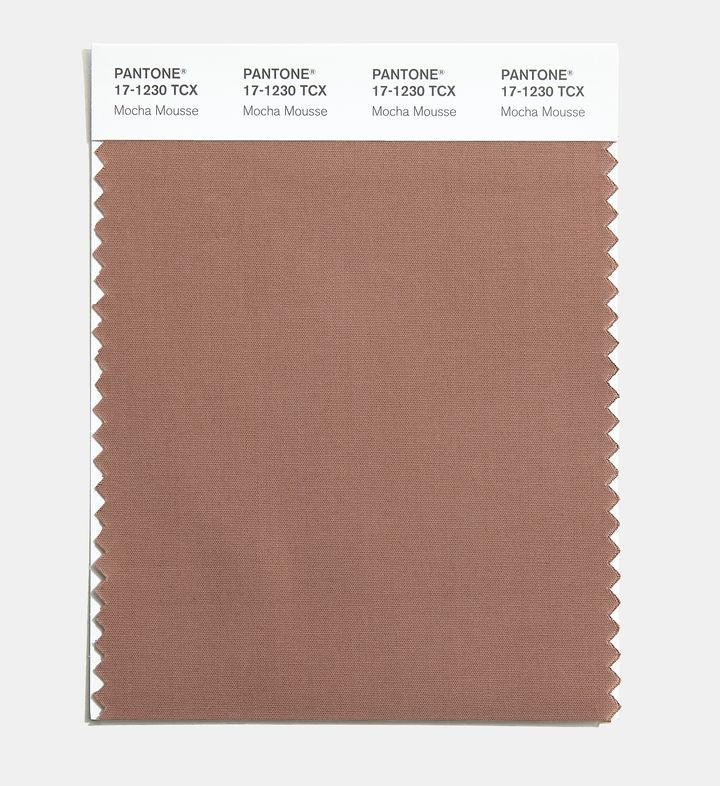
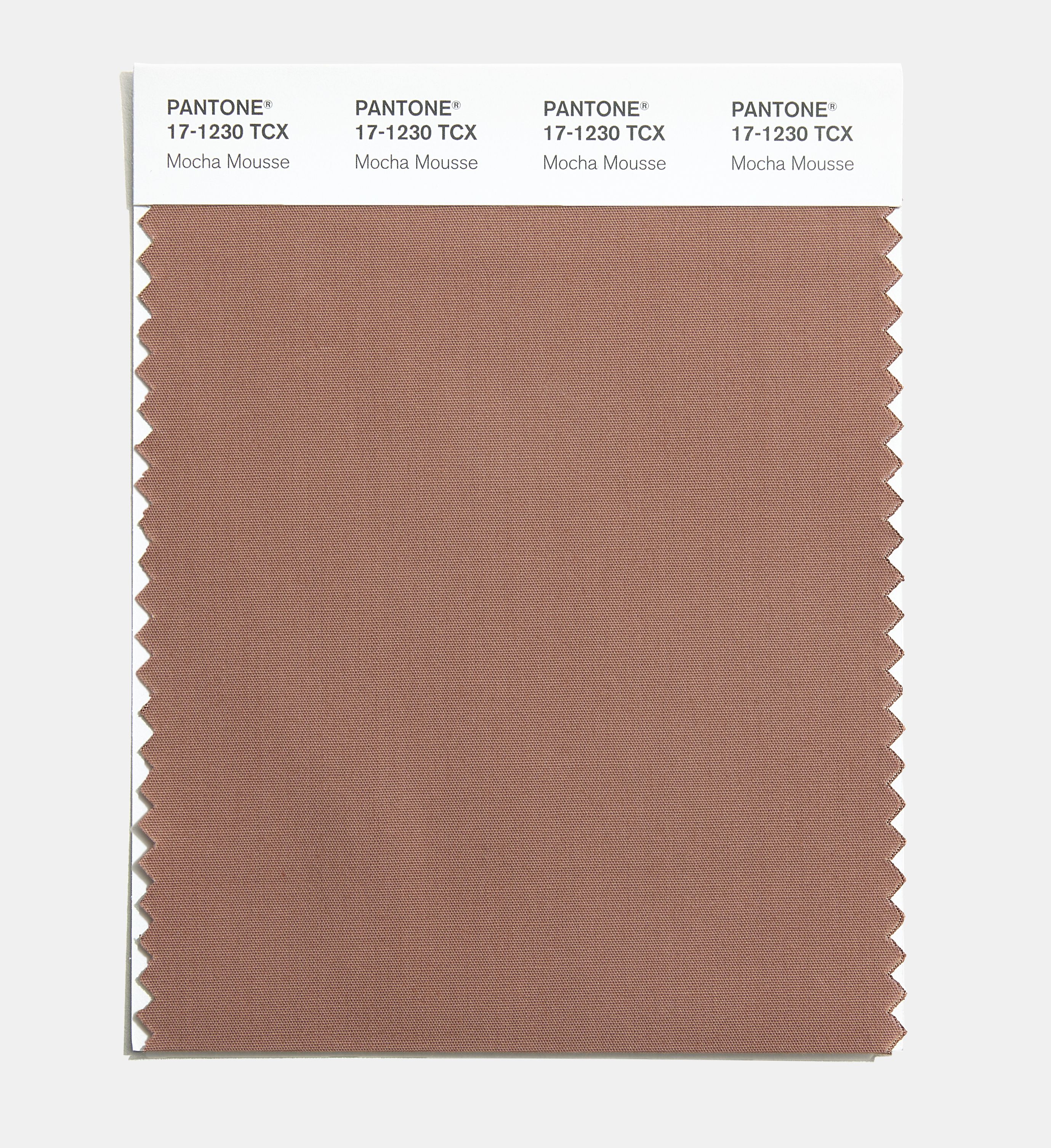
The big winner? Mocha Mousse (17-1230), a shade that the Pantone Color Institute calls “an evocative soft brown that transports our senses into the pleasure and deliciousness it inspires” while “appealing to our desire for comfort.”
Advertisement
Here it is:
BRYAN GARDNER
The Pantone Color Institute calls the shade “an evocative soft brown that transports our senses into the pleasure and deliciousness it inspires.”
The Washington Post heralded the shade as a “win for quiet luxury.” Vanessa Friedman of The New York Times said her “mind went immediately to comfort eating.”
On social media, the feedback was a little more mixed. Because of the visuals released by Pantone, some pointed out that the color bore a certain likeness, to, well ― there’s really no delicate way to put this ― poop.
The Development and Designliga/Pantone
Some on social media remarked that the color looked a little like, well, poop.
Advertisement
Some sample scatological quips from Threads and X?
Others compared it to Nazi uniform brown or “the shade of lightly soiled mop water.” Several said it felt like just the right shade to welcome in 2025.
“Instantly depressed seeing Pantone’s Color of the year for 2025, which I guess is on par with the theme of 2025. Touché, Pantone, touché,” one person wrote on Threads.
Advertisement
Colour consultant Laury Rosenthal gave props to Pantone for choosing a shade of brown for the first time in its 25 years of selecting a colour of the year. Still, she wishes the colour was a tinge darker.
“It’s great to eat chocolate mousse but the colour looks a bit like a poo emoji,” she wrote to HuffPost. “It will look worse when in paint as Pantone ink is clear and base paint starts out blue white before pigment gets added. I’d rather have a darker taupe, if asked.”
But elsewhere online, women of colour celebrated the pick, noting that others’ dismissiveness of the shade was a little white-centric.
Advertisement
Charnaie Gordon, a teacher and children’s book author, is among the fans of the pigment. As a Black woman, she sees the color as “rich, grounding, and unapologetically bold.”
“Pantone finally caught up to what we’ve been knowing all along: melanin magic is unmatched,” Gordon told HuffPost. (She shared a similar sentiment on Threads.)
“To me, this color represents a statement about resilience, beauty, and depth,” she said. “I couldn’t be more excited that this is the energy we’re stepping into for 2025, it feels like an unspoken ode to Black and brown people everywhere.”
“It’s richness, warmth, and melanin on full display,” she said. “If you can’t see the beauty in that, the problem isn’t the colour, it’s your perception.”
Amy Ellzey, a colour consultant and owner of Colour Me Beautiful LA, thinks folks should get their mind out of the gutter with the colour.
Advertisement
“Although some may draw comparisons of this colour to unappealing aspects of nature, you could also positively consider [it] a desirable milk chocolate or opaque latte,” she said.
Given the emphasis on millennial gray and other flat neutrals (namely, white and black), Lauren F. Battistini of LFB Color Consulting is thrilled with Pantone’s choice.
“It’s a clear indicator that the fashion, home, interiors and other industries are shifting to something with more comfort, warmth and earthy appeal,” she said. “The colour pendulum shifts about every 3-4 years, and we have been witnessing a shift for some time over to a warmer, earthy colour palette.”
Plus, Battistini said, this particular shade of mocha plays nicely with other colours.
“A neutral such as Mocha Mousse doesn’t necessarily hold much presence on its own, but when you pair it with the right colours, it serves as a visual comfort within the overall colour palette,” she said.
“I see it as a perfect anchoring neutral to combine with colours such as cream, aqua, ochre, warm red, aubergine, blush, cinnamon and warm greens,” she added.
Advertisement
One thing everyone can agree with? If Mocha Mousse gives us a break from Brat green, we’re all winners.
Take A Break is your ultimate guide to the perfect trips to recharge, rediscover yourself and your relationships, and reengage with the world. We’ll cover shopping stops, great bars, restaurants worth your money, photo opportunities, memorable drives and experiences, and other important details you need before you book.
Year after year, Italy remains one of the most popular international destinations for American travelers. During the peak summer season, tourists from all across the United States flock to Rome, Florence, the Amalfi Coast and other Instagram hotspots.
Advertisement
But another amazing place in Italy that often gets overlooked is Turin. Known as Torino in Italian, the impressive city is the capital of the Piedmont region in the northwest (and was even the first capital of the unified Kingdom of Italy in the 19th century). Visitors to Turin can enjoy beautiful mountain landscapes, opulent palaces, world-class museums and more.
On the culinary side, the city boasts a vibrant restaurant scene, featuring prominently in an episode of Stanley Tucci’s food and travel show “Searching for Italy.” And as the host of the 2006 Winter Olympic Games and two World Cups, Turin has plenty to offer sports and history fans.
Despite all this cultural clout, Turin is rather overshadowed by its more famous counterparts, at least among American travellers. When I had the opportunity visit last summer, I was immediately charmed by the city’s unassuming elegance, welcoming locals and sense of tranquility, free from the endless hordes of tourists that overrun many other destinations in Italy at this time of year.
To compel more travellers to add Turin to their Italian vacation itineraries, I’ve compiled my favourite dishes, attractions and more highlights from the “Città Magica.”
Advertisement
Where To Stay
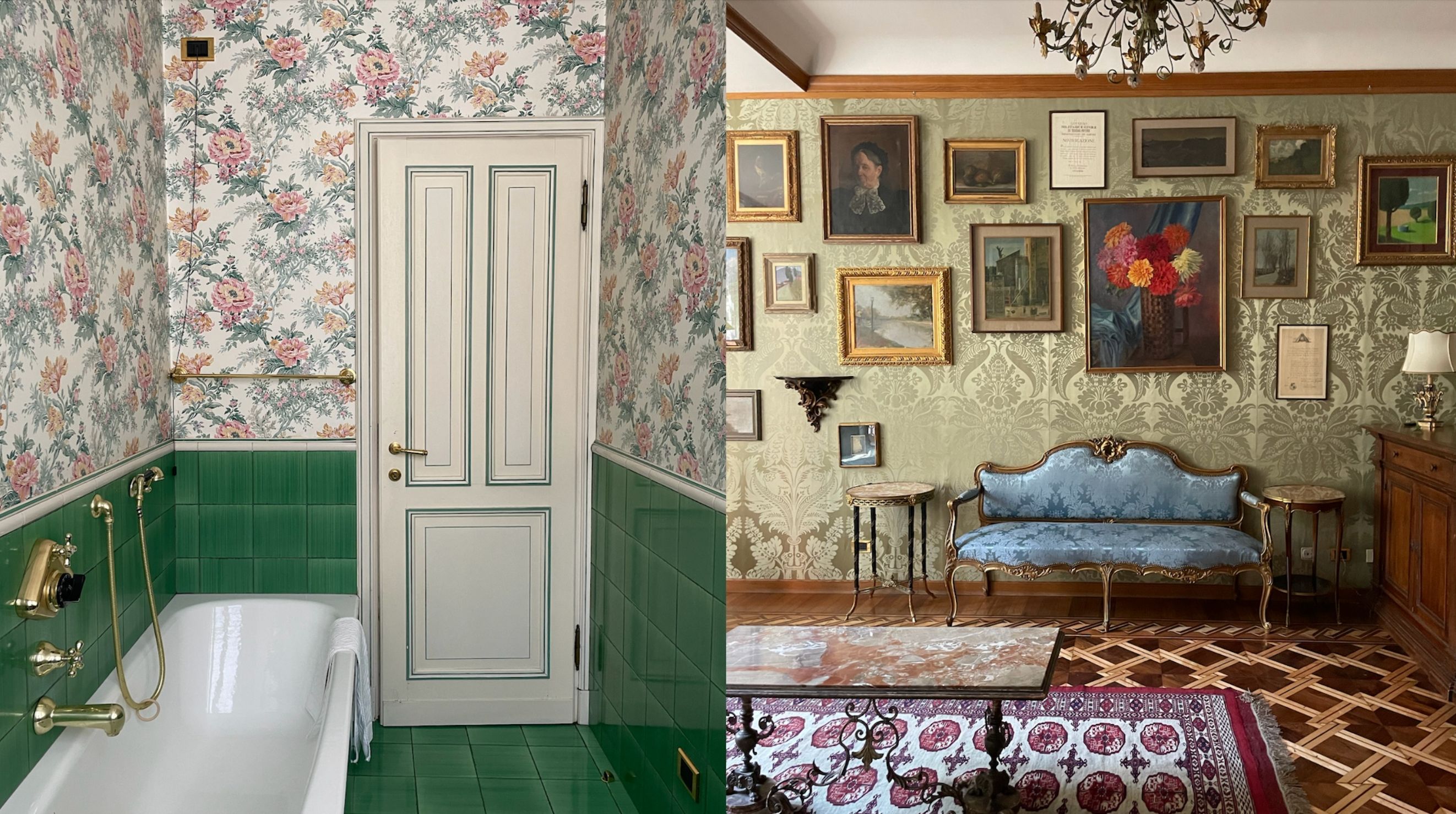
I visited Turin with a large group of friends, and we stayed at an Airbnb that felt like our own mini palazzo. Spanning three floors, the apartment was ornately decorated with lots of wallpaper, upholstered furniture, framed art and other embellishments.
Caroline Bologna/HuffPost
Scenes from our palatial Airbnb.
Those looking for a hotel experience will find plenty of options as well. The Turin Palace Hotel is in a restored building right in the city centre. The nearby Grand Hotel Sitea is a historic property with spacious rooms and a Michelin-starred restaurant.
For something with a more contemporary feel, the NH Collection Torino Piazza Carlina is also a popular option.
What To Eat
Italian food is famously delicious, but this cuisine is not a monolith by any means. So, I always aim to eat regional delicacies wherever I travel in Italy.
Advertisement
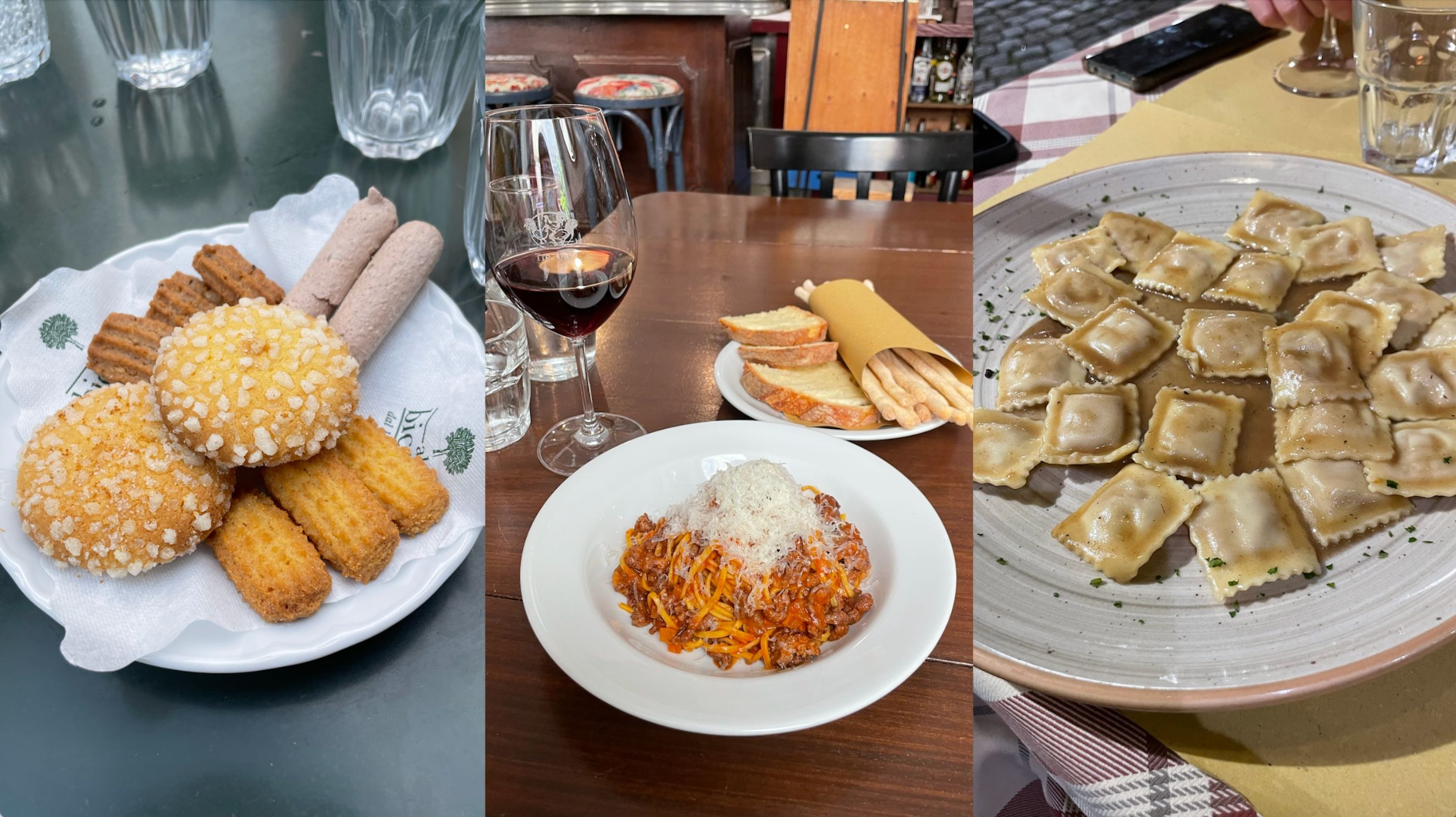
In Turin, my favorite Piedmontese dish was tajarin ― a rich, egg-heavy pasta typically served with truffles and butter or a local meat sauce called sugo d’arrosto. The meat-filled agnolotti pasta is another tasty specialty.
Other classic dishes to try include vegetables dipped in bagna cauda, a warm sauce made with garlic and anchovies, and crunchy breadsticks known as grissini. Although I wasn’t a massive fan, I’m glad I sampled vitello tonnato ― cold, thinly sliced veal topped with a creamy tuna sauce.
Twitter/Canva
From left: assorted Piedmontese cookies, tajarin with meat sauce and agnolotti.
My best meal in Turin was a lovely solo lunch at a restaurant called Tre Galli. I also enjoyed classic Torinese food at Osteria al Tagliere and L’Osto del Borgh Vej. The Mercato Centrale Torino food hall offers something for everyone, which is perfect when traveling with a group. You might also want to make time to visit the world’s very first Eataly as well.
Spazio7 and Piola da Cianci also came highly recommended, as did the historic Caffè Platti and Caffè Mulassano. And to cap off any meal with a sweet treat, look no further than Gelateria Pepino.
Advertisement
What To Drink
The Piedmont region is famous for its Barolo and Barbaresco wines, which pair well with many dishes or even as a key ingredient (as in brasato al Barolo or risotto al Barolo).
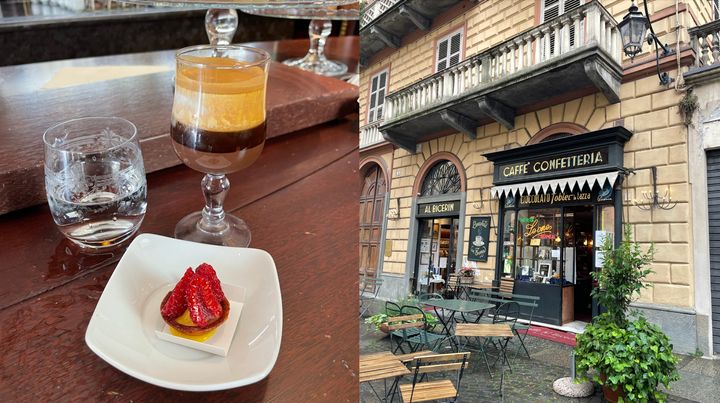
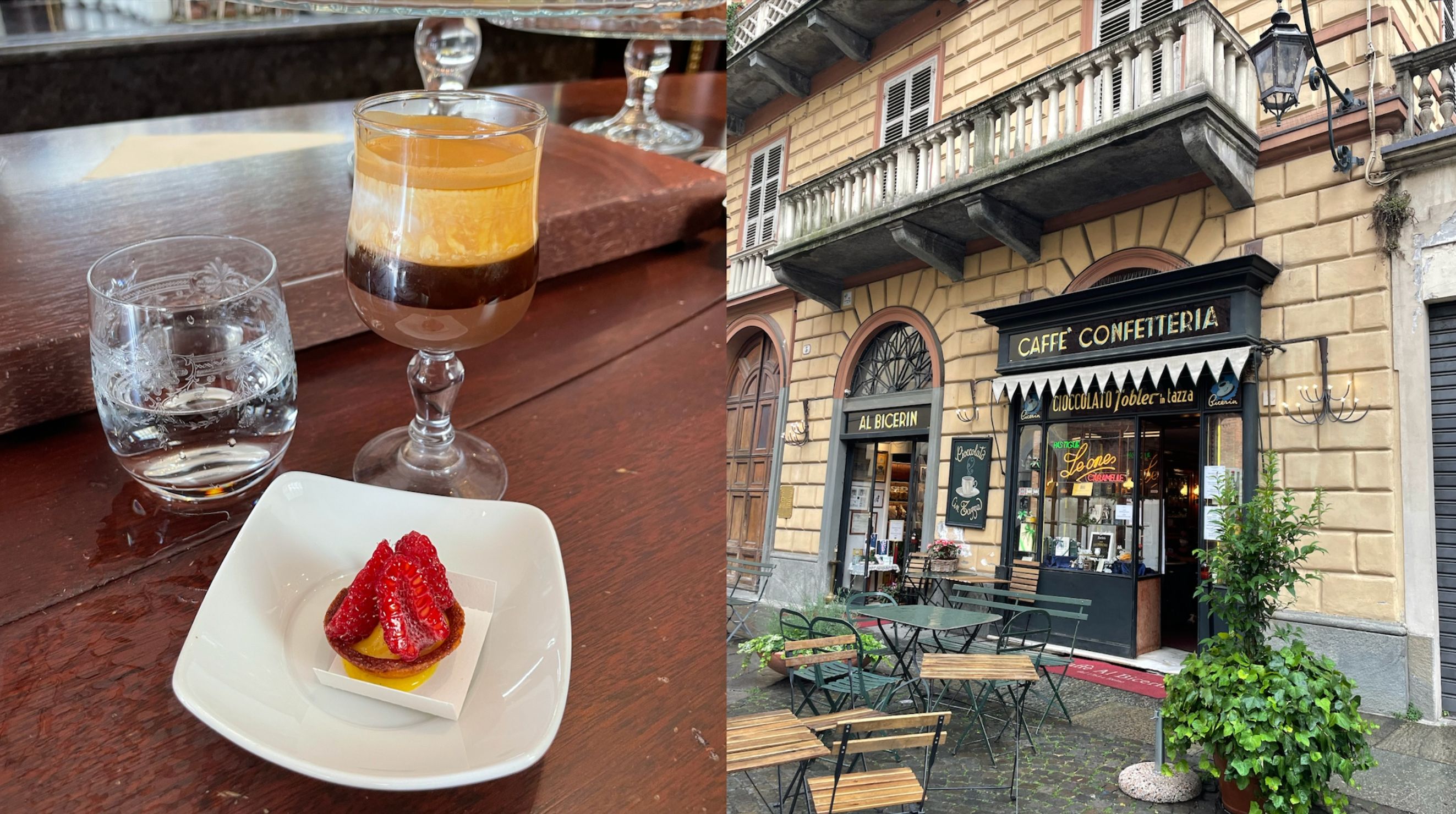
But truly no visit to Turin is complete without at least one bicerin. This decadent drink is made with coffee, chocolate and milk, perfectly layered in a way that just screams to be photographed. I’m pleased to report it also tastes amazing.
Caroline Bologna/HuffPost
From left: A bicerin and a fruit tart at Farmacia del Cambio, and the exterior of the historic Caffè Al Bicerin.
My bicerin-tasting journey led me to delicious and picturesque establishments like Farmacia del Cambio, Caffe al Bicerin dal 1763 and Caffé Baratti & Milano.
I even tried an alcoholic version of a bicerin at Piano35 ― a lounge at the top of the Intesa Sanpaolo Skyscraper. The breathtaking views alone made it worth the visit, but the creative cocktails were an added bonus.
Advertisement
Casa Proseccheria was another nice spot for aperitivi, with plenty of prosecco, cocktail and snack offerings.
What To Do
On my first morning in Turin, I began the day with a hike up to Chiesa di Santa Maria del Monte dei Cappuccini, a hilltop church with gorgeous views of the city. I later visited another church, the Baroque-style Chiesa di San Lorenzo.
For something farther afield, you can make a journey to the famous Basilica di Superga. And if you’re into royal history, you might also want to schedule a visit to La Venaria Reale ― a large palace estate just outside city and one of the area’s many UNESCO World Heritage Sites.
For a taste of grand architecture, tourists hardly need to venture beyond Turin’s city centre, however. There’s Piazza San Carlo, a stately square surrounded by Baroque buildings, and Piazza Castello, home to the majestic Palazzo Madama Torino (now an art museum). The nearby Royal Palace of Turin transports visitors back in time to the city’s regal past.
Caroline Bologna/HuffPost
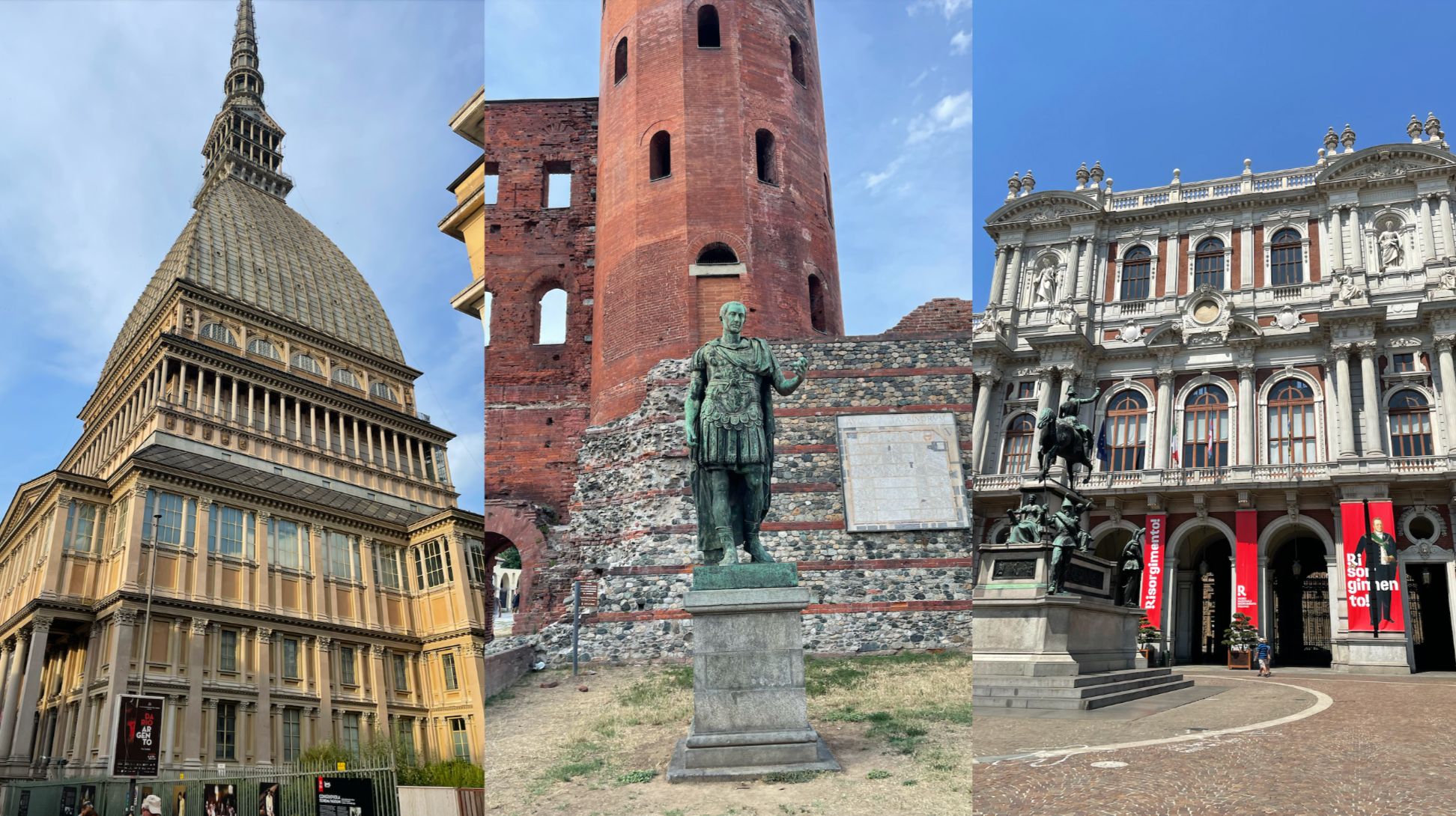
From left: the Mole Antonelliana, Palatine Gate and Palazzo Carignano.
Advertisement
Perhaps the most iconic part of Turin’s skyline is the Mole Antonelliana, which houses the film museum ― Museo Nazionale del Cinema. Another notable museum is the Museo Egizio, where history buffs can find an extensive collection of Egyptian artefacts.
Fans of contemporary art will enjoy the Castello di Rivoli, a former royal residence that now showcases cutting-edge exhibitions juxtaposed against its restored 17th-century castle backdrop. Don’t sleep on the Pinacoteca Giovanni e Marella Agnelli art gallery, either.
Those interested in the unification of Italy will no doubt want to explore the Museum of the Risorgimento, which is located in another famous old building, Palazzo Carignano. And for some ancient history, don’t forget to check out the Palatine Gate, a well-preserved gateway dating back to the first century BC.
Caroline Bologna/HuffPost
From left: Palazzo Madama Torino, view from Chiesa di Santa Maria del Monte dei Cappuccini and Castello del Valentino.
In addition to my climb up to the hilltop church, I also stretched my legs quite a bit by strolling along the River Po and exploring the expansive Parco del Valentino. The park boasts a number of notable attractions, like the distinguished Castello del Valentino and Borgo Medievale, a reconstructed medieval village and open air museum.
Advertisement
Getting more into modern times, Turin is strongly associated with the Italian automotive industry, with iconic brands like Fiat, Lancia and Alfa Romeo headquartered in the city. It’s unsurprisingly also home to the Museo Nazionale dell’Automobile (National Automobile Museum).
And of course, sports fans should check the schedule to see if the famous Juventus football club or its rival Torino have any matches scheduled during their time in the area.
With so much to offer tourists of all ages and interests, Turin is truly a hidden gem that captivates visitors with its incredible cuisine, deep history and vibrant charm. As Americans flock elsewhere in Italy, Turin visitors don’t need too much advance booking to experience the rich cultural tapestry that makes the city so magical.
Storm Darragh is coming to the UK later today (Friday 6 December) and tomorrow, the Met Office says.
They’ve given the storm, which will roll from 3pm this evening until 6am on Sunday morning, some yellow weather warnings across much of the UK and a rare red weather wind warning for parts of Wales, as well as the Bristol Channel.
Advertisement
But what exactly is a red weather warning, and what should you do if your area has been given one ahead of the bad weather?
The weather is predicted to be so severe that you have to take steps ahead of the conditions arriving to keep yourself and your home safe, their site reads.
“It is very likely that there will be a risk to life, with substantial disruption to travel, energy supplies and possibly widespread damage to property and infrastructure.” they add.
Advertisement
“You should avoid travelling, where possible, and follow the advice of the emergency services and local authorities.”
The Met’s red weather warning is the most severe of their cautions.
What should I do if I’m in an area with a red weather warning?
Keep yourself and others safe; avoid travelling by road during potentially dangerous conditions. It is not safe to drive in these conditions.
Being outside in high winds makes you vulnerable to injury. Stay indoors if you can.
Don’t risk injury to others or damage to your property. If you can do so safely, check for loose items outside your home and secure them. Items include; Christmas decorations, bins, garden furniture, trampolines, tents, sheds, and fences.
People cope better with power cuts when they have prepared for them in advance. It’s easy to do; consider gathering torches and batteries, a mobile phone power pack and other essential items.
If you live or work on the coast, beware of large waves, even from the shore large breaking waves can sweep you off your feet and out to sea. In an emergency, call 999 and ask for the Coastguard.
Stay up to date with the weather forecast for your area and follow advice from emergency services and local authorities.
For less extreme conditions such as yellow warnings, Dale Hipkiss, Duty Manager at National Highways, said: “If you’re planning to drive over the next few days, prepare in advance for the journey and take extra care on the roads.”
They added, “If weather conditions become challenging, adjust your driving behaviour to manage the conditions as safely as possible. It’s also a good idea for drivers to check their vehicles, such as tyres, coolant and oil levels, before heading out to reduce the risk of breakdowns.”
Advertisement
Where are red weather warnings in place for Storm Darragh?
As of the time of writing, the areas issued a red weather warning are:
Ask yourself this: what do you think tea towels are used for?
I know, I hadn’t thought about it either and, to be honest, I use them for everything from drying the dishes to drying the kitchen countertops after cleaning them. I even use them to help me carry hot bowls of soup from time to time.
All of this being said, I’d never considered what they’re actually for and, if a Reddit thread is anything to go by, a lot of other people hadn’t considered this either.
Advertisement
In the community /r/AskUK, user psyche-illogical asked: “What is a tea towel for if not for drying dishes?”
Now, there is a story behind this that is key to understanding why the question was asked but I will warn you, it could just confuse you more…
The user said: “So, my partner and I recently moved into a flat in Glasgow. Our flatmate is American. We’re from New Zealand, and we regularly use tea towels to hand dry dishes, which I’ve always assumed is what everyone uses them for.
“In the flat, there are two tea towels hanging off the cupboard just below the sink.”
Then, they revealed a baffling conversation with their flatmate, where their flatmate asked why the tea towels in the kitchen were damp, and our Reddit user said, “Um. Oh, sorry. We just made dinner and did the dishes so they might be slightly damp but I hung them back up and they should still be clean.”
Advertisement
To which their flatmate responded: “Oh, no, that’s OK, I’ve just never seen someone use them for that before.”
While this is a very polite exchange, it left the Reddit user flummoxed and they asked: “Have I been using them wrong my whole life? Or is the American talking rubbish? What are they using them for? I’m giving myself a bit of a complex about it!”
Well, same.
Marquee-smith commented: “I dry surfaces, dry my hands and pick up hot things with them. I leave pots and glasses to air dry usually because they are not very absorbent and leave things quite smeary.”
Interesting.
However, New_Expectations5808 has a different take entirely, saying: “They’re definitely for drying dishes. Hand towels are fluffier.”
Advertisement
To which Willsagain2 responded: “Exactly. Terry towelling for hand drying, flat woven cotton/linen for drying dishes when necessary.”
I’ll be honest, I don’t think I’ve ever thought this deeply about it.
Max-Main is on my wavelength, suggesting: “They’re for the impromptu and utterly chaotic pastime of tea towel flicking which starts in the kitchen and can end in any room of the house accompanied by high pitched screaming from full grown men.”
However, there was one ‘right answer’ marked on the thread
User AwarenessHonest9030 said: “I mainly use it to dry my hands after washing up or washing my hands or I use it for getting stuff out of the oven, air fryer, microwave.”
If you’ve read my thoughts on brownies, carrot cake, or fudge, you’ll know I can be pretty particular about my food.
The same goes for cupboard staples too ― some, like butter, aren’t worth making yourself, I reckon, but others pay back your effort in spades.
Advertisement
I’m a big fan of DIY tomato purée because it allows you to control the taste and thickness, and also gives you a genuinely useful way to use up all those uneaten tomatoes.
So I thought I’d share how I do mine.
How do you make tomato purée?
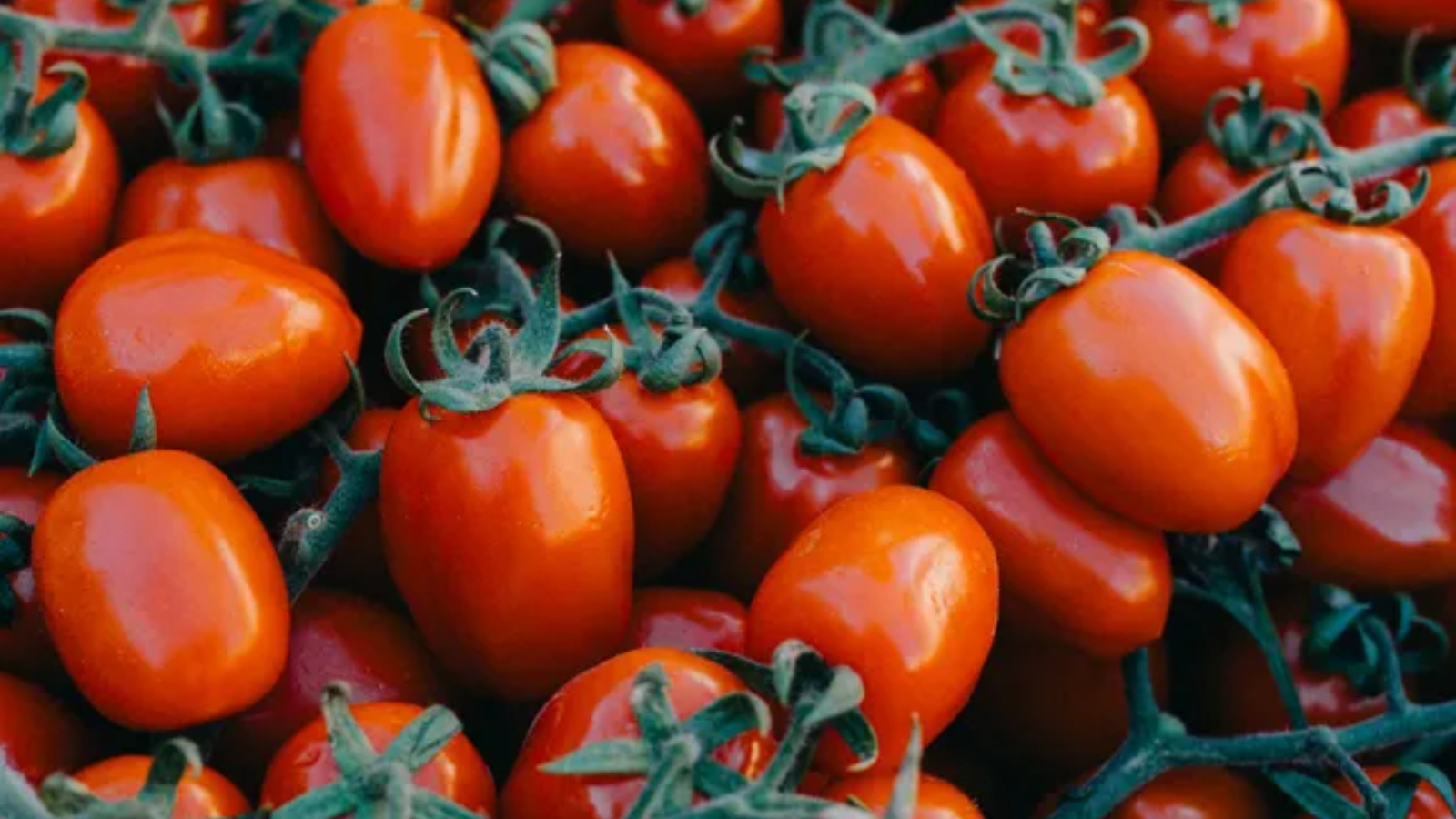
The only ingredient you’ll need is tomatoes.
Because the recipe contains no other ingredient, there are no ratios to toggle with, so it doesn’t matter how many you have ― whatever you’ve got will do, though it’s a bit of a process so I like to do big batches at once.
If you want to peel the tomatoes, you might want to boil and then blanch them in ice water to make the skin easier to remove, but I don’t bother.
Chop your tomatoes up (smaller chunks will cook faster, but it’ll get blended, so don’t stress out about finely dicing them) and put them in a saucepan over medium heat.
Advertisement
Though some recipes will ask you to boil tomatoes in some water, I’ve never seen the point. Like stewing apples, I find the fruits provide enough liquid to simmer themselves.
Once you’ve got a rapid boil, turn your heat down and let the tomatoes simmer for at least ten minutes. The longer you leave it on the hob, the thicker your tomato purée will be.
Then, let the tomatoes cool for at least five minutes and run them through a blender before straining the whizzed-up thickened tomatoes through muslin or even a sieve.
That’s your purée ― if you reckon it’s a little bit too thin, you can put it back on the hob to reduce more.
Any tomatoes work, but locally-grown ones will taste better.
How long does it keep?
Culinary site The Spruce Eats says you can leave homemade tomato purée in an airtight container in the fridge for up to a week. I find the flavour’s only good for up to about five days.
Advertisement
But you can freeze it in ice cube trays or airtight bags for up to six months ― again, The Spruce Eats says the taste degrades a bit after month three.
Though it is possible to can it at home, I’d recommend advising against it if you’re not canning with an expert or aren’t experienced with the process yourself. Unsafe canning can cause potentially deadly botulism.