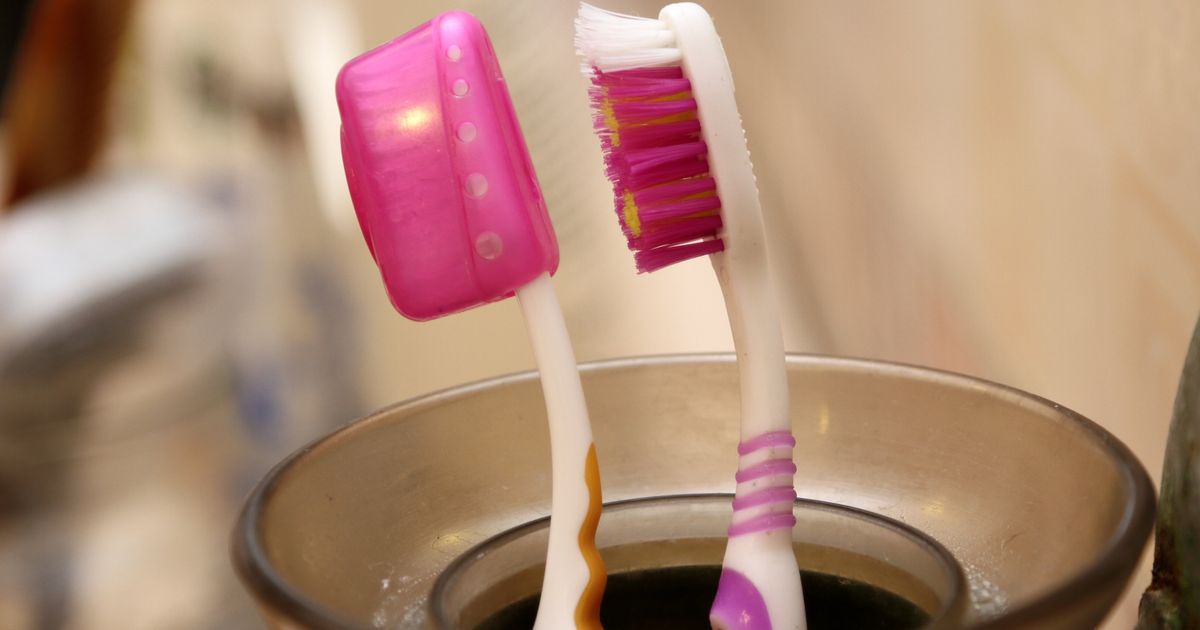
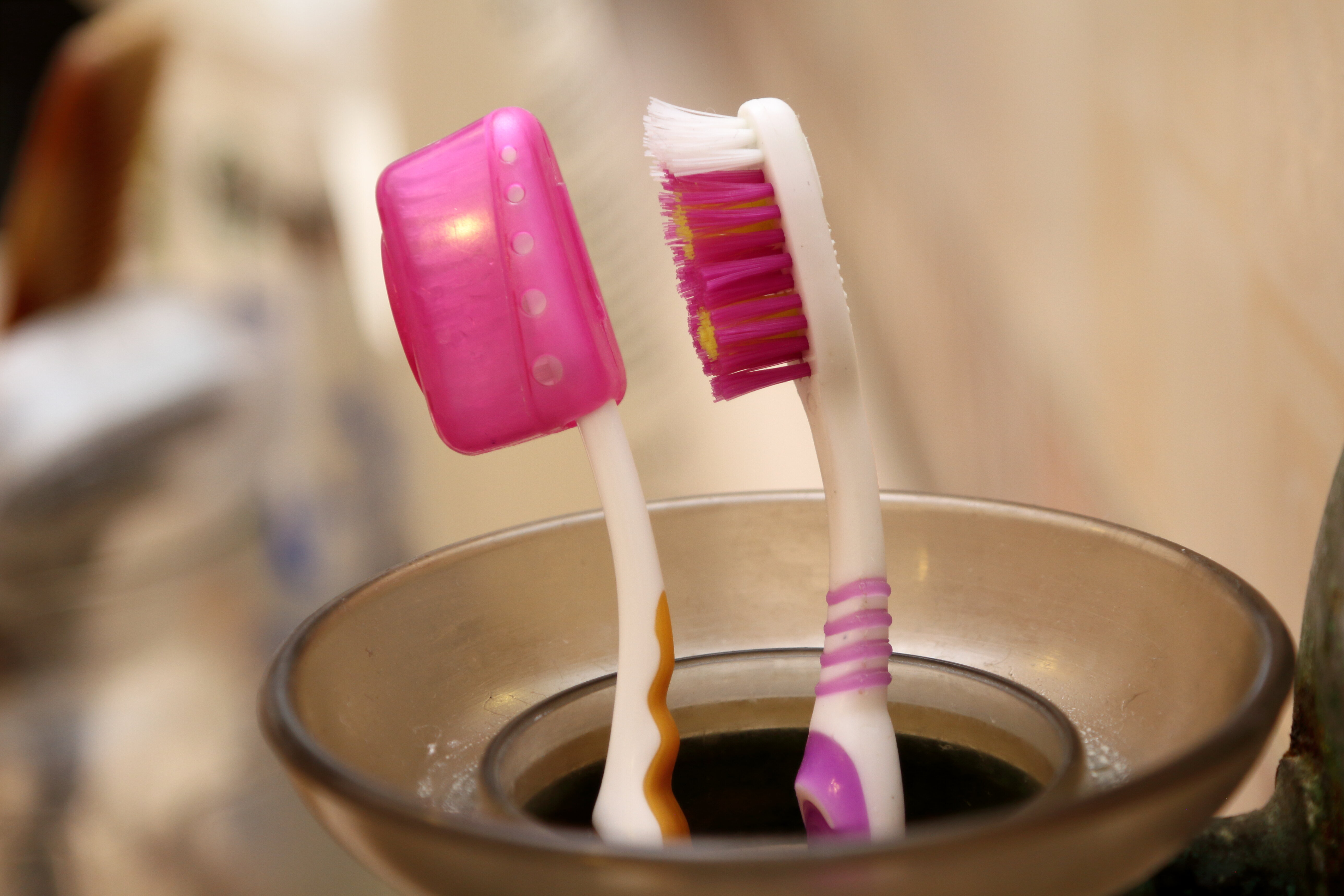
And now, another blow to my dental routine ― it turns out that actually, toothbrush caps can make bacteria worse, not better.
Advertisement
Why?
Though ― and I hate telling you this as much as you’ll hate hearing it ― your bathroom does actually contain poo particles, apparently a cover is its own bacteria breeding ground.
The ADA isn’t alone. Speaking to Self, Mia L. Geisinger, D.D.S., M.S., associate professor and director of the Advanced Education Program in Periodontology at the University of Alabama at Birmingham School of Dentistry, warned against the covers in the longer term too.
Instead, “Toothbrushes should be stored upright in an environment that allows for them to dry out completely between uses,” she advises.
Advertisement
So how do I protect my bristles?
If the thought of leaving your brush uncovered in the land of toilet plumes, perhaps it shouldn’t ― there’s no proof yet that this has negative health outcomes, even though the idea is icky.
But if you hate the idea, perhaps you can leave yours in a medicine cabinet most mornings or move it to your bedroom entirely if you’re really freaked out.
Closing your loo lid when you flush goes far, too. And you should probably keep your toothbrush far away from that of someone who’s been poorly.
The ADA only really advises three “common sense” ways to keep your toothbrush clean, however: not sharing toothbrushes, rinsing the bristles properly after brushing, and allowing the brush to dry completely after use.
To follow that final piece of oral hygiene advice, you might want to restrict your toothbrush cover usage to holidays.
We’ve written before at HuffPost UK about why Hobnobs, Twix, and Snickers are called what they are.
We’ve even covered the “correct” way to eat a Jaffa Cake and why Yorkies are so chunky.
But given how many chocolate bars’ brands are space-themed ― Mars, Galaxy, and Milky Way, for instance ― it feels odd to think we haven’t addressed any seemingly astronomic names yet.
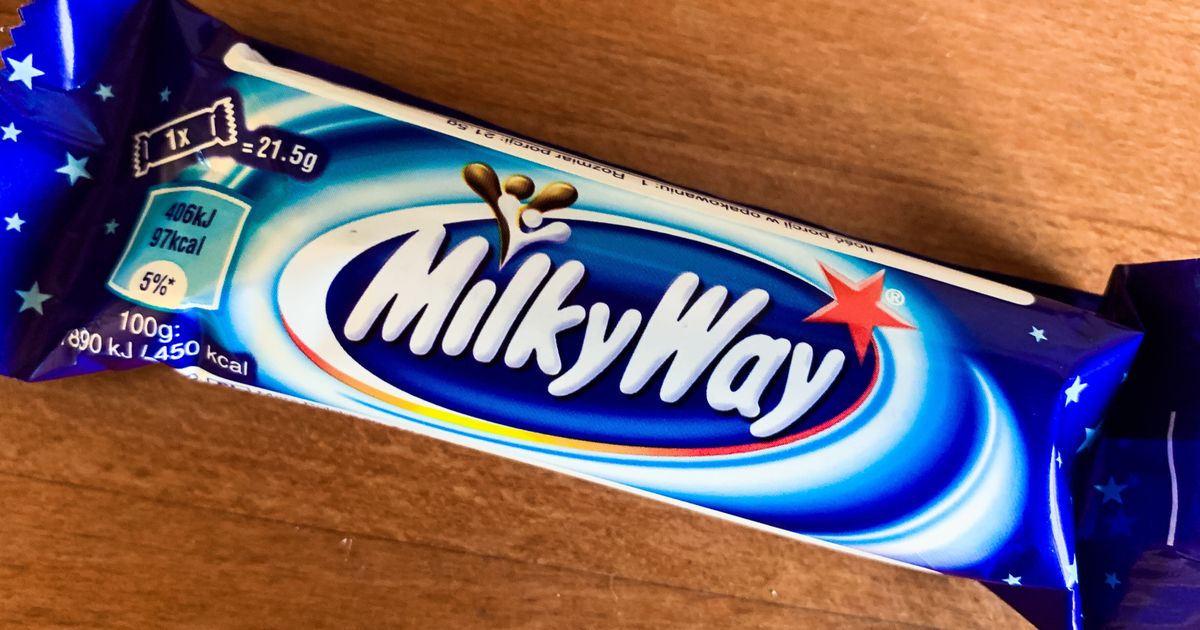
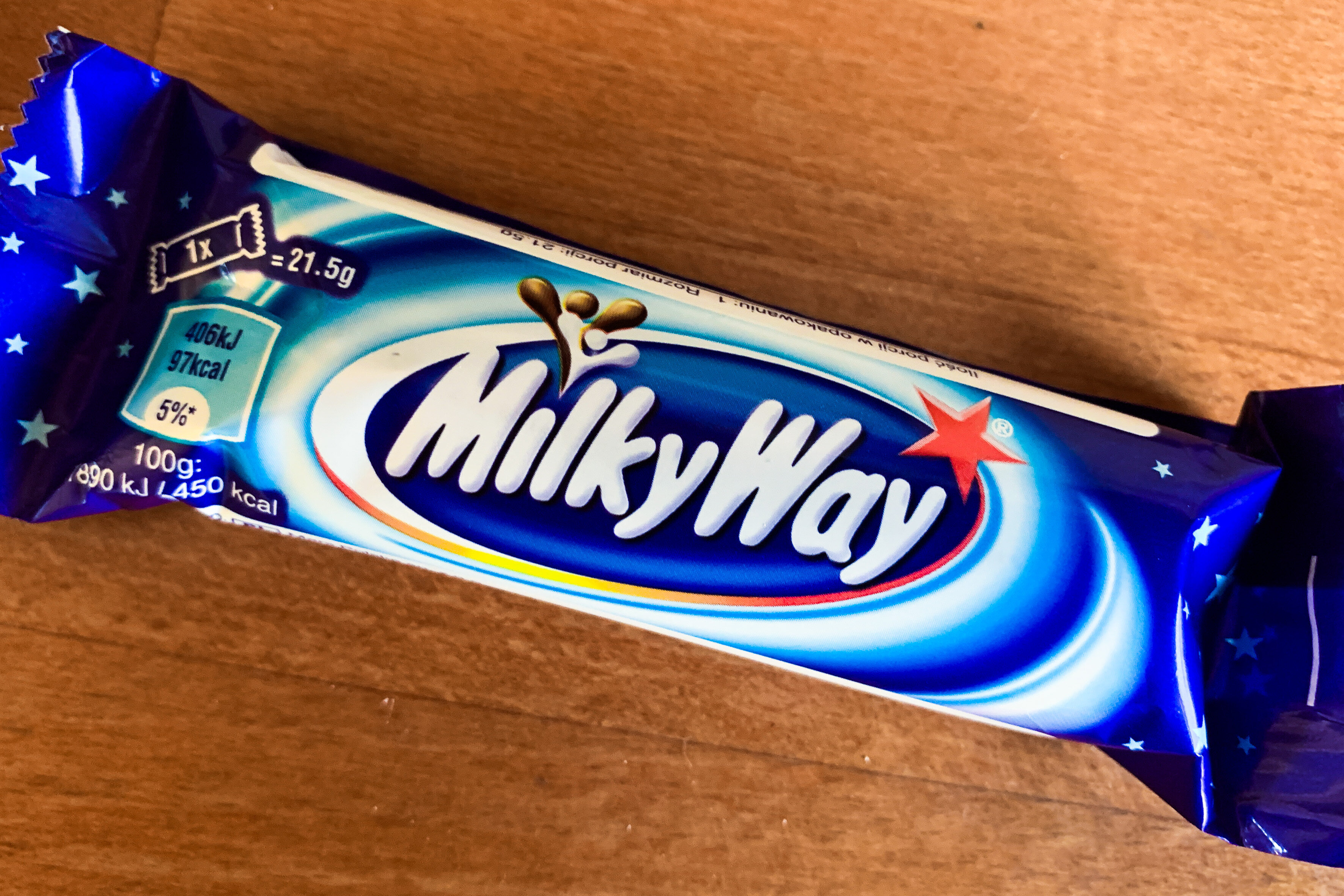
With the Milky Way at least, however, it turns out there’s no link to space at all.
Why is it called Milky Way, then?
Milky Way bars in the US are similar to the UK’s Mars bars, boasting a creamy nougat base and a caramel topping.
Advertisement
The UK Milky Way bar, however, has a fluffy, vanilla-flavoured nougat filling ― but while the US version came first, the inspiration behind the name holds true for both.
“They [the US Mars-style bars] were first sold in 1924 and are the oldest Mars chocolate bar brand still around,” Milky Way’s site says.
They were first created in Minneapolis, Minnesota by Mars founder Frank C Mars after a conversation with his son, Forrest E. Mars.
“Their flavour was designed to capture the taste of malted milkshakes and named after a famed malted milk drink of the day, not the MILKY WAY galaxy,” Milky Way’s official site reads.
Advertisement
The brand’s first tagline was even “A Chocolate Malted Milk [referring to the milkshake] in a Candy Bar.”
It’s complicated. After his father’s success with the bar, Forrest Marslaunched the Milky Way-inspired Mars bar in the UK in 1932.
Confusingly, Mars later also sold a Mars bar in the US ― but it had nothing to do with the UK or US Milky Way. Instead, it was a nougat and toasted almond confection that’s gone in and out of production.
There is also a product in the US that’s like the UK Milky Way called The 3 Musketeers. This was sold Neopolitan-style originally, with chocolate, strawberry, and vanilla-flavoured nougat.
So there we have it ― Milky Way is based on a milkshake, has nothing to do with space, means two different bars in two different countries, and led to two completely separate Mars bars.
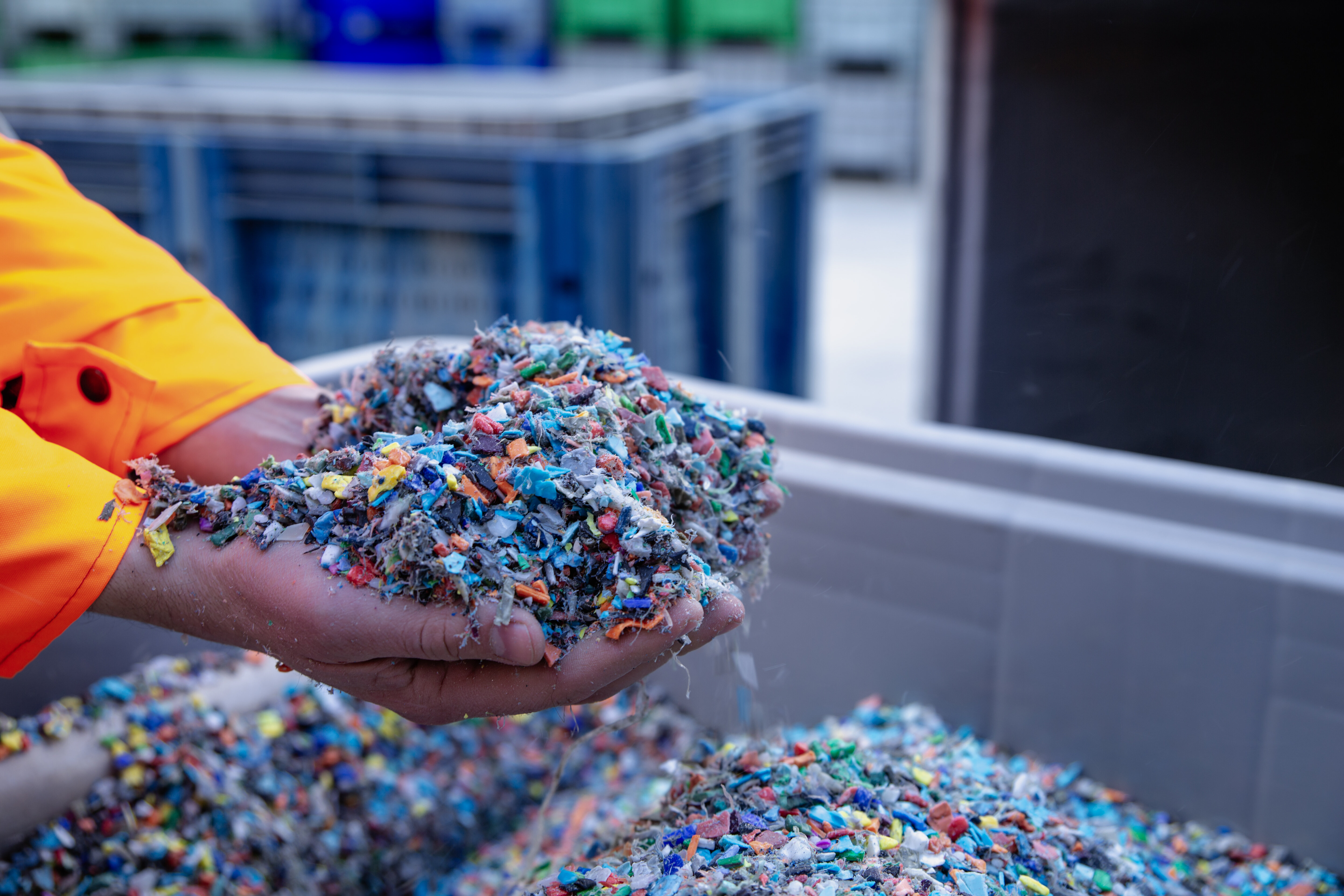
According to Recycle Nation, microplastics have been found in an array of strange places, including bees, table salt, and even bottled water so maybe it was just a matter of time until the tiny fragments were found in human bodies.
Yes, that’s right, researchers at the University of Mexico looked at testicular tissue taken from both dogs and humans, finding microplastics in every sample, with a three times higher count in humans than in dogs.
Advertisement
Aside from being just incredibly concerning as it is, this news has led to researchers questioning whether microplastics are responsible for the decline in male fertility.
The microplastics found in testicles
During the study, 12 different types of microplastics were identified and the most common one was polyethylene (PE) which is used to manufacture plastic bags and plastic bottles and is a major part of our plastic pollution problem.
The researchers couldn’t test human tissue for sperm count but they did do this for canine symptoms. There they found that higher levels of polyvinyl chloride (PVC) plastic correlated to a lower sperm count in the animals.
PVC is widely used in industrial and household products, leading researchers to worry that the plastic could be what’s causing falling sperm counts worldwide, which, according to Science Alert, have already been linked to heavy metals, pesticides and a variety of chemicals.
Advertisement
We still don’t know the full extent of what microplastics can do to the body, but they have been linked with inflammation and problems with digestion.
Is there any work towards reducing microplastics?
According to BBC Future, there is hope. The experts said: “Researchers are developing a number of approaches to help get rid of the plastic pollution in our environment. One approach has been to turn to fungi and bacteria that feed on plastic, breaking it down in the process.
“A species of beetle larvae that can devour polystyrene has also offered another potential solution. Others are looking at using water filtration techniques or chemical treatments that can remove microplastics.”
FOMO, or the fear of missing out, is a common feeling, especially in a social-media obsessed world where every activity is documented. It involves the perception or belief that others may be doing better, more exciting things while you’re left out.
Though experiencing FOMO is totally normal and valid, it can also negatively affect your self-esteem, self-worth and happiness. Speaking to HuffPost, therapists who frequently deal with FOMO described how they handle it in their own lives, and offered advice for others who struggle with the feeling:
Advertisement
1. They shift their mindset
Sometimes you need to adjust your mindset when thinking about FOMO, according to Erica Basso, a licensed psychotherapist and the founder of Erica Basso Therapy. Instead of focusing on an experience you lost out on, consider what you may have gained in that same time period.
“I once heard someone say ‘JOMO’ –– the joy of missing out –– and that really stuck with me,” Basso said, noting that she often used to dwell on “what I was missing out on, how my life was lacking, and not feeling great about it.”
“But when I reframed it as ‘well, what’s the joy in missing out on this?’ it really enlightened what I could focus on that was positive,” she said.
For example, if you missed a party and stayed in, think about how you may have indulged in self-care or the relaxation that your body and mind desperately needed.
Advertisement
2. They take some deep breaths when FOMO feels overwhelming
Taking a deep breath when experiencing FOMO may cultivate a sense of calmness.
“FOMO often triggers the body’s stress response, activating the sympathetic nervous system, also known as the fight-or-flight response,” said Israa Nasir, a therapist and the founder of Well.Guide. “Focused breathing techniques, such as deep diaphragmatic breathing or box breathing, can activate the parasympathetic nervous system, which is responsible for the body’s relaxation response.”
Nasir recommended this box-breathing exercise: Find a quiet space, close your eyes, then inhale for four seconds, hold your breath for another four seconds, and exhale slowly for another four seconds to complete a “box,” or cycle. Nasir said she engages in these breathing cycles for around 90 seconds to feel at ease.
3. They set boundaries
When thinking about FOMO, remind yourself that you don’t have to attend every event or engage in every activity you were invited to.
Emma Giordano, a therapist at Empower Your Mind Therapy, makes sure to check-in with herself and prioritize her boundaries. It’s unrealistic to expect to do everything you want to, she said.
For instance, if you feel like you have to work instead of going out with friends, focus on how you take care of your responsibilities first by setting that as a boundary, since work is important to you.
Advertisement
In practice, this could mean politely declining invitations to be more intentional with your time, said Nekeshia Hammond, a psychologist, author and speaker.
If scrolling on social media triggers your FOMO, try putting boundaries on your screen time. You might set a stopwatch when you open an app or log in online, capping these activities to a few minutes per day.
4. They allow themselves to feel their FOMO
In a society that is always on the go, sometimes it may be beneficial to just sit with your FOMO, said Basso. Confronting your anxious thoughts might be uncomfortable, but it can also give you a sense of agency and awareness in exploring why you’re feeling this way.
“Being aware of your emotions and thought patterns may enable you to recognize when FOMO arises,” Hammond said, adding that this “empowers me to respond with clarity and intentionality, rather than being swept away by fleeting desires or external pressures.”
5. They practice gratitude
Practicing gratitude while experiencing FOMO is one way to combat the feeling. Nasir said she creates a daily gratitude practice to shift her focus from what she’s missing out on to what she’s grateful for in the present moment.
Advertisement
“Whether it’s through journaling, meditation or simply taking a few moments to reflect, acknowledging the positives in your life can help counteract feelings of FOMO and foster a greater sense of contentment and fulfillment,” she said.
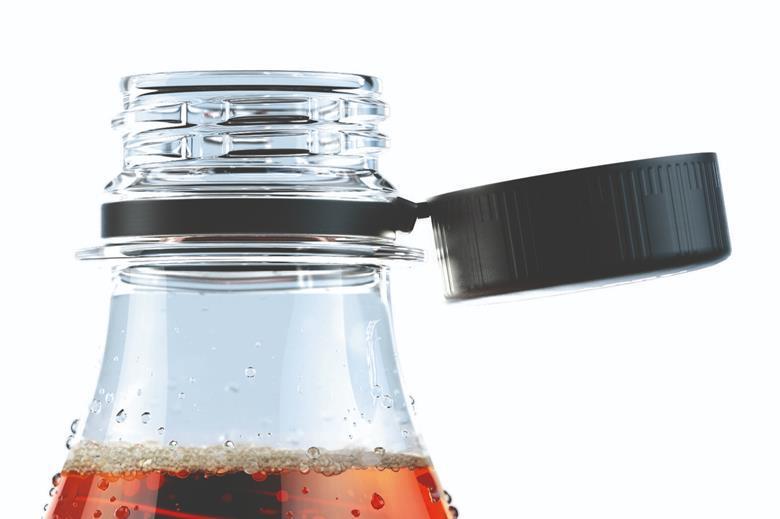
Have you noticed now that when you buy a bottled soft drink, the lid doesn’t fully detach?
It’s something social media users have noticed and they are truly not impressed, with one X (formerly Twitter) user saying, “whoever decided that bottle caps needs to be attached to the bottle now count ur days. worst thing ever.”
In their defence, at first, these caps were annoying. Being in the habit of taking them cleanly off and then finding that you simply… can’t anymore, is a little disorienting.
Advertisement
However, there is good reason behind it.
Why the caps on bottled drinks changed
So, according to the retail experts at The Grocer, it was Coca Cola that originally brought this change in.
The Grocer said that Coca Cola implemented this in an attempt to ramp up the recyclability of their products because, although their caps have always been recyclable, they were often discarded.
However, this is now becoming EU law.
Sustainable Plastics said: ”[According to EU law] plastic caps must remain attached after opening on all single use plastic beverage containers of up to three litres from July 2024 onwards.
“Metal and glass containers are exempt from this obligation. The measure is expected to prevent 10% of plastic litter found on European beaches.”
Advertisement
Additionally, the relevant part of this EU regulation for Caps & Closures production reads: “Plastic closures and lids used for beverage containers are among the single-use plastic items most frequently found as litter on the beaches of the European Union.
“Therefore, the placing on the market of single-use plastic beverage containers should only be allowed if they comply with certain product design requirements in order to significantly reduce inputs of plastic container closures and lids into the environment.”
If you weren’t aware, you can recycle almost every type of plastic bottle at home, including beverages. The only exception is plastic bottles containing chemicals, e.g. anti-freeze, according to Recycle Now.
We all know to check for our keys, our phone, and our wallet before we leave the house.
And if you’re anything like me, you’ll also take what I call an insurance wee ― a last-minute pee that you impose on your bladder, regardless of whether or not you need to go, so that you aren’t caught short on the trip.
So, imagine my horror when ― while researching how long is too long to pee last week ― I found out that I actually shouldn’t be indulging in “just in case” wees at all.
This can help contribute towards leaky or overactive bladders.
Dr. Rachel Peck, a physical therapist who specialises in strengthening bladders, agrees. She said in a recent TikTok, “normally, the bladder fills at a certain rate, and once we get to a certain point, we’ll kind of get the first urge to go.”
We normally ignore that urge, she says, but as the bladder gets fuller, the urges get stronger.
But “when we get into the habit of always peeing ‘just in case,’ we’re going when it’s not totally full, and we’re starting to train our bladder that this is the appropriate filling spot.”
So, you might end up peeing more often ― without really needing to. That may lead to further insurance pees, which may worsen the condition.
Advertisement
Vicious cycle, right?
Am I doomed if I’ve ever done it?
Well, it seems to be more a question of habit than one-off exceptions. If you’re going for an insurance pee every time you leave for work, that could be an issue, for instance.
Gynaecologist Elizabeth Farrell, medical director at Jean Hailes for Women’s Health told ABC: “If you keep going ‘just in case’ too often, the bladder never fills up properly, then it shrinks a bit.” So if you must do it, try to limit it to special events.
If you’re worried you’ve got an over- or under-active bladder, speak with your doctor.
If you’re not, thought ― and want to keep it that way ― sorry, but I guess we’ll both have to leave the safety of pre-peeing for now.
A wise philosopher once noted, “everybody poops,” and if you live in the United States and many other parts of the world, you’re probably using a toilet when you do.
So just how germy are they? And what can we do to keep our toilets, our bathrooms, and ourselves as faecal-matter-free as possible?
Advertisement
That’s what we — Raj Punjabi and Noah Michelson, hosts of HuffPost’s “Am I Doing It Wrong?” podcast — asked microbiologist Jason Tetro, aka “The Germ Guy,” when he recently chatted with us about the grossest parts of our bathrooms and how to vanquish the bad germs that might be thriving in them.
Listen to the full episode by pressing play:
“There are trillions and trillions and trillions of microbes that are essentially part of you,” Tetro, the author of “The Germ Files” and “The Germ Code,” told us. “The majority of them happen to be in your gastrointestinal system … As you might expect then, the majority of germs that we’re going to encounter in any household happen to be in the toilet.”
Many of those microbes are harmless, but some can make us sick. Even though our toilets do a great job of capturing and eliminating our waste, rogue “poo particles” (a decidedly non-scientific term Michelson used) can still escape the bowl — especially if we don’t shut the lid when we flush.
Advertisement
“This first started [to be studied in 1976], and the whole idea was, is there something that’s coming out of the toilet when you flush it if you don’t keep the lid down?” Tetro said. “[Back then we called it] a ‘plume.’ So it’s not ‘poo particles,’ it’s a plume of droplets in the air.”
Scientists placed petri dishes around a toilet, flushed it multiple times, and looked to see if anything sprouted.
“Sure enough, within six feet of that toilet, you had microbes that were growing because that’s the droplets’ span,” Tetro said.
“Let’s jump to today, because we now have had the ‘Austin Powers’ movies, and as a result of that, what are we going to use to be able to identify poo droplets? A freakin’ laser,” he said laughing.
After using lasers to map toilet plumes, scientists confirmed that they can launch as high as six feet in the air and the spray can land as far as six feet from the bowl.
Advertisement
“Within six feet of your toilet is usually your toothbrush,” Tetro noted. “When you think of it from that perspective, then you start to begin to realise that if you’re not closing the lid, then what ends up happening is that plume of droplets that contains your poo particles are getting onto things that are going to be touching your face and going inside of your mouth.”
That’s bad news because, as Tetro explained, “those fecal microbes can potentially cause infection and other problems.”
Though a partial plume could still escape from the sides of the seat even with the lid down, Tetro assured us most of the spray would be contained.
“If you keep the lid closed and you do end up with a little bit of a plume coming out of the sides, it’s just essentially gonna drop,” he said. ”[Just] make sure that you’re cleaning the floor around your toilet.”
What about cleaning the toilet itself?
“If you were to be able to swab a [toilet bowl] and then run that on a petri dish, you’re probably going to get a bunch of bacteria, but most of those are going to be environmental because it’s from the water,” Tetro said. “The reason for that is because toilets do what they’re supposed to do, which is to remove whatever is in the bowl — other than the plume — and take it down into the drain. So, in that sense, you really don’t need to worry too too much about contamination and growth and all that stuff.”
Advertisement
What we do need to worry about are biofilms, which are caused by bacteria in the water and often form as rings in our toilet bowls (and other places like our bathtubs and shower heads).
“They become very sticky and that’s where the poo bacteria can essentially start to accumulate,” Tetro said. “So what you want to do is try and prevent any of these biofilms from forming. It takes about three days to start creating a biofilm that isn’t visible, but could start being sticky. So if you really wanna be clean about it, then you want to be cleaning about every three days.”
However, Tetro said that it takes about seven days before “any of that stickiness could lead to poo sticking around,” so he advised cleaning our toilets once a week.
“The only time that I would say that you would want to do it more than that is if someone does have a gastrointestinal infection,” he added. “We’ve seen Salmonella survive in a toilet bowl up to seven weeks… [so] if you have any GI issues, then you really should be cleaning up later on that same day.”
We also chatted about the parts of our bathrooms with the most germs (they probably aren’t the spots you’d guess), how often we should be washing our towels (and the gross reason they start to smell), and much more.
Need some help with something you’ve been doing wrong? Email us at AmIDoingItWrong@HuffPost.com, and we might investigate the topic in an upcoming episode.
When did “lol” become the equivalent of a punctuation mark for millennials?
Nick Russell, a millennial from Memphis, Tennessee, tacks “lol” onto texts to sidestep potentially awkward or loaded conversation.
“It’s the difference between texting ‘I think I love you’ to a crush versus ‘I think I love you, lol,‘” Russell said. “In the latter case, I could always rely on the old ‘just kidding!’”
Advertisement
“It helps lighten the internal tension I could be feeling about whatever I’m sending,” he added.
Rebecca Reynoso, a millennial from Chicago, deploys a breezy “lol” at the end of her work texts and chats to take the edge off any message. It’s a way to quickly establish tone; a “lol” tells her co-workers she’s “approachable” and “non-threatening.”
“It’s like a tension-breaking mechanism,” she told HuffPost.
It defuses the potential for hostility in personal relationships, too.“Could you wash the dishes, lol” to your spouse or roommate sounds a lot better than a coarse, curtly communicated, “Could you wash the dishes.” (If you hadn’t noticed, millennials and younger generations have killed off the question mark.)
“’Lol’ has been around for so long that its meaning evolved, like a Pokémon. And yet, it clearly belongs to the digital realm that some people still find confusing.”
– Daria Bahtina, a linguistics lecturer at the University of California, Los Angeles
Alex Liggett, a millennial from Pittsburgh, likens millennials’ “lol” overuse to “a scream at the state of the world.”
Advertisement
“My default mode is to feel that what I have to say isn’t important, so it’s also sort of a great eraser,” he said. “But I’ve transitioned to ‘haha’ instead of ‘lol’ because I read that ‘lol’ is millennial-coded.”
Let Gen Z and Gen Alpha scoff at “lol” all they want. Most millennials say if you want to take their “lol,” you’ll have to pry it from their cold, dead hands.
“Tone is just so hard to convey through text otherwise,” said Kashif Pasta, a director and writer who’s a millennial.
Too many emojis in texts can make you look unhinged. But you also don’t want to look like an ice queen. Even a simple, straightforward period at the end of a sentence feels too stern, Pasta said.
“In real-life conversations, we’d smile, subtly chuckle or laugh in moments that aren’t technically funny at all,” he said. “With ‘lol,’ we’re just going, ‘Hey … you’re safe.’”
Advertisement
The way Pasta sees it, millennials, those born between 1981 and 1996, are like the pilot generation for text and online messaging, having gone from an internet-free existence to an internet-centric one — and “lol” has been with them for most of that shift.
“We’re the exact right age to think of email as a proxy for physical mail and texting as a proxy for phone calls or in-person conversations,” he said. “We learned to text on T9 phones with texts that cost money and had character limits, so space was at a premium and we had to convey context as efficiently as possible.”
Daria Bahtina, a linguistics lecturer at the University of California, Los Angeles, thinks “lol” is a true linguistic chameleon ― and used a truly millennial comparison to make her point.
“It’s been around for so long that its meaning evolved, like a Pokémon,” Bahtina told HuffPost. “And yet ‘lol’ clearly belongs to the digital realm that some people still find confusing.”
It started out as “laugh out loud,” but it’s long since transmogrified into a mark of humility and self-deprecation: “Don’t take this — or me — too seriously. I sure don’t.”
Advertisement
“For millennials, it’s a way to either make a neutral message warmer and more casual or a way to make a more negative message polite,” Bahtina said. “It’s like hedging or minimising a request with ‘no biggie if you disagree.’”
Images By Tang Ming Tung via Getty Images
Interestingly, every once in a while, “lol” is explicitly passive-aggressive.
In more academic terms, “lol” is what linguists like to call a discourse marker, said Anna-Marie Sprenger, a Ph.D. candidate in linguistics at the University of Chicago.
“A discourse marker is a little word or phrase that helps organise a thought or a chunk of conversation in a way that indicates the sort of ‘flavour’ of how the speaker or writer wants that bit of language interpreted by their interlocutor,” Sprenger told HuffPost.
In the English language, these can be cute interjections: “oh,” “well,” “so,” “you know” and “I mean.”
Advertisement
Interestingly, every once in a while, “lol” is explicitly passive-aggressive.
“For one project at UCLA, students observed that there’s been a mild increase of ‘lol’ as passive aggression,” Bahtina said. “They noticed more passive-aggressive tweets carrying ‘lol’ at the end rather than at the beginning or end of a sentence.”
Here’s why therapists think millennials cling so hard to ‘lol’
Now that we’ve gotten the linguistic breakdown, let’s delve deeper into the millennial psyche: What does it mean for a generation to feel so obligated to be self-deprecating and good-humoured all the time? Are theyOK?
“I think using ‘lol’ after a sentence is a way to laugh things off when you fear burdening others, which is such a prominent worry of our generation,” said Lindsey Gallop, a therapist at CZ Therapy Group in Denver.
Jordan Kurtz, also at CZ Therapy Group, looks at “lol” as a way to get some distance between yourself and any knotty emotional content. Vulnerability is scary, especially over text.
“It’s the difference between ‘I’m having a hard day today’ and ‘I’m having a hard day today, lol,’” Kurtz said. “With the former, personal struggle is allowed to have gravity.”
Advertisement
Maya Nehru, a millennial marriage and family therapist in Los Angeles, said she’s noticed two common, generational themes that might be driving “lol” overuse: the fear of loss and the anxiety around being judged and culturally cast off.
“We millennials have lived through a period of enormous change and disruption on many levels. It’s what defines us, and with change comes loss to some degree,” Nehru said. “Perhaps adding ‘lol’ to texts is the millennial’s way of protecting themselves from potential loss ― maybe we’re trying to save face.”
Plus, millennials have grown up alongside social media, where criticism and judgment are rampant and the potential to be dragged is ever present.
“I think the ‘lol’ is a behaviour that subconsciously eases our anxiety around being liked, belonging and maintaining our sense of self,” Nehru said.
Luis Alvarez via Getty Images
“I think the ‘lol’ is a behaviour that subconsciously eases our anxiety around being liked, belonging and maintaining our sense of self,” Maya Nehru said. She is a marriage and family therapist in Los Angeles who primarily works with millennials.
Advertisement
Women are probably more likely to use it, too, said Kelly McKenna, a therapist in New York City.
“Many millennials, especially women, are constantly worrying about other people’s feelings and trying to manage other people’s reactions to anything they say or do,” she said. “By adding ‘lol,’ it helps lighten the mood and hopefully reduces the risk you might upset someone by communicating assertively.”
Whatever the reasons for the “lol” reflex, linguists say it’s impressive how much heavy lifting those three little letters do.
Earlier generations might have considered digital communication as a “lean media” — insufficient for conveying the depth of our thoughts and feelings and lacking the warmth of face-to-face communications ― but Bahtina said that millennials “have long defied this notion.”
“Younger generations are so adept at using a dynamic mix of punctuation, capitalization, creative respellings, special symbols, abbreviations and emojis,” she said. “Millennials found a way to transport the richness of human expression into the realm of texts and tweets, crafting a language that is just as expressive and nuanced as face-to-face conversation.”
We love the internet. Whether we’re placing insomnia-fuelled eBay bids on action figures from our childhoods, emailing the latest Taylor Swift conspiracy theory to our best friend, or just paying our electric bill, being online makes our lives more fun, more connected and a whole lot easier.
Unfortunately, there are countless creeps who love that we love the internet — and who would love to swipe our personal information. Last year saw a record-breaking number of data breaches, which increased 20% between 2022 and 2023, so, if we’re going to live digitally (and how can we not?), we need to be vigilant about protecting our privacy.
Advertisement
We can start locking down our information by looking at how secure the internet in our own homes is.
“You will probably not be shocked to hear that we’re the problem on this one,” Alysa Hutnik, a privacy lawyer with Kelley, Drye & Warren LLP in Washington, D.C., told us — Raj Punjabi and Noah Michelson, hosts of HuffPost’s “Am I Doing It Wrong?” podcast. “It’s usually human error in how you set it up and how you manage your Wi-Fi.”
Listen to the full episode by pressing play, and discover tons of tips and tricks for keeping your online privacy protected:
The first thing Hutnik advised we immediately do is check our router settings.
“You get it out of the box — don’t leave yourself with the default factory settings because guess what? Those are public, right?” she warned. “It’s really easy for hackers to get into. You’re able to change those factory settings, including your password, and so setting up a really strong password and not having the default is super important.”
Advertisement
Next, we want to ensure we’re using encrypted settings.
“Usually somewhere in [your settings], there’s [an option to choose] “WPA,” or Wireless Protected Access,” she said. “You can just enable that, and that’s essentially like, you’re not leaving your front door open, right? You wouldn’t do that in real life.”
Hutnik recommended that checking our settings doesn’t stop at our routers.
“Anytime you’re buying technology, go to settings,” she said. “Usually there’s a privacy option and a security option … spend 60 seconds just exploring what those options are. Companies are getting so much better — we’ve got a whole lot of new [privacy] laws — so they are offering new options. [These protective settings] may not be default, but you can certainly turn them on.”
Hutnik had loads of other potent privacy tips, including this one that takes only a second.
“[I am] paranoid as a privacy lawyer,” Hutnik told us. “I like to keep [my webcam] covered if I’m not intentionally using it. There is potential of malware where your device can be taken over [and hackers could use your camera to see into your home].”
She covers her cam with a Post-it note or a sticker when it’s not in use, and if she’s done working on her laptop, she always closes it.
“These are just things to think about — again, you’re mitigating risk. It doesn’t mean that you are going to get hacked, but I would rather somebody not see into my room if I can avoid it.”
Advertisement
We also discussed how to make your passwords the strongest they can be, which setting on her phone she almost always turns off, and much more. So listen to the full episode above or wherever you get your podcasts.
Need some help with something you’ve been doing wrong? Email us at AmIDoingItWrong@HuffPost.com, and we might investigate the topic in an upcoming episode.
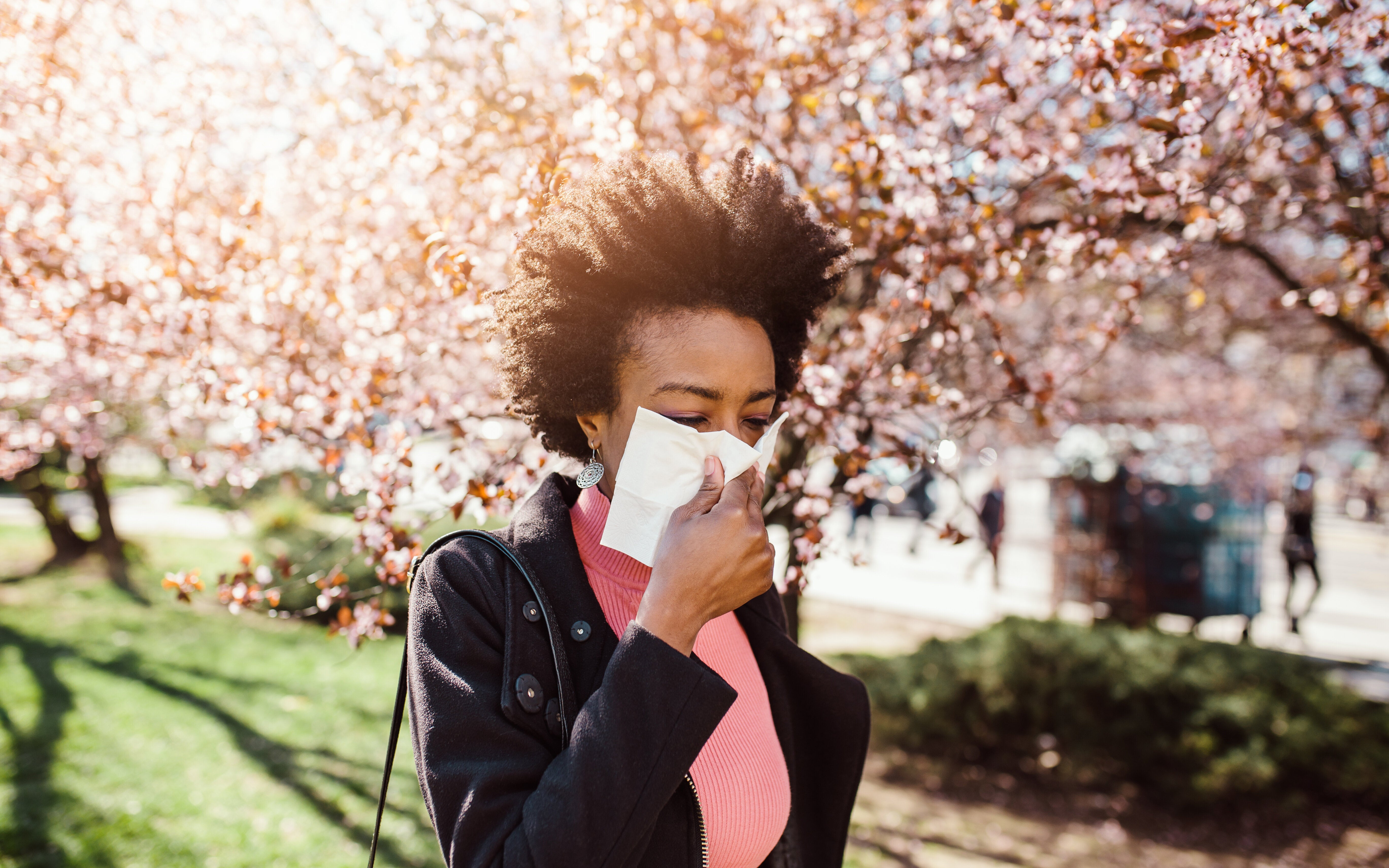
Trees, grass, weeds, pollen and mould are just a few of the things that people who experience seasonal allergies are constantly doing their best to dodge.
Those who are allergic to these plants know that sneezing, congestion and red, itchy eyes are some of the hallmark symptoms they experience when coming into contact with them. “However, seasonal allergies can cause some weird signs that a lot of time patients do not associate with seasonal allergies,” said Dr. Duyen Nguyen, an allergist at Memorial Hermann Health System in Houston, Texas.
Advertisement
From snoring to feeling like you’re going to tip over, here are 14 lesser-known signs that you may be suffering from allergies.
1. Bad Breath
That bad taste in your mouth might not be from food. It could be due to all the pollen in the air.
“When too much nasal discharge slides down the back of the throat, patients can feel nausea and even vomit,” said Nguyen. This, he explained, can give bacteria in the mouth and throat a place to multiply, leading to characteristic bad breath.
2. Dizziness
Feeling like you’re going to fall down, and not able to blame it on having too much fun at happy hour? Your allergies may be the culprit. A constant mucus build up in the Eustachian tubes, which connect between the mouth and inner ear, can create pressure inside the ears. This can potentially lead to chronic ear pain or cause you to feel off balance, according to Nguyen.
3. A Loss Of Smell
In recent years, we’ve come to associate a loss of smell with a COVID-19 infection, but it may also be due to allergies.
Advertisement
“Seasonal allergic patients can sometimes present with anosmia, which is the partial or full loss of smell,” said Nguyen. This, he added, can occur when mucous membranes in the nose are significantly irritated or obstructed.
4. Exhaustion
Feeling a little bit more exhausted than usual? Not getting enough restful sleep could be due to allergy symptoms keeping you up at night.
“In addition to allergy symptoms impacting the quality of sleep, they can also exacerbate sleep issues like sleep apnea, which can also impact the quantity of sleep,” said Dr. Julie Wendt, a tripled-board-certified allergist and immunologist at Relieve Allergy, Asthma & Hives in Scottsdale, Arizona.
It could also be due to what allergists refer to as “allergy fatigue syndrome.” Fighting off allergies all day can make your body exhausted, thus leaving you with a lot less energy throughout the day, said Dr. Robert Eitches, an allergist at Tower Allergy in Beverly Hills, California.
5. Concentration Problems
“With allergies, many people report brain fog, difficulty concentrating, and even some symptoms of ADHD,” said Eitches. He attributed this to your body expending energy on other things like rubbing your nose or eyes, which causes a loss of the expendable energy needed to focus.
Advertisement
“There have been studies that indicate that people with allergies have a higher likelihood to have ADHD than the general population,” Eitches added. One study found “strong evidence for the link between allergy and ADHD,” noting that “patients with allergy have a 30–50% greater risk of developing ADHD.”
6. A Sore Throat
While a sore throat can be a symptom of a virus, like the common cold or flu, it could also be an indicator that the body is fighting off seasonal allergies. “This is due to the increased mucus production in the body causing postnasal drip, the main instigator of a sore throat,” Wendt said.
In addition to post-nasal drip, Wendt warned that a sore throat could be due to the increased usage of antihistamines causing excessive dryness. And increased sneezing and coughing from postnasal drip is also a symptom that can lead to irritation in the throat.
7. Snoring
While common sleep disorders like sleep apnea can lead to excessive snoring, increased congestion could also be the culprit. “Nasal congestion from allergy symptoms increases snoring as it restricts the airways, impacting the quality of sleep overall,” Wendt explained.
Overall, untreated allergies can lead to chronic sleep disruptions and have a long-term impact on health, leading to higher blood pressure, heart failure and weight gain.
Advertisement
mixetto via Getty Images
Exhaustion and concentration problems are red flags you may be suffering from allergies.
8. Voice changes
Clearing your throat or other off sounds can be another sign of allergies.
“Clucking ― imagine Daffy Duck ― is a way to rub the back of the roof of the mouth, where the allergy cells are located, just as you would scratch an itch,” Eitches said. “Oftentimes people are clucking subconsciously.”
9. Unexplained Headaches
Increased sinus pressure from congestion just may be the reason behind your unexplained headaches. Sinus headaches are usually localised to the forehead and cheeks, often leaving the area tender and are usually the worst in the morning, due to the pressure build up from lying flat all night and often become less intense as the day progresses.
“This is due to the sinus cavities swelling, blocking any drainage that could relieve pressure,” Wendt said.
10. Rashes
Seasonal allergies can cause flare-ups of chronic skin conditions like eczema due to increased inflammation.
Advertisement
“Some individuals might also develop itching and rashes after direct contact with an allergen,” Wendt said. “This is often seen in the summer when kids are playing outside in the grass and develop raised, itchy rashes after spending time outside.”
11. Odd Mannerisms
Many people try to relieve their allergies through what others perceive as tics or other mannerisms.
“One such mannerism is what I call the allergic salute,” Eitches said. “This is when someone tries to relieve their allergies by pushing up on the tip of their nose with the heel of their hand. You’ll often see someone use their index finger to push on their ear.”
12. An Itchy Tongue
Your mouth or tongue gets itchy while eating a certain food, but that doesn’t mean you are allergic to that food. It could mean that the food cross-reacts with another allergen, Eitches said. One example is ragweed and bananas. This is known as oral allergy syndrome (OAS) and occurs when patients with seasonal allergic rhinitis eat a fruit, vegetable, spice or nut that cross-reacts. It can typically be quelled by cooking the food.
13. Achy Joints
Seasonal allergy symptoms can be accompanied by general inflammation as the body tries to get rid of the allergens causing the reaction, which can lead to painful swelling of the joints and soreness in the body as it tries to fight off the irritant.
Advertisement
“This inflammation, combined with the fatigue from poor sleep and changes in the weather that bring on allergy season can lead to frequent joint pain,” Wendt explained.
14. Ear-Ringing
Ringing in the ears can occur from pressure buildup from congestion, which can block the Eustachian tubes, causing inflammation and irritation.
“Those suffering from seasonal allergies also have an increased risk for ear infections as the ear does not have the ability to properly drain any excess fluid,” Wendt said. “Research has also shown that patients who experience seasonal allergies are significantly more likely to have Eustachian tube dysfunction, another leading cause of tinnitus.”
This can also lead to ear pain, a feeling of fullness, and sounds like popping and crunching in the ear as well as decreased hearing. And some studies have found that allergy medication may cause ear-ringing as a side effect. If you experience this, it is definitely something to bring up to your doctor.
If you’re experiencing any of these symptoms ― or the classic signs of your body combating allergens ― the good news is there are many ways to find reprieve. To start, make an appointment with an allergist to get tested to see what you’re allergic to.
Advertisement
“In general, allergies symptoms or signs, either common or uncommon, are treated by strict allergens avoidance, over-the-counter medications including oral antihistamines, nasal steroid sprays and decongestants,” Nguyen said.
If symptoms are not well controlled with medications, allergy shots may be beneficial.