‘Body Doubling’ Could Be The Secret To Helping Kids With ADHD Focus Better

Body doubling – where a person with ADHD works nearby or alongside another person to keep them focused on the task at hand – isn’t a new technique, but ADHD experts are increasingly recommending it as a strategy to help support task completion.

While plenty of adults already use it to plough through their daily workload, parents are also trying it to support their kids with homework or revision – especially the more boring stuff that’s hard to make a start on.

I first came across the concept when psychotherapist Jessica VanderWier, of Nurtured First Parenting, shared some of the parenting strategies she would try in her own home if she had a child with ADHD.

In addition to being structured with how much (and what type of) screen time kids encounter, and offering lots of opportunities for movement, she noted that she would also try “body doubling” when kids feel stuck and unable to start a task.

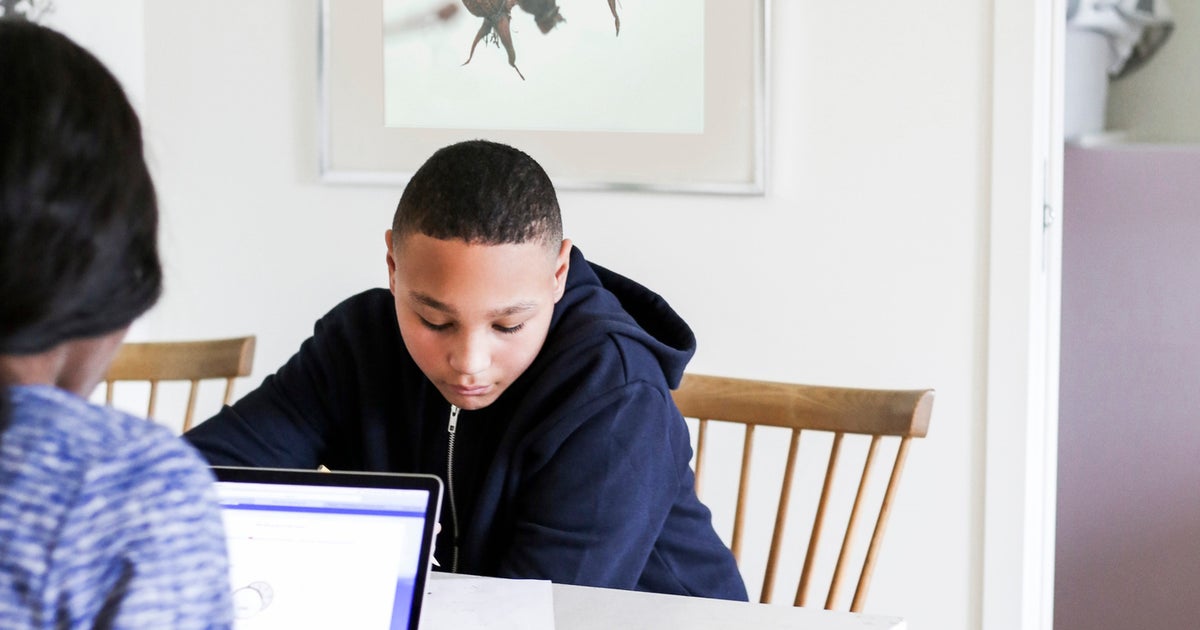
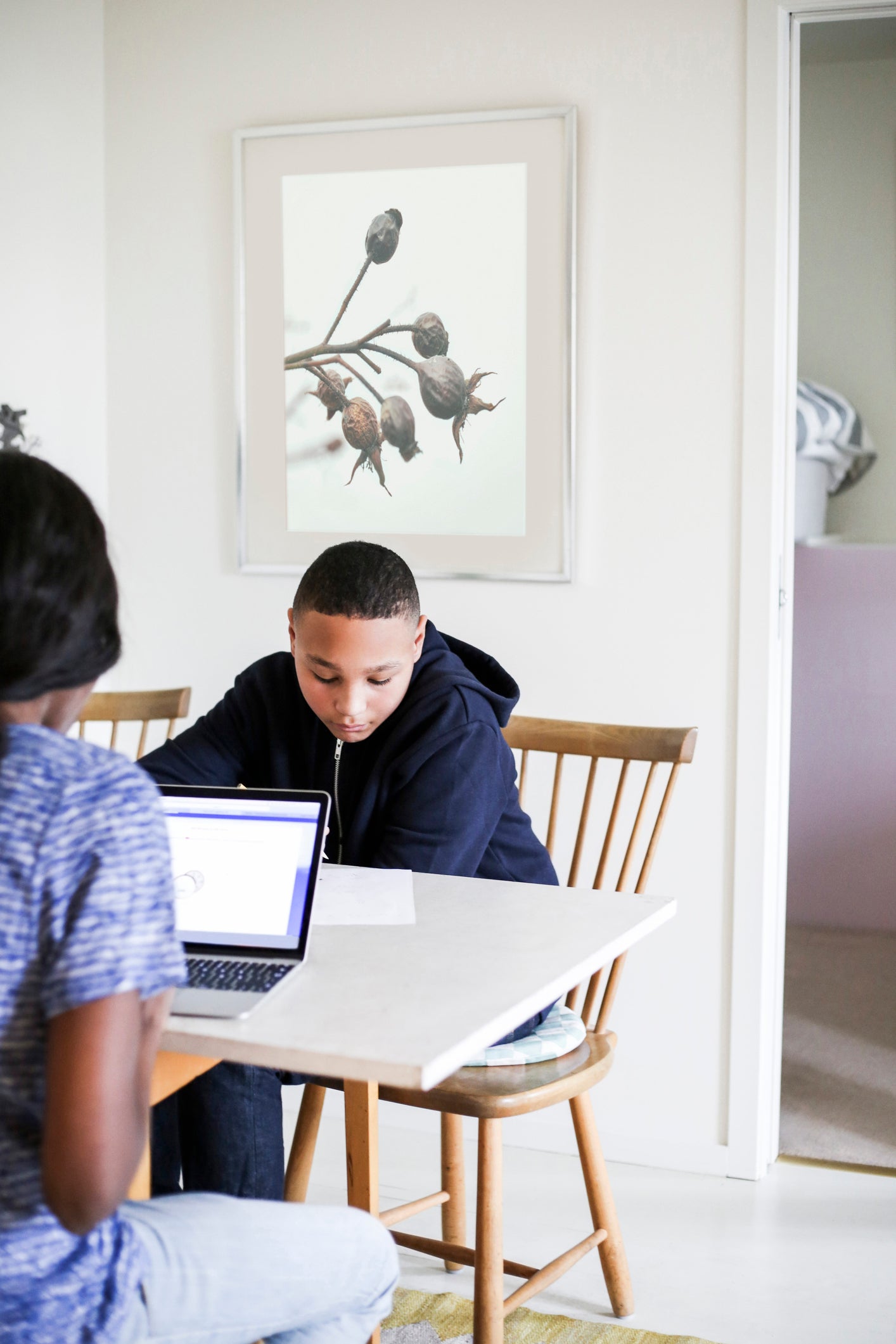
“Body doubling is when you are present and doing something in the same space that your child needs to get a task done. Example: they’re doing homework and you’re beside them folding laundry,” she explained on Instagram.

“Your presence acts as an anchor and helps decrease procrastination and increase motivation to get something done.”

Why body doubling works

Dr Chris Abbott, chief medical officer at Care ADHD, tells HuffPost UK that while there’s been limited research into body doubling, many clinicians and families report that it can meaningfully help children with ADHD with focus and task completion.

“It’s best understood as a low-risk, practical strategy rather than a standalone treatment, and tends to work particularly well for tasks that are hard to start or sustain,” he adds.

The strategy builds on psychological principles such as accountability and social facilitation.

“Children often find it easier to stay on task when someone else is present. It also helps ‘externalise’ focus, reducing the burden on executive functions like task initiation and self-regulation, which are commonly affected by ADHD,” says Dr Abbott.

Dr Kripalani, lead psychiatrist at The ADHD Centre, says body doubling is
“an incredibly effective tool”.

“Since the ADHD brain often struggles to ‘self-start’ or maintain focus on tasks that aren’t naturally stimulating, having another person present serves as a gentle physical anchor,” he explains.

Teaching kids this tool from a young age can be “transformative” because it prevents a child from internalising a “failure identity”, adds Dr Kripalani.

“Instead of feeling isolated in their struggle, the child experiences a daunting task as a shared journey, which lowers the emotional barrier to entry and helps them find their focus.”

It can also help buffer against rejection sensitivity dysphoria (RSD), which can cause extremely intense negative feelings and severe emotional pain, and is often associated with ADHD.

“Many children experience a form of paralysis born from the fear of being criticised or doing something wrong,” says the psychiatrist.

“A supportive, non-judgmental body double provides a safety net that lowers cortisol levels and keeps the prefrontal cortex ‘online’ for learning.”

Other expert-backed tips for revision and focus

  • Break revision into short, timed blocks of 10-25 minutes with regular breaks.

  • Offer ‘micro rewards’ – rather than waiting for a big reward at the end of the week, give a child a small dopamine hit, like five minutes of a favourite activity for every 20 minutes of work, to keep the momentum going.
  • Use body doubling, in person or via video, for harder or less engaging subjects.

  • Be specific about goals – you could say ‘complete five questions’ rather than ‘revise maths’.

  • Alternate subjects or task types to maintain interest and avoid fatigue.

  • Build in movement breaks (physical activity) to help reset attention.

  • Noise-cancelling headphones and fidget tools can help channel restlessness.
  • Reduce distractions e.g. have a clear workspace and limit devices unless they’re needed for studying.

  • Use active techniques such as practice questions, flashcards and teaching someone else rather than passive reading. Gamifying the more tedious aspects of study with ‘beat the clock’ challenges or colourful mind maps can help the info “stick”.

  • Create a consistent routine, but keep it flexible enough to avoid overwhelm.

  • Prioritise sleep, nutrition, and downtime – these have a direct impact on attention and memory.

  • Praise their efforts – by saying, “I love how you stayed at your desk even when that question was tricky,” rather than just “you’re smart,” we build resilience against rejection sensitivity by valuing effort over perfection.
Share Button

From Avoidance To Big Emotions: 5 Signs A Child’s Struggling With ADHD At School

A child psychiatrist has opened up about a pattern she sees routinely where a neurodivergent child will struggle at school, and the adults around them mistake their symptoms for poor behaviour or a bad attitude.

Dr Anya Ciobanca, consultant child and adolescent psychiatrist at The ADHD Centre, says children who appear disengaged, inconsistent or emotionally volatile at school may be experiencing something far more complex than just a bad attitude.

“Behaviour is never the whole story,” she says. “When we approach a child with curiosity rather than judgement, everything changes.”

Conditions such as attention deficit hyperactivity disorder (ADHD) can go undiagnosed for years because there are often misunderstandings over symptoms. For example, people might think kids who have it are just hyperactive, but there are also more subtle signs that can show up, like day-dreaming or emotional dysregulation.

Girls in particular are likely to remain undiagnosed until later life. Reviews suggest ADHD is identified more often in boys in childhood at a ratio of 3:1 (males to females), while the ratio appears to even out in adulthood at 1:1.

Experts previously told HuffPost UK this happens largely because there’s a gender divide in how ADHD symptoms are expressed (girls tend to demonstrate more inattentive symptoms), and social expectations on girls can lead to them keeping quiet, carrying on, and developing sophisticated masking strategies (sometimes at detriment to their mental health).

“There is a version of ADHD that looks, from the outside, like daydreaming or simply not caring,” says Dr Ciobanca. “But internally, that child may be working extraordinarily hard just to keep up. The effort of masking is immense, and it has a cost.”

In classrooms, children are often doing the best they can with a nervous system that’s working against them, but there are certain signs they might be fighting a hidden battle and need more support.

5 signs a child may be struggling with ADHD at school

  1. Avoidance of school or specific lessons – this might look like persistent reluctance or distress around certain subjects or transitions.
  2. Difficulty starting or completing work – this is often mistaken for laziness, says Dr Ciobanca, but rooted in overwhelm or difficulties with executive function.
  3. Emotional outbursts or withdrawal – this can look like frustration, tears or shutting down, particularly after school (also known as after-school restraint collapse).
  4. Chronic tiredness or physical complaints of headaches, which can be linked to anxiety or sensory overload.
  5. Low self-esteem, negative self-talk, and appearing to cope at school (masking) while falling apart at home.

One child Dr Chiobanca worked with had been labelled by her school as inconsistent and difficult to motivate. But in reality, she was overwhelmed and had developed a profound sense of shame around her difficulties.

Girls with undiagnosed ADHD are “more likely to blame themselves, turning their anger and pain inward”, according to the Child Mind Institute, which noted they’re also more likely to experience depression, anxiety and eating disorders than those without ADHD.

“Once we understood the underlying picture – the interaction between her ADHD, her anxiety and her environment – we could make meaningful changes,” says the psychiatrist. “She no longer had to spend every day just fighting to survive it. That freed up an enormous amount of energy for actually learning.”

With one in 20 children thought to have ADHD, Dr Ciobanca wants to see earlier intervention, more flexible teaching, and emotional wellbeing placed at the centre of education rather than its margins.

“Too much support comes too late. We cannot expect children to learn well when they do not feel safe,” she adds.

Advice for parents

If you think your child might be neurodivergent (research suggests around 15-20% of people are), it’s worth exploring this subtly with your child. Dr Chiobanca advises parents to ask their children: “What’s the hardest part of your day?” as this can reveal more than questions about effort or behaviour.

It’s also worth speaking to your child’s school – specifically their class teacher or SENCO (a special educational needs coordinator) – if you notice a pattern of distress or avoidance. Months of avoidance or emotional dysregulation are a signal worth acting on, she notes.

The psychiatrist also urges parents to separate the behaviour from the child, as “struggling children often already feel like failures; they need to know you’re on their side”.

While NHS waiting times for diagnosis can stretch for months, it might also be worth considering a professional assessment. “ADHD and anxiety remain significantly underdiagnosed, particularly in girls,” says Dr Ciobanca.

Yet when children feel safe and understood, “they are far more able to learn and grow,” she adds. “That is the kind of education system worth working towards.”

Share Button

As A Psychologist, I See Where Parents Of Neurodivergent Toddlers Are Let Down

As a psychologist working with children and families, I often meet parents at a moment of both clarity and uncertainty.

They may have started to notice that their toddler experiences the world a little differently. Perhaps their child becomes overwhelmed in busy environments, struggles with communication or finds social interaction more difficult than other children their age.

For many families, recognising neurodivergence brings a sense of relief. But it is usually followed by a daunting question: how do we get the right support for our child?

In the UK, that journey can be particularly complex during the early years.

According to the Department for Education, around 1.6 million pupils in England are identified as having special educational needs, representing roughly 18% of the school population. Yet families with preschool children often face long waiting lists for assessments and limited access to early support.

This delay matters. Early childhood is a critical period for brain development. Evidence shows that early support programmes for neurodivergent children, particularly those on the autism spectrum, can significantly improve communication, social skills and everyday functioning.

When support arrives early, it does not change who a child is, nor should it. What it can do is help children develop strategies that make learning and taking part in daily life much more manageable.

The early years can be very difficult for families

The period after recognising that a child may be neurodivergent can be one of the most stressful times for parents.

Families are often required to navigate complex systems across health, education and social care, while also supporting their child’s day-to-day needs.

Research has shown that parents of neurodivergent children report significantly higher levels of stress during the early stages of seeking support, particularly when services are delayed or fragmented.

In practice, many parents become the main coordinator of their child’s support: they research therapies, push for assessments and adapt their home routines to help their child manage emotions and sensory challenges.

Yet this expertise is not always recognised by the professionals they encounter.

Challenging outdated advice

In my clinical work, I still hear well-intentioned but outdated advice offered to parents of neurodivergent toddlers. Comments such as “they will grow out of it” or “they simply need firmer discipline” reflect a misunderstanding of how neurodivergent children develop.

Research increasingly shows that behaviours often described as disruptive are more accurately understood as a child trying to express sensory, emotional or communication needs.

When a child struggles to join in with group activities or becomes overwhelmed in a busy environment, it is rarely deliberate defiance. It is often a sign that the environment does not yet suit the way their brain works.

A more helpful approach shifts the focus away from controlling the behaviour and towards understanding what is behind it.

What early years settings could do differently

Nurseries and early years settings are well placed to support neurodivergent children before formal schooling begins.

However, according to the Department for Education, many staff feel underprepared to recognise and respond to the different ways children develop and learn.

Inclusion means more than simply allowing neurodivergent children into mainstream settings. It means adapting those environments with calmer spaces, flexible routines, visual aids and genuine collaboration with families.

When these changes are made, the benefits extend to all children. Every young learner does better in an environment that feels predictable and safe.

One young child I worked with struggled to join in at nursery and was frequently described as disruptive. Staff were unsure how best to respond.

After introducing a simple visual timetable and a quiet space where the child could go when feeling overwhelmed, the difference in their participation was remarkable.

What changed was not the child but the environment. This reflects a broader principle: when we adjust our surroundings to meet a child’s needs, their ability to engage often grows considerably.

Dr Marguerita Magennis is a psychologist, educational consultant, counsellor and psychology tutor at FindTutors.

Share Button

Meltdowns In Kids With AuDHD Are Never A ‘Choice’ – Trying This With Your Child Might Help

Every parent knows how difficult it can be when their child is struggling to regulate themselves.

But for parents of children with AuDHD – those who are both autistic and have ADHD (attention deficit hyperactivity disorder) – it can be especially tough to navigate emotional outbursts that seem to come out of nowhere.

In my experience, understanding the difference between a meltdown and a tantrum is crucial in knowing how to respond – and how to help.

What’s the difference?

A tantrum is a way of expressing frustration or attempting to get something. It is typically goal-oriented and usually the child has some control over it – for example, if they get what they want, they are usually able to calm down.

A meltdown is not a choice. It’s a neurological response to overwhelm – whether that’s too much sensory input, emotional stress, or cognitive demand.

Meltdowns are associated with the range of intense emotional regulation challenges that can accompany AuDHD. Importantly, meltdowns stem from a loss of control, not a desire to gain it.

An emotional safety plan can help

An emotional safety plan is a proactive, collaborative tool that helps children identify their emotions, recognise their triggers, and explore personalised strategies for managing distress.

It can be as simple as a colourful chart or journal page created together with your child, divided into spaces to note what each emotional state looks and feels like, what might have caused it, and what helped in those moments.

Involving your child in building their plan is key: it not only gives them a sense of ownership, but also helps them reflect on their own needs, feel heard, and develop vital self-awareness skills over time.

This can provide children with the tools to “name it to tame it”, putting words to feelings, to help reduce distress. This can be empowering, in addition to providing a sense of validation and control.

Key emotional states you can map together

Here are some common emotional states your child may experience, and ways you can support them through each one:

Hyper-arousal (meltdowns)

A meltdown is an intense, involuntary reaction to being overwhelmed, often as a result of stress and exhaustion. It may present physically, such as kicking or self-harming; verbally, such as screaming or shouting; and/or emotionally, such as through crying.

Meltdowns are highly individual and situational, with many potential causes, such as sensory overload, changes in routine, loud environments, and an inability to communicate effectively.

Co-regulation is a highly effective strategy to manage a child’s meltdown – stay calm and regulate yourself, while validating their experiences.

Reducing demands and sensory input, such as turning off lights or providing noise-cancelling headphones, can also be very helpful.

Establishing a safe physical space and toolkit for when a meltdown occurs, tailored to an individual’s needs, can provide an important foundation of safety.

Identifying potential triggers can flag opportunities to plan effectively, such as by using visual aids to plan transitions or changes.

Dysregulation (overwhelm)

Dysregulation is linked with overwhelm, such as from sensory input, emotional demands, or social expectations. Masking (suppressing natural responses to ‘fit in’) takes a toll on the nervous system, often resulting in emotional outbursts when this becomes unsustainable.

For example, a common scenario is when an AuDHD child arrives home from school and ‘releases’ overwhelm in a ‘safe’ environment, having masked all day. This can be referred to as the ‘shaken Coke bottle’ effect, where dysregulation builds up pressure internally, until this becomes external.

Overwhelm could appear as ‘naughty’ or ‘rude’ behaviour, which may be more accurately described as decompressing and adjusting.

Identifying these experiences with your child can help signpost potential strategies for support. For example, providing predictable decompression time before any conversations or demands after arriving home from school, or predictable rituals, can provide space for healthy decompression.

‘Normal’/balanced

Many AuDHD children grow up feeling like they need to adapt to what others expect – smiling when distressed, hiding self-soothing activities, or mimicking social behaviours, for example. This can make it difficult for them to understand what they actually need, or what it feels like to be authentically themselves.

Helping them to identify their own version of ‘normal’ (by identifying situations where they feel safe to unmask) and their sensory preferences can empower them to know their own baseline. This enables them to better recognise dysregulation, including when and how to seek support.

Reframing masking in this way can help AuDHD children (and adults) understand the difference between harmful suppression and strategic adaptation in masking, moving towards conscious choices, as opposed to involuntary reactions.

Dysregulation (numbness)

Not all dysregulation looks explosive – sometimes, it can manifest as becoming numb, distant, or zoned out, failing to follow instructions. This stress response may be a form of dissociation, where the brain temporarily disconnects to protect itself from overwhelm or perceived danger.

Such behaviours may be misunderstood as ‘rudeness’, ‘laziness’ or ‘not paying attention’, when the individual is in fact likely freezing up mentally and physically.

Triggers could include high pressure environments (such as classrooms), feeling criticised or misunderstood, or sensory overload, which builds up slowly.

Helping children to identify that these experiences aren’t ‘normal’ – or their fault – can be empowering. This can not only enable children to identify early warning signals, but also helpful activities to move through such states.

For example, creating mindfulness routines, such as counting breaths or colours, can help to centre their focus, in addition to identifying tools such as fidget toys to offer grounding through sensory input.

As a parent, providing non-intrusive presence, or grounding activities such as a firm hug (if your child is comfortable with this) can be highly effective. Ultimately, compassion can help them move into a state of safety.

Hypo-arousal (or shutdown)

Hypo-arousal is an intense state of nervous system under-action, often referred to as a shutdown. This is an internalised response, where the body and brain effectively go into ‘power-saving mode’ to survive overwhelm, effectively switching off.

Although highly individual, signs of shutdown can include selective mutism, where they become unable to speak. Children might become non-responsive, and extremely fatigued, withdrawing from interaction or situations and becoming detached from their surroundings.

Triggers for this involuntary response could include being told off, a lack of sleep, or an inability to communicate their needs. Certain sensory stimuli – such as smells, lights, noises, textures or movements – could also result in a shutdown.

In all situations, it’s crucial to prioritise the safety and wellbeing of the child, such as gently guiding them to a less stimulating, safe environment, and respecting their personal space. Avoiding pressure, such as to talk or communicate, is important, and pre-identifying alternative communication methods such as hand signals can be highly effective.

Practicing grounding and self-soothing techniques in a safe environment, such as deep breathing, or identifying calming activities such as colouring or journaling, can also help to form the basis of an emotional safety plan.

These plans can help empower children

Every child’s experience will be very different, but they likely already have a lifetime of experiences to draw upon and identify their own unique triggers and strategies that have helped them.

Having a step-by-step list of things to do in situations that trigger emotional dysregulation can be a highly empowering touchpoint, especially within states of overwhelm.

Just like you wouldn’t be able to stop crying just because someone told you to, neither can children – especially when they’re AuDHD. However, these plans can bridge the gap, providing a window into their invisible experiences, enhancing awareness and empathy.

Ultimately, kindness and understanding are key to supporting AuDHD children. Avoiding judgement, demonstrating reassurance and providing well-informed, tailored support is key to creating environments where AuDHD children can thrive – not just survive.

The experiences I’ve mentioned above are not ‘bad’ – they are simply part of a normal reaction to a world that isn’t designed for their unique neurological makeup, but all AuDHD children deserve to feel happy, safe, and empowered as they are.

Leanne Maskell is the founder and director of ADHD coaching company ADHD Works, and the author of AuDHD: Blooming Differently – a new book offering practical help and advice for AuDHD individuals and those who support them.

Share Button

People Love To Ask Invasive Questions About My Son’s Autism. These Are The Only Ones I’ll Answer

My son, who starts second grade soon, is autistic and largely nonverbal.

We don’t live in a world that’s made for neurodiverse folks. And while there’s so much out there that tries to push kids like mine to conform into neurotypical spaces, it’s really on us to bend the world for them.

That’s why I talk to our neighbours, the folks running nearby stores, members of our community, about his autism. As a result, he has a favourite corner deli, where the owners know him. A thrift store where, when we walk in, an employee turns the music down, smiling at me from across the aisles. A bookshop where the booksellers don’t mind him sitting at the little kid’s table for half an hour, even when he unpacks a bag of Lego.

As a father, I will pry the world apart with my bare hands if I have to, if it means he can find a way through. But outside of these specific situations, I’ve never liked talking about my son’s autism with other people.

Growing up as a marginalised person, particularly as an adopted person of colour who didn’t really fit into any one space, a lot of irritating questions regularly came my way. “Where are you from, from?” perhaps being the favourite.

And while I had plenty of canned responses, none were ever satisfying, and I was always tired. No one likes to continuously explain their existence.

It wasn’t until I was an adult that I learned the concept of “it’s not your job to educate everyone”. It quickly became a core part of how I walk through the world. I was frustrated. I didn’t want to keep justifying myself to people who didn’t understand.

They could just go Google. It’s not that hard to learn about adoption, or what being a transracial adoptee means. Why waste my time, why make me cut myself open for you?

When our son was first diagnosed, there were a lot of questions from family and friends. Most of them were genuinely well-meaning, but as he grew older, some of them started to feel more and more ignorant and intrusive. I got angry. I snapped on phone calls, out at dinner. And that shield went up once again.

It wasn’t my job to educate everyone.

But in the last two years, something has changed. My child started going to school, then started wanting to go to the park, to playgrounds. He was trying to be social, even without the words. And in that world that tries to make neurodiverse folks bend and change, he deserved every opportunity, every run on a slide, every jump in a splash pad. A classroom, a summer camp. A childhood.

Then the questions started to happen again.

But they weren’t coming from the adults. The other parents mostly looked at us silently, from the corner of their eyes, as I showed up with my kiddo in a wagon while the rest of their children walked; or when he jumped around as their kids sat still; or when he got wildly upset over someone touching his backpack and had to unpack the entire thing so he could make sure everything was just the way he needed it to be.

The side eyes and furrowed brows are seared in my brain. Even if they don’t recognise me at the local grocery store, I sure remember them. I’m a father first and a Scorpio second.

So no, the questions didn’t come from those adults. They came from their kids.

“Hi, are you his Dad?”

“Why do you take him everywhere in that wagon?”

“What’s wrong with him?”

“Why doesn’t he talk?”

“He won’t play with me, why not?”

“Why does he keep spinning around like that?

“How can I help?”

At 6 or 7 years old, they were full of questions, but they were also full of empathy. Between drop off and pick up at school, at neighbourhood block parties, and at this year’s summer camp, little kids frequently asked these gentle questions, sometimes while a nearby parent tried to shoo them away or tell them what they were asking was inappropriate.

Maybe Past Me would have felt the same. The part of me that insisted “it’s not my job to educate everyone”. But I think that changes when the person you’re trying to educate people about can’t do it for themselves. When you have a chance to alter the world for your child, even a little bit.

So, I started to answer the questions. Just a quick sentence here or there.

“Oh, well he’s autistic. He experiences the world in another way.”

“Sometimes he gets overstimulated, and moving around helps. It’s called stimming.”

“It’s called being nonverbal. Words are hard, but he does communicate.”

“He experiences sensory things differently. So touching is sometimes very uncomfortable.”

And so on. My responses were always met with a thoughtful look, a smile. An “I want to try that!” and a kid spinning around themselves, arms stretched out in the morning sun.

I’m hopeful, staring down second grade. He’s got great teachers and a great community. And there are kids with empathy everywhere, even if some of the adults have lost it over the years.

Where I once thought it wasn’t my job to educate everyone, now I wish that more people would ask these questions in the gentle, well-meaning way kids do. That instead of the stares and the whispers, they would be curious and brave, like children who only want to understand.

Do you have a compelling personal story you’d like to see published on HuffPost? Find out what we’re looking for here and send us a pitch at pitch@huffpost.com.

Share Button

RSD May Be ‘Common’ With ADHD – Here Are Its Symptoms

Rejection-sensitive dysphoria, or RSD, is not an officially recognised diagnosis, the Cleveland Clinic says. But it is sometimes used in connection with formal diagnoses, like ADHD.

“This condition is linked to ADHD and experts suspect it happens due to differences in brain structure,” the Cleveland Clinic adds.

ADHD resource ADDITUDE calls RSD a “common ADHD trait”, though experts are in disagreement about whether it’s a trait or side effect. Nonetheless, a 2024 paper suggested a strong relationship between the two.

So, what exactly is RSD?

RSD is an extreme sensitivity to feelings of rejection. The term’s last word, “dysphoria”, comes from an Ancient Greek word meaning “uncomfortable” or “hard to bear”.

Cleveland Clinic says: “While rejection is something people usually don’t like, the negative feelings that come with RSD are stronger and can be harder to manage or both.

“People with RSD are also more likely to interpret vague interactions as rejection and may find it difficult to control their reactions.”

For those with RSD, something which might be a throwaway comment for one person can come across as a hostile, hurtful insult.

It may be linked to issues with emotional regulation, which neurodivergent people and those with personality disorders might struggle with more.

What are the signs of RSD?

People-pleasing, overreacting to perceived rejection, and struggling to interpret vague or neutral interactions as anything other than bad are common signs, the Cleveland Clinic says.

Feeling easily embarrassed or self-conscious, having low self-esteem, avoiding projects or tasks that include a risk of failure, and being preoccupied with perfection can also be symptoms.

It may be passed down genetically.

NHS Devon Partnership Trust writes that while “people with ADHD might identify with the definition of RSD… it won’t be given as a diagnosis in the UK”.

But while you are unlikely to receive a formal RSD diagnosis, you should speak to a doctor if you’re experiencing persistent difficulties with: attention, mood, focus, sensory processing, social interactions, or learning that disrupt your day-to-day life.

According to private medical centre, the Dr Jenni Clinic, talking therapies and emotional regulation techniques might help manage RSD. Some ADHD medications can also support emotional regulation, “reducing the intensity of RSD symptoms”.

Share Button

There Are 8 Key Autism Terms – It’s Time You Learned Them

Recent studies reveal that about 700,000 people in the UK are autistic, which works out as around one in every 100 people in the population. Research also indicates that the numbers could be twice as high, as there are so many people still undiagnosed.

With this in mind, Dr Selina Warlow, a clinical psychologist and owner of The Nook Neurodevelopmental Clinic, has shared a glossary of terms that give insights into some of the traits of autism, providing support when it comes to recognising symptoms.

She says: “Conversation around neurodiversity is becoming normalised, and that’s so positive to see.

“But the figures show a need for more awareness to help people identify whether they [are autistic], so they can start their assessment journey. Receiving a diagnosis can open access to expert resources that support autistic people to thrive in society.”

From masking to autistic burnout – a psychologist explains 8 traits of autism

Stimming (Self-Stimulatory Behaviour)

Stimming is a term that refers to repetitive movements or sounds often associated with autism to manage sensory overload. This includes rocking, tapping, hand-flapping and spinning”, explains Dr Warlow.

While these aren’t exclusive to autistic people, autistic people are more likely to use them as tools of self-regulation.

Masking is behaviour autistic people may use to hide their true characteristics to match those of neurotypical individuals”, says Dr Warlow.

“This could involve copying facial expressions, planning conversations in advance, or holding in ‘stimming’, for example swapping hand clapping, with playing with a pen.”

Autistic burnout

“Autistic burnout – being extremely tired both mentally and physically – can be associated with the act of ‘masking’ (concealing autistic behaviours) for a long period of time, or sensory or social overload.”

Dr Warlow shares that some of theymptoms of autistic burnout include withdrawal from social life, reduced performance, and increased sensitivity to certain stimuli.

Literal thinking

For some autistic people, language is always very literal, which can result in confusion with figures of speech, irony or indirect requests.

“For instance”, Dr Warlow adds, “being told to ‘pull your socks up’ might be understood literally, not as a motivational phrase, so using exact words may be more helpful during conversations.”

Assessment

Prior to diagnosis, a person showing signs of being autistic may choose to be assessed. This process can either happen through the NHS by visiting your GP or you can seek a private assessment.

Dr Warlow says that a diagnosis can be both “an emotional, but also empowering time”, while you learn about autism and adjust your lives to cater for its strengths and needs.

Hyperfocus

Hyperfocus is where an autistic person is able to focus intensely on an activity, and can become absorbed in it to the point of forgetting about the time. This is useful in work or hobbies but can result in neglect of other aspects of life such as food or rest.

Dr Warlow advises: “If it is possible to identify hyperfocus patterns, alarms can be used to help keep tasks moving.”

Special interests

Autistic people can have a particular interest which they find fascinating and dedicate lots of time to learning about. Special interests usually begin presenting in childhood but can also form as an adult. Special interests could include anything from dinosaurs or superheroes to hobbies like gardening.

Dr Warlow adds: “Chris Packham is an example of a person with autism who turned his childhood special interest in animals into a successful career, becoming one of the UK’s best-loved natural world TV presenters.”

Dr Warlow reveals that the term AuDHD – a combination of Autism Spectrum Disorder (ASD) and Attention Deficit Hyperactivity Disorder (ADHD) – is gaining traction in the neurodiverse community, with over 12,000 monthly Google searches, 375,000 posts on TikTok and 172,000 hashtags on Instagram.

“Many autistic people also have ADHD, which can bring certain benefits and difficulties at the same time. While autism is characterised by a desire for sameness and a focus on details, ADHD is defined by impulsivity and difficulty focusing.”

If you think you may be autistic, speak to your GP for a referral.

Share Button

People With Suspected ADHD Are Facing A Crisis In The UK

While the UK ADHD population is still grappling with ongoing medication shortages, new research from Mamedica has found that not only are the 2.6 million people diagnosed being left behind but a further 4.5 million Brits believe that they have undiagnosed ADHD.

Undiagnosed ADHD can come with a myriad of complications which leads to a reduction in quality of life for neurodivergent people. According to ADDitude Magazine, undiagnosed ADHD can lead to impulsivity, emotional instability ,and feelings of anger and worthlessness.

How long are NHS waiting lists for ADHD diagnosis?

Of course, throughout the UK, waiting list times differ but a report by ITV released in October found that in some areas of the UK, adults could be waiting up to 10 years for a diagnosis.

Speaking to ITV, a Department of Health and Social Care spokesperson said: “We know how vital it is to have timely diagnoses for ADHD, and we are committed to reducing diagnosis delays and improving access to support.”

Additionally, Sheffield magazine Now Then has reported that in the 12 months between June 2022 and June 2023, only 21 adults received an assessment from The Sheffield Adult Autism and Neurodevelopmental Service (SAANS), which resulted in nine diagnoses.

Now Then stated that with 5,481 service users on the waiting list at the end of the same period, with current assessment rates, it would take 261 years to get through the current waiting list.

How this crisis is affecting women

According to the ADHD Foundation, 50-75% of the women in the UK with ADHD are undiagnosed, and as a result may be experiencing poor health and socio-economic outcomes.

While awareness of ADHD in women and girls has improved in recent years, ADDitude Magazine warns that there is still a lot of information gaps with professionals such as teachers and gynaecologists.

They said: “We now know that fluctuating female hormones worsen ADHD symptoms, yet this important issue is largely neglected. Gynaecologists are not educated about ADHD; psychiatrists don’t study the effects of female hormones on the condition; and many females feel minimised and mistreated.”

How is the ADHD diagnosis crisis being tackled?

The shortage in medication has led to doctors in England being told to not prescribe new patients with ADHD medication but this is expected to be resolved by December. From there, it is up to individual health boards to tackle backlogs.

However, back in May of this year, MPs on the All Party Parliamentary Group (APPG) for Attention Deficit Hyperactivity Disorder (ADHD) called on the government to prioritise tackling NHS waiting lists to assess people who could have the disorder.

Tory MP James Sunderland, a vice chair on the APPG, said to PoliticsHome that he wants the government to “throw the kitchen sink” at tackling NHS backlogs relating to ADHD, particularly for school-aged children.

Share Button