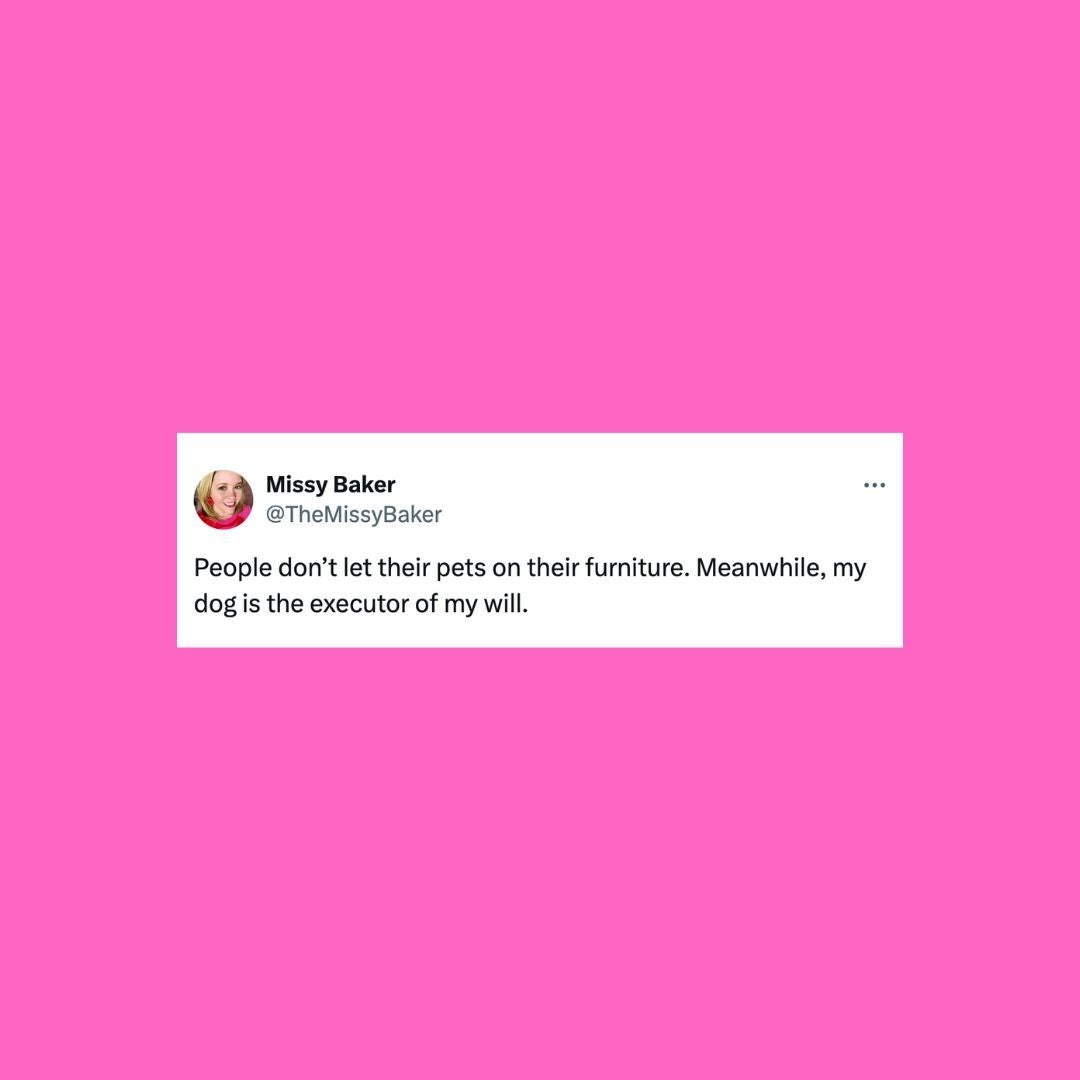
21 Of The Funniest Tweets About Cats And Dogs This Week (July 27-Aug. 2)

Share Button

Daters, Meet “Pebbling” ― The Penguin-Based Dating Trend Social Media Loves

We’ve written before at HuffPost UK about “tolyamory,” where one or both partners silently permits the infidelity of another without ever explicitly addressing it.

We’ve covered the “orange peel” and “Dorito” dating tests, too. But what’s “pebbling” ― a penguin-inspired dating trend I keep seeing on my For You Page?

A viral TikTok from @jakeyboiarts describes it as giving “someone a bunch of something because you’re thinking about them, for example, a penguin that gives a pebble to another penguin they love.”

The video, which has earned over 640k views as of the time of writing, explained that “pebbling online is like someone who gets videos, memes, whatever, and you send them to someone.”

What’s that got to do with dating?

It doesn’t have to. Another TikTok video by autism-specialising therapist @myautistictherapist suggested that “the way [many autistic people] share love is through giving information” ― “pebbling” facts, as it were.

And that love can be for friends and family as well as partners. “A lot of the autistic people on this app are showing the world love by sharing what they know,” the therapist said; of course, the same goes for anyone else. It’s a little gift for those you love.

But seeing as the Gentoo penguin-based habit it’s based on is used for amorous avian couples, the trend has taken on a romantic hue on social media ― and the pros seem to approve.

Older forms of “pebbling,” like giving someone a gift, bringing them home a snack, or even telling them about a part of your day that made you think of them have existed for as long as love has, Psychology Today points out.

But relationship expert Gigi Engle told Metro.co.uk that the newer, online application is great for couples; “I think it’s the cutest thing ever because memes are a love language these days,” she said.

“Pebbling started with the advent of meme sending as a form of creating a connection with people… It can definitely strengthen a relationship because it’s similar to sending a message saying, ‘I saw this and thought of you,’” the romance expert added.

So… it’s always good?

As with anything else, you can have too much of a cute thing.

App user @jakeyboiarts’ TikTok references opening your phone to “hundreds” of notifications ― that might be overwhelming to some (it’s me, I’m ‘some’).

Engle also told Metro that, “Pebbling does have the potential to set an expectation of communication you’re going to have throughout your relationship, so that’s something to keep in mind.” Your partner may feel hurt if you’re unable to keep up the pebble pace for long.

And in the same article, dating expert Drew Wyllie of Pure dating app, advised that “What is deemed sweet and thoughtful for someone, may be irrelevant for someone else” and suggested pebblers “make a mental note of your partner’s likes and dislikes as well as their daily behaviours so you can make your presents more relevant.”

“Pebbling alone is not going to get you far,” Psychology Today adds, stating that the memes should be a jumping-off point for deeper connections and not your main romantic meeting point.

Still, though, if you are your beau have a sweet meme exchange going, then take it from the Gentoo gents and keep it rolling.

Share Button

People Are Realising How Crocodiles Actually Float, And I Haven’t Stopped Laughing

I can only apologise for our sharing the fact that alligator penises are pretty much constantly erect.

But if it helps to make up for it, we have a far more uplifting (bad word choice?) bit of info about crocodilian creatures ― crocodiles swim, or at least float, in a really, really, reassuringly stupid way.

A presenter for CTV This Morning shared in 2020, “You know when a crocodile you see on the surface of the water looks so scary… what you don’t know is what they look like under the water.”

Which is?

In a clip shared on TikTok by@animals012, a crocodile was seen floating in a clear-sided tank.

The vessel allowed the camera user to see the rest of the croc’s body under its menacing head ― a body which was simply dangling straight below its intimidating snout like a fishing float.

Turns out there’s some serious science behind the spectacle. National Geographic writes that crocodiles and alligators “use their lungs like floats, and shift them about their torso using four sets of muscles.”

Zoologist Adam Britton told Newsweek, “The legs are splayed in a classic stabilising manner [in the viral video], and you can see the belly is enlarged because the lungs are extended toward the belly so pushing the guts into a smaller space.”

He added, “The only difference [in the video] is the crocodile has its body angled down at a steep angle, which is more common with juveniles and sub-adults.”

However, the croc is floating rather than swimming, as swimming involves moving their tail or legs ― unless the current is helping them along.

Nonetheless National Geographic says that floating is how crocs sneak up on their prey as thrashing legs and tails might give them away.

So depending on how deep the water is, crocs with murder on their minds might well bob their way to their prey like the one in the video.

The post recently got a second life

A re-post of the clip by CASTROVANIA, shared last month, garnered some incredulous comments on TikTok.

“It’s 4 AM, I can’t breathe,” one commenter said, while another wrote, “I refuse to believe this.”

“What Instagram sees vs. reality,” another TikToker commented.

“Is nobody gonna talk about how he’s moving without moving?” yet another app user asked.

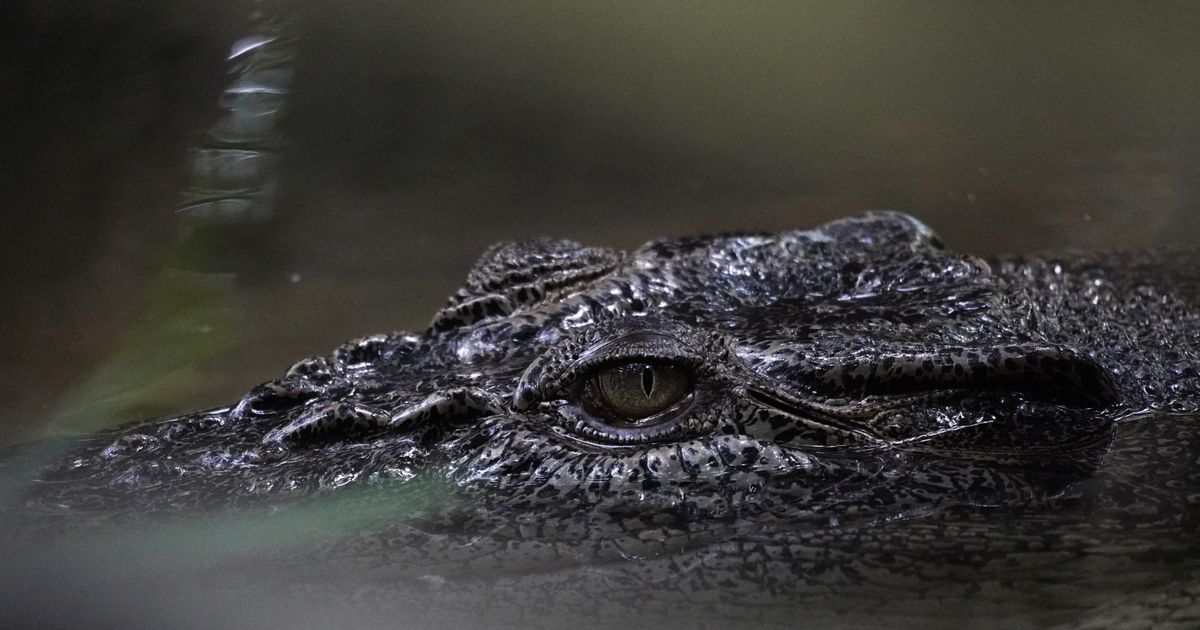
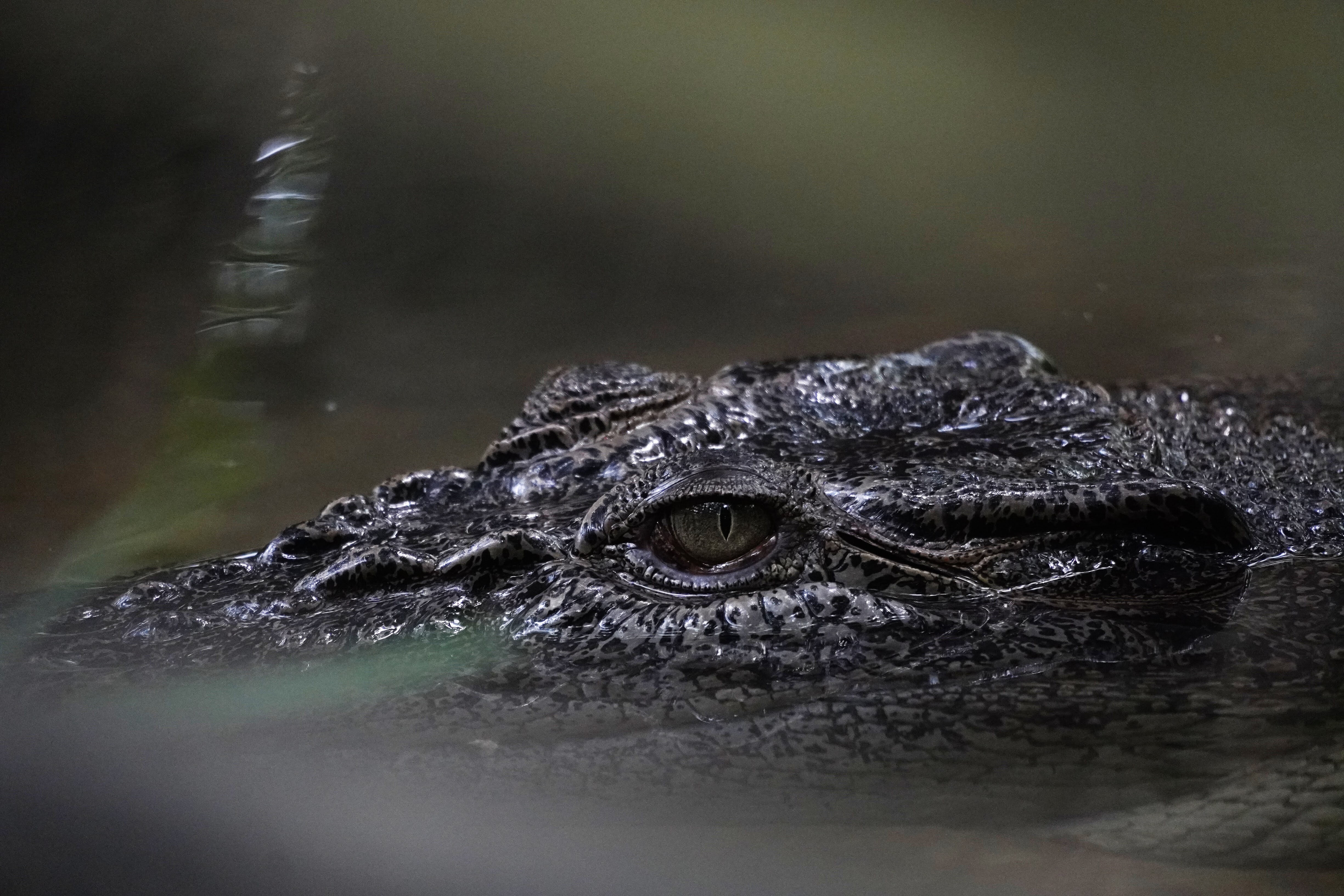
All I know is I’m going to find those cinematic shots of crocodile eyes peering perilously over the water a lot, lot less scary from now on…

Share Button

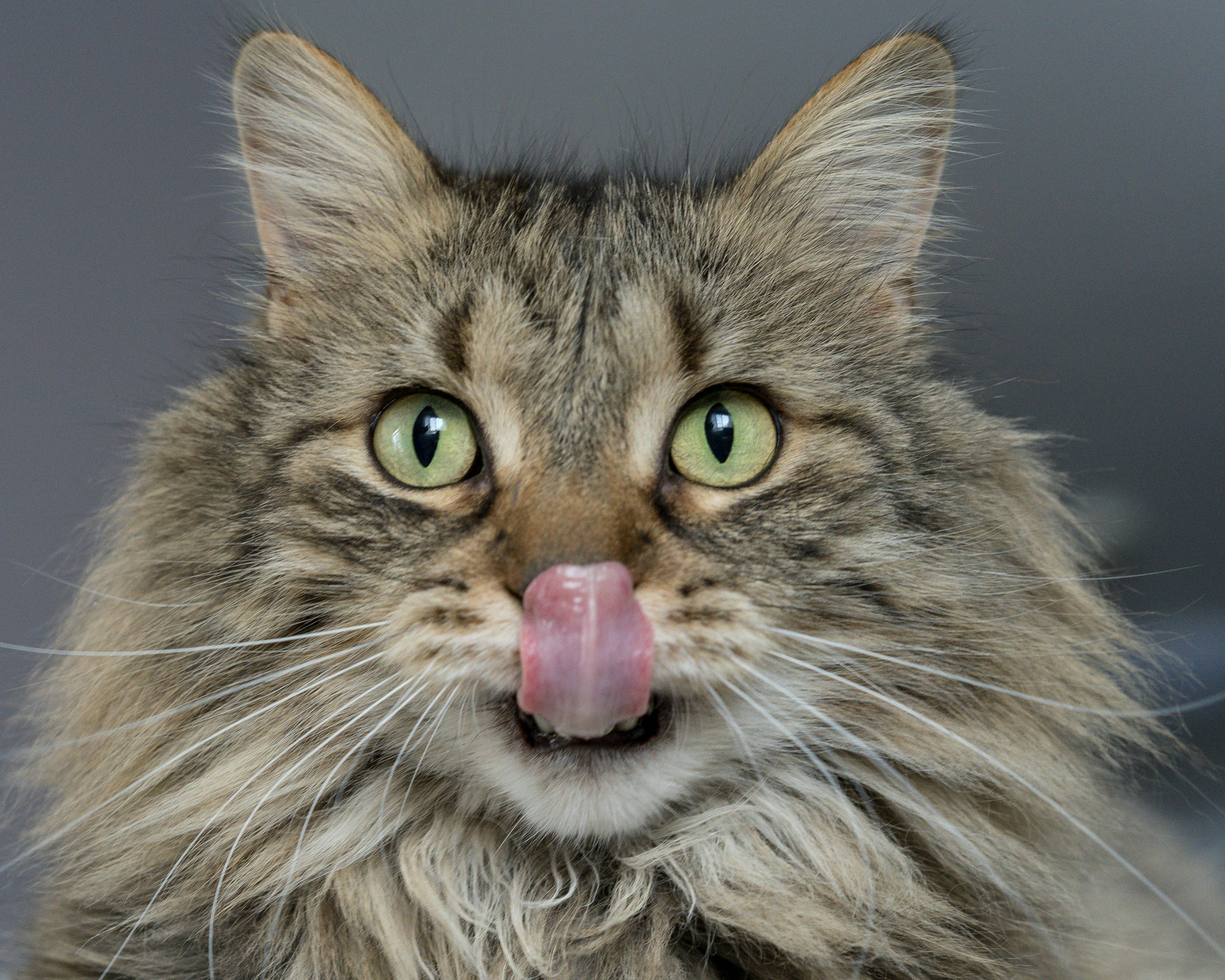
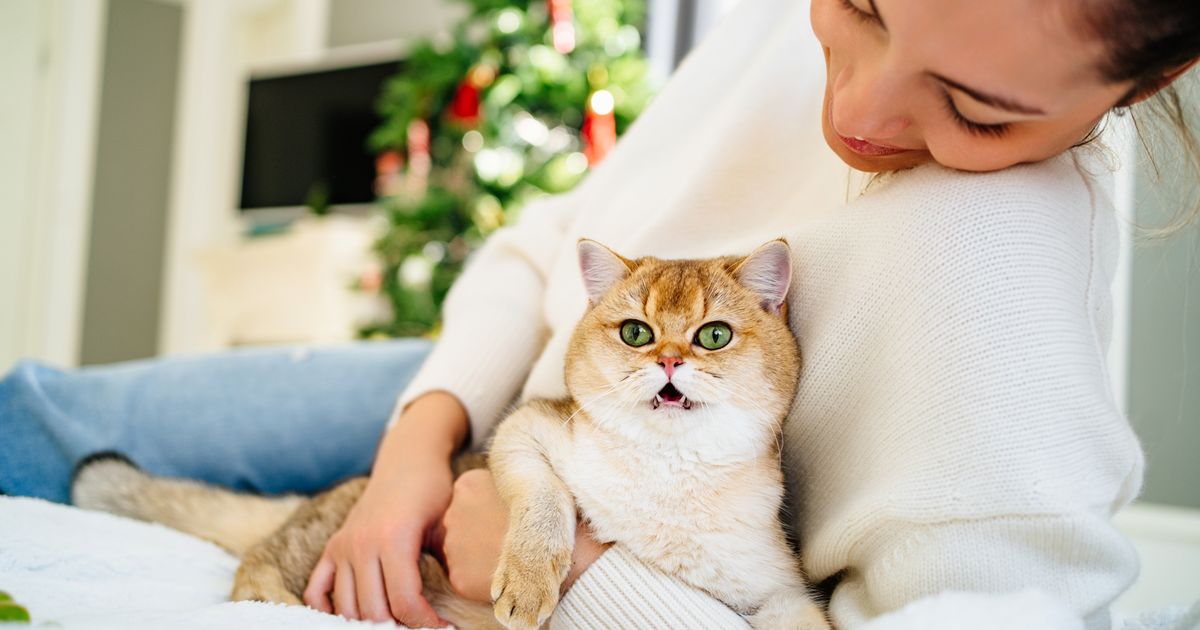
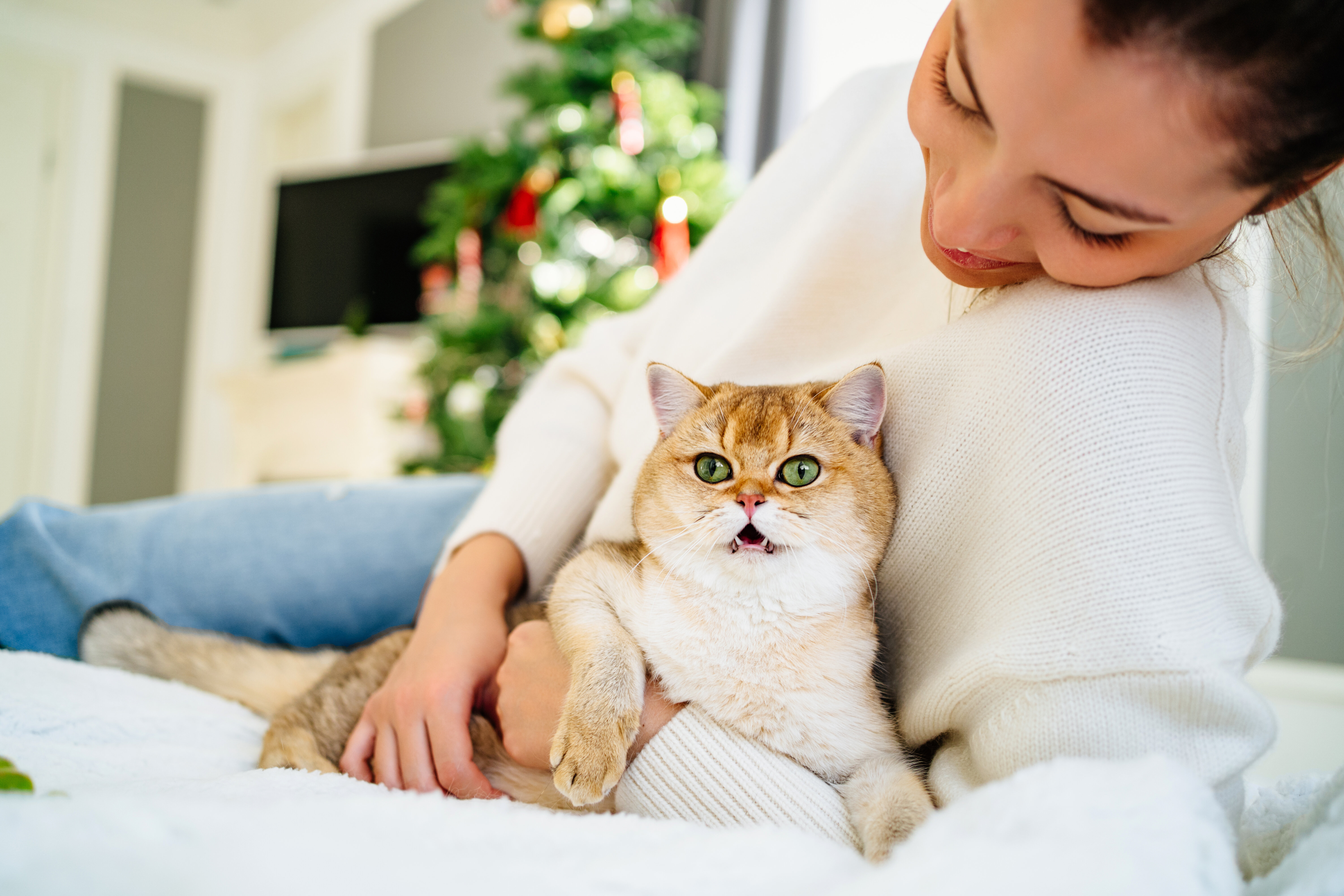
This Is The Weird Reason Why Your Cat Sometimes Stares At You With Their Mouth Open

I’ve had my oldest cat for almost 13 years and there’s not a lot that tiny tabby does that surprises or confounds me these days apart from that open-mouth stare.

If you’re a cat owner, you’ll know it. Your usually very lucid cat is suddenly staring at you, mouth agape for around 30 seconds before they seem to break out of this weird glitch and go back to being their furry little selves.

I always assumed it was down to daydreaming but apparently, it’s much more scientific than that.

Why cats sometimes sit with their mouths open

So, no offence to my sweet cat but the last time she did this, I realised if I didn’t get to the bottom of this mystery, I’d always think she was a little strange and that’s probably not fair on my four legged pensioner.

Finally, I found my answer. According to Charlottesville Cat Care Clinic: “Cats have an extra organ that allows them to taste scents in the air, which is why your cat stares at you with her mouth open from time to time.”

… I still think she’s a little strange, actually. This hasn’t fixed anything.

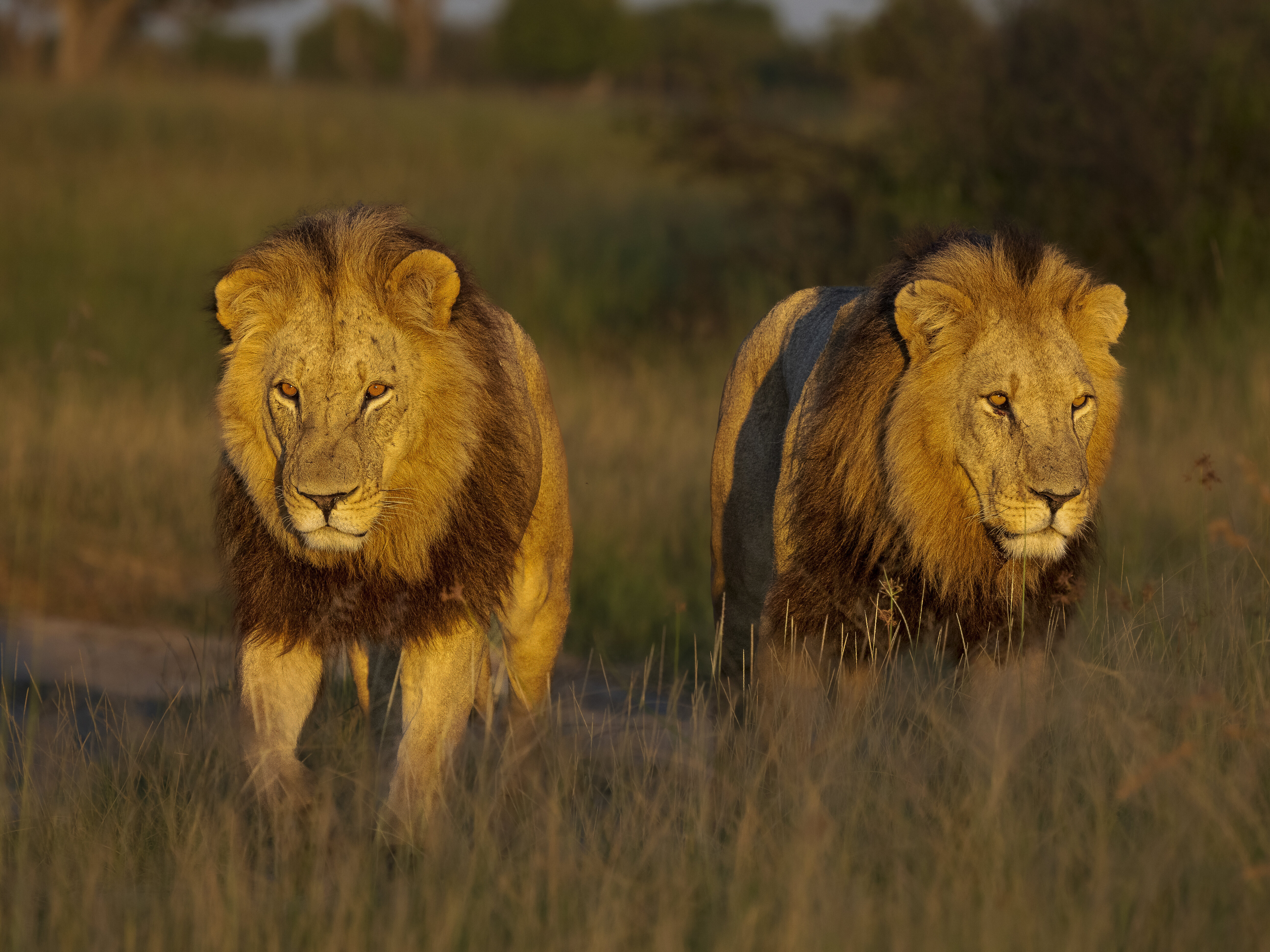
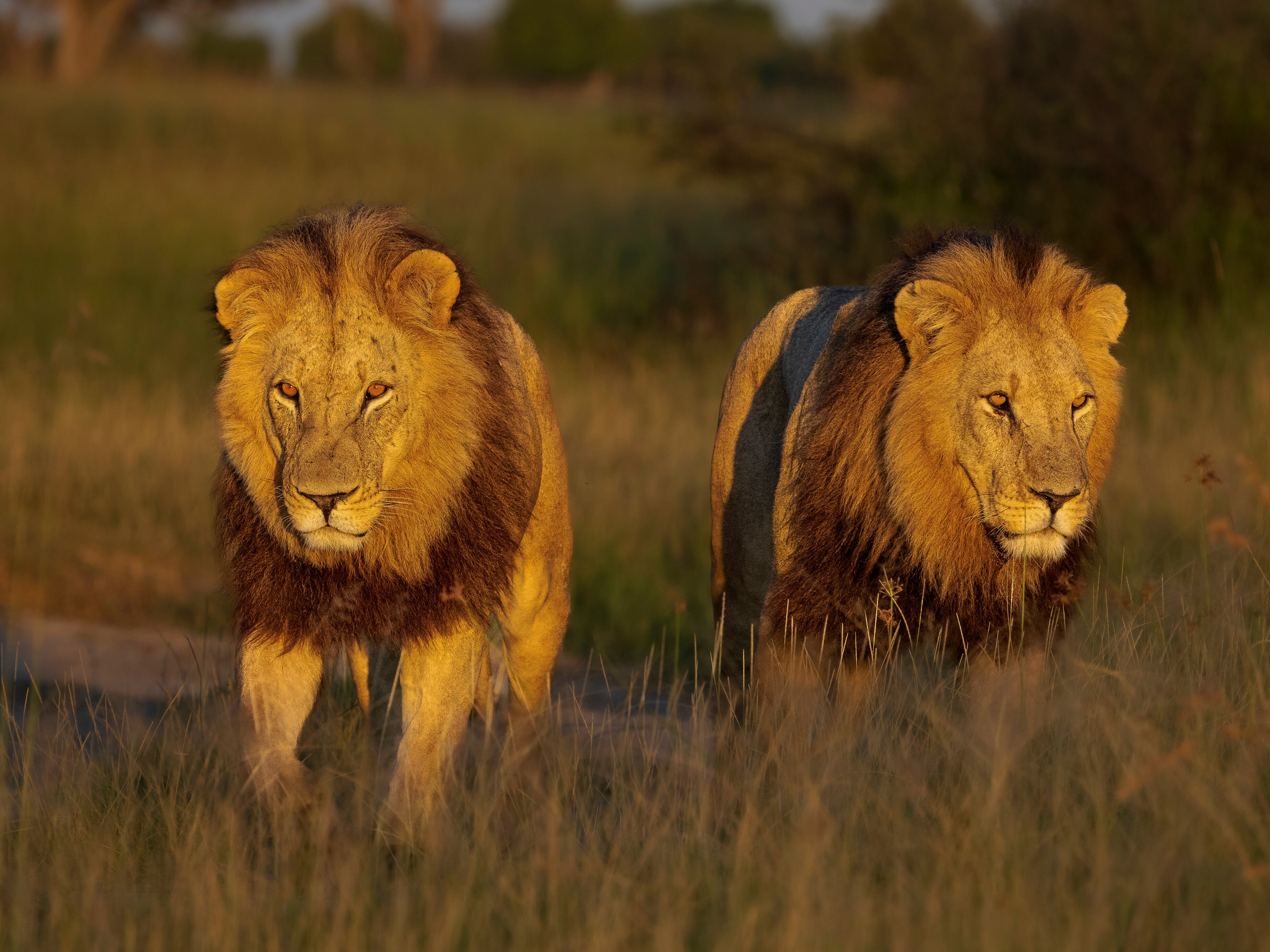
This is called the Jacobson’s Organ and it is something that all cats have, even lions and tigers. The cat centre revealed: “Cats (along with snakes and also a few other mammals) have a magnificent organ called the vomeronasal organ, most often known as the Jacobson’s organ.

“Wrinkling and lifting its lips enables a cat to open up the ducts to the Jacobson’s organ. [This organ] seems to play a large role in the sense of smell in all wild and domestic cats, no matter their size or species.”

Now I can’t stop picturing a tiger, out in the wild, eyes glazing over and mouth hanging open, just taking in the scent of the air.

Share Button

23 Of The Funniest Tweets About Cats And Dogs This Week (Dec. 2-8)

Share Button

Turn Out Most Animals Are Pretty Frickin’ Gay, Research Finds

We’ve recently written about how many members of Gen Z are LGBT+ (spoiler alert; it’s a lot). And a recent study recently showed that same-sex attraction is far from limited to humans; lots (like, up to 80% in some cases) of animals are sexually fluid, too.

The project examined all the existing research on same-sex activity among animals. It was led by scientists at Estación Experimental de Zonas Áridas in Spain ― they created a database of all the studies’ conclusions.

So, what did they find?

They discovered that same-sex sexual activity has been recorded in 1,500 animal species, from birds to bees (literally).

Mammals were much more likely to be recorded as engaging with gay sex than other species (about 4%), with non-human primates particularly likely to display homosexual behaviour ― “it has been observed in at least 51 species from lemurs to apes,” they say.

That’s likely an underrepresentation of actual homosexual activities, the researchers add.

“This figure is probably underestimating the actual prevalence of same-sex sexual behaviour in mammals, since this behaviour has attracted the attention of behavioural ecologists and evolutionary biologists only recently,” they say ― and there’s already a research bias towards mammals over other animals, which could explain some of the discrepancies.

In fact, longer-term studies find that homosexual activity occurred in 80% of the mammal population ― the more you observe the animals, it seems, the more sexually fluid they prove themselves to be.

Those who performed same-gender sex acts commonly displayed activities like courtship, mounting, genital contact, copulation and pair bonding ― mounting and genital contact were the most common acts (87% of the same-sex sexual acts in their dataset).

OK, but ― why?

Because it doesn’t help to further the population, same-sex activity among animals is considered an “evolutionary conundrum” and a “Darwinian paradox,” the researchers say.

Of course, lots of the animals who engaged with same-sex sexual activity also had sex with a different gender. And our conception of “homosexual” and heterosexual” is just that ― our human conception.

“Same-sex sexual behaviour as it is used here does not denote sexual orientation (ie an overall pattern of sexual attraction/arousal over time), sexual orientation identity (the sexual orientation that individuals perceive themselves to have), categories of sexual beings (homosexuals, heterosexuals, etc), nor sexual preference,” the researchers say.

They warned that their findings shouldn’t be used to analyse homosexuality in humans ― they’re different.

With that said, a lot of the studies that the researchers looked at suggested homosexual activity in animals could have an adaptive role “in maintaining social relationships and mitigating conflict.”

Part of the reason they think this is because homosexual behaviour has evolved in so many species in similar environments, suggesting it has benefits for those in their circumstances.

They also found that “The prevalence of same-sex sexual behaviour was also associated with adulticide [grown adults of a species killing other adults of the same species], but only for males.”

But the researchers don’t think this disproves the theory that same-sex activity is used to calm conflict ― in fact, they think it confirms it.

That’s because if animals usually engage in homosexual activity during times of violence, it’s more likely that violent results will be associated with the act.

“Because the association was more intense in males than in females, we presume that adulticide was a stronger force triggering the evolution of same-sex sexual behaviour in males. If this hypothesis is confirmed, it seems that same-sex sexual behaviour mitigates rather than negates adulticide, as there are still many species that commit this type of aggressive behaviour,” they say.

The authors of the study added that the field is under-researched, and more study is needed. In the meantime, though ― that’s pretty interesting, right?

Share Button

20 Of The Funniest Tweets About Cats And Dogs This Week (Aug. 12-18)

If you feel like you’ve been working like a dog, let us offer you the internet equivalent of a big pile of catnip: hilarious tweets about pets.

Each week at HuffPost, we scour Twitter X.com (is Elon Musk fur real?) to find the funniest posts about our furballs being complete goofballs. They’re sure to make you howl.

(And if you want more, no need to beg ― you can check out last week’s batch right here.)

Share Button

Ferocious Tiger Isn’t Into Sharing, Attacks Other Tiger Eating His Prey

A huge male tiger left his kill and got angry when he returned to find a tigress snacking on it, a new online video shows. (Watch the clip below.)

The footage, taken at India’s Ranthambore National Park and posted by the website Latest Sightings, opens with the male sinking his teeth into a sambar deer. But safari planner Vijay Kumawat, who shared the clip with Latest Sightings, said the big cat got spooked by the roar of a motorcycle and left the area.

The smaller tigress emerged to begin eating the deer and dragging it away. But the massive male then came back to reclaim his meal.

The two growled, clawed and lunged at each other with one tense intermission before the female appeared to submit. The male finally ambled over to the deer and dragged it into the brush as the tigress watched.

It wasn’t a fair fight.

Tigers can eat up to 90 pounds in a sitting. This particular cat seemed intent on getting his fill without interruption.

Share Button

Watch As This Antelope Tries To Outswim Crocodile In Pulse-Pounding Race To Survive

A crocodile sped through the water like a torpedo toward a desperate red lechwe antelope in Botswana recently, prompting a life-and-death dash to shore. (Watch the video below.)

In footage posted Tuesday by the wildlife platform Latest Sightings, observers on a boat can be heard cheering for the buck as it leaps and swims as fast as it can ahead of the closing reptile in the Chobe River.

The croc gets distracted by the boat for a moment before churning into high gear at the antelope. The suspense soars as the croc catches and pounces on the red lechwe.

But the antelope manages to buck off the predator and bound onto land. Race over.

The red lechwe is suited for running in water partly because of a water-repellent substance on its fur.

Good thing for this antelope. Bad thing for the croc.

“It was a truly incredible experience to witness such a dramatic and intense struggle,” videographer Caitlyn Earwaker and Lucy Whitehead told Latest Sightings.

Share Button

The Rudest Mistakes Dog Owners Make At The Park

Going to the park with a dog is a great way to help your pet socialise, exercise and get some fresh air. But not every canine knows how to behave there.

The same goes for humans. In fact, there are several rude boo boos that dog owners display in this setting.

“Etiquette is all about being mindful of other people, which certainly applies to the dog park,” Nick Leighton, an etiquette expert and co-host of the Were You Raised by Wolves? podcast, tells HuffPost.

To help make the dog park a safe and enjoyable setting for everyone, HuffPost asked Leighton and other etiquette experts to share the faux pas they’ve observed – and their advice for avoiding these missteps. Here are eight of the rudest things you can do at the dog park.

Not cleaning up after your dog

“The rules about picking up after your pet aren’t suspended in a dog park,” Leighton noted.

When your dog goes, it’s your responsibility to clean it up, and there’s little excuse for failing to do so.

“Most parks are well-supplied with waste pickup bags and plenty of trash cans, so please do your part,” says Camp Bow Wow animal health and behaviour consultant Erin Askeland.

Failing to pay attention to your dog

“Be sure to pay attention to your dog at all times,” Leighton advises.

Keep a close eye on what your pup is doing and resist the urge to tune out. Stay vigilant and keep your leash handy in case the two of you need to make an early exit.

“In addition to monitoring your dog’s behaviour, it’s common courtesy to be sociable with the other pup parents, complimenting them on the cuteness of their canine companion and making pleasant conversation,” said Thomas P. Farley, aka Mister Manners. “To let one’s dog roam free while you catch up on email, disengaging with everyone in the enclosure – including your pet – is a no-no.”

If you’re distracted on your phone, you’ll also miss out on the opportunity to “engage with your dog, practice recall, ensure play is appropriate, provide breaks in play, and monitor your dog’s body language,” Askeland notes.

Anna Belova / 500px via Getty Images

Bringing small children

Avoid bringing young children who need constant supervision to the dog park, if possible, as their presence will make it difficult to monitor your dog.

“You don’t know the other dogs and need to keep your focus on your own dog,” Askeland said. “Adding small children is dangerous to the child and the dogs in the park.”

Toddlers and babies may also be at risk of harm from rowdy dogs, especially if there are animals present who are unfamiliar with little kids.

Not intervening when necessary

“While at the dog park, people should ensure their dog is interacting with other dogs in an appropriate manner,” says animal behaviorist and consultant Kate Mornement. “Dogs that are aggressive or reactive towards other dogs should not be taken to dog parks. Try to ensure your dog and the other dog it interacts with are having a good time. If your dog is playing too rough with another dog, it’s best to intervene and call your dog away.”

Don’t allow your dog to bully other dogs or steal and shred up their toys. Look out for any aggressive, dangerous behaviour.

“Dog parks are wonderful places for well-behaved and socialised dogs who enjoy the company of other dogs,” Mornement says. “However, not all dogs are well-behaved or socialised and this can cause problems at the dog park.”

Leaving gates open

“In some ways, dog runs can be for canines what Las Vegas is for humans: For these lucky pups, what happens on the dog run stays in the dog run!” Farley says. “Being off-leash, doggies excitedly embrace the rare sensation of liberation. But while dogs will let down their guards, their humans should not. Being aware of securing the dog-run gate while coming and going is rule number one.”

Pay attention to the gates at fenced-in dog parks. Many of these have double-gated entrances to prevent off-leash dogs from escaping. Pause before you open a gate, especially if you notice lots of dogs hanging around the area, and look out for any pets trying to make a hasty exit. Be sure to properly close and latch any gates behind you as well.

Don't feed other dogs without permission from their owners.

Maskot via Getty Images

Don’t feed other dogs without permission from their owners.

Giving food to other dogs

“Don’t give food to other dogs at the park,” Askeland advises. “You don’t know the other dogs and whether or not they can have food you may offer.”

On a similar note, don’t bring your own human food to snack on in this space. In addition to potentially endangering other dogs, you probably won’t enjoy being swarmed by pups looking for a snack.

Bringing an unvaccinated dog

Don’t go to the dog park with a canine that is unvaccinated, sick or under 4 months old. In addition to being vulnerable, they might also put other pets at risk. Only bring your dog if they are up to date with their shots and any other requirements the park may have in place.

“Make sure your pup is vaccinated and protected against fleas, ticks and other parasites,” Askeland said. “This helps keep other pups safe too.”

Forcing an uncomfortable dog to go to the park

“Dogs that are fearful and nervous around unfamiliar dogs should also not be taken to dog parks,” Mornement said. “This is because these dogs are not enjoying the dog park environment and this can make their behaviour worse.”

Make sure your dog’s behaviour is appropriate for a dog park before you take them to one.

“This is not the place to test whether your dog enjoys playing with other dogs or a place to help a dog learn to play,” Askeland says. “If you’ve recently added a dog to your home, you should wait until your dog has adjusted to his/her home and you have gotten to know your dog and his/her body language and normal interactions before deciding whether the dog park is the right place to visit.”

That way, you can watch your dog’s body language at the park and remove them if they’re showing signs that they aren’t comfortable.

“Understand that not all dogs are great with a dog park, and it’s OK if your dog does not go to a dog park,” Askeland adds.

Share Button