Got A Summer Cold? Here’s How To Make It Less Miserable.

It doesn’t have to be cold outside for you to catch a cold.

Although it’s more common to get sick in the winter, viruses can circulate year-round. Close proximity to others, lax hygiene, stress, lack of sleep and more can contribute to your likelihood of contracting an illness – even in hotter weather.

Colds are usually rare in the summer, and are often caused by viruses that are different from those we see in the winter. Now that people are meeting up and seeing each other more, these viruses are starting to circulate again. That means we’re seeing many more “cold viruses” this summer than usual, according to Ellen F Foxman, assistant professor in Yale School of Medicine’s Department of Laboratory Medicine.

And as anyone who has had a summer cold knows, the symptoms can feel even worse during this time of year. (Shoutout to everyone who has caught a cold lately while living their post-Covid vaccine life).

Looking for ways to keep your sickness at bay? Here is some expert advice on how to take care of yourself and make that nasty summer cold suck a little less.

Wash your hands frequently

“When you have a cold and are in close proximity to others, it is very easy to spread. Therefore, you should be extra cautious around other people and practice good hygiene,” Robert L Gordon, an emergency medicine specialist based in Middletown, Rhode Island, told HuffPost.

This means washing your hands for at least 20 seconds with soap and water. If you do not have access to a sink and soap, you can use hand sanitiser instead, Gordon said.

Get more rest than you normally do

Make sure you are resting as much as possible. Take frequent naps and make sure you sleep for seven to nine hours each night.

“Sleep is essential for the immune system to function properly in order to help us fight off the viral bugs causing the cold. The body needs time to rest and recover,” Kristamarie Collman, a family medicine doctor at Prōse Medical, told HuffPost.

Cold symptoms such as coughing or a stuffy nose can make it difficult to sleep and get rest. Be careful about the medications you take in the evening or at bedtime. Some decongestants and cold medications have ingredients that may keep you awake, Collman said.

She recommended trying soothing remedies such as steam-filled showers or warm beverages like caffeine-free teas with honey before bedtime, which may make it easier for you to catch some Zs.
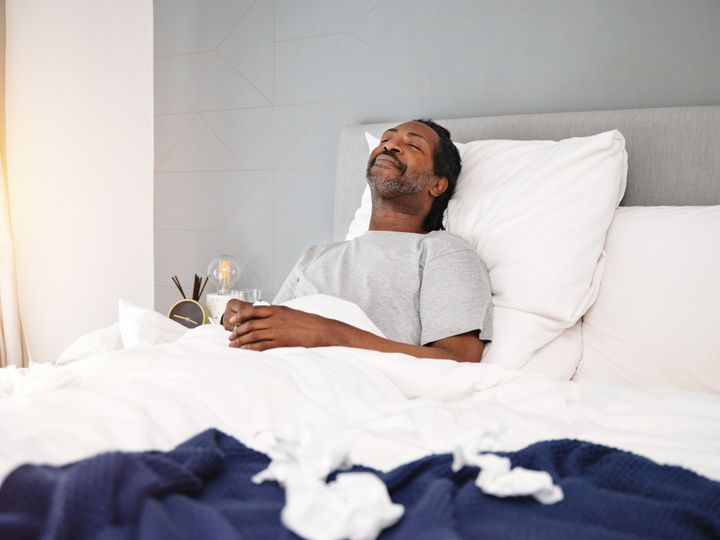
Rest and hydration are both crucial in helping to relieve any cold.

Rest and hydration are both crucial in helping to relieve any cold.

Stay hydrated

Your body gets dehydrated more quickly in the summer. Combine that with your illness, and you could be missing out on a ton of fluids your body desperately needs right now.

“Some symptoms of a cold, such as a fever, can increase your risk of dehydration and fluid loss,” Collman said. “Hydration can help replace fluids you may have lost and assist with clearing congestion and mucus.”

Drink plenty of water or other hydrating liquids such as decaffeinated tea and sports drinks. Avoid beverages that are sugary or caffeinated, including coffee and alcohol, she added.

Take over-the-counter medicine

Some over-the-counter medications may help you find temporary relief for symptoms such as a headache, sore throat, nasal congestion and cough.

Common over-the-counter medicines for a cold include acetaminophen or ibuprofen. Gordon said it’s important to speak to your physician or pharmacist about which over-the-counter medication you should use to feel better.

Consider using a humidifier

More humidity in the summer might sound like the last thing you want, but it can help alleviate your symptoms ― particularly if you’re experiencing a runny nose or dry cough. A humidifier adds moisture to the air, which can help decrease irritation in the nose and throat, Collman said.

This is especially important when you’re indoors in the cool AC, beating the summer heat.

“While there is no specific scientific evidence that air conditioners can directly cause colds, too much AC may dry out the inside lining of your nose,” Collman said. “If the mucus membranes are dry, this can worsen cold symptoms such as a stuffy nose and sore throat.”

Avoid too much time in the sun

While you may want to catch some rays outdoors – who hasn’t thought they could “bake” their cold away? – be careful. Being in summer heat for too long can aggravate your symptoms, so stick to 30 minutes or less.

“The summer temperatures outside can increase the risk for dehydration and often make symptoms feel worse. Therefore, it’s important to avoid extended periods of time in the sun,” Collman said.

Use a saltwater gargle

If you have a sore throat, gargling salt water may reduce irritation and discomfort.

“Saltwater gargles are effective for killing bacteria in the throat while loosening mucus and easing pain,” Bindiya Gandhi, an integrative family medicine physician at Revive Atlanta MD, told HuffPost. She recommended adding a teaspoon of salt to a cup of warm water and gargling the mixture.

A cool compress can help reduce a fever.

A cool compress can help reduce a fever.

Use a cold compress for a fever

Feeling warm? In addition to staying hydrated and resting, place a cold compress on your forehead to cool down and reduce your temperature, Gandhi said. To make your compress, dip a washcloth in cool water. You can also stick a cooling gel eye mask into the freezer before putting it on.

Most fevers go away on their own within one to three days. If your fever persists for more than three days, contact your physician, Gandhi said.

Refrain from excessive activity

Hold off on resuming your intense workout routine or lifting heavy objects for a few days. Even walks outdoors in the heat may get too strenuous.

“When you have a cold, your body is working harder, and therefore, you may feel fatigued,” Collman said. “Engaging in excessive activity could make you feel extremely drained, so it’s best to rest or, if necessary, engage in light activity.”

If your cold gets worse, see your doctor

Cold symptoms can last anywhere from a couple of days to two weeks. Summer colds can have similar symptoms to the flu, so it can be difficult to tell the difference between the two illnesses based on symptoms alone. Generally, the flu is worse than a cold, and symptoms are more intense, according to the Centers for Disease Control and Prevention.

If you start experiencing flu-like symptoms such as a fever, chills or difficulty breathing, then see a doctor as soon as you can. For the flu, there are effective medications that can make the disease milder if the diagnosis is made early, Foxman said.

“There is also a lot of overlap between cold symptoms and a mild Covid infection,” she said.

If you are unsure of whether you have Covid-19 or a cold, you can get tested at a health center near you.

“Make sure to take extra precautions about not exposing other people to an infection, even if the symptoms seem to be mild,” Foxman added.

Stay home from work and social gatherings for a little extra time even after your symptoms are gone, and continue to wear a mask and wash your hands.

Share Button

Can Employers Dock Your Pay For Working From Home?

Employees who decide to continue working from home could see a deduction in their wages, even though the level of work they produce remains the same.

That’s according to rumours swirling, after a number of US corporations have introduced post-pandemic pay policies – and a cabinet minster suggested the same should happen in the UK.

Facebook and Twitter have already told US employees their salaries will be adjusted if they choose to work remotely and live in a lower cost area. Now, it’s been reported that Google has launched an internal pay calculator, allowing workers to see pay adjustments based on location.

Google’s internal calculator, seen by Reuters, is supposedly designed to enable employees to see the effects of a house move, but concerns have been raised that it’ll be used to alter the pay of existing, long-distance commuters.

The UK government has now dropped the pandemic demand that individuals must work from home where possible. Instead, it now recommends staff to safely return to the workplace.

So, could UK remote workers have pay docked, too?

Earlier this week, an unnamed cabinet minster suggested that civil servants who refuse to return to the office, after working from home throughout the pandemic, should have their pay penalised.

“If people aren’t going into work, they don’t deserve the terms and conditions they get if they are going into work,” the senior minister told the Daily Mail.

Dave Penman, general secretary of the FDA civil service union, described the comments as “insulting”.

“What should matter to ministers is whether public services are being delivered effectively, not where individual civil servants are sitting on a particular day,” he told PA.

What does this mean for UK employee rights?

Doreen Reeves, a senior employment lawyer at Slater and Gordon, warns employers they could face legal challenges when making drastic changes to staff salaries – which is ultimately good news for employees.

“An employer should be careful making detrimental changes to an employee’s salary which would amount to a change to terms and conditions of employment,” she tells HuffPost UK. “If the change is by mutual consent, it is not likely to cause legal or practical problems as an employee may be willing to consent to a change in salary in exchange for home-working.

“However, if the employer unilaterally imposes a change to the agreed rate of salary or other financial benefits, it will amount to a breach of contract.”

If your employer docks your wages without your agreement, you may have a claim for “unlawful deductions from wages”. If you resign over this, you could also bring a claim for constructive dismissal. “However this claim is only available for employees with two years’ service,” Reeves says.

“Salaries are not means tested but are based on skill, experience and qualifications,” she adds. “If an employee is required to take a pay cut as a condition of home-working or flexible working arrangements, an employer should consider the discrimination risks as employees working from home should not be treated less favourably than a comparable employee.”

A Google spokesperson claimed the company would not deduct money from an employee’s salary based on them deciding to work remotely full time – if this is in the city where the office is located. Workers based in the New York City office will be paid exactly the same as those working remotely from another location in New York. However, Google did not address the concerns for commuters in areas like Stamford, Connecticut, outside of New York City.

Share Button

Funny Tweets About The Things Kids Collect

From Legos to seashells to dead leaves on the ground, there’s no limit to the kinds of things kids will collect.

Consequently, there’s no shortage of parents venting about their children’s collecting habits on Twitter. If your child won’t stop picking up rocks and bringing them home, you’re not alone.

We’ve rounded up 22 funny tweets about the things kids collect. Enjoy!

Share Button

Huge gulf in hospitals’ ability to contain Covid

Hospital-acquired Covid ranged from 1% to 25% of cases in different hospitals.

Share Button

Metabolism peaks at age one and tanks after 60, study finds

Middle-aged spread cannot be blamed on a waning metabolism, according to researchers.

Share Button

Touted as clean, ‘blue’ hydrogen may be worse than gas, coal, researchers say

“Blue” hydrogen — an energy source that involves a process for making hydrogen by using methane in natural gas — is being lauded as a clean, green energy to help reduce global warming. But Cornell and Stanford University researchers believe it may harm the climate more than burning fossil fuel.

The carbon footprint to create blue hydrogen is more than 20% greater than using either natural gas or coal directly for heat, or about 60% greater than using diesel oil for heat, according to new research published in Energy Science & Engineering.

Robert Howarth, professor of ecology and environmental biology at Cornell, together with Mark Z. Jacobson, professor of civil and environmental engineering at Stanford, authored the report.

Blue hydrogen starts with converting methane to hydrogen and carbon dioxide by using heat, steam and pressure, or gray hydrogen, but goes further to capture some of the carbon dioxide. Once the byproduct carbon dioxide and the other impurities are sequestered, it becomes blue hydrogen, according to the U.S. Department of Energy.

The process to make blue hydrogen takes a large amount of energy, according to the researchers, which is generally provided by burning more natural gas.

“In the past, no effort was made to capture the carbon dioxide byproduct of gray hydrogen, and the greenhouse gas emissions have been huge,” Howarth said. “Now the industry promotes blue hydrogen as a solution, an approach that still uses the methane from natural gas, while attempting to capture the byproduct carbon dioxide. Unfortunately, emissions remain very large.”

Methane is a powerful greenhouse gas, Howarth said. It is more than 100 times stronger as an atmospheric warming agent than carbon dioxide when first emitted. The United Nations’ Intergovernmental Panel on Climate Change report released on Aug. 9 shows that cumulatively to date over the past century, methane has contributed about two-thirds as much to global warming as carbon dioxide has, he said.

Emissions of blue hydrogen are less than for gray hydrogen, but only by about 9% to 12%.

“Blue hydrogen is hardly emissions free,” wrote the researchers. “Blue hydrogen as a strategy only works to the extent it is possible to store carbon dioxide long-term indefinitely into the future without leakage back to the atmosphere.”

On Aug. 10, the U.S. Senate passed its version of the $1 trillion Infrastructure Investment and Jobs Act, which includes several billion dollars to develop, subsidize and strengthen hydrogen technology and its industry.

“Political forces may not have caught up with the science yet,” Howarth said. “Even progressive politicians may not understand for what they’re voting. Blue hydrogen sounds good, sounds modern and sounds like a path to our energy future. It is not.”

An ecologically friendly “green” hydrogen does exist, but it remains a small sector and it has not been commercially realized. Green hydrogen is achieved when water goes through electrolysis (with electricity supplied by solar, wind or hydroelectric power) and the water is separated into hydrogen and oxygen.

“The best hydrogen, the green hydrogen derived from electrolysis — if used wisely and efficiently — can be that path to a sustainable future,” Howarth said. “Blue hydrogen is totally different.”

This research was supported by a grant from the Park Foundation. Howarth is a fellow at the Cornell Atkinson Center for Sustainability.

Story Source:

Materials provided by Cornell University. Original written by Blaine Friedlander, courtesy of the Cornell Chronicle. Note: Content may be edited for style and length.

Share Button

CRISPR gene editing tech lead to new insights about hypertrophic cardiomyopathy

Hypertrophic cardiomyopathy (HCM) is the most common of all genetic heart diseases and is the leading cause of sudden cardiac death. It is characterized by an abnormal thickening of the heart muscle, which over time can lead to cardiac dysfunction and, ultimately, heart failure.

A paper published in the Proceedings of the National Academy of Sciences (PNAS) and co-authored by Beth Pruitt, a UC Santa Barbara professor of mechanical engineering and the director of the campus’s Institute for BioEngineering, describes the results of a complex long-term collaboration that included researchers at Stanford University, the University of Washington, and the University of Kentucky. The study has led to new understanding of how genetic mutations play out at the cellular level to cause HCM, and new perspectives on how to prevent it.

In their paper, the authors explain that more than one thousand genetic mutations that cause HCM have been identified. The majority of them are found in genes that encode sarcomeric proteins, the structural building blocks of heart muscle responsible for generating and regulating contraction and relaxation. Roughly a third of the mutations are located in beta cardiac myosin, the primary protein that drives contraction of the heart cells. Contraction of the heart muscle, and every other muscle in our bodies, results from a process in which the motor protein myosin “walks” along a chain of actin molecules, a process known as the cross-bridge cycle. During this process, chemical energy in the form of ATP is converted to mechanical energy, ultimately leading to cardiac contraction.

Prior to a contraction, the head of one strand of an intertwined two-strand myosin molecule is tucked up against an actin molecule. Muscle contraction is initiated when a molecule of ATP, known as the “energy currency” of biological systems, binds to the myosin head. The myosin head, and the attached ATP, then detaches from the actin, initiating hydrolysis of the ATP, which is transformed into ADP plus a phosphate group. That process releases energy that “cocks” the myosin protein into a high-energy state and changes the shape of the myosin so that it is ready to crawl along the actin. At that point, the phosphate is released from the myosin, causing the myosin to push on the actin and release the phosphate, which leads the myosin to walk to the next chain of actin and contract the muscle. All of this, involving millions of heads of myosin walking across actin in steps that take microseconds to complete, must occur at the proper rate in order to maintain heart health.

Because HCM is often observed in patients having mutations in the beta cardiac myosin protein, it had been hypothesized that HCM mutations cause a cascade of events that manifest, ultimately, in damage to the heart itself. This study put that idea to the test, focusing on a single mutation, P710R, which dramatically decreased in vitro motility velocity — the rate at which the myosin motor walks on actin — in contrast to other MYH7 mutations, which led to increased motility velocity.

The overarching research question of this project was to learn how a mutation linked to heart disease in patients changes heart function at a cellular level.

The team used CRISPR technology to edit human induced pluripotent derived stem cell cardiomyocytes (cells responsible for heart contraction) by inserting the P710R mutation into them. Pruitt leads the stem cell bank at UCSB, where “clean” cell lines, having no genetic abnormalities, are maintained and reproduced for university researchers. Such clean, mutation-free lines provide a perfect benchmark for comparison with cells to see very precisely the effects of the P710R mutation. For example, the research team is now testing the effects of different mutations linked to heart disease in the same genetic background.

“You can have ten people with the same gene mutation in this protein, and they can have varying degrees of clinical significance, because the rest of their genome is different; that’s what makes us individuals,” Pruitt said. “These lines let us examine what is a result of the genetic mutation. By comparing the effect of different mutations, we can begin to tease apart how these changes lead to HCM. It allows us to look closely at how and why the cells adapt to the mutation in that way, and to get data and relate it to the thickness of the heart wall and all the other things that happen downstream.”

This research began nearly 15 years ago, while Pruitt was still at Stanford, and led to this collaborative paper. Now CRISPR technology enables researchers to design cells expressing specific mutations that are linked to cardiac diseases, and then assess molecular and functional changes to determine the cellular impact of individual mutations that have been identified in patients with HCM. These studies will provide a mechanistic understanding of how individual mutations at the molecular level translate to HCM in patients.

In this project, once the mutation was introduced, the cells were assayed in a collaboration between the Pruitt lab (UCSB) and the Bernstein lab (Stanford University), using traction force microscopy, an assay that allows simultaneous observation of a beating cell and the force it generates. The Spudich lab (Stanford), led separate studies of the same mutated protein at the molecular level using an optical trap, in which light pressure is applied to control precisely the location and force of an actin “dumbbell” held between beads as myosin heads walk along the actin, to measure myosin’s power cycle. The assay revealed that the P710R mutation reduced the step size of the myosin motor (i.e. the length of each step) and the rate at which the myosin detaches from actin.

In a collaboration with University of Kentucky researcher Kenneth Campbell, these observations were then compared to a computational model of how the myosin motors interact in the cell to generate force. The results confirmed a key role for regulation of what is called myosin’s “super-relaxed state.” As Pruitt explained, “Myosin heads spend a lot of time in a super-relaxed state, referring to when it is unbound from actin. Any mutation or drug that shifts how long or how strongly myosin motors are bound to actin will change the cell force production and change downstream signaling events that drive remodeling and growth or hypertrophy.”

The P710R mutation in this study was found to destabilize the super-relaxed state. As a result, more myosin heads are bound to actin in cells that harbor the mutation, which explains the increase in force that was observed in those cells.

For Pruitt, a key takeaway from the work, beyond the important scientific findings, is the value of sustained collaboration. “The scales that the paper covers are not typically the subject of research in any one lab or even any two labs,” she said. “That’s why the paper has so many authors, including several students and postdocs working with me, James Spudich and Daniel Bernstein.

“It’s significant scientifically but also satisfying in that this level of integration makes it possible to test this idea across multiple scales. It’s been fun to work across these labs and these skills on such an extensive, multidisciplinary collaboration, and to see that the power of molecular measurements and computation, and the cell-derived measurements that allow us to genetically engineer and dissect out a single mutation,” said Pruitt. “This is really phenomenal, to test directly how a particular mutation introduces changes that lead to HCM.”

As a result of this collaboration, Pruitt added, “We can understand what goes on at the cell level. Then we can start to develop models and identify next-generation drug therapies. Instead of just identifying the symptoms, we can look at the mechanisms that underlie the dysfunctions and then address those at the cell level before it turns into a disease.”

Share Button

How Arctic-alpine plants respond to global warming

It is the most comprehensive study of its kind to date: Researchers at the University of Bonn and the University of South-Eastern Norway have studied how two characteristic arctic-alpine plant species respond to global warming. They did this by analyzing almost 500 million of their own readings from the mountainous region of Norway. The analyses show that potential consequences of climate change are extremely dependent on the specific location of the plants and that deciduous species in particular will benefit from warming. The result would be a further increase in the trend toward greening of the arctic-alpine regions. The study is published in the journal Ecosphere.

The Norwegian mountains can be pretty darn inhospitable during the colder months. Nevertheless, there are plants that cope splendidly with the biting temperatures. They include the dwarf birch Betula nana and the black crowberry Empetrum hermaphroditum. Both thrive in arctic-alpine conditions; this makes them typical representatives of tundra vegetation.

Up until now, it has been unclear how the growth of dwarf birch and crowberry is influenced by specific environmental conditions. In the alpine regions of Norway, a project has been underway for 30 years that aims to change that. “We wired up some of the plants here and fitted them with so-called data loggers that record the measurements,” explains Prof. Dr. Jörg Löffler from the Department of Geography at the University of Bonn. A pin-like sensor records the diameter of the trunk — minute by minute, 365 days a year, to an accuracy of less than a thousandth of a millimeter. At the same time, the researchers measure solar radiation, temperature in the root zone and just above the soil surface, and soil moisture.

Shrinkage against frost damage

In the current study, researchers analyzed nearly 500 million measurements from 40 plants between 2015 and 2019. “We mainly studied how the microclimate, that is, the conditions encountered by the individual plant, affects its growth,” says Svenja Dobbert, who is doing her doctorate in Prof. Löffler’s research group. This revealed a striking rhythm in both dwarf birch and crowberry: During the colder months, their trunk diameter shrank significantly in each case — a process that was reversed in the spring. However, it was not until late summer that the deficits were made up to such an extent that actual growth began.

“Due to low temperatures in the colder months, there is hardly any liquid water available for the plants,” Dobbert says, explaining the finding. “They also reduce their trunk diameter by even actively reducing the water content of their cells to avoid frost damage.” Just how important this strategy is for both species to thrive is demonstrated by another observation: Plants that shrank very little during the winter often showed little or no growth the following summer.

A second important finding: The deciduous dwarf birches usually grew better after a mild winter. They therefore seem to generally benefit from warmer winters. With the evergreen crowberries it was the other way around. “In cold winters, there is usually less snowfall,” Löffler says. “This could be an advantage for evergreen species because they can then keep up photosynthetic activity for longer and hence enter the growth phase earlier in the spring.” It is therefore possible that climate change is causing an increasing spread of deciduous species and a concomitant displacement of evergreen species. Since the leaves of deciduous plants have a comparatively large surface area (in contrast, those of evergreen species are usually needle-like), this effect could contribute to the further greening of arctic-alpine regions.

The microclimate is crucial

“However, our results also show that microclimatic conditions can be extremely different depending on the location,” explains Löffler. For instance, at exposed, windy locations, snow cover tends to be very thin. The deciduous dwarf birch however requires a sufficiently thick insulating layer of snow in winter. It then has to use fewer resources to protect itself from frost. Without this warming blanket, the dwarf birch has a difficult time. The evergreen crowberry, in contrast, benefits from the extra sunlight during such snow-free periods. “Overall, our measurements prove that global climate data provide little valid evidence for local vegetation effects,” emphasizes the geographer. “Studies like ours can potentially help us better model such complex effects and in turn better predict the effects of climate change on plant life.”

Story Source:

Materials provided by University of Bonn. Note: Content may be edited for style and length.

Share Button

NHS waiting list in England hits record 5.45 million

Hospitals are working through the backlog – but some patients are waiting more than two years.

Share Button

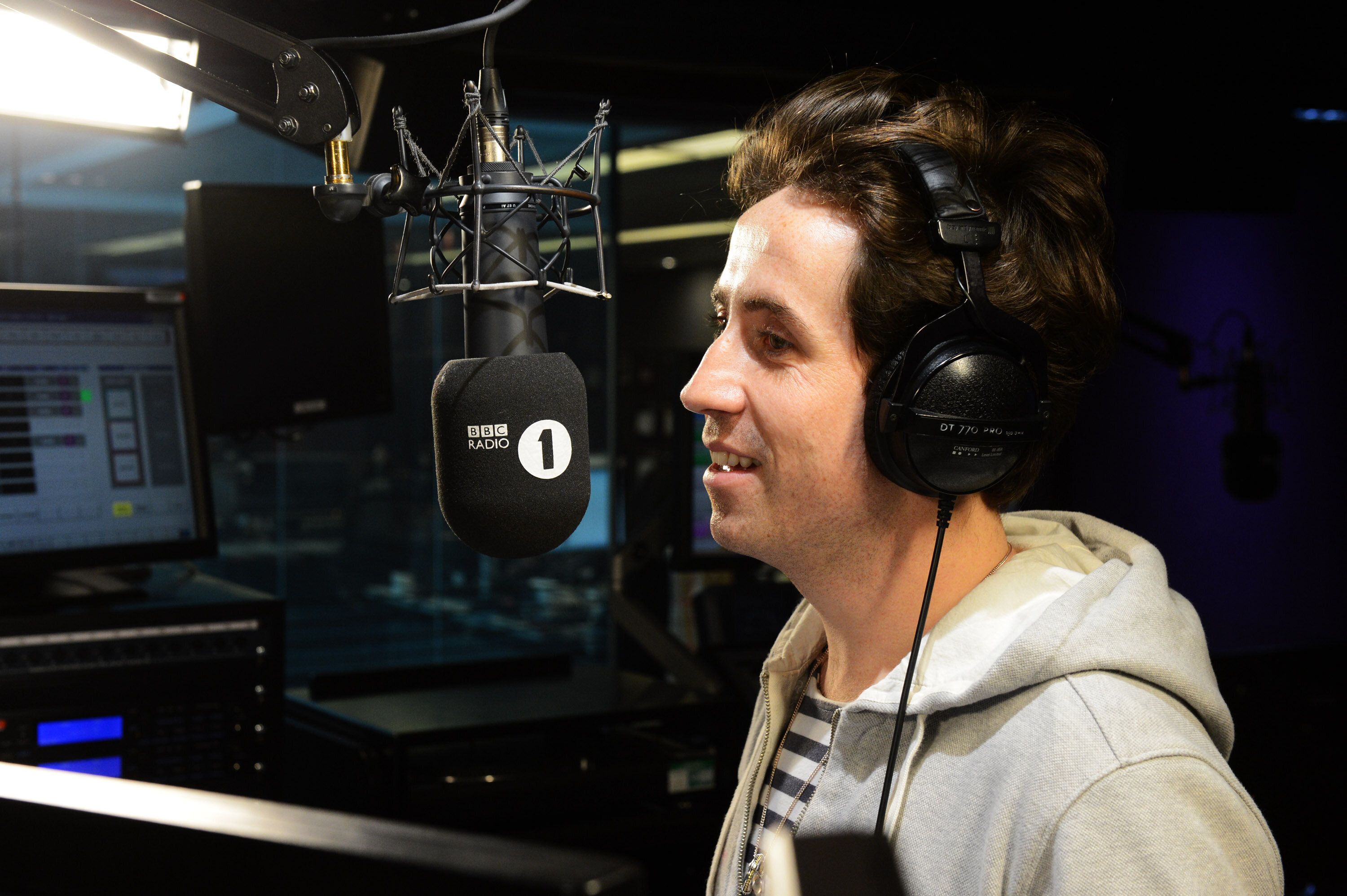
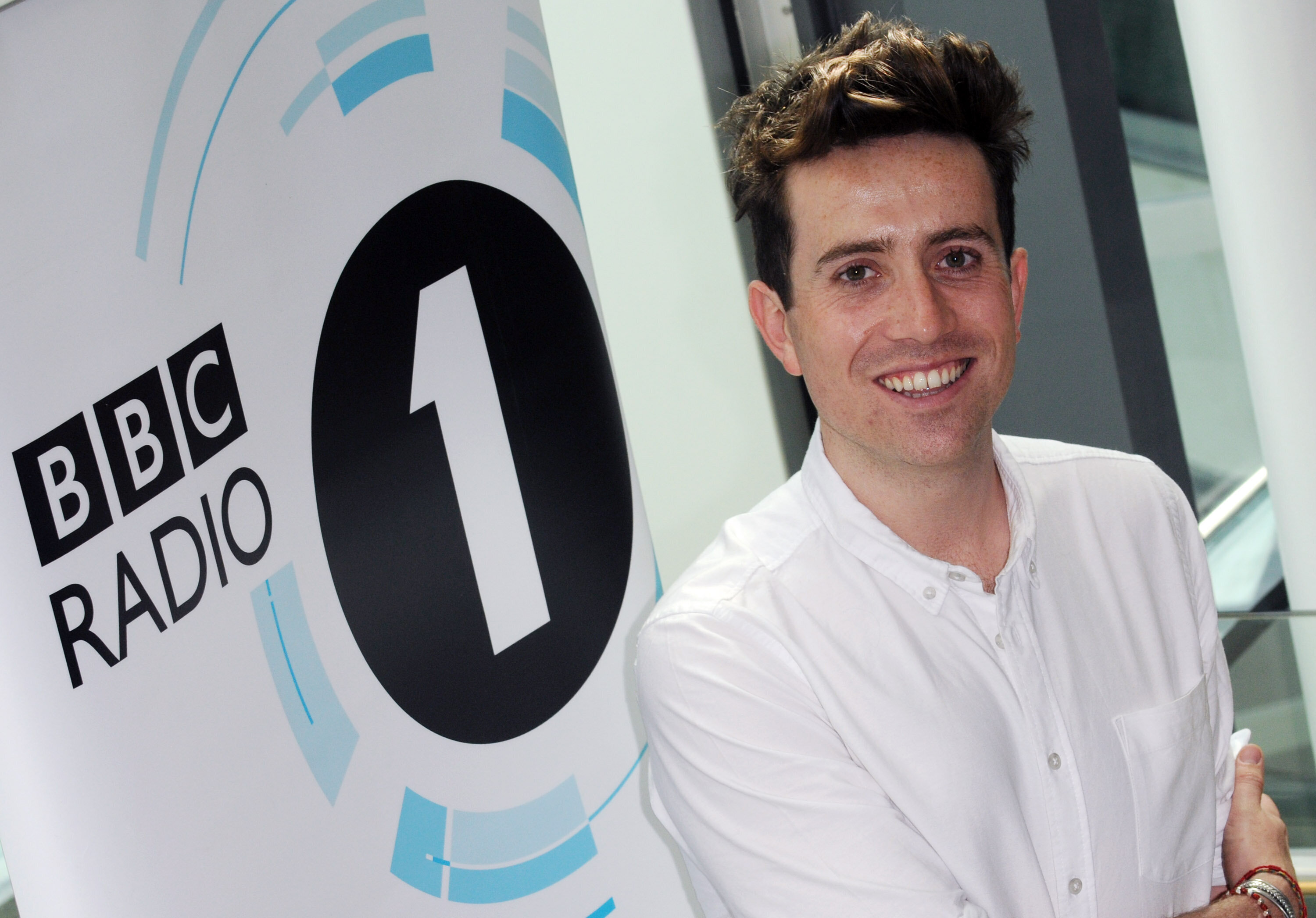
Gossip, Gaffes And Guests – Nick Grimshaw On His 14 Years Behind The Radio 1 Mic

Dave J Hogan via Getty Images

Nick Grimshaw hosting the Radio 1 Breakfast Show in 2013

“It’s quite weird when you’re looking through loads of stuff, I’ve never really stopped before and looked back to take stock of what I’ve done on Radio 1,” says a nostalgic Nick Grimshaw as we reflect on his incredible 14 years with the station. 

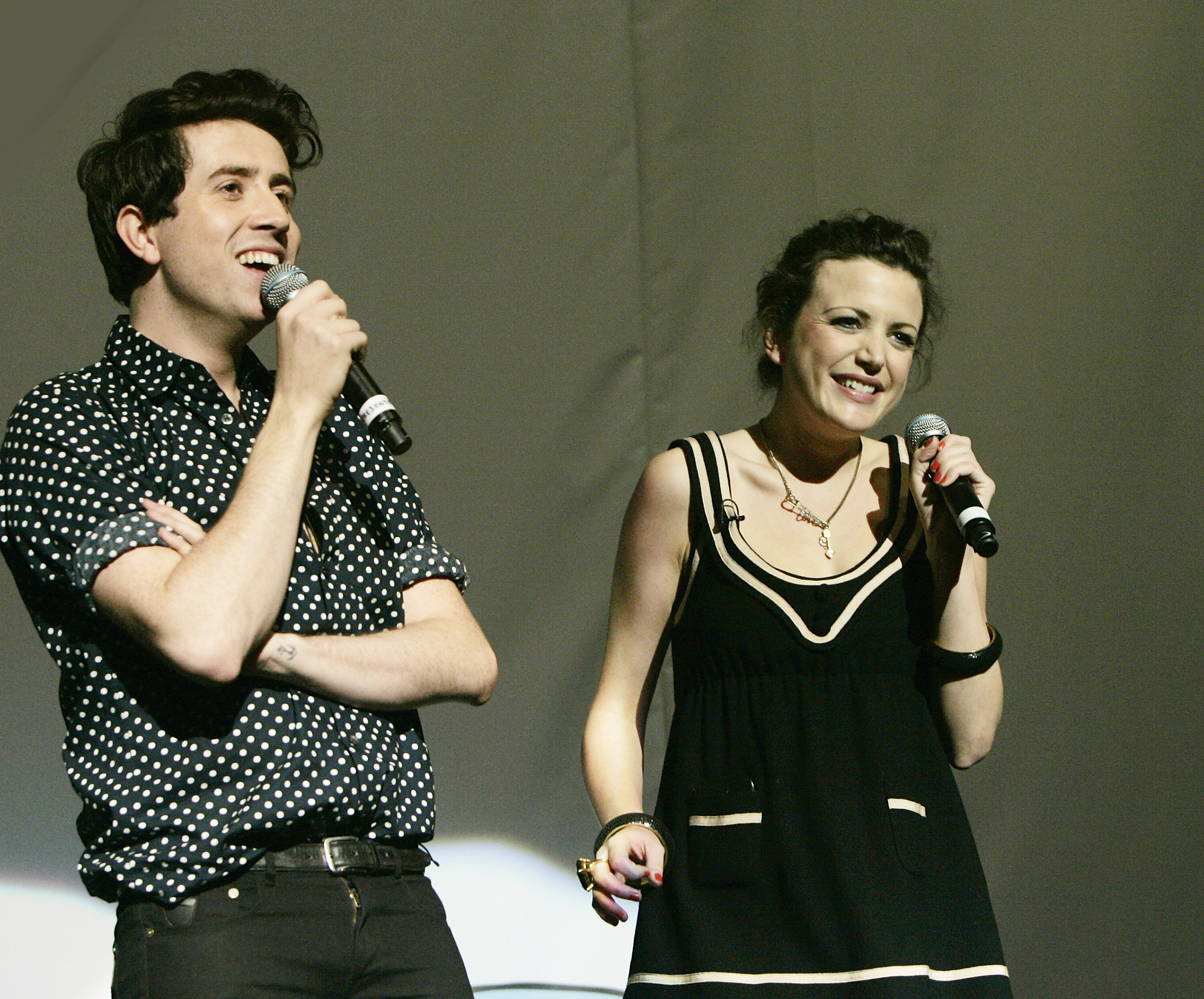
Having joined the BBC in 2007 as Annie Mac’s sidekick on her Sunday night teen show Switch, Grimmy – as he’s affectionately known – has risen through the ranks to become one of Radio 1’s biggest stars. 

He’s fronted the Weekend Breakfast Show (“I was 24 and I was going out a lot. Trying to get me to stay in on a Friday and Saturday night in 2008 was…. [laughs]”) and followed in the footsteps of the legendary John Peel as the host of Radio 1′s late-night new music show. Then in 2012, Grimmy landed the biggest break of his career when he was handed the keys to the Radio 1 Breakfast Show after its longest-serving presenter Chris Moyles stepped down. 

“People really, really loved Chris, so it was very daunting to take over from him because he is a huge personality and so loved by people,” he says of his Breakfast predecessor.

“He had that thing that was attractive to me about Radio 1 in that it felt lawless and anything could happen on that show, so it definitely felt daunting to take over, but it also felt right. I felt confident that I could make a fun, inclusive, lawless show. I really like Radio 1 when it’s a bit live and loose and guests come in who are hungover.”

An “open-door” policy – as Grimmy describes it, adopted from his late-night show – meant that a day would rarely go by without one of his celebrity pals popping up to regale listeners with tales of their antics – Rita Ora was practically a regular (“I just love her… She’s one of those people who you meet at Radio 1 and you’re just like ‘you had to be a pop star, because I don’t think you’d survive if you weren’t a pop star’”), while Harry Styles once drunkenly co-hosted the show after he and Nick pulled an all-nighter at the Brits. 

“I always just liked hearing the real lives of the DJs on Radio 1 when I was listening,” he says, explaining how his pals became so synonymous with his show. “I always liked how Sara Cox would talk about her night out or Chris Evans would talk about going down the pub – I liked that openness as a listener.”

After moving to the drivetime slot in 2018, the Oldham-born presenter is now hanging up his headphones for the last time on Thursday, as he says goodbye to the station he dreamed of being a presenter on “since he was a kid”.

Here, Grimmy reflects on the gossip, gaffes and guests from 14 years behind the mic…

The morning I got the Breakfast Show, I thought I was about to be fired

“I remember going in to meet my boss that morning and thought maybe he was going to change the nighttime show or fire me, I just didn’t think it was good news.

“When I got there, he said he wanted me to take over the Breakfast Show and it was a really surreal moment. It was a dream of mine as a kid, and for it to actually happen still feels surreal because it’s all I ever wanted to do.”

I always thought if you were up past 12 on Brits night, you might as well just stay out

“Everyone who works at Radio 1 is so passionate about it, the music and the Brit Awards, so to be able to go to that is so exciting. The adrenaline is through the roof and everyone is geeing each other up. We’d really go out, out.

“The first one was 2013 and we went out as a Breakfast Show team. You’ve got to get up at 5 but I always think it’s worse to go to bed. So we made the executive decision to just stay up. At about 2am, my producers decided to head into the office and have some sleep. I was like, ‘Really?! OK!’.

“I turned up after having a house party back at mine – there was me, Jaime Winston, Harry Styles and a cardboard cutout of Robbie Williams on air at 6.30am with a giant bottle of vodka that said ‘Grimmy’ in diamanté and no producers. We went on air and did the Breakfast Show and by the time the producers woke up, we’d been on air an hour.

“One poor guy, it was one of his first days as an assistant and he had to try and produce the Breakfast Show with all these drunk people chatting shit. The most stressful day ever for him.”

Eamonn McCormack via Getty Images

Grimmy took over the Breakfast Show in 2012

The guest who exceeded my expectations? Kim Kardashian.

“I didn’t really used to get the fascination. Yeah she’s pretty, but I never really got why she was the most famous person in the world. And then when I met her, she was so charming, so nice to everybody – and not fake nice – I just really liked her and really got her. Everyone in the studio loved her.

“I saw her in Ibiza a year later, and I never go over to a guest and am like, ‘Hi, I’ve interviewed you,’ but I saw her and she was like, ‘Hey, how are you? How’s the radio? I had so much fun that day!’

“She’d just got married and was gossing about the wedding. She was just dead normal and warm and a great story teller – really open and chatty.”

BBC

Nick Grimshaw with Kim Kardashian

Rita Ora is the dream guest because she just chats and chats

“I only met her through radio. We just sort of really clicked when we started doing a lot of radio and telly together around the same time as me starting Breakfast.

“She’s so funny, scatty and charming and very sweet, and she’s like what she is on the radio off air.  

“We used to do the Radio 1 Teen Awards together for a few years and we always used to want to go out on the Sunday night afterwards. But the problem was we’d have probably woken up at 6am that day to get there, so we’d always go out then we’d have a sleepover at mine because I lived right by Radio 1.  Then we’d go in on a Monday morning.

“I sit back now and I can’t imagine what that sounded like, me and her chatting absolute shit in the morning.”

Jo Hale via Getty Images

Nick with Rita Ora at the 2017 Teen Awards

My biggest gaffe saw me land a world exclusive and then press play on the wrong song

“I don’t remember doing this but someone tweeted me the other day, but I introduced the new James Bond song by Sam Smith and gave it a really big, amazing intro – it was a first play – but then I played the wrong song: Peanut Butter Jelly by Galantis. Everyone was like, ‘What the fuck is this?’ Not great.”

One thing listeners might not know about Radio 1 is that it has the strictest canteen

“You think it would be really fun and LOL, but actually the strictest canteen I’ve ever been in. I always get food during Newsbeat, and they’re always like, ‘Sorry, we’re not serving chips for another minute,’ and I’m like, ‘Could I have them now because the news is going to end?’ And then they are like, ‘Sorry, we don’t serve chips til 6’. It’s 5.58! 

“It was a nightmare for Annie Mac every night, but it will be Clara’s problem now!”

Co-hosting with Annie is my favourite Radio 1 memory

“First our Sunday nights together and then getting to chat every single night on Drive.

“Annie told me a little while ago that she was thinking about [leaving]. She’s such a good planner and she knows where she’s going and what she wants. She told me in her garden and then I told her [I was leaving] a few weeks before I made my announcement.

“Annie is so safe and one of my best friends in the world and when I called her and told her, she is very measured and was like, ‘OK babe, let’s figure out how you want to do it and what you want to say’ – she’s exactly who you want to speak to for advice.”

Jo Hale via Getty Images

Nick and Annie back in 2008

Unlike her, I haven’t planned my last link yet

“I’m not very good at planning things like that. I work best under last minute pressure, it’s the only way I can do things. So I’ll think about it the night before.

“It is a big deal, but I’m not dying. I want to say something poignant, but it is a funny one because people send you really nice messages and comments and it is a bit like you have died, you know what I mean?” 

I definitely want to have a little break from radio

“I really love it but I didn’t want to leave and start another radio job straight away. I wanted some separation from it and some time to take stock of it. I’ve done a daily show for 12 years, and every day I wake up thinking, ‘What the fuck are we going to talk about today for four hours?’ So I just don’t want to do that for a little bit. I don’t want to stop doing the radio, I’d love to do it again in six months or a year. 

“I want to try and commit to some things I’ve not had the time to commit to before and start building my interiors business and do some TV I’ve not been able to do.”

Ollie Millington via Getty Images

On stage at a Radio 1’s Big Weekend

There’s some great new Radio 1 talent I’m going to be following

I really love a new DJ called Sarah Story who is going to be on Friday nights. I heard her doing some cover and she was really lovely and funny and warm and northern, and has amazing taste in music. Then I met her at Annie’s leaving party and really clicked with her.

“I also really love Sian Eleri, who does The Chillest Show. It’s so good and she’s amazing. Both Sian and Sarah are really special.”

I’m not going to have to leave the What’sApp group. Am I?!

“Annie I speak to constantly and more off the radio than on the radio. Then we have a What’sApp group of me, Greg [James], Clara [Amfo], Scott [Mills] and Chris [Stark]. Everyone really does get on. I’m not going to have to leave the What’sApp group. Am I?!

“No, I don’t think so…”

Nick Grimshaw’s last Radio 1 show airs on Thursday from 2pm.  

This interview has been edited for clarity and length. 

Share Button