Downing Street tries to clear up confusion after a minister says people can make an “informed decision”.


Downing Street tries to clear up confusion after a minister says people can make an “informed decision”.
Mask wearing will be mandatory in public indoor settings again after a rise in Jersey Covid cases.

A major drought and forest fires in the Amazon rainforest killed billions of trees and plants and turned one of the world’s largest carbon sinks into one of its biggest polluters.
Triggered by the 2015-16 El Niño, extreme drought and associated mega-wildfires caused the death of around 2.5 billion trees and plants and emitted 495 million tonnes of CO2 from an area that makes up just 1.2 per cent of the entire Brazilian Amazon rainforest, and 1 per cent of the whole biome.
The stark findings, discovered by an international team of scientists working for more than eight years on a long-term study in the Amazon before, during and after the El Niño, have significant implications for global efforts to control the atmospheric carbon balance.
In normal circumstances, because of high moisture levels, the Amazon rainforest does not burn. However, extreme drought makes the forest temporarily flammable. Fires started by farmers can escape their land and trigger forest fires.
According to climate predictions, extreme droughts will become more common and, until now, the long-term effects of drought and fires on the Amazon rainforest, and particularly within forests disturbed by people through activities such as selective or illegal logging, were largely unknown.
Examining the Amazonian epicentre of the El Niño — Brazil’s Lower Tapajós, an eastern Amazonia area around twice the size of Belgium — the research team, led by scientists from Lancaster University, the University of Oxford, and The Brazilian Agricultural Research Corporation found the damage lasts for multiple years.
The study revealed that trees and plants in drought-affected forests, as well as burned forests, continued to die at a rate above the norm for up to three years after the El Niño drought — releasing more CO2.into the atmosphere.
The total carbon emissions from the drought and fires in the Lower Tapajós region alone were higher than a whole year’s deforestation within the entire Amazon. And, as a result of the drought and fires, the region released as much over a three-year period as some of the world’s worst polluting countries’ yearly carbon emissions — exceeding the emissions of developed countries such as the UK and Australia.
After three years, only around a third (37%) of the emissions were re-absorbed by plant growth in the forest. This shows that the Amazon’s vital function as a carbon sink can be hampered for years following these drought events.
Dr Erika Berenguer, lead author of the report from Lancaster University and the University of Oxford, said: “Our results highlight the enormously damaging and long-lasting effects fires can cause in Amazonian forests, an ecosystem that did not co-evolve with fires as a regular pressure.”
The scientists gathered data by regularly revisiting 21 plots across a mixture of primary forest, secondary re-growing forest and forests where people have selectively logged. The results from these plots were then extrapolated to the region.
Although previous research has shown human-disturbed forests are more susceptible to fires, it was unknown if there was any difference in the vulnerability and resilience of trees and plants in these forests when drought and fires happen.
The study showed that while many trees died in primary forest affected by drought, the loss of trees was much worse in secondary and other human-disturbed forests. The researchers found that trees and plants with lower wood density and thinner barks were more prone to dying from the drought and fires. These smaller trees are more common in human-disturbed forests.
The researchers estimate that around 447 million large trees (greater than 10cm Diameter at Breast Height) died, and around 2.5 billion smaller trees (less than 10cm DBH) died across the Lower Tapajós region.
The researchers also compared the effect on different forest types from drought alone, as well as the combined stresses of drought and fire.
Tree and plant mortality was higher in secondary forests from drought alone when compared with primary forests. Impact from drought was not higher in human-modified forests, but was significantly greater in those human-modified forests that experienced a combination of drought and fire.
Carbon emissions from those forests burned by wildfires were almost six times higher than forests affected by drought alone.
These findings highlight how interference by people can make the Amazon forests more vulnerable and underline the need to reduce illegal logging and other large-scale human disturbances of forests in the Amazon, as well as investments in fire-fighting capabilities in the Amazon.
Professor Jos Barlow of Lancaster University and the Universidade Federal de Lavras, and Principal Investigator of the research, said: “The results highlight the need for action across different scales. Internationally, we need action to tackle climate change, which is making extreme droughts and fires more likely. At the local level, forests will suffer fewer negative consequences from fires if they are protected from degradation.”
Alberto PezzaliPA
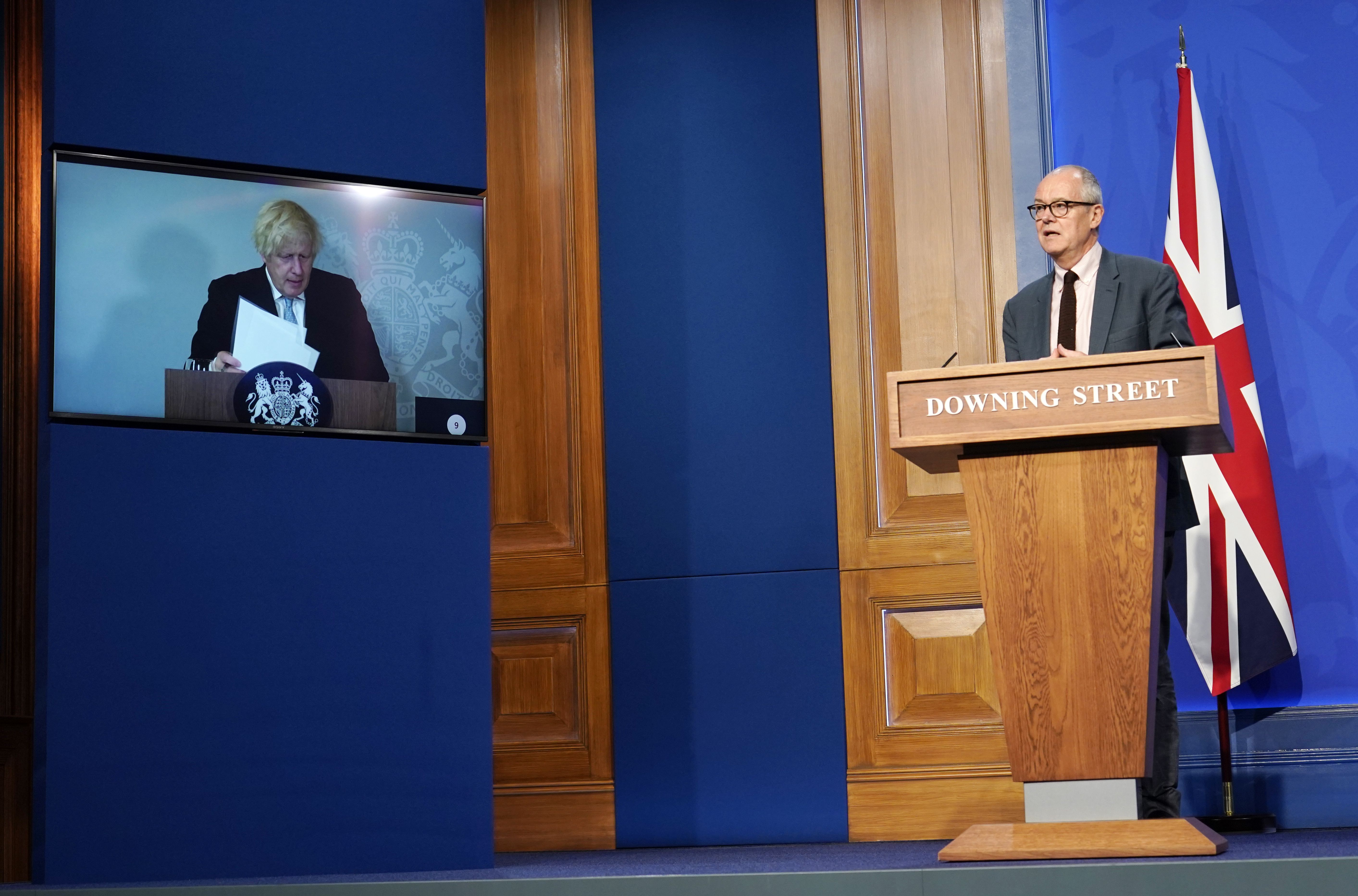
Does Boris Johnson think the way through the third Covid wave is through more injections, more infections or both? Well, on the basis of his latest Downing Street press briefing, you could be forgiven for thinking all three options are very much alive and jostling for attention in the PM’s brain.
As he dialled in for the first time from Chequers for the event, he looked as remote from clear decision making as he was from the £2.6m briefing room itself.
After days of appearing to turn his public health policy into a giant shrug of the shoulders (“meh, a big wave was gonna happen sometime so why not now?”), the PM had one big, bold new announcement designed to show he wasn’t a let-it-rip, laissez faire leader after all.
Yes, from the end of September, nightclubs and other venues with large gatherings will be forced to turn away people who have not been double jabbed. But the very fact this mandatory measure was being delayed for more than eight weeks itself caused more confusion.
One one reading, this an extra incentive to young people to get double jabbed (turning Ibiza amber last week felt similar) so they can enjoy freedoms. Yet on another reading, it was actually an invitation to the under-30s to cram in as much clubbing as they can now, in turn spreading the virus and building “natural immunity” as well as vaccine immunity.
There’s certainly the whiff of incoherence about the PM’s policy making right now. Asked by The Sun to rule out needing to “produce papers” for a pint, he said “I certainly don’t want to see passports for pubs”. Yet within the same breath he added that in enclosed crowded places with close social contact (yes, that sounds like quite a few pubs) “we reserve the right to do what is necessary to protect the public”.
Similarly, vaccinations will be allowed for 12 to 16 year-olds if they or their parents are vulnerable, but not if (for example) their teachers are. And on the whole idea of compulsion, the government has already crossed the rubicon of forcing care staff to get the jab, while it only edges towards the idea for other settings.
On the very day that almost all restrictions were lifted in England, the requirements on travel were in some cases more draconian (as with arrivals from France). Double jabbed ‘critical workers’ will be allowed exemptions from having to isolate, with a negative PCR followed by daily testing. Yet a similar belt-and-braces regime was not employed for the “events research programme” for Wimbledon or Wembley finals.
As for mask-wearing, while the PM must be pleased Sadiq Khan and Andy Burnham are making it a condition of travel, there’s no real consistency. The Department of Transport’s permanent secretary Bernadette Kelly suggested people travelling from England to Scotland would have to put their masks on, just as people arriving on a train in London would need one for the Tube. Well, spoiler alert: they’re not.
I travelled by train to and from the capital on Monday, and there was a marked increase in non-mask wearing. Way back in spring 2020, before the first lockdown, Chris Whitty said the pandemic would bring out extraordinary “acts of altruism”, but it seems the 30% (in recent polls) who won’t wear face coverings now have altruism fatigue.
And those numbers may grow as others will ask themselves why they should bother if others aren’t. As Prof Graham Medley pointed out last week, there’s literally no point in having a mask-wearing regime where a substantial chunk of the population rejects it. Even when mask wearing was a legal requirement, transport and supermarket staff almost never enforced it, so that’s hardly going to happen now.
In some ways, mask-wearing and even working from home are beside the point, though. What really suppresses a Covid case curve is a curb on people meeting indoors. When I asked Jonathan Van-Tam today what measures he’d reintroduce if the NHS was at risk again, he said “close contact indoors” would be his target. The public may be baffled by mixed messaging but it seems the only language the virus understands is a lockdown of one kind or another.
Johnson’s Covid confusion – over whether he wants to offer carrots or sticks, whether he want compulsion or vigorously opposes it, whether pubs are the Englishman’s last liberty or even they are subject to ‘pint passports’ – seems as endemic now as the virus itself. On the one hand the PM backs isolation by App ‘ping’ to restrict the spread of Covid, yet on the other hand he seems resigned to the spread itself.
The best reason for the July 19 unlockdown’s timing is clearly the looming school holiday firebreak. And we had better hope that Sir Patrick Vallance was right when he said August should see a plateauing or even cases “coming down by September”. But it would help if the PM made up his mind about whether he wants those infections, injections or both.


New research examines commuter characteristics to better understand how factors such as departure time, frequency, and commute length are associated with exposure to air pollution. Using personal air pollution monitors, the research clustered commuters to determine whether these clusters were associated with traffic pollution exposures. The study reveals that commuters that travel during rush hour have higher overall exposure to traffic-related air pollution compared to sporadic commuters, though the difference was not statistically significant.
The link between on-road traffic and air pollution is well-known, as are the negative health impacts of pollution exposure. However, the many factors that may influence commuters’ exposure to pollutants — such as frequency, time, and duration of commute — and the overall impact of commuting remains a matter of on-going scientific discovery.
Dr. Jenna Krall, assistant professor at the George Mason University College of Health and Human Services, is using statistical methods to better understand exposure to air pollution. Krall studies how commuting patterns impact exposure to fine particulate matter (PM2.5) from various traffic-related sources such as tailpipe emissions, road salts, and brake wear.
New research from Krall and colleagues published in Environmental Research examines commuter characteristics to better understand how factors such as departure time, commute length, and number of trips are associated with exposure to PM2.5. Building on a study of 46 women’s exposure to PM2.5 using personal air pollution monitors, the new research clustered commuters to determine whether these clusters were associated with traffic pollution exposures. The new study reveals that commuters that travel to work during rush hour have higher overall exposure to traffic-related air pollution compared to sporadic commuters, though the difference was not statistically significant.
As COVID-19 infection rates decline in most areas of the country and employers weigh whether to continue work-from-home policies, studies such as this provide important insight into the role that daily commutes can play in personal air pollution exposure and the public’s health.
“This is one of the first studies to utilize in-vehicle monitoring, specifically on-board diagnostics data loggers, to understand real-world commuting behaviors for environmental health,” said Krall, “Linking these data with personal air pollution monitoring allowed us to better understand how commuter characteristics are associated with sources of air pollution exposures.”
“The current research cannot tell us whether modifying commutes, for example by avoiding highways or commuting outside of rush hour, will lower traffic pollution exposures for commuters. More research is needed to determine what changes would be effective to lower exposures,” says Krall.
Krall’s on-going research seeks to distinguish between similar sources of traffic pollution, such as pollution generated by brake wear or from tailpipe emissions, and to develop statistical methods to better estimate exposure to pollution sources.
Study participants included 46 women commuters in northern Virginia who were exposed to pollution generated by mobile vehicles, road salts, and other sources throughout a 48-hour period.
Story Source:
Materials provided by George Mason University. Note: Content may be edited for style and length.

Researchers at Michigan Medicine have discovered yet another functional autoantibody in COVID-19 patients that contributes to the disease’s development and the “firestorm” of blood clots and inflammation it induces.
A growing body of studies suggests COVID-19 emulates many aspects of systemic autoimmune disorders, including the release of a flurry of overactive immune cells that produce toxic webs of proteins and DNA called neutrophil extracellular traps, or NETs.
For this study, the team analyzed serum from over 300 hospitalized COVID patients, searching for a novel autoantibody that shields the toxic NETs from being destroyed and produces a lasting noxious effect in a patient’s body.
The results, published in JCI Insight, reveal markedly elevated levels of the anti-NET antibodies in many of the participants. Those with higher levels of the autoantibodies were more likely to develop severe COVID-19 symptoms.
“We see a slew of different antibodies produced in COVID-19 patients, and now we discovered another clinically significant one that is likely contributing to severe COVID,” said Yu (Ray) Zuo, M.D., lead author and a rheumatologist at Michigan Medicine. “They feed into the inflammatory storm that we’re seeing in the most serious cases of viral infection.”
Researchers generated NETs in the lab and incubated them with COVID patient serum. They found the serum from patients with higher levels of anti-NET antibodies struggled to degrade the toxic traps.
The team also spiked healthy serum with anti-NETs purified from the infected patients. While a healthy person’s serum should completely disintegrate the extracellular traps, the purified anti-NET antibodies significantly hindered the process.
“We knew that people with severe forms of COVID have higher amounts of these neutrophil extracellular traps, which amplify inflammation and promote blood clot formation,” said Jason Knight, M.D., corresponding author of the paper and an associate professor of rheumatology at Michigan Medicine. “We’ve now found that this process is exacerbated by the anti-NET antibodies, which disrupt our body’s immune homeostasis during COVID-19 infection.”
Similarities to another autoimmune disease
Zuo and the Michigan Medicine team previously reported the presence of anti-NETs in patients with antiphospholipid syndrome, a systemic autoimmune condition characterized by severe blood clots and recurring pregnancy loss.
The anti-NET antibodies, which are likely associated with the development of recurrent blood clots and more severe disease in antiphospholipid syndrome, showed remarkably similar function in this study of COVID-19 patients, said corresponding author Yogen Kanthi, M.D., a cardiologist and vascular medicine specialist at the National Heart, Lung, and Blood Institute and Lasker Investigator at the National Institutes of Health.
“In both diseases, the anti-NET antibodies coat the surface of the neutrophil extracellular traps, making it much harder for the body to clear out this web that causes inflammation and clotting,” Kanthi said. “Knowing their function is likely to help physicians design more targeted COVID-19 treatments and also for other inflammatory diseases.”
How COVID-19 manages to trigger the production of a variety of autoantibodies, including anti-NETs, remains unknown. Further study of the virus’ autoimmune aspects, Zuo noted, will not only lead to better understanding of the disease, but will also likely shed light onto the origins of autoimmune diseases.
Future research and “long COVID”
The paper’s findings may also unlock other COVID mysteries, including the persistence of symptoms in some people months after clearing the virus, a phenomenon known as long COVID, Zuo said.
The team is currently conducting a follow-up study, calling back patients who were previously hospitalized to repeat testing for the anti-NETs and other autoantibodies that formed during their hospitalizations.
Previously, they found durable anti-NET antibodies that persisted in antiphospholipid syndrome patients for up to four years. The team will investigate if and how the autoantibodies influence long COVID, the post-acute sequalae of the virus marked by symptoms like brain fog, fatigue and shortness of breath.
While vaccination is doing its job to limit severe infections and hospitalizations, millions still feel the effects of long COVID, which is why this research is so important, Zuo said.
“The better we understand these COVID-induced autoantibodies such as anti-NET antibodies, the more equipped we will be to fight COVID-19 at every stage of viral infection,” Zuo said. “Studying these antibodies will also teach us about the mechanisms of autoimmunity in general, especially in the field of rheumatology.”
People performing “critical” tasks including air traffic controllers will still be able to work under new rules.
Prince Harry is working on a memoir that will cover his life as a member of the Royal Family and marriage to Meghan Markle.
On Monday, it was reported that the Duke of Sussex was collaborating with the novelist J. R. Moehringer on a book about his life in the public eye.
The publisher Penguin Random House said of the venture (via Page Six): “In an intimate and heartfelt memoir from one of the most fascinating and influential global figures of our time, Prince Harry will share, for the very first time, the definitive account of the experiences, adventures, losses, and life lessons that have helped shape him.”
They added that the memoir will span “from childhood to the present day”, “including his dedication to service, the military duty that twice took him to the frontlines of Afghanistan, and the joy he has found in being a husband and father”.

PETER NICHOLLS via Getty Images
According to Page Six, a manuscript from Prince Harry was expected next month, but this has been pushed back to October due to his hectic schedule.
The book’s release is scheduled “for late 2022”.
Breaking news! Random House is honored to announce a forthcoming memoir by Prince Harry, The Duke of Sussex, to be published globally in late 2022. pic.twitter.com/NUzXwntuKq
— Random House (@randomhouse) July 19, 2021
Penguin Random House highlighted that proceeds from Prince Harry’s book will be donated to charity.
Harry’s memoir is his latest venture since stepping down as a senior member of the Royal Family last year.

Pool/Samir Hussein via Getty Images
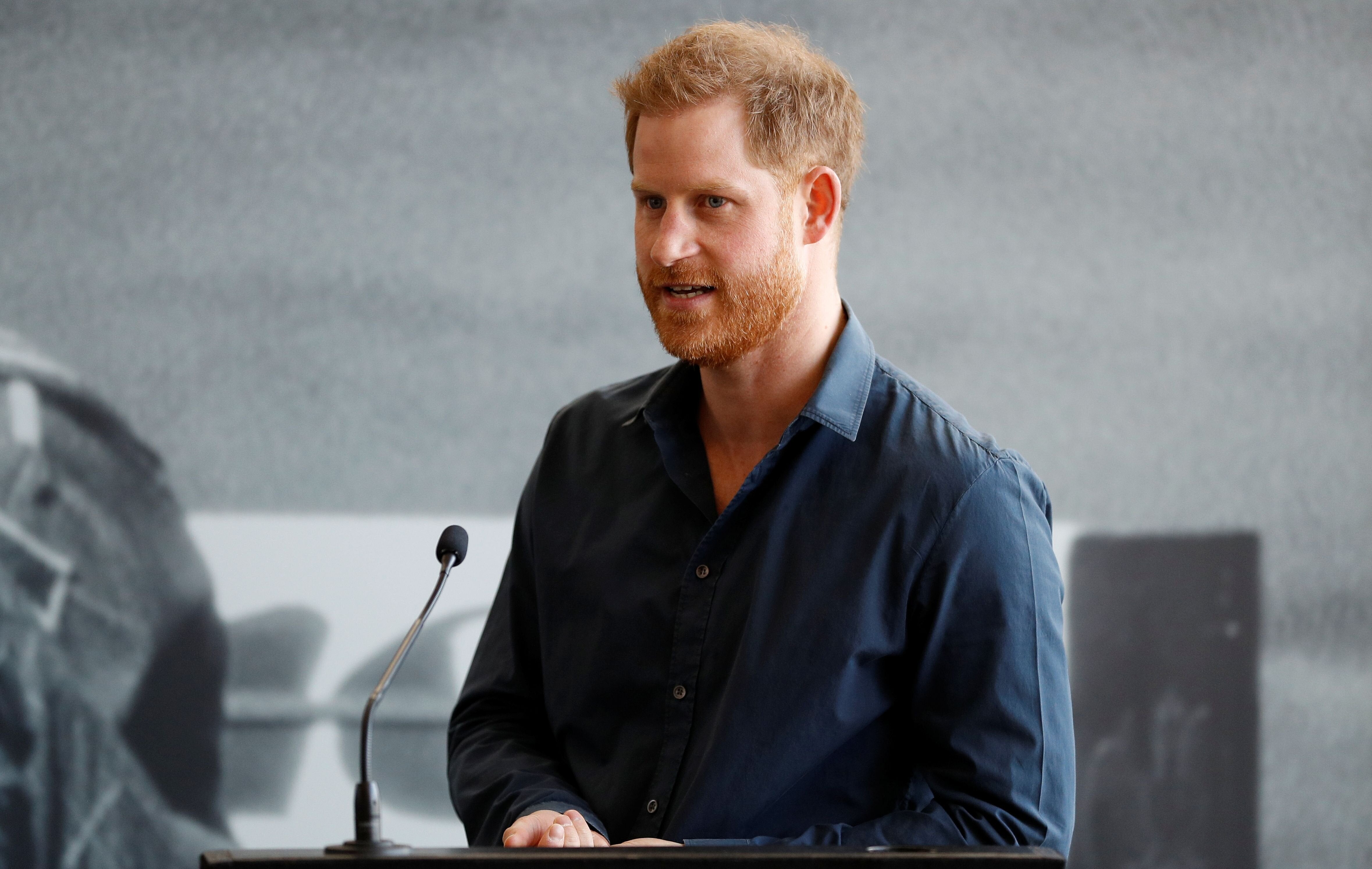


The vaccine programme has been rolled out to more children across the UK, but it’s not open to all under 18s just yet.
Health secretary Sajid Javid said that he has asked the NHS to prepare to vaccinate the newly eligible groups “as soon as possible”. Here’s what you need to know as a parent or guardian.
Advertisement
Under previous advice, teens aged 16 to 17 with underlying health conditions which put them at higher risk of serious Covid should have already been offered a jab. The latest announcement extends the vaccine rollout to more vulnerable children.
Advertisement
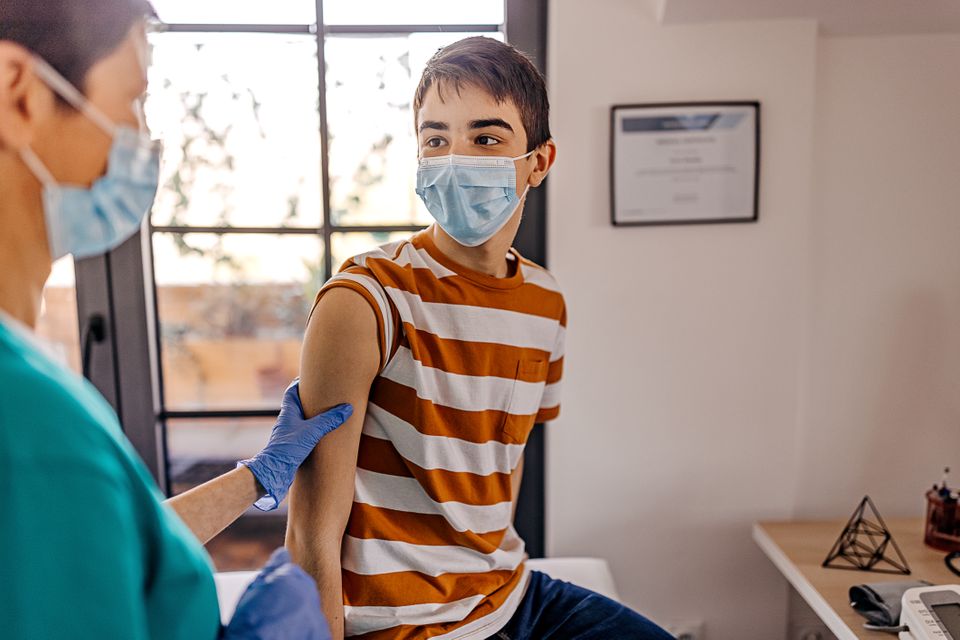
Vulnerable children between the ages of 12 and 15 will now be offered a Covid vaccine. Those who’ll be offered a jab include children with severe neurodisabilities, Down’s syndrome, immunosuppression and multiple or severe learning disabilities.
The vaccine will also be offered to 17-year-olds who are within three months of their 18th birthday.
Advertisement
The Joint Committee on Vaccination and Immunisation (JCVI) has also recommended that children and young people aged 12 to 17 who live with an immunosuppressed person be offered the vaccine, to indirectly protect their immunosuppressed household contacts.
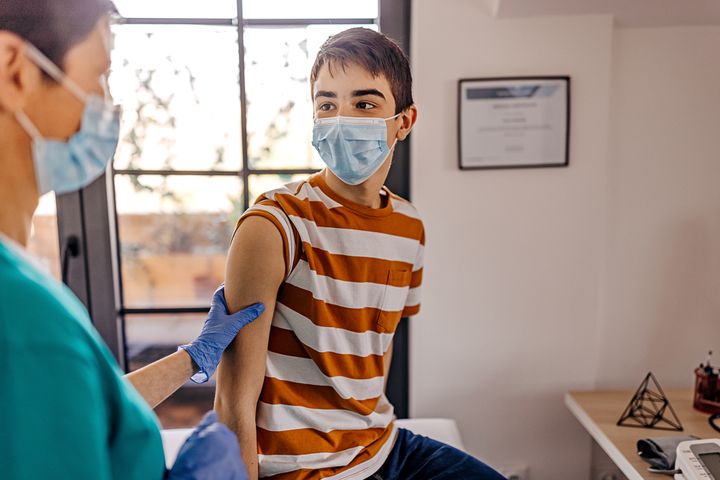
The medicines regulator, the Medicines and Healthcare products Regulatory Agency (MHRA), has already approved the Pfizer/BioNTech vaccine for use among children aged 12 and over in the UK, so it is likely this is the vaccine they will receive.
Advertisement
The government has said it will continue to review whether or not to offer the vaccine to all under 18s.
The caution is due to a lack of available trial data, says Helen Bedford, Professor of Children’s Health at UCL. There’s also a careful balancing act between the benefits of the vaccine vs any potential negative impacts on kids.
“Healthy young people and children become seriously ill with COVID-19 extremely rarely, so there would be few direct benefits for them of vaccination but it would contribute to increasing population immunity,” she explains. “Before recommending vaccination for all children and young people we therefore need to be very clear about of the safety of the vaccines in this group.
“Although there is now good trial data and experience of vaccinating very large numbers of adults and the vaccines have been shown to be safe, we cannot automatically assume this applies to children. More information is needed from trials and experience of using these vaccines in young people and children before the programme is rolled out further.”
Nearly half of European countries have decided to offer the vaccine to children aged 12 and over, including France, Spain, Italy and Austria. Some vaccination programmes have started, while others are imminent, with plans to vaccinate children before the new school term in September widespread.
While children are less likely to suffer severe illness from coronavirus, they aren’t untouchable. Hundreds of children in the UK are struggling with long Covid months after becoming sick.
In rare instances, some children have developed a multi-system inflammatory syndrome linked to Covid-19 which can lead to organ damage. Scientists will consider this when continuing to weigh up the pros and cons of vaccines.
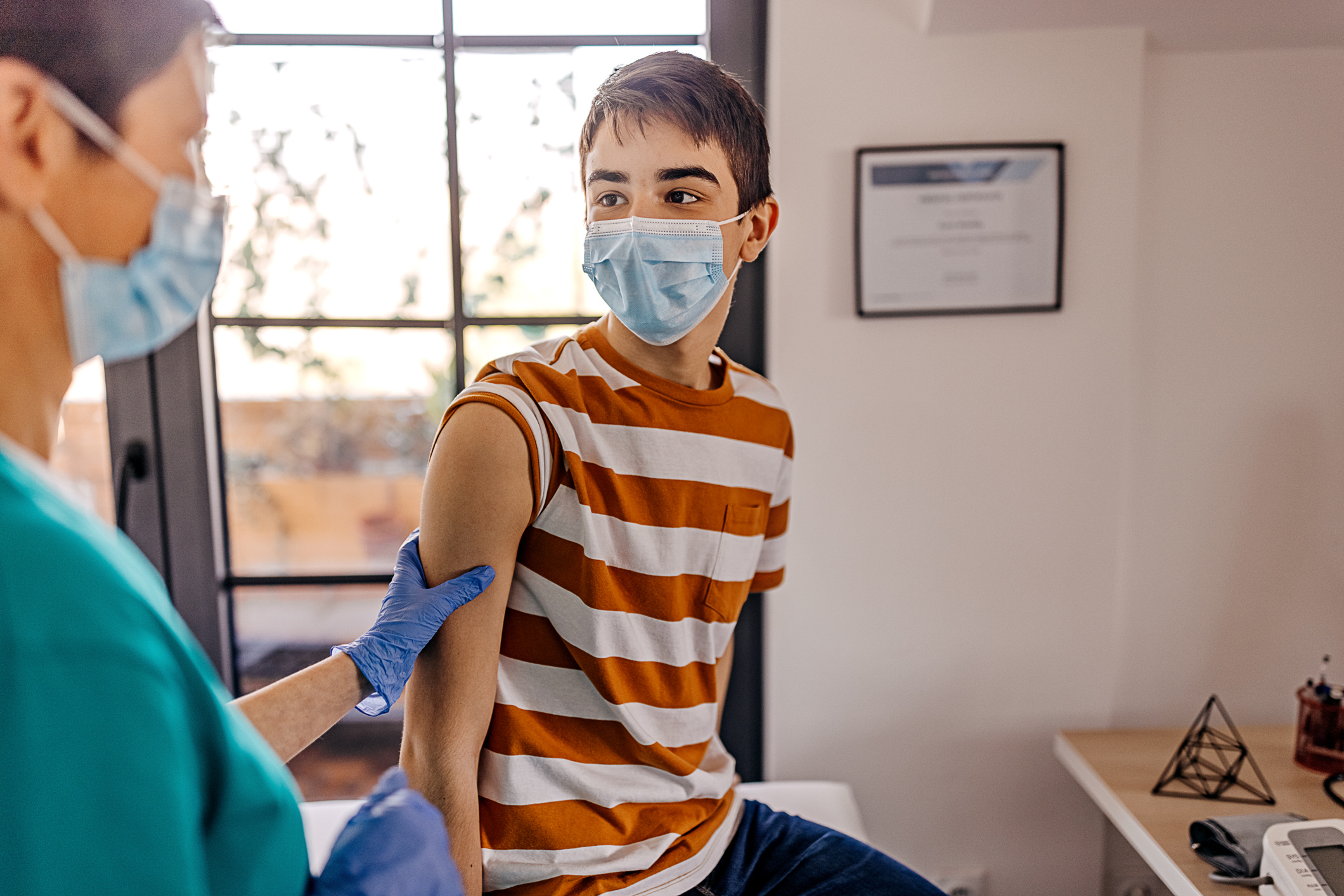
Boris Johnson has urged caution as most legal rules on social contact are lifted in England.
