Leaky blood-brain barrier linked to brain tissue damage in brain aging disease

As people age, changes in the tiniest blood vessels in the brain, a condition called cerebral small vessel disease, can lead to thinking and memory problems and stroke. These changes can also affect the blood-brain barrier, a layer of cells that protect the brain from toxins circulating in the blood. Now a new study has found that people with cerebral small vessel disease who have blood-brain barrier leakage had more brain tissue damage over two years than people with less blood-brain barrier leakage. The study is published in the March 24, 2021, online issue of Neurology®, the medical journal of the American Academy of Neurology.

“Previous research has shown that disruption of the blood-brain barrier is increased in people with cerebral small vessel disease,” said study author Danielle Kerkhofs, M.D., of Maastricht University Medical Center in Maastricht, Netherlands. “People with cerebral small vessel disease also may have brain lesions called white matter hyperintensities. Such lesions are visible by MRI and believed to be signs of brain damage and a marker of the severity of disease. For our study, we wanted to see if a leaky blood-brain barrier was linked to degeneration of brain tissue even before these brain lesions appear. We looked at normal brain tissue, surrounding and close to the brain lesions, because we consider this ’tissue at risk.'”

The study involved 43 people with cerebral small vessel disease with an average age of 68. Researchers used MRI at the start of the study to measure the leakiness of the blood-brain barrier for each participant. They then used another brain imaging technique to measure the integrity of the tissue’s microstructure surrounding brain lesions. This imaging technique was repeated two years later to see whether the brain tissue integrity has decreased.

Researchers measured the relationship between blood-brain barrier leakage and changes in brain tissue. They found the higher the tissue volume with blood-brain barrier leakage at the start of the study, the greater the loss of brain tissue integrity was around brain lesions two years later. For every 10% increase in leakage volume at the start of the study, after two years the diffusivity of the brain tissue increased by 1.4 %, representing a decrease in brain tissue integrity. They also found a similar relationship involving the leakage rate of the blood-brain barrier — a higher leakage rate at the start of the study resulted in more loss of tissue microstructure around the brain lesions.

“Our results support the theory that a compromised blood-brain barrier may play an early role in loss of brain tissue integrity as part of the cerebral small vessel disease process, even before brain lesions are visible on MRI,” said Kerkhofs. “The change in integrity of brain tissue at risk, close to the brain lesions, could be a promising biomarker in future cerebral small vessel disease studies examining possible prevention strategies and treatment options.”

A limitation of the study was that the short follow-up period may have underestimated the associations. Kerkhofs said future studies should measure such changes in larger groups of people over longer periods of time.

Story Source:

Materials provided by American Academy of Neurology. Note: Content may be edited for style and length.

Share Button

Whitehall Set To Run Liverpool Council As Corruption Probe Continues

Andrew ParsonsPA

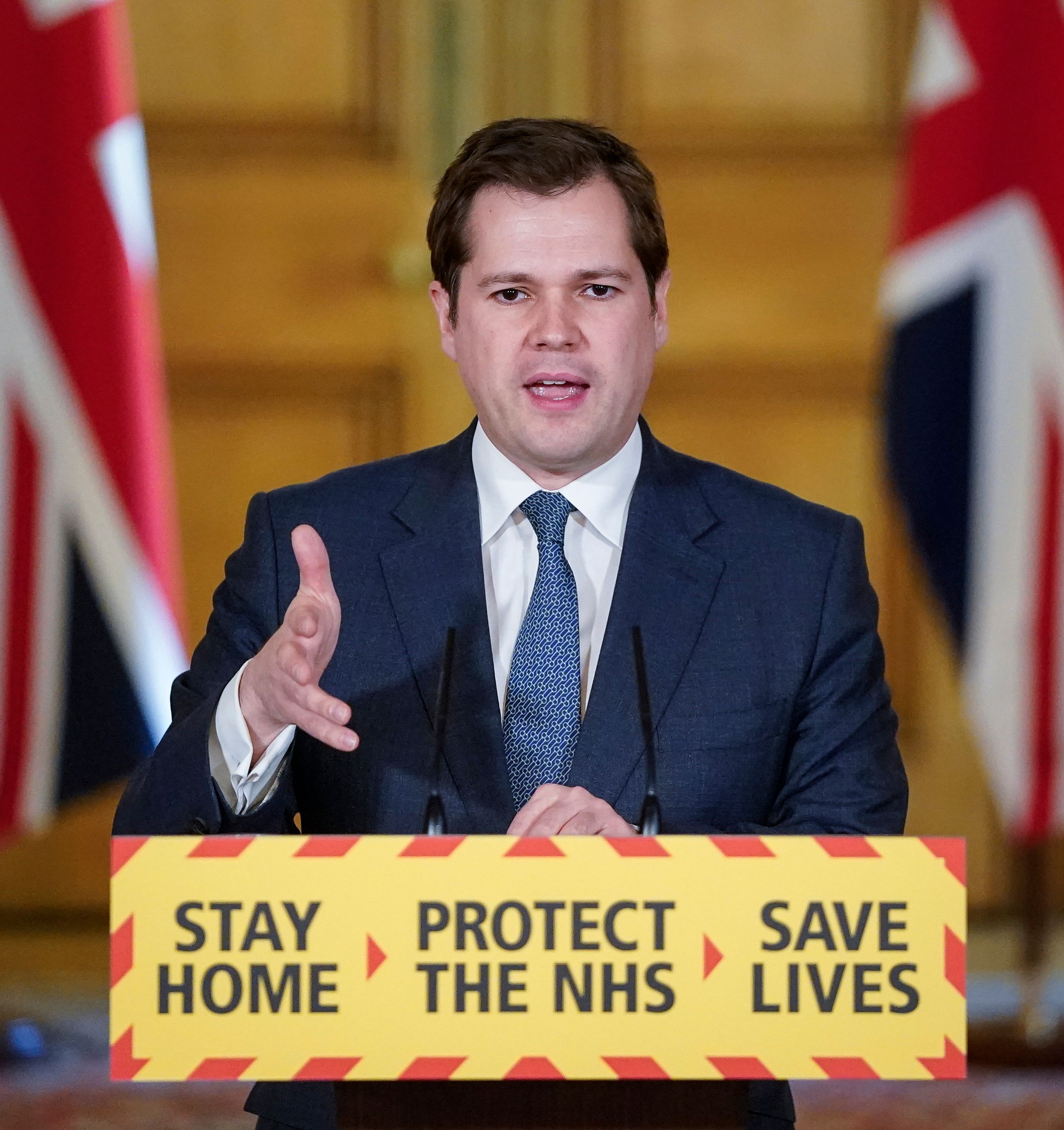
Communities secretary Robert Jenrick

Whitehall commissioners look set to take over running parts of Liverpool City Council as a corruption probe into the town hall continues.

Communities secretary Robert Jenrick announced the proposal after a report by local government inspector Max Caller uncovered a “serious breakdown of governance” at the authority. 

The report, published on Wednesday, followed five arrests, including that of elected mayor Joe Anderson on suspicion of conspiracy to commit bribery and witness intimidation.

Jenrick told MPs the council was “failing to comply” with its commitment to taxpayers and inspectors had uncovered “a worrying lack of record-keeping” and the “awarding of dubious contracts”. 

The minister said the report was “not a verdict” on the authority’s staff, but that evidence of an “overall atmosphere of intimidation” had been found. 

Jenrick said he was writing to the council to outline an intervention package “centred on putting in place commissioners who I will appoint” to run aspects of the council for three years. 

He told the Commons: “I am also proposing that the council will, under the oversight of the commissioners, prepare and implement an improvement plan.”

Outlining a “deeply concerning picture of mismanagement, breakdown of scrutiny and accountability” at the council, he said: “As a whole, the report is unequivocal – that Liverpool City Council has failed in numerous respects to comply with its best value duty.

“It concludes that the council consistently failed to meet its statutory and managerial responsibilities and that the pervasive culture appeared to be rule avoidance.

“It further concludes that changes need to be radical, delivered at pace, and there was no confidence that the council itself would be able to implement these to any sensible timescale.

“There may also be further issues of which we are not yet aware, and the report is careful not to speak to matters that might compromise the ongoing police investigation.”

Peter ByrnePA

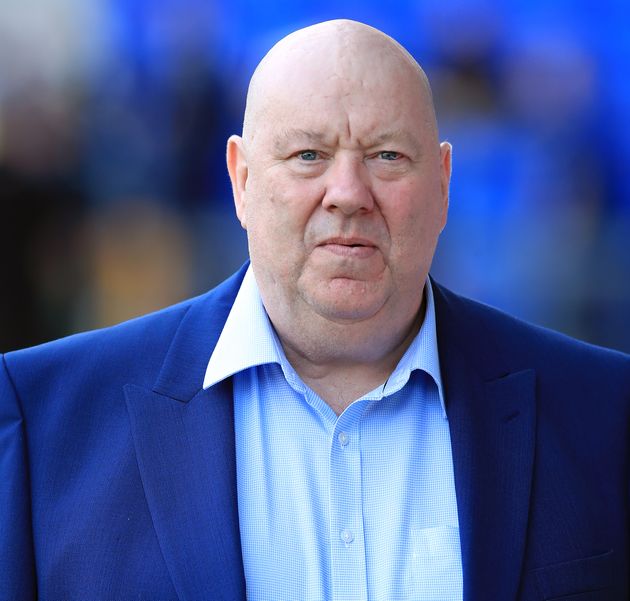
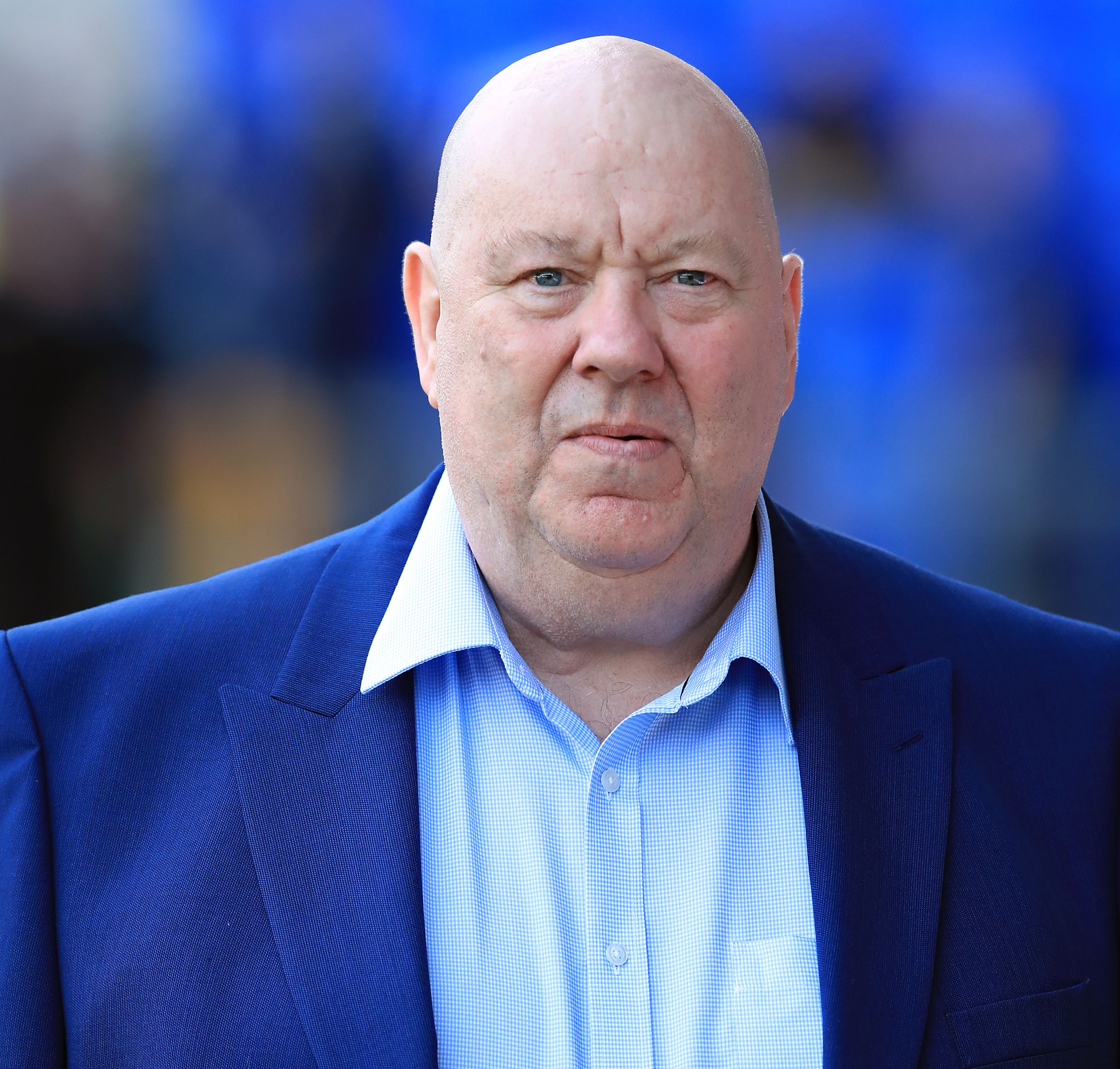
The Mayor of Liverpool Joe Anderson has been suspended from the Labour Party

The council’s director of regeneration, Nick Kavanagh, was also arrested as part of the police probe into building and development contracts in the city, and this week it was confirmed he had been dismissed from his role at the authority.

In a statement to the Liverpool Echo, he said he intended to clear his name at a tribunal.

Anderson, 63, has also denied any wrongdoing.

Merseyside Police said all suspects remain under investigation but bail has not been extended.

Jenrick said a programme of “cultural change” is expected to ensure members and officers “understand their roles”, adding he hopes Liverpool City Council will “take the lead in the path to improvement”.

He said: “Given the gravity of the inspection findings, I must consider what would happen if the council fails to deliver the necessary changes at the necessary speed.

“I’m consequently proposing to direct the transfer of all executive functions associated with regeneration, highways and property management at the authority to the commissioners. These are for use should the council not satisfy the commissioners in their improvement processes.

“I hope it won’t be necessary for the commissioners to use these powers, but they must be – in my view – empowered to do so to deliver the reforms that are required.”

Jenrick said he is proposing Liverpool City Council will move to “whole council” elections from 2023, along with a proposal for a reduced number of councillors elected on single member wards.

He said he expects to receive representations in response to the report by May 24 and the forthcoming elections will proceed as planned in May.

Responding to Jenrick, shadow communities secretary Steve Reed said it was wrong to characterise the move as a “Tory takeover” of Liverpool.

He told the Commons: “This report raises grave and serious concerns about decision-making in key functions of Liverpool City Council. All councils are under an obligation to meet their best-value duty to ensure value for money at all times. In these respects, Liverpool City Council has been found severely wanting. Labour, both here and our leadership at the city council, accept this report in full.

“The council will respond to (Jenrick’s) letter in detail but we support his intention to appoint commissioners, not at this stage to run the council, as he says, but to advise and support elected representatives in strengthening the council’s systems. This is a measured and appropriate approach.

“I want to reassure people in Liverpool that this does not mean Government ministers are coming in to run their city directly. This is not, as some would put it, a Tory takeover.

Liverpool has become a by­word for anti­-Tory sentiment – the city last had a Conservative MP 38 years ago and its last Conservative councillor lost his seat 23 years ago.

Derek Hatton, who was a member of Labour’s Militant faction and deputy mayor of the city council in the 1980s, said on Twitter: “Today could see the most outrageous and politically corrupt front to local democracy any of [us] have ever witnessed.

“Even in the ’80s Thatcher stopped short of imposing commissioners […] after she threw 47 of us out, local elections allowed 47 new Labour councillors to be then elected.”

Tom Crone, leader of the city’s Green Party group, said on Twitter: “If the government takes over Liverpool Council, that would be a disaster for the city. That we are even talking about it is a shocking indictment of this Labour administration.”

The focus of Caller’s investigation is on property management, regeneration, highways, contracts and planning at the council over the past five years.

Local elections, including a vote to elect Anderson’s successor, are due to take place in May.

Share Button

Rugby study identifies new method to diagnose concussion using saliva

A University of Birmingham-led study of top-flight UK rugby players — carried out in collaboration with the Rugby Football Union (RFU), Premiership Rugby, and Marker Diagnostics — has identified a method of accurately diagnosing concussion using saliva, paving the way for the first non-invasive clinical test for concussion for use in sport and other settings.

Following the team’s previous research, which identified that the concentration of specific molecules in saliva changes rapidly after a traumatic brain injury, the researchers embarked on a three-year study in elite rugby to establish if these ‘biomarkers’ could be used as a diagnostic test for sport-related concussion.

Using DNA sequencing technology in the laboratory at the University of Birmingham, the research team tested these biomarkers in saliva samples from 1,028 professional men’s rugby players competing in English rugby’s top two leagues — the Premiership and Championship.

The results of SCRUM (Study of Concussion in Rugby Union through MicroRNAs), published today (March 23) in the British Journal of Sports Medicine, has for the first time shown that specific salivary biomarkers can be used to indicate if a player has been concussed. Additionally, the research has found these biomarkers provide further insights into the body’s response to injury as it evolves from immediately after trauma, to several hours and even days later.

The scientific breakthrough provides a new laboratory-based non-invasive salivary biological concussion test, which could have wide-reaching use and potential to reduce the risk of missing concussions not only in sport — from grassroots to professional levels — but also in wider settings such as military and healthcare.

In community sport, these biomarkers may provide a diagnostic test that is comparable in accuracy to the level of assessment available in a professional sport setting. While, at an elite level of rugby, the concussion test may be used in addition to the existing World Rugby Head Injury Assessment (HIA) protocol.

Marker Diagnostics, a subsidiary of Swiss biotechnology company Marker AG, is in the process of commercialising the patented salivary concussion test as an over-the-counter test for elite male athletes. It has also obtained a CE Mark for test, which has been named MDx.100.

The team now aims to collect further samples from players in two elite men’s rugby competitions in order to provide additional data to expand the test and develop its use to guide the prognosis and safe return to play after concussion and to further establish how it will work alongside the HIA process.

The team will present their findings and planned next research steps at the World Rugby Laws and Welfare Symposium to be held later this month.

Meanwhile, Marker Diagnostics and the University of Birmingham are also currently carrying out several additional studies to further validate and expand the test for use in different groups that were not included in the SCRUM study, including women, young athletes and community sports players.

The research is part of the REpetitive COncussion in Sport (ReCoS) research programme being led by the University of Birmingham through the National Institute for Health Research’s Surgical Reconstruction and Microbiology Research Centre (NIHR SRMRC) based at University Hospitals Birmingham NHS Foundation Trust (UHB).

First author Dr Valentina Di Pietro, of the University of Birmingham and NIHR SRMRC, said: “Concussion can be difficult to diagnose, particularly in settings such as grass roots sports where evaluation by a specialist clinician is not possible. Consequently, some concussions may go undiagnosed.

“There are also concerns regarding the long-term brain health of those exposed to repeated concussions.

“A non-invasive and accurate diagnostic test using saliva is a real game changer and may provide an invaluable tool to help clinicians diagnose concussions more consistently and accurately.

“In professional sports, this diagnostic tool may be used in addition to current head injury assessment protocols and return to play evaluation to ensure the safety of individuals.”

Senior author Antonio Belli, Professor of Trauma Neurosurgery at the University of Birmingham, Consultant Neurosurgeon at UHB, and Director of NIHR SRMRC, added: “Conducting a study in a professional contact sports setting has meant we have been able to collect invaluable data enabling us to make significant advances in our biological knowledge and understanding of concussion and its diagnosis.

“Crucially, the differences in the salivary concentration of these biomarkers are measurable within minutes of injury, which means we can make rapid diagnoses.

“The ability to rapidly diagnose concussion using biomarkers in addition to existing tools solves a major unmet need in the sporting world as well as in military and healthcare settings, particularly in injuries without significant visible symptoms.”

Author Dr Simon Kemp, RFU’s Medical Services Director, said: “This study is an important part of the portfolio of collaborative research initiatives the RFU undertakes into concussion.

“While still a way from having something that can be used in community rugby, it is extremely encouraging to now be able to start to develop a rapid and non-invasive test which could add real value particularly at a grassroots level of the game.

“We would like to thank all the players and clubs who participated in the study and to World Rugby for granting permission for us to extend the duration of the HIA from 10 to 13 minutes in order for the saliva samples to be captured. We wouldn’t have been able to do it without this support.

“We will now be working with World Rugby to secure further research options in two elite men’s competitions.”

Author Dr Matt Cross, Head of Science and Medical Operations at Premiership Rugby, said: “We would like to thank our clubs and all of the players for volunteering to be part of this very important research project.

“The findings from the study are clearly promising and highlight the potential for salivary biomarkers to further support clinical decision making and the accurate identification and diagnosis of concussion in a range of different sporting and non-sporting settings.

“Premiership Rugby and the Premiership clubs support a number of player welfare focused research projects, and we are looking forward to continuing to collaborate and support further research in the next phase of this specific project from 2021-22 onwards.”

Dr Éanna Falvey, World Rugby Chief Medical Officer, added: “Elite Rugby’s Head Injury Assessment process has proven an invaluable tool in the identification of concussion with an accuracy of over 90 per cent, but we are continually evaluating the latest developments in science and technology to identify potential enhancements.

“This study, its rigour and outcomes demonstrates the value in a targeted, scientific approach and reflects rugby’s progressive commitment to player welfare.”

Tinus Maree, CEO of Marker AG, said: “This ground-breaking validation of the biomarker panel shows that we can use the simple swab collection of saliva to accurately and specifically diagnose concussion.

“It is a biological measure of mild traumatic brain injury and will contribute to a new global standard of care for the injury and a meaningful reduction of the cost and health burden associated with concussion.

“We are grateful to our collaborators, especially to Dr Simon Kemp and the RFU, for their efforts and visionary support of this important work.”

The study, fully supported by The Rugby Players’ Association, saw the team obtaining saliva samples from male professional players in the top two tiers of England’s elite rugby union competition during the 2017-18 and 2018-19 rugby seasons.

Saliva samples were collected pre-season from 1,028 players. They were also collected from 156 of these players during standardised World Rugby head injury assessments (HIAs) at three time points — in-game, post-game, and 36-48 hours post-game. The HIA protocol, used by rugby medical staff, includes a neurological examination, a series of cognitive tests and evaluation of gait and balance to determine if a player has been concussed.

‘Control’ samples were also collected from 102 uninjured players and 66 players who were removed from the game due to musculoskeletal injuries.

Using samples collected during the 2017-18 season, the team identified a panel of a combination of 14 salivary biomarkers — known as small non-coding RNAs or sncRNAs — that was highly accurate (96%) at identifying concussed players from all other groups.

This included players with suspicion of mild traumatic brain injury who had a concussion ruled out after a structured HIA; uninjured controls from the same game; and players who had suffered musculoskeletal injuries.

The panel was prospectively tested during the 2018-19 season, and the research showed it could successfully predict whether players would be positive or negative for concussion via the HIA protocol in 94% of cases.

The study was funded by the Midland Neurosciences Teaching and Research Fund, NIHR SRMC, Medical Research Council, Rugby Football Union and Marker AG.


Share Button

Concussion in sport: Saliva test is 94% accurate in rugby union trial

Using pitchside saliva tests to diagnose concussion is a step closer after a “game-changing” trial in rugby union.

Share Button

Researchers hunt for drugs that keep HIV latent

When the human immunodeficiency virus infects cells, it can either exploit the cells to start making more copies of itself or remain dormant — a phenomenon called latency. Keeping these reservoirs latent is a challenge. A new paper, published in the Proceedings of the National Academy of Sciences, has found a way to look for chemicals that can keep the virus suppressed into its dormant state.

“The current drug treatments block healthy cells from becoming infected by the virus,” said Yiyang Lu, a PhD student in the Dar lab at the University of Illinois Urbana-Champaign. “The latent reservoir poses a bigger problem because it can start producing the virus at any time. Consequently, patients have to remain on antiretroviral therapy all their lives to prevent a viral rebound.”

So far, there are two types of drug treatment strategies: shock-and-kill, where reactivated cells are killed due to HIV, and a second drug cocktail prevents other cells from being infected, or block-and-lock, which forces the virus into a deep latent state so that it does not reactivate again. The problem with the first approach is that there are always some leftover reservoirs that do not get activated. The problem with the second approach, which the researchers are trying to solve, is that there aren’t many drugs that have been discovered.

Since the transition from latency occurs randomly, measuring the fluctuations in gene expression can provide more coverage than the average gene expression. “Commercial drug screens usually look at mean gene expression. Instead, we used a drug screen that looks at fluctuations in gene expression. Our screen allowed us to therefore find more compounds that could have been overlooked,” Lu said.

“We implemented a time-series drug screening approach that are less commonly used in other labs,” said Roy Dar, an assistant professor of bioengineering at Illinois and faculty member of the Carl R. Woese Institute for Genomic Biology. The researchers used a T- cell population, which is a reservoir for HIV, that had been infected by the virus. They imaged the cells in 15-minute intervals for 48 hours and tested over 1800 compounds. They looked at noise maps to identify which drugs can modulate the gene expression.

Using the screen, they were able to find five new latency-promoting chemicals, raising the possibility that similar screens can be successfully adapted to study other systems that exhibit variability in gene expression, such as cancer. They are currently working on understanding how the five novel drugs suppress viral reactivation. “We want to test if these drugs have off-target effects in terms of how many other genes they affect in the host cells,” Dar said. “We also want to test these drugs in patient samples to see whether these drugs suppress HIV in them.”

Story Source:

Materials provided by Carl R. Woese Institute for Genomic Biology, University of Illinois at Urbana-Champaign. Original written by Ananya Sen. Note: Content may be edited for style and length.

Share Button

Scientists observe complex tunable magnetism in a topological material

Scientists at the U.S. Department of Energy’s Ames Laboratory have observed novel helical magnetic ordering in the topological compound EuIn2As2 which supports exotic electrical conduction tunable by a magnetic field. The discovery has significant implications for basic research into functional topological properties and may one day find use in a number of advanced technology applications.

Topological materials burst onto the scene in the physical sciences about fifteen years ago, decades after their existence had been theorized. Called ‘topological’ because their bulk electronic bands are “knotted” together, the surfaces of topological insulators “untie the knot” and become metallic. Researchers at the Ames Laboratory’s Center for the Advancement of Topological Semimetals (CATS) are seeking to discover, understand, and control the exceptional conduction properties of these materials.

Much of modern technology relies on crystalline materials, which are solids composed of a repeating (periodic) arrangement of atoms that forms a lattice. Due to the periodicity, the lattice looks the same after certain symmetry operations such as translation, specific rotations, mirror, and/or inversion. The existence or absence of these symmetries affect electronic band topology and surface electronic conduction. Magnetic ordering can modify the symmetries exhibited by the material, providing an additional means to control the topological state.

In collaboration with scientists at Oak Ridge National Laboratory’s Spallation Neutron Source, McGill University, and the University of Missouri Research Reactor Center, the CATS team discovered the existence of low-symmetry helical magnetic ordering in EuIn2As2 which supports a highly sought-after topological state called an axion insulator. This state shares similarities with the axion particle in quantum chromodynamics which is a candidate component of dark matter. In solid-state materials, it provides remarkable parallel coupling between magnetic and electrical properties.

In the presence of EuIn2As2’s complex helical magnetic ordering, the axion state leads to topological features in the surface electronic spectrum called Dirac cones. When a Dirac cone occurs on a surface of the material penetrated by a fundamental axis of the magnetic ordering, the cone has no energy gap and the surface exhibits resistanceless conduction tied to the orientation of the electronic spin. The other surfaces have gapped Dirac cones and support half-integer quantized electrical conduction. The researchers predict that application of a relatively moderate magnetic field switches which surfaces support which type of Dirac cone, allowing the surface conduction to be tuned.

The ability to switch between surface states by a magnetic field provides an experimental avenue to examine the unique properties of its topological states. This tunability is also promising for technologies such as high-precision sensors, resistanceless nanowires, magnetic storage media, and quantum computers. Future studies will look at bulk crystals while applying a magnetic field and will synthesize and study nanoscale-thin films in order to pave the way for technological applications.

Story Source:

Materials provided by DOE/Ames Laboratory. Note: Content may be edited for style and length.

Share Button

Senior Tory Warns Against Forcing Care Home Staff To Have Vaccines

A Tory former cabinet minister has warned the government against forcing care home staff to have coronavirus vaccinations. 

David Davis claimed mandating jabs for healthcare workers would be “illegal” and in breach of international law.

But Downing Street pointed out that some NHS staff are already required to get the hepatitis B vaccine, providing a “clear precedent” for mandatory Covid vaccines.

The clash came as health secretary Matt Hancock confirmed the government was considering legally requiring care home workers in England to be vaccinated against Covid-19.

Hancock insisted “no final decision” had been made amid a review into so-called vaccine passports, but confirmed that ministers were looking at jabs being made compulsory for care workers in England.

The plans have emerged amid concerns of low uptake from staff in care homes looking after those who are among the most vulnerable of death the disease, with around 24% of care workers remaining unvaccinated.

However, Davis’s comments highlighted the potential for the proposals to run into strong opposition from civil liberties Tories, who are already preparing to vote against the extension of Covid restrictions on Thursday.

It came after the Telegraph reported leaked details of a paper submitted to the “Covid O” sub-committee of Cabinet which said that prime minister Boris Johnson and Hancock had agreed to the proposal.

Hancock told LBC: “Because people who are looking after elderly residents in care homes, who we know to be the most vulnerable to Covid, they have a duty of care not to pass on the disease and it is a reasonable question.”

He said “many” care homes had asked for this to happen, adding: “There’s a legal change that’s required and, as you can see, I’m open to that, but no final decision has been taken.”

Davis, who is a staunch civil liberties campaigner, conceded there were “precedents” for mandatory vaccines, including hepatitis B vaccines. 

But the former Brexit secretary suggested the comparison with hepatitis B vaccines was unfair, insisting these have been in use since the 1980s and have a long-term safety record.

Davis argued that the best way to protect care home residents was to ensure that they themselves are vaccinated and are therefore at far less risk of death or serious illness.

Barcroft Media via Barcroft Media via Getty Images

Tory former cabinet minister David Davis

He told the Commons public administration committee (PACAC): “It’s illegal to require vaccination at the moment.

“We are bound ourselves by both UN and European international agreements to the use of medical treatment.

“Medical treatment as it stands must only be for the benefit of the person it’s administered to.

“Medical treatment must not be administered for, as it were, communal purposes – otherwise we’ll all be giving mandatory blood transfusions and so on.

“I give blood anyway, but you’d have requirements like that.

“So that’s against both international and national laws.

“The answer… is to solve the problem by the method which is legal and acceptable, which is to vaccinate the people who are at risk.

“Look, if I were running a care home, and I am very pro-vaccines, I would say to all my workers – I would like you to vaccinate in the interests of our clients.

“But I couldn’t force it, and I don’t foresee a way which we can force it.

“And if you tried to say it’s now a requirement of your job, I don’t think the courts would uphold it – apart from anything else because you are costing someone their job for a requirement which can’t be enforced in law.” 

Responding, the prime minister’s official spokesperson said: “This is something that happens already, for example doctors are required to have the hepatitis B vaccine. 

“So there is a clear precedent for this proposition, elderly people in care homes are the most vulnerable to this disease. 

“And this is something that care homes have actually called for.”

It came as the Independent Care Group, which represents providers in York and North Yorkshire, said making the vaccine mandatory for care workers could put people off from joining the sector.

WPA Pool via Getty Images

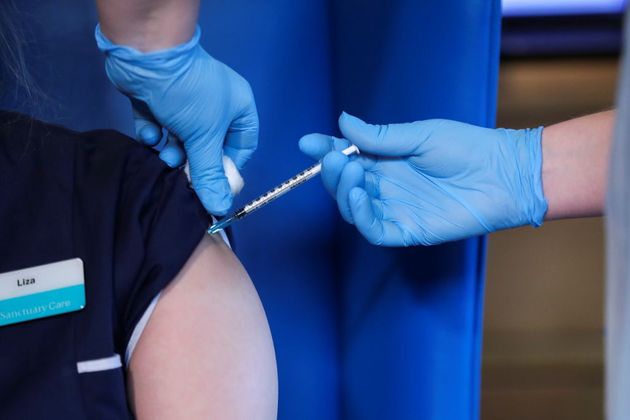
A member of staff receives the Pfizer/BioNTech COVID-19 vaccine at the Abercorn House care home in Scotland on December 14

Chair Mike Padgham said it is vital care workers get vaccinated but it should be voluntary, adding: “I think rather than force it through legislation, the government has more work to do in terms of persuading everyone, not just care workers, about how important it is that the whole country has the vaccine so that we are all protected.”

Davis also cautioned the government against introducing so-called vaccine passports to allow immunised people to do certain activities, for example visiting a pub or attending a football match.

He said introducing Covid status certificates, which are currently being reviewed by the government, could be discriminatory against communities reluctant to take up the vaccine.

Davis told MPs: “The impact of this would be discriminatory. Under the law, it would be indirectly discriminatory and that is illegal. 

“You may well find, it has been said, that Black and ethnic minority communities are less inclined to get vaccinated, well that would be indirect discrimination.”

Younger people were also less likely to have the jab and “some people have ethical or religious objections”, he said.

“There are a variety of good reasons for people not to take a vaccine. I’ve had a vaccine and I think most of the reasons are not ones I would subscribe to.

“But people have that freedom. What this proposal does is, in effect, coerce those people.”

Share Button

Grunting And Nasal Flare: 7 Symptoms Of Covid In Under 18s

Grunting, nasal flare and poor appetite have been listed as additional symptoms of Covid-19 in children and young people under the age of 18.

Throughout the pandemic, the NHS has listed the main symptoms of coronavirus in children as: a high temperature; a new, continuous cough; and a loss or change to sense of smell or taste.

But a new guideline from the National Institute for Health and Care Excellence (NICE) sheds more light on additional symptoms of the virus children and teens may experience.

NICE, which offers advice and information services to health, public health and social care professionals including the NHS, has published a single guideline – sort of like a ‘one-stop shop’ for Covid information – for the management of Covid-19 in both children and adults.

A NICE spokesperson tells HuffPost UK previous guidance about Covid-19 symptoms only covered adults over the age of 18, whereas the new guideline includes young people and children.

“The symptoms listed for children are not new symptoms but are recognised in peer reviewed studies,” they explain. “This evidence was examined by the guideline panel and brought into our overall guideline so that the information is all in one place for clinicians.”

They noted that, as with other areas in this guideline, it may evolve over time as additional evidence emerges.

The guideline is for health and care practitioners, and those involved in planning and delivering services. In it, NICE lists additional symptoms of Covid-19 that can present in children and young people under the age of 18.

These include:

  • Grunting. This sound can be heard each time they exhale and can be a sign of respiratory distress in children.
  • Nasal flare. In babies especially, enlargement of the nostrils during breathing can also be a sign of respiratory distress.
  • Nasal congestion.
  • Poor appetite.
  • Gastrointestinal symptoms such as stomach pain, diarrhoea, nausea or vomiting.
  • Skin rash.
  • Conjunctivitis.

Children and young people are likely to feel much better in a week if their symptoms are mild, reads the guidance, however if their symptoms worsen, parents are advised to contact NHS 111 online.

The presence of symptoms such as fever, rash, abdominal pain, diarrhoea or vomiting may indicate paediatric inflammatory multisystem syndrome (PIMS), the guidance states, which is a more serious issue and requires urgent medical help.

As it stands, parents can only access PCR tests on the NHS for their children if they experience one or more of the three classic Covid symptoms. Children who are asymptomatic – meaning they have no symptoms – are able to have lateral flow tests as part of the return to school, in a bid to try and reduce the spread of Covid even more. It’s thought one in three people are silent carriers of the virus.

Dr Paul Chrisp, director of the Centre for Guidelines at NICE, said he hopes the information hub will support healthcare professionals caring for patients unwell with Covid-19.

“The pandemic has driven new collaborative and international ways of working, and by sharing high-quality evidence with our colleagues around the world we have been able to develop this guidance more quickly,” he said.

“By keeping abreast with the latest evidence, we hope to identify which guidance needs updating more efficiently.”

NICE’s new guideline also lists the key signs of severe illness in Covid patients more generally, which include:

  • Severe shortness of breath at rest or difficulty breathing.
  • Reduced oxygen saturation levels measured by pulse oximetry. Oxygen saturation levels below 94% for adults – or below 88% for adults with known type 2 respiratory failure – can help identify people who are seriously ill. In children who are resting, anything below 91% would also warrant medical help.
  • Coughing up blood.
  • Blue lips or face.
  • Feeling cold and clammy with pale or mottled skin.
  • Collapse or fainting.
  • New confusion.
  • Becoming difficult to rouse.
  • Reduced urine output.
Share Button

Brooklyn Beckham Is More Than A Match For Posh As He Mimics Mum Victoria In Spice Girls Video

If Victoria Beckham is still not keen on rejoining the Spice Girls, it seems there’s a family member who could easily fill the gap. 

Brooklyn Beckham has transformed into his famous mum in a hilarious FaceSwap video, which saw him take on a Spice classic. 

The 22-year-old looked the spitting image of Posh as he mimed along to Say You’ll Be There in the clip, which he posted on his Instagram Story.

“Oh gosh @victoriabeckham,” he wrote. 

Posh is yet to share her verdict on the video, but we reckon she’ll be more impressed by Brooklyn’s popstar credentials than husband David’s.

Becks debuted some less that stellar vocals as son Cruz celebrated his 16th birthday last month.

In an Instagram video montage Victoria posted, Cruz was seen putting on a show for his family, performing the Sam Cooke classic, You Send Me.

His rendition was then interrupted by a decidedly less tuneful off-screen “woah” from Becks, followed by an annoyed “David!” from Posh.

In his own birthday tribute, David later apologised to Cruz, writing: “Sorry about the singing.”

Victoria sat out the most recent Spice Girls reunion tour in 2019, instead deciding to focus on her fashion label. 

However, Mel C recently claimed that Posh is coming round to the idea of working with her, Emma Bunton, Mel B and Geri Horner again in the future. 

Speaking to Apple Music 1′s Zane Lowe, she said: “She was very involved in the creative and everything that we were doing in the show. And I think she really found it difficult.

“That first night, when the pictures were beamed all over the world, it was hard for her. And we’re hoping it was hard enough to bring her back. It’s so hard, and I feel for her. 

“I have to say, I feel like she’s coming around. So we’ll keep working on her. But just between you and me.” 

Share Button

Covid: Deaths below average for first time since summer

The decline suggests the winter wave of coronavirus deaths has ended, experts say.

Share Button