‘Pure Comedy, Chaos And Shambles’: The Best Jokes About Sunak’s Damp Start To The General Election

Rishi Sunak’s bold decision to call a general election in the middle of yesterday’s downpour has opened the floodgates on social media.

The prime minister stood outside No.10 Downing Street, in the pouring rain, and declared a general election would be held on July 4.

He then immediately tried to rally voters with a few digs at Labour over the party’s campaigns and policies.

But, no one really focused on that. Most of the attention was on Sunak’s suit, which became completely sodden within minutes.

While all the journalists there to capture the historic moment were sensibly wearing coats or carrying umbrellas, the PM’s bizarre decision to go without for such a pivotal moment, has been demolished by everyone, including today’s newspapers.

Protesters also blared Labour’s 1997 election theme tune – D:Ream’s Things Will Only Get Better – throughout the PM’s speech.

And so critics were quick to coin the phrase “Things Will Only Get Wetter” in a scathing take on Sunak’s announcement.

Considering the Conservatives are around 20 points behind Labour in the opinion polls right now, the image of a downtrodden Sunak standing in the rain was seen as an apt metaphor by many people on social media.

Others pointed out that the Conservatives actually set up an expensive press conference room within No.10, which is warm, dry and available to use.

Either way, the impact that image of a soaked Sunak has had among his online critics – and the newspapers – is clearly significant.

Here’s a round-up of social media’s best jokes about the embarrassing PR gaffe…

Share Button

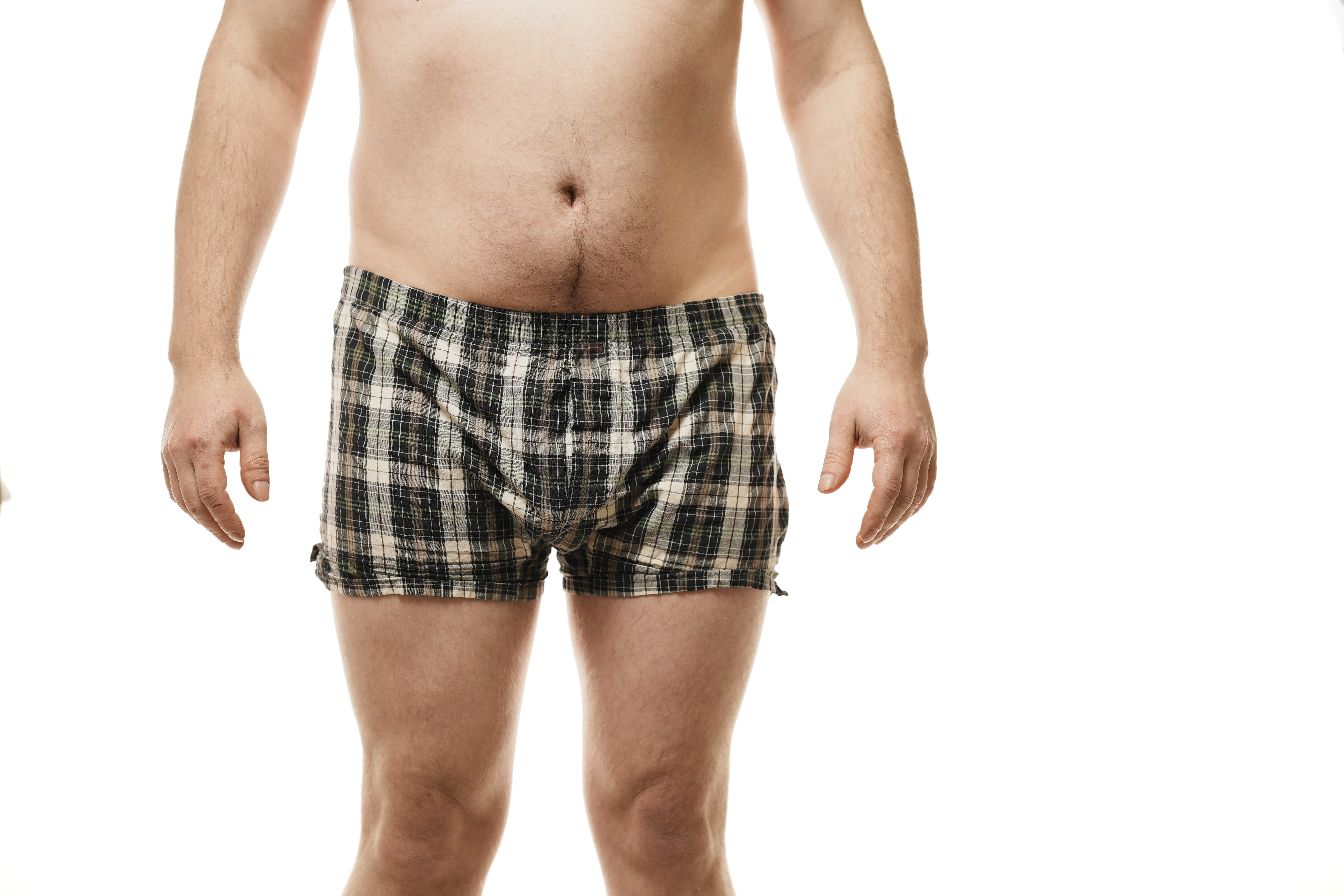
Microplastics Were Found In 100% Of Human Testicles, Here’s What That Means

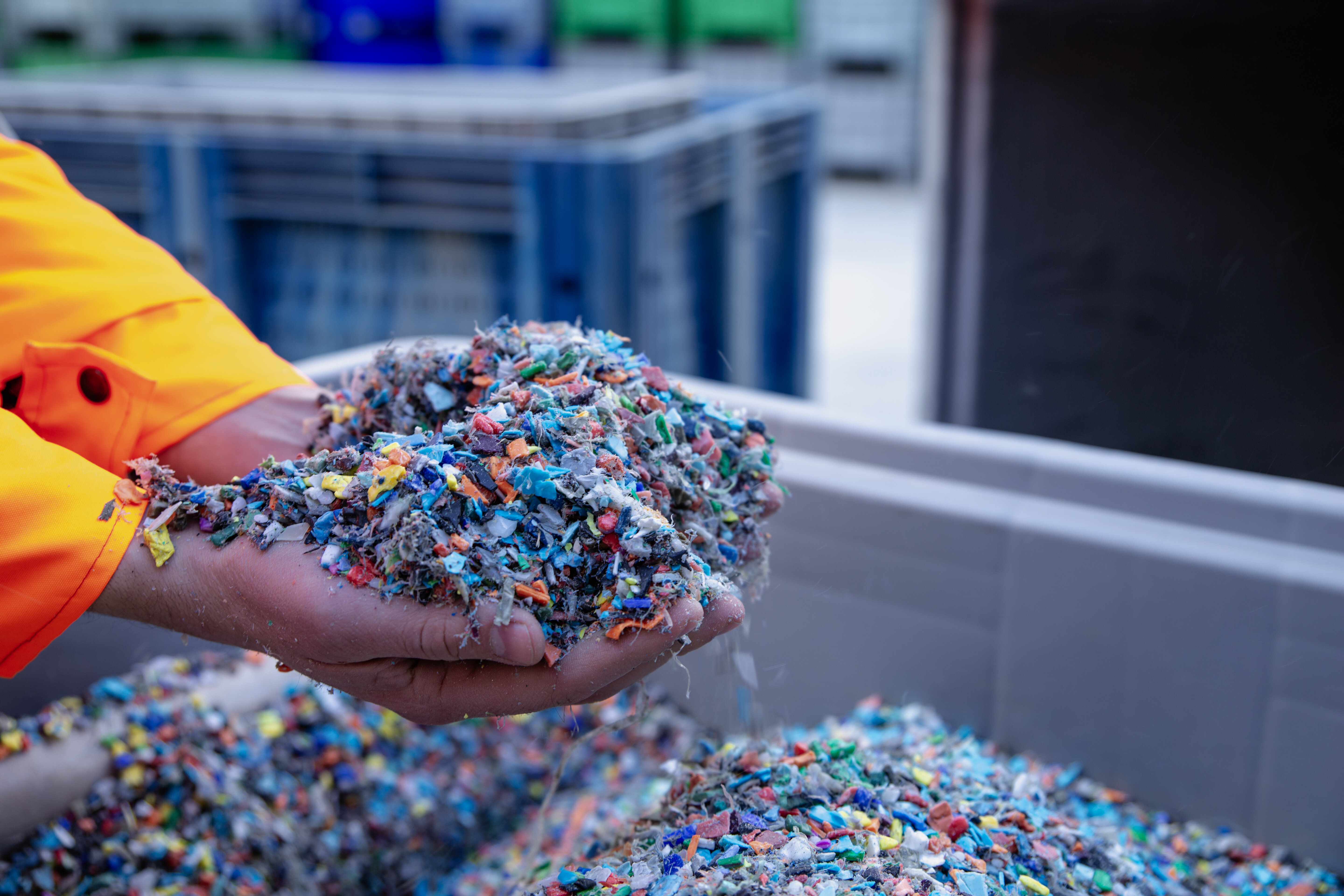
According to Recycle Nation, microplastics have been found in an array of strange places, including bees, table salt, and even bottled water so maybe it was just a matter of time until the tiny fragments were found in human bodies.

Yes, that’s right, researchers at the University of Mexico looked at testicular tissue taken from both dogs and humans, finding microplastics in every sample, with a three times higher count in humans than in dogs.

Aside from being just incredibly concerning as it is, this news has led to researchers questioning whether microplastics are responsible for the decline in male fertility.

The microplastics found in testicles

During the study, 12 different types of microplastics were identified and the most common one was polyethylene (PE) which is used to manufacture plastic bags and plastic bottles and is a major part of our plastic pollution problem.

The researchers couldn’t test human tissue for sperm count but they did do this for canine symptoms. There they found that higher levels of polyvinyl chloride (PVC) plastic correlated to a lower sperm count in the animals.

PVC is widely used in industrial and household products, leading researchers to worry that the plastic could be what’s causing falling sperm counts worldwide, which, according to Science Alert, have already been linked to heavy metals, pesticides and a variety of chemicals.

We still don’t know the full extent of what microplastics can do to the body, but they have been linked with inflammation and problems with digestion.

Is there any work towards reducing microplastics?

According to BBC Future, there is hope. The experts said: “Researchers are developing a number of approaches to help get rid of the plastic pollution in our environment. One approach has been to turn to fungi and bacteria that feed on plastic, breaking it down in the process.

“A species of beetle larvae that can devour polystyrene has also offered another potential solution. Others are looking at using water filtration techniques or chemical treatments that can remove microplastics.”

Share Button

Voter In Rishi Sunak Campaign Video Came ‘Close’ To ‘Clobbering’ The Prime Minister

Rishi Sunak’s election campaign has been hit by another blunder after he released a video featuring a voter who said he came “close” to hitting him.

A slick promotional video published on X by Sunak, showed him delivering the speech in Downing Street and meeting voters across the country.

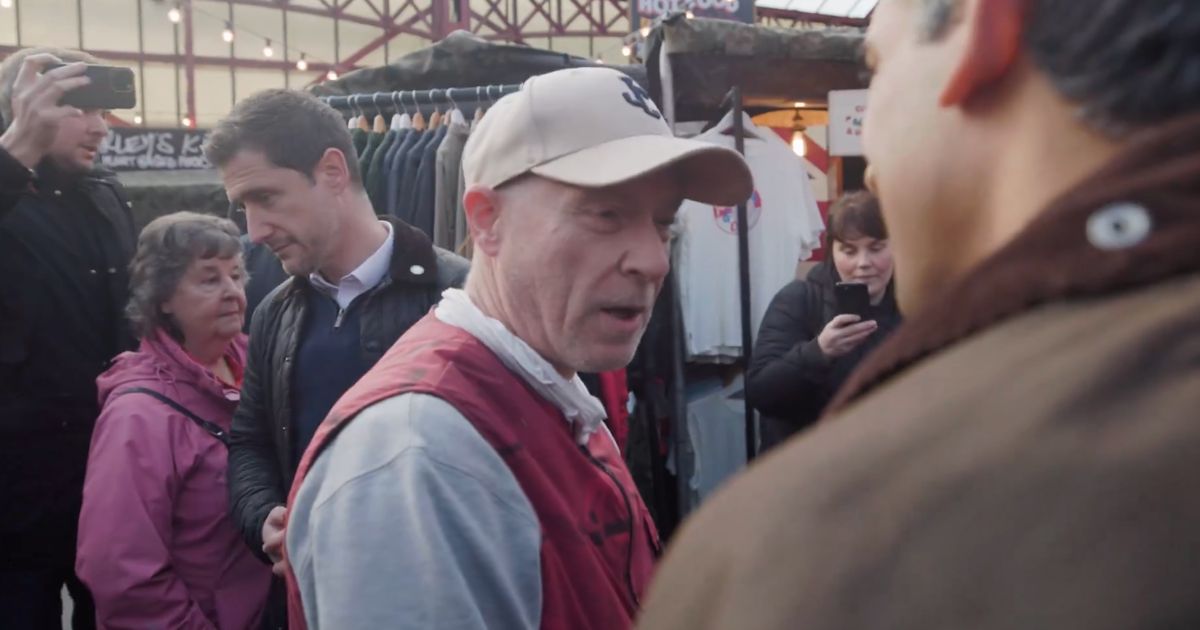
One member of the public Sunak is pictured with is Josef Schindler, in Altrincham market, on January 6.

Schindler posted a photograph of him and the prime minister on Facebook at the time.

In the comments below the post, Schindler was told: “You do look like you’re going to clobber him.”

He reacted with a laughing emoji and replied simply: “close”.

His speech was also disrupted by Labour Party anthem ‘Things Can Only Get Better’ being played by protesters nearby.

The shambolic opening to the campaign was headlined “things can only get wetter” by the even the Conservative supporting Daily Telegraph.

In an interview with BBC Radio 4′s Today programme, Sunak said he was the “first to admit that it was a bit wet”.

Share Button

After Life actress says making music has been healing

Mandeep Dhillon has plenty of acting credits, but has just released Roll It Up – a personal, “deep song”.

Share Button

Assisted dying plans for terminally-ill approved on Jersey

Jersey politicians approve assisted dying plans for terminally ill by 32 votes to 14.

Share Button

Exploring diversity in cell division

Cell division is one of the most fundamental processes of life. From bacteria to blue whales, every living being on Earth relies on cell division for growth, reproduction, and species survival. Yet, there is remarkable diversity in the way different organisms carry out this universal process. A new study from EMBL Heidelberg’s Dey group and their collaborators, recently published in Nature, explores how different modes of cell division evolved in close relatives of fungi and animals, demonstrating, for the first time, the link between an organism’s life cycle and the way their cells divide.

Despite last sharing a common ancestor over a billion years ago, animals and fungi are similar in many ways. Both belong to a broader group called ‘eukaryotes’ — organisms whose cells store their genetic material inside a closed compartment called the ‘nucleus’. The two differ, however, in how they carry out many physiological processes, including the most common type of cell division — mitosis.

Most animal cells undergo ‘open’ mitosis, in which the nuclear envelope — the two-layered membrane separating the nucleus from the rest of the cell — breaks down when cell division begins. However, most fungi use a different form of cell division — called ‘closed’ mitosis — in which the nuclear envelope remains intact throughout the division process. However, very little is known about why or how these two distinct modes of cell division evolved and what factors determine which mode would be predominantly followed by a particular species.

This question captured the attention of scientists in the Dey Group at EMBL Heidelberg, who investigate the evolutionary origins of the nucleus and cell division. “By studying diversity across organisms and reconstructing how things evolved, we can begin to ask if there are universal rules that underlie how such fundamental biological processes work,” said Gautam Dey, Group Leader at EMBL Heidelberg.

In 2020, during the COVID-19 lockdown, an unexpected path to answering this question grew out of discussions between Dey’s group and Omaya Dudin’s team at the Swiss Federal Institute of Technology (EPFL), Lausanne. Dudin is an expert in an unusual group of marine protists — Ichthyosporea. Ichthyosporea are closely related to both fungi and animals, with different species lying closer to one or the other group on the evolutionary family tree.

The Dey and Dudin groups, in collaboration with Yannick Schwab’s group at EMBL Heidelberg, decided to probe the origins of open and closed mitosis using Ichthyosporea as a model. Interestingly, the researchers found that certain species of Ichthyosporea undergo closed mitosis while others undergo open mitosis. Therefore, by comparing and contrasting their biology, they could obtain insights into how organisms adapt to and use these two cell division modes.

Hiral Shah, an EIPOD fellow working across the three groups, led the study. “Having recognised very early that Ichthyosporea, with their many nuclei and key evolutionary position between animal and fungi, were well-suited for addressing this question, it was clear that this would require bringing together the cell biological and technical expertise of the Dey, Dudin, and Schwab groups, and this is exactly what the EIPOD fellowship allowed me to do,” said Shah.

Upon closely probing the mechanisms of cell division in two species of Ichthyosporeans, the researchers found that one species, S. arctica, favours closed mitosis, similar to fungi. S. arctica also has a life cycle with a multinucleate stage, where many nuclei exist within the same cell — another feature shared with many fungal species as well as the embryonic stages of certain animals, such as fruit flies. Another species, C. perkinsii, turned out to be much more animal-like, relying on open mitosis. Its life cycle involves primarily mononucleate stages, where each cell has a single nucleus.

“Our findings led to the key inference that the way animal cells do mitosis evolved hundreds of millions of years before animals did. The work therefore has direct implications for our general understanding of how eukaryotic cell division mechanisms evolve and diversify in the context of diverse life cycles, and provides a key piece of the animal origins puzzle,” said Dey.

The study combined expertise in comparative phylogenetics, electron microscopy (from the Schwab Group and the electron microscopy core facility (EMCF) at EMBL Heidelberg), and ultrastructure expansion microscopy, a technique that involves embedding biological samples in a transparent gel and physically expanding it. Additionally, Eelco Tromer, from the University of Groningen in the Netherlands, and Iva Tolic, from the Ru?er Boškovi? Institute in Zagreb, Croatia, provided expertise in comparative genomics and mitotic spindle geometry and biophysics, respectively.

“The first time we saw an expanded S. arctica nucleus, we knew this technique would change the way we study the cell biology of non-model organisms,” said Shah, who brought back the expansion microscopy technique to EMBL Heidelberg after a stint at the Dudin lab. Dey agrees: “A key breakthrough in this study came with our application of ultrastructure expansion microscopy (U-ExM) to the analysis of the ichthyosporean cytoskeleton. Without U-ExM, immunofluorescence and most dye labelling protocols do not work in this understudied group of marine holozoans.”

This study also demonstrates the importance of going beyond traditional model organism research when trying to answer broad biological questions, and the potential insights further research on Ichthyosporean systems might reveal. “Ichthyosporean development displays remarkable diversity,” said Dudin. “On one hand, several species exhibit developmental patterns similar to those of early insect embryos, featuring multinucleated stages and synchronised cellularisation. On the other hand, C. perkinsii undergoes cleavage division, symmetry breaking, and forms multicellular colonies with distinct cell types, similar to the ‘canonical view’ of early animal embryos. This diversity not only helps in understanding the path to animals but also offers a fascinating opportunity for comparative embryology outside of animals, which is, in itself, very exciting.”

The project’s inherent interdisciplinarity served not only as a good testbed for this type of collaborative research but also for the unique postdoctoral training afforded at EMBL. “Hiral’s project nicely illustrates the virtue of the EIPOD programme: a truly interdisciplinary project, bundling innovative biology with advanced methods, all contributing to a truly spectacular personal development,” said Schwab. “We (as mentors) witnessed the birth of a strong scientist, and this is really rewarding!”

The Dey, Dudin, and Schwab groups are currently also collaborating on the PlanExM project, part of the TREC expedition — an EMBL-led initiative to explore and sample the biodiversity along European coasts. PlanExM aims to apply expansion microscopy to study the ultrastructural diversity of marine protists directly in environmental samples. “The project grew out of the realisation that U-ExM is going to be a game-changer for protistology and marine microbiology,” said Dey. With this project, as well as others currently underway, the research team hopes to shed further light on the diversity of life on Earth and the evolution of the fundamental biological processes.


Share Button

Australian study proves ‘humans are planet’s most frightening predator’

Australia lacks fearsome large carnivores like lions and wolves, and the relative lack of fear that marsupials like kangaroos and wallabies show to dogs (and other introduced carnivores) has been attributed to a lack of evolutionary experience with large mammalian predators. This, however, overlooks the 50,000-year-long presence in Australia of the world’s most fearsome predator — the human ‘super predator.’

A new study conducted by Western University biology professor Liana Zanette, in collaboration with Calum Cunningham and Chris Johnson from the University of Tasmania, demonstrates kangaroos, wallabies and other Australian marsupials fear humans far more than any other predator. Findings of the study, were published May 21 in the journal Proceedings of the Royal Society B.

These results greatly strengthen findings from similar studies by Zanette and her collaborators, and others, conducted in North America, Europe, Africa and Asia, which show wildlife worldwide fear the human ‘super predator’ far more than lions, leopards, cougars, bears, wolves or dogs.

For this new study, Zanette and her colleagues worked in the eucalypt forest in Tasmania and experimentally demonstrated that kangaroos, wallabies and other marsupials were 2.4 times more likely to flee in response to hearing human voices compared to hearing dogs, Tasmanian devils or wolves. Every species in the marsupial community, moreover, demonstrated the same pattern, being roughly twice as likely to flee from humans as the next most frightening predator, which in each case was dogs, and all were most vigilant to humans.

“These results greatly expand the growing experimental evidence that wildlife worldwide perceive humans as the planet’s most frightening predator,” said Zanette, a renowned wildlife ecologist. “The very substantial fear of humans demonstrated here, and in comparable recent experiments, can be expected to have dramatic ecological consequences, because other new research has established that fear itself can reduce wildlife numbers, and fear of humans can cause cascading impacts on multiple species throughout entire landscapes.”

To conduct their experiment, the team deployed hidden automated camera-speaker systems that, when triggered by an animal passing within a short distance (approximately 10 meters, or 30 feet), filmed the response to humans speaking calmly, dogs barking, Tasmanian devils snarling, wolves howling or non-threatening controls, such as sheep bleating.

“Global surveys show humans kill prey at much higher rates than other predators, making humans a ‘super predator,’ and the profound fear of humans being revealed in wildlife everywhere is wholly consistent with humanity’s unique lethality,” said Zanette. “Humans are ‘the invisible killer’ insofar as we do not often think of ourselves as a major predator, let alone the most dangerous, but wildlife clearly think differently — and recognize us for what we are.”

Share Button

Gentler cell therapies for blood cancer

Researchers have developed an approach to “deleting” a blood system affected by leukemia while simultaneously building up a new, healthy system with donor blood stem cells. Writing in the journal Nature, the team reports on the promising results obtained in animal experiments and with human cells in the laboratory.

In aggressive cases of leukemia, the only chance for a cure is to replace the diseased blood system with a healthy one. Although the transplantation of donor blood stem cells is a well-established form of treatment, it is an onerous process for patients. First, chemotherapy is used to remove the body’s own blood stem cells as well as most of the blood cells. Only then do the attending physicians intravenously administer the stem cells from a suitable donor to the patient. This procedure is associated with side effects and potential complications.

The team led by Professor Lukas Jeker from the Department of Biomedicine at the University of Basel has taken a different approach. Writing in the journal Nature, the team describes how all blood cells can be removed from a leukemia sufferer in a targeted manner while a new blood system is built up at the same time. The results represent the successful completion of a project funded by the European Research Council with a Consolidator Grant of EUR 2.4 million.

Mixing console for blood systems

The system established by the researchers in Jeker’s team can be imagined as a mixing console, where a DJ gradually fades down the level of the first song while raising the volume of the second until the first track dies away completely and only the second is audible.

The fading-down process works as follows: Specific antibodies coupled to a cytotoxic drug recognize all blood cells in the patient’s body based on a surface structure. This marker is common to all the different types of blood cell (both healthy and diseased) but does not appear on other cells of the body. Bit by bit, the antibody-drug conjugate therefore recognizes and destroys all cells of the diseased blood system.

While this is taking place, the second song also starts — that is, the patient receives a transplant of new, healthy blood cells from a suitable donor. To prevent the antibody-drug conjugates from also attacking the new blood stem cells, or the blood cells they produce, the researchers use genetic engineering techniques to modify the donor stem cells in a targeted manner. Specifically, they introduce a small change in the surface molecule so that the antibodies don’t recognize the new blood cells. The researchers refer to this targeted modification of the donor stem cells as “shielding,” because it acts like a protective shield against the cancer treatment.

Elaborate search for suitable regulators

The two first authors of the study, Simon Garaudé and Dr. Romina Matter-Marone, worked with an interdisciplinary team of bioinformaticians, biochemists, genetic engineering specialists, and clinicians from academia and industry to select the best-suited target structure — and the best protective modification for the fading-down process — from the multitude of surface molecules on blood cells. The chosen molecule, known as CD45, proved extremely promising in trials on mice and human cells in the laboratory.

“We needed a surface molecule that appeared with approximately the same frequency on all blood cells if possible, including the leukemia cells, but that wasn’t present on other cells in the body,” explains Jeker. CD45 met this requirement and, at the same time, was also suitable for “shielding” — in other words, it could be modified on the donor blood stem cells in such a way that these cells were protected from the cancer treatment but the function of CD45 remained completely normal.

Applications beyond cancer

“The new approach could pave the way for new treatment options for patients whose state of health is incompatible with the chemotherapy needed for stem cell transplantation,” says joint first author Romina Matter-Marone. Although further tests and optimization are needed, the aim is for initial clinical trials to begin in just a few years’ time.

The “mixing console for blood systems” also opens up further possibilities, as joint first author Simon Garaudé explains: “We show how cells that are ‘invisible’ to a blood cell remover can be used to swap out the entire blood system.” This, he says, is an important step toward a programmable blood system that could also assume functions on demand — for example, to correct a serious genetic defect or to impart resistance to specific viruses such as HIV.

Share Button

Here’s What Science Says About Your Birth Order And Personality

Has anyone ever come up to you and said “you must be the youngest in your family, I can tell” or “you’re definitely the eldest daughter”?

Your birth order might actually have a part to play in the way your personality is shaped, but the question is, to what extent?

Dr Julia Rohrer, a personality psychologist at the University of Leipzig spoke to the Science Weekly Podcast to explain how siblings shape the personalities we have.

She explained her own situation saying that she has a younger half sibling which would biologically make her the first born, but she also grew up with an older cousin and they were raised together.

Talking about how birth order might impact someone, she said: “The most influential one more recently is Frank Sulloway’s niche theory.

“It’s an evolutionary inspired idea that within the family the siblings are competing for resources, but also they must get along as they share genes so they have shared interests and so on.

“So the idea is that it’s a bit like it’s in the animal kingdom that there are different ways to specialise. So the first borns specialise in being like a surrogate parent, they are the big and the bossy ones.

“The younger siblings must find their other niches so that’s why they are more creative as they have to explore to find out how they fit into the family context.”

Alongside this, it was recently found by the University of California, Los Angeles-led research team that, in certain instances, first-born daughters tend to mature earlier, enabling them to help their mother rear younger siblings.

A University of California, Los Angeles-led research team found that, in certain instances, first-born daughters tend to mature earlier, enabling them to help their mother rear younger siblings.

Other studies suggest that there is some later-in-life payoff for highly responsible eldest girls.

A 2014 study found that eldest daughters are the most likely to succeed out of any sibling type, while a 2012 study found that those who are eldest-born are more likely to hold leadership roles.

So, there you have it — not only can birth impact your role in the family, it can also have an effect on your adult life.

Share Button

This Is The 1 Presenter Richard Osman Believes Is The Hardest-Working In TV

Host of House Of Games, regular star on panel shows and author of the Thursday Murder Club series of books, Richard Osman is an incredibly booked and busy talent in the world of entertainment.

However, who does he think is the most hard-working person on TV?

We’re spoilt for choice with television at the moment, and there are plenty of contenders that could take the title, but on his podcast The Rest Is Entertainment with Marina Hyde, Richard revealed exactly who he thinks has been putting a real graft in.

Answering a question about the “hardest-working person in television”, Richard named Romesh Ranganathan as “top of the pile”.

“He does so much so brilliantly,” the former Pointless star enthused. “I love Romesh, I’ve never seen him do a show badly.”

Romesh Ranganathan at the TV Baftas earlier this month

Karwai Tang via Getty Images

Richard went on to say that Romesh is somebody that “everybody wants to work with”.

He also gave a nod to Romesh’s “huge” work ethic and said: “I could live without working. I like staying at home. I do shows that I love doing and because I do four or five a day and they’re on every day, it feels like [people like me] are working more than they are.

“With someone like Romesh, he’s doing lots of stuff abroad, he’s doing The Weakest Link, doing the [Radio 2] radio show now and does all this Sky stuff… he’s working his socks off.”

However, Richard believes that the “real” hardest working people in telly are actually behind the scenes.

Richard explained that in his own TV show, on the day of filming he may be the hardest working in the room, but, “for the four months before and four months after the show, everyone else is working incredibly long hours to make me and make the show look good”.

He said he believes that associate or assistant producers are likely the hardest working as they work between the researchers and producers, while helping both of them with their roles.

Share Button