When My Husband Died Suddenly, One Of His Family Members Said 5 Words That Taunted Me For Years

Not long after my husband, Keith, died suddenly in April 2000, I overheard one of his family members tell someone that she didn’t feel sorry for me and my young children. “This will make them stronger,” she asserted.

Seventeen years later, her words taunted me as I shuffled across the sizzling parking lot of a suburban shopping center on my way to a therapist’s office. Stronger. What a joke; I could barely walk.

Once inside, I slumped into an oversized chair and wearily told my new therapist, Elizabeth, my problem was that I sucked at life and the visit would be a waste of time for both of us.

The only reason I was there was because one of my adult daughters had threatened to call 911 if I didn’t get help for myself. She’d become alarmed after she couldn’t reach me and had stopped by my house, where she discovered me flat on my back on my sofa. I hadn’t bathed or changed my clothes in weeks.

Assuming Elizabeth would show me the door so she could move on to a more worthwhile patient, I was surprised when she instead asked me to elaborate. After listening for nearly an hour, she said, “What you’re suffering from has nothing to do with being bad at life. It’s called resilience fatigue.”

I’d never heard of it, but I knew all about resilience. Its necessity had been drummed into my head since I was a kid. “Pull yourself up by your bootstraps ….” “When the going gets tough ….” “If at first you don’t succeed ….” As I saw it, resilience was the crux of my problem. If I wasn’t so weak and lazy, I could allow adversity to transform me into a deeper, tougher individual.

“We have a lot of work to do,” Elizabeth told me.

The American Psychological Association defines resilience as “the process and outcome of successfully adapting to difficult or challenging life experiences.”

“Adapting” is the key word. If stressful events never let up, there’s no time to adapt. Resilience fatigue or toxic stress is about prolonged, excessive and unmanaged intense stress that leads to a sense of being constantly overwhelmed. Without sufficient coping mechanisms, the body’s stress response becomes overworked. This, in turn, can lead to an imbalance in our physiological systems and affect everything from mood to the immune system.

That sounded like me.

I’d been living in a near-constant state of anxiety mixed with dread since April 2000. I’d grown so accustomed to the feeling of impending doom — the racing heart, the perpetual tightness across my shoulders — that I thought it was normal.

Apparently it’s not.

Keith’s death would have been challenging enough on its own, but overnight I also became a single mother of three. Worse still, I was pregnant with our fourth child.

And that was just the beginning.
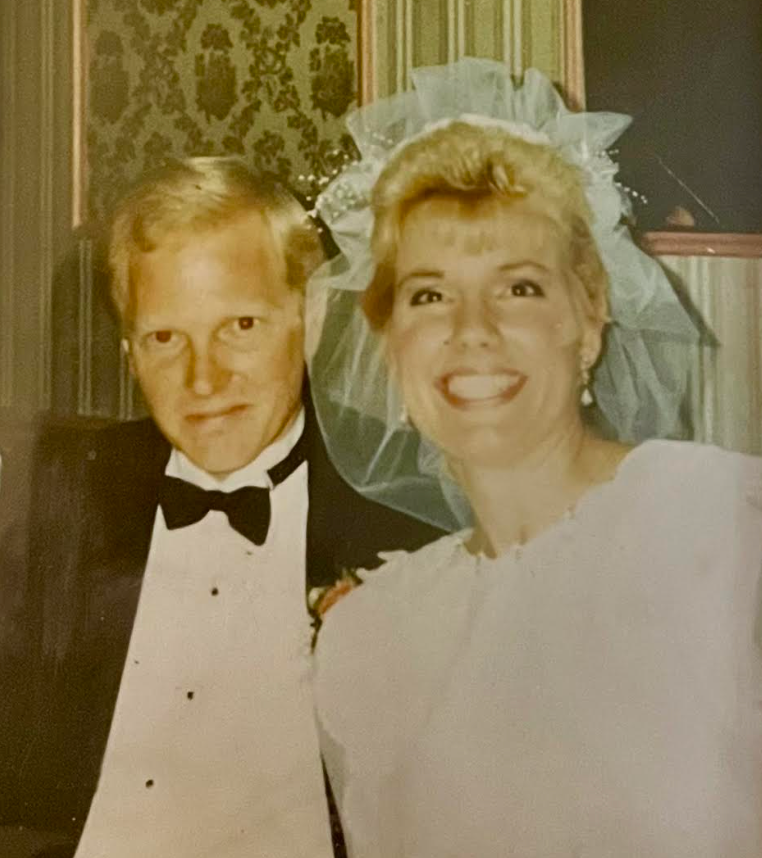
The author and Keith on their wedding day, March 4, 1989.

Courtesy Margaret Feike

The author and Keith on their wedding day, March 4, 1989.

Keith had minimal life insurance. I’d been a stay-at-home mother for almost a decade while we continually moved for his job as he climbed the corporate ladder. Even before I buried him, the realisation that I’d have to find both work and child care ASAP filled me with terror. A family of five had to have health insurance. We’d been insured through Keith’s employer, and I couldn’t afford to pay for it outright.

Finding work took precedence over everything, including grieving my husband and bonding with the baby born three weeks after he died.

I’d always assumed the capacity for resilience was limitless and also hardwired into human beings like the fight-or-flight response, but during my counselling sessions, I learned otherwise. It’s not innate; rather, it’s learned and comes not just from individual effort but also from available support and resources.

The times I attempted to discuss my fears or concerns with others, they dismissed them: “You’re young, you’ll bounce back ….” “God never gives you more than you can handle ….” “In a few years you’ll remarry and hopefully the next guy will be rich ….” This was what passed for support in my world.

Still, I believed grit and determination would not only save me but someday I’d look back on those terrible days and be thankful for what I’d gone through while reflecting on how far I’d come.

For a hot minute, that seemed to be the case. After an obsessive job search, I found a position in an auto insurance call center with top-notch benefits. My parents, who’d recently retired and had moved nearby, agreed to watch my kids and not charge me. I began humming the song “I Will Survive.”

Unfortunately, the job turned into a trap. Callers were frequently angry; they swore and shouted at me all day. There was little room for advancement unless I could put in overtime or travel, which was impossible given my situation. I’d leave work depressed and drained and come home to a messy house full of bickering kids and memories of the life I used to love.

I also began flashing back to the morning I found Keith dead in our bed. As time passed, I thought about him more instead of less, and I couldn’t understand why the last day of his life played on a constant loop in my head, as if I could change the outcome if I relived it enough times.

When I mentioned this to a relative, she chastised me. “You need to focus on all the good things you still have, not on the bad.”

Of course I was grateful for what I had, despite the fact that my finances were eroding at a frighteningly rapid pace. Despite the fact that I’d gone from enjoying a vibrant, hope-filled life with a man I loved to living like a cloistered nun. Despite the fact that one day my future had beckoned like the yellow brick road and the next there was a ROAD PERMANENTLY CLOSED sign blocking the entrance.

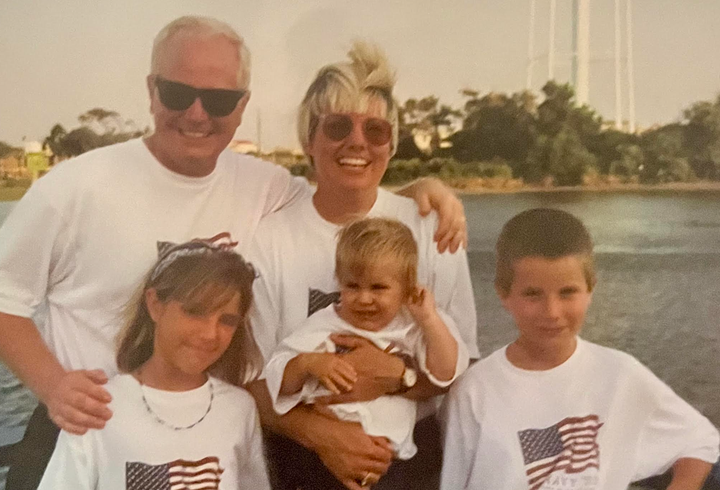
The author's family on their last family vacation in 1999. "Keith had less than a year to live," the author writes.

Courtesy Margaret Feike

The author’s family on their last family vacation in 1999. “Keith had less than a year to live,” the author writes.

Most of all I was grateful for my parents.

In their mid-60s, they were now practically raising a toddler and an infant. I was tired all the time and so were they. Our relationship deteriorated even as I suffered crushing guilt over what they were doing for me.

Yet I was certain I could turn everything around. So I prayed daily for acceptance of my situation. The Secret became my Bible, and I spewed positive affirmations morning, noon and night. I tried to banish negative thoughts from my head and focus on future abundance, not what I’d lost.

Nothing changed. Eventually I went through bankruptcy followed by foreclosure. I was fired from my job for not being able to keep up with the ever-changing metrics. When I discovered my oldest daughter was using heroin, I thought life could not get any worse.

I was wrong.

My father developed Alzheimer’s disease, and I moved in with my parents to help care for him. Two years after he died, my mother was diagnosed with terminal cancer, and I took care of her until the end.

By then my daughter was no longer using heroin, which was an unexpected miracle.

But at that point my younger daughter was in trouble for school truancy and drug use. Eventually she was removed from my home by Franklin County Children Services after her high school filed a criminal complaint with the local juvenile court and a judge ruled that she be placed in foster care at a local psychiatric residential treatment facility. It was a good thing I was unemployed, as my days became a merry-go-round of mandatory meetings with social workers, psychiatrists, counsellours and a court-appointed guardian. They picked apart my life and told me everything I was doing wrong as a parent but offered nothing in terms of concrete solutions or support.

My daughter was gone for over two years. Upon her return, she told me she’d been sexually assaulted while she was at the treatment facility. Guilt for what she’d been through vied with an impotent sense of rage deep inside me. The feelings were so inflammatory that sometimes I was sure I’d self-combust.

In the midst of my ongoing crises, I met a man in a writers’ group I’d joined in an attempt to get away from my life. Jim became a bright beacon in my otherwise dreary existence, so much so that I dared to envision a future with him. But three months after my mother passed, he died by suicide in my car. My younger son, who’d adored Jim, was so traumatised he had to be hospitalised after he became suicidal. My older son ghosted me for several years, deeming me a toxic mother.

I could no longer deny that my life had become a not-so-funny running joke, with me as the punchline. Sometimes I imagined my husband disgustedly shaking his head as he watched his family fall apart.

Just thinking about it exhausted me. One day I lay down on my living room sofa and couldn’t find the strength to rise again. I prayed for death as I thought about how I’d failed everyone, including myself.

Elizabeth helped me to reframe my viewpoint.

“Your husband died, then you had a baby. You had to hit the ground running with no time to grieve him or help your children. Your life became a runaway train that took 17 years to crash,” she said.

She put me in touch with a psychiatric nurse who prescribed a combination of antidepressants and anti-anxiety medications. She also utilised cognitive therapy, including EMDR (eye movement desensitisation and reprocessing). Slowly I began to feel better.

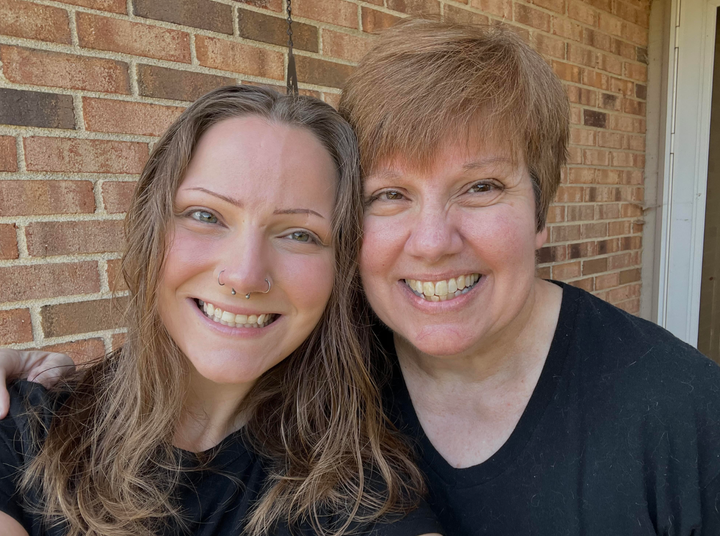
The author and her youngest daughter, Dianna. "She was born three weeks after her father died," the author writes.

Courtesy Margaret Feike

The author and her youngest daughter, Dianna. “She was born three weeks after her father died,” the author writes.

Of course you can’t always control what life throws at you, but Elizabeth pointed out that my path might have taken a different turn if I hadn’t been forced into a race against time to secure health insurance and child care, those fickle twins that dictate life for so many Americans.

Still, I had trouble letting go of the conviction that I’d traded in resilience for lethargy. All my life I’d heard that adversity builds character and that what doesn’t kill us makes us stronger. Elizabeth shook her head. “Those are dangerous generalisations and they’re mostly false. Beliefs like that allow us to minimise other peoples’ suffering without feeling guilt.”

A growing body of research shows that despite the widespread belief that negative life events result in “post-traumatic growth” or positive personality change, “the only type of growth that seems to arise consistently is deepened relationships,” according to the Society for Personality and Social Psychology. Our relationships with loved ones often become more meaningful during times of struggle.

“But that requires having supportive relationships in the first place,” Elizabeth said. “Other than your parents, who were tossed out of the frying pan into the fire with you, you’ve been going it alone all this time. What would you say to that relative who told you Keith’s death would make you stronger if you saw her today?”

I didn’t hesitate. “I’d say, ‘You have no idea how badly I wish you’d been right.’”

Seven years on, my own mental health is in a much better place, and my children are thriving. We’re closer than we’ve ever been, and all four are involved in healthy relationships and working at jobs they enjoy. My older daughter became a psychiatric nurse and the younger one is pursuing a nursing degree in the same field.

After my oldest child went through a divorce a few years ago, I began watching my two young grandchildren while she worked, paying it forward the way my parents did for me.

I understand the urge to offer platitudes to someone who’s experienced a loss or tragedy. The right words can be difficult to find. But it’s better to say nothing than to imply they’ll somehow benefit or be improved as a result of their misfortune.

Suffering hasn’t made me stronger, but it certainly has taught me about the kind of person I want to be. Now I’m able to offer more than platitudes to others going through difficult times because I can share my experience along with empathy. Pain does not build resilience; lending support does, even if it’s only a sympathetic ear.

I’m grateful that today I can be that support for my family.

This piece was originally published in December 2024 and we are sharing it again now as part of HuffPost Personal’s “Best Of” series.

Margaret Jan Feike’s personal essays concerning subjects such as addiction, mental health, and grief have been published by Salon, McSweeney’s, Modern Loss, and other venues. She resides in central Ohio with her younger two children and a herd of cats and recently completed her first novel.

Do you have a compelling personal story you’d like to see published on HuffPost? Find out what we’re looking for here and send us a pitch at pitch@huffpost.com.

Share Button

The brain switch that could rewrite how we treat mental illness

In a recent Genomic Press Interview published in Brain Medicine, Dr. Eric J. Nestler reflects on how an early fascination with brain chemistry helped shape a worldwide transformation in psychiatric research. As the Anne and Joel Ehrenkranz Dean of the Icahn School of Medicine at Mount Sinai, he describes nearly four decades spent unraveling the molecular processes that explain why drugs and stress influence human behavior. What started as an effort to study basic protein signaling in the laboratory of Nobel laureate Paul Greengard eventually grew into a broad understanding of how life experiences can alter the brain’s genetic activity over time.

Dr. Nestler traces his interest in science back to an unusual home laboratory in the basement of his family’s house in Nassau County, Long Island. Guided by his father, a high school biology teacher in the New York City public school system, he learned how to design and carry out experiments. These projects later became award-winning science fair entries and set the stage for an academic path through Yale University, where he earned BA, PhD, and MD degrees while training under Dr. Greengard.
Building a New Field in Molecular Psychiatry

His decision to name his research group at Yale Medical School “The Laboratory of Molecular Psychiatry” turned out to be remarkably forward-thinking. At a time when applying molecular biology to psychiatric questions was still considered bold, Dr. Nestler and colleague Dr. Ron Duman recognized that the field was ready for a new scientific direction. The name reflected genuine ambition. Within a few years, he was appointed Founding Director of the Division of Molecular Psychiatry at Yale, a role made possible when the sitting Director, Dr. George Heninger, voluntarily stepped aside. Dr. Nestler often recalls this moment as an example of generosity that he has tried to extend to younger scientists throughout his career.

Breakthrough Insights Into Brain Adaptation

One of the most influential discoveries associated with his work involves the transcription factor ΔFosB. This protein accumulates in the brain’s reward circuits during prolonged drug exposure and sustained stress, altering patterns of gene expression in affected neurons. While most proteins break down quickly, ΔFosB remains active for weeks or months. This unusually long lifespan provides a biological explanation for how relatively brief experiences can produce long-lasting changes in mood, motivation, and behavior. Researchers around the world now view ΔFosB as a key contributor to vulnerability to addiction.

The interview highlights the type of forward-looking scientific dialogue that characterizes Genomic Press’s open-access publications, which make cutting-edge findings accessible to researchers globally. The organization’s commitment to broad, barrier-free dissemination has helped accelerate progress across multiple branches of medical science.

From Signaling Pathways to Single-Cell Biology

Over roughly forty years, the direction of this research has shifted in notable ways. Early work focused on intracellular signaling cascades, then expanded into the study of transcription factors and gene networks that shape behavior in specific parts of the brain. Approximately twenty years ago, Dr. Nestler’s team began exploring epigenetic regulation, the chromatin modifications that allow environmental conditions to produce lasting changes in brain function. Improvements in scientific tools have since enabled increasingly detailed studies: first at the level of whole brain regions, then individual cell types, and now single-cell analyses that reveal subtle differences unseen in earlier studies. These advances raise an important question: could these insights eventually lead to personalized treatments tailored to select neuron populations within a single patient?

Resilience as a New Direction in Mental Health Science

A defining aspect of this research program is the emphasis on resilience rather than solely on pathology. His laboratory identified specific molecular, cellular, and circuit-level signatures in animals that maintain normal behavior despite exposure to stress or drugs. These animals show natural protective features that are absent in more susceptible individuals. The idea that some brains possess built-in defenses has far-reaching implications, suggesting new ways to develop treatments that strengthen resilience instead of only repairing damage.

“In addition to seeking ways to reverse the deleterious effects of drug or stress exposure, it is possible to develop treatments that promote mechanisms of natural resilience in individuals who are inherently more susceptible,” Dr. Nestler explains in the interview. Several of these resilience-based approaches are now in clinical testing for depression, offering one of the clearest examples of basic research informing new therapeutic possibilities. The potential success of these treatments prompts important questions about how psychiatric care may evolve in the coming decade.

Cross-Species Evidence and the Need to Protect Scientific Integrity

Key discoveries from animal research have been supported by findings in postmortem human brain tissue from individuals with addiction and stress disorders, providing strong evidence that the principles uncovered in the laboratory translate to humans. Dr. Nestler’s publication record includes more than 800 papers and major textbooks on the neurobiology of mental illness and molecular neuropharmacology. His work has been cited more than 177,000 times, and his h-index of 210 places him among the most influential scientists worldwide.

When asked about his greatest concern for the future of science, he offers a clear warning: “My greatest fear is that science becomes politicized, whereas science must never be political. People in blue and red states get the same illnesses.” His message emphasizes the need to safeguard scientific independence at a time when political pressures threaten evidence-based research in many regions. The mission of Genomic Press to advance open-access medical science aligns strongly with this vision of science serving people everywhere.

A Life Shaped by Family, Mentorship, and Service

Outside of his research, Dr. Nestler values time spent with his wife Susan of 45 years, their three children David, Matt, and Jane, their spouses, and their five grandchildren, who range in age from eighteen months to four years. He describes his defining traits as hard work and generosity and considers organization and discipline to be his strongest skills. He also shares a desire to cultivate more patience and to become more willing to challenge unkind behavior.

When asked what brings him the most pride, he points not to the major honors he has received, including the Julius Axelrod Prize for Mentorship, the Gold Medal Award from the Society of Biological Psychiatry, election to the National Academy of Sciences and the National Academy of Medicine, and honorary doctorates from Uppsala University and Concordia University. Instead, he cites the achievements of his former students and postdoctoral fellows. Additional information about Dr. Nestler and other leaders in science can be found on the Genomic Press website: https://genomicpress.kglmeridian.com/.

His guiding philosophy comes from Theodore Roosevelt, who wrote that credit belongs to “the man who is actually in the arena, whose face is marred by dust and sweat and blood.” For nearly four decades, Dr. Nestler has remained in that arena, contributing discoveries that continue to shape how the world understands the brain and its response to adversity.

Share Button

Ozempic may offer a surprising bonus benefit for brain health

  • GLP-1 medications, commonly used for type 2 diabetes, were linked to a possible reduction in epilepsy risk, offering an encouraging early signal for researchers.
  • Participants who used GLP-1 drugs were 16 percent less likely to develop epilepsy compared with those who took DPP-4 inhibitors.
  • Among the GLP-1 options studied, semaglutide stood out with the strongest association to a lower epilepsy risk.
  • The findings come from preliminary research and do not confirm cause and effect, so randomized, controlled clinical trials are still needed.
  • Tirzepatide was not part of the analysis because it was introduced after the study period began.

Early research suggests a possible connection between GLP-1 drugs and epilepsy risk

A preliminary study involving people with diabetes has found a possible link between the use of glucose-lowering GLP-1 drugs and a reduced chance of developing epilepsy. The findings were released on December 10, 2025, in Neurology, the medical journal of the American Academy of Neurology. GLP-1 drugs, known scientifically as glucagon-like peptide-1 receptor agonists, are commonly used to manage diabetes and support weight loss.

The study does not prove that GLP-1 drugs lower the risk of developing epilepsy; it only shows an association.

“Additional randomized, controlled trials that follow people over time are needed to confirm these findings, but these results are promising, since people with diabetes are at increased risk for developing epilepsy later in life,” said study author Edy Kornelius, MD, PhD, of Chung Shan Medical University in Taichung, Taiwan. “Epilepsy can have many physical, psychological and social consequences, and many people do not respond to the current medications, so finding ways to reduce this risk is critical.”

How researchers compared GLP-1 drugs with other diabetes medications

To explore this potential relationship, researchers reviewed data from a U.S. health database that included adults with type 2 diabetes. These individuals had begun treatment with either a GLP-1 drug or a different type of diabetes medication called a dipeptidyl peptidase-4 inhibitor (known as DPP-4 inhibitors or gliptins). None of the participants had a prior diagnosis of epilepsy or seizure. The GLP-1 medications included dulaglutide, liraglutide and semaglutide.

The study followed 452,766 people with an average age of 61. Half of them were prescribed GLP-1 drugs, and the other half received DPP-4 inhibitors. Each person was monitored for at least five years. During that time, 1,670 people using GLP-1 medications developed epilepsy, or 2.35%, compared with 1,886 people taking DPP-4 inhibitors, or 2.41%. Adjusted results show a modest reduction in epilepsy risk

After the researchers accounted for other health conditions that might influence epilepsy risk, including age, high blood pressure and cardiovascular disease, they found that people taking GLP-1 drugs were 16% less likely to develop epilepsy than people using DPP-4 inhibitors.

When the team evaluated the individual GLP-1 medications, semaglutide showed the strongest association with a lower epilepsy risk.

“More research is needed, but these findings support the theory that GLP-1 drugs may have neurological benefits beyond controlling blood sugar,” Kornelius said. “It should be noted that these findings do not imply that DPP-4 inhibitors are harmful in any way or that GLP-1 drugs are definitely beneficial for brain health.”

Additional considerations and study limitations

Kornelius also noted that tirzepatide, a dual GLP-1 and GIP (glucose-dependent insulinotropic polypeptide) receptor agonist, was not part of the analysis because it became available after the study period began. As a result, the findings may not apply to tirzepatide.

In addition to the limitations of the retrospective, observational design, researchers lacked information on several other factors that might influence epilepsy risk, such as family medical history, genetic susceptibility or alcohol use. It is also possible that cost, insurance requirements or the severity of a person’s diabetes played a role in which medication they were prescribed, which could create differences between the groups that were not fully captured.

The study was supported by Chung Shan Medical University Hospital.

Share Button

Kids’ anxiety and depression dropped fast after COVID school reopenings

  • Children who returned to in-person school during the COVID-19 pandemic were much less likely to receive mental health diagnoses than children whose schools stayed closed. Reductions were seen in anxiety, depression, and ADHD, and girls experienced the greatest improvements.
  • Mental health care spending fell notably after schools reopened, reaching an 11 percent decrease by the ninth month.
  • This research represents one of the largest and most comprehensive analyses to date on how pandemic school closures affected children’s mental health.

School Reopening During COVID Linked to Better Mental Health for Children

A new study from Harvard T.H. Chan School of Public Health and collaborating institutions reports that children experienced far fewer mental health diagnoses when their schools reopened during the COVID-19 pandemic. The reductions were seen across conditions such as anxiety, depression, and attention-deficit/hyperactivity disorder (ADHD). Health care spending connected to these diagnoses also declined, and girls showed the strongest improvements.

The study was published on Dec. 8, 2025, in Epidemiology.

“Our results provide solid evidence to parents, educators, and policymakers that in-person school plays a crucial role in kids’ well-being,” said senior author Rita Hamad, professor of social epidemiology and public policy. “The findings offer lessons for future public health emergencies and provide insight into why mental health worsened for children during the pandemic.”

Background on Youth Mental Health During the Pandemic

Earlier research consistently showed that children and teens struggled emotionally during COVID-19. Some studies suggested that returning to classrooms offered important support, but many of those investigations relied on small samples or self-reported experiences rather than comprehensive data.

To produce a more detailed picture, the research team examined health diagnoses and spending information for 185,735 children between the ages of five and 18 years from March 2020 through June 2021. The dataset indicated whether a child received mental health treatment or filled a prescription related to anxiety, depression, or ADHD. Participants lived in 24 counties and 224 school districts across California, a state where school closures lasted longer than in most of the country and reopening timelines varied widely. These differences created a natural opportunity to compare outcomes. Data came from the Healthcare Integrated Research Database, which includes individual-level commercial insurance claims, along with school-level administrative data from the California Department of Education.

Large Reductions in Diagnoses and Spending After Reopening

The study documented an overall rise in mental health diagnoses during the pandemic, increasing from 2.8% to 3.5%. However, children who returned to in-person school were substantially less likely to receive new diagnoses than peers whose schools stayed closed. By the ninth month after reopening, the chance of being diagnosed with a mental health condition had dropped by 43% compared with the period before reopening. This trend included fewer cases of anxiety, depression, and ADHD.

Health care spending reflected a similar pattern. Nine months after schools reopened, non-drug medical spending related to mental health was 11% lower, spending on psychiatric medications was 8% lower, and spending on ADHD-specific medications was 5% lower. Girls saw greater improvements than boys over the same period.

How School Closures May Have Affected Children

The research team outlined several possible reasons for the mental health challenges children experienced while schools were closed. These included limited social interaction, disrupted sleep routines, more screen time, poorer dietary patterns, academic struggles, family stress linked to economic hardship or increased time at home, and reduced access to school-based mental health services.

“As we consider future public health emergencies, this study suggests we need to prioritize safe school reopenings and ensure children have access to the social and emotional resources that schools provide,” Hamad said. “Policies should focus not only on infection control, but also on the mental wellbeing of children, recognizing that schools are a critical part of their support system.”

Study Limitations and Future Directions

The authors noted that the study focused on children living in relatively higher-income areas in California who were enrolled in commercial insurance plans, meaning they generally had better access to health care. More research is needed to explore how school reopening influenced children in marginalized communities, where the impact may have been even more significant.

The study received funding from the National Institutes of Health (grant U01MH129968).

Share Button

‘Tis The Season To Share The Mental Load – Keeping Christmas Merry, Not Messy

Every parent knows that the merriment and magic-making surrounding Christmas requires time, energy, and often more capacity than any of us have.

Upended schedules, school plays, non-uniform days, PTA events, parties, end-of-year work deadlines, gift-giving, cooking, baking, entertaining – the mental load, which is hard enough to juggle at the best of times, gets thrown into a pressure cooker.

And if one of you assumes the other is happy to manage everything, it won’t take long to reach breaking point.

It’s no wonder the first working Monday of the new year is often referred to as “Divorce Day”, when the strain over the holidays gets too much, and old wounds and buried resentments resurface.

For most couples, divorce isn’t on the cards. But the holidays can still churn up emotions we’ve managed to bury for most of the year; resentment and frustration can boil over and explode during this intensified time.

If you find yourself feeling withdrawn, short-tempered, unsupported, unseen and unheard – you’re not alone.

Take a step back and think about this while wearing your professional hat: would you ever host a major event without a detailed plan? Would you ever launch a new product without a communications campaign? And would you ever do the whole thing alone?

Think of your household as a mini organisation, and December is your biggest annual event. You need to come together as a team to make it a success.

So, set a time to sit down with your spouse or partner (and the kids if they’re old enough), and use the following questions as a guide. The end result is (hopefully) a smoother, happier, argument-free holiday season.

How to start sharing the load over Christmas

  1. With a shared calendar, review all necessary events: school plays, worship services, Christmas parties, family gatherings.

  2. In work settings we use the word ‘objective’. For the family, let’s stick to priorities. Take a deep breath, and each share your top two priorities for the holiday. (Use this opportunity wisely! These should be selfish. Maybe you don’t want to do dishes for two hours on Christmas night, or you want several hours on Boxing Day to do shopping, or you want to attend your work party and stay late without guilt.) Name what is truly important to you and respect each other’s wishes. It might help to add WHY these are important: maybe they don’t want to do dishes, not because they are lazy, but because they love the end-of-the-day snuggles with kids by the tree. Maybe shopping on Boxing Day is the alone time needed to get through the remainder of the school holiday. Maybe the work party is a way to get on the boss’s good side going into the new year.

  3. If your kids are old enough, ask them their priorities as well! If the kids are still little, agree on three priorities you know they love.

  4. Look at everyone’s priorities collectively and talk about how to keep those as the focus. Are any of them conflicting? Do you have the resources to make everything happen? If any priorities cannot be met, reset expectations now to prevent disappointment on Christmas morning. What are you going to let go of this year because it’s just too much?

  5. Now it is time to make a mini action plan. Create a to-do list together, including everything that needs to happen to meet everyone’s expectations. Include deadlines, and decide who is taking responsibility for which task. Be careful to divide as evenly as possible (including all the gift lists) – one person should not be taking on 80% of the tasks. It’s good to discuss consequences too: what is going to happen if one of you drops the ball and doesn’t complete their list? What impact will that have on the family?

  6. Finally, set follow-up meetings. Sit down together 1-2 times a week throughout the holidays to check in, troubleshoot, see where you might need additional help, and hold each other accountable.

It’s time to leave resentment in 2025 and let the holidays be the start of something new.

Rachel Childs is a parenting equity expert, founder of Parents That Work and co-host at Equal-ish, the parenting podcast.

Share Button

Here’s Where You’ve Seen The Cast Of Wake Up Dead Man: A Knives Out Mystery Before

In Hollywood, you can usually chart a sequel’s quality on a downward-sliding line graph: the higher the number after the original, the lower your expectations should be.

But Knives Out seems to be gloriously bucking that trend based on the glowing reception the third film has received from fans and critics alike.

Wake Up Dead Man sees Daniel Craig return with his usual southern drawl and thirst for a juicy murder mystery to solve. This time, it centres on a dead priest and his flock of suspicious characters, meaning we’ve got pews full of new characters to get to know.

Here’s where you’ll have seen them before.

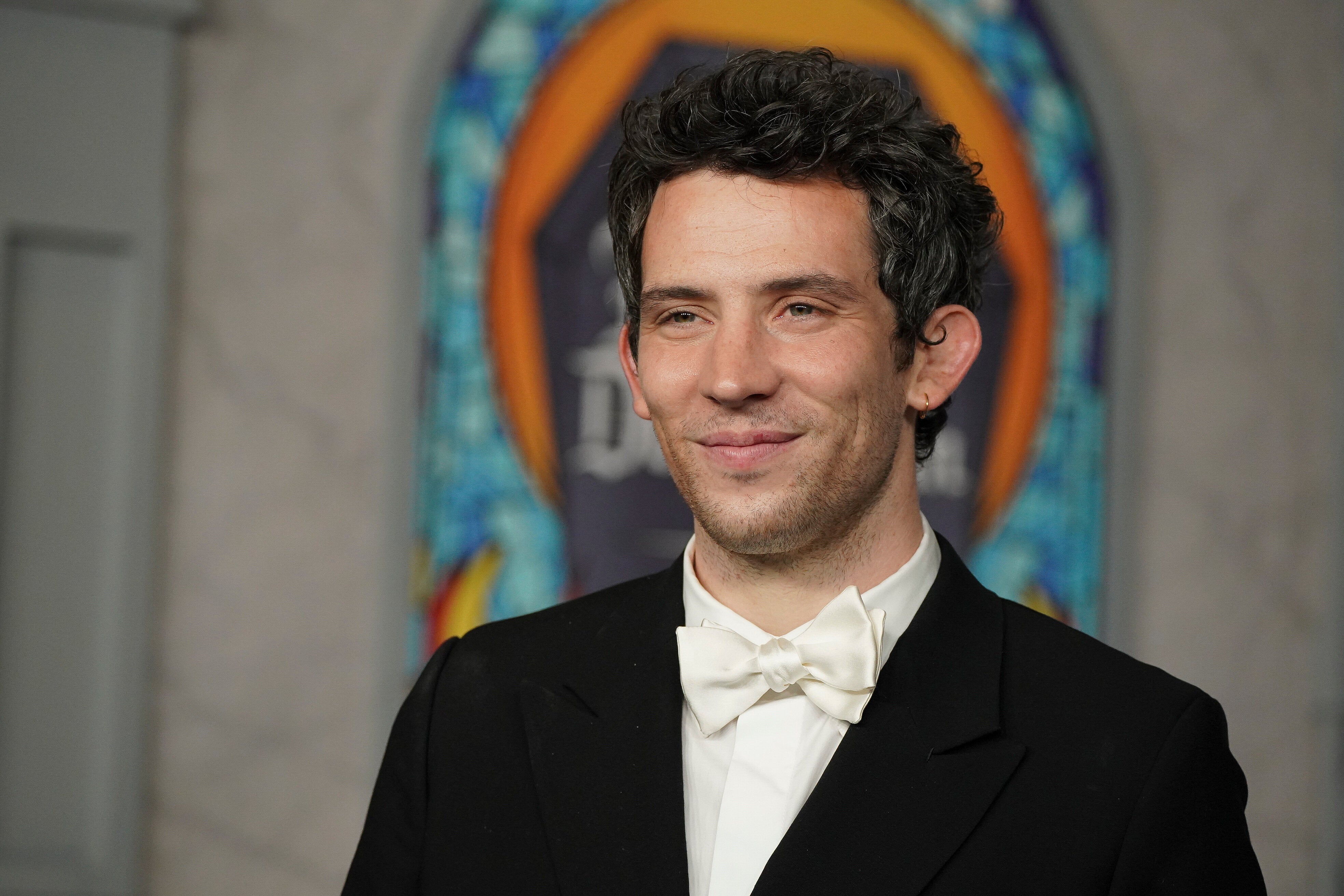
1) Josh O’Connor

Josh O'Connor
Josh O’Connor

via Associated Press

Ever since his big breakthrough as a binge-drinking sheep farmer who falls in love with a Romanian migrant worker in God’s Own Country in 2017, it’s been an upward trajectory for Josh.

He picked up an Emmy Award for his role as Prince Charles in Netflix series The Crown and also starred opposite Anya Taylor-Joy in the 2020 adaptation of Jane Austen’s Emma.

Josh had another huge moment when Challengers and its steamy tennis love triangle – completed by Zendaya and Mike Faist – became the film of 2024. With it, he accidentally ushered in the ‘hot rodent boyfriend’ movement that dominated the summer, making him a well-known face across pop culture in general.
You might have also seen Josh in the artier films La Chimera and The Mastermind, while before his big screen breakthrough, he spent three years playing Larry Durrell in the ITV series The Durrells.

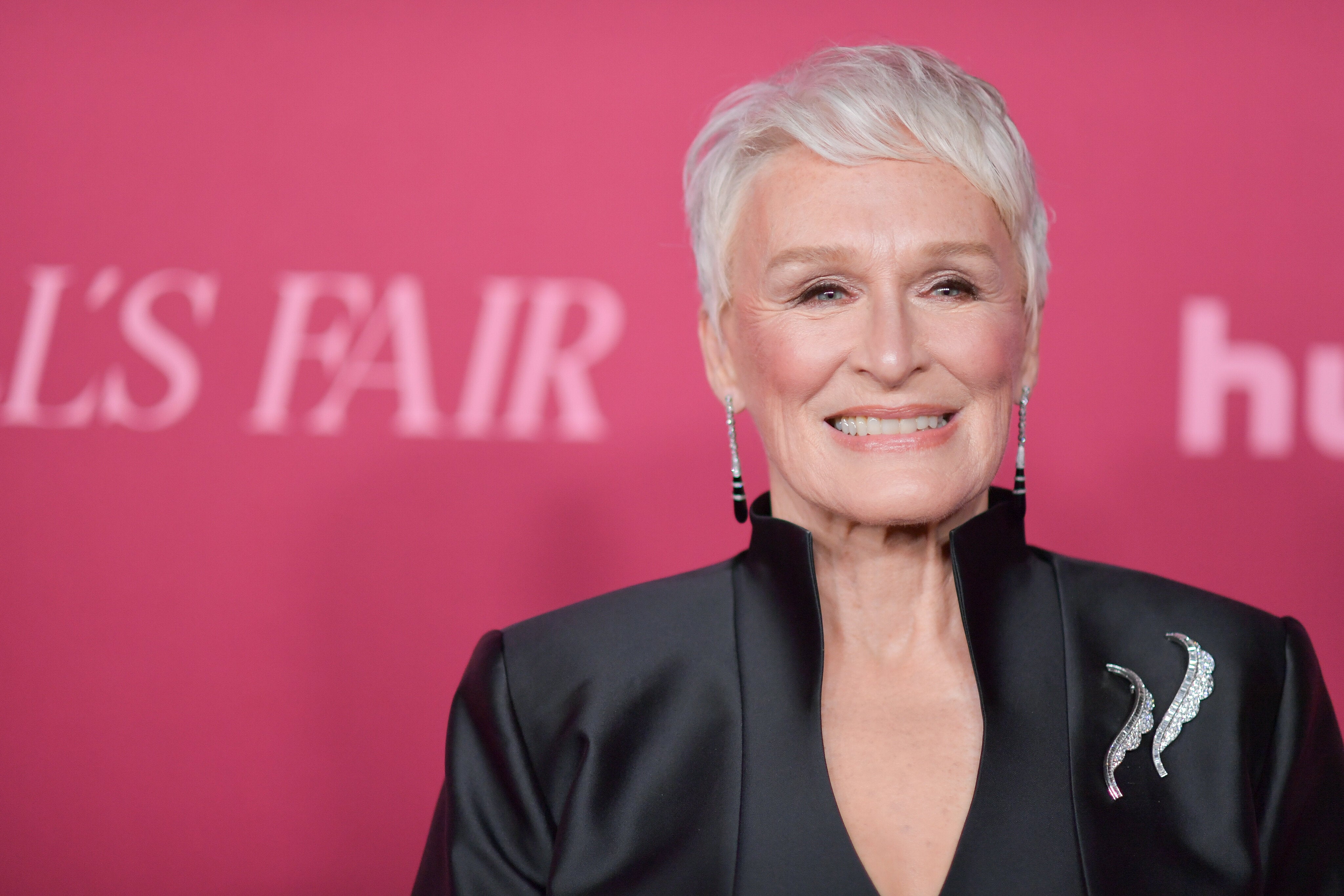
2) Glenn Close

Glenn Close
Glenn Close

via Associated Press

Glenn is an acting legend that you’ll most definitely have come across at some point in your viewing life.

Glazing over her recent stint in Kim Kardashian legal drama All’s Fair, Glenn has been nominated for eight Oscars for her standout roles in The World According To Garp, The Big Chill, The Natural, Fatal Attraction, Dangerous Liaisons, Albert Nobbs, The Wife and Hillbilly Elegy.

Never one to fall victim to typecasting, she’s also well-loved for her depiction of Cruella de Vil in the 1990s Disney classic 101 Dalmatians and played Nova-Prime Irani Rael in Marvel superhero film Guardians Of The Galaxy.

If you’re more of a small-screen person, you might have come across Glenn on TV shows like the Emmy-winning Serving in Silence: The Margarethe Cammermeyer Story and Damages.

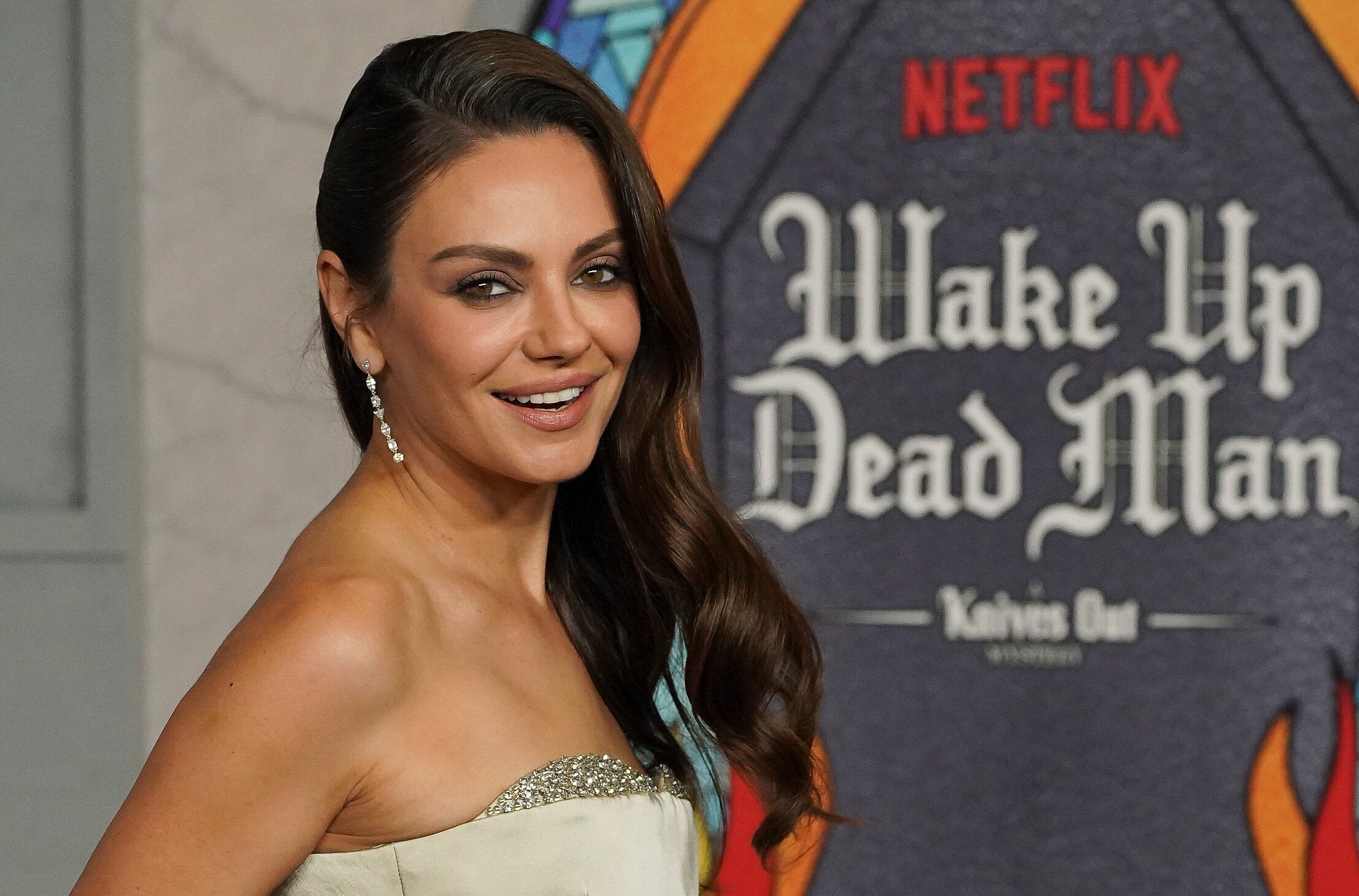
3) Mila Kunis

Mila Kunis
Mila Kunis

via Associated Press

You’re likely to recognise Mila’s voice thanks to her ongoing voice role as Meg Griffin in Family Guy, while she rose to fame as Jackie Burkhart in That ’70s Show opposite her now-husband Ashton Kutcher.

Her big film breakthrough came with Forgetting Sarah Marshall in 2008, which she followed up with fellow comedies like Friends With Benefits, Ted and Bad Moms.

You’ll probably have seen, if not heard about, Mila in the 2010 psychological horror movie Black Swan, where she played a ballerina opposite Natalie Portman.

She’s further tested the waters with more dramatic roles, like in Four Good Days, where she played a woman struggling with drug addiction (with Knives Out co-star Glenn Close playing her mother).

4) Kerry Washington

Kerry Washington
Kerry Washington

via Associated Press

Kerry is probably best known for playing powerful ‘fixer’ Olivia Pope in the political drama series Scandal, which landed her Emmy and Golden Globe nominations.

She picked up further Emmy nods for Confirmation, American Son, and drama series Little Fires Everywhere, where she starred opposite Reese Witherspoon, shaking up suburbia.

2000s film fans will recognise Kerry for her breakthrough film role as Chenille Reynolds in Save The Last Dance, while she’s also appeared in Ray, Mr & Mrs Smith, Fantastic Four, The Last King Of Scotland and Django Unchained.

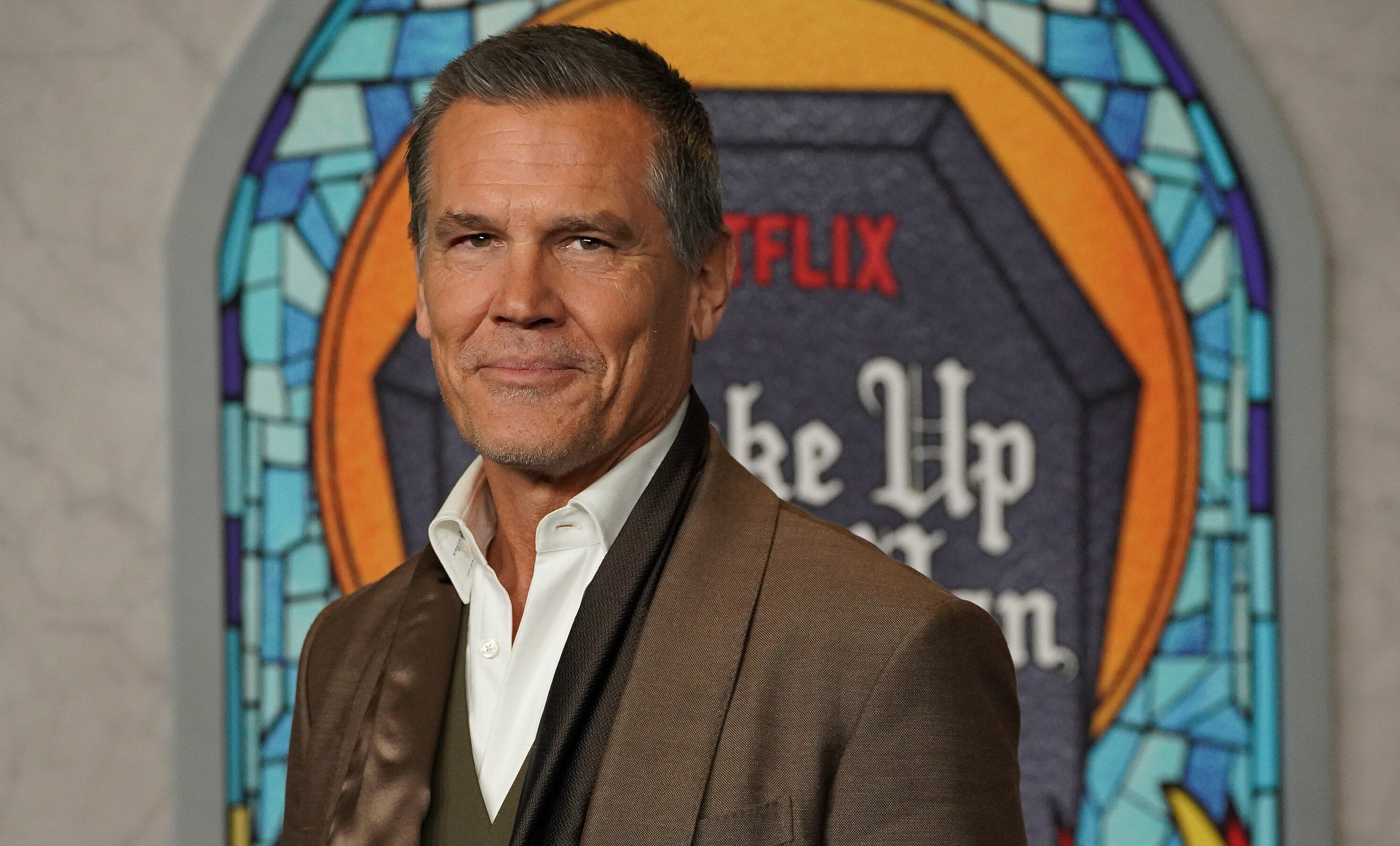
5) Josh Brolin

Josh Brolin
Josh Brolin

via Associated Press

You might have recently clocked Josh in Weapons, aka the best horror movie of the year, but he first became famous for appearing in the classic 1980s film The Goonies.

While he followed it up with a handful of other movies like Guillermo Del Toro’s Mimic, his portrayal of Llewelyn Moss in 2007 neo-Western No Country for Old Men is largely considered to have ushered in the second act of his career.

He went on to appear in the likes of American Gangster, Milk, Inherent Vice, Sicario, Oldboy and Dune, but swathes of people will know him as supervillain Thanos within the Marvel Cinematic Universe.

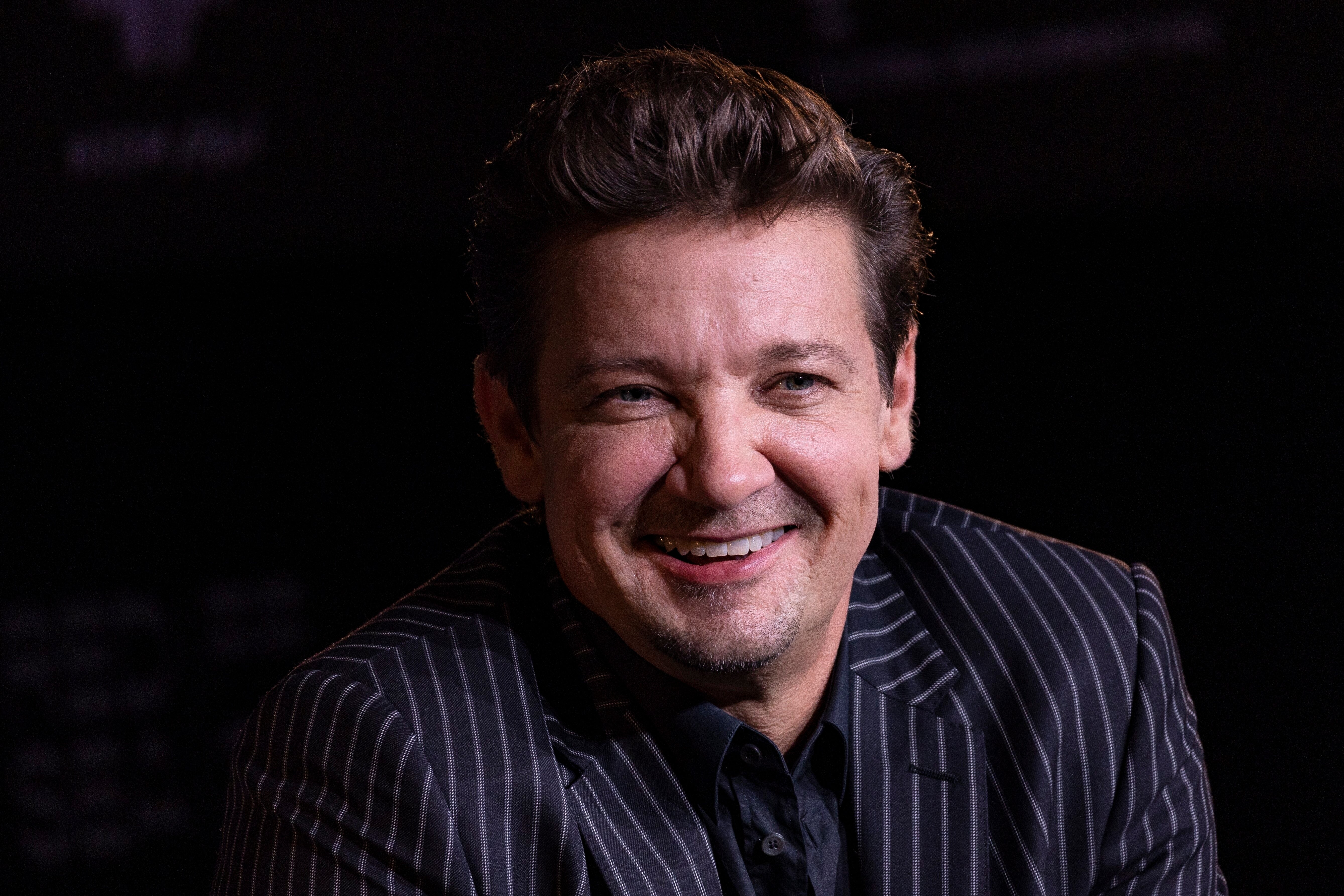
6) Jeremy Renner

Jeremy Renner
Jeremy Renner

via Associated Press

Jeremy is widely known for playing Clint Barton/Hawkeye in the Marvel Cinematic Universe in films like The Avengers and the Disney+ miniseries Hawkeye.

A regular in the action world, you might have also seen him in the Mission: Impossible film series and The Bourne Legacy, while he also had a brush with a zombie apocalypse in 28 Weeks Later.

Jeremy received Oscar nominations for his roles in The Hurt Locker and The Town, but he’s also no stranger to television, having starred as Mike McLusky in Mayor of Kingstown for the past four years.

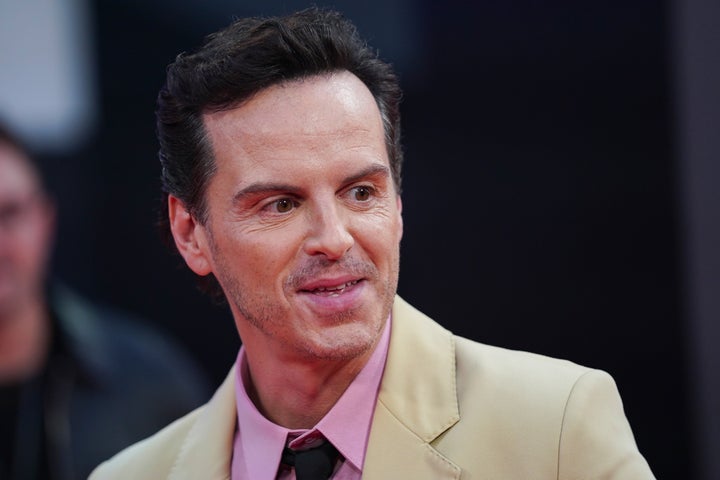
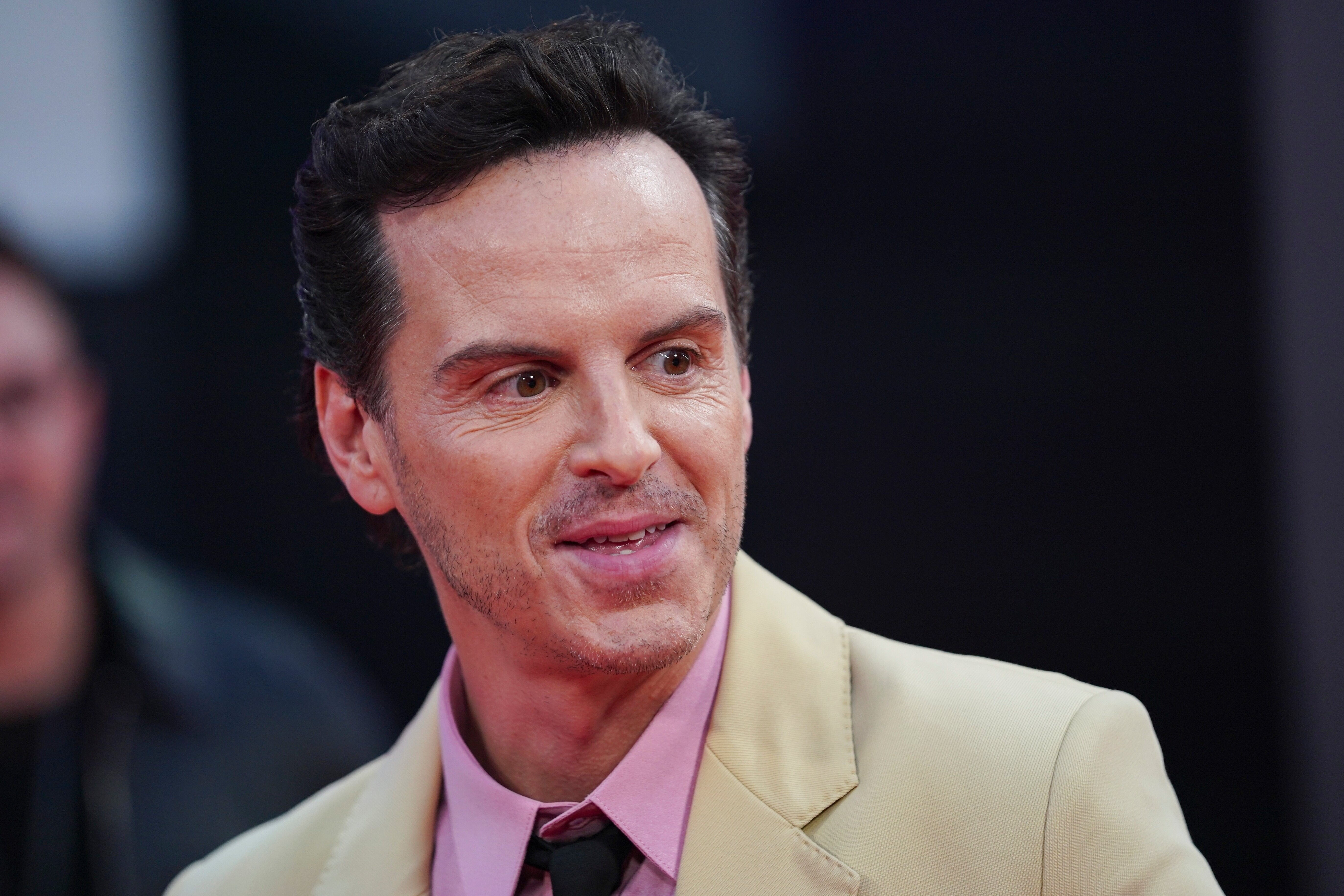
7) Andrew Scott

Andrew Scott
Andrew Scott

via Associated Press

Andrew is forever known to a generation as ‘hot priest’ thanks to Phoebe Waller-Bridge’s award-winning series Fleabag.

His other TV roles include Sherlock, The Town, Black Mirror, His Dark Materials, Ripley and – most recently – Lena Dunham’s Netflix series Too Much.

Andrew has gone on to make a massive impact on the big screen with roles in Pride, Spectre and 1917. But it was his turn in All Of Us Strangers, opposite Paul Mescal, that truly set him apart, gaining serious awards attention with the pair’s portrayal of doomed lovers.

Also a big name on stage, thespians might recognise Andrew from his role in the 2019 production of Noël Coward’s Present Laughter or A Girl in a Car with a Man, both of which landed him Olivier Awards.

8) Cailee Spaeny

Cailee Spaeny
Cailee Spaeny

via Associated Press

Cailee’s most high-profile role to date was portraying Priscilla Presley in Sofia Coppola’s 2023 biographical film, opposite Jacob Elordi as Elvis – a performance that earned her a Golden Globe nomination.

She went on to star in Civil War and Alien: Romulus while you might have also seen her in films like Pacific Rim Uprising, Bad Times at the El Royale, On The Basis Of Sex and Vice.

Over on TV, Cailee has appeared in Devs, Mare Of Easttown and The First Lady.

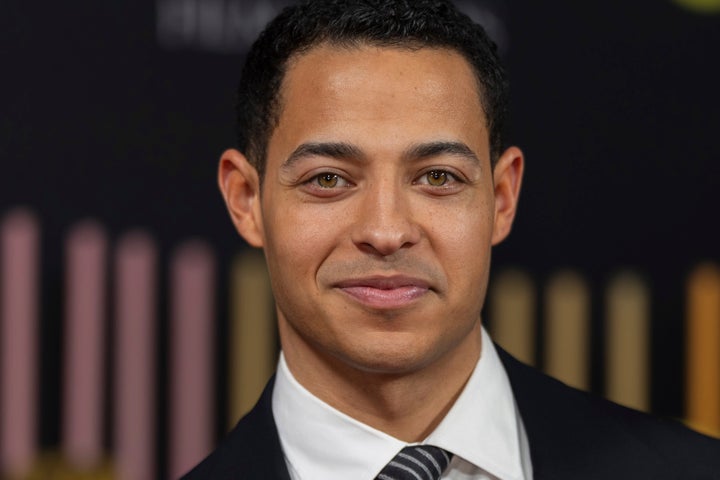
9) Daryl McCormack

Daryl McCormack
Daryl McCormack

via Associated Press

Daryl received a BAFTA nomination for his role as the titular sex worker in Good Luck To You, Leo Grande.

He’s also appeared in Twisters, along with Glen Powell and Daisy Edgar-Jones, and opposite Richard E. Grant in 2023 thriller The Lesson.

Peaky Blinders fans will know him as Finn Shelby’s close pal Isaiah Jesus while he had a key role in Sharon Horgan’s Apple TV+ comedy Bad Sisters and has appeared in other TV series like A Very English Scandal, Cleaning Up, The Wheel Of Time and The Woman In The Wall.

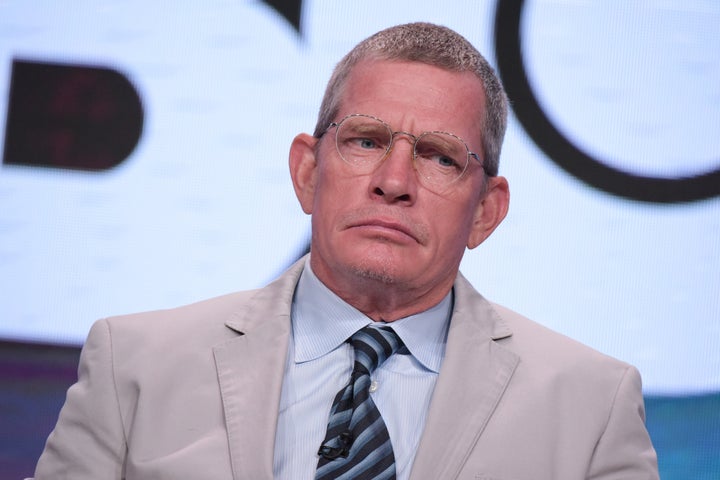
10) Thomas Haden Church

Thomas Haden Church
Thomas Haden Church

via Associated Press

Thomas rose to fame starring in 1990s US sitcoms Wings and Ned And Stacey, with more recent TV roles including Divorce, where he starred opposite Sarah Jessica Parker as a married couple going through a knotty break-up.

He’s most known for his film roles, which include Sideways, Easy A, George Of The Jungle, Smart People while Marvel fans will know him as the villainous Sandman in the Spider-Man films.

11) Jeffrey Wright

Jeffrey Wright
Jeffrey Wright

via Associated Press

Beginning his career in theatre, Jeffrey picked up a Tony Award for his role in the Broadway production of Angels In America, later adding an Emmy to his mantelpiece after also starring in the TV adaptation.

You might have also seen the actor in Boardwalk Empire, Westworld, The Agency or season two of The Last Of Us.

In film, he recently earned a ‘Best Actor’ Oscar nomination for his appearance in comedy-drama American Fiction.

Jeffrey has had a prolific career in movies before that nomination, having starred in other big-name productions including The Batman, The French Dispatch, Broken Flowers, The Hunger Games films, Daniel Craig’s James Bond films, and Rust.

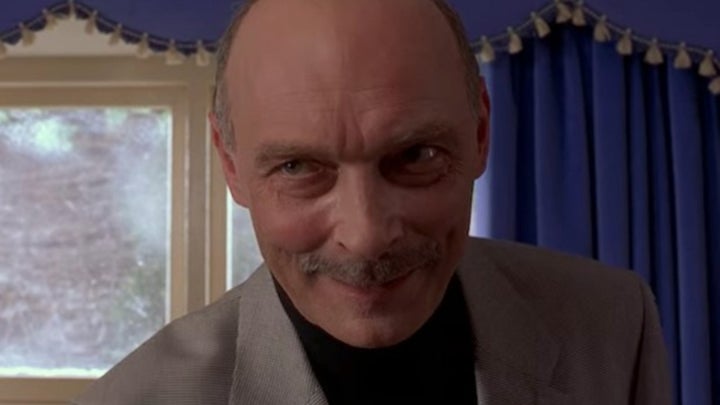
12) James Faulkner

James Faulkner
James Faulkner

Miramax Films / Universal Pictures

James’ Knives Out role isn’t his first brush with the clergy, having played Pope Sixtus IV in the TV series Da Vinci’s Demons and Saint Paul in 2018 film Paul, Apostle of Christ.

On the other side of the spectrum, many will know him as pervy Uncle Geoffrey from the Bridget Jones films, while James has also appeared in Atomic Blonde, Game of Thrones, Downton Abbey and Slow Horses.

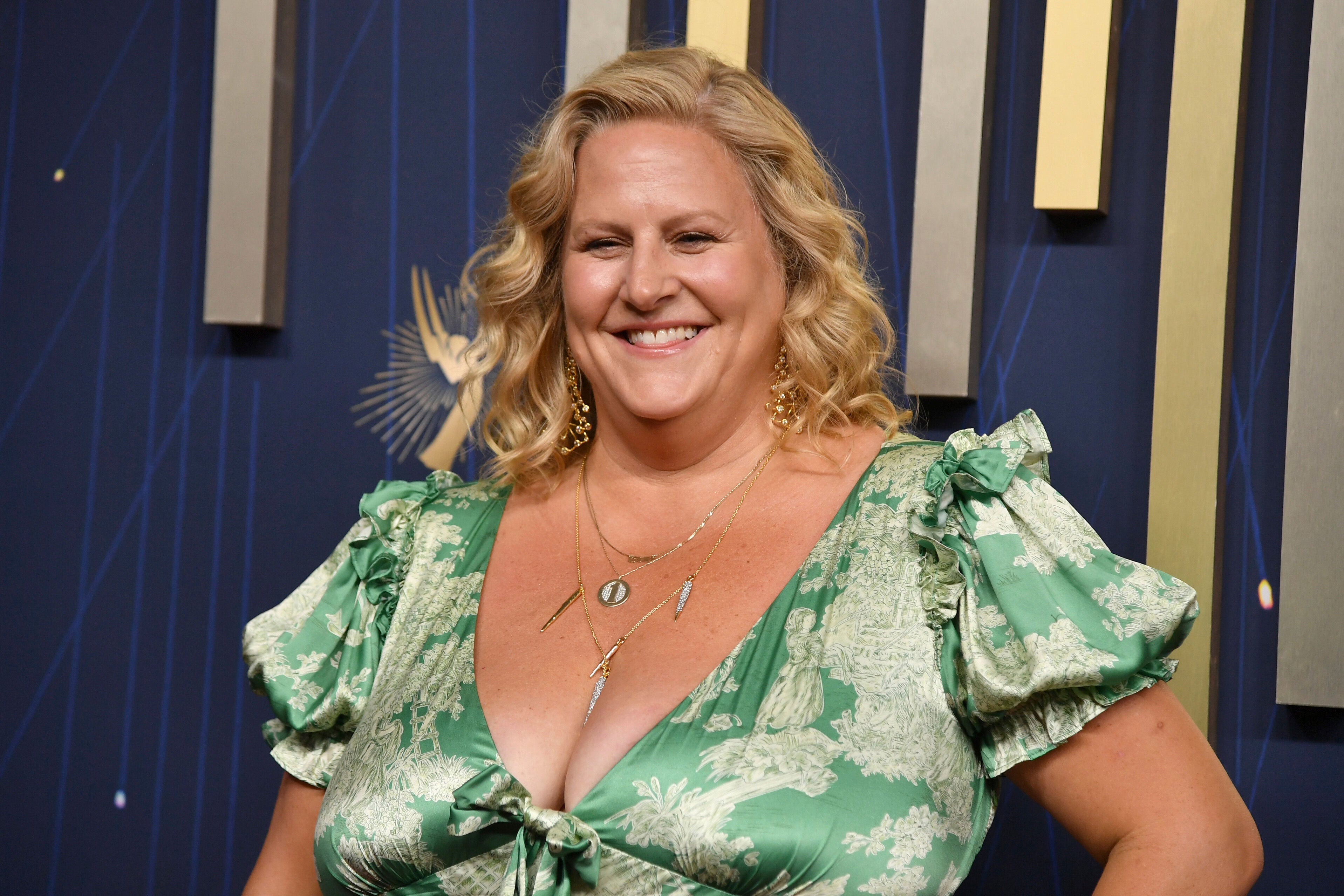
13) Bridget Everett

Bridget Everett
Bridget Everett

via Associated Press

Not forgetting her role as “drunk party girl” in the Sex And The City movie, Bridget is known for comedy appearances in the likes of Inside Amy Schumer, Trainwreck and Breaking News In Yuba County.

Bridget also picked up an Emmy Award nomination for her lead role as Sam in comedy drama series Somebody Somewhere, where she played a woman who returns to her hometown to care for her dying sister.

14) Noah Segan

Noah Segan
Noah Segan

via Associated Press

Noah is a Knives Out regular, and also starred in the previous two films, with director Rian Johnson clearly a fan of his work as he also cast him in his movies Looper and Brick.

As well as his collaborations with Rian, Noah appeared in US soap Days Of Our Lives, comedy-horror film Blood Relatives and Star Wars: The Last Jedi.

Wake Up Dead Man is streaming now on Netflix.

Share Button

Doctor strike during flu outbreak would be ‘reckless’, says Starmer

The prime minister says it would be “reckless” for resident doctors to strike with the NHS at a “precarious” moment.

Share Button

Why are sperm donors having hundreds of children?

The European sperm market is booming, but are some donor’s sperm being used to make too many babies?

Share Button

Online gaming escaped Australia’s social media ban – but critics say it’s just as addictive

Parents and experts say gaming poses many of the same risks for kids as social media, and want them included.

Share Button

The 70-20-10 Rule Can Help With Christmas Overwhelm

Whether you love or loathe Christmas, it’s hard to deny just how stressful the season can be. Gathering gifts, decorating, reconnecting with family members and if you’re hosting Christmas Dinner… SO much prepping.

Even with all the best intentions, this stress can really take a toll and prevent you from enjoying the holidays which feels like it defeats the entire point.

Thankfully, one psychologist, Nathan D Iverson PhD has found a way to apply the leadership value of 70-20-10 to holiday stress and you know what? It just might be the solution we’ve been looking for.

The 70-20-10 rule for Christmas stress

70% – ‘hard moments we didn’t choose’

We are ALL familiar with them. An established couple being asked when they’re planning to have a child, a flustered family member trying to please everybody or even just falling back into family dynamics you thought you left behind in childhood.

Petty sibling arguments, anyone?

Iverson says: “For most of my life, and still right now, I’ve experienced these moments as obstacles to a peaceful season. But lately, I’m trying—imperfectly—to see them as part of my growth instead of proof of my shortcomings.

Psychologists call this a learning orientation—seeing challenges as opportunities to grow rather than threats to avoid. It doesn’t make the moment easier. But it does change how we make meaning of it.”
It sounds like it makes perfect sense but I reckon it’ll take some practice to get used to.

20% – ‘The people who help us make sense of things’

A sneaky heart-to-heart with your favourite auntie or words of wisdom from your mum, these quiet corners of conversation can help us to make sense of our own feelings, according to Iverson.

Iverson says: “Often, they help us laugh a little at ourselves—which is a form of grace we don’t give enough credit.

“I rely on these conversations far more than I admit. They turn holiday tension into insight. Without them, the moment just stays a moment. With them, the moment becomes meaningful.”
10% – ‘The tools we bring with us’

Finally, this is a little work you must do yourself. Learn how to control your stress, your big feelings and how to empathise with even your most frustrating family members.

Iverson assures: “These tools rarely show up perfectly in the moment. But afterward, they help us reflect with less shame and more clarity.

“Knowledge alone doesn’t change us—but it supports the slow work that does.”

Share Button