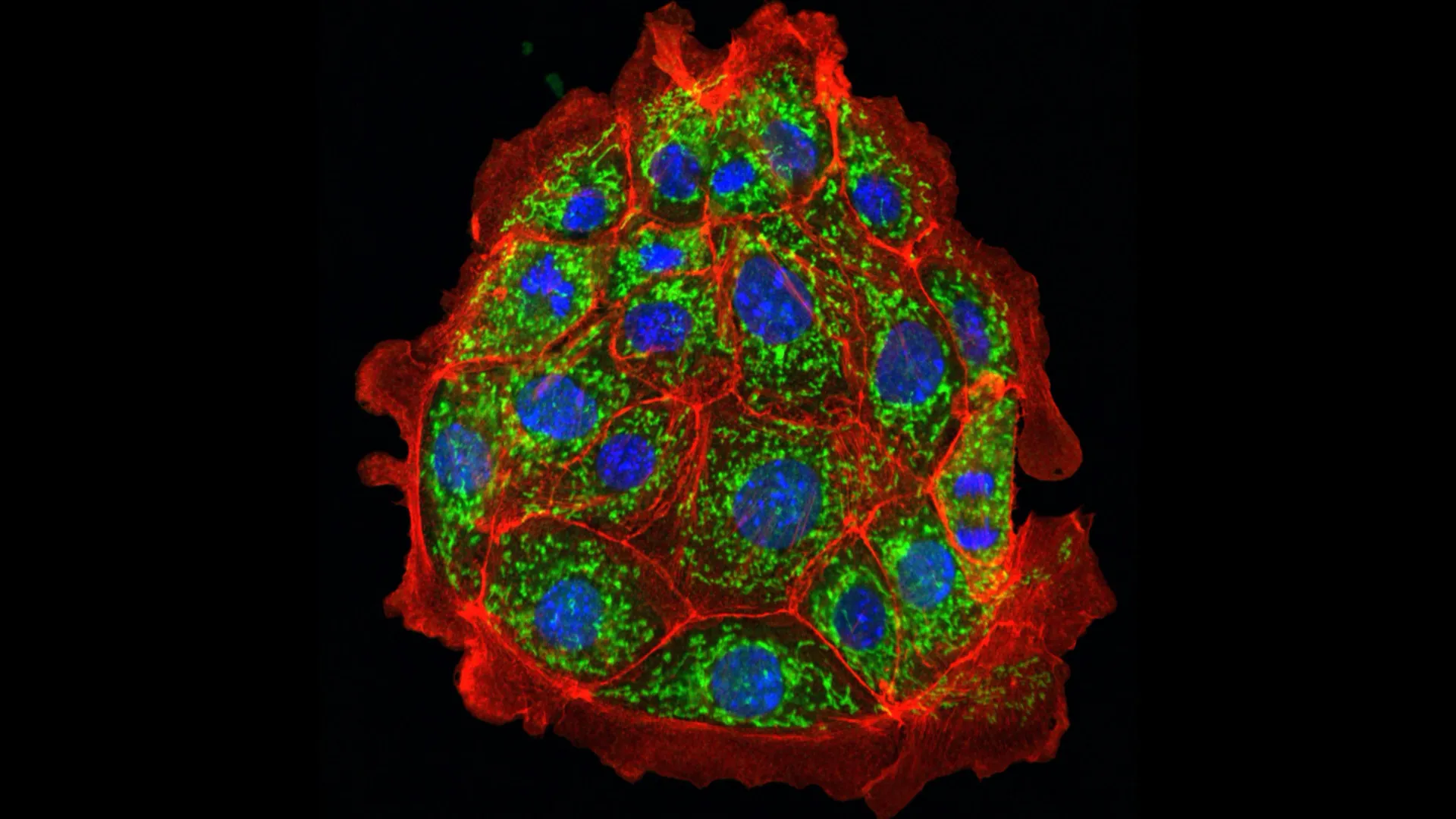
Counties in Pennsylvania that contain or sit close to cultivated cropland show notably higher melanoma rates than other parts of the state, according to new research led by scientists at Penn State.
Researchers at the Penn State Cancer Institute reviewed cancer registry data collected from 2017 through 2021 and discovered that adults over age 50 living in a 15-county area of South Central Pennsylvania were 57% more likely to be diagnosed with melanoma, the deadliest form of skin cancer, compared to residents elsewhere in the state. The team reported these results on Nov. 14 in the journal JCO Clinical Cancer Informatics.
Charlene Lam, associate professor of dermatology at Penn State Health and co-author of the study, noted that the elevated cases appear in both rural and urban counties. She explained that the higher risk is not limited to isolated locations or people who spend much of their time outdoors.
Agricultural Environments Linked to Elevated Risk
“Melanoma is often associated with beaches and sunbathing, but our findings suggest that agricultural environments may also play a role,” she said. “And this isn’t just about farmers. Entire communities living near agriculture, people who never set foot in a field, may still be at risk.”
The usual suspect — sunlight — was included in the analysis. Yet even after adjusting for ultraviolet radiation levels in Pennsylvania and considering socioeconomic factors, two consistent associations emerged. Counties with more cultivated acreage and counties with greater herbicide use displayed significantly higher melanoma rates.
Herbicides, Biological Effects, and Melanoma Patterns
“Pesticides and herbicides are designed to alter biological systems,” said Eugene Lengerich, emeritus professor of public health sciences at Penn State and senior author on the paper. “Some of those same mechanisms, like increasing photosensitivity or causing oxidative stress, could theoretically contribute to melanoma development.”
According to the analysis, a 10% increase in cultivated land was linked to a 14% rise in melanoma cases across the region. Herbicide exposure showed a similar pattern: a 9% increase in herbicide-treated land corresponded to a 13% increase in melanoma incidence.
Lam emphasized that exposure is not restricted to those handling agricultural chemicals. She explained that these substances can drift on air currents, settle in household dust and enter water sources.
Chemical Drift and Community-Wide Exposure
“Our findings suggest that melanoma risk could extend beyond occupational settings to entire communities,” she said. “This is relevant for people living near farmland. You don’t have to be a farmer to face environmental exposure.”
The study also referenced earlier research showing links between pesticide and herbicide exposure and melanoma, citing evidence that these chemicals can heighten sensitivity to sunlight, interfere with immune responses and damage DNA in non-human animals and plants.
Study Shows Associations, Not Proof of Cause
Benjamin Marks, first author on the paper and a medical and public health student at the Penn State College of Medicine, cautioned that while higher melanoma rates appear in areas with more cropland and herbicide use, the findings do not prove that chemicals used on crops such as corn, soybeans and grains directly cause cancer. Instead, he said the patterns point to a connection that deserves further study.
He added that research of this kind is useful for spotting broad trends, even though it cannot identify individual risk.
“Think of this as a signal, not a verdict,” Marks said. “The data suggest that areas with more cultivated land and herbicide use tend to have higher melanoma rates, but many other factors could be at play like genetics, behavior or access to health care. Understanding these patterns helps us protect not just farmers, but entire communities living near farmland.”
Implications Beyond Pennsylvania
Lam said she hopes to better understand how agricultural practices relate to public health, especially since similar trends have been identified in farming regions of Utah, Poland and Italy. She encouraged anyone concerned about risk to perform routine skin checks and use sun-protective clothing and sunscreen. As part of the next phase of research, she is leading studies in rural communities within the affected area to learn more about farming practices and potential exposure pathways.
“Cancer prevention can’t happen in isolation,” Lengerich said. “This study demonstrates the importance of a ‘One Health’ approach, an understanding that human health is deeply connected to our environment and agricultural systems. If herbicides and farming practices are contributing to melanoma risk, then solutions must involve not just doctors, but farmers, environmental scientists, policymakers and communities working together.”
Other co-authors include Jiangang Liao, professor of public health sciences at Penn State College of Medicine, and Camille Moeckel, a fourth-year medical student and research associate at Penn State College of Medicine.
This work was supported by the MPH Capstone Program and the Medical Student Research Project at the Penn State College of Medicine, along with the University’s Algin B. Garrett Professorship.
Powell was a Conservative shadow minister in 1968 when he made his “rivers of blood” speech, which was blamed for deepening racial tensions at the time.
Business secretary Peter Kyle was promoting the government’s goal for creating a stronger economy when he hit out at his political rival over the weekend.
Speaking at the Co-operative Party conference, the senior minister said: “The truth is that without securing higher, sustained economic growth, reconnecting people and politics, generating trust in the potential of democracy and importance of good government becomes almost impossible.
“And the appeal of the parties of the far right – with their dogma of disruption, division and despair – it becomes, too, alluring.”
Advertisement
Kyle continued: “We see it today with Reform, just as we did in previous times with the National Front and the British National Party.
“Lack of economic growth it is the cause. Nigel Farage, today’s incarnation of the politics of Enoch Powell, is the effect.”
Reform UK declined to comment.
Kyle has previously attacked Reform over the party’s opposition to the government’s Online Safety Act.
Advertisement
He claimed people like Jimmy Savile would have used the internet to exploit children if still alive today – and claimed anyone opposed to the government’s incoming law against such behaviour would be on Savile’s “side”.
Marie Kondo rose to international fame with her bestselling books and the “KonMari method,” which encouraged millions to tidy their homes – and their lives.
The concept is simple: keep only the items that “spark joy,” and bid a grateful farewell to the rest.
Advertisement
Now she’s out with a new book, “Letter from Japan,” which explores the Japanese customs and principles that inform her philosophy on tidying and mindful living.
The essay-style book features reflections on cultural touchstones, such as relaxing at an onsen, snacking on onigiri or reading manga. But it also dives into more figurative Japanese concepts like kawaii – the idea of finding charm and joy in cuteness.
“In our daily lives, we often live with the notion that, as adults, we must always behave properly and be composed,” Kondo told HuffPost via email through an interpreter.
Advertisement
“But simply having an item that you personally find ‘kawaii’ can bring a sense of softness and relaxation into your everyday routine – even if it isn’t meant to be shown to others.”
She’s personally a fan of the popular kawaii character Chiikawa, who adorns a small cosmetic pouch she carries.
“No matter how busy my day is, whenever I open my bag and see Chiikawa’s disarming smile, it somehow reminds me to pause and take a deep breath,” Kondo said. “It feels almost as if this tiny, adorable character is cheering me on – bringing a gentle warmth and calm to my heart. I think that’s the special effect of a kawaii character.”
Advertisement
She believes nurturing the sensibility to notice what’s kawaii in our lives can deepen our sense of gratitude and affection for the things we already have.
That same appreciation for life’s small joys, as well as its inevitable messes, runs through “Letter from Japan,” which arrives almost three years after Kondo made headlines for admitting that she had “kind of given up on” keeping her home tidy as a mother of three.
But rather than a departure from her previous philosophy, the author says, this newer, gentler perspective is simply a natural extension of it.
Advertisement
“The ideas of ‘perfection’ and ‘mastery’ that I discuss in ‘Letter from Japan’ don’t mean that we must always maintain a flawless state,” Kondo said.
“Rather, they express the importance of having the desire to grow toward an ideal goal – the respect and beauty found in the path toward perfection itself. I believe that the imperfections and struggles we encounter along that path are themselves deeply beautiful and meaningful.”
Kondo’s new book, “Letter from Japan,” explores the cultural traditions and principles that inform her outlook on tidying and on life.
Advertisement
Kondo added that embracing imperfection, especially as a parent, has become an important part of how she finds calm and meaning in daily life.
“When it comes to balancing perfection and imperfection, I think what matters most is accepting and loving yourself as you are now – including your imperfections – while still holding onto your aspiration to improve,” Kondo explained.
“For example, even if I’m not able to tidy my home perfectly in the way I ideally would, I believe it’s important to maintain that sense of aspiration – the inner desire to move toward that ideal state.”
Advertisement
At the same time, she aims to embrace her reality as it is in the moment.
“Even if life becomes so busy that I can’t keep my home perfectly tidy, I remind myself to approach that situation with compassion and to cherish my life as a whole,” she said.
“The key is not whether everything is in perfect order, but whether you’re caring for what truly matters most in your life. In my case, since I’m raising children right now, what matters most is spending time communicating with them and maintaining a healthy balance so that I can be fully present as my best self.”
“The key is not whether everything is in perfect order, but whether you’re caring for what truly matters most in your life.”
– Marie Kondo
Advertisement
The goal is not a spotless house, but a balanced life. It’s about compromise and self-compassion. As Kondo notes in her book, all the children’s toys and books that pile up in her home nurture her little ones’ sense of beauty, wonder and curiosity.
And while she has less time to tidy, her day-to-day reality is filled with joyous moments with her kids … and still some opportunities for her cleaning rituals, too.
“Even if tidying has taken a lower priority for the moment, I still feel that I’m living a life that sparks joy – and that sense of awareness is what’s truly important,” Kondo said.
Advertisement
That same embrace of imperfection extends even to how Kondo views one of her most viral moments: the “I love mess!” meme. This clip from her 2019 Netflix show, “Tidying Up with Marie Kondo,” still pops up frequently on social media in cheeky posts about everything from cluttered apartments to chaotic love lives.
“When I come across that meme… well, I still find it quite endearing even now,” Kondo told HuffPost. “I suppose it’s because my excitement whenever I’m at a tidying site hasn’t changed at all – I still genuinely feel that spark of joy. Seeing it reminds me, ‘Yes, that’s exactly how I feel – tidying really is fun.’”
As for the meme’s place in her legacy, she’s nothing but appreciative.
“I’m actually proud if it has helped even a little to convey the idea that tidying is fun,” Kondo said. “Tidying is often seen as something bothersome or as an obligation, something you have to do. But if this moment helped people realise that the very process of bringing order to a messy space can be fun in itself, then I’m truly happy. It feels like a meaningful part of my purpose.”
Rachel Reeves is the UK’s most unpopular chancellor in recorded history, according to a new poll.
The MP for Leeds West and Pudsey became the first woman to hold the job – which has been around for more than 800 years – when Labour won on a landslide in July 2024.
However, an Ipsos poll for The Telegraph found almost three quarters (71%) of the British public are dissatisfied with her performance – just 10 days before she is set to unveil her second Budget.
Advertisement
Senior director of UK politics at Ipsos, Gideon Skinner, said: “On top of continued record unhappiness with Keir Starmer, Rachel Reeves’ satisfaction ratings have also hit a record low this month, the worst for any chancellor since we started monitoring in 1976.
“This comes in the context of persistent economic anxiety, with more people today struggling to cope than we were seeing in 2022 when the cost of living crisis first started to bite.”
The poll found most voters (66%) did not believe the government’s policies would lead to economic growth, either.
Advertisement
Skinner said: “Historically we’ve only seen similar levels of scepticism over the government’s long term economic plans in the last years of the Major and Sunak governments, and under Brown after the financial crash.
“Meanwhile, Reform UK continue to hold a steady lead in voting intentions, helped by this frustrated desire for change and their own strengths on immigration and (to a lesser extent) on crime – though it should still be noted that many of the public do not see them – or indeed any party – as having the answers either on many issues.”
Skinner pointed out that the last time Labour polled this poorly within Ipsos’s records – going back to the mid-1970s – it was in May 2009, amid the fallout of the financial crisis.
Advertisement
“That was a one-off nadir that they did recover from to some extent, denying the Conservatives a majority in 2010, which might be of some minor comfort to Labour,” he said.
However, the expert noted the challenges are “much greater now” than they were then amid the politically fragmented landscape.
Reeves is widely expected to announce a raft of new tax rises or spending cuts on November 26 in order to fill the £20 billion black hole in the public finances.
Advertisement
It comes a year after her first Budget where she hiked taxes – but promised it was a one-off, and that economic growth was on the horizon.
Does dark matter behave according to the same physical rules that apply to ordinary matter? This question remains one of the major puzzles in modern cosmology, since this invisible form of matter (which neither emits nor reflects any light) is still hypothetical and extremely difficult to study directly. Researchers from the University of Geneva (UNIGE) and collaborating institutions aimed to see whether dark matter follows familiar behavior on the largest scales, or whether other forces might influence it. Their study, published in Nature Communications, indicates that dark matter appears to act much like ordinary matter, although they cannot yet rule out the possibility of an additional, previously unknown interaction. Because dark matter is thought to be five times more common than ordinary matter, even a small new insight helps clarify its role in shaping the Universe.
Ordinary matter is affected by four known fundamental forces: gravity, electromagnetism, and the strong and weak forces within atoms. The question is whether dark matter responds to the same set of forces. While dark matter is invisible and difficult to detect, it may still follow these familiar laws or possibly be influenced by a fifth force that scientists have not yet identified.
Investigating How Dark Matter Moves Through Gravitational Wells
To explore this possibility, the UNIGE-led team examined whether dark matter sinks into gravitational wells the way ordinary matter does on cosmic scales. Massive objects distort the structure of space, forming these wells. Ordinary matter — planets, stars and galaxies — falls into them according to established physical principles that include Einstein’s general relativity and Euler’s equations. The team wanted to know whether dark matter behaves in the same predictable way.
“To answer this question, we compared the velocities of galaxies across the Universe with the depth of gravitational wells,” explains Camille Bonvin, associate professor in the Department of Theoretical Physics at UNIGE’s Faculty of Science and co-author of the study. “If dark matter is not subject to a fifth force, then galaxies — which are mostly made of dark matter — will fall into these wells like ordinary matter, governed solely by gravity. On the other hand, if a fifth force acts on dark matter, it will influence the motion of galaxies, which would then fall into the wells differently. By comparing the depth of the wells with the galaxies’ velocities, we can therefore test for the presence of such a force.”
Dark Matter Appears to Follow Euler’s Equations
Using this method on modern cosmological data, the researchers found that dark matter moves into gravitational wells in the same manner as ordinary matter, meaning it is consistent with Euler’s equations. “At this stage, however, these conclusions do not yet rule out the presence of an unknown force. But if such a fifth force exists, it cannot exceed 7% of the strength of gravity — otherwise it would already have appeared in our analyses,” says Nastassia Grimm first author of the study and former postdoctoral researcher at the Department of Theoretical Physics at UNIGE’s Faculty of Science who has recently joined the Institute of Cosmology and Gravitation at the University of Portsmouth.
What Comes Next in the Search for New Physics
These early findings represent an important step in refining our understanding of dark matter. The next key objective is to determine whether a subtle fifth force truly affects it. “Upcoming data from the newest experiments, such as LSST and DESI, will be sensitive to forces as weak as 2% of gravity. They should therefore allow us to learn even more about the behavior of dark matter,” concludes Isaac Tutusaus, researcher at ICE-CSIC and IEEC and associate professor at IRAP, Midi-Pyrénées observatory, University of Toulouse, co-author of the study.
Chimpanzees may share more with human thinkers than researchers once realized. A new study published in Science presents compelling evidence that chimpanzees can revise their beliefs in a rational way when they encounter new information.
The study, titled “Chimpanzees rationally revise their beliefs,” was carried out by an international team that included UC Berkeley Psychology Postdoctoral Researcher Emily Sanford, UC Berkeley Psychology Professor Jan Engelmann and Utrecht University Psychology Professor Hanna Schleihauf. Their results indicate that chimpanzees, similar to humans, adjust their decisions based on how strong the available evidence is, which is a central component of rational thinking.
At the Ngamba Island Chimpanzee Sanctuary in Uganda, the researchers designed an experiment involving two boxes, one of which contained food. The chimps were first given a hint about which box held the reward. Later, they received a clearer and more convincing clue that pointed to the other box. Many of the animals changed their choice after receiving the stronger information.
“Chimpanzees were able to revise their beliefs when better evidence became available,” said Sanford, a researcher in the UC Berkeley Social Origins Lab. “This kind of flexible reasoning is something we often associate with 4-year-old children. It was exciting to show that chimps can do this too.”
Testing Whether Chimps Are Reasoning or Acting on Instinct
To confirm that the animals were truly engaging in reasoning rather than reacting on impulse, the researchers used tightly controlled experiments combined with computational modeling. These methods helped rule out simpler explanations, such as the chimps favoring the most recent clue (recency bias) or simply responding to the easiest cue to notice. The modeling showed that their decisions followed patterns consistent with rational belief revision.
“We recorded their first choice, then their second, and compared whether they revised their beliefs,” Sanford said. “We also used computational models to test how their choices matched up with various reasoning strategies.”
This work challenges long-held assumptions that rationality, defined as forming and updating beliefs based on evidence, belongs only to humans.
“The difference between humans and chimpanzees isn’t a categorical leap. It’s more like a continuum,” Sanford said.
Broader Implications for Learning, Childhood Development and AI
Sanford believes these findings may influence how scientists think about a wide range of fields. Learning how primates update their beliefs could reshape ideas about how children learn and even how artificial intelligence systems are designed.
“This research can help us think differently about how we approach early education or how we model reasoning in AI systems,” she said. “We shouldn’t assume children are blank slates when they walk into a classroom.”
The next phase of the project will apply the same belief revision tasks to young children. Sanford’s team is now gathering data from two- to four-year-olds to see how toddlers handle changing information compared to chimps.
“It’s fascinating to design a task for chimps, and then try to adapt it for a toddler,” she said.
Expanding the Study to Other Primates
Sanford hopes to broaden the work to additional primate species, creating a comparative view of reasoning abilities across evolutionary branches. Her previous research spans topics from empathy in dogs to numerical understanding in children, and she notes that one theme continues to stand out: animals often demonstrate far more cognitive sophistication than people assume.
“They may not know what science is, but they’re navigating complex environments with intelligent and adaptive strategies,” she said. “And that’s something worth paying attention to.”
Other members of the research team include: Bill Thompson (UC Berkeley Psychology); Snow Zhang (UC Berkeley Philosophy); Joshua Rukundo (Ngamba Island Chimpanzee Sanctuary/Chimpanzee Trust, Uganda); Josep Call (School of Psychology and Neuroscience, University of St Andrews); and Esther Herrmann (School of Psychology, University of Portsmouth).
People who use both cannabis and tobacco show measurable differences in brain activity compared to those who rely solely on cannabis, according to new findings from a McGill University team at the Douglas Research Centre.
These results may help clarify why people who combine the two substances more often experience symptoms such as anxiety and depression, and why attempts to quit cannabis tend to be more difficult for them than for people who avoid tobacco.
“This is the first evidence in humans of a molecular mechanism that may underlie why people who use both cannabis and tobacco experience worse outcomes,” said lead author Rachel Rabin, Associate Professor in McGill’s Department of Psychiatry and researcher at the Douglas.
“Identifying this mechanism is an important step toward finding targets for future medications to treat cannabis use disorder, especially among those that co-use tobacco. Right now, the only available treatments are behavioral therapies such as counseling,” she said.
Co-Use Common Even as Tobacco Use Declines
In Canada, roughly one in 20 people who used cannabis within the past year are considered at risk for cannabis use disorder. Among people who consume cannabis more often, the rate jumps to about one in three.
The researchers note that tobacco use is decreasing overall, yet the majority of cannabis users still report using tobacco as well. Rabin explained that most previous studies focused on each substance separately, leaving a major gap that this early-stage research is beginning to fill.
Changes in the Brain’s “Bliss Molecule” System
PET scans showed that people who used both cannabis and tobacco had elevated levels of FAAH when compared to those using cannabis alone. FAAH is an enzyme that breaks down anandamide, a naturally occurring compound often described as the “bliss molecule” because of its influence on mood and stress responses. Higher FAAH levels mean lower anandamide levels, a pattern that has previously been linked to anxiety, depression and higher relapse rates among people trying to stop using cannabis.
Small Study Offers Early Clues
The analysis involved 13 young adults. Eight used only cannabis, while five used cannabis and smoked cigarettes every day. Cannabis use averaged slightly above one gram per day. Cigarette intake ranged from one to 12 per day.
Because the data was originally gathered for an unrelated project, there was no tobacco-only group for comparison. This means the changes could potentially be caused by tobacco alone, although the researchers believe the results point to a more complex interaction.
“What surprised us was how strong the effect was, and how different it was from those who only used cannabis, compared to those who used both tobacco and cannabis,” said co-author Romina Mizrahi, Professor of Psychiatry and director of the McGill Research Center for Cannabis.
Next Steps in Understanding Tobacco’s Role
The team is now recruiting people who smoke cigarettes and people who vape nicotine for a follow-up project that will explore whether similar brain changes appear in the absence of cannabis.
“A preliminary investigation of tobacco co-use on endocannabinoid activity in people with cannabis use” by Rachel Rabin, Joseph Farrugia, Ranjini Garani and Romina Mizrahi was published in Drug and Alcohol Dependence Reports.
The study received funding from the National Institute of Mental Health.
For decades, a myth dominated the health industry: people who are lean have a “naturally fast metabolism” and people with obesity have a “naturally slow metabolism”.
Since metabolism is your body’s process for converting food to energy, this idea seemed logical and fuelled metabolism-boosting trends.
Advertisement
People did everything from taking stimulant drugs to loading their diet with sardines. (Yes, it’s athing.) These “quick fixes” promised to trick our bodies into burning calories at a faster rate.
But newer research has shown that while metabolism does impact weight, that alone doesn’t fully explain the rise in obesity.
Obesity is more prevalent in developed countries than in less developed nations. Historically, health experts attributed the difference to industrialised populations that are less active and eat more calories.
But the Duke study revealed that physical activity may play less of a role than we thought.
Researchers evaluated the daily calorie burn, body fat percentage and BMI for thousands of people across 34 different countries. The biggest finding was that although there was a small decline in body-size-adjusted total calorie burn in developed countries, it wasn’t enough to explain the rise in body fat.
“When we look at different populations with very, very different lifestyles – for example, pastoralists, who are moving with herds of sheep and camels – they have similar body-size adjusted total energy burn as someone who is living in the U.S. sitting at their desk typing on a computer all day,” said Amanda McGrosky, an evolutionary anthropologist at Elon University and co-author of the study.
Advertisement
The finding aligns with previousresearch that showed our bodies adjust based on the ways we expend energy to keep our calorie burn at a stable level.
“We do see that people will increase their calorie burn when they start picking up a new exercise regime, and they might lose some weight initially. But over the long term, they tend to plateau,” McGrosky said. This happens because your metabolism becomes more efficient, learning to burn fewer calories to complete the same activities.
Exercise is still critical for overall health. It improves cardiovascular, cognitive and mental health and reduces your risk of chronic diseases. It can also help you maintain your weight and build muscle.
Advertisement
But looking at the obesity crisis that spans across developed nations, lack of exercise doesn’t seem to be a main cause.
“On the broad scale, across individuals in different populations, habitual energy expenditure and human metabolism seem to be fairly constrained within this narrow range that we’re all kind of stuck in,” McGrosky said.
So if energy expenditure and a “lack of metabolism” isn’t the answer, what’s really impacting us? Here are two major factors society tends to dismiss when talking about obesity (spoiler alert: the cards are stacked against us):
Advertisement
Processed food
“The current food environment makes it easy to gain weight, and it makes it hard to lose weight,” said Diane Enos, CEO of the American Society for Metabolic and Bariatric Surgery. “Obesity is a chronic relapsing disease. It’s not a decision by a person.”
Many experts are now focusing on diet patterns and food systems that impact people starting from childhood, especially ultra-processed foods. Kids and teens get 62% of their calories from ultra-processed foods, and for adults, it’s 53%.
dowell via Getty Images
Processed foods are more affordable and easier to access for many families.
Advertisement
Experts are concerned about ultra-processed foods because people tend to eat more of these manufactured products – many times because of their availability and affordability. Your body will often end up absorbing more calories than when you eat unprocessed foods. This happens because the structure of food can actually impact digestion.
Most of your digestion happens in the stomach and small intestine, where your body quickly absorbs calories. Some foods, especially minimally processed, fiber-rich and plant-based foods, make it all the way to the large intestine, where gut bacteria take over and start absorbing calories instead.
“It’s not so much that you’re increasing your metabolism; it’s that you’re shifting who’s doing the metabolising,” said Dariush Mozaffarian, director of the Food is Medicine Institute at Tufts University.
Advertisement
For example, raw fruits and vegetables can keep a portion of the calories locked in their cell structure while they pass through the stomach and small intestine. When they reach the large intestine, the gut bacteria break them down and absorb some of the calories instead of the person eating the food.
Ultra-processed foods are often broken down before they reach the gut bacteria in the large intestine, so your body absorbs nearly every calorie. Over time, this makes weight gain more likely.
Think about eating 200 calories of steel-cut oats versus 200 calories of instant oatmeal. With steel-cut oats, the natural structure is still intact, so some starches make it to the gut bacteria, which can help you absorb up to 20% less calories. With the instant oatmeal, the grains have already been broken down before you eat them, so your body absorbs more of the calories.
Advertisement
“Ultra-processed foods loaded with refined grains, starch and sugar also slow metabolism,” Mozaffarian said.
So when it comes to weight management, the challenge and solution likely involve the foods we eat, and while metabolism matters, it isn’t something we can easily overhaul with tricks or fad diets.
“I think people should pay attention to metabolism; try to have more muscle mass, try to eat foods that are going to benefit their metabolism and be digested by their gut microbiome … but they shouldn’t look for a quick fix, like just taking a pill or thinking, ‘I’m going to eat protein and my metabolism is going to change.’ Those are the quick fixes that I think are more harmful than beneficial,” Mozaffarian said.
Advertisement
Public policy
If we know that ultra-processed food is less beneficial and leads to overeating, why do we still have so much of it? As mentioned, for many people, it’s the most accessible option.
“In the U.S., a lot of people in lower socioeconomic groups don’t have easy access to fresh fruits and vegetables,” McGrosky said. “You can go to the store and see how expensive it is to buy fresh foods versus stopping at the corner store, where it’s much easier to grab packaged foods that are less nutrient-rich for the number of calories they provide.”
While that’s the case in developed countries, the situation for those facing poverty in other parts of the world can look very different.
Advertisement
Looking across societies, when there’s a shift from hunting, herding or subsistence farming into market economies, body fat percentages rise. Market economies give people access to mass-produced foods that may trigger increases in obesity.
McGrosky shared that the pastoralist families she works with in Kenya live on very little money, but they don’t eat the packaged meals that are commonly served to low-income families in the U.S. Their staples include a dense cornmeal porridge called ugali and milk from goats and sheep. Meat is rare and considered a luxury.
“I think it’s really a product of your social environment and the types of foods that are accessible to you,” McGrosky said.
Advertisement
“That does correlate with socioeconomic status, but it varies a lot depending on the country and the population … From the policy standpoint, I think it’s really important to ensure that everyone has access to these fresh foods that are not processed, foods that actually occur in nature, because our bodies did not evolve to digest ultra-processed foods.”
Oscar Wong via Getty Images
Your metabolism and the way you eat and move your body is vital to your health, but it’s not exactly the easy answer when it comes to why obesity rates have risen.
When metabolism is the answer to weight gain
Weight is just one measure of health status, and it doesn’t tell the whole story of obesity as a chronic, relapsing disease.
Advertisement
“Even if you lose weight, you still have obesity, you still have a metabolic disorder.” Enos said.
The factors that contribute to it are complex and go beyond food environment and social conditions. A person may also be struggling with genetic factors like an inherited metabolic disorder or hormonal disorders like polycystic ovary syndrome. They may be taking medications that can cause weight gain, like antidepressants or corticosteroids.
Even common conditions like sleep apnoea or chronic stress can disrupt metabolism or increase cortisol production, which can contribute to changes in body composition.
Consider all of those biological factors, and then add in our current food environment and social issues like housing and food insecurity. It’s easy to see why the American Medical Association now views obesity as a disease that requires comprehensive, individualised care.
Advertisement
So, what’s the solution?
About half of all Americans areprojected to have obesity by 2030, signalling an urgent need for prevention and destigmatisation. This means reducing bias, shifting focus to overall health and equitable care, and changing the food environment.
“The only way to help people evolve and combat metabolic syndrome and this disease of obesity is to start [from childhood] with easier healthy choices that are affordable, accessible and incentivised over ultra-processed foods,” Enos said. “You can’t put it all on the person if you’re not putting the policies in place to help protect them to begin with.”
Certain initiatives are already in the works. Funded by government grants and nonprofits, farm-to-school programs give children fresh meals, cooking classes and nutrition education. Many schools do not have access to these programs, though, highlighting the need for broader funding and implementation.
Advertisement
At the legislative level, federal and state bills have proposed changes to the labelling and advertising of sugar-sweetened and ultra-processed foods and beverages.
Some localities are adjusting their zoning to restrict fast-food restaurants and incentivise the creation of grocery stores. In terms of food assistance, there are proposed changes to SNAP benefits, and WIC packages were revised last year to encourage families to choose more nutrient-rich foods – but this adjustment isn’t a simple one.
“If people don’t know how to use the produce, or if they don’t have the ability to store it in a safe or healthy way, then it doesn’t do anybody any good,” Enos said. “People think, ‘[Give] them more fresh produce and people will naturally have a better outcome,’ but there’s a system-wide approach that has to be used.”
Advertisement
While many of these large-scale changes will take time, there are slight improvements that can be made in the short term.
“I talk a lot about small steps, not needing people to be perfect,” said Becky Ramsing, senior program officer II at the Johns Hopkins Center for a Livable Future.
Ramsing recommends trying to make easy, low-cost switches, like avoiding sugar-sweetened beverages, buying more frozen fruit and vegetables or choosing whole grains instead of simple carbohydrates.
Advertisement
“People’s food decisions are complex,” Ramsing said. “You have culture, gender, community, family, your food environment, and your own health issues. We have to go deeper than just throwing healthy food in the middle of the community. We need to actually make it affordable and have the education so people can make those choices for their families.”
In all the chaos of the world, isn’t it lovely that reading is becoming cool again? As we reported earlier this year, Google searches for “book club” are at their highest in years, and Eventbrite say the number of book club events on the platform has increased by 350% since 2020.
Now, in their Unpack′26 report, the leading travel experts at Expedia reveal that ‘Readaways’ are surging in popularity ahead of 2026 travel.
Advertisement
Working in collaboration with holiday rental site Vrbo, they found that 91% of travellers admit that for 2026 trips, they’re interested in taking a trip centred around reading, relaxation and quality time with loved ones.
So, what is a ‘Readaway’ really?
So, it’s more than just taking some books abroad which is of course incredibly common. ‘Beach Reads’ are called that for a reason, right?
“It’s not new to take a stack of books on vacation, and that’s not what Readaways are,” says Melanie Fish, VP of Communications at Expedia Group.
Advertisement
“These are restful retreats shared with fellow book-lovers, where the real adventures unfold on the page – from a quiet corner in a cozy library, a porch swing, or a pool lounger.”
Reading on a porch swing while sipping a coffee and enjoying the outdoors in comfort? Isn’t that literally the dream?
It isn’t always quite countryside trips, either
Ben McLeod, General Manager at hotel The Social Hub in Glasgow says: “I always ask people why they’re visiting, and more and more I hear that they just want to get away from it all and get lost in a book or two. People are really looking for ways to switch off and step away from their phones.
“Traditionally, you might think people would head to the countryside to read, but while our lobby is busy and there’s always loads of different things happening, I’m always struck by how many guests I see immersed in a book. There’s something special about slowing down in the middle of a busy city.”
Advertisement
Reading is also great for your mental health
If, like me, you are one of the 25% of people in the UK that live with mental health issues, a trip like this may be exactly what you need for a little relief. Studies have indicated that reading can enhance social, mental, emotional and psychological wellbeing.
Serious injury to short-term kidney function, known as acute kidney injury (AKI), can be life-threatening and also raise the likelihood of developing permanent chronic kidney disease. AKI can occur after major stressors such as sepsis or heart surgery, and more than half of all intensive care patients experience it. No approved medications currently exist to treat this condition.
Researchers at University of Utah Health (U of U Health) have discovered that fatty molecules called ceramides initiate AKI by damaging the mitochondria that supply energy to kidney cells. By using a backup drug candidate designed to alter how ceramides are processed, the team protected mitochondrial structure and prevented kidney injury in mice.
“We completely reversed the pathology of acute kidney injury by inactivating ceramides,” says Scott Summers, PhD, distinguished professor and Chair of the Department of Nutrition and Integrative Physiology in the University of Utah College of Health and senior author on the study. “We were stunned — not only did kidney function stay normal, but the mitochondria were unscathed,” Summers says. “It was truly remarkable.”
The results are published in Cell Metabolism.
Ceramide spikes may serve as an early warning
Earlier studies from the Summers lab showed that ceramides can harm organs such as the heart and liver. When the researchers measured ceramides in AKI models, they found a strong connection: levels rose sharply after injury in both mice and in human urine samples.
“Ceramide levels are very elevated in kidney injury,” says Rebekah Nicholson, PhD, first author on the work, who completed the research as a graduate student in nutrition and integrative physiology at U of U Health and is now a postdoctoral fellow at the Arc Institute. “They go up quickly after damage to the kidneys, and they go up in relation to the severity of the injury. The worse the kidney injury is, the higher the ceramide levels will be.”
These findings indicate that urinary ceramides could act as an early biomarker for AKI, giving clinicians a tool to identify vulnerable patients, including those preparing for heart surgery, before symptoms begin. “If patients are undergoing a procedure that we know puts them at high risk of AKI, then we can better predict whether or not they’re actually going to have one,” Nicholson says.
Altering ceramide production protects kidney function
The team nearly eliminated kidney injury in a mouse model by modifying the genetic program that controls ceramide production. This change produced “super mice” that did not develop AKI even under conditions that typically cause severe damage.
The researchers then tested a ceramide-lowering drug candidate created by Centaurus Therapeutics, a company co-founded by Summers. Mice treated ahead of time avoided kidney injury, maintained normal kidney function, remained active, and had kidneys that appeared close to normal under the microscope. Nicholson notes that their model places extreme stress on the kidneys, making it “really remarkable that mice were protected from the injury.”
“These mice looked incredible,” Summers adds.
The team found that ceramides harm mitochondria, the parts of the cell responsible for energy production. Damaged mitochondria in kidney cells become distorted and function poorly. Adjusting ceramide production, whether genetically or with the drug, kept mitochondria intact and working even under strain.
Potential for future therapies targeting mitochondrial health
Summers explains that the compound used in this study is closely related to, but not identical to, the ceramide-lowering drug that has entered human clinical testing. He emphasizes that mouse results do not always predict human outcomes and that further research is needed to confirm safety.
“We’re thrilled by how protective this backup compound was, but it’s still preclinical,” Summers says. “We need to be cautious and do our due diligence to make sure this approach is truly safe before moving it into patients.”
Even so, the researchers are encouraged by the findings. If the results extend to people, the drug could potentially be administered ahead of time to individuals who face a high risk of AKI, including patients undergoing heart surgery, where about one quarter experience the condition.
Because the drug appears to work by maintaining mitochondrial health, the team believes that the approach may have relevance for other disorders linked to mitochondrial dysfunction.
“Mitochondrial problems show up in so many diseases — heart failure, diabetes, fatty liver disease,” Summers says. “So if we can truly restore mitochondrial health, the implications could be enormous.”
The results are published in Cell Metabolism as “Therapeutic Remodeling of the Ceramide Backbone Prevents Kidney Injury.”
Funding and disclosures
This work was supported by a NCRR Shared Instrument Grant, the Kidney Precision Medicine Project, and several branches of the National Institutes of Health, including the National Cancer Institute (P30CA042014, CA272529), the National Institute of Diabetes and Digestive and Kidney Diseases (DK115824, DK116888, DK116450, DK130296, DK108833, DK112826, 1F31DK134088 and 5T32DK091317), and the National Institute of General Medical Sciences (3R35GM131854 and 3R35GM131854-04S1). Additional support came from the Juvenile Diabetes Research Foundation (JDRF 3-SRA-2019-768-A-B and JDRF 3-SRA-2019-768-A-B to WLH), the Burroughs Wellcome Fund Postdoctoral Diversity Enrichment Program (1058616), the American Diabetes Association, the American Heart Association, the Margolis Foundation, and the University of Utah Diabetes and Metabolism Research Center. The authors state that the content is their responsibility and does not necessarily reflect the views of the National Institutes of Health.
Scott Summers and Jeremy Blitzer are co-founders and shareholders of Centaurus Therapeutics. Liping Wang is also a shareholder. DN and Blitzer are listed as inventors on US Patents 1177684, 11597715, and 11135207 licensed to Centaurus Therapeutics, Inc.