After lockdown, immune system reacts more strongly to viruses and bacteria

Research from Radboud university medical center shows that the lockdowns during the COVID-19 pandemic had a significant impact on people’s immune response to microorganisms. During the lockdown, inflammation level in the body was low, but afterwards, the immune system reacted more intensely to viruses and bacteria. The results are now published in Frontiers of Immunology.

In this study, the researchers examined the effects of various health measures introduced during the pandemic, such as lockdowns and vaccinations. The study was conducted in a large cohort of people living with HIV, as well as in healthy individuals. The researchers found that inflammation biomarkers in the blood were low during the lockdown for people in both groups. However, when they exposed immune cells from the blood to microorganisms like viruses and bacteria in the lab, the immune system reacted much stronger than immune cells of individuals outside the lockdown.

Hygiene Hypothesis

As a possible explanation for this strong immune reaction, Professor Mihai Netea from Radboud university medical center points to the hygiene hypothesis. This hypothesis suggests that regular contact with microorganisms is beneficial because it keeps the immune system both active and tolerant at the same time. A lack of exposure to environmental factors might contribute to an immune system that overreacts, potentially leading to systemic reactions such as those encountered in inflammatory diseases and allergies.

Netea: ‘In our daily lives, we are constantly exposed to various micro-organisms. This helps train our immune system, teaching it to recognize which microorganisms are dangerous and which are harmless. During the lockdown, we missed that interaction because everyone stayed home and avoided each other. As a result, during and immediately after the lockdown periods, immune cells exposed to micro-organisms displayed a less well-regulated response, predisposing to hyperinflammation.’

Study Design

This research was made possible through a large study on people with HIV, initiated by Radboudumc and three other HIV treatment centers in the Netherlands. Recruitment for the study took place between October 2019, just before the COVID-19 pandemic, and October 2021. A total of 1,895 people with HIV are participating in this study, which is part of a broader research project on immune system function and the diversity of immune responses.

The study participants were divided into four groups:

  • 368 individuals enrolled before the pandemic
  • 851 individuals enrolled after the lockdown, but before vaccination or a COVID-19 infection
  • 175 individuals who had contracted a COVID-19 infection
  • 404 vaccinated individuals

In the lab, the researchers measured the level of inflammation in the participants’ blood. They also examined the interaction between isolated blood cells and viruses and bacteria.

Subsequently, the findings were validated in cohort of 30 healthy individuals tested during or after the lockdown period. Professor Andre van der Ven: ‘The results of this study primarily reflect people living with HIV, but we also examined a healthy control group. We saw similar results in this group, suggesting the effects may apply to the wider population. However, more research is needed for this group.’

Awareness of Impact

The study also revealed that vaccines and a COVID-19 infection influenced the immune system’s response, but these effects were relatively small and short-lived, Netea explained, and were negligible compared to the impact of the lockdowns on the immune system. Netea: ‘Lockdowns were necessary during the pandemic, especially at the beginning. However, it is important that we gain more insight into how social interactions affect and activate our immune system, so we can better manage the consequences. This way, we can apply such drastic social measures effectively and safely in a future pandemic.’


Share Button

I’m A Wine Expert ― Always Check These 2 Signs On Champagne Bottles

We’ve written before at HuffPost UK about the three letters you should always look out for on Italian wine bottles to make sure you’re getting the best bang for your buck.

Well bang is one thing, but what about fizz? After all, ’tis the season for a festive glass of bubbly ― and if you’re anything like me, you have no idea what to look for on a champagne label.

Luckily wine expert Partner In Wine shared a TikTok video revealing how to “read” the drink’s bottle.

Let’s start with “Brut”

I’ll be honest here ― I thought “Brut” was a brand of champagne, but the wine pro says it’s actually to do with its taste.

“Brut is a common name for the sweetness of the wine,” she explained.

“So this bottle says ‘Brut’ on it, which means it’s a dry wine. If you want something bone-dry, look for the words ‘Extra Brut’ or ‘Brut Nature’.”

The “drier” the champagne (or the more Brut force it has ― teehee), the less sweet it is, Champagne de Lozey say on their site.

If you’re after something a little more sugary, Martha Stewart’s site adds, you might want to go for a demi-sec or, for the sweetest sip, doux, variety.

Then, there’s the vintage to consider

“Most champagnes state ‘NV’ on the label,” the wine expert said, meaning they’re not vintage.

“This means it’s been made of a blend of grapes from different years.”

Though I always heard “vintage” matters, Partner In Wine explains that the blending method helps winemakers to produce consistent wine brands that taste the same every time you drink a different bottle.

It’s a smart move because bad grape years spell disaster for your glass of bubbly ― mixing blends together can provide a better product.

With that said, Partner In Wine points out that if a winemaker shows you the year their product is from, that’s usually because its something to brag about.

“If there’s a year on the label, that means it comes form one exceptional year,” she shared. “This means it’s a vintage champagne, and they tend to be more expensive but also, more delicious.”

Don’t let the word “vintage” lead you to think she means “ancient,” though.

Cult Wine Investment writes that 2008 is this century’s standout year, with 2013 and 2014 also yielding pretty great results. 2002 and 2000 went down well too, they add.

Share Button

Too Many Women Like Me Are Suffering From Traumatic Births. We Need To Change Maternity Services For Good

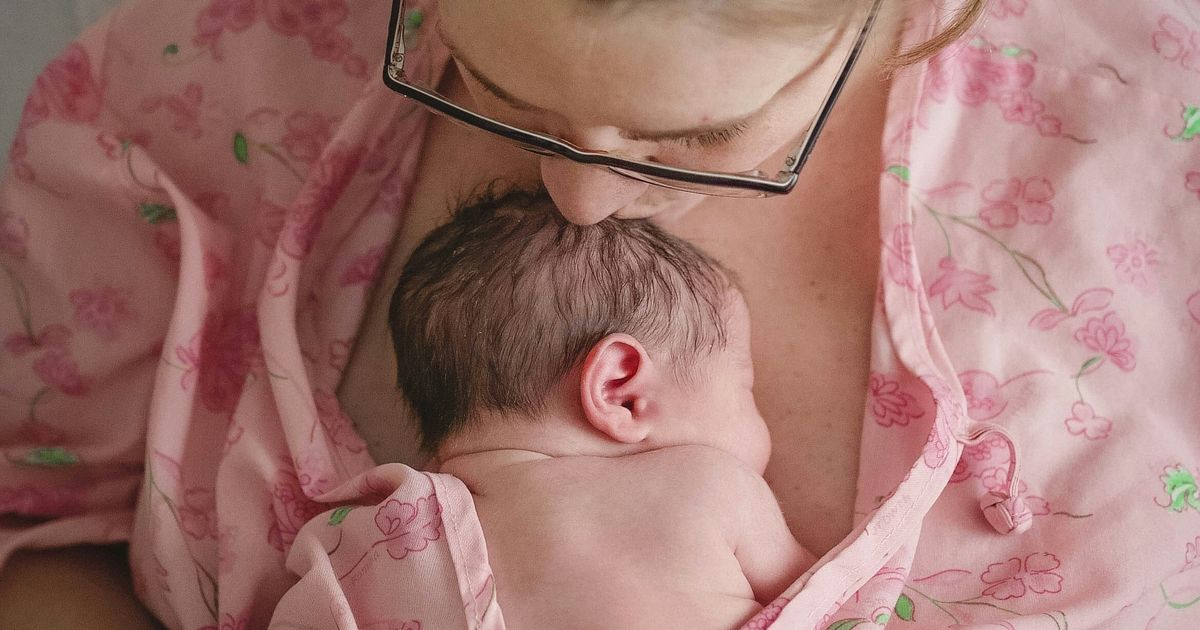
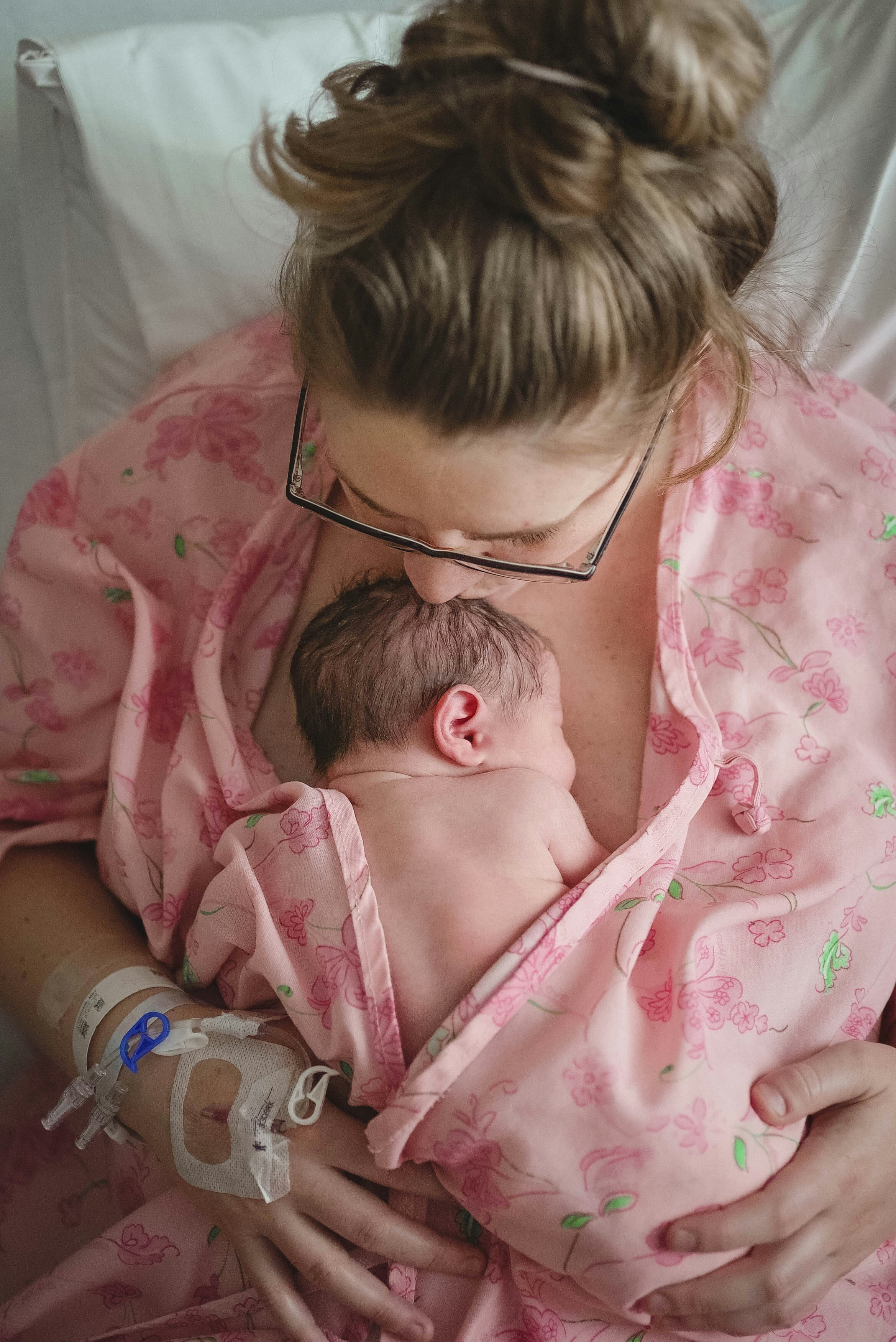
February 16, 2021 was meant to be the day that I birthed my newborn son – without drugs, not even gas and air! – into a birthing pool, under the glow of lavender-coloured LED lights, as the sound of ‘cicadas in a field’ gently filled the my private room at the midwife-led birthing unit of my local hospital.

Ideally, this would have been with the aide of a birthing Doula, but as we were deep into another nationwide lockdown, I was lucky to even have my (masked) husband as my birthing partner.

However, somehow nearly three weeks later in early March – instead of the birth I had expected and made a playlist for – I found myself recovering from three excruciating days of induced labour and an emergency c-section, while laying in a pool of blood in a sensory clusterfuck of a maternity ward.

I couldn’t move – partly from exhaustion, mostly from major surgery and a catheter – so I couldn’t even pick up my son when it was time to feed him.

The story of my pandemic pregnancy and my son’s birth is complicated, tender, and generally something I keep very private. My husband lived it alongside me, but only my closest friends and my therapist know why orange Lucozade makes me want to vomit or why the sight of that small, blue suitcase under the guest bed can still make me cry.

What is truly horrifying to me, aside from my own gruesome memories, is that my story is just a drop in the ocean when it comes to how many women in the UK have also had a “negative” or traumatic birth experience.

Because of these unsettling and life-altering numbers, a new campaign called Delivering Better, formed by a group of mothers, is urging Health Secretary Wes Streeting to take urgent action to improve maternity services in the UK.

The group’s new report highlights the need for “better support for women who often suffer, both mentally and physically, years after they have given birth” and shows the horrific impact that traumatic births are have on women, with almost half of all mothers suffering mentally and physically.

They report one in four mothers experience a negative birth in the UK, and that 72% of those women say their experience had left them with long-term mental health impacts.

Of the women who reported a negative birth experience:

  • almost half (48 per cent) say it had a long-term impact on their relationships,
  • over a third (37 per cent) say it had a long-term impact on their ability to work,
  • more than half (54 per cent) said it left them less likely to want to have more children.

More than half of women (58%) of the women who said they had a negative birth experience said they “didn’t feel listened to during delivery” – which, for me, was one of the worst parts of my own experience.

Being in one of the most vulnerable states a human can be in, and then voicing a need, a concern, or asking for help and being denied that help or dismissed by the people who are apparently there to help you can be incredibly damaging for your mental health. Not being listened to can also have incredibly serious, if not life-threatening physical implications, too, as we know from the startling statistics around Black maternal health care.

What can be done differently to help new mothers?

As both a mum and an editor I see a lot of press releases and newsletters targeting mothers and pregnant people. Some of it is helpful, but I’ll never forget an email I was sent about a new campaign to “support maternal mental health” which initially sounded excellent as some big name brands were involved.

However, reading the details, the campaign was meant to support women’s mental health after giving birth via… a meditation app. And some frozen food vouchers. And also a bit of funding for an organisation that has been criticised for its potentially harmful policies and focus on ‘natural births’.

We deserve better than this.

There needs to be much more tangible action taken in both pregnancy and delivery to see any significant changes in maternal mental health.

In my opinion, a lot can be done by addressing the curriculum and policies of prenatal courses that are available to parents – and the cost and accessibility of these services, too. I’ve experienced first hand that women – especially first-time parents – are taught in these courses that we have much more control over exactly how and when our babies will be born. That we can choose a positive birth experience.

We’re told to just watch your favourite films and eat some chocolate to get those oxytocin levels up and then labour shall commence shortly thereafter. If you breathe correctly that baby’s gonna pop right out of you – you’ve been doing your cervical massages, right?

But I can tell you firsthand – as can thousands of other parents – you can do everything “right” and still end up having an emergency c-section.

The Delivering Better campaign is asking for changes to be made in both pregnancy and delivery for mothers, including greater continuity of care throughout pregnancy.

The aftercare new mothers get is nearly comical in its limitations, and the group is also calling on GPs to proactively contact mothers via text message at three months and six months postpartum to check in on their physical and mental health.

According to Delivering Better: “Mothers often report feeling abandoned after the current six-week check, which is often not fit for purpose, with only a couple of questions directed at the mother.

“Some mums say the main question they’re asked is whether they are back on contraception. In the survey, 88% of mothers say they support receiving mental and physical health checks in the months following their birth experience, and 81% say they would have benefited from this themselves if it had been offered.”

Shocking isn’t it?

You can read more of what Delivering Better is asking for on their website, where you can also sign their open letter to Wes Streeting, “urging action for maternity care that is safe, compassionate and evidence-based”.

Help and support:

  • Mind, open Monday to Friday, 9am-6pm on 0300 123 3393.
  • Samaritans offers a listening service which is open 24 hours a day, on 116 123 (UK and ROI – this number is FREE to call and will not appear on your phone bill).
  • CALM (the Campaign Against Living Miserably) offer a helpline open 5pm-midnight, 365 days a year, on 0800 58 58 58, and a webchat service.
  • The Mix is a free support service for people under 25. Call 0808 808 4994 or email help@themix.org.uk
  • Rethink Mental Illness offers practical help through its advice line which can be reached on 0808 801 0525 (Monday to Friday 10am-4pm). More info can be found on rethink.org.

Help and support:

  • Sands works to support anyone affected by the death of a baby.
  • Tommy’s fund research into miscarriage, stillbirth and premature birth, and provide pregnancy health information to parents.
  • Saying Goodbye offers support for anyone who has suffered the loss of a baby during pregnancy, at birth or in infancy.
Share Button

Brain cells remain healthy after a month on the International Space Station, but mature faster than brain cells on Earth

Microgravity is known to alter the muscles, bones, the immune system and cognition, but little is known about its specific impact on the brain. To discover how brain cells respond to microgravity, Scripps Research scientists, in collaboration with the New York Stem Cell Foundation, sent tiny clumps of stem-cell derived brain cells called “organoids” to the International Space Station (ISS).

Surprisingly, the organoids were still healthy when they returned from orbit a month later, but the cells had matured faster compared to identical organoids grown on Earth — they were closer to becoming adult neurons and were beginning to show signs of specialization. The results, which could shed light on potential neurological effects of space travel, were published on October 23, 2024, in Stem Cells Translational Medicine.

“The fact that these cells survived in space was a big surprise,” says co-senior author Jeanne Loring, PhD, professor emeritus in the Department of Molecular Medicine and founding director of the Center for Regenerative Medicine at Scripps Research. “This lays the groundwork for future experiments in space, in which we can include other parts of the brain that are affected by neurodegenerative disease.”

On Earth, the team used stem cells to create organoids consisting of either cortical or dopaminergic neurons, which are the neuronal populations impacted in multiple sclerosis and Parkinson’s disease — diseases that Loring has studied for decades. Some organoids also included microglia, a type of immune cell that is resident within the brain, to examine the impact of microgravity on inflammation.

Organoids are usually grown in a nutrient-rich liquid medium that must be changed regularly to ensure that the cells have adequate nutrition, and to remove waste products. To avoid the need for lab work on the ISS, the team pioneered a method for growing smaller-than-usual organoids in cryovials — small, airtight vials that were originally designed for deep freezing.

The organoids were prepared in labs at the Kennedy Space Station and traveled to the ISS in a miniature incubator. After a month in orbit, they returned to Earth, where the team showed that they were healthy and intact.

To examine how the space environment impacts cellular functions, the team compared the cells’ RNA expression patterns — a measure of gene activity — to identical “ground control” organoids that had remained on Earth. Surprisingly, they found that the organoids grown in microgravity had higher levels of genes associated with maturity and lower levels of genes associated with proliferation compared to the ground controls, meaning that the cells exposed to microgravity developed faster and replicated less than those on Earth.

“We discovered that in both types of organoids, the gene expression profile was characteristic of an older stage of development than the ones that were on ground,” says Loring. “In microgravity, they developed faster, but it’s really important to know these were not adult neurons, so this doesn’t tell us anything about aging.”

The team also noted that, contrary to their hypothesis, there was less inflammation and lower expression of stress-related genes in organoids grown in microgravity, but more research is needed to determine why.

Loring speculates that microgravity conditions may more closely mirror the conditions experienced by cells within the brain compared to organoids grown under conventional lab conditions and in the presence of gravity.

“The characteristics of microgravity are probably also at work in people’s brains, because there’s no convection in microgravity — in other words, things don’t move,” says Loring. “I think that in space, these organoids are more like the brain because they’re not getting flushed with a whole bunch of culture medium or oxygen. They’re very independent; they form something like a brainlet, a microcosm of the brain.”

The paper describes the team’s first space mission, but since then, they have sent four more missions to the ISS. With each one, they’ve replicated the conditions from the first mission and added additional experiments.

“The next thing we plan to do is to study the part of the brain that’s most affected by Alzheimer’s disease,” says Loring. “We also want to know whether there are differences in the way neurons connect with each other in space. With these kinds of studies, you can’t rely on earlier work to predict what the result would be because there is no earlier work. We’re on the ground floor, so to speak; in the sky, but on the ground floor.”

This work was supported by funding from the National Stem Cell Foundation.

Share Button

‘They Are Shameless’: Labour Ministers Accused Of ‘Betrayal’ For Refusing To Compensate Waspi Women

Labour ministers have been accused of “betrayal” after ruling out compensation for women who lost out when the rules over when they received their state pension were changed.

Keir Starmer was among those who gave their support to the Women Against State Pension Inequality (Waspi) campaign when the party was in opposition.

Work and pensions secretary Liz Kendall told MPs on Tuesday that it would not be “a fair or proportionate use of taxpayers’ money” to pay up to £10.5 billion to those affected.

That was despite the parliamentary and health service ombudsman ruling that the women should be compensated due to mistakes made in the way the changes to their pension age were communicated to them.

Women’s state pension age was increased from 60 to 65 so it was equal with men’s between 2010 and 2018.

But the campaigners insisted they were not adequately informed about the change.

Speaking in 2022, Starmer said the Waspi women were the victims of “a real injustice”, adding: “We need to do something about it.”

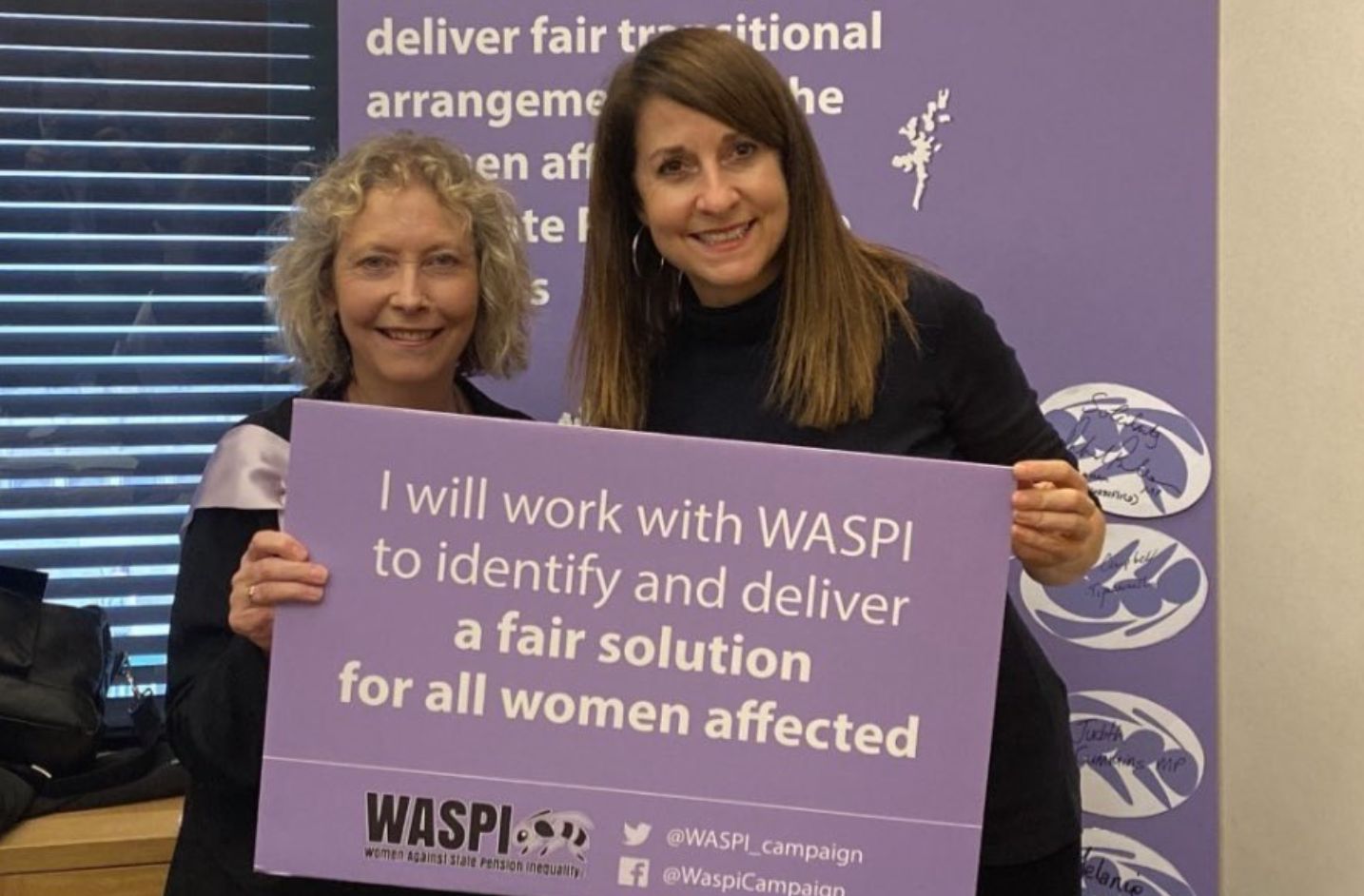
Kendall herself was also pictured with a sign saying: “I will work with Waspi to identify and deliver a fair solution for all women affected.”

Stephen Flynn, the SNP’s leader at Westminster, re-posted the picture on X and said: “The Labour secretary of state is currently stating that her government will not provide any financial compensation to the Waspi women. They are shameless.”

Waspi chairwoman Angela Madden said: “The government has today made an unprecedented political choice to ignore the clear recommendations of an independent watchdog which ordered ministers urgently to compensate Waspi women nine months ago.

“This is a bizarre and totally unjustified move which will leave everyone asking what the point of an ombudsman is if ministers can simply ignore their decisions.

“It feels like a decision that would make the likes of Boris Johnson and Donald Trump blush.”

Share Button

The social cost of carbon, a crucial tool for setting climate policy, omits key effects

The social cost of carbon — an important figure that global policymakers use to analyze the benefits of climate and energy policies — is too low, according to a study led by the University of California, Davis.

The study, published today in the journal Proceedings of the National Academy of Sciences (PNAS), shows that current estimates for the social cost of carbon, or SCC, fail to adequately represent important channels by which climate change could affect human welfare. When included, the SCC increases to just over $280 per ton of CO2 emitted in 2020 — more than double the average published in the academic literature. The study’s estimate is also larger than the U.S. Environmental Protection Agency’s central estimate of $190 per ton of CO2.

“When people worry about climate change, they worry about the risk and uncertainty it causes,” said lead author Frances Moore, an associate professor in the Department of Environmental Science and Policy at UC Davis. “They worry about long-term, persistent accumulating effects, such as climate change acting as a drag on economic growth. They worry about impacts to very unique natural systems or cultural heritage that are just irreplaceable. Those are what keep people up at night about climate change, and those are not fully included in SCC estimates currently used for policymaking.”

Climate change and the damage done

The social cost of carbon quantifies the damage a ton of carbon dioxide has on society and the economy, including food production, human health, property damage due to natural disasters, and impacts to natural systems. Estimates of the SCC are used widely in policy analysis, particularly to value the benefits of reducing greenhouse gas emissions. The United States, Germany, Canada and several states all have official SCC estimates used for policy making.

Most current government estimates, the study said, are incomplete and likely underestimate the benefits of reducing greenhouse gas emissions. This is because they omit some important ways climate change can affect human welfare, including via economic growth or effects on unique natural systems.

The study combines evidence from both the published literature and a survey of experts to fully integrate these elements into the SCC estimate, providing the most comprehensive assessment of SCC estimates to date.

Accounting for omissions

For the study, the authors synthesized 1,800 SCC estimates from the academic literature over the past 20 years and found a wide range of published values averaging $132 per ton of CO2.

The scientists also conducted an expert survey with the authors of the literature, who said they thought the true value of the SCC was likely twice as large as the average of published values. Experts attribute this to a range of omissions in the academic literature, including limited representation of climate tipping points, effects on scarce ecosystems, or climate impacts with long-lived effects on the economy such as impacts on economic growth.

The authors then used machine learning to re-weight the literature, partially correcting some of the omissions identified by experts and using more recent evidence on discount rates. This produced a distribution of the 2020 SCC with a mean of $283 per ton of CO2 and an interquartile range of $97 to $369.

The study states: “Incorporating climate costs into the prices of economic activities that emit greenhouse gases, either directly through carbon pricing or indirectly through emission regulation or subsidies of cleaner alternatives, is essential for averting the worst climate outcomes.”

The study’s coauthors are Moritz Drupp from the University of Hamburg, James Rising from the University of Delaware, Simon Dietz from the London School of Economics and Political Science, Ivan Rudik from Cornell University, and Gernot Wagner from Columbia Business School.

Share Button

Prehistoric rock in Japan reveals clues to major ocean anoxic event

By studying prehistoric rocks and fossils emerging from the side of Mount Ashibetsu in Japan, researchers have precisely refined the timing and duration of Ocean Anoxic Event 1a (OAE 1a), an extreme environmental disruption that choked oxygen from Earth’s oceans to cause significant extinction, especially among plankton.

Researchers have long suspected that massive volcanic eruptions undersea caused carbon dioxide (CO2) increases, global warming and depleted oxygen (called anoxia) in the ocean during the Mesozoic Period. Now, an international team of researchers, including Northwestern University Earth scientists, determined the precise timing of the volcanic eruption and OAE1a, which started 119.5 million years ago. The work adds to a growing volume of evidence that volcanic CO2 emissions directly triggered the anoxic event.

The new study also determined that OAE 1a lasted for just over 1.1 million years. This new information helps scientists better understand how the Earth’s climate and ocean system operates and responds to stress — especially as it relates to current warming.

The study was published late last month in the journal Science Advances. It marks the most detailed and highly resolved dating of an ocean anoxic event ever achieved.

“Ocean anoxic events occur in part as a consequence of climatic warming in a greenhouse world,” said Northwestern’s Brad Sageman, a senior author of the study. “If we want to make accurate predictions about what we will see in the decades ahead with human-caused warming, this information is invaluable. The best way to understand the future is to look at data from the past.”

An expert on ancient climates, Sageman is a professor of Earth, Environmental and Planetary Sciences at Northwestern’s Weinberg College of Arts and Sciences and a co-director of the Paula M. Trienens Institute for Sustainability and Energy.

A Northwestern connection

The Cretaceous Period experienced two major and several minor ocean anoxic events, with OAE 1a as one of the two largest. The most likely cause: volcanic eruptions rapidly injected massive amounts of CO2 into the ocean and atmosphere. These aren’t ordinary volcanoes but large igneous provinces that erupt up to a million cubic kilometers of basalt over several millions of years. When CO2 reacts with seawater, it forms a weak carbonic acid, which literally dissolves sea creatures’ shells. The acid, combined with low oxygen levels, has significant consequences for sea life.

Researchers first began pondering ocean anoxic events in the mid-1970s, after a discovery by Northwestern geologist Seymour Schlanger and Oxford professor Hugh Jenkyns. When examining sediment samples from the Pacific Ocean floor, Schlanger and Jenkyns discovered black, organic carbon-rich shales that matched samples — in composition and age — from both the Atlantic Ocean and rock formations in Italy.

Widespread lack of oxygen was the most likely explanation for these deposits. Anoxia prevents the breakdown of organic matter from dead plants and animals, leading to a global pattern of organic enrichment. Instead of decomposing, the settling plankton and other fossils accumulated to form organic carbon-rich strata scattered around the globe.

“How were black shales forming at the same time in the deep oceans and up on land?” Sageman asked. “Schlanger and Jenkyns realized there must have been a massive global event that caused oxygen to decrease from the ocean surface all the way down to the seafloor.”

History solidified in stone

In the new study, researchers looked not to the depths of the oceans but to ancient strata along the northwest edge of a mountain on Japan’s Hokkaido Island. The rocks, or tuffs, formed from volcanic ash that settled and solidified over time. Tectonic activity lifted these layers above sea level during formation of the Japanese islands, leaving them exposed and accessible where streams carve through the temperate rainforest of Hokkaido. By collecting and analyzing the tuffs, Sageman, his Ph.D. student, Luca Podrecca, and their collaborators gained a glimpse into geologic history.

“Magma comes out of a volcano in liquid form and then begins to cool,” Sageman said. “During this process, crystals start to form. By the time the tuff solidifies, the crystals become a tiny closed system. They lock in atoms, and some of those atoms, like uranium, start to decay, meaning they convert from one isotope to another. That provides a tool to date the eruption, and, thus, date a specific layer within a stack of sedimentary rock. While the expertise of team members from Tohuku University in Japan, Durham University in the U.K. and Northwestern focuses on the characterization and global correlation of the strata, our collaborators at the University of Wisconsin-Madison and Boise State University are experts in the geochronological analyses.”

The researchers also used other types of isotopes, such as carbon, which tracks synchronous changes in the carbon cycle, and osmium, which tracks volcanic activity and changes in ocean chemistry.

“These isotope systems provide tools for correlating the OAE1a interval between sites in Hokkaido, southern France and other sites all around the globe,” Sageman said. “They give us markers for instants in geologic time.”

Pinpointing the exact timeline

According to this evidence, an abrupt shift in carbon isotope ratios — caused first by the spike in volcanic CO2added to the carbon cycle (and later by the excess burial of organic matter) — occurred in the early Cretaceous at the beginning of OAE 1a. A concurrent shift in the isotopic ratios of osmium reflects a massive input of volcanic material into ocean waters. The timing of these events corresponds to eruption of the Ontong Java Nui complex, an enormous igneous province about the size of Alaska located in the southwestern Pacific Ocean.

Now that researchers know it took the oceans 1.1 million years to recover from the sharp increase in CO2, they have more insight into how long the effects of CO2-driven warming events might last and what the associated effects, such as ocean anoxia, may be.

“We’re already seeing zones with low oxygen levels in the Gulf of Mexico,” Sageman said. “The main difference is that past events unfolded over tens of thousands to millions of years. We’re driving roughly similar levels of warming (or more) but doing so in less than 200 years.”

Share Button

‘Hospital’s failures led to woman’s death’

The hospital has now apologised and an independent inquiry is taking place.

Share Button

Heritage Travel Might Be The Most Fulfilling Type Of Holiday You Can Take

These days, it seems like more people are traveling than ever. So it makes sense that many travellers are seeking unique experiences that don’t feel like the same standard vacation everyone else is taking (and posting about on social media).

Fortunately, there are plenty of fresh and fulfilling types of trips you can take ― from “destination dupes” to “mystery travel.” But a particularly meaningful option is “heritage travel.”

Below, travel experts break down this approach to travel and what you should know before you plan a heritage trip.

What is heritage travel?

“Heritage travel is when you explore destinations tied to your ancestry or cultural roots,” said Gabby Beckford, founder of the travel site Packs Light. “It’s about discovering more about yourself, your family stories, and your overall identity by traveling to places where you are, in some part, ‘from.’”

People interested in heritage travel ― which is also known as genealogy tourism, ancestral travel, roots tourism and DNA tourism ― can plan vacations around their family lineage and walk the path of their ancestors. This is all much easier to do in the age of services like 23andMe, AncestryDNA and MyHeritage.

“It’s been popular for years already, but I think it’s really grown since the advent of at-home DNA testing products,” said Laura Motta, the senior director of content at Lonely Planet. “They can give people a ton of insight into where their families are from.”

For many, these home kits have awakened a desire to connect with their history and experience aspects of their ancestors’ culture firsthand. Now, companies like Ancestry are offering special guided heritage travel opportunities to customers who want to gain a greater understanding of their family’s past. Options include ancestral home visits, genealogy cruises and personal guided tours.

Heritage travel is increasingly common in places that experienced mass emigration or forced removal at some point and therefore have a large diaspora community in other parts of the world. Examples include Ireland, Ghana and Italy (as seen in Season 2 of HBO’s “The White Lotus,” which featured a three-generation Sicilian American family returning to their ancestral roots in Testa dell’Acqua).

“Lots of countries and communities are working to enable and encourage heritage tourism, which makes complete sense. It’s big business,” Motta said. “Tour operators and tourism boards often have information to help you get started.”

Heritage travel can also refer more broadly to any type of tourism that involves visiting historic and cultural sites and immersing yourself in the destination’s past and present way of life. And this certainly applies to ancestry-focused tourism.

“Reconnection to the past is at the central core of heritage travel,” said Katy Nastro, a travel expert and spokesperson for the Going travel app. “A type of travel designed to better engage a traveler with the cultural heritage of a place, heritage travel is more about understanding a destination through genuine traditions and experiences rooted in history.

What are the benefits of heritage travel?

There are many reasons why heritage travel might appeal to tourists.

“It can be really fascinating and can help connect people to their ethnic and cultural roots,” Motta said. “Of course, heritage tourism can mean very different things to different people. You might be chasing a complicated paper trail of baptism certificates and immigration records in Ireland, or finding your family’s former home in California, or learning about rituals that your ancestors performed in Ghana.”

Beckford said she personally finds the heritage travel trend to be very exciting.

“As someone who is multiracial, I understand that in a world that likes to put people into neat categories, not fitting perfectly into one can feel alienating,” she noted. “I believe knowledge is power, and traveling back to where your ancestors came from to understand how you became the person you are today can be not only fascinating but healing for many people like me.”

Heritage travel can take many forms and include a wide range of experiences. People may have different goals and approaches to their ancestral journeys.

“I see many families, particularly second and third generations, taking heritage trips to reconnect with rituals, traditions, religions, holidays, or even to honour specific family members who have passed,” Beckford said.

By taking a heritage-focused trip, you have the opportunity to truly immerse yourself in the local culture and history as well.

“Travellers more and more are seeking an authentic travel experience, away from uber-popular tourist traps, traveling more purposefully,” Nastro said. “There is no better way to understand your current surroundings than by walking through its past.”

She added that you don’t necessarily need to design an entire vacation around heritage travel, but can instead incorporate it through specific activities or experiences in your trip.

Travel experts believe the rise of DNA testing services has led to increased interest in heritage trips.

Gerhard Pettersson / 500px via Getty Images

Travel experts believe the rise of DNA testing services has led to increased interest in heritage trips.

Here’s what else you should know before trying this trip.

Although there are many benefits to these kinds of trips, heritage travel is not an inherently positive experience.

“History is messy. Families are complicated,” Motta said. “There are plenty of reasons why people become estranged from their families and heritage. Chasing your personal history can lead to discoveries that are uncomfortable, unpleasant and even contradictory. For most, the upsides far outweigh this, but it’s something to consider.”

Another downside is the potential for mismanaged expectations.

“Visiting your ancestral lands may or may not provide the healing someone might be seeking,” Beckford said. “These places and their people naturally change and evolve with time, and some travellers might put too much pressure on a destination to be what they need it to be, rather than accepting it for what it is.”

Share Button

New guidance on use of physician associates

Royal College of Physicians say PAs should be supervised by senior doctors, not doctors in training.

Share Button