But what about your “psychological immune system”?
The term, which was first coined in the ’90s, suggests our minds could have protective mechanisms, including cognitive “antibodies,” similar to those which protect us from phsyical disease.
Advertisement
Here, we asked Dr William Van Gordon, Associate Professor in Contemplative Psychology at the University of Derby, what the term means, as well as how to strengthen ours.
What is the “psychological immune system”?
“The psychological immune system is a concept developed by psychologists Daniel Gilbert and Timothy Wilson in the late 1990s.
“It describes the brain’s automatic, largely unconscious defences that protect emotional well-being in the face of negative events, much like how the physical immune system fights pathogens,” Dr Van Gordon told us.
Advertisement
Some feel that having a stronger “psychological immune system” can help us to weather negative events, even those you anticipate would be devastating.
“These processes help us to reframe setbacks positively, restore self-worth, diminish the intensity and duration of distress, and recover more quickly than we typically predict,” the professor added.
“We often overestimate how devastated we will feel after failures, rejections, or losses because we underestimate this built-in resilience system.”
Advertisement
How can I boost my “psychological immune system”?
Dr Van Gordon shared “four strategies that can strengthen your psychological immune system and improve emotional recovery and calmness”.
These are:
1) Shift from negative to neutral
“Counter the brain’s natural negativity bias by deliberately moving toward a balanced, neutral perspective rather than trying to force positivity,” the professor said.
Advertisement
Our mind’s negativity bias means we pay more attention to negative thoughts and experiences than we do positive ones, potentially skewing our views.
“Use simple grounding tools such as brief mantras (‘This too shall pass’), short gratitude reflections, recalling times you’ve overcome similar challenges, or slow diaphragmatic breathing to calm the nervous system.”
2) Anchor in the present
“Focus attention on what is controllable right now to interrupt rumination about the past or anxiety about the future,” said the expert.
Advertisement
“Build small daily habits of mindfulness (for example, one to two minutes of breath awareness), protect sleep quality to restore cognitive clarity, and create routines that break negative thought loops and restore motivation, such as morning journaling or quick walks.”
3) Reconnect with meaning and purpose
“When adversity strikes, reframe the situation through your core values or long-term goals; for example, by viewing a difficult experience as an opportunity to grow skills or character,” he continued.
“Practise self-compassion, seek trusted perspectives from others, or visualise how the challenge fits into a bigger, meaningful picture.”
4) Practise healthy acceptance
“Allow difficult emotions to arise without suppression or denial, especially after significant loss or trauma,” Dr Van Gordon ended.
“Recognise that feelings such as sadness or anger carry important signals; treat yourself kindly during the process and, if distress persists, consider professional support rather than forcing ‘positive thinking’ alone.”
According to neurologist Dr Richard Restak’s book How To Prevent Dementia, “Cognitive reserve theory refers to the representation stored within the brain of the knowledge, experience, and life events that accumulate during the course of a person’s lifetime”.
The more “cognitive reserve” we have, he explained, the better we might be protected against conditions like dementia. “A lifetime investment in building up cognitive reserve leads to healthy cognition and thinking later in life,” he wrote.
Advertisement
Dr Restak called reading fiction “perhaps the single most effective” way to build this up.
But Alzheimer’s Research UK, who have launched a Think Brain Health campaign this year, are releasing brain teasers to help us build up our reserves, which they say can be done in quiet moments like during your commut.
Challenging our brains is good for us – but may be falling out of style
Alzheimer’s UK found that only 30% of UK adults do “brain-teasing” activities like soduko and crosswords, while 32% say they do them less often now than they did a year ago.
Advertisement
And even though 71% of us have free time on public transport, 68% of us use that period to scroll through our phones or watch shows, they wrote.
So, the foundation has created a brain teaser to help people fill gaps like those in their schedule. They began by launching an image which hides 40 train station names, created with artist Chris Bishop.
“Research suggests that there are steps we can all take to protect our brain health and build our cognitive reserve, making our brains more resilient no matter what age we start,” Dr Jacqui Hanley, Head of Research at Alzheimer’s Research UK, said.
Advertisement
“If someone with a high cognitive reserve develops dementia, studies have found that they typically experience Alzheimer’s symptoms around five years later than those who don’t regularly challenge their brains.
“It’s never too early to make positive lifestyle changes, and this brain-teasing puzzle is a great way to introduce brain challenges into your daily routine”.
Alzheimer’s Research UK
Alzheimer’s Research UK
Advertisement
How many train station names can you find in this image?
For their first brain teaser, Alzheimer’s Research UK shared an image created with artist Chris Bishop and released with support from Great Western Railway.
It contains 40 hidden train station names in the UK. And if, like me, you find the image truly challenging, Alzheimer’s UK said, “This puzzle has been designed to help you challenge your brain, so don’t worry if you didn’t find them all”.
After all, Dan Panes, Head of External Communications at Great Western Railway, said, “This puzzle had some of our colleagues scratching their heads!”
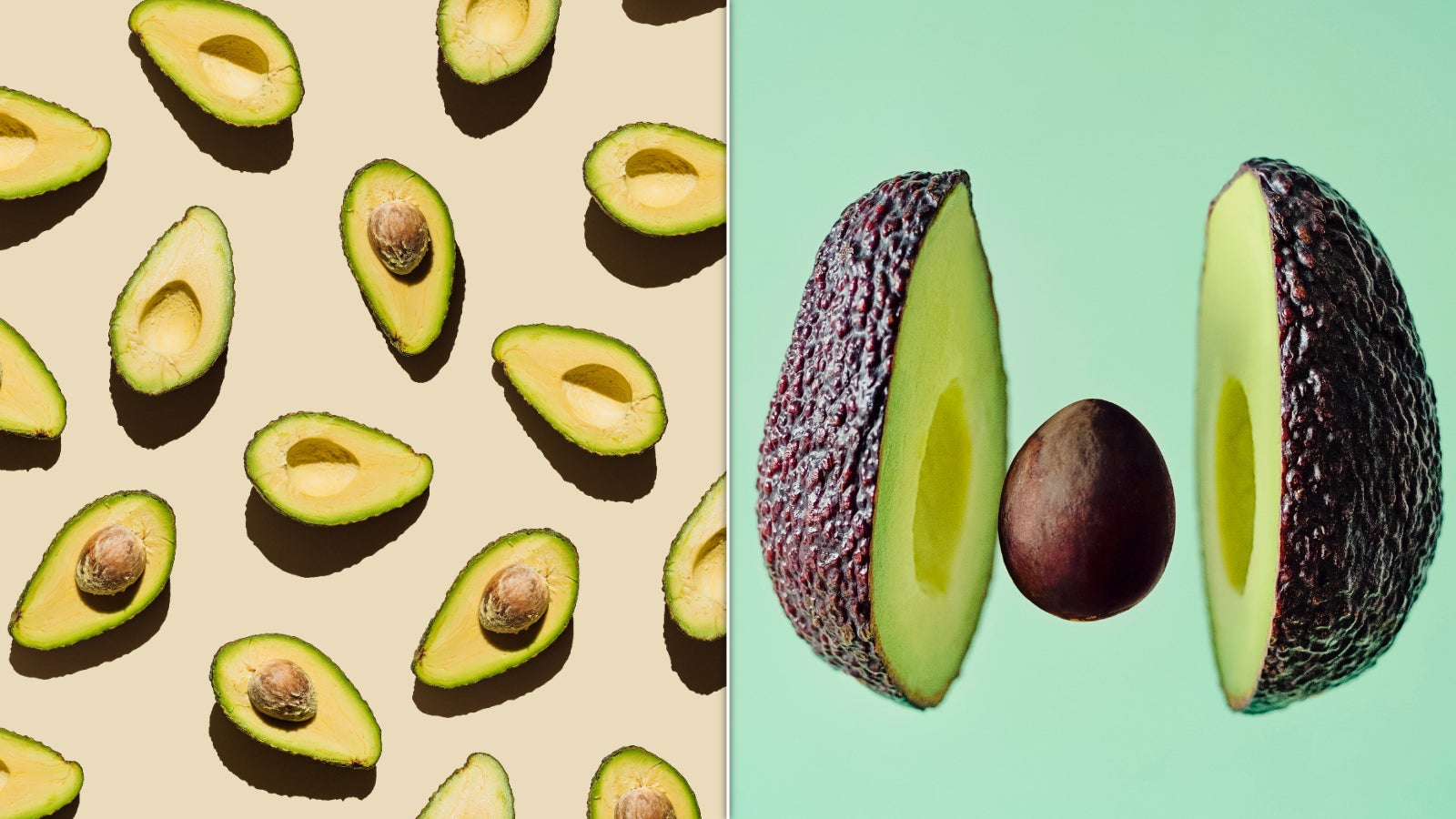
Most people judge an avocado’s readiness by one simple test: a gentle squeeze. Too firm, and it stays on the counter. Too soft, and it risks going straight into the bin. (Yes, we agree, the window between those two states often feels comically short. But that’s fodder for another story).
Beyond texture and taste, though, the ripeness of an avocado actually shapes how your body digests it, absorbs its nutrients, and even responds metabolically after you eat it.
Advertisement
In fact, as avocados ripen, their internal chemistry changes. Fats become more accessible, carbohydrates shift form, and antioxidant levels rise and fall. According to doctors and nutrition experts, these changes can influence digestion, blood sugar response and nutrient absorption.
That’s all to say that an avocado’s health benefits aren’t fixed but actually evolve as the fruit matures – just as is the case with bananas.
Why avocado ripeness matters
When an avocado ripens, “there is a shift in the nutritional structure and absorption,” said Dr. Parth Bhavsar, a board-certified family medicine physician who specialises in nutrition.
Advertisement
Specifically, as time goes by, enzymes break down cell walls, which makes fats easier for the body to absorb. This also affects carotenoids like lutein and beta-carotene, whose bioavailability improves in a fat-rich environment.
Dr. Cintara Bradley, a resident physician at Sonoran University of Health Sciences Medical Center who specialises in nutrition, lifestyle management and digestive health, noted that ripening significantly changes lipid content, carbohydrate composition, amino acid availability and phenolic compounds.
While avocados remain nutrient-dense throughout their life cycle, the ratios of fats, fibre and antioxidants shift quickly as they approach and move past peak ripeness.
Advertisement
Unripe avocados
Unripe avocados are firm and difficult to eat for a reason. When an avocado hasn’t ripened yet, your body has a harder time breaking it down. At this stage, much of the starch hasn’t converted into more usable forms, the fats aren’t as easy to absorb, and the fibre is tougher.
Getty Images
Bhavsar explained that unripe avocados contain resistant starch and “less accessible lipids,” meaning your body can’t easily access all of the calories and nutrients during digestion. In practical terms, you’re getting less nutritional payoff from each bite.
Advertisement
There may be a small metabolic benefit, though. “Resistant starch resists the metabolic process and the post-prandial increase of blood sugar concentration,” Bhavsar said. Put simply: Unripe avocados digest more slowly and may help prevent blood sugar spikes after eating. He added that this process can support insulin sensitivity and gut bacteria balance.
Dr. Patrick Ryan, a primary care and sports medicine physician in San Diego and the founder of telehealth platform HemyRX, similarly noted that unripe avocados may help with glycemic control because glucose is absorbed more slowly.
Still, most experts say this stage isn’t ideal for everyday eating. Bhavsar pointed out that slow digestion and gastrointestinal discomfort can make unripe avocados unpleasant or hard on the stomach. And according to Bradley, unripe avocados don’t offer meaningful advantages over ripe ones, especially since avocados already have a low glycemic load, regardless of ripeness.
Advertisement
Barely ripe avocados
As avocados begin to soften, they also become easier for your body to handle. The tough starches start breaking down and the healthy fats inside the fruit become easier to absorb.
As Bhavsar put it, “resistant starch is gradually turning into non-resistant fats, while your levels of soluble fibres are increasing.” This means your body can access more nutrients without losing the fibre that helps you feel full.
Ryan explained that barely ripe avocados are easier to digest than unripe ones, while still slowing how quickly sugar enters the bloodstream. They also contain less fat than fully ripe avocados, which can be helpful for people who want the benefits of avocado without feeling weighed down.
Advertisement
Bhavsar added that avocados that gently yield when pressed can help control appetite and keep blood sugar steady. Because they are digested more slowly, they help prevent blood sugar spikes while still allowing your body to absorb key nutrients.
Fully ripe avocados
Fully ripe avocados give your body the most nutrients it can actually use in the easiest way for your body to absorb them, Bhavsar said.
According to Ryan, ripe avocados also help your body take in antioxidants and fat-soluble vitamins, which support heart health, balance hormones and reduce inflammation.
Advertisement
Bradley pointed out that antioxidants, especially phenolic compounds, are highest when the avocado is perfectly ripe, before enzymes start breaking them down. Other vitamins and minerals, like potassium, magnesium and folate, stay steady, while fats become fully available.
Because the fat is fully accessible, calories are higher at this stage. Ryan noted this matters for people who are watching calories and Bhavsar said portion size is key (though even fully ripe avocados are still healthier than refined carbs), but one thing is clear: Avocados that are fully ripe are at their peak in terms of flavour and variety of nutrients offered.
Overripe avocados
Once an avocado passes peak ripeness, oxidation begins to affect its nutritional quality. Bhavsar explained that while fats, fibres and minerals remain, antioxidant properties decline. “Browning signals an indicator that polyphenols, with potential health benefits, are being broken down and will instead ferment,” he said.
Advertisement
Bradley noted that oxidised fats contribute to bitterness while antioxidant levels diminish dramatically. However, if an avocado has only minor browning and no mould or odour, it can still be safely used in smoothies or baking.
So, is there an ideal ripeness?
The answer depends on your goals. Bhavsar suggested that “lightly to gently ripe” avocados optimise fat assimilation and satiety, while barely ripe may be preferable for gastrointestinal regulation.
Ryan agreed that ripe avocados work best for most people, but noted that blood sugar control or calorie awareness may influence preference.
Advertisement
Bradley, on the other hand, said that peak ripeness offers the best balance of nutrient density, bioavailability and enjoyment.
In short, it’s clearly not just about flavour: the ripeness of an avocado actually changes how (and what!) your body digests and absorbs.
Norovirus cases have surged by a staggering 60% in the past fortnight, the UK Health Security Agency (UKHSA) has warned.
The virus is a nasty one, causing sudden symptoms including vomiting and diarrhoea, as well as a high temperature, headache, stomach pain or other aches and pains.
Advertisement
Amy Douglas, lead epidemiologist at UKHSA, said the virus is continuing to rise, particularly among people aged 65 and over.
“This increase is in line with what we expected following Christmas, and we are now seeing hospital outbreaks begin to climb as well,” she said.
While this is grim news indeed, there is a small glimmer of hope as flu, Covid-19 and RSV levels continue to fall.
Advertisement
How to prevent norovirus
To try and steer clear of the vomiting bug, UKHSA is urging people to wash hangs regularly with warm soapy water. It also cautioned that alcohol hand gels don’t kill norovirus.
If someone in your household catches it, the NHS advises washing clothes and bedding that has poo or vomit on it on a 60°C wash, separately from other laundry.
Clean toilet seats, flush handles, taps and bathroom door handles regularly. The UKHSA suggests using bleach-based products to clean surfaces, where possible.
Advertisement
Wash your hands with soap and water before preparing, serving or eating food. It’s best to avoid eating food prepared by someone who’s had the winter vomiting bug.
Can you go to work or school with norovirus?
No, is the short answer.
UKHSA’s Amy Douglas said: “If you have diarrhoea and vomiting, don’t return to work, school or nursery until 48 hours after your symptoms have stopped and don’t prepare food for others in that time either.
“If you are unwell, avoid visiting people in hospitals and care homes to prevent passing on the infection to those most vulnerable.”
Advertisement
Norovirus usually passes in two to three days. It’s best to stay hydrated as much as possible to avoid dehydration and get plenty of rest. If you’re in discomfort, paracetamol might also help.
Whether dealing with coeliac disease, gluten intolerance or just tummy troubles, many Americans swear their digestive issues mysteriously ease up when they travel to Europe, the supposed land of consequence-free carbs.
While some of that likely comes down to portion size and wheat quality, another often-overlooked factor is how the pasta is cooked. You’d never catch an Italian cooking their pasta beyond al dente – and sometimes, it’s even a little firmer than that.
Advertisement
According to Marissa Karp, founder and lead registered dietitian at MPM Nutrition in New York, the longer pasta cooks, the more its starches soften and become available to our bodies when we eat it. But more isn’t always better.
How long pasta is cooked can affect how quickly it’s digested, how quickly it raises blood sugar and how you feel after the meal – from steady and satisfied to heavy and ready for a nap.
Ahead, registered dietitians break down the different levels of pasta doneness, what noodles look and feel like at each stage, and how each one affects digestion, energy and blood sugar.
Advertisement
Getty Images
Firm: how it affects your digestion
Defined as two or three minutes less cook time than the package instructions, “firm” pasta sits at the very beginning of the doneness spectrum. Go ahead and ignore the box here – your spaghetti won’t be raw, but it will have more texture than most Americans are used to.
“Firm pasta has the most bite to it,” Karp said. “There’s clear resistance when you press it between your teeth.”
Advertisement
When pasta is cooked a little firmer, your body takes longer to digest it. That means a bowl of penne won’t spike your blood sugar as quickly, according to Kimberly Rose, registered dietitian and certified diabetes educator.
That slower blood sugar spike can make a noticeable difference in how you feel afterward. Instead of the classic post-pasta slump – heavy, sleepy and weirdly hungry again an hour later – you’re more likely to feel steady and satisfied. And taking that second helping is because the pasta is genuinely delicious, not because the first bowl barely made a dent in your hunger. “Firmer pasta tends to break down more slowly, which can help people feel satisfied for longer and support steadier blood sugar when eaten in appropriate portions,” said Amanda Frankeny, a registered dietitian nutritionist.
If you’re trying to keep your blood sugar steady or you’re tired of that familiar post-pasta slump, cooking pasta a bit firmer may be worth a try. Just know that if you have a more sensitive stomach, this texture isn’t always the most comfortable.
Advertisement
Al dente: how it affects your digestion
In the food world, al dente has become the default way to cook pasta, much like ordering a steak medium-rare or scrambling eggs until they’re just set, not dry.
To get there, you’ll usually want to ignore the package instructions again and pull your pasta from the water about one to two minutes earlier than the package states. (If you’ve been faithfully following the box this whole time, there’s a good chance you’ve been eating softer, mushier pasta than you realised.)
Al dente is the Goldilocks texture most of us are taught to aim for: not too firm, not too soft.
“Al dente tends to be the most comfortable because it digests at a steady pace and tends to offer balanced, sustained energy,” Karp said.
Advertisement
That aligns with research. A 2022 study found that when pasta is cooked for less time, your body breaks down less of its starch, leading to a slower, steadier rise in blood sugar.
While “chewing your food well” has become a diet-culture cliche, 2023 research suggests the real driver is food texture. Foods that require more chewing tend to trigger stronger satiety signals, simply because digestion starts earlier and happens more gradually.
Most of us likely cook pasta to this doneness not only because it has a pleasant mouthfeel but because it’s often easier on the body.
Advertisement
Soft: how it affects your digestion
“Digestion begins in the mouth,” explains Rose, “and soft pasta is fastest to digest.” That’s because soft pasta requires minimal chewing. With almost no resistance for your teeth, it moves quickly from the plate to the stomach, where it’s broken down faster than firmer noodles.
That might sound counterintuitive, but research on food texture backs this up: foods that are soft and easy to chew don’t tend to keep us as full as foods that make us do a little more work. When you have to chew more, you also tend to eat more slowly, which gives your body (and gastrointestinal fluids) time to register that you’re eating.
Typically cooked to the package instructions or even a little longer, soft pasta has no bite left at the centre. This can also happen when pasta is cooked and then baked or reheated in dishes like casseroles or mac and cheese, where a second round of cooking pushes it past al dente.
Advertisement
That quicker breakdown is also why soft pasta is often blamed for the classic carb crash. According to Rose, “Soft pasta will raise your energy levels quickly because more starch is readily available; however, this type of energy is short-lived and may result in a drop in energy after consuming.”
When pasta is overcooked, a few things change the way your body handles it, according to a 2015 study. First, the starches become more broken down and easier to access, which means the carbs hit your system faster – giving you that quick burst of energy, followed by a drop. At the same time, the structure of both starch and protein in the pasta softens, which makes it harder for your body to digest and can lead to bloating or an upset stomach after eating.
Still, soft pasta absolutely has a place at the table. For people who have trouble chewing, sensitive digestion or who need quick, easily accessible energy, it can be a great option. According to Frankeny, “That’s not a bad thing at all. Depending on how active you are, how much you are eating and everything else is on the plate – like produce and protein – softer pasta can easily be a part of a well-rounded meal.”
Sex should be a fun and satisfying time – not something that puts you in the emergency room. And yet, it happens more often than you think.
Emergency rooms see it all – including what happens when sex goes sideways. From objects that disappear to injuries that require surgery, doctors say the biggest problem isn’t curiosity or experimentation. It’s waiting too long to get help because you feel ashamed.
“Most sex-related injuries are preventable, and none of them should be a source of shame,”Dr. Martina Ambardjieva, a urologist and ER physician, told HuffPost.
Advertisement
“What does cause problems is waiting too long to seek care because of embarrassment. If something feels wrong, pain, bleeding, swelling, or an object that refuses to come out, just come in. Trust me, we’ve seen it all.”
Milan Markovic via Getty Images
These kinds of injuries are quite common, according to doctors, but shame often keeps people from getting the help they need.
Two emergency physicians shared some of the most common – and most alarming – sex-related injuries they’ve treated, along with what people should know if something goes wrong.
Advertisement
Penile fractures are as dramatic as they sound
Ambardjieva said the “classic penile fracture” is one of the most urgent sex-related emergencies she sees.
“It’s exactly as dramatic as it sounds – a loud ‘crack,’ immediate swelling, and a lot of panic,” she explains. It most often happens when the penis slips out during thrusting and forcefully hits a partner’s pelvis.
“A penile fracture occurs when the tunica albuginea, the tough fibrous sheath surrounding the erectile tissue, tears,” she explains. “When the penis is erect, that tissue becomes thin and stretched, making it vulnerable to sudden bending or impact – even though there’s no bone inside.”
Advertisement
If someone delays seeking care, the torn tissue can heal improperly. “That can lead to permanent curvature, painful erections, or long-term erectile dysfunction,” Ambardjieva said. “This is the one sexual injury where time really matters.”
Objects that get ‘lost’
Ambardjieva said foreign objects getting “lost” in the body are a routine part of ER and gynaecology work.
“I’ve removed all kinds of items that weren’t designed to go inside the body – cucumbers, carrots, sprays – and I’ve also seen objects in the male urethra, like a pencil,” she said. “People are usually terrified and embarrassed, but it’s more common than they think.”
Advertisement
The problem often comes down to using objects without a flared base, smooth shape, or any kind of safety stop. That’s why you might run into this phrase: “If it has no flare, it shouldn’t go up there.”
Where something is inserted also matters. The vaginal canal is a closed space, so objects can get stuck but won’t travel deeper into the body. “The rectum, however, has no anatomical stop and creates suction, meaning objects can be pulled further inside,” Ambardjieva explains. “The urethra is narrow and delicate, making insertions particularly dangerous.”
If you’re embarrassed to come into the hospital because you’ve inserted something that’s become stuck, Ambardjieva hopes you’ll reconsider and not let the stigma keep you from getting care.
Advertisement
“It’s important to normalise this. We remove lost objects every week in the emergency and urology practice,” Ambardjieva said. “It’s a common medical issue – not something to be ashamed of.”
Vaginal tears and bleeding after sex
Small vaginal tears are another frequent reason for ER visits, especially among postmenopausal women or anyone dealing with vaginal dryness.
“Even a small tear can bleed more than people expect, which really scares them,” Ambardjieva said.
Friction, insufficient lubrication, or a tense pelvic floor can all cause micro-tears. She notes that water-based lubricants can dry out quickly, increasing friction, while silicone-based lubes stay slippery longer and can reduce tearing.
Advertisement
Bleeding, Ambardjieva said, becomes more concerning if it doesn’t slow, comes with large clots, severe pain, lightheadedness or difficulty urinating. In other words, head to the emergency room as soon as possible.
Testicular torsion during sex
While less common, Ambardjieva has seen testicular torsion triggered during intercourse. “It’s sudden, sharp testicular pain – and it’s an emergency until proven otherwise,” she said.
Torsion happens when the spermatic cord twists, cutting off blood flow. Without treatment within about four to six hours, the testicle can be permanently damaged or lost. Some men are more vulnerable because of anatomical variations that allow the testicle to rotate more freely inside the scrotum.
Advertisement
“Circulation is blocked due to the twisting of the spermatic cord,” Ambardjieva explains. “Without rapid treatment, usually within four to six hours, there is a real risk of permanently losing the testicle, because of lost lasting ischemia (insufficient blood flow).”
“These are usually very easy for us to remove safely,” Ambardjieva said, adding that problems tend to come from incorrect sizing, not enough lubrication, expired condoms, heat exposure, or using oil-based products that weaken latex.
Bruising from oral sex
Not all sex injuries come from penetration.
“I’ve seen bruising and swelling just from overly enthusiastic suction,” Ambardjieva said. “It’s usually harmless, but if the swelling is severe or the penis starts bending, get checked.”
Advertisement
Broken capillaries can leave marks that look alarming but usually fade within days. However, spreading bruising, significant pain, fever, difficulty urinating, or a bent penis should be checked out, which may indicate infection or deeper tissue injury.
When things go seriously wrong
Dr. Jared L. Ross, an assistant professor at the University of Missouri, has seen some extreme cases.
Several years ago in St. Louis, he said he treated a patient who inserted his pet gerbil into his rectum with lubrication: “He ended up in the ER with rectal bleeding. We were able to get the gerbil out, but unfortunately, the gerbil wasn’t so lucky; he had already suffocated.”
Advertisement
In December 2024, Ross said he treated two patients on the same Christmas shift whose wives were out of town.
“One had inserted a full-sized LED lightbulb into his rectum. It required anaesthesia and surgical removal,” he said. “Shortly after, another patient arrived with his wife’s vibrator lodged inside. Both myself and the other ER doc on shift tried again, but no luck, we had to call the surgeon back. I remember he remarked it was a pretty fancy one, rechargeable batteries. I can’t imagine how those conversations went when their wives got back in town.”
So it’s unsurprising that Ross encourages people to come to the ER if they run into an issue like this (or a less extreme one), but also to be more proactive about safety when it comes to the rear end. “If you’re into inserting things into your rectum, use devices designed for that so they don’t get lost,” he said.
Advertisement
The bottom line
Both doctors stress that shame is what causes the real harm, wacky hijinks aside.
“Sexual injuries and accidents are far more common than people realise,” Ambardjieva said. “Emergency clinicians truly aren’t judging. We’ve seen it all.”
Pain, bleeding, swelling, or an object that won’t come out are all signs to seek care – sooner rather than later.
“Bodies are vulnerable, sex is physical, and sometimes things go wrong,” she adds. “Getting help early is always the right, responsible thing to do.”
One in eight people in the UK say they feel tired “all the time,” YouGov reported in 2022.
In fact, the feeling is so common that the NHS says it has its own acronym, TATT (tired all the time).
But while the health service said most causes of TATT are “obvious,” like overwork or having a young child, Amir Bhogal, director and superintendent pharmacist at Pyramid Pharmacy Group, told us that “there are several hidden causes that may be easy to overlook”.
Advertisement
Here, he shared seven potential causes:
1) Iron deficiency
“Iron helps transport oxygen throughout the body via red blood cells. When iron levels are low, your body struggles to carry enough oxygen to your muscles and organs, leading to constant tiredness and weakness,” Bhogal said.
These are common signs of iron deficiency anaemia. Others include shortness of breath, headaches, paler than usual skin, and palpitations.
It “is surprisingly common, especially among women, due to regular menstrual blood loss, as well as those who follow a strictly vegetarian or vegan diet. While symptoms can be subtle at first, fatigue can interfere with daily activities and overall quality of life,” Bhogal added.
Advertisement
A blood test can confirm whether you have iron deficiency anaemia.
2) Thyroid issues
The thyroid is a gland in your neck that produces hormones. These affect things like your heart rate and body temperature.
“An underactive thyroid (hypothyroidism) can slow down metabolic processes and reduce the body’s ability to produce energy efficiently, leading to sluggishness or temperature sensitivity,” Bhogal said.
And an overactive thyroid can do the opposite, causing bursts of energy sometimes followed by crashes. It can create difficulty sleeping, too.
Advertisement
“Thyroid issues can develop slowly, with subtle symptoms ranging from unexplained changes in weight and mood, as well as dry skin or thinning hair. However, blood tests can confirm a thyroid imbalance,” the pharmacist said.
3) Low blood pressure
Though high blood pressure can make you tired, that usually happens indirectly through organ changes or associated lifestyle choices. But “low blood pressure (hypotension) can also sap energy,” the pharmacist told us.
Advertisement
“When blood pressure is too low, your organs and muscles may not receive enough oxygen-rich blood, leading to dizziness and constant tiredness.”
Sometimes, he added, low blood pressure can be created by dehydration, nutritional deficiencies, and some medications, and even some heart conditions.
“If fatigue is accompanied by lightheadedness or fainting, please consult with a medical professional immediately,” Bhogal stated.
Advertisement
“Getting your blood pressure tested regularly, even without symptoms, can help detect underlying issues early and support long-term health.”
“Water is essential for just about every function in the body, including energy production. Even just mild dehydration can reduce blood volume, making the heart work harder and leaving you feeling lethargic,” he told us.
Advertisement
“The reality is that many people underestimate their daily fluid needs, especially when the weather is warm, or they are physically active. Instead, they compensate with sugary drinks, alcohol, or caffeine, all of which are diuretics that can worsen dehydration.”
Drinking more water and eating more water-rich foods, like fruits and vegetables, can help a lot.
5) Chronic infections
Sometimes, conditions like the flu or glandular fever can stay in your system for longer than you realise. This, Bhogal explained, can keep you feeling run-down after sneezes, sniffles, and sore throats have abated.
“Often, these infections present with subtle symptoms like low-grade fever or mild muscle aches that are easy to dismiss. Identifying the underlying infection usually requires medical testing, and treatment may involve antibiotics or antiviral therapy to restore energy levels,” he said.
And, Bhogal said, “Frequently waking up can be caused by environmental disturbances, and sometimes from conditions like sleep apnoea or restless leg syndrome, which can prevent the body from entering deep, restorative rest.
“Fatigue caused by poor sleep often presents as brain fog and irritability that manifests as low motivation throughout the day. Overuse of electronic devices before bedtime can also interfere with the natural sleep cycle, so I advise putting away gadgets at least two hours before bedtime.”
Advertisement
If you’re concerned about your sleep, speak to your GP.
According to Alcohol Change UK, the brains behind Dry January, the challenge is rising in popularity in the UK.
Dry January, if you didn’t know, is an annual challenge to not drink alcohol during the month of January. A way to reset as a New Year starts and shake off some of the excess drinking from the festive season.
Advertisement
According to Alcohol Change UK, 17.5 million people across the UK have said they planned to take part this year and last year, 200 thousand people downloaded free resources to guide them through the month provided by the charity.
Past Dry January participants revealed that they had saved money, felt more in control of their drinking, slept better, had more energy and felt that their health had overall improved thanks to the challenge.
Now, BBC Science Focus has revealed that the amount of alcohol we drink could be impacting our brain ageing.
Advertisement
How alcohol impacts our brain ageing
Now, to be clear, you cannot turn back the actual age of your brain. It is as old as you are. However, some of the things that we do can age it significantly.
Dr Anya Topiwala, a senior clinical researcher at the University of Oxford’s department of psychiatry, explained to BBC Science Focus: “You could be 35 in terms of birthdays, but if you’ve lived a really healthy life, you could have a younger biological age.
“And conversely, if you’ve smoked a lot and eaten rubbish, you could have a biological age of 40.”
Studies have shown that alcohol can accelerate your biological age.
One 2021 study that analysed 28,000 participants in the UK found that the more alcohol a participant drank, the more likely they were to have a biological age that was higher than their real age.
Advertisement
Another study in 2023 found that US adults aged 44 or older who had drunk more alcohol in their lifetimes showed more signs of accelerated ageing than younger adults or those who had drunk less.
On their website, leading dementia charity Alzheimer’s Society says: “Heavy drinking – often over many years – definitely contributes to a person’s long-term risk. The damage to the brain leads to a higher risk of Alzheimer’s disease and vascular dementia as a person gets older.”
Additionally, Alzheimer’s Research UK urges: “Up to 1% of global dementia cases could be due to excessive alcohol consumption and could therefore be prevented or delayed by tackling heavy drinking.”
Advertisement
Is there a healthy drinking limit?
If you’re not quite ready to give drinking alcohol up entirely, NHS Inform provides the following safe drinking guidelines:
to keep health risks from alcohol to a low level it is safest not to drink more than 14 units a week on a regular basis
if you regularly drink as much as 14 units per week, it is best to spread your drinking evenly over 3 or more days
if you have 1 or 2 heavy drinking episodes a week, you increase your risks of death from long term illness and from accidents and injuries
the risk of developing a range of health problems, including cancers of the mouth, throat and breast, increases the more you drink on a regular basis
if you want to cut down the amount you drink, a good way is to have several drink-free days each week
If you drink heavily and feel you may have an alcohol abuse issue, DrinkAware advises: “If you are concerned you might be dependent on alcohol, you should seek medical advice to help you cut down and stop drinking safely.”
Superdrug Online Doctor has reported a 50% seasonal spike in shingles consultations as the colder weather sets in, with more people seeking help for sudden painful rashes and nerve pain over recent weeks.
Shingles (herpes zoster) is caused by the reactivation of the chickenpox virus and can affect anyone who has had chickenpox before, but it is most common in older adults and people with a weakened immune system.
Advertisement
While this is a year-round condition, winter often brings added triggers such as stress, disrupted sleep, and a rise in other infections, all of which can impact the immune system and may contribute to flare-ups.
Dr Babak Ashrafi, a member of Superdrug’s Online Doctor team, explained: “Shingles can come as a shock, many people wake up with a burning or tingling pain, followed by a rash that quickly worsens.
“We tend to see more people seeking help in the colder months, when immune systems are under extra strain. The key message is, don’t wait it out. The sooner you start treatment, the better the outcome.”
Advertisement
Signs and symptoms of shingles
Usually, shingles starts with a tingling, burning or stabbing pain on one side of the body. This is then followed by a red rash that develops into fluid-filled blisters. This rash typically appears on the chest or back but can appear elsewhere, including the face.
While many cases improve within 2-4 weeks, shingles can be extremely painful and may lead to complications such as post-herpetic neuralgia (long-lasting nerve pain), particularly in older adults.
The NHS urges that if if you’re experiencing these symptoms, you must get in touch with a pharmacist for treatment.
Advertisement
However, they advise that you should call NHS 111 or get an emergency doctor’s appointment if:
you’re breastfeeding and the shingles rash is on your breasts
the rash is on your eye or nose
you have changes to your vision
you have a severely weakened immune system, for example, from chemotherapy
you’re 17 years old or younger.
Is there a shingles vaccine I can get?
Yes, there is a shingles vaccine available for all adults turning 65, those aged 70 to 79 and those aged 18 and over with a severely weakened immune system.
If you are eligible but haven’t been contacted for an appointment, call your GP surgery.
Is shingles contagious?
The NHS says: “You cannot spread shingles to others. But people could catch chickenpox from you if they have not had chickenpox before or have not had the chickenpox vaccine.
Advertisement
“This is because shingles is caused by the chickenpox virus.”
With this in mind, try to avoid anyone who is pregnant or has not had chickenpox before, people with a weakened immune system and young babies.
Should you stay off work with shingles?
The NHS advised people with shingles to stay off work or school if the rash is still oozing fluid (weeping) and cannot be covered, or until the rash has dried out.
“You can only spread the infection to other people while the rash oozes fluid,” it added.
I do not know what people are talking about when they describe having, or being, “gym crushes”. For me, fellow gym-goers see my ugliest self: sweaty brow, frizzy hair, magenta face. Not exactly romantic.
But what does it actually mean if, like me, you go bright red after exercise?
Like getting out of breath after climbing the stairs, is it more or less worrying depending on its severity? Is there a “normal” level of redness after exercise?
Advertisement
We spoke to Dr Dominic Greenyer, GP and director at The Health Suite in Leicester, about why some people turn scarlet after a run and what it means.
Amy Glover / HuffPost UK
The post-workout redness that made me think, “when is this worth worrying about?”
So, “when you exercise, your blood flow increases and pushes heat to the surface to help you regulate your temperature,” Dr Greenyer told HuffPost UK.
“We have lots of capillaries close to the skin on our face, which is why some people can look red in appearance” after working out, he added.
The more intense and/or long-lasting the workout, the redder your face might become. That’s because your body is working harder to try to cool you down.
Advertisement
“Some people are more prone to this, including those with fair skin or who suffer from a condition called rosacea,” the GP added.
Rosacea is a long-term skin condition that makes a person’s skin, including the skin on their face, appear redder due to dilated blood vessels.
Advertisement
Should I be worried if my face is always red after working out?
Thankfully, Dr Greenyer told us, “experiencing a red face after exercise is usually a very normal response, especially if you have really exerted yourself”.
It is usually nothing to worry about, even if you go very red.
But, the doctor cautioned, it could sometimes “suggest other conditions affecting the heart or liver” if it comes alongside other symptoms.
“Having a red face after exercise is usually nothing to worry about, and will return to normal once you stop, take some slow deep breaths and drink plenty of water,” he ended.
Advertisement
“But if it is accompanied by other symptoms such as dizziness, nausea, chest pain or shortness of breath, see a doctor.”