If you’ve ever stepped out in what you thought were weather-appropriate clothes, only to find yourself soaked to the skin or sweating buckets, you’re likely very familiar with the feeling of being betrayed by weather apps.
It’s frustrating, especially when your friends tell you that the app that they rely on gave an entirely different forecast for the day. The absurdity! The outrage!
Advertisement
Thankfully, a team of researchers decided to set the record straight on exactly which app we should be using ahead of stepping outside, so that we can be more suitably prepared.
New research reveals the best weather app
In a move that adds another layer to the treasured British tradition of complaining about the weather, iNews commissioned University of Reading’s Department of Meteorology to identify which were the best sources to check, and the results actually revealed that it can differ, depending on the outlook you’re hoping for.
iNews asked Rosie Mammatt, a weather scientist at the University of Reading, to compare the performance of some of the country’s most popular weather apps.
Over a period of two weeks, Mammatt looked at BBC Weather, the Met Office, Apple Weather, the Weather Channel and AccuWeather over a two-week period.
Advertisement
Her research found that, as many of us know, forecasts are often wrong and surprisingly, it’s the BBC that often gives the least accurate forecasts on their app.
Mammatt reveaed that BBC Weather is often “too pessimistic” and repeatedly overestimated the amount of rainfall ahead.
So, who can we really rely on, then?
Well, if you’re heading out in the morning, you’re best to check Accuweather. If you’re going out in the afternoon, the Met Office is best.
The best overall forecaster, though, was Weather Channel, which can be relied on for any and all forecasts.
By the time you finish reading this sentence, there’s a good chance that you, too, have received yet another email about the new “Wicked”-themed cocktails, or the “Wicked” line of kids’ clothing or the “Wicked” high-top sneakers. Or, lest we forget, the “Wicked” Mattel dolls that were pulled from stores due to a misprint on the packaging that directed consumers to a porn site.
Even the movie’s marketing mishaps catapult to the top of its Google search page.
Each of Universal Pictures’ efforts to guarantee an audience for the movie before it hit theatres Friday have unquestionably worked in its favour. It’s predicted to make at least $120 million at the box office in its first weekend, and you can’t really step outside, especially now during holiday season, without seeing a “Wicked”-themed something or other in a store window.
Advertisement
Obviously many built-in fans of the same-titled, second-highest-grossing Broadway show ever, and of Gregory Maguire’s book that inspired it, have been devouring every morsel of the movie’s promotions. But there’s also an entire subset of people who are exhausted by all of it and its seemingly yearlong takeover.
On X, journalist Sophie Vershbow posted, “me to the Wicked marketing team” with a meme with the word “ENOUGH.” Another user on Bluesky sarcastically wrote, “I think just another dozen or so exposures to ‘Wicked’ marketing and I’ll be aware of it.”
Even self-proclaimed die-hard fans of “Wicked” and its star Ariana Grande are turned off by the studio’s excessive marketing. Someone on TikTok wrote, “As a massive ‘Wicked’ and Ari fan, I’m scared to admit that the overmarketing of this movie has given me the ick. Why is ‘Wicked’ collabing with literally every single brand? I’m tired of it being shoved in my face 24/7.”
And another on Threads posted, “This is no hate to all who love ‘Wicked’ (I’m happy for y’all), but OMG I’m excited for the day when my eyes aren’t subjected to their marketing campaigns everywhere I look. It’s too much!”
Advertisement
Does consumer fatigue affect Hollywood’s marketing approach to films like “Wicked” or last year’s “Barbie,” which was just as ubiquitous, and included driving fans to a website to create custom “Barbie” posters and a collaboration with Burger King Brazil on a pink burger?
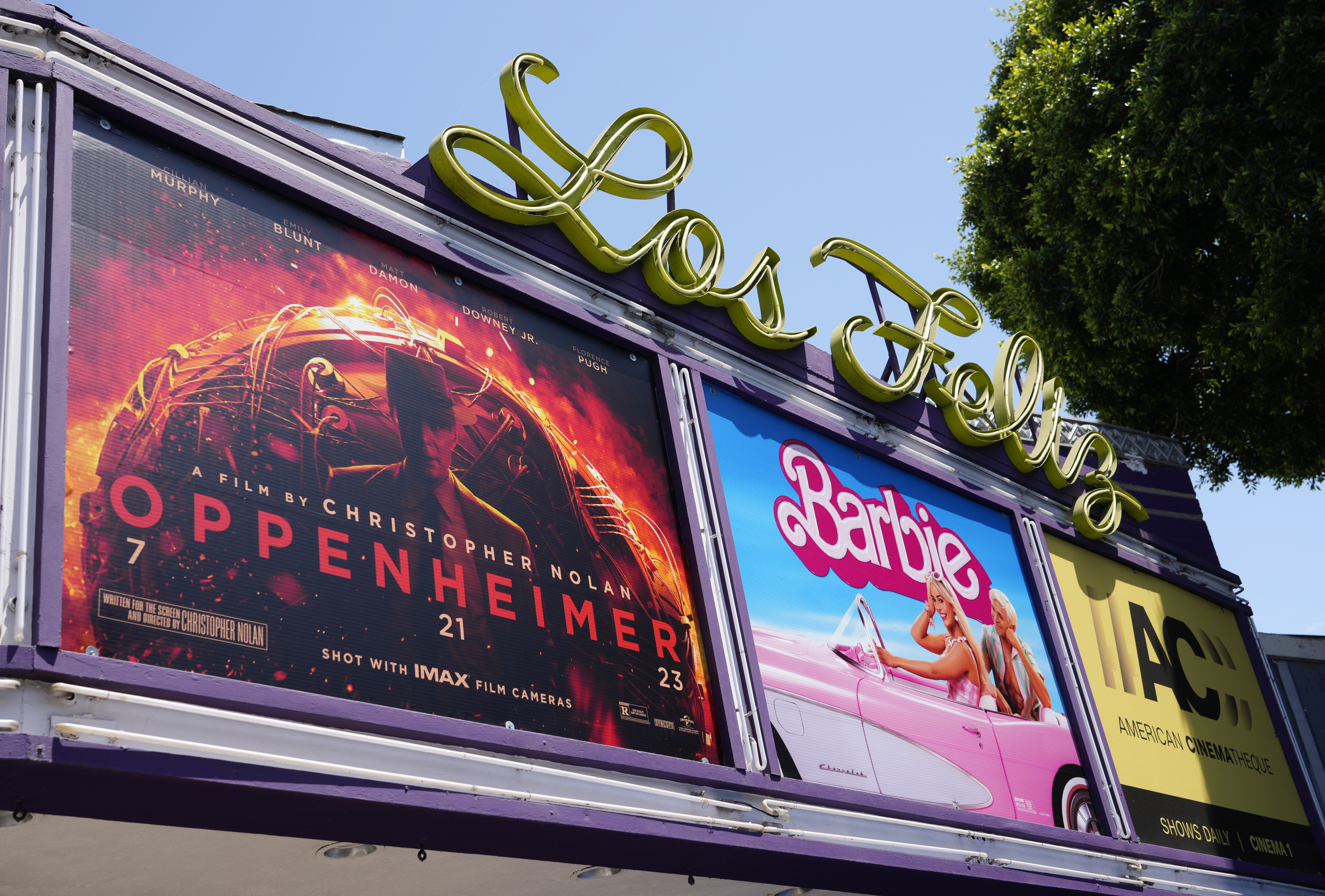
The marquee for the Los Feliz Theatre features the films “Oppenheimer” and “Barbie,” Friday, July 28, 2023, in Los Angeles. (AP Photo/Chris Pizzello)
via Associated Press
Yes and no, said Saleha Malik, co-founder of S-Squared, a boutique marketing agency. Hollywood is always going to do the thing that fills up their pockets, no matter how much it might annoy some audiences. But the bottom line is: This approach consistently drives ticket sales.
We saw that play out just last year with the twin releases of “Barbie” and “Oppenheimer” (or “Barbenheimer,” if you will).
“So, it’s not that these marketing strategies aren’t working,” Malik told me. “They definitely are, which is why you can see that for big, juggernaut films like ‘Barbie’ and ‘Wicked.’ They’re using the same playbook again and again.”
Advertisement
And while it seems like there’s been at least one of these sometimes portmanteau blockbuster marketing strategies for years now, this level of it, Malik said, is a fairly recent phenomenon. So, while audiences might be weary of it, Hollywood isn’t at all.
“Before ‘Barbie,’ you can’t really think of a lot of movies that took it to that scale,” Malik said. “So, I think they are going to continue to do this.”
Studios might be unfazed by consumer fatigue, even at a time when audiences’ interests are especially fickle, and they’re getting bombarded with ads online and IRL all the time, but Malik told me that any studio worth their salt would pay attention to that and adjust their efforts. Or else that bubble could burst.
“Once consumer fatigue starts setting in more and more, they’re going to have to pivot their strategies,” Malik said. “As marketers, you are always aware that the same strategy is not going to work every time. So you’ll pick and choose different aspects of it, but tailor it for the next one.”
Those consumers that currently have “the ick” from the marketing be damned then, I guess.
But they might not be the only ones the studios are not considering right now. Let’s look at this marketing a little more closely and who it’s actually targeting (beyond simply benefiting Hollywood’s pockets, of course). While certain apparel and branded cocktails can accommodate consumers across economic backgrounds, there is an overwhelming appeal to cater to households with larger incomes.
Advertisement
For instance, a pair of Glinda- and Elphaba-inspired collectible dolls can currently run parents up to $159+ on eBay. A Glinda-sequined bomber jacket is going for almost $90 at Lola and the Boys. Meanwhile, thanks to the “Wicked” partnership with fine jewellery brand Muse, a pair of hoop earrings designed in collaboration with the film’s star Cynthia Erivo costs $8,800.
While Malik maintains that the studio is still blanketing the audience with a wide range of merchandise that caters to a variety of households, she acknowledges that these higher-priced items almost strictly appeal to people within a higher economic bracket. Even more, they’re presented as wish items.
“You want the most people to come to your movies, to buy those limited edition dolls or anything of the sort — you want the most people to buy them,” she said. “So I don’t think this marketing strategy is, let’s exclude people on purpose. But with their strategies, they definitely are.”
The “Barbie” strategy, Malik added, was a prime example of that: “The primary economic demographic that I think was targeted by ‘Barbie’ was the middle- to upper-class audiences. Because, if you look at the merchandising, for example, there were a lot of high end collaborations.”
“It’s not your everyday person that can afford Christian Louboutin heels,” Malik said. “These are exclusive items. But they reinforce that aspirational and luxury positioning that went along with it. So, they appealed to that sort of audience with the mainstream, middle class families.”
Historically, though, “Barbie” has catered to a very exclusive audience that wasn’t diverse at all. While Malik, who is Pakistani, said she didn’t really play with Barbies growing up, she got a pretty good sense of who they were supposed to be for. She acknowledges that while the movie and its marketing tried to be inclusive, even coming out with a doll for Diwali, it often fell back on their tried-and-true audience.
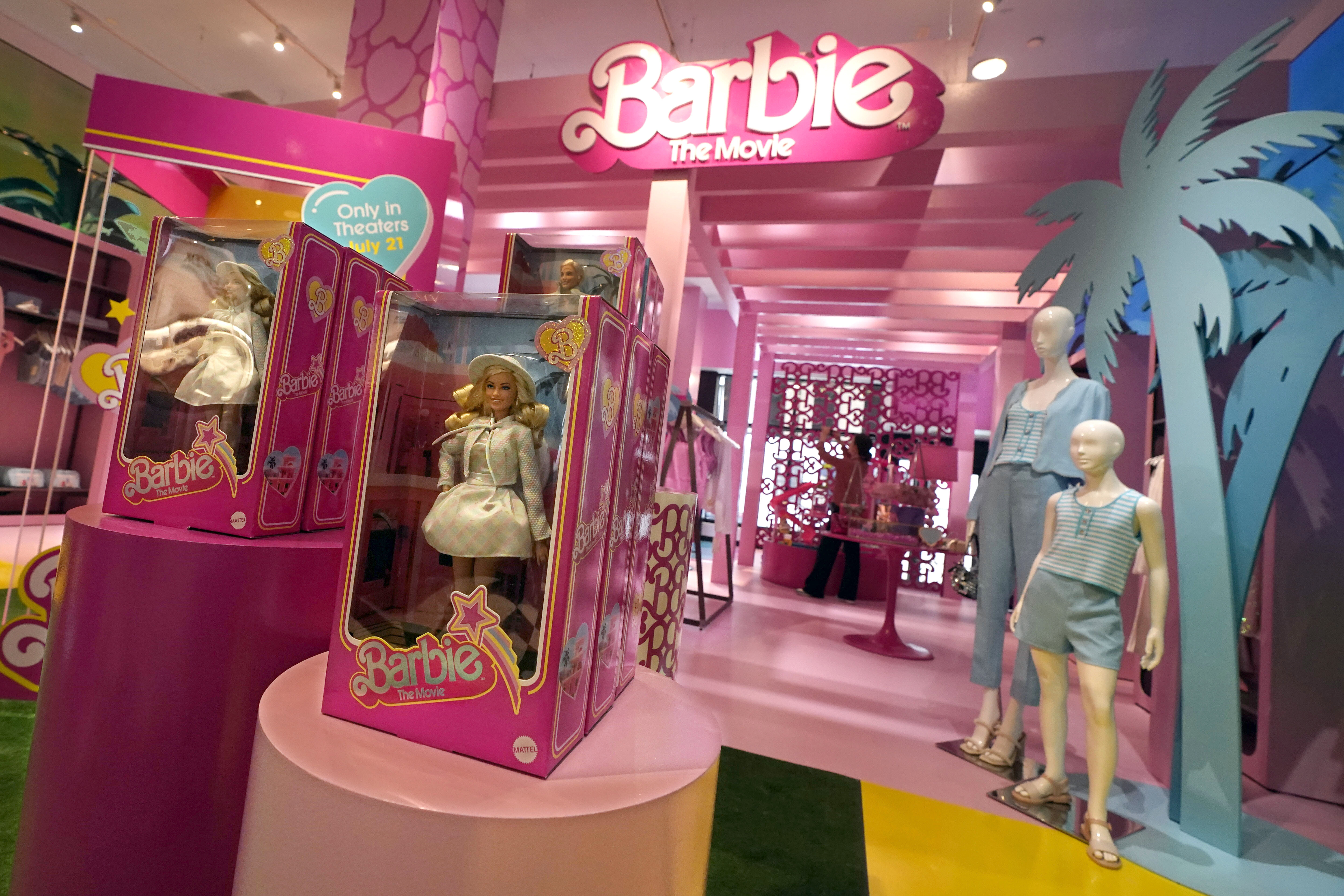
FILE – Barbie-themed merchandise is displayed at Bloomingdale’s, in New York, July 20, 2023.
via Associated Press
“They really did target white and affluent demographics,” Malik said. “So, a lot of the marketing efforts you can see still leaned into that aspirational image of the traditional blonde, which did not resonate that much with audiences of colour who’ve seen historically less representation.”
Concurrently, though, the marketing didn’t completely neglect, for instance, audiences from lower economic backgrounds, Malik quickly added: “They also did things like the ‘Barbie’ Happy Meal, so that it’s more accessible.”
Advertisement
“Wicked” has less of an issue reaching more racially diverse audiences, partly because its lead actor, Erivo, is a Black and queer woman. But that’s also because the essence of its story is about humanising, as Malik put it, those “who often feel misrepresented or underrepresented.”
“They’re highlighting that underdog narrative [that] centres around misunderstood characters,” she said, “and challenges the societal perceptions of good versus evil, which in today’s world is a valuable theme. Then also it aligns with the lived experiences of marginalised audiences.”
Still, while both “Wicked” and, previously, “Barbie” made admirable efforts to connect with diverse audiences in their marketing, there has been a sort of DIY component that has particularly resonated with online fans who go on to create fan art and their own costumes.
Those might invariably include some who aren’t able to afford to purchase their own merchandise or might feel so inclined to create a, for instance, “Wicked” world that they could be a part of — possibly one they might not be seeing in the marketing.
Malik described more of those efforts: “TikTok challenges, which invite younger audiences to engage with the campaign regardless of their social strata. It’s not things that they need to spend excessively on. There’s more focus on aesthetics, humour and relatability that resonates with someone that is more budget conscious.”
Advertisement
You can certainly look at that as a more democratised approach to marketing films like “Wicked” and “Barbie,” which obviously has its benefits like racial and economic diversity. But it also puts it on the audience to see themselves inside a movie’s marketing, perhaps because the powers that be in a white and largely affluent Hollywood either don’t have the range, foresight or desire to do that themselves.
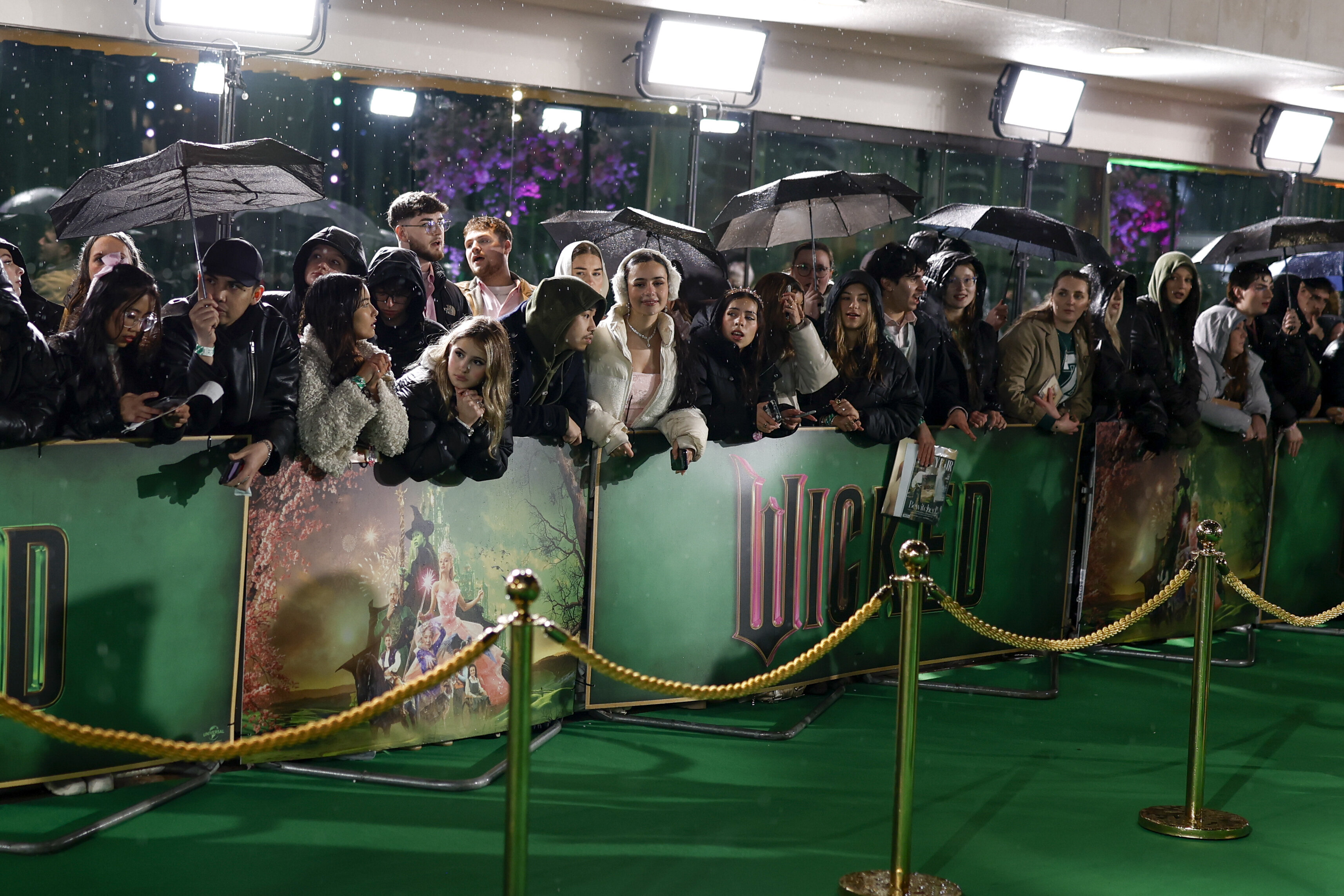
Fans stand in the rain waiting for the cast to arrive at the premiere of the film ‘Wicked’ on Monday, Nov. 18, 2024, in London. (Photo by Millie Turner/Invision/AP)
via Associated Press
This question of effort and exclusivity also makes you think about where smaller, independent films, many that amplify talent of colour, fit into this relatively recent level of movie marketing that largely eludes them in both budget and even the most modest effort.
For instance, a film like “Exhibiting Forgiveness” makes nary a sound as it tiptoes to the box office, while the marketing strategies behind those like “Wicked” and “Barbie” make it hard not to hear them coming from 100 miles away and a whole year out from release. It’s either barely anyone knows a film even exists, or they’re sick and tired of hearing about it all the time. There’s rarely any in between.
It can’t be expected for every movie to get, say, a $150 million marketing budget like “Barbie” reportedly did, but the alternative shouldn’t be barely anything at all, particularly when those films are desperately trying to reach even a moderate number of audiences of colour.
Advertisement
Here again, people are compelled to consider untraditional ways to connect with marginalised people without the help of a big studio.
Malik offered that some of the most successful marketing campaigns for independent films, while not a foolproof plan, revolve around less conventional strategies. “‘Everything Everywhere All at Once’ really focused on word of mouth and grassroots marketing,” she said, “to build authentic audience connections and really prove that smaller campaigns can still go viral.”
She went on to say that other small films have utilised the Academy and other awards circuits to get the word out about the film. While studios often use those press runs to primarily push certain talent or films into the running to win an award, it’s also to build audience awareness for these films when there were virtually no other marketing efforts.
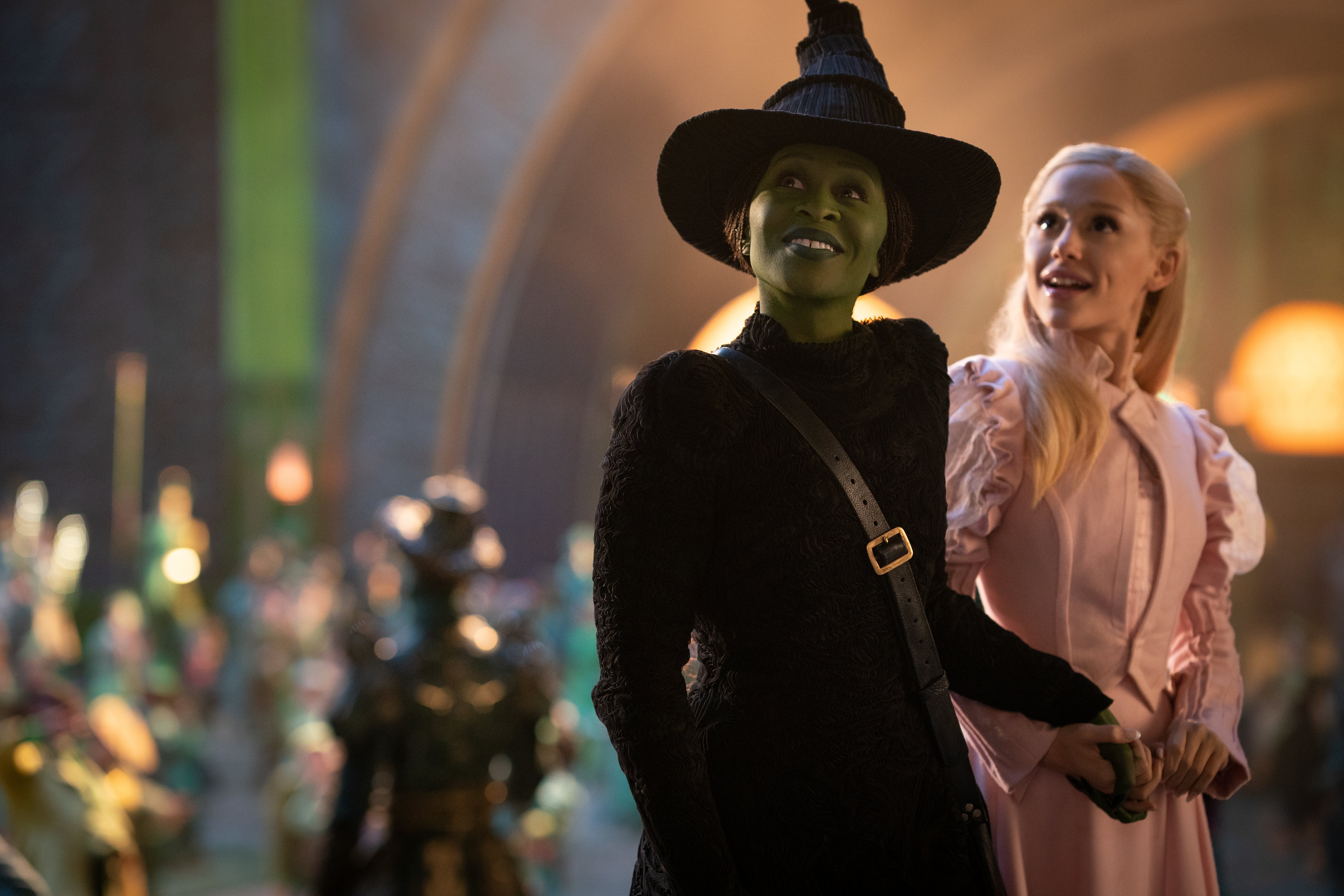
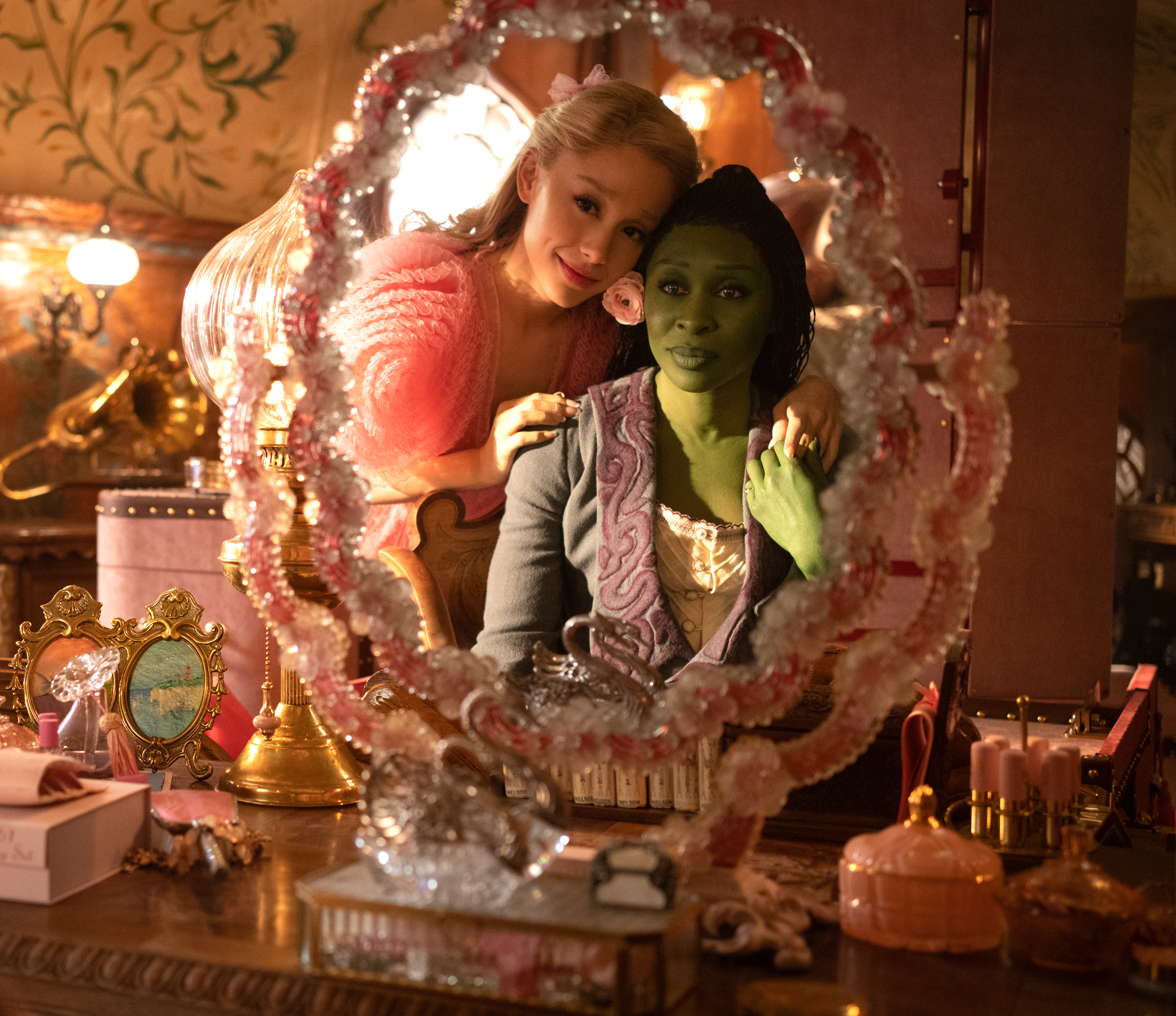
Ariana Grande and Cynthia Erivo in a scene from “Wicked.”
Giles Keyte/Universal Pictures
Another way is through partnering with streaming platforms like Netflix or Max, who generally have more marketing dollars that smaller studios could lean on to get the word out about their films and talent.
Advertisement
There’s also “cultural authenticity,” as Malik described it, with the storytelling in the film’s marketing that could propel a film directly to its intended audience like how Netflix did it with the Mexican 2018 drama “Roma.”
“They made sure to engage the Spanish-speaking audiences as well, and made advertisements and events that were bilingual,” Malik explained. “And then there’s that aspect of personal storytelling which became a central narrative to the campaign.”
None of this, obviously, amounts to even a fraction of the return films like “Wicked” and “Barbie” have, which Malik fully acknowledges. But it’s not nothing.
“Studios realistically are not going to invest that amount of time and money into smaller films which might be more representative of society,” Malik said. “But at the end of the day, it’s a business. They’re going to invest in movies that they think are going to bring the most return.”
Smaller or independent films, Malik added, “are more of a risk, they’re just not going to do that.”
I winced a bit at the use of “risk” there, not because what Malik said was untrue but because Hollywoodspeak often conflates that word with films that center talent of color, many of which are independent. It’s an exhaustive cycle that points to a longstanding question of whether smaller films are set up to fail while often white-led, corporate and capitalistic brands like the ones behind “Wicked” and “Barbie” are almost always poised to succeed.
Advertisement
Both of those films are wildly entertaining and have merit (though, more so “Wicked” than “Barbie”) and will, gratefully, bring audiences to the theater at a time when many have abandoned it for a variety of factors. They also serve the same Hollywood machine that, despite its purported advances, still prioritizes an exclusive demographic.
A hallmark of Donald Trump’s first presidency was the way major policy developments would sometimes get almost no attention, because they were competing with the flurry of higher-profile, mind-blowing controversies swirling around him and his team.
Evidently Trump’s second presidency is going to unfold in the same way.
For the past week, the political world has focused mostly on the controversies over Trump’s planned appointments for top positions in his administration. And that’s understandable, given his plan to put the nation’s health in the hands of a noted vaccine skepticand to hand the national intelligence apparatus over to someone who likes to repeat talking points from Russian propaganda.
Advertisement
But that conversation has left virtually no space for discussion about policy changes — including one that should raise a lot of questions about exactly whose interests Trump will represent in government and exactly who has influence over him.
The policy in question is a federal tax credit for buyers of new electric vehicles. It exists thanks to the 2022 Inflation Reduction Act, President Joe Biden’s signature legislative accomplishment, and is part of that law’s effort to reduce reliance on fossil fuels by promoting EV use.
Last week Reuters reported that Trump’s transition team was recommending he ask Congress to kill the tax credit. And while Trump has not said anything publicly, auto industry leaders and investors saw the report as a trial balloon and indicator of what the president-elect is likely to do.
It was not exactly a shocking development. Trump has been speaking out against Democratic support of EVs ― or what he has called, deceptively, an “electric vehicle mandate” ― for years. Especially when speaking in states like Michigan, cradle of America’s auto industry, he has portrayed the EV effort as elite Democrats imposing a tree-hugging agenda that will ruin the U.S. auto industry and, in the process, wipe out jobs for U.S. workers.
Advertisement
Still, Trump never said explicitly whether he’d actually seek to eliminate the tax credit. And there were reasons to think he might not pursue the idea after the election.
One is that a number of House Republicans support the EV incentives. Many come from places like Georgia, Ohio, Indiana and Nevada ― states that Trump won and where the EV effort has led to a boom in factory construction. The recent EV push has “created good jobs in many parts of the country — including many districts represented by members of our conference,” the House members wrote in a summer letter to House Speaker Mike Johnson (R-La.)
Then there are the feelings of the auto industry itself. Both Ford and General Motors, the two legacy car companies still based in Detroit, have supported the tax credit because they think a global shift towards EVs is inevitable. The real question now, they argue, is not whether there will be many more EVs in the future, but who will produce and sell them.
The U.S. carmakers are particularly worried about losing ground to Chinese companies. Thanks to two decades of financial support from their own government, Chinese carmakers can now produce EVs more cheaply and, as a result, are poised to dominate the worldwide market. The new federal tax credit, worth up to $7,500 per vehicle but only valid for EVs produced here in the U.S., is giving Ford and GM a chance to compete on a more even playing field among U.S. consumers.
Good jobs in the districts of House Republicans, a chance to help American industry compete with China ― those sure sound like ideas that might resonate with Trump.
Advertisement
But those aren’t the only appeals Trump is hearing. He’s also hearing from some of his biggest, and richest, allies. And they have a very different view.
Hamm, Musk And EVs
One of the co-leaders of the transition team on EV policy, according to Reuters, is Harold Hamm, a billionaire oil tycoon who was a prodigious Trump fundraiser during the campaign (and donated plenty of his own money, too). Hamm opposes support for EVs, whose growth over the long term would reduce demand for gasoline ― i.e., the financial lifeblood of his enterprises.
Elon Musk, another Trump megadonor, also has the president-elect’s ear. And although Musk is the CEO of Tesla, the nation’s top electric carmaker, Musk has said his company doesn’t need the subsidies because it’s not trying to retool from making gas-powered cars and isn’t at the same disadvantage internationally as the legacy Detroit automakers.
“I think it would be devastating for our competitors and for Tesla slightly,” Musk told investors over the summer. But he said that in the “long term, it probably helps” Tesla if Trump does away with the tax credit, since that could allow Tesla to more thoroughly dominate the U.S. market.
Corey Cantor, a senior auto industry analyst at BloombergNEF, told HuffPost he thinks Tesla sales benefit from the tax credits more than Musk lets on. But he agrees Tesla has “far more flexibility” and would suffer less.
Advertisement
One reason for that is that Musk has fought unionisation at his auto plants and, according to outside analysts, pays his workers less than competitors. A major goal of the Biden EV push was to support unionised companies in the U.S. and, in the process, guarantee better pay for manufacturing workers.
It’s impossible to know just how much Trump’s opposition to the EV tax credit reflects the influence of Hamm and Musk, given his own longstanding skepticism of measures to prevent climate change. But Trump has a lengthy, well-chronicled history of heeding or helping donors who want policy favors, or offering them positions in his administration.
And that’s to say of nothing of how Trump and his family profited personally when, for example, lobbyists and foreign dignitaries would stay at Trump’s Washington hotel. One watchdog group determined through public disclosures that his daughter, Ivanka, and her husband, Jared Kushner,made as much as $640 million in outside income during Trump’s first term.
Now Trump is on his way back to the White House, with a transition teamled by and stocked with billionaires. Musk, along with fellow billionaire Vivek Ramaswamy, areleading a so-called Department of Government Efficiency (“DOGE”) task force that, though not an official government entity, will identify targets for big cuts in government spending.
The Political Game
Lobbyists and analysts familiar with the transition told The New York Times they thought Ford and GM (and Stellantis, the other Detroit company, which is now part of a foreign conglomerate) still had a chance to save the tax credit, if they’re strategic enough.
Advertisement
As these sources explained it to the Times, part of Trump’s motivation for killing the tax credit was his grudge against the Detroit companies because of their past support for auto emissions policies he opposed. To get on Trump’s good side, the companies needed to make amends ― or, as the Times put it, “bow to Mr. Trump.”
Trump has always been unabashedly transactional. The variable is which kind of currency will get him to respond. Campaign contributions? Family enrichment? Personal abasement? Some combination of the above?
The future of EVs, like so many other issues in policy for the next four years, may depend on who figures out the answer.
According to friends, Rachel Reeves is maintaining her sense of humour as she endures growing criticism of the decisions she has taken since becoming chancellor in July. She is certainly going to need it in the years ahead.
In barely four months, Reeves has managed to anger millions of pensioners, Britain’s farmers and some of the country’s biggest employers as she seeks to repair the public finances.
Advertisement
It seems that voters have noticed. Polling by Savanta seen by HuffPost UK found that the chancellor’s approval ratings have plummeted since the election, while Labour’s lead over the Tories on who is most trusted to run the economy has fallen dramatically.
However, Reeves seems determined not to row back on any of the controversial decisions she has taken in the past four months.
She had hardly got her feet under her desk at the Treasury before she announced that the winter fuel payment, previously a universal benefit for every OAP in the country, would instead be means tested.
At a stroke, 10 million pensioners were told they would no longer receive it – a move which the Department for Work and Pensions admitted this week will push 100,000 of them into relative poverty.
Advertisement
Reeves justified the decision by saying Labour had to make a start on filling a £22 billion black hole left by the last Tory government, but that did not shield her from the political backlash which followed.
Undeterred, she doubled down in the Budget last month, closing a loophole which saw farmers exempted from inheritance tax, while hiking the employers’ rate of National Insurance.
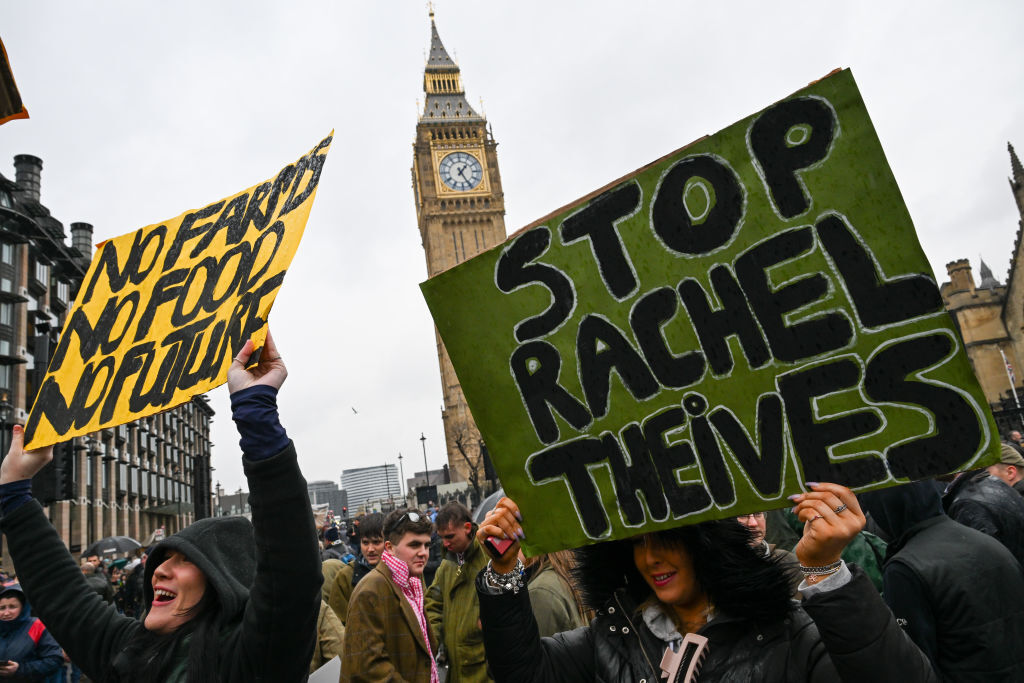
The unpopularity of those decisions was shown in the past week, with thousands of farmers protesting on Whitehall, while some of the UK’s biggest companies putting their names to a letter warning that the NI changes will cost jobs and push up prices.
But despite the criticism, there is no indication from the top of government that any U-turns are on the cards.
A Labour source: “Rachel promised at the election she would be an iron chancellor that would put the economy back on track – and that’s exactly what she is doing.
Advertisement
“We have always said that there would be tough decisions to clean up the mess we inherited, including the £22 billion black hole in the nation’s finances. If we duck those tough decisions we will be doing precisely what the Conservatives did: party first, country second.
“But Rachel is equally clear about the prize on offer: a Britain that is better off. That’s why the Budget was all about delivering for working people: fixing the NHS, rebuilding Britain and protecting people’s payslips from higher taxes.”
Farmers protest during a demonstration against inheritance tax changes on Tuesday.
Bloomberg via Bloomberg via Getty Images
Another senior insider told HuffPost UK: “Rachel is patient, shrewd and has confidence in herself and the people around her.
“People shouldn’t mistake her calmness and that rational approach for a lack of ambition for the government and the country, or an unwillingness to be bold.
Advertisement
“She had a shaky start with the winter fuel payment announcement but she’s learned from it that presentation and follow-up is key, which is why the Budget was so well-managed at every stage.
“Undoubtedly there will be choppy waters ahead, but I couldn’t think of anyone better to be at the helm to steer the government and the country through.”
Nevertheless, there are some in government who despair at Reeves’ determination not to plot a difference course, regardless of the political headwinds she is facing.
They point out that previous chancellor, such as Gordon Brown, Nigel Lawson and Philip Hammond, all showed a willingness to change their minds when the situation demanded it.
Reeves’ decision to put Darren Jones, the chief secretary to the Treasury, in charge of the “phase one” spending review outlining departmental budgets for the next 12 months, has also drawn criticism.
Advertisement
HuffPost UK has been told that Jones’ “high-handed” manner in one-to-one meetings when outlining where the axe would need to fall angered virtually all of his cabinet colleagues.
“You will not find a single minister, with the possible exception of Wes [Streeting], who has a good word to say about him,” said one senior figure.
It is essential, government sources say, that Reeves herself is at the helm of the three-year spending review which is still to come, rather than her deputy.
Some in cabinet are also worried at the apparent lack of an overarching strategy for achieving the economic growth which is meant to be the government’s number one mission.
At a recent cabinet meeting where it was discussed, there was surprise that science innovation and technology secretary Peter Kyle, and business secretary Jonathan Reynolds, were given star billing.
Advertisement
“It seemed very thin,” said one minister. “There wasn’t a lot that seemed different from what the Tories have been doing for the last 10 years.”
Support for Reeves in government remains strong, however, and there is no doubt that she has the full confidence of her next door neighbour, the prime minister.
One ally said making so many unpopular decisions in her first few months in government was smart politically and economically.
“This is year one and people need to be reminded of that,” he said. “This is the first year of what will be a long parliament and it will undoubtedly be the most difficult year.
“They’re having to make difficult decisions and they’re determined that that is the right thing to do for the economy, but also politically it is the right strategy because you’ve got to do the difficult stuff now, right at the beginning, if you want to see an economic and political recovery in four years’ time.”
Advertisement
Former Labour MP Michael Dugher, one of Reeves’ closest friends in politics, said: “She gets called the iron chancellor because she is seen as someone who is very tough and firm to deal with, and determined to get the public finances back in shape and create economic stability.
“But what she really needs is an iron skin because she is very much on the front line of the receiving end of a lot of the attacks on the government – whether it’s from Conservatives who still haven’t got over losing the election, or from the Left, who think Labour leaders as there to betray them.”
It is undoubtedly the case, however, that many more unpopular decisions will need to be taken by Reeves between now and the next election in four years’ time.
Having already burned through so much political capital, the pressure on her to bend will only increase if growth remains anaemic and the opinion polls do not improve.
How she responds will determine whether the iron chancellor tag is a deserved one or not.
Labour’s lead over the Tories on which party is best placed to run the economy has plummeted since the election, HuffPost UK can reveal.
Polling by Savanta shows that just 38% of the public now back Labour over the Conservatives, down from 50% in July.
Advertisement
At the same time, the proportion of the public who prefer the Tories has gone up from 28% to 33%.
That means Labour’s lead has fallen from 22 points to five points in just four months.
The poll also found that Labour’s lead over the Tories on dealing with the cost of living has gone from 28 points to nine points over the same period, while the party’s lead on taxation has fallen from 16 points to just two points.
The findings are another blow for chancellor Rachel Reeves, who has come under fire over a series of controversial decisions she has taken since the election.
They include taking the winter fuel payment off 10 million pensioners, imposing inheritance tax on farms worth more than £1 million and hiking the rate of National Insurance paid by employers.
Reeves’ own personal approval ratings have also fallen from plus seven at the end of July to minus 18, the Savanta poll found.
Advertisement
Chris Hopkins, the pollsters’ political research director, said Labour’s advantage on the economy had “all but faded away since the election”.
“The Conservatives haven’t made up that much ground on the economy, taxation and cost of living, but many voters no longer think that Labour are the most trusted on these issues,” he said.
“Reeves would no doubt argue that she is being forced to take difficult decisions because of the inheritance left to her by her Conservative predecessors. While the public do have sympathy for that point of view, I think it’s fair to say they were expecting more from Labour.”
The 20-something man approached my table, the corner of his mouth curving up. He looked away and rubbed his chin before making eye contact and telling me: “I just wanted you to know that if you’d come in sooner, my girlfriend and I would’ve invited you to join us.”
I smiled at him. It was nice of him to want to create community with me, although I was perfectly happy just as I was. But he wasn’t quite finished.
“I feel really bad for you,” he said. “You look so lonely.”
Those four words sat like rocks in my knotted stomach. I’ve heard them often throughout my life.
“Thank you. I’m not lonely. I’m fine,” I replied, a little too defensively.
I looked away. Jerk. Who walks up to someone to point out they look miserable? His words floated in the room like specks of dust catching the light, mocking me as he left hand in hand with his girlfriend.
Advertisement
Maybe it’s just a checklist inherited from my parents’ “Silent Generation,” but I’ve found that society still measures worth, success and happiness in terms of wedding bands and strollers. I’ve lived much of my adult life believing in those metrics, so choosing to be single has been challenging. It doesn’t just mean dealing with the judgment from others — it also means hearing my inner demons repeat those verdicts: You’re less successful, damaged goods, a failure.
As I sat there alone, I told myself it was this guy’s issue, not mine. But the all-too-familiar whispers were getting louder as I looked around the restaurant, a spot my elderly B&B hosts had recommended, their wrinkled eyes twinkling: “The food is great. You’ll love how intimate it is.”
They were right. I loved the place as soon as I walked through its weathered wooden door. “Table for one,” I said, smiling at the hostess. She smiled back warmly as she welcomed me.
When I sat down, the young man who would eventually approach me was looking directly at me, so I smiled at him before perusing the wine list.
Advertisement
This was 23 years ago. I’d recently moved to inland California, and had road-tripped to the coast to explore my new state and drive part of the famed Pacific Coast Highway. I’d been excited about this four-day jaunt, but now all I wanted to do was finish my Riesling and fettuccine Alfredo, pack my bags, and retreat to my small, secluded inland town.
I turned down homemade cannoli and walked, head down, back to the Victorian B&B. I stepped quietly past the den where my hosts sat focused on “Antiques Roadshow,” relieved they hadn’t noticed me come in. I took the stairs two at a time and slipped the key in the door to my room as a lump formed in my throat. Then I collapsed on my bed and cried. I’d let the whispers win.
Courtesy of Laura Lee Ellen Johnson
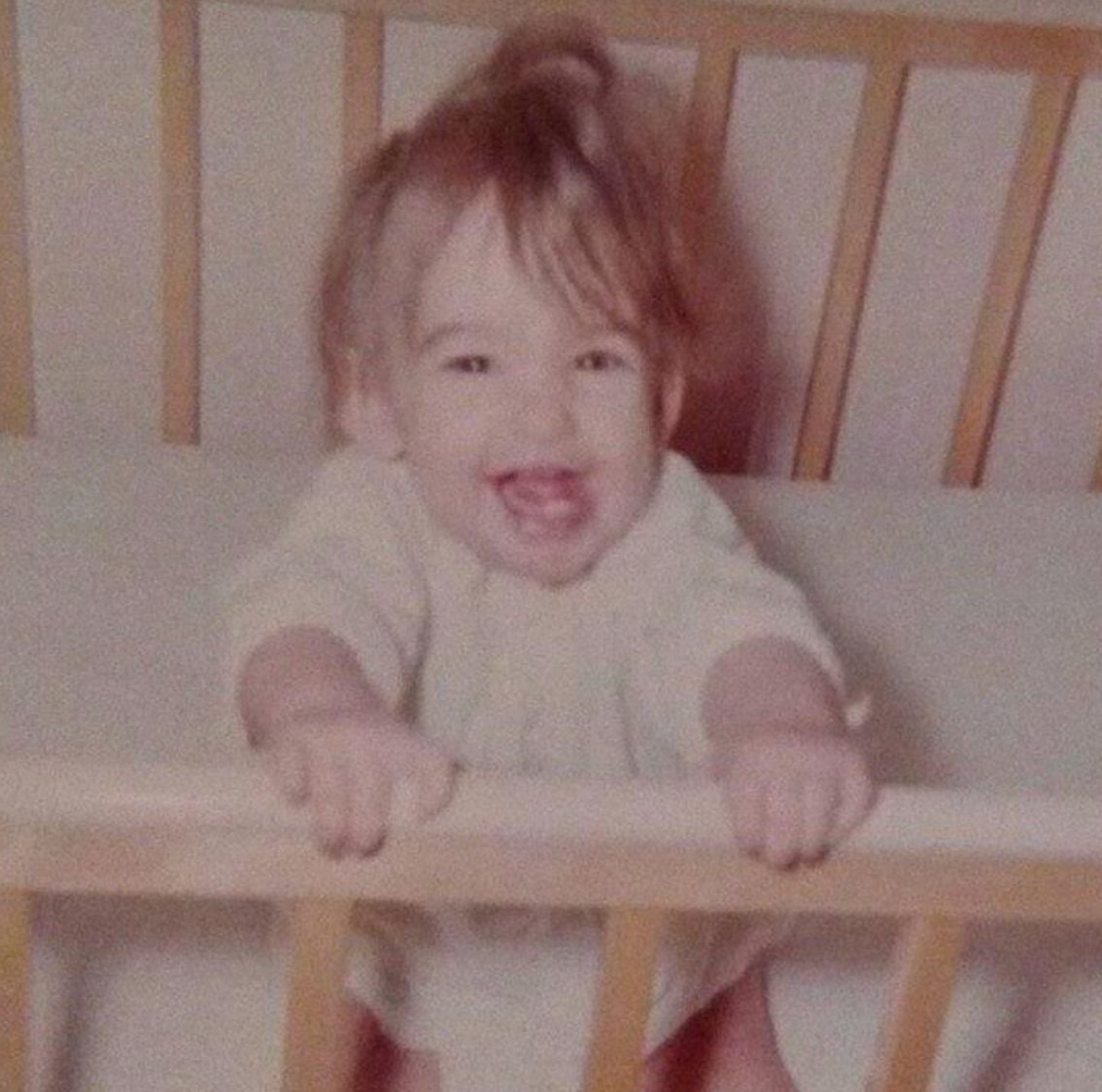
The author in 1964.
I can’t remember a time I didn’t feel different from everyone around me. I am the youngest of four kids, and the only girl. I bought into the Disney fairy tales early on and fully believed that a lifesaving kiss or a perfectly fitting shoe could lead a lonely princess away from evil to happily-ever-after. And yet by seventh grade, I was beginning to realise that this state of wholeness, supposedly only achieved with a mate, might not be right for me.
I recall hanging out one afternoon with my three best friends when a male radio reporter slowly articulated in a low voice: “One in four women will never marry.” A dramatic silence followed, to let the statistic sink in. We all gasped. While my friends discussed how terrifying it would be to lead a barren, lonely life without a husband and children, I secretly knew I would be the one in four.
Advertisement
Where had that thought come from?
I have always been strong and fiercely independent. My mother used to joke that I came out of her womb telling the doctor to get his hands off me — “I’ll do it myself!” I don’t like to be told what to do, compromise is a concept I rarely entertain, and I’m horrible at asking for and accepting help.
When I was a high school junior, I dated a guy in college. He was my first real boyfriend, and being with an “older man” was a little exciting — until I started feeling suffocated. He wanted more and more of my precious time and attention. He was nice enough, but he always tried to take care of me.
I remember one night when he tried to “teach” me how to bowl, though I already knew how and was pretty good at it. My mom’s advice was: “You just need to play the game a bit more.” (Dating, not bowling.) “You should step back and let boys help you. Don’t come on so strong.” In other words, there is something wrong with a girl who’s too competitive and too autonomous. But how would I ever be truly happy if I wasn’t truly me?
Shortly after I turned 21, I traveled to Hawaii with my parents. We stopped in a gift shop, and as often happened, my mother found something she couldn’t live without. I was one aisle over when I heard her making her case to my dad about why they should buy whatever trinket she was holding. As I eavesdropped, hidden behind a display of swinging hula girl statues, I promised myself I would never allow myself to be in that position. At the time, I thought it was about negotiating with a man for something I wanted, but I’ve come to realize it was about not accepting any limits to what I wanted to have, do, say or be. It was about not being tied down or tethered to anyone.
I dated after college, but constantly found myself worrying that I was misleading men. I didn’t want the all-encompassing together-forever ideal that so many other women did. My relationships often fizzled when I resisted marriage and shared that I didn’t want children. I would welcome romance and intimacy — even today — if it didn’t require sharing space with someone 24/7. That’s been hard to find.
Advertisement
Courtesy of Laura Lee Ellen Johnson
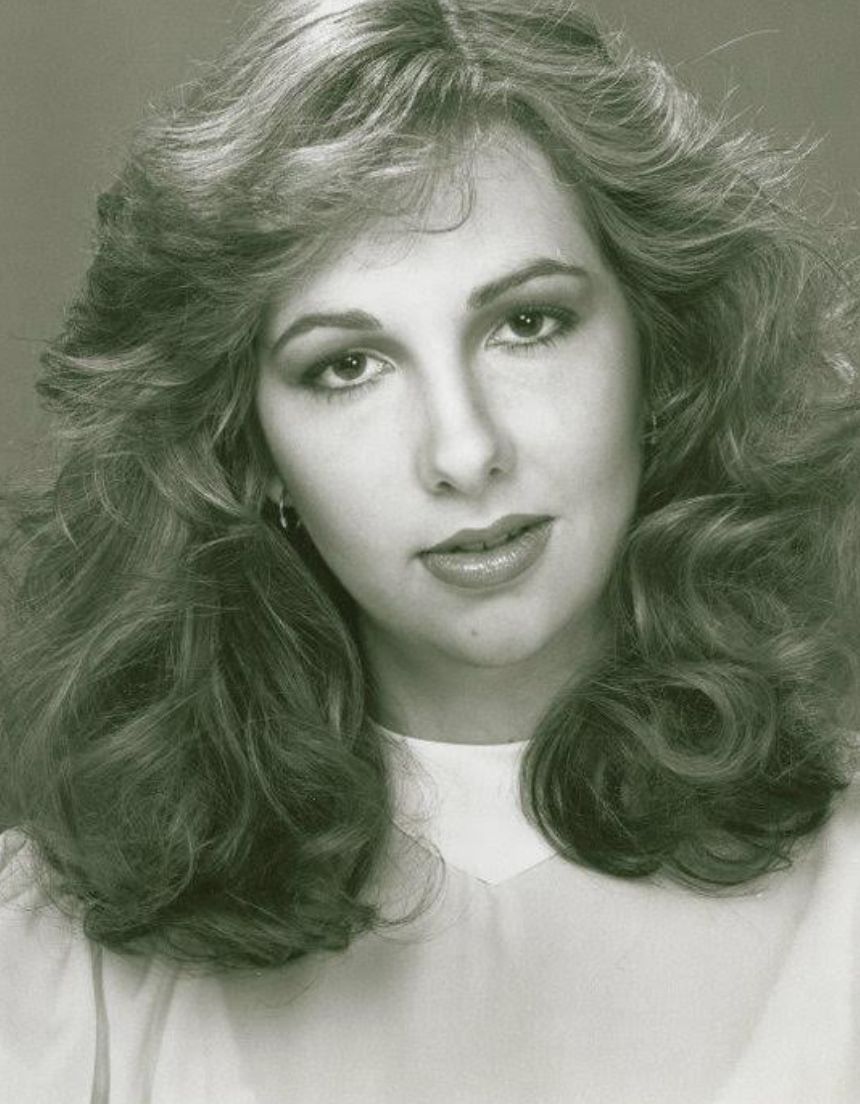
The author’s senior high school photo in 1982.
People would often come straight out and ask why I never married. In one case, after I was questioned, the entire group quieted, turned to me, and waited for an answer. What did they want to hear? “I’ve spent the last 20 years in prison because a guy in Long Beach said I looked lonely.” Or: “Since graduation, I’ve been cloistered with singing nuns in the Austrian Alps.” Why do people feel justified in asking for an explanation? I often fumbled and mumbled and shrank. I would allow people to make me feel bad about myself. Their questions created doubt, a second-guessing. They unleashed a long-programmed fear that society was right and my life was less fulfilling, less fully realized and less complete without a romantic partner.
People have suggested I am emotionally stunted for not being married — that I’ve missed out on the benefits of romantic partnerships, like negotiating, pooling resources and sharing essential decisions. But how does that make someone more mature? More socially acceptable, maybe. But whole, authentic, rounded, complete? I’m not convinced.
I have faced similar opportunities and challenges as everyone else, and done everything on my own. I’ve moved across the country. I’ve managed rent and home ownership, car payments, sewage backups and travel. I love jumping in my car, exploring towns, visiting museums and attending concerts — and no one ever throws a wrench in my plans. I don’t avoid doing things with others; I love spending time with my friends and family. But I don’t let not having a romantic partner stop me from enjoying my life to the fullest. Nothing stops me from following my heart.
I do get lonely — of course. There are times when I feel overwhelmed and wish I had someone to help me with my burdens, perhaps even take care of me. Usually these feelings surface when I am faced with a challenge, but they pass when I figure out how to solve my problem. I have always had the ability to see beyond obstacles, and when things go wrong, it’s almost never for long. And I’m not alone. I have people in my life I can turn to for love and support. When I remind myself of that, I get through the loneliness and get back on my feet. I also know that having a partner is not a guarantee that you won’t experience loneliness. Plenty of people in relationships feel lonely.
Advertisement
I have finally learned to celebrate the peace, quiet and freedom to explore the world on my terms. I’d love to say this was a dramatic, once-and-for-all decision early in my life, but the truth is far more complex. It’s been a journey of constant, deliberate choices, each one a battle between the safety of conformity and the risk of missing out on who I was truly meant to be. And this journey has brought me to an important realisation: It’s not “me versus them.” It’s “me versus me.” It’s fighting the urge to let external judgments define me.
Courtesy of Laura Lee Ellen Johnson
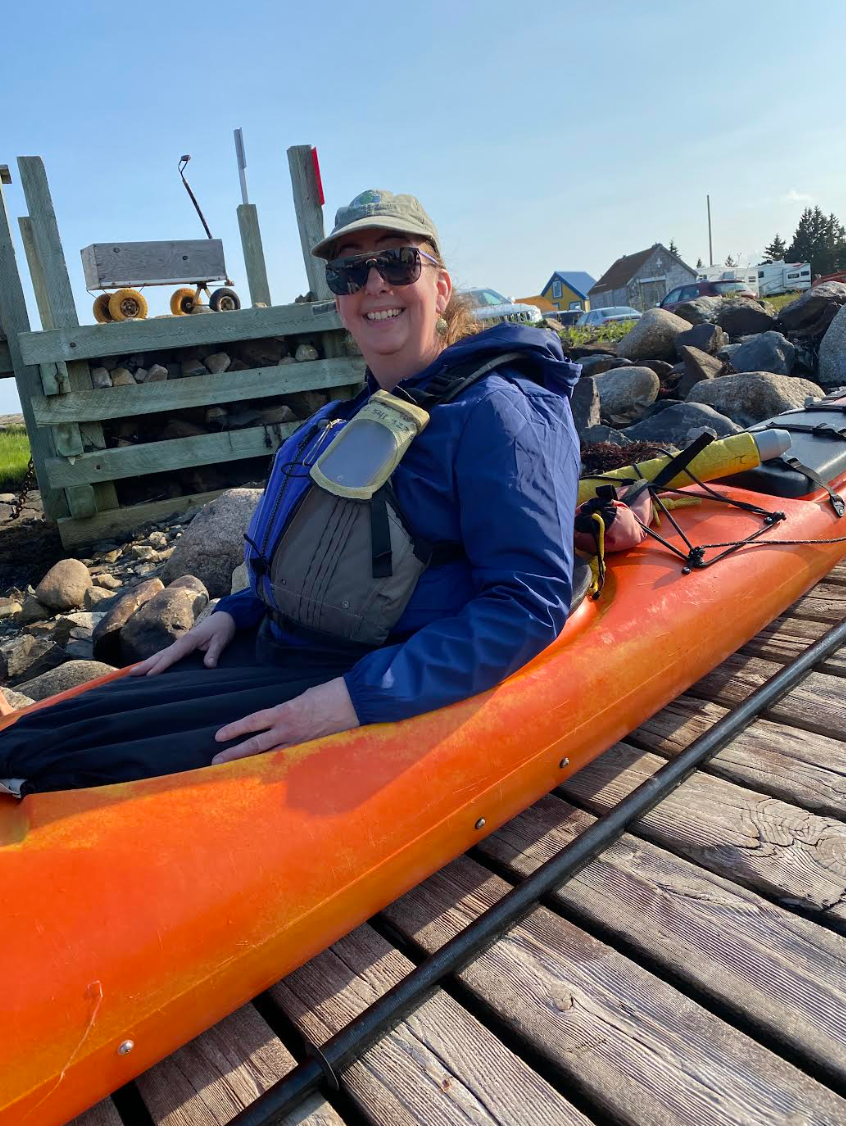
The author kayaking in Nova Scotia, Canada, in 2023.
In my 40s, I started to follow a more spiritual path and truly began to believe that we are all where we are meant to be. In my late 50s, I took a life-changing writing class focused on finding my authentic voice. I wrote more about my life and my experiences. I began to feel better about what I was adding to the world, and how I was helping others discover who they were through my work. I surrounded myself with people who were accepting and supportive of who I am.
Turning 60 was magical. I now accept that I am who I am, and I am OK with wanting what I want — or don’t want. I make conscious decisions not to internalise others’ judgments, and I forgive myself for having allowed their opinions to affect me in the past. Ultimately, it’s a personal belief system that has little to do with anyone else, and everything to do with self-acceptance in the face of all the noise.
When I walk with that certainty, I look for different reactions in people, and I no longer “invite” someone to point out my aloneness. Mindset makes a huge difference, and age, for me, has allowed for much less concern about what others think and do.
Advertisement
Along the way, I have noticed we aren’t all that different. We travel, discover, learn, develop, love, connect and contribute — each adding our own unique twists.
On a recent solo road trip through Canada, I enjoyed two weeks of poutine, grilled cheese dipped in tomato soup, conversations with locals and other travellers, and people-watching. I never once felt out of place. Instead, I confidently announced “Table for one,” and embraced the me who dares to defy my former demons and society’s expectations.
Laura Lee Ellen Johnson is a writer and personal branding strategist based in Detroit. She writes for the career industry, as well as about living single, childfree and beyond society’s limits — at any age. She publishes a weekly Substack called “Fearless Authenticity,” and is completing her first historic fiction novel.
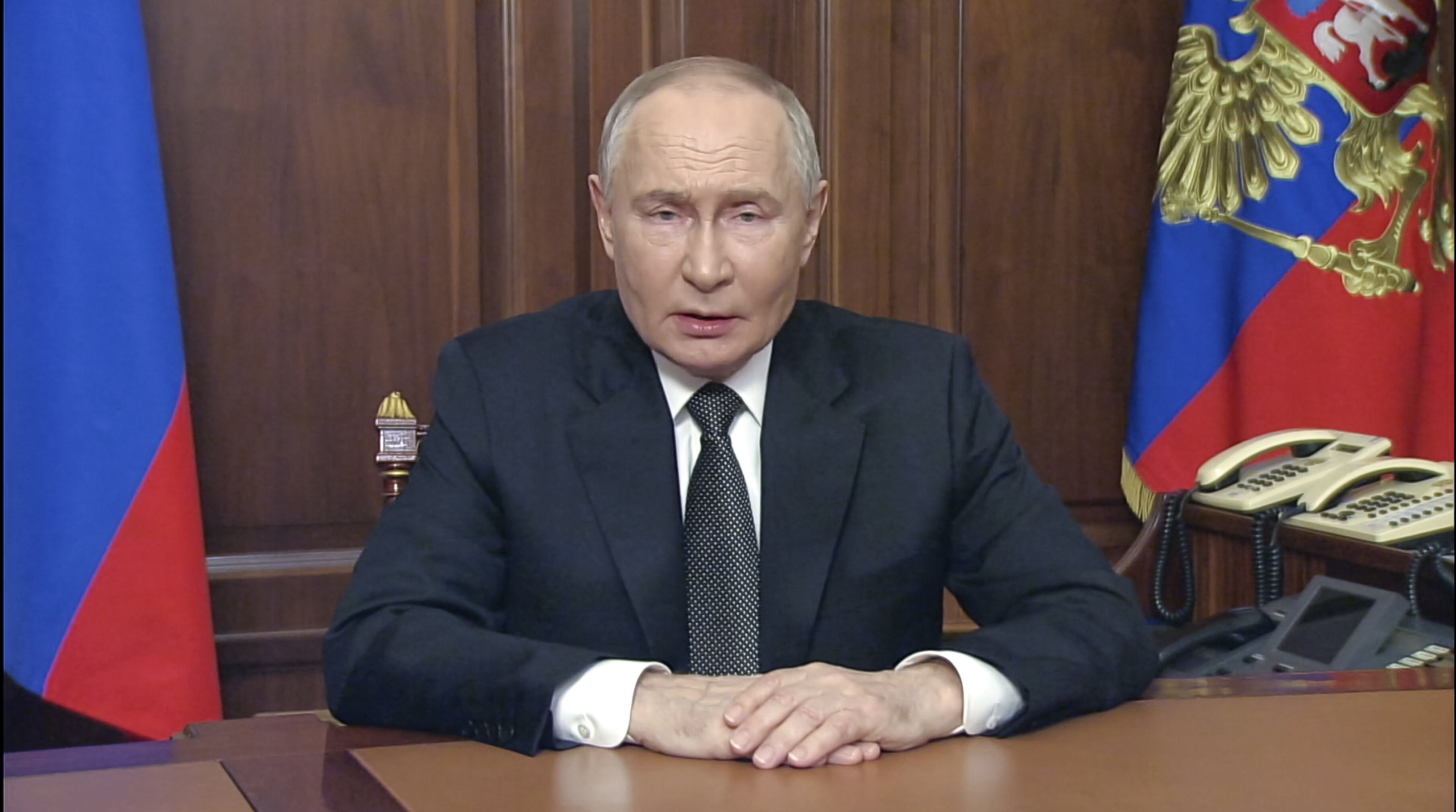
Vladimir Putin has threatened to bomb the UK after Ukraine used British-made missiles to attack targets in Russia.
The Russian president said he was willing to “respond resolutely in a mirror way” is there is further escalation in the ongoing war.
Advertisement
His comments, in an address to the Russian people, came a day after Ukraine fired British Storm Shadow missiles at Russia.
Putin said: “We believe that we have the right to use our weapons against military facilities of the countries that allow to use their weapons against our facilities,” he said.
“And in case of escalation of aggressive actions, we will respond resolutely in a mirror way.”
Putin said he was willing to use a new ballistic missile to target the UK after using the weapon to attack Ukraine.
He said: “In response to the use of American and British long-range weapons on November 21 of this year, the Russian armed forces launched a combined strike on one of the facilities of the Ukrainian defence industry.
Advertisement
“One of the newest Russian medium-range missile systems was tested in combat conditions, in this case, with a ballistic missile in a non-nuclear hypersonic warhead.”
The US said the weapon was a new, experimental intermediate-range missile based on Russia’s existing RS-26 Rubezh intercontinental ballistic missile.
Putin’s comments once again threaten to raise the temperature on a conflict which passed the 1,000 day mark earlier this week.
Commenting on Russia’s ballistic missile attack on Ukraine, Keir Starmer’s official spokesman said: “The reports coming out of Ukraine overnight are deeply concerning.
“If true clearly this would be Another example of depraved, reckless and escalatory behaviour from Russia and only strengthens our resolve.”
Advertisement
Defence secretary John Healey said: “Since the illegal invasion of Ukraine began, Russia has consistently and irresponsibly escalated the conflict while Ukraine continues to fight in self-defence for a democratic future.
“Today’s ballistic missile attack is yet another example of Putin’s recklessness.”
The distance from Moscow to London is around 2,500km, suggesting the range of the new missile could threaten the UK.
Over the past two weeks, Strictly bosses have been slowly teasing the festive line-up, which includes celebrity contestants from across the world of comedy, sport, TV and beyond.
Advertisement
These celebs will each be paired with a dancer from Strictly’s resident troupe of professional dancers, in the hope of securing the Silver Star trophy in the show’s annual festive episode.
Here’s the full list of stars taking part…
Josh Widdicombe
Josh Widdicombe is a stand-up comedian known for his appearances on shows like Taskmaster, Have I Got News For You and Live At The Apollo.
He and fellow comic Rob Beckett also present the hit podcast Parenting Hell.
“I am utterly terrified this will end in humiliation and worried I’m going to be so bad I will ruin Christmas for the nation,” he joked, questioning: “Why have I done this?”
Advertisement
He has been paired with Karen Hauer on the Christmas special.
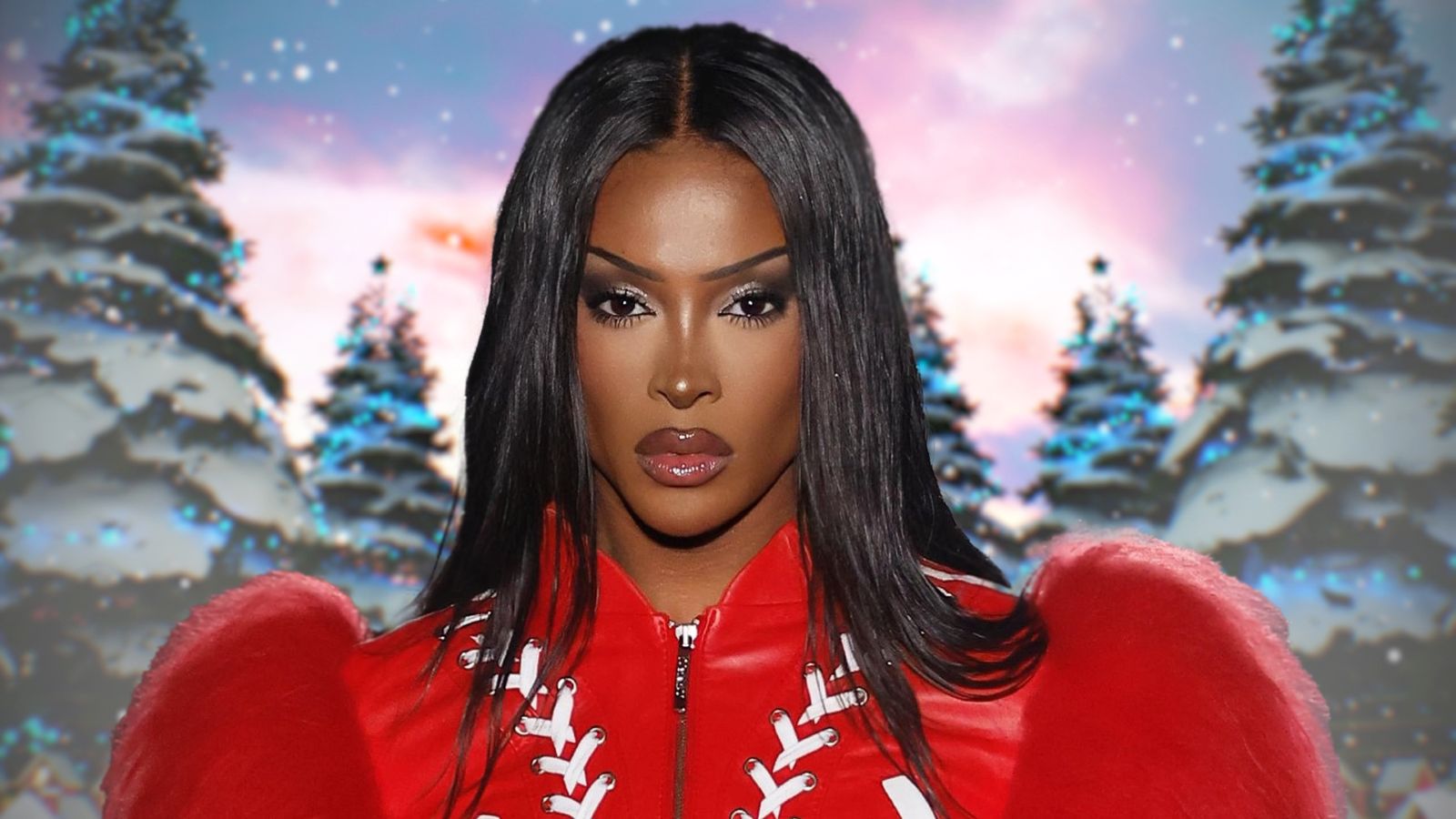
Tayce
Tayce is best known for her appearance on the second season of RuPaul’s Drag Race UK, where she made it all the way to the final.
She’s making history as the first drag performer to compete in the Strictly ballroom, where she’ll be dancing alongside Kai Widdrington.
“I cannot wait to sleigh on the Strictly ballroom floor,” Tayce said. “My partner and I are going to dance for our lives!”
The Welsh performer added: “In all seriousness, it’s an incredible honour to be the first drag artist to be taking part in Strictly Come Dancing.
Advertisement
“I hope I do all of my Drag Race and Welsh fans proud! Sign me up for all the glitz, glam and disco balls.”
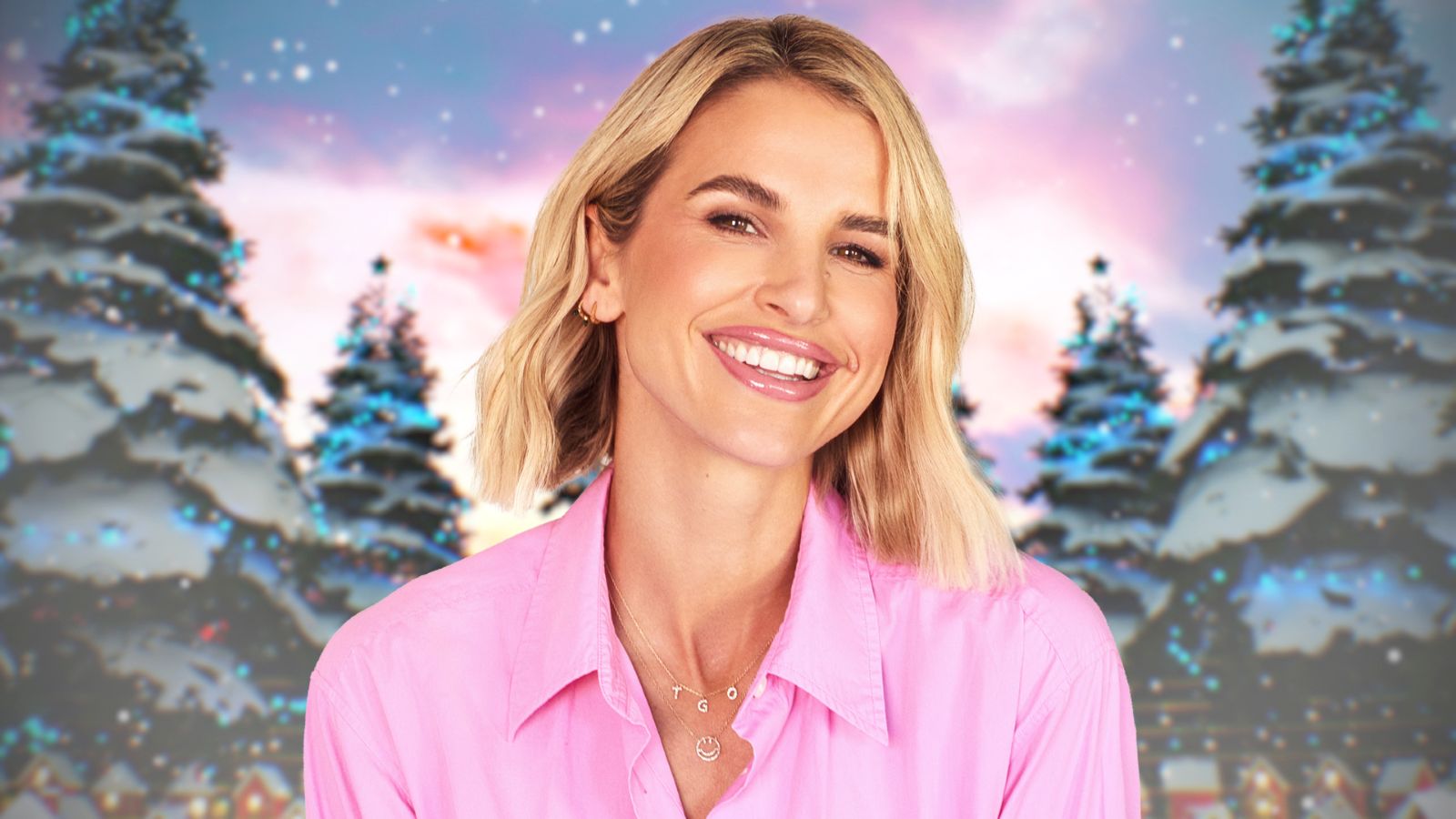
Vogue Williams
As well as co-hosting the podcast My Therapist Ghosted Me and the documentary series On The Edge, Vogue Williams has also appeared on the reality shows Bear Grylls: Mission Survive, The Jump.
She’s no stranger to the dance floor, either, competing on the short-lived ITV show Stepping Out with then-husband Brian McFadden, as well as the Australian version of Strictly, Dancing With The Stars.
Despite this, Vogue said that her professional partner Carlos Gu has “more of a chance of winning a Nobel prize than turning me into a good dancer but I am determined to try my very best!”.
Advertisement
“I’m loving it so far, bring on the ballroom floor,” she added.
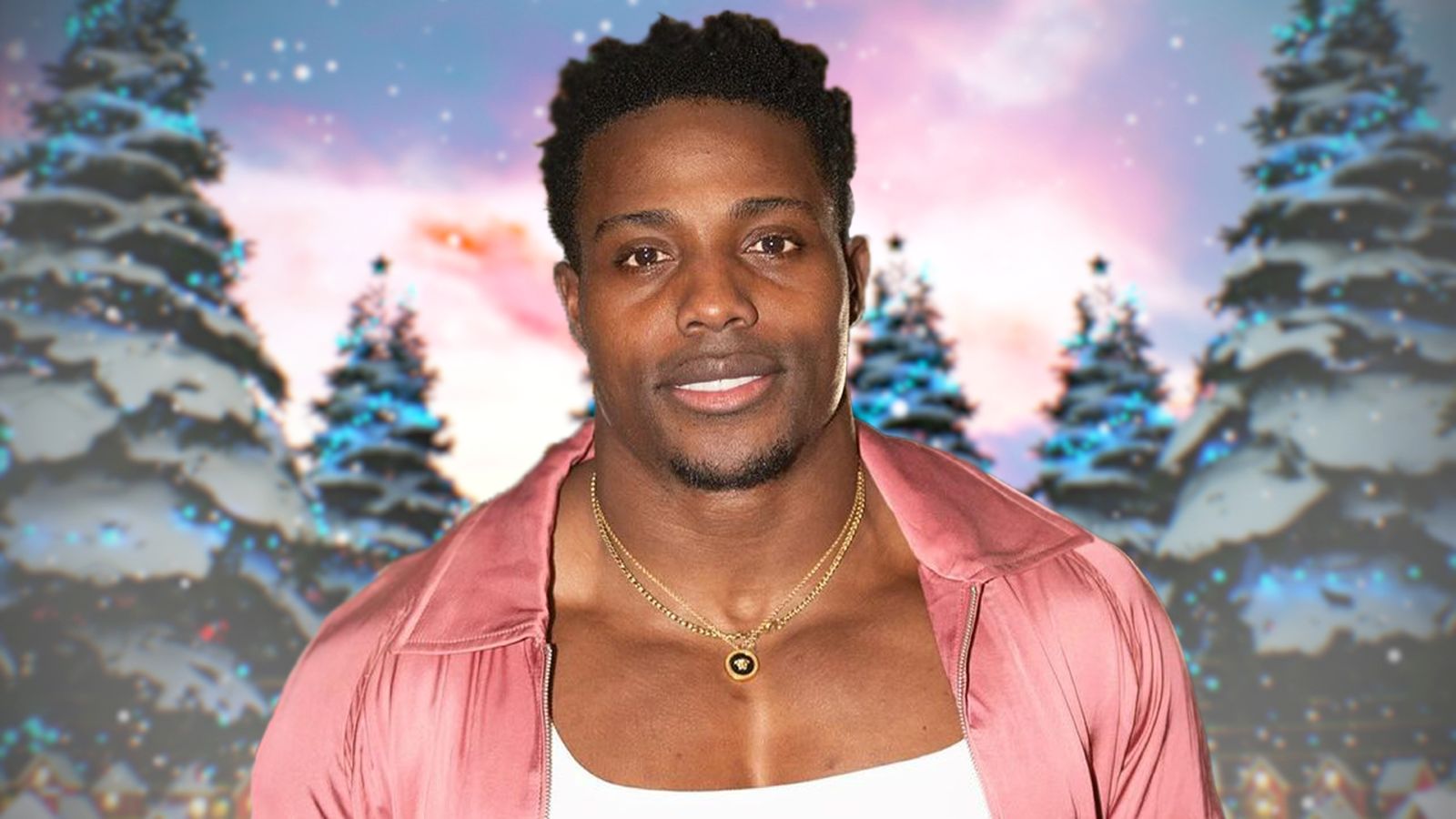
Before joining the Gladiators squad, he was an Olympic sprinter, representing Team GB in Rio back in 2016.
“Nitro’s blasting onto the Ballroom floor this Christmas!” he declared. “I’m swapping my trainers for dancing shoes, and trust me, I’m bringing the power, the energy and the moves!
“This December I’m gonna light up that dance floor and crank the Christmas spirit all the way up. Let’s do this!”
Advertisement
He’ll be paired with Nancy Xu in the Christmas Day broadcast.
Tamzin Outhwaite
EastEnders favourite Tamzin Outhwaite will be performing with Nikita Kuzmin on the Christmas Day special.
As well as originating the role of Mel Owen in EastEnders, Tamzin has appeared in Doctor Who, New Tricks, The Fixer and Red Cap.
She said: “I’m so excited to swap the stage for the Strictly ballroom this Christmas. I’m used to performing in front of a live audience, but this is a whole new experience.
“I can’t wait to immerse myself in all things glitter and sequins, let’s hope the judges show Nikita and I some extra festive cheer this Christmas!”
Advertisement
Billy Monger
Completing Strictly’s Christmas line-up for 2024 is Formula 3 racing driver Billy Monger.
As well as his racing career, Billy is also a sports commentator and disability activist, having had both his legs amputated after an accident during a race in 2017.
“I’ve spent the last 12 months training 20 hours a week for an Ironman world record attempt, but the thought of donning sequins in front of Craig Revel Horwood fills me with a fear I’ve never experienced before,” he admitted.
“This is about as far from my comfort zone as it can get! My family are big Strictly fans, so I’m doing it for them and to raise awareness for what I’m doing for Comic Relief next year. I’m just hoping my leg doesn’t fall off mid-dance!”
Billy – who will be performing with Nadiya Bychkova in the Christmas special – previously competed on the first celebrity special of Race Across The World alongside his sister Bonny.
I’ll put my hands up ― I straight-up didn’t believe the TikTok trend that saw cats come to their owner’s side as if a dog had been called by name, thanks to two short sounds.
″‘Mah-AH’… means, come here [in cat],” a vet shared on the app. Video after video of cat owners using the trick to summon their furry friends played in quick succession, but I wondered whether it was all just hype.
Advertisement
So, I reached out to three cat experts ― vet Dr Liza Cahn, a consultant for Embrace Pet Insurance, Mieshelle Nagelschneider, cat behaviour specialist and owner of The Cat Behaviour Clinic, and veterinarian expert Dr Dwight Alleyne ― about the trend.
And?
“Many of our cat clients have tried ‘Ma-AH’ with their cats and have had immediate results,” Nagelschneider told HuffPost UK.
“Even with our own cats, we can call them over and over again with ‘come here’ with no response and then with ‘ma-AH,’ it definitely gets their attention.”
Dr Alleyne, however, says “The effectiveness of this will depend on multiple factors.”
Cats may simply find the sound novel and appealing, he told HuffPost UK, and “the owner may have unknowingly conditioned their cat to the sound through a positive interaction.”
Advertisement
Dr Cahn agrees, sharing that “If your cat comes, they are most likely responding to your tone of voice and body language. This response will also be reinforced if they receive praise or treats.”
All three experts agreed that “mah-AH” could well work to get cats to come closer to you ― but the two vets weren’t convinced the tones had anything intrinsically appealing to the pets.
In other words, “mah-AH” will probably work depending on your cat’s temperament ― but it’s not quite the same as saying “come here” in cat.
So… what is?
Even Nagelschneider, who seemed most convinced by “mah-AH,” said there are other sounds ― like a kitten’s “mew-mew-mew” ― which will elicit a similar response.
Dr Alleyne told HuffPost UK that a lot of combinations of soothing sounds and cupboard love will get your cat to heel ― “Other methods that may work better include the actual calling of the cat’s name, using treats or clickers, or using a high pitched sound or tone to get them to come,” he wrote.
Advertisement
Dr Cahn says that despite what you might have heard, training cats isn’t as tough as you’d think.
“To train your cat to come when called, first, choose a cue word (such as “come” or “here”) and a high-value reward like a tasty treat or favourite toy,” she told HuffPost UK.
“You can either wait until your cat naturally approaches you, or get them to head your way by luring them with the treat or toy. Use the cue word just as they arrive, and immediately give them their reward.”
Over time you can increase the distance ― over time, your cat will learn to associate the reward with responding to your call.
So, “mah-AH” may not be a magic word; but positive reinforcement, high-pitched sounds, and new experiences are a pretty great way to train your cat regardless.
In that sense, the trick is likely to work at least some of the time.
Tamzin is best known for her performance as Mel Owen in the long-running BBC soap, for which she earned two wins at the National Television Awards.
Advertisement
Her other credits include Doctor Who, the police drama New Tricks, The Fixer and Red Cap.
On Wednesday evening, it was revealed that Tamzin is one of the stars who’ll be performing in Strictly’s Christmas Day special, where she’ll perform with Nikita Kuzmin.
Nikita had been paired with Olympian Sam Quek on this year’s regular series of Strictly, until she was eliminated earlier this month.
Tamzin Outhwaite is competing on this year’s Strictly Christmas special
Tamzin said: “I’m so excited to swap the stage for the Strictly ballroom this Christmas. I’m used to performing in front of a live audience, but this is a whole new experience.
Advertisement
“I can’t wait to immerse myself in all things glitter and sequins, let’s hope the judges show Nikita and I some extra festive cheer this Christmas!”
Strictly bosses began revealing the line-up for this year’s festive special last week, beginning with comedian Josh Widdicombe.
Although Strictly’s annual Christmas episode typically features six new celebs competing in a one-off special for the Silver Star trophy, two of the contestants on the regular series of Strictly this year are former festive winners.
JLS singer JB Gill triumphed on Christmas Day back in 2012, while Jamie Borthwick’s own festive win came just last year.