It Looks Like This Festive Hit Is On Track To Score This Year’s Christmas Number 1, With A Week To Go

We might still be a week away from the announcement about what song is this year’s Christmas number one – but it looks like we might have an idea.

On Friday evening, Wham!’s Last Christmas was revealed to be the first festive chart-topper of 2024, almost 12 months exactly after it became last year’s Christmas number one marking the first time in the song’s history that it reached the accolade.

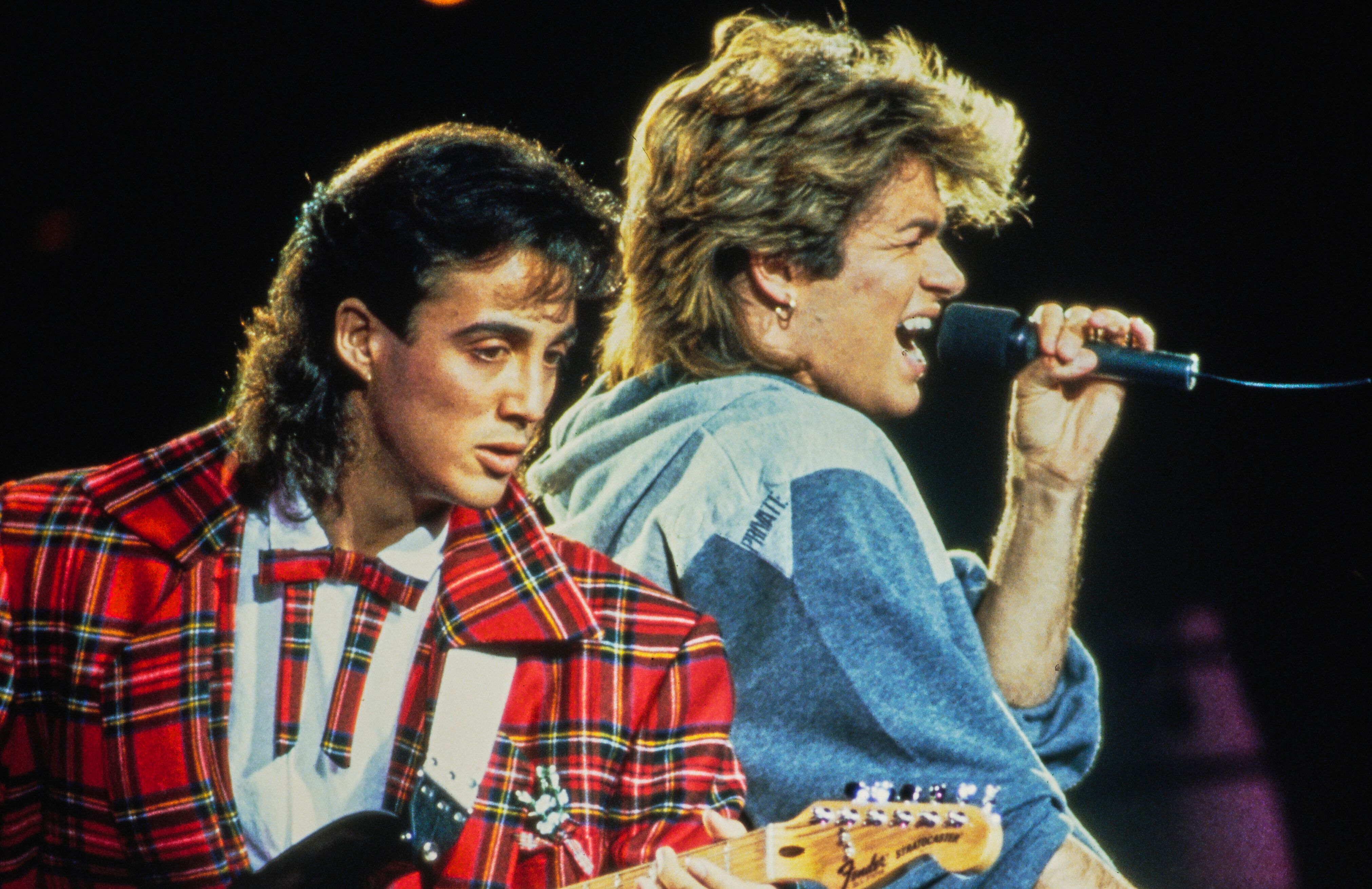
George Michael and Andrew Ridgeley’s festive tune is celebrating its 40th anniversary this year, and has already received a surge in streams in the lead-up to Christmas, pushing it back to the top of the charts.

To coincide with the anniversary, a physical re-release of the track debuted on Friday, so we reckon it chances of holding onto the number one spot ahead of next week’s chart are pretty high.

Mariah Carey performing a special Christmas show in 2014

via Associated Press

There’s a veritable avalanche of Yuletide bops in the chart this week, with Mariah Carey’s All I Want For Christmas Is You at number three, while Brenda Lee’s 66-year-old ditty Rockin’ Around The Christmas Tree is at five.

Below that is Tom Grennan’s original tune It Can’t Be Christmas (an exclusive to Amazon Music subscribers – meaning if you’ve asked Alexa to play Christmas music in the last few weeks you’ve probably heard it without realising) at number six, Bobby Helms’ Jingle Bell Rock at number seven and The Pogues’ Fairytale Of New York at number eight.

Tom Grennan's new Christmas tune has already made it into the top 10
Tom Grennan’s new Christmas tune has already made it into the top 10

via Associated Press

Completing the top 10 are Ariana Grande’s Santa Tell Me and Kelly Clarkson’s Underneath The Tree, which have both reached new UK chart peaks in 2024.

Christmas tunes by Michael Bublé, Sia, Elton John and Sabrina Carpenter can also be found lower down this week’s chart.

Meanwhile, you can click here for a round-up of 2024’s new Christmas tunes – and our verdict on each of the songs.

Share Button

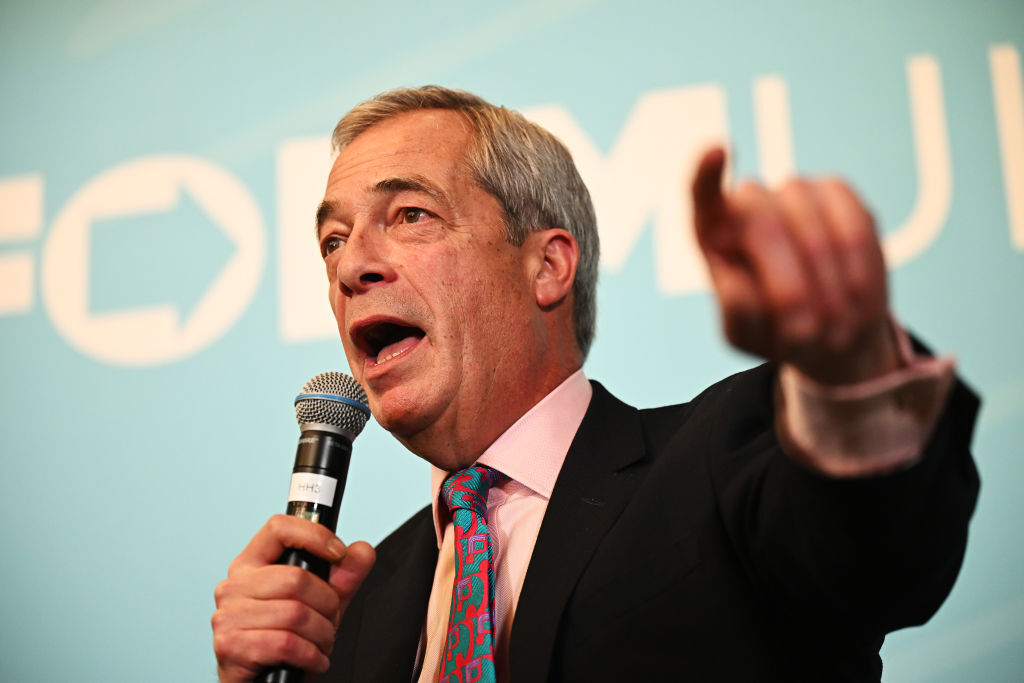
Could Nigel Farage Really Become The Next Prime Minister?

Reform UK chairman Zia Yusuf could never be accused of lacking ambition.

“Nigel Farage will be the next prime minister, and will return Britain to greatness,” he told HuffPost UK this week.

He is far from the only one at Westminster who is now considering the prospect of the former Ukip and Brexit Party leader entering 10 Downing Street.

Given Reform currently only have five MPs, it seems like a ridiculously far-fetched idea.

But speak to senior Tory and Labour figures and it is not difficult to detect a note of anxiety in their voices when the discussion inevitably turns to Farage.

“Reform are a threat to both us and Labour,” said one former Tory cabinet minister.

“We’ve got caught in a cycle where the public perceived that we were rubbish, then Labour have come in and been rubbish as well, so a lot of voters just want to blow the whole thing up.

“There is no doubt that in the short term, Reform are in a strong position. If there’s a by-election outwith Lib Dem areas they would probably win it, but that doesn’t mean they’ll win the general election.”

Farage’s party received 4.1 million votes at the last election, around 600,000 more than the Lib Dems.

However, the vagaries of the first past the post system meant the Liberals were rewarded with 72 MPs to Reform’s five.

“It’s very difficult for an insurgent party to go from a handful of seats into government, said Chris Hopkins, political research director at pollsters Savanta.

“In particular for Reform UK, their support base is currently quite evenly spread across the country, meaning they will struggle to break through in anywhere near enough seats to put Nigel Farage into No.10 without a significant increase in their vote share.

“That being said, if any current political leader can bend our electoral system to their will, I’d wager it would be Nigel Farage. I think at the very least it’s likely Farage and Reform UK will play an even more significant role in British politics over the next five years than they have in the last decade.”

A council by-election result on Thursday neatly summed up the current state of play.

In the Blackbrook ward on St Helens Council, from a standing start, Reform UK took the seat from Labour with 41% of the vote. Labour’s share fell by 18%, while the Tories’ was down by 10% on the last time it was contested.

A poll last week also put Reform above Labour for the first time, demonstrating once again that it isn’t just the Conservatives who need to worry about the threat from the party.

One senior Labour insider said: “We have definitely got to take it seriously. The problem is, for many voters, they just associate us with getting rid of winter fuel payments and accepting a load of free suits and glasses.

“We’re still not telling a story about what a Labour government is all about. It’s too technocratic, we need to start speaking the language of ordinary people.”

“All Westminster will be talking about in 2025 is how Farage does in the local elections in May and in any by-elections that might take place,” the source went on.

“It’s going to be the Farage show for the next 12 months, but Labour need to make sure that he isn’t the only show in town.”

Those electoral performances will be boosted by the efforts of Nick Candy, the billionaire property magnate and husband of Holly Valance who was unveiled this week as Reform UK’s new treasurer.

“I will raise more money for Reform than an political party in the UK has ever raised – Nigel Farage is going to be PM,” Candy declared.

Experienced Labour figures admit the threat from Reform is real, and say the party must approach it head-on.

Former frontbencher Jon Ashworth, who lost his seat at the general election and is now chief executive of the Labour Together think-tank, said: “It’s incumbent on all of us to put them under scrutiny.

“What is his policy on the economy? They’re usually in favour of the super rich. How’s that going to improve the cost of living for people in Bolsover?

“What’s his policy on the NHS? In the past he’s spoken about privatising the health service. That’s not going to go down well with the public.”

Tory leader Kemi Badenoch’s approach is markedly different, however.

In an interview with The Spectator, she said: “We just have to focus on what the Conservatives are about now and not worry about Reform in the immediate term.

“Of course they are a competitor, but right now I am the leader of the Conservative party and that is my focus.”

One Tory MP dismissed Reform completely, describing the party as “a protest vote”.

“People wanted to send the Tories a message,” they said. “Reform have no policies.”

Writing in the New Statesman, former Tory cabinet minister David Gauke also played down the prospects of a Farage premiership.

“There is an opportunity for an insurgent populist party to emerge as a proper parliamentary force at the next election, further fracturing our political system,” he said.

“This in itself is a significant development. But are we on the cusp of a Farage-led government? No, that still appears to be a distant prospect.”

Nevertheless, Zia Yusuf remains a man on a mission.

He told HuffPost UK: “History is being made as the stranglehold the two old parties have had on British politics is breaking for the first time in a century.

“Reform is rapidly professionalising, our membership growth is ballistic and we are preparing to fight elections across the country.”

With the next election potentially still four-and-a-half years away, much can change to alter the current British political landscape.

It is not so long ago that Donald Trump’s political career appeared over and Boris Johnson seemed set for a decade in power.

But it was significant that Farage was recently installed as the favourite with some bookies to be the next PM.

The last 10 years of UK politics have seen some previously-unthinkable changes become reality. It would be unwise to bet against the next decade being equally dramatic.

Share Button

I’m A Chef — The Secret To The Best Brussels Sprouts Isn’t Bacon

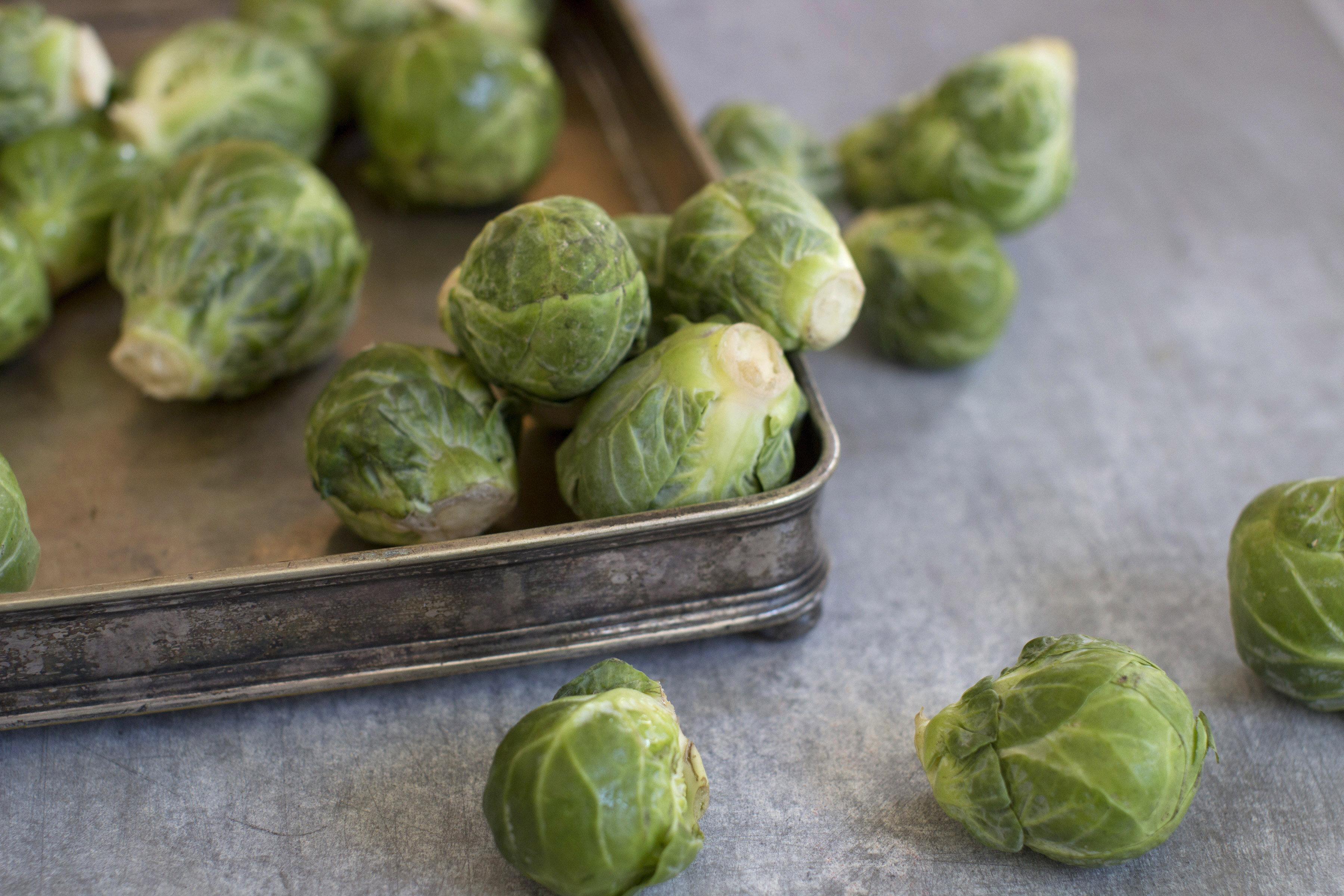
Home cooks, check off these “secret ingredients” as they apply: do you put chocolate in your chilli? Sugar in your tomato sauce? Do you reckon everyone else would just loveee Brussels sprouts if only they oven-roasted them with some bacon or pancetta?

There’s nothing wrong with those tried-and-true pearls of kitchen wisdom; they do work.

But according to Dean Parker, chef patron of Glasgow restaurant Celentano’s, there’s another way to transform the humble sprout.

When asked what his secret to brilliant Brussels is, he didn’t mention any pork products at all.

So what’s the secret?

“Hazelnuts and miso butter are my secret ingredient for my Brussel sprouts,” he shared.

Hazelnuts add the crunch of chestnuts that chefs like Mary Berry swear by (though she sometimes plumps for cashews), while miso butter creates both the umami tang you’d expect from meat and the decedent creaminess only butter can deliver.

You can pan-fry drained, boiled sprouts in the mix, like Mary Berry does with her cashew and pea version.

Alternatively, you can slice your sprouts pretty thinly for a bit more bite.

Miso butter is incredibly easy to make too: simply mix the ingredients together with a fork.

Any other tips?

If you’re making a festive feast, Tommy Heaney, founder of Heaneys, Cardiff, swears by time and effort-saving a trick I’ve used and love myself.

He recommends par-boiling your potatoes ahead of time, chuffing them in a colander, and then leaving them in the fridge overnight before cooking them the next day.

If you really want to be hands-off on Christmas, he advises, “Put them in the freezer until Christmas Eve and defrost overnight.”

“On Christmas Day, begin by frying them with plenty of oil or fat until coloured all over, add garlic and rosemary and then finish in the oven on a high heat.”

I’m sold…

Share Button

UK Economy Shrinks For Second Month In A Row, Dealing A Blow To Rachel Reeves

The UK economy unexpectedly shrunk again in October in a huge blow for Rachel Reeves.

Figures released on Friday morning by the Office for National Statistics showed gross domestic product (GDP) fell by 0.1%, just as it had done in September.

Labour has made growing the economy its number one priority.

But the ONS data showed the construction sector shrank by 0.4% and the production sector fell by 0.6%.

Reeves said: “We are determined to deliver economic growth as higher growth means increased living standards for everyone, everywhere. This is what our plan for change is all about.

“While the figures this month are disappointing, we have put in place policies to deliver long term economic growth.

“We have put public finances back on a stable footing, capped the rate of corporation tax at the lowest level in the G7, established a £70 billion national wealth fund to drive growth in our towns and cities, launched a 10 year infrastructure strategy and are creating pension mega funds to boost investment in British businesses, infrastructure and clean energy.”

Shadow chancellor Mel Stride said: “It is no wonder businesses are sounding the alarm. This fall in growth shows the stark impact of the Chancellor’s decisions and continually talking down the economy.

“Labour were left the fastest growing economy in the G7 but because of their decisions growth is now under serious pressure. The impact will be felt by families through higher taxes, fewer jobs, higher prices and higher interest rates.”

Lib Dem Treasury spokesperson Daisy Cooper said: “This unexpected fall in GDP shows why it’s so disappointing that the Budget missed so many opportunities and made so many self-defeating decisions.

“Small businesses are the engine of our economy and drive growth. Yet this government has decided to burden them with more costs.

“If the government wants to turn these figures around then they should realise their mistake and reverse their NICs hike on small business.”

Share Button

This Is The Rudest Thing You Can Do As A Guest This Christmas

Don’t get me wrong, I love Christmas ― but as someone who struggles a bit at social ’dos, I often wish there was a guidebook on how to be a good guest.

Well, it’s not quite the behaviour manual Jane Austen would have recognised, but new research from DFS offers more or less that.

The company surveyed 2,000 adults based in the UK and asked them what they deemed to be the greatest guest offences over the festive season.

One answer stood out above all else, getting 47% of the overall vote (and 56% from those aged 65 and over).

Which is?

Being late seemed to annoy more people than any other faux pas, the survey found.

Body language and behavioural expert Adrianne Carter, who paired with the furniture company, explained: “Guests are expected to be on time because late arrivals can disrupt the planned schedule for food and activities.”

She added, “Arriving late without a good reason can be seen as disrespectful to the host and the occasion, suggesting a lack of consideration for the effort put into organising the event.”

With that said, she advises against an early entrance, which can “throw the host into a tizzy and start the occasion off on the wrong footing.”

Bang on time (or thereabouts) seems to be the best-received choice.

What else annoyed people?

Per the DFS survey, the next-biggest bugbears for hosts were guests not bringing a drink (41%), then not taking their shoes off (33%).

“Arriving with drinks, as 41% of hosts expect, is a gesture of contribution and support,” Adrianne said.

“It acknowledges the host is providing the majority of the effort and is a token of your appreciation. It also takes the pressure off the host having to provide every drink option.”

So far as shoes go, she advised us to at least ask if we should remove them: “even if the host says to keep them on, they’ll be pleased with your offer.”

Some good news, though: only 11% of Brits say they’d be annoyed if guests turned up underdressed.

“The data shows that most hosts want the time to be enjoyable and relaxing for the guests,” Adrianne revealed.

“More formal dress code suggests a more formal atmosphere, which isn’t always conducive to the home environment, it can feel stuffy and rigid.”

Share Button

Is It Just Me, Or Does Tap Water Get Colder In Winter? I Asked An Expert

I’ll be completely honest here: I know as much about plumbing as I do marine biology or rocket science (which is to say, next to nothing).

So when I told a friend “you know, I always think tap water is way colder in water,” I had no idea how to respond when she asked how I thought that’d happen.

An even more embarrassing admission; I’m not even sure where the reservoir that holds the water that runs through my sink is, or if it’d even be possible for the liquid in it to be affected by the weather.

So, I thought I’d ask Myles Robinson ― former boiler repair company owner and current CEO of UK Composite Doors ― whether I was losing it in the run-up to Christmas, or if this was a real thing.

So… Is tap water really colder in winter?

Yes, Myles says.

He told HuffPost UK: “tap water is definitely colder in the winter. It all comes down to a combination of factors, the water source, the pipes, and how they interact with the colder weather.”

“Most water systems draw from reservoirs, rivers, or groundwater. In winter, these sources naturally drop in temperature, especially in areas with freezing conditions,” he continued.

“Even groundwater, which is insulated by the earth, gets colder as the ground above freezes. So, the water entering your home starts off colder during winter months.”

If you’re thinking “wait, wouldn’t it warm up in the pipes?”, we were in the same boat ― but Myles has answers.

“Pipes running through unheated spaces, like basements, crawl spaces, or underground, are understandably more exposed to the colder air or ground temperatures in winter,” he explained.

“As the water sits in these pipes, it cools even more before reaching your tap. The longer the run of pipe from the main supply to your tap, the more pronounced this cooling effect can be.”

Does tap water get hotter in summer too?

I knew I wasn’t imagining lukewarm glasses of water in the colder months!

“Interestingly, in the summer, the opposite can happen. Heat from the air or soil can warm up the water in your pipes, making it feel less refreshing than winter’s icy flow,” Myles said. Huh!

By the way, if freezing tap water is bothering you, the home expert says there are steps you can take to get rid of the problem.

“If you’re noticing your tap water feels shockingly cold in winter, especially in older homes, you might want to check if your pipes are insulated,” he told HuffPost UK.

“Proper insulation won’t stop the water from being cooler—it starts that way from the source, but it can keep your pipes from freezing, which is a much bigger concern!’’

Share Button

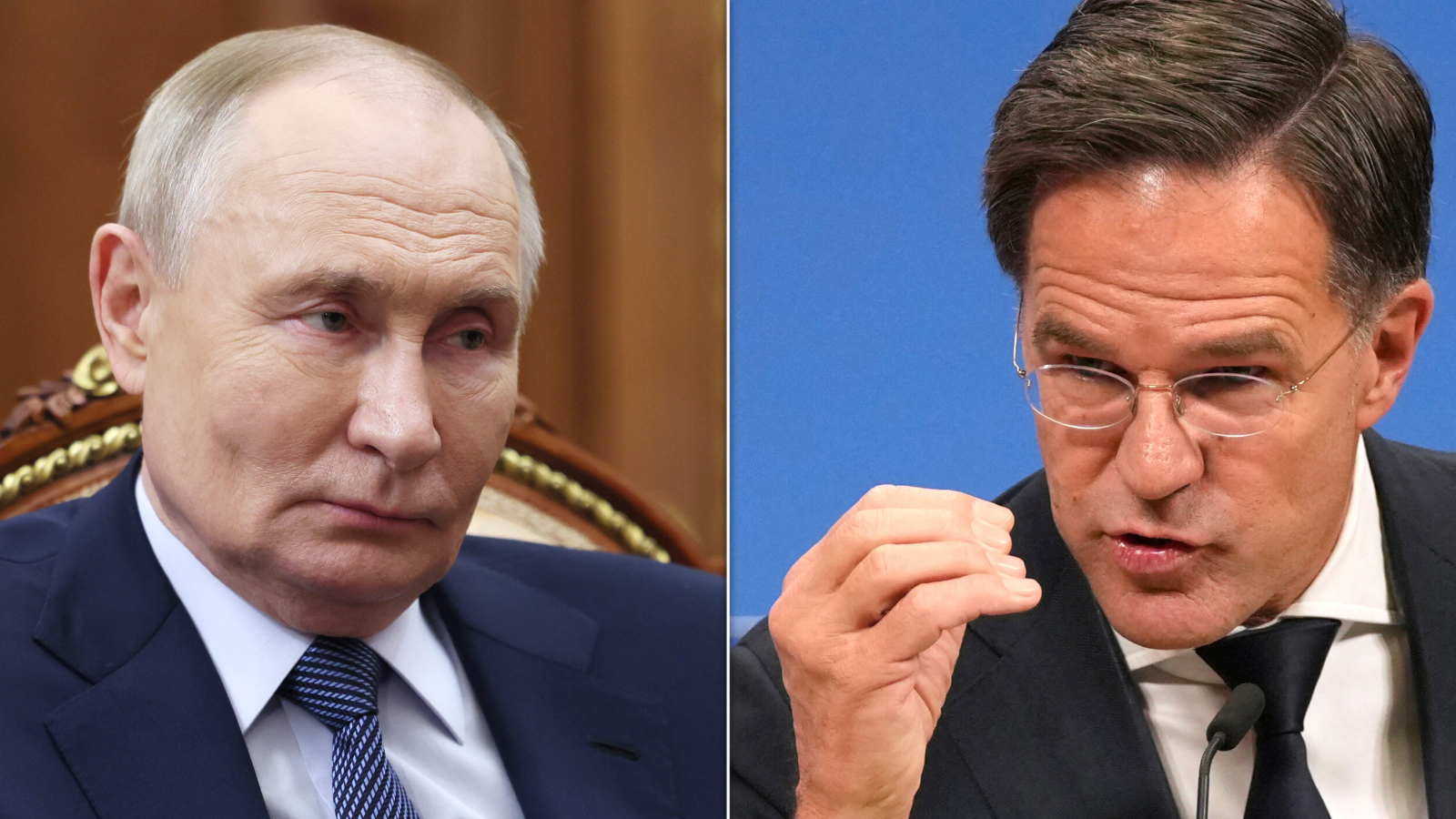
Nato Chief Says Its Members Must Move To ‘Wartime Mindset’ As Putin Increases Threats To West

Nato’s chief has urged the alliance’s members to adopt a “wartime mindset” over the growing threat from Russia in the coming years.

The secretary general, Mark Rutte, said all of Nato’s members should consider increasing defence spending above the current target of 2% of GDP.

Speaking in Brussels, he said: “Russia is preparing for long-term confrontation, with Ukraine and with us.

“We are not ready for what is coming our way in four to five years. It is time to shift to a wartime mindset and turbocharge our defence production and defence spending.”

Russian president Vladimir Putin has long blamed Nato’s supposed expansion to the east for pushing him chose to invade Ukraine in 2022, because he said it made Moscow feel threatened.

Ukraine wants to join Nato, but might be pressured to drop that bid in order to secure a peace deal with Russia when president-elect Donald Trump enters the White House next month.

Rutte said Nato members spent more than 3% of their GDP on defence during the Cold War, when tensions between the US and Russia were high.

He also said Nato need to be aware of China’s ambitions, especially when it comes to its intentions towards Taiwan.

His comments will be seen as an attempt to pre-empt Trump, who is expected to repeat his calls for all Nato member states to increase their defence spending.

In 2018, during his last term in office, Trump pushed for Nato allies to double their military funding target to 4% of GDP.

At the moment, many member states spend less than the 2% on defence.

Around 23 of the 32 members are expected to reach the target amount by the end of the year.

The UK currently spends just over 2%, but defence secretary John Healey reiterated last week that the UK is “totally committed to increasing defence spending to 2.5% of GDP”.

He said 2.5% of GDP on defence would be “a level we haven’t seen in this country since 2010, when Labour was last in government”.

Labour has not put clear timeline on that promise, though.

Less than a week after he was elected in July, PM Keir Starmer also said the government have a “cast iron” commitment” to hiking defence spending.

He said: “At a time when we face multiple threats at home and abroad, we must make sure we are ready to defend ourselves.”

Yet he prefaced that this increase in defence would have to be “within our fiscal rules” and that a “strategic review needs to come first”.

In response to Rutte’s comments, a spokesman for Keir Starmer said: “We’ve said we’ll set out a pathway to 2.5% in the spring and we hope other allies will follow suit in due course.”

Share Button

This Common Mistake May Be Ruining Your Poinsettia Before Christmas

Poinsettias weren’t always a common Christmas flower in the UK ― but flower company Bloom & Wild say they became that way thanks to their festive colour and star-like shape.

So if you’ve got one in your home, chances are you’re trying your hardest to keep it fresh throughout the festive season.

Thankfully, David Denyer, an expert florist at Eflorist, told HuffPost UK that there are some surefire ways to accidentally kill your festive plant before it’d otherwise fade ― including some “people often overlook.”

What could cause an early plant death?

“Pests are a big issue that people often overlook. Aphids, whiteflies, and mealybugs are drawn to the fragile leaves of poinsettias,” David told us.

“If the leaves appear curled or feel sticky, it’s often a clear indication of a pest problem,” he added.

You can protect other surrounding plants by removing the affected plant from their area and treating it with insecticide or neem oil.

“Another comment problem is people often believe that yellowing leaves are solely due to overwatering, but in many cases, it could also indicate low light or a lack of nutrients,” David continues.

Poinsettias do need a bit of extra care in terms of nutrients, especially after they’ve been moved from one place to another or after Christmas. A slow-release fertiliser can make a difference in terms of overall health.”

How should I take care of poinsettia?

Even if you’re not worried about murdering your flower entirely, David has some tips for keeping it at its best.

Most of us over-water our poinsettia, he points out: “You have to focus on not letting the plant sit in water,” he stresses.

It’s an easy trap to fall into because people often water their poinsettias frequently, but they don’t check if the soil has good drainage. The plant’s survival is more about the quality of the watering routine than the quantity.”

Misting the leaves with water is a much better option than drenching the leaves ― you shouldn’t leave droplets on the bracts or they’ll “develop unsightly spots,” David warns.

You might want to move your plant from that spot by your window too, the flower expert says.

“Poinsettias are incredibly sensitive to changes, particularly temperature fluctuations. Avoid placing them near places where drafts or sudden warm air from vents can affect them,” he told HuffPost UK.

“The changes in temperature can be subtle but enough to cause them to shed their leaves.”

And “While they enjoy bright, indirect light, some people make the mistake of giving them too much direct sunlight, which causes the leaves to burn.”

Looks like I have a plant pot to move…

Share Button

No 10 Tells Protesting Farmers Controversial Inheritance Tax Policy Will Not Be Changed

The government will not U-turn on controversial changes to inheritance tax rules for farmers, No.10 has confirmed.

Keir Starmer’s official spokesman ruled out any climbdown as thousands of farmers, many of them driving tractors, once again descended on Westminster to protest against the policy.

Some of the placards on display read “No farmers, no food” and “Starmer Farmer Harmer”.

Rachel Reeves announced in the Budget that farms worth more than £1 million will become liable for the charge, albeit at the reduced rate of 20%.

Farmers’ leaders have warned that the move – which ministers say is necessary to help fill a £22 billion financial black hole left by the Tories – will put many farms out of business.

But asked if there could be a re-think on the inheritance tax changes, the PM’s spokesman said: “No. We have been clear that we understand the strength of feeling about the changes, but we are clear that this will only affect a small number of estates.

“Three-quarters of estates will be unaffected by these changes. But the government’s commitment to farmers is steadfast.”

He said the Budget had also seen the government pledge £5 billion-worth of support for farmers “which is already starting to land in farmers’ pockets”.

The spokesman added: “We recognise the strength of feeling, but we are committed to supporting our farmers, delivering rural economic growth and boosting Britain’s food security.”

Tom Bradshaw, the head of the National Farmers Union, had earlier told MPs that he feared some elderly farmers could commit suicide as a result of the policy.

If a farm is passed on to another family member, it is not subject to inheritance tax if the original owner lives for another seven years.

But giving evidence to the rural affairs committee, Bradshaw broke down in tears as he said: “Those people who are either in ill health or don’t believe they are going to be able to live for seven years may well decide that they shouldn’t be here on April 26.

“No policy should ever be published that has that unintended side-effect.”

Share Button

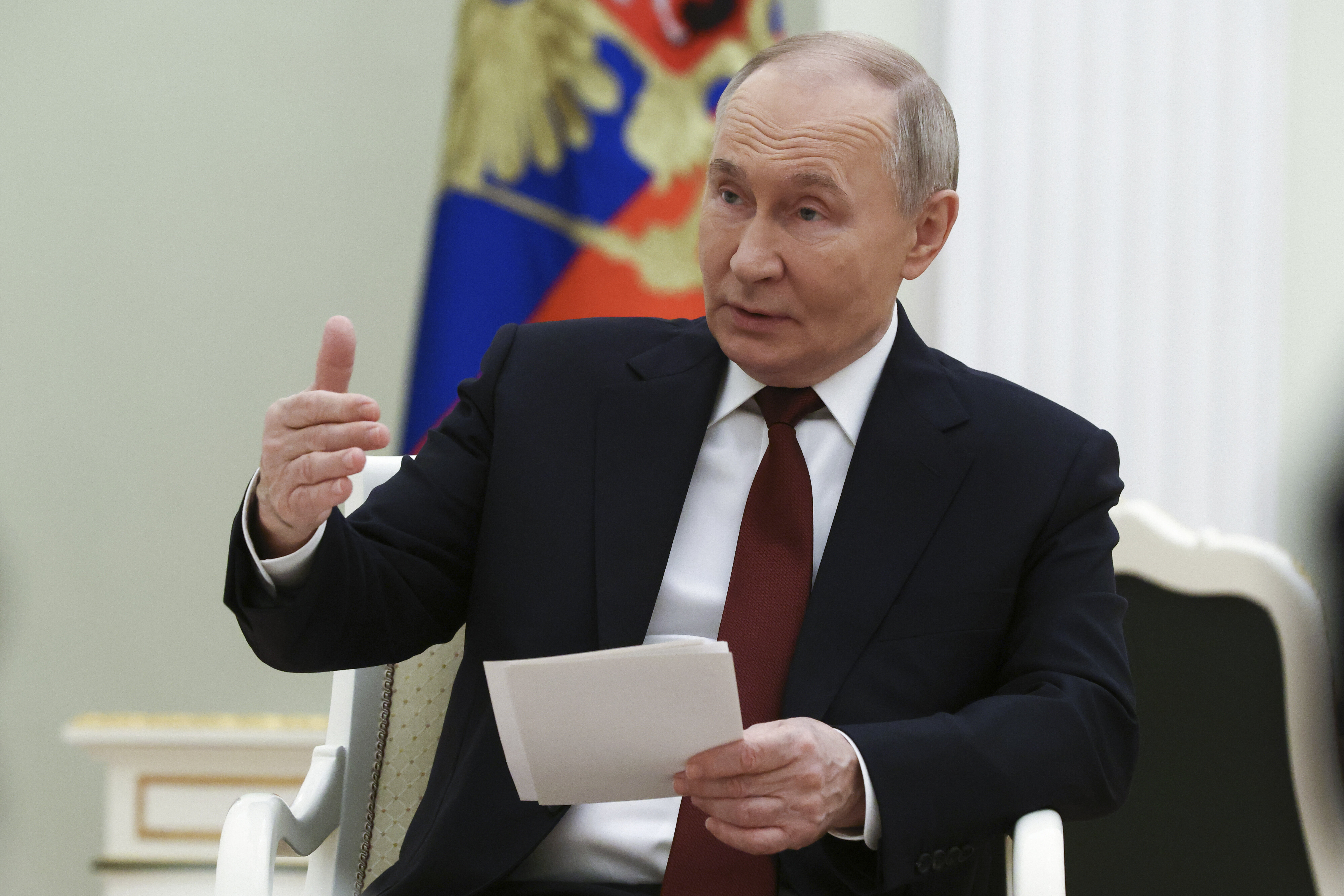
Putin Conveniently Forgets There Is An International Arrest Warrant Out For Him In Latest Speech

Vladimir Putin seemed to overlook the international arrest warrant out against him while calling for everyone to adhere to the law.

The International Criminal Court issued an arrest warrant for the Russian president in March 2023 over his alleged involvement in the abduction of children from Ukraine.

The Court’s 124 signatory countries are therefore expected to arrest him if he ever sets foot on their land – meaning his travel plans have been significantly scaled down over the last 18 months.

Russia itself is not a signatory of the statute and has denied the claims against Putin.

Still, according to Russian state news agency TASS, the president claimed: “We stand united in advocating for the establishment of a just and democratic world order founded on genuine equality and adherence to international law, free from all forms of discrimination, coercion, and sanctions pressure, settling regional conflicts and crises, as well as combating the terrorist threat.”

Speaking in his message to participants of the Russia-Islamic World Strategic Vision Group events in Malaysia, he also emphasised the “great importance” on strengthening ties with Muslim countries.

He continued: “In the current challenging international climate, it is significant that our positions on key regional and global issues are largely aligned.”

It’s worth noting that Putin is currently offering up asylum to Bashar al-Assad, the Syrian dictator who was toppled at the weekend – Moscow propped up his brutal regime for years.

Putin is also allied with North Korean leader Kim Jong Un who is known for oppressing his civilians.

The Russian president himself is thought to have fixed the recent election so he could secure a fifth term in office.

Putin has also brushed off the impact of the arrest warrant on his life recently, claiming in October: “Decisions of this kind are very easy to circumvent, it is enough to sign an intergovernmental agreement and that’s it – the jurisdiction of the ICC will be limited.”

Share Button