An Expert Weighs In On ‘Menstrual Masks’ And Their Effectiveness

While it may still be taboo for some, menstrual blood appears to have more to offer than previously thought. For example, researchers discovered in 2023 that it may actually play a key role in treating Alzheimer’s Disease in the future.

As period blood becomes a little less of a forbidden topic, some social media users have been discussing their DIY skincare in the form of “menstrual masking” or “period face masks”, which are exactly what they sound like.

Writing for The Conversation, Dipa Kamdar, Senior Lecturer in Pharmacy Practice, Kingston University explains: “Popularised on social media, hashtags such as #periodfacemask have amassed billions of views. In most videos, users apply menstrual blood for a few minutes before rinsing it off.

“There’s no clear agreement on how much blood to use or how long to leave it on. Some call the practice healing or empowering, describing it as a spiritual ritual that connects them to their bodies and ancestral femininity.”

However, scientists do have some concerns.

Is menstrual masking actually effective?

Kamdar says: “Advocates of menstrual masking often argue that period blood contains stem cells, cytokines and proteins that could rejuvenate the skin.

“There is currently no clinical evidence to support using menstrual blood as a topical skincare treatment.”

However, she adds, “its biological composition has shown potential in medical research.”

All is not lost.

A 2018 study found that plasma derived from menstrual fluid could significantly enhance wound healing. In laboratory tests, wounds treated with menstrual plasma showed 100% repair within 24 hours compared with 40% using regular blood plasma.

Kamdar explains: “This remarkable regeneration is thought to be linked to the unique proteins and bioactive molecules in menstrual fluid: the same substances that allow the uterus to rebuild itself every month.”

Is menstrual masking the same as a ‘vampire facial’?

According to Kamdar, some menstrual masking advocates have compared the practice to ‘vampire facials’ which were popularised by Kim Kardashian. Vampire facials use platelet-rich-plasma (PRP) extracted from a patient’s owsn blood and inject it into the skin.

Kamdar warns: “But experts caution against comparing PRP with menstrual blood. Menstrual fluid is a complex mixture of blood, sloughed-off endometrial tissue (the uterine lining), vaginal secretions, hormones and proteins.

“As it passes through the vaginal canal, it can pick up bacteria and fungi, including Staphylococcus aureus, a common microbe that normally lives on the skin but can cause infections if it enters cuts or pores. There’s also a risk that sexually transmitted infections (STIs) could be transferred to the skin.”

Maybe just stick to shop-bought masks…

Share Button

No.10 Dismisses Wes Streeting’s Thinly-Veiled Attack Against ‘Technocratic’ Starmer

No.10 has downplayed speculation that Wes Streeting had attacked Keir Starmer after warning against the government’s “technocratic” approach.

The health secretary is rumoured to be considering throwing his hat into the ring to replace Starmer, as his premiership looks increasingly unsteady – although Streeting has repeatedly denied any such accusations.

But, the cabinet minister still told the New Statesman he was “pretty frustrated” right now, and believes that the “huge amount” of work Labour has done since getting into office is “not reflected in the polls” or their storytelling.

He added: “I think we sell ourselves short.”

The health secretary claimed Labour is at risk of presenting itself as the “maintenance department of the country”, too.

He added: “The problem with that kind of practical, technocratic approach is that if someone else comes along and says, ‘Well, I’ve got a maintenance company too, and mine’s cheaper,’ why wouldn’t people go, ‘OK, well, we’ll give that maintenance team a try’?”

He notably did not mention his boss by name in the interview, but Starmer has been criticised for being too technocratic in the past.

Streeting also insisted he would not to “indulge” in questions about potentially becoming the prime minister in 2026, responding only with a pantomime style answer: “Oh no, he’s not.”

Starmer’s official spokesperson then side-stepped questions about Streeting’s dig during Thursday’s press briefing.

“I think what the health secretary is setting out is that the public voted for change. That’s what they want to see delivered, and again, that is exactly what the government is focused on doing. The government is united behind a manifesto of change,” he said.

When pushed again on the PM’s thoughts over Streeting’s interview, the spokesperson said: “The inheritance is clear, the public services are on their knees, a stagnant economy and families facing a cost of living crisis.

“That’s what the government is determined to do in terms of the action we take,” he said.

Asked if Starmer was embarrassed about the cabinet briefing against him, his representative insisted: “The government is focused on delivering change.”

Streeting is known for being outspoken about the direction of the government.

He caused a stir in October when he piled more pressure on the PM in the wake of Labour’s by-election defeat in Caerphilly, comparing the loss to a day in 2021 when Starmer almost quit as Labour leader.

Share Button

Trump’s ‘Absolutely Crazed’ Threat To Those Who Question His Health Sparks Outrage

Donald Trump flipped out in a post on his Truth Social platform on Tuesday as he issued an ominous warning to anyone who questions his health, suggesting “it’s seditious, perhaps even treasonous” and libelous.

Trump – apparently still fuming from an article in The New York Times that highlighted his recent lightened workload and asked about his energy levels – insisted in a furious, lengthy screed there “has never been a President that has worked as hard as me” with his hours “the longest” and results “among the best.”

Trump touted some of his administration’s purported accomplishments that he claimed had “created an ‘aura’ around the United States of America that has led every Country in the World to respect us more than ever before.”

On his health, he then wrote:

“In addition to all of that, I go out of my way to do long, thorough, and very boring Medical Examinations at the Great Walter Reed National Military Medical Center, seen and supervised by top doctors, all of whom have given me PERFECT Marks — Some have even said they have never seen such Strong Results. I do these Tests because I owe it to our Country. In addition to the Medical, I have done something that no other President has done, on three separate occasions, the last one being recently, by taking what is known as a Cognitive Examination, something which few people would be able to do very well, including those working at The New York Times, and I ACED all three of them in front of large numbers of doctors and experts, most of whom I do not know. I have been told that few people have been able to ‘ace’ this Examination and, in fact, most do very poorly, which is why many other Presidents have decided not to take it at all.”

“Despite all of this, the time and work involved, The New York Times, and some others, like to pretend that I am ‘slowing up,’ am maybe not as sharp as I once was, or am in poor physical health, knowing that it is not true, and knowing that I work very hard, probably harder than I have ever worked before. I will know when I am ‘slowing up,’ but it’s not now!”

The president then warned:

“After all of the work I have done with Medical Exams, Cognitive Exams, and everything else, I actually believe it’s seditious, perhaps even treasonous, for The New York Times, and others, to consistently do FAKE reports in order to libel and demean ‘THE PRESIDENT OF THE UNITED STATES.’ They are true Enemies of the People, and we should do something about it.”

Critics on social media slammed the post as “absolutely crazed” and pointed out the hypocrisy, given Trump’s repeated attacks on the health of his predecessor, former President Joe Biden.

Share Button

Ask A GP: What Is ‘Superflu’, And How Can I Tell It From ‘Normal’ Flu?

Though the influenza H3N2 strain, a variant of the flu currently making headlines, has sometimes been termed a “superflu,” Dr Suzanne Wylie, GP and medical adviser for IQdoctor, told HuffPost UK that “the term ‘superflu’ isn’t a recognised medical diagnosis.”

Instead, she said, it usually describes, “A combination of genuine influenza, circulating Covid-19 variants, RSV, and other viral illnesses that overlap in symptoms and timing.

“This can make the overall picture feel more intense and prolonged than a typical flu season.”

This is not to say, however, that the NHS is not experiencing an extraordinarily busy flu season (they are), or that patients are not “experiencing symptoms that persist longer than usual”.

Here, the GP shared how to spot “normal” flu from what some might term a “superflu,” as well as why influenza might be so rife right now.

How can I tell a “normal” flu from a “superflu”?

Dr Wylie explained that her definition of what some might term a “superflu” is “co-infection with more than one virus, or catching a second virus before fully recovering from the first”.

In that context, she explained, “true influenza tends to come on very suddenly, often within the space of a few hours.

“High fever, profound fatigue, muscle aches, headaches, a dry cough and a sense of being completely ‘wiped out’ are characteristic. People often describe being unable to get out of bed or perform basic tasks.”

She added, “What’s sometimes labelled this year as ‘superflu’ is essentially this classic influenza picture, but with the added complication that many individuals are experiencing symptoms that persist longer than usual, lingering coughs, extended fatigue, and a slower return to normal activity.”

And, the GP said, many cases of what people believe to be flu are actually a bad cold or another respiratory infection. These “develop more gradually” than flu, “with runny noses, sore throats, congestion and milder fevers.”

You will typically still be able to function somewhat with a cold, she continued.

“The distinction can blur, especially when multiple viruses are circulating, but influenza tends to be more abrupt and systemically draining.”

Why is flu so bad this winter?

“Immunity in the population fluctuates year to year, depending on which strains have circulated previously and how closely the current strains match the [flu] vaccine,” she explained.

“If the circulating strain is one the community has not been exposed to recently, or if vaccine uptake has been lower, more people are left susceptible, leading to higher case numbers and more severe symptoms.”

The BBC notes that many people have not been exposed to the mutated H3N2 strain much in the past few years.

This is partly, Dr Wylie said, “the after-effects of the pandemic: reduced exposure to seasonal viruses over several years means people’s baseline immunity to common respiratory pathogens may be lower than it once was.”

And increased strain on healthcare may mean that people are waiting longer to get help for the flu, meaning they’re worse off by the time they’re seen, she added.

“Environmental and behavioural factors also play a role: winter gatherings, indoor living, and schools acting as hubs for virus transmission all contribute to a more intense season,” she continued.

“Many patients are also experiencing simultaneous stresses, poor sleep or chronic conditions that can make any viral illness feel harder to shake off.”

So, “the combination of genuine influenza, overlapping viruses, reduced background immunity and a challenging winter has created the sense of a particularly tough respiratory season.”

And while Dr Wylie is sceptical of the use of the word “superflu,” she advised: “If someone is unsure whether their symptoms are typical of a cold, flu or something more serious, it’s always sensible to seek medical advice, especially if symptoms are severe, prolonged or worsening.”

Share Button

People Are Just Realising Stuart Little Isn’t A Mouse, And I Need To Lie Down

There are some things I thought I could take for granted. I always assumed paprika came from some spicy variety of pepper, but while traditional ones can contain varying degrees of heat, many large manufacturers use a type of sweet bell pepper instead.

I’d believed “wi-fi” stood for something, like “wifeless fidelity,” too. Nope: its name “doesn’t stand for anything. It is not an acronym. There is no meaning”.

But even I, a person who could fairly be described as “professionally bemused,” was uniquely surprised to learn that Stuart Little is not actually a mouse.

And looking at the responses to an X post from film critic and editor of Slash Film, Chris Evangelista, it seems I’m not alone.

<div class="js-react-hydrator" data-component-name="Twitter" data-component-id="8623" data-component-props="{"itemType":"rich","index":6,"contentIndexByType":2,"contentListType":"embed","code":"

I’ve just now learned that in the STUART LITTLE book, Stuart is not actually a mouse but a human boy who looks like a mouse, and I don’t know how to process this pic.twitter.com/W2mGvwWula

— Chris Evangelista (@cevangelista413) December 8, 2025

","type":"rich","meta":{"author":"Chris Evangelista","author_url":"https://twitter.com/cevangelista413","cache_age":86400,"description":"I’ve just now learned that in the STUART LITTLE book, Stuart is not actually a mouse but a human boy who looks like a mouse, and I don’t know how to process this pic.twitter.com/W2mGvwWula— Chris Evangelista (@cevangelista413) December 8, 2025\n\n\n","options":{"_hide_media":{"label":"Hide photos, videos, and cards","value":false},"_maxwidth":{"label":"Adjust width","placeholder":"220-550, in px","value":""},"_theme":{"value":"","values":{"dark":"Use dark theme"}}},"provider_name":"Twitter","thumbnail_height":799,"thumbnail_url":"https://pbs.twimg.com/media/G7qwfUXWkAAsXVP.jpg:large","thumbnail_width":1170,"title":"Chris Evangelista on Twitter / X","type":"rich","url":"https://twitter.com/cevangelista413/status/1998103439646368241","version":"1.0"},"flags":[],"enhancements":{"fonts":{"primary":{},"accent":{},"caption":{}}},"fullBleed":false,"options":{"theme":"news","device":"desktop","editionInfo":{"id":"uk","name":"U.K.","link":"https://www.huffingtonpost.co.uk","locale":"en_GB"},"originalEdition":"uk","isMapi":false,"isAmp":false,"isMobile":false,"isAdsFree":false,"isVideoEntry":false,"isEntry":true,"isMt":false,"entryId":"6939735be4b0447a52b94db2","entryPermalink":"https://www.huffingtonpost.co.uk/entry/staurt-ittle-human-explained_uk_6939735be4b0447a52b94db2","entryTagsList":"twitter,trivia,reddit,books,movies","sectionSlug":"entertainment","deptSlug":null,"sectionRedirectUrl":null,"subcategories":"","isWide":false,"isShopping":false,"headerOverride":null,"noVideoAds":false,"disableFloat":false,"isNative":false,"commercialVideo":{"provider":"custom","site_and_category":"uk.entertainment","package":null},"isHighline":false,"vidibleConfigValues":{"cid":"60afc140cf94592c45d7390c","disabledWithMapiEntries":false,"overrides":{"all":"60b8e525cdd90620331baaf4"},"whitelisted":["56c5f12ee4b03a39c93c9439","56c6056ee4b01f2b7e1b5f35","59bfee7f9e451049f87f550b","5acccbaac269d609ef44c529","570278d2e4b070ff77b98217","57027b4be4b070ff77b98d5c","56fe95c4e4b0041c4242016b","570279cfe4b06d08e3629954","5ba9e8821c2e65639162ccf1","5bcd9904821576674bc55ced","5d076ca127f25f504327c72e","5b35266b158f855373e28256","5ebac2e8abddfb04f877dff2","60b8e525cdd90620331baaf4","60b64354b171b7444beaff4d","60d0d8e09340d7032ad0fb1a","60d0d90f9340d7032ad0fbeb","60d0d9949340d7032ad0fed3","60d0d9f99340d7032ad10113","60d0daa69340d7032ad104cf","60d0de02b627221e9d819408"],"playlists":{"default":"57bc306888d2ff1a7f6b5579","news":"56c6dbcee4b04edee8beb49c","politics":"56c6dbcee4b04edee8beb49c","entertainment":"56c6e7f2e4b0983aa64c60fc","tech":"56c6f70ae4b043c5bdcaebf9","parents":"56cc65c2e4b0239099455b42","lifestyle":"56cc66a9e4b01f81ef94e98c"},"playerUpdates":{"56c6056ee4b01f2b7e1b5f35":"60b8e525cdd90620331baaf4","56c5f12ee4b03a39c93c9439":"60d0d8e09340d7032ad0fb1a","59bfee7f9e451049f87f550b":"60d0d90f9340d7032ad0fbeb","5acccbaac269d609ef44c529":"60d0d9949340d7032ad0fed3","5bcd9904821576674bc55ced":"60d0d9f99340d7032ad10113","5d076ca127f25f504327c72e":"60d0daa69340d7032ad104cf","5ebac2e8abddfb04f877dff2":"60d0de02b627221e9d819408"}},"connatixConfigValues":{"defaultPlayer":"16b0ecc6-802c-4120-845f-e90629812c4d","clickToPlayPlayer":"823ac03a-0f7e-4bcb-8521-a5b091ae948d","videoPagePlayer":"05041ada-93f7-4e86-9208-e03a5b19311b","defaultPlaylist":"2e062669-71b4-41df-b17a-df6b1616bc8f"},"topConnatixThumnbailSrc":"https://img.connatix.com/09fb54e9-b866-443f-a6dd-599526561256/1_th.jpg?crop=629:354,smart&width=629&height=354&format=jpeg&quality=60&fit=crop","customAmpComponents":[],"ampAssetsUrl":"https://amp.assets.huffpost.com","videoTraits":null,"positionInUnitCounts":{"buzz_head":{"count":0},"buzz_body":{"count":0},"buzz_bottom":{"count":0}},"positionInSubUnitCounts":{"article_body":{"count":13},"blog_summary":{"count":0},"before_you_go_content":{"count":0}},"connatixCountsHelper":{"count":1},"buzzfeedTracking":{"context_page_id":"6939735be4b0447a52b94db2","context_page_type":"buzz","destination":"huffpost","mode":"desktop","page_edition":"en-uk"},"tags":[{"name":"Twitter","slug":"twitter","links":{"relativeLink":"news/twitter","permalink":"https://www.huffingtonpost.co.uk/news/twitter","mobileWebLink":"https://www.huffingtonpost.co.uk/news/twitter"},"url":"https://www.huffingtonpost.co.uk/news/twitter/"},{"name":"trivia","slug":"trivia","links":{"relativeLink":"news/trivia","permalink":"https://www.huffingtonpost.co.uk/news/trivia","mobileWebLink":"https://www.huffingtonpost.co.uk/news/trivia"},"url":"https://www.huffingtonpost.co.uk/news/trivia/"},{"name":"Reddit","slug":"reddit","links":{"relativeLink":"news/reddit","permalink":"https://www.huffingtonpost.co.uk/news/reddit","mobileWebLink":"https://www.huffingtonpost.co.uk/news/reddit"},"url":"https://www.huffingtonpost.co.uk/news/reddit/"},{"name":"books","slug":"books","links":{"relativeLink":"news/books","permalink":"https://www.huffingtonpost.co.uk/news/books","mobileWebLink":"https://www.huffingtonpost.co.uk/news/books"},"relegenceSubjectId":978205,"url":"https://www.huffingtonpost.co.uk/news/books/"},{"name":"Movies","slug":"movies","links":{"relativeLink":"news/movies","permalink":"https://www.huffingtonpost.co.uk/news/movies","mobileWebLink":"https://www.huffingtonpost.co.uk/news/movies"},"relegenceSubjectId":981358,"url":"https://www.huffingtonpost.co.uk/news/movies/"}],"isLiveblogLive":null,"isLiveblog":false,"backfillRelatedArticles":[],"signInUrl":"https://login.huffpost.com/login?dest=https%3A%2F%2Fwww.huffpost.com%2Fentry%2Fstaurt-ittle-human-explained_uk_6939735be4b0447a52b94db2%3Fhp_auth_done%3D1","cetUnit":"buzz_body","enableIncontentPlayer":false,"bodyAds":["

\r\n\r\n HPGam.cmd.push(function(){\r\n\t\treturn HPGam.render(\"inline-1\", \"entry_paragraph_1\", false, false);\r\n });\r\n\r\n","

\r\n\r\n HPGam.cmd.push(function(){\r\n\t\treturn HPGam.render(\"inline\", \"entry_paragraph_2\", false, false);\r\n });\r\n\r\n","

\r\n\r\n HPGam.cmd.push(function(){\r\n\t\treturn HPGam.render(\"inline-2\", \"entry_paragraph_3\", false, false);\r\n });\r\n\r\n","

\r\n\r\n HPGam.cmd.push(function(){\r\n\t\treturn HPGam.render(\"inline-infinite\", \"repeating_dynamic_display\", false, false);\r\n });\r\n\r\n"],"adCount":0,"midArticleAdPartner":null},"isCollectionEmbed":false}”>


I’ve just now learned that in the STUART LITTLE book, Stuart is not actually a mouse but a human boy who looks like a mouse, and I don’t know how to process this pic.twitter.com/W2mGvwWula

— Chris Evangelista (@cevangelista413) December 8, 2025

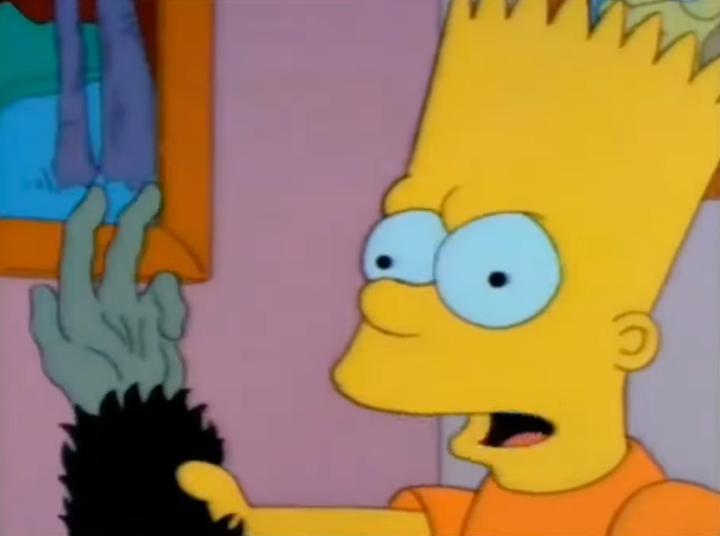
In the books, Stuart Little is a human

The film Stuart Little is based on the book Stuart Little by EB White (also the author of Charlotte’s Web).

And I sincerely regret to inform you that the first chapter of that cursed tome novel, “In The Drain,” begins in this haunting manner:

“When Mrs Frederick C. Little’s second son arrived, everybody noticed that he was not much bigger than a mouse. The truth of the matter was, the baby looked very much like a mouse in every way. He was only about two inches high; and he had a mouse’s sharp nose, a mouse’s tail, a mouse’s whiskers, and the pleasant, shy manner of a mouse. Before he was many days old he was not only looking like a mouse but acting like one, too – wearing a grey hat and carrying a small cane. Mr and Mrs Little named him Stuart, and Mr Little made him a tiny bed out of four clothespins and a cigarette box.

So, while publisher Harper Collins markets the children’s book as a “classic novel about a small mouse… born to a family of humans,” the perhaps less invested Britannica is more alive to its body horror realities.

It is, they point out, about a “two-inch-tall boy who resembles a mouse”.

Which begs the question, A24 Stuart Little remake when?

People had… thoughts

In response to the recent X post, one netizen called the news “disturbing”.

Another pointed to the historical myth of sooterkins. These were believed to be the rat-like afterbirth of some Dutch women (great! Normal!).

But it is not the first time innocent internet users have become aware of the fact.

A post shared to Reddit’s r/todayilearned pointed out the “mouse”’s true species in 2018.

“He also tries to get frisky/date a girl who is tiny like him and looks like a human,” wrote u/Atoning_Unifex.

Yup, that’d be Harriet Ames, who does not look like a mouse. Stuart got the hots for her after hearing that she was a little “shorter” than him, and after a shopkeeper “gave [him] a most favourable report of [her] character and appearance”.

They did not work out. But notably, Stuart Little began a letter to her by saying, “I am a young person of modest proportions” (italics mine).

All in all, I’m with u/MattheJ1: “If I were Mr Little, I’d be asking some questions”.

Share Button