Earlier Lockdown Would Have Saved ‘Many, Many Lives’, Matt Hancock Claims

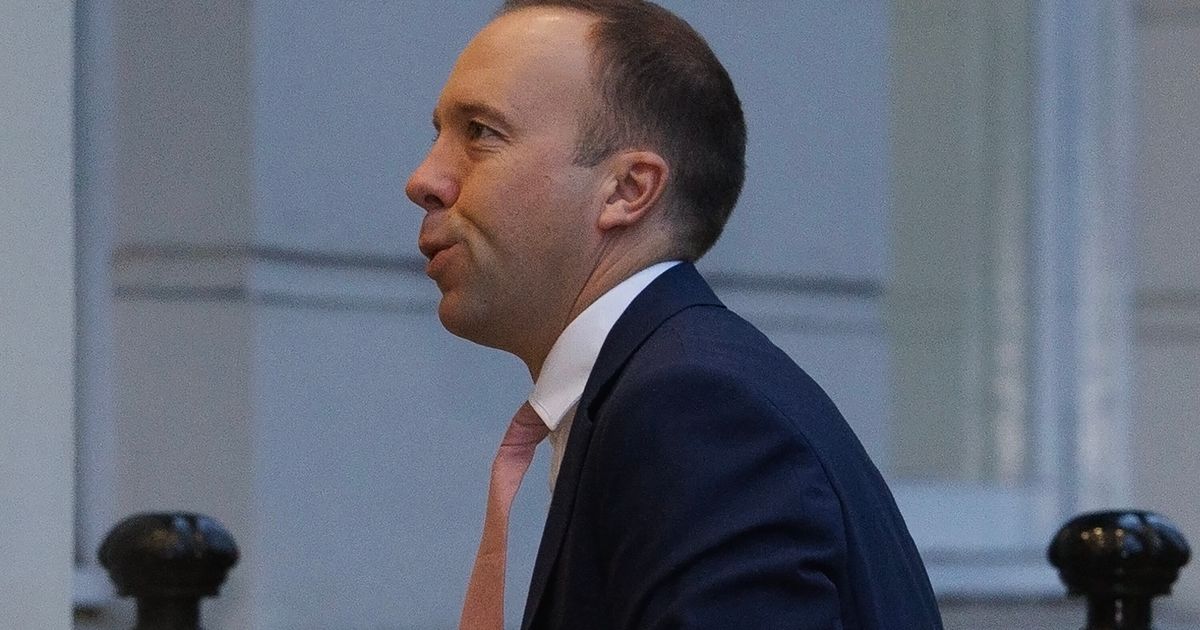
Locking the UK down three weeks earlier would have saved “many, many lives” during the Covid pandemic, Matt Hancock has claimed.

The former health secretary said the measures should have been introduced on March 2, 2020 instead of March 23.

He admitted that he was speaking with the benefit of hindsight and defended the government’s decision to hold off from locking down the country at the time.

Hancock was speaking during his second evidence session at the Covid Inquiry.

He said: “At the time, there was still enormous uncertainty, the number of cases was still very low – in fact, there were only 12 cases reported on March 1 – and the costs of what I’m proposing were known and huge.

“So I defend the actions that were taken by the government at the time, knowing what we did, but with hindsight, that’s the moment we should have done it, three weeks earlier, and it would have been, would have saved, many, many lives.

“Having obviously thought about this and reflected on this a huge deal over the last few years, the first moment we realistically could have really cracked it was on March 2, three weeks earlier than we did.”

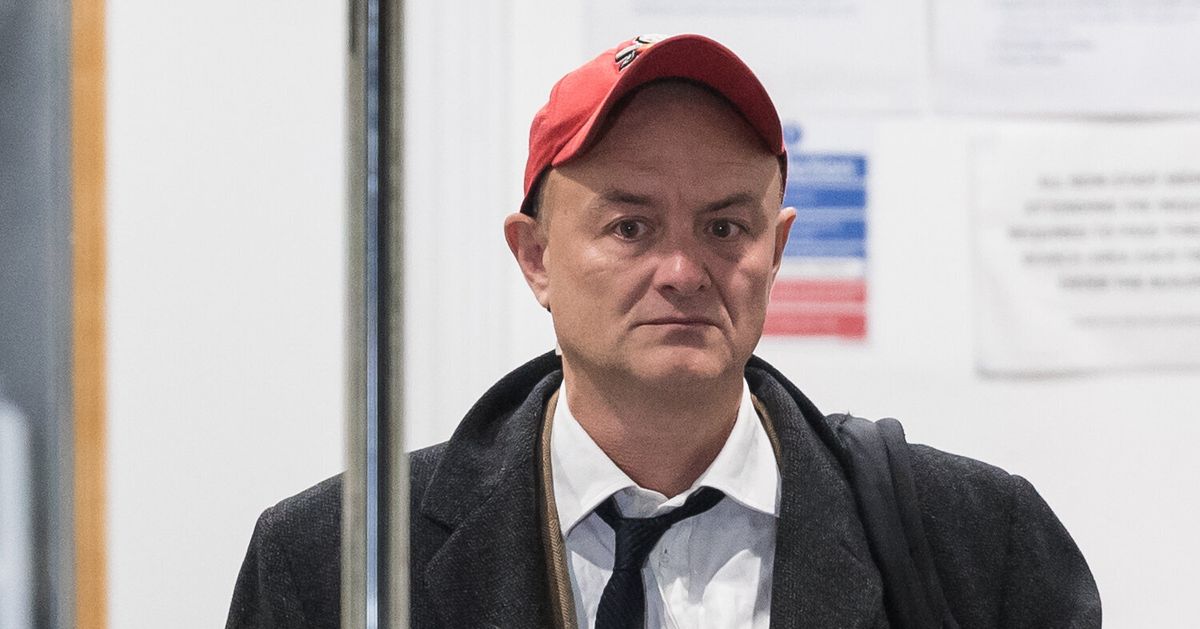
Hancock was also accused by Dominic Cummings of lying to the inquiry over his claim that he had pushed then prime minister Boris Johnson on March 13 to order a lockdown.

Cummings posted on X (formerly Twitter): “Hancock flat out lying to inquiry claiming he privately pushed for lockdown on 13th with PM – but admits there’s no evidence for it .”

An ally of Hancock hit back: “Cummings is not a reliable witness and this tweet is wrong.

“Matt called Boris on 13th, argued for lockdown on 14th and then Boris invited Matt into the smaller meeting after Cummings had tried to exclude him.”

Share Button

The Ingenious Reason You Should Start Your New Year’s Resolutions In December

A brand new year is almost here and that means a lot of us are thinking about what we want to do differently in 2024. Though we may have big plans to make big changes, sticking to a new year’s resolution is often easier said than done.

A recent study found that of the 44% of Americans who were likely or very likely to make a resolution, 55% kept their resolutions for less than a year, 11% kept them going at least six months, 14% made it at least three months, 19% lasted at least one month, and 11% were resolute for less than a month.

So, if we’re serious about launching a new routine or project on Jan. 1 — whether it’s a fitness regimen, eating better, improving our mental health or finally learning a new language — how can we improve the odds that we’ll still be doing it a year (or more) later?

Robin Arzón says the secret is to start on Dec. 1.

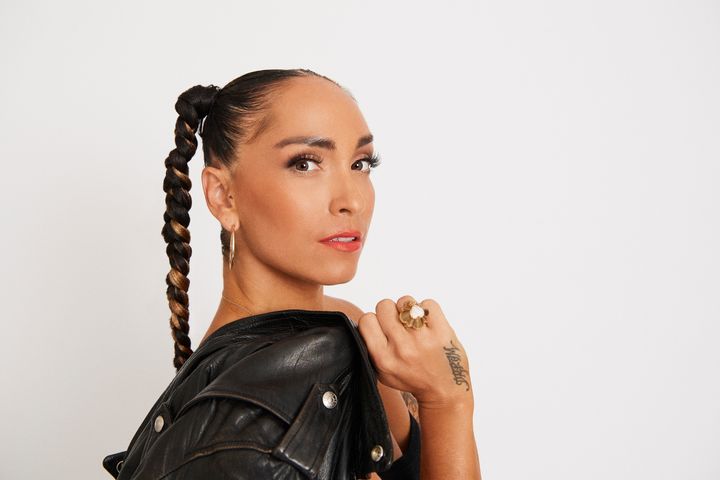
The Peloton superstar, a two-time New York Times best-selling author who just released a self-empowerment journal entitled “Welcome, Hustler” and is the founder of Swagger Society, recently joined us, Raj Punjabi and Noah Michelson, co-hosts of HuffPost’s “Am I Doing It Wrong?” podcast, to talk about how to make big life changes, including the strategy behind launching her #3for31 challenge, which involves committing to 30 minutes of movement a day, every day in December (for more info and to join the challenge, sign up for Arzón’s newsletter, The Pivot).

Robin Arzon launched her #3for31 challenge in 2012.

Photo by James Farrell

Robin Arzon launched her #3for31 challenge in 2012.

“This is cobbling together 30 minutes in a 24-hour period every day from Dec. 1 to Dec. 31 — traditionally the busiest time of the year for a lot of folks,” Arzón, who debuted the program in 2012, told us. “It is a really robust time of year and you prove to yourself that you can do it. If you can do that for 31 days, then how dare you tell yourself that you can’t during other seasons of your life?”

Though #3for31, which now involves thousands of participants, is specifically centered around movement, Arzón emphasized this mindset can apply to any new project or adventure we want to tackle.

“It sets us up to establish what the starting line is before the [new] year even begins,” she said. “For me, January 1 is just another day, because I’ve been doing it. I stay ready. I want folks to get a glimpse of that. I say #3for31 is a love letter to yourself, because doing something for yourself, even when it’s hard — especially when it’s hard — for 31 days is really, really a testament to your tenacity, and that will serve you in every other area of your life.”

During our chat with Arzón, we also learned about the very first step she takes whenever she’s ready to make a big (or little) change, how she’s transformed discomfort into a useful “companion,” and much more:

Need some help with something you’ve been doing wrong? Email us at AmIDoingItWrong@HuffPost.com, and we might investigate the topic in an upcoming episode.

Share Button

Dominic Cummings Has Accused Matt Hancock Of ‘Flat Out Lying’ To The Covid Inquiry

Dominic Cummings has accused Matt Hancock of “flat out lying” to the Covid Inquiry by claiming he was the first to push for the UK to go into lockdown.

The former health secretary Hancock claimed he urged then prime minister Boris Johnson to enforce a lockdown on March 13, 2020.

But in a scathing post on X (formerly Twitter) as Hancock was still giving evidence to the inquiry, Cummings said that was untrue.

He said: “Hancock flat out lying to Inquiry claiming he privately pushed for lockdown on 13th with PM – but admits there’s no evidence for it .”

Cummings also claimed that he “physically stopped” the then-health secretary coming to a meeting the following day because he “was bull****ting everybody about herd immunity”.

But an ally of Hancock said: “Cummings is not a reliable witness and this tweet is wrong.

“Matt called Boris on 13th, argued for lockdown on 14th and then Boris invited Matt into the smaller meeting after Cummings had tried to exclude him.”

Giving evidence today, Hancock told the inquiry that Cummings was a “malign influence” who created a toxic “culture of fear” in government.

Cummings is not the first witness to accuse the former health secretary of dishonesty.

In an earlier evidence session, former chief scientific adviser Patrick Vallance told the inquiry that Hancock had a habit of saying things that “were not true”.

And Helen MacNamara claimed he “regularly” told colleagues things “they later discovered weren’t true”.

Former deputy cabinet secretary Helen MacNamara also said Hancock would say things “which surprise people because they knew the evidence base wasn’t there”.
Hancock refuted these claims during his evidence session.

Covid inquiry counsel Hugo Keith also seemed skeptical at the legitimacy of Hancock’s lockdown assertions. He asked why there was no mention of it in his book, Pandemic Diaries.

“There is a whole page on how you woke up from the dawn flight to Belfast … you then went to Cardiff and so on.

“Telling the prime minister of this country, for the first time, that he had to call an immediate lockdown, is surely worthy of some recollection, is it not?”

Hancock replied: “I didn’t have full access to my papers for the writing of that, and this came to light in researching the papers ahead of this inquiry.”

Share Button

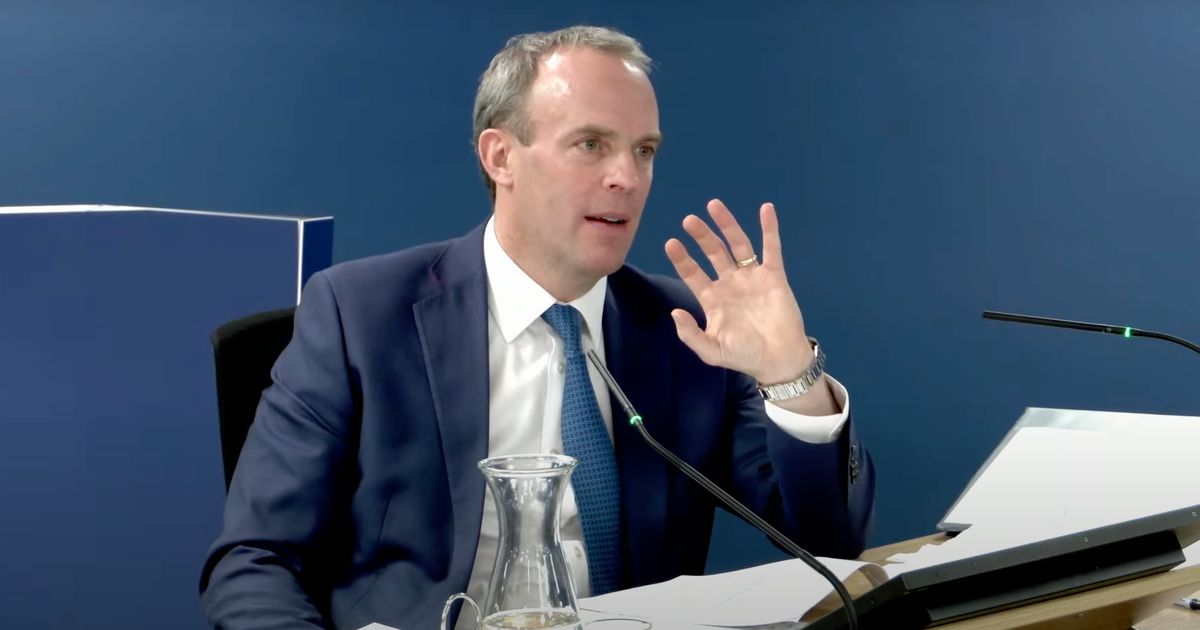
Dominic Raab Had ‘Five Minutes Notice’ He Was Taking Over Running The Country

Dominic Raab has said he was given “five minutes notice” that he was taking over the running of the country from Boris Johnson during the pandemic.

The former foreign secretary told the Covid inquiry on Wednesday he believed the government “did a reasonable job” during his time in charge.

He stepped up as de facto prime minister in April 2020 when Johnson was incapacitated due to being serious ill with Covid.

At the time, Raab was also first secretary of state, with Johnson having told him “you’ve got my back” if he ever became unable to do his job.

Raab revealed he was told by officials he would need to take charge moments after wrapping up one of the Downing Street daily press conferences on April 6.

“I was effectively told on five minutes’ notice,” he told the inquiry.

The chance Johnson could die triggered a crisis at the top of government and Raab said he needed to “steady the ship”.

“We actually did a reasonable job during that four, five weeks”, Raab said, thanks to “British pragmatism”.

Raab also said he was wary of imposing too much of his own will on the government while serving as interim-PM.

“I didn’t want anyone saying Dom Raab is enjoying this just a bit too much,” he said. “I wasn’t. I was there to do a job.”

“I was mindful of not looking like I was camping out in No.10 while my prime minister was ill-disposed.”

The Covid inquiry is still due to hear from Rishi Sunak, Johnson and Matt Hancock.

Share Button

Taika Waititi Says He Directed ‘Thor: Ragnarok’ Because He ‘Was Poor’

Taika Waititi wasn’t particularly interested in the Marvel Cinematic Universe before he became part of it, and only directed “Thor: Ragnarok” for the money, he said on Monday’s episode of the “SmartLess” podcast.

“I had no interest in doing one of those films,” Waititi said on the podcast, which is hosted by actors Will Arnett, Jason Bateman and Sean Hayes. “It wasn’t on my plan for my career as an auteur. But I was poor and I’d just had a second child, and I thought, ‘You know what, this would be a great opportunity to feed these children.’”

“And ‘Thor,’ let’s face it, it was probably the least popular franchise,” he continued. “I never read ‘Thor’ comics as a kid. That was the comic I’d pick up and be like, ‘Ugh.’ And then I did some research on it, and I read one ‘Thor’ comic … [and] I was still baffled by this character.”

Once deemed an indie cinema wunderkind for “Eagle vs Shark” (2007) and “Hunt for the Wilderpeople” (2016), Waititi is a more divisive figure today. He’s the first Indigenous director to win an Oscar, for 2019’s “Jojo Rabbit.” At the same time, he’s been slammed as a Hollywood hack who left his roots behind. “The Taika Waititi Fatigue Is Real,” a recent headline on The Ringer declared.

Waititi made “Thor: Ragnarok” (2017), Marvel’s third movie centered on the character, after co-writing the beloved vampire comedy “What We Do in the Shadows” (2014). He went on to win a Best Adapted Screenplay Oscar for “Jojo Rabbit” before helming “Thor: Love and Thunder” (2022), the fourth “Thor” entry and one of the most polarising Marvel films to date.

“It’s hard to see it now but Taika Waititi was most definitely an Auteur,” wrote one person on X, formerly Twitter, on Monday. “It saddens me that the man who made beautiful films like Eagle Vs Shark, Boy, What We Do In The Shadows & Hunt For the Wilderpeople turned into a hack.”

While many on social media are frustrated at Waititi, and argued that his candor was “a big fuck you to the fans because he doesn’t actually care” about Thor, others are less concerned.

One person on X wrote: “I’m happy he was able to provide for his loved ones.”

Taika Waititi has directed two "Thor" films for Marvel Studios, and said he's open to helm another one at some point.
Taika Waititi has directed two “Thor” films for Marvel Studios, and said he’s open to helm another one at some point.

Jordan Strauss/Invision/Associated Press

“Ragnarok” grossed $853 million worldwide and earned Waititi praise for his inventive direction. It’s still regarded by many as a high point of the MCU. By contrast, “Love and Thunder” ― while reportedly grossing an impressive $760 million ― was widely panned for its twee humour and lack of gravitas.

“I think we just had too much fun,” Chris Hemsworth, who has portrayed Thor Odinson for Marvel Studios since 2011, told GQ earlier this year. “It just became too silly. It’s always hard being in the centre of it and having any real perspective.”

Some esteemed auteurs, such as Martin Scorsese and Quentin Tarantino, have come under fire after voicing their distaste for the way comic book movies came to dominate Hollywood.

Waititi said he wouldn’t direct a fifth “Thor” movie, but that he’d be open to helm another entry even if other filmmakers get a crack before he returns. In Waititi’s words, he and Marvel are “in an open relationship, and it’s like if they want to see other people, I’m happy for that.”

He concluded: “I’d still get back into bed with them one day.”

Share Button

Jamie Lynn Spears Leaves I’m A Celebrity, Get Me Out Of Here! On Medical Grounds

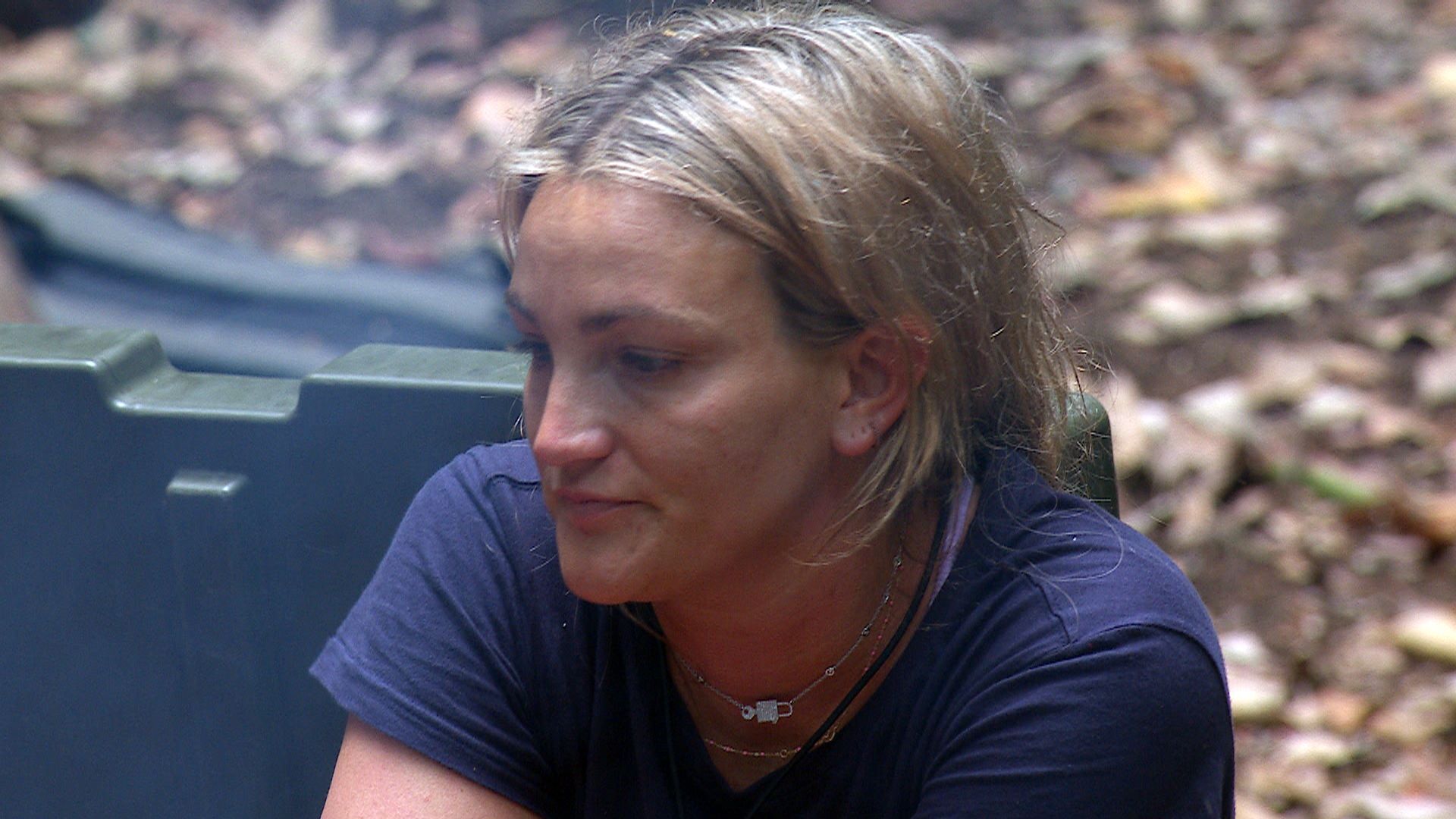
Jamie Lynn Spears has become the second of this year’s I’m A Celebrity contestants to leave the jungle on medical grounds.

On Wednesday afternoon, ITV confirmed that the singer, actor and younger sister of Britney Spears had left camp and not be returning.

A spokesperson said: “Jamie Lynn Spears has left I’m A Celebrity, Get Me Out Of Here! on medical grounds.

“She’s been a fantastic campmate who has triumphed at trials and bonded well with her fellow celebrities.”

It’s been confirmed that Jamie Lynn’s final appearance on the show will air during Wednesday night’s episode.

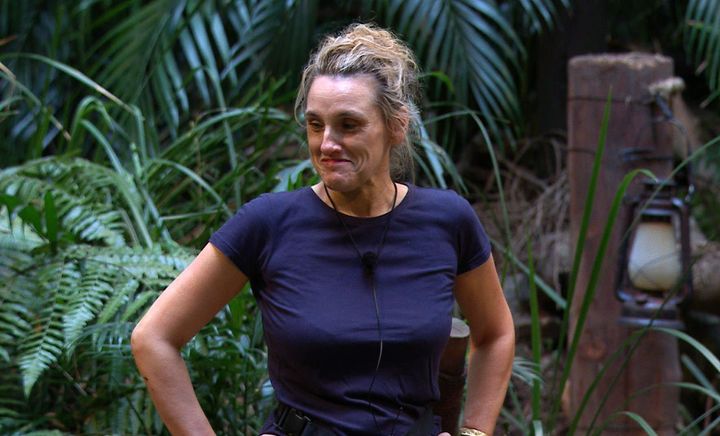
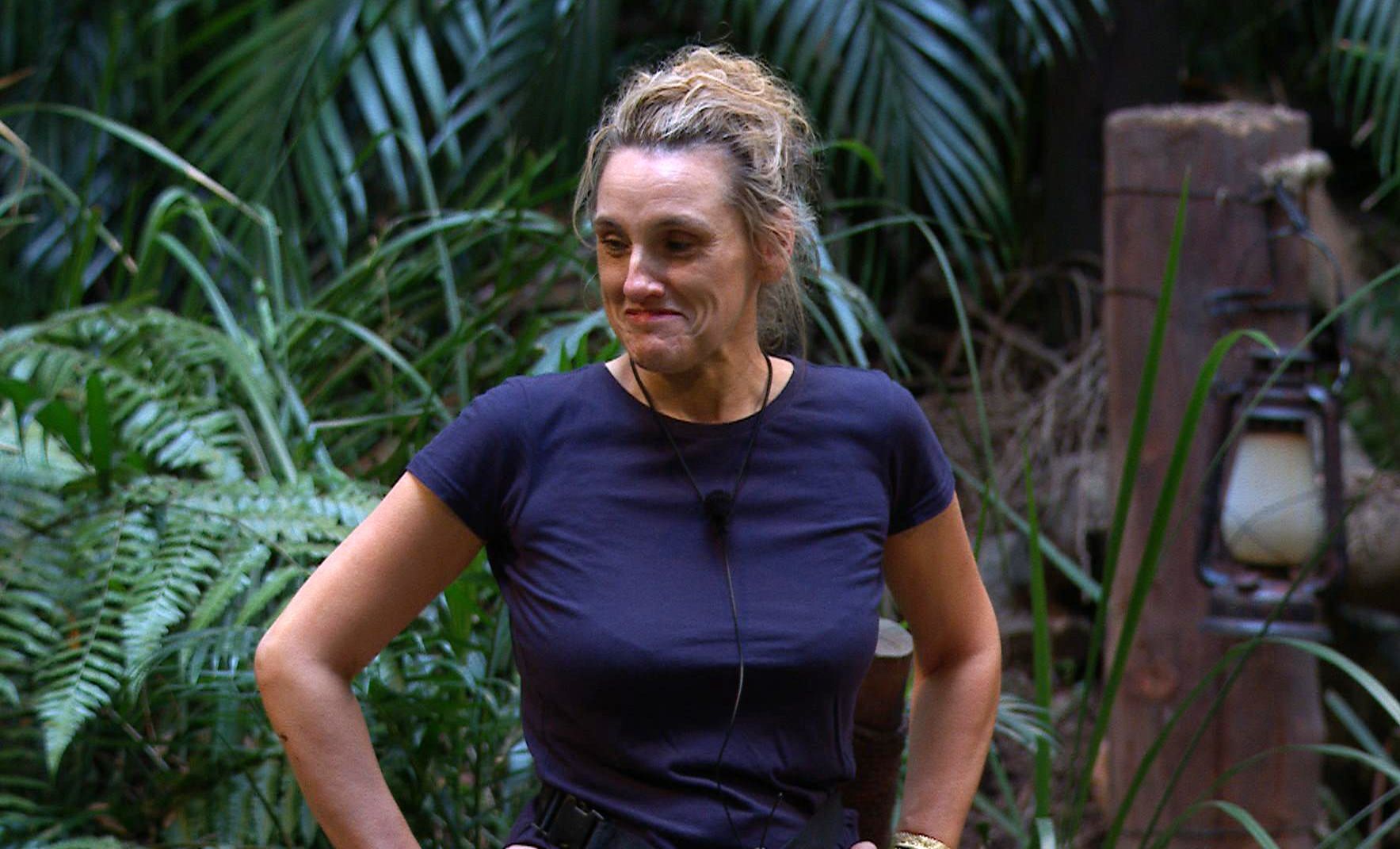
The former Zoey 101 star’s exit follows that of Grace Dent earlier this week, who also left the show for medical reasons.

Grace Dent in the jungle

ITV/Shutterstock

In a statement given to her fellow campmates, the journalist and MasterChef star said: “My dear campmates, I’m so sorry to let you down. I have left the camp for medical reasons,” the statement read.

“My heart is broken, I have loved and enjoyed getting to know you all. You’ve held me up and it’s been a pleasure being your friend through this experience.

“Leaving you all at this stage will be one of the saddest things in my life. I love you all.”

It was revealed during Tuesday’s instalment that YouTube personality Nella Rose had paid a visit to the show’s medical team, and was therefore absent from a live portion of the episode.

However, ITV has since confirmed to HuffPost UK that Nella is back in camp.

I’m A Celebrity continues on Wednesday night at 9pm on ITV1.

Share Button

So THAT’s What Our Chances Of A White Christmas This Year Are

The countdown to the 25 of December is officially on because the MET Office has revealed the Christmas day forecast.

But, it’s not great news if you’re a snow-lover. (Sorry!)

Temperatures have certainly dropped recently, with most of us feeling the chill as the predicted cold snap is expected to hit the UK later this week. And yes, that forecast does include snow.

And, in the run-up to the festive period, temperatures are expected to plummet to below zero in some parts (looking at you Scotland). But, when it comes to the big day, things are looking like they might be unseasonably mild, with wetter and windy weather than normal.

This is what the meteorologists say: “Conditions are most likely to be changeable through this period.

“Wetter and windier than average conditions are slightly more likely than normal, especially in the west and northwest.

“Temperatures are most likely to be near or above average overall, although this doesn’t rule out some spells of cold weather and associated wintry hazards.”

So if you’re looking forward to building that snowman, or making snow angels, then you might be waiting a long time.

But all snow-related-hopes are not lost, as forecasters have warned that there is still a chance of us running into some “associated wintry hazards”.

A month is a long time, and things can change rapidly. While snow isn’t looking likely, it definitely hasn’t been ruled out completely.

So maybe the no-show-snow-day is a blessing in disguise?

Share Button

The Red Flag Pain Symptom That Can Be A Sign Of Prostate Cancer

According to Prostate Cancer UK, 1 in 8 men will get prostate cancer in their lifetime. It’s the most common cancer in males and accounts for 27% of all new cancer cases in males in the UK.

However, a poll by YouGov earlier this year found that two-thirds of men don’t know any of the symptoms of the cancer. While this falls somewhat among older males, it still remains very high with 62% of 50-59 year olds not knowing any of the symptoms of the cancer.

Of the recognised symptoms, the most common were having to, or feeling the need to urinate more frequently and difficulty urinating. Both of these are symptoms of prostate cancer but can also be indicators of other diseases.

The sneaky symptoms of prostate cancer that you might miss

According to Cancer Research UK, prostate cancer doesn’t usually cause symptoms in the early stages and most prostate cancers start in the outer part of the prostate gland. This means that to cause symptoms, the cancer must be large enough to press on the tube that carries urine from the bladder to the penis, which is called the urethra.

While many people do think that urinary issues such as difficulty passing are due to prostate cancer, according to Cancer Research UK, they are very unlikely to be related to the disease and are instead likely to be caused by a condition called benign prostatic hyperplasia (BPH).

Instead, the sneaky signs of prostate cancer that you should be aware of are:

  • Back or bone pain that doesn’t go away with rest
  • Tiredness
  • Weight loss for no reason
  • Pain in the testicles
  • A loss of appetite

What to do if you think you have prostate cancer

According to the NHS, it’s not known exactly what causes prostate cancer but a number of things can increase your risk of developing the condition which include:

  • age – the risk rises as you get older, and most cases are diagnosed in men over 50 years of age
  • ethnic group – prostate cancer is more common in black men than in Asian men
  • family history – having a brother or father who developed prostate cancer before age 60 seems to increase your risk of developing it; research also shows that having a close female relative who developed breast cancer may also increase your risk of developing prostate cancer
  • obesity – recent research suggests there may be a link between obesity and prostate cancer, and a balanced diet and regular exercise may lower your risk of developing prostate cancer
  • diet – research is ongoing into the links between diet and prostate cancer, and there is some evidence that a diet high in calcium is linked to an increased risk of developing prostate cancer

There is no single definitive test for prostate cancer but if you suspect you have the disease, your GP will ask for a urine test to check for infection, take a blood sample and examine your prostate.

If you’re at risk you’ll be referred to the hospital for an MRI which may be followed by a biopsy to confirm the presence of the disease.

If you notice any changes whatsoever and especially if you’re at a higher risk of prostate cancer, make an appointment with your GP.

Share Button

I Lived With A Self-Destructive Secret For 30 Years. Here’s What Happened When I Told.

CW: Eating disorders, bulimia, binge eating.

Bulimia and I have been best friends since I was 13.

At the time, my parents were fighting, and rage permeated our house. At school, I was the awkward immigrant kid, hoping someone would see me.

But I had a few wonderful hours every day after school, when my parents weren’t home and I had the house to myself. That’s when my friend and I would sit together and watch our favorite shows — Three’s Company, Love Boat, Fantasy Island — and eat anything we wanted without prying eyes. Piled-high ham and cheese sandwiches on soft white bread, handfuls of freshly-released-from-the-bag potato chips and soft, chewy Toll House chocolate chip cookies.

The problem was, the high we got from food eventually vanished and we’d be left with the hangover — the shame, guilt, disappointment. By age 15, the food highs weren’t enough, I needed a way to deal with the repercussions — the bloating and self-hate.

One day, I went to the bathroom and pushed two fingers down my throat. It was scary but also a thrill. I got relief. The consequences were flushed away. The desperate need and its violent extermination now just a memory.

Bulimia comforted me, celebrated with me, entertained me. She was always there no matter how hard things got and she knew exactly how to make it better.

This secret was part of my life for the next three decades. Thirty years of desperate highs and crippling lows. Thirty years of hiding behind locked bathroom doors and running showers to muffle the sound of vomiting. Thirty years of looking in a steamed-up bathroom mirror at a person I didn’t want to be. Thirty years of being terrified of anyone finding out the grotesque ritual that was part of my life.

Until one day, when I was 44, I told.

I had been thinking of quitting for years because of the deep self-hate it produced, and had been slowly weaning myself off by stretching out the time between purges to months.

Another reason I wanted to quit was my terrible acid reflux. I had started feeling burning in my throat and worried that maybe my years of bulimia had damaged the muscle designed to keep that bile from coming up.

So when the doctor asked me at my annual checkup if I had any particular concerns, I told her about my throat pain and added that I was worried it was because of my years of bulimia.

“When were you bulimic?” she asked.

“Oh, I —” I paused, took a breath, and said, “I still am. It’s been — most of my life.”

To my surprise, she didn’t look at me with disgust or pity, or tell me all the ways I had damaged my body. She didn’t lecture me at all. She told me that millions of people had acid reflux and that it may have nothing to do with my bulimia. She then asked straightforward questions about my plans, if any, to address it.

I told her I’d been working on it and that telling her was my first big step to quitting for good. She gave me resources that I could use and organizations that I could reach out to for help. She then went on to do my check-up, like she had done many times before.

It was only a few minutes between us, but speaking the words out loud shook me. I almost felt dizzy with the confession and had to steady myself by holding the sides of the faux-leather bench. I had kept this secret for so many years that when it came out, I felt like a different person.

That night, I kept telling. This time I told my husband, the quiet, mild-mannered man I slept next to and raised my children with. We were cuddled up on the couch watching “Brooklyn Nine-Nine” when he asked about my doctor’s appointment. I stiffened, turned off the TV and turned to face him. Then I told him my story.

I told him about the years of locking the bathroom door and turning on the shower so he couldn’t hear the sounds of vomiting. I couldn’t risk him asking me what was wrong. I told him I was scared that if he found out who I really was he wouldn’t be able to look at me the same. Love me the same.

He put his arms around me. Shocked and heartbroken that the woman he shared his life with had this secret, this pain, he held me for a long time as I cried into his shoulder.

Telling him changed things. Without the secret, I was able to release the shame and stop one element of the disorder: the purging. I didn’t reach out to any organisation or read any books. The fear that my throat pain might be because of the binging, and releasing the truth to my husband were enough to push me to stop. I never did it again.

The binging ― the high – however, was still part of my life, albeit diminished. I found ways to avoid the yearnings by keeping busy. With the purging part gone, it released me from the “easy out” I had used every time the urge came up. I went back to work at a job I loved, went on long walks with friends and kept my life filled with the plethora of mom duties. I started living my life without bulimia’s constant stranglehold.

Then the pandemic hit. And like millions of people, it threw me into a dark and difficult place.

My husband and I gave the kids their own rooms to do online school. The only other office-like area went to my husband, who needed space to Zoom with this work team. I was left with the kitchen table.

I had lost the job I loved, regular daily activities of running errands and going to appointments, and friends I could spend time with who had helped me live a healthier life. I was left sitting in the kitchen with my laptop and countless idle hours of worry and anxiety. It was like being an alcoholic who lives in a bar.

So I ate and ate. And I gained a lot of weight. But it wasn’t the weight that crushed my self-esteem and mental health. It was the act of giving into this old friend — who I didn’t trust anymore, who I understood didn’t mean me well — day after day that wore away my confidence.

After two years, as the pandemic eased, I emerged along with everyone else — but I was much heavier and scared about the steps forward.

Eating disorders are unusually complex because we can’t give up food completely like with other addictive substances. And there’s such intense shame that comes with not being able to control your eating. So, we don’t like to talk about it, we don’t make big box-office movies about it and we certainly don’t have the same sympathy for it.

I’ve found I can only move forward when I stop struggling in silence and let go of the shame.

So as I did with the purging, I started being honest with myself and others close to me. One night, over dinner, I explained to my husband and teenage boys that the difficulties they’d seen me have with losing weight was not about the food itself — that’s why the dozens of weight loss programs I’d tried had failed. Rather it was about my relationship with food, my addiction and my binge eating disorder.

Once I verbalised this truth and accepted it, I was able to put down my guard and release the pain of it. A few days later, for the first time in my life I joined a binge eating disorder group and am now learning tools from counsellors that specialise in this disorder.

I don’t know how long the journey forward will be, but I do know that in order to get better, I first need to forgive myself and be honest about the fact that I can’t get better on my own. That’s the only way forward.

Help and support:

Share Button

Reese Witherspoon’s Son Deacon Slammed As ‘Nepo Baby’ After NYC Apartment Tour

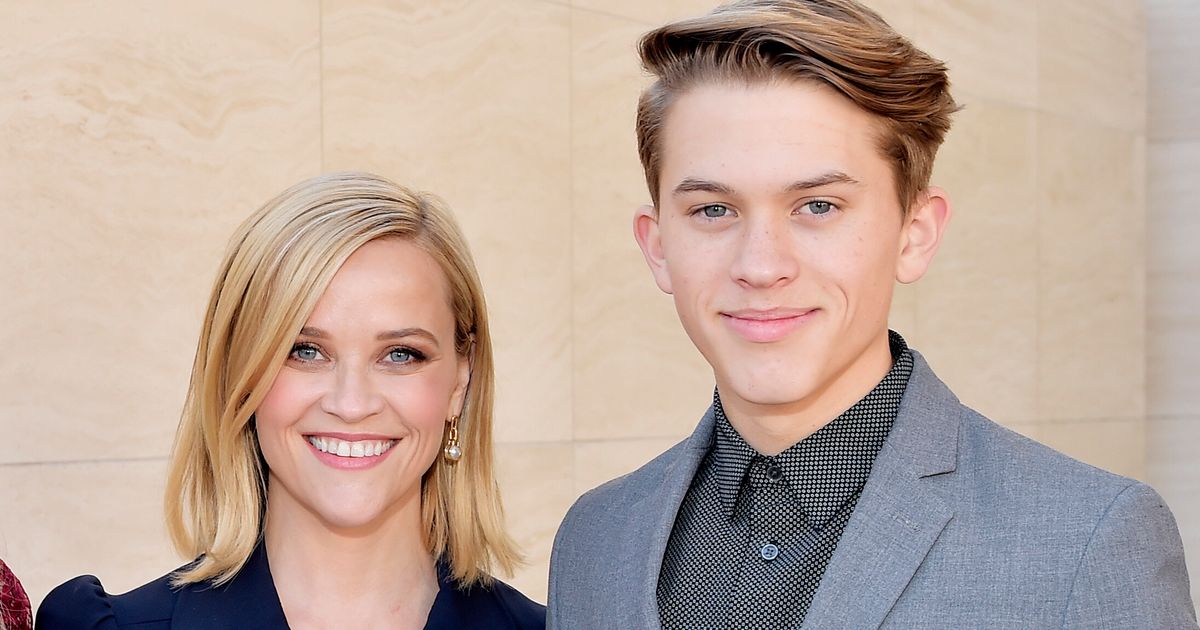
Deacon Phillippe inadvertently waded into the so-called “nepo baby” debate this week when he showed off his New York apartment on social media.

The New York University student, whose parents are actors Ryan Phillippe and Reese Witherspoon, invited TikTok personality Caleb Simpson over to his abode in a clip posted Tuesday.

Anyone expecting a cramped college dormitory was, of course, in for a surprise. The home boasts cathedral ceilings and a spiral staircase, as well as a brick wall displaying vintage vinyl. A glance at the apartment’s kitchen included a peek inside a well-stocked refrigerator.

And Phillippe ― an aspiring musician who released his debut album, “A New Earth,” in April ― can hone his craft from the comfort of his own bedroom, where he’s set up an at-home recording studio.

When Simpson asks how much he pays for rent, Phillippe shrugs.

“West Village prices, man,” he says.

Response to the video was decidedly mixed, with many accusing Phillippe of benefiting from his parents’ wealth ― according to Forbes, Witherspoon alone has a net worth of about $440 million ― when it came to his living arrangements.

“How much do you pay? The correct answer is: ask my mom and dad,” one person wrote.

“Let’s not forget that his mom and dad are wealthy celebrities. He could afford the whole place if he wanted to,” added another.

Deacon Phillippe (left) and Ryan Phillippe in 2022.

Mike Coppola via Getty Images

The term “nepotism babies,” often abbreviated as “nepo babies,” refers to children of actors, singers and other public figures whose professional success, typically in the realm of show business, can be broadly attributed to having famous parents.

A New York Magazine cover story published last December included “An All But Definitive Guide to the Hollywood Nepo-Verse,” and has drawn mixed responses from a host of celebrity progeny, including Kate Hudson and Ben Platt.

Despite the snark Simpson’s video received, others pointed out that Phillippe shares the apartment with roommates and, arguably, could be living in even swankier digs if he wanted to.

“People act like if they had that money they wouldn’t also be setting their children up,” one person wrote. “Perspective changes when living within your means changes.”

Share Button