Suella Braverman has had a bad weekend – but the next few days are set to be even worse.
The home secretary has been keeping a low profile today after the Sunday Times revealed she had asked civil servants to help her avoid a fine for speeding last summer.
Braverman wanted to arrange a private speeding awareness course but, after that proved impossible, she accepted the fine as well as three penalty points on her licence.
Advertisement
Awkwardly, the first Rishi Sunak knew about it was when the story was about to be published.
HuffPost UK understands that although the speeding offence took place when she was still attorney general, Braverman didn’t accept the fine until after Sunak had re-appointed her to the role of home secretary in October.
The PM’s frustration was obvious this morning, when the controversy dominated his press conference marking the end of the G7 summit in Japan.
Asked by the BBC’s Chris Mason if he retained “full confidence” in his cabinet colleague, a grim-faced Sunak replied: ”Well Chris I don’t know the full details about what has happened, nor have I spoken to the home secretary. I think you can see first hand what I’ve been doing over the last day or so.
“But I understand that she’s expressed regret for speeding, accepted the penalty and paid the fine.”
When he returns from the G7 on Monday, the PM will hold talks with Sir Laurie Magnus, his independent ethics adviser, about the Braverman controversy.
Advertisement
Both Labour and the Lib Dems say Sunak must order Sir Laurie to conduct a full inquiry to uncover all the facts.
More immediately, Braverman will have to face the music in the House of Commons at Home Office questions on Monday afternoon.
But that is not the only ordeal the embattled home secretary faces in the coming days.
On Thursday, official figures will confirm that net migration is approaching one million – well above the “tens of thousands” Braverman has said she wants to get it down to.
She – and Sunak – will come under severe pressure from Tory MPs to set out exactly how they plan to reverse the current immigration trend.
Despite the latest controversy surrounding Braverman – she had to quit as home secretary under Liz Truss after breaking security rules, only to be given her job back by Sunak just days later – her position remains safe for now.
Advertisement
One senior Tory source said: “If she was sacked, she would just team up with the other disaffected people and cause the prime minister more trouble. Sometimes it’s best to keep them inside the tent.”
Nevertheless, the week ahead will be the toughest of Braverman’s career. How she handles it will tell us a lot about what kind of future she has in British politics.
The first time I was in China, I became one of her lost girls. As I was taken from my birth mother’s arms and placed at a nearby train station, I became a statistic ― another baby uprooted by the country’s one-child policy. At 11 months old, I was plucked from China’s embrace and placed into that of my parents. My roots began to grow in the soil of a different land.
When I was old enough to comprehend the gravity of my truth, my parents sat me down and told me that I had been adopted from China. This supposed revelation did not alter the trajectory of my life as my parents feared it might. It was fairly easy, even as a child, to recognise that I did not look like those around me, especially my parents. In fact, I found it quite awesome to be different ― to have come from a country so rich with history and culture.
Advertisement
However, the reality of living in a town with a predominantly white population is that many of its residents ostracise anyone who is different. I tried desperately to fit in with the other kids, but it became clear early on that despite my parents’ whiteness, my Chineseness would always make me an outsider.
Growing up, I listened as friends discussed which parent they resembled the most, and I grappled with the guilt that came with wishing I could participate in those discussions. I laughed along with others as they asked me to talk to them in “my language” and proceeded to speak gibberish in a way that was supposed to imitate Mandarin. For years, I didn’t know how to feel, or if my feelings were even valid. I didn’t realise that these seemingly small acts of aggression were racist and that they would grow into hatred in the future.
Courtesy of Iris Anderson
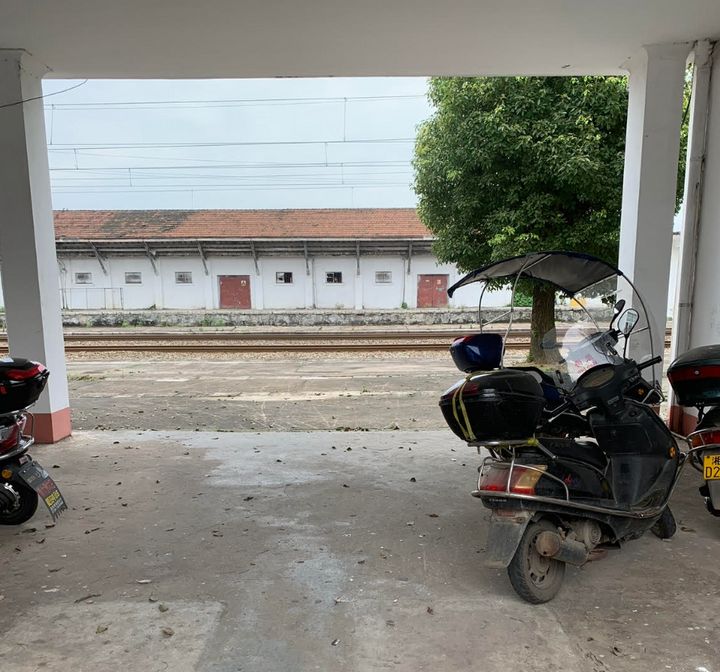
The now-abandoned train station where the author was left as a baby.
The first time I returned to China with my parents, I was 9 years old and longing for a place filled with people who looked like me. I was completely in awe of the country that created me, and this is when I first realised that I needed to embrace being Chinese. This proved nearly impossible. It was obvious that I did not belong to those who lived in China. From the way I dressed to the language that I spoke ― or couldn’t speak ― to them, I was American through and through.
Advertisement
As the trip went on, I found myself becoming increasingly disconnected from China and Chinese culture. I felt like a foreigner in a country that I desperately believed should have felt like home. This was the revelation that changed the trajectory of my life: My identity as a transracial adoptee seemed to define me everywhere I went. I was too Chinese to be American in America, and I was too American to be Chinese in China.
As I grew older, it became more common for adults to ask me how lucky I felt to be adopted from China, and I became resentful at how their questions commodified me. If I did not respond with gratitude for being adopted, it was as if a switch flipped in their mind and they saw me as a selfish girl who owes her parents everything. I left an abundance of words unsaid. To these people, this topic seemed clearly black and white: I was adopted from China after being left at a train station and should be grateful for my parents’ generosity ― for the roof they put over my head and the food they put on my plate.
Obviously, I love my parents. They have given so much to me and I would not be where I am today without them. My epiphany occurred when I realised that I am allowed to simultaneously love my parents and grieve what I lost. While transracial adoptees may be placed into amazing, loving families, it does not change the fact that their culture was stolen from them.
I have always belonged to an in-between place: not quite Chinese, but definitely not white either. The spaces and resources available to transracial adoptees are few and far between despite how large our population is, especially in the United States. My parents never hid the fact that I was Chinese, and they did the best that they could to expose me to Chinese traditions, but their efforts had their limits. Still, I am lucky to have parents who wanted and pushed for me to be connected to the country in which I was born.
Courtesy of Iris Anderson
The author with her parents in front of the Temple of Heaven in Beijing. “I remember that day being miserably hot, but I really enjoyed being there with my parents,” she writes.
Advertisement
When I came to them about wanting to feel more connected to China and Chinese culture, they searched for years to find someone who could teach me Chinese. Unfortunately this task proved immensely difficult, so instead I began teaching myself the basics. My parents promised to take me back to China as soon as possible, especially now that I was older and could understand the importance of the trip a little bit more. They could tell I was struggling to reconcile my identities and always made sure that I knew I could lean on them for support. Unlike others, my parents never held my emotions against me and were ― and still are ― pillars of support.
The second time I returned to China, I was 15 and felt more in touch with my emotions. I wanted to build connections with other adoptees and hear their stories. This trip, which catered to adoptees from the same agency, allowed me to spend time with others who had been taken into white families.
Together, we found and created a safe environment for each other where we could talk about our experiences and vent our emotions without fear of judgment. This visit was different for me. I felt seen and heard by others who experienced the same inner turmoil that I had. Together we laughed and cried and lamented what could have been. In another life, would we have been able to meet under different circumstances?
It didn’t matter, we answered. We realised that all that mattered was what we had now, a fragmented past blended with a found family, each other included. While we didn’t all have the same goals for our return to China, we did share one: to reconcile our guilt and our curiosity. For me, I held no anger toward my birth mom for giving me up, especially when I understood the state of China and the one-child policy. But the curiosity of knowing about where and who I came from was there, and probably always will be. By the end of the trip, I cannot say that this goal was completely achieved. But while it might sound cliche, we adoptees did find each other, and in some way that was worth more to us than our original goals.
When I returned to the United States, I finished high school with a different perspective than the one I entered with. I felt able to embrace my in-between identity and reconcile the parts of me that had always felt at odds. Still, I lean on those I have found on my journey and continue to search for others who help me feel whole.
Advertisement
Courtesy of Iris Anderson
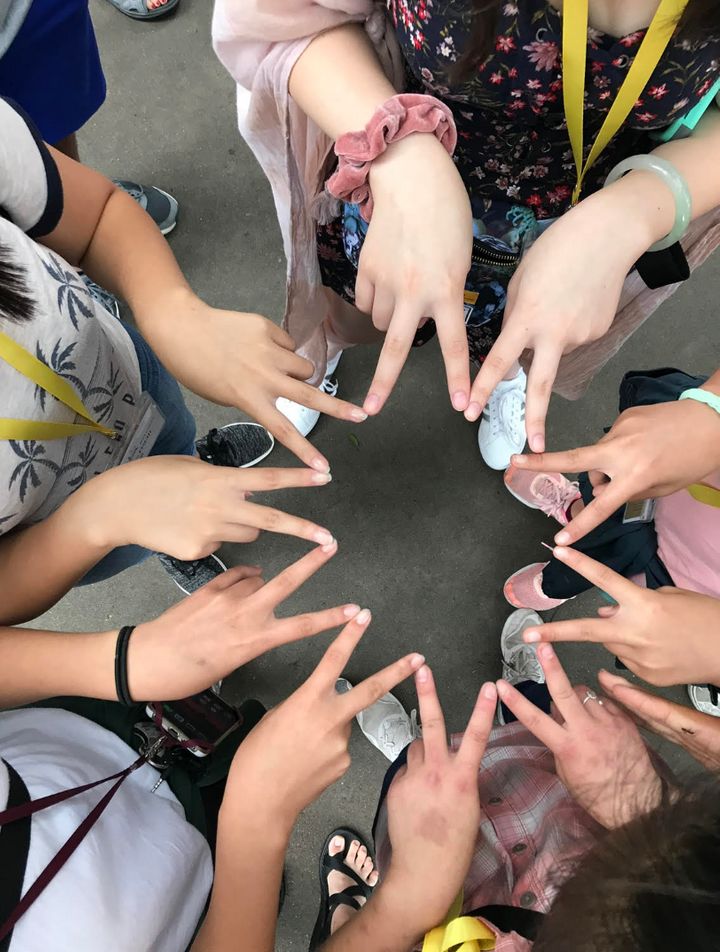
The author and the adoptee friends she made. “We were having so much fun at that point in our trip and were always asking our parents to take pictures of us together,” she writes.
All transracial adoptees deserve to have a place where they can release their emotions and feel a sense of community. While I know not all transracial adoptees will want or be able to return to their country of birth and connect with others who have shared experiences, I hope they can find another way to build a community, perhaps through local groups or online. Being able to share my thoughts, emotions and challenges ― which I worried only I was thinking, feeling and facing ― with people like me has changed my life for the better.
It has been a difficult adventure to reach a place where I feel comfortable with who I am ― Chinese, American and an adoptee ― but it has allowed me not only to deepen my roots, but also to make flowers bloom in my life today.
Iris Anderson is studying biology and psychology at Columbia University and is part of the class of 2026. She loves to write in her free time and is inspired by her personal experiences and those around her. Iris would like to thank her University Writing professor, Emily Weitzman, and her Literature Humanities professor, Taarini Mookherjee, for their support of her writing endeavours.
MONTGOMERY, Ala. — Of all the places Andrew Warren imagined his career would take him, it was never here: the lobby of an upscale chain hotel in downtown Montgomery, huddling with his legal team and preparing for a hearing that — maybe within a year if he’s lucky — will result in him getting his job back.
“I didn’t ask to be the tip of the spear in this fight for freedom and democracy,” Warren said, settling into a tall wingback chair on the morning of May 2, several hours before he was due in a federal appellate court just down the street. “But the governor picked a fight with me, so I’m fighting on behalf of everyone who cares about these issues.”
Advertisement
It has been over nine months since Florida Gov. Ron DeSantis suspended Warren, accusing the twice-elected Democratic prosecutor for Hillsborough County of “incompetence” and “neglect of duty” in a scathing 29-page executive order last August. The Florida Constitution gives the governor the power to remove elected officials in cases of extreme misconduct. But those powers have rarely, if ever, been used in a case like Warren’s.
“This is something you’d expect to see happen in Turkey or North Korea or China. This is not something you’d ever expect to see happen in the United States,” said Warren, whose general measured demeanor during our interview sometimes gave way to a quiet rage about the whole episode.
“The governor is the one who did wrong here,” Warren told me, “and no one else should have to adjust their behavior to the whims of the dictator.”
Frothing with the polite but pointed anger of a clean-cut attorney, Warren described the surreal events of the past year, which has included: Learning of his suspension in the middle of grand jury proceedings for a decades-old cold case. Being escorted from his office with his belongings by armed sheriff’s deputies. Watching the governor brag about his suspension on Fox News. Reading about his suspension in the governor’s book. Hearing about his suspension in the governor’s stump speeches. Reliving this episode of his life over and over again — in court, in interviews, in conversations with friends and strangers. Having his career and life essentially frozen. Receiving death threats against his family because of the bright spotlight that DeSantis put him under.
Advertisement
“This has been very difficult for me professionally,” said Warren, who is still living with his family in Tampa, “because I care so much about the office. It’s been very difficult for me politically, because the most powerful Republican in the country is targeting me specifically, as an individual. And it’s been very difficult for me personally ― everything from just the huge disruption it’s had on my life with my family, to getting death threats from people who tell me that my children deserve to die for the things I’ve done.”
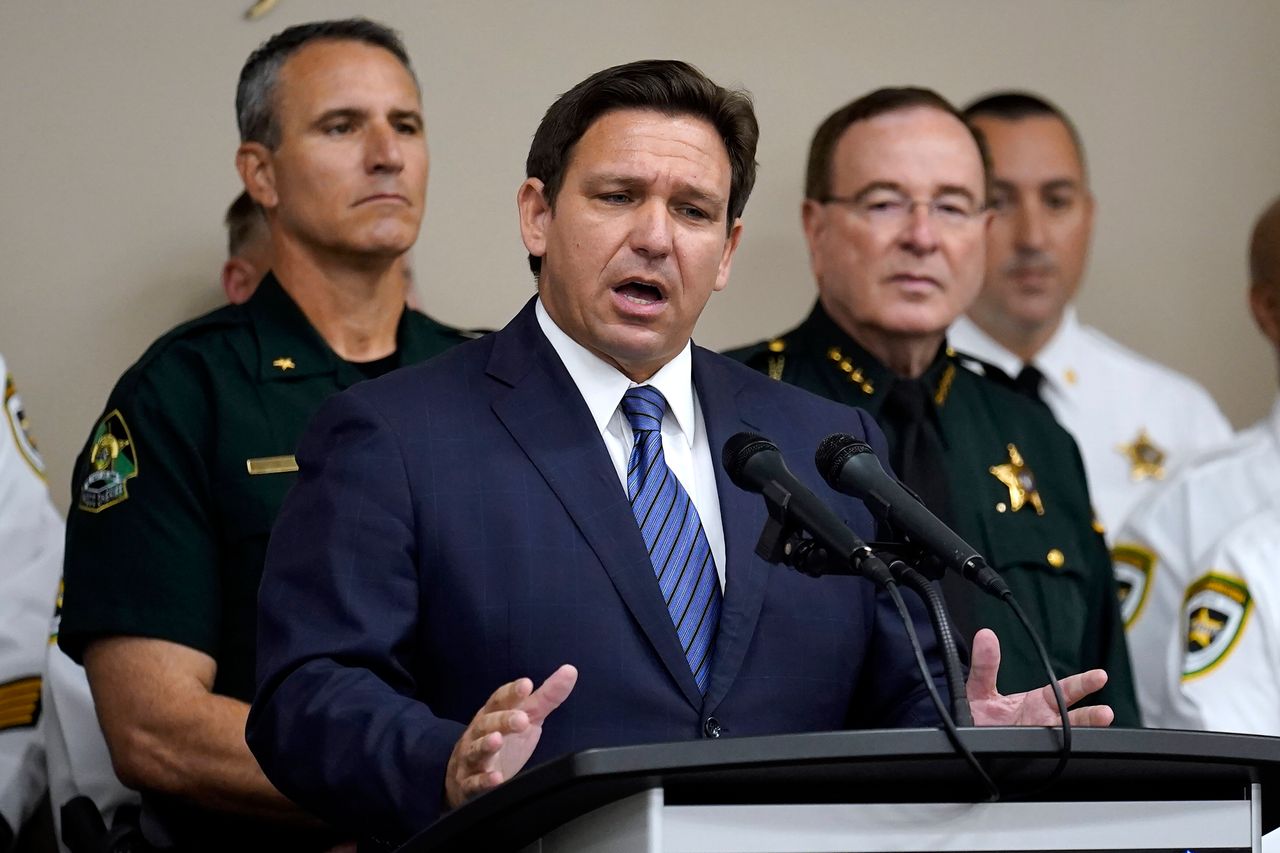
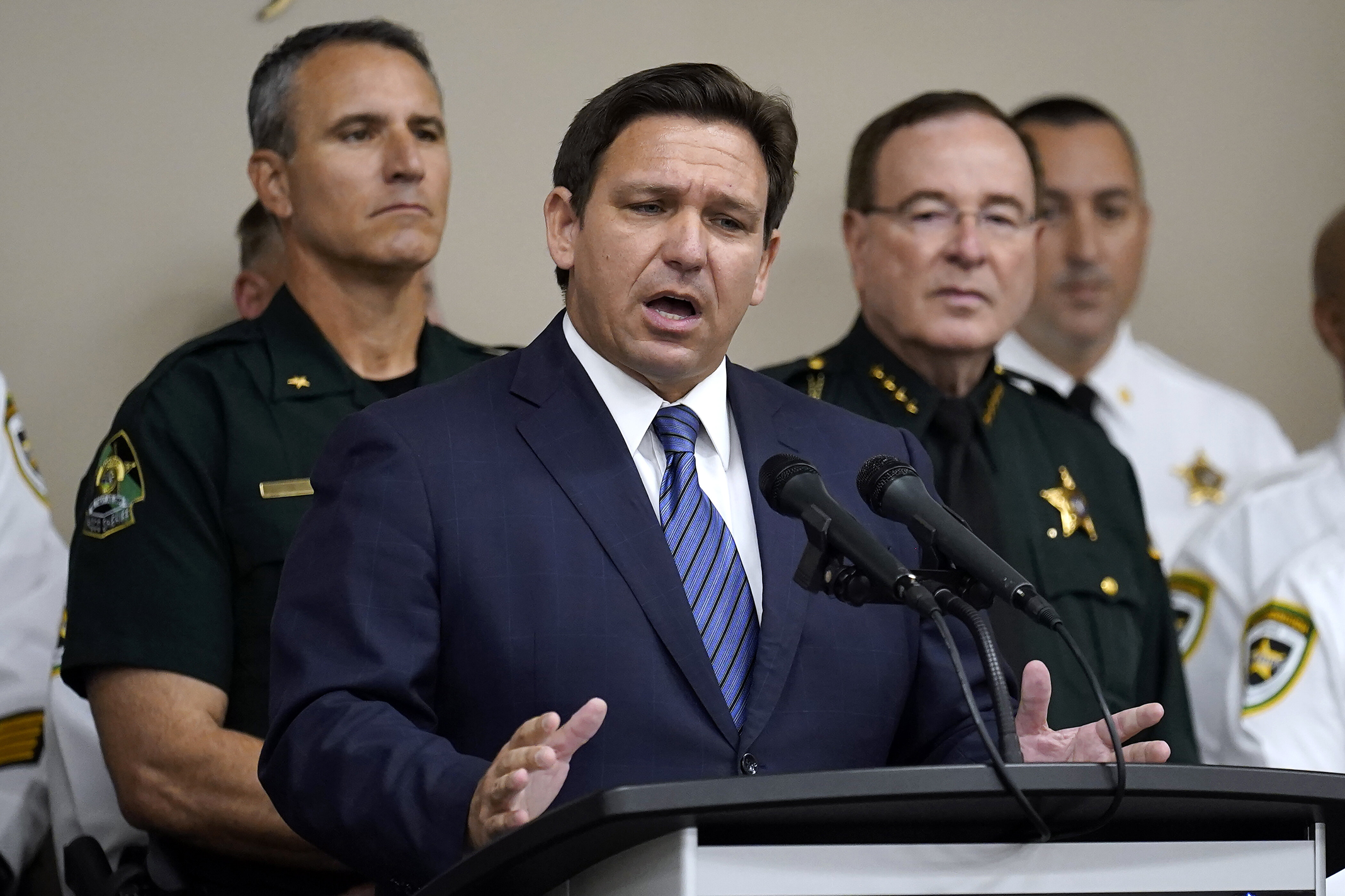
DeSantis, the Republican governor of Florida, suspended Warren last August for what he characterized as “neglect of duty.”
Associated Press
In his lawsuit, now winding its way through federal courts and currently being heard by the 11th U.S. Circuit Court of Appeals here in Montgomery, Warren argues that DeSantis violated his constitutional right to free speech and removed him without cause. It will likely be decided as DeSantis is running for president on his record of governing “the free state of Florida.”
DeSantis is expected to announce his campaign for the Republican nomination in the coming days. He has already made Warren’s firing a staple of his stump speech, using the episode to show how he’s crushed foes using his executive fist. “[These state attorneys] want to weaponize the power of their office to target people they don’t like,” DeSantis said last month in Manchester, New Hampshire. “And when we had an attorney like that, a district attorney in Tampa who had been funded by [George] Soros and said he would not uphold the laws of the state, I removed him from his post. He’s gone.”
Warren was never bankrolled by Soros, the Democratic mega-donor who is a perennial target of conspiracies and hate on the right — but he likely benefited from contributions Soros made to the Florida Democratic Party at one point or another. DeSantis, perhaps projecting, also misrepresented the argument he used to fire Warren, who has never been accused, in either the executive order suspending him or in subsequent court filings, of going after people he didn’t like.
Advertisement
The governor’s office, which generally only interacts with certain friendly news outlets, never responded to a request from HuffPost to provide a comment for this article.
Warren has taken his battle against DeSantis to the courts, hoping the 11th U.S. Circuit Court of Appeals will rule in his favor.
Chasity Maynard/Tallahassee Democrat via AP
Although it’s easier to describe Warren as having been removed or fired, he’s technically in a state of suspension that could be reversed — or made permanent — pending a hearing by the Florida Senate. But given the heavy Republican makeup of that body, Warren is exploring other remedies.
Warren’s suspension came two months after he co-signed a letter with more than 80 other progressive prosecutors opposing the criminalization of abortion and transgender health care, in the wake of the Supreme Court’s reversal on abortion rights. In his executive order, DeSantis cited both the letter and what he characterized as a “blanket refusal” to prosecute some low-level crimes, such as the aggressive ticketing of Tampa bicyclists, most of whom were Black. Warren disputes that his office had “blanket” policies that endangered public safety, as DeSantis tried to argue in his order — and his case hinges on whether a panel of majority-conservative appellate judges see it the same way.
“The governor has his talking points, which are divorced from reality. From the day I was suspended, I said this was a publicity stunt, the allegations are false, this is un-American,” said Warren, on the edge of his seat, his legal team hovering nearby.
Advertisement
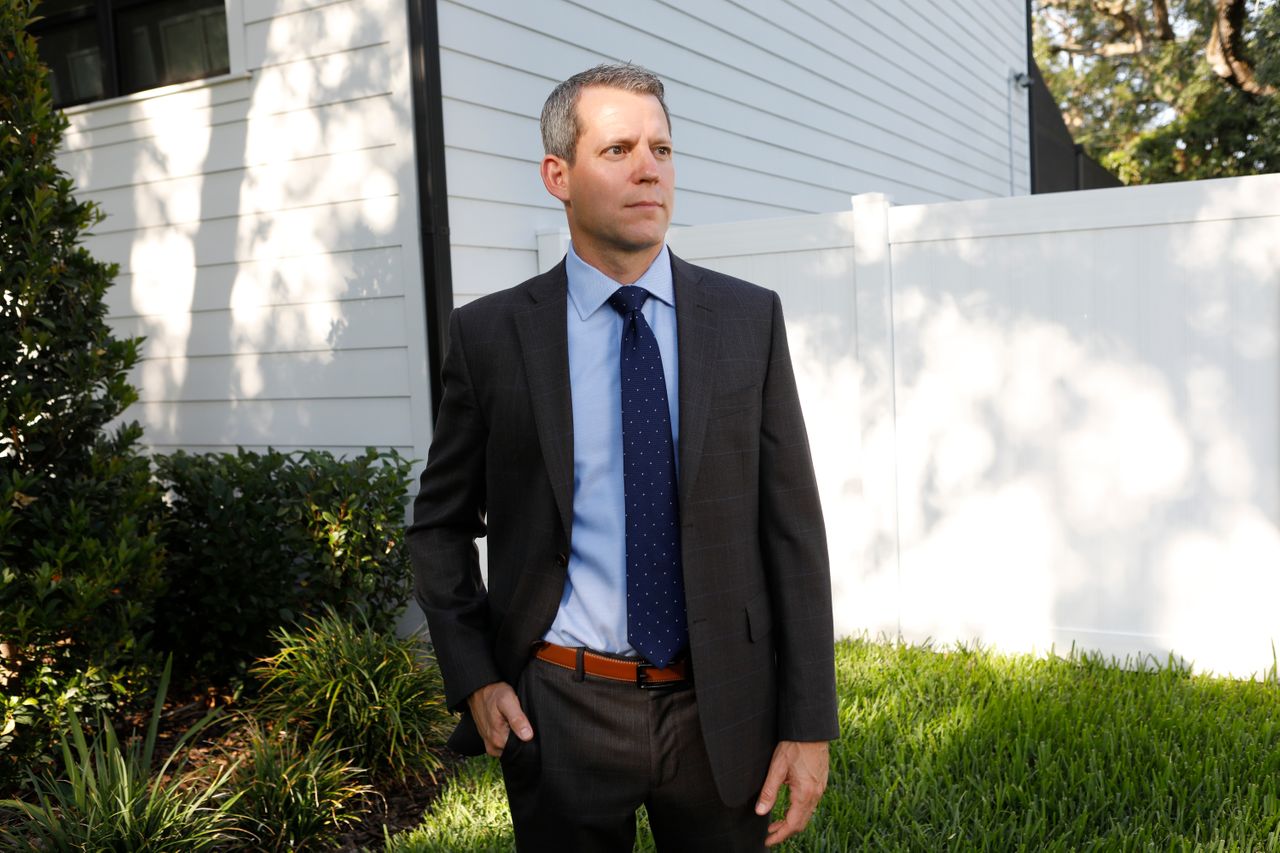
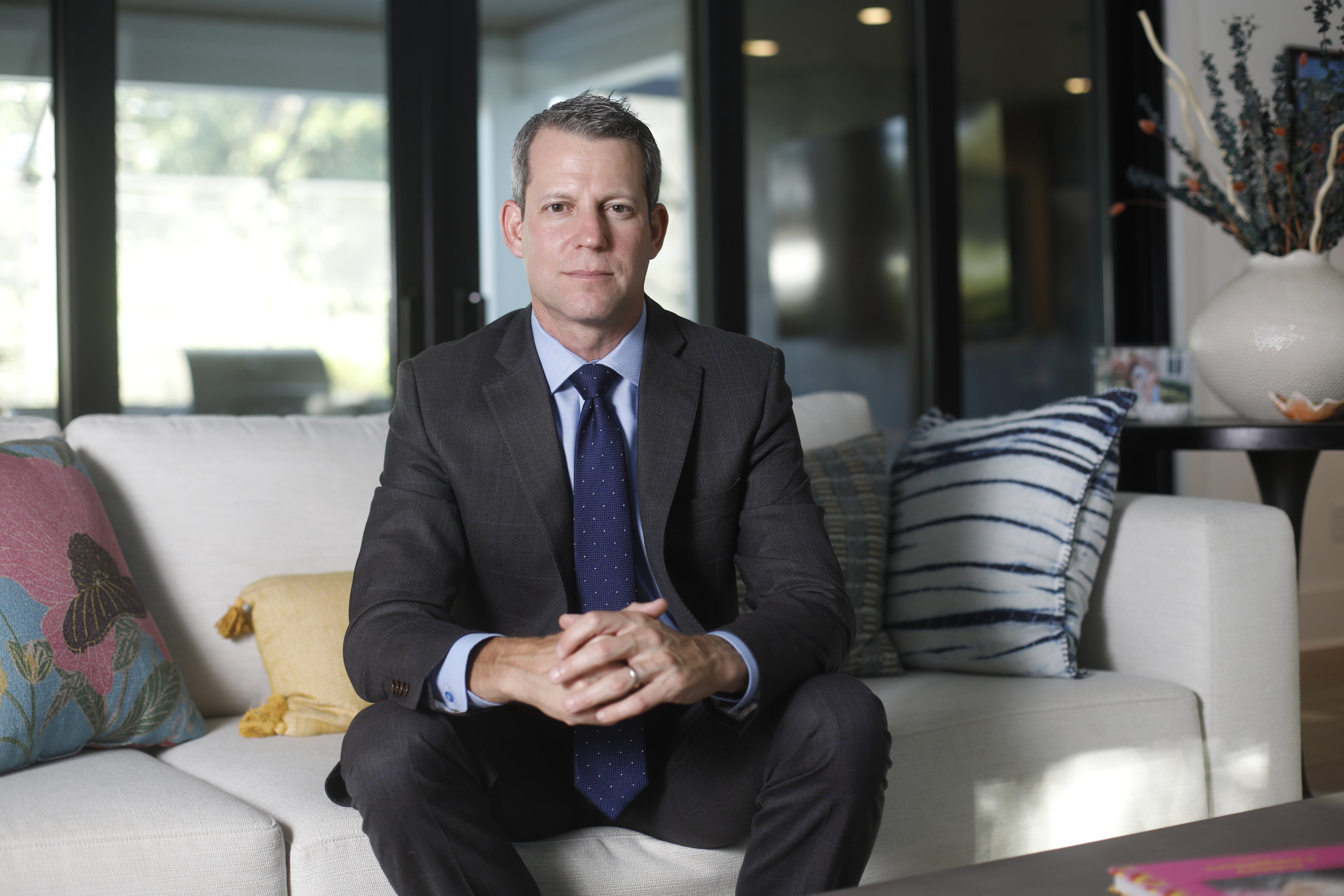
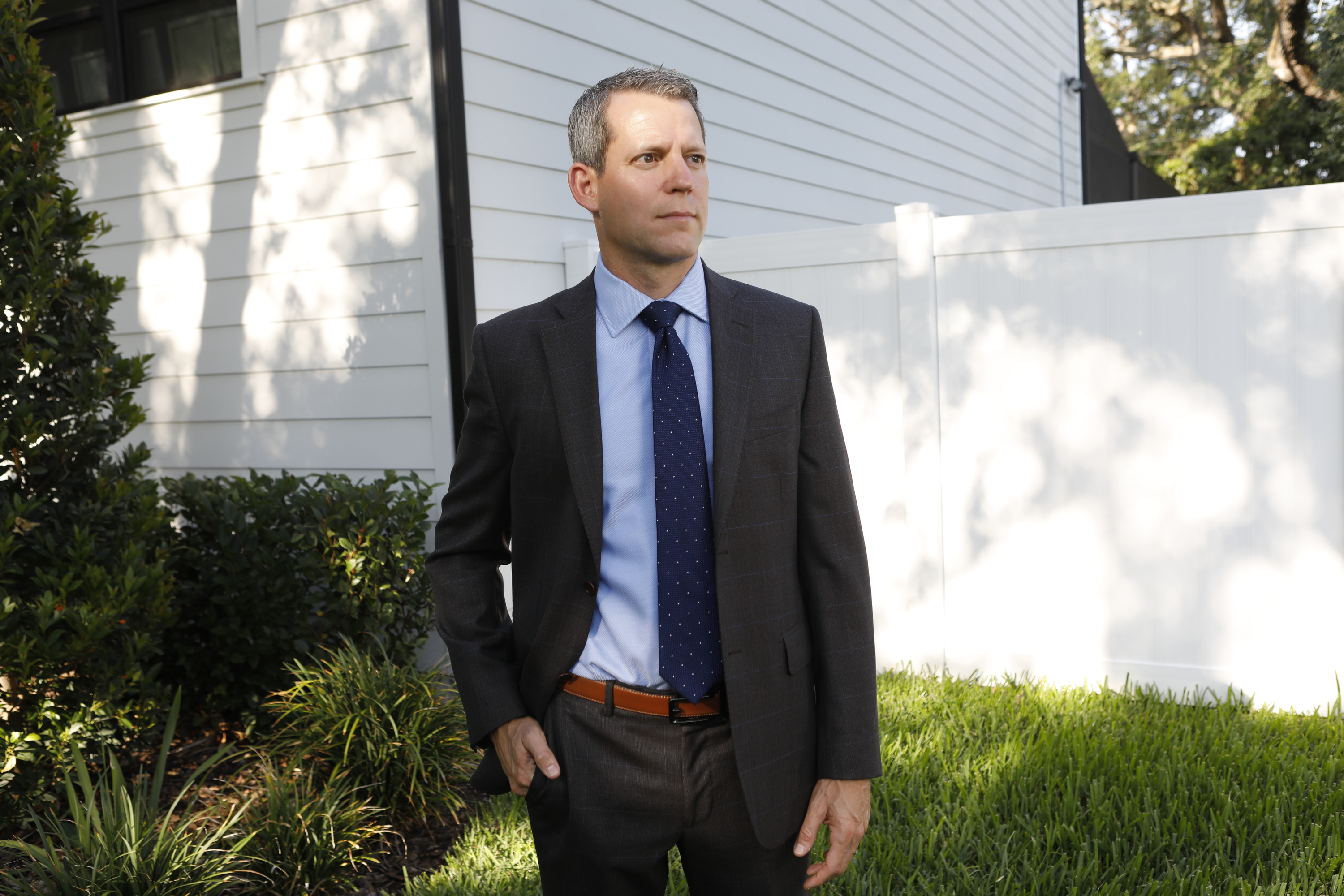
A trim 46-year-old with light salt-and-pepper hair, Warren sometimes doesn’t blink when he’s talking. During an interview, he comes off as a deeply focused person who has spent the last nine months of his life consumed by two overlapping objectives — getting his job back and sounding the alarm on DeSantis, whom he sees as a threat to democracy. “Powerful people without a moral compass are dangerous,” Warren said. “Politicians who are willing to break the law to get votes or to get applause are dangerous.”
Politics aside, however, the two men have, if not a lot, at least some major things in common. They are both Florida natives in their mid-40s. They followed similar paths into public service after graduating from elite law schools (Warren from Columbia, DeSantis from Harvard). As young lawyers, they both worked for the Justice Department as federal prosecutors. And they’ve both confronted family tragedies in recent years ― Warren, after his pregnant wife was involved in a car crash and the couple lost their baby, and DeSantis, after his wife was diagnosed and underwent treatment for breast cancer.
Their paths diverged dramatically once DeSantis became a congressman and joined the right-wing House Freedom Caucus, and Warren, having moved from Washington to Tampa to raise his family, decided to challenge a longtime GOP incumbent for state attorney.
The job of chief law enforcement officer, by its very nature, relies heavily on the discretion of the individuals doing the job to determine how crimes are prosecuted and sentenced. That’s why Warren’s case is so tricky and precedent-setting. It’s also why, in nearly every state, prosecutors are locally elected and therefore not subject to the political whims of a faraway official — the same principle behind a governor not picking the members of your city council or school board.
DeSantis isn’t the only Florida governor who has kneecapped a prosecutor. Sen. Rick Scott, the Republican who preceded DeSantis, got a judge to allow him to reassign murder cases from an Orlando prosecutor who was opposed to using the death penalty. But Scott didn’t try to get that prosecutor fired. “When I was there I was very clear — you have to prosecute your cases,” Scott told HuffPost, declining to comment on what’s happening now between DeSantis and Warren.
Advertisement
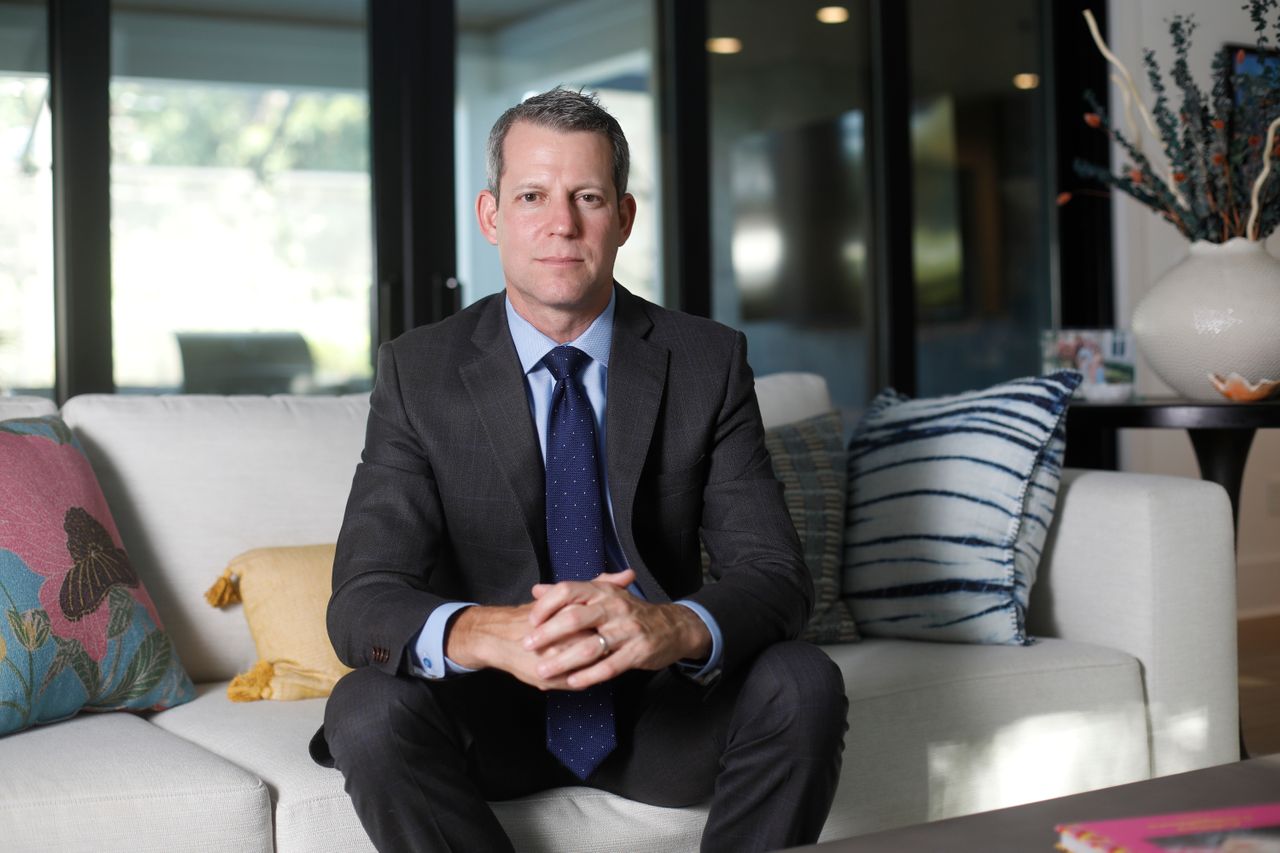
“Politicians who are willing to break the law to get votes or to get applause are dangerous,” Warren said.
OCTAVIO JONES for HuffPost
Warren came into office in 2016 after upsetting a longtime Republican in the purple west-central Florida county that encompasses Tampa, the state’s third-largest city. He says his backers were both Republicans and Democrats drawn to his mission of more equitable criminal justice outcomes amid a national reckoning over police brutality. Accusing his opponent of being too heavy-handed when the times demanded the opposite, Warren won a surprise victory followed four years later by his reelection to a second term.
At a time when Florida Democrats are desperately trying to build their bench, Warren has been floated as a possible U.S. Senate candidate against Scott in 2024. His close friend Nikki Fried, the newly elected chair of the Florida Democratic Party, told HuffPost that Warren would make a great candidate for any number of Republican-held positions that Democrats are hoping to contest. “He’s a true leader with a big heart, and unfortunately in politics right now you don’t find a lot of those,” Fried said.
Warren can also raise money. While he declined to give an exact figure, he said he’s brought in “several hundred thousand” dollars through a nonprofit for his legal defense.
But Warren isn’t interested in another office, at least not right now. “It’s wonderful to have people who are so confident in your leadership to encourage you to run for different positions,” he said. “But my focus is on the state attorney’s job.”
Advertisement
Running statewide in Florida won’t be easy for any Democrat. So far, no serious candidates have emerged to challenge Scott in what was once a Senate battleground. A bellwether for these times, Warren’s own swing county, Hillsborough, lurched to the right in the last election, shedding several Democratic officeholders.
DeSantis cites his own blowout reelection last year to justify the heavy leverage of his executive powers. The governor has single-handedly spearheaded measures such as banning transgender medical therapy for minors and expanding the state’s controversial “Don’t Say Gay” law into high schools. He also amped up his feud with a beloved American corporation that happens to be one of his state’s largest taxpayers. DeSantis wears these battles as a badge of honor. “My view is simple,” he told an audience last month at Liberty University, uttering a line that’s become a staple of his speeches and the overriding ethos of his governorship. “I may have earned 50% of the vote, but that entitled me to wield 100% of the executive power.”
DeSantis might even be going after another Democratic prosecutor. Monique Worrell, Orlando’s state attorney, said this month that she believes DeSantis is building a case to target her next, accusing the governor of seeking to “exploit his political agenda against me.”
Fried, Florida’s former agriculture commissioner and the last Democrat elected statewide, said DeSantis has created a climate of fear in Florida.
“We’ve got a governor who believes he’s the ultimate ruler of the state. He’s taking away people’s freedom of speech and he’s removing officers who have been elected by their constituents at the local level,” she said.
Advertisement
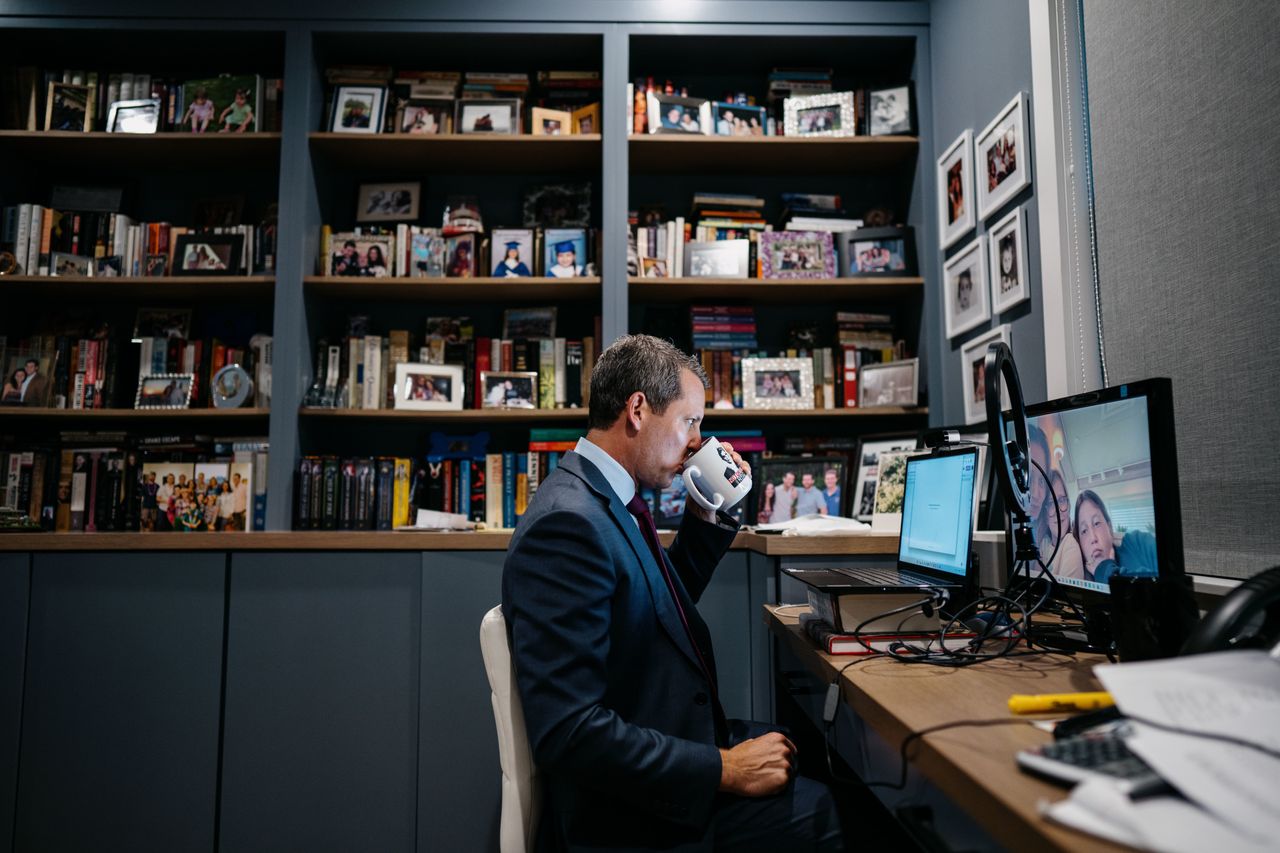

Warren prepares for a TV interview at his home in Tampa.
The Washington Post via Getty Images
Warren’s best shot at reversing his suspension lies with the appellate court, which is reviewing his challenge to an earlier ruling from a federal judge in Florida. This ruling was both good and bad for Warren — good in that it seemed to generally side with Warren that DeSantis violated his free speech and removed him from office without citing “even a hint of misconduct”; bad because despite all that, the judge still found he didn’t have the constitutional authority to restore Warren as a local prosecutor.
Documents unearthed in discovery support the argument that DeSantis doled out a punishment driven overwhelmingly by his political agenda. An early version of the executive order made numerous references to Soros, the political lightning rod, which DeSantis ultimately struck out with a blue marker. Beyond that, the governor’s attorney struggled to build a case showing that Warren had undermined public safety, according to a New York Times analysis of the discovery documents.
That didn’t stop DeSantis from declaring, in an Aug. 4 press conference announcing the suspension, that Warren’s tenure had been “devastating to the rule of law.” He made similar comments that night to then-Fox News host Tucker Carlson.
“Tucker, you’ve documented the destruction that we’ve seen with these Soros prosecutors around the county, where they basically take it upon themselves to determine which laws should be followed and which laws should not be followed,” a grinning DeSantis said, with photos of Warren proceeding to flash across the screen.
Advertisement
Warren disputes that his policies had any negative impact on crime, noting that, by the state of Florida’s own crime reporting metrics, overall crime declined in Hillsborough County under his watch. “This isn’t a Portland or San Francisco scenario,” he said.
Republicans blame soft-on-crime policies, and the “woke” district attorneys they say promote them, for the visible homelessness and addiction in places like Portland, Oregon, and San Francisco, an idea that’s been relentlessly reinforced by conservative media. I asked Warren to define a “woke prosecutor,” and he didn’t know where to begin. In general, the term has become a catchall on the right for anything deemed too liberal or politically correct. “You have to ask the people on Fox News [what it means],” Warren said. “I’m a moderate prosecutor from a moderate county. I have done things that have frustrated the far left as much as the far right.”
Warren’s suspension was a direct result of DeSantis’ war on “woke,” his attorneys argue, a pretext the governor has used to go after schools, government agencies and businesses in a way that Democrats, at least, find chilling.
“The animus here toward woke ideas and woke viewpoints was a motivating factor,” Warren’s attorney David O’Neill argued to the appellate panel. Republicans have made the word so pervasive that it’s being used now in a deadly serious manner in federal courts.
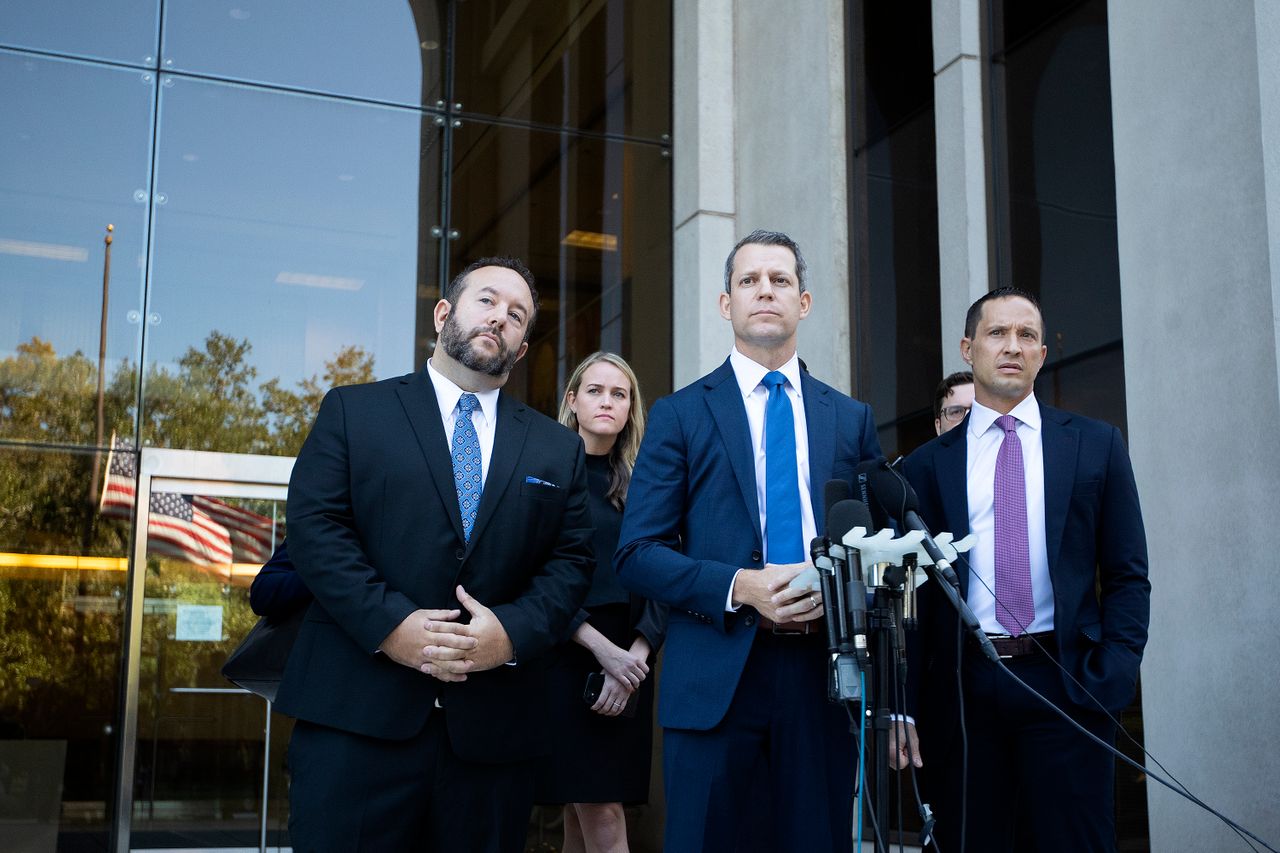
DeSantis was represented in Montgomery by two young attorneys for the state of Florida who returned to a single, much-examined line in the abortion rights letter that Warren signed last June. The sentence in question seems to signal, beyond just the general opposition to the criminalization of abortion, that the co-signers would go a step further and refuse to prosecute abortion crimes altogether. Warren, as far as he knows, is the only prosecutor from the letter who lost his job over this single sentence.
Advertisement
In the chaotic and emotional days that followed the Supreme Court’s abortion ruling and the letter’s release, Warren said he attempted to clarify that he didn’t mean he would disregard abortion law in its entirety. At the time, Florida lawmakers had just passed a 15-week abortion ban. Since then, they’ve passed a six-week ban, which DeSantis put his signature on last month but hasn’t said much about since.
“The governor has made it clear that if he disagrees with who you are or what you said or what you stand for, then you’re at risk for being attacked,” Warren said.
Octavio Jones for HuffPost
Warren can expect a ruling sometime within the next year. It may not be the ruling he’s hoping for.
The appellate panel is composed of three judges: one Democratic appointee and two Republicans, including a Trump nominee. And beyond this panel of judges in Alabama, there are only dead ends — the Republican-controlled Florida Senate and equally conservative Florida Supreme Court — underscoring how entrenched Republicans have become in Florida under DeSantis and throughout the age of Donald Trump.
Warren, who might violate the terms of his suspension if he were to take another legal job, has had a lot of downtime to reflect on this battle and what it all means. For himself and his future. For Florida. For the country, if DeSantis beats both Trump and Joe Biden and tries to run the federal government like the state of Florida — which he’s promised to do.
“The governor has made it clear that if he disagrees with who you are or what you said or what you stand for, then you’re at risk for being attacked,” Warren said. “I mean, look at the people he’s gone after. Disney, obviously. The Special Olympics. He’s attacked businesses. He’s attacked teachers. He’s attacking the LGBTQ community. He’s attacked universities and professors and boards of regents. He’s attacked elected officials. If you don’t say what he wants you to say, then you are at risk.”
Advertisement
My final question for Warren was whether he regrets signing the abortion letter — after all, had he not, he might still be employed. Would he risk this all over again? Or would he try to find another, less out-there way to signal his opposition to the abortion climate? Warren shifted uncomfortably in his seat. For the first time in our conversation he became a little less lawyerly and a little more pissed, channeling, in a certain sense, his nemesis.
“Your question to me is — should I have done something differently and not spoken my mind so as not to annoy the governor of Florida? Should I not have exercised my constitutional right to free speech? So I didn’t run the risk of the governor breaking state and federal law?” he said. “Americans don’t need permission slips to exercise their constitutional rights. No, I wouldn’t change a thing, and I shouldn’t have to change a thing.”
For many of us, loss comes with a lot of feelings of not just sadness but guilt, frustration, and even numbness. Grief varies from person to person and there is no right or wrong way to grieve. One thing that does seem to be common, especially for those of us who have lost older relatives, is feeling like we missed our opportunity to get to know them better.
In fact, according to research commissioned by KYN, innovators in later life care, 66% of Brits who have lost older loved ones wish they’d had more meaningful conversations to understand “the real them.”
Advertisement
For 29% of respondents, this was due to not spending enough time with them, for 26%, it was not knowing where to start and for 24%, they were worried about upsetting their relatives by asking about their pasts.
Researchers say that the new research “highlights one of the biggest taboos of later life – the conversation chasm between younger and older generations that leaves many never really getting to know their nearest and dearest.”
Have Meaningful Conversations With Relatives By Asking These Questions
In time for Dementia Action Week (15th-21st May), KYN and psychologist Honey Langcaster-James collaborated to create 21 meaningful questions to start conversations with older relatives.
What have you learned over the course of your life that you can pass on to me – what do you think it would be good for me to know?
Tell me about some of your earliest memories.
Where were you born and raised, and what was it like there while you were growing up?
What was your childhood like overall and what is your fondest memory from when you were young?
What were your school days like and what did you most enjoy learning about at school?
What hobbies and interests did you have, and what did you most enjoy doing in your free time when you were younger?
What is the most surprising thing you think people don’t know about you?
What was your favourite music or artist when you were growing up and why?
What has been the most interesting job you’ve ever done?
Who have you loved during your life, how did you first meet them, and how did your love story unfold?
What is the most significant historical moment you lived through or witnessed and what did you think about it all?
What was your favourite decade overall and why?
Who were your role models and who influenced you in your life and why?
Where was the most interesting place you ever travelled to and what did you make of the place?
What was the most challenging obstacle you had to overcome in your life and what did you learn from that?
What is your proudest accomplishment in life and why?
Looking back, what advice would you give to your younger self?
What’s the best book you ever read and why?
What have been the biggest changes you’ve seen throughout your lifetime?
What’s the funniest thing that ever happened in your life and what makes you laugh?
What are your hopes for the future and how would you most like to be remembered?
Emma Hewat, Head of Dementia at KYN said: “In later life, sadly it’s quite common to lose sight of people’s identity and only focus on their age or the condition of their health. People’s past experiences, current interests and future wishes are still as relevant in later life as they ever have been and it’s really important to continue to reinforce that through having meaningful conversations.”
1 in 3 People Born In The UK This Year Will Develop Dementia In Their Lifetime
According to Alzheimer’s Research UK,1 in 3 people born in the UK this year will develop dementia in their lifetime and, currently, it’s estimated that 944,000 people are estimated to be living with dementia in the UK. 52% of the UK public know somebody who has been diagnosed with dementia.
While dementia is currently incurable, early diagnosis can lead to improved quality of life and care. According to the NHS, early symptoms of dementias can include:
Memory loss
Difficulty concentrating
Finding it hard to carry out familiar daily tasks such as getting confused over the correct change when shopping
Struggling to follow a conversation or find the right word
Being confused about time or place
Mood changes
If you notice these symptoms, speak to a GP sooner rather than later.
Rihanna is sharing some of the most intimate moments from pregnancy with her son.
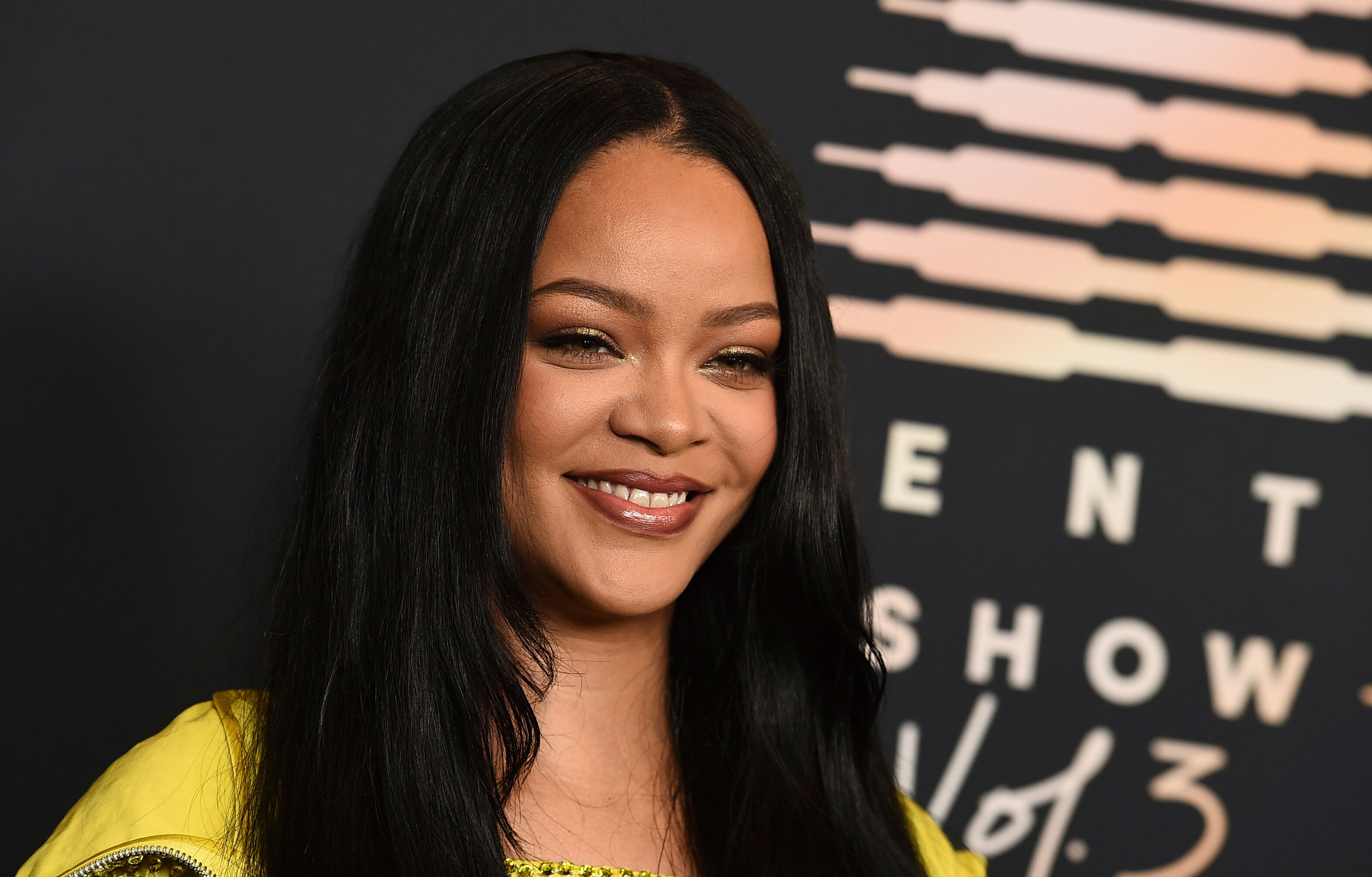
The Umbrella singer posted a series of maternity photos Thursday to celebrate her son, RZA Athelston Mayers, who has since celebrated his first birthday. Dressed in nothing but high heels, underwear and jewelry, Rihanna didn’t need an umbrella — and was shaded by palm trees.
The seven-photo Instagram carousel showed Rihanna posing with a mysterious book while cupping her breasts; she stood on a balcony near an unspecified ocean — and captioned the series “Rub on ya titties”.
Advertisement
“In honour of my first pregnancy, embracing motherhood like a g, and the magic that this body made!” Rihanna captioned the Instagram post. “Baby RZA… he in there not having a clue how nuts his mama is, or how obsessed he was bout to make me”.
Many of her whopping 150 million followers commented on the post, with Pharoahe Monch perhaps most notable. The rapper practically coined the phrase “rub on ya titties” with the chorus of his 1999 song Simon Says — and wrote it out in the comments for her.
Rihanna famously announced her second pregnancy during the Super Bowl this year.
Evan Agostini/Invision/Associated Press
Advertisement
Rihanna received further praise from Wu-Tang Clan rapper GZA, whose fellow group member RZA inspired the name of Rihanna’s son. Kathy Hilton, the mother of socialite Paris Hilton, left red heart emojis behind — while rapper Bia called Rihanna “the most beautiful”.
“You really don’t remember life before, that’s the craziest thing ever,” she told the outlet. “You literally try to remember it — and there are photos of my life before — but the feeling, the desires…everything, you just don’t identify with it because…it doesn’t matter.”
At 32 years old, I was given 16 months to live. On an ordinary Tuesday morning in November, an ultrasound detected 12 lesions on my liver that would soon be confirmed as stage 4, incurable ocular melanoma.
It wasn’t supposed to happen. Just one year earlier, I had become a cancer survivor in 22 days. A single tumour was contained in my eyeball and a biopsy of the cells gave me the best possible outcome: There was a less than 2% chance of metastatic disease.
Advertisement
But somebody has to be the 2%.
My oncologist said I had one FDA-approved treatment option, and I trusted her. I didn’t have time to get a second opinion. In the 16 months she predicted I had left if I agreed to the treatment she suggested, I needed to get my affairs in order and explain to my precious nephews and niece why their (favourite) auntie wouldn’t live to see them get their drivers’ licenses, graduate or get married.
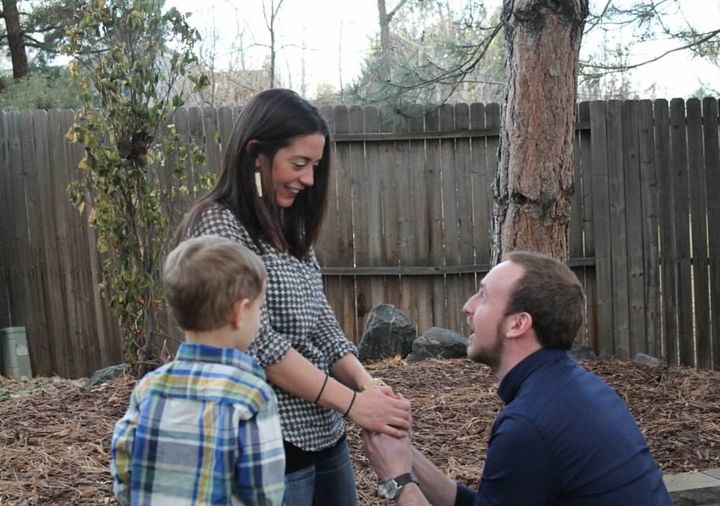
As he’d already been planning to do, my boyfriend Nick proposed to me on Thanksgiving, two days after my diagnosis. I had expected to spend the day in the corner of the room brooding over my fateful news and avoiding loved ones. His proposal and my new ring swept me up in a wave of hope and optimism for a future I wasn’t sure existed.
Courtesy of Katie Ortman Doble
The author on Thanksgiving Day in 2014, two days after her stage 4 diagnosis, as her then-boyfriend Nick proposed. “My nephew photobombed the proposal,” she writes.
And while I vacillated between planning my funeral and my wedding in my head, I had one crucial advantage in my new reality: My father is a doctor of internal medicine.
Advertisement
Before a drug becomes FDA-approved, it goes through the clinical trial process. For someone like me with an advanced, rare disease, clinical trials offered a better shot at buying more time, which is really all we’re hoping to do.
My father asked my oncologist about clinical trials.
“That would be very expensive,” was all she told us.
We, rightfully so, give doctors authority. They have advanced degrees. They dedicate their lives to understanding human biology, science and pharmaceuticals. I’m just a headhunter. What do I know?
If it were not for my father, who questioned the authority of this doctor, I would have blindly followed her. And I can say with certainty that had I done that, I would be dead right now.
Courtesy of Katie Ortman Doble
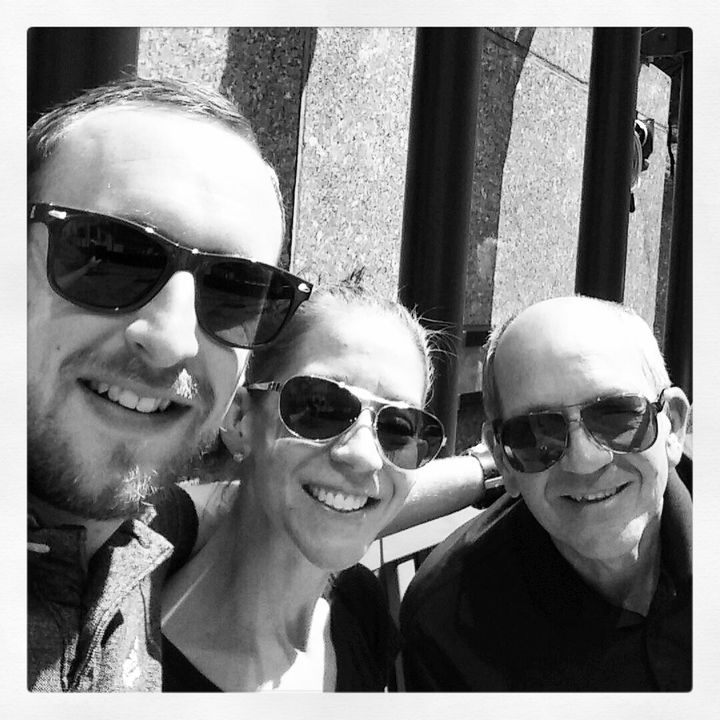
From left to right, the author’s husband Nick, the author, and her father/agent, James Ortman, get ice cream in New York City between scans and appointments at Memorial Sloan Kettering in 2015.
My father, whom I began referring to as my agent, spent every waking moment talking to doctors all over the country to find a glimmer of hope — something that could buy us more than 16 months.
Advertisement
He got me an appointment that December at Memorial Sloan Kettering in New York City. And so began my crash course in clinical trials (also called studies or protocols). My “agent,” fiancé (a word that tied me to a future in which I was alive) and I met with the doctor there, who explained our options.
He spoke about the importance of strategy in creating my treatment plan. Had I started on the first treatment option provided by the oncologist who diagnosed me, for example, I would not have been eligible for the clinical trial he was running.
Courtesy of Katie Ortman Doble
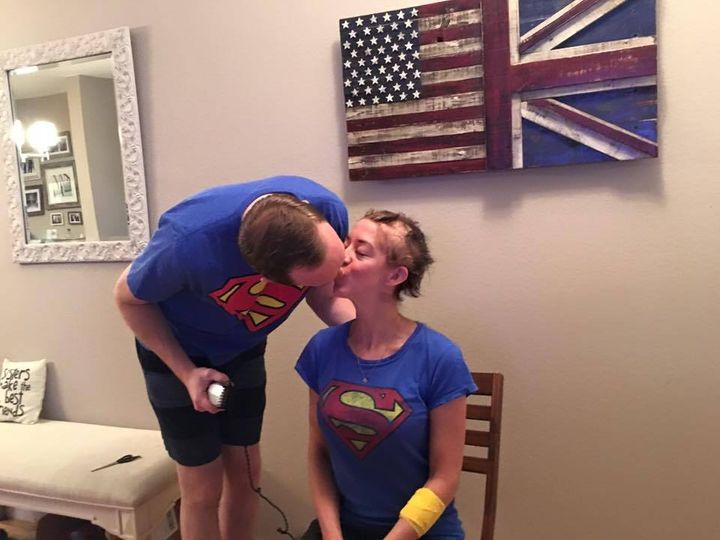
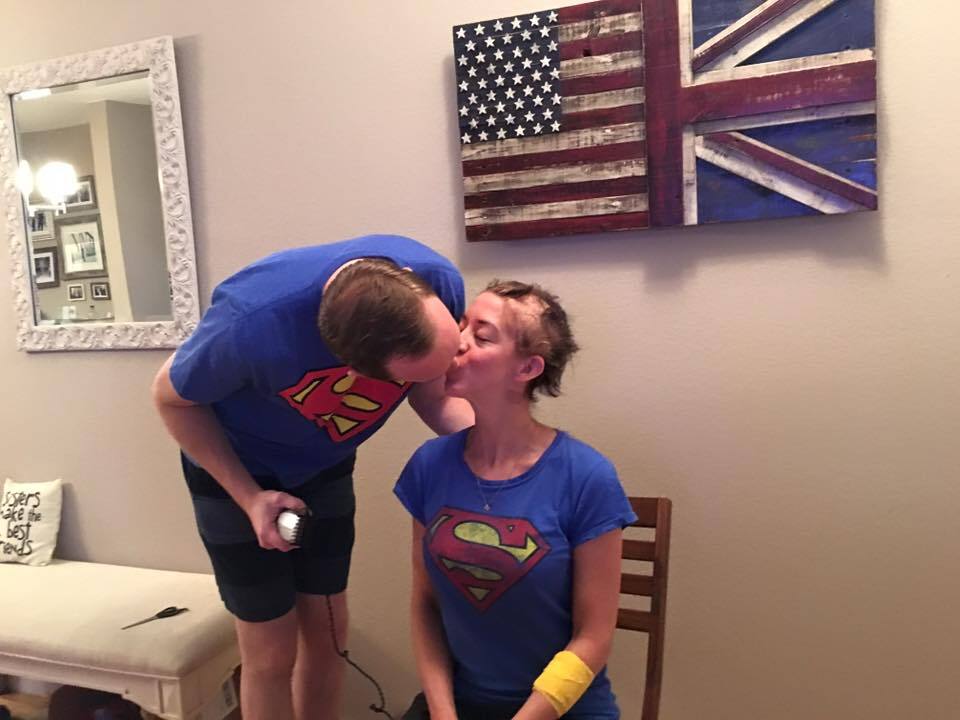
The author and Nick in 2016 when she lost her hair for the first time. “Nick and my nephew/godson Tommy both shaved their heads with me each time my hair fell out, as did my brothers, father and father-in-law,” she writes.
I have heard of other patients who frantically start chemotherapy upon a terminal diagnosis, only to find that made them ineligible for potentially life-saving clinical trials. When you’re given an expiration date, it’s hard to take a pause on attacking the thing that is attacking you, but this approach can mean having a matter of months versus years (or life and death).
All cancer treatments start as clinical trials, so clinical trials are essential in advancing medicine. The clinical trial process typically includes four phases focused on safety, efficacy, comparison to standard of care and the safety of treatment over time, and the majority of drugs fail in one of these phases. The estimated median cost to develop just one successful drug is $1 billion and approval takes 12 years on average. The FDA approval process itself takes six to 10 months.
Advertisement
The first five weeks of the MSK trial were packed with appointments, and as a Midwest girl living in Denver, I was secretly thrilled with the opportunity to temporarily live in a tiny, expensive apartment in Midtown Manhattan. While I worked in my company’s Midtown office, I also saw a Broadway show, went wedding dress shopping and found myself with a hideous, full-body rash from the trial’s side effects the week before my wedding.
Courtesy of Katie Ortman Doble
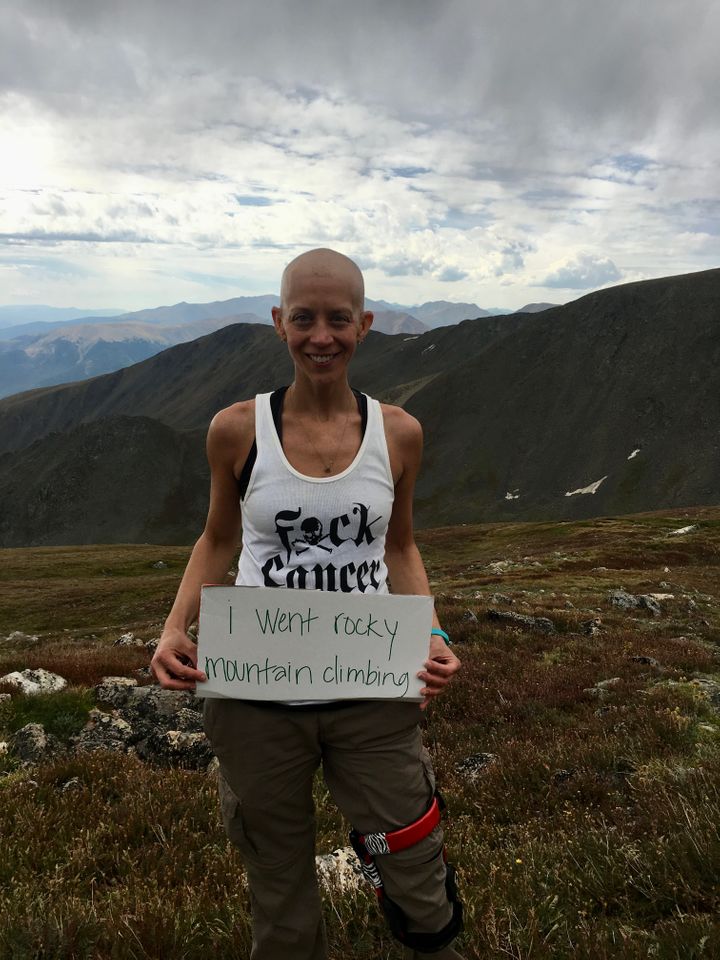
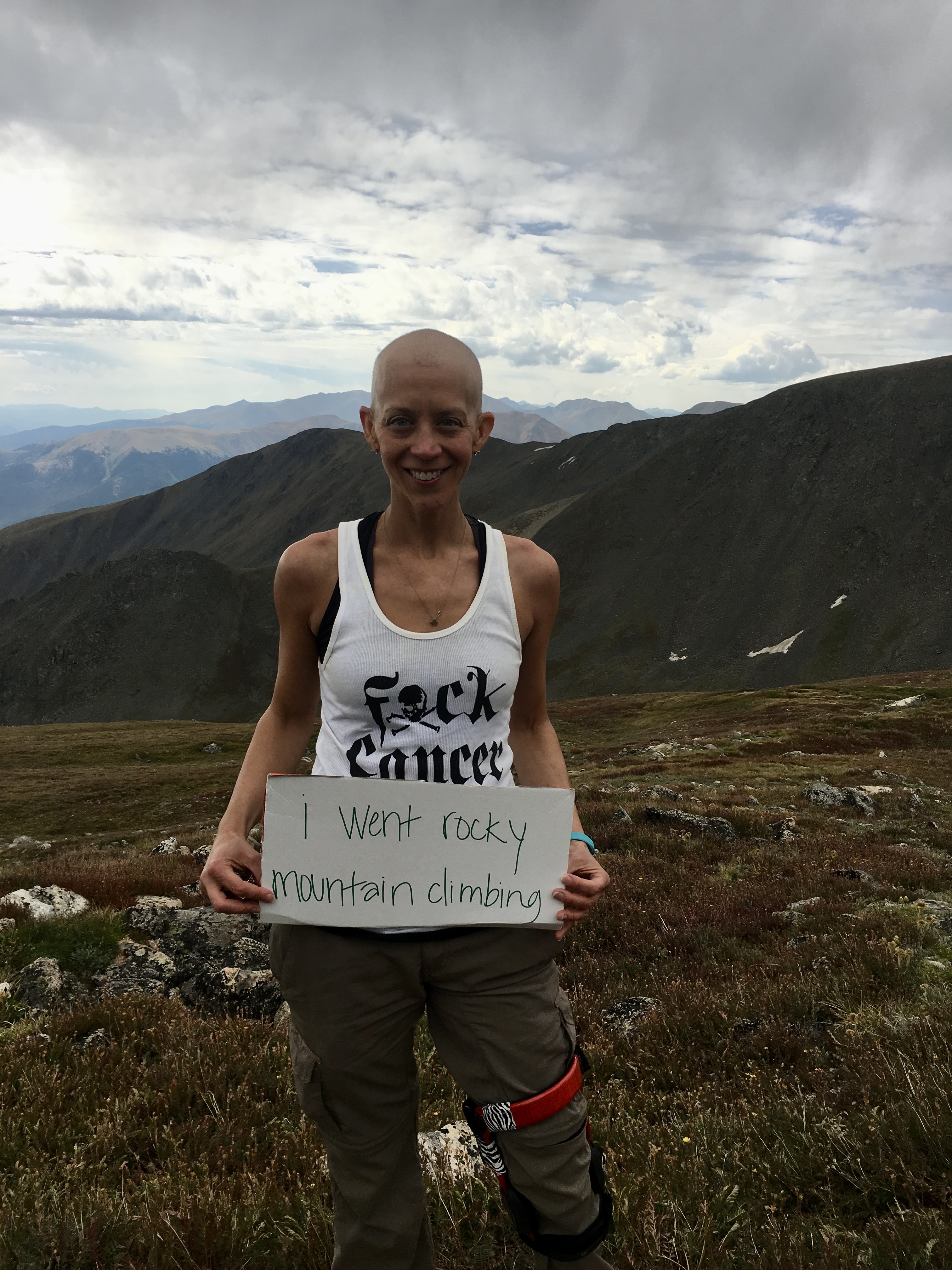
The author climbing a fourteener in Colorado through First Descents in 2016. “First Descents provides the healing power of adventure to young adults impacted by cancer and MS,” she writes. “I was the recipient of First Descents’ Out Living It Award in 2021.”
I was starting to understand the expense of clinical trials that my first doctor referenced. For me, the financial burden came from the airfare and lodging. I’ve been lucky to have excellent insurance through work and a job that allows me the time off. I have peers who have survived cancer only to be left six figures in debt, which leads to crippling stress, which in turn damages their health.
Those who don’t have insurance, or have astronomical deductibles, or can’t afford the financial demands that come with participating in a trial, aren’t able to get treatment that could save their lives. It isn’t fair that our health care system favours the privileged.
I spent eight months in treatment at MSK, flying to NYC monthly from Denver to pick up my medication and get scans. But by August of that year, the growth of my tumours eliminated me from the trial. Thankfully, we were ready with the next trial option.
Advertisement
This was another critical strategy introduced by my doctor at MSK that I encourage other patients to explore and understand. For someone like me, it wasn’t likely that I’d only do one clinical trial. While my doctor kept my tumours at bay, he and my dad continued conversations with doctors all over the country to be sure we had a plan B and C, in case I wasn’t eligible for plan B. We didn’t want to wait until I was eliminated from my first trial. We wanted to be ready. And since some trials and treatments might make me ineligible for others in the future, we had to be very methodical with our next step.
I participated in two trials back home in Denver over the next two years while also exploring Y90 or liver embolisation, something that was only FDA-approved for metastatic colon cancer at the time. My tumours responded really well to that therapy, buying me 3.5 years of stability and the chance to finally enjoy a delayed honeymoon with my husband.
Courtesy of Katie Ortman Doble
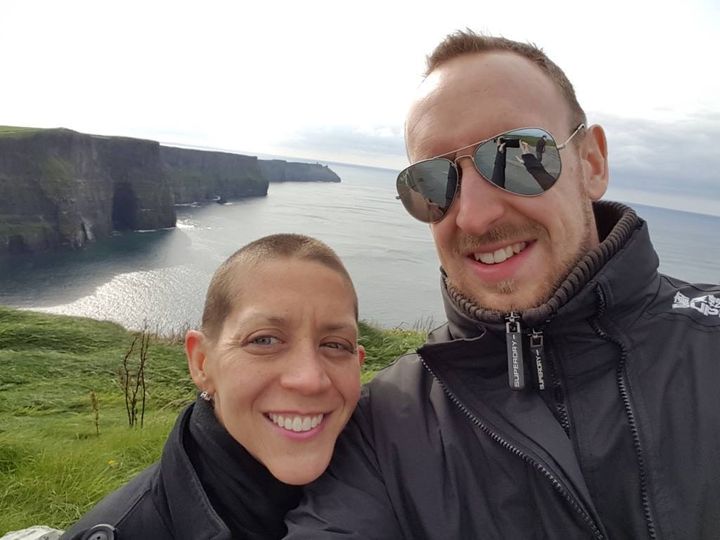
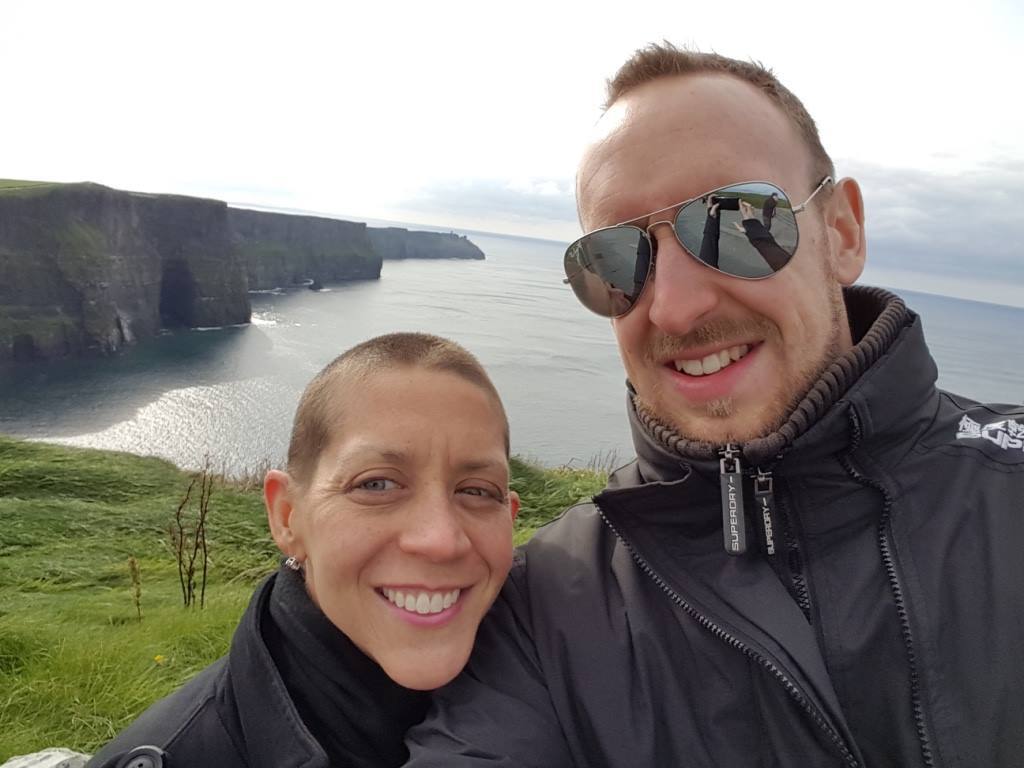
The author visiting her “happy place,” the Cliffs of Moher in Ireland, with Nick in 2016 after her third clinical trial.
In May 2020, substantial growth in my tumours pushed me into my fourth clinical trial at UPMC-Pittsburgh. Getting into clinical trials isn’t guaranteed or easy, especially when cross-country travel is involved. It typically includes a battery of tests like an EKG, echocardiogram and a CT scan or MRI. In my case, I had three liver biopsies in short order from three separate hospitals because each wanted its own tissue.
Liver biopsies feel like someone is taking a staple gun to your liver. Our bodies endure so much simply staving off cancer, not to mention the pokes and prods that come from treatment. The doctor also needs to see that you and your bloodwork are within the safety parameters of the trial.
Advertisement
Just as getting in isn’t guaranteed or easy, neither is staying in the trial. When you get eliminated from a trial, it’s usually for tumour growth or something else entirely out of your control. I was unknowingly kicked out of my second trial after one infusion because I was taking steroids that the doctor prescribed to combat one of the side effects. I was grateful that I continued to have options, but the volatility of it all was exhausting. The worst part was always the in between, when I didn’t have a plan and the fear of the next treatment haunted me.
In Pittsburgh, the goal of the TIL therapy was to re-sculpt my immune system with cancer-fighting cells. Enrolling was labour-intensive. There were the standard exams that deemed me eligible, plus the steps involved to create my treatment. The doctor laparoscopically removed two tumours from my liver and from those cells, grew the TIL or Tumour Infiltrating Lymphocytes. A leukapheresis extracted my white blood cells, which were then fed to the TIL, multiplying them from the millions to the billions.
Courtesy of Katie Ortman Doble
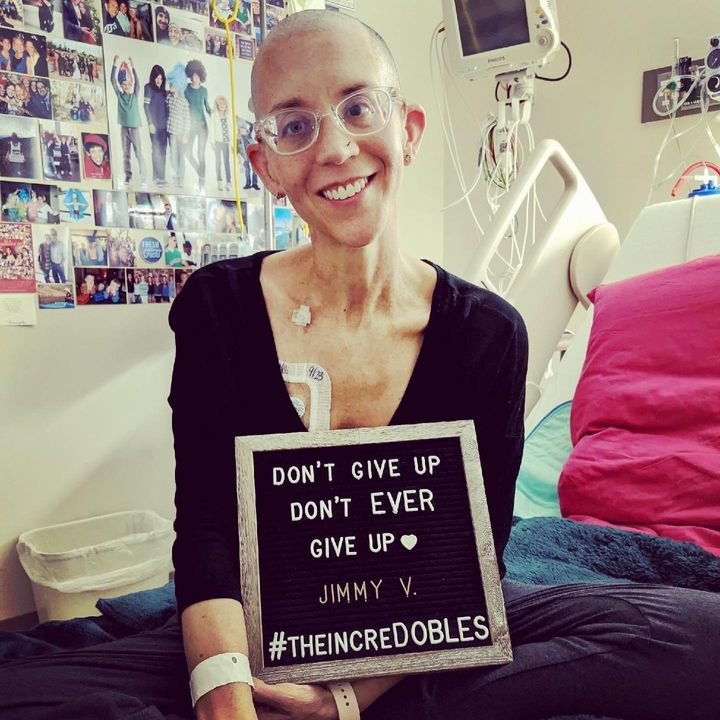
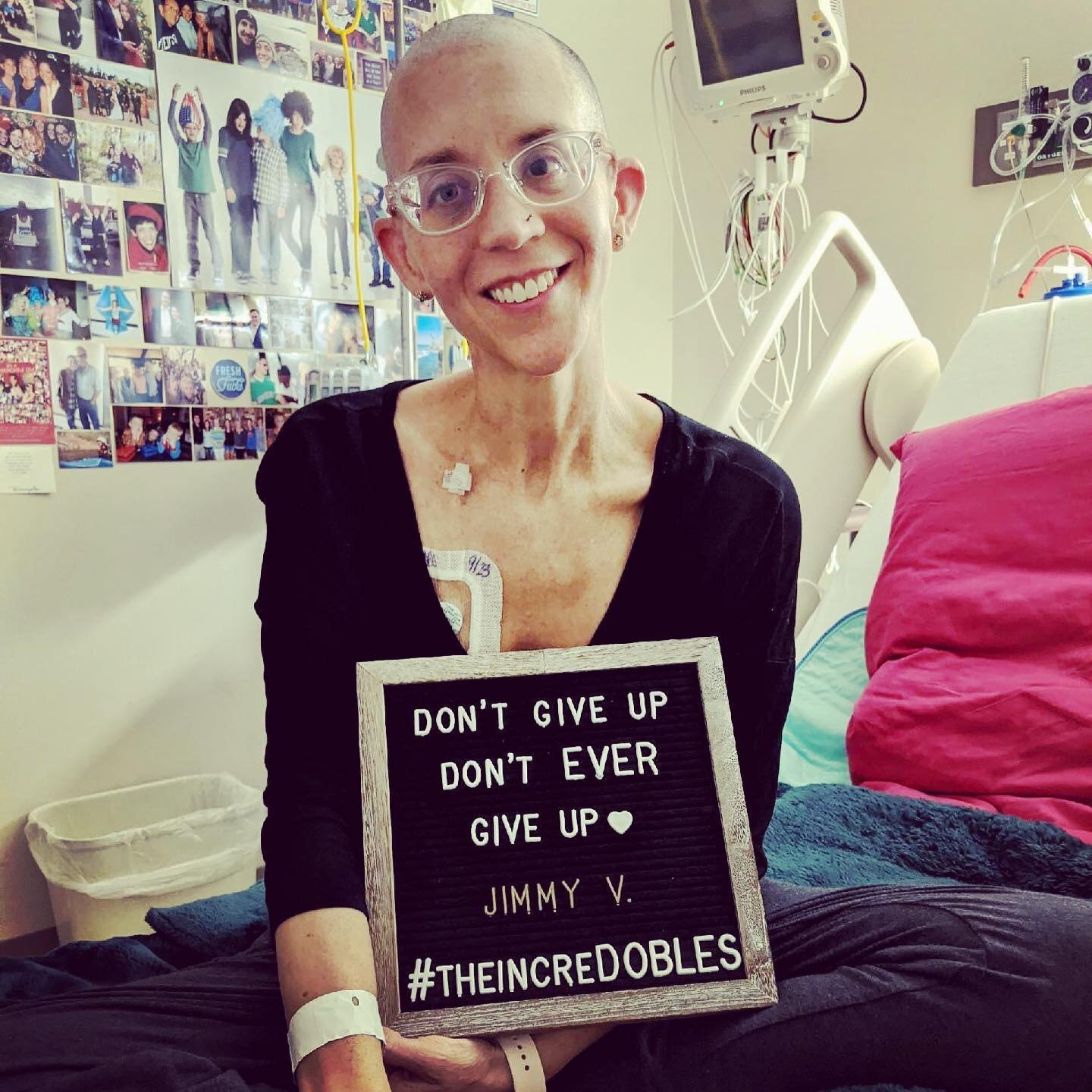
The author in her hospital room at the end of her TIL treatment in 2020. “Nick and I branded ourselves as theincreDOBLES,” she writes.
That September, I spent three weeks in the hospital receiving seven days of chemotherapy, my TIL infusion and IL-2. Because of that one time I was unexpectedly eliminated from a trial, I held my breath until the TIL hit my bloodstream. I closed my eyes and pictured the reprogrammed cells reuniting with their former tumour friends to now attack them.
I decorated the muted coloured walls of my hospital room like a dorm with my “F*CK cancer” cross-stitch, pictures of my nephews, nieces and loved ones, and pictures of my body doing adventurous things like skydiving, kayaking and jumping into the Adriatic Sea. When my hair started to fall out, Nick shaved my head and went back to the hotel to shave his own.
Advertisement
My life started to feel like a game of whack-a-mole. But I was so grateful. Through all the flying back and forth, different doctors and side effects, I was buying time I wouldn’t have had if I’d listened to my first oncologist. At the time of my diagnosis, there was only a half page of trials to explore. When I had growth in 2020, there were over three pages.
Courtesy of Katie Ortman Doble
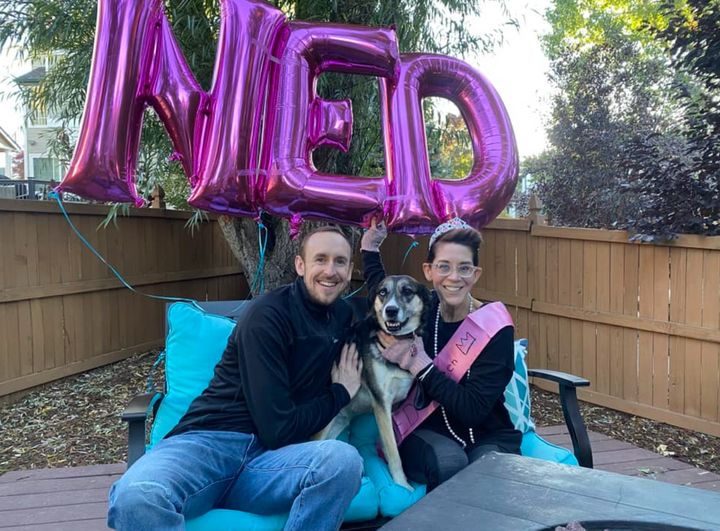
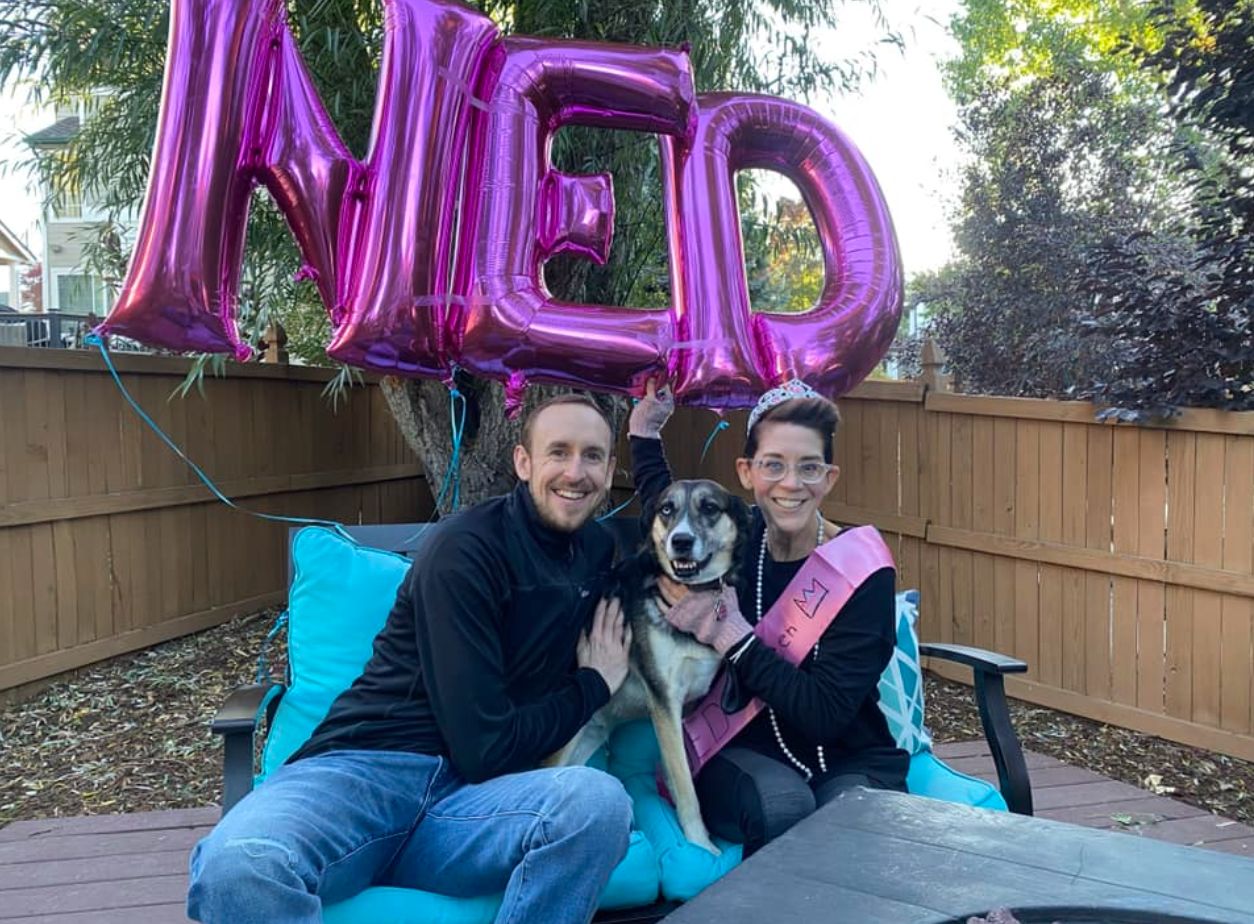
The author with Nick and their “doghter” Alice in 2021 after the author was told she had “no evidence of disease” (NED).
I responded well to TIL, with some tumours shrinking and a few disappearing. One rogue tumour that my doctor called the “festering problem” kept growing. Naturally, I named it Uncle Fester. In September of 2021, my doctor told me he wanted to surgically remove Uncle Fester and all remaining cancer, and I eagerly obliged.
On Sept. 17, 2021, nearly seven years after I’d been given 16 months to live, I awoke from surgery to hear the words we once thought impossible: “We got it all, Katie. You are no evidence of disease (NED).”
If it weren’t for my father/agent, I wouldn’t have known how to navigate the world of clinical trials that ultimately bought me enough time to (so far) see the first of nine nephews and nieces drive his car.
Advertisement
Clinical trials are not going to be the answer for every diagnosis, but they need to be a consideration, not an afterthought. If you or a loved one gets diagnosed with cancer, talk to your doctor about what clinical trials are available. This might require getting a second opinion — which ideally is done prior to starting any treatment.
Courtesy of Katie Ortman Doble
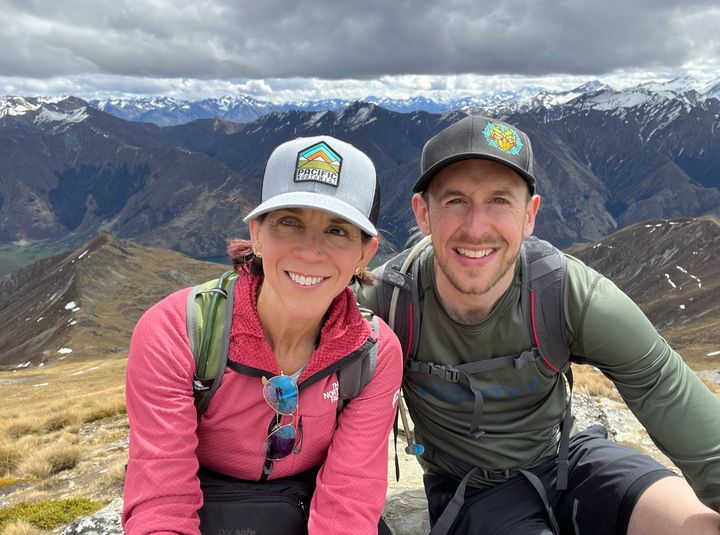
The author and Nick in New Zealand in 2022 celebrating her NED status.
This month marks 20 months since I became NED. My doctor continues to monitor me, and I am cautiously hopeful. Of course, there’s the chance my cancer returns. My doctor hopes that the TIL in my bloodstream remains dormant in my lymph nodes and reactivates if that happens.
I haven’t had a reason to speak to my original oncologist since seeking a second opinion, but I’m almost certain she thinks I’m dead.
Katie Ortman Doble is a headhunter, stage 4 cancer survivor, patient advocate, keynote speaker and author (blog: Future Happy Self) who is currently seeking an agent for her memoir. In 2017, Katie was given the Courage Award from the Melanoma Research Foundation. She received the First Descents′ Out Living It Award in 2021 and was recently highlighted as a Medical Hero by CISCRP. She and her husband, Nick, reside in Denver with their doghter, Alice. Connect on Liinks and follow Katie’s story of survival on Instagram/Twitter @ceortman.
The research has been launched in time for Skin Cancer Awareness Month and highlights how our neglectful approach to SPF is putting our bodies at risk.
Five Or More Sunburns Puts You At A Higher Risk Of Melanoma
According to the Skin Cancer Foundation, five or more sunburns can put you at a higher risk of melanoma – the third most common skin cancer in the UK. This is especially concerning given that the LifeJacket Skin Protection and Melanoma UK research found that, on average, UK adults have burnt themselves 15 times in a lifetime. Additionally, 20% of adults say that they never use SPF.
Ultraviolet light (UV) is a form of non-ionising radiation that is emitted by the sun and artificial sources, such as tanning beds and is responsible for 80% of premature skin ageing and 90% of melanoma skin cancers. This is strong enough to affect you even on grey, cloudy days and it’s recommended by Melanoma UK that sun protection is applied on a daily basis.
Of the UK adults who shared that they don’t use SPF every day:
21% said this was because they rarely burn and just tan
1 in 5 said they only use it when they feel like they’re burning
20% of people only remember when prompted by a friend or family member
16% will only use it abroad
10% only when the dial goes over 40 degrees celsius
Speaking on the data, Professor Christian Aldridge, a dermatologist who specialises in skin cancer said, “This new data correlates with what I’m seeing every day in my surgery… In many cases, it’s causing skin cancer which is almost totally preventable. We need a sharp change in attitudes to tanning and protection in order to slow down the rise in skin cancer cases.”
How To Effectively Protect Your Skin From Sun Damage
To effectively protect your skin, Professor Aldridge recommends:
Daily use of SPF of at least 30, especially between April to September
Wear Ultraviolet Protection Factor (UPF) clothing, especially if you have fair skin. Skin Cancer Foundation created a guide on UPF clothing if you’re unsure of what it includes
Monitor your skin and if you have lesions that aren’t healing or are newly-pigmented for more than six weeks, especially in sun-exposed areas, keep an eye on them. He recommends monitoring for crusting, bleeding, and re-forming again or not improving with time. If this occurs, seek medical attention.
I’ll say it: some mourning processes are absolutely wasted on the dead.
Confessions of lifelong admiration? A chic all-black-clad gathering of your nearest and dearest? I could go for those now, TBH. And now, it seems I have another process to envy (thankfully, it’s appropriate for the living) – Swedish death cleaning.
Swedish what now?
The process, known in Swedish as döstädning, is designed to make it easy for your loved ones to pack away your stuff after you’re gone.
Advertisement
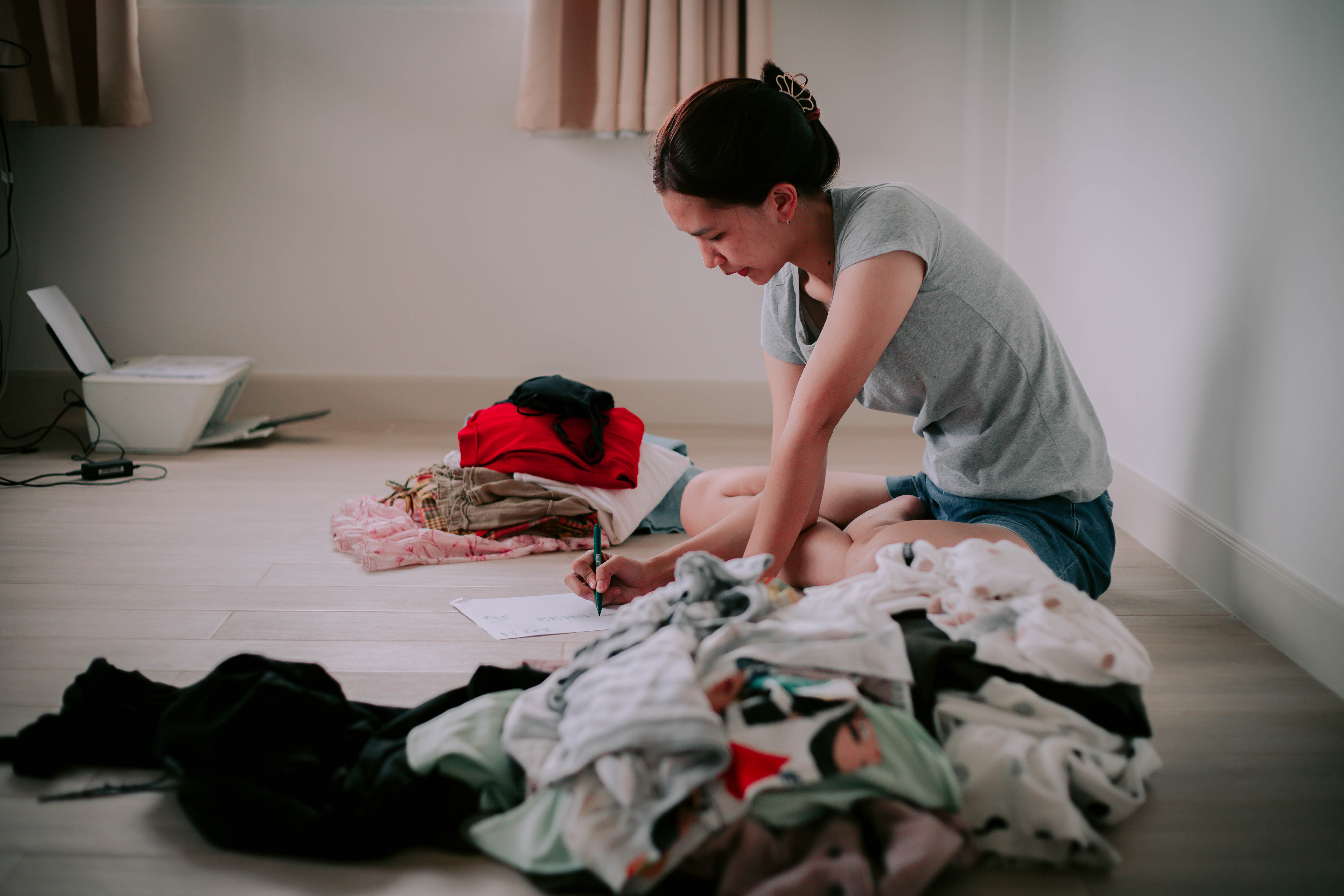
It involves simplifying your life by clearing away your old clutter, with the ultimate aim of chucking out more stuff than you accumulate.
And while cleaning is a big part of the process, Swedish death cleaning is much more of a minimalist exercise in intentionality than it is a weekend-long purge.
The goal is to have a true ‘place’ for everything in your life instead of mindlessly accumulating objects that end up being more of a nuisance than a beloved item (my enormous collection of unread books and I are trying not to feel offended).
She mentions that you should start the system aged around 65, but IMO, it makes too much sense to hold back on.
So, how do I get started?
First of all, there’s no need to get into a decluttering frenzy.
The whole point of death cleaning is to slowly ensure that you’re surrounded only by things that matter to you, so don’t toss the entire contents of your bedside cabinet away in the name of ‘living clean’.
You’ll want to start with the easy (read: massive and annoying) things first. That mattress you’ve been itching to throw out? The used-once-then-neglected paddleboard you bought during your brief ocean fixation phase? Yeah, those should be the first to go.
After all, Magnusson reckons “Mess is an unnecessary source of irritation” – so the clearing process will be easier if you chuck out the things that annoy you most first.
And you shouldn’t make death cleaning a one-off thing, either. Magnusson says that “Death cleaning is not about dusting or mopping up; it is about a permanent form of organisation that makes your everyday life run more smoothly.”
Advertisement
In other words, a one-off purge won’t cut it.
Don’t forget to include your online clutter, too
It can be tempting to limit your cleaning to the most satisfying, obvious parts of your life, like that crowded mantlepiece or the chaos in your attic.
But when it comes to Swedish death cleaning, ‘clutter’ just means anything that gets in the way more than it enriches your life, and which would be overwhelmingly annoying for someone else to clean up.
Remember, it’s about starting to sustainably shed more of life’s excess materials than you gain. So I reckon it’s about time we make a pact to delete three unflattering old selfies and blurred pocket pics for every new one we take, don’t you?
Think about what your extra stuff really means to you and others around you
Of course, this consideration has an incredibly specific application when you’re actually using it for death cleaning – in that case, it’s worth asking yourself if your daughter really has room to store your beloved grandfather clock.
But anyone who’s lived with more than two other people will know how intrusive other people’s accumulations can be. Consider whether or not your unused, spare room-consuming camping gear or cutlery drawer-dominating melon baller is as meaningful to you as it might be annoying to those around you.
In other words, gifting, donating, and selling are part and parcel of the process.
So, fellow hoarders, if you’re also growing weary of your Vague Piles of Indiscriminate Stuff, it might be time for both of us to take a lesson from the Swedes.
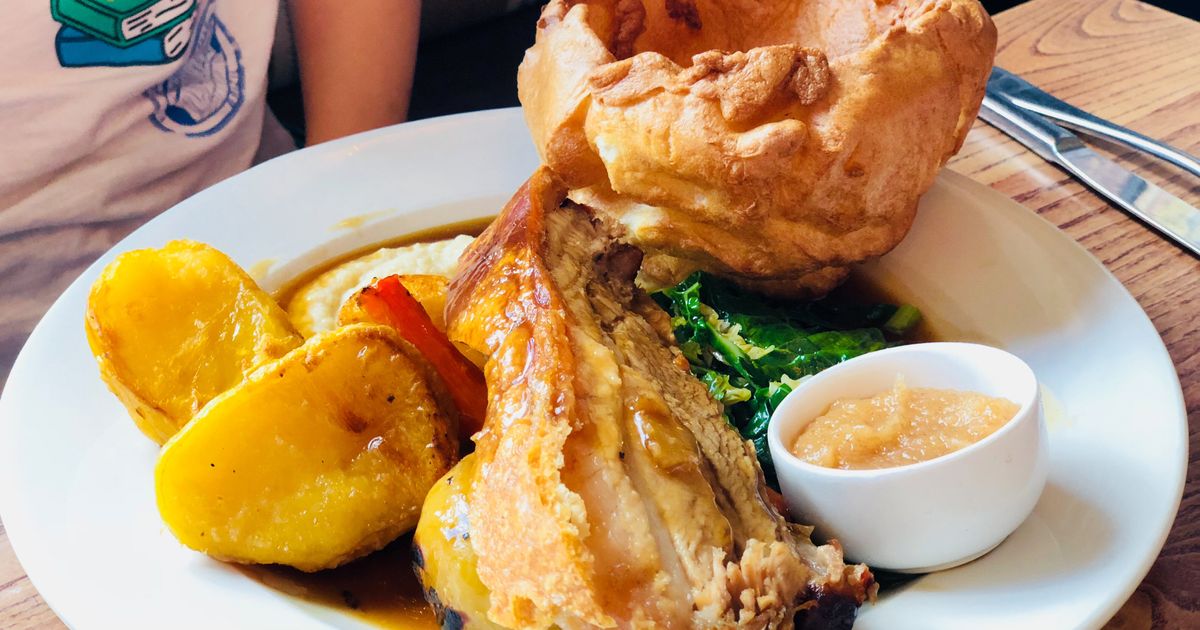
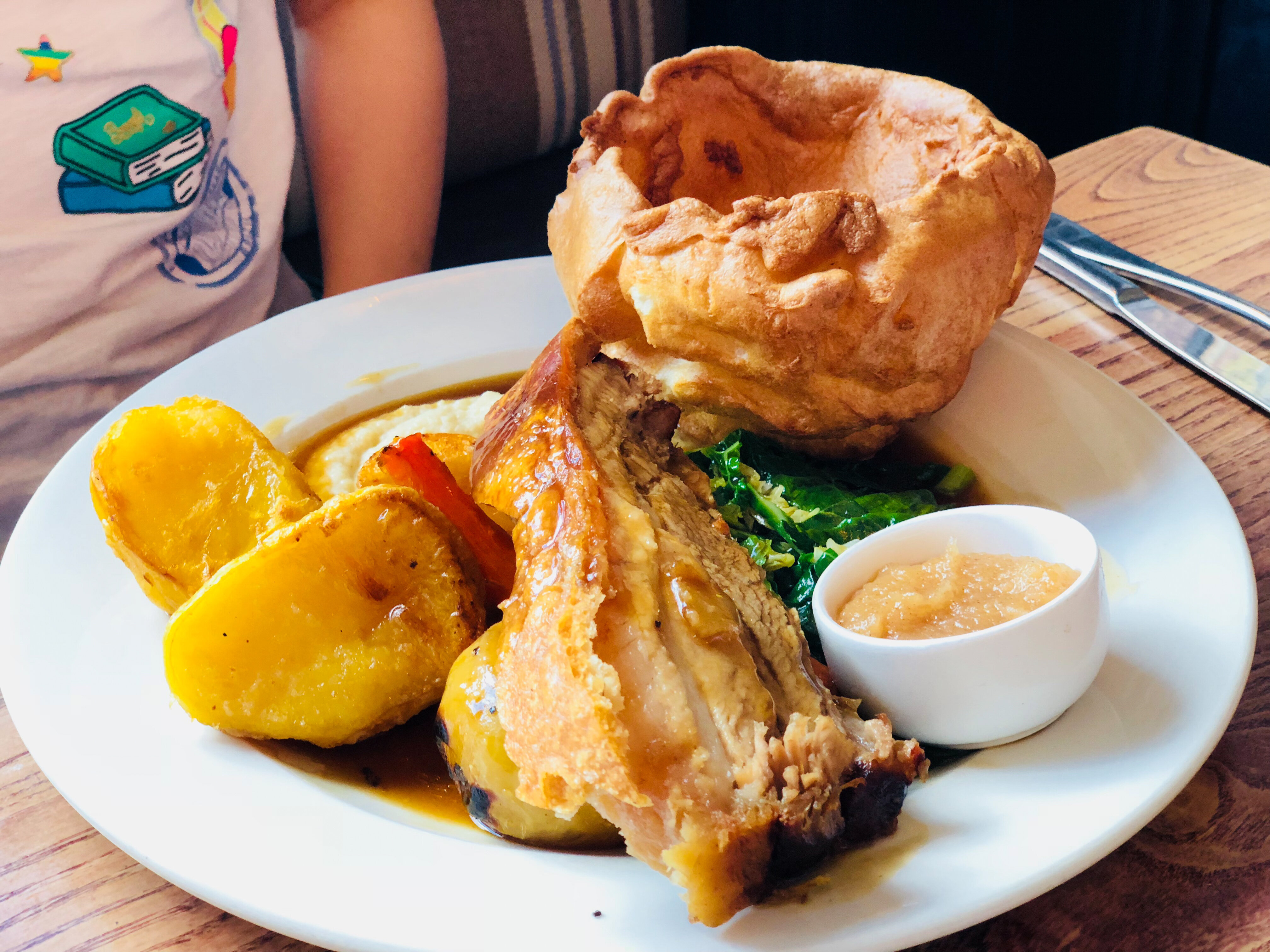
How much thought do you put into how you’re eating what’s on your plate? You might opt to save the best for last – we’re looking at you, Yorkshire puds! – but beyond that, the order in which you eat your food might not really cross your mind.
Well, according to some nutritionists, how we eat can be just as important as what we eat. One study shows that if you eat a meal in a specific order, you can reduce the glucose spike of the meal by 75%.
Advertisement
The concept is built around slowing down the digestion of carbs (which you have last) so as to avoid a massive rise in blood sugar.
So, without further ado, here is the order you should eat your meal (according to experts) in order to boost energy and reduce rollercoaster blood glucose levels.
First up, pack in the fibre
Scientist and author Tim Spector, author of the book Food For Life which explores the science of eating well, recommends starting your meal with fibre and a simple vinegar and extra virgin olive oil dressing – perfect for fans of veggie nibbles and dips.
‘Good’ fibres include whole grains, barley, oatmeal, beans and pulses, nuts and seeds, and fruits and veggies.
Advertisement
We all love a massive bread basket when eating out, but Spector says the quick carbs can cause a rapid increase in blood glucose levels and a high insulin response, leading to a dip in energy later.
According to the British Nutrition Foundation, adults in the UK are recommended to consume 30g of fibre a day but are currently consuming only about 20g a day on average, which shows upping your fibre intake is more important than ever.
A high fibre intake has also been associated with a reduced risk of several conditions including constipation, heart disease, type 2 diabetes and colorectal cancer.
For dieters, getting lots of fibre early in your meal can make you feel fuller and pack in lots of nutrition. Win, win!
Advertisement
Follow up with protein
Next should come your protein and fat sources. General recommendations are to consume 15-30 grams of protein at each meal, and studies show that higher intakes – more than 40g – are no more beneficial than the recommended 15-30g, so no need to pack in as much as possible, even if you are working out.
Why is protein best to eat second? “[It] slows down the release of sugar from carbohydrates into the blood stream, preventing a sugar ‘high’ and then crash – and hunger pangs,” explains TikTok creator and nutritionist, Lovneet Batra.
Save carbs for last
Potatoes, pasta and rice should be the last thing you eat. Why? Because they’re more likely to raise your glucose levels and by eating them last, you’re slowing down how fast they’re digested.
In a fascinating video, Justin (@insulinresistant1) shows how his blood sugar spikes briefly when eating rice first as part of his meal. In a follow up video, he shows how saving his carbs until last reduces the blood sugar spike.
Carbs aren’t the enemy, but for people who have issues like PCOS, insulin resistance, fatigue and type 2 diabetes, it can be helpful to make sure blood sugar is kept as stable as possible, while enjoying the deliciousness of dinner time.
Against the backdrop of growing public anger over raw sewage being dumped into the sea and rivers when the system cannot cope with heavy rain, the industry said shareholders will make a £10 billion investment in sewerage infrastructure.
Advertisement
And then came the fine print.
Ruth Kelly, chair of the trade body Water UK, admitted the public will have to pay towards upgrading storm overflows – and could be doing so for up to a century.
To be clear, the upfront payment by the water companies will be recuperated from consumers by gradually raising their bills over time.
Kelly said: “Over time, the way the system works is that there will be modest upward pressure on customer bills over the full lifetime of the asset, so over 50 years or perhaps even longer, maybe up to 100 years, customers do contribute.”
So how much is “modest upward pressure”?
Anglian Water, which covers a long stretch of the east of England coast, became the first firm to a price on it. It suggested customers could face an increase on their bills of £91 a year – including £12 to help pay for investment in sewerage infrastructure.
Advertisement
Speaking on BBC Radio 4’s World At One programme, Anglian Water’s head of public relations, Regan Harris, said: “The initial investment will be put forward by our shareholders and the way we’re financed is that they put up that investment and Ofwat allows us to recover a proportion of that from bills.
“What we’re looking at is a fairly small increase of probably a few percent a year between now and 2030.”
It’s hard to gauge how much a household will pay, since it will be determined by individual regional water companies – and the longer the stretch of coastline to keep clean, the higher the bill is likely to be.
The regulator Ofwat said water companies will submit their National Overflows Plan by October 2 which will include any bill increases for the period 2025-30.
The regulator will analyse the plans, giving a final announcement in December 2024, so any bill increases related to the storm overflows plan will not be felt until 2025.
Advertisement
Households have already seen the largest increase to water bills in almost 20 years this year when they soared to £448 a year. Meanwhile, as the Financial Times reported, water and sewage companies paid £1.4 billion in dividends in 2022, an increase from £540 million the previous year.
“This is nothing to celebrate whatsoever.”
And the backlash has begun, with the Metro’s front page screaming ”£10 Billion Dirty Trick”.
Musician and clean river campaigner Feargal Sharkey criticised the water companies for making customers pay “a second time”.
He told BBC Radio 4’s Today Programme: “They are now suggesting that we should pay them a second time for a service we haven’t had.
“We should have an apology for the suggestion they are going to put bills up by £10 billion for their incompetence and their greed.
Advertisement
“This is nothing to celebrate whatsoever. What they should be saying is, ‘we messed this up, we’re terribly sorry, we’re going to compensate you all, £10 billion, it is the least we could do for our customers, give you a refund’.
“That we could all get behind. This is just another outbreak of moral panic due to the pressure and scrutiny they are coming under.”