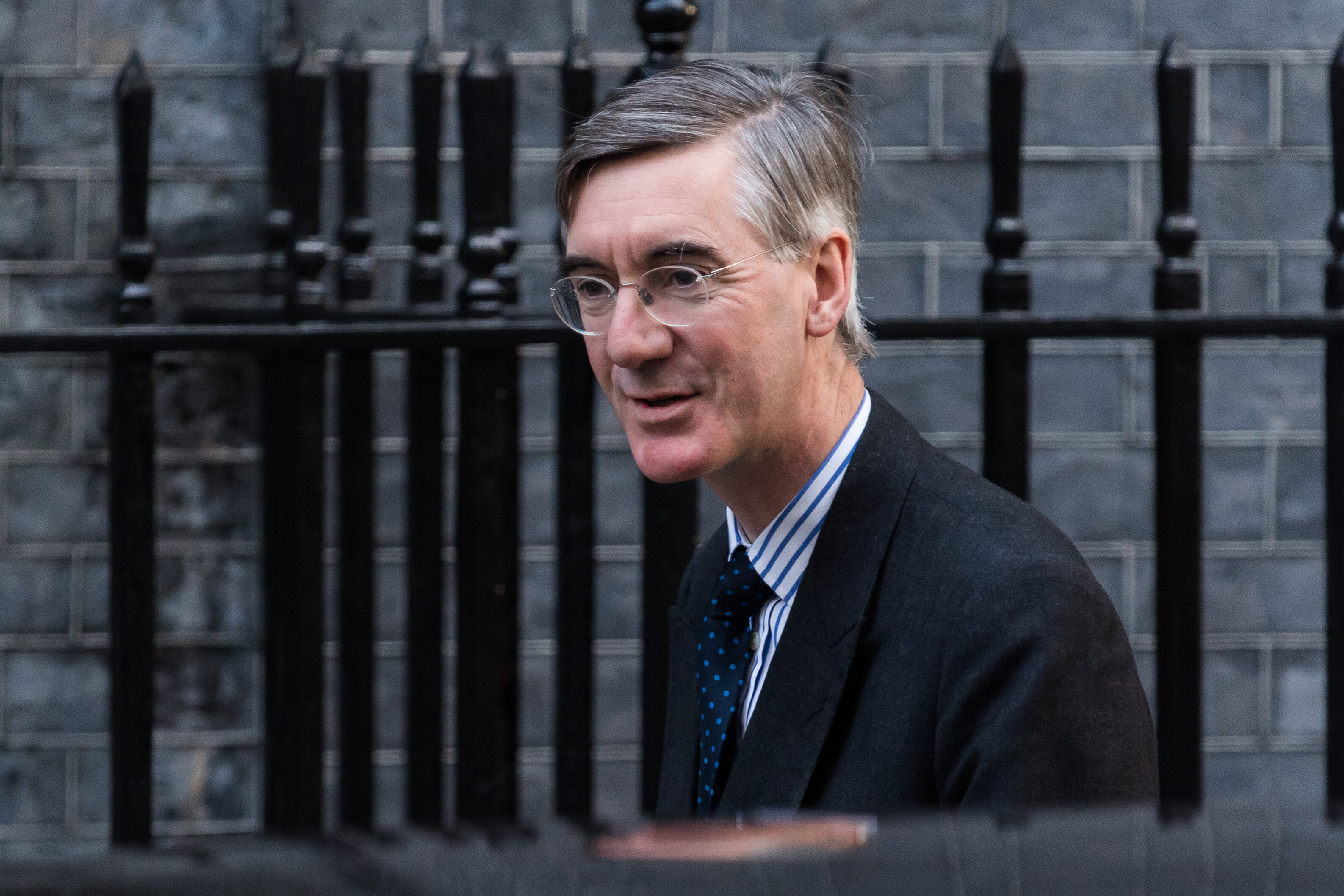
Jacob Rees-Mogg has taken aim at the independent fiscal watchdog that analyses government budgets despite the huge market unrest.
On the day the pound plunged again, the business secretary trashed Office for Budget Responsibility (OBR) forecasting and even suggested chancellor Kwasi Kwarteng could ignore them if they were overly negative.
Advertisement
OBR assessments of the UK economy will accompany the chancellor’s plan to pay for his economic measures and reduce debt on October 31.
A lack of such forecasts during last month’s seismic mini-budget are thought to have contributed to the recent chaos in financial markets – with the cost of government borrowing soaring and the Bank of England forced to intervene.
In a pre-recorded interview on ITV’s Peston, the cabinet minister said: “Let’s see what the Office for Budget Responsibility has to say rather than guessing what it may say.
Advertisement
“But its record of forecasting accurately hasn’t been enormously good.
“So, the job of chancellors is to make decisions in the round rather than to assume that there is any individual forecaster who will hit the nail on the head…
“There are other sources of information. The OBR is not the only organisation that is able to give forecasts.”
His comments are unlikely to reassure investors seeking a firm commitment from the Government to get the nation’s finances under control.
Rees-Mogg also lashed out at the International Monetary Fund (IMF) after it called for the UK’s economic support package to be more targeted and for fiscal policy to be tightened.
He said: “I think the IMF is wrong on both counts. I think it’s particularly wrong on energy, and frankly doesn’t know what it’s talking about…
Advertisement
“The IMF is not holy writ and the IMF likes having a pop at the UK for its own particular reasons. I’m afraid I would never lose too much sleep about the IMF.”
This is exactly what we’ve seen since the mini-budget – Ministers repeatedly going out making things even worse with foolish comments further undermining confidence in the UK.
While they’re in power everyone will pay a premium on their mortgage https://t.co/mBCd0uIQy0
Earlier, the senior Conservative accused Today programme presenter Mishal Husain of failing to meet the BBC’s impartiality standards after she suggested the mini-budget had unleashed the market turmoil.
Labour’s shadow chief secretary to the Treasury Pat McFadden said: “Even now, Tory cabinet ministers do not appear to have learned lessons since their disastrous mini budget.
“The more they publicly trash economic institutions like the OBR, the more they undermine market confidence in their plans and their management of the UK economy.
“The Tories are out of control and working people are being made to pay the price with higher mortgage payments.”
Financial experts have roundly rejected the business secretary’s analysis that interest rates were to blame for the market turmoil.
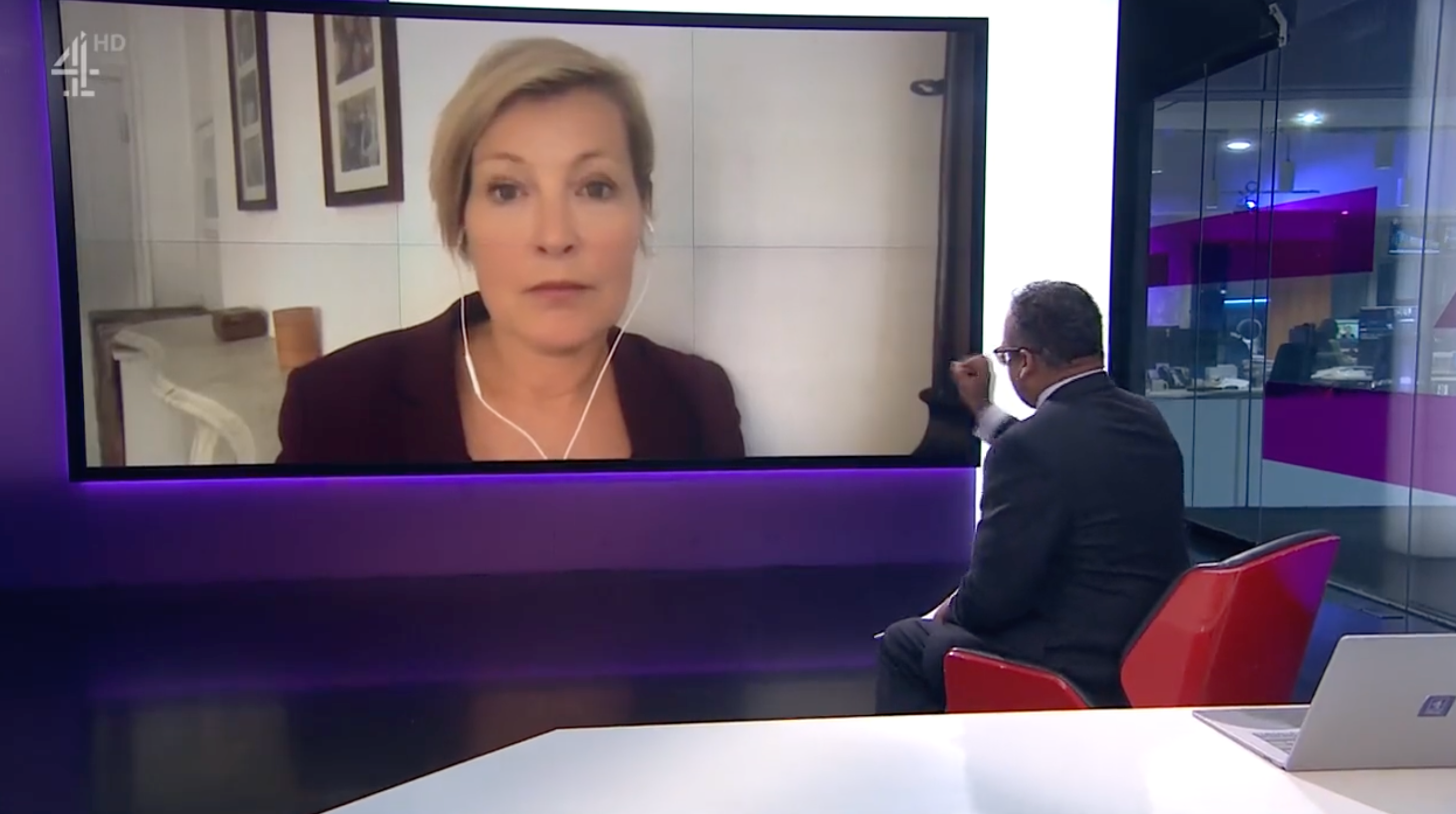
Gillian Tett, Financial Times US editor-at-large, told Channel 4 News: “To use a non-technical term, that’s pretty much bollocks.”
A Financial Times journalist has offered a withering assessment of the government’s suggestion that the Bank of England is to blame for the recent chaos in the markets.
On Tuesday, business secretary Jacob Rees-Mogg suggested the central bank’s failure to raise interest rates in line with the US was driving the financial turmoil rather than chancellor Kwasi Kwarteng’s mini-budget.
Advertisement
But Gillian Tett, the FT journalist who made her name for her prescient commentary on the 2008 financial crash, has said – bluntly – that this was really not the case.
Appearing on Channel 4 News, and asked for a verdict, Tett said: “To use a non-technical term, that is pretty much bullocks.
“I think for the most part it really was the budget and the way it was delivered and the message inside, which sparked the beginning of the crisis.
“The Bank of England certainly is to blame for not having prepared for these kinds of dislocations. The British pension funds appear to have been somewhat asleep at the wheel in terms of their risk management systems.
Advertisement
“But at the end of day, the spark that lit this fire was very much the budget announcement.”
Earlier, Rees-Mogg argued the market response was “much more to do with interest rates than it is to do with a minor part of fiscal policy”.
On September 22 the Bank’s Monetary Policy Committee (MPC) raised rates by 0.5 percentage points to 2.25%, but the day before the Federal Reserve raised rates by 0.75 percentage points.
But economists insisted that the government’s decision to increase borrowing without any plan to balance the books was a major factor.
The cost of government borrowing increased on Wednesday while sterling fell against the euro and dollar in the latest signs of market turbulence.
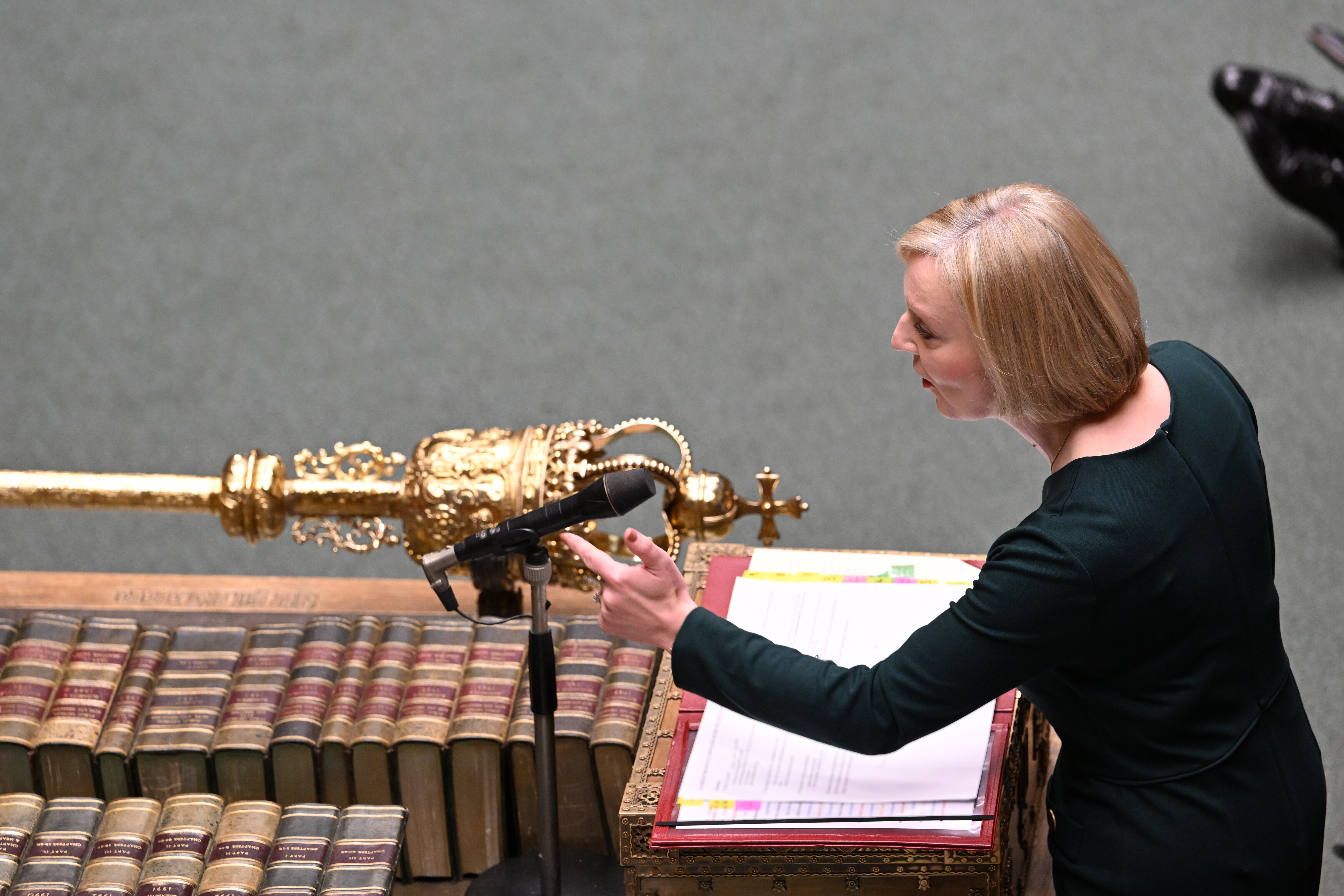
Liz Truss has been savaged by Tory MPs after a disastrous meeting with her backbenchers.
In a bid to win over her mutinous MPs, Truss on Wednesday evening addressed the Tory backbench 1922 Committee, including high-profile critics Michael Gove and Grant Shapps.
But one MP described her performance as “crap” while another told HuffPost UK she was “wooden”.
The showdown in Commitee Room 14 of the House of Commons came as the economic chaos sparked by Kwasi Kwarteng’s mini-budget continued.
Advertisement
Truss told the MPs present that the government’s energy price guarantee would protect households and businesses from soaring bills this winter.
She called on her colleagues to “highlight the devastation that would have been caused to small business had we not acted”.
But her attempts to win over her own MPs failed, with one telling HuffPost UK that almost all of the questions she was asked were critical of the government.
One said: “She was crap and the atmosphere was pretty flat in the room. Even the whips couldn’t be bothered getting people to ask supportive questions.”
Advertisement
One backbencher said her remaining supporters were “libertarian Jihadists who are wrecking the party”.
Former minister Robert Halfon, the Tory MP for Harlow, told Truss she had “trashed blue collar conservatism” by weakening the government’s commitment to affordable housing and lifting the cap on bankers’ bonuses.
Another MP said: “I would say it was worse than anything Theresa May ever faced when she was leader.
“What was really noticeable was the failure of the whips to organise a Praetorian guard of supporters around her. There was only one mildly supportive question and the rest were hostile.
“There was clapping on tables when the government’s policies were criticised and groans when the PM was giving an answer on interest rates and saying they were going up around the world. Try telling that to voters who are seeing their mortgages go up.”
The MP added: “She was wooden, cardboard, lacking in empathy. It’s very bleak.
“It felt very sombre and the mood was a bit like ’what’s going to happen next to bring this to a conclusion?”
Advertisement
The meeting capped another difficult day for the prime minister after she endured a tough prime minister’s questions in which she stunned MPs by declaring she would not impose any spending cuts to pay for the government’s tax giveaways.
The governor of the Bank of England made clear its emergency support programme for the county’s fragile bond market will end on Friday – sparking another sell-off of the pound.
Andrew Bailey warned pension fund managers “you’ve got three days left” to balance the books as the central banker made clear efforts to shore up the financial markets had to be temporary.
Advertisement
It’s almost two weeks since the Bank launched a massive programme to help pension funds cope with a slump in bond prices triggered by the announcement of unfunded tax cuts by the new Liz Truss government.
Earlier on Tuesday, it made a fresh attempt to soothe market chaos, enacting another round of emergency bond-buying after a renewed bout of market turbulence.
Investors have been selling-off government bonds – also known as gilts – as investor concerns about the state of the British economy has failed to subside.
Following the announcement by the governor, the pound plunged against the dollar to below $1.10.
Spooked by the biggest raft of tax cuts for half a century, the pound fell to its lowest point ever against the dollar following the mini-budget – dropping to just over $1.03 – but has rebounded since in no small part thanks to the Bank’s efforts.
Advertisement
Gosh Just look at what happened to the pound when @bankofengland Governor Andrew Bailey told investors its emergency support will definitely end on Friday. “You’ve got three days left now,” he said. “You’ve got to get this done.” pic.twitter.com/ij9verfBBW
At an event organised by the Institute of International Finance in Washington on Tuesday, Bailey said: “We have announced that we will be out by the end of this week. We think the rebalancing must be done.
“And my message to the funds involved and all the firms involved managing those funds: You’ve got three days left now. You’ve got to get this done.”
Earlier on Tuesday, the Pensions and Lifetime Savings Association, an industry body, urged the BoE to extend the bond-buying programme until October 31 “and possibly beyond”.
Advertisement
Why has the Bank stepped in with more emergency action?
On Tuesday, the Bank said it needed to broaden the emergency programme to buy UK government bonds to calm markets as it warned over a “material risk to UK financial stability”.
Advertisement
It came after a further sell-off in the gilt market, which saw the yields on long-dated government bonds rise back up close to levels seen in the immediate aftermath of the mini-budget.
What are gilts and gilt yields?
UK government bonds are a way for the government to raise money.
A gilt is essentially an IOU that the Treasury writes to its lenders, promising to pay the money back, plus interest, within a time frame, for example over two, 10 or 30 years.
The yield on a gilt is the amount of money an investor receives for owning the debt and is represented as a percentage of its price. When a bond price falls, its yield rises.
Yields rise when investors are less willing to own the debt, meaning they will pay a lower price for the bonds.
Why are bond yields rising?
Concerns over the chancellor’s plans for unfunded tax cuts sent gilt yields soaring as markets fretted over the Government’s economic policies.
Advertisement
At one stage, the yield on 30-year gilts hit levels not seen since 2002 in the chaos that followed the mini-budget statement, while the pound also plunged to record lows against the US dollar.
What do gilt prices have to do with pension funds?
Pension funds invest huge amounts of money in gilts, which are seen as safe investments in usual times.
In order to protect themselves against sharp rises in government borrowing costs, funds have been investing in products that act as a kind of insurance – so-called liability driven investment (LDI) funds.
But due to the sudden rise in government borrowing costs after the mini-budget, investment banks called on these LDIs to put up assets or cash as securities for loans, which in turn called on pension funds, forcing them into a fire sale of gilts, driving prices still lower and yields higher and creating a downward spiral.
How bad is the latest crisis in financial markets?
The Bank warned last week that it had been been forced to step in to avoid market meltdown, when some pension funds were left close to collapse and there was a risk of a knock-on impact elsewhere in the financial system.
Advertisement
Its measures initially eased pressure on gilt yields, but they spiked higher again and there are signs the woes may be spreading elsewhere, to index-linked gilts, as well as corporate bonds and even in niche debt markets in the US.
Will my pension be affected?
Experts say the gilt rout, which is largely affecting final salary and defined benefit pensions schemes, will not impact policyholders.
The Pensions and Lifetime Savings Association (PLSA) said: “Although there has been a great deal of commentary over the last few weeks, members of defined benefit pension schemes should be reassured that their pension benefits are safe; scheme funding is strong and, despite the operational challenges, funding will have been strengthened further by rising yields.”
Why are mortgage rates rising?
Higher gilt yields and the prospect of rising interest rates as the Bank looks to cool rampant inflation have a significant impact on mortgage lenders.
Rates on two and five fixed year deals have gone past 6% for the first time in many years due to the market turmoil, while lenders have also been pulling hundreds of products.
Advertisement
Will the latest action be enough?
There are concerns that when the Bank’s programme comes to a close on October 14, there will be a further sell-off of gilts, leaving pension funds in chaos once more.
The PLSA has called for the bond-buying programme to be extended to the chancellor’s next fiscal statement on October 31 or even beyond, suggesting there may yet be further intervention from the Bank.
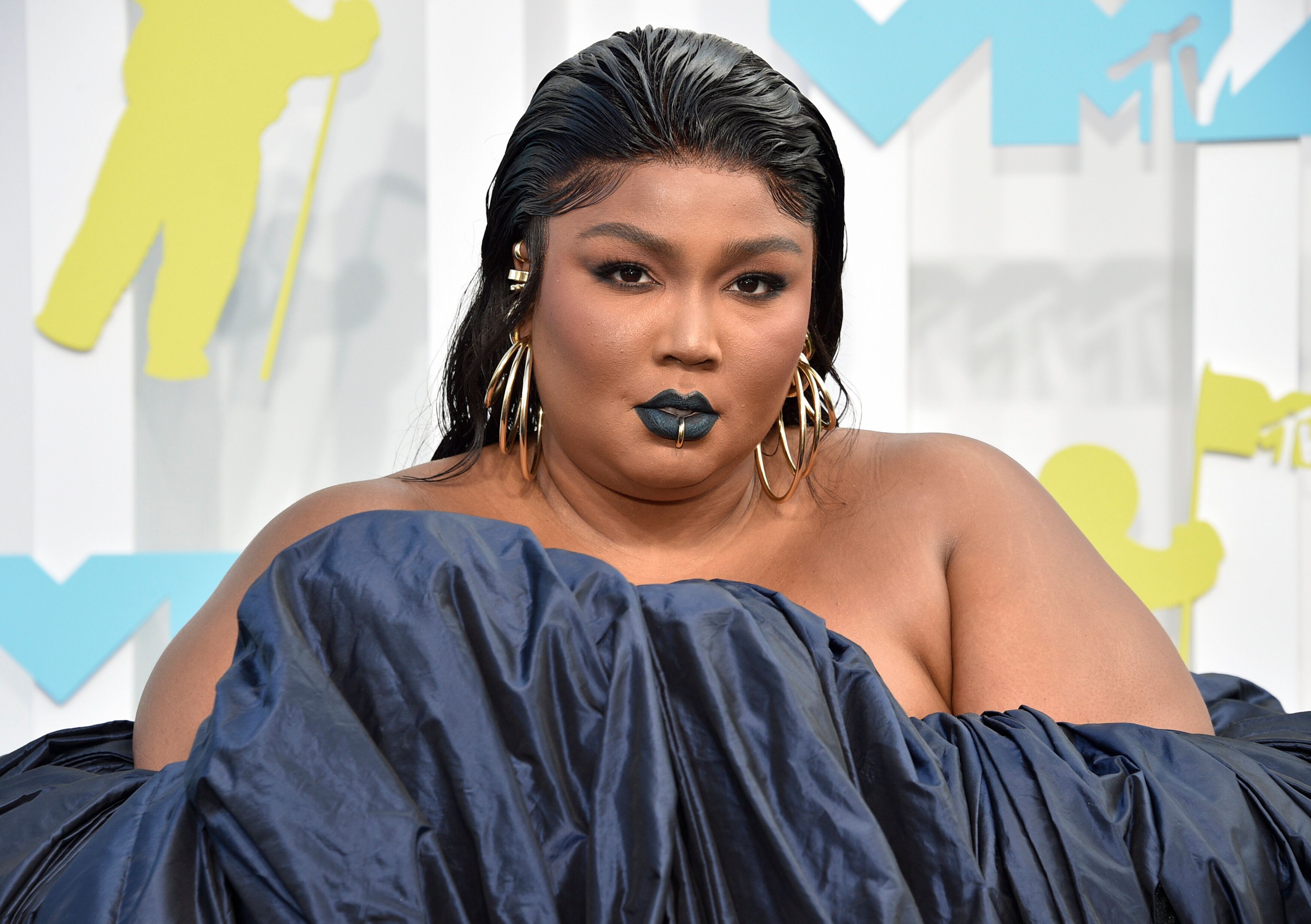
Lizzo told a Canadian crowd on Friday that she’s minding her “fat Black beautiful business” following Kanye West’s comments about her weight in a bizarre Fox News interview with Tucker Carlson.
“Let’s get aside from the fact whether it’s fashion and vogue, which it’s not, or if someone thinks it’s attractive, to each his own, it’s actually clinically unhealthy,” the rapper said.
Lizzo used her Toronto stop during The Special Tour on Friday to seemingly address Kanye’s comments and expressed her desire to stay in Canada, TMZ reported.
“I feel like everybody in America got my motherfucking name in they motherfucking mouth for no motherfucking reason, I’m minding my fat Black beautiful business” the pop star said.
She later inquired if she can stay in the country and asked the crowd who she can marry for dual citizenship.
By now, you’ve probably heard about TikTok’s latest food trend ― the butter board.
The concept is fairly simple. It’s a board artfully coated with soft butter. Often the dairy product is smeared and swirled around in patterns and topped with elements like honey, lemon zest, flaky salt, edible flowers, herbs and more.
Think charcuterie board, but instead of meats and cheeses, it’s elevated butter. Friends might gather around the communal dish, scrape the butter off the board and onto pieces of bread with a knife, or dip their bread directly into it.
Advertisement
The butter board was popularised by TikTok user and food blogger Justine Doiron aka @justine_snacks. On Sept. 15, she posted a 28-second video of herself making a butter board inspired by a recipe from Joshua McFadden’s 2017 cookbook, “Six Seasons: A New Way With Vegetables.” To date, the clip has racked up more than 8.5 million views on TikTok and another 11.2 million on Instagram.
Like the many viral food trends that came before it, the butter board is somewhat divisive. While some are utterly disgusted by the concept, others see it as a delightful indulgence.
the butter, peanut butter, etc boards have got to stop. all i can think about is dust and hair.
Even if you’re on board with the butter board, not all food safety experts are. HuffPost spoke to Darin Detwiler, an associate professor at Northeastern’s College of Professional Studies and the author of “Food Safety: Past, Present and Predictions.”
Below, he shares some food safety concerns surrounding the butter board and advice for minimising the risks involved.
Is the butter board safe?
It’s perhaps unsurprising that Detwiler might have a few concerns about a dish that involves groups of people huddled over a small board as they eat and touch a dairy product.
Advertisement
He warned would-be butter board eaters to be mindful of “cross-contamination with many hands contaminating the butter board” and “dairy products left out of refrigeration too long ― keep cold foods cold.”
Pay attention to people’s food allergies, as butter boards involve dairy and other potential allergens like tree nuts and certain fruits or vegetables. The popularity of wooden boards as the base for many butter boards on social media also gave Detwiler pause.
“Consider the inability to sanitise a wooden board, with its micro-cracks and knife gauges that harbour pathogens such as E. coli and salmonella,” he explained. “Food-borne pathogens can make everybody sick, but the most vulnerable populations ― the very young, elderly, immune-compromised, and pregnant ― are the ones most likely to end up with reported, confirmed cases, hospitalised, and even dying as a result of such an illness.”
Detwiler noted that E. coli, salmonella and listeria are typical pathogens in food and, in rare cases, can lead to severe and potentially life-threatening complications like haemolytic uremic syndrome (HUS). Always seek medical attention if you suspect you have contracted one of these infections.
“Could people become sick from a butter board, it is 100% possible, as people have become sick from contaminated surfaces and person-to-person contact,” he added.
Advertisement
How can you minimise safety risks?
The risk of getting sick from a butter board still seems relatively low, according to other experts.
“This is not something that would make my top 20 list or top 50 of risky things,” food safety specialist Benjamin Chapman told The New York Times.
Although Detwiler is a little more concerned but believes a safe butter board experience is possible.
“Keep everything clean, cold, and conservative ― not too much at one time,” Detwiler said. “Also, keep in mind if people have any food allergens and keep those foods away from other foods.”
If you want to use a cutting board, choose it wisely. The United States Department of Agriculture advises using one cutting board for raw meat, poultry and seafood and a separate board for fresh produce and bread, so you might want to similarly avoid cross-contamination by using a separate platter for your butter board fantasies.
Advertisement
if you want to serve butter to people at a party, just put it in a proper butter dish. the idea of smearing butter over cutting board that’s been used for who knows what is gross
“Use a plastic board or a serving platter as opposed to a wooden board,” Detwiler recommended. “With any board, sanitise using a teaspoon of bleach to a gallon of water.”
Be mindful of timing as well. American butter tends to require refrigeration, and the USDA cautions against leaving out foods that require refrigeration for more than two hours ― and no more than one hour if the room temperature is 90 degrees Fahrenheit. Salted butter is also more protected from bacteria than unsalted butter, so more suitable for room temperature conditions. It’s also worth noting that people in many other countries (including some in the UK) keep their butter on the counter.
Still, if you’re working with a refrigerated product and want to play it safe, limit how long people can enjoy your butter creation.
“Do not leave butter boards out for more than two hours,” Detwiler advised. He also offered a more sanitary alternative to the big sweeping masterpieces on TikTok.
Advertisement
“Many dirty hands can spread not only food-borne pathogens but other pathogens and viruses as well,” Detwiler noted. “Use several smaller boards, as opposed to one large board, to minimise the number of hands in the food.”
So is the butter board trend here to stay? It’s hard to say, but with the murmurings of an impending butter shortage, perhaps we won’t even have the option.
The BBC Radio 2 personality and his professional dance partner Giovanni Pernice were voted off the BBC ballroom competition on Sunday.
It came after they landed in the dreaded dance-off alongside Fleur East and her partner Vito Coppola.
Advertisement
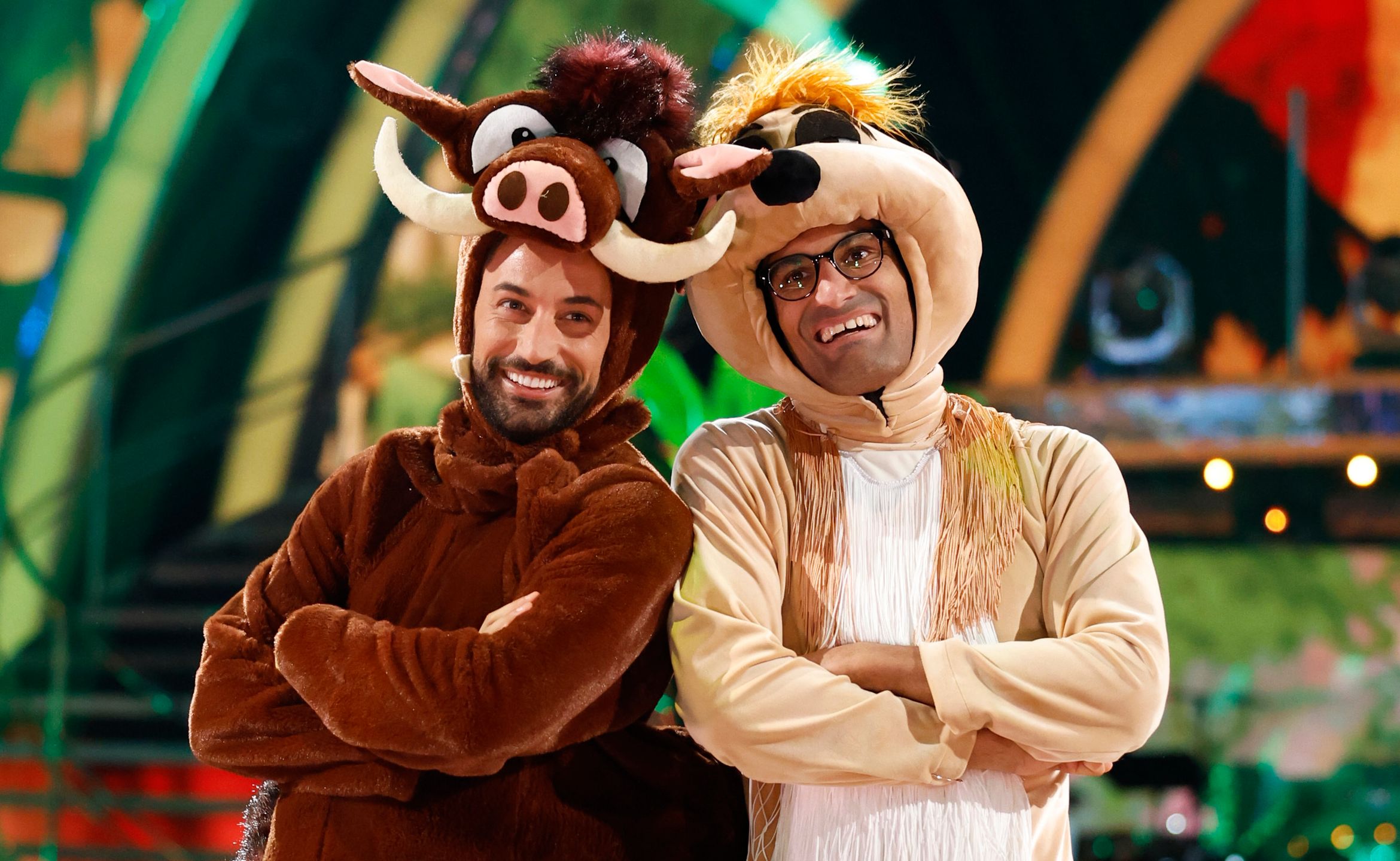
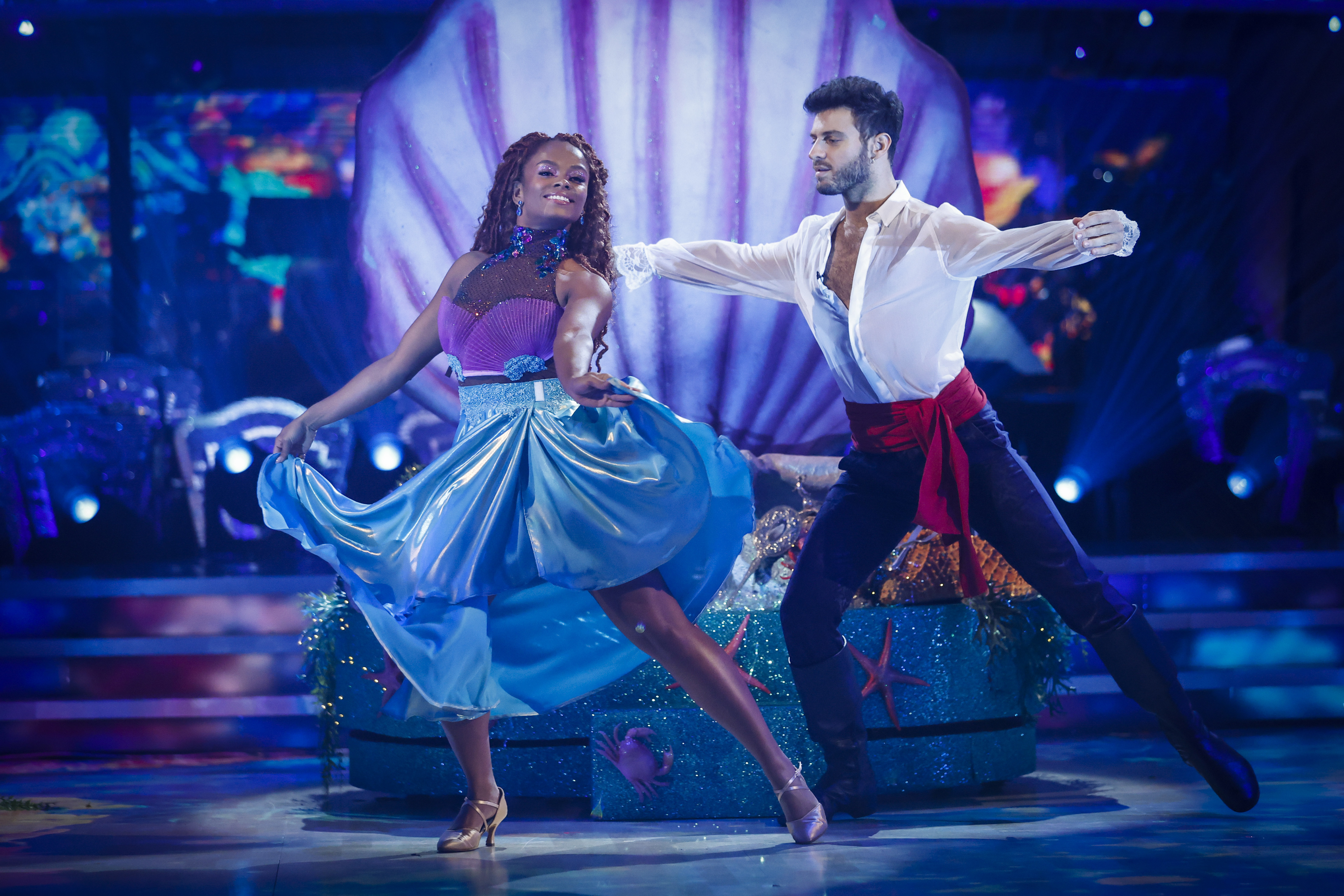
Both couples had landed mid-table on the leaderboard during the show’s annual Movie Night, with Richie and Giovanni scoring 27 points for their Samba to Hakuna Matata from The Lion King, and Fleur and Vito scoring 29 for their American Smooth to Part Of Your World from The Little Mermaid.
But after the judges’ scores were combined with the votes from the public, both couples had to dance again and fight to stay in the competition.
However, head judge Shirley Ballas admitted she would have voted to save Richie and Giovanni.
After the result was announced, Richie said of his time on the show: “Do you know what as a Strictly fan I always thought it was a magical thing to be a part of and being here it really is and it’s not just the people that you see on camera, the judges, and you and Claud and the amazing people that I’ve got to meet on this show. The people behind the scenes in hair, make up, costume, Tasha our runner, Stef, Jas, everybody.
“I also want to thank this guy [Giovanni] as well, he’s been so amazing, and I feel so lucky that I’ve got to dance with you every day. Not only are you a fantastic dancer but you are also a fantastic guy on top of that. I want to thank all my family and friends and my other half Dean who is in the audience, I love you so much.”
Giovanni added: “I have to say it’s been an honour to be able to dance with you because I know how much you love Strictly Come Dancing, you really are a superfan. And I’m glad that you got to do this experience and glad that I got to do it with you. It’s been a shame its been too short for us but I hope you’ve enjoyed every single second of it, and it stays in your heart forever.
“Look at us we’ve gone out dressed as Timon and Pumbaa. So lovely jubbly, well done Richie.”
The remaining 13 couples will take to the floor once again when Strictly Come Dancing returns on Saturday at 6.30pm on BBC One.
You’re reading Move, the nudge we need to get active, however makes us happiest and healthiest.
Walking is cooler than ever, thanks in large part to the made-famous-by-TikTok Hot Girl Walk trend. Not only is it cool, but walking is also great for your mental health and your physical health.
There are even ways to make your walks more beneficial, whether that’s Nordic walking (a kind of walking that uses poles, similar to ski poles, to incorporate your upper body) or interval walking, which, according to Harvard Health, gets your heart rate up more than a regular walk.
Advertisement
An interval walk incorporates phases of fast and moderate walking to create a heart-pumping, challenging workout. You can mix and match the duration of each pace however you like, but generally the majority of the walk is done at a moderate pace with the quicker pace sprinkled throughout. It’s common to do this workout at a 2-to-1 ratio, meaning you walk at a moderate pace for double the amount of time of a fast pace (so, walk at a moderate pace for two minutes and follow it up with a faster one-minute walk), but it’s really up to you how you split it up.
During the moderate walking pace, you should be at about 30% to 40% of your maximum effort, said Kate Lemere, chief instructor at Barry’s Chicago. In other words, your walk should be at a pace that would allow you to hold a conversation.
During vigorous, fast intervals, she said, you’ll want to be around 70% of your maximum effort, a pace at which it should be more difficult to string together a complete sentence.
Interval walking is a way to add something different to your regular walk and can make it much more efficient.
Advertisement
Here, experts share all of the ways interval walking is good for your health.
It shortens the amount of time you need to exercise.
“What does interval training do for you? It cuts down the amount of time you have to exercise to get the same benefit,” said Dr. Michael Ayers, a sports cardiologist at UVA Health in Virginia.
For people with busy schedules, this is a huge benefit of incorporating fast-slow intervals into a walk — or incorporating any kind of high-intensity interval training into exercise, for that matter. When you mix vigorous exercise with moderate exercise, those short bursts of vigorous exercise get you the same benefits of a slower walk in less time, Ayers said.
In other words, all of the benefits of a moderate-intensity walk can be achieved faster when you add in some quick high-intensity intervals.
“Interval training definitely shortens the amount of exercise time that you have to do per week,” he added.
It creates an endorphin rush.
Ayers noted that, overall, one of the big reasons his patients like interval training is how it makes them feel afterward.
Advertisement
“There’s a big endorphin kick when you go into vigorous exercise,” he said. With an interval walk, as long as you reach a vigorous pace for 30 to 60 seconds at a time, you’ll get an endorphin kick.
You could do a five-minute moderately paced interval followed by a fast minute-long interval, or one minute of moderate walking followed by 30 seconds of power walking. As long as you break up your slower intervals with at least 30 seconds of vigorous walking, you’ll be on your way to that endorphin boost.
JGI/Tom Grill via Getty Images
If you’re looking to increase your walking speed, interval walking can be a great way to build up to that goal.
It builds endurance.
Walking may not be the first thing you think of when considering endurance-building workouts, but walking can actually build up your aerobic endurance, according to Dr. Tamanna Singh, a clinical cardiologist and co-director of the sports cardiology center at Cleveland Clinic in Ohio.
For someone who is really pushing themselves during a walk, especially if they aren’t used to bursts of vigorous exercise, that pace acceleration “may be enough to stimulate the aerobic and anaerobic system,” she added.
Advertisement
This will help you build up your aerobic endurance and sustain anaerobic levels of effort moving forward, Singh said.
Plus, interval training can help you reach endurance goals related to walking farther or walking faster.
″[The] best way to increase your [walking] speed is with interval training — increasing the duration of those faster intervals over time will help you be able to do that,” Singh said.
It’s a good workout for people who are getting back into exercise.
Interval walking can also be a great progression for those who are getting back into aerobic activity after an injury or pregnancy, said Lemere.
If you fall into one of these categories, you shouldn’t just jump right into the workout. First, make sure you’re able to walk at a sustained pace and recover without pain the next day, she said. And it’s always a good idea to check with your doctor before adding something new to a post-injury workout routine.
Advertisement
But if you are ready to take your walking to the next level, you can increase your exercise output by adding fast-slow intervals.
Interval walks are helpful for people coming off of an injury and hoping to get back into running, too.
“Incorporating walking intervals is one of the best ways not to only increase your cardio but also to progress if your goal involves running,” Lemere noted.
It can help you feel less bored during a workout.
Variety equals excitement in most scenarios, including workouts.
A 45-minute or hourlong walk can seem daunting (and can end up being kind of boring), but when you break that walk into chunks that incorporate quick walking followed by slower-paced walking, you can make the workout a little more exciting, Singh noted.
You can try walking at a moderate pace for 10 minutes and follow it up with a fast walk for five minutes and repeat that pattern until you hit your time goal. This, she added, is also a way to stay engaged during the workout, which is another huge benefit.
Advertisement
“Engagement is a huge component in making sure people can commit” to exercise, Singh said.
It’s not as hard on your body as a traditional run …
When you’re not properly warming up and recovering, “running can be very painful and hard to recover from,” Lemere said.
Our bodies change with age, and running may not be something you can do anymore. That’s OK.
Interval walking is a good way to get in some brisk movement outdoors without putting all of that pressure on your joints.
But the cardiovascular benefits of walking at a sustained pace are largely the same.
Beyond the benefits above, interval walking has not proved to be any more beneficial than sustained walking when it comes to general health. You may be sweating a little more after a fast walk interval, but the overall health benefits aren’t actually going to be much different.
Walking of any sort is healthy, Ayers said. Across the board, walking increases muscular strength decreases the likelihood of diabetes, and also decreases blood pressure and cholesterol levels. It results in a lower risk of heart attack and stroke, too.
“At the end of the day, get moving [and] be very intentional about how you move your body,” Singh said. “That’s the cheapest, easiest way to stay healthy and reduce your cardiovascular risk.”
Advertisement
Move celebrates exercise in all its forms, with accessible features encouraging you to add movement into your day – because it’s not just good for the body, but the mind, too. We get it: workouts can be a bit of a slog, but there are ways you can move more without dreading it. Whether you love hikes, bike rides, YouTube workouts or hula hoop routines, exercise should be something to enjoy.
Nicola Sturgeon has sparked a backlash for saying “I detest the Tories” during a BBC interview.
Scotland’s first minister has been accused of using “dangerous language” after she took a swipe at the Conservatives.
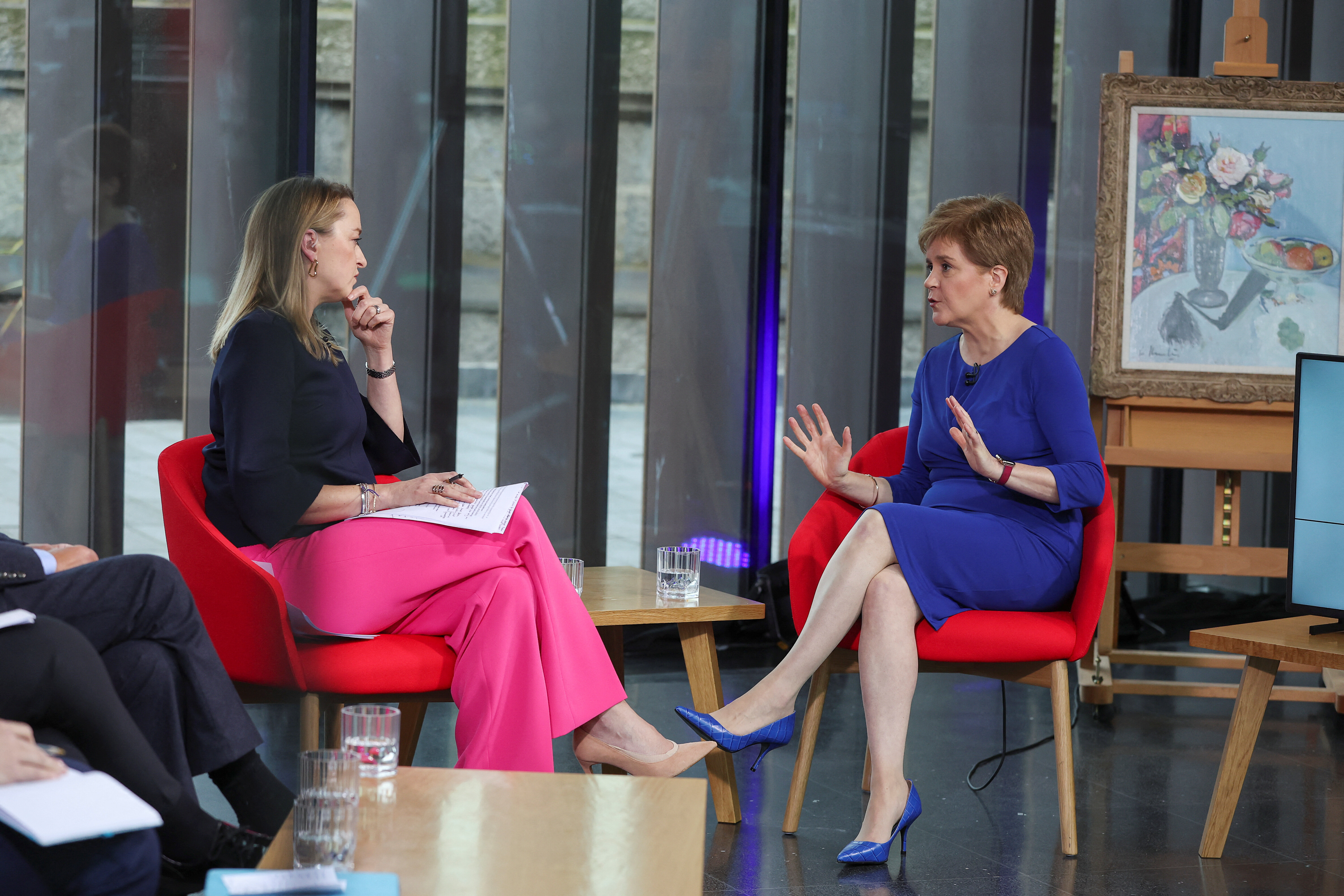
Sturgeon told the Sunday with Laura Kuenssberg programme: “If the question to me is would I prefer a Labour government over a Tory government – I detest the Tories and everything they stand for – so it’s not difficult to answer that question.”
Advertisement
Chancellor of the Duchy of Lancaster Nadhim Zahawi hit back: “I think that language is really dangerous.
“I prefer to work with my colleagues in Scotland on delivering the free ports, the green ports, as I want to do with [Deputy First Minister] John Swinney and others.”
Tory MP Andrew Bowie commented: “That’s the first minister of Scotland ‘detesting’ a quarter of the Scottish electorate.
“Good to see the language of respectful disagreement being demonstrated here. Btw, how’s that plan to win over 2014 no voters going?”
Advertisement
While Sturgeon said she would favour a Labour government, she added: “Being better than the Tories is not a high bar to cross right now.
“I think we need to see more of a radical alternative from Labour rather than just a pale imitation.
“If you’re asking me do I think either a Westminster Tory government or a Westminster Labour government are good enough for Scotland, then my answer to that is no.”
She also told the broadcaster she was disappointed that Labour leader Keir Starmer had “thrown in the towel” on re-joining the European Union.
During the interview, Sturgeon said she was “confident” that a second Scottish independence referendum will take place next October.
She dismissed opinion polls that show people do not want indyref2 now or in the next few years, saying they did not need to look at the polls to know there was a mandate for another referendum.
Advertisement
The SNP want to hold a vote next autumn if the Supreme Court rules that ordering a ballot is within the powers of the Scottish parliament.
Sturgeon said plans were “ready to go” to legislate for the referendum – if it gets the go ahead from the court.
The first minister also claimed that any attempt to boycott an indyref2 would show the UK government does not believe it can win the case for the union.
However, some – including Scottish Conservative leader Douglas Ross – have suggested the unionist side could boycott the referendum.
Sturgeon went on to say that she believed the “vast majority” of Scots would take part in the referendum and she was “confident Scotland will become independent”.
Advertisement
The Scottish government is expected to publish a new paper setting out its plans for the economy and currency of an independent Scotland next week.
Tom Felton reminisced this week about a time when Alan Rickman was a complete accio-hole to him — in the most loving way possible.
The Harry Potter star, who played the entitled Draco Malfoy in the film franchise, shared a story about the late Die Hard actor in which Alan made Tom as nervous as Ron Weasley around spiders.
Advertisement
The incident occurredduring a night shoot for a scene in 2009’s Harry Potter and the Half-Blood Prince, in which Felton and a group of Death Eaters — essentially the Wizarding World equivalent of Nazis — are following Alan, aka Professor Severus Snape, through Hogwarts.
Alan was wearing a long cloak during the scene, and gave Tom a severe warning before a take.
“Eventually I was told in no uncertain terms by Alan Rickman, ‘Don’t step on my fucking cloak,’” Tom recounted in an Instagram video. (The actual expletive is bleeped out in the video.) “I sort of giggled. The Death Eaters and I looked at each other and thought, ‘Is he joking?’ It quickly became apparent: He’s definitely not joking.”
The situation got even more riddikulus, Tm said, when director David Yates asked him to “walk as close as [he] can to Alan” in the scene. Felton said the take went smoothly until they “got about halfway through the Great Hall”… and Tom stepped on Alan’s robe.
Advertisement
Tom said Alan “turned around and gave me a look you never, ever want to see.”
Considering that Alan’s Snape was a cold authority figure with a sharp tongue and an intimidating leer, it’s hard not to feel for Felton, who was just a kid at the time.
But Tom said in his video he understood why Alan would be upset.
“You have to bear in mind his cloak’s attached around his neck — I nearly killed the poor man!” he said.
Thankfully, in the next take Tom said “someone else” accidentally stomped on Snape’s cape.
“That kind of took the heat away from me,” Tom quipped. “But I’ll never forget those words: ‘Don’t step on my fucking cloak.’”
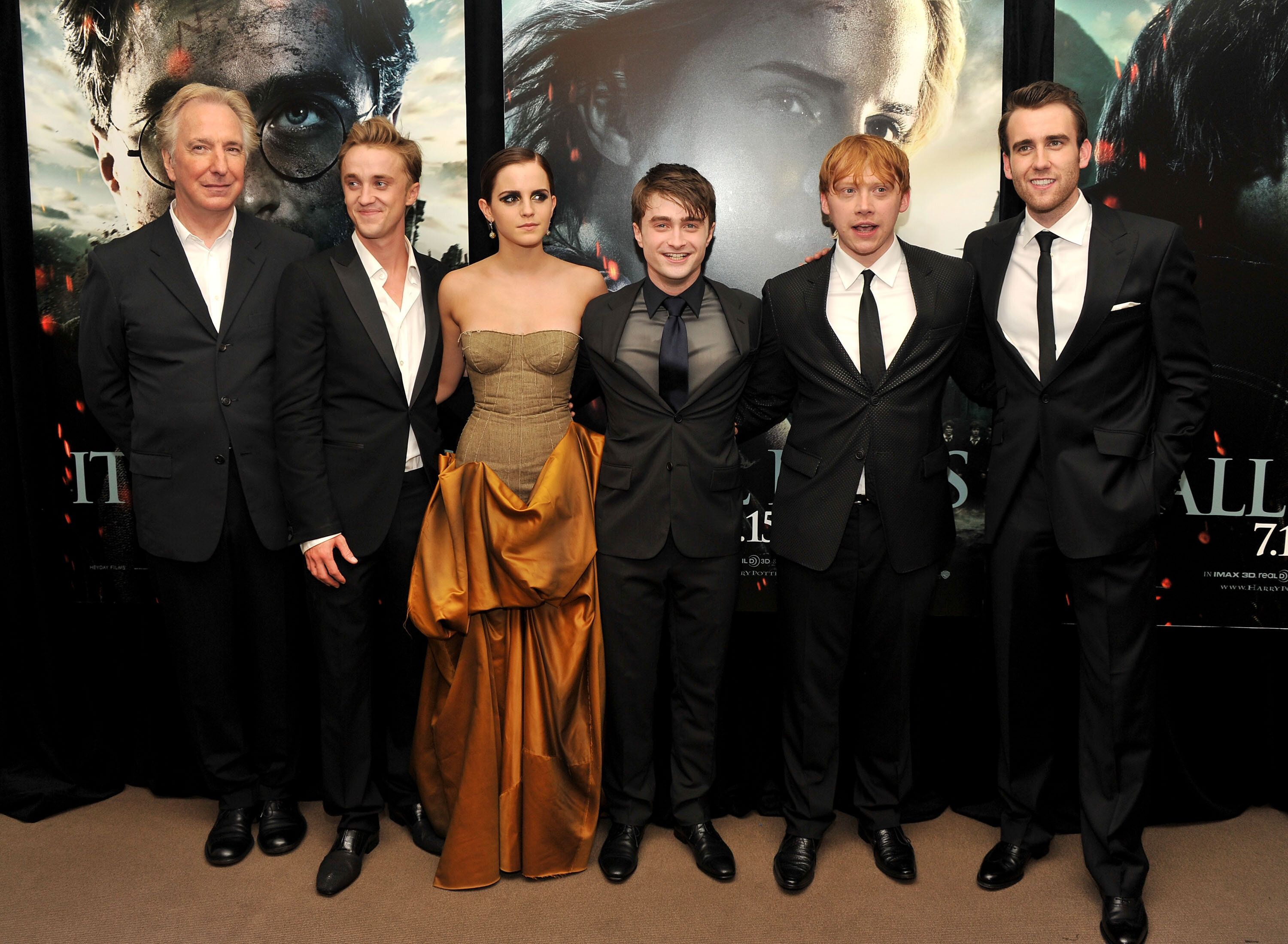
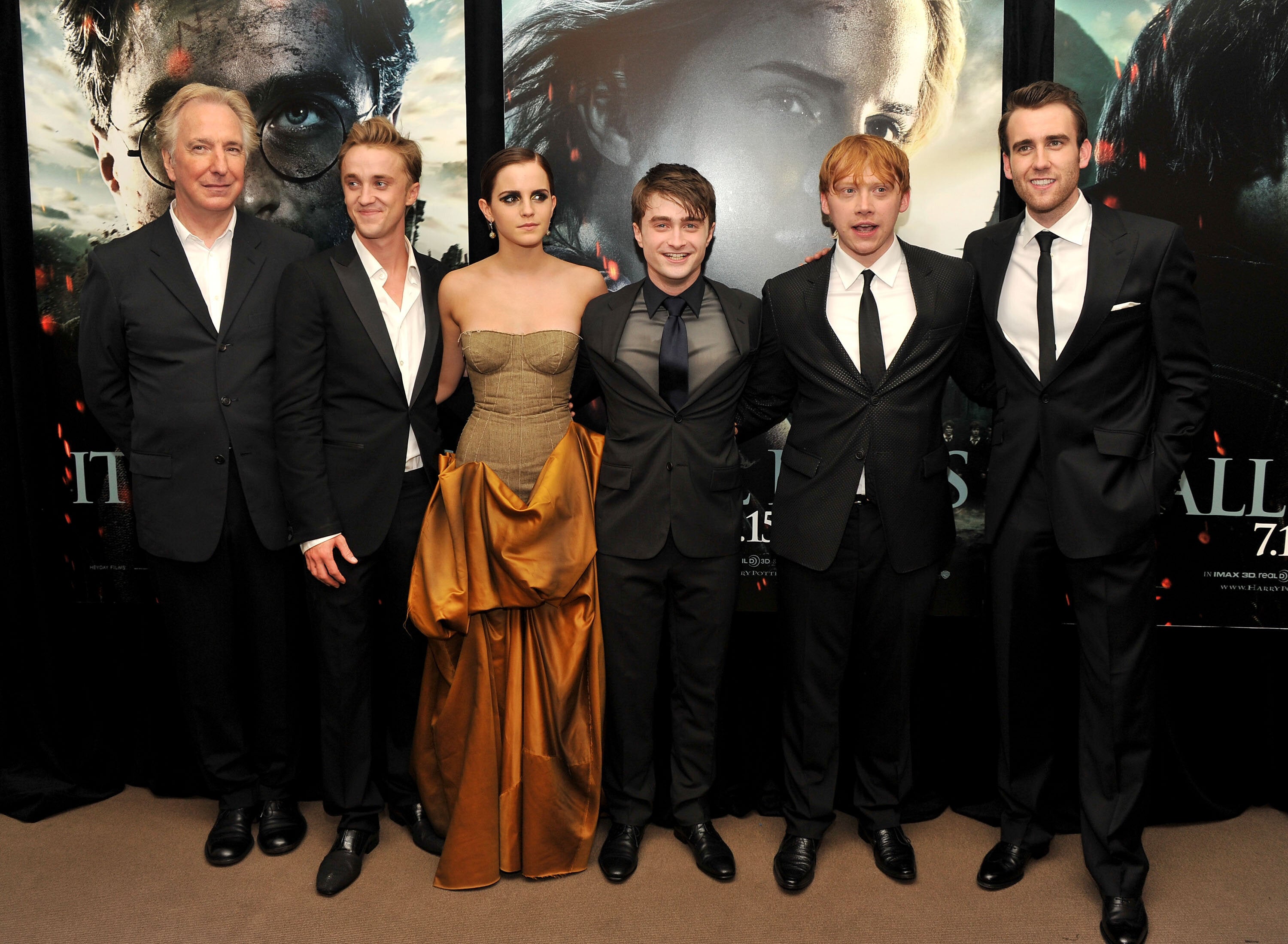
Alan Rickman, Tom Felton, Emma Watson, Daniel Radcliffe, Rupert Grint and Matthew Lewis attend the New York premiere of Harry Potter And The Deathly Hallows: Part 2 in 2011.
Stephen Lovekin via Getty Images
Felton shared the story to promote his new memoir, “Beyond the Wand: The Magic and Mayhem of Growing Up a Wizard.” But he’s told the story before, speaking to a much smaller audience at the 2019 London Film & Comic Con.
Advertisement
In a Q&A with fans there, Tom expressed affection for Rickman, who died in 2016. But he admitted Alan was also the person on set he was “scared most of,” because “he stays in character pretty much the whole time.”
“I remember, there was once we were night shooting, and he’s just standing there, ominously. And eventually I plucked up the courage to say ‘Are you all right, Alan?’” Tom said. “And he just turned, ever so slowly, and just ― ‘I’ve peaked.’”
Tom said that he remembered “not laughing at the time.”
“And then I realised it later: He was a very funny man.”