Will Boris Johnson Ever Admit That ‘Levelling Up’ Is A Soundbite In Search A Policy?

Last year, a former minister confided to me that when he road-tested Boris Johnson’s “levelling up” catchphrase among his constituents, one voter replied with the immortal words: “You mean the potholes?”

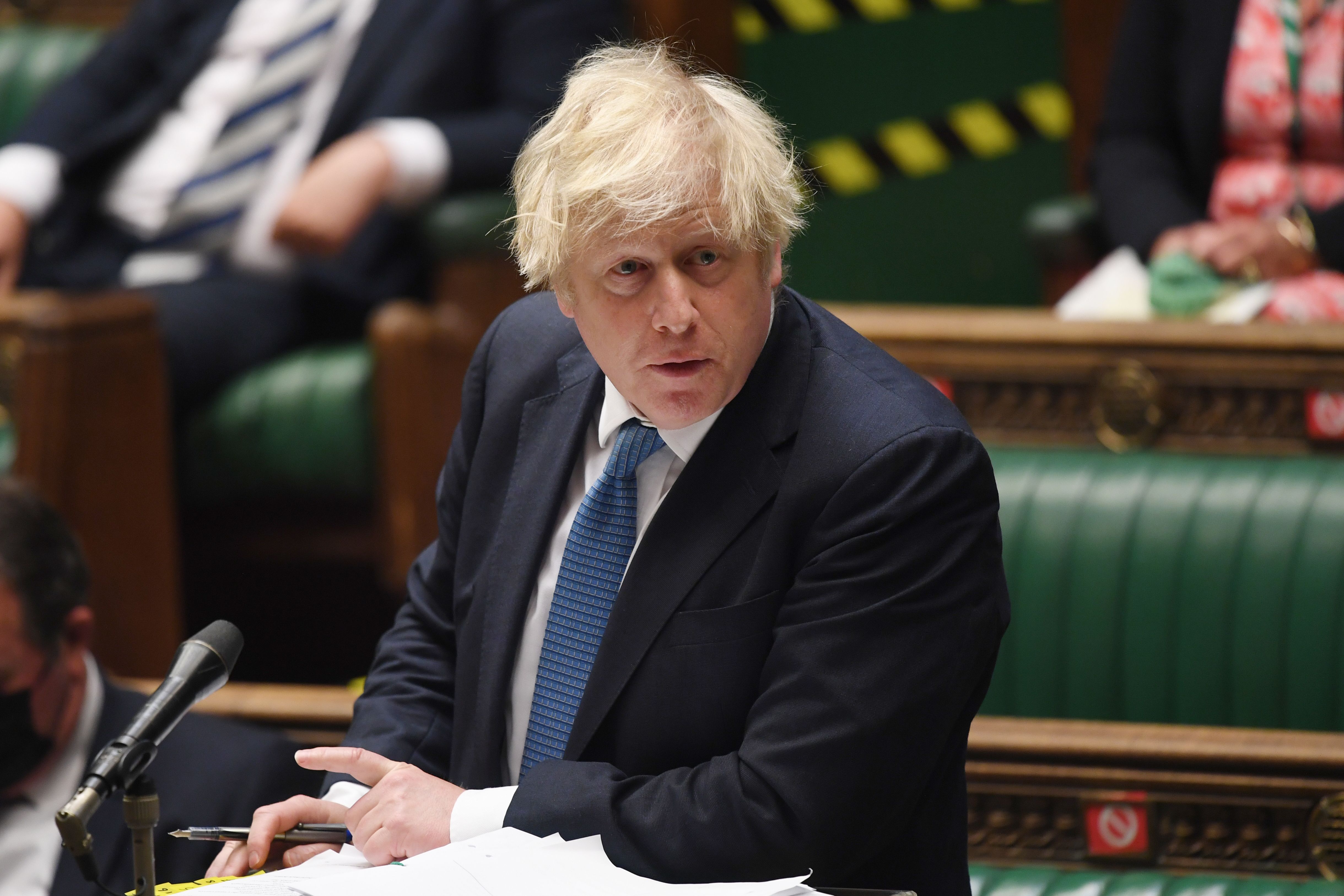
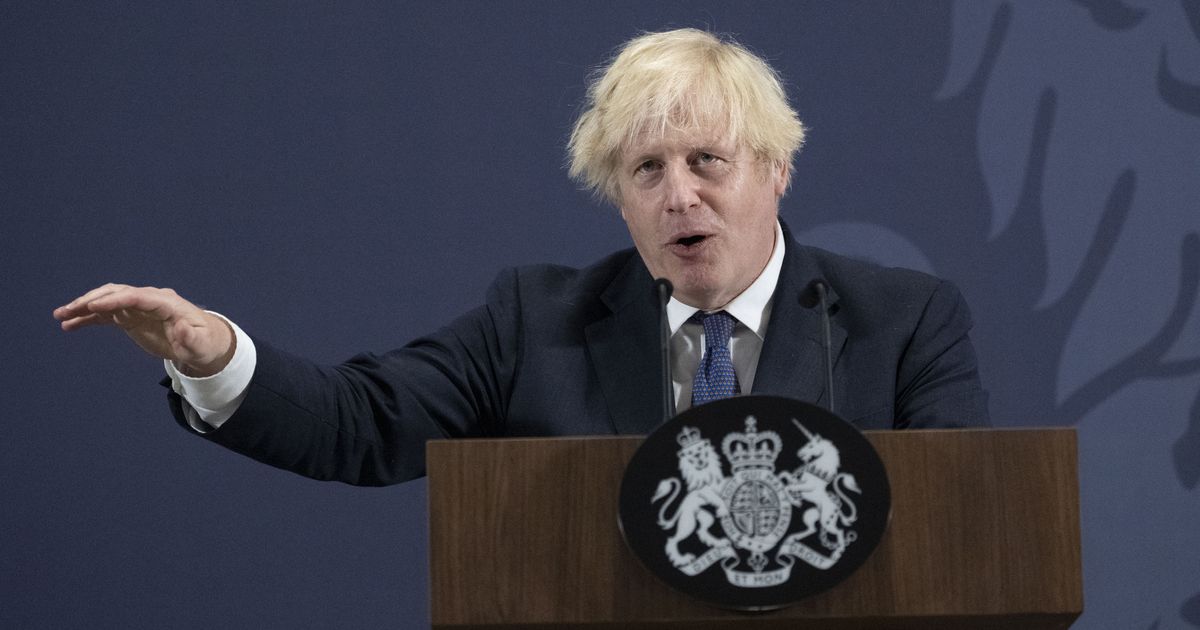
So perhaps it was fitting that when the PM tried to explain the concept, his speech was as rutted and cratered as a Mexican ringroad. Full of policy holes and bumpy, meandering stretches, Johnson’s address to the bewildered audience in Coventry was a journey without a destination.

Of course, one very simple interpretation of levelling up is the idea of spending more cash in areas outside London. One of Dominic Cummings’ main achievements in his time in office was persuading the Treasury to rewrite the so-called ‘green book rules’ to allow investment in less affluent places.

The old idea that “investment should always follow success” was indeed ridiculed by the PM as he vowed to tackle towns and cities in decline. But the most notable Cummings influence on display on Thursday was the sheer stream-of-consciousness verbiage deployed. At 4,272 words, the speech made a Cummings blog look the acme of brevity.

In a genuine service to the nation, the Downing Street website published what it described as the “transcript of the speech, exactly as it was delivered”. Listening to it was one thing, seeing it written down in black and white confirmed its long and winding mode. One sentence lasted a full 210 words, and felt longer than the sentence hardened criminals get for armed robbery.

The word blizzard, which whooshed or lulled according to the PM’s mood, seemed designed to bury the fact that there was not a single new definition of what is meant to be the defining policy of his premiership. As for hard cash, the only fresh money was £50m so that “ultimately” (key word that) no one will be more than 15 minutes from a football pitch.

Former No.10 adviser Tim Montgomerie put his finger on the problem earlier this year when he revealed that post-election conversations about levelling up were “vacuous” because no one could “convert a soundbite that tested well in focus groups into something real”. When pressed on Thursday, Johnson admitted he so far only had “the skeleton of what to do”. Dem bones, dem bones, dem dry bones, indeed.

And whenever Johnson has little to say, the gags are always a giveaway. One section of the speech about Heinz investing in Wigan seemed exclusively inserted to tee up a joke about “the magic sauce – the ketchup of catch-up”. Yet it was a punchline in place of a policy, because that key ingredient of levelling up turned out to be “leadership”.

And in true Johnsonian fashion, the key test wasn’t of his own leadership but that of local politicians. They would determine the success of his flagship idea and it was their job to really define levelling up through their actions, he suggested. Reheating old plans to give county councils “metro mayors” like those in big cities, it was devolution but not as you know it.

Featuring another shot in the culture war (“loony left” councils would not get more powers), it felt like an olive branch to southern Tories worried about planning reforms, with the promise of becoming shire versions of Andy Burnham or Sadiq Khan.

He didn’t sound like he was backing down on housing zones, but instead telling the Blue Wall “if you can’t beat em, join em”. The catch was that No.10 would still hold all the cards and decide what made a deserving case.

The fundamental problem with all of the mayoral innovations to date has been their dependence on London for funds, and a very limited ability to raise funds themselves. That was underlined when Johnson joked that even Tory mayor for the West Midlands, Andy Street, couldn’t “extort massive cheques” from the Treasury at will.

We were promised a White Paper on levelling up later this year, but it appeared that the PM wants local politicians to really do the heavy lifting. Just as he has outsourced public health policy on Covid through the mantra of “personal responsibility”, he felt like he was devolving outside government the future blame for any fudge or failure of levelling up.

He may prove the doubters wrong with some detailed, coherent and costed plans later this year. But if progress is slow and unmeasurable, it is likely to be someone else’s fault.

And the way the PM disowned any role in Conservative austerity that some feel has really crippled the regions over the past decade, the way he talked of his “outrage” that life expectancy was inexplicably higher in Hampshire than in Blackpool, suggests someone determined to say “it wasn’t me”.

Share Button

Backstreet Boys’ AJ McLean Says Last Heartbreaking Interaction He Had With Britney Spears ‘Wasn’t Her’

The Backstreet Boys’ AJ McLean is speaking out in support of Britney Spears, slamming her conservatorship as “insane” and revealing the moment he last saw her that broke his heart.

In an interview this week with Andy Cohen on SiriusXM alongside fellow BSB member Nick Carter, AJ called the conservatorship that’s been controlling Britney’s life and finances since 2008 “asinine,” “insane” and “completely brutal.”

Britney recently spoke out on her own behalf for the first time since 2019, telling a court during a hearing last month that the conservatorship was doing her more harm than good and asked that it end.

During an emotional 20-minute speech, Britney explained how the conservatorship had such a grip on her life that her conservators wouldn’t allow her to remove her IUD so she could have a child with boyfriend Sam Asghari.

Addressing that specific issue, AJ says that “really irks him.”

Getty

AJ McLean and Britney Spears

“That, to me, is physical abuse. Just the whole thing to me is just, it’s grotesque. I pray for her. I really feel in my heart that she’s going to break free of all of this, and I really hope that she does. She’s a sweetheart,” he said, before adding that the pop sensation is “pretty much” his neighbour.

The 43-year-old went on to say that he sees Britney out and about often because they go to the same shopping centre in Los Angeles.

“There’s this amazing cupcake shop that she goes to that I go to,” he said. “The last time I saw her, it broke my heart. Last time I saw her, she was with a gentleman. I’m assuming it was security and/or maybe a driver.”

AJ explained that he was buying cupcakes for a birthday party for one of his daughter’s friends when he spotted Britney: “I went in, she was there, she looked right at me and I was like, ‘Hey, it’s AJ.’ And she just kind of had this glass face. Like, she just didn’t know who was there. It took her a minute. And then she realised it was me, and we hugged and we talked for a brief moment, but I could just see that this wasn’t her. Like, I’m not looking at the person I knew from years and years ago.” 

He added that he doesn’t think the conservatorship is “fair” or “right,” and added: “Free Britney!”

Previously, AJ has been vocal about backing Britney and showing support for her on various forms of social media. On TikTok, AJ told fans, “This shit has gone on long enough! Let my girl live her life And be free to be who she is!”

Share Button

Sex/Life’s Sarah Shahi Weighs In On Divisive Ending To Netflix’s Raunchiest Show

Warning! This article contains major Sex/Life spoilers.

Sex/Life star Sarah Shahi has weighed in on the show’s divisive finale, admitting she didn’t see the ending coming. 

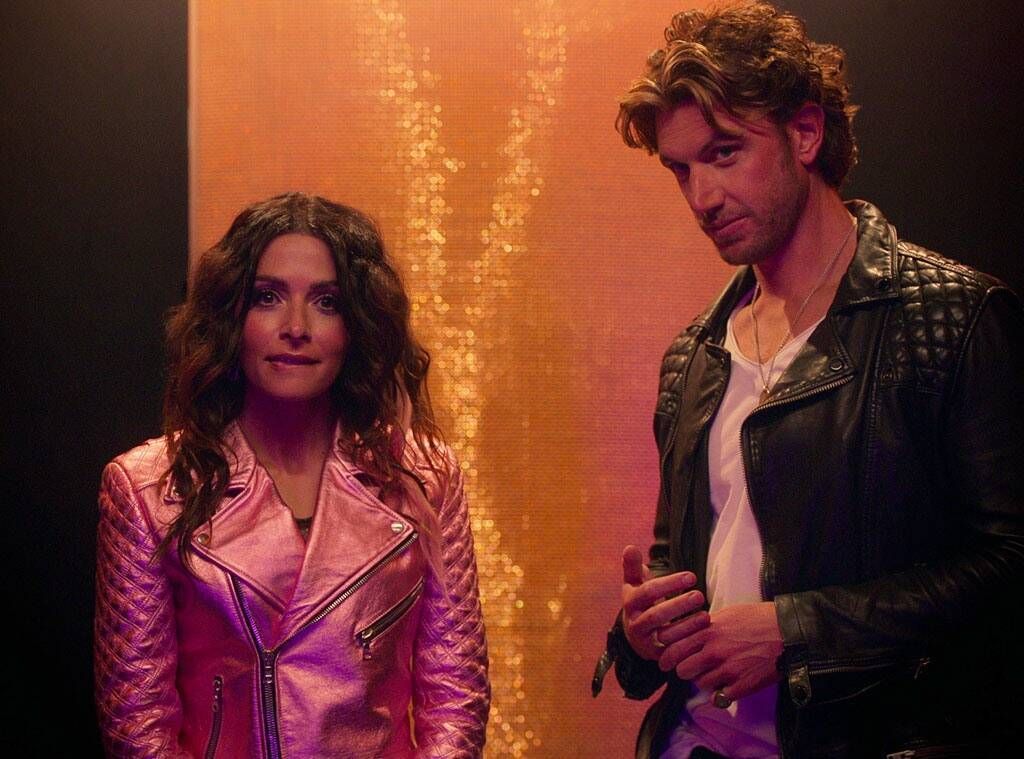
The eighth episode of the saucy Netflix series sees Billie embark on an affair with her ex Brad after months of fantasising about the wild sex life they used to have. 

Sarah, who plays Billie, said she was surprised to see her character betray her husband Cooper – something that has divided viewers. 

Netflix

Sarah Shahi and Adam Demos as Billie and Brad in Sex/Life

Speaking to E! News, she said: “My jaw was to the ground pretty much at the end of every episode. But, I definitely didn’t expect for it to go there because, you know, you keep hearing Billie over and over again, and she says, ‘I love my husband.’”

Responding to some accusations that Billie’s decision is selfish, Sarah continued: “She’s not ignoring her children, she’s not ignoring the needs of her husband. There is just a part of her that’s missing, and she’s really struggling trying to feel it again.”

Admitting she loved the finale, Sarah added: “For me, what it comes down to is having the guts to say I want more and going after that. And that doesn’t make you a bad parent to want that. You can still be a wife and a mom and be a sexual goddess at the same time.”

Netflix

The love triangle between Brad, Billie and Cooper is central to Sex/Life

While a second series has not yet been confirmed, Sarah – who is in a real-life relationship with Adam Demos, who plays her on-screen lover Brad – said that if Sex/Life does return, fans should expect “the fantasy will continue in some way or another, because it sure is fun to watch”.

The raunchy US dramedy has risen to the top of Netflix’s most-watched chart since its release last month, and has taken the internet by storm – part in thanks to a gasp-inducing full-frontal scene in the third episode. 

Sex/Life is available to stream on Netflix now.

Share Button

The 10 Funniest Kids’ Jokes Of 2021, According To The Beano

A Dundee primary school class has been crowned the UK’s funniest with a topical joke about face masks.

Class 5B from Forthill Primary School entered the Beano’s annual competition to find Britain’s Funniest Class, and came out on top with their timely submission joke winning 21.7% of the public vote.

And the gag goes as follows.

“What did the face mask say to the mouth?” “Let me cover for you!”

The joke was one of 10 shortlisted by a panel at the DC Thomson comic before the public decided which they found funniest. Beano’s Mike Stirling presented the class at Forthill with the official trophy, alongside a bundle of goodies including Beano subscriptions for all the children.

“We’ve learned our greatest gags have always come from kids themselves and Britain’s Funniest Class has schooled us yet again, raising some much-needed chuckles in classrooms,” he said.

Beano’s favourite kids jokes of 2021

1. Forthill Primary School: “What did the face mask say to the mouth? Let me cover for you!”

2. Greystones Primary School: “What did the teacher say to the comic lover as a punishment? There will Beano comics for you.”

3. St John the Baptist Primary School: “Where’s the best place to take a dog for a walk? Leeds.”

4. Upton Meadows Primary: “Knock knock. Who’s there? Justin. Justin who? Justin time to read Beano.”

5. Bradford Christian School: “What did Minnie change her name to when Rubi’s ‘Growth Ray’ experiment went wrong? Minnie the Shrinks!”

6. Hampton Hill Junior School: “Why did the mobile phone go for an eye test? Because it lost its contacts!”

7. Howardian Primary School: “What did the pen say to the rock? Nothing, because pens can’t talk.”

8. Uffculme Primary School: “What does a scary panda say? Bam boooooooo!”

9. Finton House School: “What is the coldest Christmas food? Pigs in blankets.”

10. Porthcawl Primary School: “Why didn’t the robber steal Bea’s sweets? Because no one would stoop that low!”

Share Button

Can Boris Johnson Bridge The Gap Between The Tories And The England Team?

You’re reading The Waugh Zone, our daily politics briefing. Sign up now to get it by email in the evening.

It was Wednesday, just after noon and, in an imposing building overlooking the Thames in Westminster, the questions on football and racism were coming thick and fast.

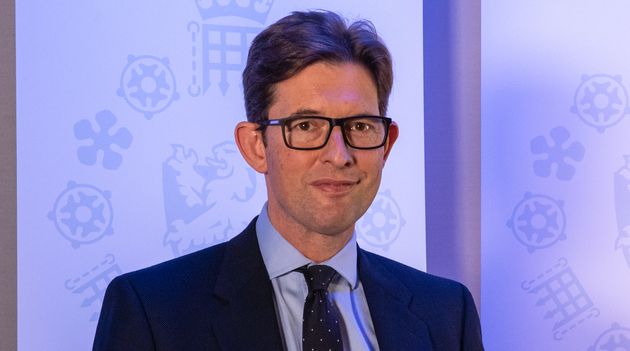
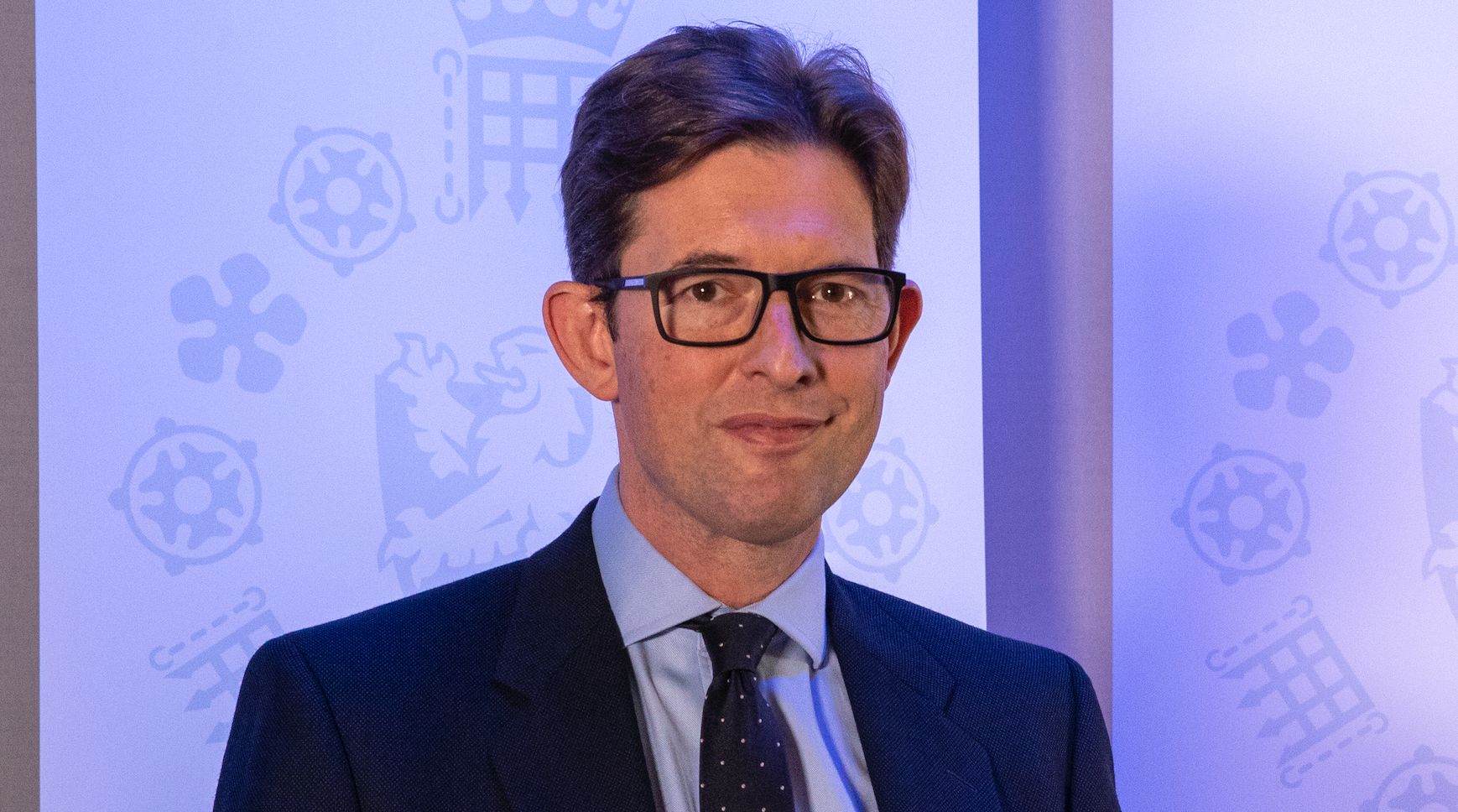
But the venue was not the House of Commons and the speaker was not the prime minister. In the fortified bowels of MI5’s Thames House HQ, director general (aka the ‘DG’) Ken McCallum was answering queries from the media, including yours truly.

Whereas PMQs thrives off the bearpit jeers and cheers, DGQs is an altogether more sober affair, befitting its annual rather than weekly schedule. Yet when McCallum was asked about the problems of online extremism and the impact on young black men in the national team, he sounded more eloquent than many politicians.

At almost exactly the same moment that Boris Johnson was squirming under Keir Starmer’s prosecutorial glare, the domestic spymaster was unambiguously praising the England football team for their conduct over the past few weeks.

And he explicitly compared his own behind-the-scenes team with the one that performed on Europe’s biggest stage last weekend. “As I watched the penalty shootout on Sunday night,” he said, “I was very aware that I’ve got experience, MI5 has got experience, of watching capable, brave young people of all races, giving their all for their country.”

He went on to say that racism was strongly associated with extreme right wing terror groups whose activity has in recent years become a daily, significant part of his agency’s work. And he clearly meant it when he declared: “I’m proud of many of the people in MI5 today, working to deal with the terrorist threat that is fuelled in important ways by toxic racism”.

Even the most determined culture warrior would find it difficult to argue that McCallum, the youngest DG in the agency’s history, is some kind of “woke” Marxist. The Security Service, just like the England football team, benefits from diversity in a very practical sense as well as a symbolic sense. Looking like the nation it serves is a necessity, not ‘PC gone mad’.

But the contrast between the ease with which McCallum spoke about race, and the discomfort of the PM on the same topic just a few hundred yards away, could not have been more stark.

As Starmer marshalled the evidence of senior ministers’ mixed messaging on booing players who ‘take the knee’, Johnson could tell his usual “vaccines-vaccillation-remoaner” distraction technique wouldn’t work.

With Priti Patel having said booing the team was “a choice”, with No10 having said the PM “fully respects” the right of those booing to “make their feelings known”, even the later U-turn was too late to use as a defence. The real problem was that Johnson resembled the wonky trolley of Dominic Cummings’ image.

Drawing a culture war dividing line only works if you don’t keep hopscotching over it yourself. Put another way, “wedge” issues (as the Americans call them) are a bit pointless if they end up giving the instigator a political wedgie (as we British would call it). If they noticed at all, the minority of voters who think booing is ok may have been simply been confused by the PM’s shifting stance.

He did have one concrete policy announcement in his back pocket, namely extending football ground banning orders to be triggered by online as well as offline offences. Yet even that welcome development was obscured by the bigger row over the gulf between the Tory party and the England team.

And when a Tory MP heckled that footballer Tyrone Mings was a “Labour party member” they managed to undermine rather than help the PM’s case (“I do not want to engage in a political culture war of any kind”). Aside from anything else, failing to praise working class black and white kids who go on to become self-made millionaires sounds a strangely un-Tory thing to do.

With key ministers attacking footballers for “gesture politics”, why would any player want to take part in the real gesture politics of visiting No.10 in future? If the whole booing issue and taking the knee issue had not been weaponised by some ministers, Johnson could even have said his own cabinet team mirrored the diversity of the England team and was stronger as a result.

Perhaps the most revealing remark of the week however came not in PMQs but in Tory backbencher Natalie Elphicke’s private message to colleagues: “They lost – would it be ungenerous to suggest Rashford should have spent more time perfecting his game and less time playing politics.”

Note that Elphicke didn’t say “we lost”, she said “they lost”. Despite her subsequent apology, that word “they” was possibly as damaging to the Tory brand as any explicit racist epithet could have been. It exposed a gap between some in her party and the national team in a brutal fashion, just when any normal politician would want to celebrate their achievement.

It’s that gap, which is implicitly also a gap between a party and the public, that worries some Conservatives dismayed by the culture war rhetoric. It’s also why any future visit to No.10 of the England team (to promote our World Cup bid, for example) is now freighted with tension. Maybe MI5 down the road could act as a neutral venue.

Share Button

Eamonn Holmes Presses Sex/Life Author For The Truth About *That* Shower Scene

Anyone who has seen Sex/Life seems to have one big question after watching it, and it seems Eamonn Holmes is no different. 

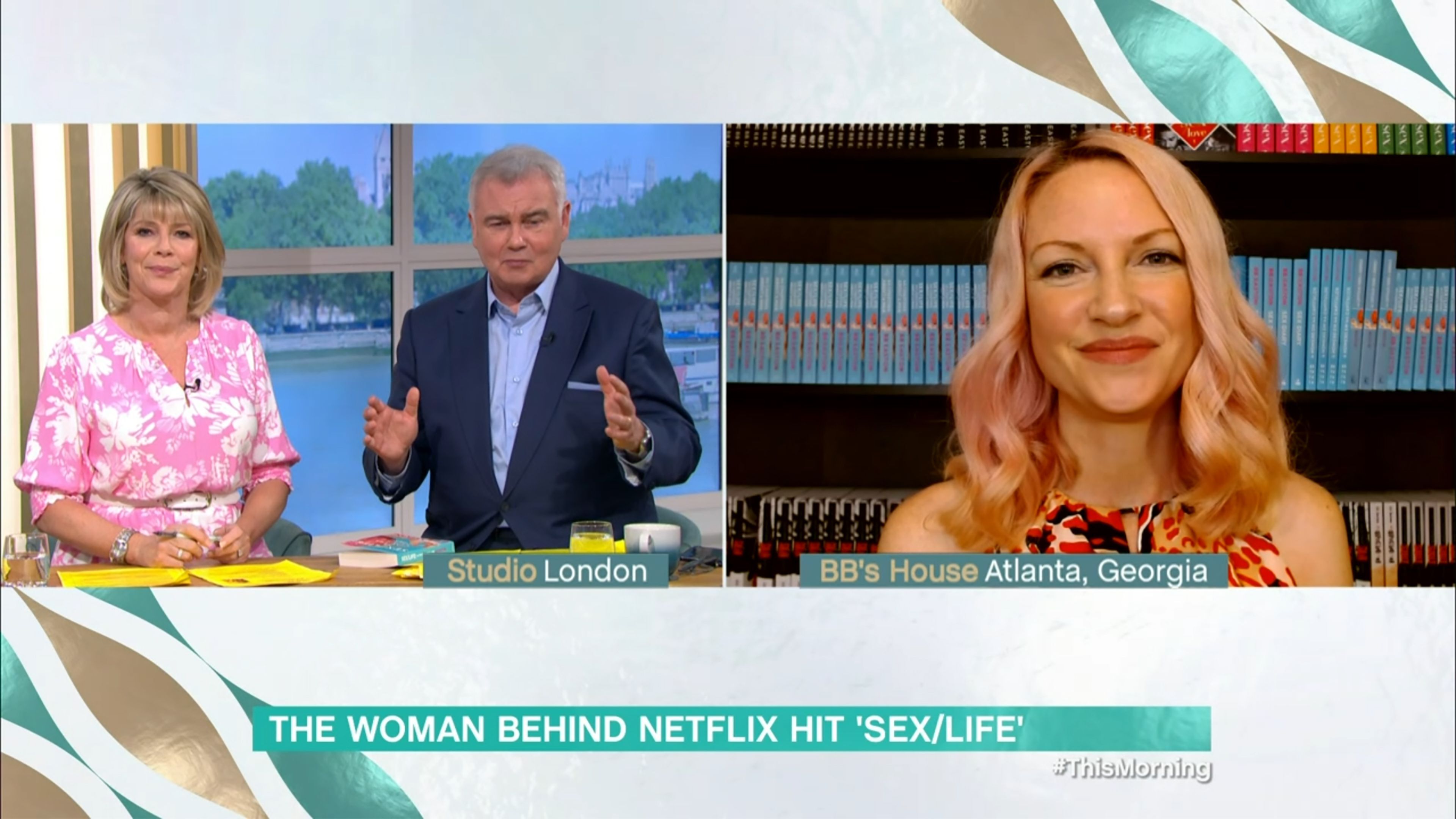
The This Morning host pressed the author behind the hit Netflix series for the truth about *that* moment from episode three, as BB Easton appeared on the ITV daytime show on Wednesday. 

Sex/Life the tells the story of a married woman called Billie who fantasises about the wild sex life she used to have with her ex-boyfriend Brad, and is based on BB’s self-published book 44 Chapters About 4 Men inspired by her own life experiences.

The third episode features a gasp-inducing full-frontal scene whereby Billie’s husband Cooper cops an eyeful of his love rival’s (rather large) appendage in the gym showers.  

Addressing the moment during the interview, Eamonn was keen to know if it really belonged to actor Adam Demos. 

TV/Shutterstock

Ruth Langsford and Eamonn Holmes interviewed BB Easton on This Morning

He began: “There’s a lot of the country who have seen an extract from the Netflix series because we have a terrestrial show called Gogglebox here and it reviews programmes and it showed a clip of a man in a shower and honestly it frightened everybody who looked at it, really.

“And I looked at this and I thought ’that is an actor who wasn’t hired for his acting ability and obviously for the size of his appendage, really, which was scary.”

Eamonn’s wife and co-host Ruth Langsford agreed, admitting it was “quite large”. 

“Did he exist?” Eamonn asked, before BB asked him to clarify whether he was asking if the character was one of her exes or if the actor “really possessed that”. 

Eamonn replied: “It looked to me as if he really possessed it.”

BB then said: “I will neither confirm nor deny what you saw in episode three because, for selfish reasons, I am enjoying the speculation so much – the TikTok viral videos, Gogglebox – so I’m going to keep this going for myself because it’s been a lot of fun to watch everybody.”

“Good for you,” Ruth said.

Netflix

That Sex/Life shower scene has got the whole internet talking

Sex/Life showrunner Stacy Rukeyser recently weighed in on speculation that Adam used a body double or a prosthetic for the scene that has got the whole internet talking. 

She told Collider: “That’s not a body double. I mean, people usually ask is it real or is it a prosthetic?

“And I can tell you what Adam Demos says about it, which is, a gentleman never tells. So, we are leaving that up to the viewer’s imagination.”

Adam himself told Entertainment Weekly of the scene: “I was okay with it because you read the script and know what you’re getting yourself into from the start, so I don’t think you would sign on to a show after reading the scripts and then say no last minute. 

“That doesn’t mean you can’t have discussions about comfort level, which they allowed us to have – and with the intimacy coordinator, so it felt a lot safer.”

Sex/Life is available to stream on Netflix now. This Morning airs weekdays at 10am on ITV. 

Share Button

Public Should Treat Foreign Spy Theat As Seriously As Terrorism, MI5 Chief Warns

HuffPost UK

Ken McCallum MI5 Director General

The public should be as vigilant about the threat of foreign spies as they are about terrorism, MI5 director general Ken McCallum will warn today.

Giving his annual threat update, the intelligence chief will urge Britons to build up the same resilience and awareness of hostile state agents as they have been with Islamist or IRA terrorists.

In the update, the second since he took over the Security Service in April 2020, McCallum will challenge the assumption that the impact of hostile activity is felt only by government, institutions or named individuals.

His speech at MI5’s HQ in Thames House, London, will underline research showing that there have been 10,000 “disguised approaches” from foreign spies to British individuals – particularly researchers in universities or hi-tech companies – over a five year period.

China is understood to be at the forefront of attempts to use networking sites like LinkedIn to make contact with unsuspecting individuals, befriending them in an effort to gain access to research or other valuable information.

The spy chief will warn that the “consequences range from frustration and inconvenience, through loss of livelihood, potentially up to loss of life”.

“We must, over time, build the same public awareness and resilience to state threats that we have done over the years on terrorism,” he will say.

McCallum will explain why the British public are not immune to the tentacles of hostile activity and outline how the constant undercurrent of these actions show why they should care about the covert activities of certain foreign states.

Calling out the pervasive risks from espionage, disruptive cyber-attacks,
misinformation and interference, the Director General will confirm that “we have
seen over 10,000 disguised approaches from foreign spies to regular people in
the UK, seeking to manipulate them.”

“UK victims of state espionage range way wider than just government. We see the UK’s brilliant universities and researchers having their discoveries stolen or copied; we see businesses hollowed out by the loss of advantage they’ve worked painstakingly to build.

“Given half a chance, hostile actors will short-circuit years of patient British research or investment. This is happening at scale. And it affects us all. UK jobs, UK public services, UK futures.

“To speak directly: if you are working in a high-tech business; or engaged in cutting-edge scientific research; or exporting into certain markets, you will be of interest – more interest than you might think – to foreign spies. You don’t have to be scared; but be switched on.”

To confront the threat, McCallum will call for a ‘whole-of-system response’, which includes increased public vigilance.

In the threat update, he will also address the current terrorism threat – including that in Northern Ireland.

He is expected to reference the withdrawal of UK forces from Afghanistan, comment on the scale of the threat from Extreme Right-Wing terrorism and emphasise the challenge posed to public safety by end-to-end encryption in apps such as WhatsApp.

Share Button

Face Masks Will Still Be Required On London Transport, Announces Sadiq Khan

Ian Forsyth via Getty Images

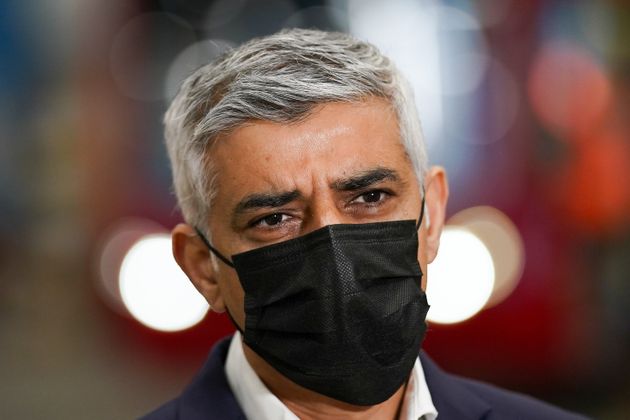
LEEDS, ENGLAND – MAY 19: Sadiq Khan, Mayor of London gives media interviews during a visit to the electric bus manufacturer Switch Mobility in Yorkshire on May 19, 2021 in Leeds, England. The visit comes to see the affects that green investment from Transport for London is having in different parts of the country. There are currently 67 Switch electric buses in operation in London’s London fleet, and Switch estimate that around 50 per cent of their revenue last year was from TfL contracts. (Photo by Ian Forsyth/Getty Images)

Face coverings will remain mandatory on London’s transport network including the Tube and buses after July 19, Sadiq Khan has announced.

The mayor of London has asked TfL to keep the rule in place when the national law is lifted.

Boris Johnson has confirmed most of the remaining lockdown rules, including the face covering law, in England will end on Monday.

While it will no longer be a legal requirement, the government has said people will still “expected” to wear masks in indoor enclosed spaces.

But Khan said the prime minister’s decision had “put Londoners, and our city’s recovery, at risk”.

“I’ve repeatedly made clear that the simplest and safest option would have been for the government to retain the national requirement for face coverings on public transport,” he said.

“This is why, after careful consideration, I have decided to ask TfL to retain the requirement for passengers to wear a face covering on all TfL services when the national regulations change.

Khan added: “By keeping face masks mandatory we will give Londoners and visitors the reassurance and confidence to make the most of what our city has to offer, while also protecting our heroic transport workers and those who may be vulnerable and rely on the network to get around our city.”

The mayor’s request means masks would remain mandatory on the Tube, buses, trams, the DLR, the Overground and TfL Rail services.

The government’s decision to scrap the face mask law has been criticised by Labour as well as many scientists. 

Keir Starmer, the Labour leader, has said the mask law should remain in place.

Graham Medley, the chairman of the Sage modelling subgroup Spi-M, told the BBC on Tuesday mask-wearing is only effective “if everybody does it”.

“I understand the government’s reluctance to actually mandate it. On the other hand, if it’s not mandated it probably won’t do any good,” he said.

In its most recent advice to ministers, published on Monday, Sage experts said a “very rapid” return by people to pre-pandemic behaviour would put the NHS under pressure.

“Maintaining interventions such as more people working from home, the use of masks in crowded indoor spaces, and increasing ventilation, would contribute to transmission reduction and therefore reduce the number of hospitalisations,” the scientists said.

In Scotland, Nicola Sturgeon has announced she will go ahead with plans to further ease coronavirus restrictions next week.

But she said face masks will likely remain for “some time to come”, as she claimed lifting all restrictions right now “would put all of us at greater risk”

Share Button

Birth Injuries Are Leaving Some Mums Wishing They’d Never Had Kids

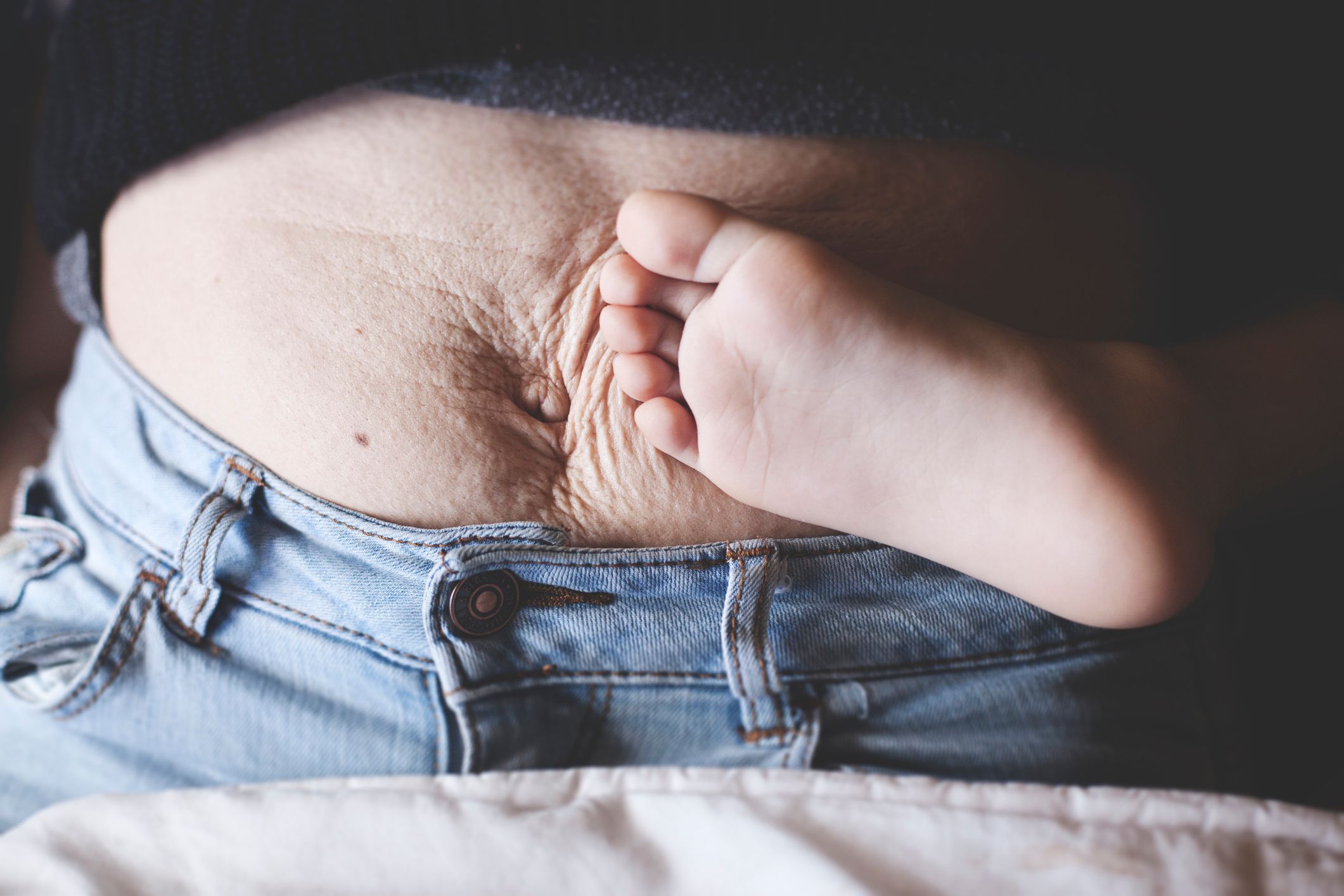
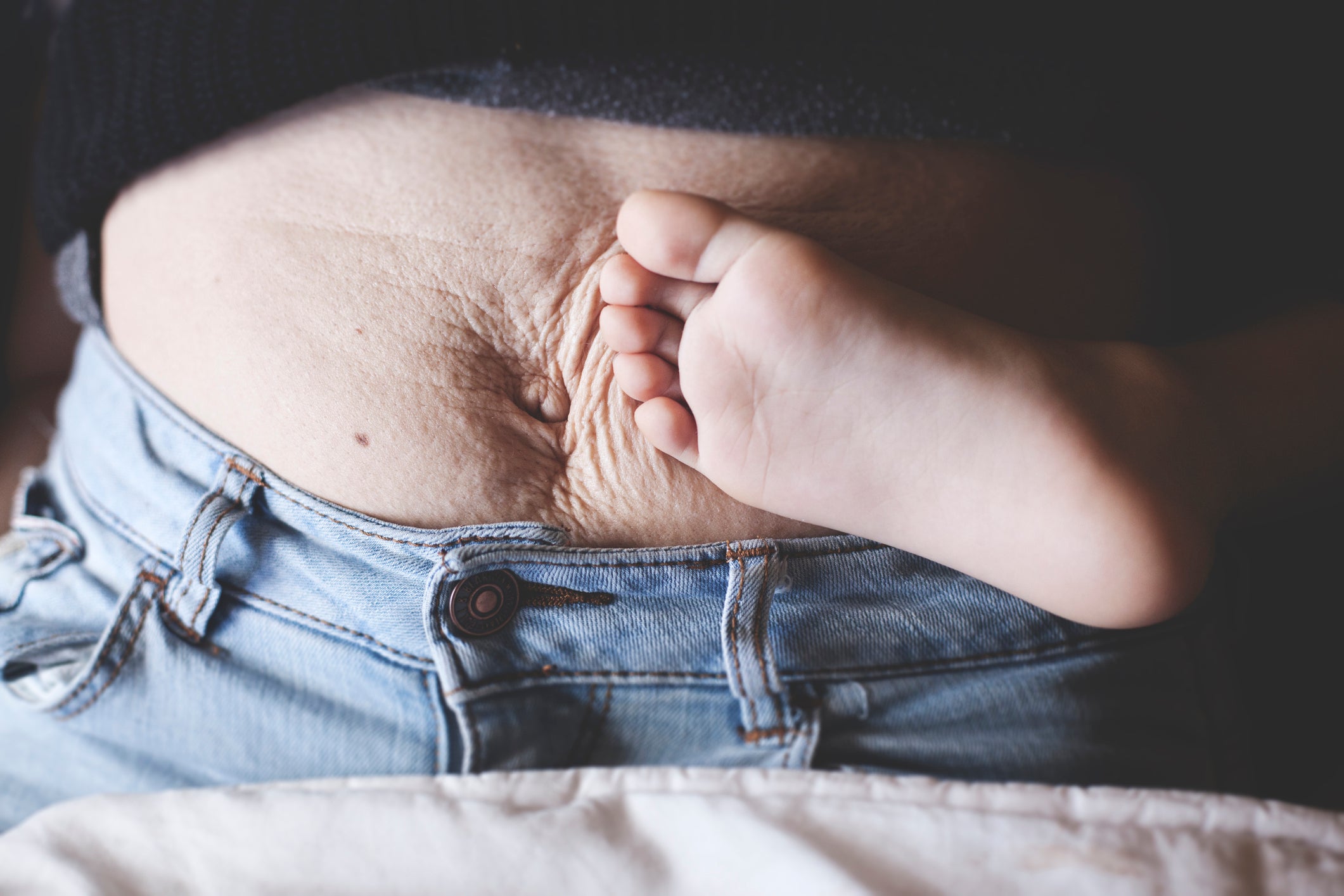
One in four women who experience a severe injury during birth regret having their child. It’s taboo to admit, but with more than 600,000 women giving birth in England and Wales alone each year, we need to talk about this.

A new survey of mothers affected by birth injuries lays bare the physical and psychological impact on women, which can last years into their child’s life.

The overwhelming majority (85%) of mothers who suffered severe injuries say their experience damaged their relationship with their child, with 14% saying this harm was permanent. One in three (34%) said they saw their child as the cause of the injury while, heartbreakingly, three in 10 (31%) thought their child would be better off without them.

The research, from birth injury charity The MASIC Foundation, surveyed 325 women who self-identified as having suffered severe perineal trauma when giving birth. The sample size may be small, but the research adds to growing concern about women’s health outcomes after giving birth in the UK.

While it’s important to acknowledge that millions of women around the world give birth each year without problems, it’s equally important to say this isn’t always the case – and women are increasingly talking about their negative experiences and demanding better care.

HuffPost UK has previously reported on the gaps in NHS postpartum care that widened during the pandemic. In a separate survey of mums, the majority (91%) said they were not given enough advice during pregnancy about postpartum recovery.

We also know that Black women are five times more likely to die during childbirth than white women. A controversial proposal to tackle this – inducing labour at 39 weeks for pregnant black, Asian and minority ethnic women as a matter of course – has been called “racist” by some doctors and midwives.

In the latest research, 78% of women surveyed said they have traumatic memories of birth and 52% said they face embarrassment due to symptoms of their injury.

This rings true for Catherine*, who had a prolonged labour following induction with her son, which then required an episiotomy and ventouse (vacuum delivery).

She had a third-degree tear (defined as a tear that extends into the anal sphincter), but it was initially misdiagnosed as a second-degree tear, meaning she wasn’t offered the correct treatment. Her undiagnosed injury left her in too much pain to sit down or attend mother and baby groups, leaving her “essentially house-bound” for her maternity leave. After a year – and hitting a brick wall with the NHS – she accessed help at a private clinic.

The damage has been permanent, though, and she’s still prone to toilet urgency and accidents. Catherine now carries pads, wipes, Imodium and spare underwear everywhere she goes. She quit a job she loved as she was struggling to manage her condition, and has been diagnosed with PTSD.

““My confidence, my me-ness, the essence of who I am, has been destroyed.”

– Catherine, 44, Bristol

“My confidence, my me-ness, the essence of who I am, has been destroyed,” says the 44-year-old, from Bristol. “My relationships with my child and my partner have suffered.”

Catherine has struggled to talk to friends about her experience – or even watch programmes when childbirth is mentioned – and has counselling each year in the run-up to her son’s birthday.

“With my son, I love him dearly, he is the best thing in my life, but his birth caused the injury and it is difficult to square the two,” she says.

“Every year I dread his birthday and the reminders of my traumatic experience. It is not fair on him or on me – his birthdays are not a happy occasion, but every year I have to pretend it is.”

While her partner has been understanding, Catherine says “he also carries his own guilt about what happened”. Their physical relationship has also been impacted hugely. “I feel like a shell of my former self at times,” she adds.

Like Catherine, 69% of mothers surveyed said the impact of a birth injury was both physical and emotional. Almost half (45%) said they have had postnatal depression as a result and 29% said it has affected their ability to breastfeed their baby, with 18% stopping earlier than planned.

Elizabeth*, who now has a 10-year-old daughter, describes the period after birth as the “worst time of [her] entire life” and is still impacted by her birth injury a decade later.

Aged 30, she had a fourth-degree tear (a tear that extends further into the lining of the anus). Six days after delivery, she passed faeces vaginally and was in extreme pain. She was then readmitted to hospital and found to have a recto-vaginal fistula, causing an infection in her vagina and bowel.

““I am ashamed to say that at times I wished I had never become a mother and I grieved for the life I had before.””

– Elizabeth, 40, Hampshire

Although she’s had further treatment, she still experiences rectal incontinence, which has affected her ability to socialise and work. “I often avoid eating out as this stimulates my bowel,” says the now 40-year-old, from Hampshire. “I always need to know where the toilets are.”

Her birth injury meant Elizabeth was forced to give up her beloved hobbies of horse riding and swimming. For a long time, she was in too much pain to even walk her dog. “I am ashamed to say that at times I wished I had never become a mother and I grieved for the life I had before,” she says. “I paid such a high price to have a baby.”

Jen Hall, a MASIC spokesperson, is sadly unsurprised by Catherine and Elizabeth’s stories, after having a “brutal forceps delivery” that left her with physical and psychological damage herself.

“Nobody warns you that having a child can leave you with life-changing injuries and no woman should have to go through this without support and proper medical care,” she says.

Most of these injuries are “entirely preventable”, she adds – the result of something going wrong during birth or a failure to identify risk factors beforehand, according to MASIC. The charity is calling on the government and the NHS to roll out a programme of training for medical professionals.

The Obstetric Anal Sphincter Injury (OASI) care bundle – a package of training which has been praised by the Royal College of Midwives – has been trialled in 16 maternity units across the NHS and is being extended to a further 20, but this still leaves three in four (76%) maternity units yet to be reached.

The charity is calling for it to be rolled out nationwide. They’ve also set out a seven-point plan for better care, calling for:

  1. Improved identification, diagnosis and treatment of birth injuries in the NHS.

  2. An education programme for obstetricians and midwives so that severe injuries are recognised at birth and treated in line with best evidence.

  3. A primary care education programme so that all women are asked at contacts following birth about signs and symptoms of OASI/incontinence, with appropriate referral pathways for those with symptoms in line with the NHS long-term plan.

  4. Information about the risks of OASI given to all women antenatally.

  5. Women’s concerns to be listened to and not dismissed as “normal” postnatal experiences.

  6. Specialised psychological treatment and support for women after OASI injury and an end to the stigma and taboo of talking about these injuries.

  7. Dedicated OASI clinics nationwide.

HuffPost UK has contacted NHS England and the Department for Health and Social Care for a response. We’ll update this article if they provide a statement.

Without change, women like Catherine do not feel like they can have a second child. “I feel like I was someone the birth just happened to,” she says. “At the time I was happy to place my faith in the medical professionals dealing with me; I had no reason not to. Whilst birth is normal, natural and inevitable, and women’s bodies are designed to do it, unfortunately as we all know it isn’t always that simple. The people who were meant to help me through it let me down.”

• Surnames have been omitted to offer anonymity to interviewees.

Useful websites and helplines

Mind, open Monday to Friday, 9am-6pm on 0300 123 3393.

Samaritans offers a listening service which is open 24 hours a day, on 116 123 (UK and ROI – this number is FREE to call and will not appear on your phone bill).

CALM (the Campaign Against Living Miserably) offer a helpline open 5pm-midnight, 365 days a year, on 0800 58 58 58, and a webchat service.

The Mix is a free support service for people under 25. Call 0808 808 4994 or email help@themix.org.uk

Rethink Mental Illness offers practical help through its advice line which can be reached on 0808 801 0525 (Monday to Friday 10am-4pm). More info can be found on rethink.org.

Share Button

This Baby Beaver Spotted On Exmoor Is Sure To Cheer Your Day

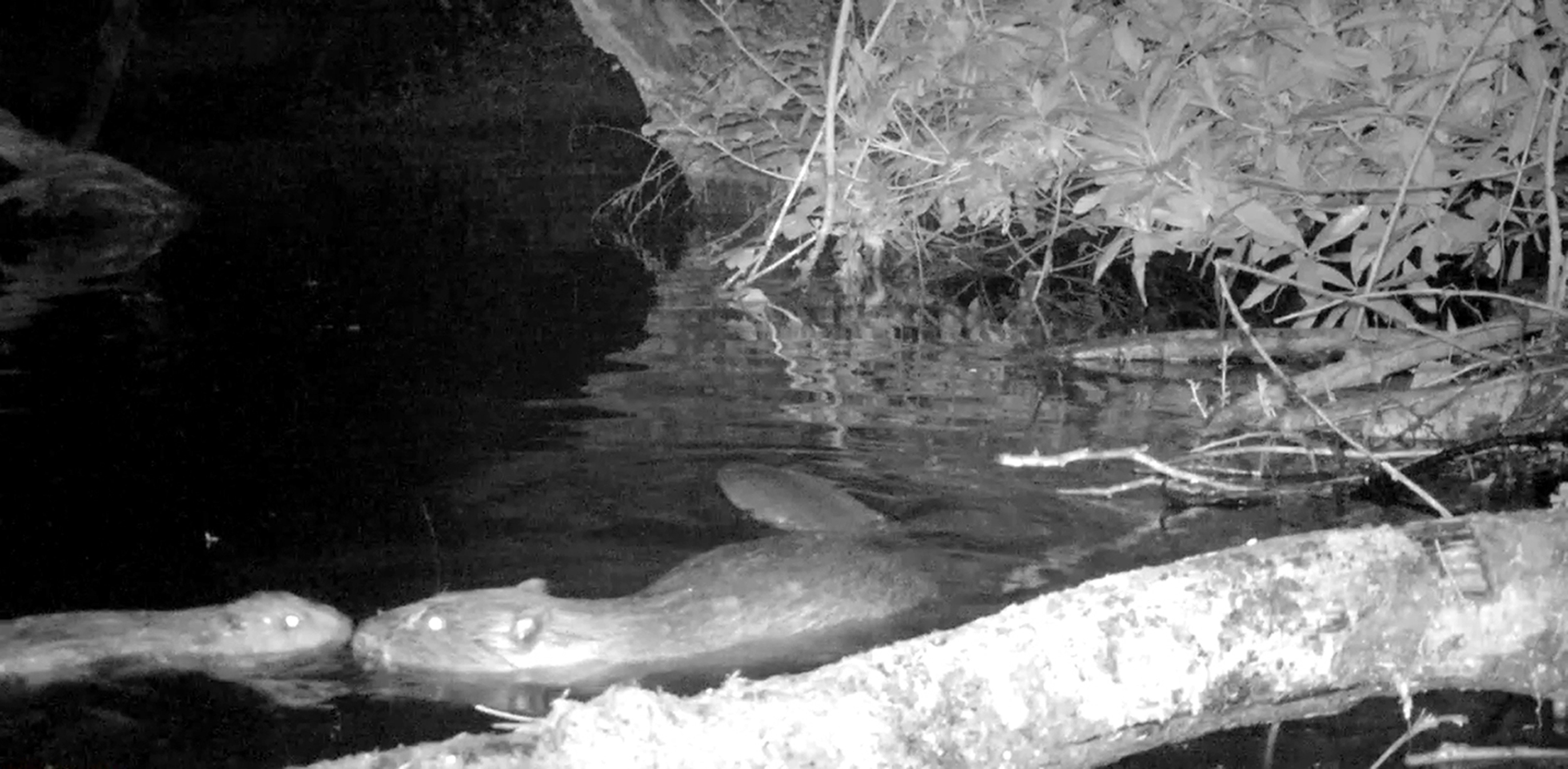
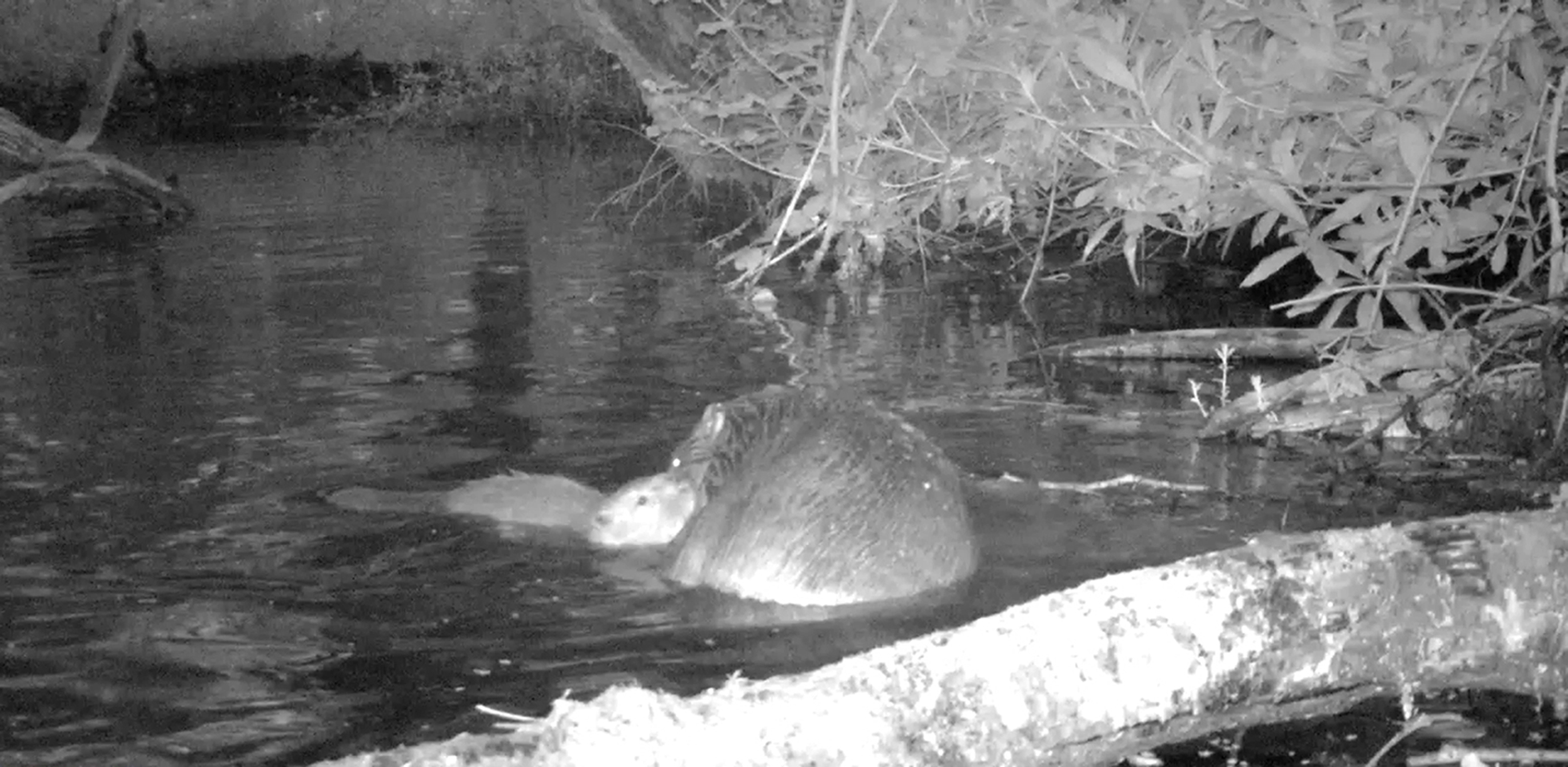
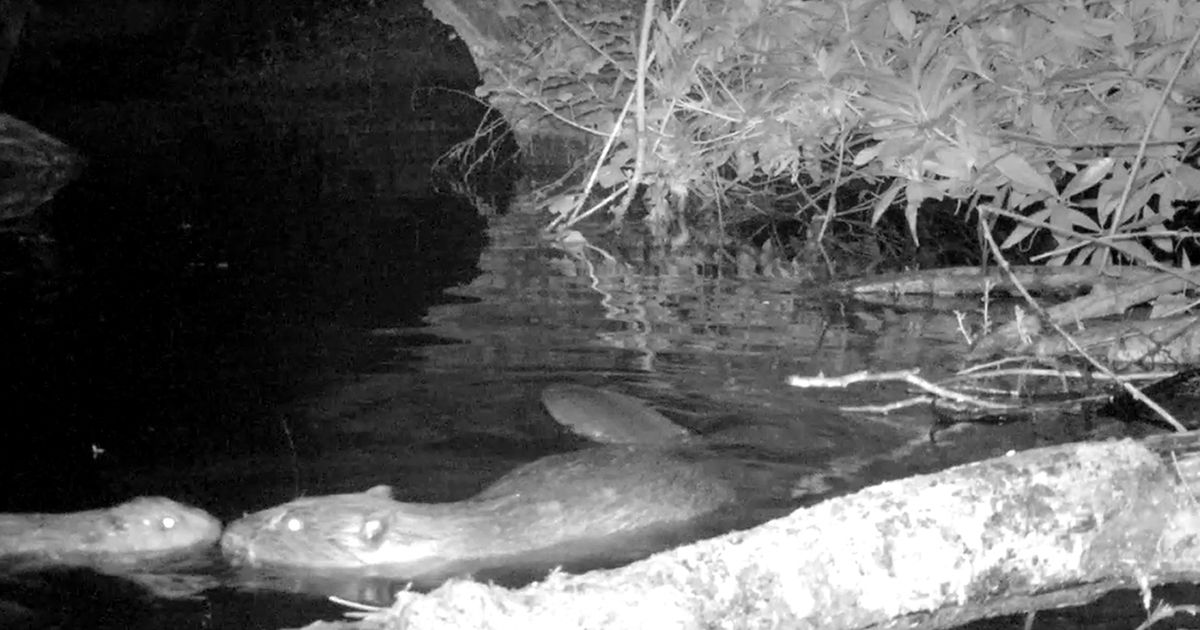
Camera footage has captured shots of the first baby beaver to be born on Exmoor for 400 years.

The youngster, known as a kit, was caught on film at the Holnicote Estate in Somerset, where beavers were introduced to an enclosure in January 2020.

Once-native to Britain but more better known for their fictional portrayal in The Lion, The Witch and The Wardrobe, the semi-aquatic mammals are finally making a return to the wild after being hunted to extinction for their fur, glands and meat in the 16th century.

Beavers are often referred to as “nature’s engineers” for their restoration of wetland habitats through dam-building and felling trees. This process slows, stores and filters water in the landscape, which attracts other wildlife and reduces flooding downstream.

They have transformed the 2.7 hectare enclosure where they were released at Holnicote from unmanaged woodland to a more open wetland in just 18 months, according to the National Trust, which owns the estate.

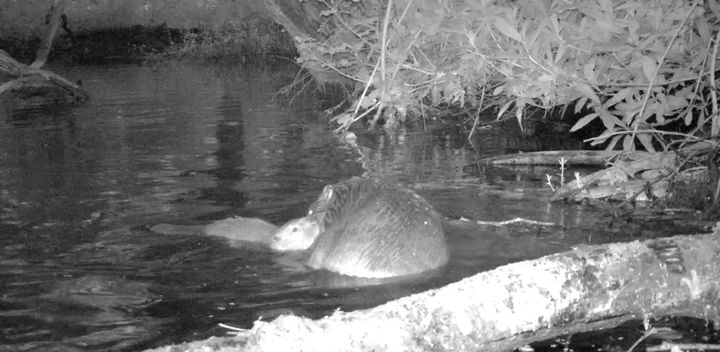
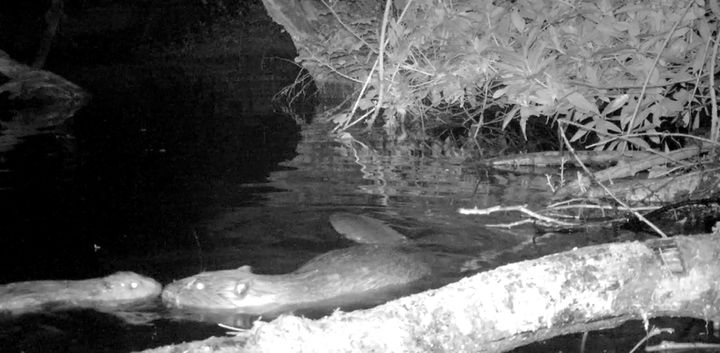
Now footage shows the beavers have successfully bred. Images from a static camera reveal a six-week-old kit swimming with its mother back to the family lodge while she stops to nibble a branch.

Camera footage has captured shots of the first baby beaver to be born on Exmoor for 400 years.

Camera footage has captured shots of the first baby beaver to be born on Exmoor for 400 years.

“We first had an inkling that our pair of beavers had mated successfully when the male started being a lot more active building and dragging wood and vegetation around the site in late spring,” said Jack Siviter, one of the rangers on the Holnicote estate.

“The female also changed her usual habits, and stayed out of sight, leaving the male to work alone. It was then several weeks until we spotted her again, and this is when our suspicions were confirmed that she had given birth, due to having very visible teats.”

He added: “We are particularly pleased for our female, nicknamed Grylls due to her survival instincts, as she didn’t have the easiest start to life, being orphaned at an early age. As a first-time mum she seems to be thriving and it’s great to see her with her new kit.”

The family should now stay together for the next two years before the kit will want to go off to create a territory of its own – when it will be relocated into another enclosure or a wild release site if regulations permit in the near future.

A number of organisations and landowners across England are introducing beavers to enclosed sites to help boost nature and reduce flooding, and they are now also found wild on several rivers in England and Scotland.

Conservationists back the return of beavers to restore wetland habitats, boost other wildlife, curb flooding, improve water quality and support eco-tourism – though landowners raise concerns about the impact locally. A consultation on the approach to beavers in England is expected to take place this summer.

The two beavers at Holnicote are the first to be introduced on National Trust land in the charity’s 125-year history, with another pair released into a large enclosure in the South Downs.

The National Trust said they had transformed the habitat on the Exmoor estate, building a dam network from trees, mud, stones and vegetation which has created ponds and new channels, and felling some trees, which has allowed more light to the woodland floor.

This wet woodland habitat is now attracting wildlife from bats to dragonflies, kingfishers and sparrowhawks. Ben Eardley, project manager for the National Trust at Holnicote, said: “The beavers are doing a lot of what we want to see in terms of conservation and land management.

“They are letting the light and the water into the site, helping natural processes and providing opportunities for a host of other wildlife.”

Share Button