She wrote: “Our beloved James David Van Der Beek passed peacefully this morning. He met his final days with courage, faith, and grace.
Advertisement
“There is much to share regarding his wishes, love for humanity and the sacredness of time. Those days will come. For now we ask for peaceful privacy as we grieve our loving husband, father, son, brother, and friend.”
James began his acting career in the early 90s with a number of small roles, before landing the title role in Dawson’s Creek in 1998.
The show ran for six seasons before coming to an end in 2003, with the cast also including the likes of Katie Holmes, Michelle Williams and Joshua Jackson.
Advertisement
His other TV work included recurring roles in How I Met Your Mother and another teen drama, One Tree Hill, as well as playing a fictionalised version of himself in the sitcom Don’t Trust The B– In Apartment 23.
Meanwhile, James’ film work included Varsity Blues (for which he won a Teen Choice Award in the late 1990s), The Rules Of Attraction, Labor Day and, more recently, Bad Hair.
Prior to his death, he had completed work on the Legally Blonde TV prequel Elle, in which he will be seen as the recurring character Dean Wilson in his final TV role.
James is survived by his wife, Kimberly, and their six children.
With this endless dreary winter dragging on, you could be forgiven for looking forward to brighter, warmer days in the garden as spring and summer are just around the corner (no, really).
Plus, if you’ve been meaning to get into gardening, there’s no better time than the present to plan ahead and look forwarding to planting seeds under a bright, warm sun.
Advertisement
It’s coming, we promise.
However,if you are feeling a little intimidated by the idea of gardening, it can be hard to know where to start. With this in mind, we’ve chosen 5 starter plants for those taking the green-fingered leap this year.
Three beginner-friendly plants
Lavender
According to the Royal Horticultural Society (RHS): “Lavender is best planted in April or May as the soil naturally warms up and when many fresh plants become available in garden centres.
“Lavender should never be planted in winter when young plants are vulnerable to rotting in cold, wet soils.”
Advertisement
They give the following planting advice:
Lavender is easy to plant and takes just a few minutes. If your soil is heavy, plant on a 20-30cm (8in-1ft) mound, ridge or in a raised bed where the roots will not sit in wet soil.
Plant the lavender as soon as possible after buying
Space plants about 90cm (3ft) apart if growing in groups
If planting a hedge, space plants 30cm (1ft) apart or 45cm (18in) for larger cultivars
After planting, water regularly, especially in dry weather, for the first season
Then, let it flourish in your garden. You can prune it if you’d like to or just leave it for birds to feed on. It should grow back every year.
Advertisement
Pheasant’s tail grass
This stunning ornamental grass can add a visually-striking touch to your garden with very little upkeep required.
BBC Gardener’s World says: “This evergreen perennial grass provides year-round colour and structure with bold, low clumps of light-reflecting leaves. Its slender foliage emerges green, but matures to yellow, orange and red over time, reaching a peak in intensity in winter.”
Choose a sunny but lightly shaded spot to plant your tall grass and put the grasses around 45-60cm apart.
Advertisement
Catmint
If you are a big fan of seeing cats roam around your garden, you may want to keep inviting them back with a Catmint plant for them to chew on and rub their heads against.
Plant this in spring, in a shaded spot and ensure that if you’re potting the plant, that the soil a high-quality mix and there is plenty of drainage in the spot.
As for ongoing care, The Old Farmer’s Alamanac says: “Watering is only needed during the first growing season or in prolonged dry spells. Catmints are drought-tolerant once established.”
Labour have suspended a peer and former chief spin doctor to Keir Starmer over his links to a sex offender.
Matthew Doyle, who was made a Lord by the prime minister last month, campaigned for Sean Morton after he was charged with having indecent images of children.
Advertisement
Six months later, Morton, a former Labour councillor, admitted the charges.
The Sunday Times reported that senior No.10 officials were aware of Doyle’s links to Morton before he was nominated by the PM for a life peerage last December.
He was ennobled as Baron Doyle of Great Barford in January.
It is understood that Labour has suspended Doyle – who was No.10 director of communications until March last year – from the party whip in the Lords but not his party membership.
In a statement, Doyle said: “I want to apologise for my past association with Sean Morton.
“His offences were vile and I completely condemn the actions for which he was rightly convicted. My thoughts are with the victims and all those impacted by these crimes.
Advertisement
“At the point of my campaigning support, Morton repeatedly asserted to all those who knew him his innocence, including initially in court. He later changed his plea in court to guilty.
“To have not ceased support ahead of a judicial conclusion was a clear error of judgment for which I apologise unreservedly.
“Those of us who took him at his word were clearly mistaken. I have never sought to dismiss or diminish the seriousness of the offences for which he was rightly convicted. They are clearly abhorrent and I have never questioned his conviction.”
Advertisement
Doyle admitted he maintained contact with Morton after his conviction but insisted it had been “extremely limited and I have not seen or spoken to him in years”.
He added: “Twice I was at events organised by other people, which he attended, and once I saw him to check on his welfare after concerns were raised through others.
“I acted to try to ensure the welfare of a troubled individual whilst fully condemning the crimes for which he has been convicted and being clear that my thoughts are with the victims of his crimes. I am sorry about the mistakes I have made.”
Advertisement
Matthew Doyle (left) in Downing Street with other No10 officials after Labour’s election victory in 2024.
Bloomberg via Bloomberg via Getty Images
Posting on X, Tory leader Kemi Badenoch said: “Keir Starmer handed a peerage to Matthew Doyle despite knowing about his ongoing friendship with a man charged with child sex crimes.
“The prime minister has now suspended the whip, but he must come clean about what he was told before making this appointment. We won’t let this go.”
Advertisement
A Labour Party spokesperson said: “All complaints are assessed thoroughly in line with our rules and procedures.”
The row will raise further questions about Starmer’s judgment following his decision to appoint Peter Mandelson the UK’s ambassador to Washington despite knowing about his friendship with convicted paedophile Jeffrey Epstein.
The disgraced peer now faces a criminal investigation into allegations he leaked sensitive government information to the billionaire financierwhen he was business secretary in the wake of the global financial crash.
","type":"rich","meta":{"author":"Kemi Badenoch","author_url":"https://twitter.com/KemiBadenoch","cache_age":86400,"description":"Keir Starmer handed a peerage to Matthew Doyle despite knowing about his ongoing friendship with a man charged with child sex crimes.The Prime Minister has now suspended the whip, but he must come clean about what he was told before making this appointment.We won’t let this… https://t.co/Z7A2xmxTYr pic.twitter.com/ElBElRksUi— Kemi Badenoch (@KemiBadenoch) February 10, 2026\n\n\n","options":{"_hide_media":{"label":"Hide photos, videos, and cards","value":false},"_maxwidth":{"label":"Adjust width","placeholder":"220-550, in px","value":""},"_theme":{"value":"","values":{"dark":"Use dark theme"}}},"provider_name":"Twitter","thumbnail_height":1581,"thumbnail_url":"https://pbs.twimg.com/media/HAz-oyuXQAEQMLZ.jpg:large","thumbnail_width":1320,"title":"Kemi Badenoch on Twitter / X","type":"rich","url":"https://twitter.com/KemiBadenoch/status/2021270316505354420","version":"1.0"},"flags":[],"enhancements":{},"fullBleed":false,"options":{"theme":"news","device":"desktop","editionInfo":{"id":"uk","name":"U.K.","link":"https://www.huffingtonpost.co.uk","locale":"en_GB"},"originalEdition":"uk","isMapi":false,"isAmp":false,"isMobile":false,"isAdsFree":false,"isVideoEntry":false,"isEntry":true,"isMt":false,"entryId":"698b61dce4b016e9e7ef6078","entryPermalink":"https://www.huffingtonpost.co.uk/entry/labour-suspends-peer-and-former-starmer-spin-doctor-over-links-to-sex-offender_uk_698b61dce4b016e9e7ef6078","entryTagsList":"labour-party,keir-starmer,matthew-doyle,@ai_seo_headline","sectionSlug":"politics","deptSlug":null,"sectionRedirectUrl":null,"subcategories":"","isWide":false,"isShopping":false,"headerOverride":null,"noVideoAds":false,"disableFloat":false,"isNative":false,"commercialVideo":{"provider":"custom","site_and_category":"uk.politics","package":null},"isHighline":false,"vidibleConfigValues":{"cid":"60afc140cf94592c45d7390c","disabledWithMapiEntries":false,"overrides":{"all":"60b8e525cdd90620331baaf4"},"whitelisted":["56c5f12ee4b03a39c93c9439","56c6056ee4b01f2b7e1b5f35","59bfee7f9e451049f87f550b","5acccbaac269d609ef44c529","570278d2e4b070ff77b98217","57027b4be4b070ff77b98d5c","56fe95c4e4b0041c4242016b","570279cfe4b06d08e3629954","5ba9e8821c2e65639162ccf1","5bcd9904821576674bc55ced","5d076ca127f25f504327c72e","5b35266b158f855373e28256","5ebac2e8abddfb04f877dff2","60b8e525cdd90620331baaf4","60b64354b171b7444beaff4d","60d0d8e09340d7032ad0fb1a","60d0d90f9340d7032ad0fbeb","60d0d9949340d7032ad0fed3","60d0d9f99340d7032ad10113","60d0daa69340d7032ad104cf","60d0de02b627221e9d819408"],"playlists":{"default":"57bc306888d2ff1a7f6b5579","news":"56c6dbcee4b04edee8beb49c","politics":"56c6dbcee4b04edee8beb49c","entertainment":"56c6e7f2e4b0983aa64c60fc","tech":"56c6f70ae4b043c5bdcaebf9","parents":"56cc65c2e4b0239099455b42","lifestyle":"56cc66a9e4b01f81ef94e98c"},"playerUpdates":{"56c6056ee4b01f2b7e1b5f35":"60b8e525cdd90620331baaf4","56c5f12ee4b03a39c93c9439":"60d0d8e09340d7032ad0fb1a","59bfee7f9e451049f87f550b":"60d0d90f9340d7032ad0fbeb","5acccbaac269d609ef44c529":"60d0d9949340d7032ad0fed3","5bcd9904821576674bc55ced":"60d0d9f99340d7032ad10113","5d076ca127f25f504327c72e":"60d0daa69340d7032ad104cf","5ebac2e8abddfb04f877dff2":"60d0de02b627221e9d819408"}},"connatixConfigValues":{"defaultPlayer":"16b0ecc6-802c-4120-845f-e90629812c4d","clickToPlayPlayer":"823ac03a-0f7e-4bcb-8521-a5b091ae948d","videoPagePlayer":"05041ada-93f7-4e86-9208-e03a5b19311b","defaultPlaylist":"2e062669-71b4-41df-b17a-df6b1616bc8f"},"topConnatixThumnbailSrc":"data:image/png;base64,iVBORw0KGgoAAAANSUhEUgAAAAEAAAABCAQAAAC1HAwCAAAAC0lEQVR42mNkYAAAAAYAAjCB0C8AAAAASUVORK5CYII=","customAmpComponents":[],"ampAssetsUrl":"https://amp.assets.huffpost.com","videoTraits":null,"positionInUnitCounts":{"buzz_head":{"count":0},"buzz_body":{"count":0},"buzz_bottom":{"count":0}},"positionInSubUnitCounts":{"article_body":{"count":4},"blog_summary":{"count":0},"before_you_go_content":{"count":0}},"connatixCountsHelper":{"count":0},"buzzfeedTracking":{"context_page_id":"698b61dce4b016e9e7ef6078","context_page_type":"buzz","destination":"huffpost","mode":"desktop","page_edition":"en-uk"},"tags":[{"name":"labour party","slug":"labour-party","links":{"relativeLink":"news/labour-party","permalink":"https://www.huffingtonpost.co.uk/news/labour-party","mobileWebLink":"https://www.huffingtonpost.co.uk/news/labour-party"},"section":{"title":"Politics","slug":"politics"},"topic":{"title":"Labour Party","slug":"labour-party","overridesSectionLabel":false},"url":"https://www.huffingtonpost.co.uk/news/labour-party/"},{"name":"keir starmer","slug":"keir-starmer","links":{"relativeLink":"news/keir-starmer","permalink":"https://www.huffingtonpost.co.uk/news/keir-starmer","mobileWebLink":"https://www.huffingtonpost.co.uk/news/keir-starmer"},"url":"https://www.huffingtonpost.co.uk/news/keir-starmer/"},{"name":"matthew doyle","slug":"matthew-doyle","links":{"relativeLink":"news/matthew-doyle","permalink":"https://www.huffingtonpost.co.uk/news/matthew-doyle","mobileWebLink":"https://www.huffingtonpost.co.uk/news/matthew-doyle"},"url":"https://www.huffingtonpost.co.uk/news/matthew-doyle/"}],"isLiveblogLive":null,"isLiveblog":false,"signInUrl":"https://login.huffpost.com/login?dest=https%3A%2F%2Fwww.huffpost.com%2Fentry%2Flabour-suspends-peer-and-former-starmer-spin-doctor-over-links-to-sex-offender_uk_698b61dce4b016e9e7ef6078%3Fhp_auth_done%3D1","cetUnit":"buzz_body","enableIncontentPlayer":true,"bodyAds":["
Police are currently looking into the former UK ambassador to the US over allegations of misconduct in a public office.
Advertisement
It comes after unearthed emails suggest Mandelson sent convicted sex offender Jeffrey Epstein confidential government information when he was the business secretary between 2008 and 2010.
A Commons motion is also set to force the release of government documents related to Mandelson’s appointment as the ambassador to the US.
But Streeting chose to preemptively release his personal exchanges with his former ally Mandelson on Monday.
Advertisement
He shared a transcript of messages from August 2024 to October 2025 to address what the minister described as the “smear and innuendo” from the weekend which suggested he had something to hide.
The messages showed the health secretary feared the government had “no growth strategy” and that he would be “toast” at the next general election.
Starmer rejected these concerns from Streeting when asked by the media, insisting chancellor Rachel Reeves is “turning the economy around”.
Advertisement
He added: “Now we have to nurture that. We have to make sure that this is for real, and it’s felt in people’s pockets.”
The prime minister continued: “The issue of text messages and all information that’s being gathered as a result of the humble address last week, that needs to be a managed process, both in government and obviously, there’s a police element to it.”
Asked specifically if he had reprimanded Streeting for releasing his Mandelson messages, the prime minister said: “I’m not going to comment on the health secretary’s disclosure of those messages, that’s for him.”
Advertisement
But he added: “I do think that we all need to ensure that we’re all acting together in this, because all the information needs to be pulled together.”
Scotland Yard encouraged members of the government not to share documents which could be used in their investigation on Tuesday, saying it was “vital due process is followed” and that its probe is not jeopardised.
“An investigation into alleged misconduct in public office is under way and it is vital due process is followed so that our criminal investigation and any potential prosecution is not compromised,” the Metropolitan Police said in a statement.
Advertisement
“As part of our inquiries, we will review material identified and provided to us by the Cabinet Office to assess whether publication is likely to have a detrimental impact on our investigation or any subsequent prosecution.
“We will work alongside the Cabinet Office to review relevant documents over the weeks ahead. The process to decide which documents should ultimately be published remains a matter for government and parliament.
“As we have stated previously, this investigation may be complex but we are focused on a timely and thorough process so that justice is served in this case, or future ones linked to the Epstein files.”
In the lead-up to the 2026 Super Bowl, it was announced that the far-right political group Turning Point USA was putting together its own halftime show as an alternative to Bad Bunny’s.
On Sunday, the US leader attended a Super Bowl watch party in Palm Beach, Florida, with footage from the event appearing to show that the screens were still airing the regular Super Bowl broadcast at the time of Bad Bunny’s set.
Following Sunday’s Super Bowl, Trump was widely panned for his response to Bad Bunny’s halftime performance, which he described as “one of the worst EVER!” on his own social media platform, Truth Social.
Despite this, the performance – which served as a colourful and vibrant celebration of Puerto Rican culture – has been well-received, with Bad Bunny subsequently occupying the top seven spots on Spotify’s global chart at the time of writing.
It led to feverish speculation that it would be the first salvo in a concerted attempt by senior Labour figures to unseat Starmer ahead of May’s elections in Scotland, Wales and across England.
Indeed, Sarwar himself made it clear that he wanted to see the PM replaced by someone more popular to at least give Scottish Labour half a chance as they try to defeat the SNP.
Specifically, he said Downing Street’s disastrous handling of the Peter Mandelson scandal meant Starmer had to go.
Advertisement
“The distraction needs to end and the leadership in Downing Street has to change,” the Scottish Labour leader said.
“We cannot allow the failures at the heart of Downing Street to mean the failures continue here in Scotland, because the election in May is not without consequence for the lives of Scots,” he declared.
But Sarwar’s battle cry went unheeded, with sources close to Welsh first minister Eluned Morgan denying suggestions that she would also be calling for Starmer to quit.
Advertisement
Significantly, it appeared that the Scottish Labour leader had little support from even his own countrymen and women.
One Scottish MP told HuffPost UK: “Who does Anas want to be prime minister? Does he even know? If he’s doing this with no idea of the end game, then frankly what’s the fucking point?
“The first rule of politics is never demand someone’s resignation unless you know you’re going to get it.”
Advertisement
Sarwar’s assault also had the unintended consequence of reigniting a seemingly extinct fighting spirit within Starmer’s Downing Street operation.
Cabinet ministers, previously reluctant to make clear their support for the PM, were strong-armed into going on social media and doing just that.
In what was clearly a co-ordinated operation, every member of the cabinet, as well as junior ministers, Labour mayors and potential leadership contenders, took to X to say now was not the time for the PM to go.
Advertisement
Whether their sentiments were sincere or not, it was an impressive display of raw political power, marginalising Sarwar while gaining buy-in from ministers whose backing for Starmer’s leadership has rarely been full-throated.
The PM was then greeted with loud roars of approval and enthusiastic applause when he attended a meeting of the Parliamentary Labour Party on Monday evening.
Starmer told the MPs and peers present: “I have had my detractors every step along the way, and I’ve got them now. Detractors that don’t want a Labour government at all, and certainly not one to succeed.
Advertisement
“But I’ll tell you this, after having fought so hard for the chance to change our country, I’m not prepared to walk away from my mandate and my responsibility to my country, or to plunge us into chaos, as others have done.”
Far from fatally undermining Starmer, Sarwar’s act of sedition seems to have, remarkably, bolstered the prime minister at a time when he appeared to be at his lowest ebb.
He is far from out of the woods, of course, and it is still more likely than not that he will be forced out of No.10 by the summer.
Advertisement
But after days of unremittingly awful headlines, and against all the odds, Sarwar’s cack-handed attempts to unseat him have left Starmer stronger than he has been in months.
WASHINGTON — Jeffery Epstein’s former accomplice Ghislaine Maxwell sat for a video deposition with members of Congress on Monday but refused to talk.
Appearing from the prison camp where she’s serving a 20-year sentence, Maxwell invoked her Fifth Amendment right not to incriminate herself — and indicated she would only speak if President Donald Trump lets her out of prison.
Advertisement
“Ms Maxwell is prepared to speak fully and honestly if granted clemency by President Trump,” Maxwell’s attorney, David Markus, said in an opening statement he posted on social media.
Democrats expressed outrage that Maxwell appeared to be advertising favorable testimony in exchange for a pardon or commutation of her prison sentence. Trump has suggested he’s open to the idea.
“She is campaigning over and over again to get that pardon from President Trump, and this president has not ruled it out, and so that is why she’s continuing to not cooperate with our investigation,” Representative Suhas Subramanyam (D-Va.) told reporters. “The reality is that she is a monster. She should be behind bars.”
Advertisement
Maxwell was sentenced to 240 months in prison in 2022 for helping Epstein recruit, groom and eventually abuse girls as young as 14. When she was first charged in 2020, a year after Epstein died in prison while facing sex trafficking charges, Trump, a former friend of Epstein’s, said he wished her well.
Last year, the Bureau of Prisons transferred Maxwell to a minimum-security prison camp, contrary to protocols for a sex offender, after she sat for a transcribed interview with Deputy Attorney General Todd Blanche. In that interview, Maxwell said she never witnessed inappropriate behavior by Trump or by former President Bill Clinton, who also socialized with Epstein and traveled on his private jet.
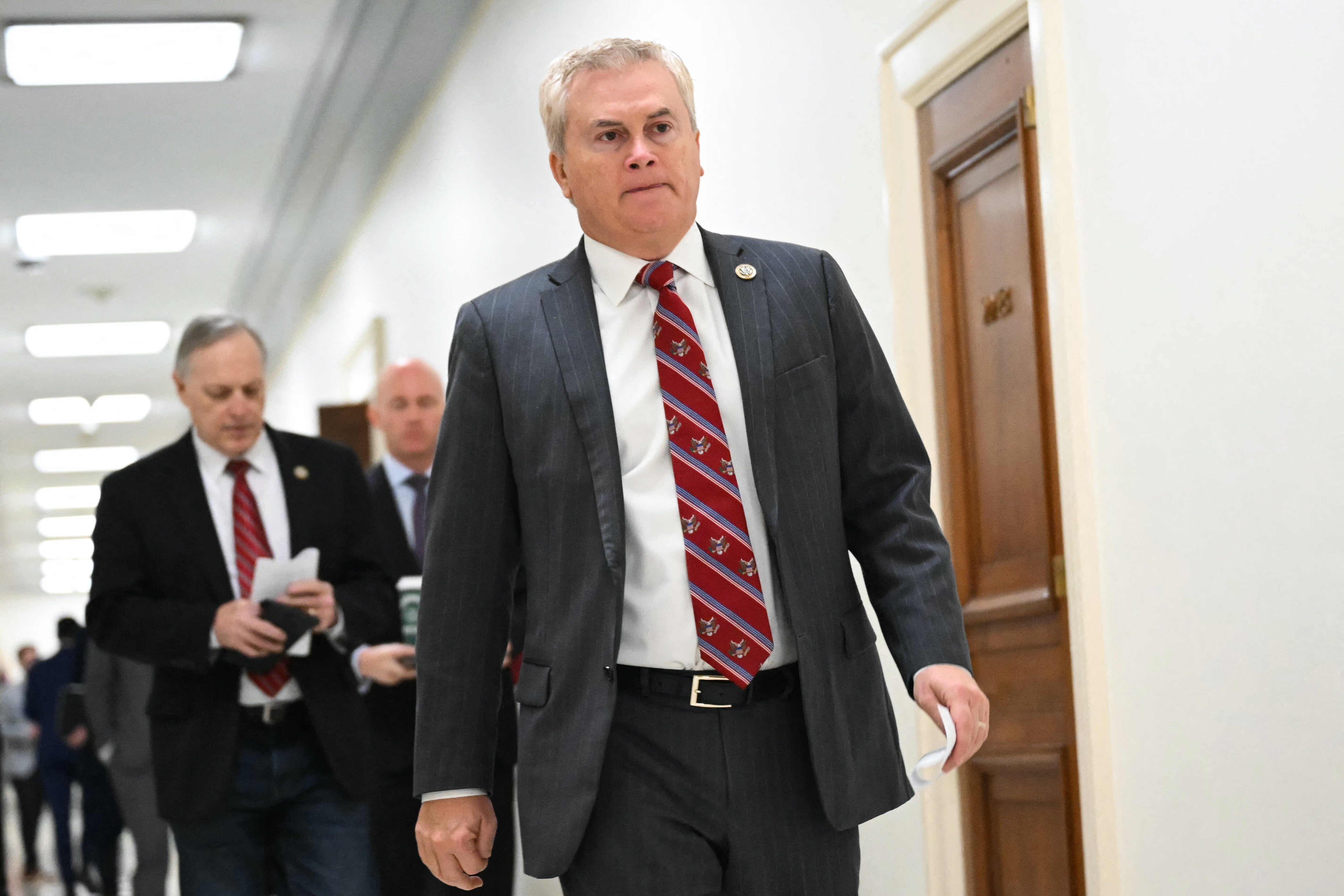
Bill and Hillary Clinton will sit for depositions with the House Oversight Committee later this month. The committee’s chair, Representative James Comer (R-Ky.), said he was disappointed that Maxwell invoked her Fifth Amendment right not to speak as a witness against herself.
Advertisement
“We had many questions to ask about the crimes she and Epstein committed, as well as questions about potential co-conspirators,” Comer said.
Through her attorney, Maxwell again volunteered that Trump and Clinton did nothing wrong.
“Only she can provide the complete account. Some may not like what they hear, but the truth matters,” Markus said. “For example, both President Trump and President Clinton are innocent of any wrongdoing. Ms. Maxwell alone can explain why, and the public is entitled to that explanation.”
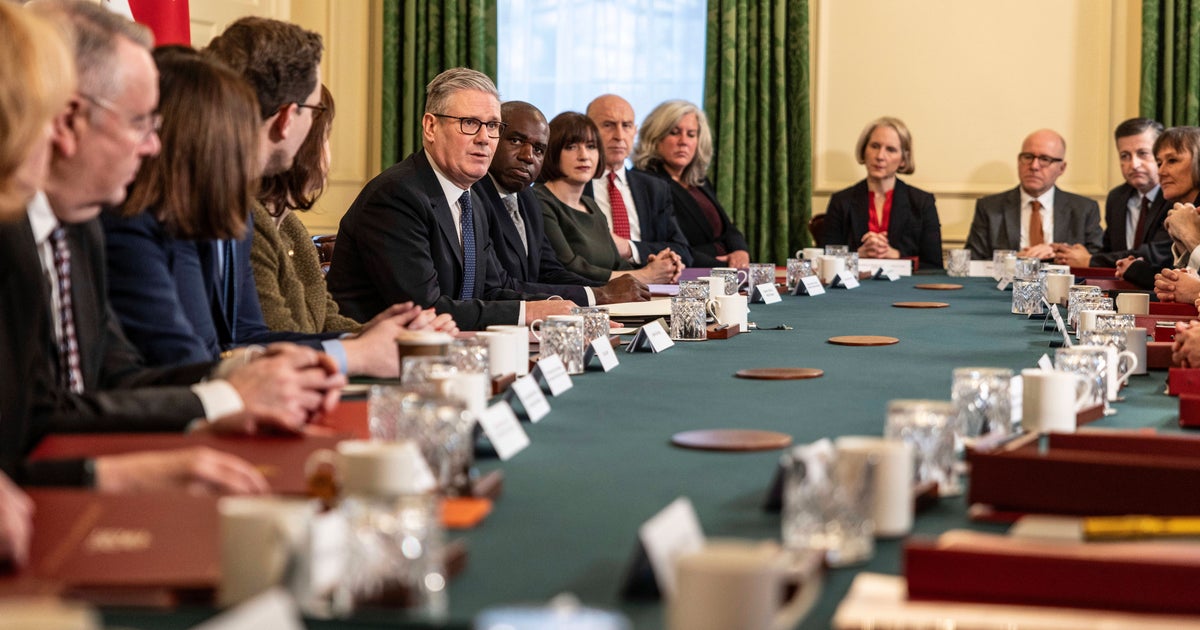
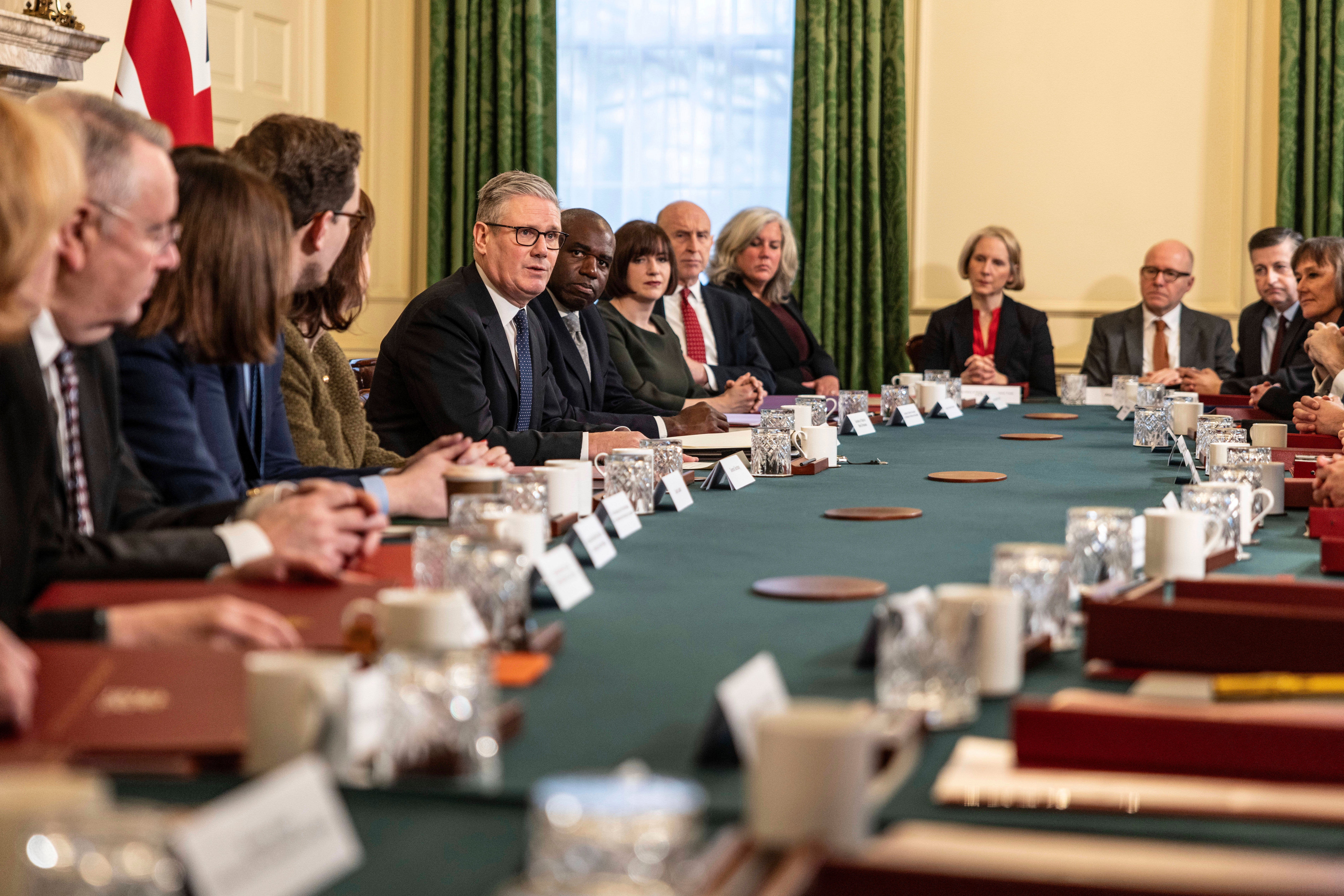
Cabinet ministers have pledged their support for Keir Starmer as the prime minister fights for his political survival.
In a clearly co-cordinated operation, a succession of senior government ministers took to social media to make clear they do not want the PM to resign.
The UK’s former ambassador to Washington is facing a police investigation over allegations he passed market sensitive information to the convicted paedophile Jeffrey Epstein when he was business secretary between 2008 and 2010.
Sarwar said: “The distraction needs to end and the leadership in Downing Street has to change.”
The incendiary move led to speculation that cabinet ministers could resign in order to force the PM out.
Advertisement
But one after another, they posted messages on X making clear they believe he should stay in his post.
Rebuilding Britain takes time. But thanks to the decisions we’ve made NHS waiting lists are falling. Inflation is falling. Interest rates are falling. The conditions for the economy to grow are there.
With Keir as our Prime Minister we are turning the country around.
","type":"rich","meta":{"author":"Rachel Reeves","author_url":"https://twitter.com/RachelReevesMP","cache_age":86400,"description":"Rebuilding Britain takes time. But thanks to the decisions we’ve made NHS waiting lists are falling. Inflation is falling. Interest rates are falling. The conditions for the economy to grow are there.With Keir as our Prime Minister we are turning the country around.— Rachel Reeves (@RachelReevesMP) February 9, 2026\n\n\n","options":{"_maxwidth":{"label":"Adjust width","placeholder":"220-550, in px","value":""},"_theme":{"value":"","values":{"dark":"Use dark theme"}}},"provider_name":"Twitter","title":"Rachel Reeves on Twitter / X","type":"rich","url":"https://twitter.com/RachelReevesMP/status/2020870665771909452","version":"1.0"},"flags":[],"enhancements":{},"fullBleed":false,"options":{"theme":"news","device":"desktop","editionInfo":{"id":"uk","name":"U.K.","link":"https://www.huffingtonpost.co.uk","locale":"en_GB"},"originalEdition":"uk","isMapi":false,"isAmp":false,"isMobile":false,"isAdsFree":false,"isVideoEntry":false,"isEntry":true,"isMt":false,"entryId":"6989fa7ce4b0959e2d93c18f","entryPermalink":"https://www.huffingtonpost.co.uk/entry/cabinet-ministers-declare-support-for-starmer-as-pm-fights-for-survival_uk_6989fa7ce4b0959e2d93c18f","entryTagsList":"keir-starmer,anas-sarwar,@ai_seo_headline","sectionSlug":"politics","deptSlug":null,"sectionRedirectUrl":null,"subcategories":"","isWide":false,"isShopping":false,"headerOverride":null,"noVideoAds":false,"disableFloat":false,"isNative":false,"commercialVideo":{"provider":"custom","site_and_category":"uk.politics","package":null},"isHighline":false,"vidibleConfigValues":{"cid":"60afc140cf94592c45d7390c","disabledWithMapiEntries":false,"overrides":{"all":"60b8e525cdd90620331baaf4"},"whitelisted":["56c5f12ee4b03a39c93c9439","56c6056ee4b01f2b7e1b5f35","59bfee7f9e451049f87f550b","5acccbaac269d609ef44c529","570278d2e4b070ff77b98217","57027b4be4b070ff77b98d5c","56fe95c4e4b0041c4242016b","570279cfe4b06d08e3629954","5ba9e8821c2e65639162ccf1","5bcd9904821576674bc55ced","5d076ca127f25f504327c72e","5b35266b158f855373e28256","5ebac2e8abddfb04f877dff2","60b8e525cdd90620331baaf4","60b64354b171b7444beaff4d","60d0d8e09340d7032ad0fb1a","60d0d90f9340d7032ad0fbeb","60d0d9949340d7032ad0fed3","60d0d9f99340d7032ad10113","60d0daa69340d7032ad104cf","60d0de02b627221e9d819408"],"playlists":{"default":"57bc306888d2ff1a7f6b5579","news":"56c6dbcee4b04edee8beb49c","politics":"56c6dbcee4b04edee8beb49c","entertainment":"56c6e7f2e4b0983aa64c60fc","tech":"56c6f70ae4b043c5bdcaebf9","parents":"56cc65c2e4b0239099455b42","lifestyle":"56cc66a9e4b01f81ef94e98c"},"playerUpdates":{"56c6056ee4b01f2b7e1b5f35":"60b8e525cdd90620331baaf4","56c5f12ee4b03a39c93c9439":"60d0d8e09340d7032ad0fb1a","59bfee7f9e451049f87f550b":"60d0d90f9340d7032ad0fbeb","5acccbaac269d609ef44c529":"60d0d9949340d7032ad0fed3","5bcd9904821576674bc55ced":"60d0d9f99340d7032ad10113","5d076ca127f25f504327c72e":"60d0daa69340d7032ad104cf","5ebac2e8abddfb04f877dff2":"60d0de02b627221e9d819408"}},"connatixConfigValues":{"defaultPlayer":"16b0ecc6-802c-4120-845f-e90629812c4d","clickToPlayPlayer":"823ac03a-0f7e-4bcb-8521-a5b091ae948d","videoPagePlayer":"05041ada-93f7-4e86-9208-e03a5b19311b","defaultPlaylist":"2e062669-71b4-41df-b17a-df6b1616bc8f"},"topConnatixThumnbailSrc":"data:image/png;base64,iVBORw0KGgoAAAANSUhEUgAAAAEAAAABCAQAAAC1HAwCAAAAC0lEQVR42mNkYAAAAAYAAjCB0C8AAAAASUVORK5CYII=","customAmpComponents":[],"ampAssetsUrl":"https://amp.assets.huffpost.com","videoTraits":null,"positionInUnitCounts":{"buzz_head":{"count":0},"buzz_body":{"count":0},"buzz_bottom":{"count":0}},"positionInSubUnitCounts":{"article_body":{"count":4},"blog_summary":{"count":0},"before_you_go_content":{"count":0}},"connatixCountsHelper":{"count":0},"buzzfeedTracking":{"context_page_id":"6989fa7ce4b0959e2d93c18f","context_page_type":"buzz","destination":"huffpost","mode":"desktop","page_edition":"en-uk"},"tags":[{"name":"keir starmer","slug":"keir-starmer","links":{"relativeLink":"news/keir-starmer","permalink":"https://www.huffingtonpost.co.uk/news/keir-starmer","mobileWebLink":"https://www.huffingtonpost.co.uk/news/keir-starmer"},"url":"https://www.huffingtonpost.co.uk/news/keir-starmer/"},{"name":"Anas Sarwar","slug":"anas-sarwar","links":{"relativeLink":"news/anas-sarwar","permalink":"https://www.huffingtonpost.co.uk/news/anas-sarwar","mobileWebLink":"https://www.huffingtonpost.co.uk/news/anas-sarwar"},"url":"https://www.huffingtonpost.co.uk/news/anas-sarwar/"}],"isLiveblogLive":null,"isLiveblog":false,"signInUrl":"https://login.huffpost.com/login?dest=https%3A%2F%2Fwww.huffpost.com%2Fentry%2Fcabinet-ministers-declare-support-for-starmer-as-pm-fights-for-survival_uk_6989fa7ce4b0959e2d93c18f%3Fhp_auth_done%3D1","cetUnit":"buzz_body","enableIncontentPlayer":true,"bodyAds":["
Rebuilding Britain takes time. But thanks to the decisions we’ve made NHS waiting lists are falling. Inflation is falling. Interest rates are falling. The conditions for the economy to grow are there.
With Keir as our Prime Minister we are turning the country around.
","type":"rich","meta":{"author":"David Lammy","author_url":"https://twitter.com/DavidLammy","cache_age":86400,"description":"Keir Starmer won a massive mandate 18 months ago, for five years to deliver on Labour’s manifesto that we all stood on. We should let nothing distract us from our mission to change Britain and we support the Prime Minister in doing that.— David Lammy (@DavidLammy) February 9, 2026\n\n\n","options":{"_maxwidth":{"label":"Adjust width","placeholder":"220-550, in px","value":""},"_theme":{"value":"","values":{"dark":"Use dark theme"}}},"provider_name":"Twitter","title":"David Lammy on Twitter / X","type":"rich","url":"https://twitter.com/DavidLammy/status/2020867529065779297","version":"1.0"},"flags":[],"enhancements":{},"fullBleed":false,"options":{"theme":"news","device":"desktop","editionInfo":{"id":"uk","name":"U.K.","link":"https://www.huffingtonpost.co.uk","locale":"en_GB"},"originalEdition":"uk","isMapi":false,"isAmp":false,"isMobile":false,"isAdsFree":false,"isVideoEntry":false,"isEntry":true,"isMt":false,"entryId":"6989fa7ce4b0959e2d93c18f","entryPermalink":"https://www.huffingtonpost.co.uk/entry/cabinet-ministers-declare-support-for-starmer-as-pm-fights-for-survival_uk_6989fa7ce4b0959e2d93c18f","entryTagsList":"keir-starmer,anas-sarwar,@ai_seo_headline","sectionSlug":"politics","deptSlug":null,"sectionRedirectUrl":null,"subcategories":"","isWide":false,"isShopping":false,"headerOverride":null,"noVideoAds":false,"disableFloat":false,"isNative":false,"commercialVideo":{"provider":"custom","site_and_category":"uk.politics","package":null},"isHighline":false,"vidibleConfigValues":{"cid":"60afc140cf94592c45d7390c","disabledWithMapiEntries":false,"overrides":{"all":"60b8e525cdd90620331baaf4"},"whitelisted":["56c5f12ee4b03a39c93c9439","56c6056ee4b01f2b7e1b5f35","59bfee7f9e451049f87f550b","5acccbaac269d609ef44c529","570278d2e4b070ff77b98217","57027b4be4b070ff77b98d5c","56fe95c4e4b0041c4242016b","570279cfe4b06d08e3629954","5ba9e8821c2e65639162ccf1","5bcd9904821576674bc55ced","5d076ca127f25f504327c72e","5b35266b158f855373e28256","5ebac2e8abddfb04f877dff2","60b8e525cdd90620331baaf4","60b64354b171b7444beaff4d","60d0d8e09340d7032ad0fb1a","60d0d90f9340d7032ad0fbeb","60d0d9949340d7032ad0fed3","60d0d9f99340d7032ad10113","60d0daa69340d7032ad104cf","60d0de02b627221e9d819408"],"playlists":{"default":"57bc306888d2ff1a7f6b5579","news":"56c6dbcee4b04edee8beb49c","politics":"56c6dbcee4b04edee8beb49c","entertainment":"56c6e7f2e4b0983aa64c60fc","tech":"56c6f70ae4b043c5bdcaebf9","parents":"56cc65c2e4b0239099455b42","lifestyle":"56cc66a9e4b01f81ef94e98c"},"playerUpdates":{"56c6056ee4b01f2b7e1b5f35":"60b8e525cdd90620331baaf4","56c5f12ee4b03a39c93c9439":"60d0d8e09340d7032ad0fb1a","59bfee7f9e451049f87f550b":"60d0d90f9340d7032ad0fbeb","5acccbaac269d609ef44c529":"60d0d9949340d7032ad0fed3","5bcd9904821576674bc55ced":"60d0d9f99340d7032ad10113","5d076ca127f25f504327c72e":"60d0daa69340d7032ad104cf","5ebac2e8abddfb04f877dff2":"60d0de02b627221e9d819408"}},"connatixConfigValues":{"defaultPlayer":"16b0ecc6-802c-4120-845f-e90629812c4d","clickToPlayPlayer":"823ac03a-0f7e-4bcb-8521-a5b091ae948d","videoPagePlayer":"05041ada-93f7-4e86-9208-e03a5b19311b","defaultPlaylist":"2e062669-71b4-41df-b17a-df6b1616bc8f"},"topConnatixThumnbailSrc":"data:image/png;base64,iVBORw0KGgoAAAANSUhEUgAAAAEAAAABCAQAAAC1HAwCAAAAC0lEQVR42mNkYAAAAAYAAjCB0C8AAAAASUVORK5CYII=","customAmpComponents":[],"ampAssetsUrl":"https://amp.assets.huffpost.com","videoTraits":null,"positionInUnitCounts":{"buzz_head":{"count":0},"buzz_body":{"count":0},"buzz_bottom":{"count":0}},"positionInSubUnitCounts":{"article_body":{"count":4},"blog_summary":{"count":0},"before_you_go_content":{"count":0}},"connatixCountsHelper":{"count":0},"buzzfeedTracking":{"context_page_id":"6989fa7ce4b0959e2d93c18f","context_page_type":"buzz","destination":"huffpost","mode":"desktop","page_edition":"en-uk"},"tags":[{"name":"keir starmer","slug":"keir-starmer","links":{"relativeLink":"news/keir-starmer","permalink":"https://www.huffingtonpost.co.uk/news/keir-starmer","mobileWebLink":"https://www.huffingtonpost.co.uk/news/keir-starmer"},"url":"https://www.huffingtonpost.co.uk/news/keir-starmer/"},{"name":"Anas Sarwar","slug":"anas-sarwar","links":{"relativeLink":"news/anas-sarwar","permalink":"https://www.huffingtonpost.co.uk/news/anas-sarwar","mobileWebLink":"https://www.huffingtonpost.co.uk/news/anas-sarwar"},"url":"https://www.huffingtonpost.co.uk/news/anas-sarwar/"}],"isLiveblogLive":null,"isLiveblog":false,"signInUrl":"https://login.huffpost.com/login?dest=https%3A%2F%2Fwww.huffpost.com%2Fentry%2Fcabinet-ministers-declare-support-for-starmer-as-pm-fights-for-survival_uk_6989fa7ce4b0959e2d93c18f%3Fhp_auth_done%3D1","cetUnit":"buzz_body","enableIncontentPlayer":true,"bodyAds":["
Keir led our party to victory and won a mandate for change. Waiting lists are falling, wages are rising, new rights for renters and leaseholders. We need to stay the course and deliver the change this country voted for.
","type":"rich","meta":{"author":"Steve Reed","author_url":"https://twitter.com/SteveReedMP","cache_age":86400,"description":"Keir led our party to victory and won a mandate for change. Waiting lists are falling, wages are rising, new rights for renters and leaseholders. We need to stay the course and deliver the change this country voted for.— Steve Reed (@SteveReedMP) February 9, 2026\n\n\n","options":{"_maxwidth":{"label":"Adjust width","placeholder":"220-550, in px","value":""},"_theme":{"value":"","values":{"dark":"Use dark theme"}}},"provider_name":"Twitter","title":"Steve Reed on Twitter / X","type":"rich","url":"https://twitter.com/SteveReedMP/status/2020868686895055296","version":"1.0"},"flags":[],"enhancements":{},"fullBleed":false,"options":{"theme":"news","device":"desktop","editionInfo":{"id":"uk","name":"U.K.","link":"https://www.huffingtonpost.co.uk","locale":"en_GB"},"originalEdition":"uk","isMapi":false,"isAmp":false,"isMobile":false,"isAdsFree":false,"isVideoEntry":false,"isEntry":true,"isMt":false,"entryId":"6989fa7ce4b0959e2d93c18f","entryPermalink":"https://www.huffingtonpost.co.uk/entry/cabinet-ministers-declare-support-for-starmer-as-pm-fights-for-survival_uk_6989fa7ce4b0959e2d93c18f","entryTagsList":"keir-starmer,anas-sarwar,@ai_seo_headline","sectionSlug":"politics","deptSlug":null,"sectionRedirectUrl":null,"subcategories":"","isWide":false,"isShopping":false,"headerOverride":null,"noVideoAds":false,"disableFloat":false,"isNative":false,"commercialVideo":{"provider":"custom","site_and_category":"uk.politics","package":null},"isHighline":false,"vidibleConfigValues":{"cid":"60afc140cf94592c45d7390c","disabledWithMapiEntries":false,"overrides":{"all":"60b8e525cdd90620331baaf4"},"whitelisted":["56c5f12ee4b03a39c93c9439","56c6056ee4b01f2b7e1b5f35","59bfee7f9e451049f87f550b","5acccbaac269d609ef44c529","570278d2e4b070ff77b98217","57027b4be4b070ff77b98d5c","56fe95c4e4b0041c4242016b","570279cfe4b06d08e3629954","5ba9e8821c2e65639162ccf1","5bcd9904821576674bc55ced","5d076ca127f25f504327c72e","5b35266b158f855373e28256","5ebac2e8abddfb04f877dff2","60b8e525cdd90620331baaf4","60b64354b171b7444beaff4d","60d0d8e09340d7032ad0fb1a","60d0d90f9340d7032ad0fbeb","60d0d9949340d7032ad0fed3","60d0d9f99340d7032ad10113","60d0daa69340d7032ad104cf","60d0de02b627221e9d819408"],"playlists":{"default":"57bc306888d2ff1a7f6b5579","news":"56c6dbcee4b04edee8beb49c","politics":"56c6dbcee4b04edee8beb49c","entertainment":"56c6e7f2e4b0983aa64c60fc","tech":"56c6f70ae4b043c5bdcaebf9","parents":"56cc65c2e4b0239099455b42","lifestyle":"56cc66a9e4b01f81ef94e98c"},"playerUpdates":{"56c6056ee4b01f2b7e1b5f35":"60b8e525cdd90620331baaf4","56c5f12ee4b03a39c93c9439":"60d0d8e09340d7032ad0fb1a","59bfee7f9e451049f87f550b":"60d0d90f9340d7032ad0fbeb","5acccbaac269d609ef44c529":"60d0d9949340d7032ad0fed3","5bcd9904821576674bc55ced":"60d0d9f99340d7032ad10113","5d076ca127f25f504327c72e":"60d0daa69340d7032ad104cf","5ebac2e8abddfb04f877dff2":"60d0de02b627221e9d819408"}},"connatixConfigValues":{"defaultPlayer":"16b0ecc6-802c-4120-845f-e90629812c4d","clickToPlayPlayer":"823ac03a-0f7e-4bcb-8521-a5b091ae948d","videoPagePlayer":"05041ada-93f7-4e86-9208-e03a5b19311b","defaultPlaylist":"2e062669-71b4-41df-b17a-df6b1616bc8f"},"topConnatixThumnbailSrc":"data:image/png;base64,iVBORw0KGgoAAAANSUhEUgAAAAEAAAABCAQAAAC1HAwCAAAAC0lEQVR42mNkYAAAAAYAAjCB0C8AAAAASUVORK5CYII=","customAmpComponents":[],"ampAssetsUrl":"https://amp.assets.huffpost.com","videoTraits":null,"positionInUnitCounts":{"buzz_head":{"count":0},"buzz_body":{"count":0},"buzz_bottom":{"count":0}},"positionInSubUnitCounts":{"article_body":{"count":4},"blog_summary":{"count":0},"before_you_go_content":{"count":0}},"connatixCountsHelper":{"count":0},"buzzfeedTracking":{"context_page_id":"6989fa7ce4b0959e2d93c18f","context_page_type":"buzz","destination":"huffpost","mode":"desktop","page_edition":"en-uk"},"tags":[{"name":"keir starmer","slug":"keir-starmer","links":{"relativeLink":"news/keir-starmer","permalink":"https://www.huffingtonpost.co.uk/news/keir-starmer","mobileWebLink":"https://www.huffingtonpost.co.uk/news/keir-starmer"},"url":"https://www.huffingtonpost.co.uk/news/keir-starmer/"},{"name":"Anas Sarwar","slug":"anas-sarwar","links":{"relativeLink":"news/anas-sarwar","permalink":"https://www.huffingtonpost.co.uk/news/anas-sarwar","mobileWebLink":"https://www.huffingtonpost.co.uk/news/anas-sarwar"},"url":"https://www.huffingtonpost.co.uk/news/anas-sarwar/"}],"isLiveblogLive":null,"isLiveblog":false,"signInUrl":"https://login.huffpost.com/login?dest=https%3A%2F%2Fwww.huffpost.com%2Fentry%2Fcabinet-ministers-declare-support-for-starmer-as-pm-fights-for-survival_uk_6989fa7ce4b0959e2d93c18f%3Fhp_auth_done%3D1","cetUnit":"buzz_body","enableIncontentPlayer":true,"bodyAds":["
Keir led our party to victory and won a mandate for change. Waiting lists are falling, wages are rising, new rights for renters and leaseholders. We need to stay the course and deliver the change this country voted for.
","type":"rich","meta":{"author":"Pat McFadden","author_url":"https://twitter.com/patmcfaddenmp","cache_age":86400,"description":"As someone said to me in the constituency on Friday \"tell your boss to keep going.\" I did and I hope he does. 🌹— Pat McFadden (@patmcfaddenmp) February 9, 2026\n\n\n","options":{"_maxwidth":{"label":"Adjust width","placeholder":"220-550, in px","value":""},"_theme":{"value":"","values":{"dark":"Use dark theme"}}},"provider_name":"Twitter","title":"Pat McFadden on Twitter / X","type":"rich","url":"https://twitter.com/patmcfaddenmp/status/2020875552916148549","version":"1.0"},"flags":[],"enhancements":{},"fullBleed":false,"options":{"theme":"news","device":"desktop","editionInfo":{"id":"uk","name":"U.K.","link":"https://www.huffingtonpost.co.uk","locale":"en_GB"},"originalEdition":"uk","isMapi":false,"isAmp":false,"isMobile":false,"isAdsFree":false,"isVideoEntry":false,"isEntry":true,"isMt":false,"entryId":"6989fa7ce4b0959e2d93c18f","entryPermalink":"https://www.huffingtonpost.co.uk/entry/cabinet-ministers-declare-support-for-starmer-as-pm-fights-for-survival_uk_6989fa7ce4b0959e2d93c18f","entryTagsList":"keir-starmer,anas-sarwar,@ai_seo_headline","sectionSlug":"politics","deptSlug":null,"sectionRedirectUrl":null,"subcategories":"","isWide":false,"isShopping":false,"headerOverride":null,"noVideoAds":false,"disableFloat":false,"isNative":false,"commercialVideo":{"provider":"custom","site_and_category":"uk.politics","package":null},"isHighline":false,"vidibleConfigValues":{"cid":"60afc140cf94592c45d7390c","disabledWithMapiEntries":false,"overrides":{"all":"60b8e525cdd90620331baaf4"},"whitelisted":["56c5f12ee4b03a39c93c9439","56c6056ee4b01f2b7e1b5f35","59bfee7f9e451049f87f550b","5acccbaac269d609ef44c529","570278d2e4b070ff77b98217","57027b4be4b070ff77b98d5c","56fe95c4e4b0041c4242016b","570279cfe4b06d08e3629954","5ba9e8821c2e65639162ccf1","5bcd9904821576674bc55ced","5d076ca127f25f504327c72e","5b35266b158f855373e28256","5ebac2e8abddfb04f877dff2","60b8e525cdd90620331baaf4","60b64354b171b7444beaff4d","60d0d8e09340d7032ad0fb1a","60d0d90f9340d7032ad0fbeb","60d0d9949340d7032ad0fed3","60d0d9f99340d7032ad10113","60d0daa69340d7032ad104cf","60d0de02b627221e9d819408"],"playlists":{"default":"57bc306888d2ff1a7f6b5579","news":"56c6dbcee4b04edee8beb49c","politics":"56c6dbcee4b04edee8beb49c","entertainment":"56c6e7f2e4b0983aa64c60fc","tech":"56c6f70ae4b043c5bdcaebf9","parents":"56cc65c2e4b0239099455b42","lifestyle":"56cc66a9e4b01f81ef94e98c"},"playerUpdates":{"56c6056ee4b01f2b7e1b5f35":"60b8e525cdd90620331baaf4","56c5f12ee4b03a39c93c9439":"60d0d8e09340d7032ad0fb1a","59bfee7f9e451049f87f550b":"60d0d90f9340d7032ad0fbeb","5acccbaac269d609ef44c529":"60d0d9949340d7032ad0fed3","5bcd9904821576674bc55ced":"60d0d9f99340d7032ad10113","5d076ca127f25f504327c72e":"60d0daa69340d7032ad104cf","5ebac2e8abddfb04f877dff2":"60d0de02b627221e9d819408"}},"connatixConfigValues":{"defaultPlayer":"16b0ecc6-802c-4120-845f-e90629812c4d","clickToPlayPlayer":"823ac03a-0f7e-4bcb-8521-a5b091ae948d","videoPagePlayer":"05041ada-93f7-4e86-9208-e03a5b19311b","defaultPlaylist":"2e062669-71b4-41df-b17a-df6b1616bc8f"},"topConnatixThumnbailSrc":"data:image/png;base64,iVBORw0KGgoAAAANSUhEUgAAAAEAAAABCAQAAAC1HAwCAAAAC0lEQVR42mNkYAAAAAYAAjCB0C8AAAAASUVORK5CYII=","customAmpComponents":[],"ampAssetsUrl":"https://amp.assets.huffpost.com","videoTraits":null,"positionInUnitCounts":{"buzz_head":{"count":0},"buzz_body":{"count":0},"buzz_bottom":{"count":0}},"positionInSubUnitCounts":{"article_body":{"count":4},"blog_summary":{"count":0},"before_you_go_content":{"count":0}},"connatixCountsHelper":{"count":0},"buzzfeedTracking":{"context_page_id":"6989fa7ce4b0959e2d93c18f","context_page_type":"buzz","destination":"huffpost","mode":"desktop","page_edition":"en-uk"},"tags":[{"name":"keir starmer","slug":"keir-starmer","links":{"relativeLink":"news/keir-starmer","permalink":"https://www.huffingtonpost.co.uk/news/keir-starmer","mobileWebLink":"https://www.huffingtonpost.co.uk/news/keir-starmer"},"url":"https://www.huffingtonpost.co.uk/news/keir-starmer/"},{"name":"Anas Sarwar","slug":"anas-sarwar","links":{"relativeLink":"news/anas-sarwar","permalink":"https://www.huffingtonpost.co.uk/news/anas-sarwar","mobileWebLink":"https://www.huffingtonpost.co.uk/news/anas-sarwar"},"url":"https://www.huffingtonpost.co.uk/news/anas-sarwar/"}],"isLiveblogLive":null,"isLiveblog":false,"signInUrl":"https://login.huffpost.com/login?dest=https%3A%2F%2Fwww.huffpost.com%2Fentry%2Fcabinet-ministers-declare-support-for-starmer-as-pm-fights-for-survival_uk_6989fa7ce4b0959e2d93c18f%3Fhp_auth_done%3D1","cetUnit":"buzz_body","enableIncontentPlayer":true,"bodyAds":["
","type":"rich","meta":{"author":"Hilary Benn","author_url":"https://twitter.com/hilarybennmp","cache_age":86400,"description":"Now is the time for calm heads and seriousness of purpose. That is why the Prime Minister has my full support.— Hilary Benn (@hilarybennmp) February 9, 2026\n\n\n","options":{"_maxwidth":{"label":"Adjust width","placeholder":"220-550, in px","value":""},"_theme":{"value":"","values":{"dark":"Use dark theme"}}},"provider_name":"Twitter","title":"Hilary Benn on Twitter / X","type":"rich","url":"https://twitter.com/hilarybennmp/status/2020872107576504445","version":"1.0"},"flags":[],"enhancements":{},"fullBleed":false,"options":{"theme":"news","device":"desktop","editionInfo":{"id":"uk","name":"U.K.","link":"https://www.huffingtonpost.co.uk","locale":"en_GB"},"originalEdition":"uk","isMapi":false,"isAmp":false,"isMobile":false,"isAdsFree":false,"isVideoEntry":false,"isEntry":true,"isMt":false,"entryId":"6989fa7ce4b0959e2d93c18f","entryPermalink":"https://www.huffingtonpost.co.uk/entry/cabinet-ministers-declare-support-for-starmer-as-pm-fights-for-survival_uk_6989fa7ce4b0959e2d93c18f","entryTagsList":"keir-starmer,anas-sarwar,@ai_seo_headline","sectionSlug":"politics","deptSlug":null,"sectionRedirectUrl":null,"subcategories":"","isWide":false,"isShopping":false,"headerOverride":null,"noVideoAds":false,"disableFloat":false,"isNative":false,"commercialVideo":{"provider":"custom","site_and_category":"uk.politics","package":null},"isHighline":false,"vidibleConfigValues":{"cid":"60afc140cf94592c45d7390c","disabledWithMapiEntries":false,"overrides":{"all":"60b8e525cdd90620331baaf4"},"whitelisted":["56c5f12ee4b03a39c93c9439","56c6056ee4b01f2b7e1b5f35","59bfee7f9e451049f87f550b","5acccbaac269d609ef44c529","570278d2e4b070ff77b98217","57027b4be4b070ff77b98d5c","56fe95c4e4b0041c4242016b","570279cfe4b06d08e3629954","5ba9e8821c2e65639162ccf1","5bcd9904821576674bc55ced","5d076ca127f25f504327c72e","5b35266b158f855373e28256","5ebac2e8abddfb04f877dff2","60b8e525cdd90620331baaf4","60b64354b171b7444beaff4d","60d0d8e09340d7032ad0fb1a","60d0d90f9340d7032ad0fbeb","60d0d9949340d7032ad0fed3","60d0d9f99340d7032ad10113","60d0daa69340d7032ad104cf","60d0de02b627221e9d819408"],"playlists":{"default":"57bc306888d2ff1a7f6b5579","news":"56c6dbcee4b04edee8beb49c","politics":"56c6dbcee4b04edee8beb49c","entertainment":"56c6e7f2e4b0983aa64c60fc","tech":"56c6f70ae4b043c5bdcaebf9","parents":"56cc65c2e4b0239099455b42","lifestyle":"56cc66a9e4b01f81ef94e98c"},"playerUpdates":{"56c6056ee4b01f2b7e1b5f35":"60b8e525cdd90620331baaf4","56c5f12ee4b03a39c93c9439":"60d0d8e09340d7032ad0fb1a","59bfee7f9e451049f87f550b":"60d0d90f9340d7032ad0fbeb","5acccbaac269d609ef44c529":"60d0d9949340d7032ad0fed3","5bcd9904821576674bc55ced":"60d0d9f99340d7032ad10113","5d076ca127f25f504327c72e":"60d0daa69340d7032ad104cf","5ebac2e8abddfb04f877dff2":"60d0de02b627221e9d819408"}},"connatixConfigValues":{"defaultPlayer":"16b0ecc6-802c-4120-845f-e90629812c4d","clickToPlayPlayer":"823ac03a-0f7e-4bcb-8521-a5b091ae948d","videoPagePlayer":"05041ada-93f7-4e86-9208-e03a5b19311b","defaultPlaylist":"2e062669-71b4-41df-b17a-df6b1616bc8f"},"topConnatixThumnbailSrc":"data:image/png;base64,iVBORw0KGgoAAAANSUhEUgAAAAEAAAABCAQAAAC1HAwCAAAAC0lEQVR42mNkYAAAAAYAAjCB0C8AAAAASUVORK5CYII=","customAmpComponents":[],"ampAssetsUrl":"https://amp.assets.huffpost.com","videoTraits":null,"positionInUnitCounts":{"buzz_head":{"count":0},"buzz_body":{"count":0},"buzz_bottom":{"count":0}},"positionInSubUnitCounts":{"article_body":{"count":4},"blog_summary":{"count":0},"before_you_go_content":{"count":0}},"connatixCountsHelper":{"count":0},"buzzfeedTracking":{"context_page_id":"6989fa7ce4b0959e2d93c18f","context_page_type":"buzz","destination":"huffpost","mode":"desktop","page_edition":"en-uk"},"tags":[{"name":"keir starmer","slug":"keir-starmer","links":{"relativeLink":"news/keir-starmer","permalink":"https://www.huffingtonpost.co.uk/news/keir-starmer","mobileWebLink":"https://www.huffingtonpost.co.uk/news/keir-starmer"},"url":"https://www.huffingtonpost.co.uk/news/keir-starmer/"},{"name":"Anas Sarwar","slug":"anas-sarwar","links":{"relativeLink":"news/anas-sarwar","permalink":"https://www.huffingtonpost.co.uk/news/anas-sarwar","mobileWebLink":"https://www.huffingtonpost.co.uk/news/anas-sarwar"},"url":"https://www.huffingtonpost.co.uk/news/anas-sarwar/"}],"isLiveblogLive":null,"isLiveblog":false,"signInUrl":"https://login.huffpost.com/login?dest=https%3A%2F%2Fwww.huffpost.com%2Fentry%2Fcabinet-ministers-declare-support-for-starmer-as-pm-fights-for-survival_uk_6989fa7ce4b0959e2d93c18f%3Fhp_auth_done%3D1","cetUnit":"buzz_body","enableIncontentPlayer":true,"bodyAds":["
","type":"rich","meta":{"author":"Ed Miliband","author_url":"https://twitter.com/Ed_Miliband","cache_age":86400,"description":"Keir has earned the right to deliver the change he has promised and do what he cares about – which is to serve the country.This is not the time for the government to turn inwards on itself. We must focus on delivering the change we promised the country.— Ed Miliband (@Ed_Miliband) February 9, 2026\n\n\n","options":{"_maxwidth":{"label":"Adjust width","placeholder":"220-550, in px","value":""},"_theme":{"value":"","values":{"dark":"Use dark theme"}}},"provider_name":"Twitter","title":"Ed Miliband on Twitter / X","type":"rich","url":"https://twitter.com/Ed_Miliband/status/2020877858227249323","version":"1.0"},"flags":[],"enhancements":{},"fullBleed":false,"options":{"theme":"news","device":"desktop","editionInfo":{"id":"uk","name":"U.K.","link":"https://www.huffingtonpost.co.uk","locale":"en_GB"},"originalEdition":"uk","isMapi":false,"isAmp":false,"isMobile":false,"isAdsFree":false,"isVideoEntry":false,"isEntry":true,"isMt":false,"entryId":"6989fa7ce4b0959e2d93c18f","entryPermalink":"https://www.huffingtonpost.co.uk/entry/cabinet-ministers-declare-support-for-starmer-as-pm-fights-for-survival_uk_6989fa7ce4b0959e2d93c18f","entryTagsList":"keir-starmer,anas-sarwar,@ai_seo_headline","sectionSlug":"politics","deptSlug":null,"sectionRedirectUrl":null,"subcategories":"","isWide":false,"isShopping":false,"headerOverride":null,"noVideoAds":false,"disableFloat":false,"isNative":false,"commercialVideo":{"provider":"custom","site_and_category":"uk.politics","package":null},"isHighline":false,"vidibleConfigValues":{"cid":"60afc140cf94592c45d7390c","disabledWithMapiEntries":false,"overrides":{"all":"60b8e525cdd90620331baaf4"},"whitelisted":["56c5f12ee4b03a39c93c9439","56c6056ee4b01f2b7e1b5f35","59bfee7f9e451049f87f550b","5acccbaac269d609ef44c529","570278d2e4b070ff77b98217","57027b4be4b070ff77b98d5c","56fe95c4e4b0041c4242016b","570279cfe4b06d08e3629954","5ba9e8821c2e65639162ccf1","5bcd9904821576674bc55ced","5d076ca127f25f504327c72e","5b35266b158f855373e28256","5ebac2e8abddfb04f877dff2","60b8e525cdd90620331baaf4","60b64354b171b7444beaff4d","60d0d8e09340d7032ad0fb1a","60d0d90f9340d7032ad0fbeb","60d0d9949340d7032ad0fed3","60d0d9f99340d7032ad10113","60d0daa69340d7032ad104cf","60d0de02b627221e9d819408"],"playlists":{"default":"57bc306888d2ff1a7f6b5579","news":"56c6dbcee4b04edee8beb49c","politics":"56c6dbcee4b04edee8beb49c","entertainment":"56c6e7f2e4b0983aa64c60fc","tech":"56c6f70ae4b043c5bdcaebf9","parents":"56cc65c2e4b0239099455b42","lifestyle":"56cc66a9e4b01f81ef94e98c"},"playerUpdates":{"56c6056ee4b01f2b7e1b5f35":"60b8e525cdd90620331baaf4","56c5f12ee4b03a39c93c9439":"60d0d8e09340d7032ad0fb1a","59bfee7f9e451049f87f550b":"60d0d90f9340d7032ad0fbeb","5acccbaac269d609ef44c529":"60d0d9949340d7032ad0fed3","5bcd9904821576674bc55ced":"60d0d9f99340d7032ad10113","5d076ca127f25f504327c72e":"60d0daa69340d7032ad104cf","5ebac2e8abddfb04f877dff2":"60d0de02b627221e9d819408"}},"connatixConfigValues":{"defaultPlayer":"16b0ecc6-802c-4120-845f-e90629812c4d","clickToPlayPlayer":"823ac03a-0f7e-4bcb-8521-a5b091ae948d","videoPagePlayer":"05041ada-93f7-4e86-9208-e03a5b19311b","defaultPlaylist":"2e062669-71b4-41df-b17a-df6b1616bc8f"},"topConnatixThumnbailSrc":"data:image/png;base64,iVBORw0KGgoAAAANSUhEUgAAAAEAAAABCAQAAAC1HAwCAAAAC0lEQVR42mNkYAAAAAYAAjCB0C8AAAAASUVORK5CYII=","customAmpComponents":[],"ampAssetsUrl":"https://amp.assets.huffpost.com","videoTraits":null,"positionInUnitCounts":{"buzz_head":{"count":0},"buzz_body":{"count":0},"buzz_bottom":{"count":0}},"positionInSubUnitCounts":{"article_body":{"count":4},"blog_summary":{"count":0},"before_you_go_content":{"count":0}},"connatixCountsHelper":{"count":0},"buzzfeedTracking":{"context_page_id":"6989fa7ce4b0959e2d93c18f","context_page_type":"buzz","destination":"huffpost","mode":"desktop","page_edition":"en-uk"},"tags":[{"name":"keir starmer","slug":"keir-starmer","links":{"relativeLink":"news/keir-starmer","permalink":"https://www.huffingtonpost.co.uk/news/keir-starmer","mobileWebLink":"https://www.huffingtonpost.co.uk/news/keir-starmer"},"url":"https://www.huffingtonpost.co.uk/news/keir-starmer/"},{"name":"Anas Sarwar","slug":"anas-sarwar","links":{"relativeLink":"news/anas-sarwar","permalink":"https://www.huffingtonpost.co.uk/news/anas-sarwar","mobileWebLink":"https://www.huffingtonpost.co.uk/news/anas-sarwar"},"url":"https://www.huffingtonpost.co.uk/news/anas-sarwar/"}],"isLiveblogLive":null,"isLiveblog":false,"signInUrl":"https://login.huffpost.com/login?dest=https%3A%2F%2Fwww.huffpost.com%2Fentry%2Fcabinet-ministers-declare-support-for-starmer-as-pm-fights-for-survival_uk_6989fa7ce4b0959e2d93c18f%3Fhp_auth_done%3D1","cetUnit":"buzz_body","enableIncontentPlayer":true,"bodyAds":["
","type":"rich","meta":{"author":"John Healey","author_url":"https://twitter.com/JohnHealey_MP","cache_age":86400,"description":"The British public gave Keir a huge mandate only 18 months ago. They wanted a Labour government. They want us to deliver the change we promised. They expect us to get on with the job. The PM has my fullest support in leading this government and this country.— John Healey (@JohnHealey_MP) February 9, 2026\n\n\n","options":{"_maxwidth":{"label":"Adjust width","placeholder":"220-550, in px","value":""},"_theme":{"value":"","values":{"dark":"Use dark theme"}}},"provider_name":"Twitter","title":"John Healey on Twitter / X","type":"rich","url":"https://twitter.com/JohnHealey_MP/status/2020871328681631953","version":"1.0"},"flags":[],"enhancements":{},"fullBleed":false,"options":{"theme":"news","device":"desktop","editionInfo":{"id":"uk","name":"U.K.","link":"https://www.huffingtonpost.co.uk","locale":"en_GB"},"originalEdition":"uk","isMapi":false,"isAmp":false,"isMobile":false,"isAdsFree":false,"isVideoEntry":false,"isEntry":true,"isMt":false,"entryId":"6989fa7ce4b0959e2d93c18f","entryPermalink":"https://www.huffingtonpost.co.uk/entry/cabinet-ministers-declare-support-for-starmer-as-pm-fights-for-survival_uk_6989fa7ce4b0959e2d93c18f","entryTagsList":"keir-starmer,anas-sarwar,@ai_seo_headline","sectionSlug":"politics","deptSlug":null,"sectionRedirectUrl":null,"subcategories":"","isWide":false,"isShopping":false,"headerOverride":null,"noVideoAds":false,"disableFloat":false,"isNative":false,"commercialVideo":{"provider":"custom","site_and_category":"uk.politics","package":null},"isHighline":false,"vidibleConfigValues":{"cid":"60afc140cf94592c45d7390c","disabledWithMapiEntries":false,"overrides":{"all":"60b8e525cdd90620331baaf4"},"whitelisted":["56c5f12ee4b03a39c93c9439","56c6056ee4b01f2b7e1b5f35","59bfee7f9e451049f87f550b","5acccbaac269d609ef44c529","570278d2e4b070ff77b98217","57027b4be4b070ff77b98d5c","56fe95c4e4b0041c4242016b","570279cfe4b06d08e3629954","5ba9e8821c2e65639162ccf1","5bcd9904821576674bc55ced","5d076ca127f25f504327c72e","5b35266b158f855373e28256","5ebac2e8abddfb04f877dff2","60b8e525cdd90620331baaf4","60b64354b171b7444beaff4d","60d0d8e09340d7032ad0fb1a","60d0d90f9340d7032ad0fbeb","60d0d9949340d7032ad0fed3","60d0d9f99340d7032ad10113","60d0daa69340d7032ad104cf","60d0de02b627221e9d819408"],"playlists":{"default":"57bc306888d2ff1a7f6b5579","news":"56c6dbcee4b04edee8beb49c","politics":"56c6dbcee4b04edee8beb49c","entertainment":"56c6e7f2e4b0983aa64c60fc","tech":"56c6f70ae4b043c5bdcaebf9","parents":"56cc65c2e4b0239099455b42","lifestyle":"56cc66a9e4b01f81ef94e98c"},"playerUpdates":{"56c6056ee4b01f2b7e1b5f35":"60b8e525cdd90620331baaf4","56c5f12ee4b03a39c93c9439":"60d0d8e09340d7032ad0fb1a","59bfee7f9e451049f87f550b":"60d0d90f9340d7032ad0fbeb","5acccbaac269d609ef44c529":"60d0d9949340d7032ad0fed3","5bcd9904821576674bc55ced":"60d0d9f99340d7032ad10113","5d076ca127f25f504327c72e":"60d0daa69340d7032ad104cf","5ebac2e8abddfb04f877dff2":"60d0de02b627221e9d819408"}},"connatixConfigValues":{"defaultPlayer":"16b0ecc6-802c-4120-845f-e90629812c4d","clickToPlayPlayer":"823ac03a-0f7e-4bcb-8521-a5b091ae948d","videoPagePlayer":"05041ada-93f7-4e86-9208-e03a5b19311b","defaultPlaylist":"2e062669-71b4-41df-b17a-df6b1616bc8f"},"topConnatixThumnbailSrc":"data:image/png;base64,iVBORw0KGgoAAAANSUhEUgAAAAEAAAABCAQAAAC1HAwCAAAAC0lEQVR42mNkYAAAAAYAAjCB0C8AAAAASUVORK5CYII=","customAmpComponents":[],"ampAssetsUrl":"https://amp.assets.huffpost.com","videoTraits":null,"positionInUnitCounts":{"buzz_head":{"count":0},"buzz_body":{"count":0},"buzz_bottom":{"count":0}},"positionInSubUnitCounts":{"article_body":{"count":4},"blog_summary":{"count":0},"before_you_go_content":{"count":0}},"connatixCountsHelper":{"count":0},"buzzfeedTracking":{"context_page_id":"6989fa7ce4b0959e2d93c18f","context_page_type":"buzz","destination":"huffpost","mode":"desktop","page_edition":"en-uk"},"tags":[{"name":"keir starmer","slug":"keir-starmer","links":{"relativeLink":"news/keir-starmer","permalink":"https://www.huffingtonpost.co.uk/news/keir-starmer","mobileWebLink":"https://www.huffingtonpost.co.uk/news/keir-starmer"},"url":"https://www.huffingtonpost.co.uk/news/keir-starmer/"},{"name":"Anas Sarwar","slug":"anas-sarwar","links":{"relativeLink":"news/anas-sarwar","permalink":"https://www.huffingtonpost.co.uk/news/anas-sarwar","mobileWebLink":"https://www.huffingtonpost.co.uk/news/anas-sarwar"},"url":"https://www.huffingtonpost.co.uk/news/anas-sarwar/"}],"isLiveblogLive":null,"isLiveblog":false,"signInUrl":"https://login.huffpost.com/login?dest=https%3A%2F%2Fwww.huffpost.com%2Fentry%2Fcabinet-ministers-declare-support-for-starmer-as-pm-fights-for-survival_uk_6989fa7ce4b0959e2d93c18f%3Fhp_auth_done%3D1","cetUnit":"buzz_body","enableIncontentPlayer":true,"bodyAds":["
Later this week, Keir Starmer will lead our delegation to the Munich Security Conference. At this crucial time for the world, we need his leadership not just at home but on the global stage, and we need to keep our focus where it matters, on keeping our country safe.
","type":"rich","meta":{"author":"Yvette Cooper","author_url":"https://twitter.com/YvetteCooperMP","cache_age":86400,"description":"Later this week, Keir Starmer will lead our delegation to the Munich Security Conference. At this crucial time for the world, we need his leadership not just at home but on the global stage, and we need to keep our focus where it matters, on keeping our country safe.— Yvette Cooper (@YvetteCooperMP) February 9, 2026\n\n\n","options":{"_maxwidth":{"label":"Adjust width","placeholder":"220-550, in px","value":""},"_theme":{"value":"","values":{"dark":"Use dark theme"}}},"provider_name":"Twitter","title":"Yvette Cooper on Twitter / X","type":"rich","url":"https://twitter.com/YvetteCooperMP/status/2020873482146340892","version":"1.0"},"flags":[],"enhancements":{},"fullBleed":false,"options":{"theme":"news","device":"desktop","editionInfo":{"id":"uk","name":"U.K.","link":"https://www.huffingtonpost.co.uk","locale":"en_GB"},"originalEdition":"uk","isMapi":false,"isAmp":false,"isMobile":false,"isAdsFree":false,"isVideoEntry":false,"isEntry":true,"isMt":false,"entryId":"6989fa7ce4b0959e2d93c18f","entryPermalink":"https://www.huffingtonpost.co.uk/entry/cabinet-ministers-declare-support-for-starmer-as-pm-fights-for-survival_uk_6989fa7ce4b0959e2d93c18f","entryTagsList":"keir-starmer,anas-sarwar,@ai_seo_headline","sectionSlug":"politics","deptSlug":null,"sectionRedirectUrl":null,"subcategories":"","isWide":false,"isShopping":false,"headerOverride":null,"noVideoAds":false,"disableFloat":false,"isNative":false,"commercialVideo":{"provider":"custom","site_and_category":"uk.politics","package":null},"isHighline":false,"vidibleConfigValues":{"cid":"60afc140cf94592c45d7390c","disabledWithMapiEntries":false,"overrides":{"all":"60b8e525cdd90620331baaf4"},"whitelisted":["56c5f12ee4b03a39c93c9439","56c6056ee4b01f2b7e1b5f35","59bfee7f9e451049f87f550b","5acccbaac269d609ef44c529","570278d2e4b070ff77b98217","57027b4be4b070ff77b98d5c","56fe95c4e4b0041c4242016b","570279cfe4b06d08e3629954","5ba9e8821c2e65639162ccf1","5bcd9904821576674bc55ced","5d076ca127f25f504327c72e","5b35266b158f855373e28256","5ebac2e8abddfb04f877dff2","60b8e525cdd90620331baaf4","60b64354b171b7444beaff4d","60d0d8e09340d7032ad0fb1a","60d0d90f9340d7032ad0fbeb","60d0d9949340d7032ad0fed3","60d0d9f99340d7032ad10113","60d0daa69340d7032ad104cf","60d0de02b627221e9d819408"],"playlists":{"default":"57bc306888d2ff1a7f6b5579","news":"56c6dbcee4b04edee8beb49c","politics":"56c6dbcee4b04edee8beb49c","entertainment":"56c6e7f2e4b0983aa64c60fc","tech":"56c6f70ae4b043c5bdcaebf9","parents":"56cc65c2e4b0239099455b42","lifestyle":"56cc66a9e4b01f81ef94e98c"},"playerUpdates":{"56c6056ee4b01f2b7e1b5f35":"60b8e525cdd90620331baaf4","56c5f12ee4b03a39c93c9439":"60d0d8e09340d7032ad0fb1a","59bfee7f9e451049f87f550b":"60d0d90f9340d7032ad0fbeb","5acccbaac269d609ef44c529":"60d0d9949340d7032ad0fed3","5bcd9904821576674bc55ced":"60d0d9f99340d7032ad10113","5d076ca127f25f504327c72e":"60d0daa69340d7032ad104cf","5ebac2e8abddfb04f877dff2":"60d0de02b627221e9d819408"}},"connatixConfigValues":{"defaultPlayer":"16b0ecc6-802c-4120-845f-e90629812c4d","clickToPlayPlayer":"823ac03a-0f7e-4bcb-8521-a5b091ae948d","videoPagePlayer":"05041ada-93f7-4e86-9208-e03a5b19311b","defaultPlaylist":"2e062669-71b4-41df-b17a-df6b1616bc8f"},"topConnatixThumnbailSrc":"data:image/png;base64,iVBORw0KGgoAAAANSUhEUgAAAAEAAAABCAQAAAC1HAwCAAAAC0lEQVR42mNkYAAAAAYAAjCB0C8AAAAASUVORK5CYII=","customAmpComponents":[],"ampAssetsUrl":"https://amp.assets.huffpost.com","videoTraits":null,"positionInUnitCounts":{"buzz_head":{"count":0},"buzz_body":{"count":0},"buzz_bottom":{"count":0}},"positionInSubUnitCounts":{"article_body":{"count":4},"blog_summary":{"count":0},"before_you_go_content":{"count":0}},"connatixCountsHelper":{"count":0},"buzzfeedTracking":{"context_page_id":"6989fa7ce4b0959e2d93c18f","context_page_type":"buzz","destination":"huffpost","mode":"desktop","page_edition":"en-uk"},"tags":[{"name":"keir starmer","slug":"keir-starmer","links":{"relativeLink":"news/keir-starmer","permalink":"https://www.huffingtonpost.co.uk/news/keir-starmer","mobileWebLink":"https://www.huffingtonpost.co.uk/news/keir-starmer"},"url":"https://www.huffingtonpost.co.uk/news/keir-starmer/"},{"name":"Anas Sarwar","slug":"anas-sarwar","links":{"relativeLink":"news/anas-sarwar","permalink":"https://www.huffingtonpost.co.uk/news/anas-sarwar","mobileWebLink":"https://www.huffingtonpost.co.uk/news/anas-sarwar"},"url":"https://www.huffingtonpost.co.uk/news/anas-sarwar/"}],"isLiveblogLive":null,"isLiveblog":false,"signInUrl":"https://login.huffpost.com/login?dest=https%3A%2F%2Fwww.huffpost.com%2Fentry%2Fcabinet-ministers-declare-support-for-starmer-as-pm-fights-for-survival_uk_6989fa7ce4b0959e2d93c18f%3Fhp_auth_done%3D1","cetUnit":"buzz_body","enableIncontentPlayer":true,"bodyAds":["
Later this week, Keir Starmer will lead our delegation to the Munich Security Conference. At this crucial time for the world, we need his leadership not just at home but on the global stage, and we need to keep our focus where it matters, on keeping our country safe.
","type":"rich","meta":{"author":"Peter Kyle","author_url":"https://twitter.com/peterkyle","cache_age":86400,"description":"I back Keir Starmer as Prime Minister. The economy is growing, let’s focus on delivering for the British people.— Peter Kyle (@peterkyle) February 9, 2026\n\n\n","options":{"_maxwidth":{"label":"Adjust width","placeholder":"220-550, in px","value":""},"_theme":{"value":"","values":{"dark":"Use dark theme"}}},"provider_name":"Twitter","title":"Peter Kyle on Twitter / X","type":"rich","url":"https://twitter.com/peterkyle/status/2020874565983875377","version":"1.0"},"flags":[],"enhancements":{},"fullBleed":false,"options":{"theme":"news","device":"desktop","editionInfo":{"id":"uk","name":"U.K.","link":"https://www.huffingtonpost.co.uk","locale":"en_GB"},"originalEdition":"uk","isMapi":false,"isAmp":false,"isMobile":false,"isAdsFree":false,"isVideoEntry":false,"isEntry":true,"isMt":false,"entryId":"6989fa7ce4b0959e2d93c18f","entryPermalink":"https://www.huffingtonpost.co.uk/entry/cabinet-ministers-declare-support-for-starmer-as-pm-fights-for-survival_uk_6989fa7ce4b0959e2d93c18f","entryTagsList":"keir-starmer,anas-sarwar,@ai_seo_headline","sectionSlug":"politics","deptSlug":null,"sectionRedirectUrl":null,"subcategories":"","isWide":false,"isShopping":false,"headerOverride":null,"noVideoAds":false,"disableFloat":false,"isNative":false,"commercialVideo":{"provider":"custom","site_and_category":"uk.politics","package":null},"isHighline":false,"vidibleConfigValues":{"cid":"60afc140cf94592c45d7390c","disabledWithMapiEntries":false,"overrides":{"all":"60b8e525cdd90620331baaf4"},"whitelisted":["56c5f12ee4b03a39c93c9439","56c6056ee4b01f2b7e1b5f35","59bfee7f9e451049f87f550b","5acccbaac269d609ef44c529","570278d2e4b070ff77b98217","57027b4be4b070ff77b98d5c","56fe95c4e4b0041c4242016b","570279cfe4b06d08e3629954","5ba9e8821c2e65639162ccf1","5bcd9904821576674bc55ced","5d076ca127f25f504327c72e","5b35266b158f855373e28256","5ebac2e8abddfb04f877dff2","60b8e525cdd90620331baaf4","60b64354b171b7444beaff4d","60d0d8e09340d7032ad0fb1a","60d0d90f9340d7032ad0fbeb","60d0d9949340d7032ad0fed3","60d0d9f99340d7032ad10113","60d0daa69340d7032ad104cf","60d0de02b627221e9d819408"],"playlists":{"default":"57bc306888d2ff1a7f6b5579","news":"56c6dbcee4b04edee8beb49c","politics":"56c6dbcee4b04edee8beb49c","entertainment":"56c6e7f2e4b0983aa64c60fc","tech":"56c6f70ae4b043c5bdcaebf9","parents":"56cc65c2e4b0239099455b42","lifestyle":"56cc66a9e4b01f81ef94e98c"},"playerUpdates":{"56c6056ee4b01f2b7e1b5f35":"60b8e525cdd90620331baaf4","56c5f12ee4b03a39c93c9439":"60d0d8e09340d7032ad0fb1a","59bfee7f9e451049f87f550b":"60d0d90f9340d7032ad0fbeb","5acccbaac269d609ef44c529":"60d0d9949340d7032ad0fed3","5bcd9904821576674bc55ced":"60d0d9f99340d7032ad10113","5d076ca127f25f504327c72e":"60d0daa69340d7032ad104cf","5ebac2e8abddfb04f877dff2":"60d0de02b627221e9d819408"}},"connatixConfigValues":{"defaultPlayer":"16b0ecc6-802c-4120-845f-e90629812c4d","clickToPlayPlayer":"823ac03a-0f7e-4bcb-8521-a5b091ae948d","videoPagePlayer":"05041ada-93f7-4e86-9208-e03a5b19311b","defaultPlaylist":"2e062669-71b4-41df-b17a-df6b1616bc8f"},"topConnatixThumnbailSrc":"data:image/png;base64,iVBORw0KGgoAAAANSUhEUgAAAAEAAAABCAQAAAC1HAwCAAAAC0lEQVR42mNkYAAAAAYAAjCB0C8AAAAASUVORK5CYII=","customAmpComponents":[],"ampAssetsUrl":"https://amp.assets.huffpost.com","videoTraits":null,"positionInUnitCounts":{"buzz_head":{"count":0},"buzz_body":{"count":0},"buzz_bottom":{"count":0}},"positionInSubUnitCounts":{"article_body":{"count":4},"blog_summary":{"count":0},"before_you_go_content":{"count":0}},"connatixCountsHelper":{"count":0},"buzzfeedTracking":{"context_page_id":"6989fa7ce4b0959e2d93c18f","context_page_type":"buzz","destination":"huffpost","mode":"desktop","page_edition":"en-uk"},"tags":[{"name":"keir starmer","slug":"keir-starmer","links":{"relativeLink":"news/keir-starmer","permalink":"https://www.huffingtonpost.co.uk/news/keir-starmer","mobileWebLink":"https://www.huffingtonpost.co.uk/news/keir-starmer"},"url":"https://www.huffingtonpost.co.uk/news/keir-starmer/"},{"name":"Anas Sarwar","slug":"anas-sarwar","links":{"relativeLink":"news/anas-sarwar","permalink":"https://www.huffingtonpost.co.uk/news/anas-sarwar","mobileWebLink":"https://www.huffingtonpost.co.uk/news/anas-sarwar"},"url":"https://www.huffingtonpost.co.uk/news/anas-sarwar/"}],"isLiveblogLive":null,"isLiveblog":false,"signInUrl":"https://login.huffpost.com/login?dest=https%3A%2F%2Fwww.huffpost.com%2Fentry%2Fcabinet-ministers-declare-support-for-starmer-as-pm-fights-for-survival_uk_6989fa7ce4b0959e2d93c18f%3Fhp_auth_done%3D1","cetUnit":"buzz_body","enableIncontentPlayer":true,"bodyAds":["
I respect @anassarwar but he is wrong. Keir led our party to a General Election victory 18 months ago and he is the right person for the job in difficult circumstances. The public want us to fix the country’s problems, not fixate on ourselves.
","type":"rich","meta":{"author":"Heidi Alexander MP","author_url":"https://twitter.com/Heidi_Labour","cache_age":86400,"description":"I respect @anassarwar but he is wrong. Keir led our party to a General Election victory 18 months ago and he is the right person for the job in difficult circumstances. The public want us to fix the country’s problems, not fixate on ourselves.— Heidi Alexander MP (@Heidi_Labour) February 9, 2026\n\n\n","options":{"_maxwidth":{"label":"Adjust width","placeholder":"220-550, in px","value":""},"_theme":{"value":"","values":{"dark":"Use dark theme"}}},"provider_name":"Twitter","title":"Heidi Alexander MP on Twitter / X","type":"rich","url":"https://twitter.com/Heidi_Labour/status/2020872259783553532","version":"1.0"},"flags":[],"enhancements":{},"fullBleed":false,"options":{"theme":"news","device":"desktop","editionInfo":{"id":"uk","name":"U.K.","link":"https://www.huffingtonpost.co.uk","locale":"en_GB"},"originalEdition":"uk","isMapi":false,"isAmp":false,"isMobile":false,"isAdsFree":false,"isVideoEntry":false,"isEntry":true,"isMt":false,"entryId":"6989fa7ce4b0959e2d93c18f","entryPermalink":"https://www.huffingtonpost.co.uk/entry/cabinet-ministers-declare-support-for-starmer-as-pm-fights-for-survival_uk_6989fa7ce4b0959e2d93c18f","entryTagsList":"keir-starmer,anas-sarwar,@ai_seo_headline","sectionSlug":"politics","deptSlug":null,"sectionRedirectUrl":null,"subcategories":"","isWide":false,"isShopping":false,"headerOverride":null,"noVideoAds":false,"disableFloat":false,"isNative":false,"commercialVideo":{"provider":"custom","site_and_category":"uk.politics","package":null},"isHighline":false,"vidibleConfigValues":{"cid":"60afc140cf94592c45d7390c","disabledWithMapiEntries":false,"overrides":{"all":"60b8e525cdd90620331baaf4"},"whitelisted":["56c5f12ee4b03a39c93c9439","56c6056ee4b01f2b7e1b5f35","59bfee7f9e451049f87f550b","5acccbaac269d609ef44c529","570278d2e4b070ff77b98217","57027b4be4b070ff77b98d5c","56fe95c4e4b0041c4242016b","570279cfe4b06d08e3629954","5ba9e8821c2e65639162ccf1","5bcd9904821576674bc55ced","5d076ca127f25f504327c72e","5b35266b158f855373e28256","5ebac2e8abddfb04f877dff2","60b8e525cdd90620331baaf4","60b64354b171b7444beaff4d","60d0d8e09340d7032ad0fb1a","60d0d90f9340d7032ad0fbeb","60d0d9949340d7032ad0fed3","60d0d9f99340d7032ad10113","60d0daa69340d7032ad104cf","60d0de02b627221e9d819408"],"playlists":{"default":"57bc306888d2ff1a7f6b5579","news":"56c6dbcee4b04edee8beb49c","politics":"56c6dbcee4b04edee8beb49c","entertainment":"56c6e7f2e4b0983aa64c60fc","tech":"56c6f70ae4b043c5bdcaebf9","parents":"56cc65c2e4b0239099455b42","lifestyle":"56cc66a9e4b01f81ef94e98c"},"playerUpdates":{"56c6056ee4b01f2b7e1b5f35":"60b8e525cdd90620331baaf4","56c5f12ee4b03a39c93c9439":"60d0d8e09340d7032ad0fb1a","59bfee7f9e451049f87f550b":"60d0d90f9340d7032ad0fbeb","5acccbaac269d609ef44c529":"60d0d9949340d7032ad0fed3","5bcd9904821576674bc55ced":"60d0d9f99340d7032ad10113","5d076ca127f25f504327c72e":"60d0daa69340d7032ad104cf","5ebac2e8abddfb04f877dff2":"60d0de02b627221e9d819408"}},"connatixConfigValues":{"defaultPlayer":"16b0ecc6-802c-4120-845f-e90629812c4d","clickToPlayPlayer":"823ac03a-0f7e-4bcb-8521-a5b091ae948d","videoPagePlayer":"05041ada-93f7-4e86-9208-e03a5b19311b","defaultPlaylist":"2e062669-71b4-41df-b17a-df6b1616bc8f"},"topConnatixThumnbailSrc":"data:image/png;base64,iVBORw0KGgoAAAANSUhEUgAAAAEAAAABCAQAAAC1HAwCAAAAC0lEQVR42mNkYAAAAAYAAjCB0C8AAAAASUVORK5CYII=","customAmpComponents":[],"ampAssetsUrl":"https://amp.assets.huffpost.com","videoTraits":null,"positionInUnitCounts":{"buzz_head":{"count":0},"buzz_body":{"count":0},"buzz_bottom":{"count":0}},"positionInSubUnitCounts":{"article_body":{"count":4},"blog_summary":{"count":0},"before_you_go_content":{"count":0}},"connatixCountsHelper":{"count":0},"buzzfeedTracking":{"context_page_id":"6989fa7ce4b0959e2d93c18f","context_page_type":"buzz","destination":"huffpost","mode":"desktop","page_edition":"en-uk"},"tags":[{"name":"keir starmer","slug":"keir-starmer","links":{"relativeLink":"news/keir-starmer","permalink":"https://www.huffingtonpost.co.uk/news/keir-starmer","mobileWebLink":"https://www.huffingtonpost.co.uk/news/keir-starmer"},"url":"https://www.huffingtonpost.co.uk/news/keir-starmer/"},{"name":"Anas Sarwar","slug":"anas-sarwar","links":{"relativeLink":"news/anas-sarwar","permalink":"https://www.huffingtonpost.co.uk/news/anas-sarwar","mobileWebLink":"https://www.huffingtonpost.co.uk/news/anas-sarwar"},"url":"https://www.huffingtonpost.co.uk/news/anas-sarwar/"}],"isLiveblogLive":null,"isLiveblog":false,"signInUrl":"https://login.huffpost.com/login?dest=https%3A%2F%2Fwww.huffpost.com%2Fentry%2Fcabinet-ministers-declare-support-for-starmer-as-pm-fights-for-survival_uk_6989fa7ce4b0959e2d93c18f%3Fhp_auth_done%3D1","cetUnit":"buzz_body","enableIncontentPlayer":true,"bodyAds":["
I respect @anassarwar but he is wrong. Keir led our party to a General Election victory 18 months ago and he is the right person for the job in difficult circumstances. The public want us to fix the country’s problems, not fixate on ourselves.
","type":"rich","meta":{"author":"Darren Jones MP","author_url":"https://twitter.com/darrenpjones","cache_age":86400,"description":"The battle for Britain in the years ahead is between a modern, diverse Britain led by Labour or a dark, divisive Britain under Reform. All of us in the Labour Party must get behind the Prime Minister, rise to the challenge and deliver a richer, fairer and stronger future.— Darren Jones MP (@darrenpjones) February 9, 2026\n\n\n","options":{"_maxwidth":{"label":"Adjust width","placeholder":"220-550, in px","value":""},"_theme":{"value":"","values":{"dark":"Use dark theme"}}},"provider_name":"Twitter","title":"Darren Jones MP on Twitter / X","type":"rich","url":"https://twitter.com/darrenpjones/status/2020870398494048729","version":"1.0"},"flags":[],"enhancements":{},"fullBleed":false,"options":{"theme":"news","device":"desktop","editionInfo":{"id":"uk","name":"U.K.","link":"https://www.huffingtonpost.co.uk","locale":"en_GB"},"originalEdition":"uk","isMapi":false,"isAmp":false,"isMobile":false,"isAdsFree":false,"isVideoEntry":false,"isEntry":true,"isMt":false,"entryId":"6989fa7ce4b0959e2d93c18f","entryPermalink":"https://www.huffingtonpost.co.uk/entry/cabinet-ministers-declare-support-for-starmer-as-pm-fights-for-survival_uk_6989fa7ce4b0959e2d93c18f","entryTagsList":"keir-starmer,anas-sarwar,@ai_seo_headline","sectionSlug":"politics","deptSlug":null,"sectionRedirectUrl":null,"subcategories":"","isWide":false,"isShopping":false,"headerOverride":null,"noVideoAds":false,"disableFloat":false,"isNative":false,"commercialVideo":{"provider":"custom","site_and_category":"uk.politics","package":null},"isHighline":false,"vidibleConfigValues":{"cid":"60afc140cf94592c45d7390c","disabledWithMapiEntries":false,"overrides":{"all":"60b8e525cdd90620331baaf4"},"whitelisted":["56c5f12ee4b03a39c93c9439","56c6056ee4b01f2b7e1b5f35","59bfee7f9e451049f87f550b","5acccbaac269d609ef44c529","570278d2e4b070ff77b98217","57027b4be4b070ff77b98d5c","56fe95c4e4b0041c4242016b","570279cfe4b06d08e3629954","5ba9e8821c2e65639162ccf1","5bcd9904821576674bc55ced","5d076ca127f25f504327c72e","5b35266b158f855373e28256","5ebac2e8abddfb04f877dff2","60b8e525cdd90620331baaf4","60b64354b171b7444beaff4d","60d0d8e09340d7032ad0fb1a","60d0d90f9340d7032ad0fbeb","60d0d9949340d7032ad0fed3","60d0d9f99340d7032ad10113","60d0daa69340d7032ad104cf","60d0de02b627221e9d819408"],"playlists":{"default":"57bc306888d2ff1a7f6b5579","news":"56c6dbcee4b04edee8beb49c","politics":"56c6dbcee4b04edee8beb49c","entertainment":"56c6e7f2e4b0983aa64c60fc","tech":"56c6f70ae4b043c5bdcaebf9","parents":"56cc65c2e4b0239099455b42","lifestyle":"56cc66a9e4b01f81ef94e98c"},"playerUpdates":{"56c6056ee4b01f2b7e1b5f35":"60b8e525cdd90620331baaf4","56c5f12ee4b03a39c93c9439":"60d0d8e09340d7032ad0fb1a","59bfee7f9e451049f87f550b":"60d0d90f9340d7032ad0fbeb","5acccbaac269d609ef44c529":"60d0d9949340d7032ad0fed3","5bcd9904821576674bc55ced":"60d0d9f99340d7032ad10113","5d076ca127f25f504327c72e":"60d0daa69340d7032ad104cf","5ebac2e8abddfb04f877dff2":"60d0de02b627221e9d819408"}},"connatixConfigValues":{"defaultPlayer":"16b0ecc6-802c-4120-845f-e90629812c4d","clickToPlayPlayer":"823ac03a-0f7e-4bcb-8521-a5b091ae948d","videoPagePlayer":"05041ada-93f7-4e86-9208-e03a5b19311b","defaultPlaylist":"2e062669-71b4-41df-b17a-df6b1616bc8f"},"topConnatixThumnbailSrc":"data:image/png;base64,iVBORw0KGgoAAAANSUhEUgAAAAEAAAABCAQAAAC1HAwCAAAAC0lEQVR42mNkYAAAAAYAAjCB0C8AAAAASUVORK5CYII=","customAmpComponents":[],"ampAssetsUrl":"https://amp.assets.huffpost.com","videoTraits":null,"positionInUnitCounts":{"buzz_head":{"count":0},"buzz_body":{"count":0},"buzz_bottom":{"count":0}},"positionInSubUnitCounts":{"article_body":{"count":4},"blog_summary":{"count":0},"before_you_go_content":{"count":0}},"connatixCountsHelper":{"count":0},"buzzfeedTracking":{"context_page_id":"6989fa7ce4b0959e2d93c18f","context_page_type":"buzz","destination":"huffpost","mode":"desktop","page_edition":"en-uk"},"tags":[{"name":"keir starmer","slug":"keir-starmer","links":{"relativeLink":"news/keir-starmer","permalink":"https://www.huffingtonpost.co.uk/news/keir-starmer","mobileWebLink":"https://www.huffingtonpost.co.uk/news/keir-starmer"},"url":"https://www.huffingtonpost.co.uk/news/keir-starmer/"},{"name":"Anas Sarwar","slug":"anas-sarwar","links":{"relativeLink":"news/anas-sarwar","permalink":"https://www.huffingtonpost.co.uk/news/anas-sarwar","mobileWebLink":"https://www.huffingtonpost.co.uk/news/anas-sarwar"},"url":"https://www.huffingtonpost.co.uk/news/anas-sarwar/"}],"isLiveblogLive":null,"isLiveblog":false,"signInUrl":"https://login.huffpost.com/login?dest=https%3A%2F%2Fwww.huffpost.com%2Fentry%2Fcabinet-ministers-declare-support-for-starmer-as-pm-fights-for-survival_uk_6989fa7ce4b0959e2d93c18f%3Fhp_auth_done%3D1","cetUnit":"buzz_body","enableIncontentPlayer":true,"bodyAds":["
Keir turned around the Labour Party after one of our worst defeats in 2019. He won a huge mandate at the last general election and is leading a government that is delivering on our promise of change to the British public. Nothing should distract from that.
— Emma Reynolds for Wycombe 🌹 (@EmmaforWycombe) February 9, 2026
","type":"rich","meta":{"author":"Emma Reynolds for Wycombe 🌹","author_url":"https://twitter.com/EmmaforWycombe","cache_age":86400,"description":"Keir turned around the Labour Party after one of our worst defeats in 2019. He won a huge mandate at the last general election and is leading a government that is delivering on our promise of change to the British public. Nothing should distract from that.— Emma Reynolds for Wycombe 🌹 (@EmmaforWycombe) February 9, 2026\n\n\n","options":{"_maxwidth":{"label":"Adjust width","placeholder":"220-550, in px","value":""},"_theme":{"value":"","values":{"dark":"Use dark theme"}}},"provider_name":"Twitter","title":"Emma Reynolds for Wycombe 🌹 on Twitter / X","type":"rich","url":"https://twitter.com/EmmaforWycombe/status/2020878692612710514","version":"1.0"},"flags":[],"enhancements":{},"fullBleed":false,"options":{"theme":"news","device":"desktop","editionInfo":{"id":"uk","name":"U.K.","link":"https://www.huffingtonpost.co.uk","locale":"en_GB"},"originalEdition":"uk","isMapi":false,"isAmp":false,"isMobile":false,"isAdsFree":false,"isVideoEntry":false,"isEntry":true,"isMt":false,"entryId":"6989fa7ce4b0959e2d93c18f","entryPermalink":"https://www.huffingtonpost.co.uk/entry/cabinet-ministers-declare-support-for-starmer-as-pm-fights-for-survival_uk_6989fa7ce4b0959e2d93c18f","entryTagsList":"keir-starmer,anas-sarwar,@ai_seo_headline","sectionSlug":"politics","deptSlug":null,"sectionRedirectUrl":null,"subcategories":"","isWide":false,"isShopping":false,"headerOverride":null,"noVideoAds":false,"disableFloat":false,"isNative":false,"commercialVideo":{"provider":"custom","site_and_category":"uk.politics","package":null},"isHighline":false,"vidibleConfigValues":{"cid":"60afc140cf94592c45d7390c","disabledWithMapiEntries":false,"overrides":{"all":"60b8e525cdd90620331baaf4"},"whitelisted":["56c5f12ee4b03a39c93c9439","56c6056ee4b01f2b7e1b5f35","59bfee7f9e451049f87f550b","5acccbaac269d609ef44c529","570278d2e4b070ff77b98217","57027b4be4b070ff77b98d5c","56fe95c4e4b0041c4242016b","570279cfe4b06d08e3629954","5ba9e8821c2e65639162ccf1","5bcd9904821576674bc55ced","5d076ca127f25f504327c72e","5b35266b158f855373e28256","5ebac2e8abddfb04f877dff2","60b8e525cdd90620331baaf4","60b64354b171b7444beaff4d","60d0d8e09340d7032ad0fb1a","60d0d90f9340d7032ad0fbeb","60d0d9949340d7032ad0fed3","60d0d9f99340d7032ad10113","60d0daa69340d7032ad104cf","60d0de02b627221e9d819408"],"playlists":{"default":"57bc306888d2ff1a7f6b5579","news":"56c6dbcee4b04edee8beb49c","politics":"56c6dbcee4b04edee8beb49c","entertainment":"56c6e7f2e4b0983aa64c60fc","tech":"56c6f70ae4b043c5bdcaebf9","parents":"56cc65c2e4b0239099455b42","lifestyle":"56cc66a9e4b01f81ef94e98c"},"playerUpdates":{"56c6056ee4b01f2b7e1b5f35":"60b8e525cdd90620331baaf4","56c5f12ee4b03a39c93c9439":"60d0d8e09340d7032ad0fb1a","59bfee7f9e451049f87f550b":"60d0d90f9340d7032ad0fbeb","5acccbaac269d609ef44c529":"60d0d9949340d7032ad0fed3","5bcd9904821576674bc55ced":"60d0d9f99340d7032ad10113","5d076ca127f25f504327c72e":"60d0daa69340d7032ad104cf","5ebac2e8abddfb04f877dff2":"60d0de02b627221e9d819408"}},"connatixConfigValues":{"defaultPlayer":"16b0ecc6-802c-4120-845f-e90629812c4d","clickToPlayPlayer":"823ac03a-0f7e-4bcb-8521-a5b091ae948d","videoPagePlayer":"05041ada-93f7-4e86-9208-e03a5b19311b","defaultPlaylist":"2e062669-71b4-41df-b17a-df6b1616bc8f"},"topConnatixThumnbailSrc":"data:image/png;base64,iVBORw0KGgoAAAANSUhEUgAAAAEAAAABCAQAAAC1HAwCAAAAC0lEQVR42mNkYAAAAAYAAjCB0C8AAAAASUVORK5CYII=","customAmpComponents":[],"ampAssetsUrl":"https://amp.assets.huffpost.com","videoTraits":null,"positionInUnitCounts":{"buzz_head":{"count":0},"buzz_body":{"count":0},"buzz_bottom":{"count":0}},"positionInSubUnitCounts":{"article_body":{"count":4},"blog_summary":{"count":0},"before_you_go_content":{"count":0}},"connatixCountsHelper":{"count":0},"buzzfeedTracking":{"context_page_id":"6989fa7ce4b0959e2d93c18f","context_page_type":"buzz","destination":"huffpost","mode":"desktop","page_edition":"en-uk"},"tags":[{"name":"keir starmer","slug":"keir-starmer","links":{"relativeLink":"news/keir-starmer","permalink":"https://www.huffingtonpost.co.uk/news/keir-starmer","mobileWebLink":"https://www.huffingtonpost.co.uk/news/keir-starmer"},"url":"https://www.huffingtonpost.co.uk/news/keir-starmer/"},{"name":"Anas Sarwar","slug":"anas-sarwar","links":{"relativeLink":"news/anas-sarwar","permalink":"https://www.huffingtonpost.co.uk/news/anas-sarwar","mobileWebLink":"https://www.huffingtonpost.co.uk/news/anas-sarwar"},"url":"https://www.huffingtonpost.co.uk/news/anas-sarwar/"}],"isLiveblogLive":null,"isLiveblog":false,"signInUrl":"https://login.huffpost.com/login?dest=https%3A%2F%2Fwww.huffpost.com%2Fentry%2Fcabinet-ministers-declare-support-for-starmer-as-pm-fights-for-survival_uk_6989fa7ce4b0959e2d93c18f%3Fhp_auth_done%3D1","cetUnit":"buzz_body","enableIncontentPlayer":true,"bodyAds":["
Keir turned around the Labour Party after one of our worst defeats in 2019. He won a huge mandate at the last general election and is leading a government that is delivering on our promise of change to the British public. Nothing should distract from that.
— Emma Reynolds for Wycombe 🌹 (@EmmaforWycombe) February 9, 2026
","type":"rich","meta":{"author":"Lisa Nandy MP","author_url":"https://twitter.com/lisanandy","cache_age":86400,"description":"We were elected just eighteen months ago to fundamentally change this country and improve lives after more than a decade of decline. The Prime Minister is right to take that obligation seriously and he has my full support as he works in difficult circumstances to deliver.— Lisa Nandy MP (@lisanandy) February 9, 2026\n\n\n","options":{"_maxwidth":{"label":"Adjust width","placeholder":"220-550, in px","value":""},"_theme":{"value":"","values":{"dark":"Use dark theme"}}},"provider_name":"Twitter","title":"Lisa Nandy MP on Twitter / X","type":"rich","url":"https://twitter.com/lisanandy/status/2020881389009199126","version":"1.0"},"flags":[],"enhancements":{},"fullBleed":false,"options":{"theme":"news","device":"desktop","editionInfo":{"id":"uk","name":"U.K.","link":"https://www.huffingtonpost.co.uk","locale":"en_GB"},"originalEdition":"uk","isMapi":false,"isAmp":false,"isMobile":false,"isAdsFree":false,"isVideoEntry":false,"isEntry":true,"isMt":false,"entryId":"6989fa7ce4b0959e2d93c18f","entryPermalink":"https://www.huffingtonpost.co.uk/entry/cabinet-ministers-declare-support-for-starmer-as-pm-fights-for-survival_uk_6989fa7ce4b0959e2d93c18f","entryTagsList":"keir-starmer,anas-sarwar,@ai_seo_headline","sectionSlug":"politics","deptSlug":null,"sectionRedirectUrl":null,"subcategories":"","isWide":false,"isShopping":false,"headerOverride":null,"noVideoAds":false,"disableFloat":false,"isNative":false,"commercialVideo":{"provider":"custom","site_and_category":"uk.politics","package":null},"isHighline":false,"vidibleConfigValues":{"cid":"60afc140cf94592c45d7390c","disabledWithMapiEntries":false,"overrides":{"all":"60b8e525cdd90620331baaf4"},"whitelisted":["56c5f12ee4b03a39c93c9439","56c6056ee4b01f2b7e1b5f35","59bfee7f9e451049f87f550b","5acccbaac269d609ef44c529","570278d2e4b070ff77b98217","57027b4be4b070ff77b98d5c","56fe95c4e4b0041c4242016b","570279cfe4b06d08e3629954","5ba9e8821c2e65639162ccf1","5bcd9904821576674bc55ced","5d076ca127f25f504327c72e","5b35266b158f855373e28256","5ebac2e8abddfb04f877dff2","60b8e525cdd90620331baaf4","60b64354b171b7444beaff4d","60d0d8e09340d7032ad0fb1a","60d0d90f9340d7032ad0fbeb","60d0d9949340d7032ad0fed3","60d0d9f99340d7032ad10113","60d0daa69340d7032ad104cf","60d0de02b627221e9d819408"],"playlists":{"default":"57bc306888d2ff1a7f6b5579","news":"56c6dbcee4b04edee8beb49c","politics":"56c6dbcee4b04edee8beb49c","entertainment":"56c6e7f2e4b0983aa64c60fc","tech":"56c6f70ae4b043c5bdcaebf9","parents":"56cc65c2e4b0239099455b42","lifestyle":"56cc66a9e4b01f81ef94e98c"},"playerUpdates":{"56c6056ee4b01f2b7e1b5f35":"60b8e525cdd90620331baaf4","56c5f12ee4b03a39c93c9439":"60d0d8e09340d7032ad0fb1a","59bfee7f9e451049f87f550b":"60d0d90f9340d7032ad0fbeb","5acccbaac269d609ef44c529":"60d0d9949340d7032ad0fed3","5bcd9904821576674bc55ced":"60d0d9f99340d7032ad10113","5d076ca127f25f504327c72e":"60d0daa69340d7032ad104cf","5ebac2e8abddfb04f877dff2":"60d0de02b627221e9d819408"}},"connatixConfigValues":{"defaultPlayer":"16b0ecc6-802c-4120-845f-e90629812c4d","clickToPlayPlayer":"823ac03a-0f7e-4bcb-8521-a5b091ae948d","videoPagePlayer":"05041ada-93f7-4e86-9208-e03a5b19311b","defaultPlaylist":"2e062669-71b4-41df-b17a-df6b1616bc8f"},"topConnatixThumnbailSrc":"data:image/png;base64,iVBORw0KGgoAAAANSUhEUgAAAAEAAAABCAQAAAC1HAwCAAAAC0lEQVR42mNkYAAAAAYAAjCB0C8AAAAASUVORK5CYII=","customAmpComponents":[],"ampAssetsUrl":"https://amp.assets.huffpost.com","videoTraits":null,"positionInUnitCounts":{"buzz_head":{"count":0},"buzz_body":{"count":0},"buzz_bottom":{"count":0}},"positionInSubUnitCounts":{"article_body":{"count":4},"blog_summary":{"count":0},"before_you_go_content":{"count":0}},"connatixCountsHelper":{"count":0},"buzzfeedTracking":{"context_page_id":"6989fa7ce4b0959e2d93c18f","context_page_type":"buzz","destination":"huffpost","mode":"desktop","page_edition":"en-uk"},"tags":[{"name":"keir starmer","slug":"keir-starmer","links":{"relativeLink":"news/keir-starmer","permalink":"https://www.huffingtonpost.co.uk/news/keir-starmer","mobileWebLink":"https://www.huffingtonpost.co.uk/news/keir-starmer"},"url":"https://www.huffingtonpost.co.uk/news/keir-starmer/"},{"name":"Anas Sarwar","slug":"anas-sarwar","links":{"relativeLink":"news/anas-sarwar","permalink":"https://www.huffingtonpost.co.uk/news/anas-sarwar","mobileWebLink":"https://www.huffingtonpost.co.uk/news/anas-sarwar"},"url":"https://www.huffingtonpost.co.uk/news/anas-sarwar/"}],"isLiveblogLive":null,"isLiveblog":false,"signInUrl":"https://login.huffpost.com/login?dest=https%3A%2F%2Fwww.huffpost.com%2Fentry%2Fcabinet-ministers-declare-support-for-starmer-as-pm-fights-for-survival_uk_6989fa7ce4b0959e2d93c18f%3Fhp_auth_done%3D1","cetUnit":"buzz_body","enableIncontentPlayer":true,"bodyAds":["
Keir Starmer is a good, decent man with public service running through his veins. He came into politics for all the right reasons. He’s defied the naysayers many time and he’ll do so again. He’s changing and renewing our country and has restored it’s reputation across the world.
","type":"rich","meta":{"author":"Jo Stevens","author_url":"https://twitter.com/JoStevensLabour","cache_age":86400,"description":"Keir Starmer is a good, decent man with public service running through his veins. He came into politics for all the right reasons. He’s defied the naysayers many time and he’ll do so again. He’s changing and renewing our country and has restored it’s reputation across the world.— Jo Stevens (@JoStevensLabour) February 9, 2026\n\n\n","options":{"_maxwidth":{"label":"Adjust width","placeholder":"220-550, in px","value":""},"_theme":{"value":"","values":{"dark":"Use dark theme"}}},"provider_name":"Twitter","title":"Jo Stevens on Twitter / X","type":"rich","url":"https://twitter.com/JoStevensLabour/status/2020871462970589266","version":"1.0"},"flags":[],"enhancements":{},"fullBleed":false,"options":{"theme":"news","device":"desktop","editionInfo":{"id":"uk","name":"U.K.","link":"https://www.huffingtonpost.co.uk","locale":"en_GB"},"originalEdition":"uk","isMapi":false,"isAmp":false,"isMobile":false,"isAdsFree":false,"isVideoEntry":false,"isEntry":true,"isMt":false,"entryId":"6989fa7ce4b0959e2d93c18f","entryPermalink":"https://www.huffingtonpost.co.uk/entry/cabinet-ministers-declare-support-for-starmer-as-pm-fights-for-survival_uk_6989fa7ce4b0959e2d93c18f","entryTagsList":"keir-starmer,anas-sarwar,@ai_seo_headline","sectionSlug":"politics","deptSlug":null,"sectionRedirectUrl":null,"subcategories":"","isWide":false,"isShopping":false,"headerOverride":null,"noVideoAds":false,"disableFloat":false,"isNative":false,"commercialVideo":{"provider":"custom","site_and_category":"uk.politics","package":null},"isHighline":false,"vidibleConfigValues":{"cid":"60afc140cf94592c45d7390c","disabledWithMapiEntries":false,"overrides":{"all":"60b8e525cdd90620331baaf4"},"whitelisted":["56c5f12ee4b03a39c93c9439","56c6056ee4b01f2b7e1b5f35","59bfee7f9e451049f87f550b","5acccbaac269d609ef44c529","570278d2e4b070ff77b98217","57027b4be4b070ff77b98d5c","56fe95c4e4b0041c4242016b","570279cfe4b06d08e3629954","5ba9e8821c2e65639162ccf1","5bcd9904821576674bc55ced","5d076ca127f25f504327c72e","5b35266b158f855373e28256","5ebac2e8abddfb04f877dff2","60b8e525cdd90620331baaf4","60b64354b171b7444beaff4d","60d0d8e09340d7032ad0fb1a","60d0d90f9340d7032ad0fbeb","60d0d9949340d7032ad0fed3","60d0d9f99340d7032ad10113","60d0daa69340d7032ad104cf","60d0de02b627221e9d819408"],"playlists":{"default":"57bc306888d2ff1a7f6b5579","news":"56c6dbcee4b04edee8beb49c","politics":"56c6dbcee4b04edee8beb49c","entertainment":"56c6e7f2e4b0983aa64c60fc","tech":"56c6f70ae4b043c5bdcaebf9","parents":"56cc65c2e4b0239099455b42","lifestyle":"56cc66a9e4b01f81ef94e98c"},"playerUpdates":{"56c6056ee4b01f2b7e1b5f35":"60b8e525cdd90620331baaf4","56c5f12ee4b03a39c93c9439":"60d0d8e09340d7032ad0fb1a","59bfee7f9e451049f87f550b":"60d0d90f9340d7032ad0fbeb","5acccbaac269d609ef44c529":"60d0d9949340d7032ad0fed3","5bcd9904821576674bc55ced":"60d0d9f99340d7032ad10113","5d076ca127f25f504327c72e":"60d0daa69340d7032ad104cf","5ebac2e8abddfb04f877dff2":"60d0de02b627221e9d819408"}},"connatixConfigValues":{"defaultPlayer":"16b0ecc6-802c-4120-845f-e90629812c4d","clickToPlayPlayer":"823ac03a-0f7e-4bcb-8521-a5b091ae948d","videoPagePlayer":"05041ada-93f7-4e86-9208-e03a5b19311b","defaultPlaylist":"2e062669-71b4-41df-b17a-df6b1616bc8f"},"topConnatixThumnbailSrc":"data:image/png;base64,iVBORw0KGgoAAAANSUhEUgAAAAEAAAABCAQAAAC1HAwCAAAAC0lEQVR42mNkYAAAAAYAAjCB0C8AAAAASUVORK5CYII=","customAmpComponents":[],"ampAssetsUrl":"https://amp.assets.huffpost.com","videoTraits":null,"positionInUnitCounts":{"buzz_head":{"count":0},"buzz_body":{"count":0},"buzz_bottom":{"count":0}},"positionInSubUnitCounts":{"article_body":{"count":4},"blog_summary":{"count":0},"before_you_go_content":{"count":0}},"connatixCountsHelper":{"count":0},"buzzfeedTracking":{"context_page_id":"6989fa7ce4b0959e2d93c18f","context_page_type":"buzz","destination":"huffpost","mode":"desktop","page_edition":"en-uk"},"tags":[{"name":"keir starmer","slug":"keir-starmer","links":{"relativeLink":"news/keir-starmer","permalink":"https://www.huffingtonpost.co.uk/news/keir-starmer","mobileWebLink":"https://www.huffingtonpost.co.uk/news/keir-starmer"},"url":"https://www.huffingtonpost.co.uk/news/keir-starmer/"},{"name":"Anas Sarwar","slug":"anas-sarwar","links":{"relativeLink":"news/anas-sarwar","permalink":"https://www.huffingtonpost.co.uk/news/anas-sarwar","mobileWebLink":"https://www.huffingtonpost.co.uk/news/anas-sarwar"},"url":"https://www.huffingtonpost.co.uk/news/anas-sarwar/"}],"isLiveblogLive":null,"isLiveblog":false,"signInUrl":"https://login.huffpost.com/login?dest=https%3A%2F%2Fwww.huffpost.com%2Fentry%2Fcabinet-ministers-declare-support-for-starmer-as-pm-fights-for-survival_uk_6989fa7ce4b0959e2d93c18f%3Fhp_auth_done%3D1","cetUnit":"buzz_body","enableIncontentPlayer":true,"bodyAds":["
Keir Starmer is a good, decent man with public service running through his veins. He came into politics for all the right reasons. He’s defied the naysayers many time and he’ll do so again. He’s changing and renewing our country and has restored it’s reputation across the world.
","type":"rich","meta":{"author":"Jonathan Reynolds","author_url":"https://twitter.com/jreynoldsMP","cache_age":86400,"description":"The Prime Minister has my full support and is delivering the change the country voted for.He won a mandate to serve working people and the country and we must continue to deliver on the progress we’ve already made. Resorting to infighting now does not serve the country.— Jonathan Reynolds (@jreynoldsMP) February 9, 2026\n\n\n","options":{"_maxwidth":{"label":"Adjust width","placeholder":"220-550, in px","value":""},"_theme":{"value":"","values":{"dark":"Use dark theme"}}},"provider_name":"Twitter","title":"Jonathan Reynolds on Twitter / X","type":"rich","url":"https://twitter.com/jreynoldsMP/status/2020875991933976685","version":"1.0"},"flags":[],"enhancements":{},"fullBleed":false,"options":{"theme":"news","device":"desktop","editionInfo":{"id":"uk","name":"U.K.","link":"https://www.huffingtonpost.co.uk","locale":"en_GB"},"originalEdition":"uk","isMapi":false,"isAmp":false,"isMobile":false,"isAdsFree":false,"isVideoEntry":false,"isEntry":true,"isMt":false,"entryId":"6989fa7ce4b0959e2d93c18f","entryPermalink":"https://www.huffingtonpost.co.uk/entry/cabinet-ministers-declare-support-for-starmer-as-pm-fights-for-survival_uk_6989fa7ce4b0959e2d93c18f","entryTagsList":"keir-starmer,anas-sarwar,@ai_seo_headline","sectionSlug":"politics","deptSlug":null,"sectionRedirectUrl":null,"subcategories":"","isWide":false,"isShopping":false,"headerOverride":null,"noVideoAds":false,"disableFloat":false,"isNative":false,"commercialVideo":{"provider":"custom","site_and_category":"uk.politics","package":null},"isHighline":false,"vidibleConfigValues":{"cid":"60afc140cf94592c45d7390c","disabledWithMapiEntries":false,"overrides":{"all":"60b8e525cdd90620331baaf4"},"whitelisted":["56c5f12ee4b03a39c93c9439","56c6056ee4b01f2b7e1b5f35","59bfee7f9e451049f87f550b","5acccbaac269d609ef44c529","570278d2e4b070ff77b98217","57027b4be4b070ff77b98d5c","56fe95c4e4b0041c4242016b","570279cfe4b06d08e3629954","5ba9e8821c2e65639162ccf1","5bcd9904821576674bc55ced","5d076ca127f25f504327c72e","5b35266b158f855373e28256","5ebac2e8abddfb04f877dff2","60b8e525cdd90620331baaf4","60b64354b171b7444beaff4d","60d0d8e09340d7032ad0fb1a","60d0d90f9340d7032ad0fbeb","60d0d9949340d7032ad0fed3","60d0d9f99340d7032ad10113","60d0daa69340d7032ad104cf","60d0de02b627221e9d819408"],"playlists":{"default":"57bc306888d2ff1a7f6b5579","news":"56c6dbcee4b04edee8beb49c","politics":"56c6dbcee4b04edee8beb49c","entertainment":"56c6e7f2e4b0983aa64c60fc","tech":"56c6f70ae4b043c5bdcaebf9","parents":"56cc65c2e4b0239099455b42","lifestyle":"56cc66a9e4b01f81ef94e98c"},"playerUpdates":{"56c6056ee4b01f2b7e1b5f35":"60b8e525cdd90620331baaf4","56c5f12ee4b03a39c93c9439":"60d0d8e09340d7032ad0fb1a","59bfee7f9e451049f87f550b":"60d0d90f9340d7032ad0fbeb","5acccbaac269d609ef44c529":"60d0d9949340d7032ad0fed3","5bcd9904821576674bc55ced":"60d0d9f99340d7032ad10113","5d076ca127f25f504327c72e":"60d0daa69340d7032ad104cf","5ebac2e8abddfb04f877dff2":"60d0de02b627221e9d819408"}},"connatixConfigValues":{"defaultPlayer":"16b0ecc6-802c-4120-845f-e90629812c4d","clickToPlayPlayer":"823ac03a-0f7e-4bcb-8521-a5b091ae948d","videoPagePlayer":"05041ada-93f7-4e86-9208-e03a5b19311b","defaultPlaylist":"2e062669-71b4-41df-b17a-df6b1616bc8f"},"topConnatixThumnbailSrc":"data:image/png;base64,iVBORw0KGgoAAAANSUhEUgAAAAEAAAABCAQAAAC1HAwCAAAAC0lEQVR42mNkYAAAAAYAAjCB0C8AAAAASUVORK5CYII=","customAmpComponents":[],"ampAssetsUrl":"https://amp.assets.huffpost.com","videoTraits":null,"positionInUnitCounts":{"buzz_head":{"count":0},"buzz_body":{"count":0},"buzz_bottom":{"count":0}},"positionInSubUnitCounts":{"article_body":{"count":4},"blog_summary":{"count":0},"before_you_go_content":{"count":0}},"connatixCountsHelper":{"count":0},"buzzfeedTracking":{"context_page_id":"6989fa7ce4b0959e2d93c18f","context_page_type":"buzz","destination":"huffpost","mode":"desktop","page_edition":"en-uk"},"tags":[{"name":"keir starmer","slug":"keir-starmer","links":{"relativeLink":"news/keir-starmer","permalink":"https://www.huffingtonpost.co.uk/news/keir-starmer","mobileWebLink":"https://www.huffingtonpost.co.uk/news/keir-starmer"},"url":"https://www.huffingtonpost.co.uk/news/keir-starmer/"},{"name":"Anas Sarwar","slug":"anas-sarwar","links":{"relativeLink":"news/anas-sarwar","permalink":"https://www.huffingtonpost.co.uk/news/anas-sarwar","mobileWebLink":"https://www.huffingtonpost.co.uk/news/anas-sarwar"},"url":"https://www.huffingtonpost.co.uk/news/anas-sarwar/"}],"isLiveblogLive":null,"isLiveblog":false,"signInUrl":"https://login.huffpost.com/login?dest=https%3A%2F%2Fwww.huffpost.com%2Fentry%2Fcabinet-ministers-declare-support-for-starmer-as-pm-fights-for-survival_uk_6989fa7ce4b0959e2d93c18f%3Fhp_auth_done%3D1","cetUnit":"buzz_body","enableIncontentPlayer":true,"bodyAds":["
","type":"rich","meta":{"author":"Shabana Mahmood MP","author_url":"https://twitter.com/ShabanaMahmood","cache_age":86400,"description":"The PM won a five year mandate from the British people just 18 months ago. Labour governments don’t come along often. It is a privilege to serve in one and we must not waste a second. The PM has my full support. Let’s get on with changing the country for the better.— Shabana Mahmood MP (@ShabanaMahmood) February 9, 2026\n\n\n","options":{"_maxwidth":{"label":"Adjust width","placeholder":"220-550, in px","value":""},"_theme":{"value":"","values":{"dark":"Use dark theme"}}},"provider_name":"Twitter","title":"Shabana Mahmood MP on Twitter / X","type":"rich","url":"https://twitter.com/ShabanaMahmood/status/2020884884680552886","version":"1.0"},"flags":[],"enhancements":{},"fullBleed":false,"options":{"theme":"news","device":"desktop","editionInfo":{"id":"uk","name":"U.K.","link":"https://www.huffingtonpost.co.uk","locale":"en_GB"},"originalEdition":"uk","isMapi":false,"isAmp":false,"isMobile":false,"isAdsFree":false,"isVideoEntry":false,"isEntry":true,"isMt":false,"entryId":"6989fa7ce4b0959e2d93c18f","entryPermalink":"https://www.huffingtonpost.co.uk/entry/cabinet-ministers-declare-support-for-starmer-as-pm-fights-for-survival_uk_6989fa7ce4b0959e2d93c18f","entryTagsList":"keir-starmer,anas-sarwar,@ai_seo_headline","sectionSlug":"politics","deptSlug":null,"sectionRedirectUrl":null,"subcategories":"","isWide":false,"isShopping":false,"headerOverride":null,"noVideoAds":false,"disableFloat":false,"isNative":false,"commercialVideo":{"provider":"custom","site_and_category":"uk.politics","package":null},"isHighline":false,"vidibleConfigValues":{"cid":"60afc140cf94592c45d7390c","disabledWithMapiEntries":false,"overrides":{"all":"60b8e525cdd90620331baaf4"},"whitelisted":["56c5f12ee4b03a39c93c9439","56c6056ee4b01f2b7e1b5f35","59bfee7f9e451049f87f550b","5acccbaac269d609ef44c529","570278d2e4b070ff77b98217","57027b4be4b070ff77b98d5c","56fe95c4e4b0041c4242016b","570279cfe4b06d08e3629954","5ba9e8821c2e65639162ccf1","5bcd9904821576674bc55ced","5d076ca127f25f504327c72e","5b35266b158f855373e28256","5ebac2e8abddfb04f877dff2","60b8e525cdd90620331baaf4","60b64354b171b7444beaff4d","60d0d8e09340d7032ad0fb1a","60d0d90f9340d7032ad0fbeb","60d0d9949340d7032ad0fed3","60d0d9f99340d7032ad10113","60d0daa69340d7032ad104cf","60d0de02b627221e9d819408"],"playlists":{"default":"57bc306888d2ff1a7f6b5579","news":"56c6dbcee4b04edee8beb49c","politics":"56c6dbcee4b04edee8beb49c","entertainment":"56c6e7f2e4b0983aa64c60fc","tech":"56c6f70ae4b043c5bdcaebf9","parents":"56cc65c2e4b0239099455b42","lifestyle":"56cc66a9e4b01f81ef94e98c"},"playerUpdates":{"56c6056ee4b01f2b7e1b5f35":"60b8e525cdd90620331baaf4","56c5f12ee4b03a39c93c9439":"60d0d8e09340d7032ad0fb1a","59bfee7f9e451049f87f550b":"60d0d90f9340d7032ad0fbeb","5acccbaac269d609ef44c529":"60d0d9949340d7032ad0fed3","5bcd9904821576674bc55ced":"60d0d9f99340d7032ad10113","5d076ca127f25f504327c72e":"60d0daa69340d7032ad104cf","5ebac2e8abddfb04f877dff2":"60d0de02b627221e9d819408"}},"connatixConfigValues":{"defaultPlayer":"16b0ecc6-802c-4120-845f-e90629812c4d","clickToPlayPlayer":"823ac03a-0f7e-4bcb-8521-a5b091ae948d","videoPagePlayer":"05041ada-93f7-4e86-9208-e03a5b19311b","defaultPlaylist":"2e062669-71b4-41df-b17a-df6b1616bc8f"},"topConnatixThumnbailSrc":"data:image/png;base64,iVBORw0KGgoAAAANSUhEUgAAAAEAAAABCAQAAAC1HAwCAAAAC0lEQVR42mNkYAAAAAYAAjCB0C8AAAAASUVORK5CYII=","customAmpComponents":[],"ampAssetsUrl":"https://amp.assets.huffpost.com","videoTraits":null,"positionInUnitCounts":{"buzz_head":{"count":0},"buzz_body":{"count":0},"buzz_bottom":{"count":0}},"positionInSubUnitCounts":{"article_body":{"count":4},"blog_summary":{"count":0},"before_you_go_content":{"count":0}},"connatixCountsHelper":{"count":0},"buzzfeedTracking":{"context_page_id":"6989fa7ce4b0959e2d93c18f","context_page_type":"buzz","destination":"huffpost","mode":"desktop","page_edition":"en-uk"},"tags":[{"name":"keir starmer","slug":"keir-starmer","links":{"relativeLink":"news/keir-starmer","permalink":"https://www.huffingtonpost.co.uk/news/keir-starmer","mobileWebLink":"https://www.huffingtonpost.co.uk/news/keir-starmer"},"url":"https://www.huffingtonpost.co.uk/news/keir-starmer/"},{"name":"Anas Sarwar","slug":"anas-sarwar","links":{"relativeLink":"news/anas-sarwar","permalink":"https://www.huffingtonpost.co.uk/news/anas-sarwar","mobileWebLink":"https://www.huffingtonpost.co.uk/news/anas-sarwar"},"url":"https://www.huffingtonpost.co.uk/news/anas-sarwar/"}],"isLiveblogLive":null,"isLiveblog":false,"signInUrl":"https://login.huffpost.com/login?dest=https%3A%2F%2Fwww.huffpost.com%2Fentry%2Fcabinet-ministers-declare-support-for-starmer-as-pm-fights-for-survival_uk_6989fa7ce4b0959e2d93c18f%3Fhp_auth_done%3D1","cetUnit":"buzz_body","enableIncontentPlayer":true,"bodyAds":["
Angela Rayner, who was forced to resign as deputy PM last year and is seen as a frontrunner to replace Starmer if he goes, also called on Labour MPs to back him.
I urge all my colleagues to come together, remember our values and put them into practice as a team. The Prime Minister has my full support in leading us to that end. 3/3
Keir Starmer has spent his career serving our country. Being the Prime Minister is the hardest job in politics – there are no easy days but our country needs stability.
Integrity, duty and resilience are the foundations of serious leadership.
","type":"rich","meta":{"author":"Al Carns","author_url":"https://twitter.com/AlistairCarns","cache_age":86400,"description":"Keir Starmer has spent his career serving our country. Being the Prime Minister is the hardest job in politics – there are no easy days but our country needs stability.Integrity, duty and resilience are the foundations of serious leadership. The PM is a genuinely good man and…— Al Carns (@AlistairCarns) February 9, 2026\n\n\n","options":{"_maxwidth":{"label":"Adjust width","placeholder":"220-550, in px","value":""},"_theme":{"value":"","values":{"dark":"Use dark theme"}}},"provider_name":"Twitter","title":"Al Carns on Twitter / X","type":"rich","url":"https://twitter.com/AlistairCarns/status/2020882152322159069","version":"1.0"},"flags":[],"enhancements":{},"fullBleed":false,"options":{"theme":"news","device":"desktop","editionInfo":{"id":"uk","name":"U.K.","link":"https://www.huffingtonpost.co.uk","locale":"en_GB"},"originalEdition":"uk","isMapi":false,"isAmp":false,"isMobile":false,"isAdsFree":false,"isVideoEntry":false,"isEntry":true,"isMt":false,"entryId":"6989fa7ce4b0959e2d93c18f","entryPermalink":"https://www.huffingtonpost.co.uk/entry/cabinet-ministers-declare-support-for-starmer-as-pm-fights-for-survival_uk_6989fa7ce4b0959e2d93c18f","entryTagsList":"keir-starmer,anas-sarwar,@ai_seo_headline","sectionSlug":"politics","deptSlug":null,"sectionRedirectUrl":null,"subcategories":"","isWide":false,"isShopping":false,"headerOverride":null,"noVideoAds":false,"disableFloat":false,"isNative":false,"commercialVideo":{"provider":"custom","site_and_category":"uk.politics","package":null},"isHighline":false,"vidibleConfigValues":{"cid":"60afc140cf94592c45d7390c","disabledWithMapiEntries":false,"overrides":{"all":"60b8e525cdd90620331baaf4"},"whitelisted":["56c5f12ee4b03a39c93c9439","56c6056ee4b01f2b7e1b5f35","59bfee7f9e451049f87f550b","5acccbaac269d609ef44c529","570278d2e4b070ff77b98217","57027b4be4b070ff77b98d5c","56fe95c4e4b0041c4242016b","570279cfe4b06d08e3629954","5ba9e8821c2e65639162ccf1","5bcd9904821576674bc55ced","5d076ca127f25f504327c72e","5b35266b158f855373e28256","5ebac2e8abddfb04f877dff2","60b8e525cdd90620331baaf4","60b64354b171b7444beaff4d","60d0d8e09340d7032ad0fb1a","60d0d90f9340d7032ad0fbeb","60d0d9949340d7032ad0fed3","60d0d9f99340d7032ad10113","60d0daa69340d7032ad104cf","60d0de02b627221e9d819408"],"playlists":{"default":"57bc306888d2ff1a7f6b5579","news":"56c6dbcee4b04edee8beb49c","politics":"56c6dbcee4b04edee8beb49c","entertainment":"56c6e7f2e4b0983aa64c60fc","tech":"56c6f70ae4b043c5bdcaebf9","parents":"56cc65c2e4b0239099455b42","lifestyle":"56cc66a9e4b01f81ef94e98c"},"playerUpdates":{"56c6056ee4b01f2b7e1b5f35":"60b8e525cdd90620331baaf4","56c5f12ee4b03a39c93c9439":"60d0d8e09340d7032ad0fb1a","59bfee7f9e451049f87f550b":"60d0d90f9340d7032ad0fbeb","5acccbaac269d609ef44c529":"60d0d9949340d7032ad0fed3","5bcd9904821576674bc55ced":"60d0d9f99340d7032ad10113","5d076ca127f25f504327c72e":"60d0daa69340d7032ad104cf","5ebac2e8abddfb04f877dff2":"60d0de02b627221e9d819408"}},"connatixConfigValues":{"defaultPlayer":"16b0ecc6-802c-4120-845f-e90629812c4d","clickToPlayPlayer":"823ac03a-0f7e-4bcb-8521-a5b091ae948d","videoPagePlayer":"05041ada-93f7-4e86-9208-e03a5b19311b","defaultPlaylist":"2e062669-71b4-41df-b17a-df6b1616bc8f"},"topConnatixThumnbailSrc":"data:image/png;base64,iVBORw0KGgoAAAANSUhEUgAAAAEAAAABCAQAAAC1HAwCAAAAC0lEQVR42mNkYAAAAAYAAjCB0C8AAAAASUVORK5CYII=","customAmpComponents":[],"ampAssetsUrl":"https://amp.assets.huffpost.com","videoTraits":null,"positionInUnitCounts":{"buzz_head":{"count":0},"buzz_body":{"count":0},"buzz_bottom":{"count":0}},"positionInSubUnitCounts":{"article_body":{"count":4},"blog_summary":{"count":0},"before_you_go_content":{"count":0}},"connatixCountsHelper":{"count":0},"buzzfeedTracking":{"context_page_id":"6989fa7ce4b0959e2d93c18f","context_page_type":"buzz","destination":"huffpost","mode":"desktop","page_edition":"en-uk"},"tags":[{"name":"keir starmer","slug":"keir-starmer","links":{"relativeLink":"news/keir-starmer","permalink":"https://www.huffingtonpost.co.uk/news/keir-starmer","mobileWebLink":"https://www.huffingtonpost.co.uk/news/keir-starmer"},"url":"https://www.huffingtonpost.co.uk/news/keir-starmer/"},{"name":"Anas Sarwar","slug":"anas-sarwar","links":{"relativeLink":"news/anas-sarwar","permalink":"https://www.huffingtonpost.co.uk/news/anas-sarwar","mobileWebLink":"https://www.huffingtonpost.co.uk/news/anas-sarwar"},"url":"https://www.huffingtonpost.co.uk/news/anas-sarwar/"}],"isLiveblogLive":null,"isLiveblog":false,"signInUrl":"https://login.huffpost.com/login?dest=https%3A%2F%2Fwww.huffpost.com%2Fentry%2Fcabinet-ministers-declare-support-for-starmer-as-pm-fights-for-survival_uk_6989fa7ce4b0959e2d93c18f%3Fhp_auth_done%3D1","cetUnit":"buzz_body","enableIncontentPlayer":true,"bodyAds":["
Keir Starmer has spent his career serving our country. Being the Prime Minister is the hardest job in politics – there are no easy days but our country needs stability.
Integrity, duty and resilience are the foundations of serious leadership.
“What’s your name?” Catherine O’Hara asked me, leaning forward in the booth. “What’s your story?”
I was standing in a swanky restaurant in New York City wearing a black dress short enough to satisfy management, my hands clasped behind my back in case a manager appeared. I had just broken the most important rule of the job: Never acknowledge a celebrity.
Three months earlier, I had dropped off my resume anywhere I could in hopes of securing a job that would supplement what my $35-a-week publishing intern stipend wouldn’t get me, which was, of course, everything but my subway fare.
Advertisement
I was hungry in every sense of the word. By the end of the day, I was offered three serving jobs and took them all. One was at this legendary restaurant continuously full of rock stars, Oscar-winning actors and models.
During my interview, the manager had ignored my flimsy (both in substance and content) resume and assessed my body instead. My waist. My chest. My legs. He said they had a place for me as a cocktail server in the private lounge where the windows were tinted, the tables were low and loungy, and the only clientele allowed in were ultra-wealthy patrons and celebrities.
The manager told me to show up later that night for my first training shift and emphasised that the dress code was all black, dresses only, hemlines not to exceed the end of my fingertips when my arms were hanging by my sides.
Advertisement
“We prefer the skirt to graze your first knuckles,” he said, making a fist and pointing to the ridged top of his hand to make his point.
I was 22, fresh out of college, and ready to do whatever it took to become a writer. If I can make it here… I thought.
When I walked in for my first shift, I was surprised to see a friend from college working at the host stand. Back in Colorado, he’d been a boisterous theater kid — lanky with bright blue eyes and flamboyant energy. Now he looked hollowed out — dark under the eyes, less “youthfully thin” and more underfed. He seemed tired and nervous, and his eyes flicked around as if we might get in trouble for hugging.
Advertisement
Courtesy of Sammi LaBue
The author celebrating her first story being accepted for publication in 2011 — a year before she decided to move to New York City.
The server I was assigned to shadow approached the host stand to retrieve me. She was gorgeous, waifish, and in place of the air of sadness my college acquaintance had, she’d built a bitter bubble of sarcasm around herself.
She walked me quickly through the labyrinthine back-of-house, dodging catcalls from her co-workers and managers deftly. She listed off rules as I struggled to keep up. Three of them stuck out.
Advertisement
1. We were required to try everything on the menu, which perked me up as a hungry, broke person used to only eating family meal slop before a shift.
2. We were a “pooled house,” which meant the managers gathered and then divvied up our tips (after shaving a cut).
3. We were not allowed — under any circumstances — to reveal that we recognised a celebrity. We were to treat everyone as an anonymous guest. Asking for an autograph, a photo, or even announcing that you were a fan of anyone famous would result in immediate termination.
Advertisement
Perhaps this last rule sounds easy enough to follow, but during my first training shift, Jay-Z, Adam Sandler and Mariah Carey were among our guests.
I lasted one month at this restaurant. Long enough to eat my way through the menu and gather enough celebrity run-in anecdotes to last a lifetime. My cocktail party stories suddenly involved run-ins with Bill Belichick, Jon Bon Jovi, Jonah Hill and Josh Hartnett, among many, many others. But not even these exciting encounters could make up for the depleting atmosphere of working in a place where every staff member was a hopeful singer, model, actor or artist.
After my first shift, I witnessed the server who was training me earn over $1,000 in tips — then walk out the door with only $220 after management’s cut. When I asked about the tip breakdown, my manager was finishing a line of cocaine in his windowless basement office. His explanation made little sense, but he laughed at my confusion, and I left his office feeling dejected and violated.
Advertisement
However, what really convinced me that I couldn’t survive there long was when I realised that my co-workers all seemed to be struggling with disordered eating. Years earlier, after my dad had died suddenly of a heart attack, I’d developed my own eating disorder — a coping mechanism that came with consequences. I’d slowly healed in college, partly thanks to a tight circle of wonderful friends. Now, without them and being surrounded by behaviours that I instantly recognised as potentially damaging, I felt my anxiety rising in a new — though disturbingly familiar — way.
During my work shifts, my trainer-server and I worked through the restaurant’s menu, each night picking something new for me to try, and we’d sit on the back staircase (there was no break room) while she explained the dish to me. No matter what it was — tuna on crispy rice, a black truffle pizza, half a roast chicken on a mountain of garlic mashed potatoes — she refused to have a bite.
“No way. I’m trying to be an actress,” she told me. “I wouldn’t even eat a cucumber here. They put sesame oil on everything.”
Advertisement
She joked about it — “I don’t eat, really. None of us do.”
Though I wasn’t attempting to make it as an actress, I still began to leave food on the plate, uneasy about doing so, but also worried she might have a point. She was putting her goals first. Hunger as discipline. Emptiness as a badge of ambition. Maybe fed girls didn’t make it in NYC.
Courtesy of Sammi LaBue
The author right after she moved to New York City in 2012.
By the time I walked in for my last training shift on a Sunday night, I was thinner, my spirit was beaten down, and I was worried about the road I seemed to be headed back down.
Advertisement
I was also still broke. I’d trained for seven shifts at $10 an hour, and I was relieved when my trainer asked me to take this shift alone. The managers were nowhere to be found, as usual, and she wanted to meet up with her boyfriend — a musician who was always cheating on her. The restaurant was slow, she told me I now knew what I was doing, and, best of all, she would let me take all of the tips I made home.
At nearly 9 o’clock, three women walked in: two women I’d never seen before and the one and only Catherine O’Hara. I froze. My mind flashed to O’Hara’s squiggly sideburns in “Beetlejuice.” Her iconic “Kevin!” in “Home Alone.” The dozens and dozens of times my sister and I had watched “Best in Show.” All of the characters she’d played that shaped my sense of humour. My sense of joy. How could I possibly serve her without telling her I loved her?
They sat in a window booth with Catherine in the centre. When I went to greet her party, her friends enthusiastically interrupted to tell me they were taking her out for her birthday. She shook her head sheepishly, embarrassed and amused.
Advertisement
“We’ve been friends forever,” she told me. “They don’t let me get away with anything.”
As a writer, I try to avoid cliches, but reader, her eyes truly sparkled with life and kindness.
Soon, they were my only table. I folded napkins a short distance away from them and watched the three friends enjoy each other’s company — and one of everything from the starter section, plus a burger, the tuna and the chicken. They shared a bottle of wine and giggled like girls.
Over the course of their meal, I realised that in just a few weeks, the restaurant I stood in had distorted what success should look like, but no one could extinguish the aura of true success that radiated off Catherine. She had “it” — that thing I’d come to NYC to prove I had, too, and “it” wasn’t thinness or ambition at all costs, or even talent, though of course she had that, too. It was her sense of self — how she held herself and confidently, yet humbly, moved through the world — that no one could rival… or take away from her.
By the time I dropped the chocolate soufflé off, their table held the last lit candle in the restaurant.
Advertisement
I placed the dessert in front of Catherine, and then I took a breath.
“I’m not supposed to bother our famous diners,” I said, “but I just have to tell you how much your acting means to me and my sister. ‘Best in Show’ is our favourite movie, and your character is my favourite.”
“Me?” she said, genuinely incredulous. “Your favourite!”
“I’m sorry to bother you. I just had to say something. Happy birthday.” I quickly turned away, mortified.
“It was her sense of self — how she held herself and confidently, yet humbly, moved through the world — that no one could rival… or take away from her.”
Advertisement
“Wait,” she called after me, “What’s your name? What’s your story?”
She insisted that I join them in their booth and asked what kind of artist I was.
“Every server in this city has an interesting story,” she said, gesturing her spoon toward me, her mouth full of birthday soufflé, and the trio’s attention now fully, yet comfortably, on me.
I told her all about my dream to be an author and about the short story I was working on.
“What if one of the characters dies?” she riffed, delighted.
Were we collaborating? I could hardly breathe.
I was glad to have refused their offer of a bite of soufflé because the manager suddenly appeared from his basement lair, and I immediately popped out of the booth.
“I’ll just grab you the check,” I said, with my arms behind my back again, in an attempt to look professional. She winked at me as I walked away.
Advertisement
She paid the bill herself, though her friends tried, and though my tip out didn’t reflect it, she left me 100% on their $400 bill and a note that read, “I know your day will come. Keep writing.”
The manager wouldn’t let me keep the receipt, but I didn’t need it.
Catherine had given me something invaluable that night. Her kindness has always stayed with me. She showed me a different way to be an artist — to be a person. She chose passion, curiosity, individuality and humility in an industry that often made that feel impossible.
I never went back to the restaurant again after that night. I left before the thinness of the place convinced me I had to disappear to deserve a future. There were plenty of other workplace cultures ahead of me that would also try to normalise self-erasure as ambition, but years later, when I sat down to write this essay just days after Catherine O’Hara’s death, I could still clearly conjure that moment with her. Thanks to her, I still try to follow my appetite, to seek fullness and to believe, even on my hungriest days, that my day will come.
Advertisement
Sammi LaBue is the founder of Fledgling Writing Workshops (“Best Writing Workshops,” Timeout NY) and basically obsessed with the feeling of having an idea and writing it down. Her latest project is a recently finished memoir written in collaboration with her mom titled “Bad Apples.” Some of her other essays can be found in BuzzFeed, Slate, Literary Hub, The Sun, Glamour and more. To follow her writing journey and find opportunities to write with her flow, visit fledgling.substack.com.
As I settled in for the 17-hour flight from Australia to the United States, I turned to the vacant seat between my wife and me and smiled. While other passengers might have thought it was a stroke of luck, they didn’t know this was deliberate. It was the result of my seat selection obsession.
The ritual starts the moment I book a flight: I check legroom measurements and read seat reviews, then study the airline’s seat map to predict which seats will stay open. There are rules: I go for an aisle seat on the right side of the aircraft, and on wide-body planes with a 3-3-3 configuration, I pick one in the middle section.
Advertisement
Even after I’ve locked in my seat, I can’t stop. In the days leading up to departure, I’m refreshing the “Manage My Booking” page, monitoring which seats fill up, debating whether to switch to 12D or stick with 11D.
Turns out, plenty of travelers have their own versions of this routine. Some travelers insist on the same side of the plane every time. Others will only sit in odd-numbered rows. A few refresh seat maps obsessively, fixated on bathroom proximity or meal service order.
Performance psychology specialist Sam Wones said this quirk runs deeper than seat preference. “It reflects a need for control in environments where individuals feel they lack it,” he explained. “Ritualistic actions like seat-map checking can reduce anxiety about the unknown.”
Advertisement
When everything about air travel feels chaotic, securing a specific seat sends a signal to your nervous system that something is manageable.
These rituals can be remarkably specific. Georgia Hopkins, a freelance travel writer, only sits in odd-numbered rows: 11A ideally, or 13A/15A if that’s taken. Rows 12 or 14 simply don’t exist in her world. “I can’t do even numbers. If not 11, I have to sit in an odd-numbered row,” she said. She also insists on a window seat as far forward as possible, so she boards earlier, exits faster and is served first.
Row 25. Always row 25. Amanda Kendle is so committed to this specific row that she will not change it, even if a better option opens up. Not because it has extra legroom or is closer to the exit, but because it is her lucky number.
Advertisement
“Some part of my anxious flyer mentality tells me if I change my seat, the plane will crash and my original seat would have been safer,” she explained. When traveling with her teenage daughter, who insists on a window seat, Kendle still claims row 25; she just takes the middle instead of the aisle. Her flexibility still operates within strict boundaries.
wera Rodsawang via Getty Images
Your plane seat preference might reveal a lot about you, according to travelers and experts.
These rituals feel personal, even irrational. Chris Lipp, a social psychologist at Tulane University who studies power dynamics, said they expose how confident we feel in public spaces.
Advertisement
“People who feel more powerful are less sensitive to sitting next to someone,” Lipp explained. “They’re comfortable with less interpersonal space, less worried about others encroaching on their space, and less vigilant because they don’t feel threatened by others.”
The dreaded middle seat, which most people avoid, illustrates this power dynamic. Lipp notes that powerful people can tolerate it. They will claim both armrests without hesitation, exuding a confidence that likely extends beyond the cabin. Anxious travellers either guard the armrest like a border wall or avoid it completely to prevent any contact.
Seat location also reflects travellers’ approach to control and efficiency, Wones says. Front-of-plane passengers want to disembark quickly and avoid feeling trapped, valuing efficiency and a faster process. Back-of-plane flyers operate differently. They’re more relaxed about waiting, less concerned with being first off the aircraft and often actively avoid the chaos of the front rows. Neither preference is inherently better, but they reflect different tolerances for waiting.
Advertisement
Beyond front vs. back, another choice reveals personality: window or aisle. Wones said introverts gravitate toward window seats for privacy and control, while extroverts prefer aisle seats for mobility and easier interaction.
Lisa Burns, founder of The Travel Photography Club, understands this completely. On a flight from Tokyo to Helsinki over the Arctic Circle, she ended up in an aisle seat with the window passenger asleep, shutter closed. “All I could imagine were icebergs and glaciers below,” she said. “I had to practice deep breathing because it took so much self-control not to lean across and look out the window.” For a travel photographer, being trapped on the aisle meant missing exactly what she needed to see.
I’m firmly in the aisle camp, though my reasons are less about interaction and more about autonomy. I can move whenever I want without performing a gymnastics routine to climb over a sleeping passenger or getting the side-eye when I’m up and down for the third time in an hour. On a long flight, this freedom matters. Maybe it makes me someone who needs to feel in charge of something, even if it’s just bathroom breaks. Or perhaps I just drink too much water.
Advertisement
My right-side preference has a practical foundation. Analysis of Air Canada and American Airlines seat data shows passengers disproportionately choose the left side, which means the right side offers better odds of an empty seat beside me.
Wones said that once you unconsciously favour one side, your brain locks onto it. “Some people unconsciously favour one side due to how their brain processes spatial awareness or comfort,” he explained. Maybe it felt slightly better once, or you had a good flight on that side. The reason doesn’t matter. Once the pattern exists, you stick with it, even when both sides are identical. It becomes less about logic and more about what feels right.
If you’re reading this thinking, who obsesses over seats?, that reaction itself reveals something, according to Wones. Strategic planners are highly conscientious and prefer control. Acceptors are more adaptable, with lower anxiety and a higher tolerance for uncertainty.
Advertisement
When my wife catches me refreshing the seat map days before a flight, she thinks I’m ridiculous. She’s probably right. But 17 hours squeezed into economy with an empty seat next to us? That’s when ridiculous becomes genius.