While we may think that, at this point, we know all there is to know about HIV and what causes it after decades of research, recent data has revealed that there is still a long way to go, especially for heterosexual people.
Newfoundland Diagnostics have recently conducted a study using a sample of 2,504 people, into public awareness and perception of HIV ahead of HIV Testing Week this week. Alarmingly, their research found that many people aren’t aware that anybody can get HIV and have never been tested.
Advertisement
According to the researchers, over one million straight people in the UK believe that they are immune to HIV. This is exceptionally alarming, given that UK Government figures show that almost half of HIV cases are heterosexual people.
73% of straight Brits have never tested for HIV
The study also found that over a fifth (21%) of heterosexual Brits believe that they are unlikely to contract HIV, leading them to not get tested. Additionally, one million Brits believe that they are ‘immune’ to the condition.
Other reasons for heterosexual people not testing for HIV include never having unprotected sex (18%), not having access to an HIV test (4%) and not being bothered to test for HIV (3%).
Overall, this research exposes a sore lack of education within the UK around HIV and how it is contracted and manifests. Newfoundland Diagnostics notes that this ironically echoes the infamous tombstone ads of the 80s which said: “don’t die of ignorance.”
Advertisement
Frederick Manduca, co-founder of Newfoundland Diagnostics, said: “Whilst testing does seem to be increasing in the long-term, these findings reveal there remains a substantial amount of ignorance towards testing and its importance amongst heterosexual people.”
Who can get HIV and how is it transmitted?
Despite much of the focus surrounding HIV being on gay, bisexual, and men who have sex with men testing for HIV, far more people could contract the disease. Anybody who has unprotected sex, exchanges bodily fluids or shares needles should regularly test for HIV. Anybody can get infected with it, regardless of sexuality, race, gender, sex, or age.
HIV is found in the body fluids of someone living with HIV. This includes semen, vaginal, and anal fluids, blood, and breast milk. In the UK, according to Newfoundland Diagnostics, the most common way of getting it is through anal or vaginal sex without a condom. It cannot be transmitted through sweat, urine, or saliva.
How do I test for HIV?
All HIV tests will check your blood for any blood-borne diseases and are available as part of a regular STI check up. You can visit a GUM clinic or sexual health practice for a test, or you can test at home with a self-test such as Newfoundland Diagnostics’ HIV test.
Is there anything more satisfying than the feeling after a big meal? You’re full, you’re a little sleepy, and you’re satisfied. In fact, for some (me), it’s the ideal time to just nod right off and have a cheeky 20 minute nap.
In fact, the Christmas Day nap after the huge dinner is a highlight of the day for me.
However, apparently, what we should be doing is not napping but actually, walking. I know, I know, I’m disappointed too, but I think the health benefits may make it worthwhile.
Advertisement
According to @nikkithepa, an aesthetics, emergency and functional med physician assistant and TikTok creator, going for a walk after a big meal has a multitude of health benefits.
Taking a walk after eating can significantly improve digestion and enhance overall metabolism. 🍽️🔬 When you engage in gentle physical activity, like walking, it helps stimulate your digestive system, aiding in the breakdown of food and absorption of nutrients. It also encourages the movement of food through your gastrointestinal tract, reducing the likelihood of discomfort and bloating. 💪🌟 Moreover, walking after a meal has been found to positively impact blood sugar control. After you eat, your blood sugar levels rise, but walking can help your body utilize glucose more effectively. This means it helps prevent sharp spikes and dips in blood sugar, which is particularly beneficial for individuals with diabetes or those aiming to manage their weight. 📊🥦 Post-meal walks can also contribute to weight management. Engaging in light exercise, like walking, increases the number of calories burned, assisting in weight maintenance or even weight loss over time. It’s a fantastic way to stay active without putting excessive strain on your body. 🏃♀️🌈 So, why not make post-meal walks a regular part of your routine? Not only will you optimize digestion and metabolism, but you’ll also enjoy the added benefits of fresh air, stress reduction, and a chance to connect with nature. 🌳🌼 Remember, it doesn’t have to be a vigorous workout. A gentle stroll around the block or a nearby park is all it takes to reap these scientifically proven advantages. 💚✨ #PostMealWalks#ElevateYourWellBeing#HealthyHabits#weighloss#glucosecontol
In a recent video, Nikki says that this is the most simple but effective health habit you should be adding to your day for these x reasons:
Can help with digestion
Taking a short walk after a meal improves digestion. This is because walking helps to stimulate the muscles in your abdomen, promoting the movement of food through your digestive system.
Advertisement
Helps with blood sugar control
Nikki says: “By engaging in a post-meal walk, your muscles become more receptive to glucose uptake, allowing them to efficiently utilise and absorb the sugar from your blood stream.”
She adds that this helps regulate your blood sugar levels, preventing sharp spikes and crashes, promoting a metabolic balance.
It offers mental and emotional benefits
Nikki said that as you walk after a meal, your brain releases “feel good neurotransmitters” like serotonin and endorphins which improve the mood and reduce stress levels as well as enhancing overall mental wellbeing.
Nikki advises walking between 30 minutes to an hour after your meal and your walk only needs to be 10 to 15 minutes.
Several days after I posted the 2024 Intentions video, I succumbed to an illness – fever, aches, pains, chills, runny nose, sneezing, coughing, nausea, etc. At Rachelle’s suggestion I took a COVID test – and tested positive. Whoa! This was my first time getting COVID (as far as I’m aware). I’ve been vaccinated and double-boosted, but my last booster was about 18 months ago. I guess I’m boosted now. 😷
While meditating on the meaning and purpose of this illness, I tried to tune in and communicate with the Spirit of COVID directly. This resulted in a fascinating dialogue, including the invitation to co-create this new video with COVID. I was feeling a little better at the time of the recording but still had a mild fever of 99.0º.
This may sound odd, but I dare say that I enjoyed having COVID – and not in a masochistic way. On a physical level, the symptoms were about what you’d expect, but since I spent more time interfacing with the experience at the spirit level, I related to it more meaningfully and purposefully. COVID’s visit was surprising at first, but it didn’t feel unwelcome or threatening. As I got extra rest and let my body recover, another part of me was fully engaged in listening and dialoguing. And that aspect of the experience was deep, rich, and even beautiful.
I realize now that I related to COVID much like a psychedelic experience. A psychedelic journey can create physical symptoms such as nausea, dizziness, or vomiting, but that isn’t the real purpose of it. Similarly, I recognized that COVID didn’t just randomly show up to make me sick. I could put my focus (and thereby my intentionality) on the physical aspects, but I wasn’t limited to that framing. I saw that the symptoms were there to get my attention and to encourage me to physically rest, so I could focus on the inner experience of it and communicate with it.
COVID not only had a personal message to share with me, but it also invited me to channel a message to share with everyone. I included both in the video. COVID’s message to all starts at 10:05.
With this video I focused on fairly tight editing to make it efficient to watch, creative use of B-roll, integrating sound effects, a little humor, and some modest use of visual effects. None of the B-roll I used included sound, so all the sounds were added separately.
Enjoy the video! I also invite you to share your feedback in the YouTube comments.
The next video will be about my experience of going to see Depeche Mode in concert on December 1st while a bit shroomie. 🍄
According to the Alzheimer’s Society, there are currently 900,000 people living with dementia in the UK and this is projected to rise to 1.6 million by 2040.
The NHS states that some of the early symptoms of dementia include memory loss, difficulty concentrating, confusion, and mood changes. However, one doctor speaking to The Express has highlighted that there is a hidden symptom that can be a sign of the syndrome.
Advertisement
While there is no cure for dementia, early detection can ensure that the condition is managed and you can get the help you need.
The ‘hidden’ sign of dementia
Dr Rayaz Malik, professor of medicine at Weill Cornell Medicine in Qatar warned that taking naps throughout the day could be a sign of dementia saying, “Taking frequent daytime naps is also a notable behaviour associated with certain conditions, including dementia, and losing interest in friends and family is a sign that may indicate dementia.”
This is backed by Alzheimer’s Research UK. Dr Susan Mitchell, Head of Policy from Alzheimer’s Research UK said, “Unusual sleep patterns are common for people with dementia, but research suggests that sleep changes could be apparent long before any symptoms like memory loss start to show.”
According to research, this appears to only apply to older people. In something of a paradox, scientists in the US have suggested that those who nap more frequently when they get older are more likely to get dementia, but those who have dementia are more likely to nap.
Advertisement
So, how long should we actually nap for?
A healthy nap is around 15-45 minutes, according to experts. However, the NHS urges that if you experience excessive daytime sleepiness, you should speak to your GP as it could be a sign of something more serious.
I lay on my side, cradling my iPhone, looking up “bleeding after sex” and dabbing a piece of toilet paper between my legs. I thought about whether or not I should wake my new boyfriend up.
The Healthy Woman website stated, “It’s common for women of all ages to have bleeding after sex at one time or another. In fact, up to 9 percent of all women experience post coital bleeding (outside of first sex) at some point in their lives. Most of the time it’s nothing major and goes away on its own. But bleeding after sex can also be a sign of something more serious.” SIGN OF SOMETHING SERIOUS?
Advertisement
Great. I had already had acute myeloid leukaemiamultiple times, and now, when things were looking up, WebMD said this new symptom could mean I have pelvic organ prolapse (when pelvic organs, like the bladder or uterus, jut beyond the vaginal walls).
I found a site where someone asked, “Could my uterus fall out?” No, it couldn’t. At least I had that.
“The most important thing to pay attention to is the rate and volume of bleeding,” the article read. “Most bleeding after sex is fairly light. Heavy bleeding — where you’re soaking through a pad every hour or passing clots larger than the size of a quarter — warrants a visit to the emergency room.”
I didn’t have a quarter, but I did have a clock that showed it had been two hours. The doctor on call for my internist’s office, around 2 or 3 a.m., sounded annoyed.
Advertisement
“You should have called your gynaecologist,” he said. But he called ahead to the ER. I shook my boyfriend awake, and off we went into the spring night that had held so much promise. Intellectually I knew it wasn’t my fault, but I was more embarrassed than if I had been wearing white shorts and gotten my period in gym class.
On the TLC series, ”Sex Sent Me to the ER,” worse things happen, such as objects stuck where they shouldn’t be. My issue was more mundane, but I found out also very common: lack of information after my cancer treatment.
Nobody told me that chemotherapy, which I’d undergone after my diagnosis in 2003 and again after relapses in 2007 and 2008, could cause a sudden loss of oestrogen production in my ovaries, and that this could lead to symptoms of menopause such as a thinning vagina and vaginal dryness. (Actually, the first round put me into early menopause at 48.) Nobody told me that vaginal dryness can cause pain and bleeding during intercourse.
Yet data shows that the incidence of sexual dysfunction among female cancer survivors is somewhat common. Common sexual side effects are difficulty reaching climax, less energy for sexual activity, loss of desire, reduced size of the vagina, and pain during penetration.
For my part, it had been a 10-year dry spell. You shouldn’t need a reason for not having sex, but I had good ones: treatment in 2009 for relapsed leukaemia, life-threatening infections after a rare fourth stem cell transplant, a coma, a four-month hospitalisation and a year just to get back on my feet.
Advertisement
My 13-year marriage, long over, had consisted of 10 good years and three downhill all the way along a road full of land mines. Afterward, a four-year relationship with an English professor ended in fitting dramatic form when he rediscovered his childhood sweetheart while I was mourning the death of my father. Pulling his hands through his long grey hair, he declared, “We’re like Heathcliff and Cathy. I love her more than I love you!” I had to brush up on my “Wuthering Heights” to get it. Heathcliff and Catherine were soulmates.
My soulmate was nowhere to be found. He was not the guy who walked into a restaurant looking pale and pasty and nothing like the photo of the fit guy on his online profile, making me think of climbing out the bathroom window. He was not the guy I met at a Matzo Ball, where Jewish singles go on Christmas Eve to comport themselves like eighth graders at a school dance; we lasted for about six months until he complained that he was lower on the totem pole than my three children. I thought he might be the tennis player who strung my rackets and said he was falling in love with me, but he disappeared, in a feat I later learned had a name: hanging you out to dry.
“’Please tell me you’ve seen worse than this,’ I said to the nurse as I lay on the exam table.”
I decided to follow the advice of friends who were tired of hearing me talk about heartbreak and disappointment: Live your best single life. I stopped paying for dating websites but left a profile on a free one.
Stop trying to find something, and then if you’re lucky, you will find it, or it will find you. A nice guy wrote that he liked my profile (ugh, I hated writing those things). He thought we had a lot in common (running, kids, reading, similar politics) and would love to have a conversation. Is it corny to say that as we walked toward each other in front of the restaurant where we were to meet, we were being pulled together? Maybe it was just relief that he seemed normal and resembled his profile photo.
Advertisement
We sat at a high table in the bar. Our fingertips brushed together when we held up our phones to show each other photos; his, of places he had traveled, and mine, of kids and dogs. The next day, we went for a walk, and he passed a big test: meeting my chocolate Labrador retriever. She got a crush on him. I think it’s the soft voice. It works on me, too.
I had been using a vaginal eostrogen cream, Estrace (generic name estradiol), twice a week, to reduce symptoms of menopause such as vaginal dryness, burning, and itching. Though I was concerned about side effects, my doctor said the small amount was not absorbed outside the vagina, unlike hormone replacement therapy, which goes into the bloodstream. She said it was also OK to use Estrace once a week and Replens, a nonhormonal moisturiser, the rest of the time if I wanted to.
I remembered hearing that I would need to up the dosage if I wanted to have sex again. I made an appointment with my gynaecologist to see if I should do anything else to prepare for physical intimacy.
The physician’s assistant who saw me said, “Go to the toy store.” I was confused. My children were grown. Why did I need a toy store? I learned that she meant the sex toy store tucked behind a doorway next to a pizza place.
I got a set of six pink dilators. They started pinky-sized and increased by gradations up to a dauntingly large one. They didn’t come with instructions regarding how long to leave them in. The small one went in OK. I kept it in for a few minutes and then put in the next larger one, increasing in size until I had had enough. There’s not much you can do when you’re lying around with a fake pink penis in your vagina.
Advertisement
When it finally came time for real sex, I liked it. It hurt after a while, so we stopped, but I thought that was normal. Next I felt something sticky on my legs. It was blood. Blood on the sheets, blood on our legs. We got in the shower, changed the sheets, and got back into bed. It couldn’t have been less romantic.
The emergency room was even worse ― grungy and poorly lit. He sat with me, holding my hand and looking as upset as I was, until a nurse called me in and he went to sleep in the car.
“Please tell me you’ve seen worse than this,” I said to the nurse as I lay on the exam table feeling raw, emotionally and physically. She said she had. The doctor did an internal examination and said the blood had likely come from chafing. It was dawn when we finally got out of there. We went out to breakfast. Ordering my traditional blueberry pancake with an egg over hard brought a sense of normalcy to the misadventure.
The next week, I returned to the doctor’s office and this time saw the gynaecologist herself.
“Let’s start from scratch,” she said. I was to leave a dilator in for between 15 and 30 minutes, while doing diaphragmatic breathing. She sent me to pelvic floor therapy to learn relaxation exercises. I used the Estrace for two weeks straight. By the time we had sex again, it didn’t hurt, but I nervously checked the sheets for a long time afterward. I figured if we could get through a post-coital visit to the ER, we could get through most anything.
I may not have known much about sex after cancer, but it’s a topic that’s starting to be talked about more. I learned that after years of dismissing women’s sexual function as just one of those things that cancer takes away, many see women’s sexual health as a survivorship issue. Anexpert who I interviewed for a story on sex after cancer even called the dearth of information for female cancer survivors “a health equity issue.”
Advertisement
Many cancer centres are beginning to open sexual health programs. My own cancer centre was among them. “You missed us by about a year,” the director told me.
Luckily, I’m no worse for the wear and am still with the nice guy. I use Estrace (and sometimes Replens) twice a week and a lubricant when having sex. Doctors say that one of the best ways to treat vaginal dryness is to have more sex, because increased blood flow stimulates lubrication.
Now that memory of the ER visit is almost three years in the past, that seems like a fine idea to me.
Imagine this: You are standing under bright show lights on a stage in front of a few hundred people. You have no clothes on, except for a tiny, sparkly, $400 bikini that’s been glued to your chest and butt. You are orange and pungent with spray tan, which you got after standing fully naked in front of a stranger with a paint gun who asked you to spread your glutes to make sure the tan gets in all of your crevices. You will walk to the centre of the stage in 4-inch heels to be judged by a panel of five people who will look for any jiggle of fat, any pock of cellulite, any unsymmetrical or underdeveloped muscle to determine your ranking among others. Most people around you are rooting against you.
Does this sound like your worst nightmare?
For me, it’s excitement, focus and a wild rush. It’s where I thrive.
I’ve been in the fitness industry for almost 10 years now, the back half of which being what I consider extreme fitness, a world of the relentless pursuit to grow larger muscles and shrink any remaining deposits of fat that have dared to stick around. It’s gruelling. It’s sweaty, exhausting, time-consuming and expensive.
Advertisement
Your body hurts and your mind plays tricks on you, turning every glance in a mirror into an all-out dissection of any physical imperfection. Your muscles get big and your ego gets bigger. You can walk through a crowd and think I am the leanest, strongest, most muscular person here and then get home to look in your mirror and think I am a shrimp, I am pathetic, I don’t stand a chance. It’s physical and psychological warfare with yourself. I love it.
Prepping for a bodybuilding competition involves excruciating diet manipulation, rigorous amounts of cardio and long hours in the weight room. At my most intense, I’ve spent nearly three hours a day lifting weights and doing cardio. I’ve eaten the same meal of chicken, cucumbers and vinegar twice a day every day for weeks on end. I’ve packed pathetic Pyrex bowls of bland, macronutrient balanced meals to parties and dinners where I looked away from the mac and cheese and desserts and bit into another cold piece of chicken.
“[Extreme fitness is]… grueling. It’s sweaty, exhausting, time consuming, and expensive. Your body hurts and your mind plays tricks on you, turning every glance in a mirror into an all out dissection of any physical imperfection.”
So much of competitive bodybuilding is the focus on the physical body while keeping the reins tight on the mental self. I stand in the shower thinking about my deadlift form and fall asleep practicing my stage posing routine in my head: “Ladies, turn to face the rear. Ladies turn to face the front,” flex the back, pop the glutes, draw in that core, again and again and again until you cannot get it wrong. It is all-consuming.
Advertisement
I was in the midst of this competition training when I found out I was pregnant. As you may guess, pregnancy and competitive bodybuilding do not go together, so I gave up on my dream of competing temporarily. I lifted weights all throughout my pregnancy, my baby bump protruding from under my T-shirts as I repped out pull-ups or strained under a barbell. I looked ridiculous waddling around the weight room, trying to maintain any shred of muscle or strength that I could as my belly got bigger and bigger. I had a horrific home birth, and I give full credit to my pregnancy exercise and stamina for bringing me through it.
Then I settled into mom life. I lost my baby weight quickly and slowly eased back into exercise. Suddenly, standing on stage seemed on the horizon again. I got back in contact with my coach, and we developed a plan. There was just one problem: I was breastfeeding and I had no intention of giving it up.
Extreme fitness and breastfeeding rarely ever play in the same arena. They are inherently counter-intuitive. One assumes hardness, aggression and a controlled wasting away. The other cultivates images of vitality, warmth, nurturing and womanly suppleness.
Many women lose their delicate milk supply if they have a drop in body fat. I was planning an almost total loss in body fat. I was planning hours of pounding weights and pavement, as well as tight calorie control. It is a nearly impossible feat to cause your body fat to plummet into non-existence and keep a milk supply, but I was determined to make it happen.
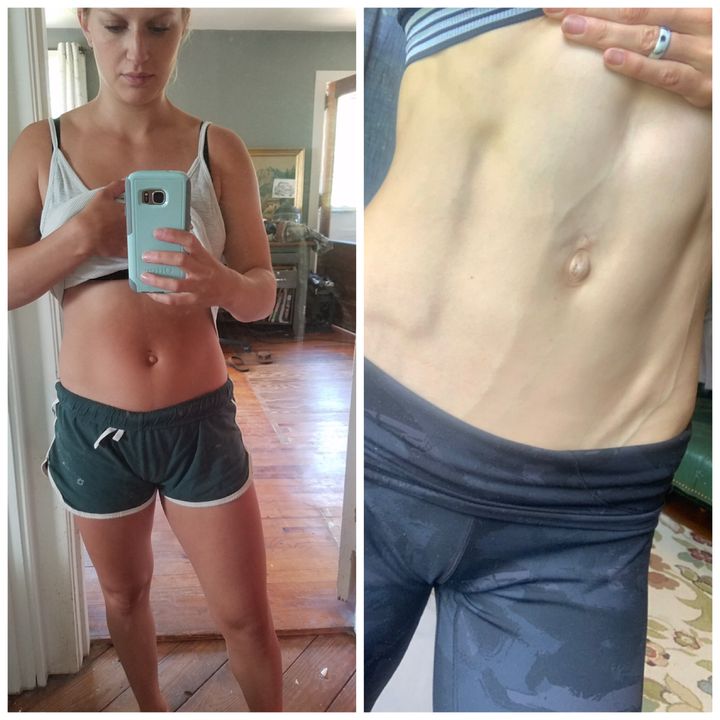
Courtesy of Jordan Musser
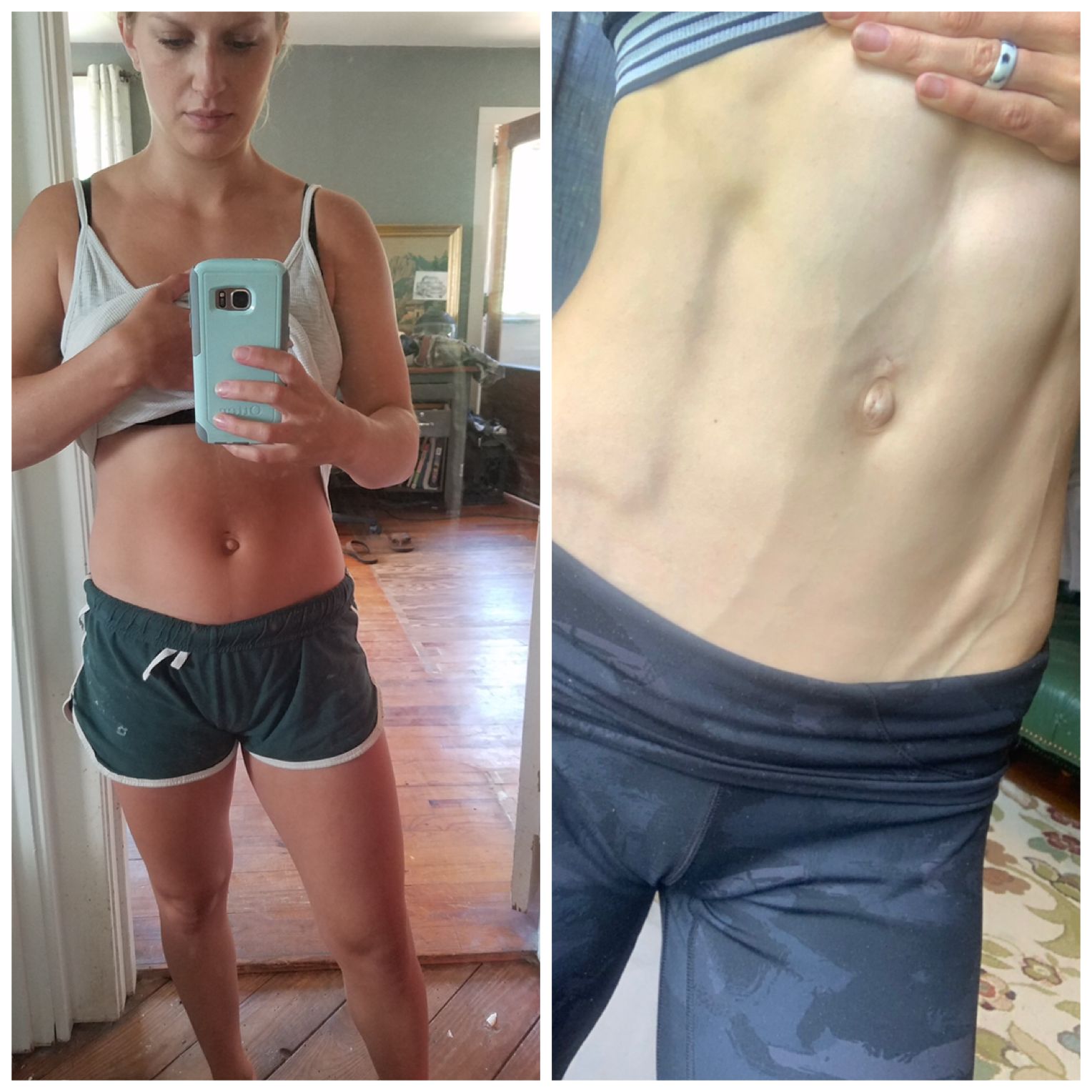
Jordan Musser (left) at two months postpartum vs. Musser (right) at two weeks before her first postpartum competition. The photos were taken just under a year apart, with six of those months spent recovering from childbirth and the other six months actively training for the competition.
Advertisement
I was not shy about telling people I was a breastfeeding bodybuilder. On the day I first competed post-baby, I told a crowd of women backstage that I was still breastfeeding, and a hush fell over them as they turned to look at me with their overly tanned and stunned, disbelieving faces.
I kind of enjoyed the uncomfortable beat that I almost always got after dropping this fact. Inevitably, I would get one of three responses. There were the “way to go mama!” girl-power people who thought it was crazy but kick-ass. There were the “Oh, you’re still breastfeeding people,” who probably didn’t approve of breastfeeding in the first place, and certainly not nursing a 10-month-old. And then there were the slightly (or more than slightly) appalled “is that even healthy?” people.
This last response bothered me because, honestly, it’s a good question. Is it healthy? Is it fair to expect that my body will still produce a substance from the chicken and spinach I am providing it that will feed my ever-developing and growing infant child? Is it fair to pursue a goal born of my own vanity at the possible expense of my baby girl? Is it worth it? If my milk dries up because I have failed to maintain the bodily balance needed for successful nursing on purpose, have I failed as her mother? What kind of mother risks nourishing her child for the opportunity to prance around mostly naked on stage and win a cheap trophy? What kind of mother takes so much time for herself that she can log hours in the gym ― enough time to build a hardened, muscular physique ― when most moms don’t get enough “me” time to take a shower? Are breastfeeding and extreme fitness simply so incompatible as to be impossible to exist together? And, ultimately, am I doing something wrong?
If you ask a doctor about breastfeeding and bodybuilding, they will most likely tell you it is a bad idea. Most medical professionals frown on bodybuilding in and of itself. It is, after all, a controlled starvation. It is a kind of disordered eating with an end goal of winning a trophy. It is a strange and often misunderstood world.
Advertisement
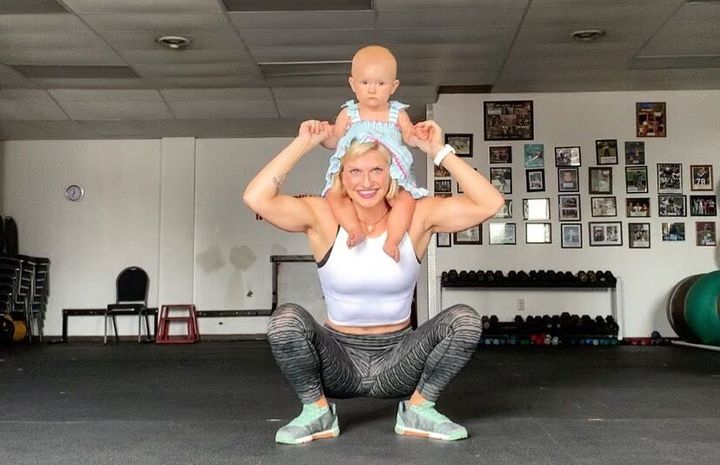
Courtesy of Jordan Musser
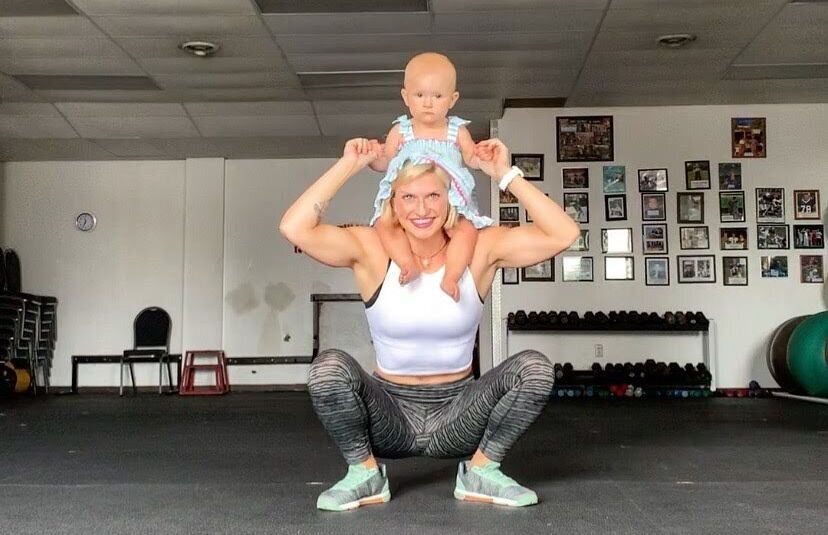
Musser and her daughter working out together.
There are responsible ways to go about achieving such extreme results, and I pride myself on being as healthy as I can be in my most unhealthy state. The fact of the matter, however, is that when you are working to achieve a “stage leanness” with little-to-no body fat, you are depriving your body of things it needs. You are sometimes lacking in vitamins and nutrients, and you are utterly devoid of fuel.
Breastfeeding thrives on fuel. Breastfeeding is best when you have a caloric reserve to work from. Ultimately, your baby is eating what you are eating, and when your diet is vinegar and chicken, it means that your breast milk reflects that. Your body will prioritise feeding your child and create the most nutrient-dense milk possible, but it can only do so much.
At the height of my competing, my daughter was still primarily breastfeeding for sustenance. I am trained in nutrition, and I knew that I could be depriving her if I wasn’t careful to make sure I was eating in a way that served both her growing body and my fitness goals.
Throughout my prep for competition, fat was my main focus. I ate a high-fat, high-protein, nutrient-heavy diet (including chicken, turkey and lean red meats, eggs in their whole form, full-fat dairy, sweet potatoes, large quantities of green vegetables, green smoothies and occasional protein shakes) and monitored my milk supply closely along with my coach. He kept detailed tabs on my nursing and made sure that, even up to the day before the competition, I was eating an abundance of fats. I certainly never anticipated that I would have a man asking me, “And how is your milk?” at least twice a week, but I did, and I was thankful.
Advertisement
I couldn’t take any of the usual supplements I would normally take other than creatine due to possible crossover into my breast milk. I certainly didn’t take any drugs or physique enhancers, and I fully avoided the diuretics so common in regimes leading up to competitions. Often, competitors will deplete themselves of water in order to come in hardened on stage. When you’re still breastfeeding an infant, being dehydrated is simply not an option.
I also knew that the chemicals from the spray tan shouldn’t be consumed, especially by a baby, so I made sure to cover any body parts that might come in contact with her mouth before getting the tan. My skin looked wild, but it kept her from ingesting anything nasty or potentially harmful.
I was, in a sense, making the task of becoming ready to step on stage as hard as possible for myself for the sake of my baby. I had no advantages. I had no shortcuts. I was trying to find that delicate balance between nourishing my body so I could nourish my baby’s body and depleting my body without depleting hers.
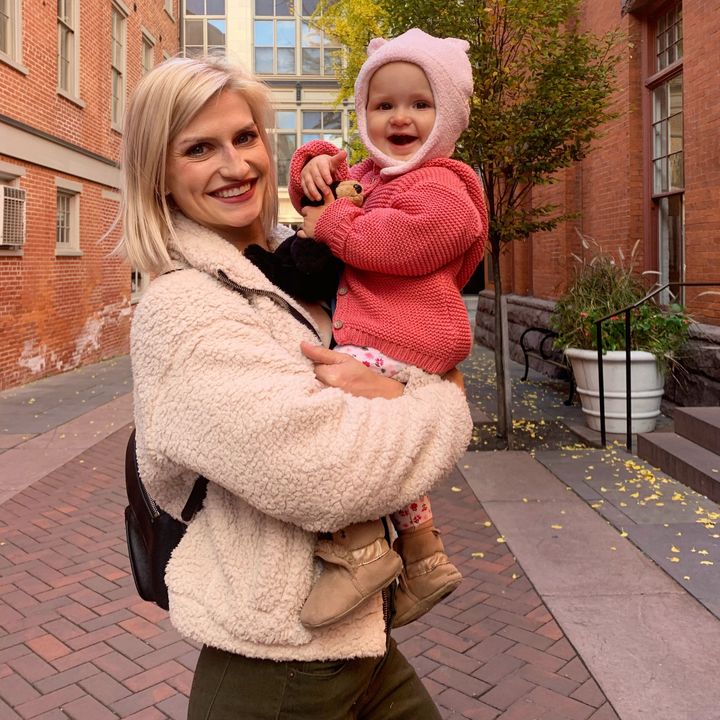
Courtesy of Jordan Musser
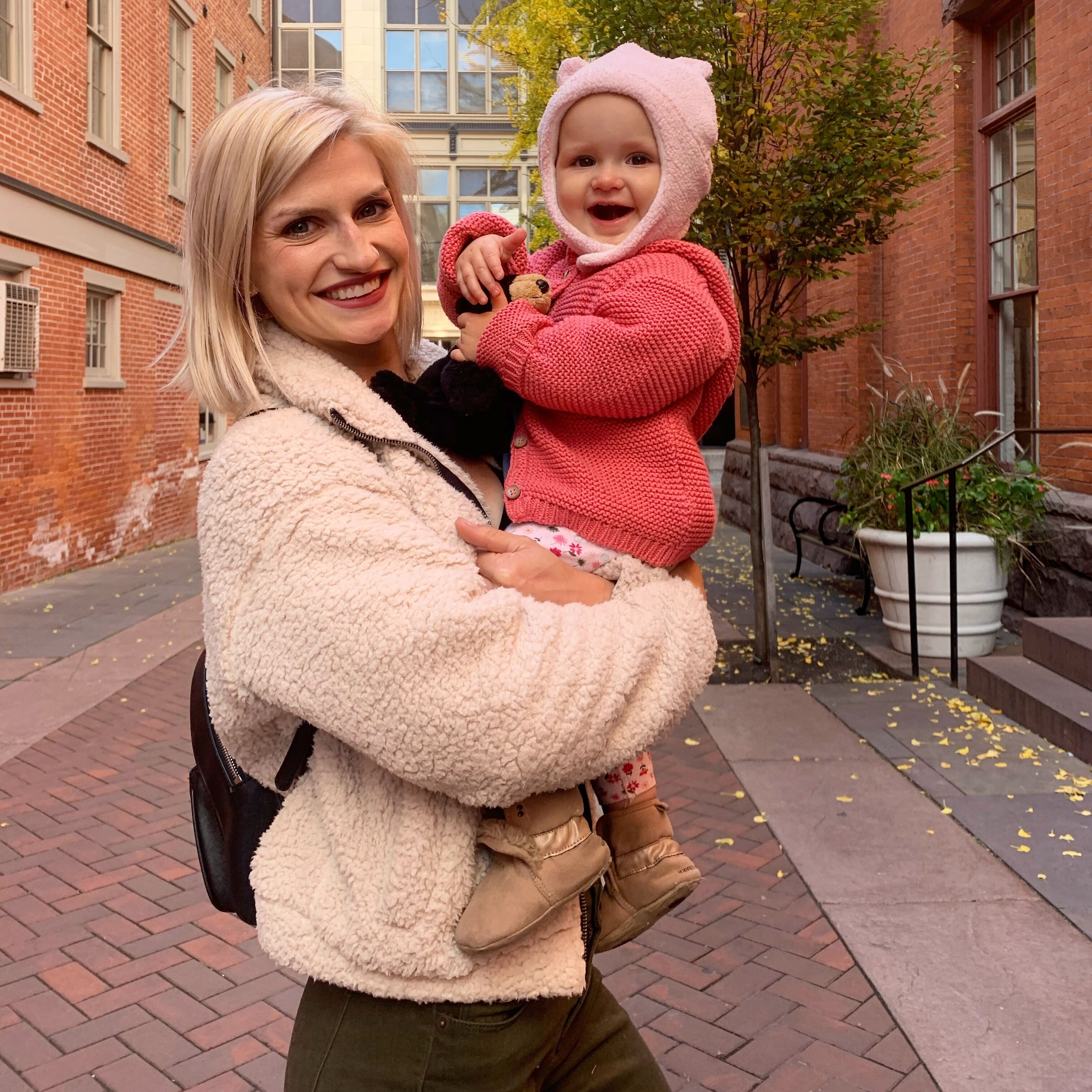
Musser and her daughter about three months after the 2019 bikini competition.
I constantly grappled with the selfishness of extreme fitness juxtaposed with the selflessness of new motherhood. Shouldn’t I be feeling that evolutionary shift that removes any inward focus and forces me to see only my child, I wondered.
Advertisement
In the end I came to two conclusions that have followed me into parenting a toddler and beyond:
I will do what is in the best interest of my child and do whatever it takes for that cause, but…
In order to stay true to my own needs and thus be a more physically and emotionally available mom, I will prioritise myself and my time regarding my bodybuilding.
I saw too many moms getting lost in the potential monotony of motherhood and whittling away themselves as human beings. They lost themselves for their children, and while there may be something admirable about that, I felt that without a compass of self I would harbor a feeling of resentment toward this little person who took the me out of me.
Fitness is me. It is as inherent to me as breathing or laughing. If I lose it, I have lost myself. Without me being the best version of myself, my child will not thrive. In order to pour into my daughter, I must first be filled myself. Fitness fills me. I will do the dishes, I will change the diapers, I will read the silly train book at least 12 times a day and I will pursue my bodybuilding goals.
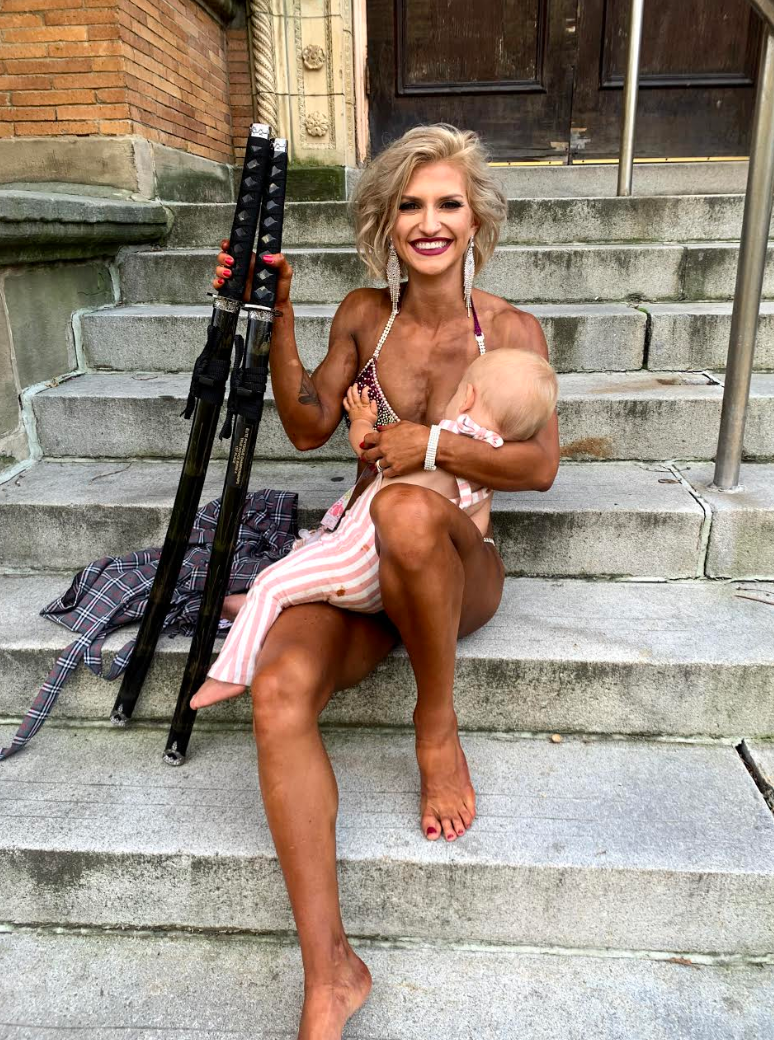
With all of these things in mind, I posted the photo at the top of this essay to my Instagram account. In the photo I am sitting on stone steps outside of the competition venue in which I just won first place in both of my entered categories. I am spray-tan orange, wearing a rhinestone-encrusted purple bikini, holding up two ridiculous trophy swords, with my daughter in my lap, latched on and nursing away. My hair is bleached blonde and wild and I am beaming with accomplishment.
“I am entrusted with the wellbeing of my child, and I will always do what is best for her. I did something that almost no one has done. I did it healthfully. I did it responsibly. I did it in a way that served both my child and me, as a human, as a woman, and as a mother.”
Advertisement
For a few hours, my normal quantity of likes from friends and family trickled in. Then, like a faucet opening, hundreds of strangers were flooding my page with comments and likes. The overwhelming majority of these were positive. Women from all over the world were supportive, impressed and pro-breastfeeding. There are, however, always those who disapprove.
As a mom, disapproval is even more gnawing. It makes you reevaluate every tiny decision, second-guess every sound conclusion you’ve come to. Some members of my family were confused and put off by my feat. Women messaged me to tell me they were shocked by the risk I had taken with my child’s health, that they would never do the same, that they were creeped out. Even some in my own bodybuilding community saw what I had accomplished as weird and unhealthy. Even they, the niche of the niche, thought I had done something too out of the box.
The decision to undertake extreme fitness and breastfeeding was no one else’s decision to make but mine and the outcome of it ― good or bad ― falls squarely on my shoulders alone. I am entrusted with the wellbeing of my child, and I will always do what is best for her. I did something that almost no one has done. I did it healthfully. I did it responsibly. I did it in a way that served both my child and me, as a human, as a woman and as a mother.
The female body is amazing. I breastfed a baby all the way through contest prep, through all the cardio and through all the calorie cuts. We never had even a slight decrease in milk supply, or any hint of a lack of nutrition for her. I smiled on stage as I accepted my first-place trophies and grabbed my daughter from the audience to nurse her then and there. It was a triumph for both of my goals, both of my loves in life: this capable, chiseled, muscular body, and my sweet, gentle, baby girl.
Jordan Musser is a fitness competitor, breastfeeding advocate, personal trainer and nutrition coach from Williamsport, Pennsylvania. She spent six years in the U.S. Air Force and now focuses on her growing family and postpartum fitness program, Badass Mothers. For more from her, visit thebadassmothers.com and check her out on Instagram.
People are being warned not to rock too hard around the Christmas tree this festive season, as doctors have shared that they often see a significant increase in penile injuries during this time of year – namely fractures.
It’s not overly common, but if a penis is violently twisted or bent when erect (usually as a result of certain sex positions), the blood vessels can burst and can result in something known as a penile fracture.
According to the medical experts, those suffering from the injury will also experience a rapid loss of erection (somewhat unsurprisingly), swelling and bruising.
The team at the German university investigated whether the incidence of penile fractures increased during Christmas using German hospital data for 3,421 people (!) who sustained such injuries between 2005 and 2021.
Advertisement
And sure enough, they discovered that the rate of penile fractures increased during the festive period, adding: “If every day was like Christmas, 43% more penile fractures would have occurred in Germany from 2005 onwards.”
The study also found penile fractures “occur most likely during sex in unconventional scenarios” – mainly when sex is being had in an “unusual location” or as part of an affair.
And it’s not just Christmas either – their findings also uncovered the fact that the risk of penile fracture increased during weekends and over the summer.
“Based on our analyses, penile fractures occur in periods when couples are enjoying moments of relaxation such as Christmas, weekends, and summer,” they wrote.
“Even though we cannot, of course, recommend against having sex during these periods, our findings ring the alarm bell (and not the jingle bells).”
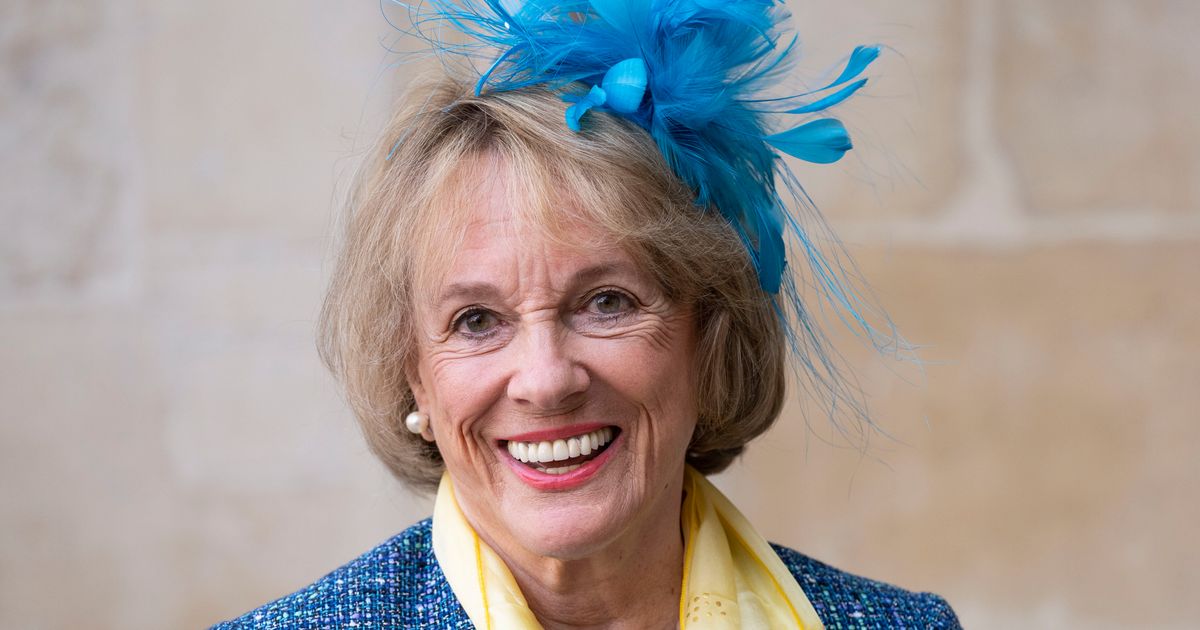
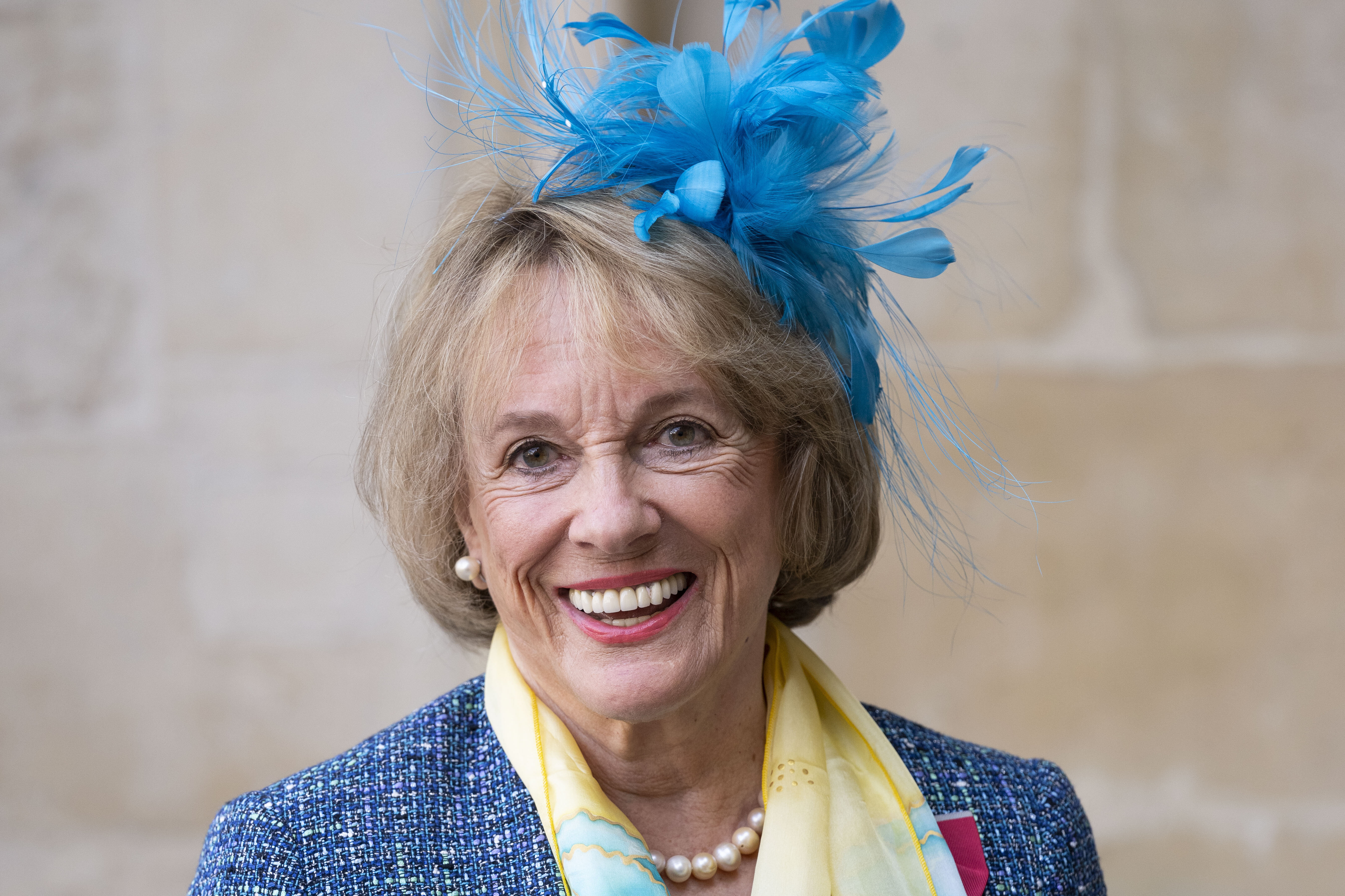
Broadcaster Dame Esther Rantzen told BBC 4′s The Today Podcast that, if the current “miracle” treatment she’s trying for her lung cancer doesn’t work, she “might buzz off to Zurich,” where she has joined Dignitas.
The company is based in Switzerland, where ― unlike in the UK ― assisted suicide is legal.
Dignitas is a not-for-profit organisation where physicians assist the deaths of members who have terminal illnesses or are otherwise facing “unendurable” pain or disability, and who have made a “reasoned request” to end their life.
Members must offer medical proof of their condition to be considered for assisted dying.
The That’s Life! presenter says that part of her reason for becoming a member involves her family’s feelings.
“If you watch someone you love having a bad death, that memory obliterates all the happy times,” she said.
Advertisement
Assisted suicide is not currently legal in Britain
Right now, assisted suicide is punishable by up to 14 years in prison under the terms of the Suicide Act (1961).
This hasn’t escaped Esther, who says “my family and friends in a difficult position [if she chose to die by assisted suicide at Dignitas], because they would want to go with me, and that means that the police might prosecute them”.
She said on the podcast that it should be up to individuals to decide “how you want to go and when you want to go,” saying of those against assisted dying, “If you just base everything on the worst case scenario, you’ve got to have a look at the advantages as well.”
Levelling-up Secretary Michael Gove said after the interview that it might be time for the Commons to “revisit” the topic of assisted dying.
“I have great respect and affection for Dame Esther,” he said, before adding “I am not yet persuaded of the case for assisted dying ― but I do think it’s appropriate for the Commons to revisit this.“
Dame Esther Rantzen is looking forward to this Christmas
“I thought I’d fall off my perch within a couple of months if not weeks [after her cancer diagnosis]”, Esther shared on the podcast.
“I certainly didn’t think I’d make my birthday in June, which I did, and I definitely didn’t think I’d make this Christmas, which I am, it appears ― although anything can happen,” she added.
When asked about the moments in her life she’d want to relive, Dame Esther said “I think I would like to relive this Christmas ― the Christmas that I didn’t expect to have with my family is going to be so precious. And I think that once it’s over, I would like to be able to relive it.”
People in the UK are being urged to be on the lookout for symptoms of whooping cough, also known as pertussis, which has been sweeping the nation.
Whooping cough is a bacterial infection of the lungs and breathing tubes. It spreads very easily and can sometimes cause serious problems. As a result, it’s important for babies, children and pregnant women to get vaccinated against it.
Advertisement
There has been a 250% increase in cases of the illness compared to last year, according to Express Healthcare Management.
Earlier this year, the UK Health Security Agency revealed there was a seven-year low in maternal whooping cough vaccination uptake, leaving mothers and newborns at risk of hospitalisation.
With the rise in infections, pregnant women are being urged to get vaccinated as soon as possible.
Professor Beate Kampmann, of the London School of Hygiene and Tropical Medicine, told The Sun: “The rise in cases might be because of missed vaccination appointments, possibly during the pandemic.
“Severe disease is almost entirely preventable if the mother is vaccinated in pregnancy and her protective antibodies reach the baby through the placenta and protect until the baby gets its own vaccines.
Advertisement
“It is therefore important that everyone looks at their vaccination records to check if they might have missed this vaccine, which is given with the routine childhood immunisations and in pregnancy.”
Symptoms of whooping cough
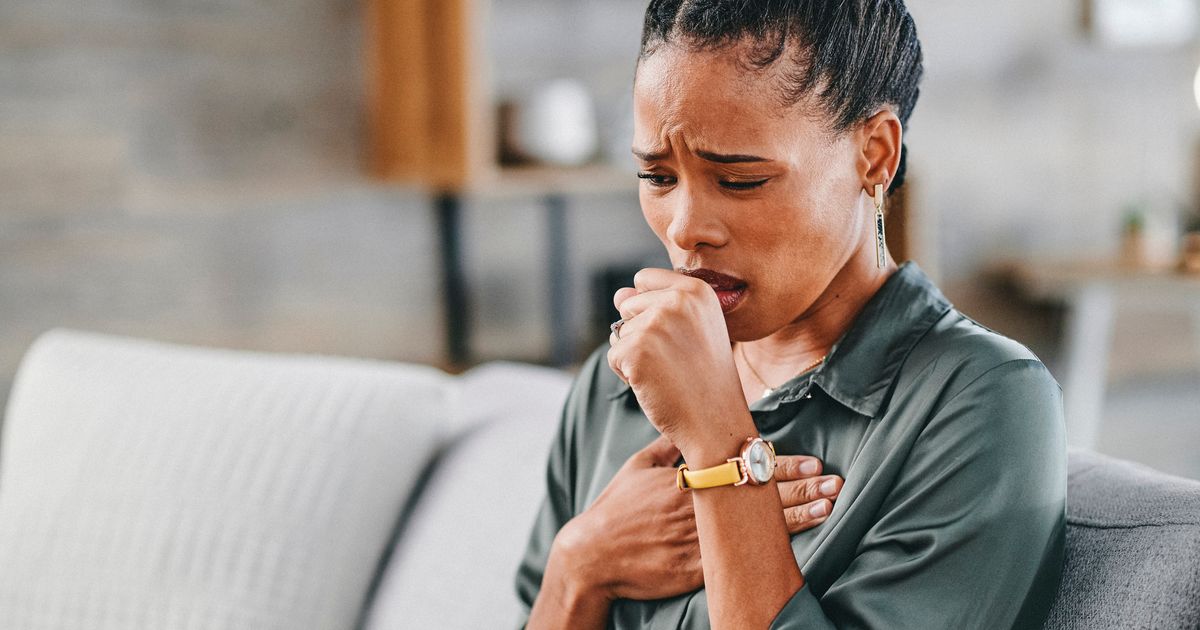
According to the NHS, the first signs of whooping cough are similar to a cold, such as a runny nose and sore throat (a high temperature is uncommon).
After about a week, you or your child:
will get coughing bouts that last for a few minutes and are worse at night
may make a “whoop” sound – a gasp for breath between coughs (although young babies and some adults may not “whoop”)
may have difficulty breathing after a coughing bout and may turn blue or grey (young infants)
may bring up a thick mucus, which can make you vomit
may become very red in the face (more common in adults)
The cough may last for several weeks or even months.
Ask for an urgent GP appointment or get help from NHS 111 if:
your baby is under six months old and has symptoms of whooping cough
you or your child have a very bad cough that is getting worse
you’ve been in contact with someone with whooping cough and you’re pregnant
you or your child has been in contact with someone with whooping cough and have a weakened immune system.
The NHS notes that as this is highly infectious, your GP may prefer a phone call.
Call 999 or go to A&E if:
your or your child’s lips, tongue, face or skin suddenly turn blue or grey (on black or brown skin this may be easier to see on the palms of the hands or the soles of the feet)
you or your child are finding it hard to breathe properly (shallow breathing)
you or your child have chest pain that’s worse when breathing or coughing – this could be a sign of pneumonia
your child is having seizures (fits)
If you think that you or your child may have whooping cough, it’s essential that you speak to your GP.
For babies under six months with whooping cough, there’s an increased chance of problems such as dehydration, breathing difficulties, pneumonia and seizures.
For children and adults, it is less severe but can still cause problems such as sore ribs, hernia, middle ear infections and urinary incontinence.
According to Prostate Cancer UK, 1 in 8 men will get prostate cancer in their lifetime. It’s the most common cancer in males and accounts for 27% of all new cancer cases in males in the UK.
However, a poll by YouGov earlier this year found that two-thirds of men don’t know any of the symptoms of the cancer. While this falls somewhat among older males, it still remains very high with 62% of 50-59 year olds not knowing any of the symptoms of the cancer.
Advertisement
Of the recognised symptoms, the most common were having to, or feeling the need to urinate more frequently and difficulty urinating. Both of these are symptoms of prostate cancer but can also be indicators of other diseases.
The sneaky symptoms of prostate cancer that you might miss
According to Cancer Research UK, prostate cancer doesn’t usually cause symptoms in the early stages and most prostate cancers start in the outer part of the prostate gland. This means that to cause symptoms, the cancer must be large enough to press on the tube that carries urine from the bladder to the penis, which is called the urethra.
While many people do think that urinary issues such as difficulty passing are due to prostate cancer, according to Cancer Research UK, they are very unlikely to be related to the disease and are instead likely to be caused by a condition called benign prostatic hyperplasia (BPH).
Instead, the sneaky signs of prostate cancer that you should be aware of are:
Back or bone pain that doesn’t go away with rest
Tiredness
Weight loss for no reason
Pain in the testicles
A loss of appetite
What to do if you think you have prostate cancer
According to the NHS, it’s not known exactly what causes prostate cancer but a number of things can increase your risk of developing the condition which include:
age – the risk rises as you get older, and most cases are diagnosed in men over 50 years of age
ethnic group – prostate cancer is more common in black men than in Asian men
family history – having a brother or father who developed prostate cancer before age 60 seems to increase your risk of developing it; research also shows that having a close female relative who developed breast cancer may also increase your risk of developing prostate cancer
obesity – recent research suggests there may be a link between obesity and prostate cancer, and a balanced diet and regular exercise may lower your risk of developing prostate cancer
diet – research is ongoing into the links between diet and prostate cancer, and there is some evidence that a diet high in calcium is linked to an increased risk of developing prostate cancer
There is no single definitive test for prostate cancer but if you suspect you have the disease, your GP will ask for a urine test to check for infection, take a blood sample and examine your prostate.
If you’re at risk you’ll be referred to the hospital for an MRI which may be followed by a biopsy to confirm the presence of the disease.
Advertisement
If you notice any changes whatsoever and especially if you’re at a higher risk of prostate cancer, make an appointment with your GP.