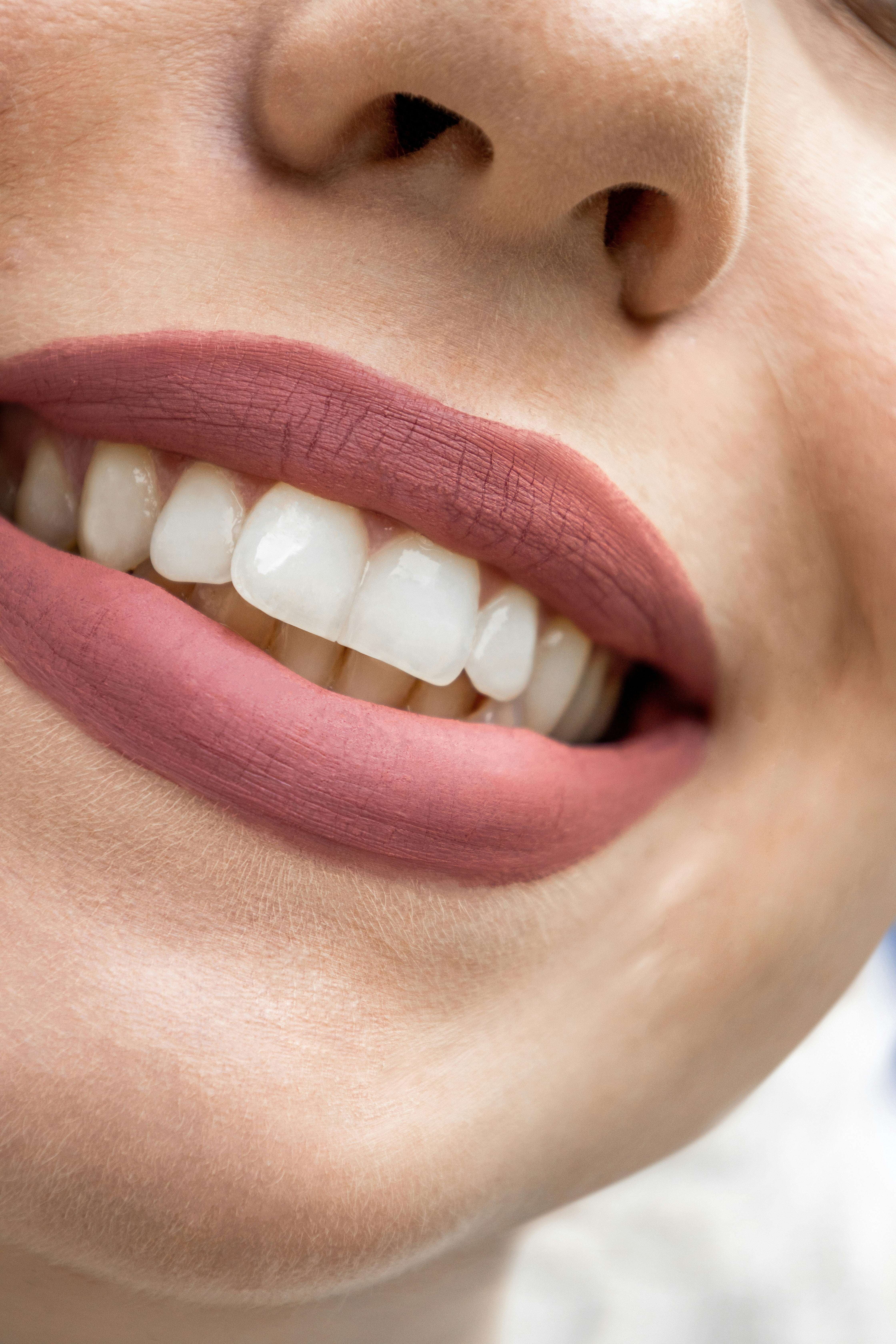
That’s important because once you lose enough enamel – the hard outer layer of your teeth – you can’t get it back. This is why dentists use crowns and fillings to treat decayed teeth.
Advertisement
But a gel might change that.
Researchers have created a “bioinspired material” that seems to repair and, to some extent, regrow enamel.
The study authors hope it can “provide a one-pot solution for the regeneration of dental enamel independently of the level of tooth erosion”.
How does it work?
The fluoride-free gel mimics the proteins our bodies naturally use to grow teeth as infants.
When it’s first applied – a bit like specialised fluoride treatments are used now – it fills in existing gaps and cracks in the surface of the tooth.
Advertisement
It also acts as a kind of scaffold that attracts the calcium and phosphate ions from our saliva, which in turn build a protective layer.
They also encourage the existing enamel to get stronger through a process called epitaxial mineralisation.
That means the stronger outer part becomes strongly bonded to the tooth underneath, and makes what original enamel is left tougher.
Advertisement
Even better: after rigorous testing, the protection created by the gel was able to stand up to chewing, brushing, and acidic foods, like enamel.
Researchers are excited by its potential
The study’s lead author, Dr Abshar Hasan, said: “Dental enamel has a unique structure, which gives enamel its remarkable properties that protect our teeth throughout life against physical, chemical, and thermal insults.
Advertisement
“When our material is applied to demineralised or eroded enamel, or exposed dentine, the material promotes the growth of crystals in an integrated and organised manner, recovering the architecture of our natural healthy enamel.”
And study lead Professor Alvaro Mata added: “We are very excited because the technology has been designed with the clinician and patient in mind. It is safe, can be easily and rapidly applied, and it is scalable.
“Also, the technology is versatile, which opens the opportunity to be translated into multiple types of products to help patients of all ages suffering from a variety of dental problems associated with loss of enamel and exposed dentine.”
Advertisement
The scientists hope to get the product on the shelves soon via Mintech-Bio.
But scientists might have just made a step forward in dealing with them.
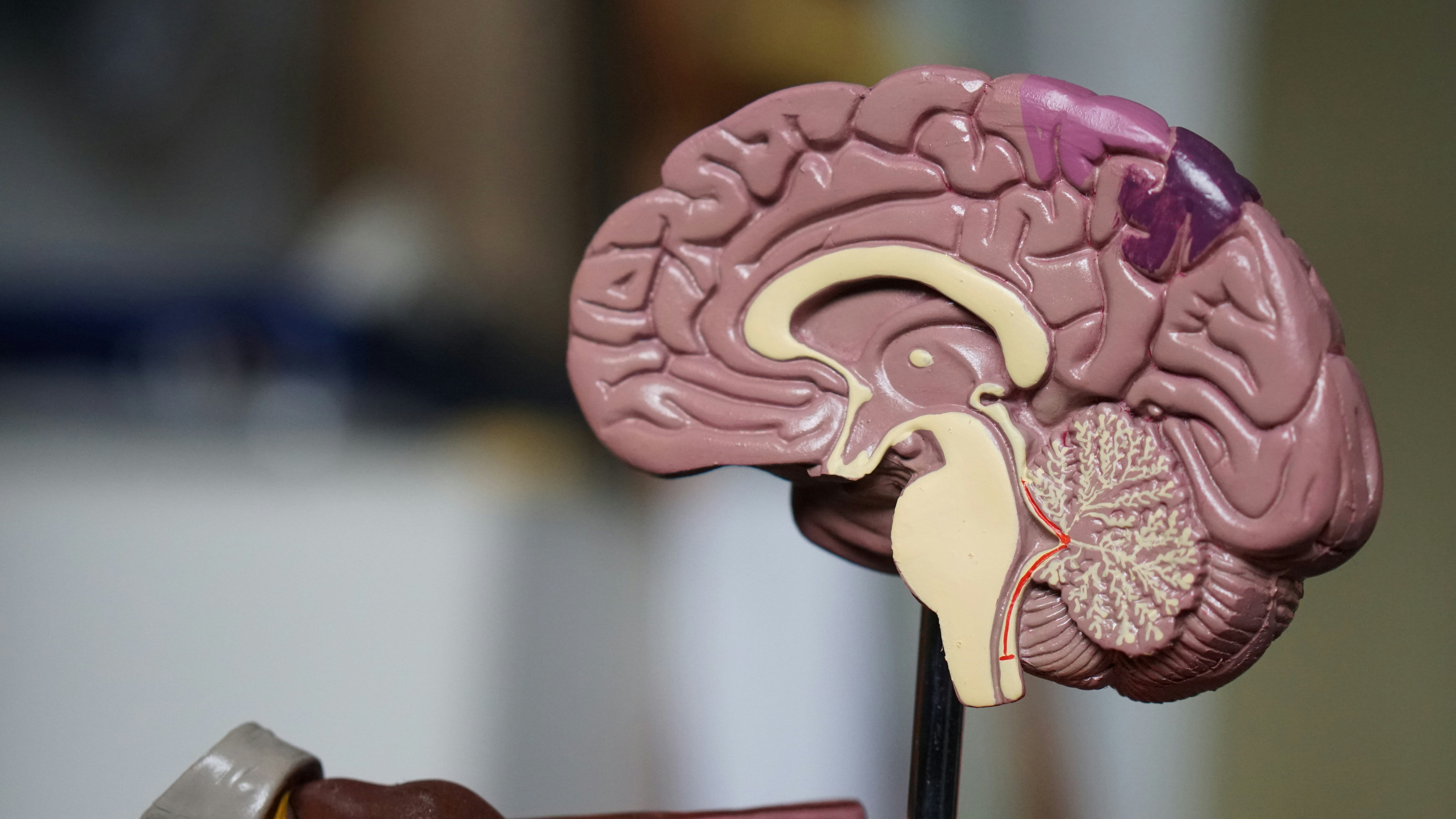
Presenting her team’s findings at the Alzheimer’s Association International Conference in London last week, neuropsychologist Dr Sephira Ryman, who led a team of researchers from The University of New Mexico School of Medicine and the Mind Research Network (MRN), said that carbon dioxide can help to “pump” out tau before it can accumulate.
This follows earlier Parkinson’s research
In 2025, Dr Ryman and her team published a paper which suggested that exposing the brain to low-level bursts of CO2 could help to “clear potentially toxic brain byproducts”.
Advertisement
It did this, they said, by activating our body’s glymphatic system. The glymphatic system removes waste from our brain (especially as we sleep) and seems to be impaired in people with conditions like Parkinson’s.
This initial paper found that three 10-minute sessions of inhaling higher-than-usual amounts of CO2 seemed to help Parkinson’s patients’ brains clear unwanted buildup – in this case, alpha-synuclein.
At the time, Dr Ryman said: “we realised that we could reproduce, in the awake state, the glymphatic clearing response usually linked to deep sleep using intermittent CO2”.
Advertisement
Since then, the group have conducted a study on 12 people – eight of which had normal tau levels, and four of which had more tau buildup, New Scientist shared. Three of the four people had mild cognitive impairment, sometimes seen as a precursor to dementia.
The researchers scanned participants’ brains as they wore masks which released bursts of higher-CO2 air, switching from normal levels of the gas to 10 times the usual amount every 35 seconds for half an hour.
This seemed to activate their glymphatic system, and after the procedure was done, tau clearance appeared to be improved among those with high levels of it.
Advertisement
And all participants’ blood had higher levels of beta-amyloid (which can lead to the amyloid plaques we mentioned earlier) after the session too.
“This suggests this neurodegenerative marker was being cleared more out of the brain,” Dr Ryman said.
Researchers wonder whether this means breathing techniques might be good for our brains
In a paper for the Journal of Cerebral Blood Flow and Metabolism, Dr Ryman and her colleagues said: “Breath-centered practices such as yoga, tai chi, and qigong have been utilised for centuries to manage stress and promote psychological well-being.
Advertisement
“Emerging research reveals an additional benefit: these practices also stimulate cerebrospinal fluid oscillations, potentially activating the glymphatic pathway during wakefulness.”
However, more research is needed to confirm their findings.
It’s also worth noting that the amyloid and tau-clearing power of the treatment seemed to stop an hour later (though the glymphatic system doesn’t work 24/7, either).
Additionally, some experts say we’re not yet sure whether clearing processes like these will definitely help to prevent or slow cognitive decline, even if they succeed.
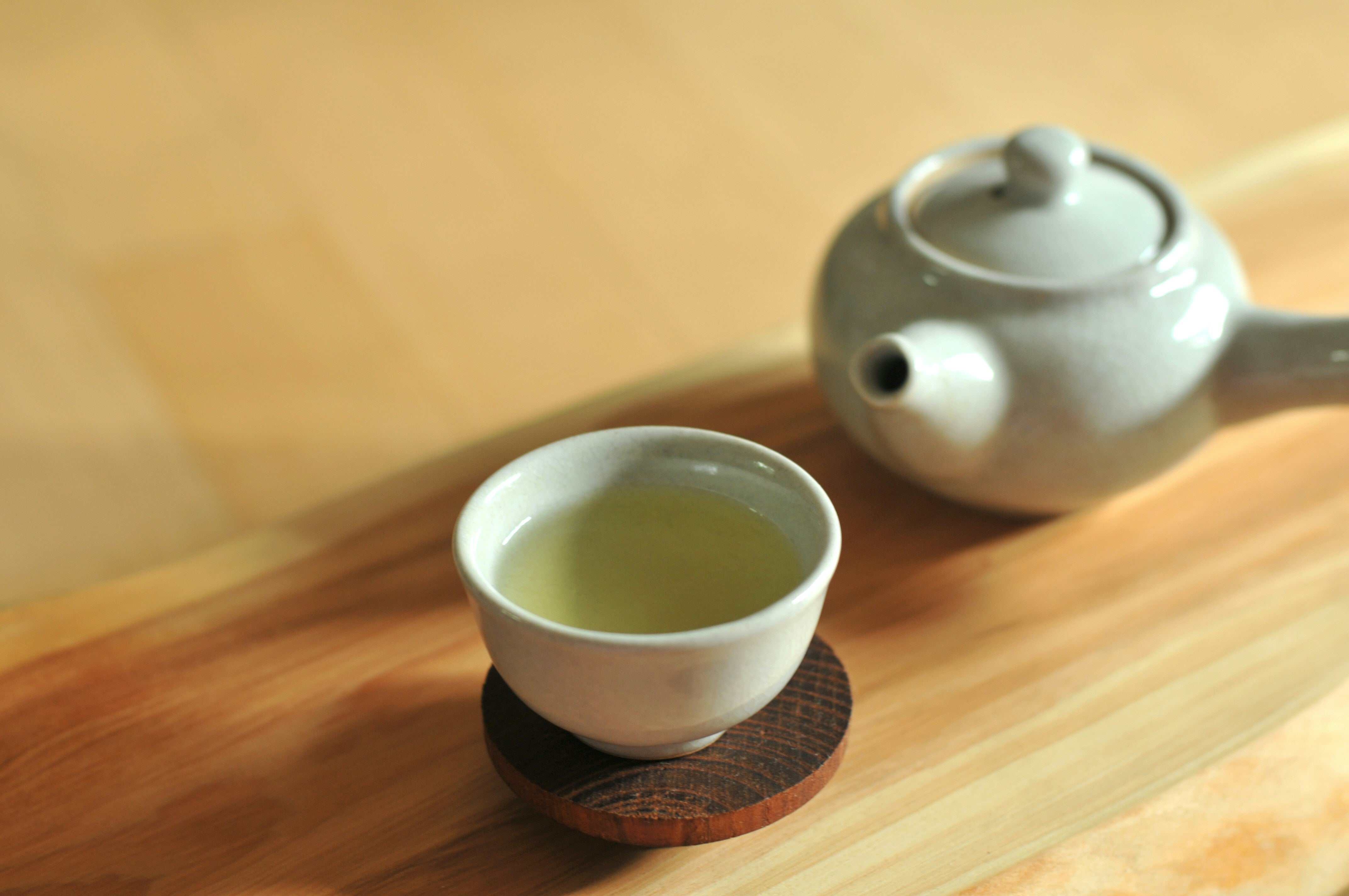
As it turns out, it could prove an excellent way to boost your performance at the gym, as well as aiding in your recovery.
Advertisement
Research suggests that either the drink itself, or a green tea extract, could improve everything from your antioxidant balance during exercise to how well your muscles hold up afterwards.
How can green tea help my workouts?
1) Green tea extract could help your muscles to recover
A 2018 paper found that green tea extract could help to “reduce the marker of muscle damage after exercise”, though it didn’t make participants’ muscles less sore after a gruelling workout.
Advertisement
This “suggests the green tea extract supplementation has positive effects on muscle recovery after strenuous exercise”.
2) Green tea might diminish oxidative stress
Meanwhile, 2021 research suggested that the antioxidants present in green tea (the kind you drink, not a supplement or extract) could help to diminish “oxidative stress” on our bodies while we’re pushing ourselves in the gym.
Oxidative stress is an imbalance of free radicals, which can harm cells, and antioxidants, which neutralise them. This imbalance can sometimes lead to cell damage and can happen during excessive or very heavy exercise.
Advertisement
This research found that “the consumption of green tea during and following exercise can lower oxidative stress,” though the authors added more research is needed. A separate study noted that most people will need to consume green tea regularly for at least a week to see “significant differences” here.
3) Green tea extract could help you last longer during exercise – and may help you burn more fat while doing so
Lastly, green tea extract might help you to burn more fat and push yourself further during workouts, too.
Advertisement
At least, that’s according to a 2025 paper, which focused on the effects of ginger and green tea extracts on active men in different temperatures.
Only green tea extract seemed to consistently improve their cycling endurance and energy efficiency while working out – meaning it relied more on the burning of fat than carbohydrates to power the men’s workouts.
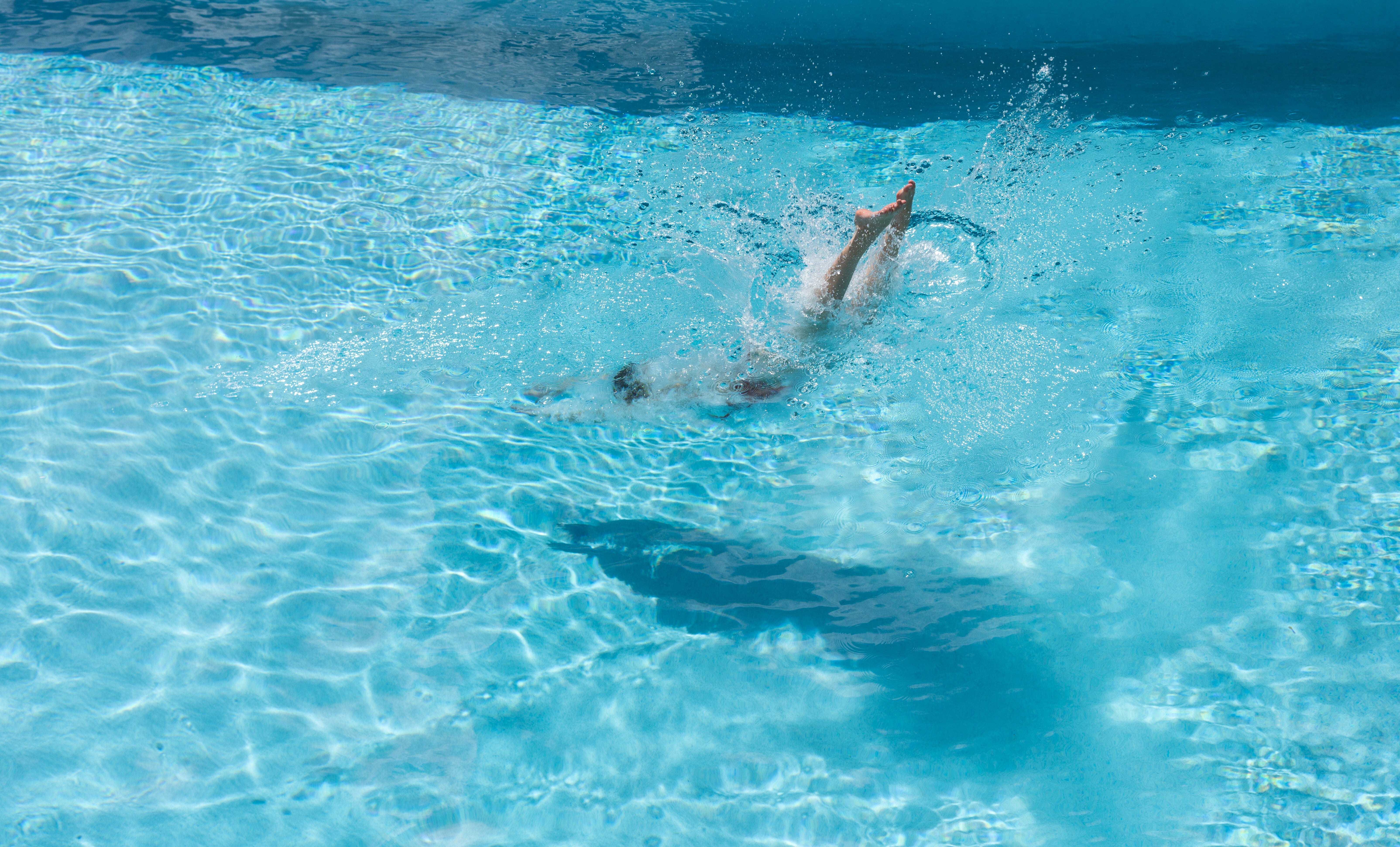
There’s nothing quite like spending time by the pool. Cool water. Time with loved ones. A delicious snack. What could be better?
But before you grab your towel and jump in the water, pay attention to a few common poolside habits that doctors wish more swimmers and parents would think twice about.
Advertisement
We spoke to some clinicians about the behaviours they’d personally avoid in and around the pool this summer. Here’s what they had to say:
1. They’d never skip rinsing off before getting in the pool
It might feel pointless, especially if you’re planning to shower afterwards, but a pre-swim rinse matters more than you may realise.
Sweat, sunscreen, body lotions, hair products and natural skin oils all react with chlorine when they hit the water, which reduces chlorine’s ability to kill germs and creates irritating byproducts that can sting eyes and aggravate skin.
Advertisement
That’s why the Centers for Disease Control and Preventionrecommends a quick pre-swim rinse, at least a minute under the shower, to wash off bacteria and other microbes you might unknowingly be carrying in.
This is especially key if “someone is dirty or has sand on them, as to not contaminate the water or clog up filtration systems,” said Dr Chris Bunick, a Yale Medicine dermatologist and associate professor at Yale School of Medicine.
2. They’d never bring glass anywhere near the pool
It’s easy for glass to end up around the pool in the summer, whether from an open bar, poolside cocktails or carrying bottled beverages near the water. However, it can be a risk for both swimmers and people on the deck.
Advertisement
“Broken glass is not a visible hazard. Whether on the pool deck or in the water, it can be nearly invisible,” said Dr Steven Valassis, chair of the emergency department at Hartford HealthCare St. Vincent’s Medical Center.
“When combined with the fact that people are typically barefoot, this can lead to significant lacerations. Nearly 5% of these lacerations are deep enough that they require hospital admission and surgical repair,” he added.
Additionally, glass that ends up in a pool can be especially problematic because even tiny pieces are difficult to detect and remove, sometimes necessitating a full drain as well as professional cleaning, Dr Valassis explained.
Advertisement
The good news is you don’t have to ditch your poolside drink, just the glassware. Try plastic cups or aluminum cans instead.
Maryna Terletska via Getty Images
Leaving a child unattended by the pool — even for a short period of time — can be incredibly dangerous, doctors warn.
3. They’d never leave a child unattended, not even for a minute
The biggest misconception parents get about drowning is that they think they’d hear if their child got into trouble in the water. But the reality is far scarier.
Advertisement
“Drowning is fast, often silent, and can happen to any child. A survey found that 48% of parents mistakenly believe they would hear splashing or crying if a child was in trouble. Sadly, this is often not the case,” Valassis said.
Although swim lessons can help improve water safety skills, the American Academy of Pediatrics emphasises that swim lessons alone do not eliminate a child’s risk of drowning.
Drowning can happen in seconds, according to the CDC, so constant, focused supervision is non-negotiable, no matter how well your child swims.
Advertisement
4. They’d never swim while sick
Even if you’ve been looking forward to a day at the pool, it’s best to sit this one out if you’re feeling under the weather – especially if you’re dealing with a stomach bug.
“Swimming in the pool while sick is generally not a good idea, because further swimming and activity may precipitate nausea, vomiting and add risk for dehydration, all which may make a person more ill,” Dr Bunick said.
There’s also the issue of getting others sick through close contact. “Illnesses can be transmitted through pool water because the chlorine or other chemicals do not necessarily work instantly to stop infectious agents, thus allowing a window of time for infectious agents to pass to other people,” Dr Bunick added.
Advertisement
Bob Thomas via Getty Images
Emergency room physicians have seen many traumatic injuries from diving into the shallow end of a pool.
5, They’d never swim with an open wound
If you have a fresh scrape, deep cut or surgical incision, it’s best to keep it dry.
“It is best to not swim in the pool with an open wound, especially with a deep scrape or gash,” Dr Bunick said.
“First, the chlorine or other chemicals used to treat the water can further damage tissue in the wound, adding to skin breakdown and inflammation. Second, there is risk of infection of the wound with continued exposure to water, and this risk is increased more if swimming in lake, river or ocean water.”
Advertisement
If you have a minor cut or paper cut, you likely don’t need to skip the pool altogether. Dr Bunick recommended covering the wound with a healing ointment and a waterproof bandage before swimming in chlorinated water.
Just keep an eye on the area afterward, as redness, swelling or drainage could signal an infection that needs further medical attention, he explained.
6. They’d never dive into shallow water
While it may seem unlikely, this scenario is more common than many people realise, especially for children, who can get into trouble without ever reaching the deep end of the water.
Advertisement
“If a child dives into a shallow pool and hits their head on the bottom, the initial impact can cause a head/brain injury. The force is then transmitted from the head to the neck and cervical spine, where the spinal cord can be injured. This can potentially lead to paralysis and, in severe cases, the inability to breathe independently,” Dr Valassis said.
Most of these injuries don’t happen at public pools with lifeguards; they happen at home, Dr Valassis explained. The American Red Cross recommends going feet first into unfamiliar water.
The good news, Dr Valassis emphasised, is that most pool injuries are preventable with basic precautions and awareness. So this summer, swim smart and enjoy the splash.
“Wait, I’m not the only one that completely missed it in June?” asked one respondent.
Another said they’d experienced a perid twice in June, two weeks apart, while one commenter claimed to have had a period for three days, which then stopped for just as many days before coming back again.
So, what’s going on? Well, over on Instagram, GP Dr Nighat Arif suggested she might know what’s happening.
Advertisement
Why did so many people have missed or double periods in June?
Believe it or not, Dr Arif said the hot weather might be to blame.
“Here’s the reality; your [menstrual] cycle is very sensitive. It’s sensitive to season changes, weather changes, as well as travel [and] stress – even a recent illness can delay ovulation or bring it forward.”
And your period’s timing depends on ovulation (when your ovaries release an egg), meaning that what seems to be a “double” or “missed” period might just be a shorter or longer cycle due to stressors like heat.
Advertisement
As long as there were no fewer than 21, and no more than 35, days between your periods, this can be normal, Dr Arif continued.
Even a single missed period can be “common”.
When should I see a doctor about missing or “double” periods?
If they keep happening, if you get “frequent irregular bleeding ongoing longer than three months”, or if your cycle generally feels out of whack, the GP recommended speaking to your doctor, practice nurse, or even pharmacist.
Advertisement
Keep a track of your cycle’s new irregularity to show them if you can.
Also, you might want to do a pregnancy test too (hey, heatwaves aren’t the only reason for periods to stop). These differences might even be menopause-related.
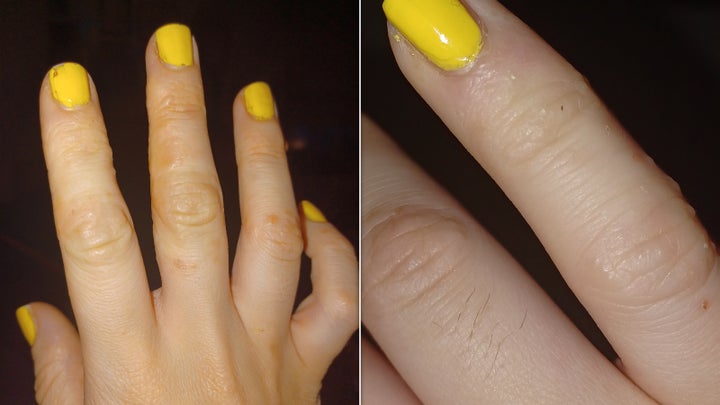
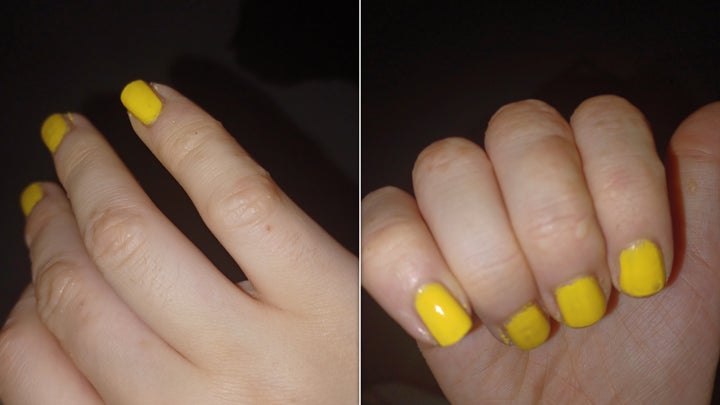
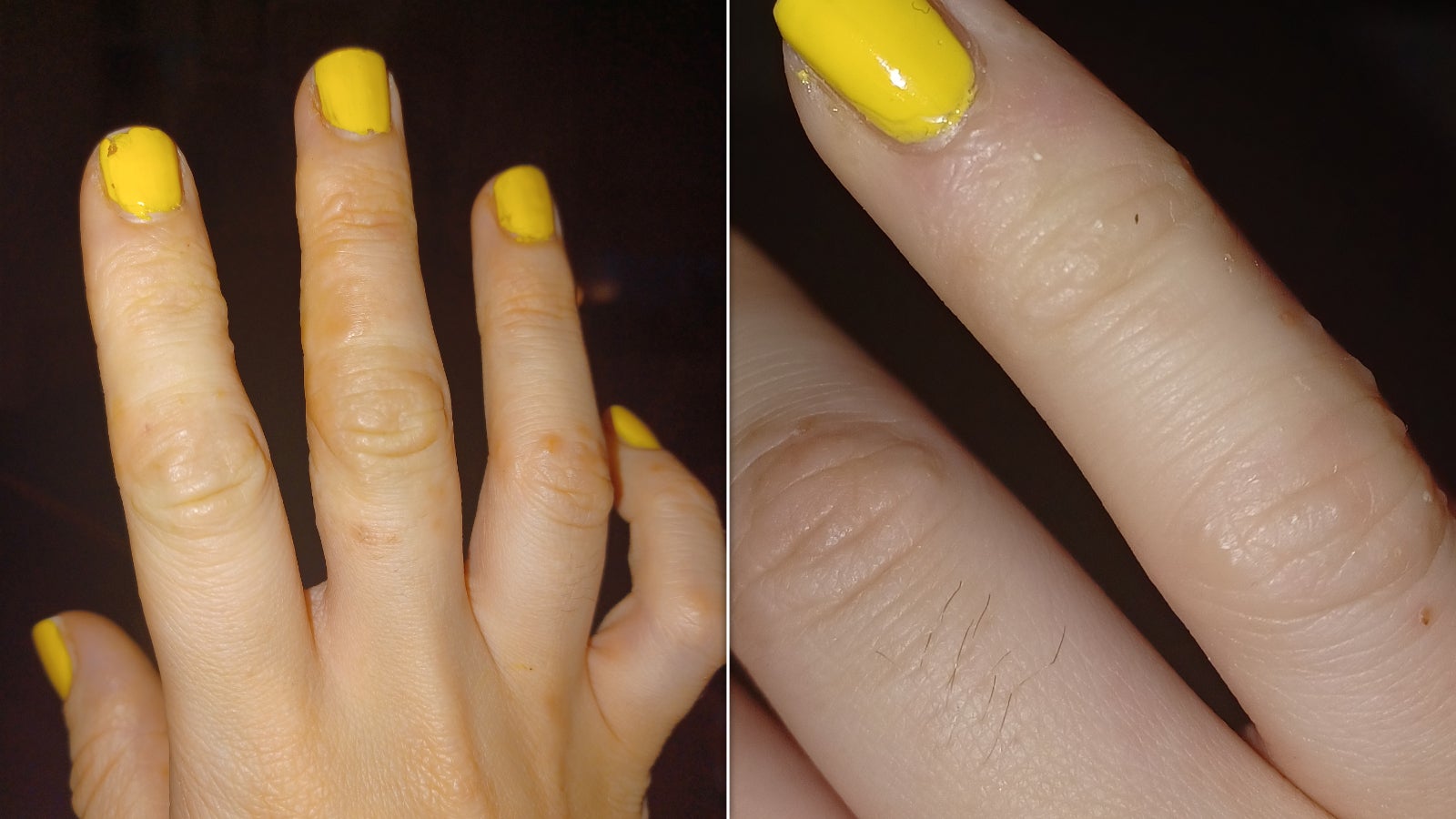
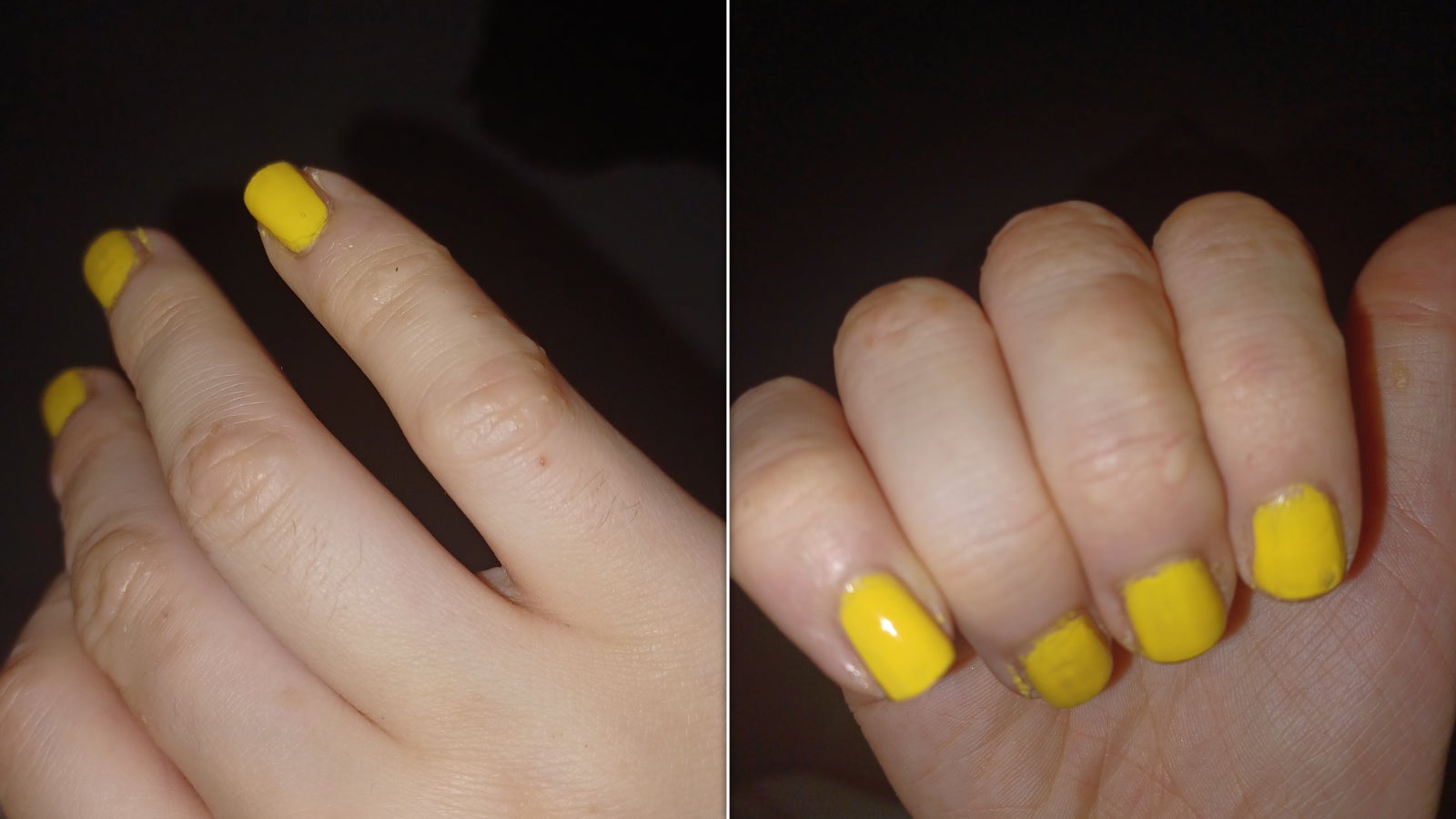
A few summers ago, I noticed tiny, tapioca-like clusters of bumps on my fingers. They were flesh-coloured and incredibly, hand-bitingly itchy.
This turned out to be a condition called pompholyx or dishydrotic eczema. The issue is sometimes nicknamed “summer finger bumps”, due to how much worse it tends to get in the hotter months.
In fact, warm weather and excessive sweating are listed as factors that may cause pompholyx to form or flare up.
Advertisement
Amy Glover / HuffPost UK
Disyhdrotic eczema
What are the symptoms of dishydrotic eczema?
These include:
extreme itchiness
the sudden appearance of tiny blisters on your hands (especially the sides of your fingers) or feet
a prickling sensation
dry or cracking skin after the blisters burst
feelings of heat in your soles or hands.
Symptoms typically last two to three weeks.
It’s more common among women, people under 40, individuals with another type of eczema, those with asthma and heavy sweaters.
Advertisement
It’s a chronic condition, meaning that though there are ways to manage the symptoms, we don’t have an outright cure yet.
Flare-ups may be more likely during times of stress, hot weather or contact with soaps, cleansers and detergents.
Amy Glover / HuffPost UK
The first eruptions of dishydrotic eczema blisters
Advertisement
What should I do if I suspect I have dishydrotic eczema?
Don’t try to diagnose yourself, the NHS says. If you have new skin issues you suspect are due to dishydrotic eczema, see a GP.
The same goes if you have pompholyx that’s already been diagnosed but “the blisters are very painful, leak yellow or green pus or are covered in a yellow-brown crust – these are signs of an infection”, they added.
Soaking your hands in potassium permanganate may help if they’re weeping or oozing. Using an emmolient moisturiser on the affected area is one of the main ways to manage flare-ups.
Advertisement
Sometimes, your doctor may prescribe a steroid cream to help you manage the itching or send you to see a specialist for UV or other treatments.
Every day, we use our hands to pick up packages, hug friends, make calls – and touch disease-carrying germs.
“Most gastrointestinal and respiratory infections spread when contaminated hands touch your eyes, nose or mouth,” said Dr. Supriya Rao, a gastroenterologist.
Advertisement
Spraying our hands immediately with hand sanitiser can make all the difference in whether you get a cold the following week.
But first, you need to know which surfaces carry the most germs. The grossest surfaces are never quite what we think. Here are the three biggest culprits most people overlook, according to germ experts:
1. Pin pads
Ekaterina Demidova / Getty Images
The germiest surface is one you tap every day to check out at the grocery store or coffee shop.
Advertisement
Every time you check out a purchase at the supermarket or coffee shop, you are likely tapping a pin pad on a payment terminal to check out what you bought. But this surface has been touched dozens of times by other grimy hands.
Out of all the many items we touch on an everyday basis, microbiologist Jason Tetro, aka “The Germ Guy,” said, pin pads are the most unsuspecting germ carrier.
“In order for you to get the pin number inputted, you have to put pressure, and the pressure is enough to really leave behind a large amount of microbes from your hand,” Tetro said.
Advertisement
“And then there’s such a high turnover that anybody who may not have washed their hands or washed their hands properly” is going to leave germs on that pin pad, he said.
Tetro cited flu and COVID viruses, in addition to salmonella, if someone touched raw meats beforehand, as the big risks of what you can get from a pin pad.
Because a pin pad requires focused pressure, it is a surface “where you’re going to have the greatest threat for transmitting any kind of pathogen,” Tetro said.
Advertisement
2. Trolley handles
Beyond pin pads, consider the unsuspecting surface of a trolley handle. Both Tetro and Rao said the handles in a grocery cart were common culprits for carrying germs.
“It is the one thing that people will overlook more than anything else, because they don’t think about it, because they’re too focused on purchasing” food, Tetro said.
Since the handle is an easy way to transfer viruses, “people will probably end up having a sore throat, or maybe a cold” from touching a germ-filled grocery-cart handle without sanitising their hands after use, Tetro said.
Advertisement
3. Phones
MengWen Guo / Getty Images
Disinfect your hands if you have been tapping on your phone a lot.
For many of us, our phone is attached to us at all times, and picking up germs wherever we go.
“You take it everywhere with you – the grocery store, the bathroom, the airplane, the gym. It’s always with you. And how often do you actually clean it?” Rao said. For Rao, a phone was the dirtiest surface people touch that should make them wash their hands.
Make a point to regularly clean your hands before using your phone. “Ideally people should have clean hands before using their phone and should try and sanitize their phone several times a week,” Rao said.
Advertisement
Until you get a chance to wash your hands, you can also simply use hand sanitiser – if you do it properly. “It usually kills enough, so that you don’t have a chance of getting exposure or sick from what happens to be on your hands,” Tetro said. But he noted that many people don’t use hand sanitiser right, so here’s a quick refresher.
Hand sanitisers often use ethanol to kill germs. And to get the most out of these germ-killers, you should keep your hands damp for 15 seconds after spraying. “A lot of people will just put it on and rub as hard as they can, and will be done in three or four seconds,” Tetro said. But let the hand sanitiser sit on your hands for 15 seconds before letting your hands dry.
Sanitising your hands after touching these three everyday surfaces is a small intervention that can make a big difference in whether you get sick this year.
Advertisement
Every time people report not knowing where they got a cold from, Tetro said he will ask, “Did you use a pin pad? Did you touch your face after you touched the pin pad?” If you did, then you know what to blame.
The statistics for colon cancer and rectal cancer – often combined and referred to as colorectal cancer – are both scary and important to know.
For example, colon cancer is the fourth most common cancer in the U.S. and the second leading cause of cancer deaths. Additionally, colorectal cancer rates in young people are rising, nearly doubling since 1995.
Advertisement
We also need to be especially conscientious because many signs of colorectal cancer – such as constipation, diarrhea and fatigue – are easily dismissed. You might assume they’re just another case of irritable bowel syndrome, a food sensitivity or an undercooked meal.
All of this emphasises the importance of knowing what symptoms can indicate colorectal cancer and identifying them ASAP. As a colorectal cancer doctor will tell you, prevention and early intervention are key. That can entail learning your family history, getting regular screenings and paying attention to symptoms.
On that note, there’s a certain symptom doctors want to make sure you’re aware of: bowel incontinence.
Advertisement
While it might feel embarrassing to talk about, we need to. Ahead, doctors explain the concerning sign, other common signs of colorectal cancer, and what prevention and treatment look like. After all, the more information you have, the better prepared you are.
Bowel incontinence as a sign of colorectal cancer
For what it’s worth, this sign isn’t super common – and that can be a good thing and a bad thing.
“Bowel leakage, also called faecal incontinence, is not something most patients with colorectal cancer experience, but it can occur, particularly with cancers involving the rectum,” said Dr. Jason B. Carter, a urologist and medical adviser with Aeroflow Urology who’s board-certified by the American Board of Urology.
That’s a good reminder that even though a symptom isn’t common or necessarily listed on a website, it’s still an indication that seeing a doctor is crucial.
Advertisement
There are several reasons colorectal cancer causes bowel leakage, according to Dr. Ketan Thanki, a board-certified colorectal surgeon who specialises in benign and malignant disease of the colon, rectum and anus with the MemorialCare Todd Cancer Institute at Long Beach Medical Center in California:
Rectal cancer can decrease the rectum’s ability to sense and accommodate stool when it arrives.
Rectal cancer can invade and weaken or disrupt nerve signals to the anal sphincter, decreasing your ability to hold in the stool.
Colon and rectal cancers can secrete large amounts of mucus, which produces diarrhea, which is harder to hold in than solid stool.
Colon and rectal cancer can cause a narrowing of the colon/rectum, in which solid stool can’t pass, and pressurised liquid stool is squeezed through and can cause unexpected leakage.
It’s worth noting that this typically isn’t the first sign you’ll experience.
“Most patients diagnosed with colon or rectal cancer present with other symptoms first, such as rectal bleeding, blood in the stool, changes in bowel habits, abdominal pain, unexplained weight loss, iron deficiency anaemia or persistent fatigue,” Carter said.
Advertisement
So, this symptom can indicate a more advanced cancer.
“Unfortunately, faecal incontinence often presents later in the course of a colorectal cancer because obstruction usually develops once a cancerous lesion becomes large enough to physically block passage of formed stool,” said Dr. Nikiya Asamoah, a gastroenterologist and inflammatory bowel disease specialist in Washington, D.C.
At the same time, this symptom isn’t a 100% clear sign that you have cancer, by any means.
“The important thing for patients to understand is that bowel leakage is much more commonly caused by non-cancerous conditions,” Carter said. He listed ageing, pelvic floor dysfunction, chronic diarrhoea, prior anorectal surgery, childbirth-related injury, neurologic disorders, haemorrhoids, rectal prolapse and inflammatory bowel disease as frequent contributors.
Antonio Hugo Photo via Getty Images
Don’t dismiss signs of colorectal cancer, including bowel incontinence.
Advertisement
Other signs of colorectal cancer
As mentioned above, other symptoms of colorectal cancer (that usually show up earlier) can include:
Rectal bleeding
Blood mixed in the stool
Persistent changes in bowel habits
New constipation
Diarrhoea
Narrowing of stool calibre
Abdominal pain
Unexplained weight loss
Unexplained iron-deficiency anaemia
Excessive fatigue
A feeling of incomplete bowel emptying after a bowel movement
You can also have colorectal cancer without those signs.
“Many patients are surprised to learn that colorectal cancer can be present for quite some time before symptoms become obvious,” Carter added. “That is one reason screening is so important.”
Thanki agreed. “Right-sided colorectal cancer (furthest from the anus) frequently causes no bowel changes at all, showing up only as fatigue or weight loss, which is exactly why screening starting at 45 matters even when you feel fine,” he said.
Advertisement
How to prevent or treat colorectal cancer
“The American Cancer Society has identified several preventable lifestyle habits that might increase an individual’s risk of colorectal cancer, including alcohol and tobacco use,” Asamoah said.
“In general, gastroenterologists recommend that people avoid processed foods, limit excessive intake of red meat, increase their intake of dietary fibre and remain physically active to prevent colorectal cancer.”
If you’re at a higher risk or have a family history, regular colorectal cancer screenings with a colonoscopy are an important prevention strategy, she added.
Advertisement
Thanki agreed, saying that eating nutritious foods, moving your body and getting early, regular screenings are best.
Here’s more good news: “We have never had as many good treatments for colorectal cancer available to us as we do now,” Thanki said. “Colorectal cancer that is caught early is usually surgically treatable.”
If the cancer is advanced or spreads, chemotherapy, radiation therapy and/or targeted immunotherapies are needed in addition to surgery.
Advertisement
“Usually, some combination of these modalities is tailored to fit the individual patient and cancer,” he added.
When to see a doctor
Since seemingly “normal” symptoms can be signs of cancer – and since early detection is so helpful – seeing a doctor sooner rather than later is paramount.
Thanki and Asamoah recommended making an appointment when you experience an onset of any of those symptoms mentioned above.
Advertisement
“If anything feels off about your GI tract and digestion and doesn’t get better within a few weeks, go see a doctor,” Thanki said. “The last thing you want to do is ignore a change in your bowel habits for months or years and then realize it is from an advanced cancer that could have been curable when you first noticed symptoms.”
Even if it’s not cancer, he continued, it could be several other treatable conditions that could also have negative long-term effects if left untreated.
“The biggest message I would share is that colorectal cancer is one of the most preventable cancers we face today,” Carter said. “Early detection dramatically improves outcomes.”
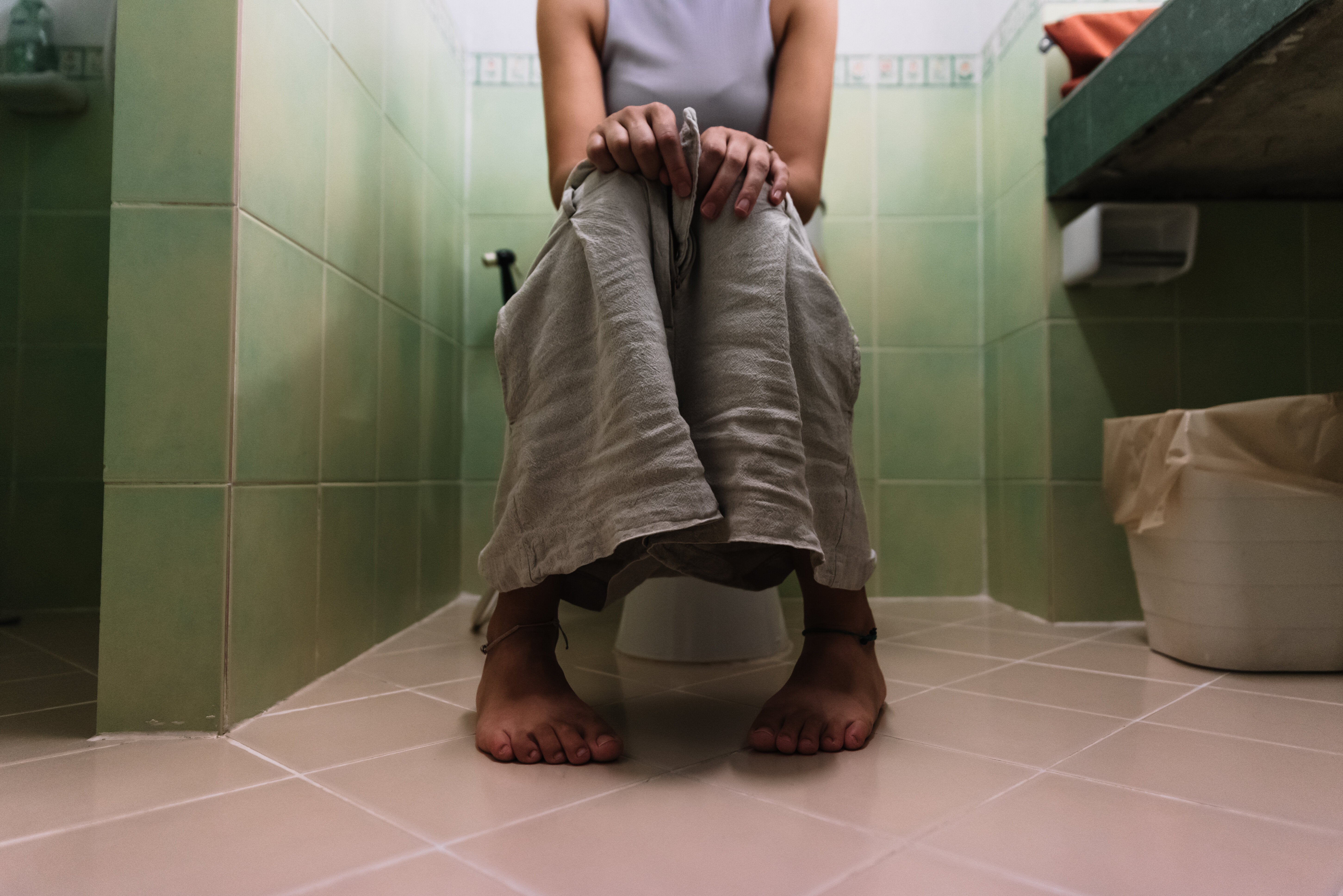
How long do you spend going for a poo? Two minutes? Seven minutes? 20 minutes? Well, it turns out there is a line between spending too long in the bathroom and having a quick and healthy bowel movement.
Spending too much time pooping can lead to health problems and can even be a sign that there’s something larger going on in your gastrointestinal tract.
Advertisement
Here’s what gastrointestinal doctors want you to know.
It should take no more than 5 minutes to have a bowel movement – and maybe even a little less.
Spending more than several moments on the toilet when you poop is too long, doctors say. Exactly how long is too long depends, but around five minutes (or a little less) is a good goal.
Dr. Melissa Hershman, an assistant professor of medicine in the division of gastroenterology and hepatology at Oregon Health and Sciences University, said “an appropriate time to spend on the toilet is no more than three minutes at a time”.
Leslie Waid, a nurse practitioner in gastroenterology at the University of Pittsburgh Medical Center, was a little more lenient with the time, but not by much. According to Waid, it shouldn’t take more than five to 10 minutes to have a bowel movement.
Advertisement
Dr. Valentine Millien, a gastroenterologist at Houston Methodist Hospital, said closer to five minutes is best.
“You should sit down, you should easily pass a bowel movement, feel empty, you get cleaned up and you leave,” Waid said.
“There shouldn’t be any straining or spending time sitting there waiting for stools to pass,” Waid noted.
Advertisement
Straining and excessive pushing motions can “create pelvic trauma, injury,” added Hershman.
For example, straining can cause hemorrhoids, Waid said.
“There are other things that can happen with straining, including anal fissures, and those are tears in the lining of the anal canal, and they can be very painful,” Waid said.
Straining on the toilet can also cause pelvic floor damage and weaken the pelvic floor muscles, Waid added.
“Really, after five minutes, and nothing is happening, we usually tell patients to leave and then wait again to get the urge, and then come back to the bathroom,” Millien noted.
Advertisement
Hopefully, when you return, you’ll be able to evacuate your bowels in just a couple of minutes.
Kinga Krzeminska via Getty Images
One way to spend less time in the bathroom? Stop bringing your phone in with you.
If you spend more than 5 or 10 minutes in the bathroom, there are things you can do to improve your bowel health
If straining and spending 5 or 10 minutes on the toilet is your norm, there are a few things you can do to reduce the time it takes you to poop.
Advertisement
First, positioning is important, said Waid, so stools like Squatty Potty can be helpful.
Millien agreed, “a lot of Asian countries and a lot of African countries, their toilet is actually, even if it’s a ceramic toilet, it’s usually lower to the ground, so that forces you to squat.”
When you squat, “you’re removing some of that pressure of the rectum, and actually allowing gravity to help you evacuate,” Millien said.
And, while it’s common to bring your smartphone everywhere (including in the bathroom), it’s a good idea not to. Research shows that people who bring their phone into the bathroom spend more time in the bathroom and have a higher risk of hemorrhoids, Millien said.
Advertisement
Tried-and-true lifestyle habits are also important for bowel regularity, such as drinking plenty of fluids and exercising, said Waid.
“Exercise is an excellent way to promote bowel motility. I often tell patients that your gut doesn’t move if you don’t,” said Hershman.
Your diet choices also impact your bowel movements. “It’s important to have adequate dietary fibre,” Waid noted. This includes fruits, vegetables, whole grains, certain cereals, oatmeal, chia seeds, beans, and more.
Advertisement
Fibre helps add bulk to stools and makes bowel movements easier to pass.
“If patients feel like they’re not eating enough fibre, or just need a little bit something more for regularity, they can add in a fibre supplement,” Waid said.
“We really want to target at least 25 grams of fibre per day,” said Hershman. For reference, one apple has about 4.5 grams of fibre, one cup of quinoa has 5 grams and one cup of lentils has 15.5 grams of fibre.
In some cases, bowel movement issues can be a sign of colorectal cancer
Rates of colorectal cancer are rising in younger adults, and the signs of colorectal cancer can overlap with some of the problems that come from straining while pooping, too.
Advertisement
“Blood in the toilet – the assumption used to be that this was all hemorrhoids, but it’s also important to talk to your physician,” said Millien.
More, if you notice a change in your bowels, like if you used to have regular bowel movements but are now having frequent constipation or diarrhea, you should also mention that to your doctor, she said.
“Because it could be a sign of inflammation in the colon, or it can be a sign of an obstruction in the colon,” added Millien.
Advertisement
“If there’s any concern in your bowel habits, if anything has changed in your bowel habits, any blood, don’t just minimise [it],” she added.
“A lot of young patients with colon cancer now are actually asymptomatic, other than just intermittent rectal bleeding,” Millien noted.
If you notice anything suspicious about how long it takes you to have a bowel movement, blood in the toilet or any concerning changes, talk to your physician, she stressed.
I don’t have hay fever, but based on how I react to walking outside on a hot day, I’d forgive you for believing I do.
For some reason, getting off the train into the sun, opening my door onto a ray-soaked street, and even leaving a tree’s shadow into a bright spot triggers a huge, eye-watering sneeze – and until now, I had no idea why.
It sounds like I’m experiencing a “photic sneeze reflex,” also known as “autosomal dominant compelling helio-ophthalmic outburst syndrome” (ACHOO syndrome – teehee).
What is a “photic sneeze reflex” or ACHOO syndrome?
An extract from Medical Genetics Summaries says that “Affected individuals report a ‘prickling sensation’ or sneezing in response to a bright light.”
It’s elicited by going from a darker area to an area of brighter light (like stepping into sunlight from indoors), or simply having a bright light shown to you.
Advertisement
This can be “uncontrollable.”
How common is it to sneeze at bright lights?
“About one in four individuals who already have a prickling sensation in their nose will sneeze in response to sunlight, but ‘pure’ photic sneezing is far less common,” Medical Genetics Summaries shared.
If one parent has the condition, their child has a 50% chance of developing it.
It happens because of a misfiring in a facial nerve that goes from your eyes to your nose. The constriction of your pupils as your eyes adjust to the light triggers the sneeze.
Advertisement
Is sneezing at bright lights dangerous?
It can be if you’re operating heavy machinery or driving: “for example, exiting a road tunnel on a bright day.”
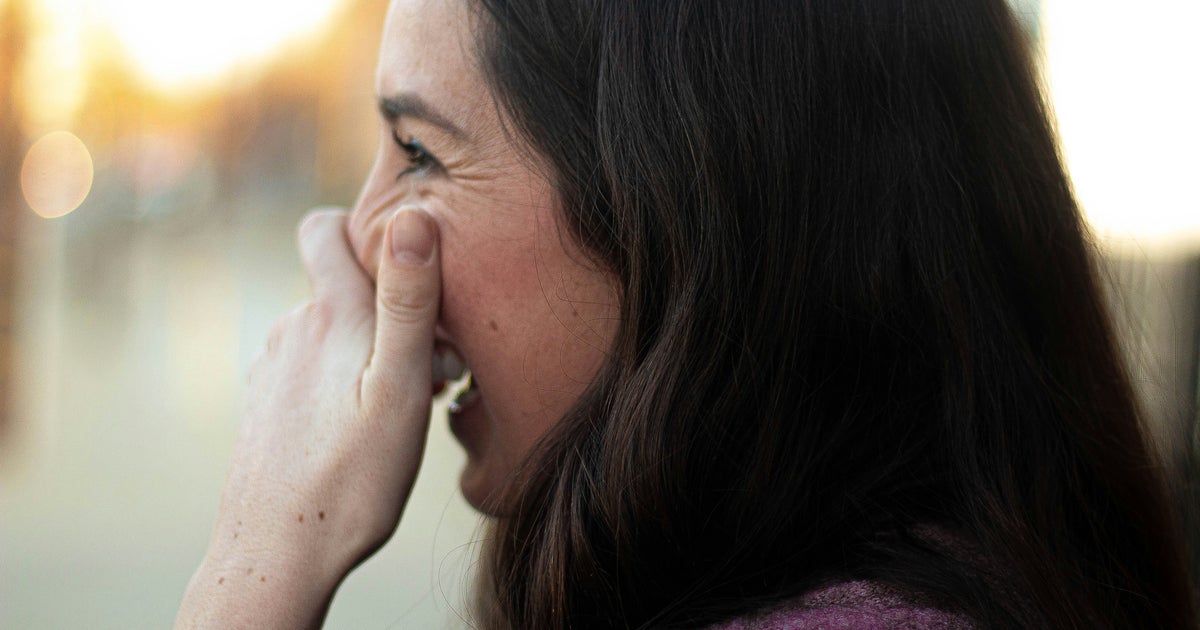
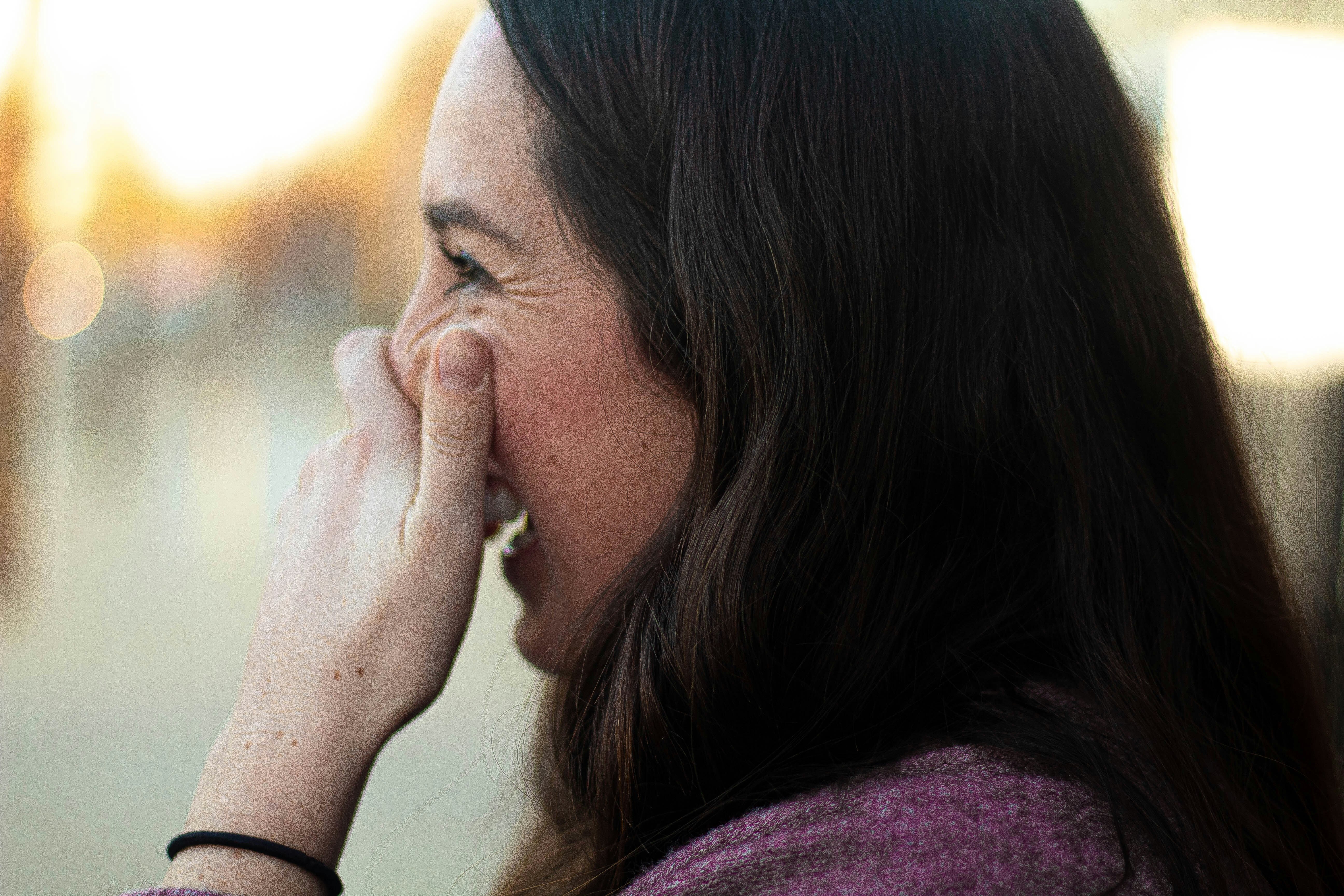
And the Cleveland Clinic recommends we “Use the ‘transverse philtral pressure technique,’ which involves applying pressure to the area between your nose and your lips.
Advertisement
“If you’re doing it right, it should look like you’re giving yourself a moustache with your finger,” they said. This may interrupt the sneezing signal.
I’m learning so much more about myself than I expected today…