Some experts advise against cutting hedges between March and September, as that’s when birds are busy building their nests and raising their chicks.
But Andy Simms from MyBuilder.com, which is running a Help the Hedgehogs campaign, pointed out that we need to look out for other little critters too.
Advertisement
“The winter season is well and truly over, so, understandably, millions of Brits will be starting to think of garden tasks they can complete now ahead of summer. But it’s not just us that might be outside, hedgehogs may be, too, and they’re not always easy to spot,” he said.
How can I tell if I have hedgehogs in my garden?
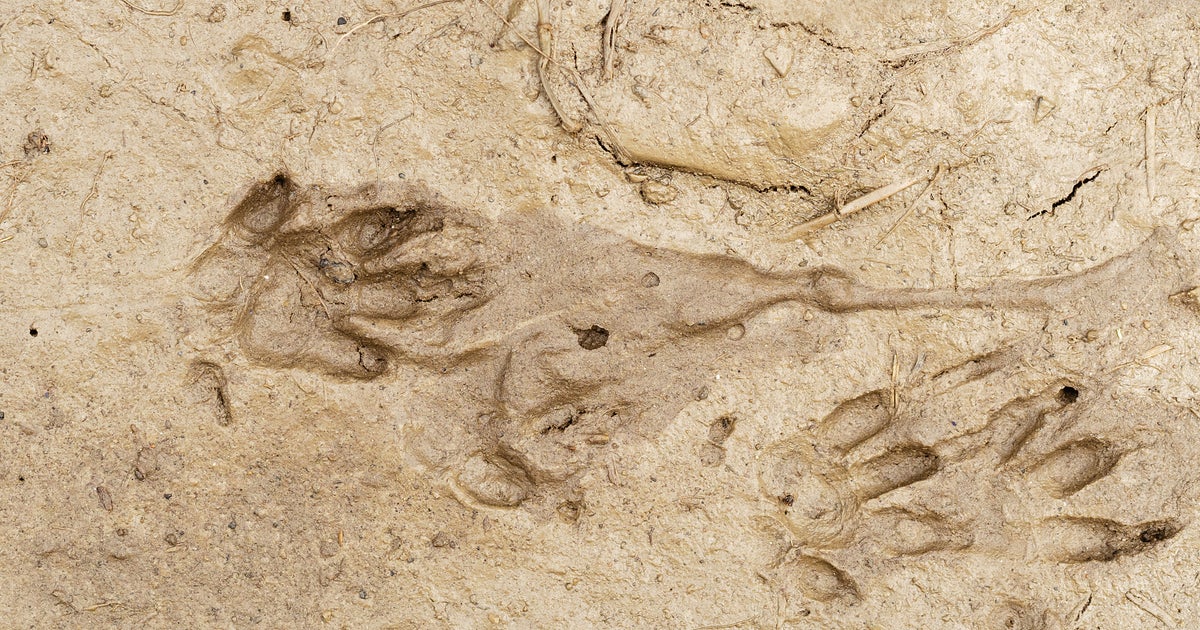
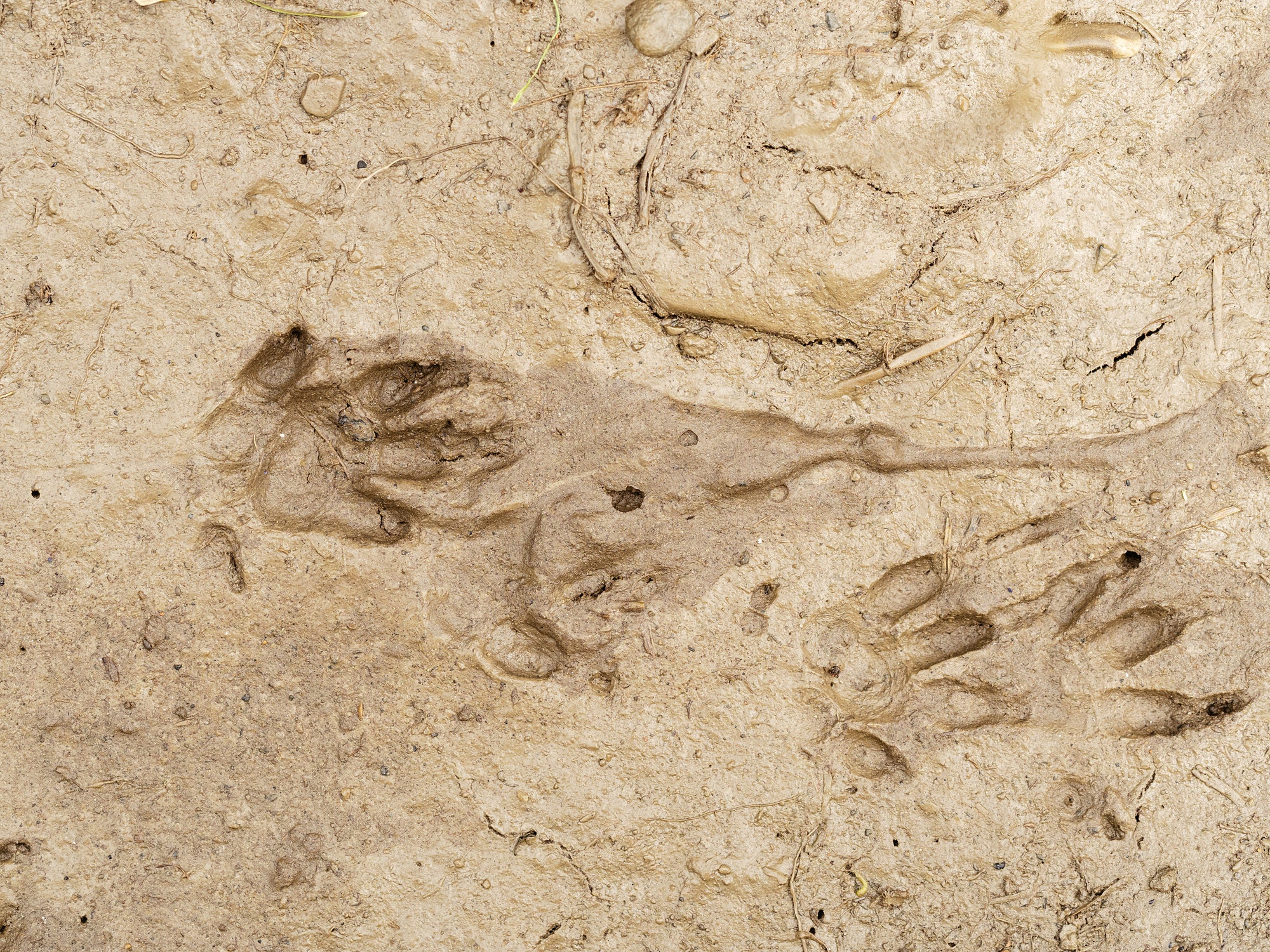
“There are signs to watch out for, such as small, black droppings, tiny hand-like footprints in mud, and loud grunting noises, particularly at night. If you notice any of these, you may have one of these small creatures in your garden,” Simms shared.
You should always check these signs before beginning any gardening task, be it mowing, pruning, or planting, Simms added.
And don’t forget to look in any garden drains from time to time, as hedgehogs can fall in these and get stuck.
Advertisement
Hedgehogs are seriously struggling in the UK
Sadly, these measures are necessary as hedgehog numbers have fallen by 30% in urban areas and 50% in rural ones since 2000.
“If you would like to help protect hedgehogs, there are jobs you can do, such as leaving some areas in your garden wild… or even building a hedgehog home,” Simms said.
Collecting nesting materials like logs and leaves, providing clean drinking water, and avoiding the use of slug pellets can all help, DEFRA shared on the government’s site.
For me, though, my greatest source of insecurity was the r/sourdough forum.
It’s nobody’s fault: if I had created a tall, fluffy masterpiece with a perfect golden crust, I, too, would want to share a shot. If my first-ever loaf looked like it belonged in an ad for artisanal butter, I would indeed want the world to know.
Advertisement
And people share their less successful loaves – a gummy rise, a burnt base – as well.
Still, I couldn’t help it. After a while, I began judging my slightly gummy, slightly deflated loaves a little too harshly. Then, the inevitable turn towards The Product That Solves It All: if I just owned one of these twisty little starter whisks, or a proper starter jar, or a bigger banneton, I’d be (grid) worthy!! I thought.
It sounds silly, because it is. But according to a post shared by u/good-things_ in the group, I’m not alone.
Advertisement
“I don’t use any of the equipment everyone talks about for sourdough. I mix my dough in any bowl available that’s big enough, and I eyeball the rise. Sometimes my bowls are solid and plastic, so I can’t see if there are bubbles,” the poster confessed (mine is metal).
Still, they pointed out, loads of the recommended gear and science-backed rules are relatively new (especially compared to sourdough’s thousands of years of history). Which means my great-great-great-grandma probably didn’t give a hoot about whether the ear of her every loaf curled up like a cowlick.
“I love that people get obsessed and get into the nitty-gritty of how to make a beautiful, perfect loaf. But I also want everyone to know ugly, imperfect loaves are still delicious,” the post continued.
Advertisement
Underneath was a swarm of agreement. “I also admit that my loaves are a bit substandard, but that’s okay with me in the long run. By not stressing about it, I can manage to keep making bread regularly for sandwiches, etc., and not lose enthusiasm,” u/bajajoaquin replied.
“I gave up chasing the perfect loaf with huge holes and a perfect ear, etc. I decided I just wanted to make bread for my own enjoyment… It works for me, and that’s what really matters,” u/dearmax added.
I’ve been through a similar process recently.
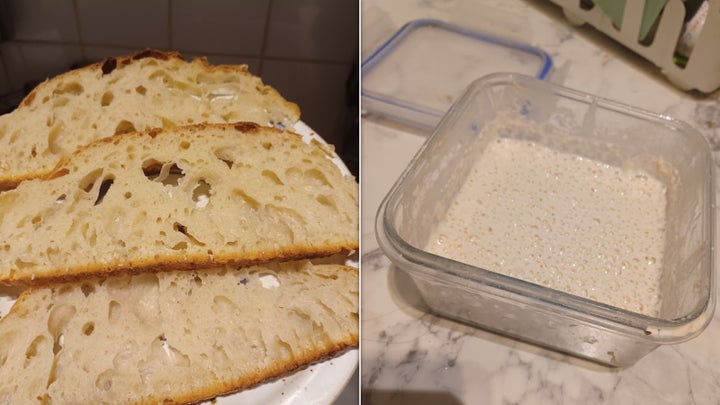
Amy Glover / HuffPost UK
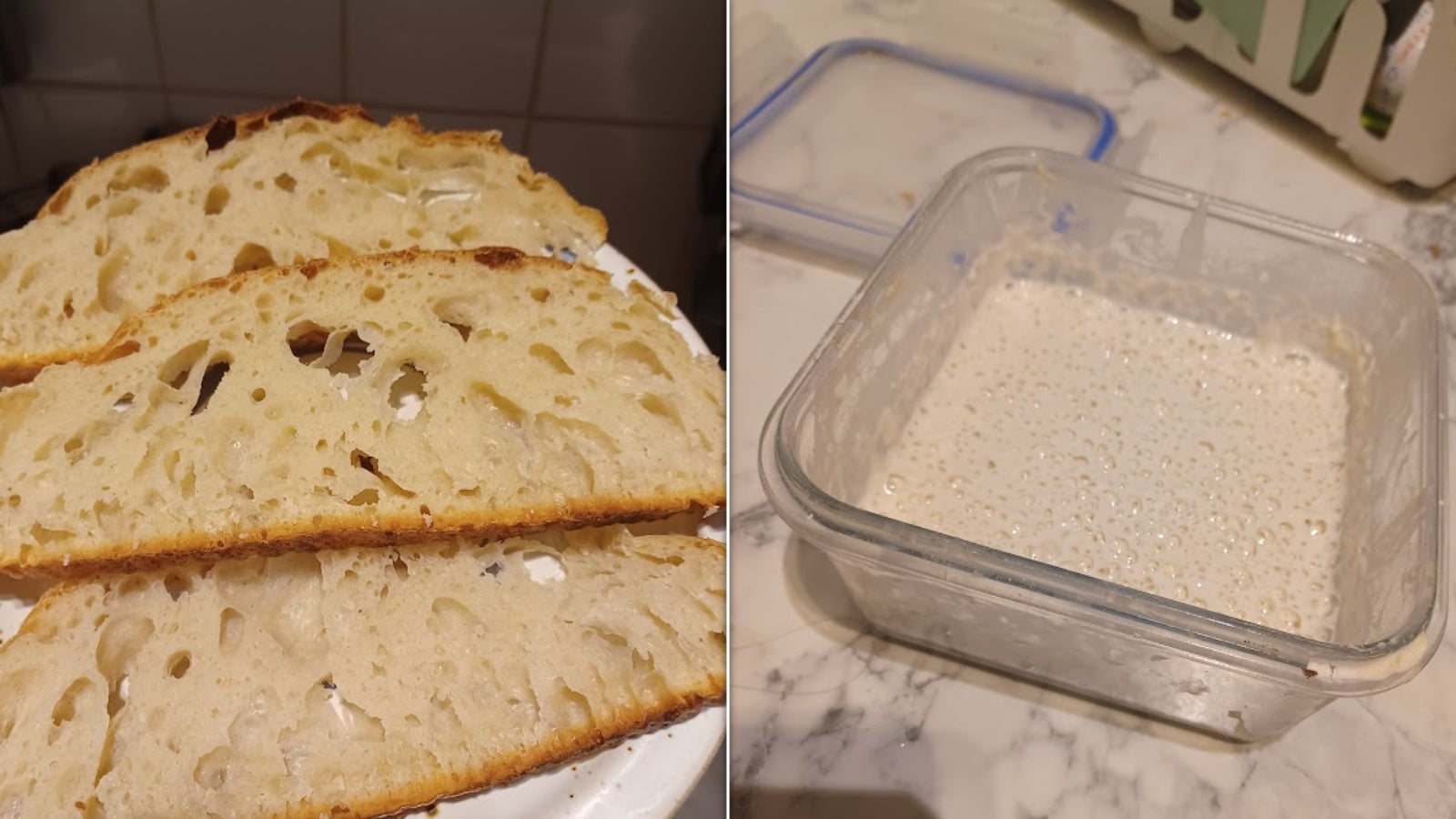
some just-fine bread on the left: a starter that would probably be bubblier if I fed it more on the right
Advertisement
For a couple of months, I stopped making bread entirely. It wasn’t just because I felt mine was subpar, but that was part of it: I felt I was spending so long on something so far from perfect that I got frustrated.
But recently, I’ve fallen back in love with the craft. My new starter (Gluton Airport, if you want her government name) doesn’t have a super-strict feeding schedule, and probably would bubble more enthusiastically if she did.
I’m 99% sure I’m leaving my overnight sourdough out to prove for about two hours too long (I don’t go to sleep immediately after mixing it, and I sleep too late to bake it on time).
Advertisement
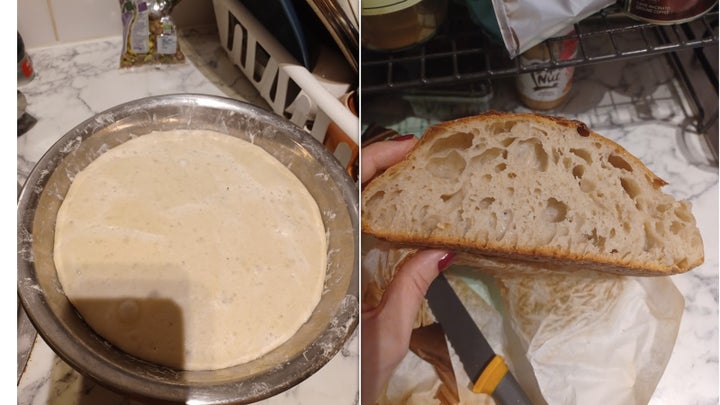
Amy Glover / HuffPost UK
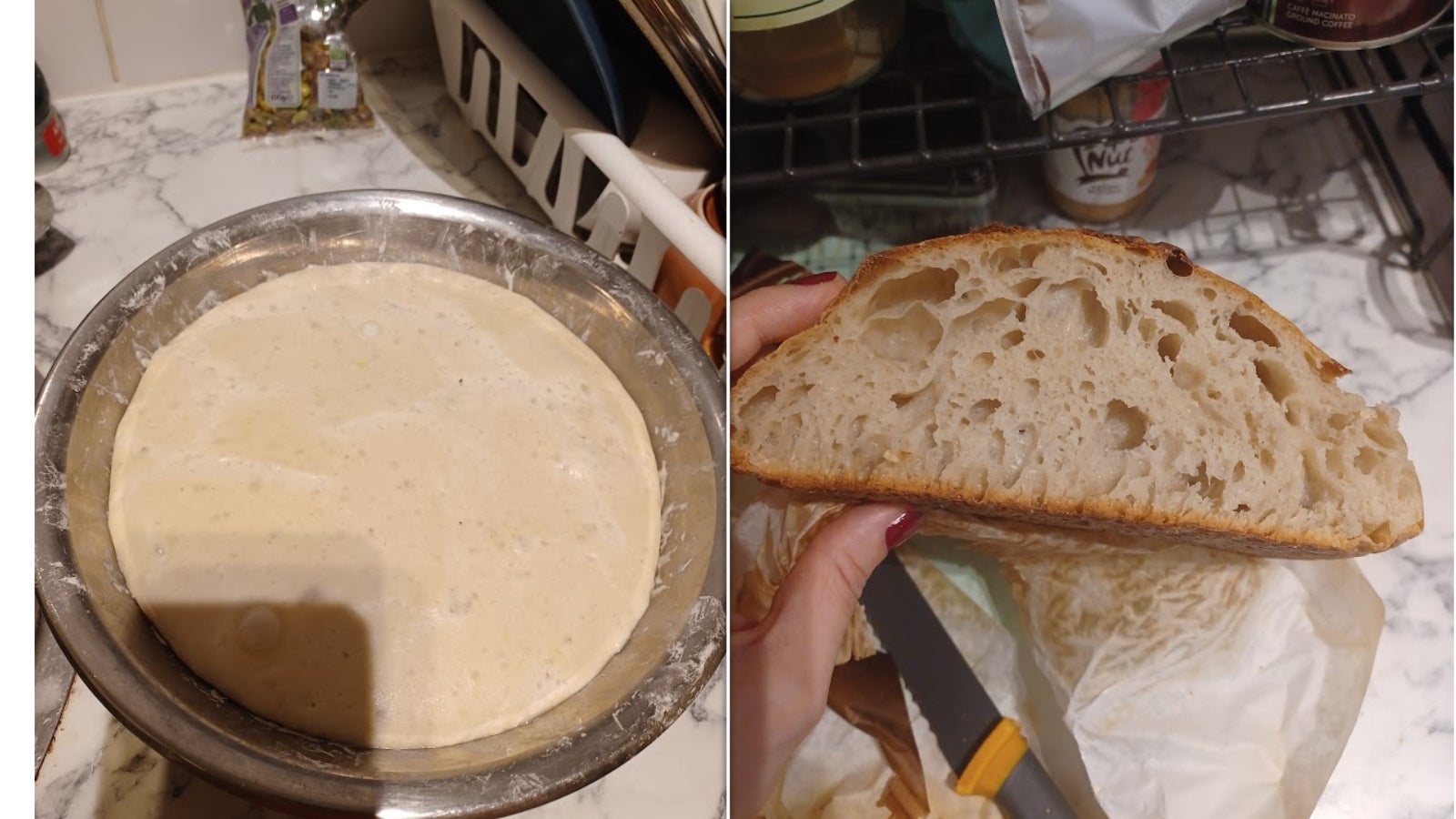
A way overproofed, lightly drying dough on the left: some perfectly fine!! resulting bread on the right
Probably as a result, my loaves are somewhat limp, a little gummy, and nowhere near as photogenic as I’d like.
As we age, our bodies lose some resilience, which can lead to less movement throughout the day and an increased risk of facing multiple chronic diseases at once (multimorbidity).
This happens partly because senescent cells, sometimes called “zombie” cells, stop dividing and build up. They secrete “proinflammatory molecules that contribute to chronic inflammation and ageing-related diseases”.
Advertisement
A process called senolysis usually clears these away, but as we get older, that cleaning system becomes less efficient.
How did the researchers stop “zombie cells” from building up?
Though we knew that “zombie cells” seemed to create inflammation that affected nearby cells, scientists weren’t sure about how this went on to affect someone’s body.
Advertisement
These researchers looked closer at the senescent cells themselves and found they heavily relied on glycolysis (using sugar for energy), a process which is also involved in the spreading of cancer cells.
Using bioluminescence to help see what was going on in the cell better, scientists found that two enzymes were crucial to glycolysis in “zombie cells”. Their binding was increased in sensecent cells.
So, when they were able to interrupt that key interaction, researchers could selectively “delete” zombie cells.
Advertisement
In mice, the change was linked to reduced lung fibrosis.
They also found that when this activity was diminished, a protein that triggers cell death was suppressed too.
What might this mean?
The study authors hope this might help to maintain resilience in older age.
That way, it’s hoped, the risk of multimorbidity might go down.
This study’s corresponding author, Hiroshi Kondoh, said: “Our findings in glycolytic regulation suggest that impaired metabolic resilience in ageing is one of the targets for senotherapy, to aid in preservation of resilience in ageing.”
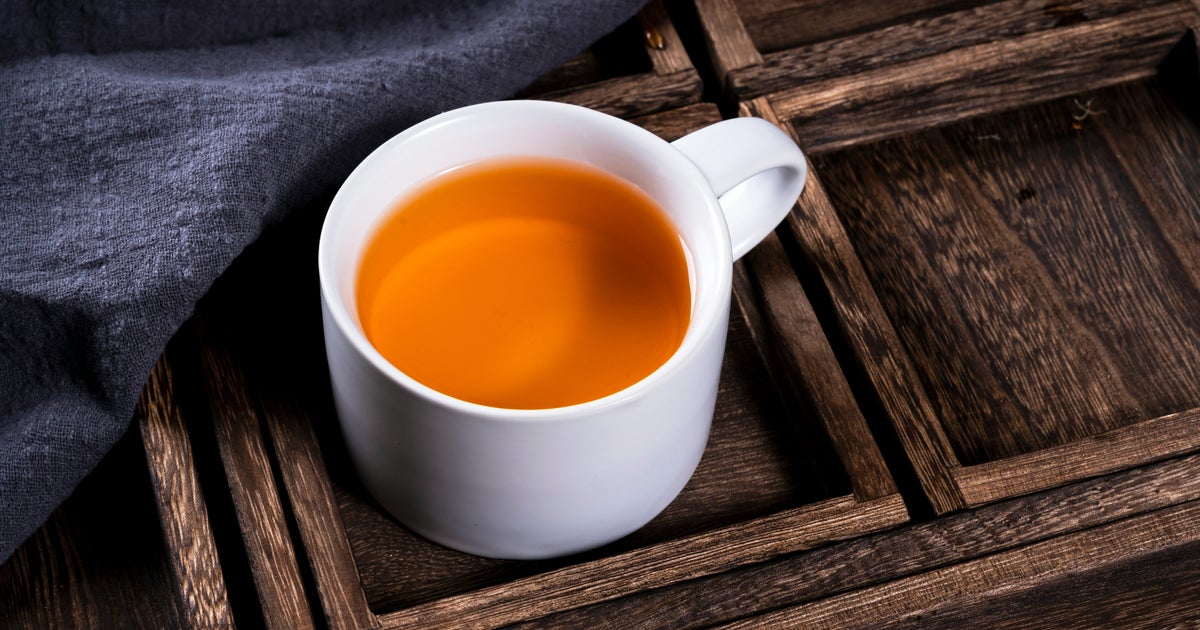
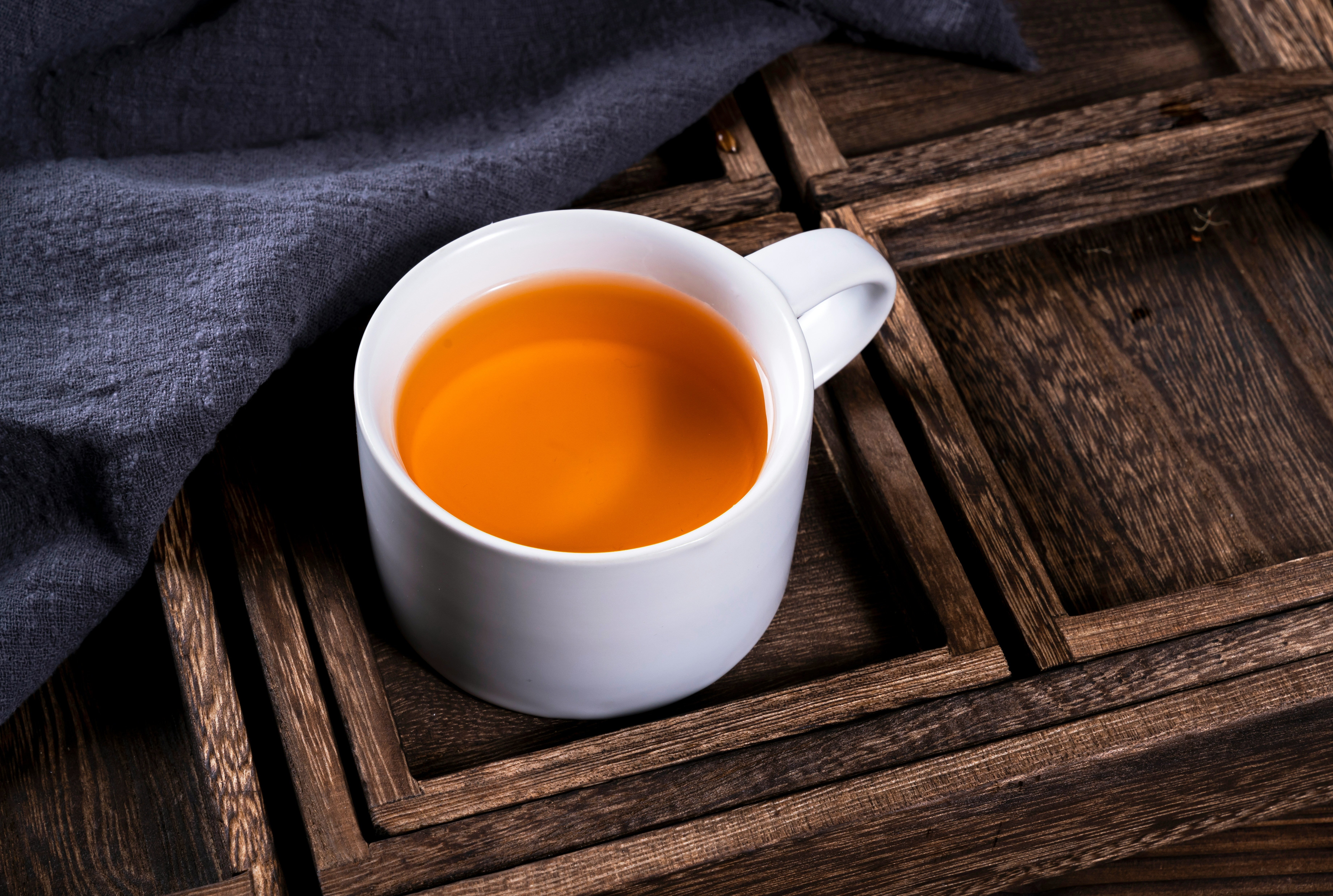
And there’s some evidence to suggest that rooibos tea, a South African variety made from the fermented leaves of the Aspalathus linearis shrub, can help with everything from reducing inflammation to controlling blood sugar and boosting our gut health.
Green rooibos is made from the same leaves, but they’re unfermented.
Here are some of the potential health benefits of the caffeine-free tea:
1) It’s brimming with antioxidants
Green rooibos tea is the only source of aspalathin (which helps to maintain cell health), and it’s high in other antioxidants, like quercetin (potentially anti-inflammatory, anti-histamine, and immune-boosting), too.
Advertisement
Antioxidants help to protect our DNA from harmful free radicals. They may also assist in protecting against chronic illness, heart disease, and cancer.
A 2023 review found that drinking rooibos tea seemed to be linked to higher antioxidant levels in our bodies.
It could also help the integrity of a single-cell gut layer, which helps us to absorb nutrients and keeps toxins and disease out.
3) It could help to manage inflammation
Inflammation isn’t always a bad thing. We need it to build muscle and recover from some illnesses.
But when inflammation becomes chronic and happens when the body doesn’t need it, it can lead to “inflammaging”. That can “contribute to conditions such as heart disease, type 2 diabetes, dementia, and frailty,” GP Dr Suzanne Wylie previously told HuffPost UK.
Remember the rooibos tea-specific aspalathin we mentioned earlier? A 2023 paper suggested that it could help to explain why rooibos tea seemed to help control blood sugar levels in both healthy and at-risk individuals.
Still, more research is needed to work out how, why, and to what extent that’s true.
We hope you love the products we recommend! All of them were independently selected by our editors. Just so you know, HuffPost UK may collect a share of sales or other compensation from the links on this page if you decide to shop from them. Oh, and FYI — prices are accurate and items in stock as of time of publication.
Forget everything you think you know about chocolate. We’re not mad at it as it is, but Lovehoney has a new release that proves we should all be expecting a lot more from our choccy treats.
Advertisement
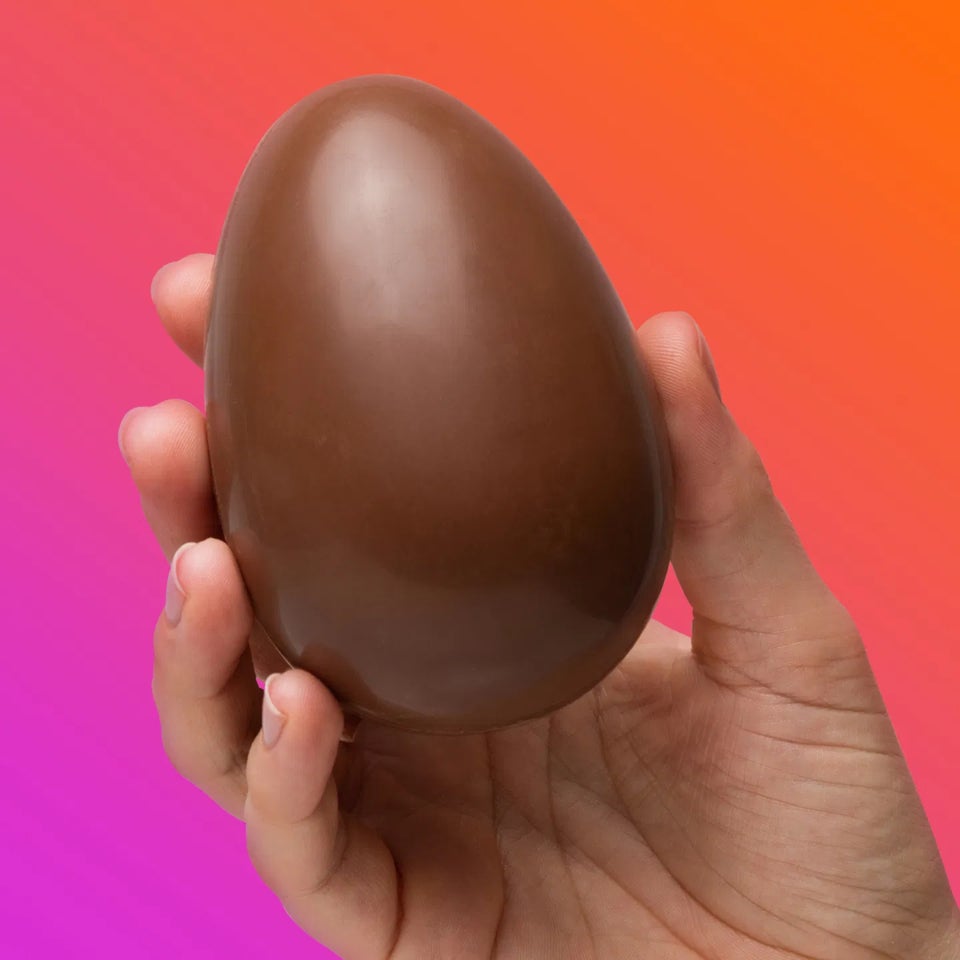
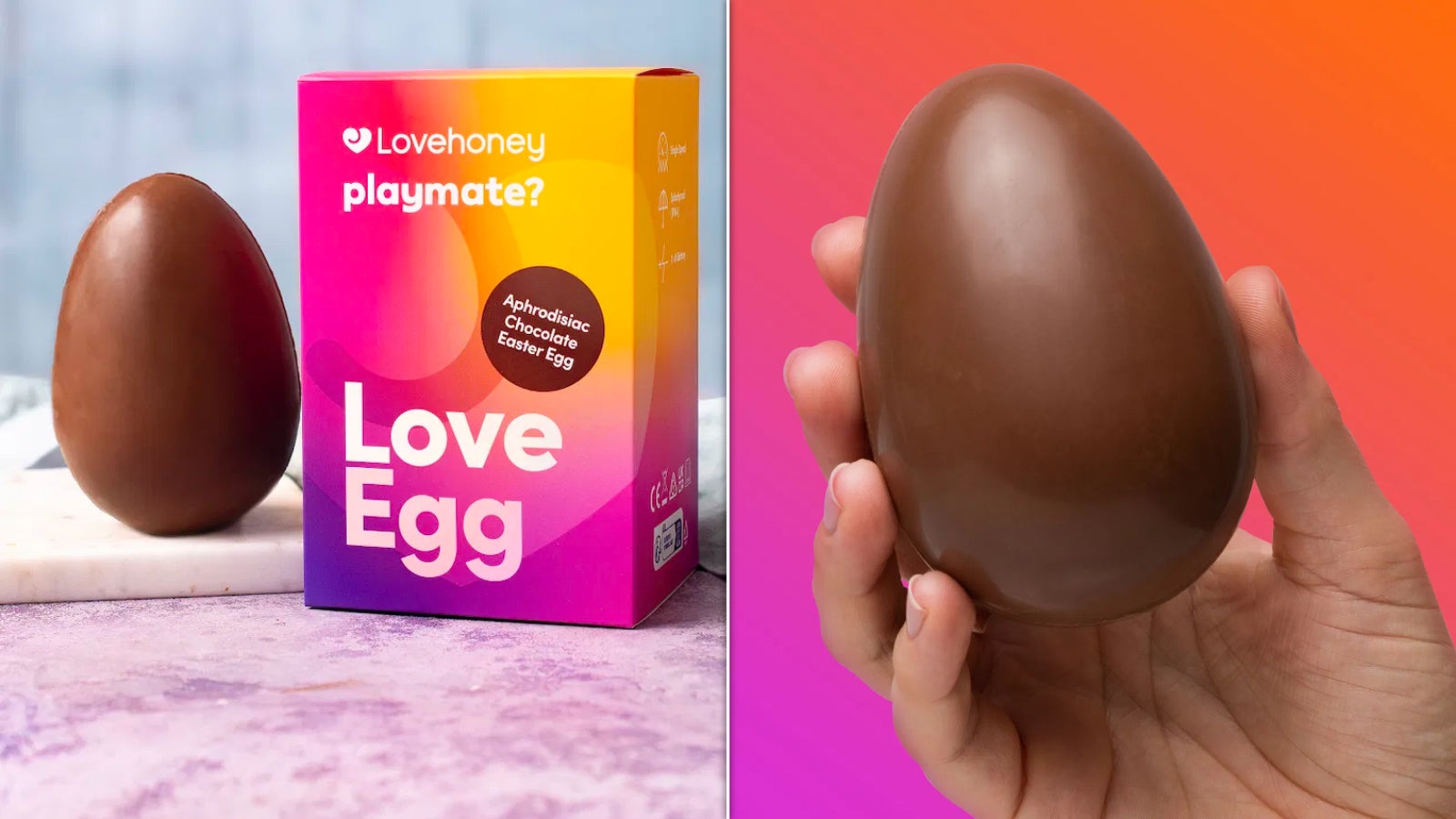
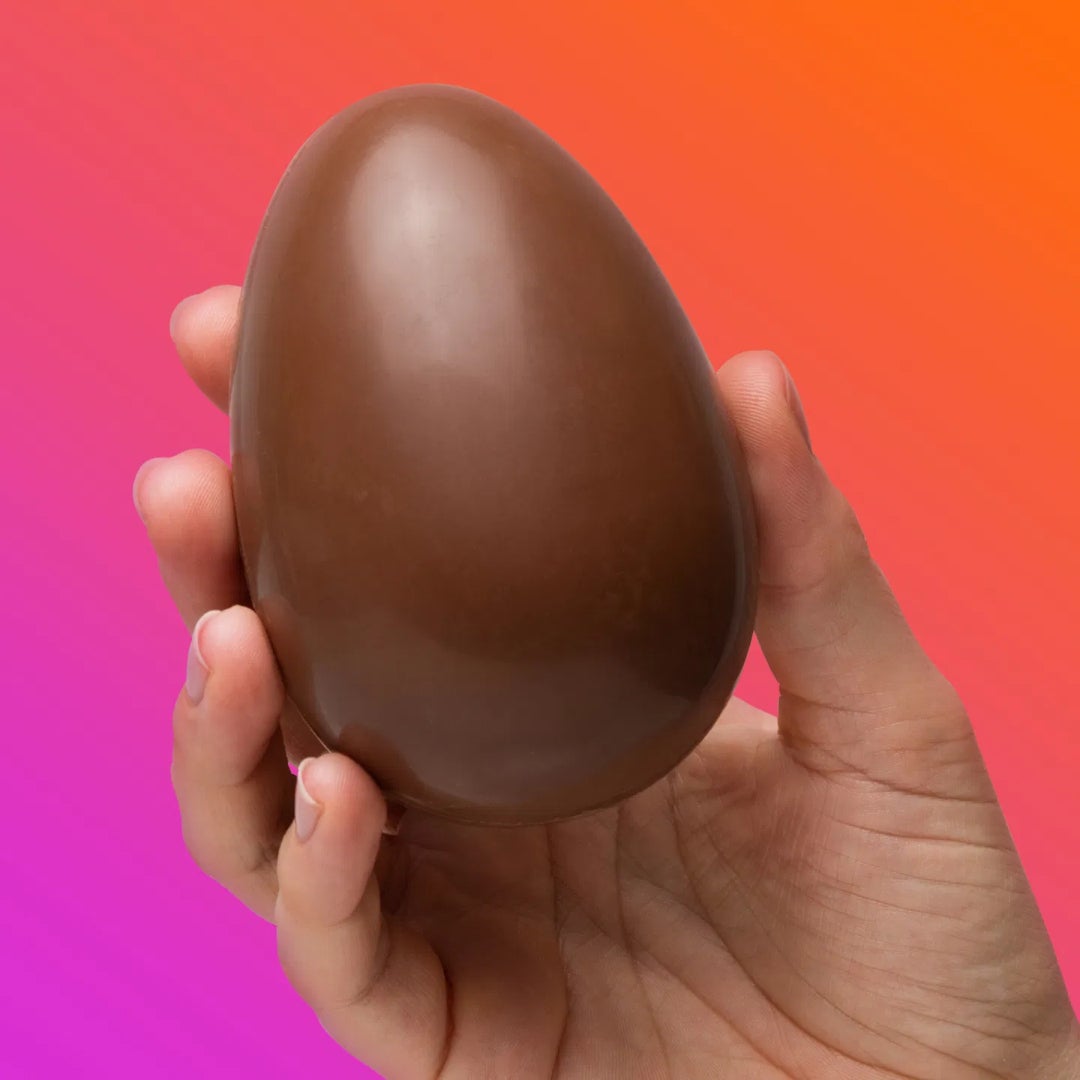
While the most pleasure you’ve got from a chocolate egg thus far might have been giving in to that moreish flavour, this Easter Lovehoney has a new love egg out, and it’s not (exactly) what you think.
Not just a delicious treat to snack on (in fact, Lovehoney advises only eating half per day), this egg is packed with the natural aphrodisiac Liboost to please your downstairs, too.
Made from Damiana extract, Liboost supposedly improves blood flow to your pleasure spots, whose effects you’ll be grateful for by the time you get to the ‘surprise’ portion.
Advertisement
Spoiler alert: it’s a bullet vibrator, loaded with three vibration speeds and seven patterns. Thanks to its hard plastic exterior, the tiny toy packs quite a punch and is the exact size you’d want from a toy to slip between you and a partner during sex. (Warning: you’ll need to remember to buy a AAA battery as it’s not included, boo.)
Considering the weather is not yet aware of the fact it’s spring (rude), we expect you’ll be spending more time than expected indoors over the next few weeks. But if the weather isn’t heating up outside, at least you can generate some in bed because, let us tell you: the combination of the chocolate and vibrator is spicy AF.
So much so that one reviewer said this “is most definitely THE egg to buy this Easter”.
But, if there’s one thing we’ve learned from the cinema we’ve seen lately (Wuthering Heights and Pillion, looking at you), it’s that things can always get spicier.
Advertisement
So of course, Lovehoney has also created an Easter sex toy collection, too. Packed inside an egg-shaped container, this includes a rabbit (for obvious reasons), penis stroker, vibrating cock ring, fluffy butt plug, and tickler.
Finally, a way to celebrate Easter if you’re not into chocolate!
All we’ll say is: this is the sign you’ve been looking for to plan a date night for the long weekend – get cracking.
Still, not everyone sticks to it. In one paper, 11% of people who said they wanted to run a marathon quit the sport entirely before they got close to the start line.
Advertisement
But you don’t need to break records to see the health benefits of running. Here, we thought we’d share some of the (many) advantages of the sport – just in case you needed a little extra motivation.
1) It may be beneficial for your joints
You might have grown up hearing that running wrecks your knees (I did). But a systematic review of 17 studies found that “In the short term, running is not associated with worsening [patient-reported outcomes] or radiological signs of knee [osteoarthritis] and may be protective against generalised knee pain.”
2) It can boost your mood
A review of over 100 studies concluded that running appeared to have “important positive implications for mental health, particularly depression and anxiety disorders”.
Advertisement
And another paper found that a single 10-minute run can help to boost participants’ mood and even executive function.
3) It could help you live longer
More proof that small efforts are far better than nothing in a 2015 paper, researchers noted that five to 10 minutes of running a day and/or running slower than 9.6km/hour was linked to a lower risk of all-cause and cardiovascular mortality.
Advertisement
4) It’s really, really good for your heart
Running is a cardio workout, so perhaps it’s no wonder it’s so good for our hearts. It’s linked to lower cholesterol, better blood pressure, and a decreased risk of adverse cardiovascular events, like heart attacks or strokes.
5) It can strengthen your bones
Scientists found that marathon runners’ bones may be denser than those of their non-running counterparts.
6) It’s a great way to get a good night’s sleep
Exercise, especially exercise with outdoor light exposure (e.g. running in your local park) is linked to better sleep quality and improved sleep habits.
Running trains the heart and lungs, meaning you’ll be able to exercise harder, for longer, once you get into the habit.
What about the downsides?
While running is good for us, there are some downsides.
A 2020 paper found that injury rates were about 20% among runners, especially those with weaker hips. The risk is higher for new runners.
Advertisement
Strength training, including that which targets the hamstrings, knee-stabilising methods, hips, and glutes, can reduce your likelihood of getting injured.
Like HIIT, overdoing running can lead to insomnia. About a third of all runners are believed to suffer some form of overtraining syndrome.
If you notice mood changes, fatigue, poor sleep, and getting sick more often, get more rest and let your running shoes breathe for a while.
When you stay at a hotel, the rules are mostly clear: blasting music at 2am is not OK. Running through the halls is not OK. Someone at the front desk will intervene if things get out of hand.
Airbnbs and other holiday shares operate in more of a grey zone. You’re basically staying in someone else’s home, and it doesn’t have a concierge or staff on-site to set expectations or step in when guests cross a line.
Advertisement
“We never take a vacation from good manners,” said Jodi RR Smith, president of Mannersmith Etiquette Consulting. “Even when you are off and away, you still must take into consideration how your behaviours impact those around you.”
Even if no one is watching, the way you act can have real consequences – from negative reviews to cancelled bookings or fines. Here are the seven rudest things you can do in an Airbnb, according to etiquette experts.
Taking things that aren’t yours
“Towels, décor, kitchen tools, robes, or specialty products are not souvenirs,” explained Jacqueline Whitmore, etiquette expert in Palm Beach, Florida. “Even small items add up, and replacing them is costly and frustrating. If you are unsure whether something is complimentary, ask. When in doubt, leave it.”
Advertisement
You may be thinking: Is this even worth mentioning? Apparently, yes. Hosts routinely report stolen items – from pillows to utensils. At first, I optimistically wondered whether some of the confusion stems from hotel culture, where toiletries, slippers, and mini bottles are fair game. In a short-term rental, however, all items are simply part of someone’s home inventory.
Smoking (anywhere)
“Most rental properties are nonsmoking and most guests get that at this point,” Smith said. “But the guests think (hope?) that if they are outside, the no-smoking does not apply. However, unless otherwise noted, the entire property is nonsmoking.”
If that sounds overly strict, there’s a reason for it. Smoking on rental properties can cause lingering odours, damage furnishings, and create outdoor fire risks. Discarded cigarettes tossed into planters or mulch have ignited porch fires, leading to serious property damage.
Advertisement
Being noisy
On vacation, my everyday routine goes out the window. I sleep in, stay out later, and generally abandon the discipline required for a 9am conference call. But just because I’m on holiday doesn’t mean everyone else is.
“Late-night gatherings, screaming kids, drunken arguments, and loud music can disturb nearby neighbours,” Whitmore said. “Observe quiet hours and be mindful that your neighbours are not on vacation.”
And it’s not just the 1am DJ set that can get you in trouble – though most short-term rental agreements include no-party clauses, so that’s worth noting. It’s also the less conspicuous noises that add up: slamming doors in a shared hallway, dragging suitcases at dawn, speakerphone calls on a balcony, or kids racing up and down stairs in a multi-unit building.
Advertisement
Ghosting your host
Nobody likes to be ignored, especially when you’re staying on their property. “Prompt communication builds trust,” Whitmore said. “Be a considerate guest. Respect the host, the neighbours and the property, and you will always be welcomed back.”
That courtesy goes both ways. Whether you have a question about turning off a fire alarm or need to let the host know you’ve broken something, it’s better to speak up than stay silent.
“If there’s a problem, speak up,” said Nick Leighton, co-host of the Were You Raised by Wolves? podcast. “Hosts would much rather know about a problem during your stay and try to address it rather than just learn about something for the first time in your negative review.”
Advertisement
The Good Brigade via Getty Images
Leaving your rental reasonably tidy and respecting the space goes a long way with Airbnb hosts.
Treating your rental like a hotel
When I’m staying at a hotel, I regress a little to my teenage self: towels on the floor, bed unmade, room service tray lingering longer than it should. It feels like part of the perk. No disrespect intended, just the luxury of not having to reset the space before you leave.
But at a holiday rental, you don’t have those same perks.
“Treat the home as if you were staying with a friend or family member,” said Whitmore. “Follow house rules and leave it reasonably tidy. Don’t create excessive mess, move furniture, or break something without telling your host.”
Advertisement
Inviting friends or pets
It may feel harmless to have your mom stay the night before an early flight or let a friend crash on the couch after dinner. But in a short-term rental, occupancy limits aren’t just suggestions. They’re often tied to insurance policies, local regulations, homeowners association rules, and cleaning arrangements. Adding even one unapproved overnight guest can put hosts in a difficult position.
“Unannounced visitors raise safety and insurance concerns,” explained Whitmore. “If you plan to bring a guest or a pet, get approval first. Many hosts may charge an extra cleaning fee.”
While an extra overnight guest can create insurance or occupancy issues, pets raise even more concerns – even if you’re certain yours “wouldn’t do anything.”
Advertisement
“Your pup may be extraordinarily well-behaved, but if the property says no pets, you need to adhere to the agreement,” Smith said. “Whether it is cameras on the property, just nosy neighbours or the cleaning staff, most owners end up learning of a pet on the premises. (Certified service animals aside.)”
Ignoring the checkout procedure
You’re packed, you’ve called your car, and you’re mentally already at the airport. But before you shut the door, did you take out the trash? Is there still half a pint of milk in the fridge?
“Be sure to read and understand the checkout instructions before you book,” Leighton said. “Some can be quite onerous, but once you’ve agreed, you’ve agreed! So, be sure to follow the list before departure.”
Advertisement
Experts recommend leaving the rental as you found it. That can include tidying up messes, returning moved furniture to its original place, and taking care of smaller details like turning off lights and adjusting the heat.
“Be sure to understand how to strip the beds, where to put the wet towels, whether you need to empty the refrigerator, and how to handle the garbage and recycling,” Smith said.
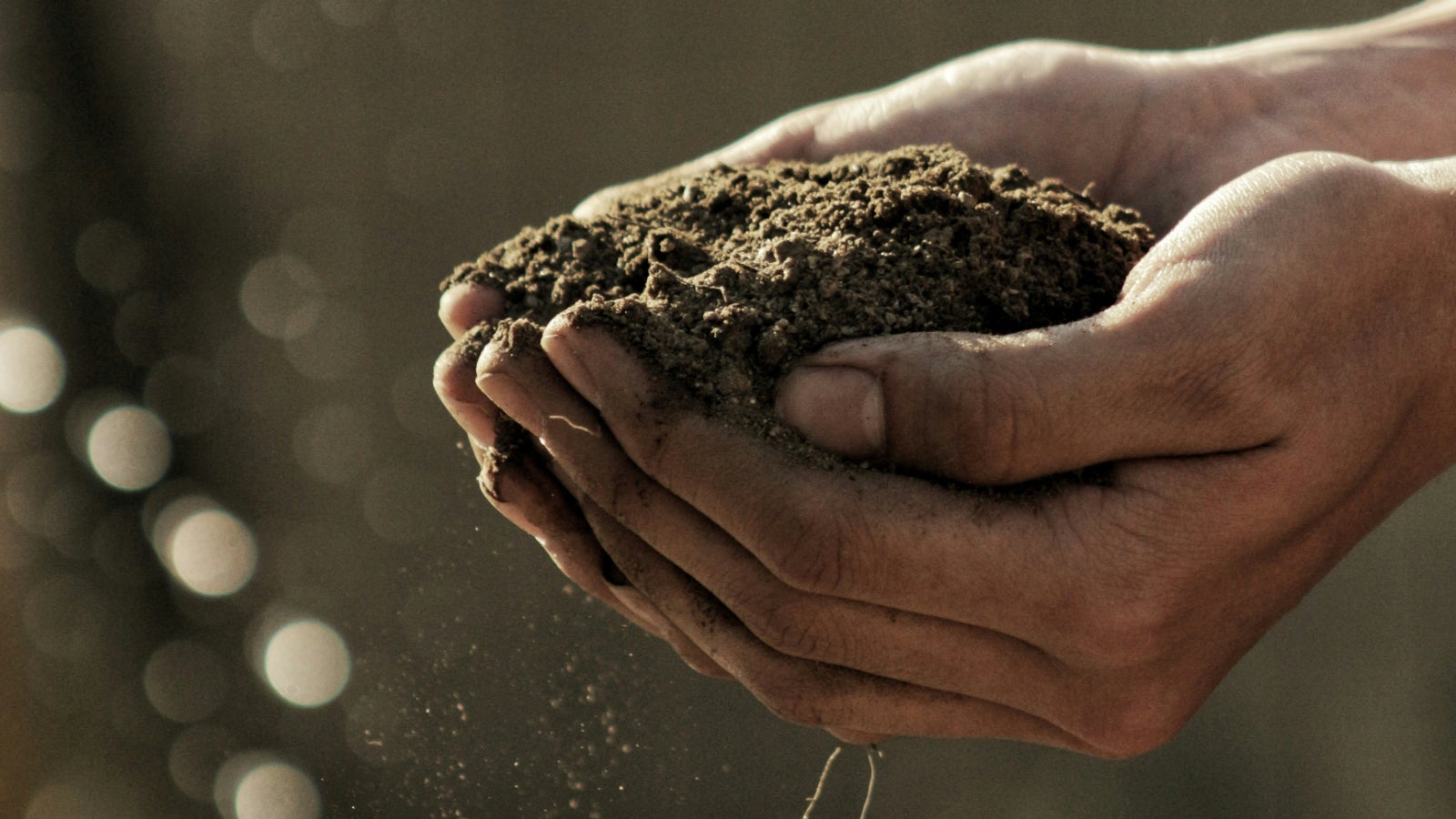
It’s one thing running a garden on well-aerated (but never dusty), easily compacted (but not too heavy) soil.
But it’s rare that the stars perfectly align; the UK’s soil, which is increasingly degrading, may run a little too chalky or clay-heavy in your backyard.
Advertisement
Here, we’ll share the types of soil in the UK and the best plants for each of them.
The type of soil is determined by its particle size. Clay particles are less than 0.002mm; silt is 0.002-0.05mm; sand is 0.05-2mm, and stones are larger than 2mm.
Most soil is a combination of different soil particles.
Which soil do I have?
To count as a “clay” soil, the earth has to contain 25% or more clay particles. These are fertile, but drain slowly and can be compacted quite easily; they take a long time to warm up, and may “bake” in summer. They get sticky when wet.
Chalky soils tend to be stony as they often lie over a limestone bedrock. They usually drain quite freely and are typically alkaline. If your soil froths when you put it in a jar of vinegar, it’s probably high in chalk.
Advertisement
Sandy soils retain little moisture, which is great for draining after rain but a little tougher to work with during hot weather. They feel gritty to the touch.
Loamy soils are often considered “the perfect soil type” as they contain a mixture of clay, sand, and silt. That makes them easy to work with and able to hold on to water without running waterlogged. They’re usually high in nutrients.
Peaty soils can be acidic and hold a lot of water, though they’re also high in nutrients. They’re not usually found in gardens, though.
Advertisement
And silty soils, while easily compacted, usually drain well and are quite fertile. They typically have medium-sized particles, which help them to retain moisture. They rarely clump and feel a little slippery.
Soil-testing kits can help you work out the nutrient content of your soil.
“Perennial wildflowers like ox-eye daisy you can sow onto very poor soils, and they will establish well from being sown in the early autumn. Annual chamomile and cornfield poppies will thrive too if their seed is sown in spring,” he said.
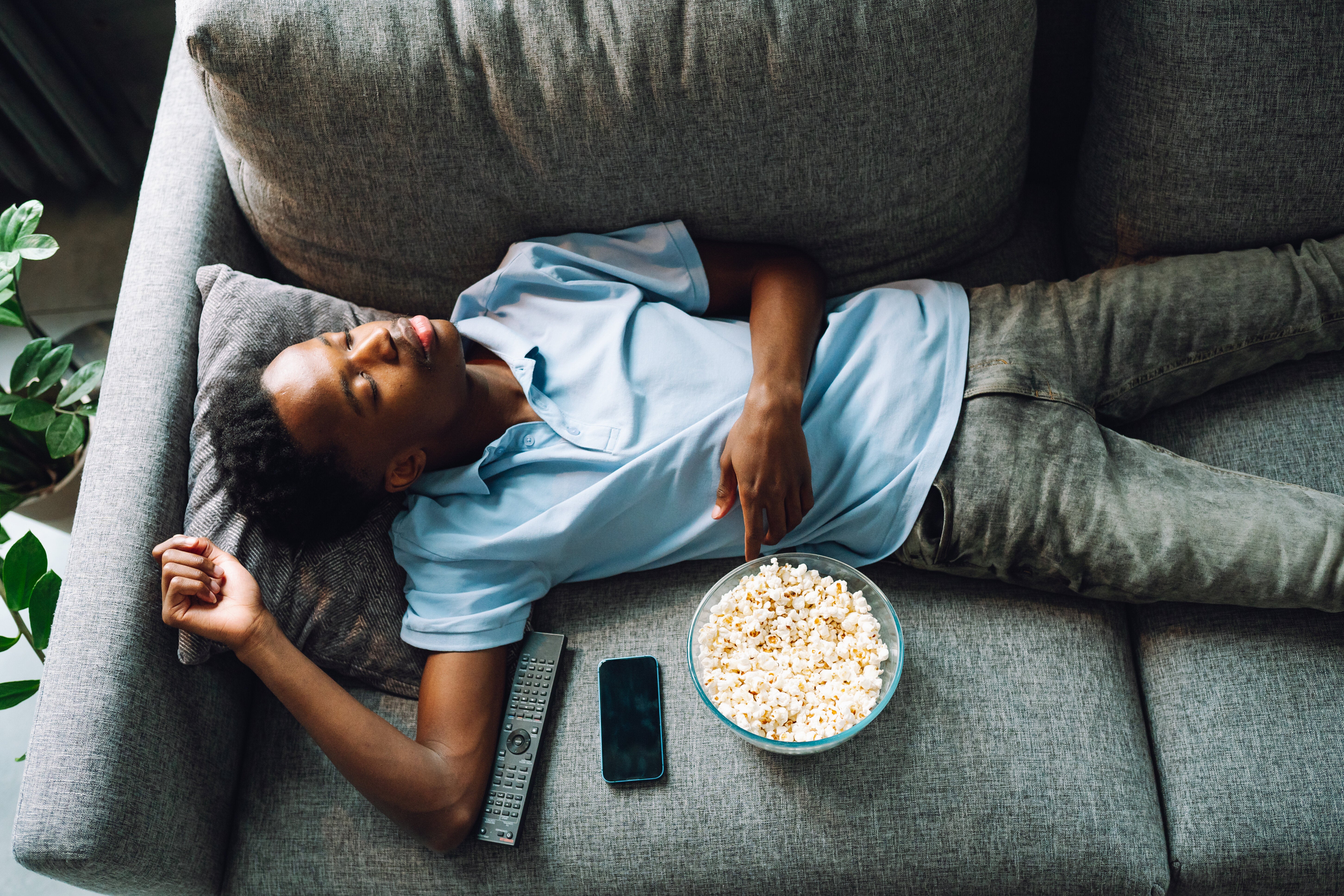
If you’re like most people, you’ve probably drifted off to sleep as soon as you put on a movie or show at night.
It’s a common occurrence – you sit down with your partner to finally watch the season finale of the show everyone is talking about, only to fall asleep, jolt awake, pretend you didn’t fall asleep and keep on watching until you fall asleep again.
Advertisement
Sleep experts told HuffPost there are many reasons this happens, and some are more concerning than others. Here’s what to know:
When you’re watching TV or movies at night, you’re often in a good sleep environment.
“There’s a couple of environmental factors to the fact of watching TV, watching a movie that promotes sleepiness,” said Dr. Neal Walia, a sleep specialist at UCLA Health in California. “When you wake up in the morning, you develop something called a sleep drive, which is how much your body wants to sleep.”
As you go about your day, your sleep drive goes up before peaking at bedtime, he explained. “And that drive is what gets you into sleep and carries you to sleep,” Walia noted.
Advertisement
“Usually, people are watching movies and TV in the evening after a long workday. This is when their sleep drive is at the highest,” he said. So your body naturally wants to sleep at this time.
“And then sometimes it’s just a lack of stimulation,” said Dr. Molly Atwood, the director of clinical training in the behavioural sleep medicine program at Johns Hopkins Medicine in Baltimore.
If you find yourself feeling tired throughout the day, you may notice that your fatigue disappears when you interact with something, whether that’s scrolling on your phone or getting up to make dinner.
Advertisement
Why? “Your body has a system of overcoming whatever sleepiness you have with stimuli,” according to Walia. And watching TV and or a movie is, generally, a low-stimuli activity, he noted. TikTok or even a task like folding laundry are more high-stimuli.
“If you’re lying down, it is dark – so your body’s kind of getting that signal that it’s nighttime and if the movie is not very stimulating or boring, it might be a lot easier, too, for any sleepiness that is there to take over,” Atwood added.
“Another big thing is that, especially patients with insomnia, a lot of times what they’ll say to me is ‘I just can’t turn my brain off.’ And most of our day, our attention is preoccupied by something – probably a screen, most likely – but something is taking our attention away,” Walia said.
Advertisement
We don’t often just sit with our thoughts. That is, until we drift off to sleep at the end of the day. And if you’re stressed about work or anxious about money, sitting with your thoughts can make it difficult to fall asleep.
“But if you’re watching something like a show, you’re not really in your own head for the most part,” Walia said. Your attention is drawn to the show or movie you’re watching, not the taxes you still need to do. This encourages your body to drift off to sleep.
Morning people are more likely to fall asleep while watching TV at night.
Your body’s natural circadian rhythm can play a role in whether you’re prone to falling asleep on the couch or not.
Advertisement
“In some circumstances, if you’re more of a morning person, your body naturally makes you alert early in the morning and it shuts down alertness early at night,” Atwood said.
Folks in this group are just naturally more tired at night. For morning people, their body is giving them signals that it’s time for bed, which makes it more likely that they’ll drift off while watching TV.
It’s also more common if you re-watch shows.
Many people turn on their comfort shows after a long day. And according to Atwood, it’s more likely that you’ll fall asleep during a show you’ve seen several times.
Advertisement
“Our nervous systems are super calm and comforted, versus like an action movie or a horror movie,” Atwood said.
You also don’t have to pay much attention to the show to know what’s going on, which allows your body to drift off easily, too.
Olga Rolenko via Getty Images
If you regularly fall asleep during a movie or TV show and are getting enough sleep at night, it’s worth talking to a doctor.
Advertisement
Most people are also sleep-deprived, which makes it easy to fall asleep while watching TV.
“A lot of our population is sleep deprived,” said Walia, who explained that most people aren’t getting the seven to nine hours of sleep they need each night.
Everyone has different individual sleep needs. But no matter how much sleep your body requires, most folks aren’t getting it.
Because of busy days, family demands and high-stress jobs, you may not even notice you’re sleepy until you’re interacting with something that’s low-stimuli, like a movie. This is when your sleep deprivation can catch up with you and cause you to fall asleep.
Advertisement
Even people who sleep the recommended seven to nine hours a night may not be getting good quality sleep, which can also result in sleepiness on the couch.
“There’s many people out there with untreated or under-treated sleep disorders that disrupt the quality of sleep,” Walia said, adding that sleep apnea is one example of this.
If you fall asleep during a movie once in a while, there isn’t much cause for concern ― but if this is a regular habit, it’s worth evaluating your sleep.
It’s understandable if you fall asleep on the couch after a busy day of travel or after a late night out, but if you’re falling asleep in front of the TV frequently, you should take notice.
“If you’re sitting upright, the lights are on, it’s an engaging movie … and you still can’t keep yourself awake, that might be more of like, ‘OK, I should reevaluate how much sleep I’m getting overall,’” Atwood said.
If you think you’re getting enough sleep but still falling asleep during engaging shows and movies, it’s worth talking to a sleep specialist, she added. A professional can help test you for underlying conditions that could disrupt your sleep.
Advertisement
Being able to stay awake during movies and TV shows at night could be a sign of good sleep health.
If you can usually stay awake while watching TV or movies at night, it’s “probably a good indication that [you’re] not sleep deprived or they’re not having disruptions in their sleep,” Walia said.
This nighttime energy reflects relatively good sleep health, he added.
Some sleep disorders can keep people from napping or falling asleep during shows and movies, but, overall, if you are getting enough high-quality sleep, you likely have good sleep health, he said.
The morning it went live, my alarm jolted me from sleep well before sunlight filled the sky. I grabbed my phone, swiped it open to see the headlines, and there, smack dab in the middle of my news feed, I saw my name. The day had hardly begun… and I was already trending.
I had revealed my most private feelings about my reproductive life and detailed how my choice not to have children was repeatedly called out in professional settings. I was confident that whether I had kids or not did not determine my worth as a person. In the 21st century, it should not be controversial to say that some women choose other paths. And, still, that morning, I was nervous about sharing all this in such a public way.
Advertisement
Those nerves only proved my social conditioning. Women without kids are still viewed within the context of rigid stereotypes. I was anxious about how my essay – and I – would be perceived, and I worried it wouldn’t be good.
Then something unexpected happened. I was inundated with messages. Over the next week, my Instagram, the essay’s comment section, and even my work email were flooded with a huge outpouring of gratitude and positivity. Women wrote to thank me for sharing what they felt but couldn’t vocalise, for helping dispel the myth that women without kids are selfish and cold, and for making it clear that women don’t need to apologise for choosing not to have children. More people felt like me than I ever would have guessed.
Most of these messages were from women who, like me, did not want to be mothers. Women who knew that their reproductive freedom was hard fought and well deserved, but still wrestled with strong societal expectations. Some of the messages I received, however, were from women with kids who wished they had been told at some point in their lives that they had other options. I even received notes from men who had witnessed their partners’ or wives’ value reduced to whether or not they were a mother. What united all of these people was a simple wish: for women to be valued beyond their reproductive choices.
Advertisement
I would be lying, though, if I said all the responses I received were positive. A proportion of these notes were filled with anger and resentment. A few of them even veered into harassment. Like the positive messages, these all had a unifying theme.
“You stupid idiot,” wrote one person, “will feminism take care of you when you’re old and dying?” Feminism, responses like these implied, was to blame for my decision to pursue a life as a successful surgeon, to follow the instincts that told me I did not want children of my own and that my life could be complete without motherhood.
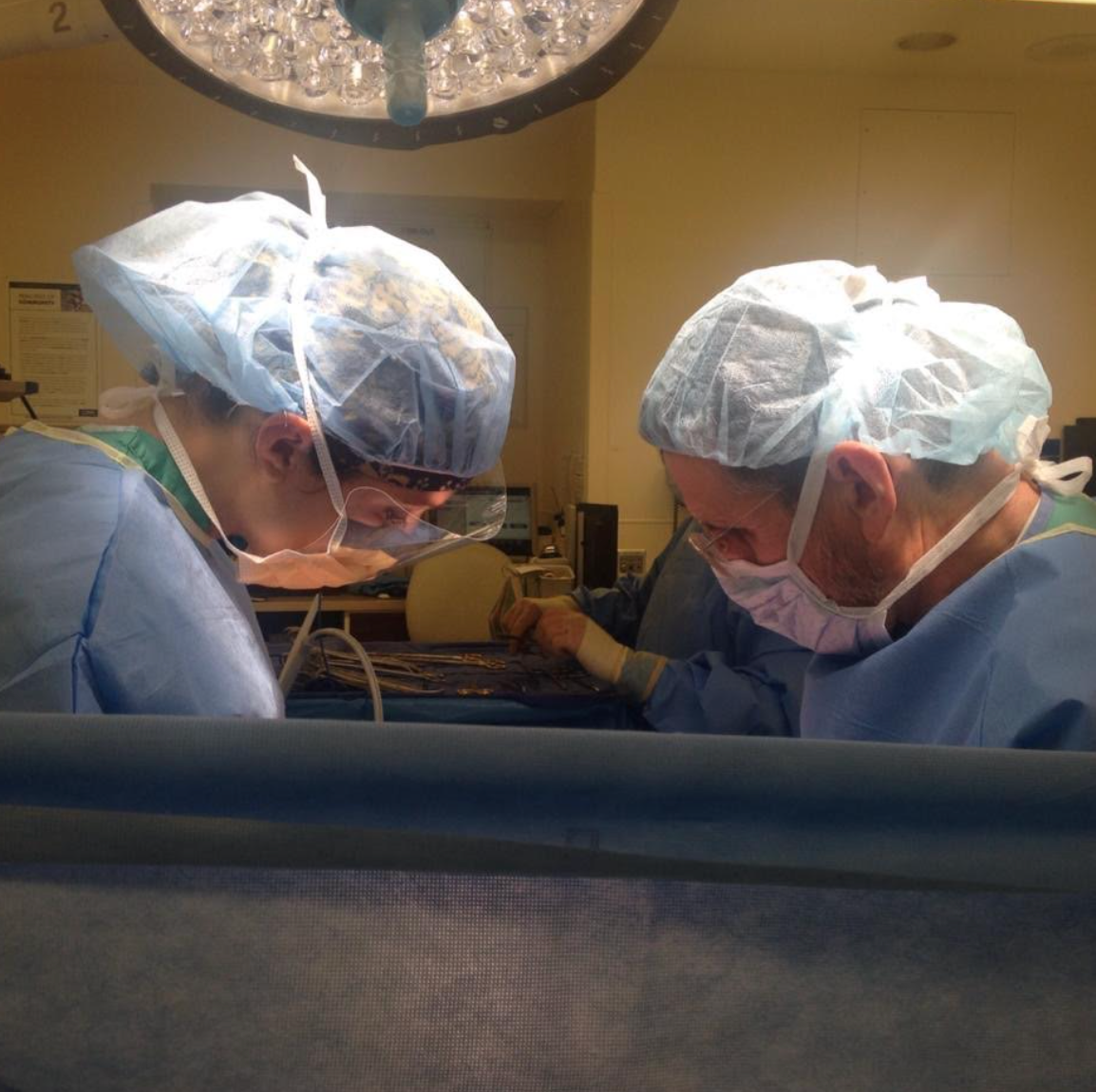
Courtesy of Caitlin A. Smith
The author, left, in the operating room.
Advertisement
To some degree, I expected to receive messages like these from men, but I was surprised to find that many of the negative replies were, in fact, authored by women. They insisted my own take on my own life could not be trusted and that I was lying about feeling fulfilled. I would never be happy, they insisted, and never know true love or joy. My life would always be incomplete, they said, since I had been misled by a wolf in sheep’s clothing into a life without meaning. That wolf was, apparently, feminism.
These sentiments are not new, even if they have been emboldened by the current presidential administration. Feminism has long been a societal scapegoat. The wave of feminism championed by figures like Gloria Steinem encouraged women to free themselves of society’s expectation that all women must have children and stay in the kitchen. However, in recent years, this narrow definition has been heavily critiqued for the way it may appear to overlook and undervalue the labour involved in motherhood. This version of feminism has also estranged women from different backgrounds by centring the experiences and priorities of only white middle class women.
Women who find deep meaning in child rearing and significance in their work at home have felt alienated by mainstream versions of the movement. Some have even fled progressive politics because they found more alignment in conservative platforms, which often embrace domestic life and labour as a woman’s truest calling. There are even those who have argued that feminism has “ruined” motherhood by allowing women to pursue alternative paths in life and by encouraging the declining birth rate. Furthermore, the experiences, voices, and struggles of marginalised, non-white, and queer women have not always been included in the mission of some approaches to / forms of feminism, leaving many searching for alternative frameworks to fight for all women’s rights.
Advertisement
As the derogatory messages I received in my inbox show, the societal skepticism of women without children is not going anywhere, especially now that we have high-powered conservative think tanks pushing regressive gender roles and opposition to feminist movements. They, too, take the stance that feminism has damaged the traditional family structure by allowing women to believe their lives can be fulfilled without motherhood and marriage.
At the same time, conservatives like JD Vance, who is well known for his animosity towards single women without children, are using their large platforms to claim that women who pursue professional careers are causing social unrest.
Instead of addressing the real lack of support mothers face in this country, Trump is also making an explicit play to push motherhood on American women. Since my essay was published, we have seen proposals for a baby-bonus cash payout for new mothers, childbirth medals, and a federally funded tax-advantaged savings account seeded with $1,000 for any child born between 2025 and 2029, all aimed at selling women on partaking in a traditional nuclear-family lifestyle.
Advertisement
As a paediatric surgeon who helps children every day, I do not understand how I could be viewed as an enemy of the state. Unfortunately, I still see this belief play out – even at work.
In fact, a mother recently asked me a series of personal questions to suss out whether I was capable of performing her child’s routine surgery. After inquiring about my qualifications, she asked me directly whether I was a mother. “No,” I told her, and I asked her why she wanted to know. After a bit of rambling, she concluded with an unconvincing apology, noting, “But I think women should be able to do all kinds of jobs… or whatever.”
I don’t mind questions, and I understand parents put a huge amount of trust in their children’s doctors, especially when it comes to surgery. However, this specific encounter was yet another reminder that even a woman’s value in professional settings can be tied back to their reproductive choices.
Advertisement
I knew a question like this didn’t belong in that hospital exam room and had nothing to do with my skill as a surgeon, but it’s no surprise women feel this way. After all, we are all taught to view women without children as less capable and less committed to the care of others.
At the time I wrote my original essay, I had hoped such sentiments about women without children were declining. But in the weeks after it was released, I watched Kamala Harris’ choice to not have children of her own get repeatedly dragged through the mud. The derogatory rhetoric about women without children has, sadly, only accelerated since I awoke to find myself trending on my phone screen.
I, however, have never wavered in my belief in my value as a childfree woman. Because of the women who have come before me, I have been able to live a life full of joy, meaning, and fulfilment – on my own terms. I will continue to use my voice to ensure others can do the same.
Advertisement
Caitlin A. Smith is a surgeon and writer in the Pacific Northwest. Her personal essays on surgical training and experiences have appeared on Doximity. She is currently writing her first book, a firsthand account about the life and experiences of women in medicine. Find her at @miseducationofaknife on Instagram and Substack.