I am no conspiracy theorist; I trust doctors, I trust medicine and I have found that this has served me well in life. However, I have to confess that when my doctor asks me something seemingly ‘random’ question, I do wonder why that would ever matter.
For example, I have been with my partner for almost nine years and lived with him for almost seven years but we are not married and don’t plan to be. When my doctor asks about my sexual activities and soon after asks if I’m married, my first instinct is to get defensive.
Advertisement
What can I say? I’m tired of being asked when we will marry.
However, one expert has explained why these questions occur and, well, I stand corrected.
Why doctors ask ‘weird’ questions
Writing for The Conversation, Jill Inderstrodt, an Assistant Professor of Health Policy and Management, Indiana University says: “For those of us who use demographic data collected during health care encounters to conduct research and design interventions, it does matter whether patients answer their doctor’s demographic questions.
“But as a patient myself, I can see how these questions might seem unnecessary and even invasive.”
She goes on to explain that by answering these questions, you’re actually playing a part in shaping Public Health: “When you answer the demographic questions your doctor logs in your electronic health record, you’re doing more than disclosing personal information. You’re adding one small piece to a giant puzzle of data that allows researchers like me to see a bigger picture.
“Your health information can help us understand who gets sick and why. It might even be used to design real health interventions.”
Advertisement
Pretty beautiful, actually.
Inderstrodt goes on to give real-life examples of this, saying: “For example, my colleagues and I in the Indiana University Better AI for a Strong Rural Maternal and Child Health Environment Lab use this data to train machine learning models that predict preeclampsia, a life-threatening condition of high blood pressure during pregnancy, before a mom gets really sick.
“We could use only clinical data: diagnoses, labs and vital readings like blood pressure that contribute to the outcome of preeclampsia.
“But for conditions like preeclampsia, Black moms are diagnosed at higher rates than their white counterparts. Research shows that race and racism can be major contributing factors to this disparity.”
Advertisement
As for why doctors ask if you’re married…
Uh, so, my doctor isn’t personally invested in my relationship status. Shocked.
Inderstrodt explains: “This is why your cardiologist asks about your marital status. Your response might help researchers understand why single moms are more likely to have cardiovascular disease than their married counterparts.
“And telling your optometrist your race is one of the only ways to learn what role race might play in patients using weight loss drugs experiencing vision loss.”
Still, those who have access to thick blankets of fluffy flakes, like those in parts of Scotland, might benefit from “snow shoeing” in it, said Dr Suzanne Wylie, GP and medical adviser for IQdoctor.
Advertisement
What is “snowshoeing”?
“Snowshoeing” works more or less like you’d think it would.
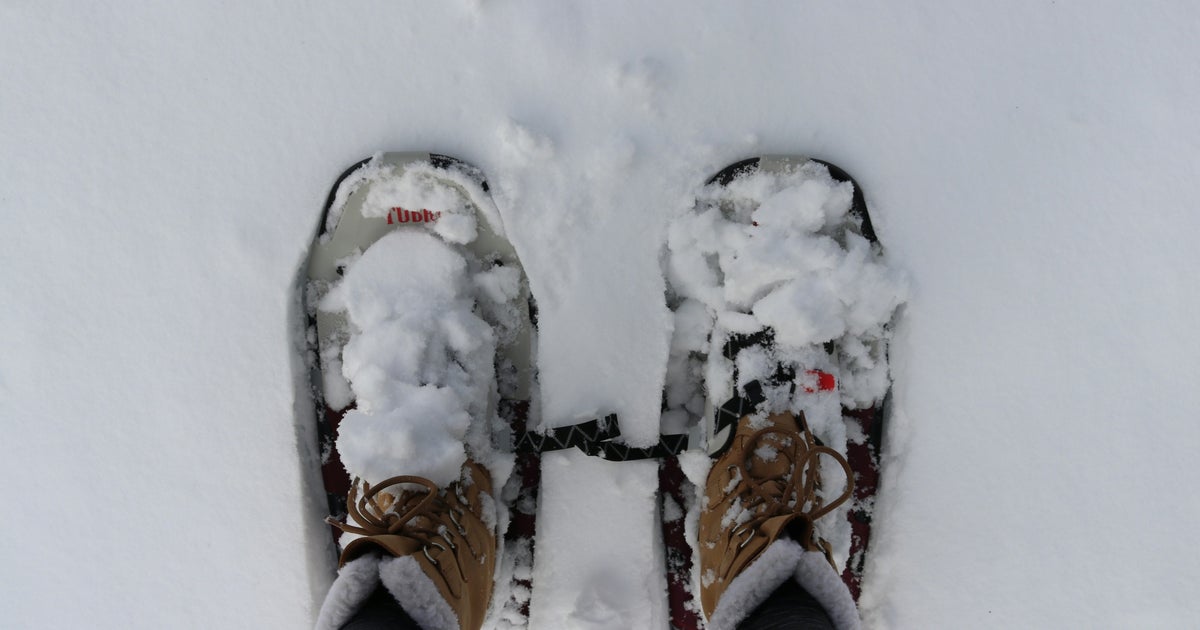
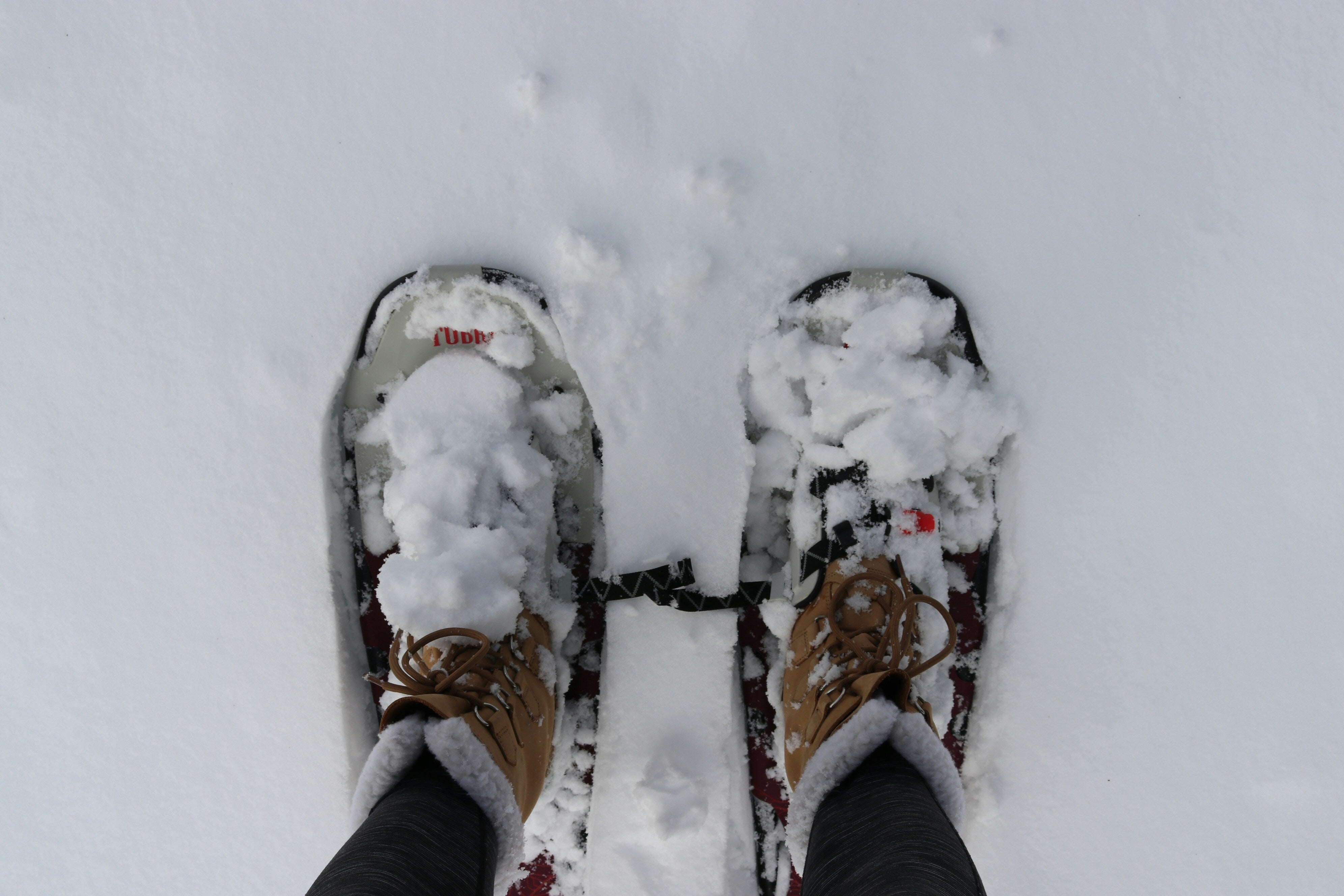
It “is simply walking on snow using snowshoes to give extra flotation and grip,” Alpine Exploratory shared.
Snowshoes are frames, with spikes for added grip, that you can strap onto your walking boots to prevent sinking into deep snow.
If you’re taking an unexplored or difficult path, Alpine Exploratory recommends using a guide.
What are the health benefits of “snowshoeing”?
“Snowshoeing can offer some advantages over normal walking, largely because of the environment and the physical demands involved,” Dr Wylie told HuffPost UK.
Advertisement
“Walking on snowshoes requires greater effort due to the resistance of snow and the added weight on the feet, which can increase cardiovascular workload and energy expenditure compared with walking on flat, firm ground.
“This can help improve aerobic fitness and engage a wider range of muscle groups, particularly in the legs and core, while still remaining relatively low impact on the joints.”
And, she explained, the method reduces the likelihood of hurting yourself on othwerwise trickty terrain.
Advertisement
“The wider base of the snowshoe can also reduce the risk of slipping compared with walking on icy ground in standard footwear, although good technique and suitable terrain are important to minimise falls”.
Like other forms of walking, the GP added, snowshoeing “supports heart health, helps with weight management, and can improve blood sugar control”.
So perhaps it’s no wonder Dr Wylie said that snowshoeing “has the added benefit of being an outdoor activity often done in natural, scenic settings.”
She continued, “Exposure to daylight and nature is associated with improved mood, reduced stress, and better mental wellbeing, which can be particularly valuable during winter months when people are more prone to low mood.
Advertisement
“As with any exercise, it should be approached sensibly, taking into account individual fitness levels and medical conditions, but for many, snowshoeing can be an enjoyable and effective way to stay active both physically and mentally.”
What a rotten mix of traits I have. I love collecting new stuff, hate throwing things out, and also adore free space and clear counters.
That means I can spend hours stressing over my cluttered cupboards, despairing about what could happen if I threw away that once-beloved trench coat, all to end up in a frozen, stressed state.
“If you struggle with decision fatigue, reverse decluttering is a great way to ease into the process with a more positive mindset,” he explained.
What is “reverse decluttering”?
The process is pretty simple (and rather like Marie Kondo’s joy-sparking rule) – instead of trying ot work out what you want to lose, consider what you couldn’t live without.
“Rather than starting with what to get rid of, begin by setting aside the things you know you want to keep,” Parkinson said.
Advertisement
“This helps set the tone for a productive session by focusing on what’s already useful or valued in your space. That small win naturally makes the decisions that follow feel less overwhelming, while helping you to feel more confident and in control from the outset.”
Indeed, some research has found that employees who set short-term goals were more likely to complete them.
“Once your essentials are set aside, it’s much easier to look at what’s left and decide what to donate, recycle or move on,” Parkinson continued.
Advertisement
’Tis the season for regifting, too
If you really don’t like the idea of throwing your possessions away, Parkinson said, “Regifting is a great way to give good quality items that you don’t have time to sell a second life.
“A barely-used lamp, for example, could be exactly what someone else is looking for. Passing items on makes the process feel more rewarding and intentional, especially if you’re someone who struggles with the guilt of letting things go.”
Advertisement
After all, he explained, “What tends to slow people down when decluttering is the idea that they might sell everything at a later date. In reality, those ‘sell’ piles often sit around for weeks and can often be mistaken for rubbish in your next clear-out.”
Bedrooms are particularly susceptible to accumulating clutter for this reason, he stated.
“Being decisive about what to actually give away is what turns a declutter session into real progress.”
The thought of making cocktails for your friends and family right from your own home is extremely glamorous but in reality, you could end up playing mixologist for the evening and not getting a chance to actually enjoy the company of your loved ones.
Cocktail expert Abi Clephane from Bruichladdich Distillery agrees. She says: ”“I love the theatre of shaking cocktails,
Advertisement
“But when you’ve got people arriving in waves, you want drinks that taste brilliant without needing to stand there making each one like you’re on a shift. Christmas should be fun for the host too.”
Plus, how many of us just have a cocktail shaker kicking about?
The bottle-and-freezer method that replaces shaking entirely
Clephane says her number one hack is to pre-dilute your cocktails, bottle them, and then freeze them.
She explains: “Make your cocktail exactly as you normally would, same ingredients, same ratios, and then just add water. For a stirred drink, add 20%. For a shaken drink, add 25%. That gives you the dilution you’d normally get from ice, but without having to shake or stir anything.
Advertisement
“Freeze the bottle and pour it straight into a glass. It comes out cold, smooth, and perfectly balanced.”
She adds that this one trick avoids the classic hosting nightmare: “There is never, ever enough ice at Christmas for the amount of cocktails people expect. This solves that immediately.
“Just make sure you’re using a sturdy bottle. The ones we use at Bruichladdich are 60% recycled glass and can handle the freezer, so you can batch everything days ahead and not stress about anything breaking.”
Advertisement
Speaking of freezing glassware…
Clephane swears by frozen glassware because it improves everything without any effort at all: “A frozen glass just makes a drink so much more enjoyable. You don’t need fancy ice or special equipment.
“If you’ve got space to chill a few glasses before people arrive, that alone will make your drinks feel more intentional. You can use it for cocktails, wine, even beer – it improves every drink!”
If you want clear ice, the boiling water trick doesn’t actually work
Clearing up an old myth, Clephane says: “People always think boiled water will give you clear ice, but it genuinely doesn’t make a difference.
Advertisement
“If you actually want those really clear cubes, the only method that works is directional freezing. Get a small cool box, fill it with good-quality water, leave the lid off and put it in the freezer.
“It freezes from the top down, and that’s what creates proper clarity. Then you can cut it into cubes or use stretchy silicone moulds if you want to shape it.”
Not long after my husband, Keith, died suddenly in April 2000, I overheard one of his family members tell someone that she didn’t feel sorry for me and my young children. “This will make them stronger,” she asserted.
Seventeen years later, her words taunted me as I shuffled across the sizzling parking lot of a suburban shopping center on my way to a therapist’s office. Stronger. What a joke; I could barely walk.
Once inside, I slumped into an oversized chair and wearily told my new therapist, Elizabeth, my problem was that I sucked at life and the visit would be a waste of time for both of us.
Advertisement
The only reason I was there was because one of my adult daughters had threatened to call 911 if I didn’t get help for myself. She’d become alarmed after she couldn’t reach me and had stopped by my house, where she discovered me flat on my back on my sofa. I hadn’t bathed or changed my clothes in weeks.
Assuming Elizabeth would show me the door so she could move on to a more worthwhile patient, I was surprised when she instead asked me to elaborate. After listening for nearly an hour, she said, “What you’re suffering from has nothing to do with being bad at life. It’s called resilience fatigue.”
I’d never heard of it, but I knew all about resilience. Its necessity had been drummed into my head since I was a kid. “Pull yourself up by your bootstraps ….” “When the going gets tough ….” “If at first you don’t succeed ….” As I saw it, resilience was the crux of my problem. If I wasn’t so weak and lazy, I could allow adversity to transform me into a deeper, tougher individual.
Advertisement
“We have a lot of work to do,” Elizabeth told me.
The American Psychological Association defines resilience as “the process and outcome of successfully adapting to difficult or challenging life experiences.”
“Adapting” is the key word. If stressful events never let up, there’s no time to adapt. Resilience fatigue or toxic stress is about prolonged, excessive and unmanaged intense stress that leads to a sense of being constantly overwhelmed. Without sufficient coping mechanisms, the body’s stress response becomes overworked. This, in turn, can lead to an imbalance in our physiological systems and affect everything from mood to the immune system.
That sounded like me.
I’d been living in a near-constant state of anxiety mixed with dread since April 2000. I’d grown so accustomed to the feeling of impending doom — the racing heart, the perpetual tightness across my shoulders — that I thought it was normal.
Advertisement
Apparently it’s not.
Keith’s death would have been challenging enough on its own, but overnight I also became a single mother of three. Worse still, I was pregnant with our fourth child.
And that was just the beginning.
Courtesy Margaret Feike
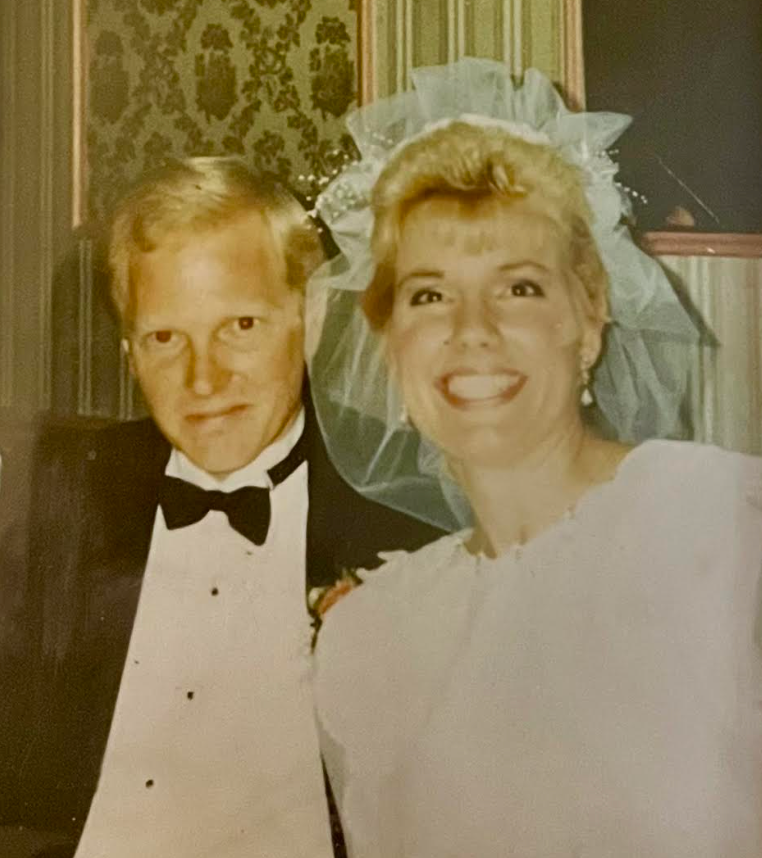
The author and Keith on their wedding day, March 4, 1989.
Keith had minimal life insurance. I’d been a stay-at-home mother for almost a decade while we continually moved for his job as he climbed the corporate ladder. Even before I buried him, the realisation that I’d have to find both work and child care ASAP filled me with terror. A family of five had to have health insurance. We’d been insured through Keith’s employer, and I couldn’t afford to pay for it outright.
Advertisement
Finding work took precedence over everything, including grieving my husband and bonding with the baby born three weeks after he died.
I’d always assumed the capacity for resilience was limitless and also hardwired into human beings like the fight-or-flight response, but during my counselling sessions, I learned otherwise. It’s not innate; rather, it’s learned and comes not just from individual effort but also from available support and resources.
The times I attempted to discuss my fears or concerns with others, they dismissed them: “You’re young, you’ll bounce back ….” “God never gives you more than you can handle ….” “In a few years you’ll remarry and hopefully the next guy will be rich ….” This was what passed for support in my world.
Advertisement
Still, I believed grit and determination would not only save me but someday I’d look back on those terrible days and be thankful for what I’d gone through while reflecting on how far I’d come.
For a hot minute, that seemed to be the case. After an obsessive job search, I found a position in an auto insurance call center with top-notch benefits. My parents, who’d recently retired and had moved nearby, agreed to watch my kids and not charge me. I began humming the song “I Will Survive.”
Unfortunately, the job turned into a trap. Callers were frequently angry; they swore and shouted at me all day. There was little room for advancement unless I could put in overtime or travel, which was impossible given my situation. I’d leave work depressed and drained and come home to a messy house full of bickering kids and memories of the life I used to love.
Advertisement
I also began flashing back to the morning I found Keith dead in our bed. As time passed, I thought about him more instead of less, and I couldn’t understand why the last day of his life played on a constant loop in my head, as if I could change the outcome if I relived it enough times.
When I mentioned this to a relative, she chastised me. “You need to focus on all the good things you still have, not on the bad.”
Of course I was grateful for what I had, despite the fact that my finances were eroding at a frighteningly rapid pace. Despite the fact that I’d gone from enjoying a vibrant, hope-filled life with a man I loved to living like a cloistered nun. Despite the fact that one day my future had beckoned like the yellow brick road and the next there was a ROAD PERMANENTLY CLOSED sign blocking the entrance.
Advertisement
Courtesy Margaret Feike
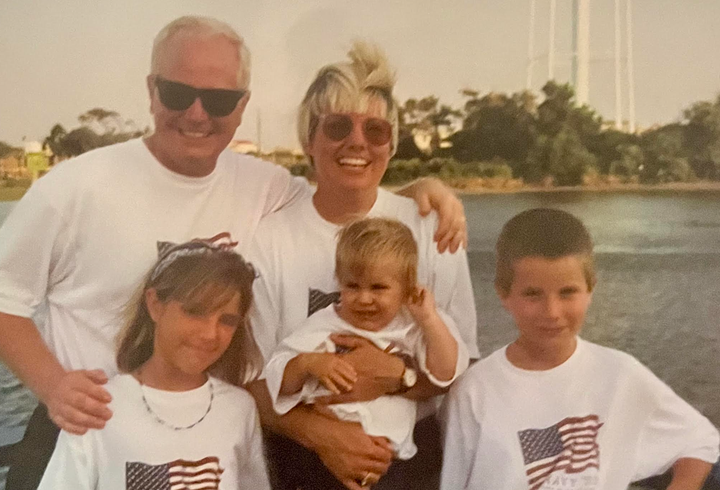
The author’s family on their last family vacation in 1999. “Keith had less than a year to live,” the author writes.
Most of all I was grateful for my parents.
In their mid-60s, they were now practically raising a toddler and an infant. I was tired all the time and so were they. Our relationship deteriorated even as I suffered crushing guilt over what they were doing for me.
Yet I was certain I could turn everything around. So I prayed daily for acceptance of my situation. The Secret became my Bible, and I spewed positive affirmations morning, noon and night. I tried to banish negative thoughts from my head and focus on future abundance, not what I’d lost.
Advertisement
Nothing changed. Eventually I went through bankruptcy followed by foreclosure. I was fired from my job for not being able to keep up with the ever-changing metrics. When I discovered my oldest daughter was using heroin, I thought life could not get any worse.
I was wrong.
My father developed Alzheimer’s disease, and I moved in with my parents to help care for him. Two years after he died, my mother was diagnosed with terminal cancer, and I took care of her until the end.
By then my daughter was no longer using heroin, which was an unexpected miracle.
But at that point my younger daughter was in trouble for school truancy and drug use. Eventually she was removed from my home by Franklin County Children Services after her high school filed a criminal complaint with the local juvenile court and a judge ruled that she be placed in foster care at a local psychiatric residential treatment facility. It was a good thing I was unemployed, as my days became a merry-go-round of mandatory meetings with social workers, psychiatrists, counsellours and a court-appointed guardian. They picked apart my life and told me everything I was doing wrong as a parent but offered nothing in terms of concrete solutions or support.
Advertisement
My daughter was gone for over two years. Upon her return, she told me she’d been sexually assaulted while she was at the treatment facility. Guilt for what she’d been through vied with an impotent sense of rage deep inside me. The feelings were so inflammatory that sometimes I was sure I’d self-combust.
In the midst of my ongoing crises, I met a man in a writers’ group I’d joined in an attempt to get away from my life. Jim became a bright beacon in my otherwise dreary existence, so much so that I dared to envision a future with him. But three months after my mother passed, he died by suicide in my car. My younger son, who’d adored Jim, was so traumatised he had to be hospitalised after he became suicidal. My older son ghosted me for several years, deeming me a toxic mother.
I could no longer deny that my life had become a not-so-funny running joke, with me as the punchline. Sometimes I imagined my husband disgustedly shaking his head as he watched his family fall apart.
Advertisement
Just thinking about it exhausted me. One day I lay down on my living room sofa and couldn’t find the strength to rise again. I prayed for death as I thought about how I’d failed everyone, including myself.
Elizabeth helped me to reframe my viewpoint.
“Your husband died, then you had a baby. You had to hit the ground running with no time to grieve him or help your children. Your life became a runaway train that took 17 years to crash,” she said.
She put me in touch with a psychiatric nurse who prescribed a combination of antidepressants and anti-anxiety medications. She also utilised cognitive therapy, including EMDR (eye movement desensitisation and reprocessing). Slowly I began to feel better.
Advertisement
Courtesy Margaret Feike
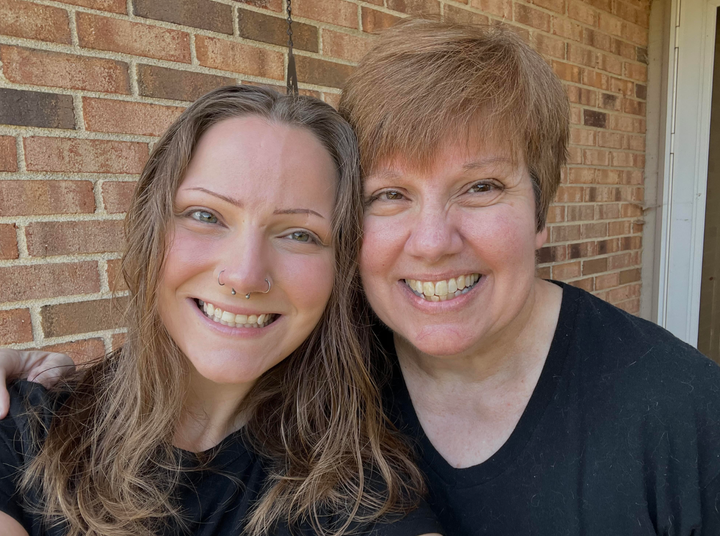
The author and her youngest daughter, Dianna. “She was born three weeks after her father died,” the author writes.
Of course you can’t always control what life throws at you, but Elizabeth pointed out that my path might have taken a different turn if I hadn’t been forced into a race against time to secure health insurance and child care, those fickle twins that dictate life for so many Americans.
Still, I had trouble letting go of the conviction that I’d traded in resilience for lethargy. All my life I’d heard that adversity builds character and that what doesn’t kill us makes us stronger. Elizabeth shook her head. “Those are dangerous generalisations and they’re mostly false. Beliefs like that allow us to minimise other peoples’ suffering without feeling guilt.”
Advertisement
A growing body of research shows that despite the widespread belief that negative life events result in “post-traumatic growth” or positive personality change, “the only type of growth that seems to arise consistently is deepened relationships,” according to the Society for Personality and Social Psychology. Our relationships with loved ones often become more meaningful during times of struggle.
“But that requires having supportive relationships in the first place,” Elizabeth said. “Other than your parents, who were tossed out of the frying pan into the fire with you, you’ve been going it alone all this time. What would you say to that relative who told you Keith’s death would make you stronger if you saw her today?”
I didn’t hesitate. “I’d say, ‘You have no idea how badly I wish you’d been right.’”
Seven years on, my own mental health is in a much better place, and my children are thriving. We’re closer than we’ve ever been, and all four are involved in healthy relationships and working at jobs they enjoy. My older daughter became a psychiatric nurse and the younger one is pursuing a nursing degree in the same field.
Advertisement
After my oldest child went through a divorce a few years ago, I began watching my two young grandchildren while she worked, paying it forward the way my parents did for me.
I understand the urge to offer platitudes to someone who’s experienced a loss or tragedy. The right words can be difficult to find. But it’s better to say nothing than to imply they’ll somehow benefit or be improved as a result of their misfortune.
Suffering hasn’t made me stronger, but it certainly has taught me about the kind of person I want to be. Now I’m able to offer more than platitudes to others going through difficult times because I can share my experience along with empathy. Pain does not build resilience; lending support does, even if it’s only a sympathetic ear.
Advertisement
I’m grateful that today I can be that support for my family.
This piece was originally published in December 2024 and we are sharing it again now as part of HuffPost Personal’s “Best Of” series.
Margaret Jan Feike’s personal essays concerning subjects such as addiction, mental health, and grief have been published by Salon, McSweeney’s, Modern Loss, and other venues. She resides in central Ohio with her younger two children and a herd of cats and recently completed her first novel.
Whether you love or loathe Christmas, it’s hard to deny just how stressful the season can be. Gathering gifts, decorating, reconnecting with family members and if you’re hosting Christmas Dinner… SO much prepping.
Even with all the best intentions, this stress can really take a toll and prevent you from enjoying the holidays which feels like it defeats the entire point.
Advertisement
Thankfully, one psychologist, Nathan D Iverson PhD has found a way to apply the leadership value of 70-20-10 to holiday stress and you know what? It just might be the solution we’ve been looking for.
The 70-20-10 rule for Christmas stress
70% – ‘hard moments we didn’t choose’
We are ALL familiar with them. An established couple being asked when they’re planning to have a child, a flustered family member trying to please everybody or even just falling back into family dynamics you thought you left behind in childhood.
Petty sibling arguments, anyone?
Iverson says: “For most of my life, and still right now, I’ve experienced these moments as obstacles to a peaceful season. But lately, I’m trying—imperfectly—to see them as part of my growth instead of proof of my shortcomings.
Advertisement
“Psychologists call this a learning orientation—seeing challenges as opportunities to grow rather than threats to avoid. It doesn’t make the moment easier. But it does change how we make meaning of it.”
It sounds like it makes perfect sense but I reckon it’ll take some practice to get used to.
20% – ‘The people who help us make sense of things’
A sneaky heart-to-heart with your favourite auntie or words of wisdom from your mum, these quiet corners of conversation can help us to make sense of our own feelings, according to Iverson.
Iverson says: “Often, they help us laugh a little at ourselves—which is a form of grace we don’t give enough credit.
Advertisement
“I rely on these conversations far more than I admit. They turn holiday tension into insight. Without them, the moment just stays a moment. With them, the moment becomes meaningful.”
10% – ‘The tools we bring with us’
Finally, this is a little work you must do yourself. Learn how to control your stress, your big feelings and how to empathise with even your most frustrating family members.
Iverson assures: “These tools rarely show up perfectly in the moment. But afterward, they help us reflect with less shame and more clarity.
Advertisement
“Knowledge alone doesn’t change us—but it supports the slow work that does.”
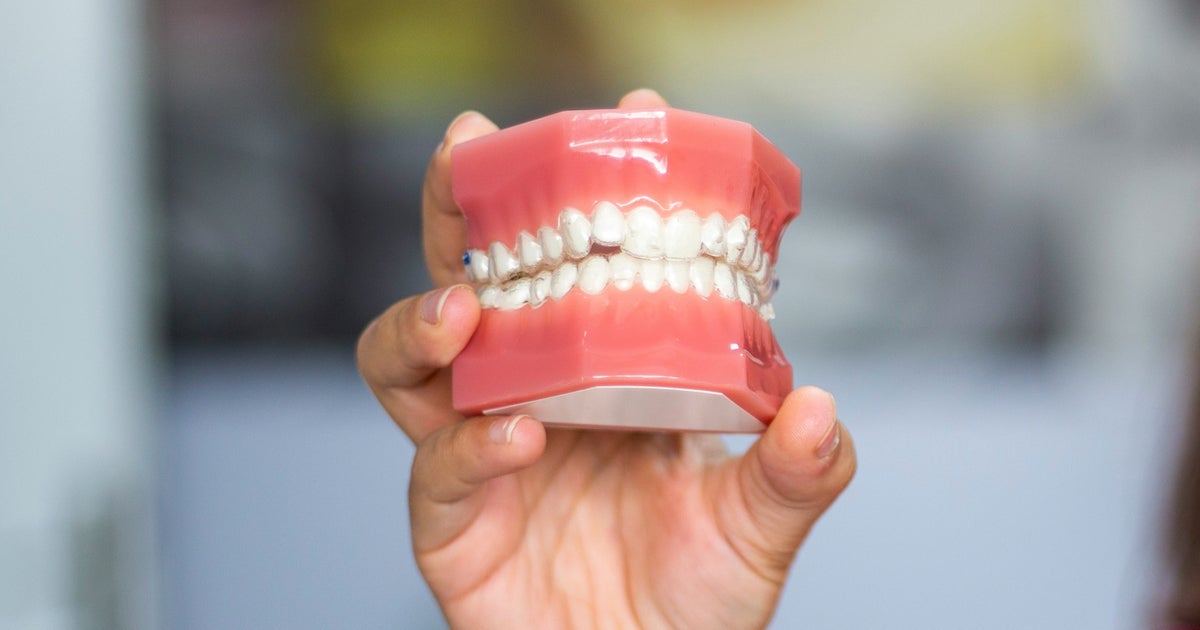
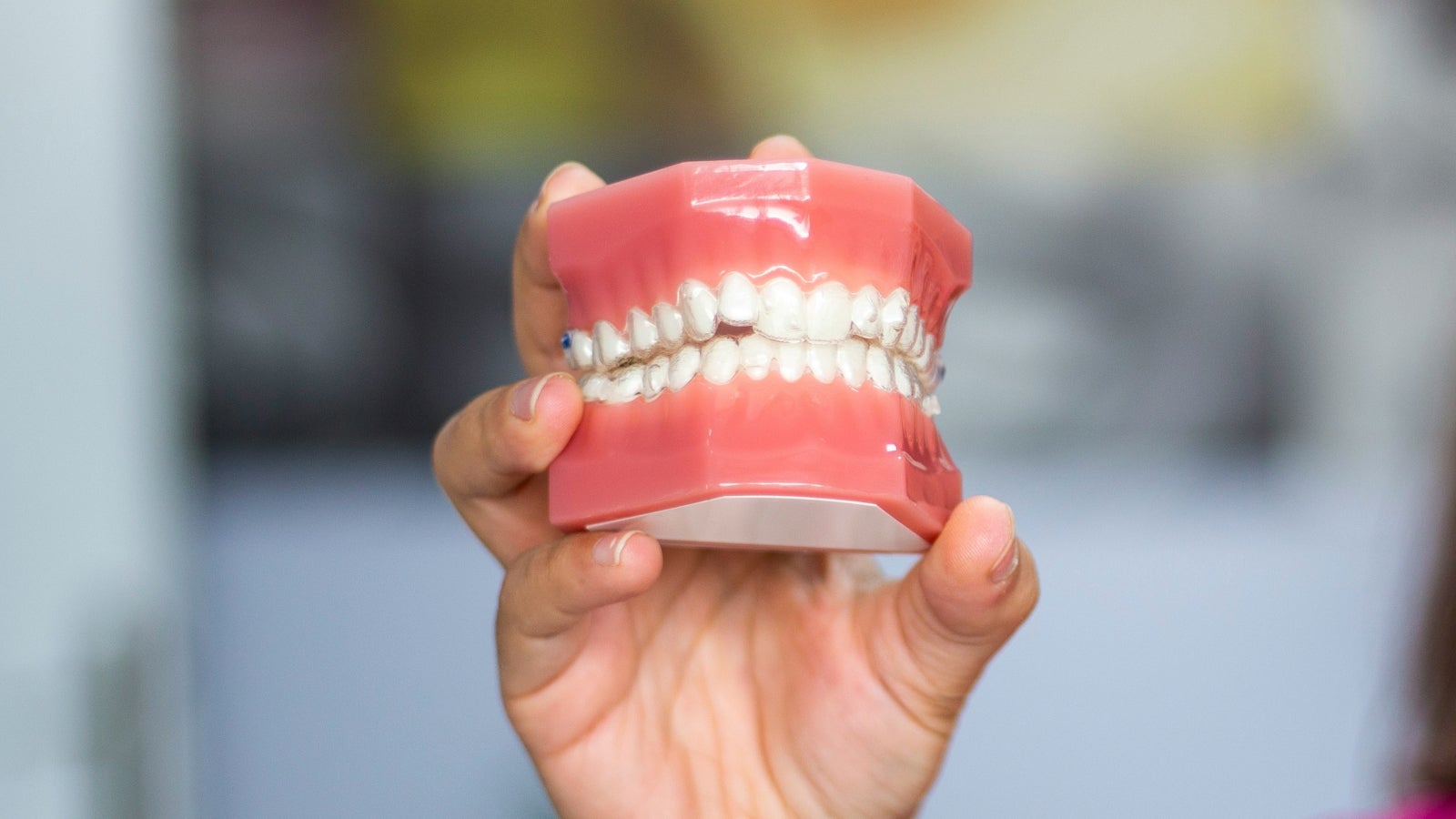
So it’s a good thing Dr Mohammad Ali, a dentist and co-founder of Emerdency, has shared the signs experts can spot in seconds which may reveal changes to your hormone levels.
These are:
1) Gum inflammation that seems to come from nowhere
This may be a sign of pregnancy, Dr Ali said. “Gums look swollen, red and bleed very easily even when brushing and cleaning are good, which can suggest that hormones are making the tissues more reactive to plaque.”
This may happen, the expert explained, because “Progesterone and oestrogen increase blood flow levels to the gum tissues and make them more reactive to plaque.”
Advertisement
Additionally, “Thyroid disorders can also interfere with tissue healing, so gums can become inflamed more quickly and take longer to recover.”
“If a patient’s tongue seems to be textured or sticky and saliva is low,” especially if the person’s dental hygiene is generally good, Dr Ali said dentists may begin to suspect “menopause, low oestrogen, ongoing high stress, and certain medications or medical conditions”.
Advertisement
He added, “Low oestrogen can reduce saliva production in many women. Saliva is key to protecting teeth, so menopausal women may notice more frequent cavities and greater sensitivity than before”.
And, he added, saliva production is linked to our parasympathetic, or “rest and digest,” system. Overproduction of stress hormones like cortisol “can disrupt these pathways and reduce saliva flow in many people.
“Dry mouth has also been linked to burning mouth syndrome, another condition linked to menopause.”
3) Jaw cleaning, cracked enamel, and worn teeth
This may be linked to elevated stress levels (and the overproduction of associated hormones) as well as poor sleep, said the dentist.
Advertisement
“When dentists examine teeth at a check-up, they can usually see clear signs of grinding, such as tiny fractures, flat edges and chipped enamel.
“These are classic signs of clenching or grinding, which are commonly linked with chronic stress and restless sleep, although there can be other contributing factors as well.”
4) Unexplained bad breath
“Bad breath is not always about brushing routines,” Dr Ali shared.
It can also be caused by “metabolic and hormonal factors,” like insulin resistance and PCOS, which “may alter the balance of bacteria in the gut and mouth”.
Advertisement
Hypothyroidism, too, “lowers metabolic rate and slows saliva production, letting odour-causing bacteria thrive,” he added, while “elevated ketones from blood sugar imbalance,” sometimes caused by insulin issues, “can also change breath smell”.
5) Enamel erosion that seems linked to stomach acid
And, Dr Ali said, some hormonal shifts can create acid reflux. “Hormones can contribute to acid reflux, especially progesterone in pregnancy and stress hormones such as cortisol during extreme stress.
“Progesterone relaxes the lower oesophageal sphincter, which can increase reflux. Stress hormones such as cortisol can increase stomach acid and make reflux symptoms worse in susceptible people.”
Advertisement
6) Mouth ulcers and slow-healing sores
“Drops in oestrogen are thought to weaken mucosal barriers and make tissues more prone to irritation,” which could lead to more ulcers in eg menopause and perimenopause.
And, the dentist added, “persistently raised cortisol can interfere with the activity of immune cells that look after wound repair,” meaning stress may prevent your sores from healing as quickly as usual.
“When hormones are out of balance, small injuries in the mouth may take longer to heal, and ulcers may appear without any clear trigger.” Autoimmune conditions may slow the healing process, too.
Advertisement
What should I do if I think I have hormone-related dental issues?
“People are often surprised by how much their mouth can hint at what is going on in the rest of the body. As a dentist, I cannot diagnose hormone conditions from your teeth alone, but I can spot patterns that suggest it is worth speaking to your GP or practice nurse,” Dr Ali ended.
He recommended keeping a diary of your symptoms, asking a GP for a hormone or blood test if symptoms continue, visiting a dentist if you have any dental concerns, increasing your hydration if you have a dry mouth, and using a fluoride toothpaste to protect your enamel.
While it may still be taboo for some, menstrual blood appears to have more to offer than previously thought. For example, researchers discovered in 2023 that it may actually play a key role in treating Alzheimer’s Disease in the future.
As period blood becomes a little less of a forbidden topic, some social media users have been discussing their DIY skincare in the form of “menstrual masking” or “period face masks”, which are exactly what they sound like.
Advertisement
Writing for The Conversation, Dipa Kamdar, Senior Lecturer in Pharmacy Practice, Kingston University explains: “Popularised on social media, hashtags such as #periodfacemask have amassed billions of views. In most videos, users apply menstrual blood for a few minutes before rinsing it off.
“There’s no clear agreement on how much blood to use or how long to leave it on. Some call the practice healing or empowering, describing it as a spiritual ritual that connects them to their bodies and ancestral femininity.”
However, scientists do have some concerns.
Is menstrual masking actually effective?
Kamdar says: “Advocates of menstrual masking often argue that period blood contains stem cells, cytokines and proteins that could rejuvenate the skin.
Advertisement
“There is currently no clinical evidence to support using menstrual blood as a topical skincare treatment.”
However, she adds, “its biological composition has shown potential in medical research.”
All is not lost.
A 2018 study found that plasma derived from menstrual fluid could significantly enhance wound healing. In laboratory tests, wounds treated with menstrual plasma showed 100% repair within 24 hours compared with 40% using regular blood plasma.
Kamdar explains: “This remarkable regeneration is thought to be linked to the unique proteins and bioactive molecules in menstrual fluid: the same substances that allow the uterus to rebuild itself every month.”
Advertisement
Is menstrual masking the same as a ‘vampire facial’?
According to Kamdar, some menstrual masking advocates have compared the practice to ‘vampire facials’ which were popularised by Kim Kardashian. Vampire facials use platelet-rich-plasma (PRP) extracted from a patient’s owsn blood and inject it into the skin.
Kamdar warns: “But experts caution against comparing PRP with menstrual blood. Menstrual fluid is a complex mixture of blood, sloughed-off endometrial tissue (the uterine lining), vaginal secretions, hormones and proteins.
Advertisement
“As it passes through the vaginal canal, it can pick up bacteria and fungi, including Staphylococcus aureus, a common microbe that normally lives on the skin but can cause infections if it enters cuts or pores. There’s also a risk that sexually transmitted infections (STIs) could be transferred to the skin.”
Though the influenza H3N2 strain, a variant of the flu currently making headlines, has sometimes been termed a “superflu,” Dr Suzanne Wylie, GP and medical adviser for IQdoctor, told HuffPost UK that “the term ‘superflu’ isn’t a recognised medical diagnosis.”
Instead, she said, it usually describes, “A combination of genuine influenza, circulating Covid-19 variants, RSV, and other viral illnesses that overlap in symptoms and timing.
Advertisement
“This can make the overall picture feel more intense and prolonged than a typical flu season.”
This is not to say, however, that the NHS is not experiencing an extraordinarily busy flu season (they are), or that patients are not “experiencing symptoms that persist longer than usual”.
Here, the GP shared how to spot “normal” flu from what some might term a “superflu,” as well as why influenza might be so rife right now.
How can I tell a “normal” flu from a “superflu”?
Dr Wylie explained that her definition of what some might term a “superflu” is “co-infection with more than one virus, or catching a second virus before fully recovering from the first”.
Advertisement
In that context, she explained, “true influenza tends to come on very suddenly, often within the space of a few hours.
“High fever, profound fatigue, muscle aches, headaches, a dry cough and a sense of being completely ‘wiped out’ are characteristic. People often describe being unable to get out of bed or perform basic tasks.”
She added, “What’s sometimes labelled this year as ‘superflu’ is essentially this classic influenza picture, but with the added complication that many individuals are experiencing symptoms that persist longer than usual, lingering coughs, extended fatigue, and a slower return to normal activity.”
Advertisement
And, the GP said, many cases of what people believe to be flu are actually a bad cold or another respiratory infection. These “develop more gradually” than flu, “with runny noses, sore throats, congestion and milder fevers.”
You will typically still be able to function somewhat with a cold, she continued.
“The distinction can blur, especially when multiple viruses are circulating, but influenza tends to be more abrupt and systemically draining.”
Advertisement
Why is flu so bad this winter?
“Immunity in the population fluctuates year to year, depending on which strains have circulated previously and how closely the current strains match the [flu] vaccine,” she explained.
“If the circulating strain is one the community has not been exposed to recently, or if vaccine uptake has been lower, more people are left susceptible, leading to higher case numbers and more severe symptoms.”
The BBC notes that many people have not been exposed to the mutated H3N2 strain much in the past few years.
Advertisement
This is partly, Dr Wylie said, “the after-effects of the pandemic: reduced exposure to seasonal viruses over several years means people’s baseline immunity to common respiratory pathogens may be lower than it once was.”
And increased strain on healthcare may mean that people are waiting longer to get help for the flu, meaning they’re worse off by the time they’re seen, she added.
“Environmental and behavioural factors also play a role: winter gatherings, indoor living, and schools acting as hubs for virus transmission all contribute to a more intense season,” she continued.
“Many patients are also experiencing simultaneous stresses, poor sleep or chronic conditions that can make any viral illness feel harder to shake off.”
So, “the combination of genuine influenza, overlapping viruses, reduced background immunity and a challenging winter has created the sense of a particularly tough respiratory season.”
And while Dr Wylie is sceptical of the use of the word “superflu,” she advised: “If someone is unsure whether their symptoms are typical of a cold, flu or something more serious, it’s always sensible to seek medical advice, especially if symptoms are severe, prolonged or worsening.”
But exciting research is happening within those. Which is why some scientists have advised on everything from when you eat your dinner to the best bedtime for better ageing.
Here, we’ll share some studies which might make your nighttime routine as conducive as possible for the best, and even most longevity-boosting, results:
Speaking to GQ, Valter Longo, director of the Longevity Institute at the University of Southern California, said that the longest-living people he’s tracked stopped eating 12 hours before breakfast the following day.
Advertisement
That may be, he said, because digesting food may interrupt your sleep and could mean food is stored in a different way.
So, if you’re an eight-hour sleeper, that could mean you stop eating four hours before you sleep and have breakfast right away.
Or you could stop eating three hours before sleep and wait an hour after waking to have brekkie.
We don’t know exactly whether worse gum health comes from people having preexisting health conditions, which can make looking after your teeth harder, or if they actually cause the problems to begin with.
But speaking to HuffPost UK, Dr Jenna Chimon, a cosmetic dentist at Long Island Veneers, explained that gums are “living tissue connected directly to your bloodstream… bacteria and the toxins they release create a constant state of inflammation”.
So while again, we still don’t know exactly in which direction the gum health/all-body health connection flows, experts reccomend flossing anyway ― worst case scenario, you’ll have happier gums.
Advertisement
A 2024 paper listed sleep regularity as a “stronger predictor of mortality” than even sleep duration.
That means that when you go to bed might be more important than how long you sleep when it comes to your risk of death, though having either way too much or way too little sleep is also linked to an increased risk of premature death in the same paper.
Advertisement
Speaking to HuffPost UK previously, registered dietician and longevity specialist Melanie Murphy Richter, who studied under longevity researcher Dr Valter Longo at the University of Southern California, said, “Sleep is one of the most powerful longevity tools we have, and timing matters.
“Going to bed between 10pm and midnight and waking with the sun supports circadian rhythms, hormone balance, and cellular repair – all critical for healthy ageing,” she added.
It is true that some of us have a later chronotype, or a natural “night owl” body clock.
But a 2024 study by Stanford researchers suggested that no matter your natural preference, sleeping after 1am was linked to worse ageing outcomes.
Advertisement
“To age healthily, individuals should start sleeping before 1am, despite chronobiological preferences,” they wrote.