If you know me, you’re probably tired of hearing me rattle on about my running, walking, and strength training adventures (sorry, loved ones).
That’s partly because I’m insufferable. But it’s also because I never imagined I’d get into sports – before the age of 23, I hated the idea.
Advertisement
Now, though, I worry I’ve become a victim of the same conscientiousness some research suggests might have put me off physical activity for years. Until about two months ago, I found myself skipping as many as three workouts a week – if I wasn’t giving it 100%, I reasoned, I’d better not go at all (this, despite knowing that any exercise is better for you than none).
But recently I’ve been enjoying the delights of the “crappy,” half-assed workout, and my exercise routine has never been more consistent.
I spoke to Anna Mathur, psychotherapist and author of the upcoming book The Good Decision Diary, about the joys of doing something badly instead of skipping it altogether.
Advertisement
Unrealistic goals can lead to burnout
The author told me that ambition isn’t a bad thing, but goals rooted in shame or unrealistic expectations can set you on a fast path to disappointment.
“This leads to feelings of stress, pressure, unease, burnout, etc.,” she shared.
“Lofty goals often fail because they ignore the gritty reality of life, our fluctuating energy, ever-changing resources, the unexpected curveballs, responsibilities in other areas of our lives, and our nervous system state.
“We might set out with ‘I’ll wake up at 5am and run every day’ and when we inevitably miss a day because we’re sick, exhausted or had a late night at work, we feel like we’ve failed.”
Advertisement
As someone who used to bail from my beloved jogs unless I felt I could finish a record-beating 10k, I found myself nodding at her advice.
To combat unfair and inflexible goals, be they for a new squat PR or a crochet project, the therapist sticks to what she calls “the 70% rule… if a choice feels 70% good enough, it’s probably time to act.
“Waiting for the perfect moment or plan can keep us in a state of paralysis and stop us from starting. Half-doing something (going for a 10-minute walk instead of a 45-minute workout, writing a messy journal entry instead of none at all) is often how momentum builds and we take the pressure off.”
Advertisement
I have at least 70% conviction to work out most days, and if that only leads to a 45% effort, well, so be it.
In fact, even my 10-minute walk to the gym is so much better than nothing than I realise in the moment – even if I turn around and leave once there.
How can I tell that a goal is backfiring?
A few weeks ago, I spent three days pretty much solely in bed, dreading the prospect of my newly adopted gym routine.
Advertisement
This, despite the fact that my running PR was the best it had ever been, and my squats were the heaviest I’d tried.
That’s because, Mathur cautioned, “Good decisions aren’t just about the outcome (although that’s where we’re culturally taught to focus: on the external, the deliverables, the achievements) – they’re about how they make you feel on the way there too, how you grow as you go, whether you resent the aim, burn out trying to get there.
“One sign that a goal is backfiring is when it starts creating more anxiety than momentum,” she added.
Advertisement
“Maybe it’s affecting your sleep, mood, or relationships. Maybe it’s fuelling rumination, shame, or a harsh inner critic, or you keep falling short or ‘failing.’”
Though a backfiring goal might look impressive from the outside, she continues, it might be time to reconsider or reconfigure it once it leaves you feeling disconnected from yourself.
“A good decision feels like something you can return to, that doesn’t carry that all-or-nothing, walking-on-a-tightrope quality, and is not something you’re constantly bracing against,” she ended.
Advertisement
My new, more flexible routine (if I miss my previous early-or-nothing morning slot, fine; I’ll do something a little less machine-heavy in my crammed 6pm gym) is one example, but the approach works for a far wider range of goals too.
Johns Hopkins Medicine writes that we don’t actually know why physical activity helps you snooze. It might be because working out releases “happy chemicals”, endorphins, or because it raises your body’s core temperature, they suggest.
And now, a new review has been published in the journal BMJ Evidence-Based Medicine that has named the low-impact exercise that could improve the sleep of insomniacs like me by almost two hours.
Yoga might give you two hours of extra sleep
The scientists looked at 22 previous randomised controlled trials involving over 1,300 people with insomnia.
They found that while cognitive behavioural therapy (CBT) was helpful for managing the condition, so too was exercise.
Advertisement
“Among the various modalities examined, yoga, Tai Chi, and walking or jogging appear to be particularly effective,” they wrote.
Not only did yoga improve sleep time by just under two hours on average, but it also helped participants to nod off half an hour earlier than usual.
The review found that the positive sleep effects of Tai Chi and CBT combined may last for as long as two years for people with insomnia, while those associated with aerobic activity or aerobic activity with strength training seemed to last for seven months.
Advertisement
Of the activities included in the research, though, yoga won out in sheer added minutes of kip.
The scientists encouraged more research into the topic
As we mentioned above, the relationship between sleep and exercise is still not fully understood.
Perhaps that’s why this study didn’t recommend an exact amount of yoga or time at which to do it.
“To confirm and extend these findings, future research should prioritise large-scale, high-quality RCTs with standardised intervention protocols,” they wrote in their paper.
The more data we have, the more exercise and sleep scientists can rest easy (sorry….).
All the ‘pink noise’, delayed bedtimes, and even electricity changes have helped somewhat. But I’m always on the lookout for new tips – especially those that involve minimal effort.
Advertisement
Luckily, TikToker Helena Kennedy shared one of those in a recent clip, in which she revealed tips from her psychiatrist that helped her to defeat insomnia.
One of them involved blinking for a solid minute. So, we thought we’d find out whether it works.
How can blinking help you get to sleep?
Kennedy claimed blinking fast for 60 seconds means your eyes “get tired and trick your brain into sleep mode”.
Additionally, the expert said it can help to mimic your body’s natural sleeping cues, which may help your brain to realise it’s time to switch off.
Advertisement
How else can I get to sleep?
Morning light is uniquely helpful for orienting your body clock, which some researchers suggest is more important than actual sleeping hours for feeling reset. Therefore, going on a morning walk may help to get your Circadian rhythm in order.
Some studies suggest there could be some serious benefits to “clock blocking”, or refusing to look at the time when you get up in the middle of the night (I also swear by this trick).
And in a previous interview, sleep expert Dr Nerina Ramlakhan from Oak Tree Mobility told me “there’s a form of insomnia… called ‘orthosomia’, a term for the obsession with getting a good night’s sleep”.
Advertisement
In other words, try not to panic too much about your kip; it might paradoxically hurt you more than it helps.
The big O can be hard enough to achieve at the “best” of times; 61% of men and a mere 30% of women say they finish every time they have sex.
So, the idea of a “hands-free” orgasm can sound a little far-fetched. Nonetheless, experts agree it’s certainly possible (whatever your genitalia).
Advertisement
Speaking to HuffPost UK, Dr. Tara (a professor of sexual communication, a Kinsey-certified sexologist, and resident sexpert on Celebs Go Dating) said that for her, the process was made possible through hypnosis.
“I learned that it’s possible to have an orgasm, and in some cases even multiple, full-body, convulsing orgasms, with absolutely no physical touch and no penetration,” she shared.
It’s about acceptance and relaxation, the sexologist says
Dr Tara, who went to a retreat to learn about the hands-off experience, said she was sceptical about the claim at first.
Advertisement
“As someone who is Western-educated and academically trained, this was almost impossible to believe,” she shared.
“We’re taught that physical stimulation is required for orgasm, but apparently, it’s not. You can actually feel orgasmic sensations simply through listening to someone’s voice and entering a hypnotic state.”
Hands-free masturbation, sometimes called “hypnosex,” often relies on sounds; either a recorded voice “talking you through it,” or a series of noises that create vibrations.
Advertisement
In Dr Tana’s case, she learned about the theory of “hypnosex” first, “including the stages (essentially it’s pre-talk, induction, trance work, and re-emergence).”
“The teacher explained how to guide someone into feeling deeply relaxed,” she added.
“People are a lot more suggestible when they are in the trance state. At the end of the first day, I was hypnotised by the teacher’s partner, who is both a professional dominatrix and a skilled hypnotist.
“During that session, I experienced a ton of pleasurable sensations in my body.”
The third day, she continued, was dedicated to learning to hypnotise others “and also how to be a better receiver, which is about surrendering and letting go.”
Advertisement
How can I achieve a hands-free orgasm?
“I believe this work can benefit everyone, including men (!), but especially people who’ve never had an orgasm or those healing from sexual trauma who want to explore their bodies without touch or penetration,” Dr Tara told us.
“But it’s really for anyone open-minded enough to explore what pleasure can look like when it starts in the mind.”
Listening to hypnotic tracks designed to help you achieve a hands-free orgasm, trying audio porn, or even trying an in-person hypnosis session may help.
Advertisement
Those are not the only methods, though. “Orgasmic breathing,” which Sarah Deysach, a sex educator, told Healthline involves “the deep diaphragmatic breathing used in some forms of meditation and yoga, and… taking deep, intentional breaths,” may help.
Relaxation, willingness to experiment, patience, and “letting go” are key to success, experts agree.
You might already know that overloading your washing machine drum dooms your clothesto longer-lasting dampness – but did you know it could also shorten your appliance’s lifespan?
Additionally, Lenor says we should consider shaking our clothes before bunging them into the dryer, as that helps to “extract surplus water and damp”.
Advertisement
And apparently, the temperature at which you set your washing machine matters much more than we think, according to doctor and broadcaster Dr Xand van Tulleken.
Speaking on BBC Morning Live, he said he doesn’t “see the point” in one setting in particular, as it neither kills off germs nor saves you much money.
Here’s the most “useless” washing machine temperature
Though it does “kill” germs, the doctor joked that “whatever’s happened” to garments that need that extreme a heat setting likely means they need to be binned anyway.
If your household has an infection like Norovirus, Dr Van Tulleken stated you’ll probably be best off washing on a 60°C cycle.
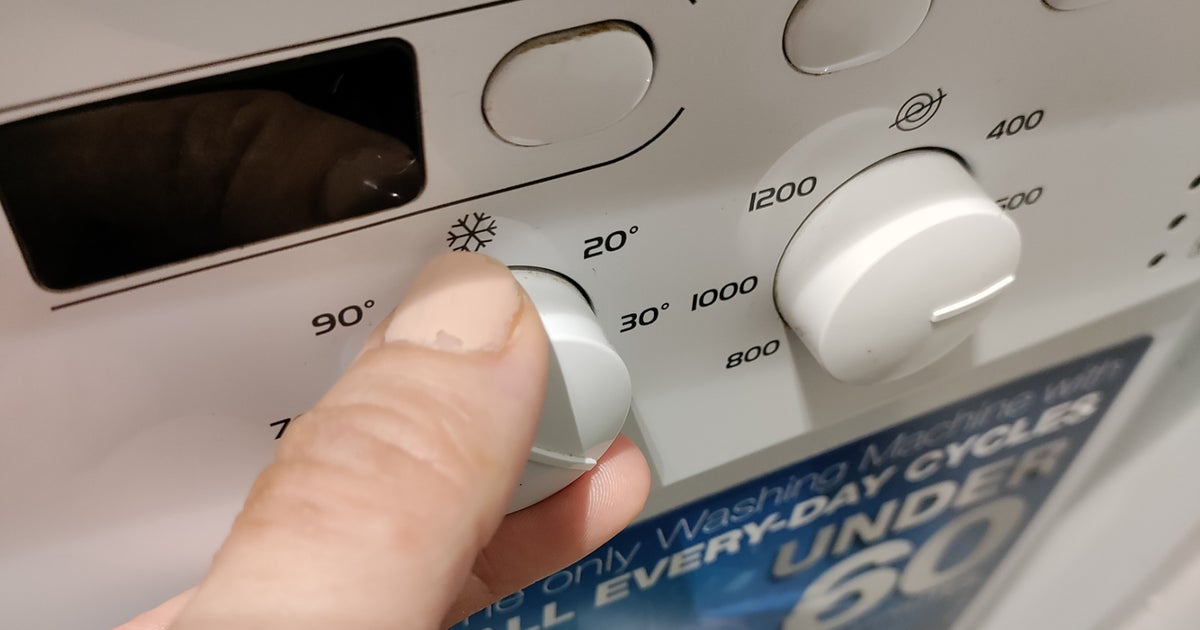
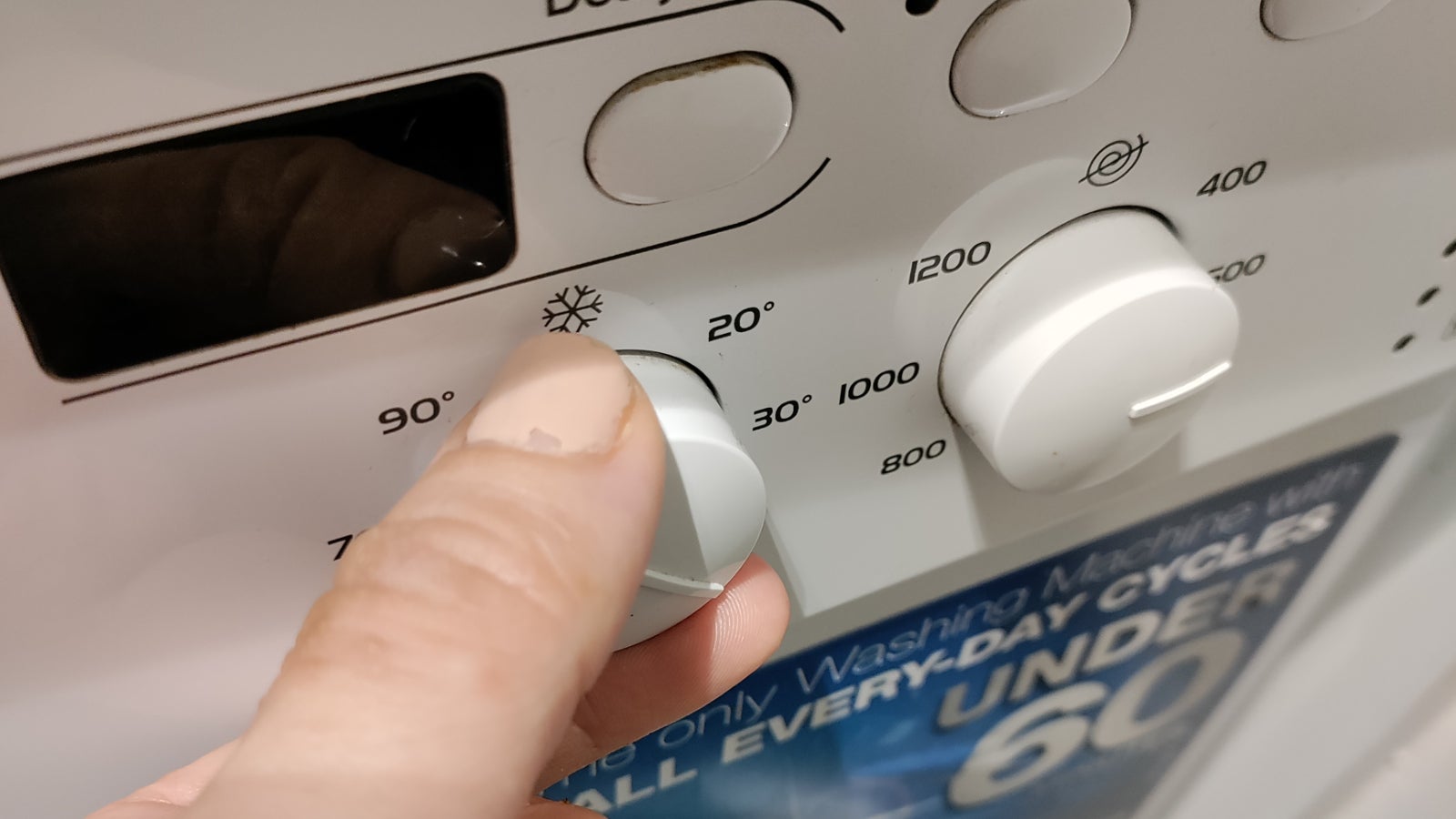
Then he added, “personally, I don’t see the point in 40°C… it’s too hot to be cheap, and it’s too cold to kill [germs]”.
30°C “gets the job done,” the doctor shared (Which? found that on average, switching from 40°C to 30°C saved 38% energy, or about £24 a year).
Advertisement
Personally, though, the doctor is a “20°C guy for everything” except his workout clothes.
Which? wrote that this saves 62% energy or £39 a year compared to 40°C; they recommend washing at either 20°C or 30°C where possible.
Though this may leave your washing machine drum a little less boil-wash-clean than higher temps, that’s resolved by simply running “a monthly hot maintenance wash (60°C with the machine empty and washing machine cleaner in the detergent tray)”.
Rejection-sensitive dysphoria, or RSD, is not an officially recognised diagnosis, the Cleveland Clinic says. But it is sometimes used in connection with formal diagnoses, like ADHD.
“This condition is linked to ADHD and experts suspect it happens due to differences in brain structure,” the Cleveland Clinic adds.
Advertisement
ADHD resource ADDITUDE calls RSD a “common ADHD trait”, though experts are in disagreement about whether it’s a trait or side effect. Nonetheless, a 2024 paper suggested a strong relationship between the two.
So, what exactly is RSD?
RSD is an extreme sensitivity to feelings of rejection. The term’s last word, “dysphoria”, comes from an Ancient Greek word meaning “uncomfortable” or “hard to bear”.
Cleveland Clinic says: “While rejection is something people usually don’t like, the negative feelings that come with RSD are stronger and can be harder to manage or both.
Advertisement
“People with RSD are also more likely to interpret vague interactions as rejection and may find it difficult to control their reactions.”
For those with RSD, something which might be a throwaway comment for one person can come across as a hostile, hurtful insult.
It may be linked to issues with emotional regulation, which neurodivergent people and those with personality disorders might struggle with more.
Advertisement
What are the signs of RSD?
People-pleasing, overreacting to perceived rejection, and struggling to interpret vague or neutral interactions as anything other than bad are common signs, the Cleveland Clinic says.
Feeling easily embarrassed or self-conscious, having low self-esteem, avoiding projects or tasks that include a risk of failure, and being preoccupied with perfection can also be symptoms.
NHS Devon Partnership Trust writes that while “people with ADHD might identify with the definition of RSD… it won’t be given as a diagnosis in the UK”.
Advertisement
But while you are unlikely to receive a formal RSD diagnosis, you should speak to a doctor if you’re experiencing persistent difficulties with: attention, mood, focus, sensory processing, social interactions, or learning that disrupt your day-to-day life.
According to private medical centre, the Dr Jenni Clinic, talking therapies and emotional regulation techniques might help manage RSD. Some ADHD medications can also support emotional regulation, “reducing the intensity of RSD symptoms”.
We’ve written before at HuffPost UK about how to achieve a restaurant-level finish on everything from scrambled eggs to potato wedges.
But even something as simple as cucumbers and strawberries can be elevated to a professional standard, too – provided you know the chef’s secrets.
Advertisement
Luckily, Sabian Mehmetaj, pastry chef at Nottingham restaurant Cleaver & Wake, has shared the secret to getting the most out of the staple Wimbledon berry.
“Strawberries are such a nostalgic fruit,” he shared.
“Everyone remembers picking them, growing them or eating them with cream while watching Wimbledon. They’re simple but full of joy, which makes them perfect for summer desserts.”
Here’s his method for keeping them at their most delicious.
Store strawberries in a manner that mimics the great outdoors
“Fresh strawberries are always best, but how you store them really matters,” the chef revealed.
At his restaurant, they try to mimic outdoor conditions in their kitchen.
“During the day, we keep them at room temperature, then store them in the fridge overnight,” the pro revealed.
Advertisement
“This replicates the natural cycle of the seasons and stops them losing their flavour. When strawberries are too cold for too long, they can taste flat and dull.”
They advise removing strawberries from the fridge “an hour or two” before eating them to get the most of their fragrant flavour.
As America’s Test Kitchen (ATK) shares, strawberries don’t actually have that much sugar; the smell is a big part of why we perceive them as sweet.
Advertisement
Allowing them to come to temperature will make their smell more pronounced, improving the taste of your strawberries.
Swap meringue for crumble, too
Mehmataj shared that though a pavlova is classic, he likes to add a different crunchy layer to his strawberry desserts.
“Most people go for meringue with strawberries, but I like to make a simple crumble topping instead and season it with a pinch of sea salt,” he said.
Advertisement
“That savoury note helps balance the sweetness and gives a really nice contrast in texture” (remember when people started pairing their strawberries with balsamic vinegar?).
If that doesn’t suit, the chef recommends a scoop of Italian meringue instead.
“Either way, it’s a dish that feels seasonal and familiar but with something a little different,” he advised.
A few months ago, a video went viral in which French content creator Éros Brousson offered his take on what it’s like to date a woman who values her peace.
“Some women have been single for so long, they don’t date anymore,” the 25-year-old says in the clip. “They grant you access to their peaceful little empire like a reluctant queen handing you a visitor’s badge.”
Advertisement
“You plan a cute date, she’s thinking, ‘That sounds nice, but also, I could stay home, deep clean my apartment, do a 12-step skin care routine, order sushi, and not have to listen to a man breathe,’” he jokes.
As a straight guy, he argued, you’re competing not with other men, but with a woman’s inner peace.
The video touched a nerve with single women in the comments ― women are sick and tired of an algorithm-filled dating world (rightfully so) and more than satisfied on their own.
The video called to mind a quote from British poet Warsan Shire that you probably saved on Pinterest at some point, if you’re a millennial: “My alone feels so good, I’ll only have you if you’re sweeter than my solitude.”
“Protecting your peace could also be shielding a fear of vulnerability or letting oneself experience the full spectrum of relational experiences.”
– Liz Higgins, a therapist and founder of Millennial Life Counseling in Dallas
“This video is hitting home for single women because, for the first time in human history, women have the social and economic opportunity to be single over settling for an emotionally lacklustre relationship,” said Lily Womble, a dating coach and author of “Thank You, More Please: A Feminist Guide to Breaking Dumb Dating Rules and Finding Love.”
Advertisement
Women not having to settle in order to gain economic mobility is a relatively new phenomenon, Womble said. It was only 50 years ago that women first had the chance to get a credit card without her husband’s or father’s permission.
Some men may have an emotional skills gap to fill before they can compete with a woman’s inner peace, the dating coach said.
“My clients are now using ‘Do they go to therapy?’ as a qualifying and disqualifying question before going on a first date,” she said. “They want someone who is emotionally intelligent and working on their own growth.”
Advertisement
We’re not here to drag men, though. Given how inhospitable, if not downright hostile, the dating climate is, it’s understandable that both women and men would want a timeout. But it also kind of makes you wonder: If we really are in the midst of a loneliness crisis, might it in part be because people are benching their desires for connection, and if that’s the case, isn’t that a tiny bit depressing?
In a recent YouTube essay, Ashley Embers, a YouTuber with over 155,000 subscribers, made a broader but adjacent argument: “How Gen Z protected their peace too hard and now has no one,” she titled the video, in which she explores how individualism and the shift of our social lives online has left some of us pretty lonely.
Embers points to videos that populate so many For You pages on TikTok: the kinds of videos in which young people talk about going to bed at 9, being in their “protecting [their] peace era” and claim that they “don’t owe anyone anything” and “will cut people out” with a quickness the first time someone steps out of line.
Advertisement
Not compromising any element of yourself or your needs for the sake of being coupled is healthy, but if your goal is to one day have a relationship, eliminating yourself from the dating game probably isn’t the move, said Liz Higgins, a therapist and founder of Millennial Life Counseling in Dallas, Texas.
“Protecting your peace could also be shielding a fear of vulnerability or letting oneself experience the full spectrum of relational experiences,” she said. “Even good relationships aren’t perfect, and relationships are teachers.”
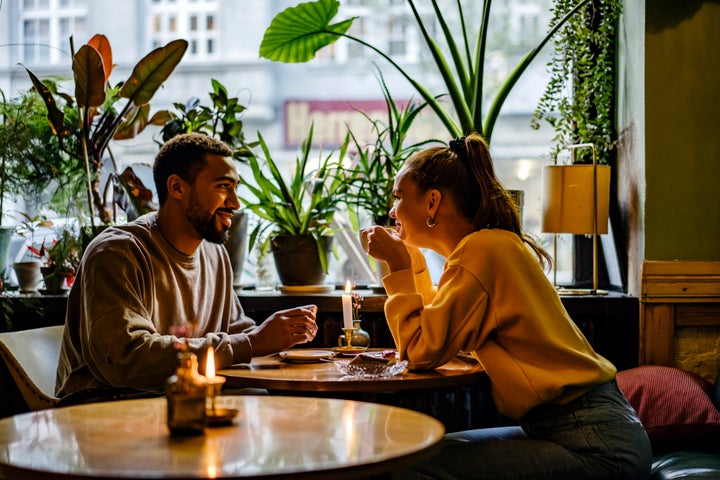
Halfpoint Images via Getty Images
If your goal is to one day have a relationship, eliminating dating entirely may not be the most productive move.
Advertisement
Higgins also thinks the aforementioned TikTok influencers can make it seem like boundaries need to be rigid and absolute.
Certainly, in some cases, we need to put up clear walls when there are instances of abuse or lack of safety, she said.
“But some people may close off too soon before the important work of moving through adversity, building resilience, learning to experience repair with others, can occur,” she said. “These situations are also pivotal to our mental and relational wellness; we must learn to do these things and cannot just play it safe through life.”
Advertisement
The true power of taking a break and “protecting your peace” lies in creating space for being clear-eyed and focused on what you want and who you are, said Clare Cui, a life coach who works primarily with women.
“It allows you to understand your baseline of peace, engage in deeper introspection, and truly identify what brings you happiness and joy outside of a relationship context,” Cui said.
But she’s also learned personally (and through her clients) that stepping away from dating isn’t always a magic cure-all for finding peace in dating or relationships.
Advertisement
“I found it can be a common trap many fall into, myself included, if the underlying issues aren’t addressed,” Cui said. “I initially believed that simply not dating would somehow make my problems ― poof ― vanish.”
It would never actually work out that way, though, she said. “When I’d take a break, I’d feel good on my own, but the same issues and challenges would always resurface when I’d start dating again because, low and behold, ‘Hi, I’m the drama. It’s me,’” she added.
“There really needs to be intentional self-reflection and awareness of our own wounds or defence mechanisms for ‘protecting your peace’ to work,” Cui said.
Advertisement
Natalia Lebedinskaia via Getty Images
While time alone can be beneficial, learning to navigate relationships with others is also important.
Women who’ve pressed pause on dating to protect their peace share what it’s like.
Jennifer Bartlett-Phelps, a 45-year-old from Indianapolis, dipped out of dating because it all felt sort of lopsided.
“In my experience, men require a ton of emotional energy from women but rarely give back at the same level,” Bartlett-Phelps said.
Advertisement
“I’m working a day job, running a business and building a YouTube channel,” she told us. “I don’t have the capacity to emotionally prop up someone who isn’t giving the same energy back.”
The only con she really sees is that she may be “alone” in her golden years, but “alone” is relative ― she has plenty of single friends she foresees spending time with, a la “The Golden Girls.”
“We are social creatures, so friendship is super important for most of us to thrive. But I don’t believe a romantic relationship is necessary for one to be truly happy,” she said. “I’ve been single for 10 years now and it’s the happiest I’ve ever been.”
Advertisement
Samantha Vigneau, a 33-year-old from Detroit, said you have to ask yourself if you’re truly protecting your peace.
“If you find yourself retreating from dating out of fear, insecurity or anxiety, this may be unconsciously sabotaging your dating life,” she said.
Vigneau thinks you also have to toss out the reductive belief that “no good men exist” and trust that you’ll find a worthwhile match.
Advertisement
“We attract what we believe, so I personally have this mantra of ‘there are plenty of great men out there’ and ‘the relationship that is for me will find me at the right time,’” she said.
Janina Steinmetz via Getty Images
Meeting new people often leads to you reflecting on your place in the world.
The only con of taking a break is how habit-forming your alone time can be, said Bruna Nessif, a 37-year-old writer and life coach from Southern California.
Advertisement
“When your life is no longer intermingled with another, you get to call all the shots,” she said. “You don’t have to experience the triggers that can arise with dating. That can get addicting. It feels good, but it can also become a coping mechanism to bypass the unconscious fear of losing control.”
Sometimes, dating feels like gazing into an unforgiving mirror, Nessif said. Meeting new people ― seeing yourself through new eyes and knowing that they’re making a value judgment on you ― often leads to you reflecting on your place in the world, and what’s actually going on internally and emotionally for you.
“Sometimes, it’s just easier to not put yourself in a position to look,” she said.
Nessif has found a nice, happy medium, though. She’s single but open to “pleasant surprises.”
“The truth is, both men and women have been using relationships as a crutch to the pain they refuse to face within themselves, and it re-creates a cycle of harm until we decide to do something different,” she said. “I’ve learned that I can’t control other people, but I can control what I entertain and what I believe I’m worthy of.”
As the third heatwave of the year begins in earnest, I’ve started to dread the night.
Like most of us, I find that boiling temperatures ruin my sleep.
Speaking to HuffPost UK, Dr Seeta Shah from PANDA London previously said that going to bed half an hour later might help you get some shut-eye (a 2012 paper found that heat affects slow-wave and rapid eye movement sleep, meaning the natural cycles you’re meant to go through when asleep are interrupted).
But the British Red Cross advised doing something a little simpler to control the temperature in your room at night.
Advertisement
Unplugging your electronics might reduce heat
The organisation suggested sleeping on the lower floors in your home, as heat rises, as well as staying hydrated and using some thin, breathable bedding.
So far, so predictable.
But I was surprised to read that “even when in standby mode, electrical items can generate heat”.
The British Red Cross therefore suggested switching them off entirely at night.
“Make sure any in the bedroom are turned off and unplugged,” the site said.
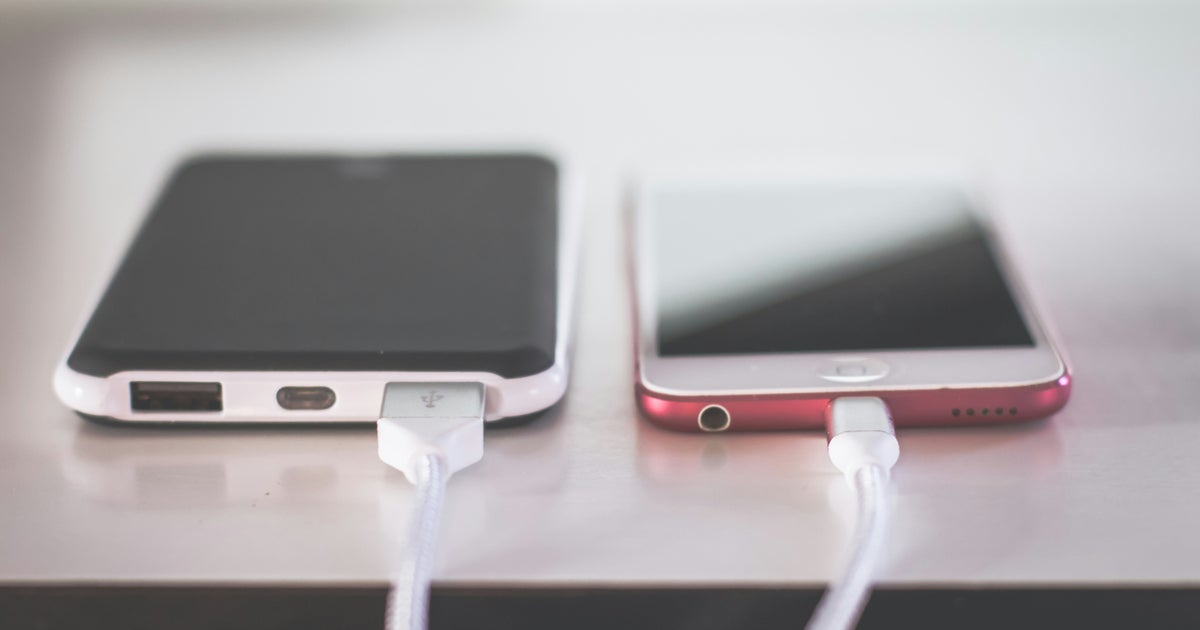
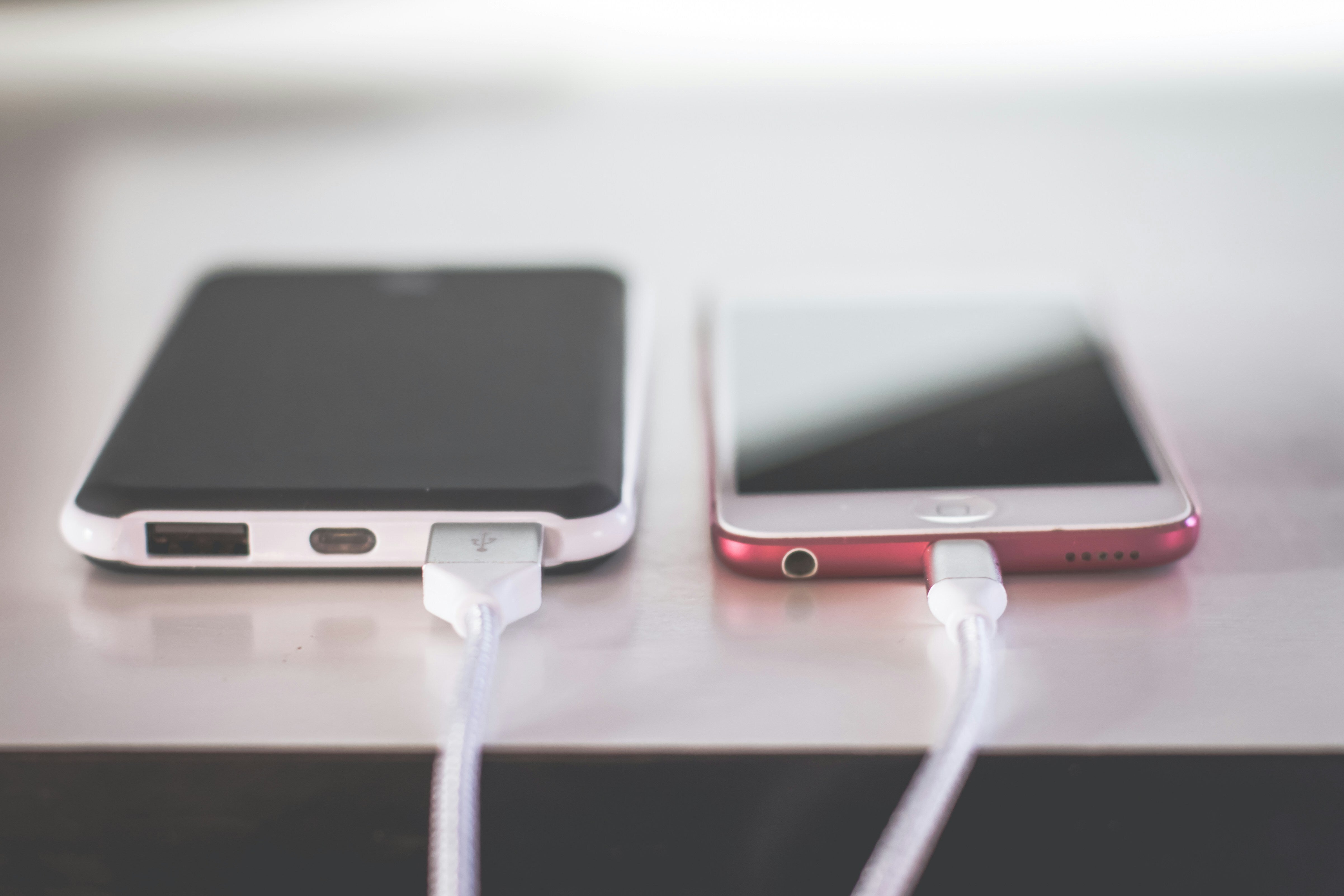
Speaking to Ideal Home, David Rees, an appliances expert from HomeSupply, explained that phone and headphone chargers might pose a particularly toasty risk.
These can “seriously overheat and use a lot of excess energy in the summer if not unplugged,” he warned, suggesting we power our devices “throughout the day, so that they can be unplugged as soon as they are fully charged… this will help to save money and prevent overheating in summer”.
Advertisement
Are there any other ways to keep cool?
Wearing cool socks, donning loose-fitting pyjamas, and maintaining a wind-down bedtime routine can all help, the Red Cross said.
“Many take a cold shower before bed in hot weather, but a shockingly cold shower can actually raise core body temperature as your body works to counteract the sudden cold,” Dr Shah warned.
Closing your windows and curtains or blinds at the hottest parts of the day, and opening them in the evening or early morning can help to keep your home cooler, too.
You probably shouldn’t stick to the social media-beloved carnivore diet, heart health experts say – it may end up raising your “bad” LDL cholesterol.
But what about “fibremaxxing,” a recent TikTok obsession which sees some creators eat more fibre in their breakfast than most people eat in an entire day?
Advertisement
I’ve been on the fibre bandwagon for a long time. It’s linked to lower bowel cancer, dementia, and heart disease risk, but 90% of us fail to hit the recommended 30g a day.
Am I in the right, though? Though many of us lack the crucial carb, can “fibremaxxing” go too far?
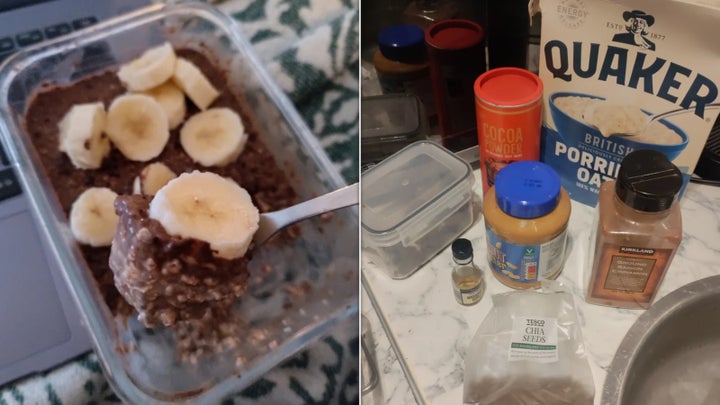
Amy Glover / HuffPost UK
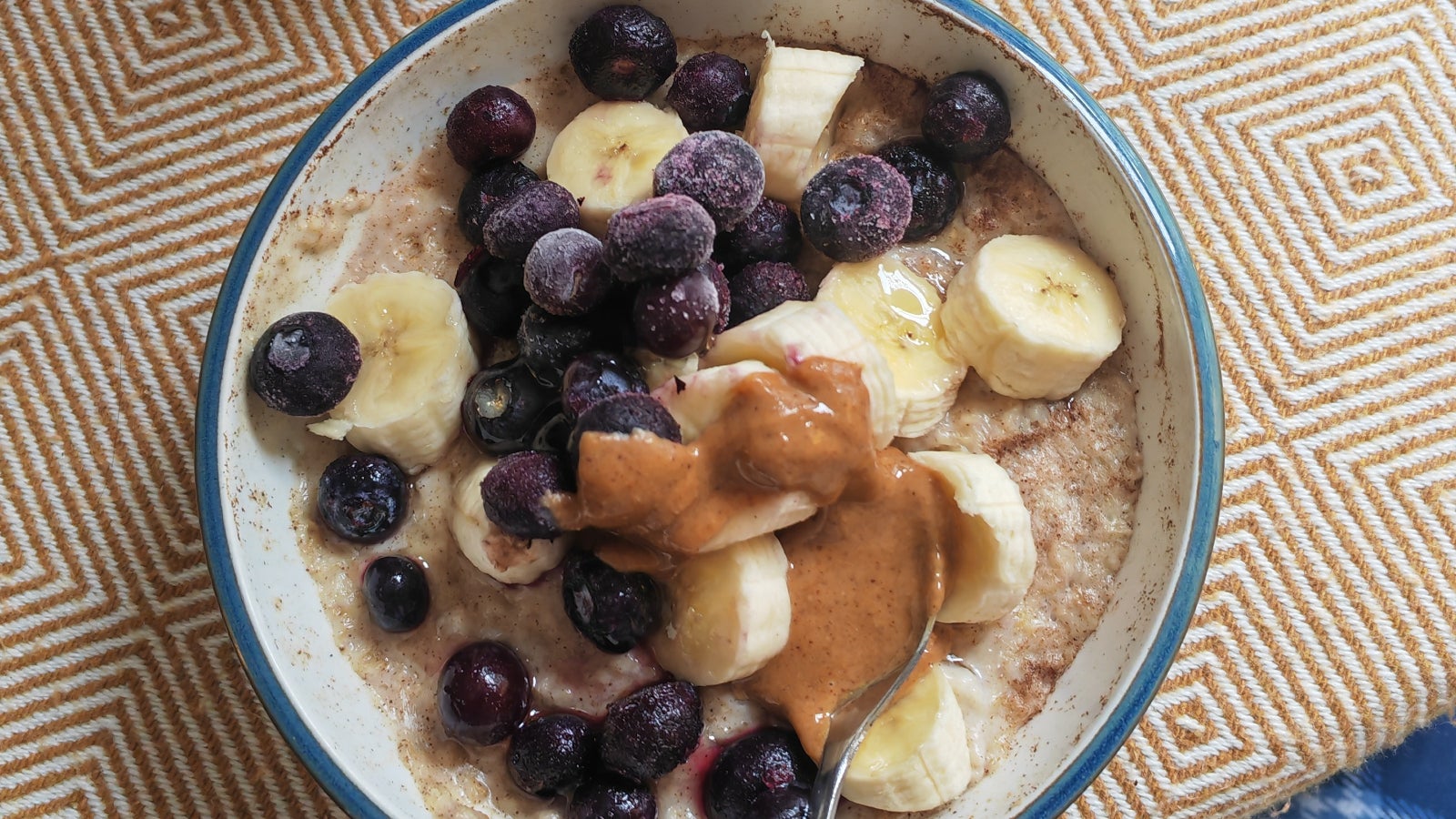
My “fibremaxxed” breakfast
Advertisement
Most of us really could benefit from “fibremaxxing”
Registered dietitian Brea Lofton from Lumen shared that “most adults in Western countries really consume far less fibre than the general recommendation.”
On average, she said, adults hit 20-15g a day (as little as half the recommended amount).
“The gap in fibre can contribute to higher risks of cardiometabolic diseases, like type 2 diabetes, obesity, and even heart disease,” the dietitian added.
Oats, brown rice, legumes, beans, wholegrain versions of foods like pasta and bread, and fruits and veggies can all provide a fibre boost.
But the expert gave a word of caution; you should up your intake slowly, particularly if you didn’t eat much fibre before “maxxing” it.
Too much too soon can lead to “bloating, gas, cramping, constipation or diarrhoea, and nutrient malabsorption,” Lofton said.
“Diarrhoea and constipation can occur depending on the type of fibre, in addition to how much water an individual is drinking, and malabsorption can occur when consuming excessive amounts of fibre over a significant span of time.”
This might be especially noticeable for those boosting their fibre through fortified food or supplements, which she suggested “may not provide the same microbial benefits as whole foods.”
Upping your fibre isn’t for everyone, either
Though in general, more of us should eat more fibre, Lofton stated that older people, those with IBS, people in the post-surgery period, and chronically ill individuals might want to consult a doctor before eating more fibre.
Feelings of fullness when you haven’t eaten much, a bloated, gassy, or “upset” stomach can all reveal you’re doing too much, too soon.
This happens because “the extra bulk and water absorption properties of fibre can cause intestinal muscles to contract more than usual, sometimes leading to cramping or discomfort,” regardless of your health status.
“The overall message is that fibre is foundational, but more isn’t always better,” Lofton concluded.