For many of us, loss comes with a lot of feelings of not just sadness but guilt, frustration, and even numbness. Grief varies from person to person and there is no right or wrong way to grieve. One thing that does seem to be common, especially for those of us who have lost older relatives, is feeling like we missed our opportunity to get to know them better.
In fact, according to research commissioned by KYN, innovators in later life care, 66% of Brits who have lost older loved ones wish they’d had more meaningful conversations to understand “the real them.”
Advertisement
For 29% of respondents, this was due to not spending enough time with them, for 26%, it was not knowing where to start and for 24%, they were worried about upsetting their relatives by asking about their pasts.
Researchers say that the new research “highlights one of the biggest taboos of later life – the conversation chasm between younger and older generations that leaves many never really getting to know their nearest and dearest.”
Have Meaningful Conversations With Relatives By Asking These Questions
In time for Dementia Action Week (15th-21st May), KYN and psychologist Honey Langcaster-James collaborated to create 21 meaningful questions to start conversations with older relatives.
What have you learned over the course of your life that you can pass on to me – what do you think it would be good for me to know?
Tell me about some of your earliest memories.
Where were you born and raised, and what was it like there while you were growing up?
What was your childhood like overall and what is your fondest memory from when you were young?
What were your school days like and what did you most enjoy learning about at school?
What hobbies and interests did you have, and what did you most enjoy doing in your free time when you were younger?
What is the most surprising thing you think people don’t know about you?
What was your favourite music or artist when you were growing up and why?
What has been the most interesting job you’ve ever done?
Who have you loved during your life, how did you first meet them, and how did your love story unfold?
What is the most significant historical moment you lived through or witnessed and what did you think about it all?
What was your favourite decade overall and why?
Who were your role models and who influenced you in your life and why?
Where was the most interesting place you ever travelled to and what did you make of the place?
What was the most challenging obstacle you had to overcome in your life and what did you learn from that?
What is your proudest accomplishment in life and why?
Looking back, what advice would you give to your younger self?
What’s the best book you ever read and why?
What have been the biggest changes you’ve seen throughout your lifetime?
What’s the funniest thing that ever happened in your life and what makes you laugh?
What are your hopes for the future and how would you most like to be remembered?
Emma Hewat, Head of Dementia at KYN said: “In later life, sadly it’s quite common to lose sight of people’s identity and only focus on their age or the condition of their health. People’s past experiences, current interests and future wishes are still as relevant in later life as they ever have been and it’s really important to continue to reinforce that through having meaningful conversations.”
1 in 3 People Born In The UK This Year Will Develop Dementia In Their Lifetime
According to Alzheimer’s Research UK,1 in 3 people born in the UK this year will develop dementia in their lifetime and, currently, it’s estimated that 944,000 people are estimated to be living with dementia in the UK. 52% of the UK public know somebody who has been diagnosed with dementia.
While dementia is currently incurable, early diagnosis can lead to improved quality of life and care. According to the NHS, early symptoms of dementias can include:
Memory loss
Difficulty concentrating
Finding it hard to carry out familiar daily tasks such as getting confused over the correct change when shopping
Struggling to follow a conversation or find the right word
Being confused about time or place
Mood changes
If you notice these symptoms, speak to a GP sooner rather than later.
Rihanna is sharing some of the most intimate moments from pregnancy with her son.
The Umbrella singer posted a series of maternity photos Thursday to celebrate her son, RZA Athelston Mayers, who has since celebrated his first birthday. Dressed in nothing but high heels, underwear and jewelry, Rihanna didn’t need an umbrella — and was shaded by palm trees.
The seven-photo Instagram carousel showed Rihanna posing with a mysterious book while cupping her breasts; she stood on a balcony near an unspecified ocean — and captioned the series “Rub on ya titties”.
Advertisement
“In honour of my first pregnancy, embracing motherhood like a g, and the magic that this body made!” Rihanna captioned the Instagram post. “Baby RZA… he in there not having a clue how nuts his mama is, or how obsessed he was bout to make me”.
Many of her whopping 150 million followers commented on the post, with Pharoahe Monch perhaps most notable. The rapper practically coined the phrase “rub on ya titties” with the chorus of his 1999 song Simon Says — and wrote it out in the comments for her.
Rihanna famously announced her second pregnancy during the Super Bowl this year.
Evan Agostini/Invision/Associated Press
Advertisement
Rihanna received further praise from Wu-Tang Clan rapper GZA, whose fellow group member RZA inspired the name of Rihanna’s son. Kathy Hilton, the mother of socialite Paris Hilton, left red heart emojis behind — while rapper Bia called Rihanna “the most beautiful”.
“You really don’t remember life before, that’s the craziest thing ever,” she told the outlet. “You literally try to remember it — and there are photos of my life before — but the feeling, the desires…everything, you just don’t identify with it because…it doesn’t matter.”
At 32 years old, I was given 16 months to live. On an ordinary Tuesday morning in November, an ultrasound detected 12 lesions on my liver that would soon be confirmed as stage 4, incurable ocular melanoma.
It wasn’t supposed to happen. Just one year earlier, I had become a cancer survivor in 22 days. A single tumour was contained in my eyeball and a biopsy of the cells gave me the best possible outcome: There was a less than 2% chance of metastatic disease.
Advertisement
But somebody has to be the 2%.
My oncologist said I had one FDA-approved treatment option, and I trusted her. I didn’t have time to get a second opinion. In the 16 months she predicted I had left if I agreed to the treatment she suggested, I needed to get my affairs in order and explain to my precious nephews and niece why their (favourite) auntie wouldn’t live to see them get their drivers’ licenses, graduate or get married.
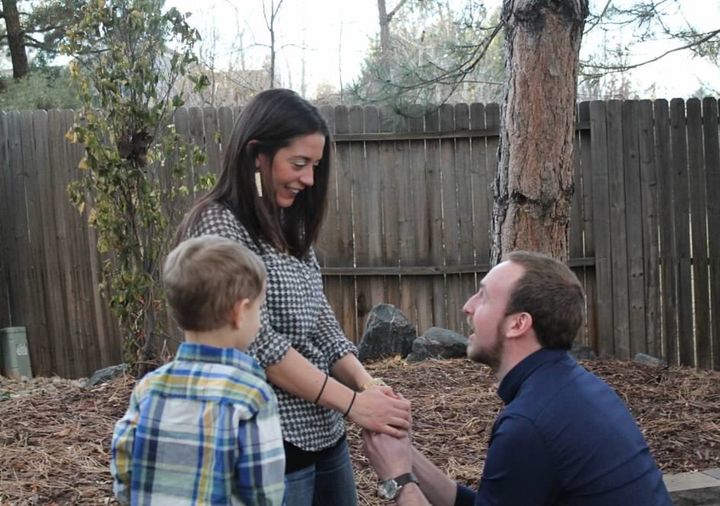
As he’d already been planning to do, my boyfriend Nick proposed to me on Thanksgiving, two days after my diagnosis. I had expected to spend the day in the corner of the room brooding over my fateful news and avoiding loved ones. His proposal and my new ring swept me up in a wave of hope and optimism for a future I wasn’t sure existed.
Courtesy of Katie Ortman Doble
The author on Thanksgiving Day in 2014, two days after her stage 4 diagnosis, as her then-boyfriend Nick proposed. “My nephew photobombed the proposal,” she writes.
And while I vacillated between planning my funeral and my wedding in my head, I had one crucial advantage in my new reality: My father is a doctor of internal medicine.
Advertisement
Before a drug becomes FDA-approved, it goes through the clinical trial process. For someone like me with an advanced, rare disease, clinical trials offered a better shot at buying more time, which is really all we’re hoping to do.
My father asked my oncologist about clinical trials.
“That would be very expensive,” was all she told us.
We, rightfully so, give doctors authority. They have advanced degrees. They dedicate their lives to understanding human biology, science and pharmaceuticals. I’m just a headhunter. What do I know?
If it were not for my father, who questioned the authority of this doctor, I would have blindly followed her. And I can say with certainty that had I done that, I would be dead right now.
Courtesy of Katie Ortman Doble
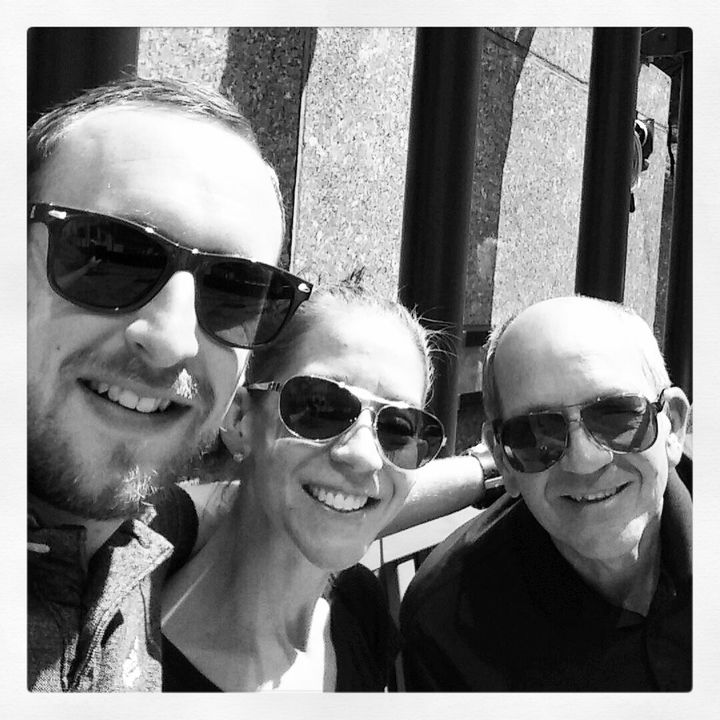
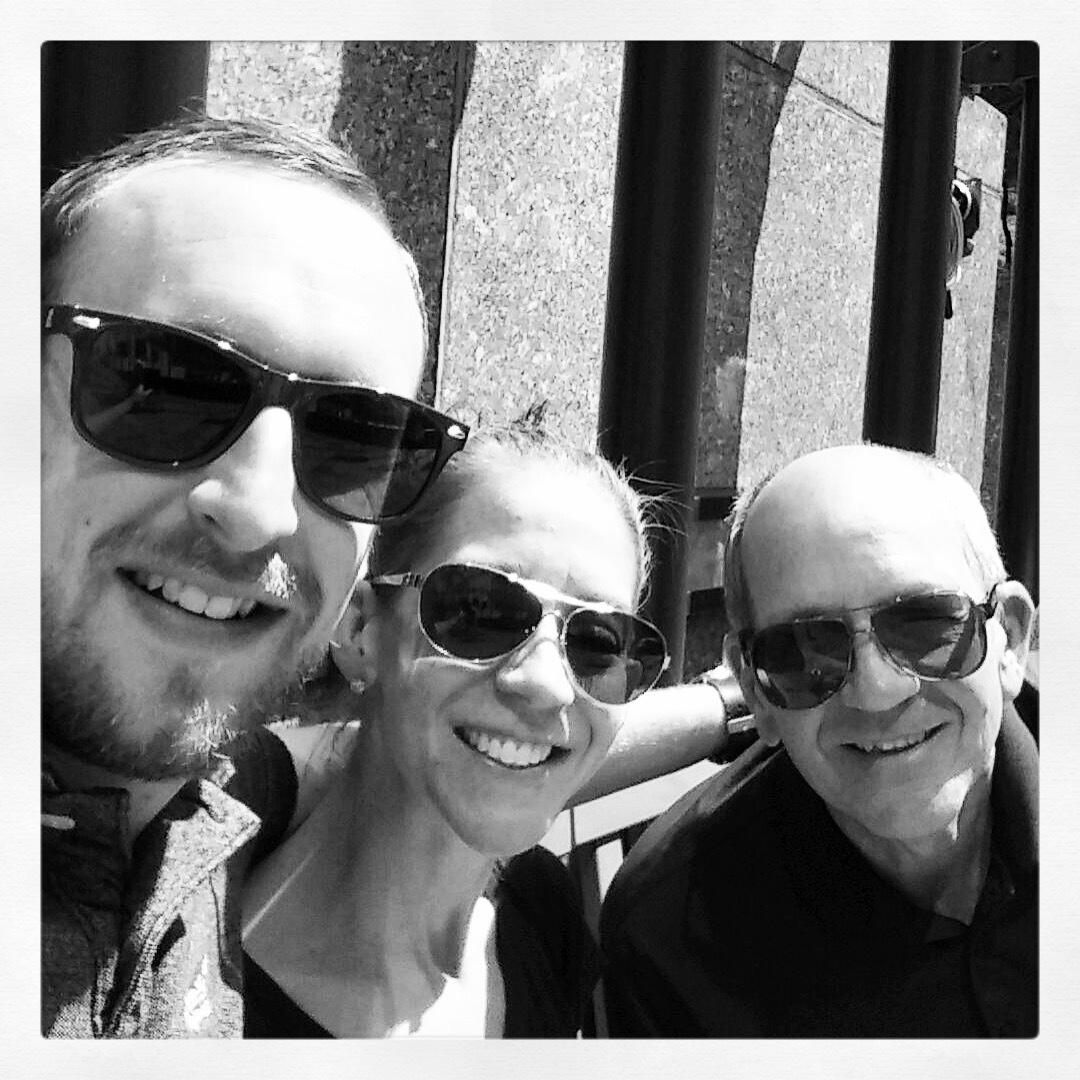
From left to right, the author’s husband Nick, the author, and her father/agent, James Ortman, get ice cream in New York City between scans and appointments at Memorial Sloan Kettering in 2015.
My father, whom I began referring to as my agent, spent every waking moment talking to doctors all over the country to find a glimmer of hope — something that could buy us more than 16 months.
Advertisement
He got me an appointment that December at Memorial Sloan Kettering in New York City. And so began my crash course in clinical trials (also called studies or protocols). My “agent,” fiancé (a word that tied me to a future in which I was alive) and I met with the doctor there, who explained our options.
He spoke about the importance of strategy in creating my treatment plan. Had I started on the first treatment option provided by the oncologist who diagnosed me, for example, I would not have been eligible for the clinical trial he was running.
Courtesy of Katie Ortman Doble
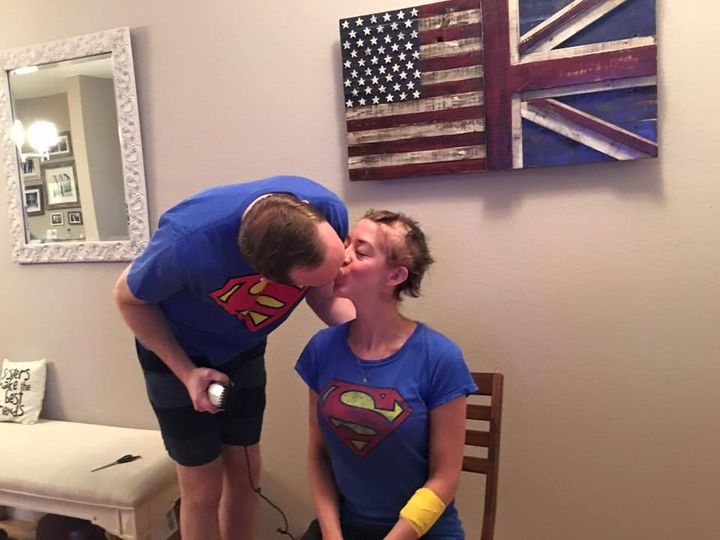
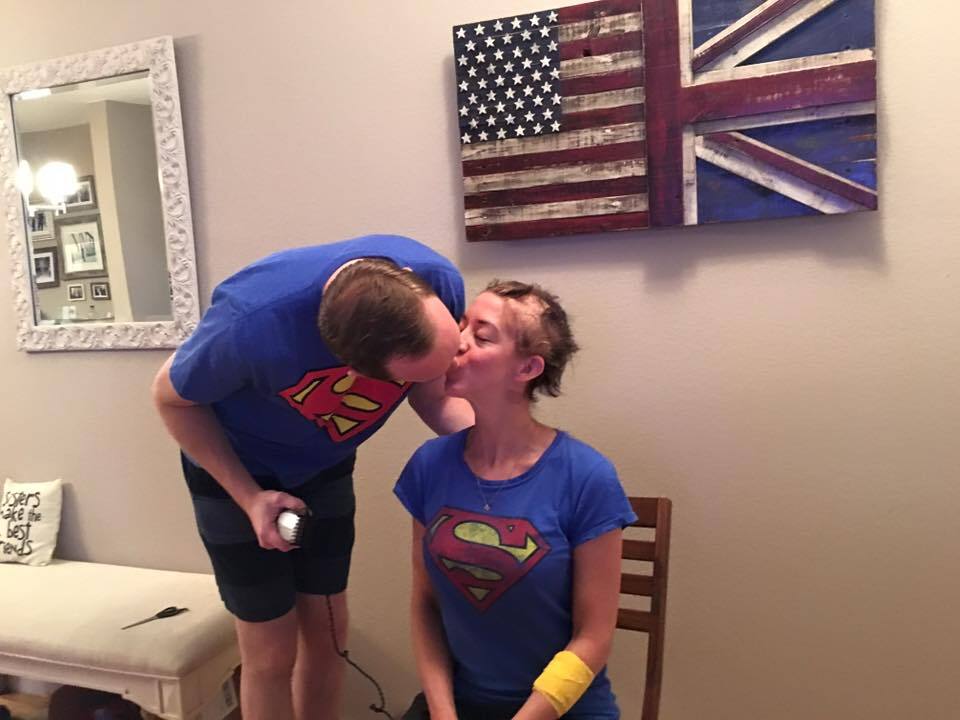
The author and Nick in 2016 when she lost her hair for the first time. “Nick and my nephew/godson Tommy both shaved their heads with me each time my hair fell out, as did my brothers, father and father-in-law,” she writes.
I have heard of other patients who frantically start chemotherapy upon a terminal diagnosis, only to find that made them ineligible for potentially life-saving clinical trials. When you’re given an expiration date, it’s hard to take a pause on attacking the thing that is attacking you, but this approach can mean having a matter of months versus years (or life and death).
All cancer treatments start as clinical trials, so clinical trials are essential in advancing medicine. The clinical trial process typically includes four phases focused on safety, efficacy, comparison to standard of care and the safety of treatment over time, and the majority of drugs fail in one of these phases. The estimated median cost to develop just one successful drug is $1 billion and approval takes 12 years on average. The FDA approval process itself takes six to 10 months.
Advertisement
The first five weeks of the MSK trial were packed with appointments, and as a Midwest girl living in Denver, I was secretly thrilled with the opportunity to temporarily live in a tiny, expensive apartment in Midtown Manhattan. While I worked in my company’s Midtown office, I also saw a Broadway show, went wedding dress shopping and found myself with a hideous, full-body rash from the trial’s side effects the week before my wedding.
Courtesy of Katie Ortman Doble
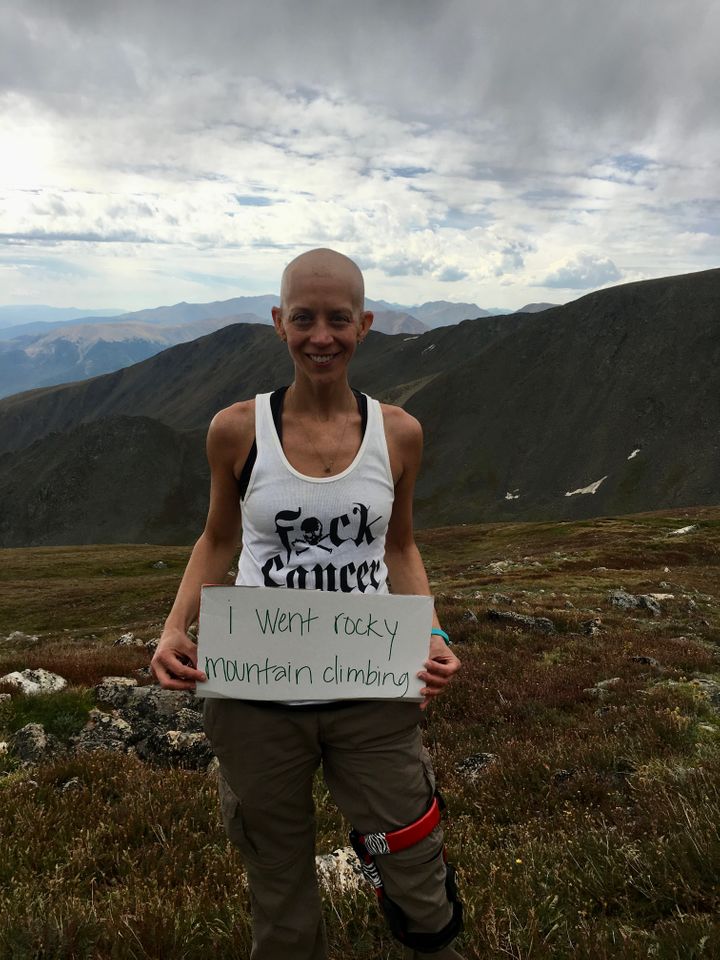
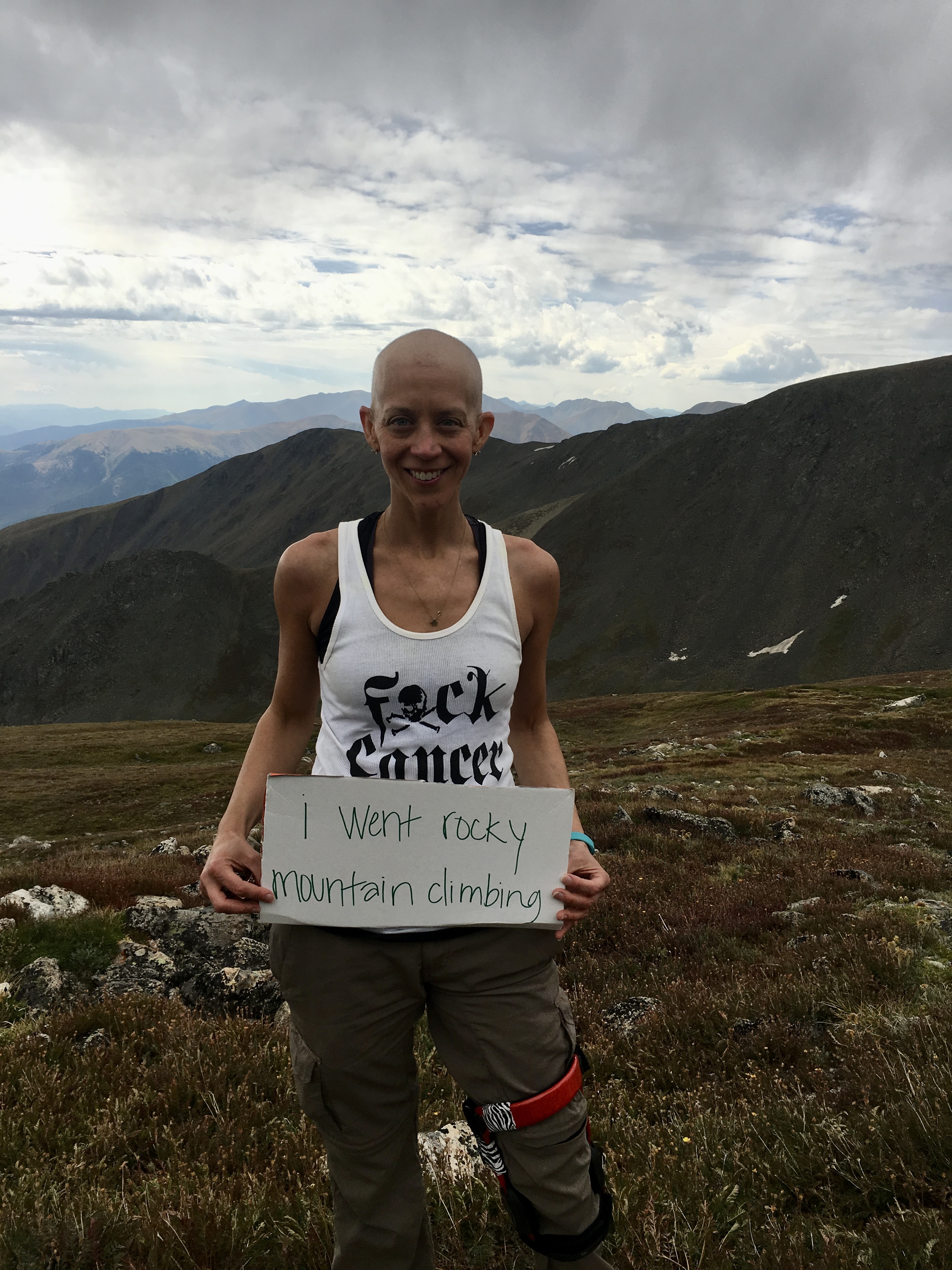
The author climbing a fourteener in Colorado through First Descents in 2016. “First Descents provides the healing power of adventure to young adults impacted by cancer and MS,” she writes. “I was the recipient of First Descents’ Out Living It Award in 2021.”
I was starting to understand the expense of clinical trials that my first doctor referenced. For me, the financial burden came from the airfare and lodging. I’ve been lucky to have excellent insurance through work and a job that allows me the time off. I have peers who have survived cancer only to be left six figures in debt, which leads to crippling stress, which in turn damages their health.
Those who don’t have insurance, or have astronomical deductibles, or can’t afford the financial demands that come with participating in a trial, aren’t able to get treatment that could save their lives. It isn’t fair that our health care system favours the privileged.
I spent eight months in treatment at MSK, flying to NYC monthly from Denver to pick up my medication and get scans. But by August of that year, the growth of my tumours eliminated me from the trial. Thankfully, we were ready with the next trial option.
Advertisement
This was another critical strategy introduced by my doctor at MSK that I encourage other patients to explore and understand. For someone like me, it wasn’t likely that I’d only do one clinical trial. While my doctor kept my tumours at bay, he and my dad continued conversations with doctors all over the country to be sure we had a plan B and C, in case I wasn’t eligible for plan B. We didn’t want to wait until I was eliminated from my first trial. We wanted to be ready. And since some trials and treatments might make me ineligible for others in the future, we had to be very methodical with our next step.
I participated in two trials back home in Denver over the next two years while also exploring Y90 or liver embolisation, something that was only FDA-approved for metastatic colon cancer at the time. My tumours responded really well to that therapy, buying me 3.5 years of stability and the chance to finally enjoy a delayed honeymoon with my husband.
Courtesy of Katie Ortman Doble
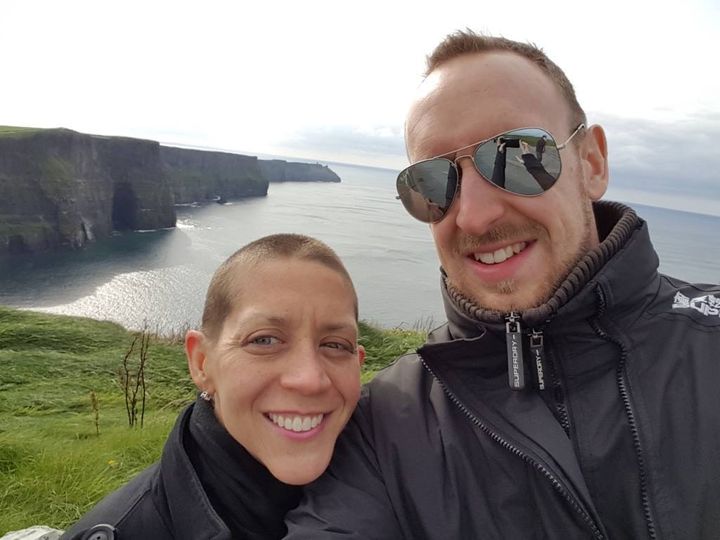
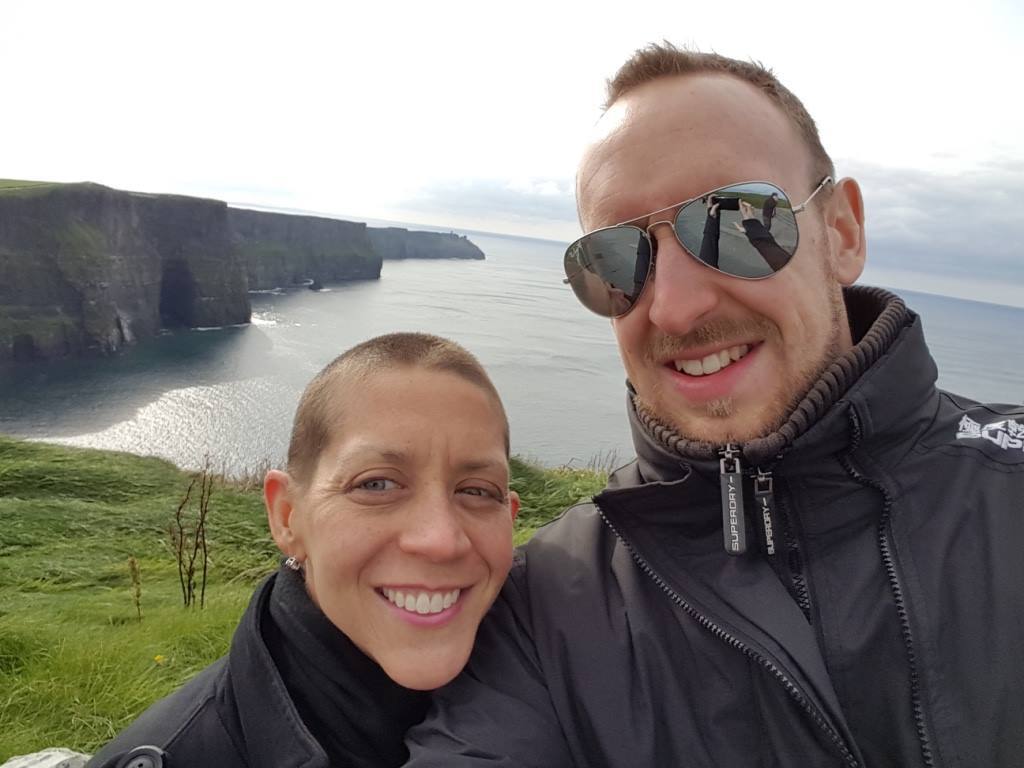
The author visiting her “happy place,” the Cliffs of Moher in Ireland, with Nick in 2016 after her third clinical trial.
In May 2020, substantial growth in my tumours pushed me into my fourth clinical trial at UPMC-Pittsburgh. Getting into clinical trials isn’t guaranteed or easy, especially when cross-country travel is involved. It typically includes a battery of tests like an EKG, echocardiogram and a CT scan or MRI. In my case, I had three liver biopsies in short order from three separate hospitals because each wanted its own tissue.
Liver biopsies feel like someone is taking a staple gun to your liver. Our bodies endure so much simply staving off cancer, not to mention the pokes and prods that come from treatment. The doctor also needs to see that you and your bloodwork are within the safety parameters of the trial.
Advertisement
Just as getting in isn’t guaranteed or easy, neither is staying in the trial. When you get eliminated from a trial, it’s usually for tumour growth or something else entirely out of your control. I was unknowingly kicked out of my second trial after one infusion because I was taking steroids that the doctor prescribed to combat one of the side effects. I was grateful that I continued to have options, but the volatility of it all was exhausting. The worst part was always the in between, when I didn’t have a plan and the fear of the next treatment haunted me.
In Pittsburgh, the goal of the TIL therapy was to re-sculpt my immune system with cancer-fighting cells. Enrolling was labour-intensive. There were the standard exams that deemed me eligible, plus the steps involved to create my treatment. The doctor laparoscopically removed two tumours from my liver and from those cells, grew the TIL or Tumour Infiltrating Lymphocytes. A leukapheresis extracted my white blood cells, which were then fed to the TIL, multiplying them from the millions to the billions.
Courtesy of Katie Ortman Doble
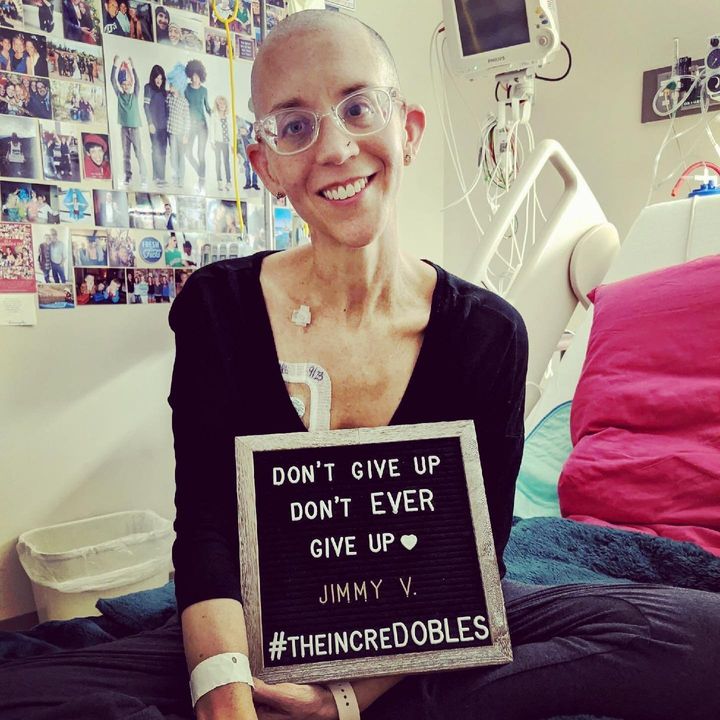
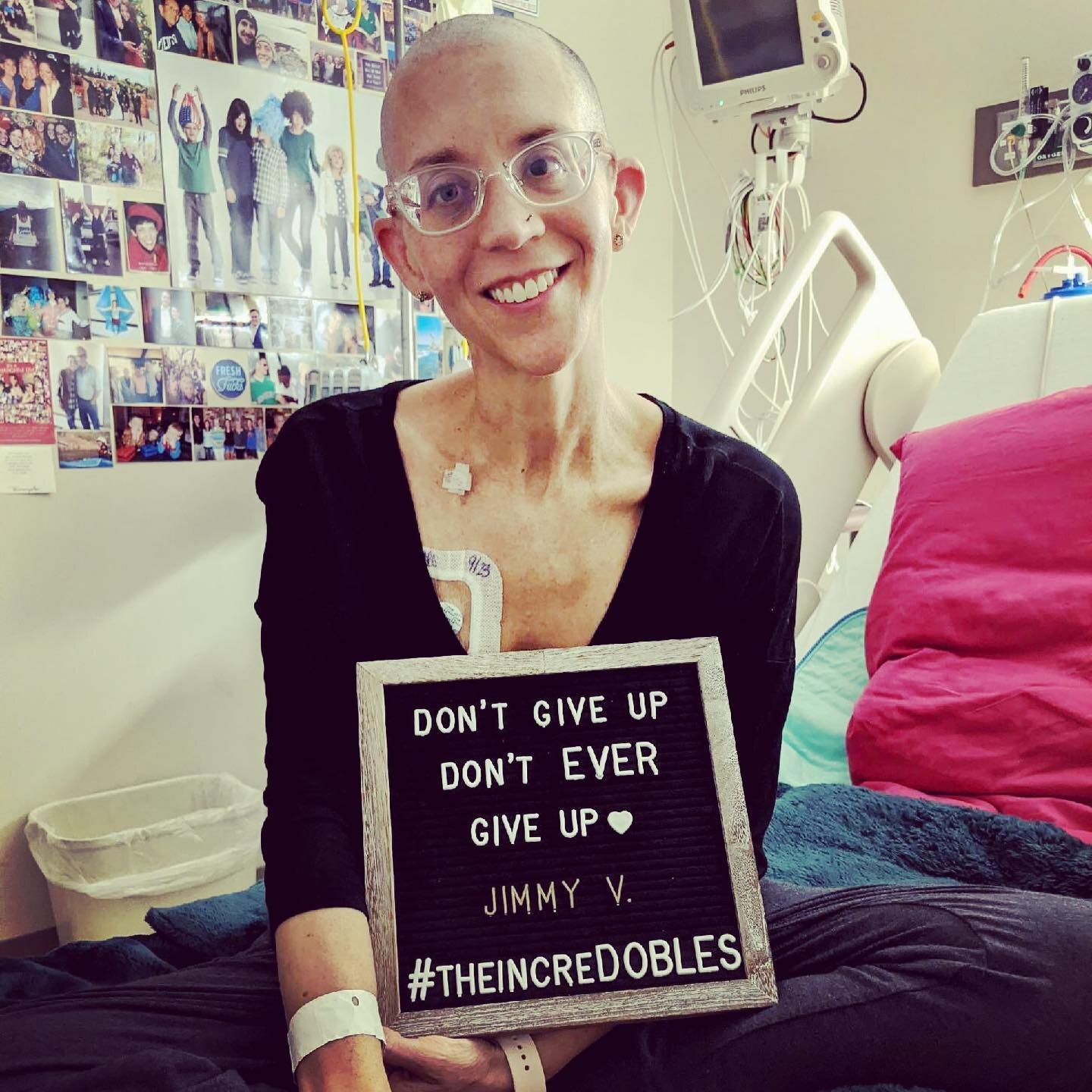
The author in her hospital room at the end of her TIL treatment in 2020. “Nick and I branded ourselves as theincreDOBLES,” she writes.
That September, I spent three weeks in the hospital receiving seven days of chemotherapy, my TIL infusion and IL-2. Because of that one time I was unexpectedly eliminated from a trial, I held my breath until the TIL hit my bloodstream. I closed my eyes and pictured the reprogrammed cells reuniting with their former tumour friends to now attack them.
I decorated the muted coloured walls of my hospital room like a dorm with my “F*CK cancer” cross-stitch, pictures of my nephews, nieces and loved ones, and pictures of my body doing adventurous things like skydiving, kayaking and jumping into the Adriatic Sea. When my hair started to fall out, Nick shaved my head and went back to the hotel to shave his own.
Advertisement
My life started to feel like a game of whack-a-mole. But I was so grateful. Through all the flying back and forth, different doctors and side effects, I was buying time I wouldn’t have had if I’d listened to my first oncologist. At the time of my diagnosis, there was only a half page of trials to explore. When I had growth in 2020, there were over three pages.
Courtesy of Katie Ortman Doble
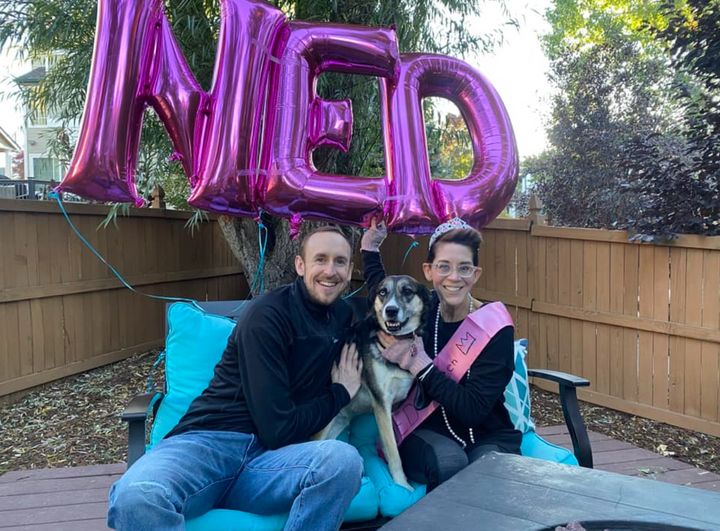
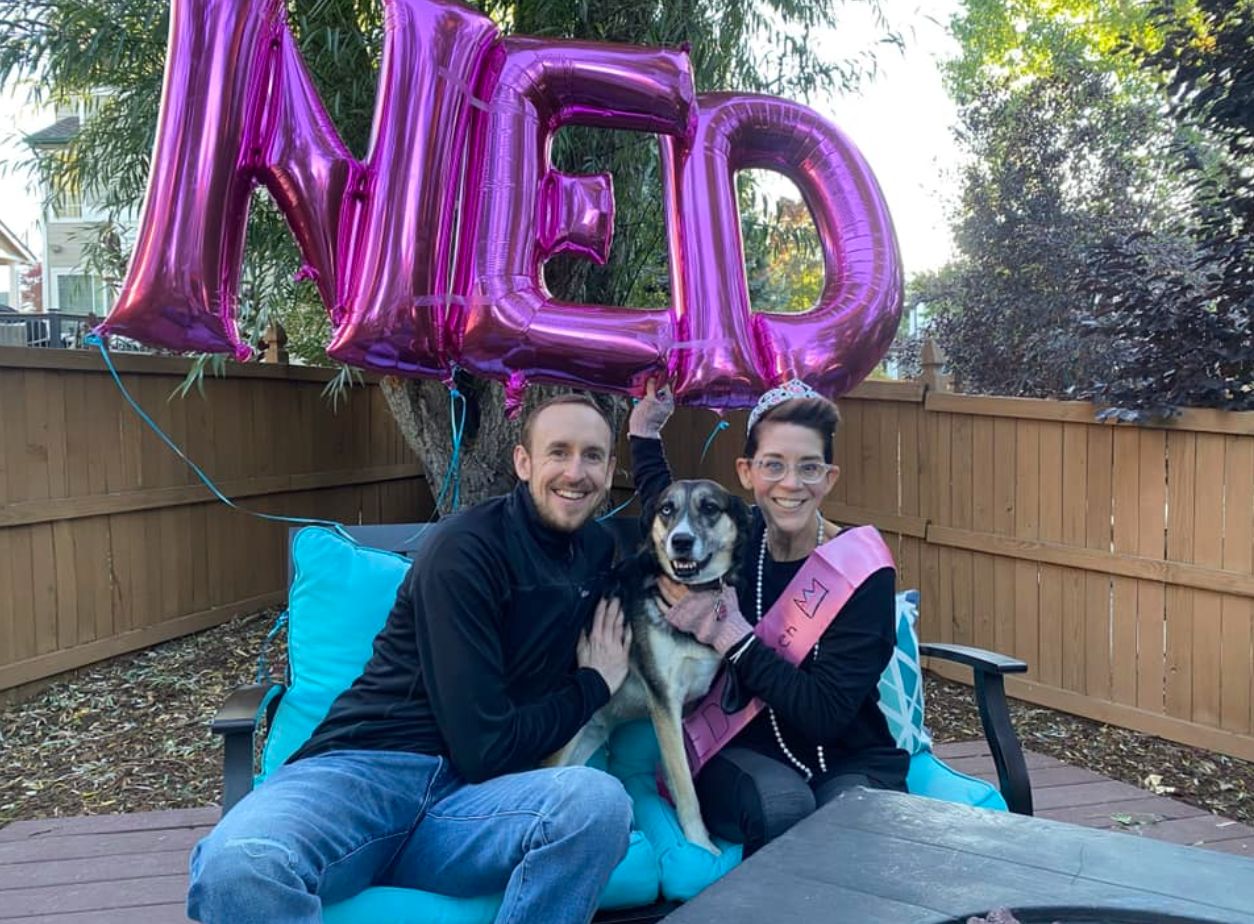
The author with Nick and their “doghter” Alice in 2021 after the author was told she had “no evidence of disease” (NED).
I responded well to TIL, with some tumours shrinking and a few disappearing. One rogue tumour that my doctor called the “festering problem” kept growing. Naturally, I named it Uncle Fester. In September of 2021, my doctor told me he wanted to surgically remove Uncle Fester and all remaining cancer, and I eagerly obliged.
On Sept. 17, 2021, nearly seven years after I’d been given 16 months to live, I awoke from surgery to hear the words we once thought impossible: “We got it all, Katie. You are no evidence of disease (NED).”
If it weren’t for my father/agent, I wouldn’t have known how to navigate the world of clinical trials that ultimately bought me enough time to (so far) see the first of nine nephews and nieces drive his car.
Advertisement
Clinical trials are not going to be the answer for every diagnosis, but they need to be a consideration, not an afterthought. If you or a loved one gets diagnosed with cancer, talk to your doctor about what clinical trials are available. This might require getting a second opinion — which ideally is done prior to starting any treatment.
Courtesy of Katie Ortman Doble
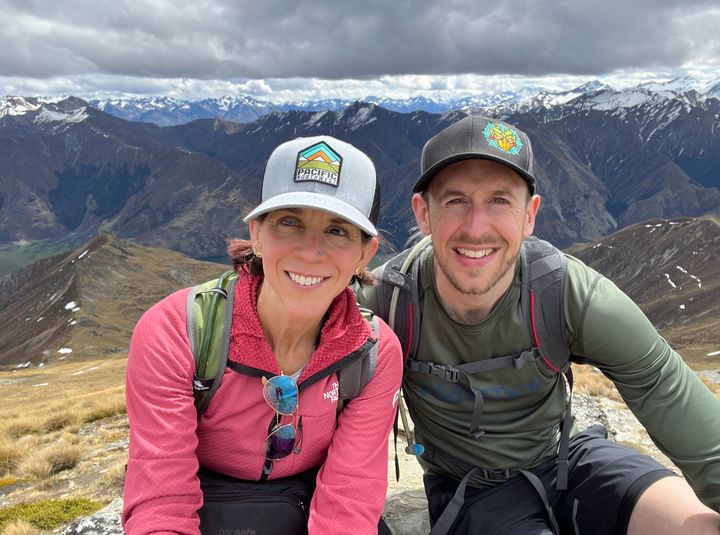
The author and Nick in New Zealand in 2022 celebrating her NED status.
This month marks 20 months since I became NED. My doctor continues to monitor me, and I am cautiously hopeful. Of course, there’s the chance my cancer returns. My doctor hopes that the TIL in my bloodstream remains dormant in my lymph nodes and reactivates if that happens.
I haven’t had a reason to speak to my original oncologist since seeking a second opinion, but I’m almost certain she thinks I’m dead.
Katie Ortman Doble is a headhunter, stage 4 cancer survivor, patient advocate, keynote speaker and author (blog: Future Happy Self) who is currently seeking an agent for her memoir. In 2017, Katie was given the Courage Award from the Melanoma Research Foundation. She received the First Descents′ Out Living It Award in 2021 and was recently highlighted as a Medical Hero by CISCRP. She and her husband, Nick, reside in Denver with their doghter, Alice. Connect on Liinks and follow Katie’s story of survival on Instagram/Twitter @ceortman.
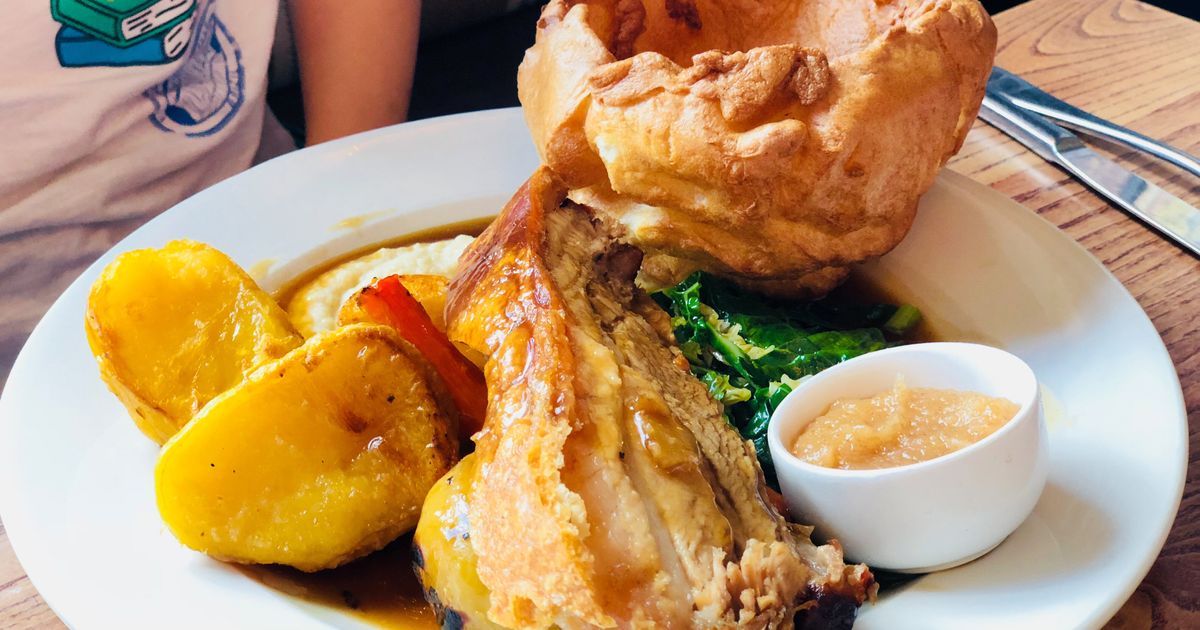
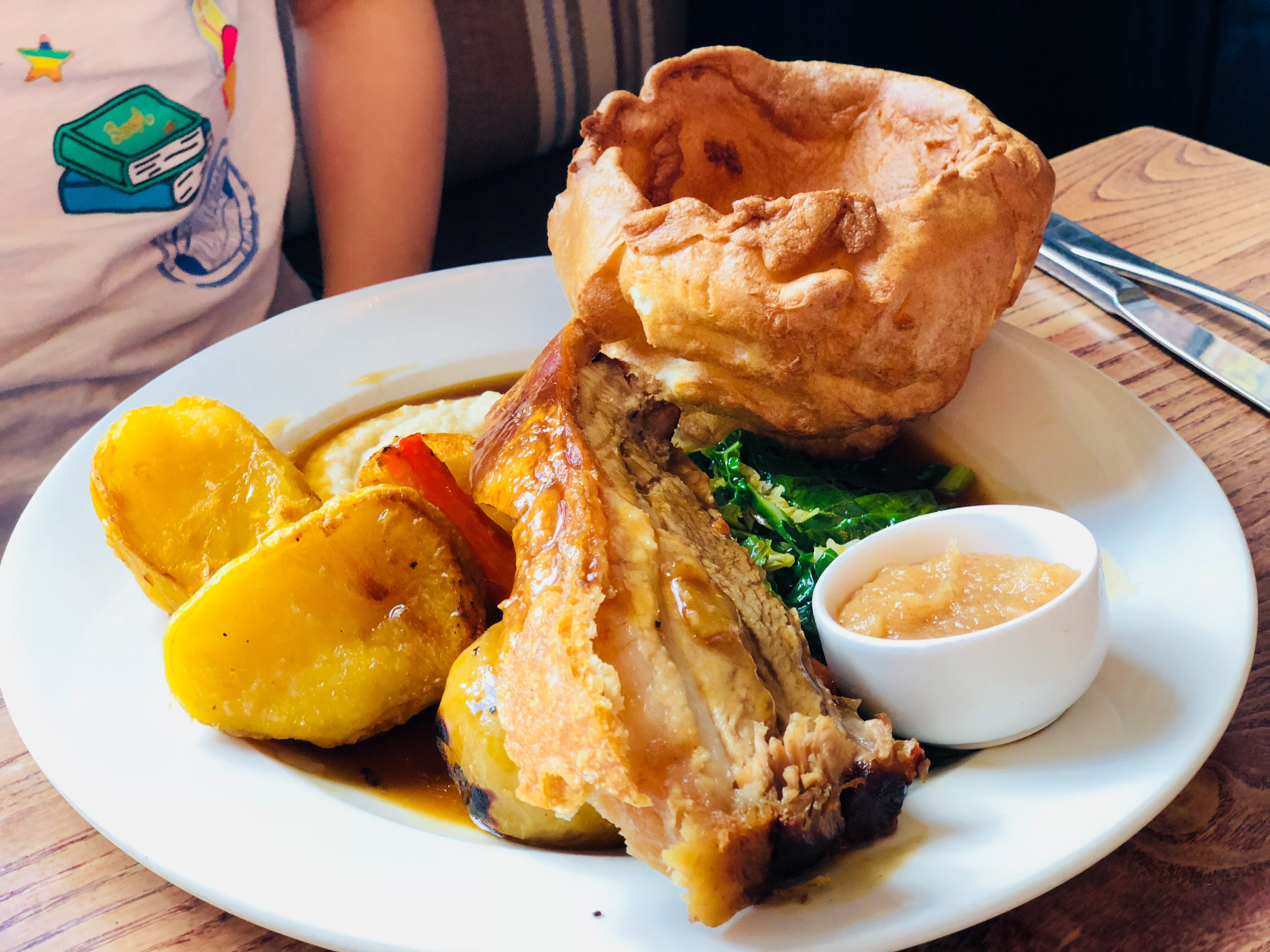
How much thought do you put into how you’re eating what’s on your plate? You might opt to save the best for last – we’re looking at you, Yorkshire puds! – but beyond that, the order in which you eat your food might not really cross your mind.
Well, according to some nutritionists, how we eat can be just as important as what we eat. One study shows that if you eat a meal in a specific order, you can reduce the glucose spike of the meal by 75%.
Advertisement
The concept is built around slowing down the digestion of carbs (which you have last) so as to avoid a massive rise in blood sugar.
So, without further ado, here is the order you should eat your meal (according to experts) in order to boost energy and reduce rollercoaster blood glucose levels.
First up, pack in the fibre
Scientist and author Tim Spector, author of the book Food For Life which explores the science of eating well, recommends starting your meal with fibre and a simple vinegar and extra virgin olive oil dressing – perfect for fans of veggie nibbles and dips.
‘Good’ fibres include whole grains, barley, oatmeal, beans and pulses, nuts and seeds, and fruits and veggies.
Advertisement
We all love a massive bread basket when eating out, but Spector says the quick carbs can cause a rapid increase in blood glucose levels and a high insulin response, leading to a dip in energy later.
According to the British Nutrition Foundation, adults in the UK are recommended to consume 30g of fibre a day but are currently consuming only about 20g a day on average, which shows upping your fibre intake is more important than ever.
A high fibre intake has also been associated with a reduced risk of several conditions including constipation, heart disease, type 2 diabetes and colorectal cancer.
For dieters, getting lots of fibre early in your meal can make you feel fuller and pack in lots of nutrition. Win, win!
Advertisement
Follow up with protein
Next should come your protein and fat sources. General recommendations are to consume 15-30 grams of protein at each meal, and studies show that higher intakes – more than 40g – are no more beneficial than the recommended 15-30g, so no need to pack in as much as possible, even if you are working out.
Why is protein best to eat second? “[It] slows down the release of sugar from carbohydrates into the blood stream, preventing a sugar ‘high’ and then crash – and hunger pangs,” explains TikTok creator and nutritionist, Lovneet Batra.
Save carbs for last
Potatoes, pasta and rice should be the last thing you eat. Why? Because they’re more likely to raise your glucose levels and by eating them last, you’re slowing down how fast they’re digested.
In a fascinating video, Justin (@insulinresistant1) shows how his blood sugar spikes briefly when eating rice first as part of his meal. In a follow up video, he shows how saving his carbs until last reduces the blood sugar spike.
Carbs aren’t the enemy, but for people who have issues like PCOS, insulin resistance, fatigue and type 2 diabetes, it can be helpful to make sure blood sugar is kept as stable as possible, while enjoying the deliciousness of dinner time.
The research has been launched in time for Skin Cancer Awareness Month and highlights how our neglectful approach to SPF is putting our bodies at risk.
Five Or More Sunburns Puts You At A Higher Risk Of Melanoma
According to the Skin Cancer Foundation, five or more sunburns can put you at a higher risk of melanoma – the third most common skin cancer in the UK. This is especially concerning given that the LifeJacket Skin Protection and Melanoma UK research found that, on average, UK adults have burnt themselves 15 times in a lifetime. Additionally, 20% of adults say that they never use SPF.
Ultraviolet light (UV) is a form of non-ionising radiation that is emitted by the sun and artificial sources, such as tanning beds and is responsible for 80% of premature skin ageing and 90% of melanoma skin cancers. This is strong enough to affect you even on grey, cloudy days and it’s recommended by Melanoma UK that sun protection is applied on a daily basis.
Of the UK adults who shared that they don’t use SPF every day:
21% said this was because they rarely burn and just tan
1 in 5 said they only use it when they feel like they’re burning
20% of people only remember when prompted by a friend or family member
16% will only use it abroad
10% only when the dial goes over 40 degrees celsius
Speaking on the data, Professor Christian Aldridge, a dermatologist who specialises in skin cancer said, “This new data correlates with what I’m seeing every day in my surgery… In many cases, it’s causing skin cancer which is almost totally preventable. We need a sharp change in attitudes to tanning and protection in order to slow down the rise in skin cancer cases.”
How To Effectively Protect Your Skin From Sun Damage
To effectively protect your skin, Professor Aldridge recommends:
Daily use of SPF of at least 30, especially between April to September
Wear Ultraviolet Protection Factor (UPF) clothing, especially if you have fair skin. Skin Cancer Foundation created a guide on UPF clothing if you’re unsure of what it includes
Monitor your skin and if you have lesions that aren’t healing or are newly-pigmented for more than six weeks, especially in sun-exposed areas, keep an eye on them. He recommends monitoring for crusting, bleeding, and re-forming again or not improving with time. If this occurs, seek medical attention.
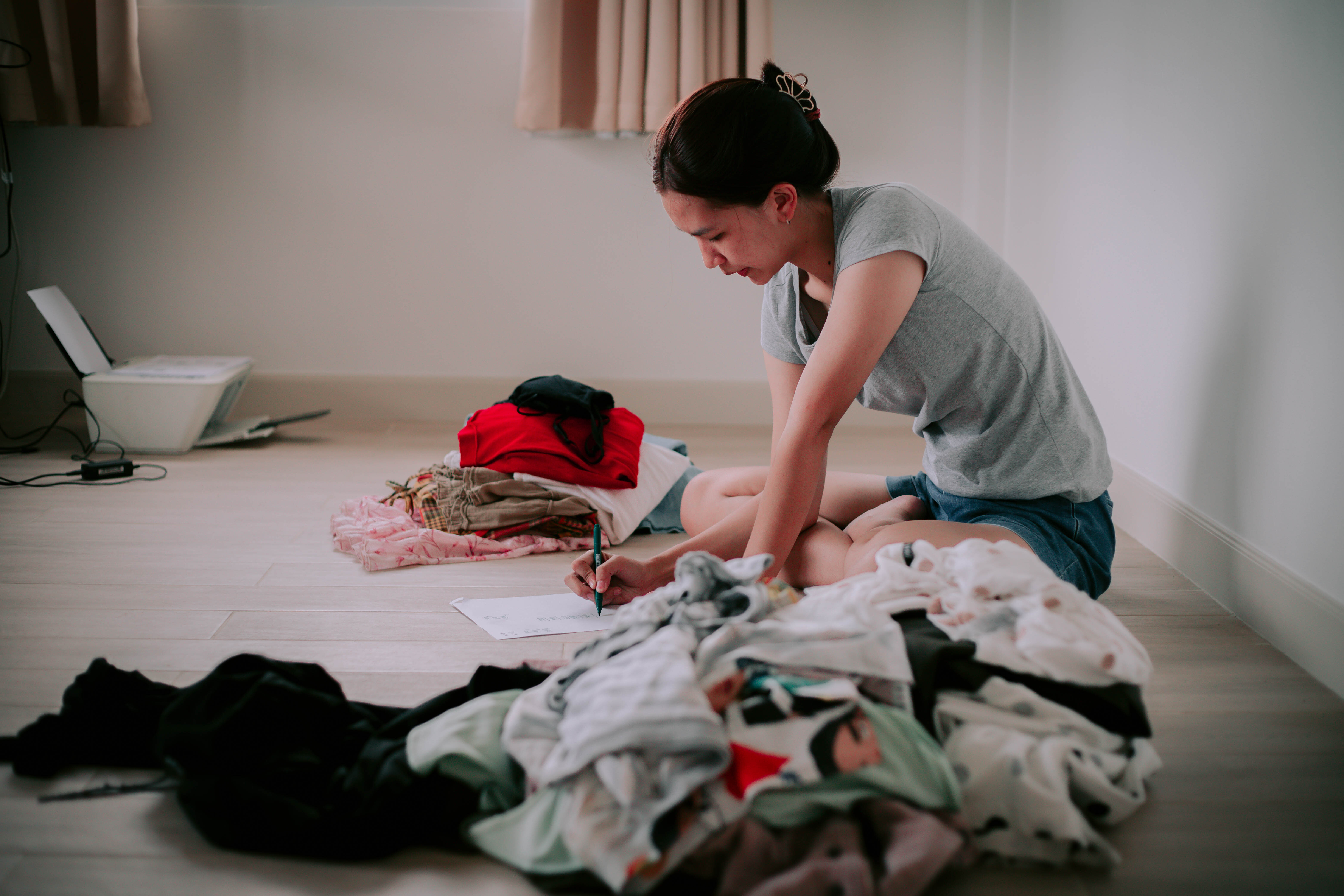
I’ll say it: some mourning processes are absolutely wasted on the dead.
Confessions of lifelong admiration? A chic all-black-clad gathering of your nearest and dearest? I could go for those now, TBH. And now, it seems I have another process to envy (thankfully, it’s appropriate for the living) – Swedish death cleaning.
Swedish what now?
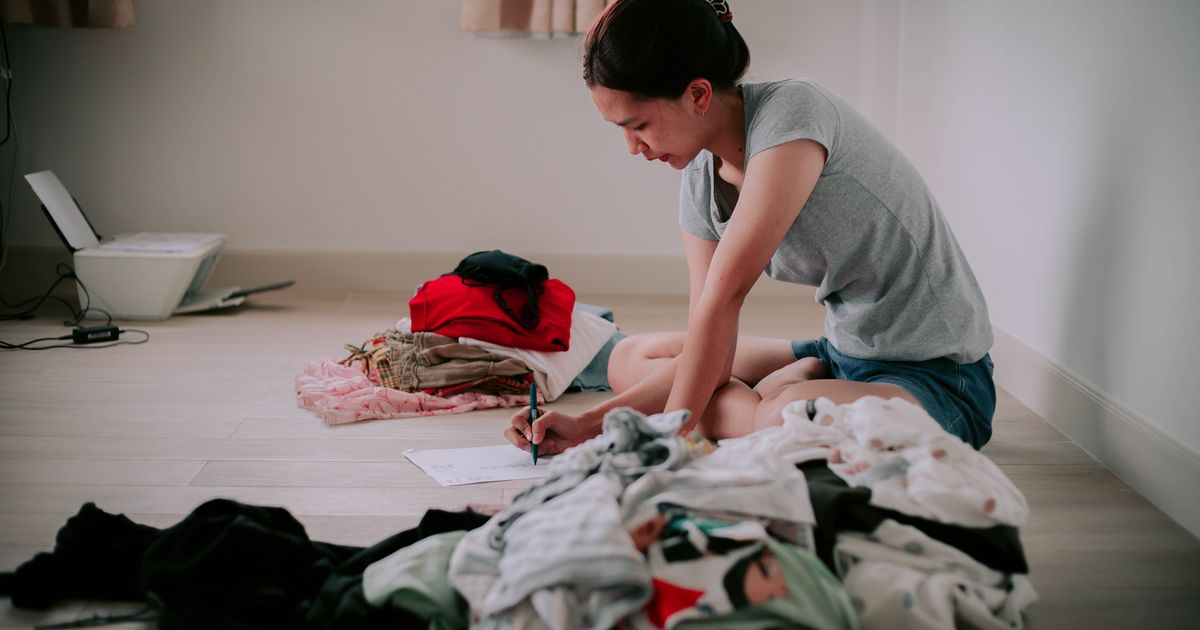
The process, known in Swedish as döstädning, is designed to make it easy for your loved ones to pack away your stuff after you’re gone.
Advertisement
It involves simplifying your life by clearing away your old clutter, with the ultimate aim of chucking out more stuff than you accumulate.
And while cleaning is a big part of the process, Swedish death cleaning is much more of a minimalist exercise in intentionality than it is a weekend-long purge.
The goal is to have a true ‘place’ for everything in your life instead of mindlessly accumulating objects that end up being more of a nuisance than a beloved item (my enormous collection of unread books and I are trying not to feel offended).
She mentions that you should start the system aged around 65, but IMO, it makes too much sense to hold back on.
So, how do I get started?
First of all, there’s no need to get into a decluttering frenzy.
The whole point of death cleaning is to slowly ensure that you’re surrounded only by things that matter to you, so don’t toss the entire contents of your bedside cabinet away in the name of ‘living clean’.
You’ll want to start with the easy (read: massive and annoying) things first. That mattress you’ve been itching to throw out? The used-once-then-neglected paddleboard you bought during your brief ocean fixation phase? Yeah, those should be the first to go.
After all, Magnusson reckons “Mess is an unnecessary source of irritation” – so the clearing process will be easier if you chuck out the things that annoy you most first.
And you shouldn’t make death cleaning a one-off thing, either. Magnusson says that “Death cleaning is not about dusting or mopping up; it is about a permanent form of organisation that makes your everyday life run more smoothly.”
Advertisement
In other words, a one-off purge won’t cut it.
Don’t forget to include your online clutter, too
It can be tempting to limit your cleaning to the most satisfying, obvious parts of your life, like that crowded mantlepiece or the chaos in your attic.
But when it comes to Swedish death cleaning, ‘clutter’ just means anything that gets in the way more than it enriches your life, and which would be overwhelmingly annoying for someone else to clean up.
Remember, it’s about starting to sustainably shed more of life’s excess materials than you gain. So I reckon it’s about time we make a pact to delete three unflattering old selfies and blurred pocket pics for every new one we take, don’t you?
Think about what your extra stuff really means to you and others around you
Of course, this consideration has an incredibly specific application when you’re actually using it for death cleaning – in that case, it’s worth asking yourself if your daughter really has room to store your beloved grandfather clock.
But anyone who’s lived with more than two other people will know how intrusive other people’s accumulations can be. Consider whether or not your unused, spare room-consuming camping gear or cutlery drawer-dominating melon baller is as meaningful to you as it might be annoying to those around you.
In other words, gifting, donating, and selling are part and parcel of the process.
So, fellow hoarders, if you’re also growing weary of your Vague Piles of Indiscriminate Stuff, it might be time for both of us to take a lesson from the Swedes.