Schools open their classrooms to millions of pupils in England and Wales with hopes and fears.


Schools open their classrooms to millions of pupils in England and Wales with hopes and fears.
A government source says the money will help the health service this winter and tackle the backlog.
Two weeks after the birth, the singer shared a new snap of her son, and told fans his name, which you might notice is not entirely dissimilar to his father’s.
She wrote: “2 weeks of loving you. I’ve never felt love like this before! Axel Oxlade-Chamberlain.”
Perrie first announced she was expecting a child back in May, posting a close-up of her pregnancy bump on Instagram with the message: “So happy to be on this wild journey with my soulmate… We can’t wait to meet you baby Ox!”
During their pregnancies, Perrie and her bandmate Leigh-Anne have been hard at work, promoting new Little Mix music and filming music videos for Confetti, Heartbreak Anthem and Kiss My (Uh Oh), as well as their most recent offering Love (Sweet Love), which serves as the lead single from their upcoming greatest hits album.

SOPA Images via Getty Images
Back in May, the two singers recalled the emotional moment that they each found out the other was pregnant.
“We were on a work Zoom and we were chatting about things that were coming up in our schedule because in Little Mix we are blocked out two years in advance,” Perrie explained. “I was thinking, ‘I won’t be able to do [certain things months down the line]’.
“I messaged my manager and she called me and said, ‘You’re pregnant’. I was like, ’How do you know?’, and she said, ‘Because I am pregnant’. Then she said, ‘Can I add someone to the call?’
Perrie continued: “I just heard this voice that said, ‘Perrie! You too!’ And then we just cried our eyes out. We couldn’t believe it. What timing! It wasn’t planned.”


Celebrities are singing their excitement for Beyoncé in honor of the Queen Bey’s milestone birthday.
Beyoncé, who turned 40 on Saturday, received a lot of love from fellow stars and fans on social media, with many referring to the big day as #BeyDay.
Jennifer Hudson, who starred alongside Beyoncé in the 2006 movie musical Dreamgirls, tweeted sweet birthday wishes to the chart-topping singer.
“Dreamgirls will never leave you!” she wrote. “Happy birthday to my forever Dreamgirl and Virgo sister @Beyonce! I love u!”
Missy Elliott also shared her pride in Beyoncé.
“Happy Birthday sis I am PROUD of your growth” she wrote, adding that her “success is DESERVING.”
.@Beyoncé 👑🐝 Happy Birthday sis I am PROUD of your growth… You always been a HARDWORKER from day 1 since I’ve known you over 20 yrs so your success is DESERVING🙌🏾May your 40th BDAY be a blast!TURN ALL DA WAY DF UP on 200🔥😂🥂🎉🎊🎈🙌🏾 pic.twitter.com/0yvJhuLbjV
— Missy Elliott (@MissyElliott) September 4, 2021
Though it’s difficult to encapsulate Beyoncé’s overall achievements and contributions to music and entertainment succinctly, her official website shared an extensive collage with photos representing some of the singer’s most iconic moments over the last four decades.
During an interview with Harper’s Bazaar last month, Beyoncé shared that she hopes her 40s will be “fun and full of freedom.”
“I want to feel the same freedom I feel on stage every day of my life,” she said.
“I want to explore aspects of myself I haven’t had time to discover and to enjoy my husband and my children. I want to travel without working. I want this next decade to be about celebration, joy, and giving and receiving love. I want to give all the love I have to the people who love me back.”
Stars continued to honour Beyoncé with tributes and sweet notes on Twitter over the course of the day:
there are so many things to say about Beyonce that most times i’m actually just speechless. happy birthday to the actual GOAT 😩😩😩😩
— Kehlani (@Kehlani) September 4, 2021


Lockdown has made us reassess the way we see our homes. Having spent more than 18 months being cooped up inside, many of us are considering a change of scenery.
More than a quarter of UK homeowners (29%) say they want to move house this year to get more outside space, according to the newest Home Improvement Trends Report from the tradesperson site Rated People. A quarter (25%) also want a bigger home.
Advertisement
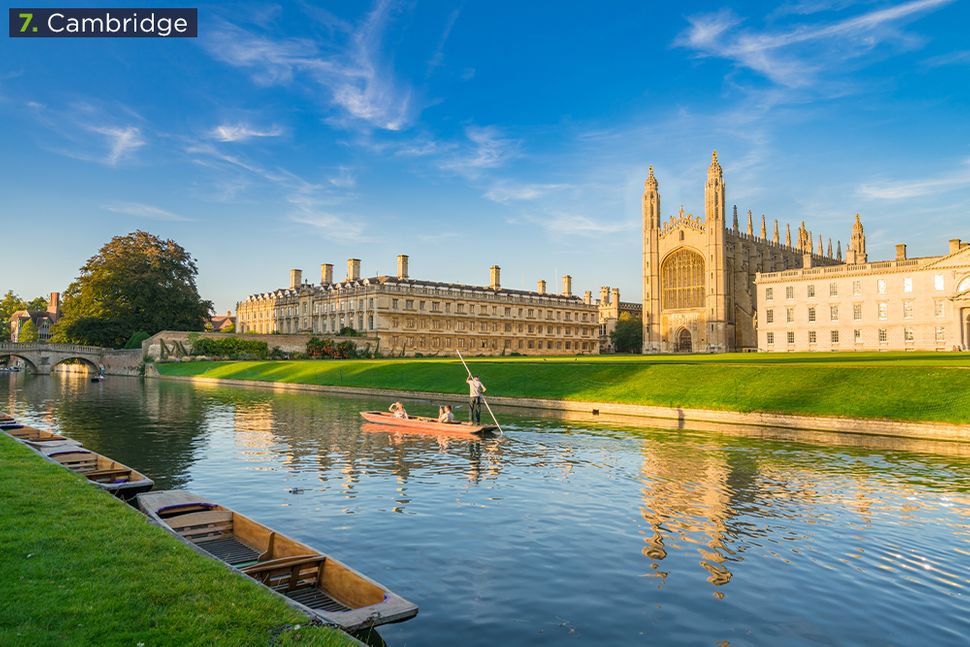
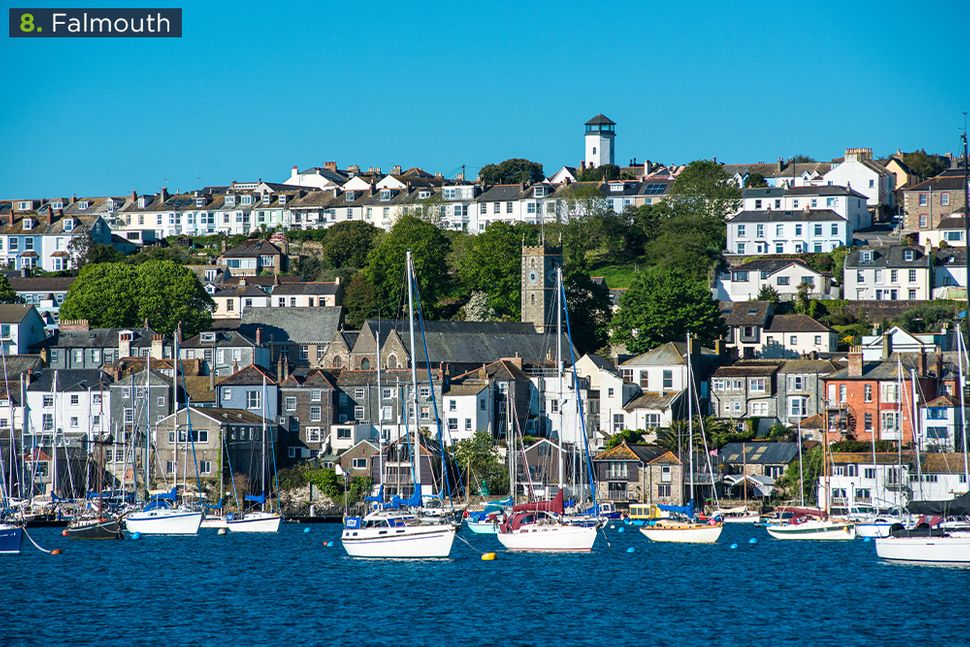
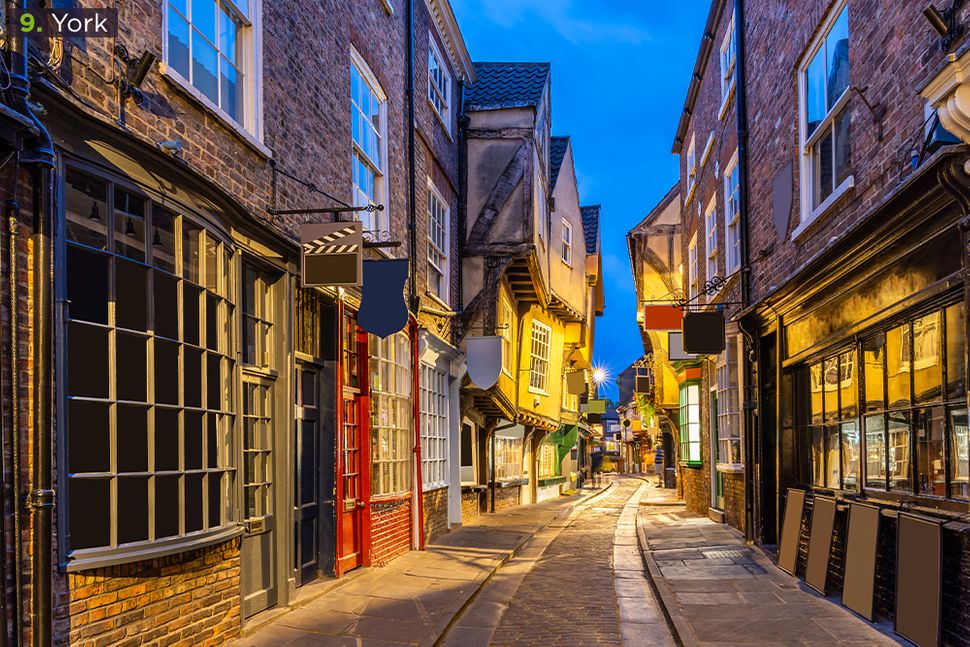
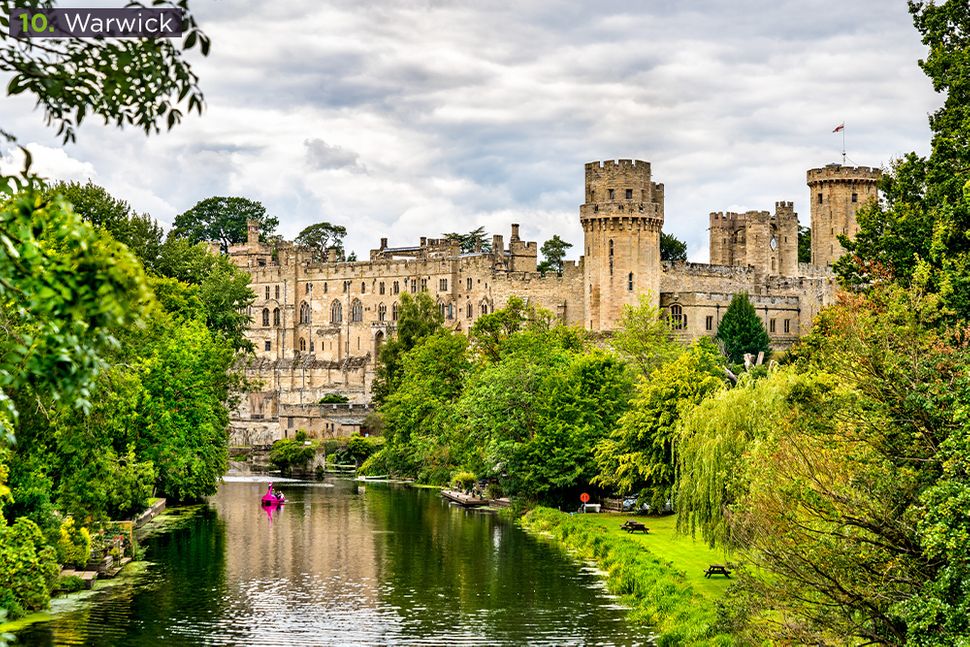
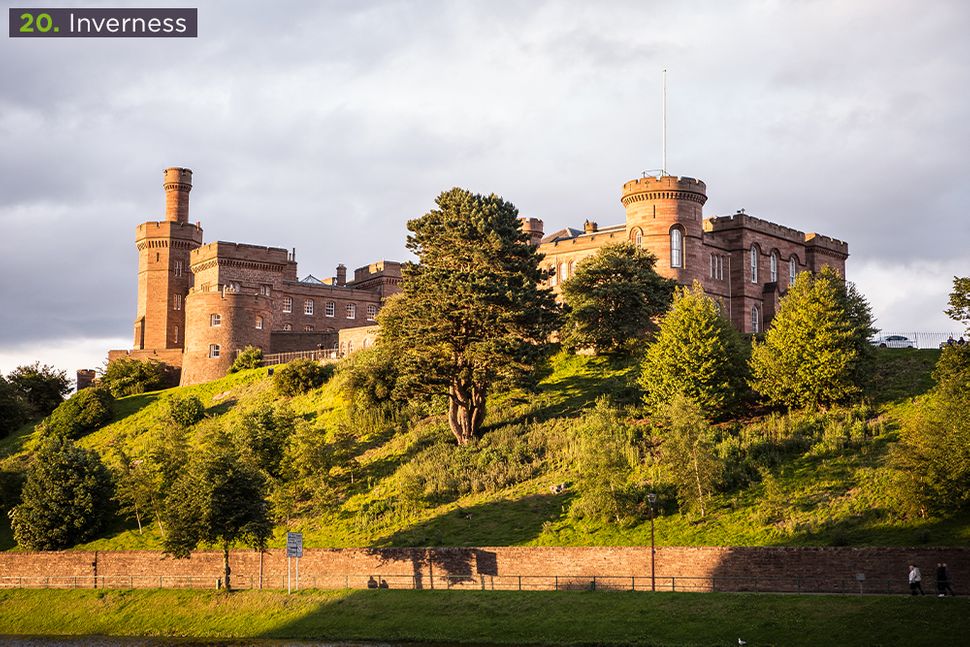
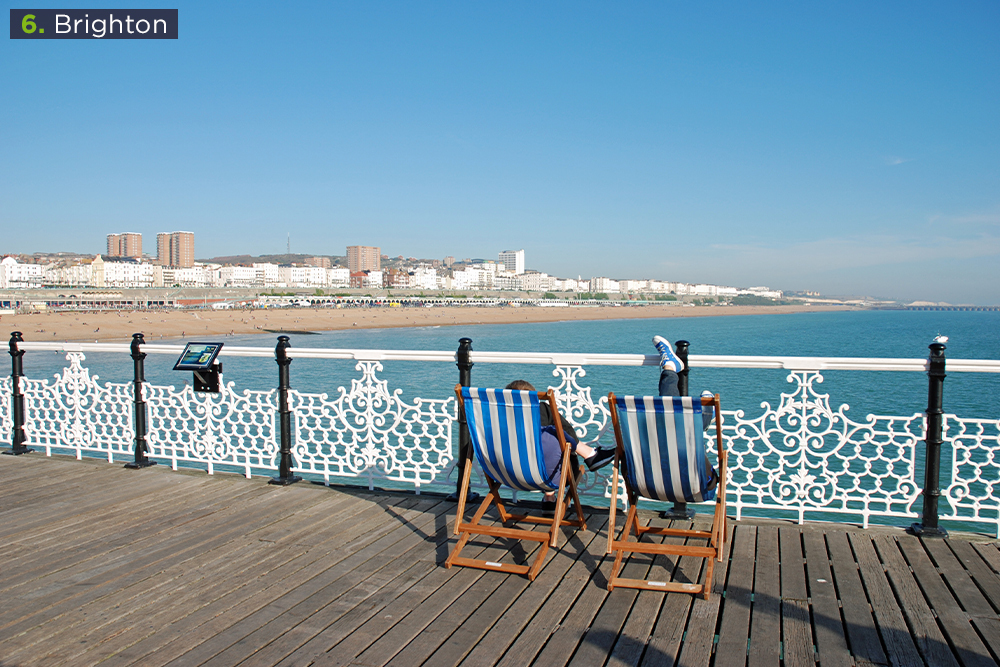
And what better place to move than somewhere that is Instagram-worthy?
As part of the report, researchers analysed Instagram hashtag data for over 500 towns and cities in the UK and compared this with each place’s population size, to reveal the locations that people want to photograph the most.
Advertisement
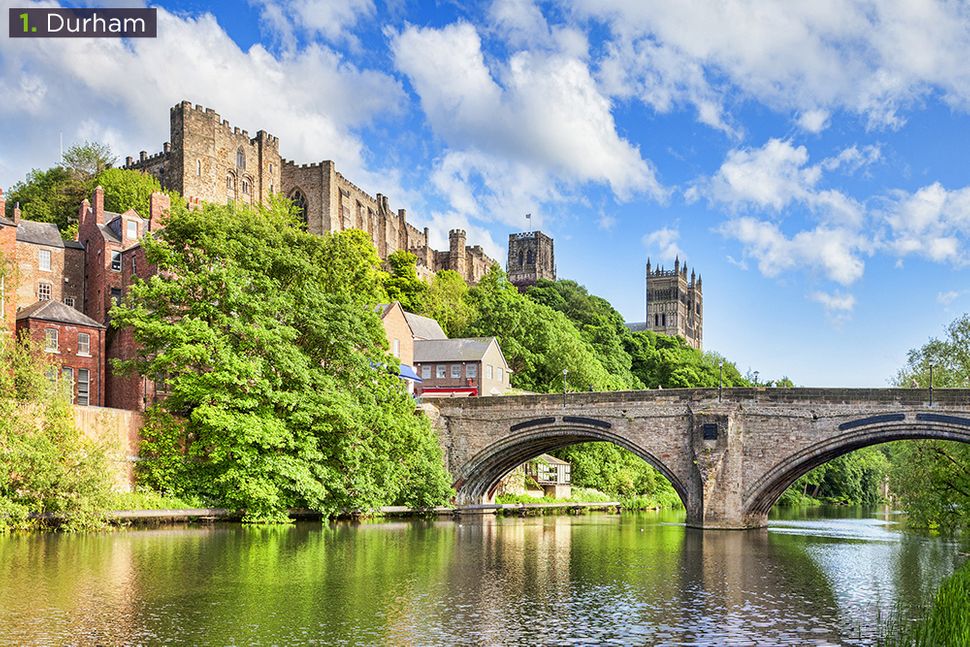
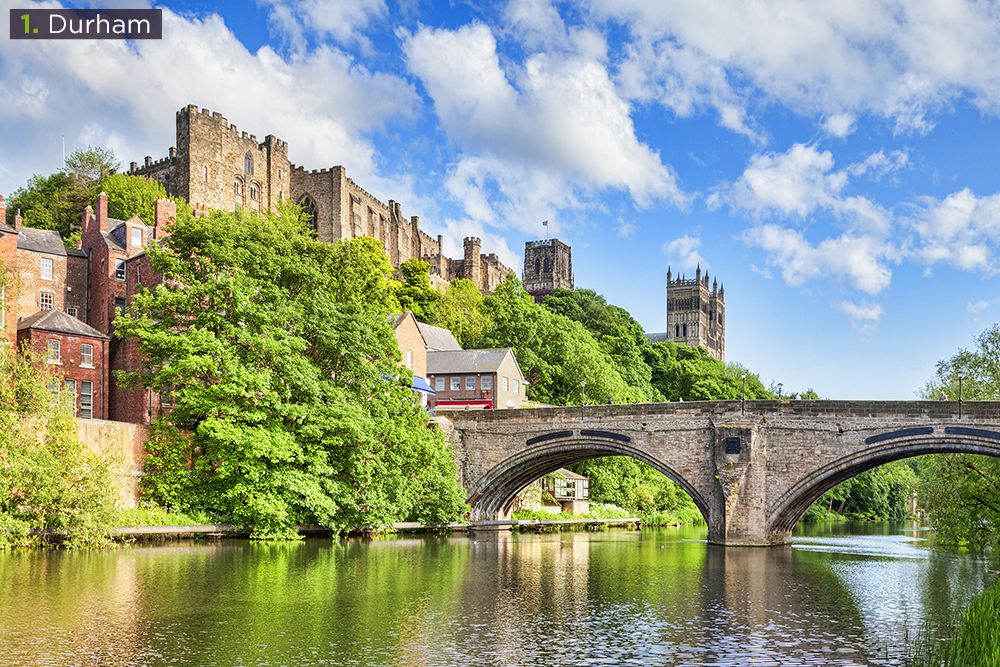
Durham is seen as the most Intstagram-worthy place to live as it’s surrounded by the River Wear and boasts a beautiful romanesque cathedral. Over 2.5 million photos of Durham have been shared on Instagram, even though the population is just over 50,000 people. That means for every person there are 50 photos shared online, making it the UK’s most photographed city.
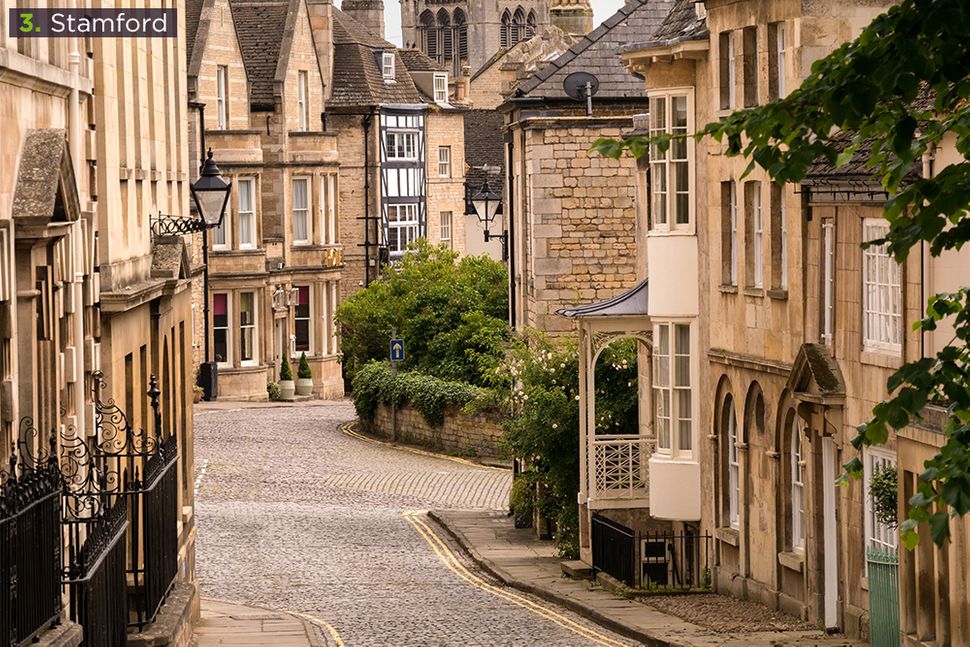
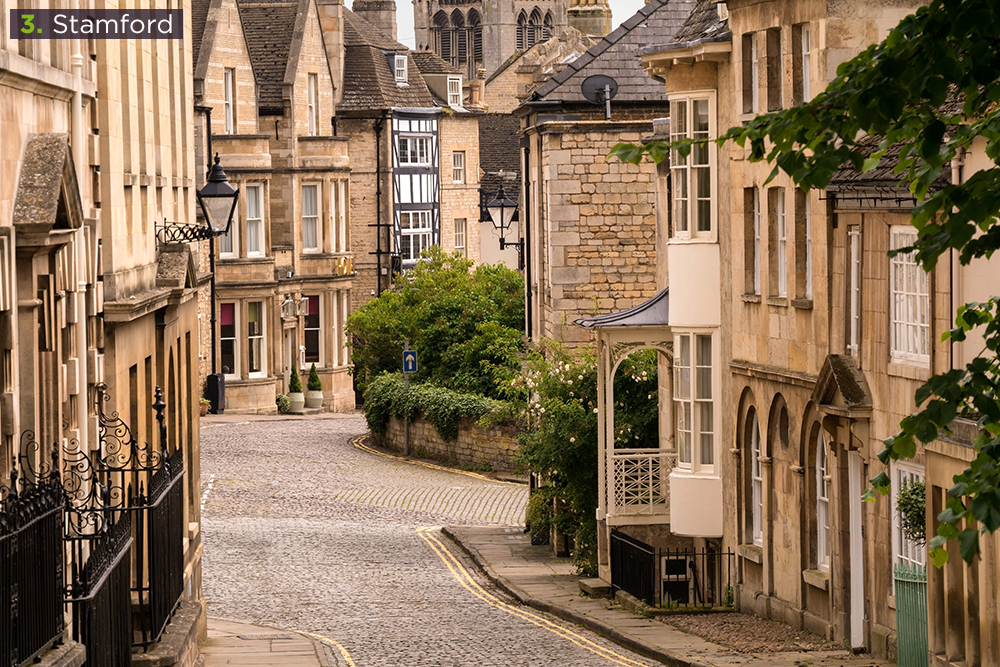
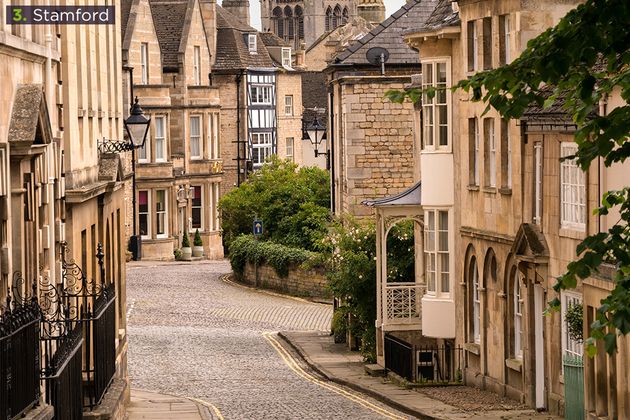
Cornish surfing town Newquay makes the list as the second most scenic place in the UK, with 42 photos shared per capita, and Stamford in Lincolnshire is third, with 32 photos.
Advertisement
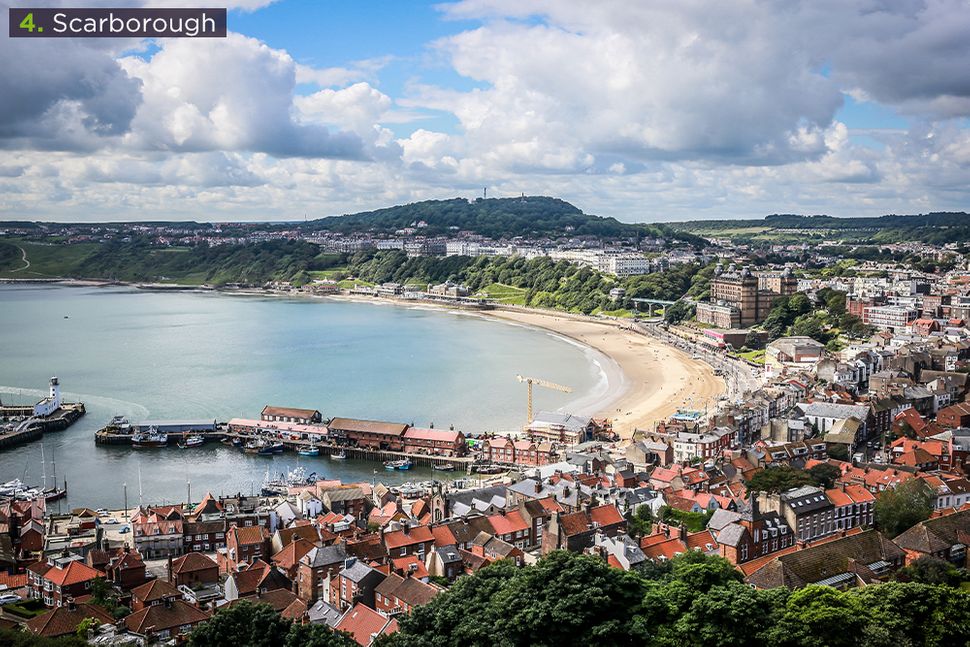
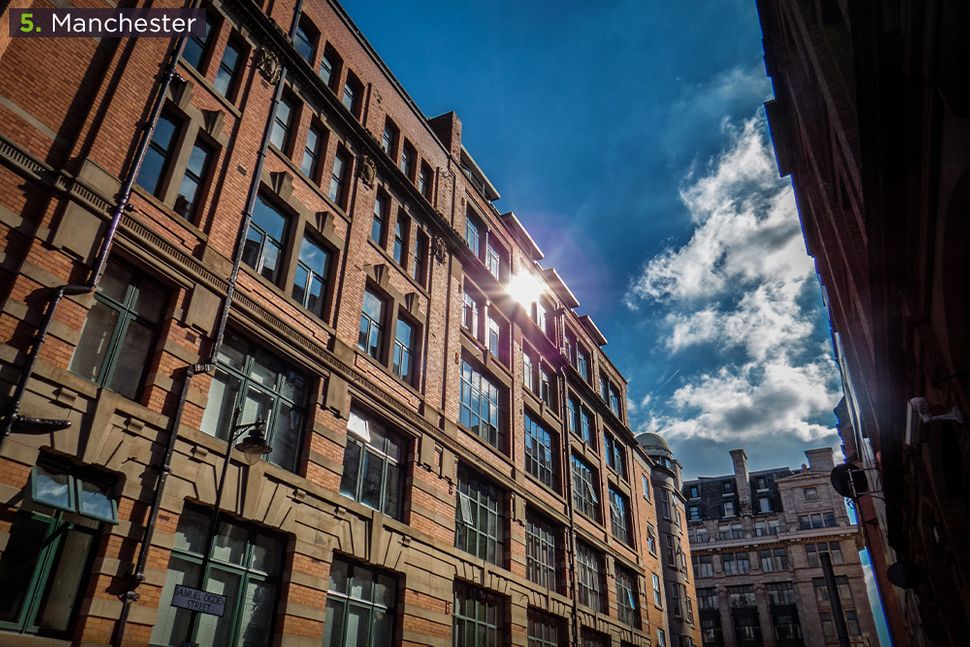
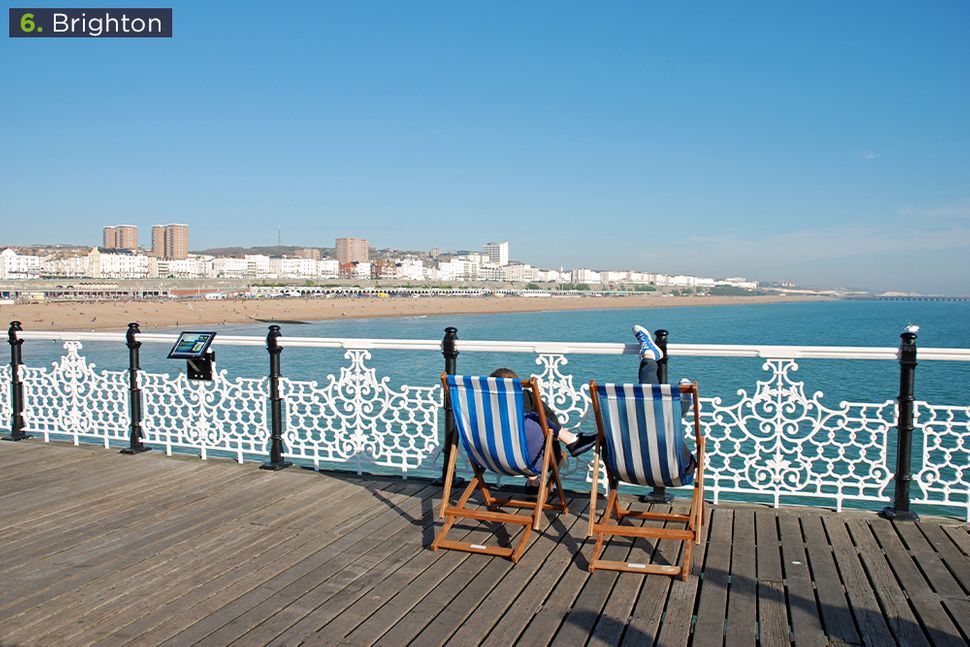
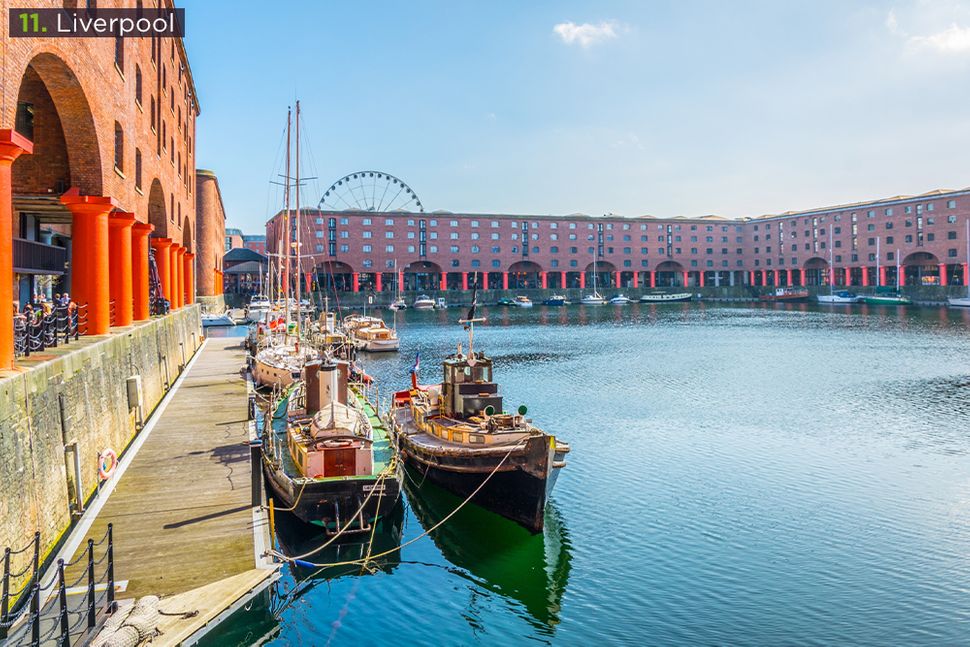
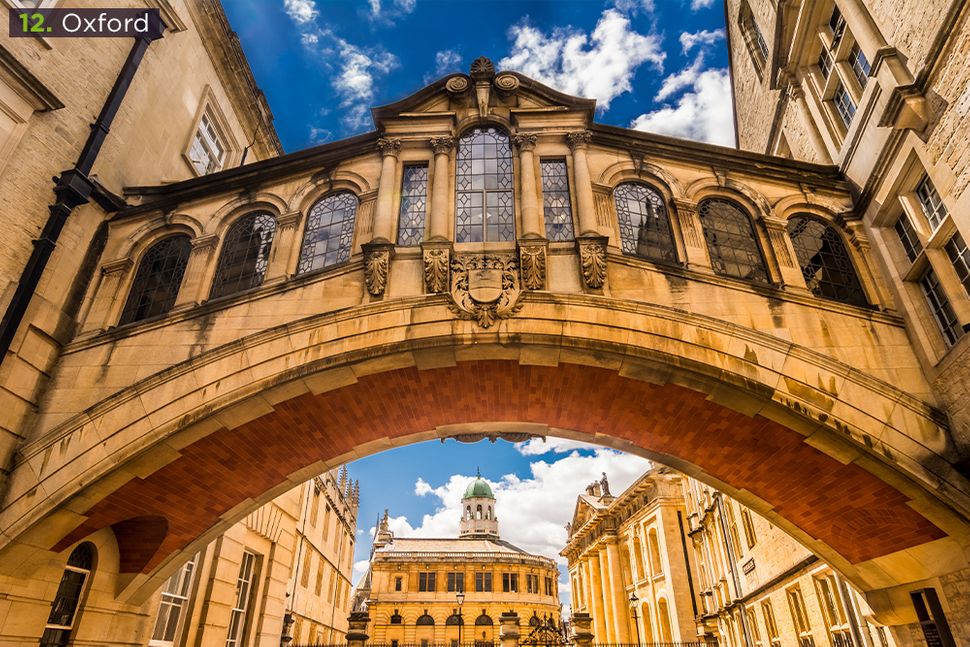
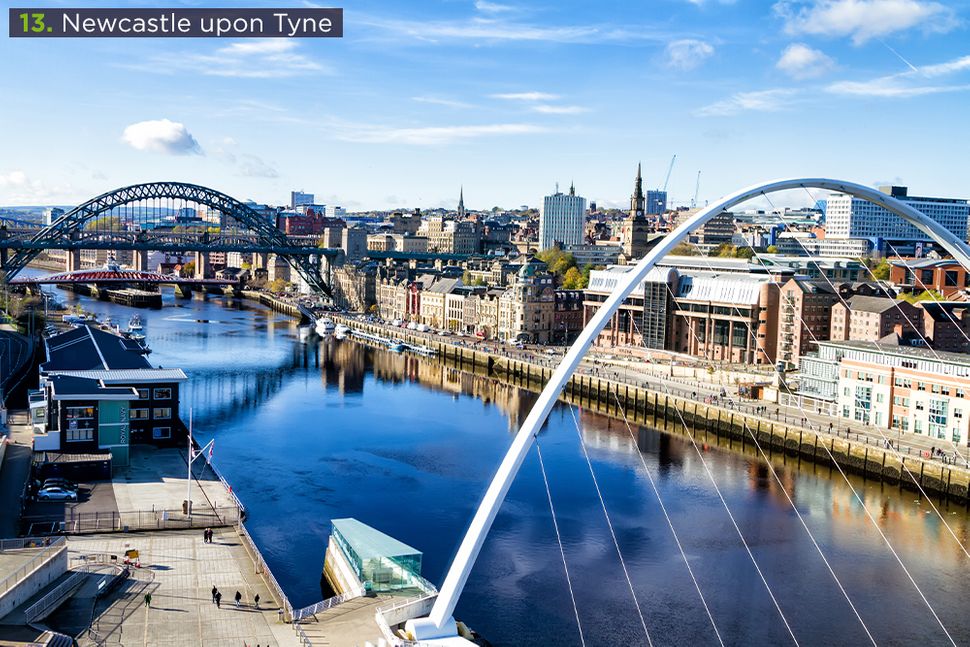
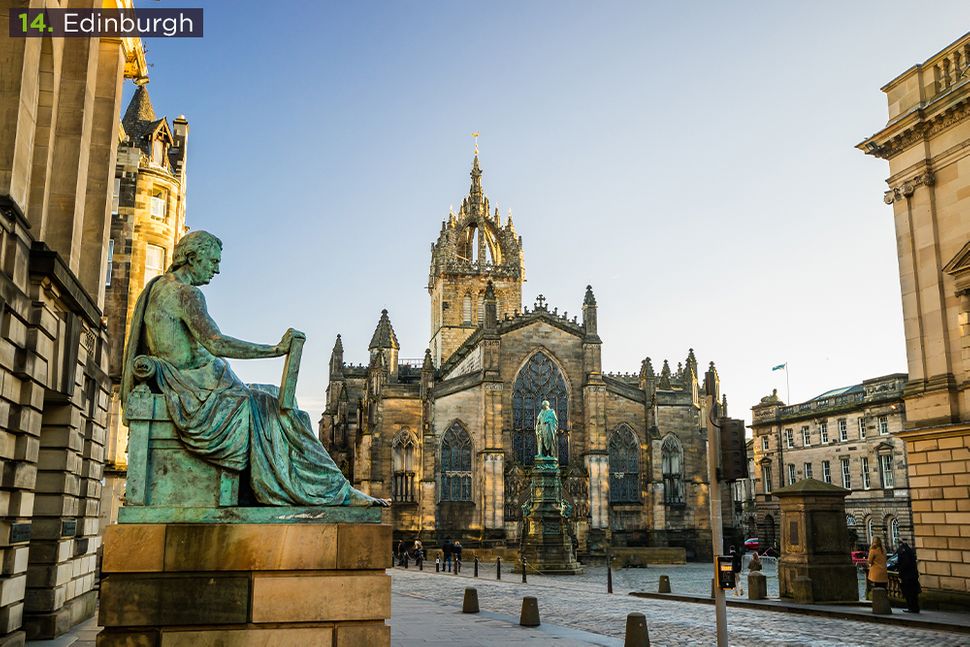
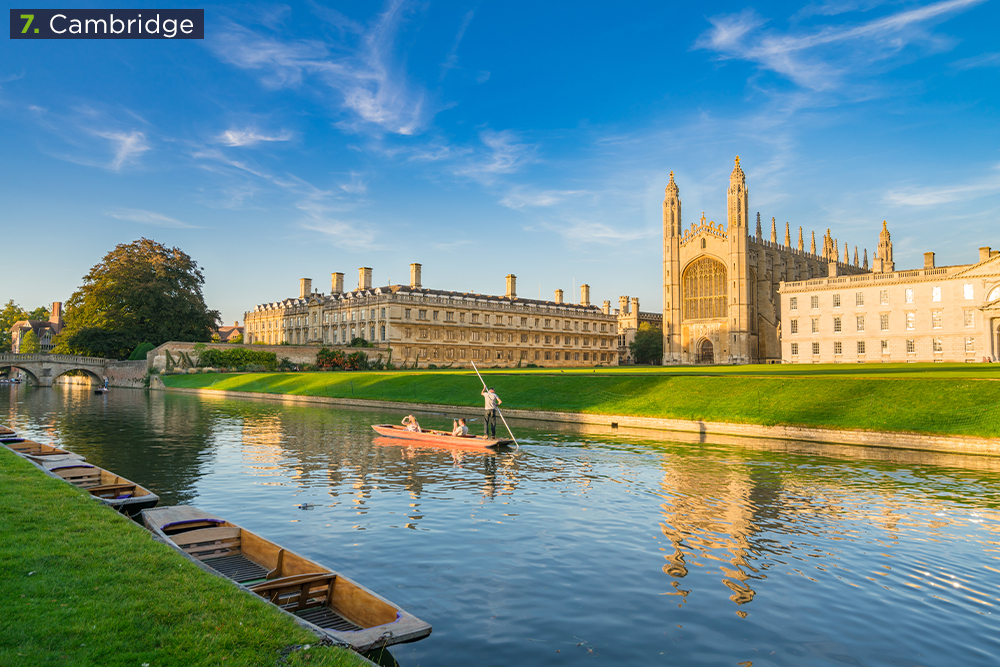
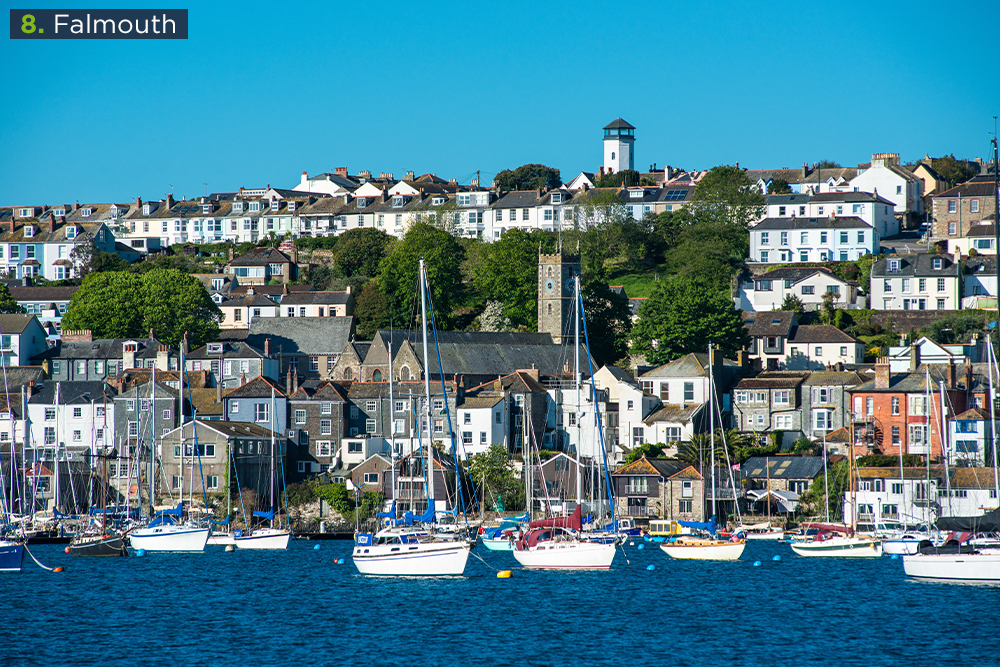
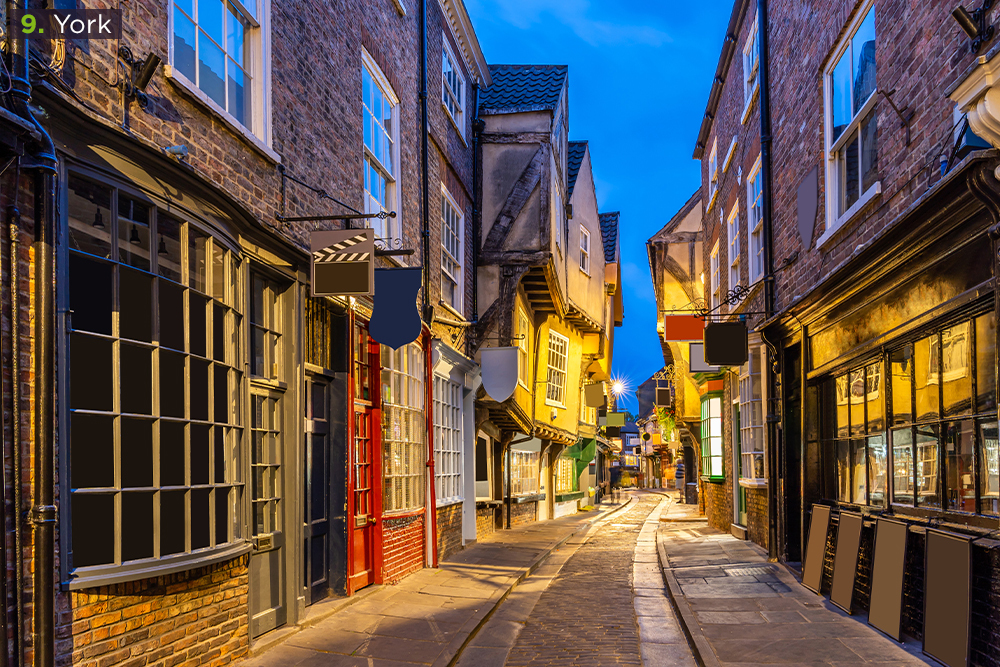
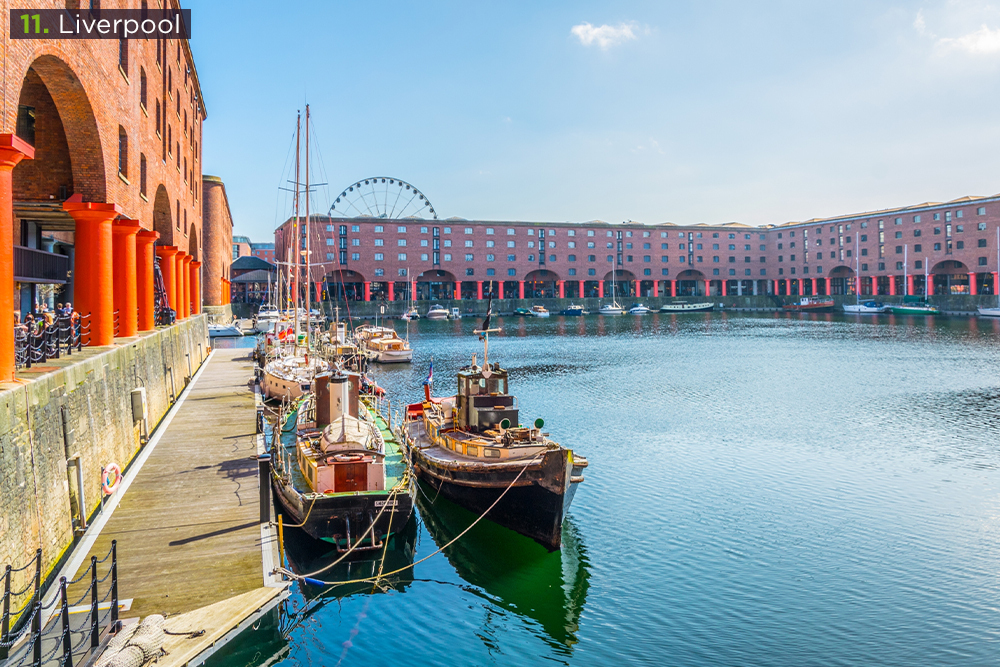
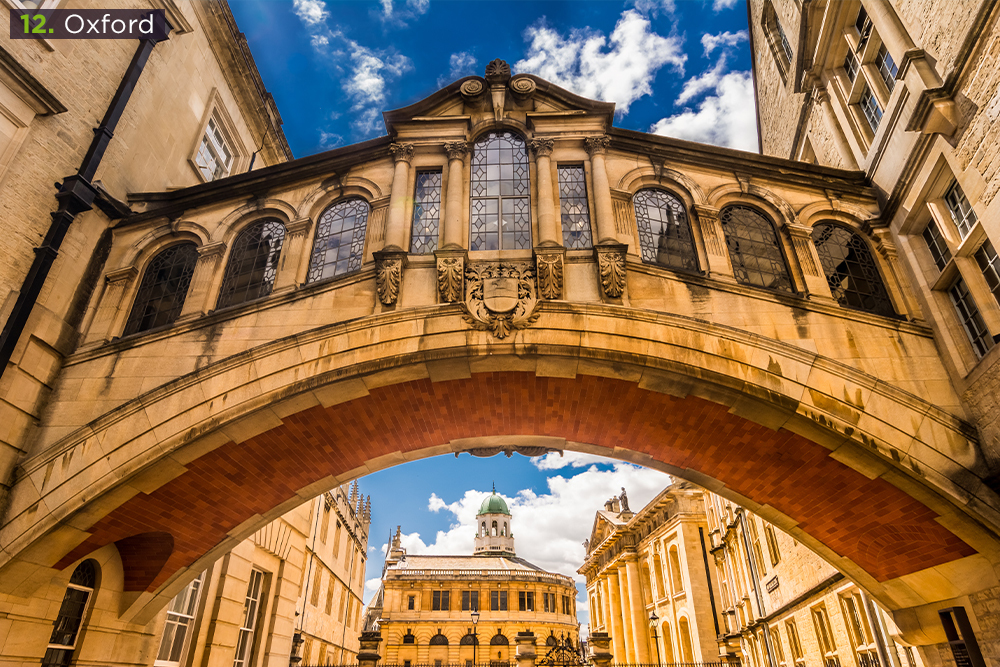
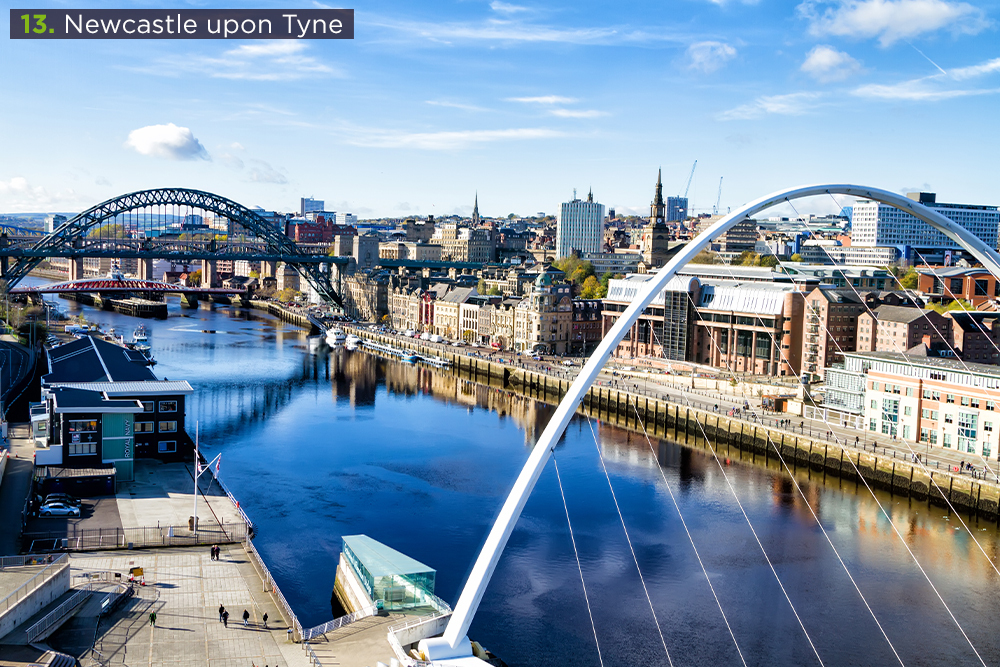
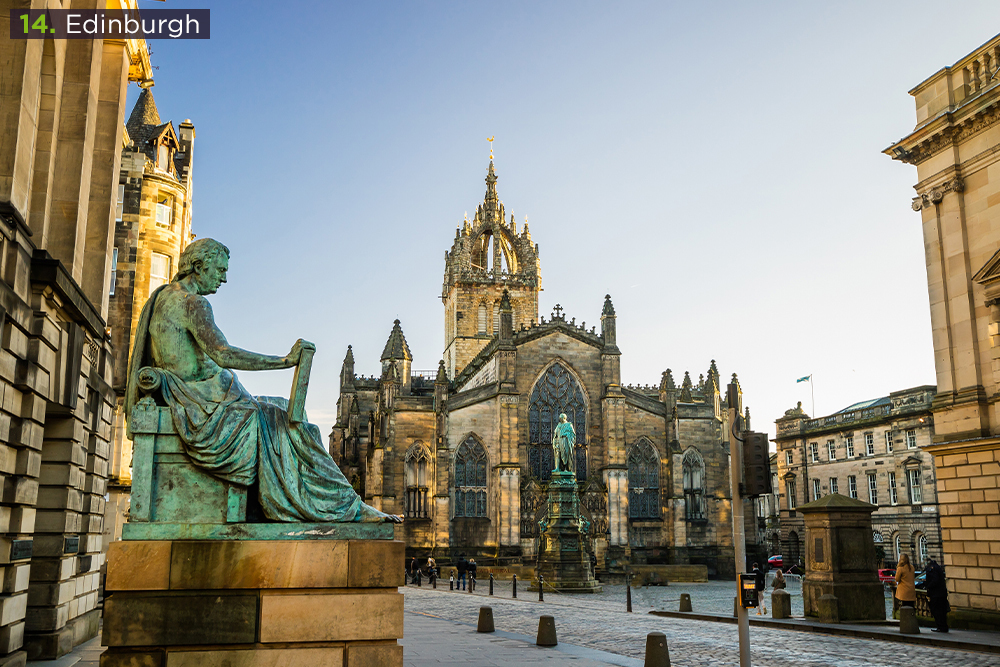
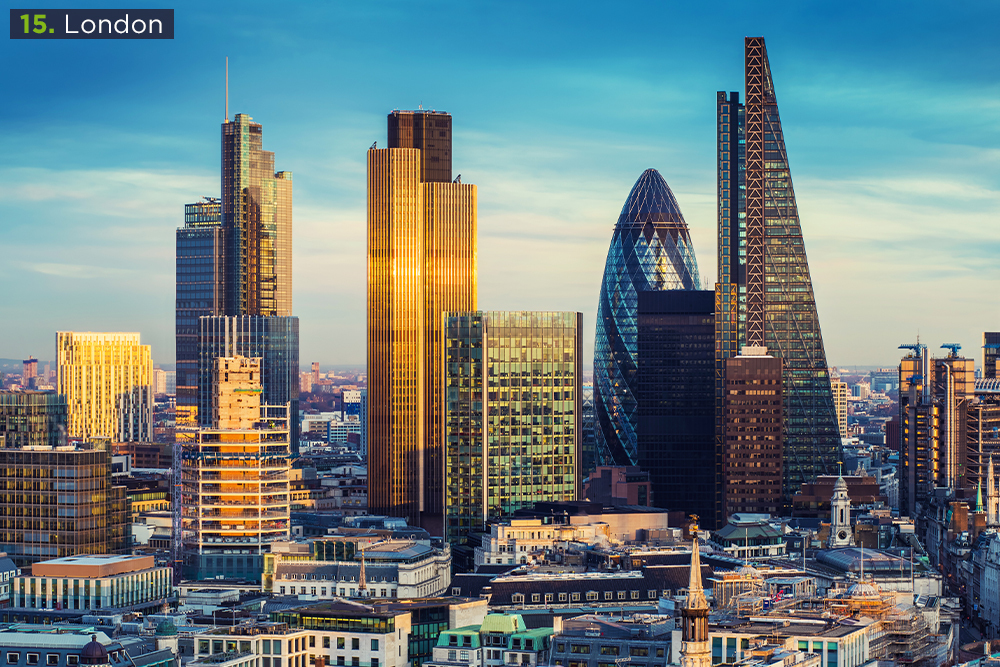
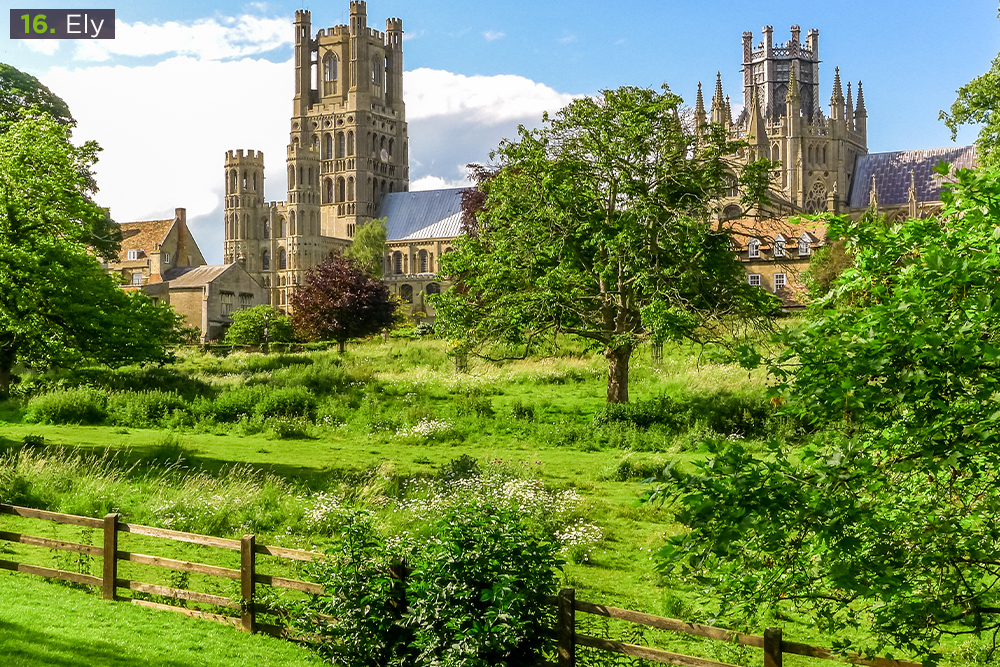
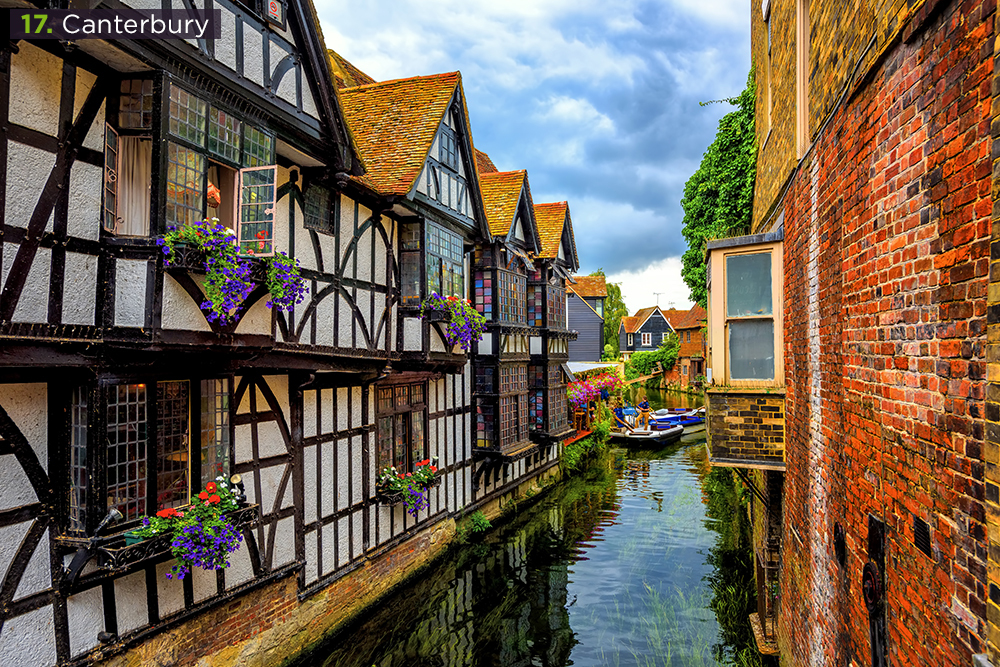
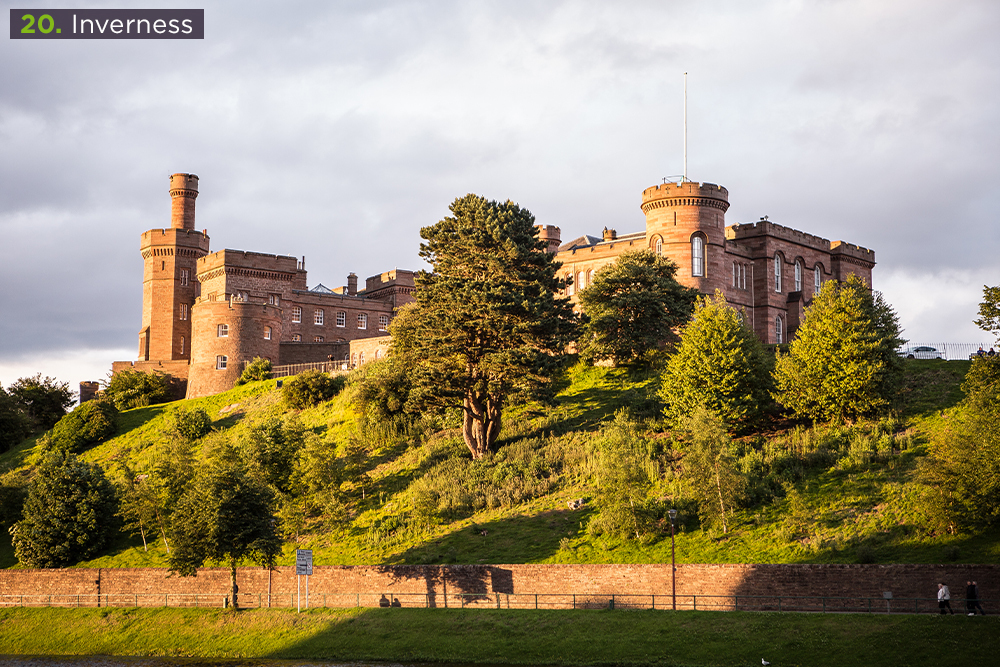
If you’re thinking about moving or visiting somewhere new, here are 20 of the most picturesque places.

Advertisement
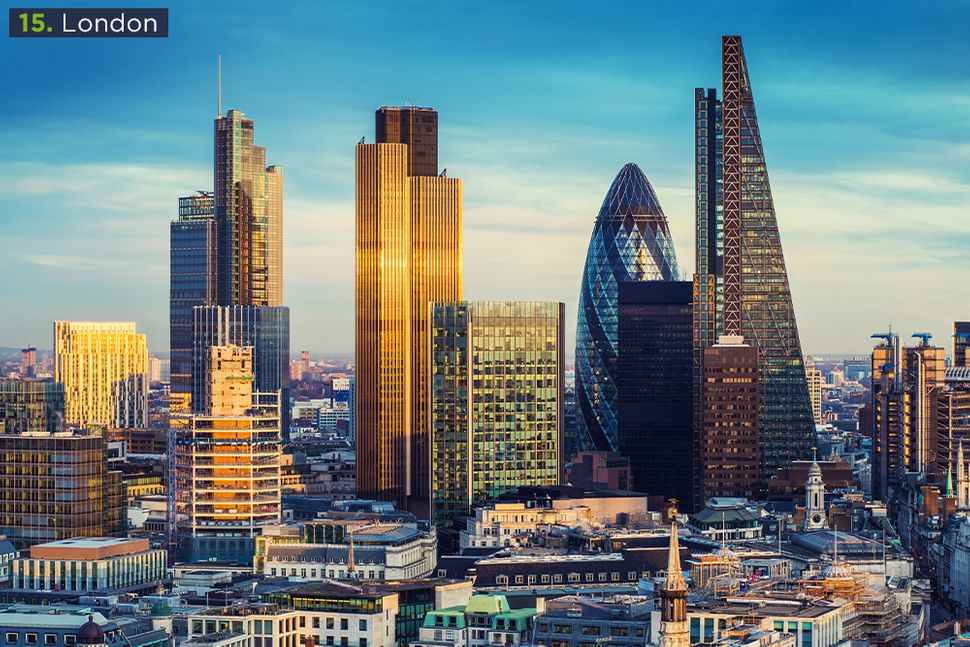
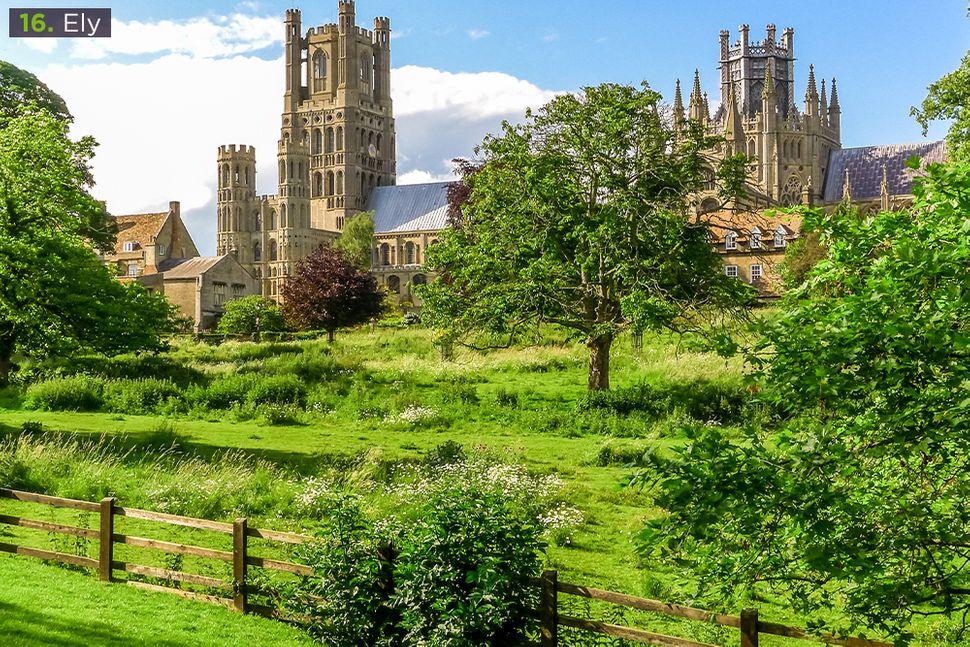
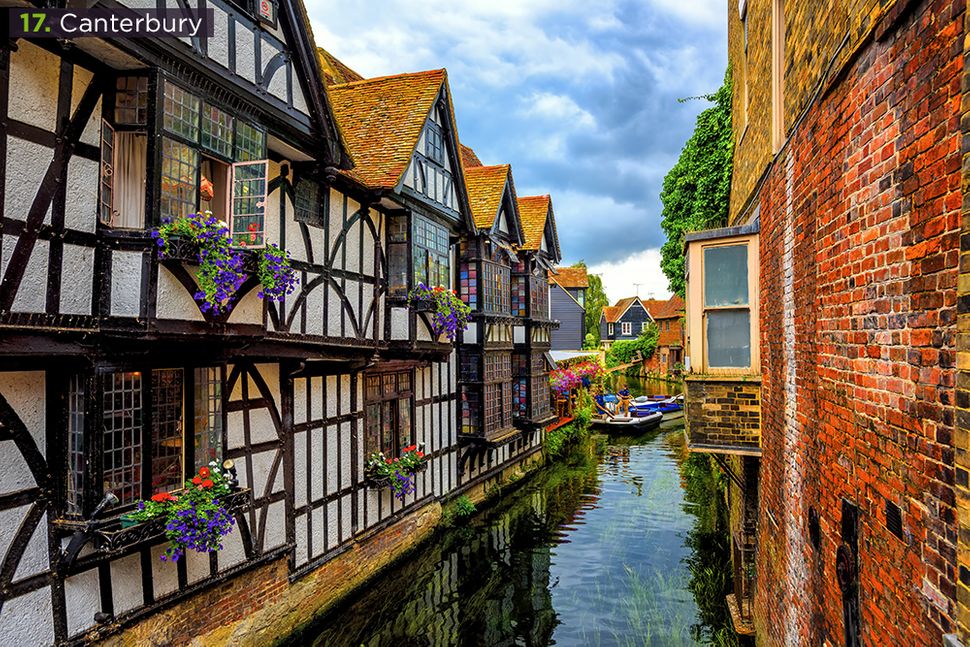

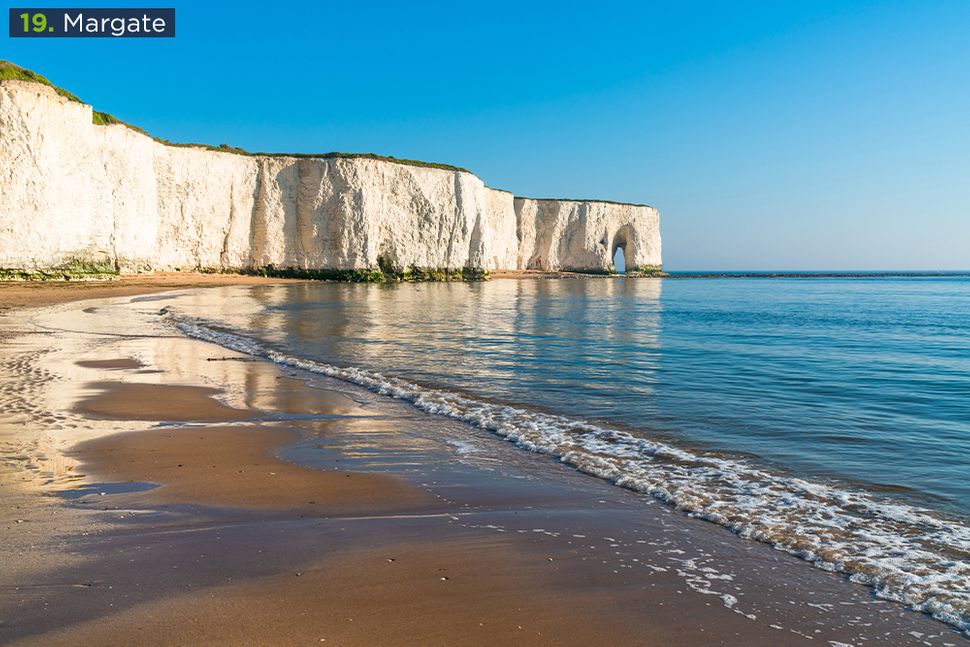







Flu jabs in England and Wales are delayed due to an HGV driver shortage, a supplier says.
But Labour says measures including masks and ventilation are also needed to prevent school disruption.

Seems like Drake is both in his feelings and in hot water with some of his fans.
The Toronto native released his latest album, Certified Lover Boy, on Friday, and fans quickly began listening to it and offering their thoughts in real time on social media.
A significant flurry of chatter has since emerged in response to one song, TSU, which appears to be about about a stripper who wanted to better her life so Drake gave her money to start a business.
Notably, the song’s writing credits are OG Ron C, Noel Cadastre, Timbaland, Justin Timberlake, Christopher Cross, Harley Arsenault, Drake and R. Kelly.
R. Kelly has been in the midst of a criminal trial for the last several weeks in New York as he’s facing five federal charges, including one count of racketeering and four counts of violating the Mann Act, which prohibits taking minors across state lines for the purpose of prostitution.
The R&B singer’s accusers have testified in the last two weeks that Kelly took part in beatings, sexual assault, and statutory rape. One woman claimed he forced her to have an abortion, while several others claimed he knowingly gave them herpes.
TSU is reportedly the “most high-profile usage sampling since the singer was indicted,” said Rolling Stone.
Representatives for Drake did not immediately respond to HuffPost’s request for comment.
Some have argued that because the song’s production samples Kelly’s song Half On A Baby, Drake automatically had to give him a writing credit on the track. Others, however, argue that he didn’t have to use the song at all and “could easily have passed on this one.”
The biggest shock for me is R. Kelly getting a writing credit on the album. That’s totally avoidable. I think these superstars are either often out of touch or they don’t mind the pushback from moves like this. Drake could easily have passed on this one.
— JJ. Omojuwa (@Omojuwa) September 3, 2021
R. Kelly, while currently on trial for sexual abuse of countless Black women and girls, is going to be making money off the most anticipated album of the year thanks to Drake giving him a songwriting credit on #CertifiedLoverBoy
And that’s why both #CLB and #DONDA are trash.
— Ernest Owens (@MrErnestOwens) September 3, 2021
People are defending this R. Kelly credit, talking about “it’s a sample”… okay?????? So Drake chose to sample his work, knowing he’d have to clear it with R. Kelly, and that Kelly would get a check/royalties. He could’ve done away with the sample/track, he clearly doesn’t care. pic.twitter.com/CzOEkNjhjJ
— JO (@byDonnaJo) September 3, 2021


Beyoncé, the multi-hyphenate queen that she is, has achieved a lot.
On her 40th birthday, she remains the first artist to debut at number one on the Billboard 200 with their first six solo studio albums, she has broken the record for the most Grammys won by a woman, and is one of the world’s biggest trailblazers.
Advertisement
Most of us pale in comparison. And when it comes to birthdays, it’s especially difficult to not tally up all that we’ve achieved.
But comparing yourself to the greats or even those around you can have serious detrimental effects. At cliched as it sounds, there is only one you, marching to the beat of your own drum towards your own timeline.
Advertisement
Grammy or not, there’s a lot to celebrate if you’re approaching a big birthday (let’s not forget to commend our sheer resilience in navigating the pandemic). And it seems plenty of people are doing just that.
We spoke to four people about milestone ages – and how they’re rejecting ideas of where they’re “supposed” to be.
Advertisement
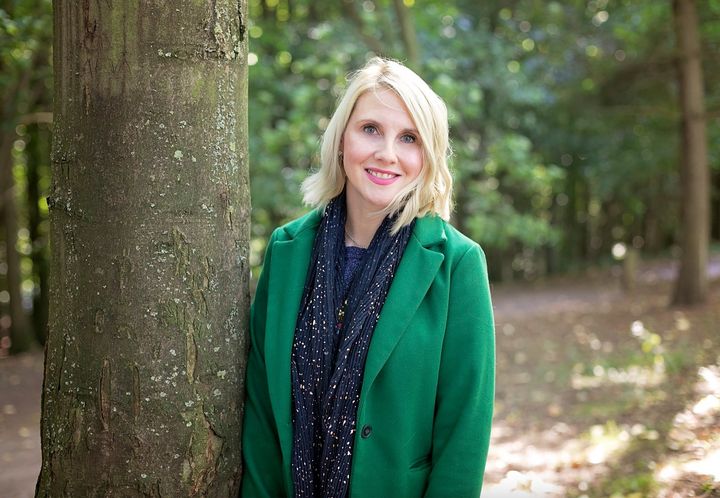
“I actually feel ok about turning 40 – and much more accepting than reaching 30! I have more of a ‘age is but a number’ type mentality.
“For my birthday this year I’m having a party at my home with family and friends followed by a weekend away sans children with my husband, best friend and her husband. We’re going to see the Tina Turner musical and can’t wait! I’ll really enjoy doing these things that only a few short months ago wouldn’t have been an option.
“I do think a birthday can be a bit of catalyst to think about what you have or haven’t achieved, and changes that need to be made. Personally, I don’t feel like that now. It was definitely something I was more conscious about when I was younger – especially the pressure around having children, getting married, career etc.
Advertisement
“I’m much more self-assured and accepting now and realise that everyone is on their own path. Time is precious and short – which this last 18 months has been an incredibly stark reminder of – and you’ve just got to make the most of it, including celebrating getting older.”
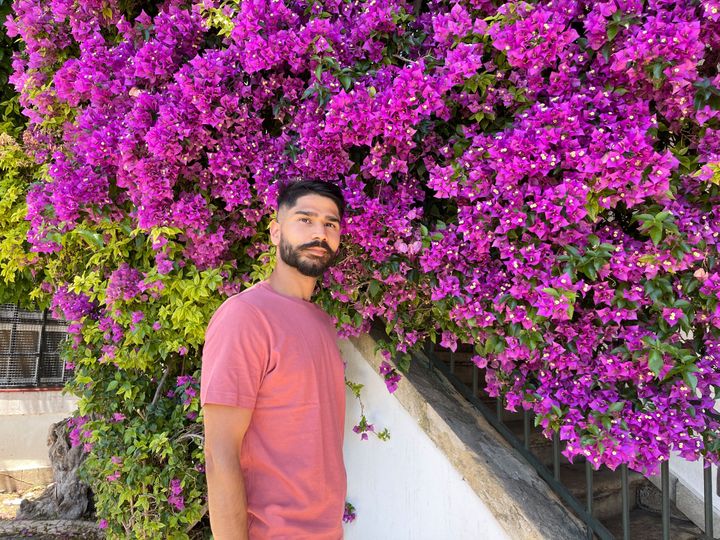
“There really is societal pressure to achieve things by a certain age and in my view, it’s quite detrimental to our mental wellbeing, [causing us to] chase things and achievements we think we want, when in reality this might not be the case.
“As I turn 30, I actually feel a level of freedom, knowing that I am setting my own pace in life as opposed to living to society and other peoples’ rhythm, which effectively destroyed my mental wellbeing.
“In terms of achievements [we’re expected to reach], it’s very black and white i.e. progressing on the corporate career ladder, having a property and potentially being married, depending on your cultural context.
“In my view it’s not possible to achieve them because 1) London living is so expensive 2) we need to better understand at a base level whether or not these things are actually what we want.”
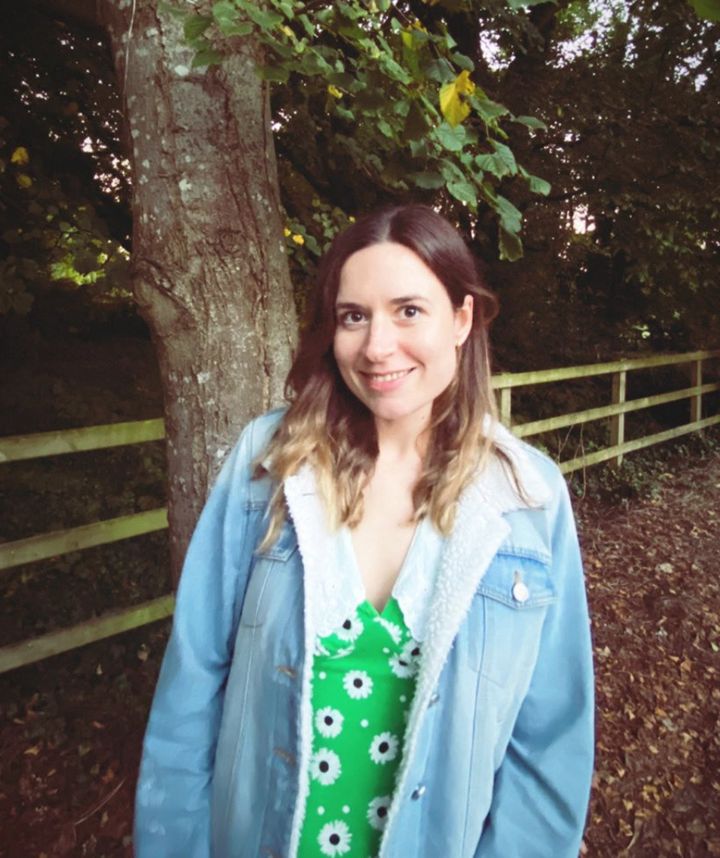
“I’d love to say that I’m not sweating it, turning 30, but I do have mixed feelings. On the one hand I’m telling myself that 30 is only a number and other clichés like ‘you’re only as old as you feel,’ but I can’t help feeling a little sad that my 20s and that time of my life is over.
“I definitely feel more reflective around this birthday than I have in previous years. For my birthday, I’m hoping to have a big family get together – less to do with celebrating my birthday and more about reconnecting in light of the Covid situation. Both that and turning 30 have made me reconsider what’s important in my life.
“Ageing is an interesting one for women as many of us naturally begin to question if/when is the ‘best’ or ‘right’ age to have children. In part I feel there’s a societal expectation to have settled down by or in your 30s, but there’s also a biological pressure there too. Many female friends my age already have children and although kids aren’t on my radar right now, it’s tricky not to compare lives sometimes and wonder ‘is time running out?’. At the end of the day, there will always be societal expectations of some sort around age, but my opinion is that most people are fortunate to have the choice of whether to live up to them or not.
Advertisement
“I used to be very future-driven and focused on having achieved x,y,z by age x. Over the last couple of years though, my outlook has changed significantly; I now try to focus much more on living in the present (literally day to day) and avoid thinking too much about the bigger picture or ticking things off by a certain age.”
“I turned 50 this year and I felt fine, and quite proud, actually. Unfortunately my birthday was spent at home with my husband due to Covid. However, he did a gorgeous breakfast spread for me.
“I never beat myself about anything, take every day as your last, do things when you can or when monies allow, don’t stress as life is too short.”


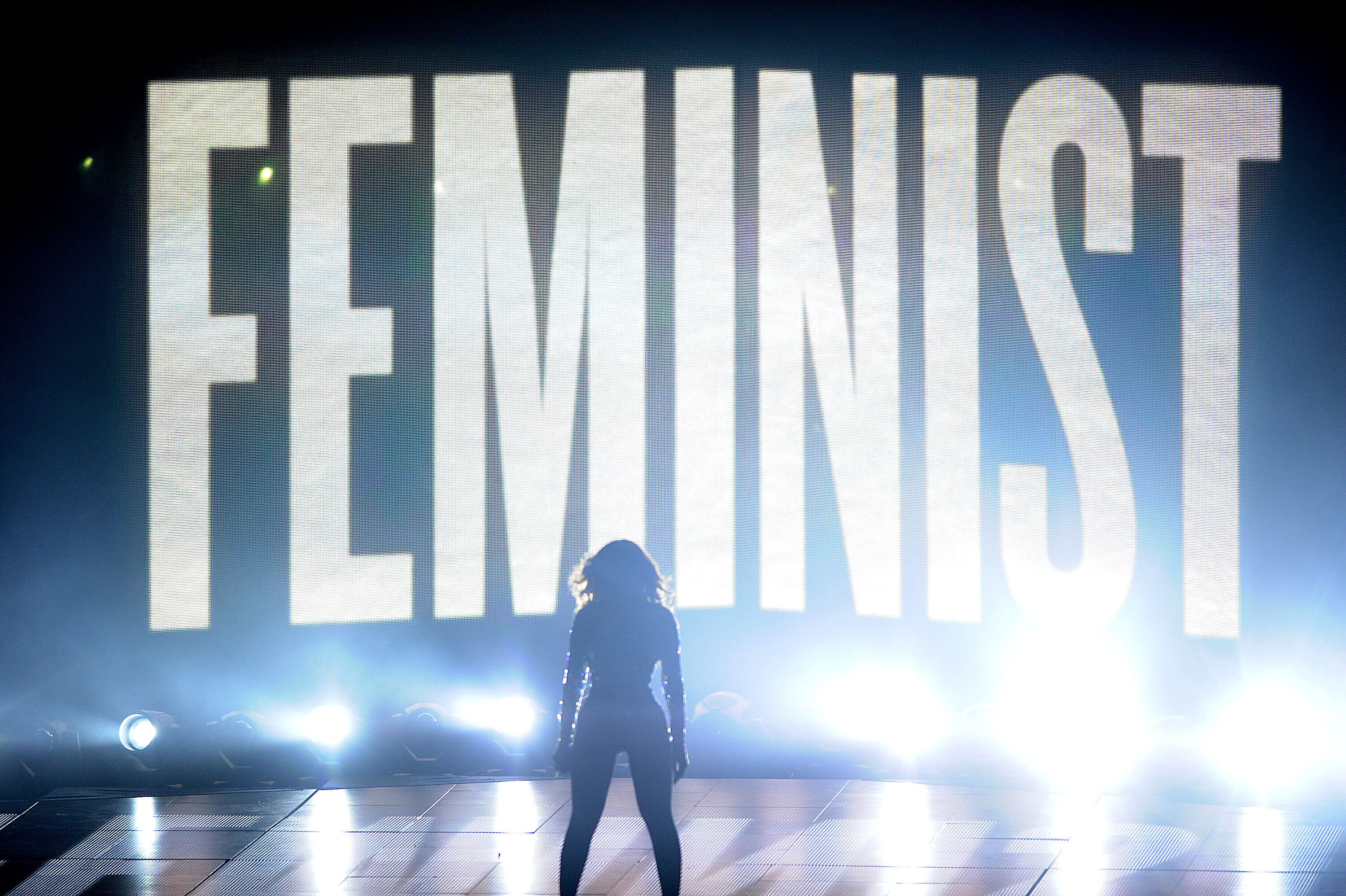
When she performed in front of the word ‘feminist’, some said she didn’t do enough. When she wore an outfit inspired by the Black Panthers, others said she did too much.
In her decades-spanning career, Beyoncé has been accused of being both too political and not political enough. As the icon turns 40, I’ve started to wonder why – and whether we’ve been too harsh on Queen B, who was just 16 when Destiny’s Child released their first single.
Advertisement
For Black women like myself, growing up and seeing Beyoncé elevate and making cultural strides gave me the push that I needed. From the age of five to my current age of 26, I’ve watched Beyoncé grow from a teenager to a mother-of-three, all while creating a legacy.
She has, some would say, become more involved in politics in that time. Others have argued that Beyoncé has always been political – you just didn’t see it. Either way, the way she presents her politics has certainly evolved, but it’s not been without its hiccups.
Advertisement
Professor Lucy Robinson, whose research spans the history of sexuality and identity politics, isn’t sure that matters. “We hold celebrities like Beyoncé accountable in impossible ways, as if they might not have changing ideas about the world around them,” she tells HuffPost UK.
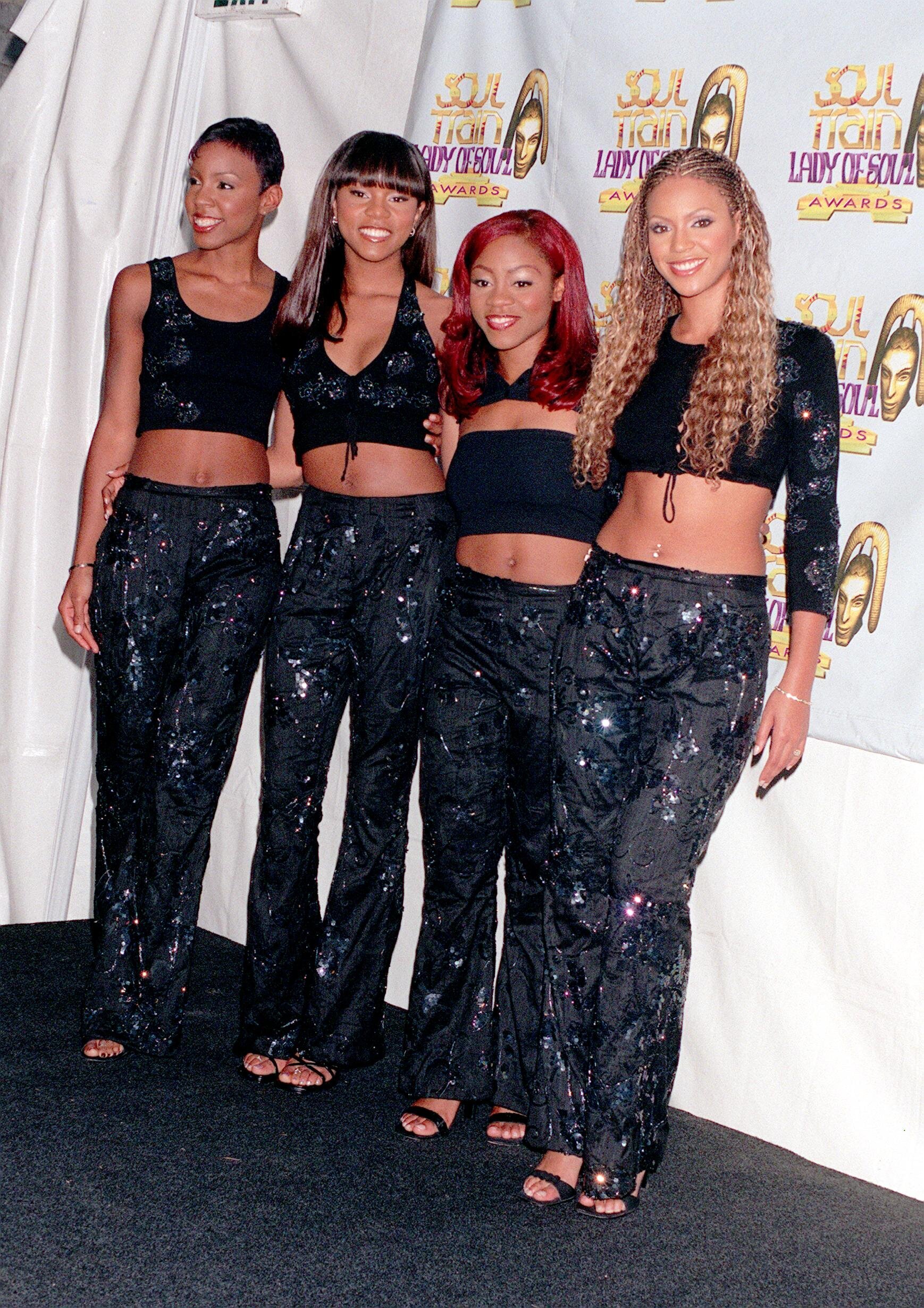
To look at at Bey’s evolution properly, we need to start from the beginning, going back to the days of Destiny’s Child. “Girl power” was alive and kicking, with fellow girl bands including The Spice Girls and TLC bringing third-wave feminism to a new, ’90s generation.
Advertisement
The bands were still writing about love and men, but we started to see more women in music reclaiming their time and money – and Destiny’s Child were no different. In 1999′s Bills, Bills, Bills, we see the group talking about a man who becomes dependent on his girlfriend to pay for his expenses – until she has enough and demands he pays his own way. In Hey Ladies, also released in ’99, the song focuses on why women choose to stay with men who do them wrong. The singers state that if a man messes up, he has to go. The narratives are almost empowering, but still focus heavily on heteronormative coupledom.

But with their third album, titled Survivor, Beyoncé and the band members find new autonomy. The album starts with Independent Women and features anthems like Survivor, highlighting female strength, and Bootylicious, which celebrates the way the woman see themselves and their bodies.
As Beyoncé transitions into her solo career, her first songs – Crazy in Love and Baby Boy – focus on men again. Did her political empowerment take a backward turn? Professor Robinson doesn’t think that’s necessarily the case.
“It’s really interesting that we expect an individual to have a straight line of political development as if anybody does that, let alone a Black female artist,” she says. “We expect them to have this coherent development of political analysis, as if we can get inside their brain.”
Advertisement
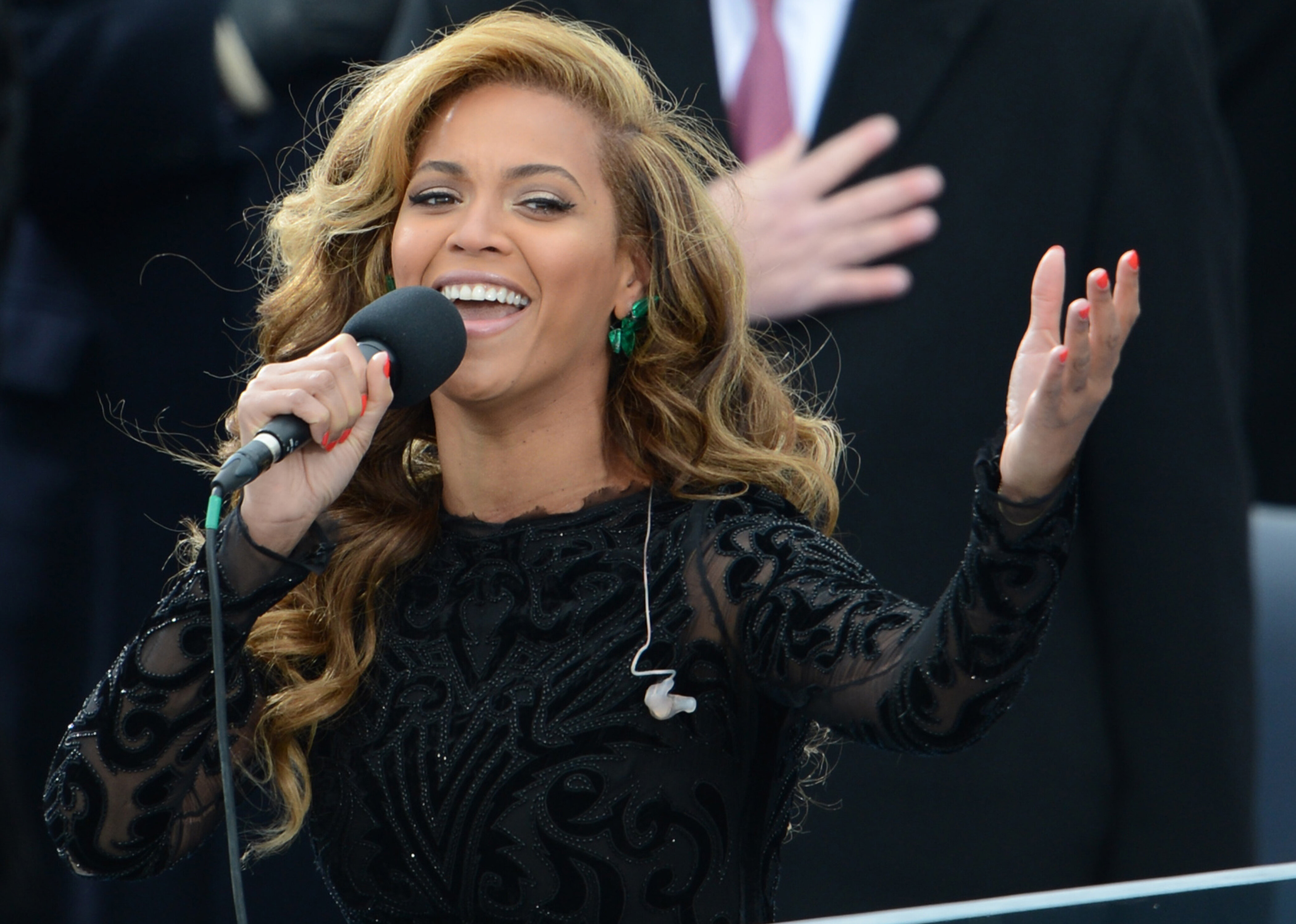
By 2008, though, Beyoncé is telling the world what she’d do if she was born with male privilege (If I Were A Boy) and celebrating all the Single Ladies. Fast forward to her 2011 album ‘4’ – two years after she sang at Barack Obama’s inauguration – and she has millions of women chanting: “Who run the world? Girls.”

It was Bey’s most obvious move into feminism, but writer Zeba Blay argues the song – along with Beyoncé’s light skin and blonde hair – still has mass appeal, because it’s “palatable…to white audiences”.
“When she sings ‘Who run the world ― girls!’ the girls she speaks of are an amorphous, ever-changing group, racially-ambiguous, of no specific social class,” she says.
Being a Black woman in the public eye is inherently political, and by adding your own opinions to the mix, you face even more scrutiny. Beyoncé’s ability to appeal to multiple groups while getting political is no mean feat.
“To have found ways to slip through the gaps and to own her own narrative, I think it’s kind of historically pretty unprecedented, to be able to do both of those things,” says Professor Robinson. “And then on top of that you have the impossibility to then be the right role model for all groups, it’s an impossible position.”
When Beyoncé eventually did make her personal stances clear, white mainstream media had a lot to say about it. Her 2014 VMA performance – when she stood proudly in front of the word ‘feminist’, singing tracks from her self-titled visual album – was divisive. Some said it was game-changing, others questioned her validity as a feminist.
In a piece for the Telegraph, Emma Watson said: “I felt her message felt very conflicted, in the sense that on one hand, she is putting herself in a category of a feminist, but then the camera, it felt very male, such a male voyeuristic experience of her.” Black woman like myself felt frustrated with the critique, as it seemed like white feminists were gatekeeping Black women from the feminist movement. During her ‘Mrs Cater’ tour, she received backlash again, as fans questioned why she used her married name.
But it was when she performed with Bruno Mars at the Super Bowl in 2016 – the year of Donald Trump’s election – that Beyoncé’s feminism became intersectional, focussing on race and politics. Some viewers found it uncomfortable to watch, because her outfit was inspired by the Black Panthers (as if that’s a bad thing).

Professor Robinson believes this upset people’s feelings, as she let white audiences know she wasn’t holding back any more. “There’s a big difference between being at a political inauguration and being associated with presidential politics,” she says. “Those things are accommodated within that comfort of white audiences enjoying Black music. But when you bring that to a football pitch, those lines are drawn, which makes people uncomfortable.”
Seeing her political transition at first did make me question why she wasn’t vocal about these issues in the past. I wasn’t sure if she was being performative or if it was authentic. But then I started to think about my own journey. I don’t think the same way I did when I was 18, and I’m sure my opinions will change when I’m older too. Nevertheless, I thought adding Chimamanda’s speech to Flawless was a huge power move. The speech resonated with me and made me think about my ideas of what it looks like to be a Black feminist. And it seems like I’m not the only one.
Advertisement
Abigail, a 27-year-old trainee lawyer from London, thinks Beyoncé has always been quite political, but believes we started to see a shift when she had her first daughter, Blue Ivy, in 2012. A bigger pivotal turn in her political awareness came during the Lemonade era, she argues.
“The visual album as a whole touched on the Black female experience in America and globally,” says Abigail, who chose not to share her surname.
“However, this is just looking at her career as a musician. She has always looked to address social and economic imbalances and this is evidenced in her building homes for Hurricane Katrina victims, supporting the families of those killed by police brutality, encouraging voter registration by having registrations booths at her concerts, creating the Formation and Homecoming scholarships for black students.”
As Beyoncé has evolved, so have her fans – and the long nature of Bey’s career means she has a special place in the hearts of many. “To me, as a Black woman, Beyoncé feels like a favourite aunt,” adds Abigail.
“She’s a reflection of the Black female experience. Her approach to the media and how she interacts with them is not just her maintaining the mystique of being a celebrity, but it’s her protecting her peace whilst still having a presence, something that so many Black women need in the workplace and in society in general.”
It’s been a hell of a ride – and it seems the Beyoncé conundrum is only set to continue. Her most recent album, Black is King, was applauded as a “love letter to Africa” by some, while others called it “incomplete”.
No one is above critique and rightly so – we should question celebrities and celebrity culture, but we should also allow them some grace. Beyoncé’s presence in mainstream media has allowed us to have conversations around Black feminism and intersectionality that we might not have had before.
As Robinson says: “I think the fans and the conversations around an artist, are actually where the real politics happens.
“Black feminism has had to do a brilliant job of explaining to white women that their experiences aren’t universal. These conversations have highlighted that some feminist issues don’t represent the experiences of Black women.”