AI discovers the hidden signal of liquid-like ion flow in solid-state batteries

All-solid-state batteries (ASSB) are widely viewed as a safer and potentially more energy-dense alternative to traditional lithium-ion batteries. Their performance depends strongly on how quickly ions can travel through solid electrolytes. Identifying materials that enable this rapid ion movement has traditionally required time-consuming synthesis and experimental characterization. Researchers also rely on computer simulations, but existing computational approaches often struggle to accurately model the complex and disordered behavior of ions at high temperatures.

Another major difficulty is detecting and predicting when ions move through crystals in a liquid-like manner. Standard computational techniques that attempt to calculate the properties of such dynamically disordered systems demand extremely high computing power, making large-scale studies impractical.

Machine Learning Predicts Raman Signals of Liquid-Like Ion Motion

To address these challenges, researchers developed a machine learning (ML) accelerated workflow that combines ML force fields with tensorial ML models to simulate Raman spectra. Their findings show that strong low-frequency Raman intensity can act as a clear spectroscopic indicator of liquid-like ionic conduction.

When ions move through a crystal lattice in a fluid-like way, their motion temporarily disturbs the lattice symmetry. This disturbance relaxes the usual Raman selection rules and produces distinctive low-frequency Raman scattering. These spectral signals can be directly connected to high ionic mobility.

The new approach allows scientists to simulate the vibrational spectra of complex and disordered materials at realistic temperatures with near-ab initio accuracy while significantly reducing computational cost. When applied to sodium-ion conducting materials such as Na3SbS4, the method revealed pronounced low-frequency Raman features. These signals arise from symmetry breaking caused by rapid ion transport and provide a reliable indicator of fast ionic conduction. The results also help explain earlier experimental observations and open the door to high-throughput screening for new superionic materials.

Raman Features Reveal Superionic Conductors

The researchers further tested the method using sodium-ion conducting systems. The workflow successfully identified Raman signatures linked to liquid-like ion motion. Materials that displayed strong low-frequency Raman features also showed high ionic diffusivity and dynamic relaxation of the host lattice.

By contrast, materials where ion transport occurs mainly through hopping between fixed positions did not produce these Raman signatures. This distinction highlights how Raman signals can reveal the underlying transport mechanism inside a material.

Accelerating Discovery of Advanced Battery Materials

By extending the breakdown of Raman selection rules beyond traditional superionic systems, the study provides a broader framework for interpreting diffusive Raman scattering across many classes of materials. The ML-accelerated Raman pipeline connects atomistic simulations with experimental measurements, allowing scientists to evaluate candidate materials more efficiently.

This strategy introduces a powerful new route for data-driven discovery in energy storage research. By helping researchers quickly identify fast-ion conductors, the method could accelerate the development of high-performance solid-state battery technologies.

The findings were recently published in the online edition of AI for Science, an international journal focused on interdisciplinary artificial intelligence research.


Share Button

The Issues Straight Women Bring Up Most In Sex Therapy

Sexologist comment provided by licensed sexologist, relationship therapist, and author at Passionerad, Sofie Roos.

Last week, sexologist and therapist Sofie Roos shared the issues straight men most often brought up in sex therapy.

And this week, she spoke to us about straight women.

Here, she shared the topics she hears about most frequently:

1) Having a lower sex drive than their partner

“The single most common problem straight women bring up with me is that their sex drive has decreased or is overall low, while their partner is way more interested in being intimate, leading to worries and tension in the relationship,” Roos told us.

She added that women may be more likely to compare their lust levels to their partner’s, and feel their lower desire poses an “issue”.

2) Pain during penetrative sex

Experiencing pain during sex thanks to conditions like vulvodynia, vaginal dryness, or pelvic floor issues is “extremely common” among this group, said Roos.

“What most don’t know is that there’s both a physical and mental part… pain leads to fear, and fear leads to deeper problems,” leaving some in a vicious cycle.

3) Not orgasming during partnered sex

Straight women have long suffered from “the orgasm gap”. The sexologist said this doesn’t seem to be going away.

“Many straight women are having a very hard time orgasming during intimacy with their partner, and they don’t know how to solve it,” she said.

4) Body image issues

“I’ve met countless straight women that are extremely aware of how their own bodies look, smell and feel… they think so much about age, weight and how they are seen that it becomes difficult to just let go and be in the moment,” Roos added.

5) Losing desire thanks to the mental load

In straight relationships, the mental load – or having to think about, keep track of, and remember the endless tasks that keep a household going – still predominantly falls on women’s shoulders.

And the sexologist said that can have a knock-on effect in the bedroom. Doing “all the planning… as well as all the emotional work in the relationship” can “lead to higher stress levels, which makes the body de-prioritise desire”.

6) Not putting their own pleasure first

“I often meet women who describe themselves as having a hard time with setting their sexual needs and boundaries first, as they’ve been taught to be accommodating rather than prioritise what they want and don’t want,” she stated.

So, uh, any advice?

Yes. The sexologist said that accepting shifts in your levels of lust and trying alternative forms of intimacy, like “oral sex, massage, kisses, caresses and more mentally-focused pleasure, such as roleplaying or dirty talk,” may help.

Explore your own desires, perhaps through masturbation, and communicate them with your partner. “As a majority of women can only reach all the way via clitoral stimulation, I also advise focusing more on that, either with your hands, mouth or a sex toy,” the sexologist said.

Remember also that “pain during sex isn’t normal”, so it’s important to seek professional help if you experience it.

And keep in mind that “your sex life isn’t isolated from the rest of the way you live, so try to look at your diet, sleep schedule, exercise habits, how you drink, how you deal with stress and how your relationships are,” she concluded.

Share Button

Mayo Clinic discovers rare gene mutation that causes fatty liver disease

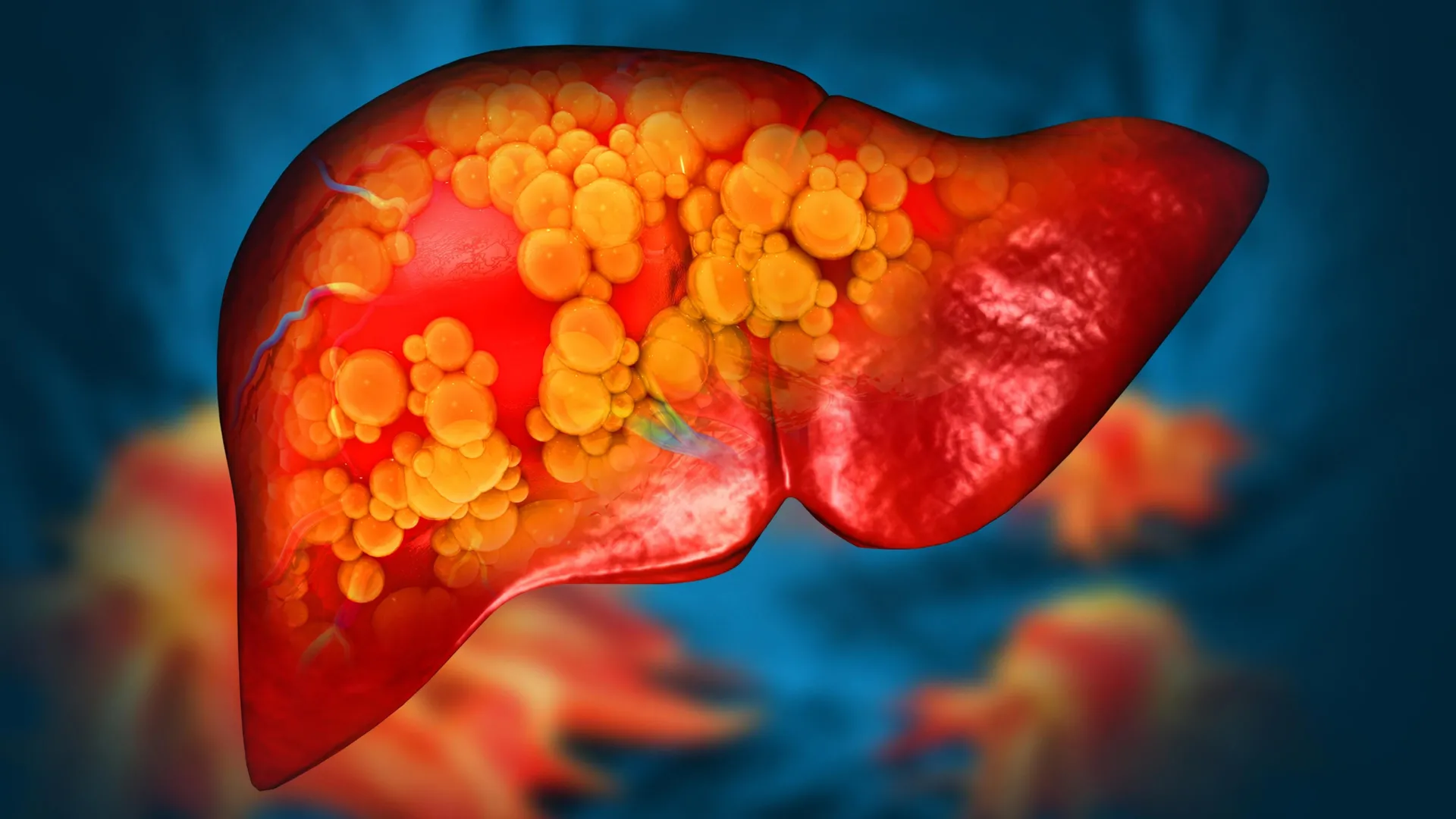
Scientists at Mayo Clinic’s Center for Individualized Medicine have identified a rare genetic variant that can directly cause metabolic dysfunction-associated steatotic liver disease, formerly known as nonalcoholic fatty liver disease.

Researchers previously believed this condition developed mainly from a mix of genetic susceptibility and lifestyle or environmental influences. However, findings published in Hepatology show that in certain cases, a single inherited mutation can play a central role in triggering the disease.

The team traced the variant to the MET gene, which plays an important role in liver repair and how the body processes fat. When this gene does not function properly, fat begins to build up inside liver cells. This buildup can lead to inflammation. Over time, inflammation can progress to fibrosis and scarring that stiffens the liver. In more advanced stages, the condition can develop into cirrhosis, which may cause permanent liver damage or even liver cancer.

Metabolic dysfunction-associated steatotic liver disease affects roughly one-third of adults worldwide. Its more severe form, metabolic dysfunction-associated steatohepatitis, is expected to become the leading cause of cirrhosis and the primary reason for liver transplants in the near future.

“This discovery opens a window into how rare inherited genetic variants can drive common diseases,” says lead author Filippo Pinto e Vairo, M.D, Ph.D., medical director of the Program for Rare and Undiagnosed Diseases at Mayo Clinic’s Center for Individualized Medicine. “It provides new insights into this disease pathogenesis and potential therapeutic targets for future research.”

Family Case Reveals the Genetic Clue

The discovery began with genomic analysis of a woman and her father who both had metabolic dysfunction-associated steatohepatitis. Interestingly, neither of them had diabetes or high cholesterol, two of the most common risk factors associated with fat accumulation in the liver.

Because the usual explanations did not apply, researchers performed an extensive genetic analysis, examining DNA across more than 20,000 genes. During this search, they identified a small but potentially meaningful alteration in the MET gene.

Working together with scientists from the Medical College of Wisconsin’s John & Linda Mellowes Center for Genomic Sciences and Precision Medicine, led by Raul Urrutia, M.D., the research team confirmed that this mutation interfered with a critical biological process.

Genes are made up of chemical letters that carry instructions for how the body functions. In this case, a single swapped letter within the DNA sequence disrupted the message, preventing the liver from properly processing fat. This rare genetic variant found in the family has not previously been documented in scientific literature or public genetic databases.

“This study demonstrates that rare diseases are not rare but often hidden in the large pool of complex disorders, underscoring the immense power of individualized medicine in identifying them, and enabling the design of advanced diagnostics and targeted therapies,” Dr. Urrutia says.

Large Genomic Study Finds Similar Variants

To understand whether this mutation might appear in other patients, researchers analyzed data from Mayo Clinic’s Tapestry study. This large exome sequencing initiative aims to identify genetic factors that influence disease.

The Tapestry project has examined germline DNA from more than 100,000 participants across the United States, creating an extensive genomic database that supports research into both established and emerging health conditions.

Among nearly 4,000 adults in the Tapestry study who had metabolic dysfunction-associated steatotic liver disease, about 1% carried rare variants in the same MET gene that may contribute to the condition. Nearly 18% of these variants occurred in the same key region identified in the original family, strengthening the evidence that this gene plays a role in liver disease.

“This finding could potentially affect hundreds of thousands, if not millions, of people worldwide with or at risk for metabolic dysfunction-associated steatotic liver disease,” says Konstantinos Lazaridis, M.D., a lead author and the Carlson and Nelson Endowed Executive Director for the Center for Individualized Medicine.

Dr. Lazaridis also emphasized the importance of the Tapestry study in revealing hidden genetic factors behind disease.

“Once a pathogenic variant is discovered, interrogating our Tapestry data repository is giving us a clearer lens into the hidden layers of disease, and this discovery is one of the first to demonstrate its scientific significance,” Dr. Lazaridis says. “This finding highlights the profound value of studying familial diseases and the merit of large-scale genomic datasets, which can reveal rare genetic variations with broader implications for population health.”

Precision Genomics Helps Solve Medical Mysteries

The findings also highlight the growing role of genomic medicine in clinical care at Mayo Clinic. Researchers and clinicians are increasingly using advanced genetic technologies to help uncover the causes of complex diseases.

Since it launched in 2019, the Program for Rare and Undiagnosed Diseases has provided more than 3,200 patients with access to comprehensive genomic testing. The program works with nearly 300 clinicians across 14 divisions at Mayo Clinic to deliver precision diagnostics for patients with difficult-to-diagnose conditions, including rare liver diseases.

Researchers say future studies will examine how this discovery involving metabolic dysfunction-associated steatotic liver disease could guide the development of targeted treatments and improve how the disease is diagnosed and managed.

Share Button

Super-Crisp Chips And Mango Chutney: Chef Tips For Perfect Spice Bags At Home

I can make potato farls at home (honestly, they’re tastier than shop-bought). And tea loaves are more delicious homemade, too.

But some Irish staples are so, so much better from delis and takeaways, IMO. Chicken fillet rolls, for instance, aren’t meant to be gourmet: I want chalky cheese, heat lamp-warm chicken, and slightly limp baguettes.

The food I miss most while living in the UK, however, is spice bags. The Irish-Chinese takeaway staple can be hard to find here.

So, I asked Chef Kenneth Tyrrell, an executive chef at Burger & Lobster, how to make them at home.

What are spice bags?

They combine chips, peppers, onion, crispy chicken, and (obviously) spices in a grease-spotted paper bag of perfection.

I associate them most with Dublin – they weren’t much of a big deal in my rural hometown, but when I moved to the capital for uni, it felt like spice bags were everywhere.

Some say spice bags were first made in Dublin takeaway Sunflower, though this origin story is hotly debated.

When attempting my own version, I found the spice blend hardest to recreate.

Experts think they’ve cracked the code with an MSG, onion powder, pepper, garlic powder, five-spice, sugar, and crumbled chicken stock cube combo.

But it changes from place to place. Experiment a little to find your favourite tingly, salty mix.

How can I perfect spice bags at home?

Some things must remain constant: mix chips, spices, something fried and crispy (like chicken), and veggies like onion and peppers together.

But, Chef Tyrell said, you can have some fun with these.

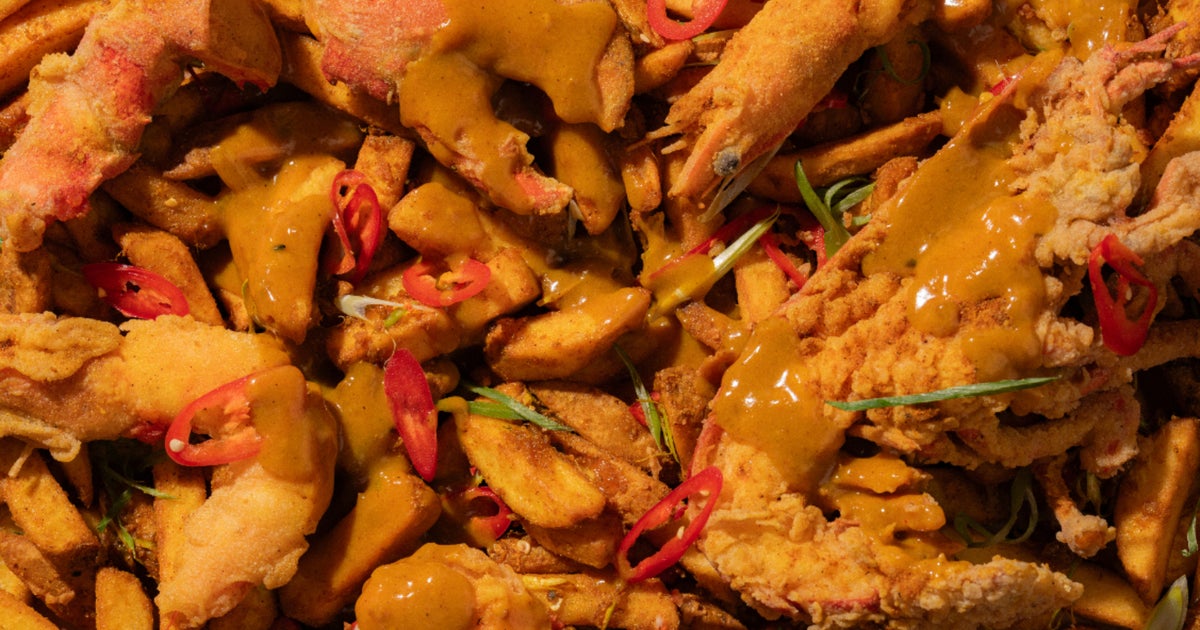
“Customisation is the fun part of spice bags. The classic spice bag is with crispy battered chicken, but get creative with yours – at Burger & Lobster, we’ve added a twist to ours with fried lobster and king prawns,” he said.

Other rules, though, are stricter.

“Make sure the protein, chunky chips, onions and peppers are piping hot before you add your spice to get maximum flavour. I also like to throw in a bit of mango chutney for an added sweetness,” the chef said.

“Chips MUST be super crispy before mixing with everything else. I would cook them for slightly longer than you usually would, as they then retain some crispiness after sitting in a bag with all the other ingredients,” he continued.

And “Don’t eat your spice bag straight away… it always tastes better after you’ve let it sit in the bag for a couple of minutes”.

One last suggestion? The dish is “Best served after a few pints and never wear a white shirt.”

Share Button

A 4,000-year-old sheep reveals the secret of an ancient plague

During the Middle Ages, a devastating plague wiped out roughly one third of Europe’s population. The disease spread through fleas that carried the bacterium Yersinia pestis. These fleas passed the infection from rats to humans, fueling the catastrophe known as the Black Death.

But the history of plague goes back even further. An earlier form of Y. pestis appeared about 5,000 years ago during the Bronze Age. This ancient strain infected people across Eurasia for nearly two millennia before disappearing. Unlike the medieval plague, however, this earlier version could not be transmitted by fleas. For years, scientists have struggled to understand how the disease managed to spread across such a vast region without that transmission pathway.

Ancient Sheep Provides a Critical Clue

Researchers have now uncovered an important piece of the puzzle. An international team that includes University of Arkansas archaeologist Taylor Hermes identified the first evidence of Bronze Age plague in a nonhuman host. The scientists detected Y. pestis DNA in the remains of a domesticated sheep that lived about 4,000 years ago.

The animal came from Arkaim, a fortified settlement in the Southern Ural Mountains of present day Russia near the border with Kazakhstan. The finding suggests that livestock may have played a role in the spread of plague during the Bronze Age, helping explain how the disease traveled so widely across Eurasia.

The research was published in Cell under the title “Bronze Age Yersinia pestis genome from sheep sheds light on hosts and evolution of a prehistoric plague lineage.” The international collaboration includes researchers from Harvard University and leading institutions in Germany, Russia and South Korea.

Searching Ancient DNA for Clues

Hermes co leads a major research project that studies ancient livestock DNA. By examining genetic material preserved in bones and teeth, his team is tracing how domesticated animals such as cattle, goats and sheep spread from the Fertile Crescent across Eurasia. These movements helped shape the rise of nomadic cultures and early empires.

“When we test livestock DNA in ancient samples, we get a complex genetic soup of contamination,” Hermes said. “This is a large barrier to getting a strong signal for the animal, but it also gives us an opportunity to look for pathogens that infected herds and their handlers.”

Working with ancient DNA is challenging and time consuming. Scientists must separate the DNA of the animal from many other sources found in the sample. Microorganisms living in the soil where bones were buried leave behind their own genetic traces. Researchers can also accidentally introduce DNA from their own skin cells or saliva.

The fragments recovered from ancient remains are extremely small. Many pieces measure only about 50 base pairs. For comparison, the full human genome contains more than 3 billion base pairs.

Animal remains also tend to be less well preserved than human remains, which are usually carefully buried. Animals were often cooked and eaten, and their bones discarded in waste piles where exposure to heat and weather gradually breaks down genetic material.

The Moment of Discovery

While studying livestock remains excavated from Arkaim in the 1980s and 1990s, Hermes and his colleagues noticed something unexpected. One sheep bone contained DNA belonging to Yersinia pestis.

“It was alarm bells for my team. This was the first time we had recovered the genome from Yersinia pestis in a non-human sample,” Hermes said. “We were extra excited because Arkaim is linked to the Sintashta culture, which is known for early horse riding, impressive bronze weaponry and substantial geneflow into Central Asia.”

How Did Bronze Age Plague Spread?

Researchers have previously found identical Bronze Age plague strains in human remains located thousands of kilometers apart. The question has been how the disease managed to travel such long distances.

“It had to be more than people moving. Our plague sheep gave us a breakthrough. We now see it as a dynamic between people, livestock and some still unidentified ‘natural reservoir’ for it, which could be rodents on the grasslands of the Eurasian steppe or migratory birds,” Hermes said.

A natural reservoir is an animal species that carries a pathogen without becoming sick. In the Middle Ages, rats served as the reservoir for Y. pestis, while fleas acted as the vector that spread the bacterium. Today, bats often fill this role for viruses such as Ebola and the Marburg virus.

Lessons From an Ancient Epidemic

Hermes recently received a five year grant from Germany’s Max Planck Society worth 100,000 Euros to continue excavations in the Southern Urals near Arkaim. His team will search for additional human and animal remains that may contain traces of Y. pestis.

The Bronze Age was a period when the Sintashta culture began managing larger livestock herds while also becoming skilled horse riders. Increased interaction with animals and expanding travel across the steppe may have exposed people to disease reservoirs in the environment.

Although these events happened thousands of years ago, Hermes believes the findings carry an important message today. Expanding economic activities into natural environments can disrupt ecosystems and increase the risk of disease spillover.

“We should appreciate the delicate inner workings of the ecosystems we might disturb and aim to preserve the balance,” Hermes said.

“It’s important to have a greater respect for the forces of nature,” he said.

Share Button

Six Early Bowel Cancer Signs Two Doctors Say You Should Always See A GP About

Medical advice provided by Dr Asiya Maula, private GP at The Health Suite, and Dr Donald Grant, GP and Senior Clinical Advisor at The Independent Pharmacy.

Recently, new data found that 40% of bowel cancer cases occur among under-65s.

We recently asked two doctors, Dr Asiya Maula and Dr Donald Grant, to share their tips for reducing your risk of developing bowel cancer as much as possible.

And we also asked them to share the symptoms they’d never ignore – after all, an awful lot of UK adults can’t name a single sign of the condition.

Here are their answers:

1) Dr Maula

“Symptoms I would never ignore include persistent changes in bowel habit lasting more than three weeks, blood in the stool, unexplained weight loss, ongoing abdominal pain, or persistent fatigue,” she said.

Bowel changes can include diarrhoea, constipation, or softer stools.

And despite recent data showing an increasing number of under-65s with bowel cancer, she added, “Younger people often dismiss these symptoms because they don’t perceive themselves to be at risk.”

Lastly, the doctor explained, “Rectal bleeding should never automatically be attributed to haemorrhoids without proper assessment. It is always safer to investigate early”.

2) Dr Grant

Dr Grant also said age shouldn’t be a factor; some symptoms should always be taken seriously.

“Regardless of age, there are plenty of indicators people should be aware of, which can lead to early intervention and a greater chance of recovery,” he said.

“Symptoms such as changes in bowel habits, unexplained weight loss, persistent fatigue and abdominal pain should never be ignored.”

Having one or even a couple of these symptoms doesn’t mean you definitely have bowel cancer.

But, “While these symptoms are often caused by less serious conditions, it’s important to seek medical advice if they persist, as they can also be common signs of bowel cancer.” the doctor ended.

Share Button

Defence Secretary Demands Kemi Badenoch Apologise After Criticising UK Troops

The defence secretary has called on Kemi Badenoch to apologise after she claimed British troops were “just hanging around” the UK’s military base in Cyprus.

The Conservative leader caused a stir on Friday morning when she called for Britain to take stronger action against Iran after its strikes against RAF Akrotiri.

Badenoch claimed that at the moment British jets are just “hanging around” the Middle East, even though the US “has been mobilising” in the region for months.

“Our guys, our government, were just sitting there shrugging their shoulders,” the leader of the opposition said.

But Presenter Charlie Stayt jumped in, pointing out: “The evidence we have from the British government and the British military is they have been involved in shooting down missiles and drones.”

“You have characterised what is already happening by the British military, by the RAF, as ‘just hanging around’,” he added.

Badenoch hit back: “What I have said is they are catching arrows. They need to catch the archer.”

But cabinet minister John Healey slammed Badenoch, pointing out that he was on the ground in the UK’s base in Cyprus on Thursday.

He said: “I saw how our British forces are working round the clock, in the face of repeated air raid sirens, to protect British lives and British interests.

“And to suggest they’re ‘just hanging around’ to score political points insults the men and women of our Armed Forces.

“She should apologise and withdraw her comments.”

Iran launched a drone strike on the UK’s RAF base in Cyprus on Sunday shortly after Keir Starmer gave his permission for US forces to launch limited and defensive attacks on Iran from two British military sites.

While sending more military personnel to the region to protect the British citizens in the area, the prime minister has made it very clear that the UK is still only acting in a defensive capacity.

He has insisted Britain will not be joining the US and Israeli’s offensive strikes against Iran.

Share Button

‘Women grow up with pain as a part of their lives’

A health campaigner says women’s relationship to pain is shaped by the way they grow up with it as a part of their lives.

Share Button

Why War In Iran Is The Last Thing Starmer Needs As Voters Prepare To Seal His Fate

Towards the end of the third and final part of Channel 4′s ‘The Tony Blair Story’, the former prime minister once again defends his decision to take the UK to war in Iraq.

“I can’t think of another British prime minister who also wouldn’t have wanted to be with America post-9/11,” he says.

Given the events of the past week, it is worth considering whether Blair has now revised that view.

Keir Starmer, the first Labour leader to win a general election since Blair did it for a third time in 2005, decided he did not want to “be with America” when Donald Trump sought permission to use British bases to launch missiles at Iran.

The prime minister doubts the legality of the military action, and is unconvinced that the US president has any plan at all for what comes next.

Starmer only relented when Iran began attacking other countries in the region, putting 300,000 British lives at risk.

And even then, the PM made clear that the US can only use British bases to carry out “defensive” operations targeting weapons storage facilities and missile launch sites.

In comments which could have been specifically chosen to anger Tony Blair, Starmer said: “We all remember the mistakes of Iraq. And we have learned those lessons.

“We were not involved in the initial strikes on Iran, and we will not join offensive action now.”

Trump – who Starmer had been relatively successful in wooing since he returned to the White House – has made clear to any journalist who will listen how furious he is at the PM’s approach.

“This is not Winston Churchill that we’re dealing with,” the president mockingly told reporters in the Oval Office.

A group of men inspects the ruins of a police station struck Monday amid the US–Israeli military campaign in Tehran, Iran, Tuesday, March 3, 2026.

via Associated Press

Starmer may feel reassured by a YouGov poll published on Thursday which showed that just 8% of the country believe the UK should be “actively joining the US and Israel” in bombing Iran.

Just under half – 46% – say Britain should restrict itself to shooting down drones, defending civilian areas and UK military facilities, which is in line with the government’s own approach.

Around a quarter – 26% – say the UK response should be “retaliatory only, attacking military targets that have launched attacks against civilian areas and/or British military targets”.

However, when asked how the PM is handling the crisis, 47% say badly, with just 34% saying well.

The same poll found that 52% of voters think Starmer is handling his relationship with Trump badly, with just 32% supporting his approach.

Predictably, Starmer has been attacked by the Greens for getting involved in the war at all, and by Reform and the Tories for not being more supportive of Trump.

“I think Keir is where the country is at the moment, which is not where the right wing press are”

– Senior member of the cabinet

A senior Labour source told HuffPost UK: “There are three competing choices in front of the British public currently.

“The Greens, who are making the case that our government should sit on our hands and do nothing to protect ourselves, even while 300,000 UK nationals and our allies are under threat.

“Reform and the Tories, who are essentially arguing we should sub-contract our foreign policy to, at best, an ill-defined and escalating war.

“Or this Labour government, who are clear that we’re defending British nationals and interests as part of our collective self defence.”

A minister, not normally one of the PM’s biggest fans, said Starmer’s handling of the war so far had been “measured, responsible and rooted in the national interest”.

By comparison, the minister said, the more gung-ho Kemi Badenoch and Nigel Farage have “lost the plot”.

Another normally-critical Labour MP said: “To be fair to the prime minister, he’s handled it pretty well. But he’s at the mercy of events.”

According to The Spectator, the PM is also at the mercy of his own cabinet.

While he and defence secretary John Healey wanted to let America use British bases at the outset of the war, he was effectively blocked by Rachel Reeves, Yvette Cooper, Shabana Mahmood and, most vociferously, Ed Miliband.

A senior member of the cabinet told HuffPost UK that the unpredictability of war means that the PM is not in control of his own destiny.

“I think Keir is where the country is at the moment, which is not where the right wing press are,” he said.

“Things could change very quickly, of course, if British citizens start getting killed.”

Chris Hopkins, political research director at pollsters Savanta UK, said the PM is unlikely to enjoy any war bounce in his subterranean approval ratings, regardless of Trump’s own unpopularity with the British public.

He said: “Unfortunately for Keir Starmer, the public are far more likely to simply agree with Donald Trump’s assessment of the prime minister than sympathise with him.

“Even a broken clock is right twice a day, and I think the public are more likely to feel Trump has given an accurate assessment than leap to the Labour leader’s defence.”

Luke Tryl, director of the More in Common think-tank, said the PM’s popularity may marginally improve, but any boost will be short-lived.

“My hunch is he gets a small but not sustained ‘rally round’ bump, which helps him consolidate on the left,” he said. “I’d be most watching his approval with Lib Dems, which I suspect goes up most.”

Starmer admitted on Thursday that the war “could continue for some time”, an unwelcome distraction for a PM whose fate will more than likely be decided by the outcome of crucial elections across the UK in just two months’ time.

The PM’s determination to provide “calm, level-headed leadership in the national interest” will cut little ice with voters who appear determined to punish Labour for their multiple failures since taking office in 2024.

Few are likely to disagree with Trump’s assessment that Starmer is no Churchill.

But it is the prime minister’s failure to emulate the election-winning genius of Tony Blair which will ultimately seal his fate.

Share Button

Relying on drugs to stop obesity would be ‘societal failure’, says Chris Whitty

England’s top doctor says the drugs should be for a minority and more effort is needed to prevent obesity in the first place.

Share Button