The 70-20-10 Rule Can Help With Christmas Overwhelm

Whether you love or loathe Christmas, it’s hard to deny just how stressful the season can be. Gathering gifts, decorating, reconnecting with family members and if you’re hosting Christmas Dinner… SO much prepping.

Even with all the best intentions, this stress can really take a toll and prevent you from enjoying the holidays which feels like it defeats the entire point.

Thankfully, one psychologist, Nathan D Iverson PhD has found a way to apply the leadership value of 70-20-10 to holiday stress and you know what? It just might be the solution we’ve been looking for.

The 70-20-10 rule for Christmas stress

70% – ‘hard moments we didn’t choose’

We are ALL familiar with them. An established couple being asked when they’re planning to have a child, a flustered family member trying to please everybody or even just falling back into family dynamics you thought you left behind in childhood.

Petty sibling arguments, anyone?

Iverson says: “For most of my life, and still right now, I’ve experienced these moments as obstacles to a peaceful season. But lately, I’m trying—imperfectly—to see them as part of my growth instead of proof of my shortcomings.

Psychologists call this a learning orientation—seeing challenges as opportunities to grow rather than threats to avoid. It doesn’t make the moment easier. But it does change how we make meaning of it.”

It sounds like it makes perfect sense but I reckon it’ll take some practice to get used to.

20% – ‘The people who help us make sense of things’

A sneaky heart-to-heart with your favourite auntie or words of wisdom from your mum, these quiet corners of conversation can help us to make sense of our own feelings, according to Iverson.

Iverson says: “Often, they help us laugh a little at ourselves—which is a form of grace we don’t give enough credit.

“I rely on these conversations far more than I admit. They turn holiday tension into insight. Without them, the moment just stays a moment. With them, the moment becomes meaningful.”

10% – ‘The tools we bring with us’

Finally, this is a little work you must do yourself. Learn how to control your stress, your big feelings and how to empathise with even your most frustrating family members.

Iverson assures: “These tools rarely show up perfectly in the moment. But afterward, they help us reflect with less shame and more clarity.

“Knowledge alone doesn’t change us—but it supports the slow work that does.”

Share Button

Elf On The Shelf Inspiration To See You Through To Next Week

While there are plenty of parents who are probably too maxxed out to be adding Elf On The Shelf to their daily routine (hi, hello, I am sadly one of them), the annual tradition remains hugely popular among families in the UK and across the pond.

In fact, just over one-third of parents (who have kids aged 10 and under) are thought to be taking part.

Whether you’re a seasoned veteran or are taking it up for the first time this year, here’s a quick recap of what it entails, as well as some inspiration for later in the week when you start to run out of steam…

What is Elf On The Shelf?

Like many new events and traditions here in the UK (ahem, Black Friday), Elf on the Shelf originated in the US, as the story of an elf sent by Santa to watch over kids at Christmas time.

Carol Aebersold and her daughter Chanda Bell came up with the storybook in 2004. “We grew up with this tradition in our home,” Bell previously told HuffPost UK. “When we were children, our Scout Elf, Fisbee, would come to our home and look over our family each year. I have such wonderful childhood memories with Fisbee.”

After it was rejected by publishers, the pair decided to self-publish the book in 2005 and packaged it up with an elf toy. This way, parents could make the elf pop up at different places around the house (as he did in the book), reminding kids he was on the move, keeping an eye out for Santa.

Aabersold and Bell sold the books from the backs of cars and reached out to family and friends they thought might want to adopt the tradition. Then in 2007, a picture was taken of Jennifer Garner walking down the street holding her own Elf on the Shelf box set. The photo went viral and everyone wanted to know more. By 2008, Elf on the Shelf was in major retail stores.

How does Elf On The Shelf work?

In short, elves are “adopted” by families and named. On 1 December, they then pop up somewhere around the house – perhaps with a note saying hi to the kids.

Once children are in bed, parents then place the elf (or elves) in different locations around the house so they are somewhere new when they wake up each morning.

The elf then says goodbye on Christmas Eve.

Elf On The Shelf inspiration

OK, so we’ve established how it all works. Now, here’s some festive inspiration for when you run out of steam and have no idea where to put your elves…

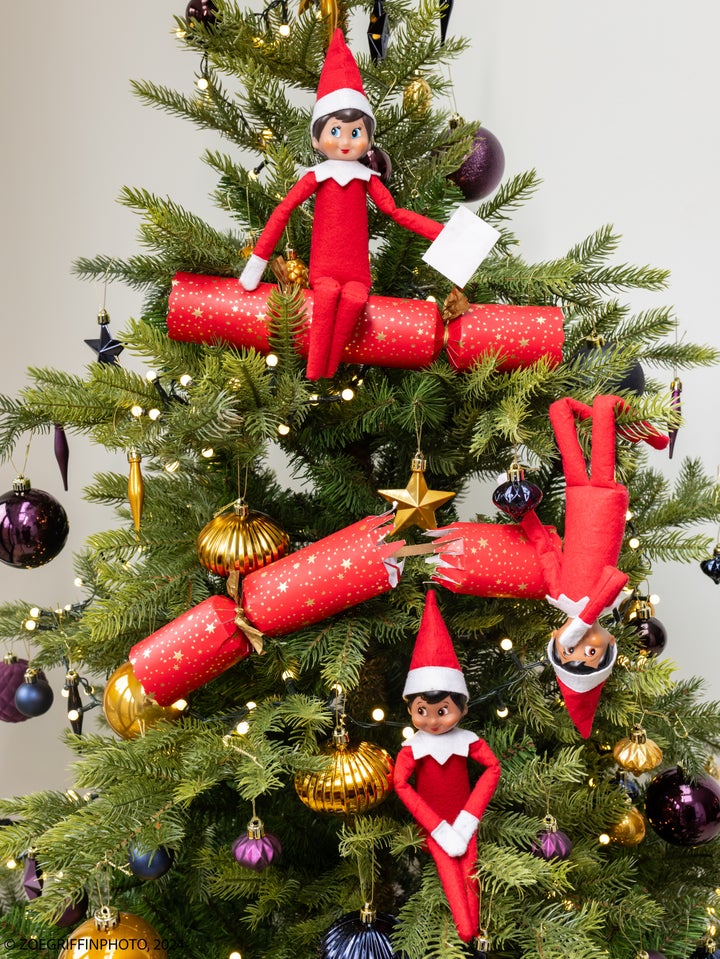
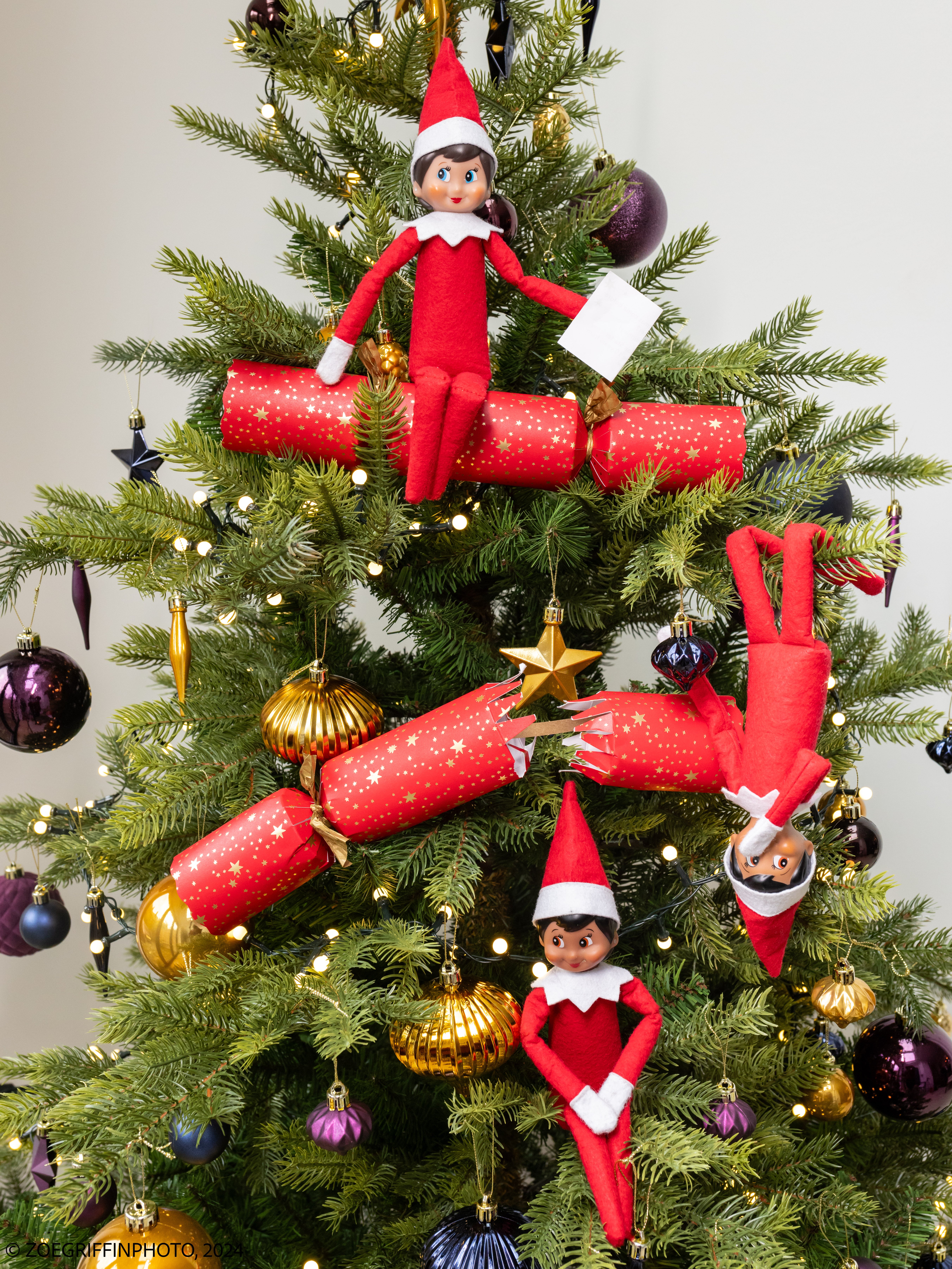
1. Hiding in the tree

Elves in the tree

Zoe Griffin / Elf On The Shelf

Elves in the tree

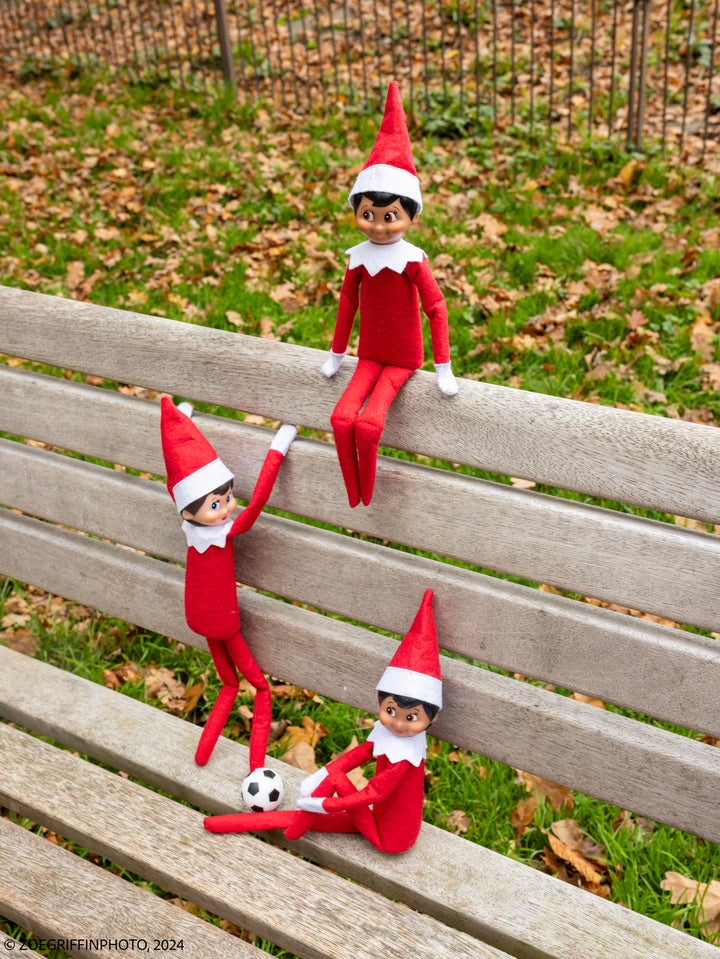
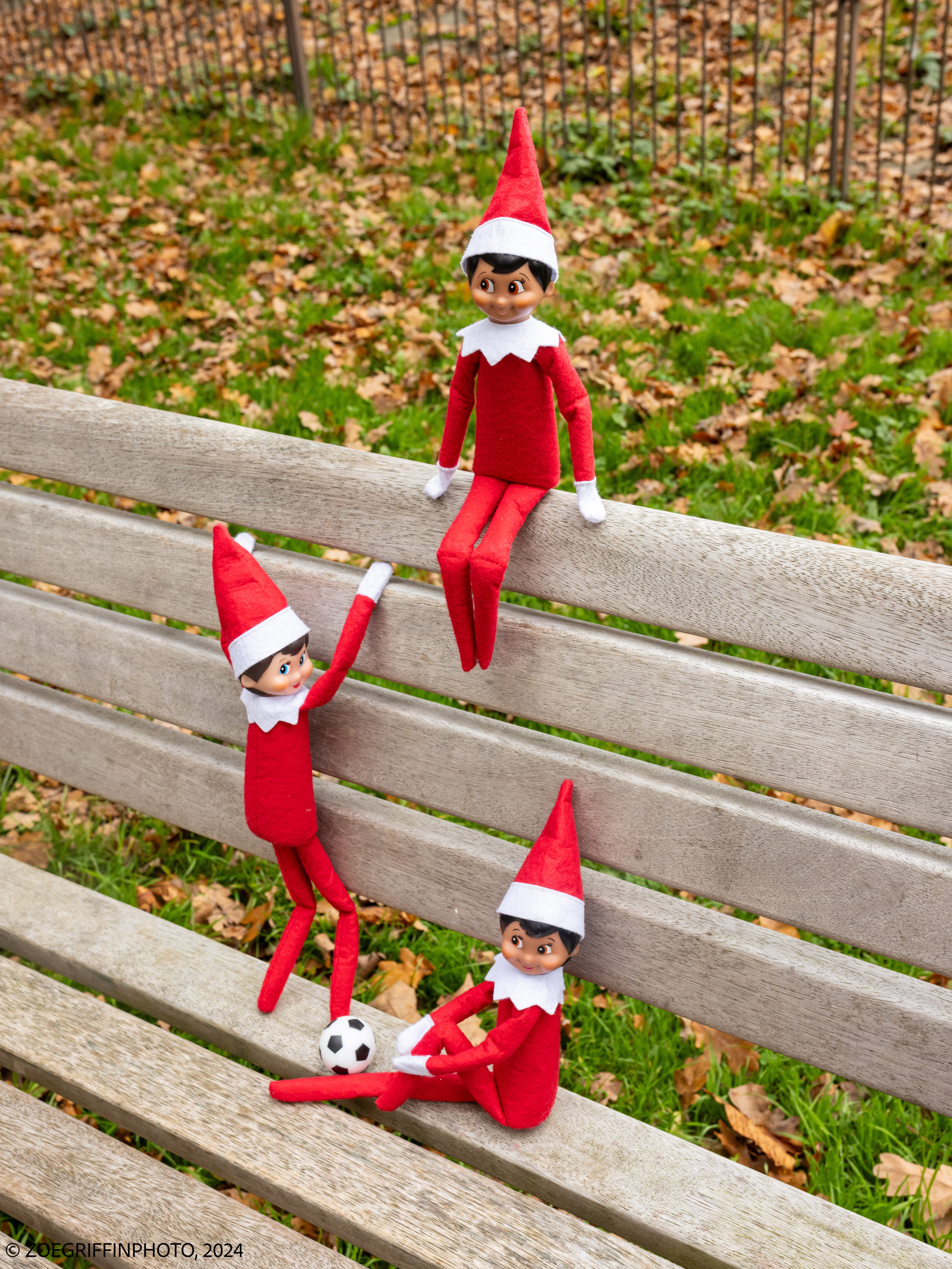
2. Sitting on your garden furniture (weather permitting)

Elves on the garden bench

Zoe Griffin / Elf On The Shelf

Elves on the garden bench

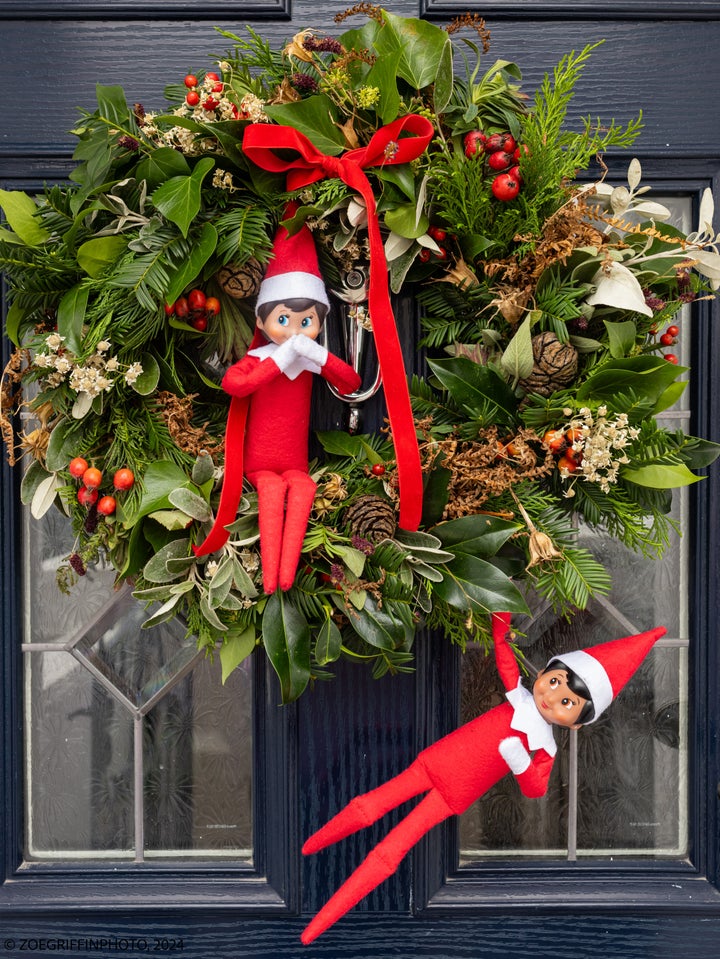
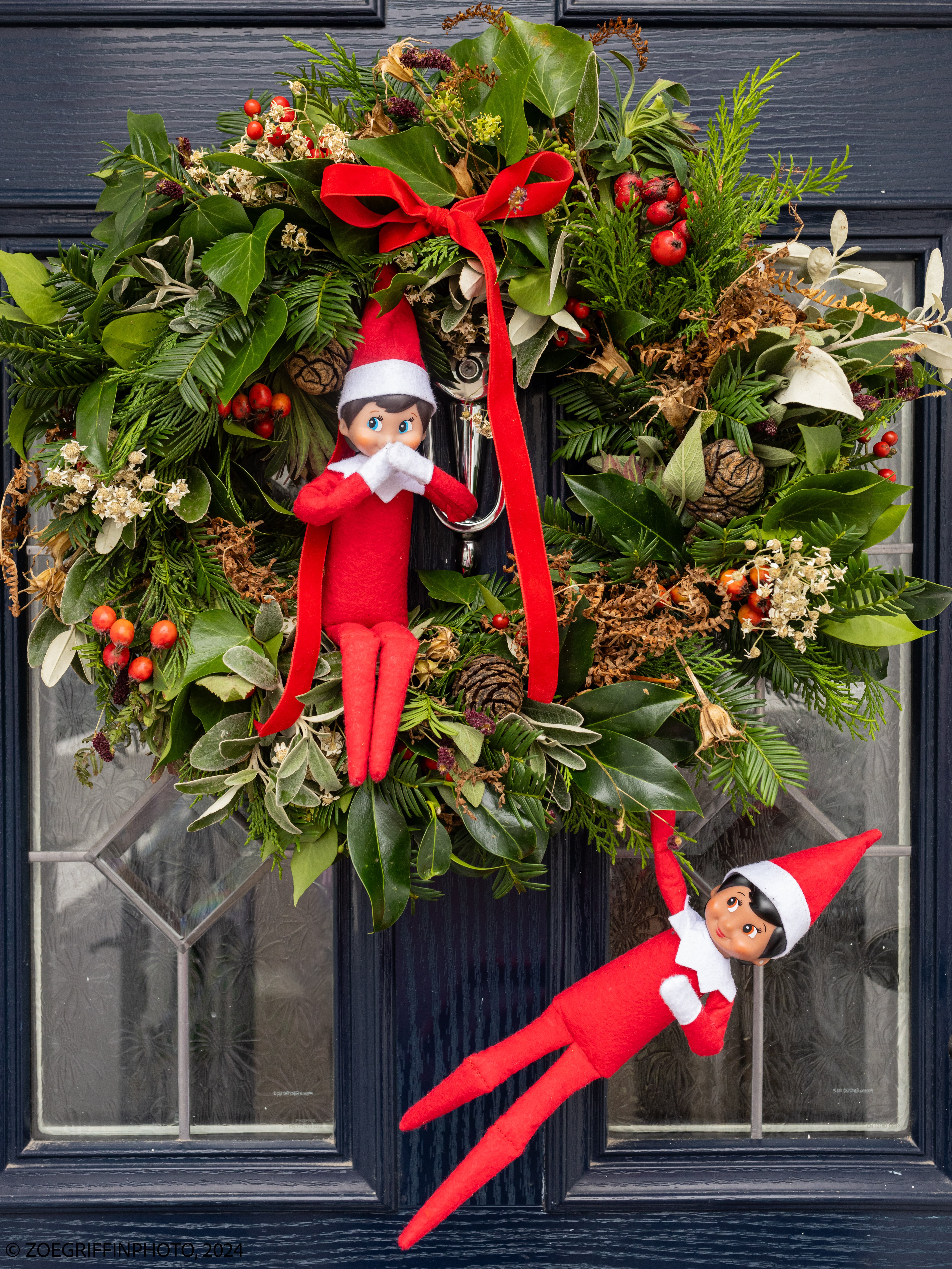
3. Hanging out on your wreath

Elves on the wreath

Zoe Griffin / Elf On The Shelf

Elves on the wreath

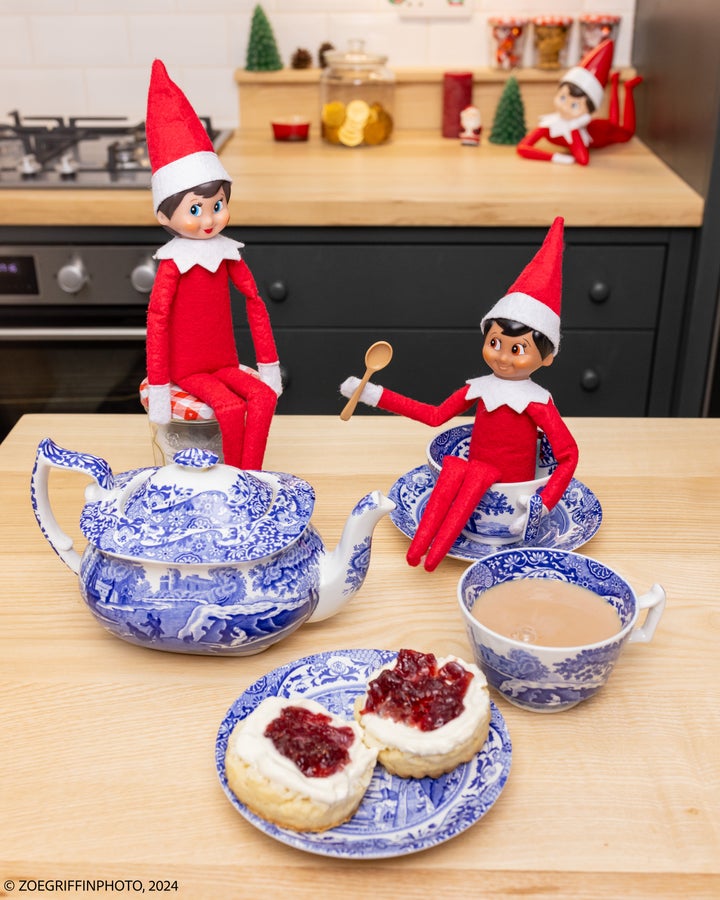
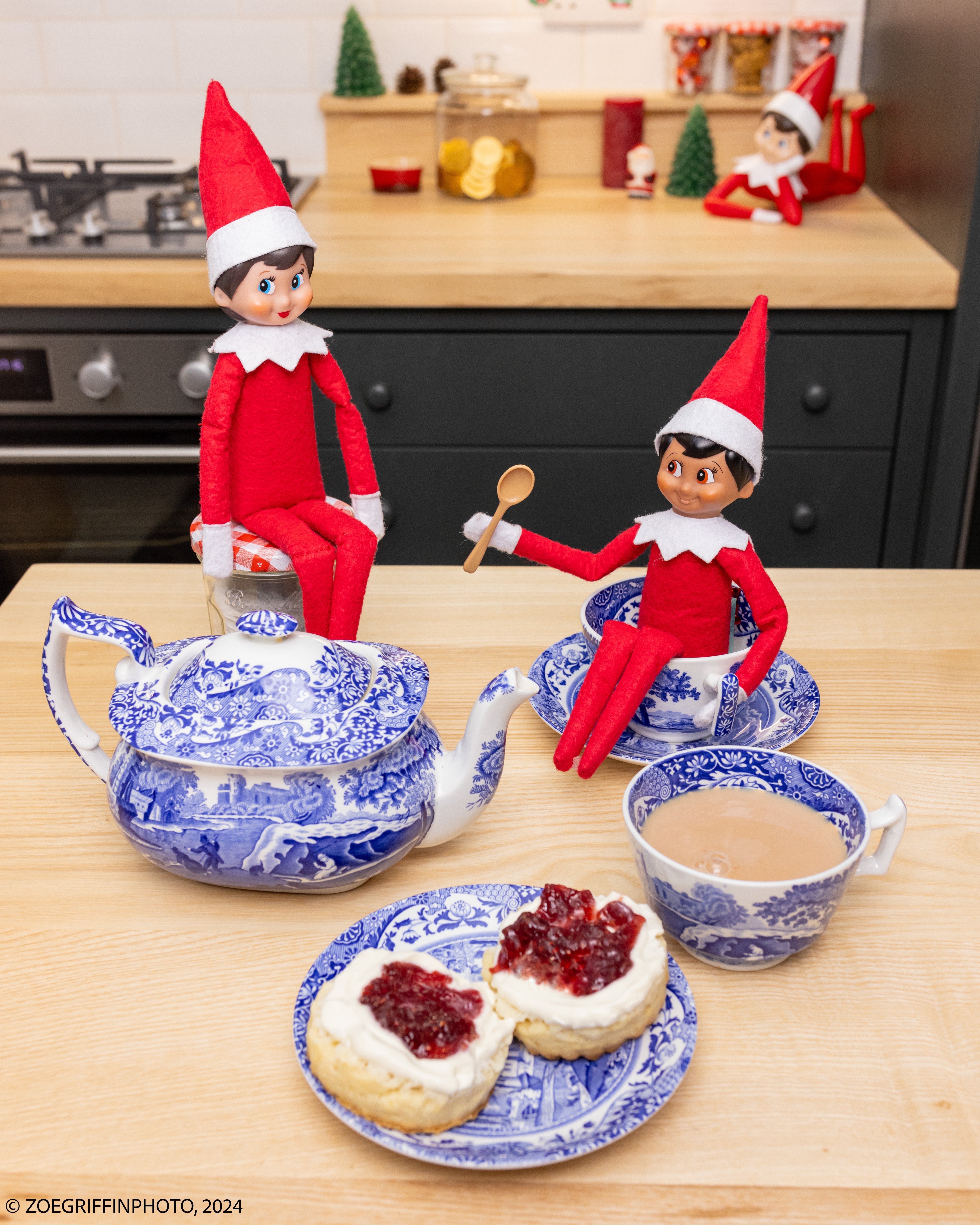
5. Tucking into afternoon tea

Elves having afternoon tea

Zoe Griffin / Elf On The Shelf

Elves having afternoon tea

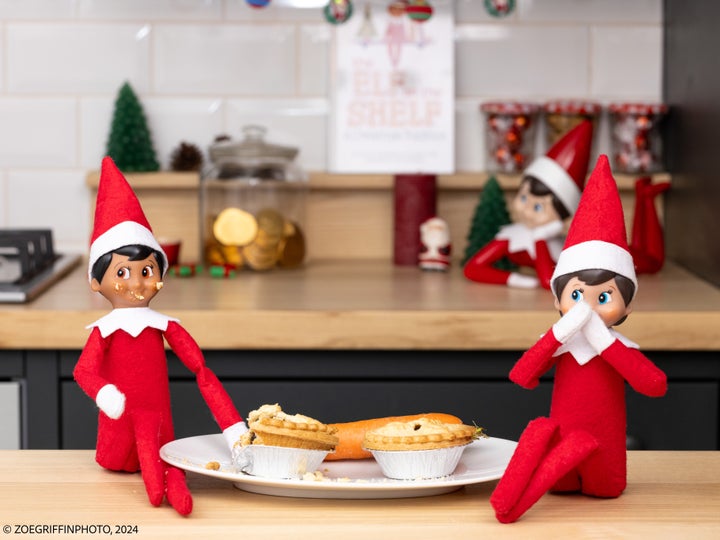
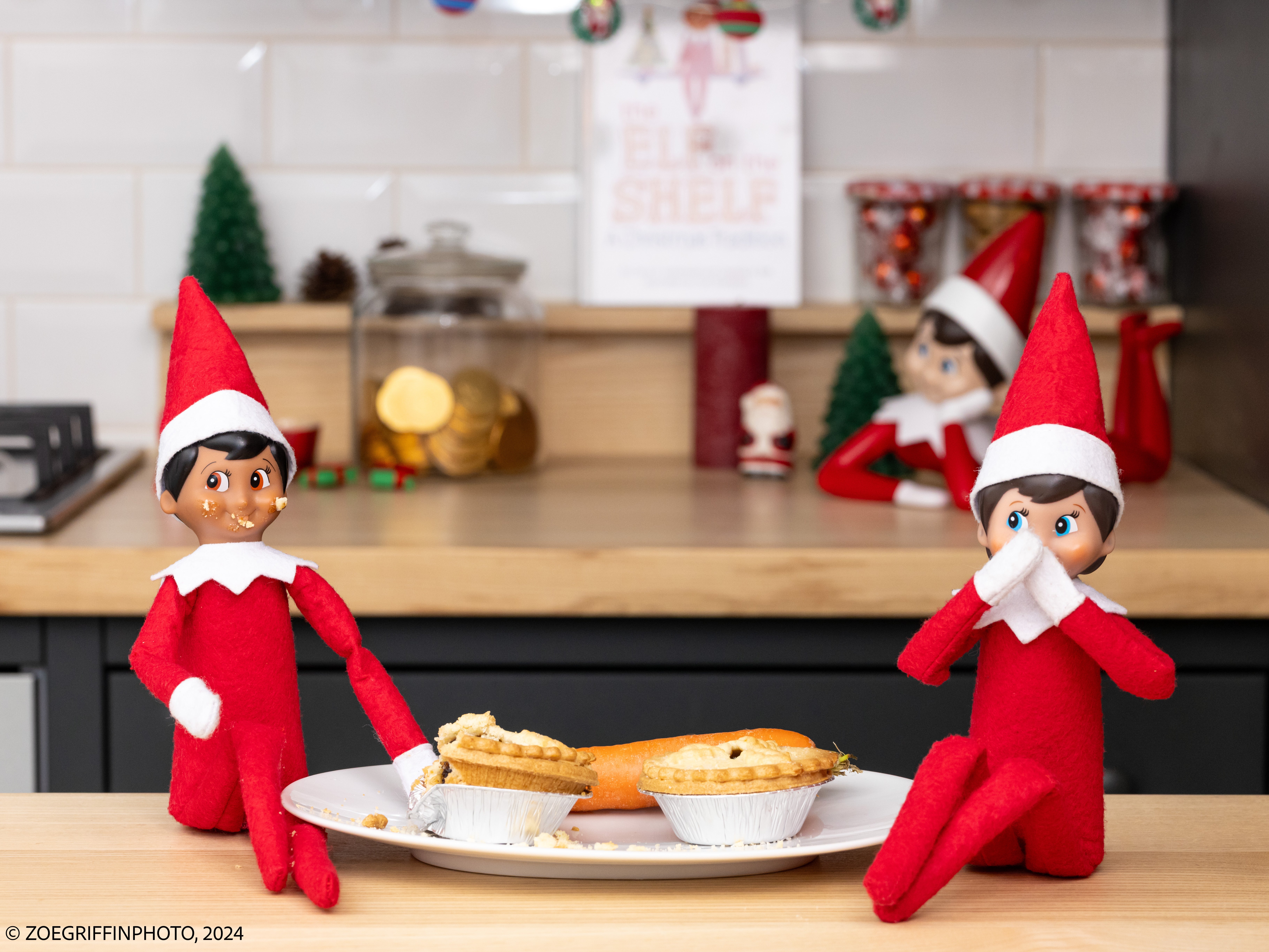
6. Munching mince pies

Elves eating mince pies

Zoe Griffin / Elf On The Shelf

Elves eating mince pies

7. Causing mischief with toilet roll

8. Conquering a paper cup pyramid

9. Getting frozen (for all the Elsa fans)…

Share Button

Advent Has Begun. But What Does That Actually Mean, And Why Do We Have Advent Calendars?

Not to alarm you, but we’re a matter of weeks away from Christmas – and already in Advent.

Advent, which begins on the Sunday closest to November 30, lasts for four weeks. This year, it started on Sunday, November 30; the earliest it can begin is November 27.

But what does Advent mean, and why do we celebrate it?

Advent means “coming”

Per Britannica, Advent comes from the Latin word “Adventus,” meaning “coming”.

In the Christian faith, it refers to the coming of Christ, celebrated at Christmas.

It can also, the BBC shared, be a “time of preparation when Christians think about the second coming of Christ and what they need to do to be ready for his return.”

The dates have not always been the same. For instance, under Bishop Perpetuus of Tours (461–490), Advent used to involve a fasting period which began on November 11.

Advent is linked to the Advent wreath, made from a circle of evergreen leaves used to represent eternal life. There are also four candles, one for each of the Sundays ’til Christmas. Some add a fifth candle that symbolises Jesus Christ.

This final candle, if present, is not usually lit until Christmas begins. The other candles are traditionally lit on each Sunday before Christmas.

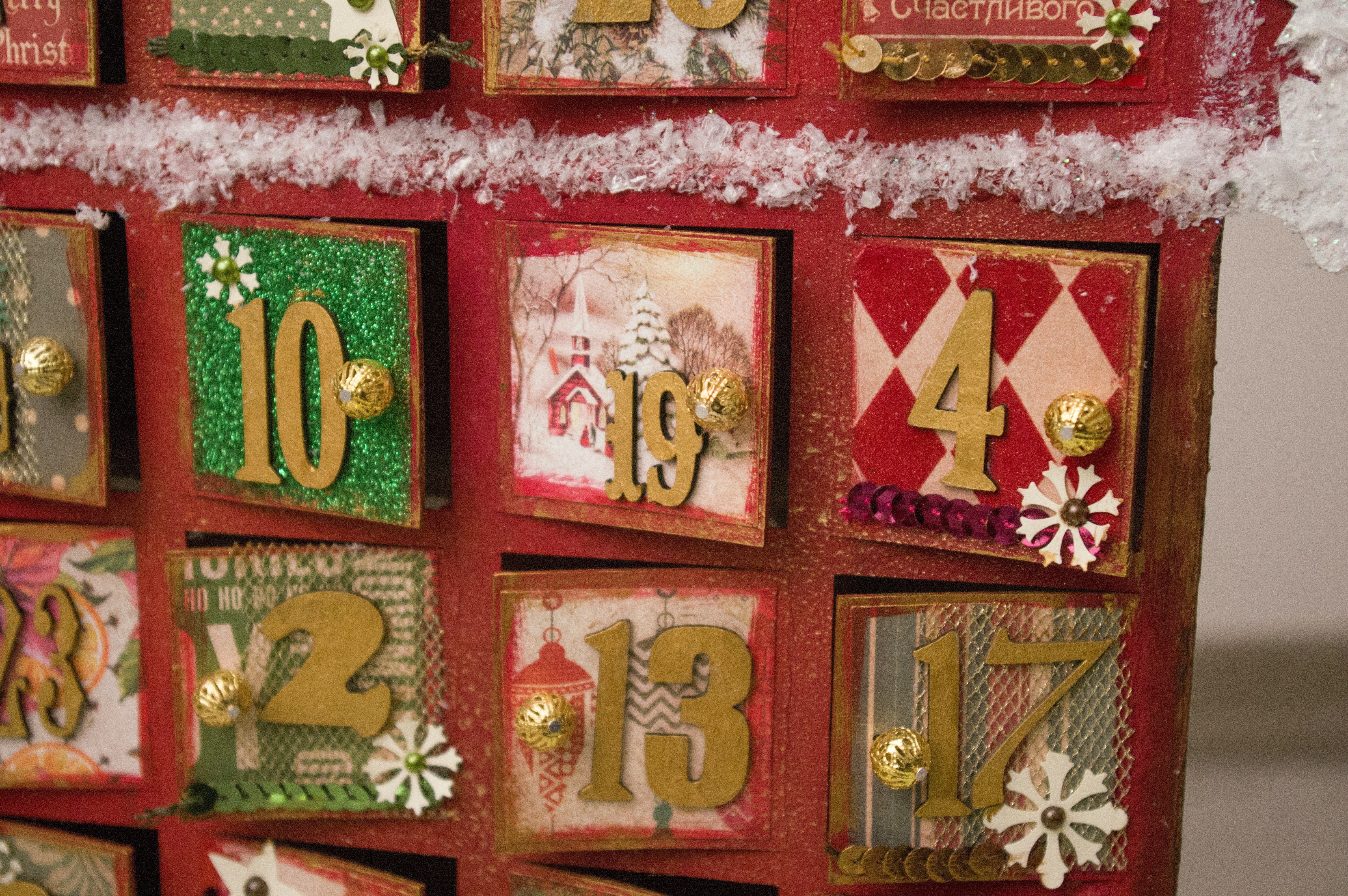
Why do we have Advent calendars?

Like Christmas trees, these started out as a German tradition – though Advent calendars took off a little later, in the 19th century.

It was simply a way to count down to Christmas.

Traditional Advent calendars often had Bible verses or pictures, though NPR pointed out Advent calendars weren’t the only way Germans built anticipation at the time – less long-lasting versions included keeping a chalk tally on walls and doors, and placing extra straws in the crib of a Nativity scene.

So, though it took a few decades, perhaps it’s not surprising that German publisher Gerhard Lang is credited with the first printed Advent calendar, as well as the first Advent calendar with doors.

And though the first chocolate version is believed to have been made in the ’50s, it took Cadbury’s about 20 years to make the first mass-produced version in 1971.

Only in the ’90s did demand become high enough for them to keep the calendars in continuous production.

Because Advent does not always begin on December 1, though, they don’t follow the exact dates every year – it is just easier to go 1-25, or 1-24.

Share Button

Try This Kids’ Toy Organisation Trick Now For A Clutter-Free Christmas

I regret to inform you that Christmas is scarily close – a matter of weeks away.

While in theory that’s a good thing (peace and goodwill, mince pies, etc, etc), the reality is often pretty hectic.

The buying, decorating, planning, and endless cooking are one thing; the post-unwrapping living room carnage is another, especially if your kids don’t exactly embrace a minimalist lifestyle when it comes to their toys as it is.

Which is why some experts, like Max Wilson, co-founder of Pocket Storage, say trying a “toy rotation” now can help you come 25 December.

What is a “toy rotation”?

Organisation blogger Tidy Dad described a situation many parents will be familiar with: when he kept all of his kids’ toys in a single playroom, his daughter would “eventually move every toy from a bin onto the floor, leaving no room to play or to walk through the space”.

Since then, though, he adopted a “toy rotation” system: basically, he leaves the majority of his children’s toys in a kitchen pantry out of reach, swapping them out every couple of days so they can still enjoy some variety.

That way, there are never enough items in a single space to truly crowd the carpet.

Speaking to Homes & Gardens, Wilson said he’s a huge fan of the strategy.

“The secret to a stress-free Christmas morning is making space now… By implementing a strategic toy rotation… you instantly clear physical space, curb impulse buying, and make room for the new gifts without feeling overwhelmed.”

He recommended getting going in November. But with vanishingly few days left in the month as of the time of writing, we reckon “ASAP” is the second-best start date.

How often should I swap out toys in a “toy rotation”?

Wilson said it’s a good idea to change the “curated” toys you have out every few weeks.

Life With Less Mess said that, depending on how many toys you have out at any given time, anything from once a week to once or twice a month could work.

They added that you might get some cues from your child or children when it’s time to change the rotation, too – they might start fighting over toys, leaving them on the floor, and/or seeming bored.

When this happens, the organisation site advised, “either involve your kids or wait until they’re gone or sleeping and surprise them with a ‘new’ space”.

If you can, try placing toys in labelled containers – this’ll make packing and unpacking a lot easier.

Share Button

Strictly Come Dancing Announces Soap Star Nicholas Bailey For Christmas Special Line-Up

EastEnders star Nicholas Bailey has become the fourth celebrity confirmed for this year’s Christmas special of Strictly Come Dancing.

Nicholas is best known for his performance as Albert Square’s resident doctor Anthony Trueman, a role he’s played on and off for the last 25 years.

On Tuesday afternoon, it was announced he’d be performing alongside Strictly pro Luba Mushtuk – who was not given a celebrity partner on this year’s season – on the upcoming festive episode, which will air on Christmas Day.

He enthused: “I’m really excited to be doing this, almost as excited as my wife and daughters are! Hopefully I’ll do them, Albert Square and Luba proud.”

“Bring on the dance floor!” Nicholas added.

Nicholas joins a trio of celebrities already confirmed for the festive extravaganza, with the line-up currently made up of former I’m A Celebrity winner Scarlett Moffatt, All Saints singer Melanie Blatt and Gladiators fave Jodie Ounsley, better known to most of us under her alias Fury.

Outside of EastEnders, Nicholas has also appeared in shows like Coronation Street and the radio soap The Archers. He also competed on the talent show Soapstar Superstar back in 2006, finishing in eighth place overall.

This year’s Christmas Day episode of Strictly is a significant one, as it will mark Tess Daly and Claudia Winkleman’s final time presenting the show, after announcing last month that they were both stepping down as hosts at the end of the current series.

Before all that, though, there’s the ongoing regular series of Strictly, with six couples still left in the competition.

The remaining two celebrities left to be unveiled for this year’s Strictly Christmas special will be announced in the coming days.

Share Button

Love It Or Hate It, Christmas Jumper Day Is Nearly Here

As another Christmas Jumper Day rolls around, people can often be found scouring their wardrobe and the shops for something fun to wear.

Love it or hate it, people embrace the yearly tradition and many welcome the chance to dress up in a goofy festive jumper.

Here’s everything you need to know about the day.

The rise in popularity of Christmas jumpers

Christmas jumpers first became popular in the 1980s in the USA, but their origins can be traced back to 19th century Scandinavia.

Scandinavian fisherman would often wear thick, patterned, fair isle jumpers. These slowly but surely began to be associated with Christmas and the festive period.

In the UK, however, many people’s first brush with a Christmas jumper was the first Bridget Jones movie, where heartthrob Mark Darcy can be seen wearing a high-necked jumper with a Reindeer on it.

Since then, the aim of the day has been to wear as ‘ugly’ a jumper as possible, to poke a bit of fun at the whole thing.

What is Christmas Jumper day?

Christmas Jumper day is a day where people are encouraged to wear a festive jumper. The trend has been around for a very long time.

In America, people would often attend ‘ugly-Christmas sweater’ parties with their friends.

This trend caught on and spread across the globe. Now people everywhere take part in this tradition.

When did Christmas Jumper Day start?

Christmas Jumper Day as we know it started in 2012 when Save The Children wanted to create a charitable drive around the holidays.

The aim was to dress up in a Christmas sweater of your choice, funny or cute, and raise money for charity. Save The Children suggested a £2 minimum donation per person to raise money for school children.

This made the day even more popular because people wanted to do their bit to help those less fortunate. It’s become a great thing that people do!

When is Christmas Jumper Day 2025?

Christmas Jumper Day 2025 falls on December 11. You can sign up to the day through Save The Children’s website to officially raise money for the cause.

It’s perfect for getting into the festive spirit. It’s a great way to have some fun, but also do some good by raising money for a worthwhile cause.

Where to buy Christmas jumpers?

In recent years, there has been a focus on sustainability for Christmas Jumper Day. People have been encouraged to wear ones that they already own, or shop in a charity shop.

Sometimes that is not possible so most high-street retailers and online stores will have options for you to buy.

Share Button

Science Says You Should Say ‘No’ To That Party You’re Dreading

’Tis the season for indulging in food, premium telly, getting new, soft PJs, and cold, dark evenings that start at 4 PM.

And for some unholy reason, people have decided that now is also the perfect time to socialise. Make that make sense (can I please just enjoy my food coma without having to face Storm Gerrit or trousers with buttons on them?).

There’s nothing worse than realising that the dreaded social event you half-heartedly committed to months ago is coming up ― but a recent paper published in the Journal of Personality and Social Psychology suggests that saying “no” to the meet-up might actually not be as big a deal as we think.

Say more…

Julian Givi, an assistant professor of marketing at West Virginia University, conducted the study after stressing about declining a wedding invitation.

In his research, he found a separate study revealing that 77% of us had accepted an invitation to an event we didn’t want to attend.

“We worry about the negative ramifications that might arise. Will the person who offered the invitation be angry? Will they think I do not care about them? Will they invite me to do something again down the road?” Givi said.

So, he got over 2,000 participants to take part in five rounds of experimentation. Half of these took on the role of invitees, and half were inviters.

They were asked to imagine themselves in real and hypothetical situations, like asking (and being asked to) events like going to a museum. they were then asked how they’d feel if someone said “no.”

And?

“Invitees have exaggerated concerns about how much the decline will anger the inviter, signal that the invitee does not care about the inviter, make the inviter unlikely to offer another invitation in the future,” the study found.

“This asymmetry emerges in part because invitees exaggerate the degree to which inviters focus on the decline itself, as opposed to the thoughts that ran through the invitee’s head before deciding.“

In other words, you’re probably overthinking how much your host cares about your absence ― so let’s tuck into those leftovers and get going on that box set, shall we?

Share Button

There’s 1 Big Risk Of Keeping Up Your Christmas Tree Into The New Year

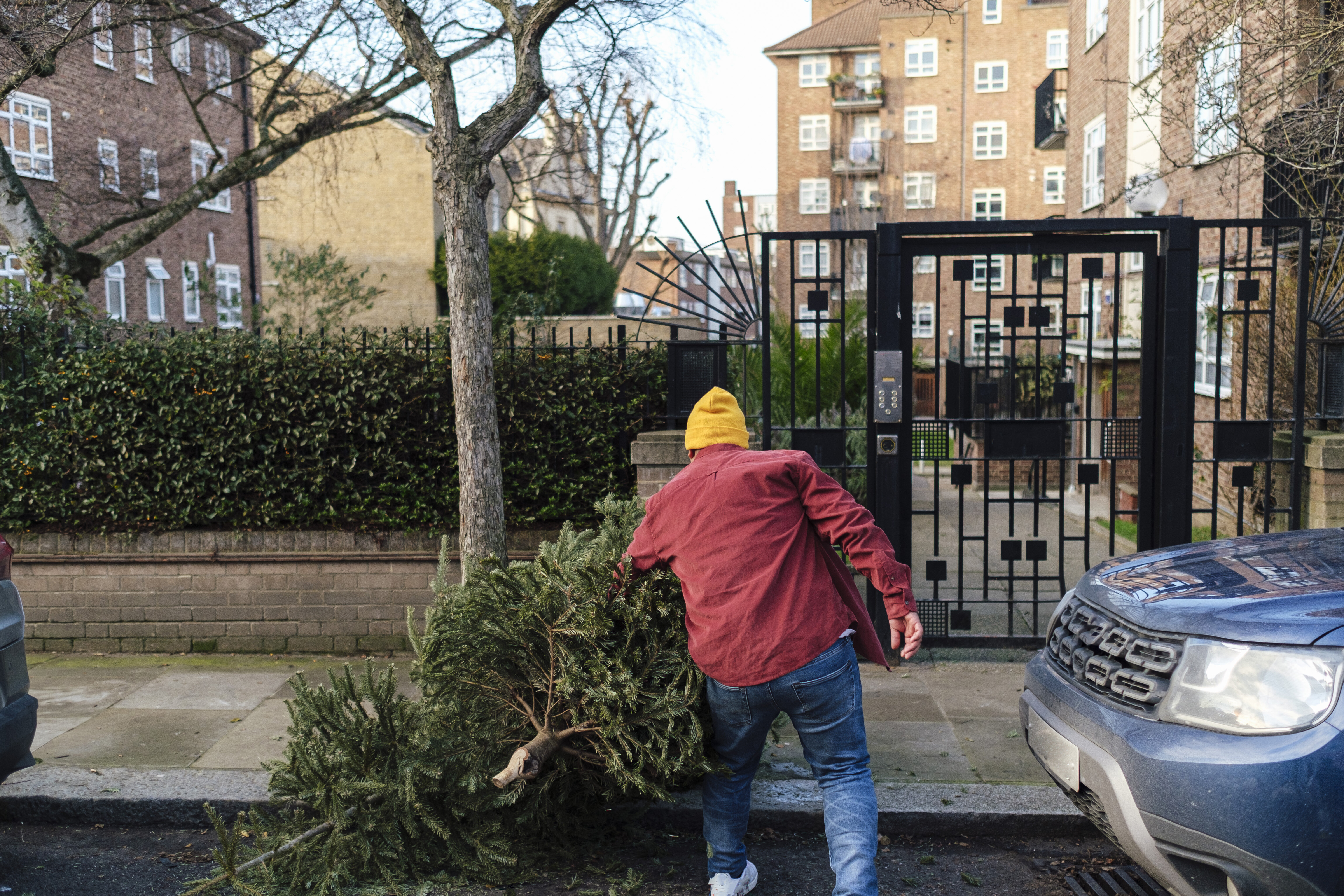
We all tend to focus on the best practices when it comes to putting up real Christmas trees, but there is a lot to be said about what to do when getting rid of it. Specifically, is there a best time to do it?

According to experts, the answer is yes. You may want to prolong the merriment into the new year (or just don’t have the energy to take it down), but it turns out there’s one major reason why you should: “Once that tree dries out … it can burn,” said Jill Sidebottom, a spokeswoman for the National Christmas Tree Association.

Firefighters see about 160 home structure fires per year as a result of a Christmas tree, according to the National Fire Protection Association.

To further protect yourself, the NFPA suggests placing the tree at least 3 feet from any heat source, making sure it’s not blocking an exit and ensuring that decorative lights are in good working order.

Although the risk overall is rare, it’s certainly an issue worth discussing when decorating ― and choosing when to undecorate ― your space for the holidays.

“A fresh-cut, well-watered tree will not burn,” said J. Scott Edwards, the general manager at Maple Row Farm. “However, a very dry tree can be of concern.”

How do I know if my Christmas tree is dry?

There are a few ways to figure out if a tree is dry, starting with its colour. If you notice your tree changes in hue to a lighter green, brown or even red, Sidebottom said, you should start thinking about taking it down.

Also keep an eye on the tree’s needles. “When the tree dries out, the needles and small shoots will become stiffer and less bendable,” Sidebottom explained.

The tree’s engagement with water could also be indicative of its condition. “If a tree that has been taking up water quits doing so, that’s a sign,” Sidebottom said. “The tree will also be lighter, as it is no longer full of water.”

Other factors to keep in mind include a musty odor and wrinkled bark, according to the National Christmas Tree Association.

Any or all of the above characteristics could appear in your tree, Sidebottom said.

You can tell your tree is drying house based on factors like the color and the needles.

Westend61 via Getty Images

You can tell your tree is drying house based on factors like the color and the needles.

When you bought your tree also influences when you should take it down.

About 33% of people buy their tree right after Thanksgiving and another 33% do so the first week of December, according to a survey the Real Christmas Tree Board released this year.

When you actually cut down your tree will influence when you should think about removing it from your home, Edwards said.

“The earlier you cut the tree, the earlier it needs to be taken down,” he explained, noting that the drying process kicks off as soon as the tree is removed from the farm. “We often refer to cut flowers when talking about tree care,” he added. “It’s really just a big flower. It doesn’t last forever.”

Overall, Sidebottom urged people to “use their common sense” when it comes to taking down the tree. Removing your tree when it’s dry keeps everything – and everyone – in the house safe.

For what it’s worth, she suggested, try not to think of the cleanup process as the end of the usually happy, sentimental holiday season.

“I always enjoy putting the tree up, but I enjoy taking it down too,” Sidebottom said. “Putting all those memories away and tidying up the house is like getting ready for the new year.”

Share Button

The Best Christmas Leftovers Recipe Is Made In An Air Fryer

Don’t get me wrong ― I love leftovers. But after day two of bubble and squeak and this (delicious) roast potato hash, I’m getting desperate for a different way to repackage my uneaten roast veggies.

Thankfully, the best recipe I’ve found is a fuss-free air fryer recipe that creates zero washing-up ― an easy, goes-with-everything air fryer frittata.

Back in June, TikToker and nutritionist Emma Claire shared a foolproof recipe for air fryer frittatas that’s ready in under 15 minutes ― and having recently tried a Christmas leftover variation, I can confirm that it’s as delicious as it is easy.

To start with, you’ll need to line the airy fryer basket with baking paper so that it covers the sides of the basket, too. You can also use specially-designed paper air fryer inserts if you have them ― so long as the base and sides are protected from the eggs.

Then, drizzle some olive oil on the paper before cracking six eggs into the basket. Claire chucked in her veggies at this point ― I used sliced Brussels sprouts, some fairly small roast potato cubes, old broccoli, and peas. Use whatever you have leftover.

Then, add whatever seasoning you like ― Emma Claire went with paprika on top of regular salt and pepper. I like chilli flakes in mine too, but that’s the beauty of the recipe ― you can personalise it to your exact taste and supplies.

Then, add a thin layer of grated cheese to the top and cook for 15 minutes at 180°C.

“I sliced it in half to make two servings ― perfect for a quick and easy lunch or dinner,” Claire shared. I also found it’s perfect for two!

Share Button

Leaving Christmas Leftovers Out For More Than This Many Hours Can Make Them Unsafe

’Tis the season for festive feasting ― and, if you’re not careful, food poisoning.

NHS Shetland says that “Campylobacter is one of the most common bacteria causing food poisoning, and it is closely associated with raw poultry such as chicken or turkey.”

But cooking your food correctly is only one part of the equation ― it also matters how, and when, you store leftovers, public health body Safefood says.

They add that “If you store your Christmas dinner leftovers carefully in the fridge you can hold on to the glow of Christmas Day and use them up over the next three days.”

How soon should I put leftovers in the fridge?

According to Safefood, they should be covered and stored away within two hours.

“Don’t eat food that has been standing at room temperature for more than 2 hours,” the health pros advised.

If your turkey still feels hot long after you’ve cooked it, you can slice it into smaller pieces before placing them in airtight containers to prevent cross-contamination.

Safefood stresses that “Leftovers stored in the fridge should be eaten within three days. ”

NHS Shetland Health Protection Nurse Chloe Umphray gives an even shorter reheat window: “Storing food incorrectly and for longer than recommended can increase the risk of bacterial growth, which can lead to food poisoning,” she warned.

“Key safety tips include: store it in the fridge, eat it within two days and only reheat it once.”

How do I safely reheat leftovers?

As Chloe says, you can only reheat leftovers once.

However you cook them, Safefood says they “should be reheated until they are piping hot all the way through. And leftover gravy should be brought to a rolling boil.”

Even if you’re eating the leftover meat cold, Food Standards Scotland adds that you should only take as much turkey as you’ll actually need out of the fridge.

They advise against leaving plates of cold cuts out, and suggest we punt the meat back in the fridge within an hour of taking it out if needed.

Share Button