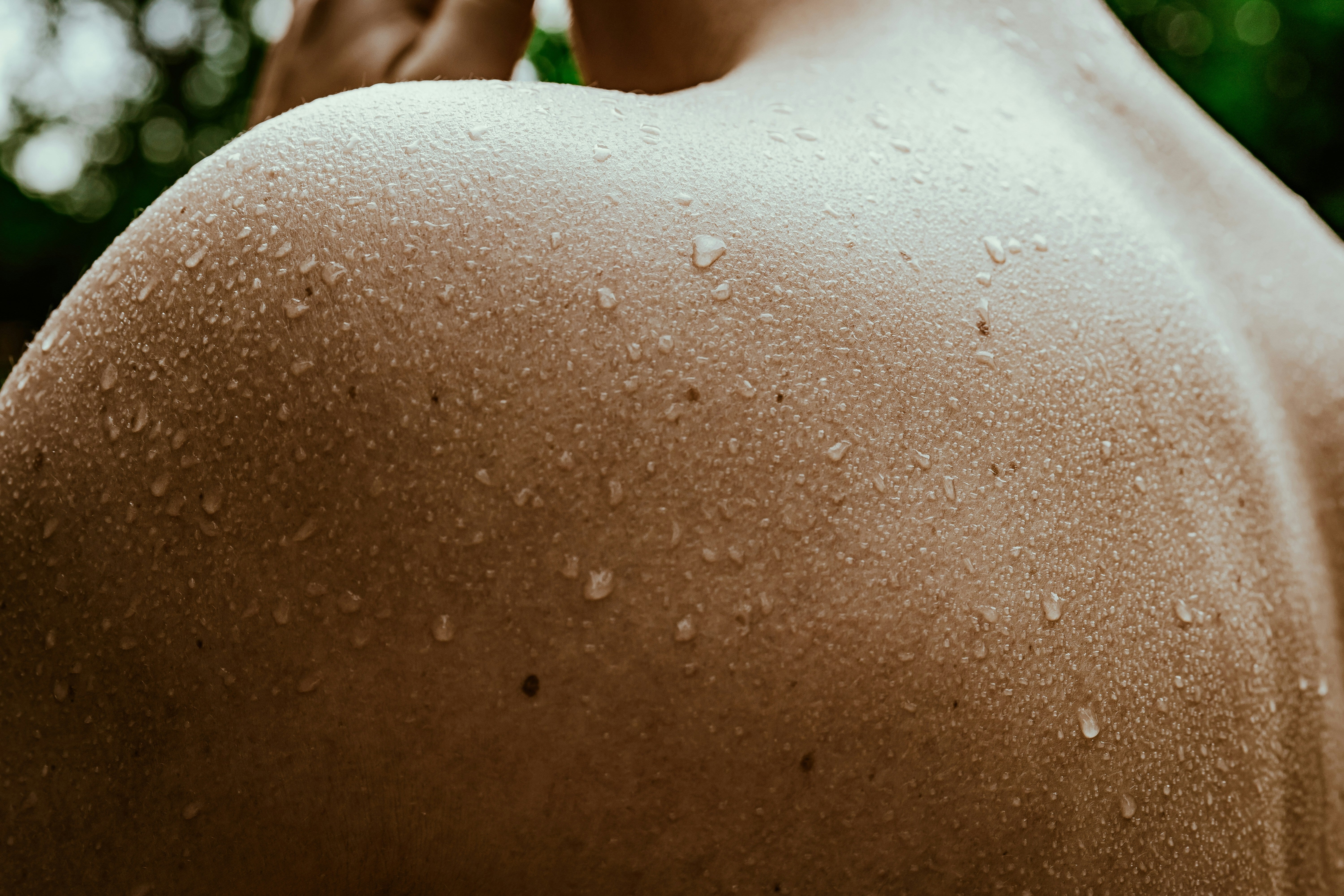
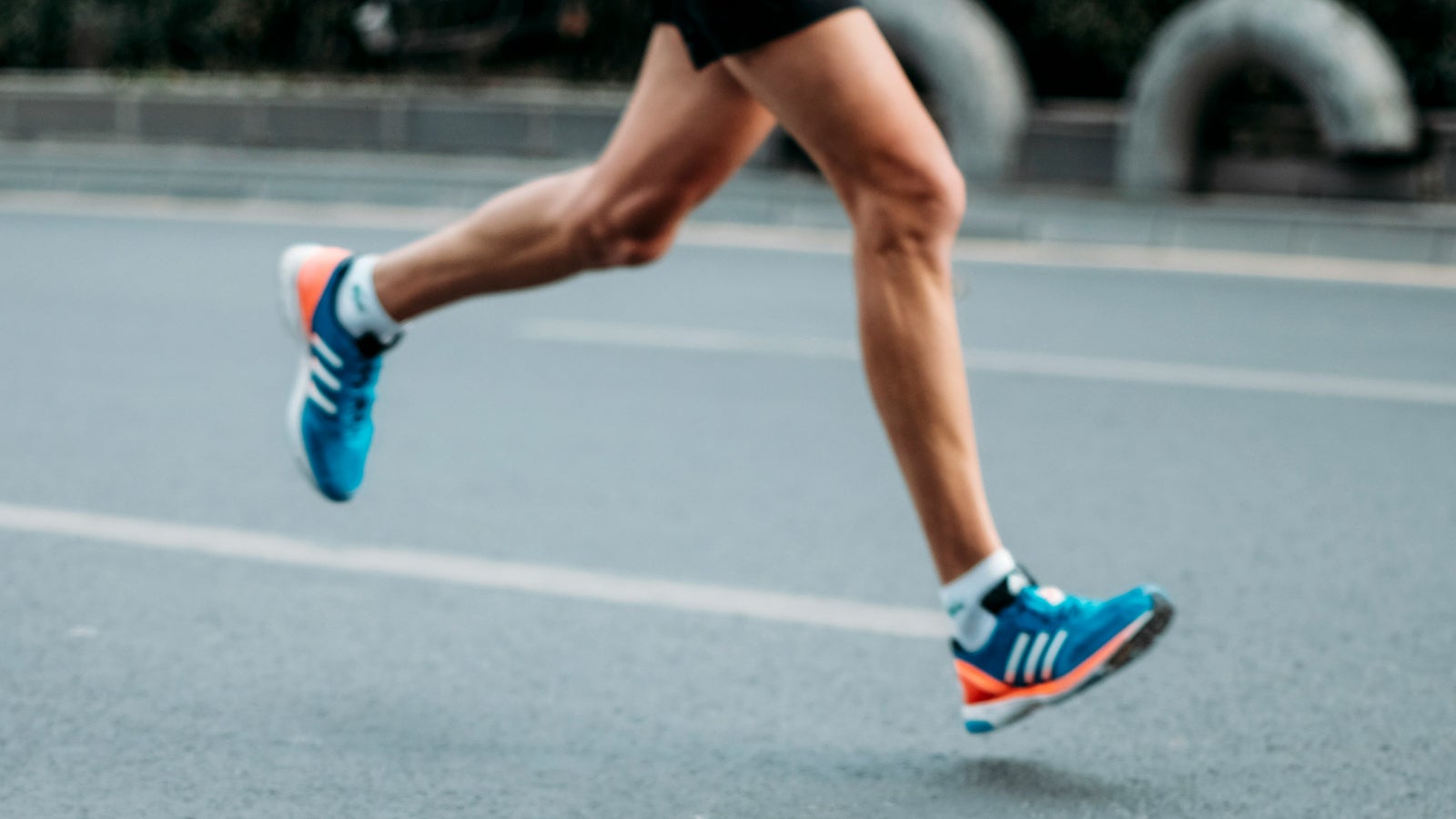
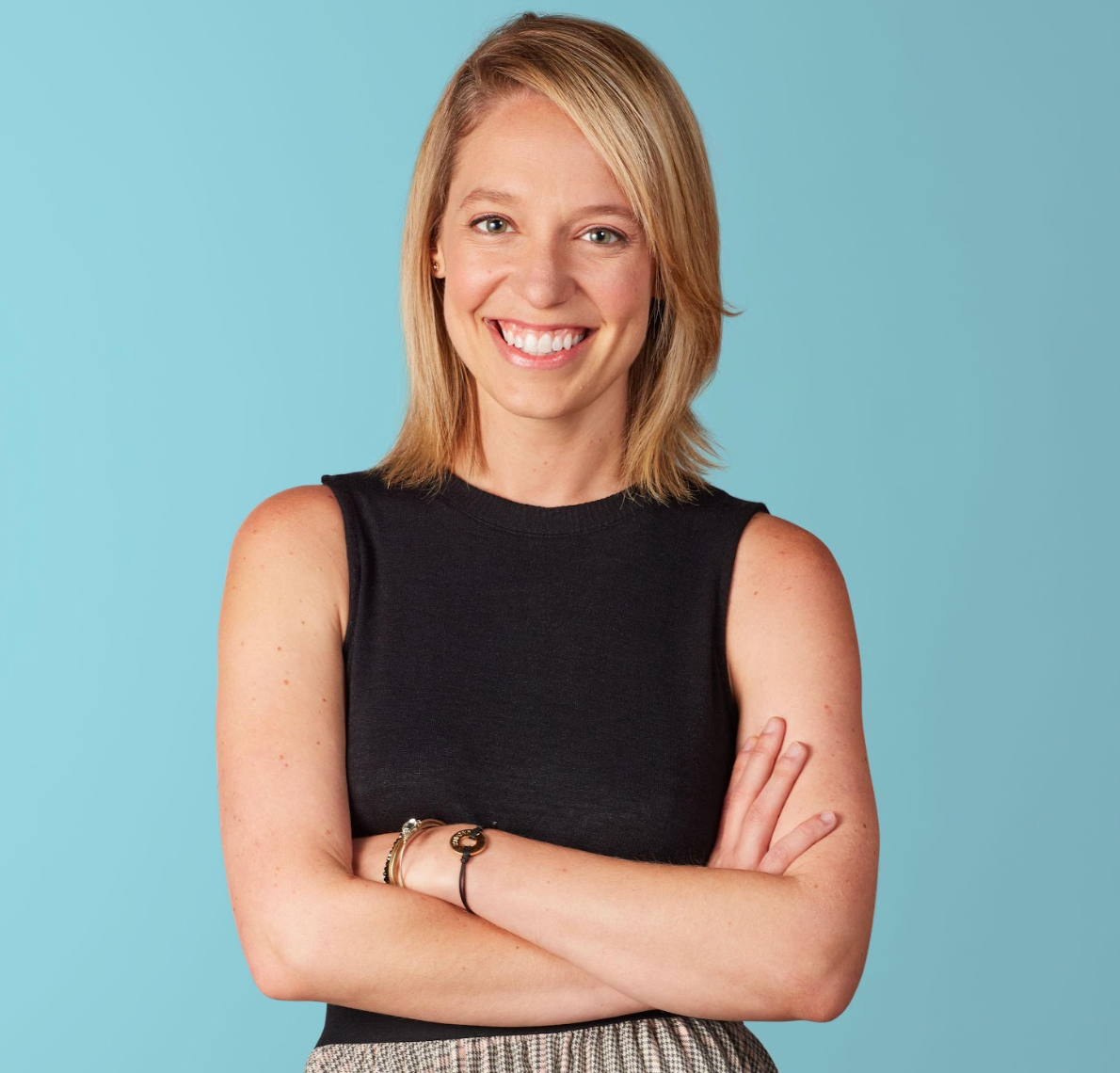
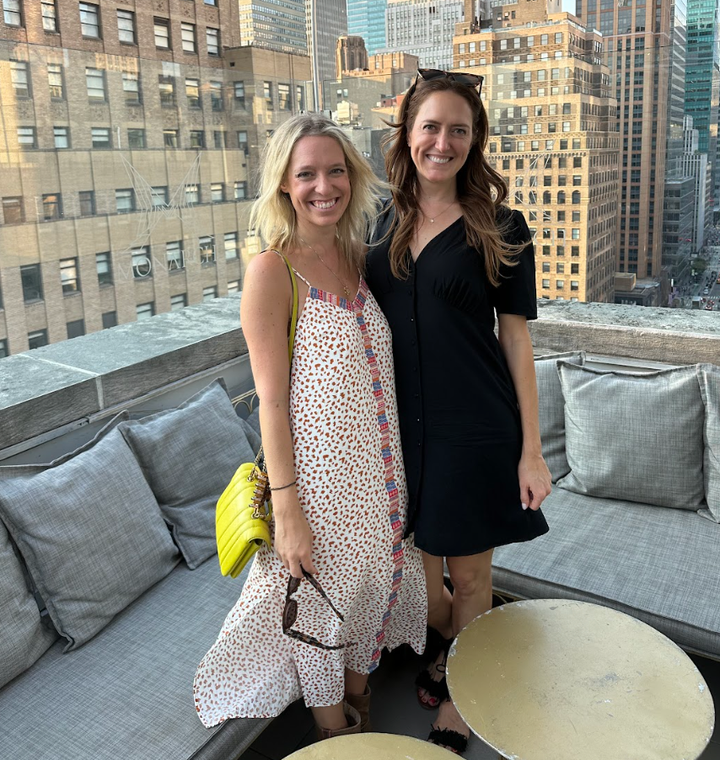
Try as I might (and believe me, I’ve tried), I constantly manage to wake up hot and sweaty at 3am.
I’ve always attributed that to my insomnia. But hormone and sleep specialists have shared my issues might be partly down to my biology.
We know it’s crucial to keep bedrooms cool (experts recommend 16-18°C) to be able to sleep well – and this is perhaps even more important for women.
Advertisement
When a study found rising temperatures are impacting sleep globally, it also revealed women were impacted more than men. The Guardian noted “women’s bodies cool earlier in the evening than men’s when going to sleep, meaning higher night time temperatures may have a bigger impact on women”.
Women’s slightly higher core body temperatures can also make us “feel” external cold and warmth more intensely, Dr Karan Rajan previously shared.
Women appear to wake up overheated more often than men – but why?
Dr Renee Young, an endocrinologist and founder of the Young Naturopathic Centre For Wellness, told Pretty You London that “hormones like oestrogen and progesterone play a central role in how the brain regulates body temperature”.
Advertisement
She added: “Even slight fluctuations can confuse the body into thinking it needs to cool down. That often looks like a hot flush or a sudden sweat episode, especially at night.”
These are not exclusive to menopause or perimenopause, though both of these can lead to similar symptoms.
“Women in midlife often have a lower stress threshold… Higher cortisol levels, especially when they don’t follow their normal rhythm, can interfere with sleep and make overheating worse,” she shared.
Advertisement
How can I stop overheating at night?
Though you might be tempted to take a cooling shower before settling down, NHS GP Dr Hana Patel said this may not be the answer.
“A cold shower can cause your body to generate more heat as a response,” she advised, while the cool-down period following a warm shower “tells your brain it’s time to sleep”.
Wearing thinner pyjamas, avoiding heavy bedding, and even keeping your partner out of your bed (if needed) may help, The Sleep Foundation said.
Advertisement
Whatever the cause, though, you should see your GP if your sleep is consistently interrupted.
“Menopause and hormonal changes don’t have to steal your sleep,” Dr Fogarty-Draper stressed. “When we understand the cause, we can take back control.”
Bad news for them. I have another running obsession.
“Jeffing,” named after Olympian and author Jeff Galloway, is a kind of lower-key fartlek (another 10/10 name). If both of those terms sound like gobbledegook, they refer to a period of slower walking (or running) before bursts of higher-energy sprints or jogging.
Advertisement
Jeffing, also known as the “run walk run” or Galloway method, is ideal for beginners – a version of it is often used by Couch To 5K apps.
But Galloway himself said that non-stop runners who adapt to the method correctly run “an average of 7 minutes faster in a 13.1-mile race” and over 13 minutes faster in a marathon.
Personally, it’s transformed my 10K time.
How does “Jeffing” work?
You can pick a ratio of walking to running that works for you. That might be 1:1 at the start (so one minute running to one minute walking).
Advertisement
As you progress, you might like to try 1:4 (30 seconds of walking for two minutes of running).
Women’s Running reported that Galloway doesn’t recommend more than a 30-second walk break if you’re trying to up your pace; you can stack these up if you save them, though.
For instance, if you choose a 1:4 pace, you can run for four minutes and walk for a minute instead of going for two minutes on and 30 seconds off.
You can use distance as a marker, too, or a combination of distance and time. I like having a 30-second walk at the end of each kilometre.
In general, Women’s Running pointed out, the more improvement you want to see in your pace, the shorter the walking sessions should be.
What are the benefits of “Jeffing”?
A 2016 paper found that runners who did a combination of running and walking in marathons had similar finish times to races run non-stop, but faced less muscle strain.
Advertisement
Galloway said he invented the method to combat muscle fatigue, lower injury rate (especially over long distances), and keep beginners motivated.
“By shifting back and forth between walking and running muscles, you distribute the workload among a variety of muscles, increasing your overall performance capacity,” he said.
“For veteran marathoners, this is often the difference between achieving a time goal or not.”
I’ve been more motivated to complete my runs and, to my shock, have since shaved six minutes off my 10K time (though part of it might be that I’m more excited to get running knowing I’ll have breaks, leading to more practice).
Advertisement
The method has improved my muscle recovery time, too.
I stared out floor-to-ceiling windows at the frigid Hudson River. It was just days before the winter-holiday slowdown at work, and in that stark industrial room, all of my colleagues stared, too, just like we had the prior December (and the one before that).
An executive spoke coldly about budget cuts and the need to maximise value by remaining “lean and mean”. Then we were ordered back to our desks, which were lined up in long rows a floor away.
Advertisement
First there was silence. Then the firings began.
One by one, I’d hear a phone ring and pray it wasn’t mine. If it was, it meant I’d soon be leaving my desk for the last time. After a fateful walk to Human Resources to sign paperwork, I’d then be escorted out of the building while an ex-coworker would pack up my things.
Years later, tears still fill my eyes remembering taping up boxes for my friends. One second they were there, and the next they were gone without even a goodbye. I was always the lone survivor, and some days, the guilt was enough to make me want to follow them out the door.
Year after year, the layoffs continued, but I remained. Once a part of a small editorial team of three at one of the world’s most famous lifestyle brands, by the end, I was a sad and scrappy team of one. My second to last joyful season of firings, my boss was cut. Then one year later, they fired the editor beneath me and decided I could handle things on my own.
Advertisement
You are a rockstar! You are so efficient! Take this raise! Hooray, you!
When I couldn’t keep up with the workload, I was told to work harder. Faster.
“But it’s too much,” I pleaded.
“Stop with the negativity,” they said.
After one too many days spent crying in the bathroom with no friends left in sight, I finally broke. I quit my job without anything lined up, a bold move that would become an even bolder 10-year pattern that I never could have anticipated as an eager kid barely out of college.
For the next decade I repeated this cycle: Get a shiny new job. Get promoted. Get burnt out. Quit. Writing it now, it seems rather obvious I had a problem. But living through it, I felt like I was anything but the problem. They were the evil employer. I was the prized employee who never got fired. Not only that, after each valiant, dramatic resignation I put in, my friends would applaud me.
You’re so brave! So inspiring! So true to yourself!
However, toward the end of each one of my fateful job finales, another pattern had emerged – one people didn’t see. I’d stop eating. Lose weight. Have panic attacks. My anxiety would ultimately become unbearable, and that’s when I’d get up the gusto to quit. So brave and inspiring, right?
Advertisement
I gave every job everything I had. My mornings, my breaks, my nights, my weekends, and of course, every hour in between. As a result, I was spared through countless slaughterings. I mean come on: What boss would ever dream of firing a person like that? A human so dedicated, she’d jump through flaming hoops to get her job done.
Then something unexpected happened: I burnt out on life – not just work – and realised I was actually just a human with absolutely no boundaries.
Zero. Zilch. None.
Courtesy of Liz Regalia
“This was a shiny new headshot taken in 2019 with the start of a (yet another) new job,” the author writes.
Advertisement
Through the blur that was the years spent “building my career,” I met a man and he asked me to marry him. He was wonderful and caring, and he still is. We were happy together, so when he got down on one knee, I said yes despite having been adamantly against the idea of marriage my whole life.
My mother, after I told her the news, didn’t say congratulations but: “Wow, I really didn’t know if you’d say yes.”
Well, yes mum. I did. Why? I didn’t know how to say no.
Hell, “no” wasn’t even in my repertoire. I did whatever I needed to keep the peace. Keep a good GPA. Keep money in my bank account. But now my inability to set a boundary when it came to honouring my own happiness was officially catching up.
Advertisement
After six years of marriage, the truth of never wanting an “I do” in the first place had crept up in a myriad of ways, and soon it was yelling at me so loudly that I couldn’t drown it out anymore. So, I quit my marriage, too.
After my divorce, I started therapy. That’s where I’d learned just how much my lack of boundaries had been sending me running in circles my whole life. Ignoring my own needs had become second nature. It ensured things didn’t change. It ensured people stuck around. And as it’d turn out, it also ensured I stayed employed. And, at the heart of everything, it ensured some part of me felt safe.
But what felt like winning – whether it was friends, promotions or love – had actually been losing what mattered most. I’d lost time to pursue my dream of writing a book, friendships that kept me afloat, and ultimately, myself because I never learned to set a boundary to keep people from taking too much of me. So I set out to do just that.
Advertisement
With the help of my therapist, I started saying no to plans I didn’t want to do. I started saying no to holidays if it meant being around family members who belittled me. I even started to say no to friends who didn’t know how to set boundaries of their own. That’s when something all-too familiar happened: My team shrunk at work, and I was asked to pick up the slack. It felt like the ultimate test, and I accepted:
No, I cannot work extra hours because we are short-staffed.
No, I cannot do two jobs because someone left.
No, I cannot hit two project deadlines instead of one by Monday.
I uttered that last one on a Friday, but I made a fatal mistake afterward. When my boss pushed me harder to hit both deadlines, instead of sticking to my guns, I said the two words that have gotten my people-pleasing self into more sleepless nights than any others: “I’ll try.”
I woke up with a tightness in my chest on Sunday morning. The work was still not done despite trying my damndest the day before. Could I try to finish it if I worked another seven-hour day? Yes. Would I have to cancel plans with friends? Yes. Would I have to forgo working on my manuscript? Yes. Then, in spite of my ego wanting so badly to please, I decided the answer was no.
Advertisement
“Ignoring my own needs had become second nature. It ensured things didn’t change. It ensured people stuck around. And as it’d turn out, it also ensured I stayed employed. And, at the heart of everything, it ensured some part of me felt safe.”
Come Monday, instead of feeling like a hero walking into work like I often did at the beginning, I felt nauseous. I immediately admitted to my team that no, I was not able to hit the deadline, but I tried. An hour later, my boss called me into her office.
“It’s less than a month into the new year, and I already hear you saying ‘no,’ again,” she said exasperated. “It’s unacceptable.”
Advertisement
Little did she know, I’d spent the past three years in therapy practicing how to say exactly that: N-O. Two little letters that when put together had the magical ability to set a boundary that would protect me from burning out and betraying my integrity. But little did I know that when you finally learn that no is indeed an acceptable answer, you will also quickly discover who disagrees. By the end of the week, I was fired.
That Friday, I was escorted out of the building. My friends were left to pack my things from my desk in small boxes like I had done so many times for others. I felt like a complete failure, not yet seeing the longer story buried beneath the surface of how I got here. But I do now. What felt like a mortifying public defeat was actually my biggest internal victory yet.
The people-pleaser in me died that week, and I admit that I completely crumbled after getting kicked to the curb. In many ways, my worst fears were realised: staying true to yourself by setting boundaries can result in an enormous amount of pain. But from the rubble, I emerged as someone else.
Advertisement
Looking back, with no full-time job in sight, I’ve made the hard decision not to look for one. As a recovering over-achieving people-pleaser who has struggled so hard to learn to set boundaries, the risk of signing up to work for someone else who doesn’t respect them is simply too great for me.
Right now, I’ve decided to work jobs that don’t demand more than I can give. As a result, I have restored friendships and even finished the book I dreamed of writing. Yes, it’s scary going my own way. Yes, some people doubt I can make it work. Yes, I feel lonely and uncomfortable most days. But, no: I will not let that stop me.
Courtesy of Liz Regalia
The author (left) celebrating the single freelance life in New York City with her best friend at the end of 2024.
Advertisement
Liz Regalia is a writer and editor based in Charleston, South Carolina. She has over a decade of experience covering lifestyle, health and wellness for a variety of national publications, and has also overseen digital content programming and editorial strategy at various media companies. She just completed her first novel which she hopes will find a publishing home very soon.
Longevity seems to be the word of the moment, with the exciting potential for a longer, healthier life capturing the attention of millionaires and the Vatican alike.
But while the more extreme steps some take in the hopes of an unnaturally extended lifespan may grab headlines, expert after expert recommends simple steps: eat well, exercise, get enough sleep, and stay social.
Advertisement
Author and public health researcher Professor Devi Sridhar, whose longevity-focused book How Not To Die (Too Soon) is set to come out on 12 June, says even that doesn’t take it far enough.
“Have you ever questioned why, despite the avalanche of self-help books and optimisation hacks, we remain embroiled in multiple global health crises?” her book’s blurb reads.
“The stark reality is that we’ve been sold a monumental lie.”
HuffPost UK spoke to Professor Sridhar about some of those myths.
Myth #1: Your lifespan is completely in your hands
Professor Sridhar’s book focuses on how individual health tips “distract” us from the reality: our lifespan isn’t all in our control.
Advertisement
A Social Determinants Of Health paper found that “40% of an individual’s health is determined by socioeconomic factors such as education, occupation, or income,” compared to only 30% determined by lifestyle choices (such as not drinking or exercising).
So, she said, we should see government policy as a far more effective way to “significantly extend our lifespans” than the latest superfood.
Myth #2: Lifespans are getting longer across the board
As financial inequality booms, Professor Sridhar said some people may be left with shorter lives, despite healthcare improvements.
Advertisement
Life expectancy is “tightly linked to income,” she explained.
“The basic drivers of health are linked to resources – whether money, time, social networks, access to green space or leisure centres and gyms, nutritious food, and so increased inequality means the bottom quintile struggling to maintain existing life expectancy, or even going backwards.”
Earlier this year it was reported that the number of children living in poverty in the UK is at an all-time high (since records began in 2002). There are 4.45 million children living in a household of relative low income, according to the BBC.
Advertisement
Myth #3: You need to get everything just right to achieve a longer life
When it comes to health and longevity, the professor told us that “perfection is a myth”.
Let’s say you have a “nutritionally poor” day of eating, she said – “just make the next day different with more vegetables, fruits and grains, and [the] same with exercise.”
Speaking of which, the movement enthusiast said those who expend “mild to moderate effort (even weekend warriors who exercise just 1-2 times per week) get the bulk of the benefits” of working out.
“Same for diet. What are you eating 80% of the time?” she added.
“Basically, don’t make food or diet or sleep something to stress about. Stress is also implicated in dying too soon!”
Advertisement
Though we do have some control over our longevity, then, ignoring the impact of policy on our lifespan, assuming they’ll improve no matter what, and stressing too much about your individual one might not be the best way forward.
And according to data from sexual wellness company LELO, 80% of us think some time away from home would reinvigorate our sex life, while 31% say going abroad makes them more adventurous in the bedroom.
We spoke to licensed sexologist, relationship therapist, and author at Passionerad, Sofie Roos, about why going on your hollibobs makes you so much more open-minded.
Advertisement
Part of it is plain ol’ free time
“We simply have more time” and fewer stresses on holiday, Roos says. This leaves us not only more able, schedule-wise, to engage in the horizontal tango, but also more open to be “inspired” (oo-er).
Then, there’s the fact that you’ll likely be in a better, more playful mood.
“We are the best versions of ourselves [on holiday], making it much easier to get passionate [and] wild and put in the energy in the sex that we normally don’t have the time or lust for,” the sexologist tells HuffPost UK.
We also reframe our relationship and our partner as we take in new sights, sounds, food, and even weather, seeing our beau and ourselves in a (sometimes literal) different light.
Advertisement
“We’ve got the sunrise and warmth making us feel better, we eat great food, are travelling and exploring new places,” Roos says.
This “creates a perfect storm that leads to great opportunities for feeling extra passionate, attracted and hornier – making the sex more fun, enjoyable and interesting!”
Can you recreate that at home?
Speaking to Yahoo Life, sex and relationship expert Natalia Baker from All Things Worn shares that you don’t need to wave goodbye to friskiness when you land back home.
Advertisement
Allocating relaxation time, planning spontaneous dates, choosing to carve out quality time together, and openly discussing your fantasies with one another can all help, she says.
“Being transparent about what you both enjoy and want to try can help recreate the excitement and anticipation felt on holiday,” she recommends.
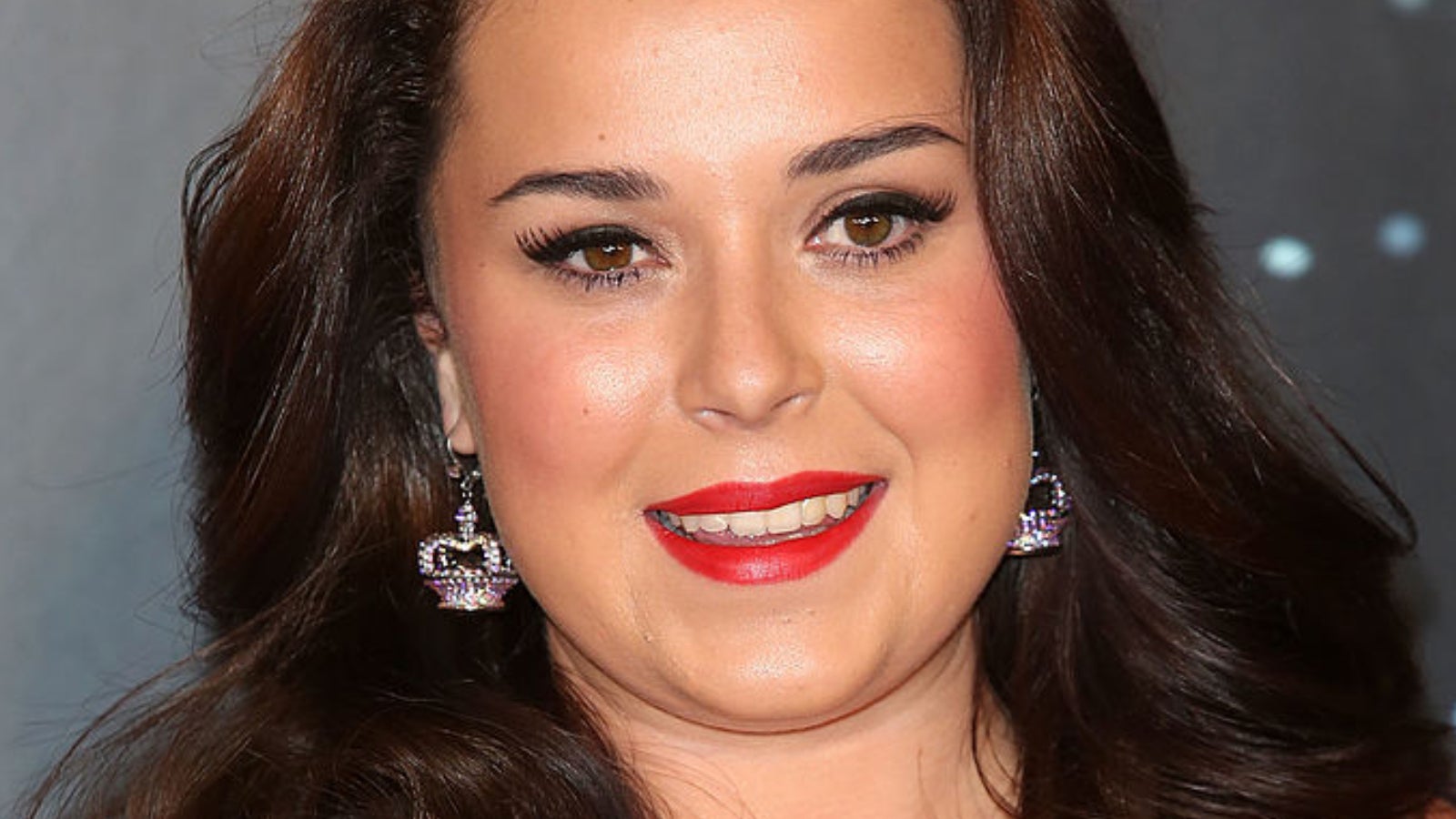
In a recent TikTok, former Tracy Beaker actor Dani Harmer spoke about her recent perimenopause diagnosis as she sought advice for her “thinning” hair.
The former Strictly Come Dancing contestant, 36, says her husband asked her to see her GP when he noticed her “whole personality had pretty much changed.”
Advertisement
Before she learned she was perimenopausal, the star added, “I was so down”.
She continued, “I’ve struggled with depression and anxiety pretty much since I was a teenager, but there was something really different about me, and in myself, I knew that something was off”.
Dani said she had also been affected by brain fog, night sweats, and bad sleep, all of which are common signs of perimenopause.
Though some commenters were surprised to learn about the actor’s condition (with one TikTok user saying, “Whaaaat? You’re about 17 years old”), perimenopause in your 30s is perfectly possible.
Advertisement
Here’s what perimenopause means, 62 of its signs, and what to do if you suspect it (like Dani, you should seek help if you struggle with any symptoms).
What is perimenopause, and why can it start in your 30s?
Perimenopause is “when you have symptoms of menopause but your periods have not stopped,” the NHS says.
Advertisement
You are officially in menopause when you have not had your period for 12 months.
The average age to start menopause in the UK is 51. You count as being in “early” menopause if it begins before you turn 45, and “premature” menopause if you’re under 40, the NHS says.
Just because your periods don’t stop during perimenopause doesn’t mean it can’t “have a big impact on your life, including relationships and work,” the NHS says.
Advertisement
Anxiety, mood swings, brain fog, hot flushes and irregular periods are common signs.
Don’t wait until you lose your period to see your GP about perimenopause symptoms if they’re affecting your life.
What are the symptoms of perimenopause?
The symptoms of perimenopause are the same as those of menopause, minus the absence of periods. Some women will experience them at different levels of intensity during menopause or perimenopause.
Some signs, like irregular periods, will be more noticeable during perimenopause.
A BMC Women’s Health study found that, on average, people experiencing menopause or perimenopause had about 10.7 symptoms.
Advertisement
Menopause care specialist Dr Naomi Potter previously shared 62 possible symptoms with HuffPost UK, which are:
Palpitations
Chest pain
Breast tenderness
Itchy skin
Dry skin
Rosacea
Acne
Thin skin
Collagen loss
Crying
Brain fog
Memory loss
Poor concentration
Difficulty finding the right words
Anxiety
Low mood
Worsening PMS
Anger or rage
Irritability
Headache
Migraines
Joint pain
Joint stiffness
Vaginal dryness
Vaginal discharge
Vulval itch
Perineal itch
Vulval/vaginal ‘electric shocks’
Increase in thrush
Increase in bacterial vaginosis
Poor libido
High libido
Weight gain
Hair loss (on your scalp)
Unwanted hair growth
Urinary infections
Urinary incontinence
Urinary urgency
Nocturia (getting up at night to pee)
Sexual dysfunction
Chest tightness
Constipation
Gastric reflux
Fatigue
Night sweats
Hot flushes
Cold flushes
Increased period frequency
Decreased period frequency
Heavier periods
Muscle loss
Tinnitus
Dry eyes
Watery eyes
Burning mouth
Gum disease
Foot pain
Frozen shoulder
Insomnia
Histamine sensitivity
New allergy
Body odour change.
What if I think I’m perimenopausal?
It bears repeating ― don’t wait until menopause begins to see your GP if you are experiencing symptoms, no matter what age you are.
Even if you aren’t in perimenopause, the symptoms are worth investigating.
And if you are, hormone replacement therapy (HRT) can help replace the oestrogen and progesterone your body loses during menopause and perimenopause.
According to the NHS, “The main benefit of HRT is that it can help relieve most menopause and perimenopause symptoms, including hot flushes, brain fog, joint pains, mood swings and vaginal dryness”.
Advertisement
Dani has said, “I’m really glad that I went and I got help. My doctor was more than happy to put me on HRT, and I’ve been on it for about 18 months now”.
She says her symptoms have mostly gone, except for hair thinning and the occasional hot flush.
Your doctor can help you to work out which solutions are best for you, so speak to a professional as soon as you notice symptoms.
I wanted to share some exciting news with you – we’ve found a match I think you’ll find intriguing. He’s a disciplined and driven entrepreneur with a wonderful sense of humor. He has many interesting ideas and is an excellent conversationalist. Our AI models suggest this is a great match for you. The next steps are simple…
My eyebrows raised slightly in surprise. They’d found someone.
Like most young women, I have been through my fair share of dating ― lots of fun, but lots of frustration. So three months ago, I’d decided to begin working with a matchmaking service that claimed to leverage AI models to find your perfect match.
Advertisement
The AI model allegedly would be able to digest my questionnaire answers and interpret all my desires in a deeper, more science-based way than any simple dating site ever could. Lisa, my matchmaker, would partner with the model to provide a human touch, using her expert judgment to validate its findings. With an “all your boxes checked” guarantee, the service seemed foolproof.
The process was rigorous and far more in-depth than any dating app I’ve ever used. I worked through the seemingly endless, mostly invasive questions about my life ― what I valued, my relationship with my family, whether I was willing to leave New York. I submitted everything from my philosophies on the afterlife to personality test results, stopping just short of giving them my blood type and mother’s maiden name.
I thought I had answered it all until I reached a line that stopped me in my tracks: “Please upload photos of your ex.” I racked my brain, sifting through all the frogs I’d kissed. Did that one guy I’d met on a whirlwind night in London and then never spoken to again count as an “ex”? The memory of his deep-set eyes convinced me that yes, he totally did.
Advertisement
Photo Courtesy Of Katy Pham
The author at dinner in New York City.
There was something that felt revolutionary about inputting all my fantasies into Lisa’s “build-a-man” factory. I didn’t have to just wander Fifth Avenue blindly, hoping to bump into whoever was out there. Here, I could “Weird Science” a man: give him Andrew Garfield’s eyes, Chris Evans’ arms and Chace Crawford’s glistening smile. So long as my dream man existed, AI would connect the dots and bring him to me.
Somewhere between listing out dealbreakers and sending in photos of celebrity crushes for AI analytics, I thought to myself, Maybe this is the future.
Advertisement
And if it wasn’t the future, well, maybe it was mine.
“OK guys, just close your eyes and tell everyone where you see yourself in five years,” my friend Lexi gushed to the rest of “the council” — the four of us girlfriends who had been joined at the hip since college. Lex closed her eyes and saw California, gentle coasts touched by the waters she grew up in. So, she packed up her entire life, a full decade spent learning in the heart of New York City, and headed home.
I’ll never forget closing my own eyes against the salt air at the pier. Perhaps I was looking for a place, like she was. But it wasn’t what came to me. I sat in the dark behind my eyelids and was overwhelmed with the bittersweet loneliness that comes from living in a place like New York. It is a place built on comings and goings, on the guaranteed peace in the knowledge that nothing is permanent and the sadness over the same.
When my eyes closed, I did not see a place. I saw a home. A sense of belonging, not with a specific skyline to anchor me, but a person. That sense of homecoming people talk about when they find the person they want to build a world with.
Advertisement
I opened my eyes against the sun.
Dylan had messy hair. It wasn’t the kind that said he’d just rolled out of bed; it was the kind that said he’d spent time in front of the mirror to make it look that way. A little scar over his eyebrow made him look tougher than he really was. His dark brown and sharply intelligent eyes sparkled with wit, enthusiasm and passion.
Two of my previous matches hadn’t materialised, either due to distance or lack of interest, but this one had snagged something in my chest the moment I’d looked at his profile. Our values matched everywhere that mattered, our interests overlapped when they needed to and diverged just enough to give us space to teach each other new things. He seemed, as the digital model had promised, built for me.
Walking up to the quaint little wine bar he’d picked, right in the heart of West Village, I was insanely nervous – something about science and a matchmaker telling you they’d found you “the one” laid the pressure on thicker than Hinge ever did. And in person, he did not disappoint.
Advertisement
I’d thought the foreknowledge would make things easier. We could sweep aside little nothings like, “So, what do you do for a living?” and dive right into each other’s hopes and dreams and fears. But my hands were slick with the immediate worry and thrill of intimacy that I’d never known could exist between two people who hadn’t had so much as a conversation.
I could look into his eyes and know what no one else in this bar knew. I knew he studied film and loved the outdoors; I knew his childhood pet’s name, his low preference for pizza (or gluten in general). I knew what kind of parenting style he planned to use one day and for how many kids.
That little twinkle people have, when they’ve been together for years? The kind that has them communicating secrets across a crowded room? We had it. We knew everything. I spent half the date trying to determine whether I was supposed to go all in or pretend I didn’t know anything about him. But he knew I knew. It was unclear what rulebook we were supposed to be playing by.
Advertisement
Regardless, I remembered: Somewhere, some digital force of omniscience had rubber stamped the date, guided by a human hand. We were supposed to be here, meeting each other. It was green flags all the way down.
It turned out, of course, that there was more to learn. A person is more than a collection of ideas on a profile. Dylan had grown up in New York, the eldest of three kids. He was well spoken in a way that pointed to his privileged background, with the wild spirit (and resources) that meant that he could — and did — try out every single hobby that had ever piqued his interest. Still, he was impossibly down to earth.
Not enough glasses of wine into the date to be tipsy, he looked at me with an arched eyebrow and confessed, “I actually scored really high on my SATs. I know it’s been over a decade, but sometimes, I still try to work it into first date conversations.”
Advertisement
A laugh bubbled out of me. A man coming out on the first date with the exact size of his SAT score was something that, if I didn’t like him already, I might have been put off by. But I did like him, so the dorky flex was endearing. So much about him was, and as the first date jitters wore off little by little, we started to relax into each other.
Date one turned into date two. Which turned into three, and, well, you know the story.
“You’re colour blind? How did you find out?”
“Well, the fluorescent pink pants I brought home from the mall in middle school were hint number one.”
“If you were to be stuck in a time loop and had to pick one person to tell about it, who would it be?”
Advertisement
“My sister. We’ve always been close; she’s incredible. I can just trust her with anything. She’d drop anything to … uh … help me out of a time warp. Honestly, I also think she’s my best shot at getting back to reality.”
He was everything I had asked for, everything I believed a man should be ― kind, smart, funny, thoughtful and protective … all handed to me by an algorithm.
I’d started dreaming already — not of electric sheep, but of digitally borne boyfriends.
On our last date before I left the country to spend a couple weeks in Asia, we went bowling. I am not a great bowler, but I’m never afraid to fail. This one, I wanted to win, because we’d decided to make it interesting. If I won, he’d write me the story of how we met from his point of view. If he won, I simply had to plan our next date.
Advertisement
I got one strike. The love letter was not to be.
But I’d started planning the date the second I’d seen the final numbers. After all, what’s the point of loving if you are afraid to dive in with gifts and plans that say, “I listen, I care, and I want you to feel special.”
He kissed me.
I dreamt about tomorrow.
I got on the plane.
Photo Courtesy Of Katy Pham
The author during her trip in Asia.
The photo dumps came as we’d planned them — vibrant and fun and full of everything I’d started falling for Dylan over. This was a man who loved life and didn’t say no to new experiences. I responded in kind, with snapshots with friends, family, tasting exotic dishes and walking along the coast. Sets of images sent back and forth that reminded us of who we were and that we were in this.
Advertisement
I’m not sure exactly when the pictures started coming less often. Texts got sparse, fewer snapshots were traded from phone to phone, questions about the aforementioned special date went uncommitted to. The maybe embarrassingly detailed dreams I’d started having about tomorrows with him began to blur.
Things with Dylan died slowly, quietly, without fanfare or the need for hauntings. The modern solution I’d thought was going to revolutionise dating ― AI ― was eclipsed by another modern epidemic: ghosting. In the end, we were left with the substance of most ghost stories: unfinished business. But not the kind that needs to be tended to before each party can move on.
The connection with Dylan was gorgeous and real and temporary, like some things are. I suppose, when it comes to dating, when you’re not so worried about running into a match in a neighbourhood coffee shop or at a mutual friend’s party, it’s easy to just … log off. You don’t bid a website a lengthy farewell when you decide to stop playing; you simply don’t come back.
Advertisement
These days, it seems everywhere you turn, someone claims they have finally cracked the code, uncovered the hidden formula to our heart’s desire. The certainty is so contagious that for a fleeting moment, it feels like you can join them at the edge of some great revelation. But reality is their certainty is something we rent, not own, giving us a falsely fleeting sense of control in a world that remains stubbornly unpredictable.
I wonder, sometimes, if I’m wrong. Maybe my future won’t come to me generated by an all-knowing digital system. Maybe it will come via a chance meeting on the street, in line behind a stranger. Is it sillier to trust an algorithm or a fortune teller who claims they know the secrets of a chaotic universe? Or to trust the chaotic universe itself?
The tall man in front of me, with the lopsided grin, heather gray T-shirt, and worn paperback falling out of his bag, steps to the front of the line to order his coffee. He orders it the way I do.
“She was engaged to a guy from a very well-off family. The wedding was in California, but they were living in Seattle. Very posh, very expensive.
“But the mother-in-law (MIL) was always horrible to her. Right at the beginning of the reception, the MIL came up and said some nasty things to her in a whisper, thinking she would just take it again.
Advertisement
“She lost it, families got involved, and she ended up on a plane back home that night. Her family had already started moving her things out of the apartment that evening.
3) “Six years ago in March, my fiancé and I decided to postpone our wedding.”
“The weekend the wedding would have been, he left me home alone to spend the weekend with his parents.
“His parents posted all over Facebook that they were celebrating him not getting married to me and were celebrating his ‘new girlfriend’, a friend of ours whom he constantly told me not to worry about.
Advertisement
“My mum screenshot all the posts, drove an hour out to where I was and said, ‘What are we going to do here?’
“I took a HOT shower and cried, then we packed all of my stuff up and left a letter to him on the dining room table with the ring.”
“It was a very small, backyard ’do. when we showed up, a relative of the groom ushered us out back and whispered that the wedding was off, but they had all this food and to help ourselves.
Advertisement
“Apparently, just that morning, the groom found out that the bride had cheated, but his family said they’d already spent all the money on the party, so they figured they’d just tell people when they arrived.
“It was one of the most awkward experiences of my life because the groom just sat dejectedly in a chair while people tried to cheer him up. We ate a little out of obligation and then got the hell out of there.”
From dolphin, to glass and cloud skin, the biggest viral skincare trends of the moment have one thing in common: supreme hydration. But how do you deliver moisture in a way that enhances your skin’s appearance and health?
Here we deep dive into these three looks and how you can create them with the Kiehl’s skincare range. A beautifully dewy complexion for 2025? It may be easier than you think.
While each trend is subtly different, they all require maximum moisture. For Dolphin Skin, think super glossy makeup looks that start with a well-hydrated skincare base. The glow comes from the skin’s natural radiance enhanced with soft makeup such as liquid blush and an illuminator.
Glass Skin is all about super dewy, hydrated skin that’s lit from within with radiance. It does take some dedication routine-wise, requiring cleansing, exfoliating, and deep hydration with a serum and moisturiser.
The newest trend, Cloud Skin, is a softer take on the glass look. The same principles of well-maintained, ultra hydrated skin prevail, but the end result is slightly more matte and velvety. This can be achieved with a light moisturiser and soft makeup such as a mattifying BB cream or foundation. Dust shinier areas with translucent powder, while maintaining an element of dewiness.
Creating a super-hydrated skincare routine
So how can you create these beautifully dewy looks in real life? To find out, we spoke to Gerwyn Slater-Powell, Education Manager at Kiehl’s, and Elena Brayda-Bruno, Brand Business Director at Kiehl’s.
Step one: Cleanse away impurities
“To create glass, dolphin or cloud skin you need a strong, layered, skincare routine,” says Elena. For a cleanser, opt for something gentle yet effective at removing impurities. “If you strip your skin too aggressively, products you use afterwards will not work as they should,” Elena explains. This can compromise the skin barrier, leaving it susceptible to dryness, irritation, and sensitivity.
Step two: Exfoliate gently
“For glass skin you want supreme hydration, a healthy skin barrier and improved texture,” says Gerwyn. “Exfoliation is key. Depending on your skin type and condition, you could use a traditional scrub. My preference, however, is a gentle chemical peel like the Kiehl’s Milk Peel Toner.” This dual-action product contains Lipo Hydroxy Acid, almond milk, and 23 per cent emollients to lightly exfoliate the skin, remove dead skin cells and dissolve impurities. Vitally, it also replenishes moisture to keep the skin barrier strong. “Alternatively, you could use our Triple Acid Peel which is gentle enough to use daily.”
Step 3: Apply a hydrating serum
Once the skin is prepped and primed, start supercharging hydration. “At Kiehl’s, our serums help give skin a plumper look and feel, improve the appearance of texture instantly and quench your skin’s thirst,” says Gerwyn. Kiehl’s Hydro-Plumping Re-Texturizing Serum Concentrate is an efficacious hydrating serum that helps visibly plump skin to smooth the appearance of fine lines and uneven skin texture. “It’s filled with Epidermal Hydration Filler to give it a plump appearance,” says Gerwyn. “The formula visibly improves the appearance of dehydrated skin brought on by a decline in skin’s natural Hyaluronic Acid levels while helping improve elasticity. It acts like your natural hyaluronic acid within the epidermis – what we refer to as ‘plumping up the pillow’ – whilst hydrating, for a long-term, cumulative effect.”
Kiehl’s Ultra Pure Hyaluronic Acid Serum is suitable for dry and sensitive skin types. Formulated with a concentrated 1.5% Hyaluronic Acid and with just seven ingredients to help your skin bounce back with replenishing moisture and intensive hydration. “Applying this in concentrated amounts twice daily can help improve texture and give a plump look and feel while strengthening the skin barrier.”
Step 4: Lock in hydration with a moisturiser
While serums deliver hydrating, radiance-boosting ingredients to the epidermal layers of the skin, a cream adds moisture to the surface. The key is picking the right one for your skin type.
“Dry skin needs a cream packed with nourishing ingredients,” Gerwyn says.
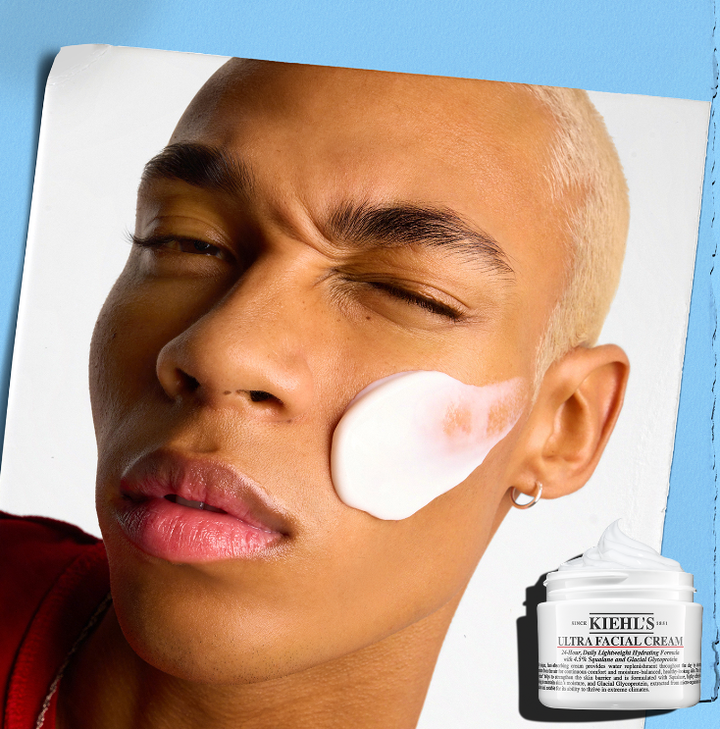
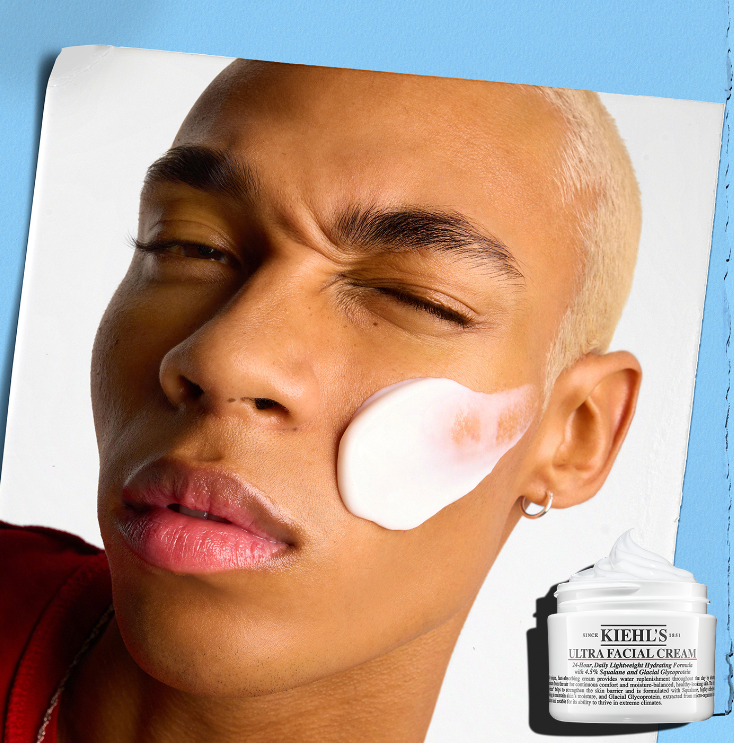
“Kiehl’s Ultra Facial Cream strengthens the skin barrier and keeps it supremely hydrated, via a concentration of squalane, a humectant that nourishes and conditions the skin barrier.” Squalane is naturally present within our skin but when applied topically within our formula, it helps lock moisture in.”
Kiehl’s Ultra Facial Cream strengthens the skin barrier and keeps it supremely hydrated
“Then there is Glacial Glycoprotein, which we ferment in our labs. Found naturally on glaciers in Greenland, it can cope in frozen, arid and dry environments while locking in water, providing skin with a natural defence to seasonal weather shifts. Our formula, containing all these key ingredients, combines to give up to 72hr hydration.”
For oilier skin types, moisturiser is still essential for keeping the skin barrier healthy, but the formula should be lightweight and oil-free, such as Kiehl’s Ultra-Facial Oil-Free Gel Cream. “If you struggle with blemishes, this is a great option,” Gerwyn says. As well as Glacial Glycoprotein, this contains Micronised Amino Acid. The formula reduces the appearance of sebum to help minimise pores.
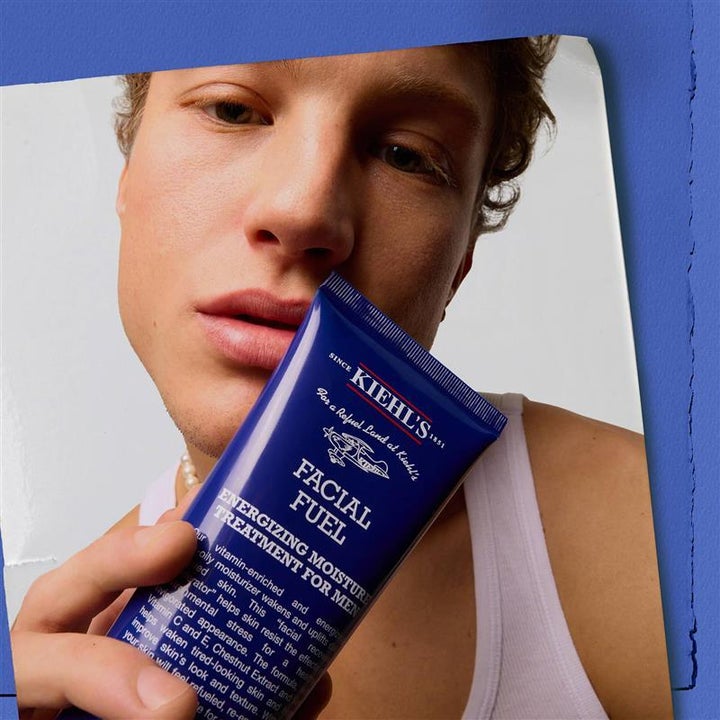
For men, Gerwyn recommends Kiehl’s Facial Fuel Moisturiser, which contains Vitamin C, caffeine and chestnut extract. “In general, men’s skin is thicker, oilier and perspires more,” he explains. “Facial Fuel has been carefully formulated to create a lightweight product that’s easily absorbed, won’t irritate after shaving, and leaves skin with a hydrated, energised feel.”
Ultra-Facial Oil-Free Gel Cream contains Vitamin C, caffeine and chestnut extract
Step five: Finish with eye cream and SPF
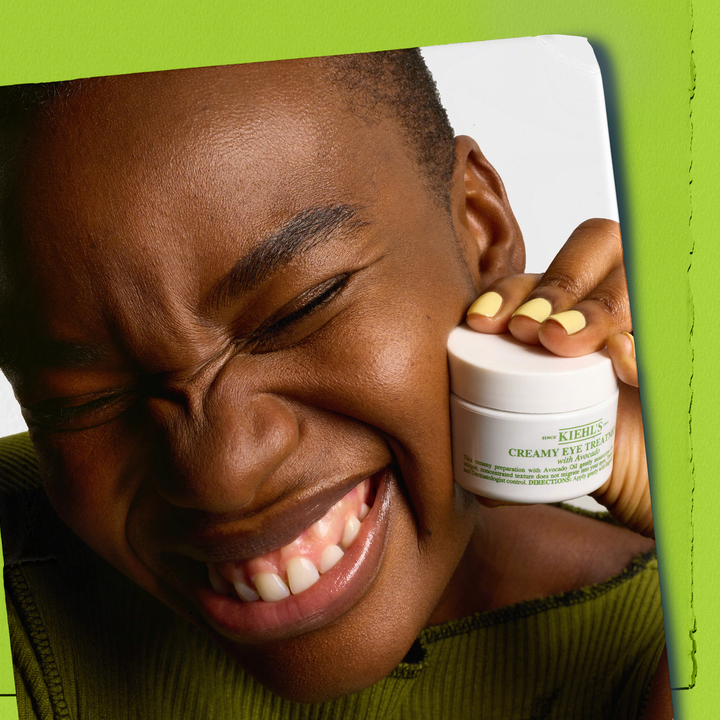
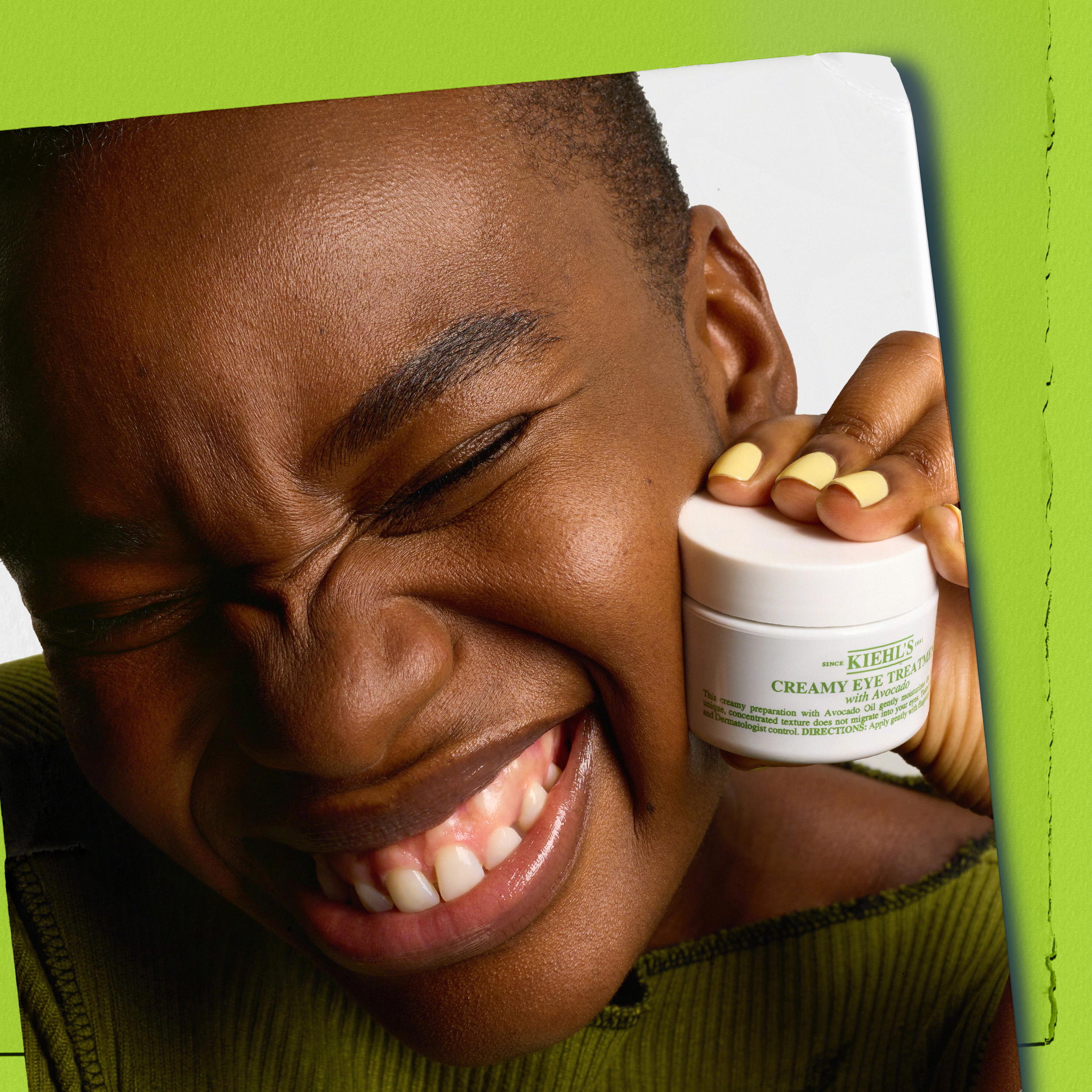
If the skin around your eyes is prone to dryness, it’s best to use a targeted treatment such as Kiehl’s Avocado Eye Cream. “This is like Ultra Facial Cream for your eyes,” says Gerwyn. “This formula with caffeine helps to minimise the appearance of dark circles and tiredness of eyes with a pop of energy,” he explains. “The key callout in our formula is the avocado oil that strengthens the skin barrier whilst hydrating this delicate area. It also works incredibly under-make-up”. Gerwyn advises taking a rice-grain sized amount, and emulsifying the formula between your fingertips to transform it to a lightweight water-like texture. Gently press around the orbital bone, avoiding the eyelid.
It’s best to use a targeted treatment such as Kiehl’s Avocado Eye Cream if the skin around your eyes is prone to dryness
The final step in any morning skincare routine? A generous-sized amount of broad-spectrum sunscreen to the face, neck and decolletage to protect the skin against cumulative UV exposure. “My recommendation is SPF 50,” says Gerwyn.
As with any new routine, don’t forget that the secret is in consistency and using products suited to your skin type. Dewy, radiant skin? It’s just a few steps away…
Discover the full hydrating skin and body care range atKiehl’s
This April, the UK Supreme Court ruled that the legal definition of a woman within the Equality Act of 2010 is a person who was born biologically female.
At the time, The Good Law Project said the move “sets a dangerous precedent and erases trans women from protections” and “puts trans rights back 20 years.”
Advertisement
Though Baroness Kishwer Falkner, chair of the Equality and Human Rights Commission, said that trans “rights must be respected” after the ruling, some see the actions that have taken place since as going against that message.
Falkener has also suggested that trans rights groups should push for a separate “third space” when seeking a bathroom or changing room.
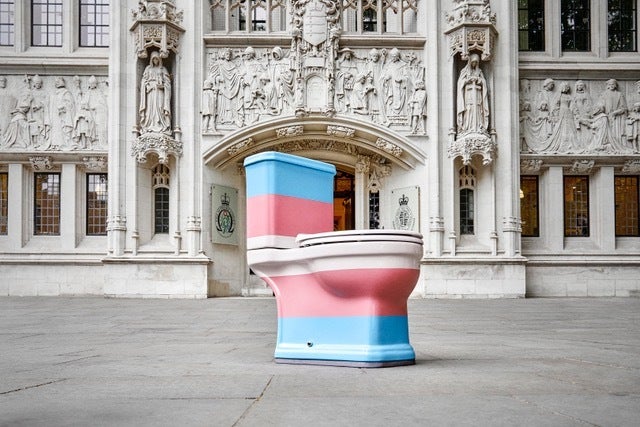
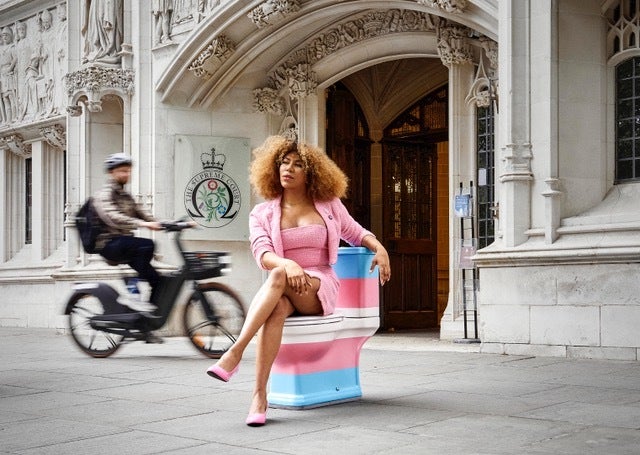
As a result, trans advocacy organisation TransActual UK has revealed an installation outside the UK Supreme Court called a “Third Toilet,” created by BBH London.
Advertisement
Rhiannon Adam / TransActual / BBH
The Third Toilet
The government promised “clarity,” but TransActual feels it hasn’t delivered
In a press release, Hafsa Qureshi, a director of TransActual UK, said: “The Supreme Court claimed it brought clarity to an area of difficulty” with its April ruling.
“However, it did the exact opposite while also diminishing the rights or status of trans people in the UK.”
Advertisement
They continue, “This campaign is a powerful statement about being forced to exist without safety, privacy, and rights, in full view of a society that refuses to see us; a demand for legal clarity, human dignity, and real, lived safety for all trans people; and an attempt to put pressure on public policy makers to ensure they are answering questions and, ultimately, are held to account.”
Meanwhile, Olivia Campbell Cavendish, a founder and executive director of the Trans Legal Clinic, says that we “need to move the conversation on from ridiculous things like bathrooms and onto the things that matter.”
Our focus, the founder said, should be on “the safety of trans people everywhere.”
The aim of the installation is to reclaim the conversation and inspire solidarity
Camila Gurgel and Ieva Paulina, associate creative directors at agency BBH, which made the “third toilet” installation, say that the aim was to gain back control of the conversation.
Advertisement
“The trans community was left out of a decision that directly impacted their lives,” they said (The Good Law Project, among others, says that the Supreme Court did not listen to trans voices in the lead-up to their ruling).
“So we set out to create something that will help their voices be heard and their demands recognised.”
Their hope, they say, is that the third Toilet installation “sparks awareness, conversation, solidarity and inspires more people to stand with the trans community.”