4 Ways To Strengthen Your ‘Psychological Immune System’

You probably have some idea about how to help your immune system. Eating well, exercising, and getting enough of certain vitamins can help.

But what about your “psychological immune system”?

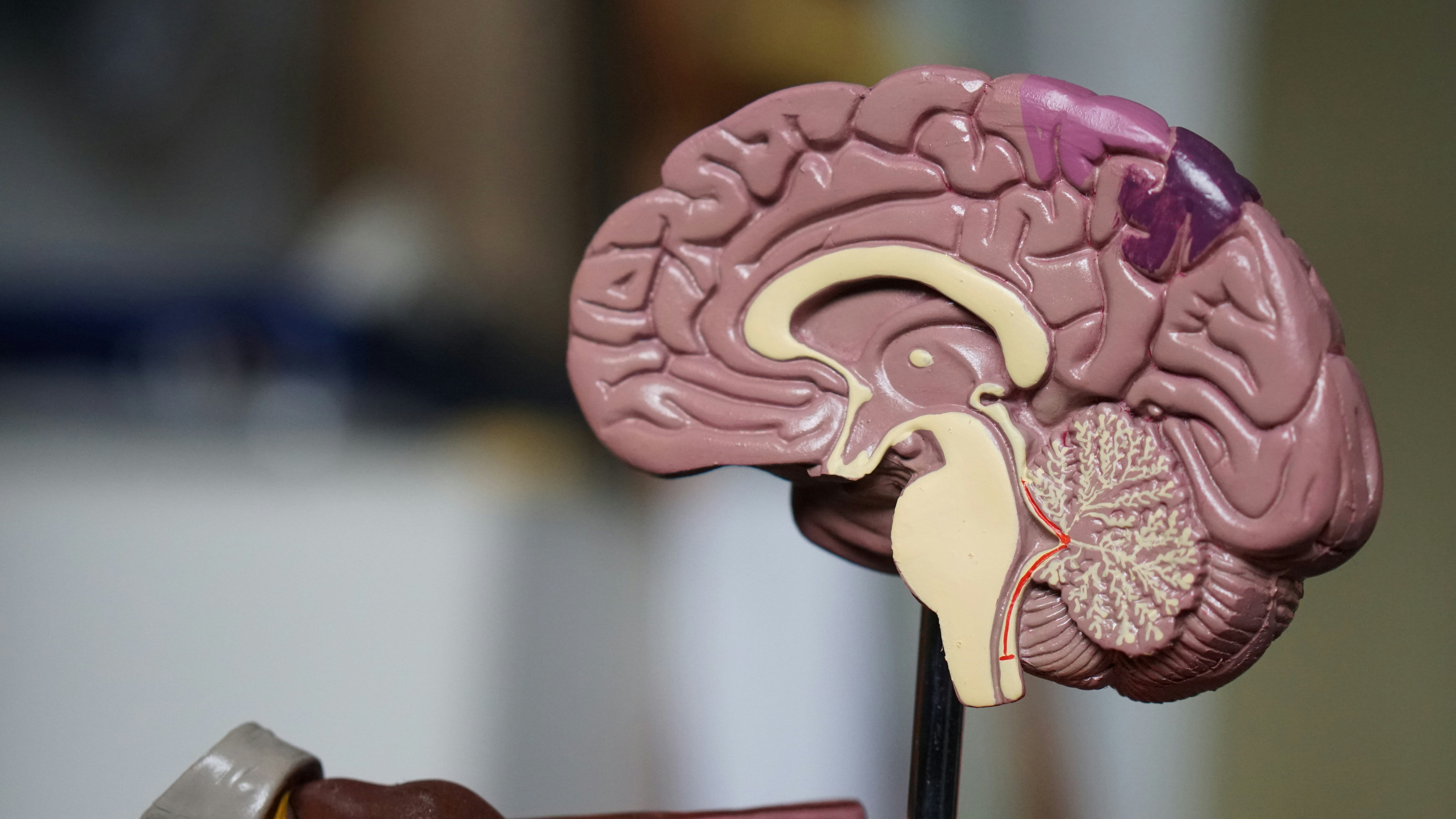
The term, which was first coined in the ’90s, suggests our minds could have protective mechanisms, including cognitive “antibodies,” similar to those which protect us from phsyical disease.

Here, we asked Dr William Van Gordon, Associate Professor in Contemplative Psychology at the University of Derby, what the term means, as well as how to strengthen ours.

What is the “psychological immune system”?

“The psychological immune system is a concept developed by psychologists Daniel Gilbert and Timothy Wilson in the late 1990s.

“It describes the brain’s automatic, largely unconscious defences that protect emotional well-being in the face of negative events, much like how the physical immune system fights pathogens,” Dr Van Gordon told us.

Some feel that having a stronger “psychological immune system” can help us to weather negative events, even those you anticipate would be devastating.

“These processes help us to reframe setbacks positively, restore self-worth, diminish the intensity and duration of distress, and recover more quickly than we typically predict,” the professor added.

“We often overestimate how devastated we will feel after failures, rejections, or losses because we underestimate this built-in resilience system.”

How can I boost my “psychological immune system”?

Dr Van Gordon shared “four strategies that can strengthen your psychological immune system and improve emotional recovery and calmness”.

These are:

1) Shift from negative to neutral

“Counter the brain’s natural negativity bias by deliberately moving toward a balanced, neutral perspective rather than trying to force positivity,” the professor said.

Our mind’s negativity bias means we pay more attention to negative thoughts and experiences than we do positive ones, potentially skewing our views.

“Use simple grounding tools such as brief mantras (‘This too shall pass’), short gratitude reflections, recalling times you’ve overcome similar challenges, or slow diaphragmatic breathing to calm the nervous system.”

2) Anchor in the present

“Focus attention on what is controllable right now to interrupt rumination about the past or anxiety about the future,” said the expert.

“Build small daily habits of mindfulness (for example, one to two minutes of breath awareness), protect sleep quality to restore cognitive clarity, and create routines that break negative thought loops and restore motivation, such as morning journaling or quick walks.”

3) Reconnect with meaning and purpose

“When adversity strikes, reframe the situation through your core values or long-term goals; for example, by viewing a difficult experience as an opportunity to grow skills or character,” he continued.

Having a longer-term sense of purpose has been linked to greater longevity, mental health benefits aside.

“Practise self-compassion, seek trusted perspectives from others, or visualise how the challenge fits into a bigger, meaningful picture.”

4) Practise healthy acceptance

“Allow difficult emotions to arise without suppression or denial, especially after significant loss or trauma,” Dr Van Gordon ended.

“Recognise that feelings such as sadness or anger carry important signals; treat yourself kindly during the process and, if distress persists, consider professional support rather than forcing ‘positive thinking’ alone.”

Share Button

When Will The UK Get 8pm Sunsets Again?

On the last Sunday of March each year, the clocks jump forward one hour at 1am in the UK.

This year, it’ll happen on Sunday, 29 March.

That marks the start of British Summer Time (BST). And because the clocks hop forward, sunsets begin an hour earlier than usual – as the summer sun reaches us, the sunsets will increasingly start later.

Which begs the question of: when oh when will we have 8pm sunsets again?

It depends on where you live

Different parts of the UK will get 8pm sunsets on different dates, depending on where they are placed in relation to the sun’s rays of light.

That means certain parts of the UK may get 8pm sunsets earlier than others. For instance, Fermanagh in Northern Ireland is expected to get an 8pm sunset the day the clocks change (29 March).

For other areas, Time Out shared, the dates are:

  • Edinburgh: April 6

  • Cardiff: April 10

  • Birmingham: April 12

  • London: April 17.

That means those in the capital will have to wait more than two weeks after the clocks change for longer evenings to settle in.

Why does daylight saving time exist?

BST is sometimes called daylight saving time. It didn’t exist until 1916, even though people like Benjamin Franklin had proposed it as far back as 1784.

But builder William Willett advocated for it heavily because he was frustrated to see people “wasting” summer morning light by sleeping through early sunrises.

Eventually, this caught the attention of MP Robert Pearce, though Germany adopted the policy first. The UK took it on weeks later.

Is daylight saving time bad for us?

Some research suggests that the clocks going forward is bad for our health.

Car accidents and heart attacks rise after the change, for instance.

The European Parliament has backed a proposal to scrap it, and the Royal Society for the Prevention of Accidents has also called for the same many times.

Share Button

Reform Choose Right-Wing GB News Presenter Matt Goodwin To Stand In Crunch By-Election

Reform UK have chosen a right-wing GB News presenter as the party’s candidate in next month’s crunch Gorton and Denton by-election.

Academic and author Matt Goodwin will aim to become the party’s ninth MP when voters go to the polls on February 26.

He was chosen despite speculation that Reform’s policy chief and former chairman Zia Yusuf would be the candidate.

The by-election has been triggered by the resignation on health grounds of Andrew Gwynne, who retained the seat for Labour in 2024 with a majority of more than 13,000.

However, opinion polls suggest it will be a close three-horse race between Labour, Reform and the Greens.

After being unveiled by Reform MP Lee Anderson at a press conference in the constituency, Goodwin said: “I am not a career politician. I am not a Tory.

“I am not part of the establishment. I am not part of the Westminster blob.

“I am, like many people in this seat and millions of people in this country, hard-working taxpayers who are just fed up of watching what is happening to their communities and to their home.”

“Matt Goodwin represents the kind of politics that will drive a wedge between communities in Manchester.”

Anderson said the by-election was “a referendum on Keir Starmer”.

He said: “It’s a chance for hard-working, law-abiding people, tax-paying people from this seat to have their say on Keir Starmer and to make political history.”

Labour’s campaign has been overshadowed by a furious row over the party’s decision to block Andy Burnham from running to be its candidate.

Labour deputy leader Lucy Powell said: “Matt Goodwin represents the kind of politics that will drive a wedge between communities in Manchester.

“Reform have misjudged the mood around Manchester and they won’t put the priorities of working people first. They just offer division, animosity, and hatred – not the unity and pride which our city stands for.

“Only a vote for Labour can stop Reform’s toxic politics and guarantee residents have a local champion that will cut their cost of living as their new Labour MP.”

Green Party leader Zack Polanski said: “This by-election is a straight contest between hope and hate. The Green Party will be out campaigning every day, to improve the cost of living by taxing the super rich.

“We alone will be taking the fight to Reform, whose selection of a man with a track record of anti-Muslim bigotry in a community with a good history of community relations is an insult to the people of Gorton and Denton.

“It tells you everything you need to know that Reform are parachuting in this rent-an-extremist – this isn’t about representing the people of Gorton and Denton, it’s about using this place as a platform for their careers.”

Liberal Democrat cabinet office spokesperson, Lisa Smart said: “Reform UK’s selection of Matthew Goodwin proves they are a party built on a single foundation: division.

“Like Nigel Farage, Goodwin has made a career out of talking our country down. He is a professional wind-up merchant, more interested in chasing headlines than putting an end to the cost of living crisis facing families.

“We cannot allow the divisive politics of Trump’s America to become the blueprint for Farage’s Britain.”

Share Button

‘Giving Leaseholders Real Power Over Their Homes Is A Historic Step’

Since being elected, one of my priorities has been to tackle the inequalities and injustice faced by leaseholders across the country and across my constituency.

In the Cities of London and Westminster, we have some of the highest concentrations of leasehold properties, and the challenges residents face are daily and tangible: escalating fees, unaccountable managing agents, delays in repairs, and a system that leaves homeowners with little control over their own homes.

Since my election I have made it my priority to meet with residents, listening to their stories, and using that insight to shape my work in parliament. I have worked with constituents to gather evidence, collaborated with fellow MPs, and rallied action to ensure leaseholders’ voices are heard. This has included summoning unscrupulous managing agents into parliament and holding them to account for their poor service.

“A practical solution to a long-standing problem”

Today, those efforts are being followed up with a real win for leaseholders, as the Government announces a Bill introducing a new process for converting leasehold property into commonhold.

This legislation is a practical solution to a long-standing problem. It brings conversion into line with wider enfranchisement processes, making it possible when 50% of qualifying leaseholders agree. By creating a clear, fair path to ownership, it empowers residents to take control of their homes, rather than being subject to distant freeholders or unaccountable management companies.

Importantly, the legislation introduces measures to align the community rules and existing leases, ensuring blocks can be managed effectively, fairly, and sustainably. For the first time, there is a framework that balances the rights of all residents while creating genuine accountability in the management of shared homes.

“This is a restoration of trust and fairness”

The bill also includes a mechanism to phase out remaining leases, replacing them with commonhold units over time. Leaseholders gain a new right to buy their commonhold unit, replacing their existing right to a lease extension, and ensuring clarity and security for the future. Where a leaseholder wishes to sell, the commonhold unit must also be sold, making transactions straightforward and protecting residents’ interests.

This is more than just legal reform. It is a restoration of trust and fairness in a system that has too often left leaseholders powerless. It demonstrates what government can do when it listens to residents, engages meaningfully with the communities it serves, and acts decisively to correct long-standing injustices.

For me, the Government’s thorough action here reflect how important an issue this is for resident across the Cities of London and Westminster. The constituents who have written to me, attended my Leasehold Action Group, and supported each other with the work of unscrupulous managing agents, have a government which is listening to them and standing up for them against vested interests in the freehold sector.

It is a win not just for the residents of my constituency, but for leaseholders across the country who have long campaigned for clarity, control, and fairness in their homes.

Bringing forward this radical change to our housing system reflects a broader principle: the state exists to make systems work for citizens, not against them. This bill is a clear, practical example of how government can do just that. It puts power back in the hands of residents, ensures blocks are managed fairly, and begins to dismantle the inequities of the leasehold system.

I welcome this bill wholeheartedly. Today, leaseholders have reason to hope and to celebrate because, finally, the law is starting to work for them.

Share Button

A Simple Change To Your Commute Could Boost Your Brain, Says Dementia Charity

According to neurologist Dr Richard Restak’s book How To Prevent Dementia, “Cognitive reserve theory refers to the representation stored within the brain of the knowledge, experience, and life events that accumulate during the course of a person’s lifetime”.

The more “cognitive reserve” we have, he explained, the better we might be protected against conditions like dementia. “A lifetime investment in building up cognitive reserve leads to healthy cognition and thinking later in life,” he wrote.

Dr Restak called reading fiction “perhaps the single most effective” way to build this up.

But Alzheimer’s Research UK, who have launched a Think Brain Health campaign this year, are releasing brain teasers to help us build up our reserves, which they say can be done in quiet moments like during your commut.

After all, research suggests that puzzles like crosswords may help to strengthen our minds as we age, too.

Challenging our brains is good for us – but may be falling out of style

Alzheimer’s UK found that only 30% of UK adults do “brain-teasing” activities like soduko and crosswords, while 32% say they do them less often now than they did a year ago.

And even though 71% of us have free time on public transport, 68% of us use that period to scroll through our phones or watch shows, they wrote.

So, the foundation has created a brain teaser to help people fill gaps like those in their schedule. They began by launching an image which hides 40 train station names, created with artist Chris Bishop.

“Research suggests that there are steps we can all take to protect our brain health and build our cognitive reserve, making our brains more resilient no matter what age we start,” Dr Jacqui Hanley, Head of Research at Alzheimer’s Research UK, said.

“If someone with a high cognitive reserve develops dementia, studies have found that they typically experience Alzheimer’s symptoms around five years later than those who don’t regularly challenge their brains.

“It’s never too early to make positive lifestyle changes, and this brain-teasing puzzle is a great way to introduce brain challenges into your daily routine”.

Alzheimer's Research UK

Alzheimer’s Research UK

Alzheimer’s Research UK

How many train station names can you find in this image?

For their first brain teaser, Alzheimer’s Research UK shared an image created with artist Chris Bishop and released with support from Great Western Railway.

It contains 40 hidden train station names in the UK. And if, like me, you find the image truly challenging, Alzheimer’s UK said, “This puzzle has been designed to help you challenge your brain, so don’t worry if you didn’t find them all”.

After all, Dan Panes, Head of External Communications at Great Western Railway, said, “This puzzle had some of our colleagues scratching their heads!”

Share Button

Tories Row Back After Launching Brutal Attack On Reform Defector Suella Braverman’s ‘Mental Health’

The Conservatives have amended their initial reaction to Reform UK MP Suella Braverman’s defection after lashing out at her “mental health”.

The former Tory home secretary announced she was joining Nigel Farage’s new party on Monday – and the Conservative team quickly attacked her.

In their initial statement, a Tory spokesperson said: “It was always a matter of when, not if, Suella would defect.

“The Conservatives did all we could to look after Suella’s mental health, but she was clearly very unhappy.”

The initial message triggered significant backlash on social media, with Tory peer Stewart Jackson calling it a “nasty and unpleasant statement” on X.

He warned: “That’s another few thousand votes they’ve lost.”

Two hours later, the Tories sent out another “final” statement – and removed that second sentence, claiming the first draft was “sent out in error”.

A Reform source said: “It’s a gross affront to millions of people in this country’s; it’s also not true.

“Whether you like Suella or not, she is a Cambridge-educated barrister who has served in a series of extraordinarily senior positions in this country. It goes without saying that she has never been diagnosed with a mental health condition.

″[This] is a testament to the extent to which the Tory party is in real panic mode and is prepared to say anything.”

Braverman later told reporters at a subsequent press conference that those attacks from the Tories “say more about them than they do about me”.

She added: “It is a bit pathetic. I am afraid it’s more sorry signs of a bitter and desperate party that is in free fall.”

The keen eurosceptic announced earlier on Monday that she felt she had “come home” by joining Farage’s Reform.

Braverman was known for trying to push the Conservatives further right when her party was in government.

She held multiple ministerial positions under the last four Tory prime ministers, including attorney-general and home secretary.

As of this afternoon, the Conservatives’ final statement read:

“It was always a matter of when, not if, Suella would defect.

“She says she feels that she has ‘come home’, which will come as a surprise to the people who chose not to elect a Reform MP in her constituency in 2024.

“There are some people who are MPs because they care about their communities and want to deliver a better country.

“There are others who do it for their personal ambition.

“Suella stood for leader of the Conservatives in 2022 and came sixth, behind Kemi and Tom Tugendhat.

“In 2024 she could not even muster enough supporters to get on the ballot. She has now decided to try her luck with Nigel Farage, who said last year he didn’t want her in Reform.

“They really are doing our ‘Spring cleaning’!

“As always happens with Reform, they unveil defections just when the Labour government is tearing itself to pieces – Rayner, Mandelson, now Burnham.

“Reform are too busy opposing the Conservatives to hold the Labour government to account.

“The Conservative Party is now the only party that believes in smaller government, less welfare and Britain living within its means, and has the team and the experience to get Britain working again.”

Share Button

Kanye West Issues Public Apology ‘To Those I’ve Hurt’ Over Past Antisemitic Comments

“25 years ago, I was in a car accident that broke my jaw and caused injury to the right frontal lobe of my brain. At the time, the focus was on the visible damage – the fracture, the swelling, and the immediate physical trauma. The deeper injury, the one inside my skull, went unnoticed.

“Comprehensive scans were not done, neurological exams were limited, and the possibility of a frontal-lobe injury was never raised. It wasn’t properly diagnosed until 2023. That medical oversight caused serious damage to my mental health and led to my bipolar type-1 diagnosis.

“Bipolar disorder comes with its own defence system. Denial. When you’re manic, you don’t think you’re sick. You think everyone else is overreacting. You feel like you’re seeing the world more clearly than ever, when in reality you’re losing your grip entirely.

“Once people label you as ‘crazy’, you feel as if you cannot contribute anything meaningful to the world. It’s easy for people to joke and laugh it off when in fact this is a very serious debilitating disease you can die from. According to the World Health Organisation and Cambridge University, people with bipolar disorder have a life expectancy that is shortened by 10 to 15 years on average, and a two-to-three-times higher all-cause mortality rate than the general population. This is on par with severe heart disease, type-1 diabetes, HIV, and cancer – all lethal and fatal if left untreated.

“The scariest thing about this disorder is how persuasive it is when it tells you: You don’t need help. It makes you blind, but convinced you have insight. You feel powerful, certain, and unstoppable.

“I lost touch with reality. Things got worse the longer I ignored the problem. I said and did things I deeply regret. Some of the people I love the most, I treated the worst. You endured fear, confusion, humiliation, and the exhaustion of trying to love someone who was, at times, unrecognisable. Looking back, I became detached from my true self.

“In that fractured state, I gravitated toward the most destructive symbol I could find, the swastika, and even sold t-shirts bearing it. One of the difficult aspects of having bipolar type-1 are the disconnected moments – many of which I still cannot recall – that lead to poor judgment and reckless behaviour that [often] feels like an out-of-body experience. I regret and am deeply mortified by my actions in that state, and am committed to accountability, treatment, and meaningful change. It does not excuse what I did, though. I am not a Nazi or an antisemite. I love Jewish people.

“To the Black community – which held me down through all of the highs and lows and the darkest of times. The Black community is, unquestionably, the foundation of who I am. I am so sorry to have let you down. I love us.

“In early 2025, I fell into a four-month long manic episode of psychotic, paranoid and impulsive behaviour that destroyed my life. As the situation became increasingly unsustainable, there were times I didn’t want to be here anymore. Having bipolar disorder is not a state of constant mental illness. When you go into the manic episode, you are ill at that point.

“When you are not in an episode, you are completely ‘normal’. And that’s when the wreckage from the illness hits the hardest. Hitting rock bottom a few months ago, my wife encouraged me to finally get help.

“I have found comfort in Reddit forums of all places. Different people speak of being in manic or depressive episodes of a similar nature. I read their stories and realised that I was not alone. It’s not just me who ruins their entire life once a year despite taking meds every day and being told by the so-called best doctors in the world that I am not bipolar, but merely experiencing ‘symptoms of autism’.

“My words as a leader in my community have real global impact and influence. In my mania, I lost complete sight of that. As I find my new baseline and new centre through an effective regime of medication, therapy, exercise and clean living, I have newfound, much-needed clarity. I am pouring my energy into positive, meaningful art: music, clothing, design, and other new ideas to help the world.

“I’m not asking for sympathy, or a free pass, though I aspire to earn your forgiveness. I write today simply to ask for your patience and understanding as I find my way home.”

Share Button

There Are Clear Body Language Signs Someone Thinks You Are Annoying

We’ve all been there: mid-story, mid-vent, mid-enthusiastic ramble, and suddenly the other person’s energy shifts. Their smile fades. Their eyes wander down to their phone. Their whole body seems to quietly scream: “Please stop.”

Most of us don’t realise when we’re annoying someone. We just think we’re being ourselves.

We might think we’re offering the type of advice our spouse really needs to hear right now. We think sharing our story from last night’s gym session is just as funny to our friend as it was to us. Or we might (wrongly) assume that filling the silence with the latest story about our cat is a welcomed icebreaker for our co-workers in the break room.

But what might feel normal or relieving to us can feel like irritation to another.

The thing about annoyance is that it’s rarely announced out loud. People – whether on the playground or in the office – are often too polite to say, “Hey, you’re annoying me right now.” Instead, it shows up through subtle changes in posture, facial expressions, tone and attention.

While we might not always be liked by everyone, which is totally normal, if we’re not quick to notice the signs that we’re annoying someone, we might continue not reading the room and further alienate the people around us.

According to the licensed psychologists HuffPost spoke with, these quiet cues are often more honest than words. Here are the body language signs to watch for when you’re annoying someone.

Their face gives them away

Not everyone has a poker face – no matter how hard they might try.

“Annoyance may first appear in a person’s face,” says Dr. Michele Leno, a licensed psychologist and host of Mind Matters with Dr. Michele.

Subtle eye-rolling, a sudden blank expression or looking away while you’re talking – these are all red flags that you’re annoying someone.

“When someone is irritated, their nervous system activates a mild fight-or-flight response,” Leno explained. “Micro-expressions – like an eye roll – are quick, unconscious ways the body tries to release tension.”

In other words: even if they’re still nodding politely, their face may already be telling you how they really feel.

They look at their phone

This one is pretty much universal. “When someone looks at their phone, it often shows boredom or annoyance,” Samantha Whiten, a clinical psychologist, told HuffPost. “They’re using a socially sanctioned way to get out of talking to you and hoping you take the hint.”

In today’s always connected culture, phones provide an easy escape. But when someone is genuinely interested in you, they stay engaged, and if they do get interrupted, they usually apologise and try to come back to the conversation.

If you continuously encounter someone gazing down at their phone when you open your mouth, chances are, you annoy them.

If you continuously encounter someone gazing down at their phone when you open your mouth, chances are, you annoy them.

Dejan Marjanovic via Getty Images

If you continuously encounter someone gazing down at their phone when you open your mouth, chances are, you annoy them.

They start distancing themselves

If someone is annoyed with you, you may feel them pulling away – emotionally, physically or both.

“Did they walk away when you entered the room? Did they indirectly refuse to engage in conversation with you? If so, you may annoy them,” Leno said.

They may avoid you by declining invitations that include you. Texts might become sporadic or ultimately leave you on read.

It’s hard not to take this behaviour personally, but as Leno notes, people typically act like this when they feel “overwhelmed, and in an effort to protect their personal space, they keep their distance.

A person’s emotional bandwidth may not accommodate anxiety-producing situations, so they remove themselves as needed.”

They sigh, fidget or take deep breaths

Those exaggerated inhales you heard from your co-worker when you started talking about your latest Netflix obsession? They’re not random.

“We need to protect our well-being at all times,” Leno said. So behaviours like deep breaths, fidgeting or shifting in place, she said, are all physical attempts to calm the nervous system and reset when tension is building, aka when you’re annoying someone.

If someone suddenly starts sighing or picking at their fingernails while you’re talking, it may be their body signalling overload.

Their arms cross over their chest

Seeing someone with crossed arms doesn’t necessarily mean you have to hike up the thermostat at work – it’s often about protection.

“This is a defensive posture,” Whiten said. “The person is trying to put up a virtual shield.” If crossed arms are paired with looking away, a lack of smiling or silence, it’s a strong sign the person feels intruded on or overwhelmed.

That’s your cue to give them space.

Their tone changes

Listen not just to what a person says to you but how they say it.

“If a person goes from calm and engaged to flat or high-pitched, they may be attempting to reduce tension,” Leno said. Short answers like “yes” or “no” when more detail would normally come are another giveaway. This goes for text messages too.

Tone shifts often happen when someone wants out of a conversation but doesn’t feel comfortable saying it.

Tone shifts often happen when someone wants out of a conversation but doesn’t feel comfortable saying it.

Brasileira via Getty Images

Tone shifts often happen when someone wants out of a conversation but doesn’t feel comfortable saying it.

They yawn – openly

Most adults can usually control their yawns. So when someone yawns right in front of you?

“Some part of them is hoping you’ll notice and disengage,” Whiten said. ”If someone combines this with looking away or an unsmiling or quiet demeanour, it is best to conclude that you may be irritating or overwhelming them, and move to talk to another person.”

What to do if you realise you’ve annoyed someone

First: pause. “Listen without offering advice or judgment,” Leno said. “Ask what is needed instead of assuming.” Simply slowing down and being curious can de-escalate tension quickly.

The simplest tool to become more self-aware of your behaviour? Watch how people respond to you.

“The best way to understand how your behaviour affects others is to notice their reactions to your presence,” Leno said.

And if you suspect something is off, a gentle, honest conversation can help clear the air.

At the same time, it’s OK to accept that not everyone will love your communication style. “It’s important to be authentic,” Leno said. “If someone is unreasonably irritated by who you are, it may be healthier to create distance than to contort yourself to please them.”

Share Button

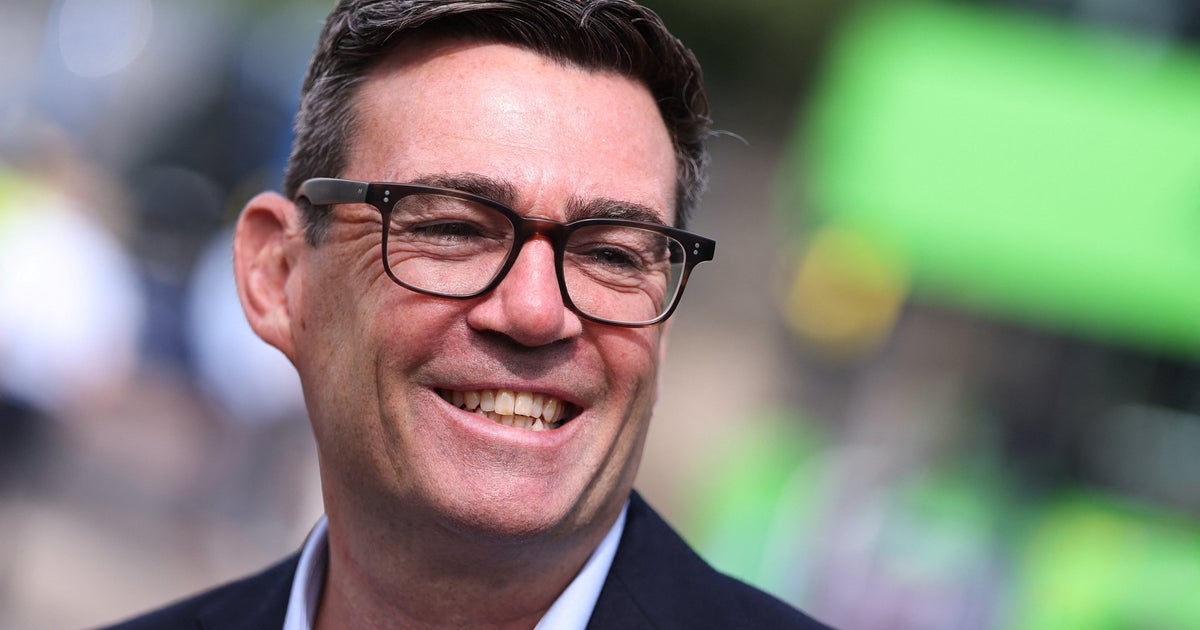
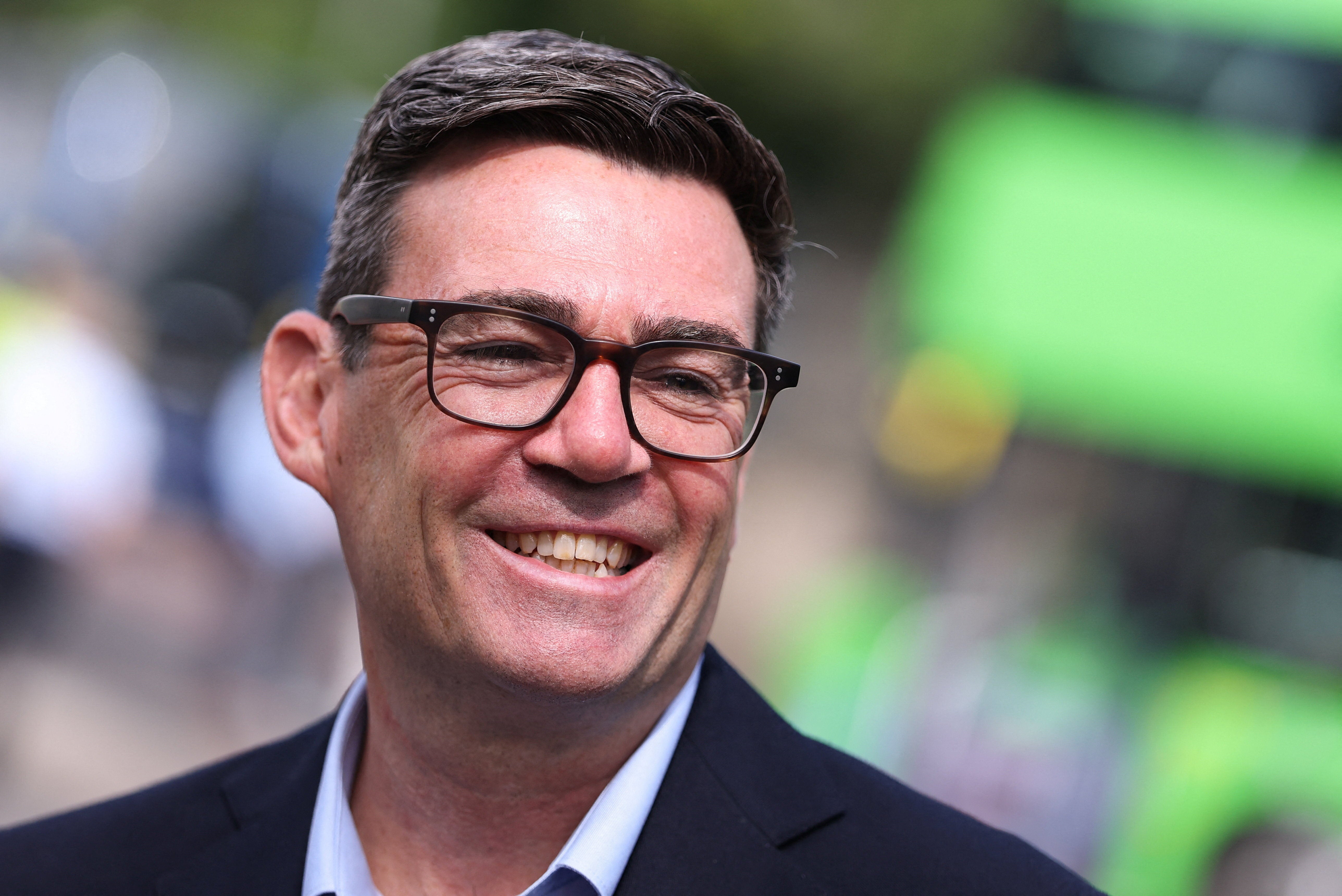
Andy Burnham ‘Disappointed And Concerned’ By Move To Block His Bid To Stand As Labour MP

Andy Burnham has said he is “disappointed” by the decision to block him from standing as a Labour candidate in the upcoming by-election and “concerned” about the repercussions.

The mayor of Greater Manchester threw his hat into the ring for the Gorton and Denton by-election on Saturday after Andrew Gwynne stepped down.

But, as the directly elected mayor, Burnham – who served in the cabinet under Gordon Brown – had to seek approval from the National Executive Committee (NEC) to be considered as a Labour candidate.

Eight of its 10 members voted against allowing him to stand, with only one member voting in favour of letting him run and one abstaining.

The prime minister was among those who voted to stop Burnham’s bid to return to Westminster.

Burnham is often seen as a challenger to Keir Starmer and allies feared that his presence in Westminster may have destabilised the prime minister’s government.

In a post on X, the Labour politician wrote: “I am disappointed by today’s decision and concerned about its potential impact on the elections ahead of us.

“To whoever is Labour’s candidate and to our members in Manchester and Tameside: you will have my full support in this fight and I’ll be there whenever you need me.”

He added: “Tomorrow I return with full focus to my role as Mayor of GM, defending everything we have built in our city-region over many years. I decided to put myself forward to prevent the divisive politics of Reform from damaging that. We are stronger together and let’s stay that way.”

But the NEC’s move has sparked a major backlash from within the Labour Party, with one MP telling HuffPost UK that many backbenchers feel it was a “cowardly” decision.

Senior Labour figures including energy secretary Ed Miliband and deputy Labour leader Lucy Powell had previously said they thought Burnham should be allowed to run.

The Labour Party issued a statement defending the NEC on Sunday, saying allowing Burnham to run would have triggered an “unnecessary election for the position of Greater Manchester mayor”.

It claimed this “would have a substantial and disproportionate impact on party campaign resources ahead of the local elections and elections to the Scottish Parliament and Welsh Senedd in May”.

It added: “Although the party would be confident of retaining the mayoralty, the NEC could not put Labour’s control of Greater Manchester at any risk. ”

Housing and local government secretary Steve Reed told the BBC that it was not the right time for Burnham to return to parliament.

He said the NEC voted against it because “of the huge inconvenience to two million voters across Greater Manchester of having a by-election for a new mayor”.

“I know that’s disappointing for Andy,” Reed said. “But it’s good news for the people of Greater Manchester because he’s been doing such a good job as the mayor there.”

He claimed “voters don’t like elections that come mid-term” adding that “in due course, I look forward to seeing Andy back in parliament”.

Share Button

The Ripeness Level Of Your Avocado Actually Matters For Your Health – Here’s How

Most people judge an avocado’s readiness by one simple test: a gentle squeeze. Too firm, and it stays on the counter. Too soft, and it risks going straight into the bin. (Yes, we agree, the window between those two states often feels comically short. But that’s fodder for another story).

Beyond texture and taste, though, the ripeness of an avocado actually shapes how your body digests it, absorbs its nutrients, and even responds metabolically after you eat it.

In fact, as avocados ripen, their internal chemistry changes. Fats become more accessible, carbohydrates shift form, and antioxidant levels rise and fall. According to doctors and nutrition experts, these changes can influence digestion, blood sugar response and nutrient absorption.

That’s all to say that an avocado’s health benefits aren’t fixed but actually evolve as the fruit matures – just as is the case with bananas.

Why avocado ripeness matters

When an avocado ripens, “there is a shift in the nutritional structure and absorption,” said Dr. Parth Bhavsar, a board-certified family medicine physician who specialises in nutrition.

Specifically, as time goes by, enzymes break down cell walls, which makes fats easier for the body to absorb. This also affects carotenoids like lutein and beta-carotene, whose bioavailability improves in a fat-rich environment.

Dr. Cintara Bradley, a resident physician at Sonoran University of Health Sciences Medical Center who specialises in nutrition, lifestyle management and digestive health, noted that ripening significantly changes lipid content, carbohydrate composition, amino acid availability and phenolic compounds.

While avocados remain nutrient-dense throughout their life cycle, the ratios of fats, fibre and antioxidants shift quickly as they approach and move past peak ripeness.

Unripe avocados

Unripe avocados are firm and difficult to eat for a reason. When an avocado hasn’t ripened yet, your body has a harder time breaking it down. At this stage, much of the starch hasn’t converted into more usable forms, the fats aren’t as easy to absorb, and the fibre is tougher.

Getty Images

Bhavsar explained that unripe avocados contain resistant starch and “less accessible lipids,” meaning your body can’t easily access all of the calories and nutrients during digestion. In practical terms, you’re getting less nutritional payoff from each bite.

There may be a small metabolic benefit, though. “Resistant starch resists the metabolic process and the post-prandial increase of blood sugar concentration,” Bhavsar said. Put simply: Unripe avocados digest more slowly and may help prevent blood sugar spikes after eating. He added that this process can support insulin sensitivity and gut bacteria balance.

Dr. Patrick Ryan, a primary care and sports medicine physician in San Diego and the founder of telehealth platform HemyRX, similarly noted that unripe avocados may help with glycemic control because glucose is absorbed more slowly.

Still, most experts say this stage isn’t ideal for everyday eating. Bhavsar pointed out that slow digestion and gastrointestinal discomfort can make unripe avocados unpleasant or hard on the stomach. And according to Bradley, unripe avocados don’t offer meaningful advantages over ripe ones, especially since avocados already have a low glycemic load, regardless of ripeness.

Barely ripe avocados

As avocados begin to soften, they also become easier for your body to handle. The tough starches start breaking down and the healthy fats inside the fruit become easier to absorb.

As Bhavsar put it, “resistant starch is gradually turning into non-resistant fats, while your levels of soluble fibres are increasing.” This means your body can access more nutrients without losing the fibre that helps you feel full.

Ryan explained that barely ripe avocados are easier to digest than unripe ones, while still slowing how quickly sugar enters the bloodstream. They also contain less fat than fully ripe avocados, which can be helpful for people who want the benefits of avocado without feeling weighed down.

Bhavsar added that avocados that gently yield when pressed can help control appetite and keep blood sugar steady. Because they are digested more slowly, they help prevent blood sugar spikes while still allowing your body to absorb key nutrients.

Fully ripe avocados

Fully ripe avocados give your body the most nutrients it can actually use in the easiest way for your body to absorb them, Bhavsar said.

According to Ryan, ripe avocados also help your body take in antioxidants and fat-soluble vitamins, which support heart health, balance hormones and reduce inflammation.

Bradley pointed out that antioxidants, especially phenolic compounds, are highest when the avocado is perfectly ripe, before enzymes start breaking them down. Other vitamins and minerals, like potassium, magnesium and folate, stay steady, while fats become fully available.

Because the fat is fully accessible, calories are higher at this stage. Ryan noted this matters for people who are watching calories and Bhavsar said portion size is key (though even fully ripe avocados are still healthier than refined carbs), but one thing is clear: Avocados that are fully ripe are at their peak in terms of flavour and variety of nutrients offered.

Overripe avocados

Once an avocado passes peak ripeness, oxidation begins to affect its nutritional quality. Bhavsar explained that while fats, fibres and minerals remain, antioxidant properties decline. “Browning signals an indicator that polyphenols, with potential health benefits, are being broken down and will instead ferment,” he said.

Bradley noted that oxidised fats contribute to bitterness while antioxidant levels diminish dramatically. However, if an avocado has only minor browning and no mould or odour, it can still be safely used in smoothies or baking.

So, is there an ideal ripeness?

The answer depends on your goals. Bhavsar suggested that “lightly to gently ripe” avocados optimise fat assimilation and satiety, while barely ripe may be preferable for gastrointestinal regulation.

Ryan agreed that ripe avocados work best for most people, but noted that blood sugar control or calorie awareness may influence preference.

Bradley, on the other hand, said that peak ripeness offers the best balance of nutrient density, bioavailability and enjoyment.

In short, it’s clearly not just about flavour: the ripeness of an avocado actually changes how (and what!) your body digests and absorbs.

Share Button