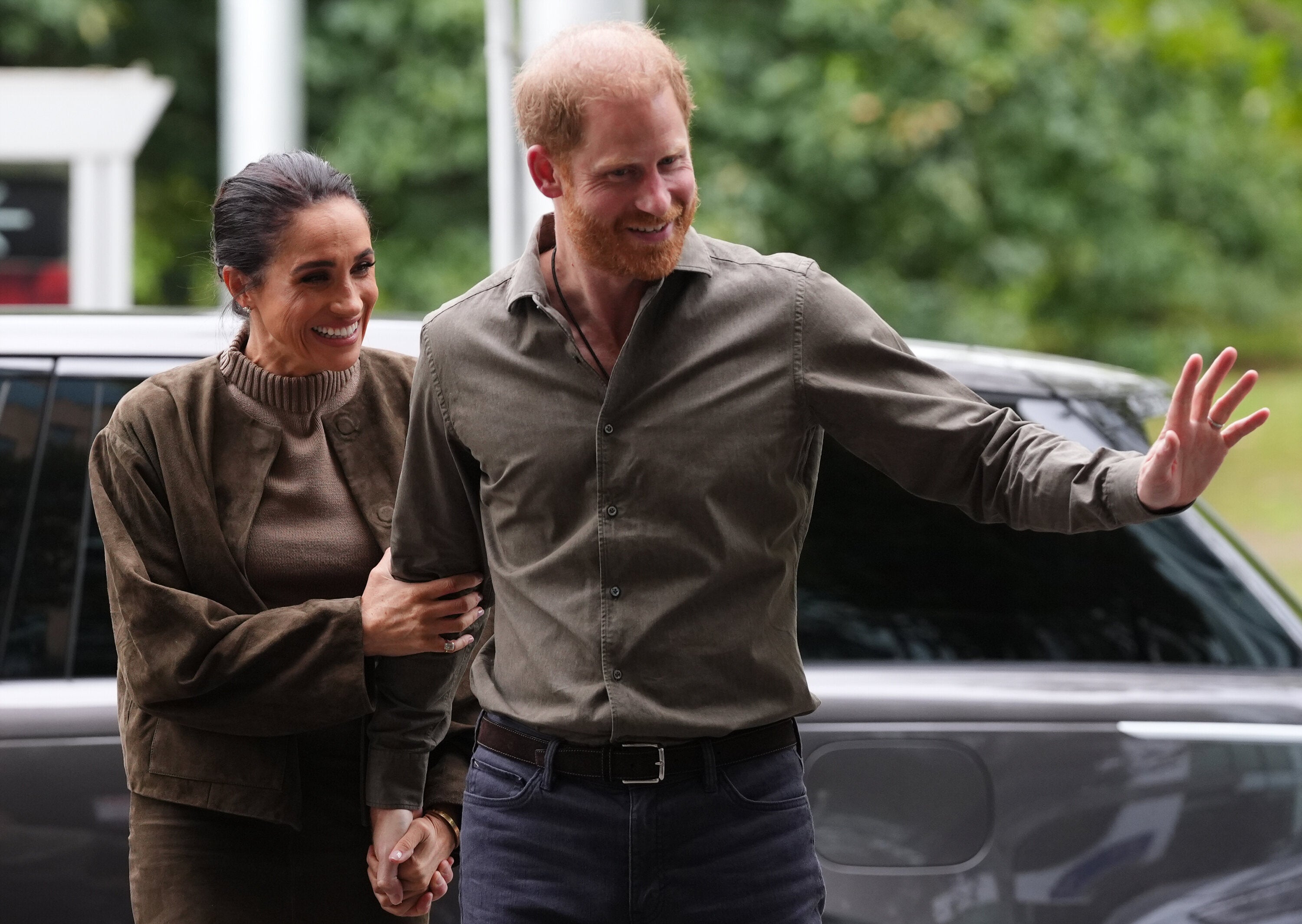
Harry and Meghan moved to the US in 2020 after choosing to step down from their royal duties but will be relocating to a non-royal residence outside of London later this month.
Advertisement
The Duke of Sussex, who is fifth in line to the British throne, lost a legal challenge over how much state-funded security he and his family are entitled to while in Britain last year.
The revelation that he is now bringing his wife and two children back to the UK has therefore come as a shock.
Advertisement
When asked how the non-working royals will be protected while in Britain, the prime minister said their security a “private matter”.
“Well, this is a private matter,” he told reporters while on a visit to West Yorkshire. “It’s a matter for for Harry and for Megan, and we wish them well in the moves that they’re making.”
Education secretary Lucy Powell also told LBC: “I think that the vast majority of your listeners will welcome that news and – they obviously are not working royals anymore – and want to come back to this country.
Advertisement
“I assume because we do have great schools, great education, that’s why many people do return to this country and choose this country to bring up their children in.
“And I hope that this is all part of a bigger reconciliation for the family because you know the royal family is very important to this country and to our reputation around the world, and you know I for one think it’s great to have Harry and Meghan and their family back here.”
Harry and Meghan’s children, seven-year-old Prince Archie and five-year-old Princess Lilibet, are in the line of succession behind their father.
Advertisement
They have been enrolled in a British school from September onwards, suggesting the Sussexes intend to be back in the UK for the long-haul.
Harry and his family went to visit his father King Charles in July in Highgrove, though it’s thought their move back to Britain was not discussed.
The monarch was reportedly only told about their decision to relocate on Sunday, though he is said to welcome the idea of seeing his family more in a personal capacity.
Advertisement
Harry and Meghan are expected to continue living as private individuals.
Their return to the UK comes six years after the Sussexes dramatically fell out with the Royal Family and moved across the Atlantic amid heightened press scrutiny.
While the couple’s relationship with Charles and his wife Queen Camilla appears to be on the mend after their July visit, it’s unclear if they have built bridges with the Prince and Princess of Wales.
The King had not see his grandchildren for more than four years prior to the Sussexes’ trip earlier this summer, and the Duke of Sussex previously said security fears had stopped him bringing his family to the UK.
Advertisement
Harry and Meghan have not been seen publicly in the UK since they attended the 2022 funeral of Queen Elizabeth II.
A Home Office spokesperson said decision on the security of royals were taken by the Executive Committee for the Protection of Royalty and Public Figures.
They said: “The UK government’s protective security system is rigorous and proportionate.
“It is our long-standing policy not to provide detailed information on those arrangements, as doing so could compromise their integrity and affect individuals’ security.”
Advertisement
The Home Office, the Metropolitan Police and the royal household all sit on that executive committee.
They work together to advise the independent chair in making decisions, based on expert risk assessments and in line with government policy.
Listen to Commons People, the podcast that makes politics easy. Every week, Kevin Schofield and Kate Nicholson unpack the week’s biggest stories to keep you informed. Join us for straightforward analysis of what’s going on at Westminster.
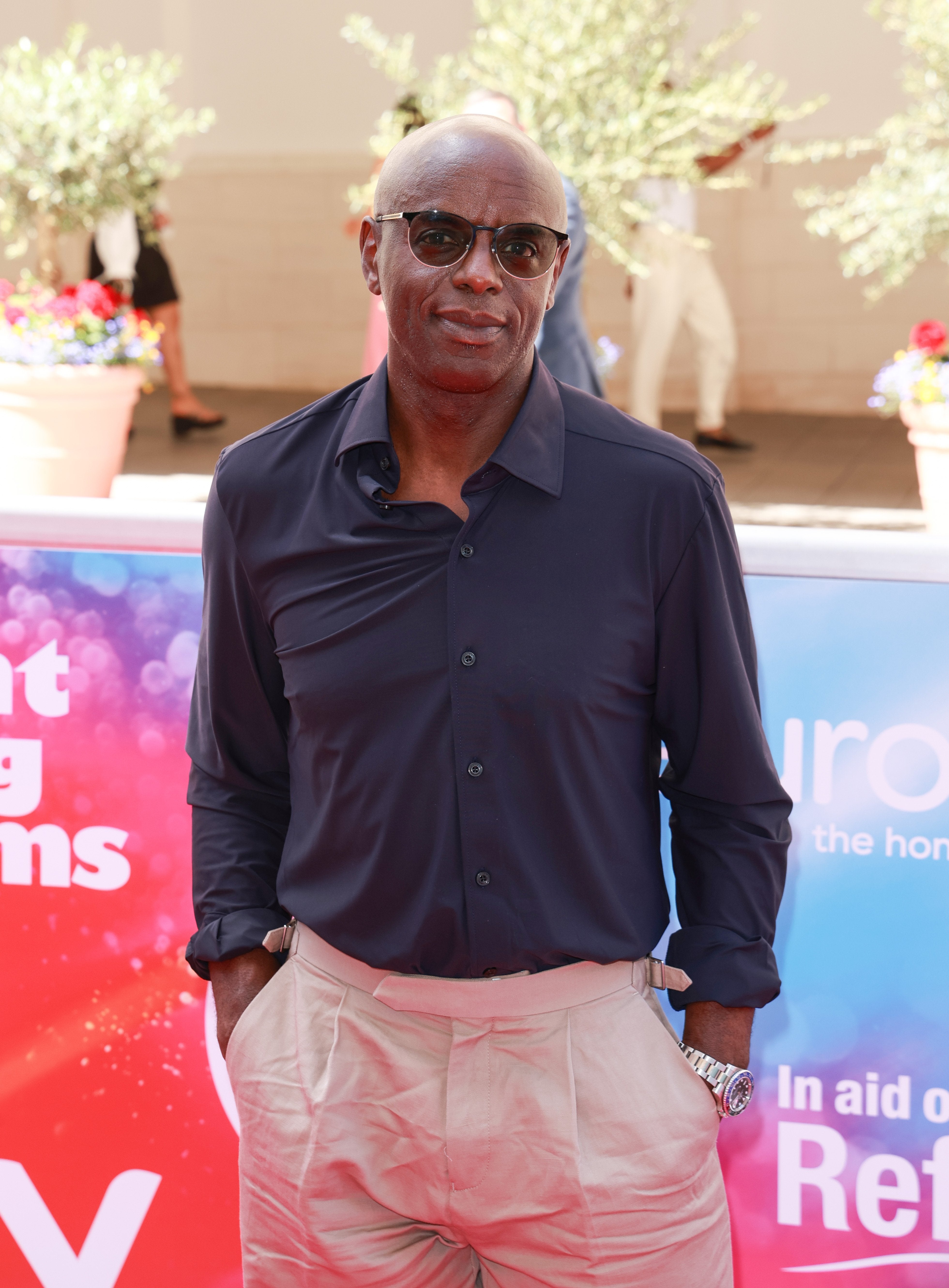
DJ and radio presenter Trevor Nelson has disclosed that he has been diagnosed with a brain tumour.
Back in June, Trevor announced he would be taking a step back from his work commitments on Radio 2 and Radio 1Xtra on medical grounds.
“After a routine check-up I was advised to have some follow up tests. As a result, I will be taking some further time off,” he said at the time. “As I’m sure you can appreciate with health issues, it’s important to deal with facts and not speculate.
Advertisement
“So I’m concentrating on getting better, being back to 100% me and to getting back behind the mic and the decks.”
On Thursday afternoon, Trevor shared a video on Instagram, explaining that he’d spent the last month at home recovering from brain surgery.
“A lot of you may have seen the post that I put up at the start of summer saying that I was stepping back from all my work commitments due to illness,” he began. “There’s been a lot of speculation as to what’s wrong with me, I know that much – my phone’s blown up 20 times over with people asking what’s wrong with me.
Advertisement
“Due to the love and positive vibes thousands of you have literally been sending me, I felt that I should at least tell you what was wrong with me, and what happened to me.”
He continued: “I’m not going to go into it all now, and I will probably deep dive into it at a later date, so you can hear the whole crazy story. But I’ll tell you this, I was minding my own business, and then it was discovered that I had a brain tumour.
“As you can imagine, I was shocked, in fact, my world was turned upside down. It was a shock to myself, my close family and friends, and you can imagine, quite literally, my head was all over the place.
Advertisement
“I knew I had to stop work because I couldn’t be that guy on the radio, knowing I had that going on. So affirmative action had to be taken, I was given my choices of what I could do, and a few weeks later, I had a very serious surgery. Thankfully, it went incredibly well, and in the last month, I’ve been at home, recuperating, resting and recovering, and getting some post-op treatment as well.”
Trevor insisted: “I can only tell you the truth, and the truth is, I feel great right now. I feel ready to come back, I feel energised, I feel almost back to myself. Yes, I’ve had a really serious situation, but I’ve come out the other side at this point. I feel great, I feel raring to go, and I feel in good health.
“I’m playing golf, I’m doing a bit of gym, I’m doing all the things that I normally used to do, bar being on the radio and doing gigs – so let’s get that straight, and let’s get that back to normal as soon as possible. So please, don’t worry about me. I’m on the mend, I really am.”
Advertisement
Trevor is currently a weekend presenter on Radio 2, and hosted a Sunday morning show on 1Xtra until his recent health issues.
Radio 2’s official Instagram account shared a message under Trevor’s post, which read: “Sending you so much love Trevor! Can’t wait to have you back.”
Advertisement
His former BBC colleague Clara Amfo said: “Thank God for your brilliant surgeons, you’re meant to be here UT! Love you.”
“So good to see your face Trevor and learn that you’re doing well. Huge healing love to you wonderful man,” wrote Zoe Ball, while Jack Saunders also commented: “So glad you’re feeling better [and] more like yourself mate. We need you. Sending all the love and can’t wait to have you back doing what you do best!”
The government has been slammed for giving asylum seekers pamphlets on behaviour and expectations in the UK around sexual consent.
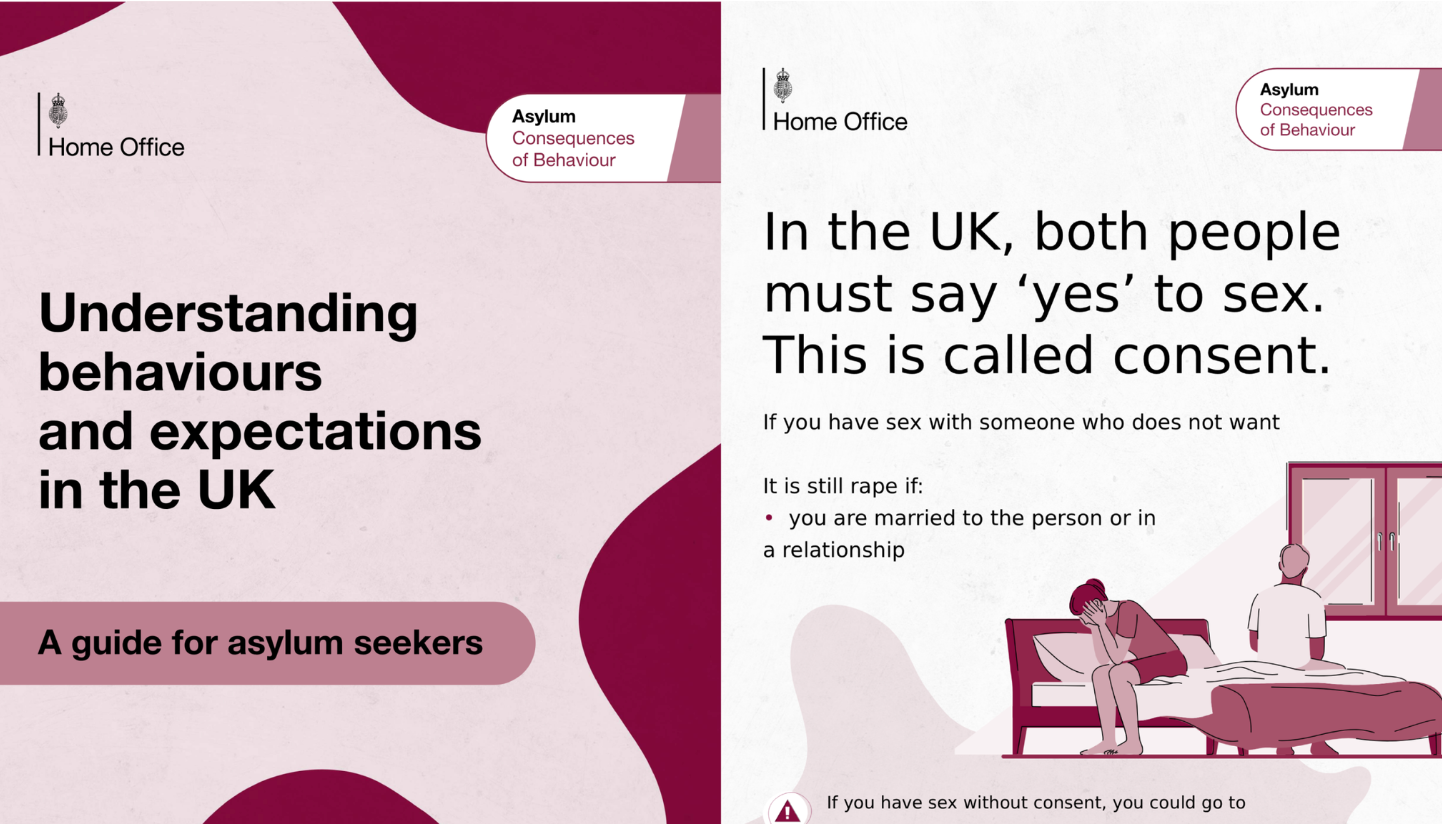
The Home Office has published a guide for those arriving in Britain telling them not to rape or sexually harass people, including partners and children.
Advertisement
The documents also tell refugees that women are allowed to “earn their own money” and “make their own decisions about their lives”.
The guidance, which appears to be aimed at men, claims people in the UK are expected not to make sexual remarks about someone “even if you think it is a compliment”.
It also urges asylum seekers not to make “kissing sounds” at someone, follow someone around or “block their path”, make rude or offensive gestures or “verbally abuse someone because of their gender, religion or how they look”.
Advertisement
The pamphlets warn asylum seekers they could end up in trouble with the authorities, lose their accommodation or face issues with their asylum claim if they are found to have broken the law.
The guidance is part of a nine-page document called, “Understanding behaviours and expectations in the UK: a guide for asylum seekers”.
Green peer Jenny Jones told Sky News: “This is a dangerous and unnecessary move by the Home Office which feeds into right wing tropes, and fuels the misinformation around migrants and people seeking asylum which has resulted in violent protests outside places where migrants are being housed, and attacks on migrants themselves.
Advertisement
“Shabana Mahmood needs to apologise for this grave error of judgement and take responsibility for any future consequences.
“We support consent education, but it needs to be universal. There is no evidence violence against women and girls is higher amongst migrants and people seeking asylum than among the general population.
“CPS research found that 30% of people do not recognise that being married or in a relationship means consent cannot be assumed, so why are only asylum seekers being told this is wrong?”
Advertisement
Conservative shadow home secretary Chris Philp also slammed the brochures, saying: “Instead of trying to train these mainly young, male illegal immigrants to behave in a civilised way towards women, they should be deported.”
Reform UK’s home affairs spokesperson Zia Yusuf said the guidance was a “disgrace”.
Prime minister Andy Burnham defended the brochures on Wednesday afternoon, telling broadcasters: “As a government we have a very clear principle. If you break UK law, you will be removed from the country.
“I’m currently working to ensure that foreign national offenders who can be removed from the prison system are removed from that system.”
Advertisement
He added: “So it follows that if we’re taking this approach it’s made explicitly clear what the UK law is and what the societal norms of the UK are and that’s why this approach is being taken now.”
Listen to Commons People, the podcast that makes politics easy. Every week, Kevin Schofield and Kate Nicholson unpack the week’s biggest stories to keep you informed. Join us for straightforward analysis of what’s going on at Westminster.
A documentary questioning whether attention deficit hyperactivity disorder (ADHD) is a genuine condition or a social construct has aired on Channel 4 – and it’s proven predictably divisive.
The show, titled The Great ADHD Myth?, has prompted a wave of responses online from doctors, charities and people with the disorder who are concerned it will contribute to stigma surrounding the condition.
Advertisement
A reactionary survey by the charity ADHD UK in the wake of the documentary revealed that (at the time of writing), of 1,566 people who watched the show, 92% believe it has increased stigma surrounding ADHD, while 93% do not believe the show was fair in its representation of the condition.
ADHD UK’s CEO and co-founder, Henry Shelford, told HuffPost UK: “We are shocked by this programme. The fact it got commissioned at all speaks to the stigma around ADHD – a stigma that is now likely to get worse because of this show.”
The charity had previously penned an open letter to Channel 4 urging it to make a series of changes to the documentary before its release, including a review of the title and for the broadcaster to “make clear on screen where contributors’ views sit relative to mainstream clinical consensus”.
Advertisement
What was Channel 4’s ADHD documentary about?
The documentary followed NHS psychiatrist and Daily Mail columnist, Dr Max Pemberton, as he spoke to medical experts who questioned the conventional narrative around ADHD.
One such expert, Dr Iona Heath, the former president of the Royal College of General Practitioners, said: “It’s certainly not a medical condition as far as I’m concerned.” Another child psychiatrist said: “In 100 years’ time people are going to wonder, ‘How could we be so gullible?’”
The show posed a number of questions including whether ADHD is a disorder or social construct, how it should be treated (including whether diet and lifestyle changes could help), whether medication is the right approach and who benefits from increasing diagnoses.
Advertisement
Dr Pemberton – who remains certain he doesn’t have ADHD – underwent a private assessment (costing £1,200) and was diagnosed with combined ADHD and a prescription for medication.
The documentary also followed a family who wanted to see whether holistic lifestyle changes could eliminate their 10-year-old son’s use of ADHD medication. The pills “take my fun-ness away”, he said, however the programme noted at the end he did go back on them.
ADHD UK’s survey found 80% of those surveyed said it wasn’t “responsible” for a broadcaster to film a 10-year-old stopping his ADHD medication for television.
Advertisement
In response, Channel 4 told HuffPost UK: “The welfare of the boy and his family were of paramount importance both before, during and after the production process. An independent doctor, his GP, and a health and safety company were consulted.
“Advice was also taken from three independent psychiatrists on the medication break. This programme was produced in compliance with the Ofcom Broadcasting Code.”
The Times’ review of the show called its arguments “convincing, or at least the start of a necessary discussion”, although they did note “there was no real counter-argument offered to the idea of ADHD as a ‘myth’”.
Advertisement
Meanwhile the Guardian said Dr Pemberton “answers his questions convincingly”, highlighting the remedies proposed at the end, such as changing diet, screen and activity levels first, adapting schools to children’s needs, and making medication the last resort “seem neither radical nor uncompassionate”.
Both publications gave the doc four stars.
The show sparked backlash from people with ADHD
The NHS says ADHD is a “complex neurodevelopmental disorder, which starts in childhood and often persists into adulthood” and “is associated with significant impairment”. It’s also recognised by the World Health Organisation (WHO) and the National Institute for Health and Care Excellence (NICE).
It is marked by a persistent pattern (at least six months) of inattention and/or hyperactivity-impulsivity that has a direct negative impact in more than one setting – ie. home, school, work – on academic, occupational, or social functioning.
Advertisement
Shelford, who has ADHD, said the latest Channel 4 documentary “is a travesty in its missed opportunity to help slay myths around ADHD; instead, it has added to them”.
He said ADHD “can be extraordinarily tough” and pointed to UCL-led research which showed UK adults with diagnosed ADHD have a shorter life expectancy. There was a reduction in life expectancy for men with diagnosed ADHD of between 4.5 and nine years, and between 6.5 and 11 years for women.
“Our failure to support people with ADHD should be a national scandal – instead we’re getting TV shows undermining the disorder,” he said.
Advertisement
“We have already complained to Ofcom and will be following up with a more detailed complaint.” The charity has also encouraged others to make complaints to the regulator.
“We are worried that this will cost lives by putting people in need off getting an ADHD assessment and from getting support,” added Shelford.
Others were quick to share their thoughts on the controversial documentary on social media after it aired.
Advertisement
Clinical psychologist Dr Emily Compton-Smith wrote on Instagram: “We should absolutely be able to discuss diagnosis, and where things could be improved.”
That said, she was “troubled” by “how one-sided the programme felt,” she continued, adding that “what felt missing … was the voice of the people actually living it”.
She also aired concerns that “many people will watch it and come away more sceptical of ADHD, while people with ADHD will once again be left feeling like they need to justify themselves”.
Advertisement
Adam Dance, the Liberal Democrat MP for Yeovil, who also has ADHD, shared a cross-party letter which he’d sent to Channel 4, saying he is “deeply concerned by the framing and language used to promote the documentary and by the potential consequences for people with ADHD and their families”.
I’ve led a cross-party letter from the APPG for ADHD on @Channel4‘s “The Great ADHD Myth?” As someone with ADHD & dyslexia, this matters to me. ADHD is a recognised neurodevelopmental disorder — Channel 4 must get the evidence right. Full letter: https://t.co/NPEiEJqjds
An extremely biased documentary, all the doctors & psychiatrists used clearly all share the same views. Also doing an experiment on one persons experience isn’t a very accurate experiment. Channel 4, do better and try living one day with ADHD, you’ll soon realise it’s not a myth https://t.co/1on043AF2G
Not this show essentially now telling people that if they make changes to their life they can change their brain and get rid of ADHD. What kind of dangerous and ABLEIST ‘journalism’ is this? @Channel4pic.twitter.com/3H4MB1LtG3
Meanwhile others praised the show as “fantastic” and “inspirational”.
I know many people will find this documentary difficult to stomach, especially if being ADHD is central to one’s identity. But there’s no evidence ADHD is rooted in biological dysfunction. It’s rather a phrase describing some behaviours. It’s not a thing👇https://t.co/y4UL4JgbiT
I actually think #TheGreatADHDMyth was inspirational. How have we allowed Big Pharma, careless GP’s, snake oil salesmen with their absurd tests/pacifying drugs to impact tens of thousands of children and adults with a ‘neuro developmental’ diagnosis/condition/label? I am not an…
One in five (20%) people who watched the show and responded to ADHD UK’s survey said the programme had caused them ‘severe’ distress, with 38% saying it caused ‘significant’ distress.
A top aide to Vladimir Putin has bizarrely declared he “feels sorry” for the UK after Britain was threatened by the Russian Embassy in London over its support for Ukraine.
Moscow’s representatives in the UK warned of the “consequences” following confirmation that British-made drones had been used in recent Ukrainian attacks in Russia.
Advertisement
The embassy claimed Britain was “deliberately opting for an escalation of the Ukraine crisis,” and said the “deeper its involvement in the conflict… the higher the price it will pay”.
UK prime minister Andy Burnham remained unperturbed by the threats on Tuesday, telling reporters that the UK was “providing support so that Ukraine can defend itself and that’s been the British position all the way through this conflict, by previous prime ministers – it remains the case with me”.
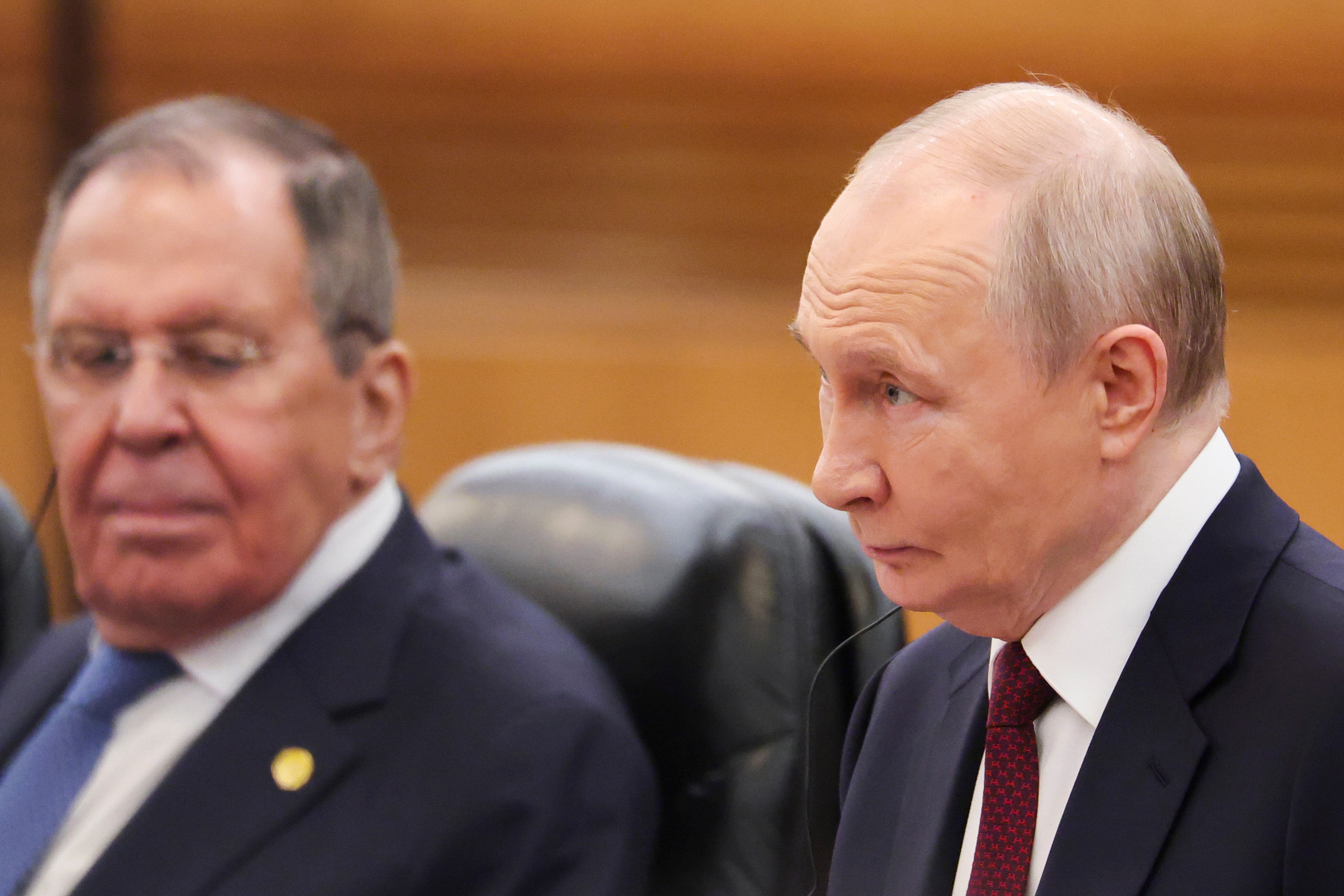
Asked about the spat with the UK on Wednesday, Russia’s foreign minister Sergei Lavrov tried to deliver yet another threat as he again suggested Britain is directly involved in the war.
Advertisement
He told the media: “I feel sorry for the United Kingdom, if it is going to stand with Ukraine until the very end.
“As for the substance of our Embassy’s comment, it means only one thing: President Vladimir Putin has warned of our right to act in any area of the world’s oceans, should anyone encroach on our interests or our property.
“We have exactly the same right to regard the proudly announced direct involvement of British missile forces in strikes against the Russian Federation as participation in the war. With all the consequences that entails.”
Advertisement
His remarks come after a former deputy foreign minister of Russia told BBC Radio 4’s Today programme that many in Moscow interpret the recent strikes from Ukraine as proof the UK is “part of the war”.
“The situation now is very dangerous, because the tension of conflict in Ukraine really is increasing,” Andrei Federov added. “The coming couple of months will face this tension, this escalation which can bring us to totally different situation unlike ever before.”
Listen to Commons People, the podcast that makes politics easy. Every week, Kevin Schofield and Kate Nicholson unpack the week’s biggest stories to keep you informed. Join us for straightforward analysis of what’s going on at Westminster.
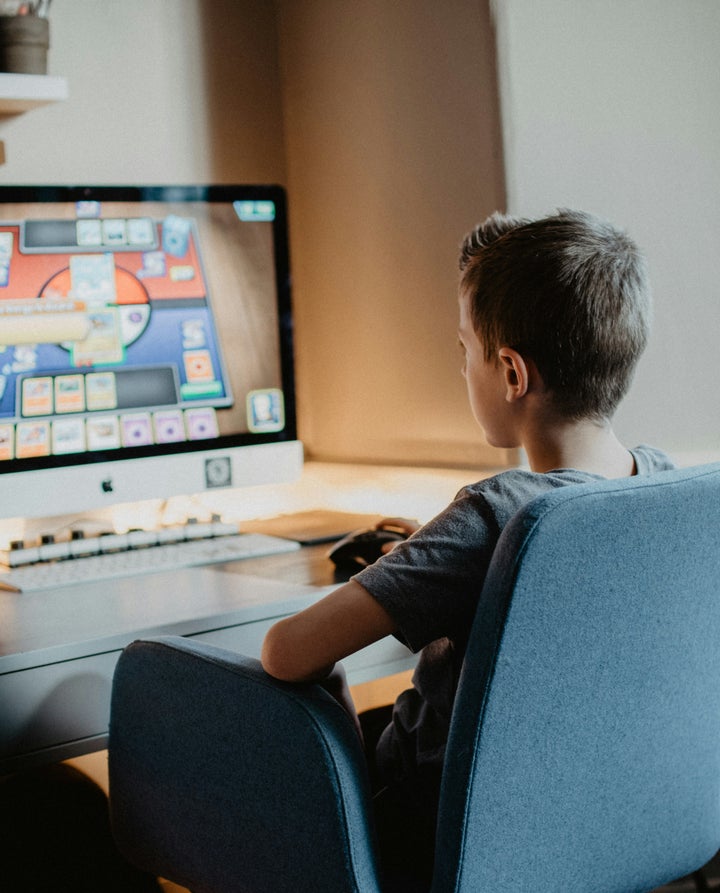
But what about the impact on brain function? Well, a new study from Finland found kids who had higher amounts of screen time during childhood ended up with better cognitive processing in their teen years.
Advertisement
Cognitive processing refers to the mental functions which are linked to thinking, learning, memory and executive function.
Researchers said the findings suggest screen time can support children’s and adolescents’ cognitive processing. But they stressed a key consideration here is what kind of things children do during their screen time.
The findings are based on an eight-year follow-up of the PANIC study on children’s physical activity and nutrition. The study involved 124 girls and 136 boys, whose average age was 15.
Advertisement
Physical activity and sedentary behaviour were measured by a device that combined heart rate and movement measurements and also by a survey questionnaire, while learning, attention and working memory were also assessed.
Not all screen time is equal.
Doctoral researcher Petri Jalanko, from the University of Jyväskylä, said children should be encouraged to use screens in ways that promote active thinking, problem-solving, creativity and learning.
Advertisement
Parents shouldn’t just see screen time as harmful, he added, but should seek balance between physical activity and screen time that promotes active thinking.
The research tracks with previous research on brain function and screen time. A 2023 study of nearly 12,000 children in the United States found no evidence that screen time impacted brain function or wellbeing.
A study in older adults, meanwhile, found active screen use was generally associated with better cognitive outcomes, particularly in memory, executive function, and attention.
Advertisement
Passive screen use, on the other hand, was linked to poorer outcomes, including verbal memory and global cognition declines.
The latest findings come after a survey found almost one-quarter (24%) of parents of three‑ to five‑year‑olds find it hard to control their child’s screen time, and 98% of two‑year‑olds watch screens every day.
In the UK, the government has issued guidance on screen time for under-fives, suggesting under twos should avoid screen time other than for shared activities that encourage bonding, interaction and conversation (ie. FaceTiming family).
Advertisement
Meanwhile two- to five-year-olds should stick to no more than one hour of screen time a day, and screen time should be avoided at mealtimes and in the hour before bed, so as not to disrupt sleep.
Watching screens with an engaged adult where parents talk and ask questions has been linked to better cognitive development than solo use.
Slow-paced content is also considered far better for development than fast-paced social media-style videos.
Advertisement
Paediatrician Dr Joel Warsh, aka Dr Gator on social media, previously shared in his newsletter that he tells parents to ask four questions when it comes to the impact of screen time on their kids.
These are:
Is my child sleeping well?
Are they able to focus without screens?
Do they play independently?
And how do they behave when the screen is taken away?
If their sleep, focus and ability to play independently is on track, and they don’t have meltdowns or angry outbursts when screens are taken away, this is a positive sign.
Advertisement
The paediatrician noted that “sometimes it’s not about the number of hours” but rather the effect of screen time on our kids that we should pay attention to.
When a famous person dies unexpectedly, people who enjoyed their work often feel the loss deeply. The news of Hayden Panettiere’s death at 36 has particularly hit manymillennials who grew up watching her performances in a way that can be hard to articulate.
Therapists and mental health experts say that reaction is completely understandable, and it says something meaningful about the generation that grew up with her.
Advertisement
“I hear this from clients all the time – that there is this confusion about why they’re crying over someone they’ve never even met,” Gina Moffa, a grief therapist and author of Moving On Doesn’t Mean Letting Go: A Modern Guide to Navigating Loss, told HuffPost.
“We have all felt it at some point with a favourite public figure. And what I say is this: Your brain doesn’t actually care whether the relationship was mutual. It bonds with what’s familiar, what’s constant, what’s shown up for you again and again, even if that showing up only ever went one direction over a TV screen or a radio.”
The clinical term that helps explain what many people are feeling right now is a parasocial relationship – a one-sided bond that the brain forms with a public figure through repeated exposure. But experts say the term doesn’t entirely capture what these connections actually feel like from the inside.
Advertisement
“If someone’s voice or presence has been an important or meaningful part of your life for years, through your breakups, your late nights trying to fall asleep, your growing up, your body doesn’t check whether they knew your name or were an actual part of your life in any reciprocal way,” Moffa said. “It only registers that this was steady, this was meaningful to me, and now it’s gone.”
“Our brains process the familiar faces and voices of celebrities we come to know and love the same way they process real friends because we see them on our screens, often daily, in our own homes,” she said.
“This is partly rooted in mirror neurons, which fire when we observe someone else’s emotions and allow us to internally mimic or feel connected to what we see as we may be experiencing many of the same emotions and events in our own lives,” she continued.
Advertisement
“When we watch a celebrity on TV, these mirror neurons let us resonate with their emotions, creating a bridge of identification.”
That’s why your brain doesn’t need a two-way relationship to form a meaningful attachment. Spending formative years with a pop culture figure creates a sense of familiarity, which can foster a genuine sense of companionship.
“Whether it is music, movies, sports, television or social media, we can feel like our paths have mirrored the path of the celebrity and we have ‘grown up with them’ or they represent a particular moment or time in our lives,” said Dr. Jessi Gold, a psychiatrist and chief wellness officer at the University of Tennessee System.
Advertisement
“I think about this like, ‘Oh, that movie meant so much to me when…’ and we have feelings that associate with that movie, that time, that character, and those translate to the human who portrayed them.”
“
As we age as millennials, the death of celebrities shakes us out of our egocentric internal teenage feeling and forces us into the fragile reality that our own mortality is real.
– Tychelle Graham-Moskowitz, therapist
So when that celebrity dies, you might feel grief over who they were to you or that time in your life. For nostalgia-driven millennials, it can be a powerful gut punch.
Advertisement
“I do believe there is a special relationship with millennial grief of celebrities,” Moffa said. “With my millennial clients, what I notice is that the grief they experience is not really just about the person, but also about the version of themselves that existed the last time they watched them and how they felt about their own life and themselves in the world.
“These weren’t just actors and actresses – they were sitting on the couch with us as kids, shaping what we thought friendship or relationships or love looked like. So when they’re gone, part of what’s actually being mourned is that chapter of your life feeling unreachable in a new way.”
Because Panettiere was a child actor as well, many millennials literally grew up alongside her and feel her death in a deeply personal way.
Advertisement
“As we age as millennials, the death of celebrities shakes us out of our egocentric internal teenage feeling and forces us into the fragile reality that our own mortality is real,” Graham-Moskowitz said.
Public figures remind us of the passage of time and our own place within it.
“When a person who represented those memories or versions of ourselves dies, it can feel like a piece of history lost, or it can make us confront our own age more and the idea that we are getting older, our friends are getting older, and we will have more loss as a result,” Gold said. “Death reminds us that time has passed – even if part of us still feels like we were watching them on TV yesterday.”
Jon Kopaloff via Getty Images
Hayden Panettiere died on Aug. 16, just days before what would have been her 37th birthday.
Advertisement
Panettiere and other former child actors who have recently passed away – like Michelle Trachtenberg and Daveigh Chase – served as role models and influential peers in a sense.
“Celebrities who were present during your developmental years become part of your internal reference system,” said Chloë Bean, a licensed marriage and family therapist.
“They model resilience, sexuality, independence and aspirational qualities when you’re just starting to figure out who you are. You looked up to them in your youth for guidance and self-direction. So you’re grieving that chapter, your childhood, and the part of you that felt so connected to them.”
Advertisement
She also pointed to the role cable TV played in cementing these bonds as well.
“For many millennials, the TV was the babysitter and an escape,” Bean said. “These actresses felt like friends because they were in your home multiple nights a week, sometimes for years. You weren’t just watching them on the screen, the experience felt like you lived and grew up alongside them. Millennials compare themselves to millennial celebrities in a way that no other generation has before. We aged with them, watching them getting married, struggling, hitting their 30s and 40s.”
Other technological advancements further deepened the connection and the sense of certain celebrities as a constant, stable presence in life.
“Millennials were the first generation to have access to the internet in our homes as a regular occurrence, so not only did we see our favourite celebrities in movies, on television, in magazines and so on, but we got a chance to search more about them on the internet and eventually in the palms of our hands,” Graham-Moskowitz noted.
Advertisement
It’s safe to assume Gen Z may feel celebrity losses even more intensely due to their lifelong parasocial access as well.
“The loss of a celebrity can also be a grief trigger to other grief – other relationships we’ve lost or represent a loss of time, innocence and childhood, or even symbolise our own death or mortality,” Gold said. “And, the communal reaction on social media can also amplify the expression of it all. The grief is usually about more than just the person.”
Therapists pointed to another profound dimension in grieving Panettiere’s death.
“With Hayden specifically, I think what made this loss land so [personal] for so many people is that she wasn’t just a face we grew up watching – she used her platform to speak openly about postpartum depression and trauma and battles with drug use, at a time when very few public figures are willing to say those things out loud and be this vulnerable,” Moffa explained.
Advertisement
Indeed, Panettiere’s recent memoir and interviews added to the depth of connection.
“Unlike many celebrities who have struggled with mental health or substance abuse, Hayden was extraordinarily open about her experiences, and that kind of vulnerability results in followers truly rooting for her and wanting her to overcome these obstacles, which makes her loss even more devastating,” said licensed marriage and family therapist Becky Stuempfig.
“When someone visible says ‘me too,’ it gives people permission to stop hiding their own pain,” Moffa added. “She didn’t just play characters we loved; she showed up as herself, in her own struggle, and that kind of honesty tells people watching from their own dark moments that they’re not alone in the struggle. That can be a whole other part of the grief experience we don’t talk enough about.”
Bean captured what makes this grief so uniquely hard to put into words.
“The millennial generation will feel every celebrity passing because we grew up believing we knew them,” she said. “Social media provides intimacy and daily access, but growing up watching these actresses on shows created a fantasy that felt real. We’re grieving them like we’d grieve a friend who turned out to be a stranger, someone we only knew from one direction. That’s where the grief hits hardest, and it’s what makes it so difficult to articulate.”
Advertisement
“
She didn’t just play characters we loved; she showed up as herself, in her own struggle.
– Gina Moffa, grief therapist and author
If you’re feeling blindsided by how much a celebrity death is affecting you, therapists have some guidance.
“Don’t let anyone talk you out of feeling the shock and grief, because the relationship wasn’t ‘real’ in any traditional sense, or because they were ‘just a celebrity,’” Moffa said.
Advertisement
“Grief doesn’t require reciprocity to be legitimate. It only requires attachment and meaning. If someone shaped who you became, at any age, or time in your life, in any way, that grief deserves the same gentleness you’d give any other loss.”
She emphasised that you don’t need permission to feel deep sadness and loss.
“When a death is sudden and shocking, the unanswered questions and uncertainty about the death being accidental or intentional [exacerbate] the complicated nature of the grief process,” Stuempfig said. “This is very different than an anticipated dying process from a medical illness or ageing. Our brains and bodies have a harder time processing emotions when there are unanswered questions.”
Talk about those feelings with a trusted friend or family member, ideally even someone who was also a fan or can help identify these emotions.
Advertisement
“The concept of ‘name it to tame it’ can be helpful with grief as it is critically important to identify the various feelings that arise so they can be validated,” Stuempfig said.
Be mindful of social media consumption, too.
“You don’t need to read every tribute, every post, and every statement if you feel impacted,” Gold said. “You can still care about an event or person and their death, and detach and take time away from the news, if needed. You also should not feel like you have to post or comment if you don’t know what to say. You can take time to figure out your feelings about something or grieve alone, that is OK, too. You don’t have to say something to show you care.”
Remember that grief, as painful as it can be, may also be a source of social connection.
“As we mourn the deaths of our favourite celebrities, know that we collectively mourn together, much like to do when we mourn in our own family members,” Graham-Moskowitz said. “The connected space that the internet creates can bring us a sense of comfort and togetherness, where we feel seen. This can be helpful. Also, go call a friend!”
Advertisement
And when these experiences bring up heavier feelings around your own mental health, Gold encouraged reaching out.
“If any of these deaths make you think more about your own mental health, I hope you reach out and ask for help,” she said. “There are hotlines, local therapists and everything in between. You can also start with a trusted family member or friend. Just start somewhere.”
Advertisement
Help and support:
Mind, open Monday to Friday, 9am-6pm on 0300 123 3393.
Samaritans offers a listening service which is open 24 hours a day, on 116 123 (UK and ROI – this number is FREE to call and will not appear on your phone bill).
CALM (the Campaign Against Living Miserably) offer a helpline open 5pm-midnight, 365 days a year, on 0800 58 58 58, and a webchat service.
The Mix is a free support service for people under 25. Call 0808 808 4994 or email help@themix.org.uk
Rethink Mental Illness offers practical help through its advice line which can be reached on 0808 801 0525 (Monday to Friday 10am-4pm). More info can be found on rethink.org.
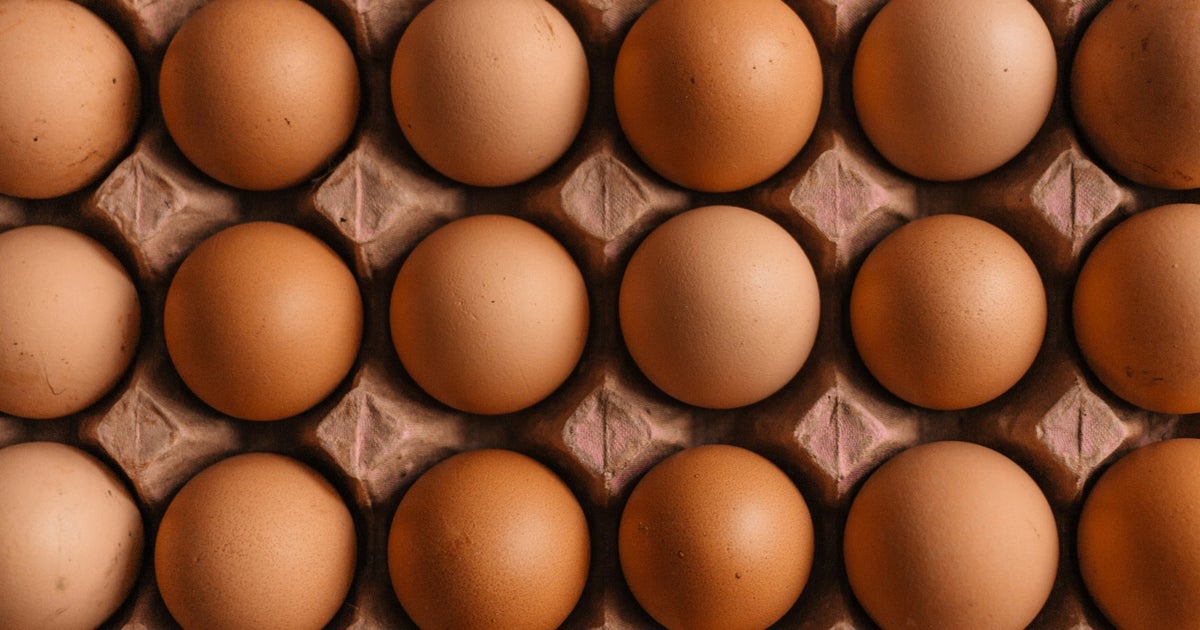
An outbreak of Salmonella in the UK has resulted in hundreds of people getting sick and one person dying.
More than a third of those impacted by the outbreak – thought to be linked to eating imported eggs – have ended up needing hospital treatment.
Advertisement
The majority have been able to recover without treatment, but would’ve suffered unpleasant food poisoning symptoms.
Of the cases identified by the UK Health Security Agency (UKHSA), 199 were in England (47 of which were in London and 38 in Yorkshire and Humber), six were identified in Scotland, with one case in Wales and one in Northern Ireland.
The main body of cases occurred between 6 and 29 July 2026.
Dr Damien Tully, Associate Professor at London School of Hygiene & Tropical Medicine, said the number of confirmed cases “is likely to be just the tip of the iceberg”.
Advertisement
He added: “Many Salmonella infections cause relatively short-lived gastrointestinal illness and people may recover without ever being tested.”
What has caused the outbreak?
The UKHSA said the outbreak has been caused by S. Enteritidis, a common type of Salmonella bacteria. It’s spread via contaminated food (like eggs, poultry, meat, etc); contact with the environment, and can also spread from person-to-person.
An investigation is underway to identify the source. Of those who suffered symptoms, 114 were interviewed and completed an outbreak questionnaire. The majority (83%) reported eating food prepared outside of the home in the week prior to symptom onset.
Advertisement
There were five food businesses identified where two or more independent cases reported attending in the week prior to symptom onset. Eleven of these cases reported eating dishes made with eggs which came from multiple sources, including outside of the UK.
UKHSA said there’s no identified link to UK-produced eggs or poultry, at present, and noted a previous outbreak from 2025 was also linked to imported eggs.
Dr Kathleen O’Reilly, Associate Professor at London School of Hygiene and Tropical Medicine, said previous research estimated that less than 10% of Salmonella cases require hospitalisation, “so it seems initially concerning that 38% in this outbreak have been admitted to hospital”.
Advertisement
“As the epidemic progresses, this number might change, especially as Salmonella cases are often underreported,” she added.
What are the symptoms?
Symptoms of salmonella poisoning include:
diarrhoea
stomach cramps
vomiting
fever
These unpleasant effects can occur roughly 12 to 72 hours after becoming infected, and can last up to a week.
The UKHSA said immunocompromised individuals and those in vulnerable groups (such as young children and older adults) can experience more severe illness as a result of it such as blood stream infections, sepsis and even multiorgan failure.
Advertisement
How to protect against food poisoning
It’s important to ensure eggs are fully cooked before eating them.
“Hygiene while preparing food is important, especially washing hands with soap, and chopping boards, after preparation,” Dr O’Reilly said.
The expert also encouraged consumers to look at restaurant food hygiene ratings before eating out.
“If you do get ill with diarrhoea or stomach cramps, take it easy, drink plenty of fluids, and cases will often resolve after a few days,” she said.
“If the illness is in young children, elderly, or other vulnerable groups, it would be sensible to contact your GP or ring 111 to talk with a health specialist.”
We don’t need to tell you this: tech is expensive. Keeping up to date with the latest gadgets can put a serious dent in your wallet, but the price tag doesn’t do much to quell our desires for a new phone.
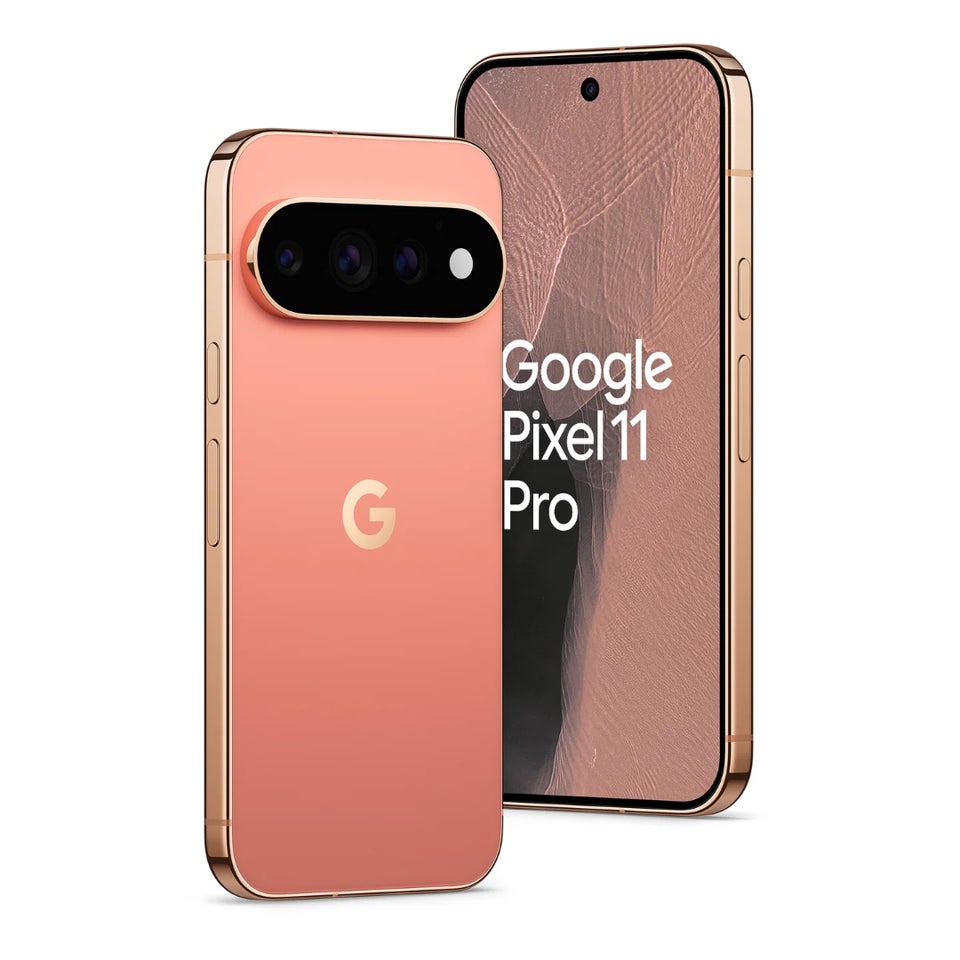
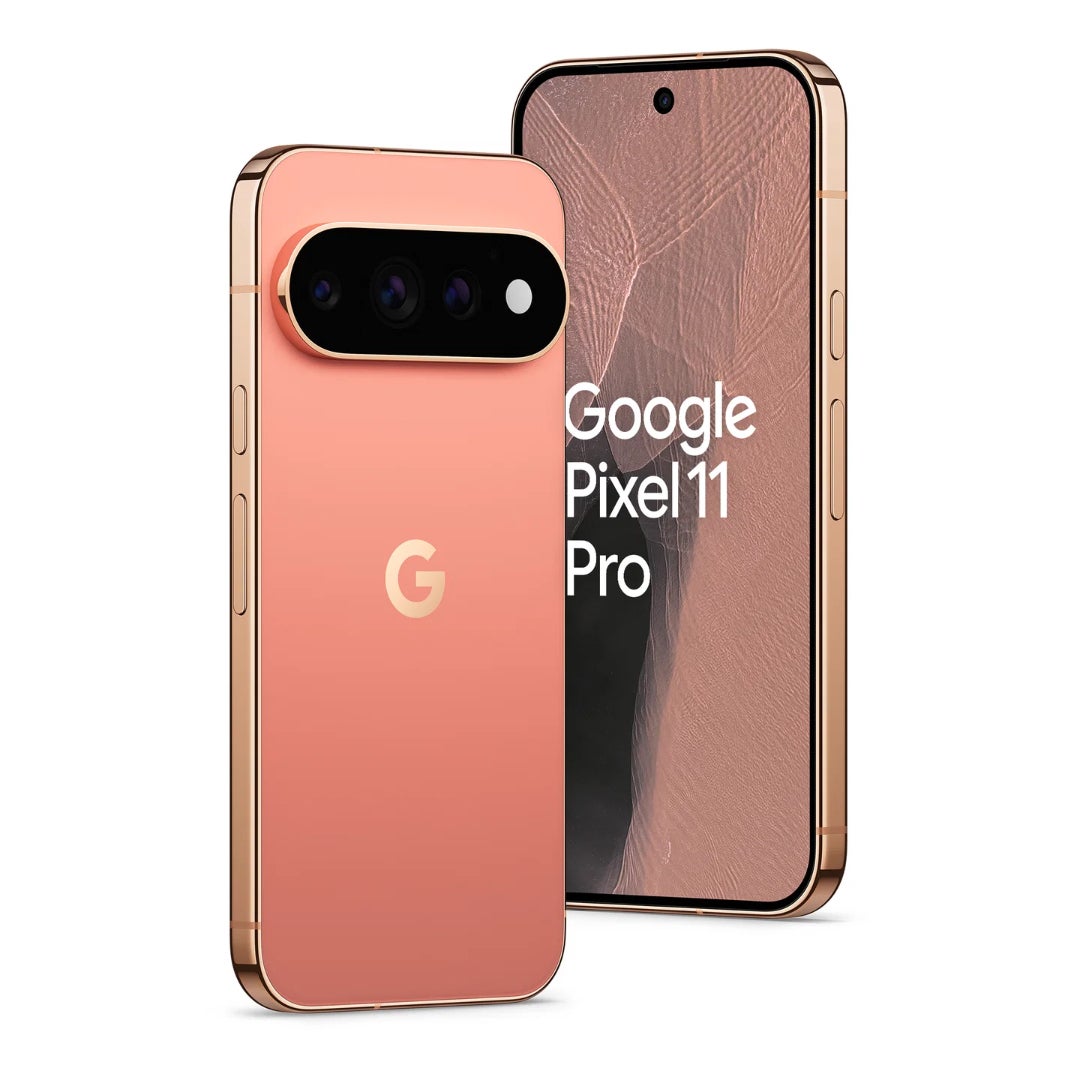
Available for pre-order now, and to buy from 20 August, the Pixel 11 Pro comes in four shades (Canyon pink, Olive green, Fog blue and Obsidian black).
The phone retails at £1,079, which is up nearly £500 from the Pixel 10. But, good news Google heads: you can get it for less when you trade in an old device.
Eligible devices include phones from Google, Samsung, and Apple, among tons of other brands, so if you’ve been thinking about switching to Google, this is as good a chance as any.
Depending on the phone you’re trading, you could save up to £850, which in case you need a little help with the maths, means your new phone could cost as little as £229. Woah.
When you consider the array of upgrades Google has made from its predecessor, the Pixel 10, that’s an insane steal.
The first Google phone to use its Tensor G6 chip, it’s considerably speedier than the Pixel 10, with Google claiming you’ll see 25% speedier browsing and 3.5 times faster Gemini processing.
Speaking of, the Pixel 11 Pro is loaded with Gemini Intelligence, which can help you with everything from brainstorming to finding information.
The camera is often the most important aspect of a phone (for us, at least) and this one delivers big time. Pixel 11 boasts Google’s longest zoom yet (up to a whopping 120x) and 30% better light sensitivity so your photos always come out looking crisp and sharp.
One of our favourite elements is Magic Capture mode, which means you can simply press a single button to let your phone take over the heavy lifting of taking photos and videos, so you don’t have to think about the best mode to capture the moment.
The offer runs until 1 September, so run, don’t walk – because you could miss out on £850 in savings on the Pixel 11 Pro as well as up to £260 when you trade in a smart watch for the new Google Pixel Watch 5.
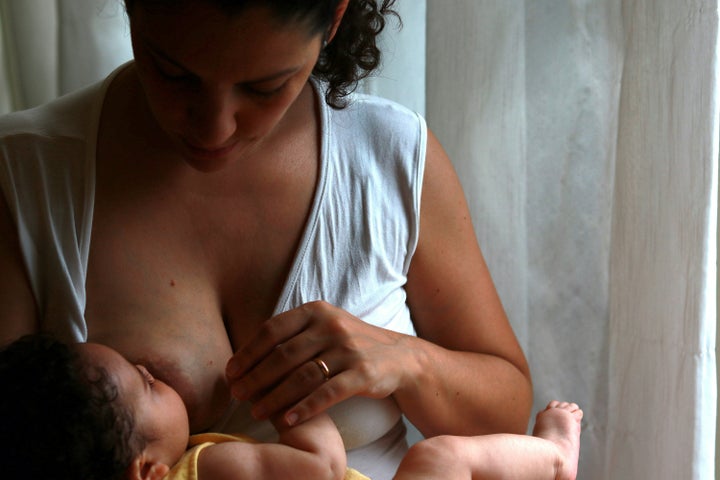
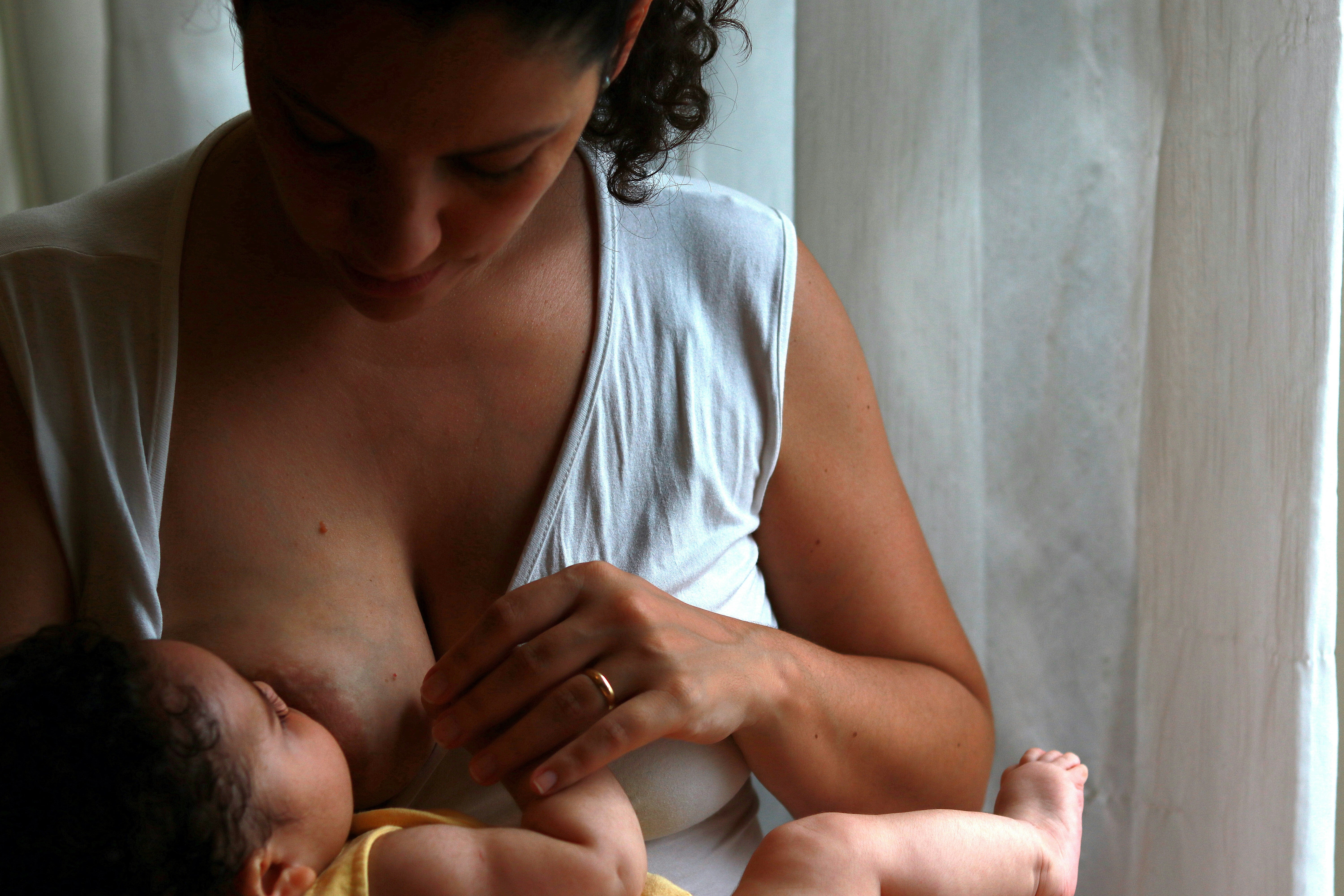
The first year after a baby is born can be a complete blur for new parents – I’ve been there twice, and I feel like I was delirious for about 90% of it.
Between the sleep deprivation, the constant state of high alert and the mental and physical recovery, it’s really no wonder so many new parents feel so exhausted.
Google searches for “does breastfeeding make you tired?” have gone up by more than 5,000% recently, according to analysis by Proceive Breastfeeding. The answer is certainly, yes. But why?
Why does breastfeeding make you SO tired?
Well, there are several reasons.
Dr Nikki Ramskill, a GP verified on the healthcare review platform Doctify, and founder of The Female Health Doctor Clinic, told HuffPost UK: “Firstly, your body is doing a huge amount of work behind the scenes. Prolactin, the hormone responsible for milk production, naturally has a calming, sleepy effect, and levels rise overnight.
Advertisement
“Producing breast milk also requires extra energy, roughly 300-500 calories a day, at a time when your body is still recovering from pregnancy and birth.”
Broken sleep will also play a part. “It’s not always about how many hours you’re getting in total. If you’re waking every couple of hours to feed, you’re repeatedly being pulled out of the deeper, restorative stages of sleep,” Dr Ramskill explained.
“You can technically have had six or seven hours of sleep across a night and still wake up feeling absolutely shattered.”
Advertisement
Does breastfeeding make you tired?
There’s the nutrient loss to consider, too. Registered nutritionist Charlotte Grand, who works with Proceive, said: “The mother’s body prioritises the baby above all else. Breastfeeding actively draws critical micronutrients, including B vitamins, vitamin D, zinc, and iron, directly from the mother’s tissue stores to ensure the milk is perfectly balanced.
“Because this continuous nutrient loss drains her internal reserves, it can quickly lead to systemic depletion and profound fatigue if those vitamins are not actively replenished.”
Advertisement
And as if all of that wasn’t enough, there’s another factor that can be fuelling breastfeeding fatigue over the summer – and that’s the hot weather. In Japan, summer exhaustion has an actual name: “natsubate”.
“During a heatwave, your body has to work much harder to keep your core temperature in a safe range,” Dr Ginni Mansberg, a GP and co-founder of ESK, previously told us. “That means diverting blood to the skin, increasing sweating and making your heart work a little harder.”
When it’s hot, you’re at risk of dehydration – and breastfeeding increases your fluid requirements, so it becomes even easier to become dehydrated. Dr Ramskill noted even mild dehydration can leave you feeling tired, headachy and generally wiped out.
Advertisement
What can I do about it?
Thankfully, there are a few ways to help try and ease the feeling of fatigue.
Dr Ramskill suggested keeping a bottle of water next to you every time you feed, and making sure you’re eating enough. “I’d favour small, regular meals or snacks containing protein and iron rather than trying to keep yourself functioning on caffeine and sugary snacks,” she added.
She also urges mums to “honour the prolactin window”. Explaining this further, she said: “Since prolactin naturally induces drowsiness during a feed, mothers should try to align their rest with the baby’s schedule where possible. Even a 20-minute resting block immediately following a morning feed can help reset the nervous system.”
Don’t assume extreme tiredness is caused by breastfeeding
“Postpartum blood loss, combined with the iron demands of breastfeeding, makes subclinical iron deficiency a major driver of fatigue,” said Grand, who advised incorporating iron-rich foods (like lean meats, lentils, and leafy greens) alongside vitamin C (which optimises iron absorption).
Dr Ramskill agrees, noting that iron deficiency and anaemia are “incredibly common” after pregnancy, particularly in those who lost a significant amount of blood during birth.
Advertisement
Signs of iron deficiency anaemia can include: tiredness, lack of energy, shortness of breath, heart palpitations, looking paler than usual and headaches.
“B12, vitamin D and thyroid function are also worth considering if the exhaustion feels excessive or simply isn’t improving,” the GP added.
“Postpartum thyroid problems, for example, can easily be mistaken for the normal tiredness and upheaval of having a new baby.”
Advertisement
Most new mums are going to be tired – but that doesn’t mean it should be ignored. Don’t be afraid to ask your support network for help with feeds or taking the baby so you can get some rest.
And if the tiredness feels overwhelming, is getting worse rather than better, or doesn’t improve at all when you do manage to rest, speak to your GP.
“Symptoms such as breathlessness, dizziness, palpitations, significant weight changes, feeling unusually hot or cold, or heavy or prolonged bleeding are also worth investigating,” claimed Dr Ramskill.
Advertisement
“And I’d pay particular attention to mental health. Persistent low mood, anxiety, intrusive thoughts or feeling unable to cope shouldn’t simply be put down to being a tired new mum.”