And this week, we’re speaking to registered dietitian Melissa Jaeger about cheese.
Is it ever good for us? If so, what are the best kinds? And how do the pros make cheese healthier?
Is cheese good for us?
“Cheese can absolutely be part of a balanced diet and offers several nutritional benefits. It’s an excellent source of high-quality protein and rich in calcium, which supports bone health,” Jaeger told us.
Calcium aside, its vitamin K content also helps to support your bones.
It contains vitamin B12, riboflavin, zinc, vitamin A, and phosphorus, too – “all nutrients that play vital roles in overall health”.
“There’s even an interesting benefit for dental health: eating cheese can increase pH levels in your mouth, leading to lower acid levels and less enamel breakdown, whilst calcium and phosphorus are boosted in saliva after consumption, helping to remineralise teeth,” the dietitian added.
Advertisement
But yes, there are some downsides.
“Cheese does contain 6 to 10g of fat per ounce, with more than half coming from saturated fat… guidelines recommend keeping saturated fat to around 7% of total calories (roughly 10-20g depending on your calorie needs),” Jaeger said.
“Elevated saturated fat intake can contribute to increased risk of cardiovascular disease and type 2 diabetes, so it’s worth being mindful of portion sizes.”
Advertisement
What are the healthiest types of cheese?
Jaeger said that different cheeses have different nutritional benefits, so it really depends on your goals.
“Swiss cheese stands out for having the lowest sodium content at around 55mg per ounce, making it a smart choice if you’re watching salt intake,” she said.
And if you’re trying to up your protein intake, sheep’s milk cheese contains “75% to 100% more protein than cow’s milk cheese and offers higher levels of phosphorus, vitamin B6, vitamin E, and calcium”.
Advertisement
Goat’s cheese also contains more protein on average than cow’s milk cheese (though less than sheep’s milk cheese), and is also higher in calcium, niacin, potassium, and iron.
Fresh goat’s cheese, or chèvre, “is a lighter option with only 4g of saturated fat per ounce”.
Lastly, if you have issues digesting lactose, you might benefit from trying harder cheeses.
“These are often well-tolerated because lactose is removed with the whey during cheese production, and what remains is broken down further during the ageing process,” said the dietitian.
Goats’ and sheep’s milk is also a little easier to digest, too.
How can I make cheese healthier?
If you do want to reduce your saturated fat intake, some naturally lower-fat versions include fresh goat’s cheese (chèvre), hard Parmesan, or feta, said the expert.
Advertisement
Of course, you can also opt for low-fat or reduced-fat varieties. “However, if you’re watching sodium intake, do check the nutrition label as these versions can be higher in salt compared to full-fat varieties,” she added.
But, Jaeger noted, “that doesn’t mean full-fat cheeses are off the table! You can absolutely work them into your diet whilst being mindful of saturated fat intake”.
She ended: “Try smaller amounts by sprinkling them over vegetables, soups, or salads rather than eating large portions on their own.
Advertisement
“Full-fat cheeses with more pungent, intense flavours are particularly brilliant for this approach, as you need less to achieve satisfying flavour.”
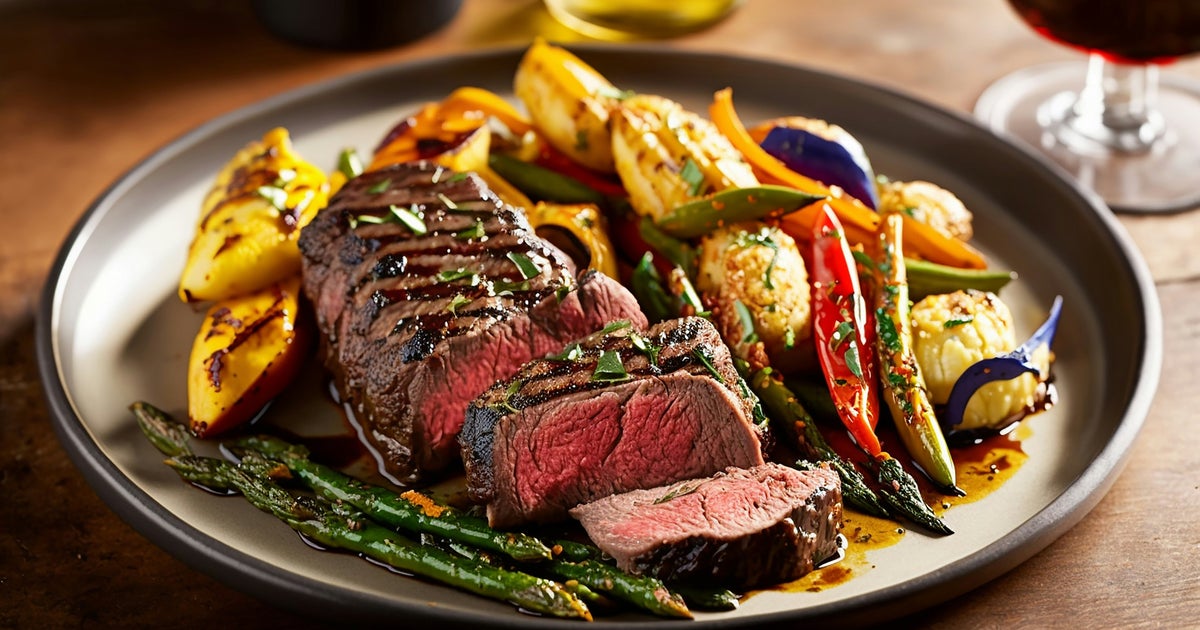
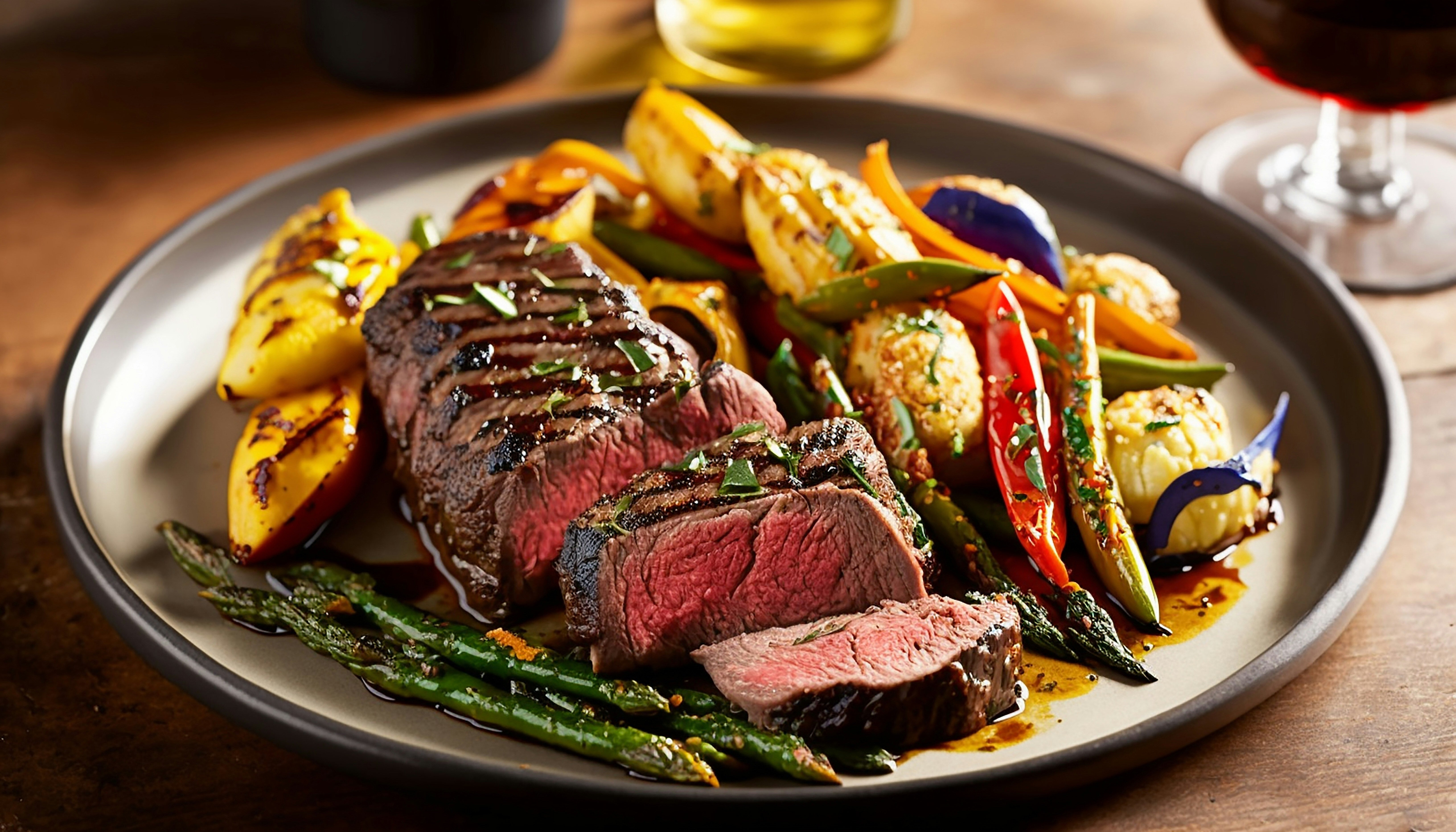
Most of us have a Gordon Ramsay-style idea of how to cook a steak: take it out of the fridge, salt it, wait a little, and fry it in a sizzling pan, basting it in butter. Then let it rest.
But according to some culinary experts, there’s a counterintuitive way to cook a perfectly medium-rare steak that’s got a rich brown crust from edge to juicy edge. And it’s known as “reverse searing”.
Advertisement
What is reverse searing?
When cooking steak, most people expect to sear the protein at the start, when it comes into contact with a very hot pan. The rest of the cooking is done at a lower temperature to allow the meat to actually cook.
You slowly, gently cook the steak at first, then sear it at the end. The idea is to avoid that brown-outside, raw-middle problem that happens all too often with “regular” searing.
It also ensures the middle is evenly cooked. And because a nearly-cooked steak is drier than a raw one, reverse-seared steaks have less moisture, according to chef and food writer J Kenji López-Alt, which means that achieving a satisfying crust is much easier.
Advertisement
And lastly, as the enzymes that have been paralysed by your fridge have had a chance to get back into play by the time you’re ready to sizzle your “reverse-seared” steak, it’ll likely turn out more tender.
Does it work for all steaks?
Reverse searing works best for thick steaks. “Ribeye, New York, and filet mignon are great cuts that would provide great results in reverse searing,” chef Sam Shafer told The Takeout.
Advertisement
And writing for Serious Eats, López-Alt wrote that the method is best used on steaks thicker than 3.8-5 cm.
Reverse-searing steak recipe
The steps are pretty simple.
Take your steak out of the fridge, season it, and put it in the oven at anywhere from 93-135°C. The higher the temp, the more “done” your steak will be.
Wait ’til it’s just under your ideal temperature (54°C for a medium-rare steak, and 60°C for a medium steak). The time this takes will depend on the thickness of your steak; it can be 20-40 minutes.
Take it out of the oven and put it into a ripping hot pan with oil. Cook until seared all over.
But some Irish staples are so, so much better from delis and takeaways, IMO. Chicken fillet rolls, for instance, aren’t meant to be gourmet: I want chalky cheese, heat lamp-warm chicken, and slightly limp baguettes.
Advertisement
The food I miss most while living in the UK, however, is spice bags. The Irish-Chinese takeaway staple can be hard to find here.
So, I asked Chef Kenneth Tyrrell, an executive chef at Burger & Lobster, how to make them at home.
What are spice bags?
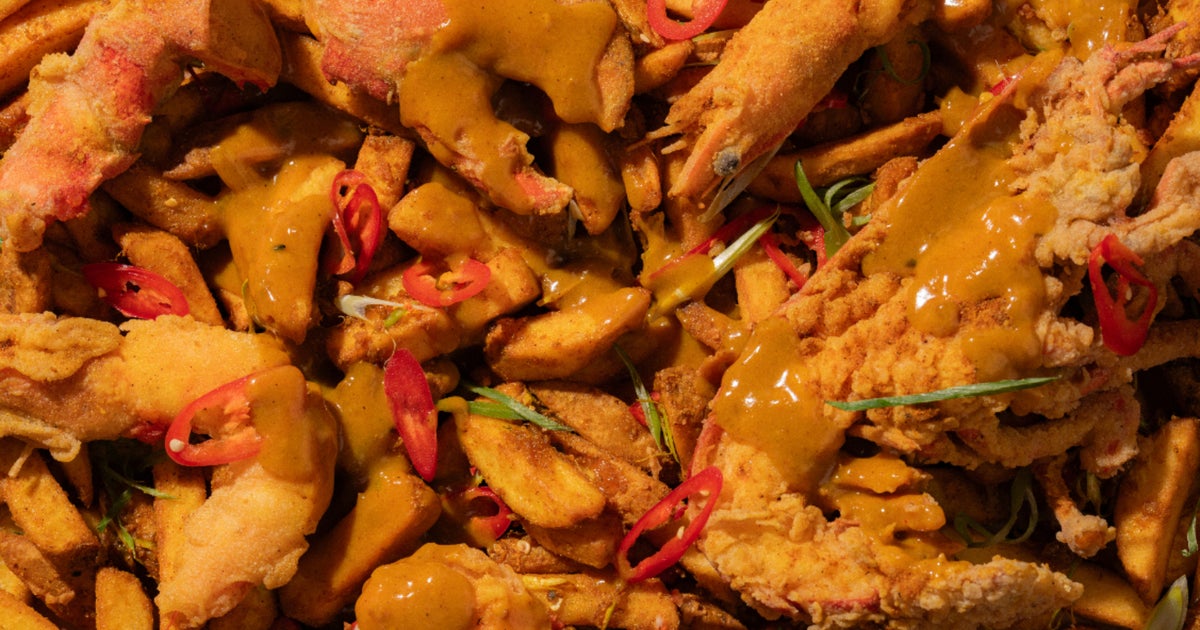
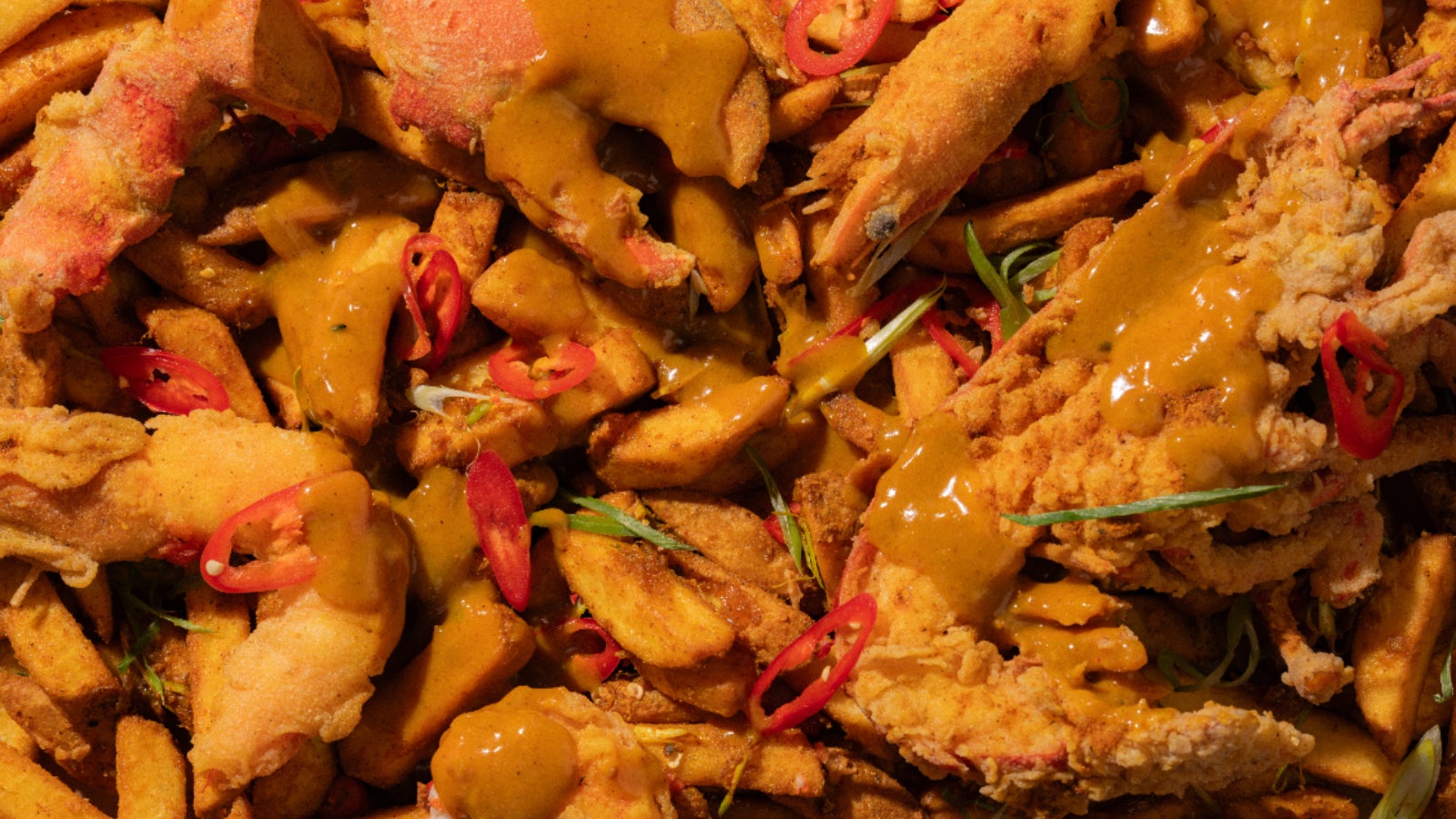
They combine chips, peppers, onion, crispy chicken, and (obviously) spices in a grease-spotted paper bag of perfection.
I associate them most with Dublin – they weren’t much of a big deal in my rural hometown, but when I moved to the capital for uni, it felt like spice bags were everywhere.
When attempting my own version, I found the spice blend hardest to recreate.
Experts think they’ve cracked the code with an MSG, onion powder, pepper, garlic powder, five-spice, sugar, and crumbled chicken stock cube combo.
But it changes from place to place. Experiment a little to find your favourite tingly, salty mix.
Advertisement
How can I perfect spice bags at home?
Some things must remain constant: mix chips, spices, something fried and crispy (like chicken), and veggies like onion and peppers together.
But, Chef Tyrell said, you can have some fun with these.
“Customisation is the fun part of spice bags. The classic spice bag is with crispy battered chicken, but get creative with yours – at Burger & Lobster, we’ve added a twist to ours with fried lobster and king prawns,” he said.
Other rules, though, are stricter.
“Make sure the protein, chunky chips, onions and peppers are piping hot before you add your spice to get maximum flavour. I also like to throw in a bit of mango chutney for an added sweetness,” the chef said.
Advertisement
“Chips MUST be super crispy before mixing with everything else. I would cook them for slightly longer than you usually would, as they then retain some crispiness after sitting in a bag with all the other ingredients,” he continued.
And “Don’t eat your spice bag straight away… it always tastes better after you’ve let it sit in the bag for a couple of minutes”.
One last suggestion? The dish is “Best served after a few pints and never wear a white shirt.”
Cooking rice sounds easy, but making it truly perfect is surprisingly challenging.
Experts say that rinsing the grains, picking great varieties, and even cooking rice in the oven can help you to achieve fluffy bliss at home.
But even though I pride myself on my stovetop method, which took years to perfect, I still sometimes find that the side is more or less cooked than I expected after completing the absorption method.
Advertisement
This involves letting rice steam in a lidded pot with the hob turned off for at least 10 minutes after all the water has boiled out of the pan.
According to one chef, though, a simple sight test can confirm whether your rice is perfectly cooked or not.
Advertisement
If rice stands up, it’s perfectly cooked, says chef
Sometimes, once the water has cooked away, I notice that the grains of rice in my saucepan all “stand up” at the top, as if they’re looking up at me.
Like me, she lets the rice sit for 10 minutes after cooking it, so that the steam trapped under the lid makes it “fluffy”.
Once it was done, she showed her Instagram followers a pan full of rice which, also like mine, seemed to be standing on its end.
Advertisement
“You see how these rice grains are actually standing up, like, at attention?” she said. “That’s how you know that this is properly-cooked rice.”
It likely happens when the grains are steamed at the end of cooking. However, it’s not the only way to test its doneness.
Advertisement
How else can I tell if rice is cooked?
If you ask the late Julia Child, the secret lies under the channels (gaps) that steam makes in the rice as it cooks.
In a video showcasing the technique, she previously said: “If you notice, there are those little holes… but you can still see… liquid” at their base when the rice isn’t cooked.
But, she added, when the rice is done, you can “lift up an edge [of rice] and tilt the pan, and if there’s no liquid there” that means it’s good to go.
Advertisement
BBC Good Food, meanwhile, advises: “Check the rice is cooked at the end by trying a grain – this should also be indicated by the appearance of small holes on the surface and all the water having been absorbed.”
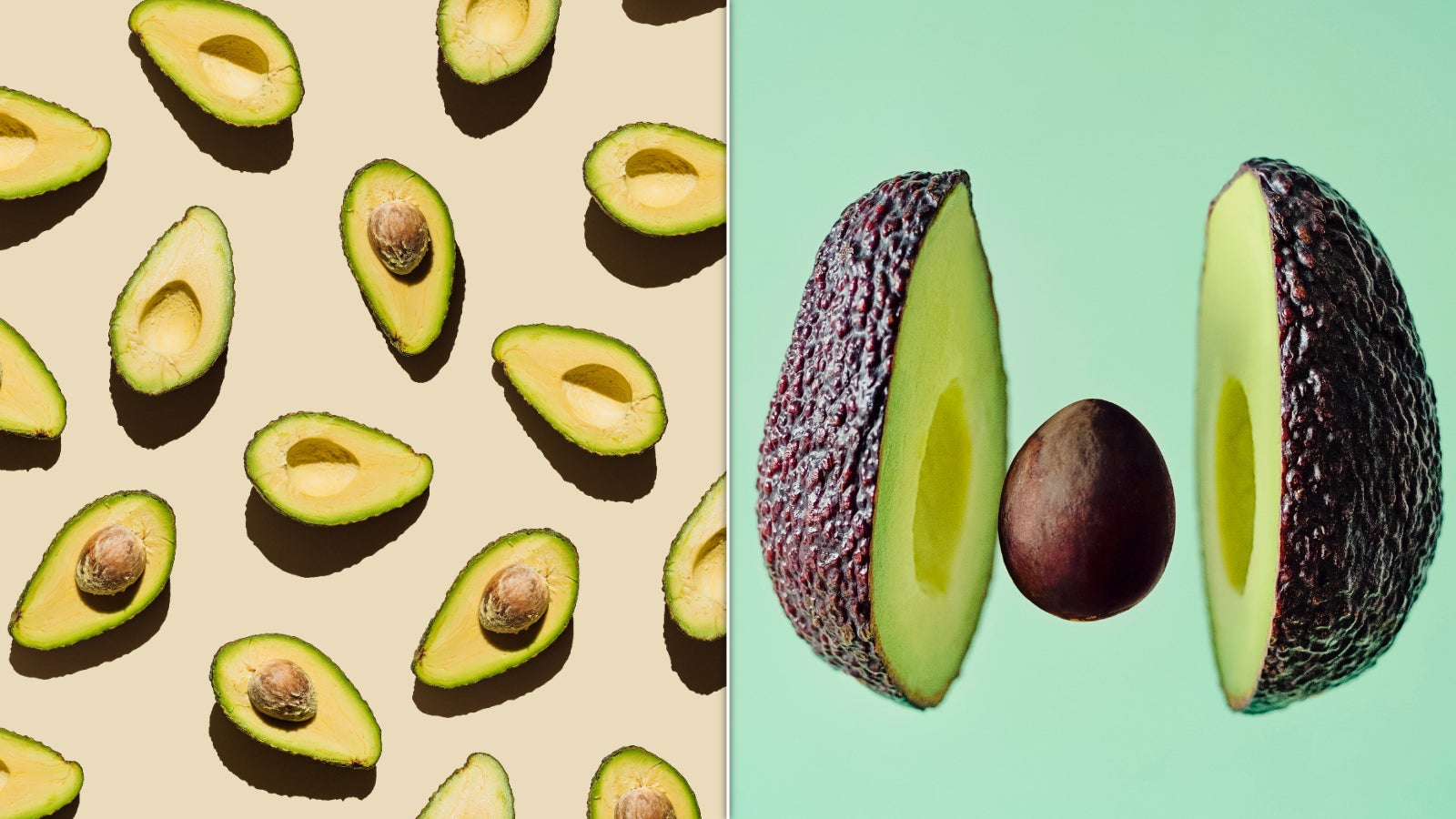
Most people judge an avocado’s readiness by one simple test: a gentle squeeze. Too firm, and it stays on the counter. Too soft, and it risks going straight into the bin. (Yes, we agree, the window between those two states often feels comically short. But that’s fodder for another story).
Beyond texture and taste, though, the ripeness of an avocado actually shapes how your body digests it, absorbs its nutrients, and even responds metabolically after you eat it.
Advertisement
In fact, as avocados ripen, their internal chemistry changes. Fats become more accessible, carbohydrates shift form, and antioxidant levels rise and fall. According to doctors and nutrition experts, these changes can influence digestion, blood sugar response and nutrient absorption.
That’s all to say that an avocado’s health benefits aren’t fixed but actually evolve as the fruit matures – just as is the case with bananas.
Why avocado ripeness matters
When an avocado ripens, “there is a shift in the nutritional structure and absorption,” said Dr. Parth Bhavsar, a board-certified family medicine physician who specialises in nutrition.
Advertisement
Specifically, as time goes by, enzymes break down cell walls, which makes fats easier for the body to absorb. This also affects carotenoids like lutein and beta-carotene, whose bioavailability improves in a fat-rich environment.
Dr. Cintara Bradley, a resident physician at Sonoran University of Health Sciences Medical Center who specialises in nutrition, lifestyle management and digestive health, noted that ripening significantly changes lipid content, carbohydrate composition, amino acid availability and phenolic compounds.
While avocados remain nutrient-dense throughout their life cycle, the ratios of fats, fibre and antioxidants shift quickly as they approach and move past peak ripeness.
Advertisement
Unripe avocados
Unripe avocados are firm and difficult to eat for a reason. When an avocado hasn’t ripened yet, your body has a harder time breaking it down. At this stage, much of the starch hasn’t converted into more usable forms, the fats aren’t as easy to absorb, and the fibre is tougher.
Getty Images
Bhavsar explained that unripe avocados contain resistant starch and “less accessible lipids,” meaning your body can’t easily access all of the calories and nutrients during digestion. In practical terms, you’re getting less nutritional payoff from each bite.
Advertisement
There may be a small metabolic benefit, though. “Resistant starch resists the metabolic process and the post-prandial increase of blood sugar concentration,” Bhavsar said. Put simply: Unripe avocados digest more slowly and may help prevent blood sugar spikes after eating. He added that this process can support insulin sensitivity and gut bacteria balance.
Dr. Patrick Ryan, a primary care and sports medicine physician in San Diego and the founder of telehealth platform HemyRX, similarly noted that unripe avocados may help with glycemic control because glucose is absorbed more slowly.
Still, most experts say this stage isn’t ideal for everyday eating. Bhavsar pointed out that slow digestion and gastrointestinal discomfort can make unripe avocados unpleasant or hard on the stomach. And according to Bradley, unripe avocados don’t offer meaningful advantages over ripe ones, especially since avocados already have a low glycemic load, regardless of ripeness.
Advertisement
Barely ripe avocados
As avocados begin to soften, they also become easier for your body to handle. The tough starches start breaking down and the healthy fats inside the fruit become easier to absorb.
As Bhavsar put it, “resistant starch is gradually turning into non-resistant fats, while your levels of soluble fibres are increasing.” This means your body can access more nutrients without losing the fibre that helps you feel full.
Ryan explained that barely ripe avocados are easier to digest than unripe ones, while still slowing how quickly sugar enters the bloodstream. They also contain less fat than fully ripe avocados, which can be helpful for people who want the benefits of avocado without feeling weighed down.
Advertisement
Bhavsar added that avocados that gently yield when pressed can help control appetite and keep blood sugar steady. Because they are digested more slowly, they help prevent blood sugar spikes while still allowing your body to absorb key nutrients.
Fully ripe avocados
Fully ripe avocados give your body the most nutrients it can actually use in the easiest way for your body to absorb them, Bhavsar said.
According to Ryan, ripe avocados also help your body take in antioxidants and fat-soluble vitamins, which support heart health, balance hormones and reduce inflammation.
Advertisement
Bradley pointed out that antioxidants, especially phenolic compounds, are highest when the avocado is perfectly ripe, before enzymes start breaking them down. Other vitamins and minerals, like potassium, magnesium and folate, stay steady, while fats become fully available.
Because the fat is fully accessible, calories are higher at this stage. Ryan noted this matters for people who are watching calories and Bhavsar said portion size is key (though even fully ripe avocados are still healthier than refined carbs), but one thing is clear: Avocados that are fully ripe are at their peak in terms of flavour and variety of nutrients offered.
Overripe avocados
Once an avocado passes peak ripeness, oxidation begins to affect its nutritional quality. Bhavsar explained that while fats, fibres and minerals remain, antioxidant properties decline. “Browning signals an indicator that polyphenols, with potential health benefits, are being broken down and will instead ferment,” he said.
Advertisement
Bradley noted that oxidised fats contribute to bitterness while antioxidant levels diminish dramatically. However, if an avocado has only minor browning and no mould or odour, it can still be safely used in smoothies or baking.
So, is there an ideal ripeness?
The answer depends on your goals. Bhavsar suggested that “lightly to gently ripe” avocados optimise fat assimilation and satiety, while barely ripe may be preferable for gastrointestinal regulation.
Ryan agreed that ripe avocados work best for most people, but noted that blood sugar control or calorie awareness may influence preference.
Advertisement
Bradley, on the other hand, said that peak ripeness offers the best balance of nutrient density, bioavailability and enjoyment.
In short, it’s clearly not just about flavour: the ripeness of an avocado actually changes how (and what!) your body digests and absorbs.
Whether dealing with coeliac disease, gluten intolerance or just tummy troubles, many Americans swear their digestive issues mysteriously ease up when they travel to Europe, the supposed land of consequence-free carbs.
While some of that likely comes down to portion size and wheat quality, another often-overlooked factor is how the pasta is cooked. You’d never catch an Italian cooking their pasta beyond al dente – and sometimes, it’s even a little firmer than that.
Advertisement
According to Marissa Karp, founder and lead registered dietitian at MPM Nutrition in New York, the longer pasta cooks, the more its starches soften and become available to our bodies when we eat it. But more isn’t always better.
How long pasta is cooked can affect how quickly it’s digested, how quickly it raises blood sugar and how you feel after the meal – from steady and satisfied to heavy and ready for a nap.
Ahead, registered dietitians break down the different levels of pasta doneness, what noodles look and feel like at each stage, and how each one affects digestion, energy and blood sugar.
Advertisement
Getty Images
Firm: how it affects your digestion
Defined as two or three minutes less cook time than the package instructions, “firm” pasta sits at the very beginning of the doneness spectrum. Go ahead and ignore the box here – your spaghetti won’t be raw, but it will have more texture than most Americans are used to.
“Firm pasta has the most bite to it,” Karp said. “There’s clear resistance when you press it between your teeth.”
Advertisement
When pasta is cooked a little firmer, your body takes longer to digest it. That means a bowl of penne won’t spike your blood sugar as quickly, according to Kimberly Rose, registered dietitian and certified diabetes educator.
That slower blood sugar spike can make a noticeable difference in how you feel afterward. Instead of the classic post-pasta slump – heavy, sleepy and weirdly hungry again an hour later – you’re more likely to feel steady and satisfied. And taking that second helping is because the pasta is genuinely delicious, not because the first bowl barely made a dent in your hunger. “Firmer pasta tends to break down more slowly, which can help people feel satisfied for longer and support steadier blood sugar when eaten in appropriate portions,” said Amanda Frankeny, a registered dietitian nutritionist.
If you’re trying to keep your blood sugar steady or you’re tired of that familiar post-pasta slump, cooking pasta a bit firmer may be worth a try. Just know that if you have a more sensitive stomach, this texture isn’t always the most comfortable.
Advertisement
Al dente: how it affects your digestion
In the food world, al dente has become the default way to cook pasta, much like ordering a steak medium-rare or scrambling eggs until they’re just set, not dry.
To get there, you’ll usually want to ignore the package instructions again and pull your pasta from the water about one to two minutes earlier than the package states. (If you’ve been faithfully following the box this whole time, there’s a good chance you’ve been eating softer, mushier pasta than you realised.)
Al dente is the Goldilocks texture most of us are taught to aim for: not too firm, not too soft.
“Al dente tends to be the most comfortable because it digests at a steady pace and tends to offer balanced, sustained energy,” Karp said.
Advertisement
That aligns with research. A 2022 study found that when pasta is cooked for less time, your body breaks down less of its starch, leading to a slower, steadier rise in blood sugar.
While “chewing your food well” has become a diet-culture cliche, 2023 research suggests the real driver is food texture. Foods that require more chewing tend to trigger stronger satiety signals, simply because digestion starts earlier and happens more gradually.
Most of us likely cook pasta to this doneness not only because it has a pleasant mouthfeel but because it’s often easier on the body.
Advertisement
Soft: how it affects your digestion
“Digestion begins in the mouth,” explains Rose, “and soft pasta is fastest to digest.” That’s because soft pasta requires minimal chewing. With almost no resistance for your teeth, it moves quickly from the plate to the stomach, where it’s broken down faster than firmer noodles.
That might sound counterintuitive, but research on food texture backs this up: foods that are soft and easy to chew don’t tend to keep us as full as foods that make us do a little more work. When you have to chew more, you also tend to eat more slowly, which gives your body (and gastrointestinal fluids) time to register that you’re eating.
Typically cooked to the package instructions or even a little longer, soft pasta has no bite left at the centre. This can also happen when pasta is cooked and then baked or reheated in dishes like casseroles or mac and cheese, where a second round of cooking pushes it past al dente.
Advertisement
That quicker breakdown is also why soft pasta is often blamed for the classic carb crash. According to Rose, “Soft pasta will raise your energy levels quickly because more starch is readily available; however, this type of energy is short-lived and may result in a drop in energy after consuming.”
When pasta is overcooked, a few things change the way your body handles it, according to a 2015 study. First, the starches become more broken down and easier to access, which means the carbs hit your system faster – giving you that quick burst of energy, followed by a drop. At the same time, the structure of both starch and protein in the pasta softens, which makes it harder for your body to digest and can lead to bloating or an upset stomach after eating.
Still, soft pasta absolutely has a place at the table. For people who have trouble chewing, sensitive digestion or who need quick, easily accessible energy, it can be a great option. According to Frankeny, “That’s not a bad thing at all. Depending on how active you are, how much you are eating and everything else is on the plate – like produce and protein – softer pasta can easily be a part of a well-rounded meal.”
Yet unfortunately, for many people, their later years are not spent in good health.
According to the same study, the U.S. has the largest gap between healthspan (the number of years one spends in good health) and lifespan (the number of years one lives).
Dementia is one of the biggest threats to healthspan. According to the National Institutes of Health, researchers estimate that 42% of Americans over 55 will eventually develop dementia.
Advertisement
Ready for some good news? You can control your brain health more than you probably think.
Certainly, it’s our everyday habits that impact our health the most, including our brain health. There’s one common habit in particular that brain health experts we talked to said could be increasing one’s dementia risk without them even realising it.
Tara Moore via Getty Images
Your sugary afternoon snack could have more of an impact on your long-term health than you realize.
Advertisement
The afternoon habit that could increase dementia risk
When the afternoon munchies hit, what do you reach for? If it’s something sugary, you could be increasing your risk of dementia.
According to brain health experts we talked to, there is a wealth of scientific research showing a connection between a high-sugar diet and increased dementia risk, particularly when something sugary is eaten in the afternoon.
Julie Andrews, a registered dietitian specialising in the MIND diet (an eating plan created to lower dementia risk) and the author of The MIND Diet Plan and Cookbook, shared that one reason for the link between a high-sugar diet and dementia risk is that sugary foods spike blood sugar levels.
Advertisement
“Studies show large variations in blood glucose levels over a long period of time – both highs and lows – can increase dementia risk because it can damage blood vessels in the brain, cause inflammation in the body and starve brain cells of the fuel they need to function properly. This can impact everyone, not just those with diabetes,” Andrews said.
Dr Alvaro Pascual-Leone, a professor of neurology at Harvard Medical School and the chief medical officer at Linus Health, also told HuffPost that having chronically unstable blood sugar levels can negatively impact the brain.
“Insulin regulation is not just important for metabolism. It’s also important for the brain itself,” he said. He explained that a high-sugar diet can lead to brain insulin resistance, which is when the brain cells can’t use glucose properly. This can lead to memory loss and dementia. Pascual-Leone shared that this is unofficially being referred to as type 3 diabetes.
Advertisement
“Unstable or high blood sugar may contribute to damaging blood vessels, including the tiny ones that feed the brain. It’s linked to oxidative stress, which can injure brain cells. It may alsointerfere with how brain cells use energy, since glucose is the brain’s main fuel,” said Dr Dung Trinh, the chief medical officer of Healthy Brain Clinic and an internist with MemorialCare Medical Group in Irvine, California.
Besides raising blood sugar, MIND Diet for Beginners author and registered dietitian Kelli McGrane told HuffPost that sugar also impacts the brain’s reward system.
“One reason sugar is so appealing is that it triggers dopamine release in the brain’s reward pathway. While occasional or moderate intake isn’t typically concerning, consistently high sugar intake can overstimulate this system. Over time, this may negatively affect learning, memory, mood regulation and even motivation,” she said.
Advertisement
What’s so bad about the afternoon?
Afternoon blood sugar spikes are especially bad for brain health, Pascual-Leone said. He explained that this is because glucose intolerance is naturally lower in the later half of the day compared to the morning, making blood sugar spikes from sugary snacks even more dramatic.
Andrews and Pascual-Leone both told HuffPost that another reason why eating something high in sugar later in the day is particularly detrimental is that it can get in the way of sleeping well. Tringh said this too, pointing out that sugar can impact sleep, and consistently not getting enough sleep increases the risk of dementia.
Pascual-Leone explained that sleep is crucial for protecting against dementia because it’s when the brain clears out neurotoxic proteins. If these toxic proteins (specifically ones named beta-amyloid and tau) aren’t cleared out, he said, they can interfere with communication between neurons. Scientific research shows a clear connection between beta-amyloid and tau accumulation and dementia.
Advertisement
Daniel Grizelj via Getty Images
Whole fruit is absorbed differently by your bloodstream, having a different effect on your health.
What about fruit?
Perhaps you’re wondering if all foods with sugar impact the brain in these ways. For example, will snacking on fruit have the same impact on the brain as a cookie? According to all four experts, not exactly.
“Cookies and candy are mostly refined sugar and refined flour – they hit the bloodstream quickly, spike blood sugar and don’t bring much nutrition with them.
Advertisement
“Whole fruit, on the other hand, comes in a package with fibre, which slows down how fast sugar is absorbed, vitamins, minerals and antioxidants that help protect brain cells, and water, which helps with fullness and hydration,” Trinh said.
He said this means that when you eat fruit, blood sugar doesn’t rise as quickly and the brain is getting protective nutrients, which doesn’t happen with foods like cookies or candy.
McGrane pointed out that many fruits also contain antioxidants and plant compounds that support brain health, such as anthocyanins in berries, which have been linked to improved cognitive function and reduced inflammation in the brain.
Advertisement
How to satisfy your sweet tooth without negatively impacting your brain
While it’s important to be aware of the connection between sugar and dementia risk, all four experts emphasised that this doesn’t mean you have to cut sugar completely out of your life.
Pascual-Leone shared that experiencing pleasure is important for mood and brain health, and eating foods we love (even if they’re void of nutritional benefits) is part of that. Instead of nixing sugary snacks completely, he recommends eating them in moderation and making it a point to savor the experience when you do have them.
To minimise the spike in blood sugar when you do have a sugary treat, Andrews recommends pairing it with something high in fibre or protein. “Consuming sugar alone is one of the main ways to cause a spike and drop (highs and lows) in your blood sugar, so pairing it with foods that help keep your blood glucose levels even keel will help,” she said.
Advertisement
Don’t wait until you’re hangry to get yourself a snack either. Tingh explained that when blood sugar levels drop (which happens when you haven’t eaten in a while), you’re more likely to reach for the fastest sugar, which is often in the form of something high in added sugars and low in nutritional value. “Having balanced meals and snacks makes it easier to choose wisely,” he said.
Since blood sugar spikes are more dramatic in the latter half of the day and can interfere with sleep, if you are going to have a sugary snack, having it earlier in the day can minimise the impact on your brain.
Want some sweet snack ideas that brain health experts would approve of? Trinh and McGrane are both big dark chocolate fans. “Dark chocolate is rich in cocoa flavanols, which have been shown to support healthy blood flow in the brain and combat inflammation,” McGrane said.
Advertisement
Berries and nuts are another great zero-prep snack option that Trinh recommended. The berries are loaded with brain-supporting antioxidants and the fats and protein in the nuts provide satiety and minimise blood sugar level spikes.
Here’s the biggest takeaway all four experts want people to know: having a diet high in sugar increases the risk of dementia. This doesn’t mean you should avoid sugar completely.
But it does mean you should watch your intake and, when you are enjoying something sugary, it helps to pair it with a food with fibre, protein or fats to blunt the blood sugar spike. When you do have something sugary, enjoy it! After all, that’s what it’s meant for.
We’re currently right in the middle of peak flu season, which means immune support is top of mind for pretty much everyone.
Staying on top of your vaccines is key to protecting your health. So are the hygiene basics we’ve been taught since school, like covering your mouth when you sneeze and washing your hands frequently.
Advertisement
Diet plays a role in immune support, too, and maybe you’ve been downing orange juice like it’s your job in an effort to avoid getting sick. While oranges are a good source of vitamin C, bell peppers have even more, making them a worthwhile veggie to incorporate into your meals.
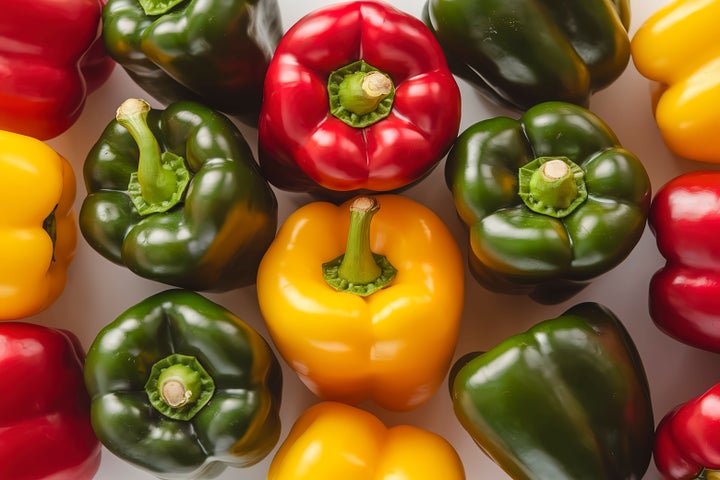
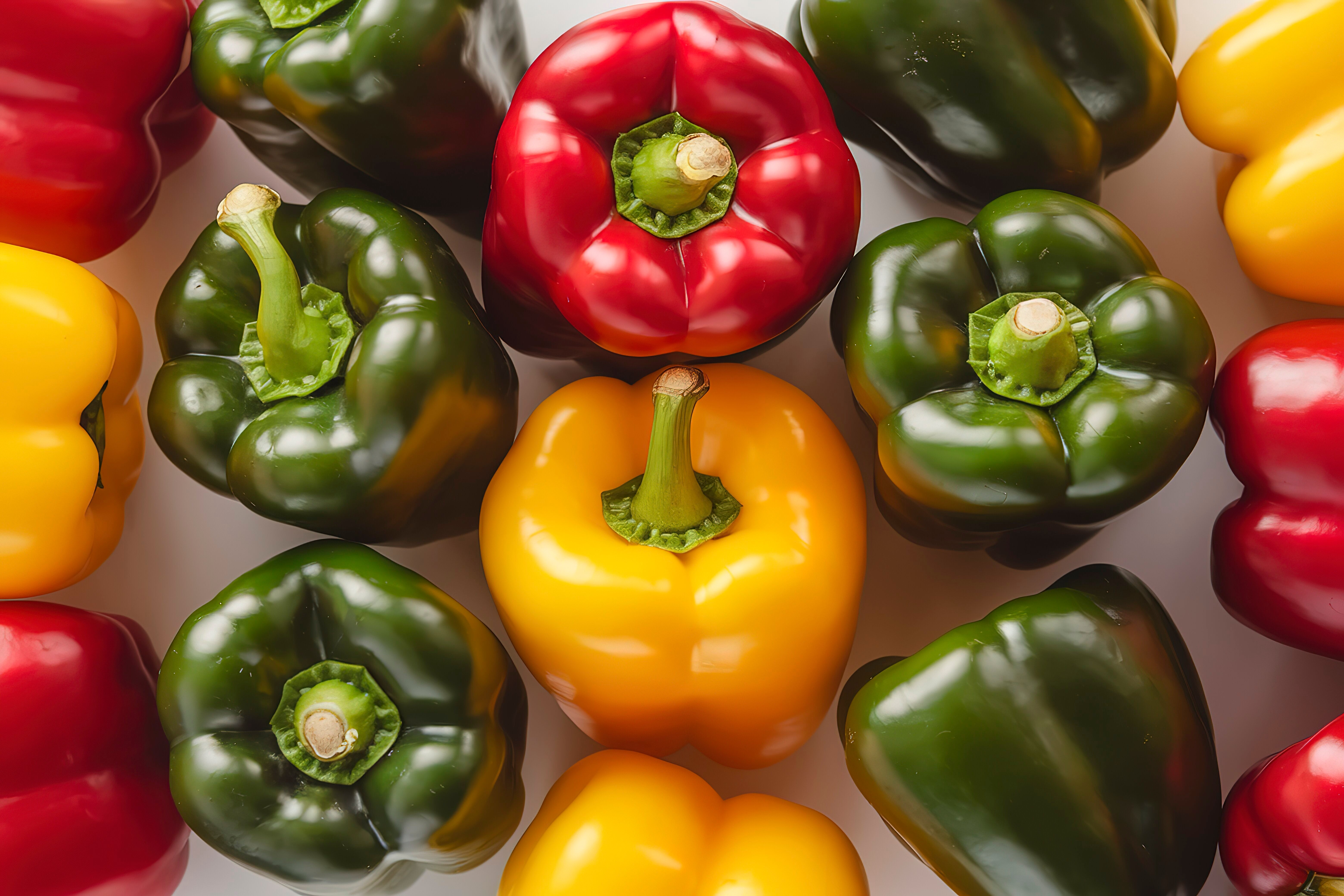
While all bell peppers offer nutritional benefits, what they offer varies slightly depending on colour.
We talked to registered dietitians about how bell peppers’ benefits vary by colour. Curious as to which one you should go for to support your health goals, including immune support? Here’s everything you need to know.
Advertisement
How the nutritional benefits of bell peppers vary based on their colour
When comparing the nutritional benefits of the different colours of bell peppers, it’s helpful to know why their colours vary to begin with.
Ginger Hultin, a registered dietitian nutritionist who has a doctorate in clinical nutrition and is the author of Anti-Inflammatory Plant-Based Eating 101, told HuffPost that a bell pepper’s hue has to do with how ripe it is.
“Bell peppers change colour as they ripen on the vine, with green peppers being the least ripe and red peppers being the most mature,” Hultin said.
Advertisement
She explained that green bell peppers are high in chlorophyll, a pigment that gives them their green colour. “As the peppers mature on the vine, the chlorophyll breaks down, and more carotenoids [a type of antioxidant] are produced, accounting for the change in colour and nutrient profile,” she said.
Hultin added that, unlike bananas, bell peppers are non-climacteric fruits and don’t ripen after they’ve been picked.
As a 2021 review published in the journal Molecules explains, all bell peppers contain carbohydrates, fibre, antioxidants, vitamin C, vitamin A, potassium, calcium and phosphorus. All three dietitians we spoke to told HuffPost that the amount of these nutrients varies slightly, based on a bell pepper’s colour.
Advertisement
Ramona Macedonski / 500px via Getty Images
These are all the same plant, just at different levels of ripeness.
Red peppers have distinct health benefits
Want to get the most nutrients across the board? Registered dietitian and intuitive eating counsellor Kara Lydon recommends eating red bell peppers.
“Red bell peppers typically come out on top in terms of overall nutritional value. Since red peppers ripen the longest, they boast the most antioxidants,” she said.
Advertisement
Registered dietitian Maggie Michalczyk said this too, explaining, “Red bell peppers are the highest in vitamin C and A due to longer ripening times, followed by orange, yellow and green.”
In terms of which colour bell pepper offers the most immune support, red comes out on top again.
As Michalczyk pointed out earlier, red bell peppers are also the highest in vitamin A, another nutrient that supports immune health.
Advertisement
But don’t discount orange, yellow and green peppers
Even though red bell peppers are the most nutrient-rich, that doesn’t mean that orange, yellow and green bell peppers aren’t worth eating.
All three dietitians emphasised that the nutritional differences between different coloured bell peppers aren’t huge, so you shouldn’t get too hung up on it.
“Each bell pepper offers a unique antioxidant profile, so it’s best to ‘eat the colours of the rainbow’ when it comes to bell peppers so that you can reap the nutritional benefits of each kind,” Lydon said.
Advertisement
For example, yellow bell peppers are particularly high in lutein and zeaxanthin, two nutrients that support eye health.
As for green bell peppers, Hultin said they are lower in calories. “Green bell peppers have slightly fewer calories than their red, orange and yellow counterparts since they are less ripe and their natural sugars haven’t accumulated yet. However, this difference is negligible,” she said. A red bell pepper contains about 37 calories per pepper, while a green pepper contains 24.
It bears repeating that when it comes to the nutritional differences among bell pepper colours, all three dietitians say these differences are pretty minimal across the board, so it’s important not to get too hung up on them.
Advertisement
How you cook them matters
If you want to get the maximum benefits from your peppers, how you cook them matters. “Steaming and stir-frying are two good ways to cook bell peppers to help prevent the loss of water-soluble vitamins like vitamin C,” Michalczyk said.
She recommends avoiding boiling or cooking bell peppers at high heat to preserve their nutrient density as much as possible. “It’s good to keep in mind that overcooking can degrade nutrients found in vegetables and boiling can cause the water-soluble vitamins to leach into the water,” she explained.
Since vitamin A is fat-soluble, Hutlin recommends sautéing peppers in extra-virgin olive oil to help maximise nutrient absorption.
Advertisement
There is no shortage of bell pepper recipes you can find online to experiment with to learn your favourite ways to eat them.
Lydon said that, personally, she loves stuffed bell peppers because they’re easily customisable based on taste preferences and the ingredients you have on hand. “Make it a well-balanced, satisfying meal by adding a source of lean protein like ground turkey, chicken or fish, a starch high in fiber like brown rice or quinoa and a dietary fat like cheese or avocado,” she shared.
Hultin says that bell peppers can be easily mixed into soups, stews, omelettes or frittatas for breakfast, roasted as a side or enjoyed raw and sliced to pair with hummus.
Advertisement
“Ultimately, all colours of bell peppers make a great addition to the diet, so I wouldn’t stress too much about getting one colour vs. the other,” Michalczyk emphasised.
“Go for a variety to reap the benefits from the health compounds that are unique to each colour. In the winter, during cold and flu season, I think it’s great to know that red bell pepper has more vitamin C than an orange and incorporate those into different meals and snacks to support your immune system.”
It’s also important to remember that bell peppers are just one of many nutrient-rich foods, including ones that support your immune system. So it’s worth it to vary your meals with other foods too, like cauliflower, butternut squash and apples. Besides providing your body with a wider range of nutrients, switching things up will keep your taste buds happy, too.
If you’ve 1) been online recently and 2) love to find recipes on social media, chances are you’ve heard of “brothy rice”.
Though the techniques, ingredients, and recipes used in viral “brothy rice” videos are centuries old, the new term has done what many a catchy title has before it: turned an established food into a viral online hit.
Advertisement
This video, for instance, which sees a poster spoon ladles of creamy sauce over fluffy rice, chicken, and pak choi, has amassed millions of views.
Multiple creators have questioned the recipes’ sudden popularity, with one TikToker pointing out that variants of the dish have existed in Asia “since the dawn of time… it’s not a new thing”.
Another said: “Am I the only one who already… had brothy fucking rice?”
Here, Ashley Bennett, the head chef at Southeast Asian-inspired restaurant Ka Pao, shares why “brothy rice” is having such a moment, as well as how to perfect it at home.
Advertisement
What is brothy rice?
It’s more or less what it sounds like: any dish that involves pouring some form of broth, or stew, or sauce over rice, veggies, and/or meat.
It is, Bennett reminds us, not new. “Although the name feels modern, the idea is very old,” she explained.
“Rice served with broth or soup has been part of everyday eating across Asia and beyond for centuries. Variations exist in many cultures as food that is filling, gentle and practical, often eaten for comfort or recovery rather than show.”
Advertisement
Why has brothy rice gone so viral?
The meals are often simple, delicious, filling, and fast (I use a New York Times version about twice a week, because it takes next to no prep time). They are often healthy too.
“Brothy rice feels right for how people want to eat at the moment. It is comforting without being heavy and works with the reality of home cooking, where meals need to be flexible and low effort,” Bennett said.
Advertisement
“It suits batch cooking, leftovers and simple ingredients, and it feels genuinely nourishing, which makes it especially appealing in winter.”
How can I make the best “brothy rice”?
Whether you’ve been making the meals that inspired “brothy rice” for years or have found new recipes through the trend, Bennett has some advice.
“The most important thing is to treat the rice and the broth separately. Properly cooked rice gives structure, while a well-made broth brings depth and balance.
Advertisement
“Taking time with the stock and adjusting seasoning at the end makes all the difference, especially adding a little acidity to lift the flavour,” the chef said.
Want a professional-level finish? “Restaurants tend to put more care into their stock and are more confident about seasoning right up until the last moment,” she ended.
“They also think about how the dish finishes, adding freshness or texture so it feels complete. Those small touches are easy to recreate at home and instantly elevate the bowl.”
Q4 has been immensely profitable for this Bounty lover.
Not only are my household’s selection tubs filled with leftover coconut treats that nobody else wants to touch, but I’ve also snapped up box after box of reduced Bounty-only chocolate trays in my local supermarket (the joys of being one of about three target customers, I suppose).
Still, don’t mistake me for a universal chocolate lover. I despise anything strawberry or orange goop-filled; I will not, and dentally cannot, touch a toffee. There is no place on my rarefied palette for a waxy, solid-chocolate sweet either.
Advertisement
Which begs the question: what to do with all these unwanted sweets?
Here are some of our favourite suggestions:
I do not play about my rocky road recipe, but I also know it’s an adaptable dish:n add honeycomb, fudge, or chopped-up selection box chocolates to your heart’s content.
I also think this could be a fab way to get the most out of any leftover dried fruit (I love cranberries in mine).
Advertisement
In my experience, the best brownies have no melted chocolate in their batter: that makes them a little less fudgy than cocoa-based crumbs.
But I am no monster: I love chocolate chips in them. And, as Jamie Oliver suggests, there’s no reason not to replace those with selection box choccies.
Of course, you can make regular cookies with them too: just make sure to use inverted sugars, like Golden Syrup, to achieve bakery-level softness.
Advertisement
I’ve long held that chocolate fudge, which can be made in minutes on the hob or even in the microwave, is a festive hack to both delicious sweets and last-minute, thoughtful-looking gifts.
Fuss Free Flavours points out that this “no mess” recipe can help to use up up to 30 leftover chocolates too, though it’s not ideal for those with gooey centres or those containing whole nuts.
Advertisement
Cheesecake has the perfect effort-to-reward ratio, in my opinion: just mix some mushed-up biscuits with butter, whip some cream cheese and cream with sugar, and whack them in the fridge.