We Talked To A Couple Into ‘Hot Husbanding,’ A Kink Where Sharing Is Caring

Sharing is caring. Or at least that’s how people who are into “hot husbanding” feel.

The kink got mainstream attention last month, when comedian Nikki Glasser went on “The Goop Podcast” and talked about “sharing” her on-and-off-again boyfriend, Chris Convy, with other women.

Glasser went on to liken her kink to “lending my friend a hairdresser.”

Glasser and Convy’s arrangement isn’t a two-way street; the comedian, who hosted the Golden Globes in January, has said in the past that she’s not looking to have sex with other men, though it “might be [her] thing someday.” If Glasser’s boyfriend was into “sharing” her, they’d be hotwifing. (The kink is also sometimes called “stagging.”)

What, exactly, is hot husbanding? There are myriad ways couples (and single) get their hot husbanding rocks off, so no one definition could encompass it all. But broadly speaking, “it’s putting the focus on a partner’s desire to show off their hot husband,” said Heather McPherson, a marriage and family therapist and sex therapist in Austin, Texas.

“A hot husband is someone that is so attractive and ‘hot’ they function almost like a status symbol for their partner,” McPherson said. “The partner may also take pleasure in sharing him with others as part of the experience.”

For some, it might just be talking about the idea with their partner that’s a turn-on. Others venture out and find other women to have sex with their partners.

“From the male’s point of view, it’s difficult to say, ‘hey, I’ve got a partner, but let’s go out and have a sexual encounter.’ Most women just think I’m out to cheat on my partner.”

– Chase, a 48-year-old “hot husband”

The dynamic exists in the same kinky universe as cuckoldry or cuckqueandom ― where a man (a cuckold) or woman (a cuckquean) takes pleasure in watching their partner have sex with someone else. (Or hearing details of their partner’s sexual intimacy with a third party or established partner.)

There’s consent and boundaries with both kinks, but they differ in one key way: Those into hot husbandry aren’t generally turned on by any humiliation aspect of being “cheated on” the way a cuckquean is, McPherson explained.

Oftentimes, partner swapping is about having subversion in safety, said Jess O’Reilly, a sexologist and host of the “Sex With Dr. Jess” podcast.

“With the support of a caring partner, you get to challenge monogamous norms and break taboos,” she told HuffPost.

Sitting back and watching while your boyfriend or husband does all the work can be kind of hot, too.

“If you’re the voyeur or supportive partner, you don’t have to be the center of participation or attention. You can relish in the erotic without physically articulating,” O’Reilly said.

It varies, but for most women into hot husbanding, they don’t want their partner getting emotionally involved.

That’s true for Glasser, who explained that an emotional connection is off limits for her boyfriend. That said, for her, she does feel some rivalry toward the other women: “I think it’s definitely the competition thing of like, ‘Ooh, maybe he will leave me for her. I gotta step it up.’ I kind of like that,” she said on the podcast.

"With the support of a caring partner, you can challenge monogamous norms and break taboos by engaging in erotic pleasure with a third party," said Jess O’Reilly, a sexologist and host of the "Sex With Dr. Jess" podcast.

CSA-Images via Getty Images

“With the support of a caring partner, you can challenge monogamous norms and break taboos by engaging in erotic pleasure with a third party,” said Jess O’Reilly, a sexologist and host of the “Sex With Dr. Jess” podcast.

What it’s like to have ― and be ― a “hot husband”

To delve deeper into hot husbanding, we spoke to Chase, 48, and Scarlit, 43, a couple who’ve been together for 18 months and are exploring their kinky side. (Both asked to use pseudonyms to protect their privacy.)

Their desire to hot husband stemmed from them exploring threesomes together about six months into their relationship.

“I remember the specific moment when I was watching him with her. Don’t get me wrong, I loved being involved, but something about watching her reactions and his sexual fulfillment was mesmerizing,” Scarlit said. “Like he was my own personal porn star and I got to pick the partners.”

Scarlit said she felt intrigued, aroused and powerful in that moment ― and also a sense of compersion. (In the polyamory community, compersion is the pleasure you derive from your partner’s pleasure.)

“While I do sexually satisfy him, he also has the desire to see how he can make other women’s bodies react sexually,” Scarlit explained.

One thing Scarlit is not after is feeling like a cuck. Humiliation isn’t sexy at all to her, and the pair is careful about Chase potentially developing feelings.

“I just love watching the satisfaction he receives and provides,” she said. “I’m not at all interested in him having any relations with the female outside of the bedroom. Getting to know them on a personal level is a big turn-off. Even the thought of a date is very threatening to me.”

But watching another woman have the “the best sex of her life” and give thanks to Scarlit after? She’s definitely into that: “Mentally, it’s more ‘I allowed that, and you are welcome,’” Scarlit said. “It’s the power of my position. That I was able to provide that.”

Chase ― the hot husband ― admits that at first, hearing that his new girlfriend wanted to “share” him felt like a trap: He’d been asked to do something along the lines of cucking in the past, but in both cases, he suspected the women were prone to jealousy so he shied away from it.

“The difference between them and Scarlit is that she actively went out and pursued a third for us,” he told HuffPost. “So as we’ve explored it more, the more excited and aroused Scarlit has gotten. She’s been actively looking for cuckcake.” (That’s the term for the female partner the hot husband has sex with.)

Before hot husbanding, O'Reilly said to "talk more generally about what turns you on and off and be curious and open about concerns, hesitations and questions you may have."

CSA Images via Getty Images

Before hot husbanding, O’Reilly said to “talk more generally about what turns you on and off and be curious and open about concerns, hesitations and questions you may have.”

To find these women, the couple has engaged in dozens ― maybe hundreds — of conversations with people on Reddit, but very few have resulted in actual dates. They opened FetLife accounts (a social network for the kink community) but found that women wanting to be cuckcakes were few and far between.

“We attempted to open an account on Tinder, the app known for hookups, and it turns out they ban you permanently if you try to look for threesomes or cuckcakes,” he said.

And most women on Bumble are looking for relationships with emotional stability and longevity, not strictly sexual relationships, Chase said.

“From the male’s point of view, it’s difficult to say, ‘Hey, I’ve got a partner, but let’s go out and have a sexual encounter,’” he told HuffPost. “Most women just think I’m out to cheat on my partner.”

That said, he does have a date next week with a woman Scarlit gave the green light to months ago, she said, “only because she’s moving out of the country.”

As that statement suggests, there’s some potential for complications here.

“For Scarlit, the fear is from me deciding to move on with one of these trysts,” Chase said. “So she’s asked that I not attempt to independently engage in sexual activities with someone from my past because they have access to me outside of her.”

She’s also free to read his communications with other women if she feels jealousy or if a woman tries to message him behind her back with longer-term goals.

“The thought of the date makes me very jealous, not the sex,” she said. “But it’s also a boundary I’m wanting to push to expand our kink more.”

As Chase explained, “We’re only looking for partners for us ― for me, physically and for her, mentally ― together. ”

Some basic tips on hot husbanding (or otherwise partner swapping)

If you’re hot husband-curious, it’s worth sharing your fantasies with your partner, O’Reilly said. “Talk more generally about what turns you on and off and be curious and open about concerns, hesitations and questions you may have,” she said.

Be realistic about expectations, too, because they may not always be met. (We’re pretty monogamous-centric in this country, and even genuinely hot husbands get turned down. Take it from Chase.)

It’s also important to be mindful of treating third parties with care, O’Reilly said. Their desires, needs and boundaries are just as important as yours.

From personal experience, Scarlit advised people to only explore the kink if they have full trust and open communication with their partner.

“I think there has to be a level of emotional intelligence in both partners, and a lot of understanding,” she said. “The best tip I got was ‘only move as slow as the slowest person in the relationship,’ and so far, that’s worked for us.”

Though new to hot husbanding, she and Chase have already learned a lot about themselves and each other from it, which she credits to all the transparency required for a healthy wife or husband swap. (Talking about how you want to watch your boyfriend go down on someone has a way of opening up all communication floodgates.)

“I’m surprised how it’s seemed to change our dynamic all the way around and make talking about anything feel so easy,” Scarlit said.

Share Button

Yes, The Ice Bucket Challenge Is Back In 2025 – This Is Why

In news that will make many of us feel old, the Ice Bucket Challenge is back, over a decade since the first iteration in 2014.

We’ll try to not think about how much has happened in the world since then…

If you weren’t familiar, the Ice Bucket Challenge started in America to raise awareness of the condition ALS, which is the most common form of Motor Neurone Disease (MND).

The challenge involved pouring a bucket of ice water over yourself, nominating your friends to do the same and making a donation to an ALS charity.

On their website, the MND Association explains: “In the UK, the Ice Bucket Challenge hit over the August Bank Holiday weekend, and it wasn’t long before a surge of donations flooded into the [MND] Association’s JustGiving page, set-up by volunteers Paula and Robert Maguire. In just a few short days, the Ice Bucket Challenge raised £7.25million, changing the course of the Association’s work for good.

Now, with TikTok heavyweights like James Charles and Haley Kalil taking part, the challenge is having a resurgence.

Why is the Ice Bucket Challenge back?

Forbes explains: “The newest ice bucket challenge was created by students at the University of South Carolina’s Mental Illness Needs Discussion club, which first posted on Instagram about the challenge on March 31 and said the effort was to raise awareness and funds for mental health causes.”

Since then, the trend has raised $245,000 for US mental health charity Active Minds and over 20,000 people have used the tag #icebucketchallenge on TikTok.

The trend has come under some criticism from ALS advocates with Brooke Eby, an ALS advocate and sufferer stating that she is “fuming” watching “people steal the ALS ice bucket challenge for a different cause when ALS still doesn’t have a cure.”

However, the ALS Association posted on Instagram supporting the new take on the challenge saying: “The Ice Bucket Challenge is back! Mental health impacts everyone, including people affected by ALS.”

What are the symptoms of ALS?

The Motor Neurone Disease Association share that these are common early signs of the condition saying, “MND is a fatal, rapidly progressing disease that affects the brain and spinal cord”:

  • Muscle twitching
  • Tingling or pins and needles
  • Fatigue or extreme tirewdness
  • Tripping and one or both legs getting thinner
  • Dropping things due to weak or stiff hands
  • Slurred or faint speech
  • Swallowing difficulties
  • Breathing problems
  • Emotional outbursts
  • Changes to thinking and behaviour

The charity also adds that if you’re worried you may have the condition, you should speak to your GP.

MND Association provides support to people living with MND, carers, family members, health and social care professionals and anybody else affected by the condition.

Share Button

My Life Is More Eco-Friendly Than Ever Thanks To These Budget-Friendly Habits

Today is Earth Day, an annual day to “broaden, educate and activate the environmental movement worldwide”, according to organisers.

Caring about the planet sometimes feel like fighting against the tide. Why, for example, am I suffering through the sensory hell of soggy paper straws while super-wealthy people are causing unfathomable harm through the transport they use?

One Oxfam report looked at 23 superyachts owned by billionaires and found they travelled an average of 12,465 nautical miles a year. The charity explained “this is equivalent to each superyacht crossing the Atlantic almost four times”.

It added the average annual carbon footprint of each of these yachts is estimated to be 5,672 tonnes and “it would take the average person 860 years to emit the same pollution”.

I mean. Doesn’t it just make you want to scream?

This frustration doesn’t leave us without responsibility, though

Environmental charity Friends of the Earth said making planet-friendly and ethical choices when it comes to how and what we consume is “more important than ever given the devastating impacts consumption, and particularly overconsumption, can have on our climate, ecosystems, habitats and communities”.

“Governments and companies around the world need to do much more to prevent environmental and human rights violations in global supply chains,” the charity said.

“But we as individuals can also make a difference through our purchasing habits and lifestyle choices.”

Over the past 10 years, this is something I have worked hard to do – and as my budget is often quite small, I’ve learned how to do it in a way that doesn’t cost too much, either.

8 changes I’ve made for a more sustainable lifestyle

Clothes swaps

According to Earth.Org, 92 million tonnes of textiles waste is produced every year: “To put things in perspective, this means that the equivalent of a rubbish truck full of clothes ends up on landfill sites every second.

“If the trend continues, the number of fast fashion waste is expected to soar up to 134 million tonnes a year by the end of the decade.”

Something my friends and I do together to tackle this is swap clothes.

When we’re tired of an item of clothing, or don’t send it back in time for a refund, we swap with one another. Some of my wardrobe staples are from my friends’ wardrobes (and vice versa).

Secondhand shopping

The BBC reported that 67% of millennials buy preloved clothes, and I’m one of them. Whether I’m looking for something to wear to a wedding or even replacing a long-lost jumper, the first thing I do is open up Vinted to find some bargains.

I also use Vinted and Ebay for buying homeware, records and notebooks.

I’m also a seller and have made hundreds of pounds from the clothes I’ve sold.

Sewing

I have a sewing machine that was a gift from my partner – but to be honest, when it comes to mending clothes, I find hand-sewing much simpler.

I have recovered and reworked so many old pieces of clothing using simple sewing techniques. There’s something really special about knowing you’ve given a pair of trousers a second life with just a little thread and fabric.

Reusing old towels

I have one towel that I left home with nearly 20 years ago that is only now showing pretty significant signs of wear. Once towels hit this stage, instead of throwing them out, I cut them into squares, clean them and then use them as my cloths for cleaning and dusting the home.

It’s not very ‘aesthetic’ but then again, neither am I.

Reducing meat intake

I am not a vegan or vegetarian for health reasons, but I do try to reduce how much meat I eat and red meat is only eaten once every few months.

Additionally, a 2023 study found that even individuals following low meat diets contributed to a reduction in environmental impact by approximately 30% across multiple measures compared to those on high meat diets.

It’s been easier than I thought it would be thanks to the versatility of dishes like curries, and I don’t even miss having meat more often.

Challenging my buying choices

Dare I say it, I think this has been the most impactful change as it’s now something I do every single time I buy something and, in fact, I recently returned from a holiday with no souvenirs other than branded paper napkins from a cafe.

Whenever I want to buy something, I ask myself if I really need it, do I have anything similar that would suffice and, finally, where do I see this item existing in my home in a year’s time?

It has meant that I’ve missed out on some VERY cute homeware but I know myself well enough to know that the fleeting dopamine rush of buying something new is usually the only benefit of splurging.

Washing clothes at 30°C

Strangely, this was one of the hardest ones for me. I love the feel of roasting hot clothes and towels coming out of the washing machine and have long been a laundry purist.

However, changing to this temperature has made my clothes last longer and definitely lowered my carbon footprint.

According to consumer experts Which?, washing at 30°C also uses 38% less energy than washing at 40°C. So I’m also reducing my bills.

Share Button

10 Psychologist-Backed Ways To Ease Anxiety In 10 Minutes

According to Mental Health UK, over 8 million people in the UK live with an anxiety disorder. This equates to around just over 1 in 10 people. If you’re one of them, know that you are far from alone.

However, sometimes knowing that you’re not alone and that the thoughts and feelings you’re having are anxiety isn’t enough. In the throes of an anxiety episode, it’s hard to imagine feeling calm again.

However, according to Dr. Bijal Chheda, Consultant Psychologist and Founder of Nos Curare, sometimes all it takes is just a few moments to rest your mind and body, bringing your anxiety levels down and providing much-needed clarity.

10 steps to reduce anxiety in 10 minutes

Journal to prevent chronic stress

Dr. Chheda advises: “Writing down your thoughts can be a powerful tool for managing anxiety. A quick journaling session helps offload worries, especially about things that are hard to share with friends or family.

“Journaling can even help you gain a wider perspective on situations, helping prevent chronic stress from building up until you reach a breaking point.”

She adds that by putting pen to paper, you create a structured way to process emotions, making it easier to let go of anxious loops.

“Journaling can also become a therapeutic habit when done creatively. Use stickers or coloured pens in a small but intentional effort to make the practice more engaging.

“Establishing a routine, whether it’s daily or weekly, helps turn journaling into a ritual that supports reflection and personal growth.”

Sip a warm beverage to soothe the nervous system

From a cup of tea to a mug of hot cocoa, there’s a reason sipping a warm beverage feels so comforting – it has a direct impact on your nervous system.

Dr. Chheda says: “Warm drinks help activate the parasympathetic nervous system, otherwise known as the ‘rest and digest’ system. It sends signals to your body that it’s safe to relax by triggering the release of oxytocin, a hormone associated with relaxation.

“I suggest drinking herbal teas like chamomile or peppermint, both of which can be particularly effective in reducing tension, both physically and mentally. A warm mug of golden milk, made with turmeric and honey, is another soothing option that counteracts stress-induced inflammation.”

If you don’t fancy those, she advises that even a simple cup of warm water can have a calming effect.

“It’s best to avoid caffeinated drinks, such as coffee or fizzy drinks, as they can increase heart rate and cortisol (stress) levels.”

Tap on acupressure points (EFT tapping) to release anxiety

Emotional Freedom Technique (EFT) involves lightly tapping specific acupressure points on the body while focusing on the anxiety-inducing thought.

“By stimulating specific parts of the body called ‘meridian points’, you can release emotional blockages and release negative emotions associated with a particular issue.

“It does this by calming the body’s ‘fight or flight’ response, and has been shown to reduce cortisol levels and calm the amygdala (the brain’s ‘fear centre’). By tapping on areas like the forehead, collarbone, under-eye area, and side of the hand, you can help interrupt anxious thought patterns and calm the mind.”

Meditate to slow down racing thoughts

Meditation is one of the most effective ways to ease an anxious mind, even when done in short bursts, the psychologist advises.

“Taking just a few minutes to focus on your breath while repeating an affirmation can create a sense of reassurance, especially in times of overthinking. This mindfulness practice can slow down racing thoughts and lower stress levels, shifting your mind away from ruminating.”

Power nap to boost energy levels

If anxious thoughts make you want to go straight to bed, good news – Dr. Chheda recommends just that. Only for 10 minutes, though.

“A quick power nap can work wonders for an anxious mind.

“When you’re exhausted, your body produces more stress hormones, which can make anxiety feel worse. Sleeping, even for just 10 minutes, can reduce mental fatigue as well as improve mood and focus, enabling you to concentrate and handle demanding situations.”

Count backward from 100 to ground yourself

Anxiety often thrives in a restless mind, making it difficult to focus.

“A simple grounding exercise like counting backward from 100 can redirect your mind away from spiralling thoughts and act as a mental ‘pause’ button. You can say each number out loud or only in your mind, but make sure you do the countdown slowly and intentionally.

“Engaging your working memory with a structured task can help you interrupt the anxious cycle and bring your attention back to the present moment. If you still feel anxious afterwards- don’t worry, simply repeat the process until you feel grounded.”

Try exercise snacking to trigger feel-good hormones

If the thought of doing long stretches of exercise does nothing but make your anxiety worse, Dr. Cheeda recommends doing short bursts of exercise for 2-10 minutes in something that’s called ‘exercise snacking’.

“This approach is especially helpful for managing anxiety, as these brief sessions effectively release physical tension and lower stress hormones without the need for a full workout.

“Simple examples of exercise snacks for anxiety relief include a 10-minute brisk walk, stair climb, deep stretching or a quick set of squats and lunges. These mini workouts provide immediate relief by triggering the release of endorphins (the feel-good hormones) and rapidly reducing cortisol levels.”

Have a digital detox to refocus

According to UK Addiction Centres, people in the UK are spending over 24-hours every week online, and of those surveyed, more than half admitted to having an internet addiction.

Dr. Cheeda recommends that people take a break from their phones saying: “Screens are a constant source of mental stimulation and entertainment, but excessive exposure can make anxiety worse. ‘Doomscrolling’, or the act of endlessly consuming negative news on social media, can overload the brain and heighten stress levels.

“Taking a short break from digital devices, even for just 10 minutes, allows your mind to reset and refocus on the present. A digital detox can help reduce mental clutter, limit exposure to digital noise, and give your eyes a much-needed break. Replace screen time with a calming activity such as journaling or meditating instead. You can also step outside, stretch, and simply enjoy a moment of quiet.”

Breathing exercises to regulate heart rate

When anxiety kicks in, your heart rate often speeds up, making you feel even more on edge.

When this is taking hold, Dr. Cheeda recommends controlled breathing exercises, such as deep belly breathing (focusing on the movement of your abdomen as you breathe) or box breathing (inhaling, holding, and exhaling all while counting to four), to regulate your heart rate.

“By slowing down your breath, your body transitions out of its ‘fight or flight response’ and signals to your nervous system that it’s safe to relax. In turn, this process also lowers your heart rate and blood pressure.

“This is why breathing techniques like these are commonly used in Cognitive Behavioural Therapy (CBT) by qualified therapists, to help manage anxiety and panic attacks. Just a few minutes of focused breathing can help restore a sense of calm.”

Declutter your space for mental clarity

Your physical space can reflect your mental state. If you’re feeling anxious, tidying up a small area, like your desk, bedside table, or even just your bag, can create a sense of order, according to the psychologist.

“Clutter can act as a stressor, so cleaning up your space for 10 minutes can help create a calmer, more organised environment. As well as this, decluttering can serve as a small, tangible achievement that signals to your brain that you’re regaining control over your surroundings.

“However, don’t tackle everything at once to avoid being overwhelmed, I advise to go slowly by choosing a specific area or category to declutter first. As well as this, consider regularly getting rid of things that don’t bring you joy or serve a purpose anymore.”

Help and support:

  • Mind, open Monday to Friday, 9am-6pm on 0300 123 3393.
  • Samaritans offers a listening service which is open 24 hours a day, on 116 123 (UK and ROI – this number is FREE to call and will not appear on your phone bill).
  • CALM (the Campaign Against Living Miserably) offer a helpline open 5pm-midnight, 365 days a year, on 0800 58 58 58, and a webchat service.
  • The Mix is a free support service for people under 25. Call 0808 808 4994 or email help@themix.org.uk
  • Rethink Mental Illness offers practical help through its advice line which can be reached on 0808 801 0525 (Monday to Friday 10am-4pm). More info can be found on rethink.org.
Share Button

6 Home Cooks Share The Dishes That Look Impressive But Are Super Easy To Make

As a home cook, let me tell you a small secret: it’s so much easier than I act like it is.

Yes, I love a good fussy Ottolenghi dish as much as the next person but the classics that I break out whenever we have people over for food? That’s the time for easy-but-impressive dishes.

A whole roasted chicken with perfectly crispy skin? Not a problem.

Now, home cooks on Reddit are sharing their tips for the best impressive-but-easy dishes.

Risotto

Don’t let the richness of this dish fool you – risotto is surprisingly simple, and Reddit user FireWinged-April agrees, saying: “The secret is keeping the rice al dente, which restaurants can’t pre make in bulk, and also won’t stay that way for long.

“I prefer mushroom risotto and I serve with pan seared chicken breast or a white fish. Fancy plating tip – use a measuring cup or tea cup and invert onto a plate, top with a drizzle of olive oil, fresh shaved Parm, crack of pepper and fresh herbs of choice. Super easy and always a hit!”

Ice Cream

I love some ice cream but will admit I shy away from making desserts at home.

However, user TigerAqua-8 assures that it’s actually very simple, saying: “Beat cream until soft peaks and chuck in a tin of condensed milk. Beat. Add vanilla or anything else you want. Freeze. You’ll never buy ice cream again.”

If it is that simple, I certainly won’t.

Lamb chops with sautéed asparagus

Medigapguy shares his simple recipe:

Asparagus:

Salted, sautéed in iron skillet till you can cut with a fork. Sprinkle with fresh Parmesan and squeezed juice or half a lemon. Place skillet in a 300 oven.

Salt, pepper, garlic powder. Seared on a iron skillet with ghee. Till med rare.

Pull asparagus out and serve. With a dollop of mint jelly and some french bread

Takes around 15 min total

Done and done.

Modified puttanesca

Shatzakind advises: “Boil water and cook some penne pasta. Get a frying pan, set the burner on medium, and put some olive oil in the pan to coat it. Sauté some chopped garlic, sweet onions, and chopped basil, add some kalamata olives and capers, then toss in the pasta and mix everything together.

“You’re just sautéing enough to get the raw food soft and hot. Add some of your fav marinara sauce and heat. Plate and add parm cheese (shaved makes it look fancy).”

Smoked meat

Just ahead of BBQ season, user theFooMart shares their tips for delicious smoked meats: “Take your brisket, ribs, or pork shoulder. Rub mustard on the outside to make the seasoning stick. Season with salt, pepper, and garlic. Put it on your smoker at 250 until it’s done. If you want it even easier, use an electric smoker or a Traeger.

“Even a gas BBQ will work, although it won’t be smokey. Turn on the burners on one side, and put the meat on the other side.”

Rosemary salmon

1dzMonkeys shared their simple-but-fancy salmon recipe:

  • Buy a large-ish salmon fillet, fresh rosemary, red onions, lemons and olive oil.
  • Stack thusly, (listed from bottom to top):
  • 1/2 of the bunch of rosemary sprigs
  • 1/2 of the red onions, sliced
  • Salmon
  • Salt, pepper
  • Drizzle of olive oil
  • Rest of onions (sliced)
  • Rest of rosemary
  • Lemons, sliced thinly and arranged attractively
  • Roast in a 230C oven until salmon flakes.

“So fancy looking. So easy.”

Sounds it!

Share Button

3 Easter Lamb Recipes That Aren’t Just Your Usual Sunday Roast

Lamb is traditionally served at Easter, but there are loads of ways to cook it other than your usual Sunday roast.

We asked chefs their favourite ways to prep lamb for a delicious feast. Be warned: you’ll want to try them all.

Lavender and rosemary leg of lamb

Chef Richard Corrigan, from Bentleys, says this recipe is one of his all-time Easter favourites. “The lavender adds a beautiful floral flavour to the dish and complements the honey nicely,” he says.

Ingredients:

2kg/4½lb leg of lamb, on the bone

1 small bunch of English lavender

5 sprigs of rosemary

2 cloves garlic

1 small jar of honey

Method:

1. Preheat the oven to 200C/400F/Gas 6. Remove the lavender buds from the stalks and add to the honey Pull the rosemary leaves from the stalks and place in a blender. Add the salt and blitz.

2. Rub the lamb all over with the salt and place in a roasting tray.

3. Cover with foil and place in the oven for 20 minutes. After which remove the foil and leave to roast for a further 40 minutes (for medium).

4. Pour over the lavender and honey, return to the oven for a further 10 minutes.

5. Remove the lamb and leave it to rest for 10-15 minutes, with some foil on top to keep it warm. Serve with the pan juices and spring vegetables.

Richard Corrigan

Lamb raan

Chef Will Bowlby, who works at modern Indian restaurant, Kricket, recommends changing up your Easter feast. “Why not spice up your Easter this year with a centrepiece alternative to your usual roast lamb,” he suggests.

Ingredients:

A leg of lamb on the bone

4 tablespoons ginger and garlic paste

2 tablespoons Kashmiri red chilli powder

Pinch of sea salt

2 fresh Indian bay leaves

3 star anise

1 teaspoon black peppercorns

1 teaspoon cloves

1 cinnamon stick

400 ml (14 fl oz/generous 11⁄2 cups) white distilled vinegar

About 1.6 litres (56 fl oz/62⁄3 cups) cold water

500 ml (17 fl oz/2 cups) double (heavy) cream

A generous pinch of saffron strands, soaked in a little warm water

3 tablespoons garam masala

Method:

1. Rub the meat with the ginger and garlic paste, chilli powder and a pinch of salt and leave overnight to marinate. Preheat the oven to 200C (400F/Gas 6).

2. Transfer the leg to a deep ovenproof pan, add the remaining spices and vinegar, then pour in the water (it should just cover the meat). Cover the pan and cook in the oven for 30 minutes.

3. Lower the oven temperature to 160C (320F/Gas 3) and cook for a further 4–5 hours until the meat is falling off the bone.

4. Remove from the oven, take the meat out of the braising liquid and allow to cool. The meat is cooked when you can easily pick it from the bone. Transfer the braising liquid to a heavy-based saucepan and boil over a high heat until it has thickened and the flavours have intensified. Strain the liquid into a separate pan, reduce the heat and add the cream, saffron and garam masala. Reduce for a further 5 minutes, adjust the seasoning to taste and set aside to cool.

5. When you are ready to serve, heat a large frying pan (skillet) over a high heat and sear off the meat to get a nice crispy exterior. Add the braising liquid to the pan and spoon the liquid over the meat until it coats it nicely. Serve the meat whole, in its braising liquid.

Hugh Johnson

Lamb shoulder fricasee

Asimakis Chaniotis, chef at Pied à Terre, says: “Although it sounds French, lamb fricassée is a Greek Easter dish which I have grown up with. It’s so good, I could eat it all year round so it’s a shame it’s traditionally only eaten at midnight on the Saturday of the Easter weekend.”

Ingredients:

1kg of boneless shoulder of lamb with the fat and chopped in cubes

Good drizzle of vegetable oil

2 medium leeks, sliced

10 shallots, chopped

6 stalks of celery, with their leaves, chopped

5 cups chicken stock

2 tsp salt

1 tsp pepper

6 heads of lettuce cut in half and then sliced 2cm thick

A bunch of fresh dill, finely chopped

A bunch of fresh parsley finely chopped

A bunch of chervil finely chopped

For the sauce:

3 medium eggs, separated

Juice of 2 medium lemons

1 tbsp cold water

1 tsp corn flour

Method:

1. Cut the meat into 1 inch chunks. Pat down the lamb to remove any excess moisture then brown it on all sides over medium-high heat in the vegetable oil in a large saucepan

2. Add the leeks, onions, and celery to the pot and sauté gently until the vegetables soften. Add the chicken stock to cover the mixture and season it generously with salt and pepper. Cover and cook on medium heat for about 90 minutes, removing the lid for last 30 minutes

3. Chop all the herbs, reserving some for garnish. Chop the lettuce and add it to the pot, along with the herbs. Reduce the heat, cover, and simmer for 5 minutes, or, until the lamb is fork-tender and a small amount of liquid (about a cup or so) remains in the pot. Turn off the heat

4. Prepare the egg-lemon (avgolemono) sauce:

  • In a small bowl, whisk the egg whites with the teaspoon of cold water and cornflour until very frothy. Whisk in the egg yolks and lemon juice. Temper the avgolemono sauce by slowly adding one ladleful of the hot liquid from the pot to the small bowl with the eggs, while whisking the whole time. Continue with a second ladleful of the hot liquid and whisk again. Now add the avgolemono to the pot and stir gently to incorporate.

  • Shake the pot a few times to make sure everything is thoroughly mixed together.

  • If you need to reheat the lamb fricassée before serving, do so very gently, making sure the stew does NOT come to a boil (the egg will scramble).

5. Place on a serving platter, topped with the reserved chopped herbs. Good, crusty bread is a must and a Greek salad on the side is always a good idea.

Share Button

I’m Making It My Mission To Help Black Travellers See the World

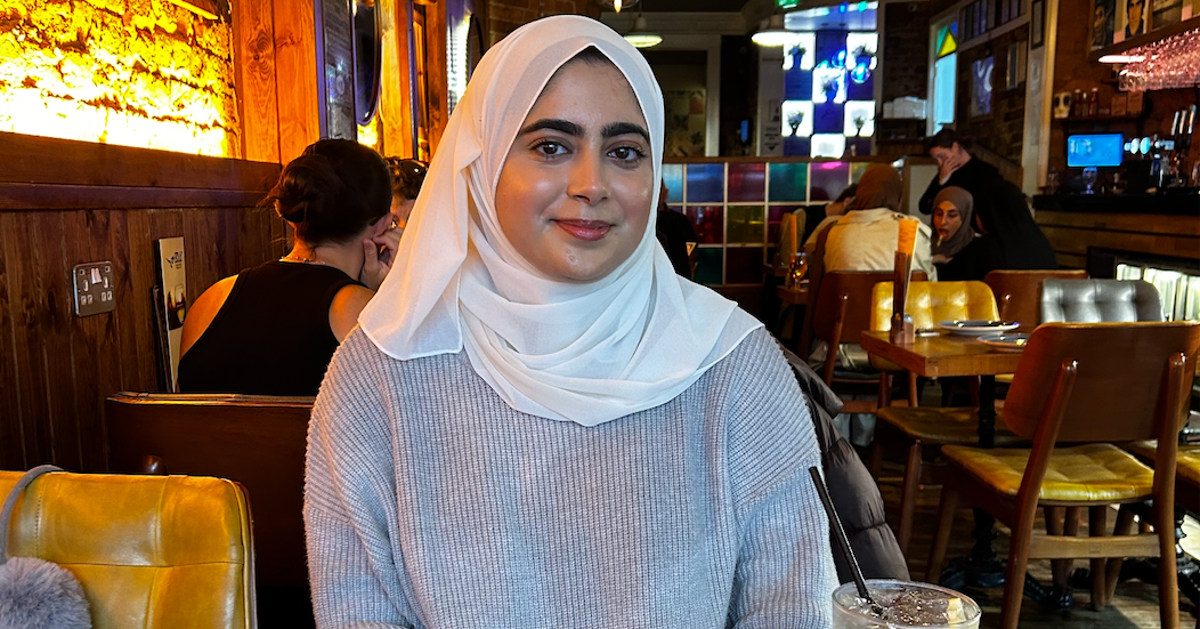
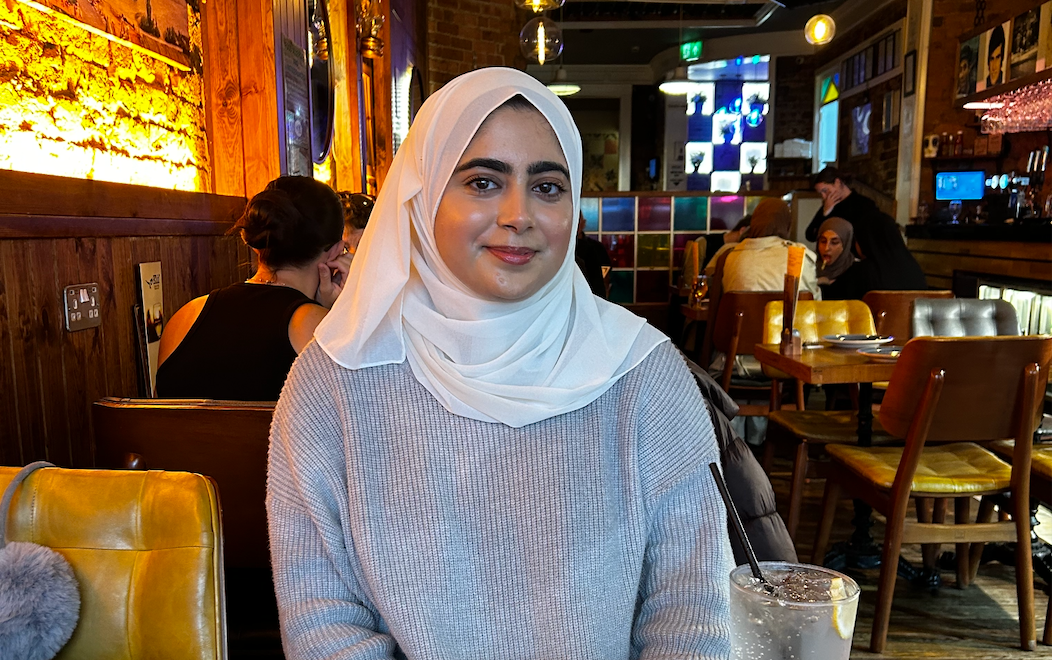
I still remember the first time I held my passport in my hands. It wasn’t just a small blue book with my name inside – it was a key, a promise, a declaration of possibility. I was in my 20s and wasn’t immediately sure what travel would do for me, but I had what I needed to find out. As a Black Muslim woman, travel has been a way of expanding my world, learning my history beyond what textbooks tell us, and reclaiming my freedom in ways my ancestors fought for.

And yet, too many Black people in the United States don’t have access to this freedom. According to a survey from 2023, only 34% of Black Americans hold a valid passport.

I can promise that this statistic is not about not wanting to travel internationally; it is more of a reflection of systemic barriers that have long restricted our mobility. From the $165 passport application fee to the deep-rooted fears of traveling abroad, many Black Americans feel locked out of the world.

Furthermore, the lack of representation in travel media or stories of anti-Black racism abroad can create well-warranted anxiety. If we don’t see ourselves safely represented in the narrative of international travel, why bother?

And then there’s the unspoken reality: For generations, Black Americans were actively discouraged – or outright prevented — from moving freely, both within and beyond U.S. borders.

At 38 years old, I’ve lived in five countries and traveled to countless others, digging my heels into the literal paths traversed by Audre Lorde, Maya Angelou, James Baldwin, and so many other Black creatives who not only dared to dream but lived those dreams out loud and in the world. In every place I’ve called home, I’ve felt the weight of their footsteps and the power of their choices. Their journeys weren’t just about escape, they were about expansion—about finding spaces where they could breathe, create and exist beyond the confines of racism and oppression.

These choices were deeply political. They reflected a refusal to accept the criminalisation of Black folks, the silencing of Black voices, and the daily toll of surviving in a country built on anti-Blackness. Much like today, Black people then were searching for places where their full humanity could be recognised.

And so, the desire to explore the world isn’t just rooted in wanderlust. It’s an act of resistance, a declaration that we deserve rest, joy and safety. Leaving the United States, for many, has always been about more than just seeing new sights – it’s about finding freedom in places that won’t criminalise our very existence.

"I just wanted to do something to impact people the way travel has impacted me," writes author Imani Bashir, pictured here during a trip to Egypt.

Photo Courtesy of Imani Bashir

“I just wanted to do something to impact people the way travel has impacted me,” writes author Imani Bashir, pictured here during a trip to Egypt.

But I also know that for too many Black people who want to visit other countries, the barriers to entry are too high. That’s why I started my Paid Passport Initiative: to remove one of the biggest obstacles standing between Black people and the freedom to move.

The concept is simple but powerful. I would cover the cost of a passport book and the processing fee for Black adults who are ready to take that first step toward global mobility. Using my creator funds from TikTok, along with community support through a campaign I created on GiveSendGo, I’ve been able to fund 18 passports since Jan. 1, 2025 – each one representing a life opened to new possibilities. When I first launched the initiative, I expected interest, but I wasn’t prepared for the overwhelming response, especially since it’s just me. I just wanted to do something to impact people the way travel has impacted me.

Within the first 24 hours, I received 1,500 submissions, and to date, over 9,428 people have applied. They shared stories of wanting to reconnect with their ancestry, pursue job opportunities abroad, or simply experience a world they’ve only seen in books and on screens. It was a reminder that the desire to move and go has always been strong – and my goal is to eliminate the first financial hurdle.

Beyond travel, a passport is one of the strongest proofs of citizenship – a document that can mean the difference between security and uncertainty, especially at a time when citizenship, rights and even personhood are under attack. With voter suppression laws, mass incarceration and policies that disproportionately strip Black people of their rights, having a passport isn’t just about seeing the world – it’s also a safety precaution.

A valid passport ensures that if ever the need arises, we have the ability to leave, to seek refuge, to claim space elsewhere. It’s a safeguard against a system that has historically tried to limit our mobility and erase our belonging. In a world where political tides shift rapidly, possessing a passport isn’t just about freedom. It’s about protection.

Having a passport is a small act of resistance against a system that has long tried to keep us in place. And it’s a reminder that mutual aid, collective care and community support can create real change.

I know firsthand how transformative travel can be. It has shaped my identity, deepened my understanding of myself, and connected me to a global diaspora that exists far beyond the margins of the United States. I want others to experience that – to know that they are not confined and that their existence is not defined by limitations but by possibility.

My goal is to fund 100 passports by the end of 2025, but this is bigger than me. It’s about shifting the way Black people see themselves in the world. It’s about planting the idea that movement is our birthright. Because when we have access, when we have options, we are free. And Black freedom – no matter where it exists – is always worth investing in.

I don’t plan on stopping at 100 passports. Because when we move, we learn. And when we expand, we become unstoppable.

Share Button

We’re Recruiters. This Is The Biggest Tell You Used ChatGPT On Your CV.

With the rise of AI-powered writing assistants, typing up your job application can be quicker than ever.

OpenAI’s ChatGPT, for example, is a chatbot powered by machine learning that can write out detailed resumes and cover letters in less than five minutes with the prompts you give it. But if you are doing this, know that recruiters can tell.

“Easily 25% of apps appear to be AI-generated,” said Bonnie Dilber, a recruiting manager with app-automation company Zapier.

And these blatant examples do not leave a winning impression on recruiters. At worst, “it signals to me that the person may not know what they are talking about or how to blend AI-generated content with their own ideas,” Dilber said.

The Biggest Tell You Used AI On Your Job Application

The biggest red flag, recruiters said, is when your application reads like a copy-pasted, robotic and formulaic template.

If you are using an AI-powered writing assistant, think of the hundreds of other job candidates who are doing the same. For recruiters who sift through many applications, the ones that are done through AI become obvious, because they have similar sentence structures and they use the same case studies.

Dilber gave the example of asking “Why are you interested in this position?” on a job application and getting candidates who use the same word-for-word response of “Company’s mission of ‘insert mission statement’ resonates with me and my experience in ‘insert their current job.’”

“First time I saw it, it was cute, the next few times, it becomes obvious they all plugged this into the same tool.”

– Bonnie Dilber, a recruiting manager with Zapier

“After seeing this exact same response over and over again, it becomes clear that the candidates are all using AI,” she said.

When the application asked about how to use Zapier’s product, which automates tasks, Dilber said, “a bunch of people all came up with the same use case of a flower shop. First time I saw it, it was cute. The next few times, it becomes obvious they all plugged this into the same tool.”

For Gabrielle Woody, a university recruiter for the financial software company Intuit, the telltale sign of a ChatGPT-written application is also the “robotic tone” that is markedly different than how early-career professionals actually talk.

“I almost always see words like ‘adept,’ ‘tech-savvy’ and ‘cutting-edge’ repeatedly now on resumes for tech roles,” she said. “I mostly review intern and entry-level resumes, and many of the early-career candidates I reviewed were not using those terms in their applications before ChatGPT.”

“A good recruiter can spot an AI-written application from a mile away,” said Laurie Chamberlin, head of LHH Recruitment Solutions in North America. For her, the clear giveaway is the generic buzzwords.

“We might catch candidates listing skills like ‘excellent communicator’ or ‘team player,’ but they don’t back them up with real-life examples,” she said. “The absence of specificity, authenticity and personal touch can be a red flag.”

In some cases, it’s obvious because of the lack of editing. Tejal Wagadia, a recruiter for a major tech company, said that she will see job applications that still have the font, parentheses or phrasing like “add numbers here” that ChatGPT will give in its summarised answers.

“They will literally copy and paste that into their resume without any kind of editing,” Wagadia said. This can backfire for candidates, because it signals you are careless. “If you’re missing that level of detail, it shows the employer that you’re not detail-oriented. Yeah you use technology, but not well,” she added.

How Recruiters Feel About Using AI Overall

Ideally, you use AI writing tools as a starting point, recruiters said. Woody said ChatGPT can help job candidates generate ideas about which experiences to present on their resumes: “You can ask ChatGPT to break down a job description or identify the most relevant skills and experiences for the position you’re applying to.”

In other words, AI writing assistants can help you write a first draft, but you need to edit and write your final draft with specific, detailed experiences only you know to share.

Wagadia advised making your job search “targeted and not templated.” So don’t mass-apply with hundreds of AI-generated job applications.

“It’s better to have five targeted applications where you put in effort than 100 where the other person can clearly tell that you’re not interested,” Wagadia said.

And don’t lie. Tech and digital marketing recruiter Kelli Hrivnak cautioned applicants against using the suggested achievements generative AI tools can create in their answers if they are not true: “If you have misled the company, then this jeopardises your integrity as an employee,” Hrivnak said.

Ultimately, a strong job application will include personal anecdotes and specific achievements that are relevant to the role you’re applying to. That level of good storytelling cannot be automated.

“If the company was simply looking for AI-generated work, they’d use an AI tool,” Dilber said. “They are trying to hire a human for the unique things only humans can offer, so make sure your application showcases that.”

Share Button

I Was On A Perfect Date Until His Comment About My Face Caused Everything To Unravel

My first date with Jordan was moving along seamlessly when out of nowhere he made a strange joke about my appearance.

“Wow, good thing you don’t have anything in your teeth,” he said while I was busy laughing, “because your teeth stick out so much it’s like, ‘Whoa.’”

He imitated what I apparently looked like — something between a piranha and a chipmunk. For most people, this might not have been a big deal. But for me — someone with a long history of body dysmorphic disorder, this was devastating.

I met Jordan on a dating site my daughter had encouraged me to check out not long after she’d left for college. She messaged me one afternoon with concern.

“I’m seeing a lot of selfies of you with the cats,” she said. “What’s going on? Are you getting out with your friends and meeting new people?” On her next visit home, she helped me set up a profile on a dating app.

Jordan’s profile pictures revealed a handsome man with deep hazel eyes and a full dark moustache and goatee. He was divorced and now living in Madison, Wisconsin, when he popped into my queue of potential dates after he, too, swiped right on my profile. We messaged for a few days and then made plans to meet at a popular bar-restaurant on Madison’s west side.

I had no sooner agreed to the date than my anxiety kicked in and I began obsessing over my appearance. Dating with body dysmorphic disorder had always been excruciating.

Defined by the Diagnostic and Statistical Manual of Mental Disorders, body dysmorphic disorder (BDD) falls under the category of an obsessive-compulsive disorder, specifically a preoccupation with one or more perceived defects or flaws in physical appearance that are not observable or appear slight to others. It’s estimated that in the United States, 5 million to 10 million people suffer from this disorder. My BDD revolves around my face, specifically my nose, jaw and teeth. Like other mental illnesses, BDD varies in its severity, affecting everyone differently. Left untreated, it can lead to devastating effects, including anxiety, depression and suicidal ideation.

Though my obsession with my facial defects never ceases to exist completely, it had been at a minimum for the few months preceding my date, giving me enough confidence to say yes to Jordan. In fact, as I got ready to go out, I found myself unexpectedly excited as I dug out my high-waisted black pants, new silver silk top and dangling sequin earrings. Putting on my makeup, I carefully played up my eyes with a dusty mauve shadow and highlighter above my cheekbones, attempting to draw attention away from the lower areas of my face. I must have thought I looked decent enough because I took a selfie and posted it to Facebook just before heading out the door.

It was a cool March evening when I pulled up to the Bonfyre Grill. I saw Jordan as soon as I walked in — he was standing at the bar, gazing intently at the doorway. Our eyes met and he smiled. He was shorter than his pictures revealed, but other than that, he looked much as I’d expected.

After a nervous greeting (on my part, because he appeared calm and confident), we ordered drinks and settled into our conversation. Jordan told me he moved to the U.S. in the early ’90s to attend law school. We both had kids, though I had only one, and she was off at graduate school. Jordan had two — a daughter in college who lived nearby and a younger son still at home. I’d been hoping to find a future partner who didn’t have young kids, but it wasn’t a total deal-breaker.

Forty-five minutes later, I revelled in how well our date was going. Jordan was gregarious and funny to the point of being entertaining — I was laughing so hard both my stomach and face hurt. He was also a passionate conversationalist with a deep voice and British accent I found uncommonly attractive. Even more endearing was his attentive disposition — he asked me questions about my work and complimented me on raising my daughter alone as a single mom.

As we relaxed into our second hour and another drink, Jordan inched his barstool closer to mine. Now facing each other with our knees brushing, he reached out and took my hand. I relished our mutual attraction as we planned for a second date.

A moment later, things took a surprising turn for the worse when Jordan made the joke about my teeth. I immediately froze up in shock. Before I could gather myself, he made another joke-like comment about my nose. I tried to play it off, but it was too late. A freight train had been let loose, and it was headed to a deep, dark oblivion.

I had never been on a date with anyone who had commented on one of my BDD focus areas, and I had no idea how to respond. In an instant, all the pain of my struggle rushed back to me, and I went into flight mode. Jordan quickly picked up on my change of demeanor and followed with, “Don’t get me wrong, you’re cute as hell,” but I was already searching for the exit.

“Before I could gather myself, he made another joke-like comment about my nose. I tried to play it off, but it was too late. A freight train had been let loose, and it was headed to a deep, dark oblivion.”

My struggle with body dysmorphic disorder started decades ago after suffering a mental breakdown at 28. As is common with this disorder, I didn’t trust the doctors’ diagnosis or recommendations. I didn’t need psychotherapy or medication. I needed a plastic surgeon, an orthognathic surgeon and an orthodontist. The only way to stop the obsessing and mental pain, I believed, was to fix my face. That was the beginning of a long and painful road.

I continued to have severe anxiety and daily obsessiveness for months before I finally agreed to try medication and therapy. A year later, I was no longer having panic attacks, but the obsessions were still strong. I now had depression added to my diagnosis from struggling so long with no reprieve. Unable to see the light at the end of the tunnel, I became desperate. I didn’t want to die, but I didn’t know how much longer I could go on suffering. The mental pain had become more than I could take.

Every day became a fight for survival, taking all I had to get to work, parent my daughter and maintain our small household. I began an early morning routine of prayer and spiritual reading. I meditated and visualised myself healthy, happy and defect-free. I read self-help and BDD recovery books, feverishly highlighting passages and going back to those helpful parts regularly. Many of those books became lifesaving. I set out to retrain my brain to think different thoughts and to put a hard stop to the devastating ones. Slowly, I started to have good days. Slowly, the fog lifted. And when I finally made it out of the dark two years later, I never wanted to go back again. The pain of living that existential death was worse than living with an imperfect face.

I decided it made no difference whether or not I was “deformed.” What was killing me wasn’t the deformities — real or imagined, slight or major — but the meaning I’d applied to them.

Jordan was, perhaps, insensitive and careless in his remarks about my face, but he certainly couldn’t have known the weight of his words or the impact they would have on me. But at that moment, staying in his presence was too painful. I ended the date promptly, telling him I had an early morning the next day and needed to call it a night.

“Do you still want to get together midweek then?” he asked as I was putting my coat on to leave.

“Sure,” I responded, knowing I never would.

I stopped interacting with Jordan and went back to therapy. That was over a year ago now, just two weeks before the country went into lockdown with the pandemic. Therapy, along with the solitude that quarantine provided, allowed me time to heal and to get my mind back on track.

Now, as the COVID-19 numbers decrease and with summer here, I’ve been thinking about dating again. With so much time alone, I’ve pondered how nice it would be to have a companion, a future partner, love.

A few weeks ago, I got back on the dating app and recently swiped right on a man named Matt.

Matt is five years younger than me, fit, tattooed and handsome. A military veteran now working as an engineer, he’s been sweet and gentlemanly in our messages. We’ve made plans to meet for lunch on Sunday. I’m not cured of my body dysmorphic disorder and may never be. Further, there is no guarantee the date will go well. But what lies ahead of me is a choice. I choose to live — struggles, imperfections and all.

Tammy Rabideau is a writer living in Madison, Wisconsin. Her writing has been featured in The New York Times, Rebelle Society and other publications. She is working on a memoir based on her New York Times Modern Love essay. You can follow her on Twitter at @TammyRabideau2.

Share Button

I Perform Revision Surgery – Here’s What Really Goes Wrong With Cheap Ops Abroad

According to a study presented to the British Association of Aesthetic Plastic Surgeons (BAAPS) in November 2024, over 50% of individuals who travel abroad for cosmetic surgery end up regretting their decision.

BAAPS commented on the study, saying: “The findings underscore the hidden costs and potential risks of bargain procedures abroad, with Turkey emerging as a prominent destination.”

To learn more about this high regret rate and the issues people face when heading abroad for cosmetic surgery, HuffPost UK spoke with leading consultant plastic surgeon Elena Prousskaia.

The results of cheap cosmetic surgery can be harmful to our health

Prousskaia says: “As a consultant plastic surgeon with almost 20 years of experience, I regularly see patients dealing with the consequences of low-cost cosmetic procedures performed overseas.

“Many return home with results that are not only disappointing but, in some cases, medically concerning – requiring urgent or complex revision surgery.”

These complications aren’t simple, either.

The consultant reveals: “The complications I most often treat include infection, poor scarring, asymmetry, and, occasionally, permanent tissue damage.

“Commonly, these are for breast augmentation and body contouring surgery. These outcomes aren’t just bad luck – they’re frequently the result of inadequate preoperative screening, rushed consultations and trying to fit in too many patients.”

Undergoing surgery – cosmetic or not – is no small feat, and Prousskaia warns that doing so right after travelling is not advised: “In some cases, patients undergo surgery within 24 hours of landing, without time to recover from travel or receive thorough medical evaluations.”

Postoperative care is often overlooked, too

Proussakaia says: “When it comes to postoperative care, this can be lacking. This could include not having enough time to properly recuperate before discharge, being given inadequate advice to carry on recovery at home and not being properly schooled about how to spot complications.

“Often, when surgery goes wrong, this is during the aftercare – it is such a critical time to be well supported and informed.”

Getting cosmetic surgery in the UK can be more difficult, but with good reason

In the UK, she reveals, we are held to stringent regulatory standards.

“Surgeons are GMC-registered, facilities are inspected, and patients must be given sufficient time and information to make informed decisions. Overseas, standards vary widely. Some clinics prioritise volume over safety, and patients may not meet their surgeon until the day of surgery.

“Revision surgery is not straightforward. Operating on already-compromised tissue increases the risk of further complications, and the psychological impact – from regret to anxiety – can be profound.”

What to do if you’re considering cosmetic surgery abroad

If you are still considering heading overseas for cosmetic treatment, the surgeon recommends following these steps:

  1. Verify credentials – Your surgeon should be listed on a specialist register, such as the GMC in the UK or equivalent in other countries. Ask about their training and how often they perform the procedure you’re considering.
  2. Ask about aftercare – Safe surgery doesn’t end in the operating room. Make sure you’ll receive proper follow-up care and know what support is available if something goes wrong after you return home.
  3. Take your time – Avoid any clinic that rushes you into surgery. You should have time to ask questions, reflect, and fully understand the risks before committing.

“Cosmetic surgery should never be rushed or treated as a ‘bargain’. It’s still surgery — with all the risks that entails. Always choose safety over savings.”

Share Button