If you’ve ever tried to make restaurant-level chips at home only to be disappointed by the results, chefs say you might not be cooking (then cooling, then cooking) them enough.
And if your homemade poached eggs fall a little flat, the pros recommend strainers, stirring, and vinegar.
Advertisement
But if mash is your Achille’s meal, some commenters on the Reddit forum r/AskCulinary ― where we non-experts can ask chefs for the secrets to professional-level food ― say it might have to do with how you cook the spuds.
Boiling may not be your best bet, they say.
How should you cook potatoes for mash?
The trick to getting creamy, fluffy mash is working with a dry, floury spud. That’s why a lot of experts recommend a variety like Maris Piper or King Edward for the job.
The drier the potato, the more of its creamy smoothness can come from decadent butter or milk ― and the better you can control its texture.
Advertisement
But once you get to a professional level, simply choosing the right potato for the job might not cut it.
Nigella Lawson boils her potatoes in their skins to stop them from becoming “waterlogged”, peeling them as soon as they’re cooked.
She also suggests patient cooks go with the advice some Redditors offer: baking, instead of boiling, the potatoes will yield the “driest” results.
Advertisement
But the most common response was a time-saving middle ground.
“Most places will steam the potatoes, mainly because there’s less water in them that way,” site user ChefGuru wrote.
They added: “Using baked potatoes could be another option because they cook without being soaked in water.”
Both recommend letting the potatoes cook for about 20-25 minutes; Delia stresses the importance of testing how “done” they are with a skewer, as undercooked potatoes will run lumpy.
Advertisement
Lastly, the TV chef says your regular potato masher may not cut it for pro-level results.
After adding milk and crème fraîche to the mash, she brings out an electric whisk to “whip the potatoes up to a smooth, creamy, fluffy mass”. Nice.
It’s lunchtime, your stomach is growling and you’ve decided to make a sandwich. But as soon as you head to the pantry and open the bread bag, you see it: a whitish, greenish spot. Ugh — it’s mould.
Some slices look OK, though, with smaller or no mouldy bits. Are those safe to eat? Maybe they haven’t been touched by the mould yet, you think.
Advertisement
The idea of eating them is gross, but if you are super hungry or haven’t been to the grocery store lately, you may be low on other options.
Plus, with the expectation that food costs will rise under President Donald Trump’s administration and the desire to reduce food waste, who wants to toss a whole loaf? Some might wonder if certain slices are still fine to eat, or at least won’t cause major stomach problems. Let’s see what food experts say.
What To Do If You See Mould On Just 1 Slice Of Bread
Unfortunately, mould on one slice is essentially mould on every slice (which is also the case for produce, by the way). It doesn’t matter if one piece looks fine or isn’t touching the mouldy area — it’s all dangerous to eat.
Advertisement
“No matter how little the mould spot is on the bread, or how many slices are left of the loaf, it is not safe to eat mouldy bread nor just cut around it and eat the rest, because the root of the mould already has deeply penetrated into it,” said Shelley Balls, a registered dietitian nutritionist with ServSafe manager certification on food safety.
And just because you might not see mould doesn’t mean it’s not there. “You may only see visible mould growing on the surface, like leaves on a tree or the petals of a flower,” explained Leanne Blommaert, the manager of food research and development at NSF, a public health organisation. “But there is an entire network of roots called mycelia that can spread into and across all surfaces of bread.”
Besides being gross, this can make you feel sick.
The Dangers Of Eating Mould
If you’re a fan of blue cheese, you may think it’s perfectly fine to eat some mould. You’ve done it before and been OK, right?
Advertisement
That’s understandable and, in some cases, true. Mould isn’t always bad — but it can be.
“Eating mouldy bread can upset your digestive system or cause allergic reactions, depending on the type of mould,” said Chris Mohr, a fitness and nutrition adviser at the website Garage Gym Reviews.
Dr. Kelly Krisna Johnson-Arbor, a medical toxicologist with the MedStar Health hospital system, explained how this can happen. “Some types of mould that are found in spoiled bread, including Aspergillus and Penicillium, are also associated with allergies that can occur immediately or hours after people come into contact with them,” she said.
She added that gastrointestinal symptoms — like abdominal pain and diarrhoea — may come from mycotoxins, which are secondary compounds from mould. They can change normal intestinal functions, with unpleasant results.
Advertisement
Those aren’t the only issues you may face, unfortunately. Even breathing in mould can cause health problems, according to Balls. People with asthma are especially at risk, Johnson-Arbor added, as the allergens can trigger breathing difficulties.
Johnson-Arbor recommended playing it safe. “Since some types of mold can cause unwanted health problems, and since it’s impossible for most people to tell whether a specific mould is harmful or not based on its appearance on food, it’s best to avoid consuming most mouldy foods,” she said.
If you want a cheat sheet on when mould may be safe to eat (or eat around), check out this webpage from the U.S. Department of Agriculture.
Advertisement
Why Some Bread Slices Get Mouldy Faster Than Others
Even when bread slices sit together, some can mould faster than others. How?
Balls said slices that mould faster may have more moisture or be warmer. She gave the example of a bread loaf with one side closer to a toaster, thus making it warmer and more likely to grow mould first.
Touching bread — with your hands or utensils — can cause mould spores to grow, too, Blommaert added. And that mould can spread.
Plus, mould can be airborne. Mohr said that slices near the seam of a bread bag, or near the end of a loaf, may mould faster. That’s because they’re closer to the air and moisture in your kitchen. Even if you don’t leave the bag open, it’s exposed to more air when you open it.
Advertisement
How To Prevent Mould From Growing On Your Bread
To some degree, mould growth is unavoidable with certain foods. However, there’s a way to slow its progress.
“You can safely store your bread in the fridge to extend its shelf life without any dangerous health risks,” Balls said.
The bread may become harder, she noted, but it’s safe to eat.
Whether this is the best option depends a little on the type of bread, however. Balls said to store crusty types of bread at room temperature only, but commercially made bread will have no or minimal problems with texture or flavour after sitting in the fridge. Just place it in an airtight container to prevent it from drying out.
Advertisement
Putting bread in the freezer can also keep it from drying out, and it could still taste about the same as when you first bought or baked it. If you have more than you can eat in a few days, your slices may best reside there.
Additionally, Blommaert suggested checking the expiration date of your bread and not consuming it past then. According to the USDA, commercially baked breads can be stored at room temperature for two to four days, refrigerated for seven to 14 days, or frozen for three months.
For anyone wanting to eat bread safely, Mohr offered this simple advice: “When in doubt, throw it out.”
Dating apps have been going for years now, but it seems some users still don’t quite understand what is okay – and what’s totally inappropriate – to divulge to the people they’ve swiped right on.
Case in point, one Mumsnet user recently took to the platform to share her own “horror stories” from her time on dating apps which she says have put her off “for life”.
Advertisement
While calling on others to share their torrid tales, the user (with the extremely relevant username: stayawayyyyyfromdatingapps) said: “I got an absolute shiner off of tinder say to me ‘I really want you to be my girlfriend, so you can see to my trouser cannon every day’.”
The post, which featured a whole host of other dating stories, inspired others to share their own anxiety-inducing anecdotes and all we can say is… good grief.
1. Got to an organised drinks first date, and the guy had those white stringy bits all around his crusty lips.
I kept licking my lips in the hope he’d do the same and kept thinking fuck me if he kisses me I’m going to have to see the hygienist.
– stayawayyyyyfromdatingapps
2. I had one ask how much it would cost to put a baby in me…
When told where to go, he said he was genuinely asking as believed redheaded women produced superior babies.
I had no idea where to go with that lol. What an absolute creep.
– YouDeserveBetterSoAskForIt
3. He used his son’s photo who was about 27…
Turns out he was about 47 and he couldn’t figure out why I wasn’t interested. Hm I’m 23 pal.
– Packingcube
4. On a first date (and last) date with a man who asked me my nationality. When I said German, he said ‘oh yes, big feet small boobs’.
I couldn’t get out of there fast enough.
5. [My] Profile clearly said ‘have children, don’t want more’. Matched with a guy, chatted a bit then met for coffee. One of the first things he said was ‘is the no more children thing negotiable?’
I said ‘no, it isn’t.’ He said ‘really, even having met me now I still couldn’t persuade you to have my child’. So I said ‘well I have only met you for 10 mins, but I definitely don’t want more children with anyone.’ His response, ‘let’s have a proper date, you will be begging to have my babies before the nights out.’
Declined the offer of a proper date!!
– Everintroverte
6. He said ‘boom’ at the end of sentences. ‘I’m going into town – boom!’
Also used ‘I’m on fire’ a lot. Pity he wasn’t.
– witwatwoo
7. As I walked into the pub the first thing he said was ‘you’re actually quite pretty. We just need to sort out your hair and clothes’.
I turned around and walked out.
He had very little hair, was wearing a T-shirt that needed ironing and his profile photo must have been at least 10 years out of date!
– Smokesandeats
8. Not me but my friend went for a date with a bloke who paid for dinner with a 50% off voucher and told her it was his treat but she could only have a main course as that’s what the voucher covered.
When they walked to the car park, he asked is [sic] she wanted to get into the back seat of his car and unleash his beast – he was 56!!!
Advertisement
– TwistedWonder
9. I also had one guy move the time back and hour, show up with all his mates then disappear off for half an hour leaving me with his friends and returned to ask me if I wanted to go back to his.
When I said no he said he didn’t fancy me anyway and wanted to get back with his ex.
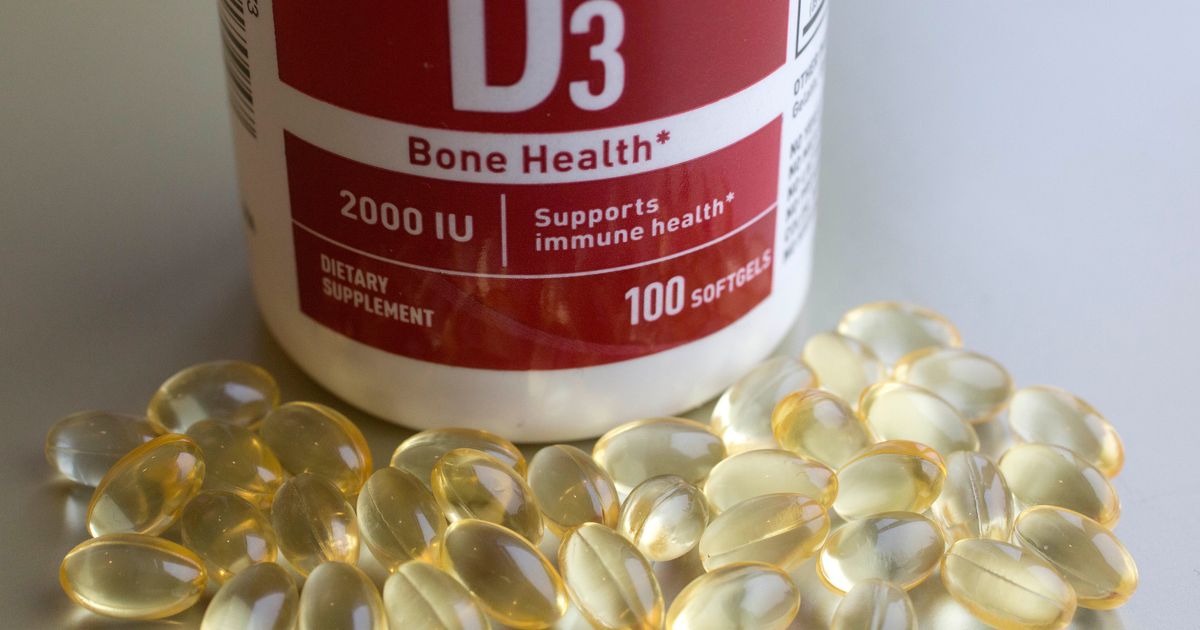
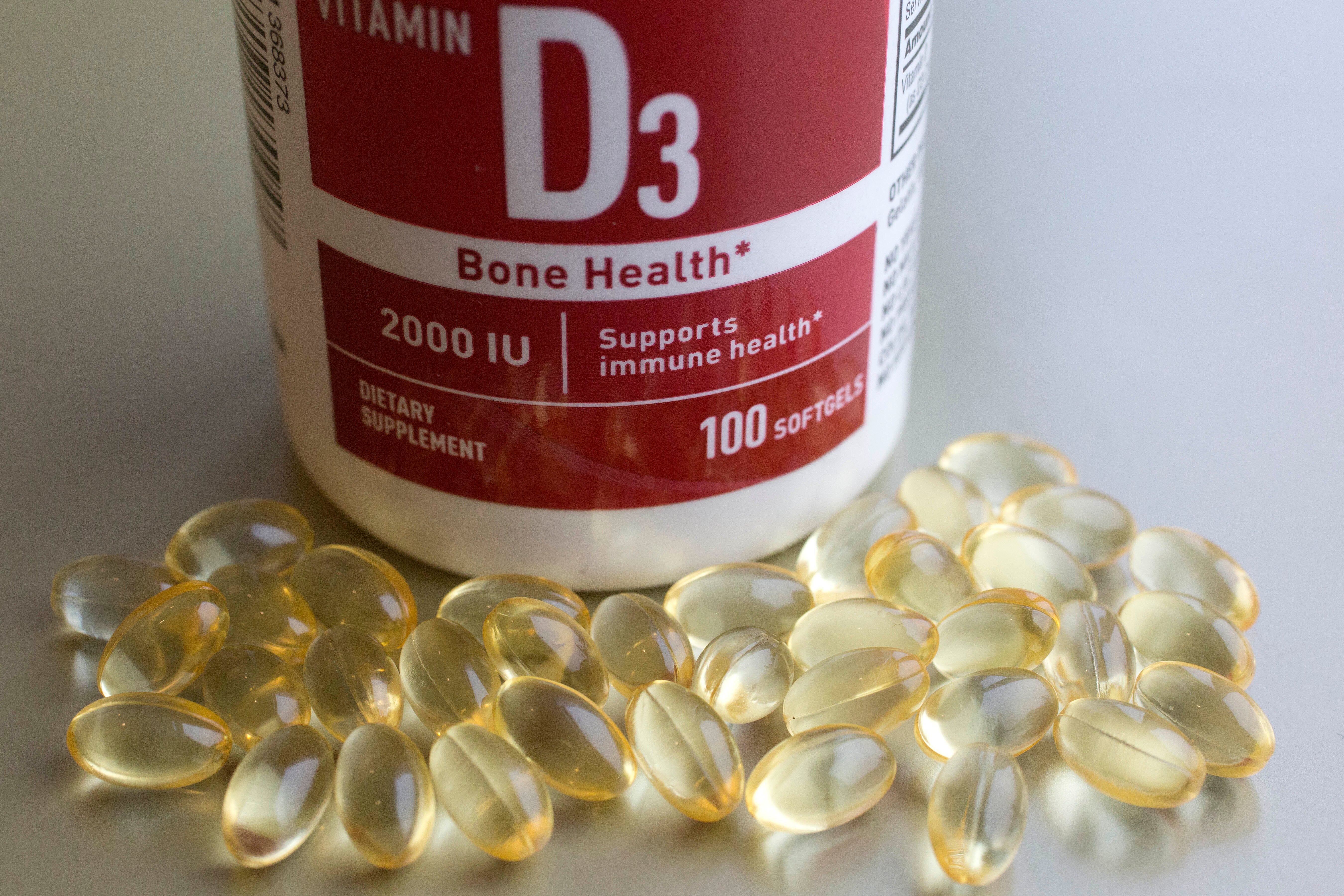
The NHS recommends all adults in the UK consider taking a vitamin D supplement until at least March.
That’s because the vitamin, which is usually produced by our bodies when we expose our skin to sunlight, can be hard for us to make during gloomy winter. A vitamin C deficiency can cause muscle fatigue and may even be bad news for our teeth and bones.
Advertisement
Still, the health service warns us not to “take more than 100 micrograms (4,000 IU) of vitamin D a day as it could be harmful.”
“Taking vitamin D at very high doses long-term is actually very dangerous,” he explained in the clip, “because it can cause hypercalcaemia.”
That means there’s too much calcium in your blood.
The issue with that is that “the excess calcium can deposit in your heart and your kidneys.” The Mayo Clinic says the condition can cause kidney stones and decrease bone density; it may also affect the heart and brain.
Advertisement
Most of the time, overdoing it on a vitamin isn’t going to cause you much harm, Dr Ahmed says. A lot of vitamins are water-soluble, so we just pee out the excess.
But vitamin D is a fat-soluble vitamin, meaning our bodies can’t get rid of excessive amounts.
The doctor agrees with the NHS ― “most people only need about 10 micrograms, which is 400 IU,” he said.
We hit the danger zone when we go ten times over that, or at 100 micrograms (4,000 IU) a day.
Though Dr Ahmed says “there are some people who need a much higher dose than this, these are patients who’ve got very low vitamin D on their blood tests.”
Advertisement
You can’t decide for yourself whether you need a higher amount than is recommended ― and the GP urges anyone on vitamin D to get their bloods checked every so often.
So ― should I skip vitamin D?
The GP says that the information isn’t meant to scare you away from taking vitamin D if you need it.
“I think it’s one of the best supplements you can take,” he shared.
Indeed the NHS says people who don’t go outside often, people whose skin is mostly covered when they do leave the house, those in care homes, and people with darker skin tones might benefit from taking the supplement year-round rather than just in winter.
Advertisement
“But you have to take it carefully and responsibly,” Dr Ahmed continued. In this case, that’s as simple as checking the measurements on the back of the packet.
One of the biggest expenses when moving into your own home is a bed and mattress. Matresses are deeply personal purchases — finding one that fits your sleep style, your physical needs and those of your partner is a precise process — but unfortunately, it’s advised that we replace them every six to eight years.
Which frankly seems too often, given how much a good mattress costs.
However, according to Mattress expert Steve Adams, CEO of Mattress Online, there can be signs even earlier than this that your mattress needs to be replaced.
Advertisement
Four signs your mattress needs to be replaced
You’re waking up feeling stiff and achy
If you start your day with stiffness or aches that fade as the day goes on, Adams warns that your mattress might be to blame.
He explains: “Over time, our body and sleep needs may change meaning the mattress that was once suitable, may not be any more, this can lead to increased pressure points and discomfort.
“Poor sleep caused by a mattress which is unsupportive and does not meet our sleep needs can even lead to longer-term health issues if left unchecked.”
Advertisement
The mattress is sagging or uneven
It’s time to give your mattress a good look and ask if you can see any excessive sagging, lumps or indentations where you sleep.
According to Adams, these are signs that internal materials have broken down. He says: “Some materials will have natural settlement, such as fibres – but an extreme amount of sagging can lead to discomfort, high areas of pressure and speed up the degradation of other areas of the mattress, all which will make it harder to get a restful night’s sleep.”
Allergies are getting worse at night
Ugh, there is nothing worse.
If you have noticed that you are sneezing more often, your eyes are more itchy and sensitive or you are simply more congested when you sleep, it could be your mattress that’s to blame.
Advertisement
This is because over time, mattresses accumulate dust mites, mould, and other allergens that might be triggering your symptoms.
Adams advises: “If washing your bedding and using allergy covers doesn’t help, it may be time to replace your mattress altogether.”
Your mattress is making noise
Not only is this incredibly awkward if you’re doing the deed while others are home but a noisy mattress, particularly one that creaks or squeaks from springs is a clear sign of wear and tear.
Advertisement
Adams says: ” This noise suggests that the springs inside are deteriorating, compromising support and comfort. Swapping to a newer mattress with advanced materials could be the solution to both better sleep and a quieter night.”
But if you think that the devices you use to hear them with have also become worse since you bought them, science says you might be correct on that front, too.
Advertisement
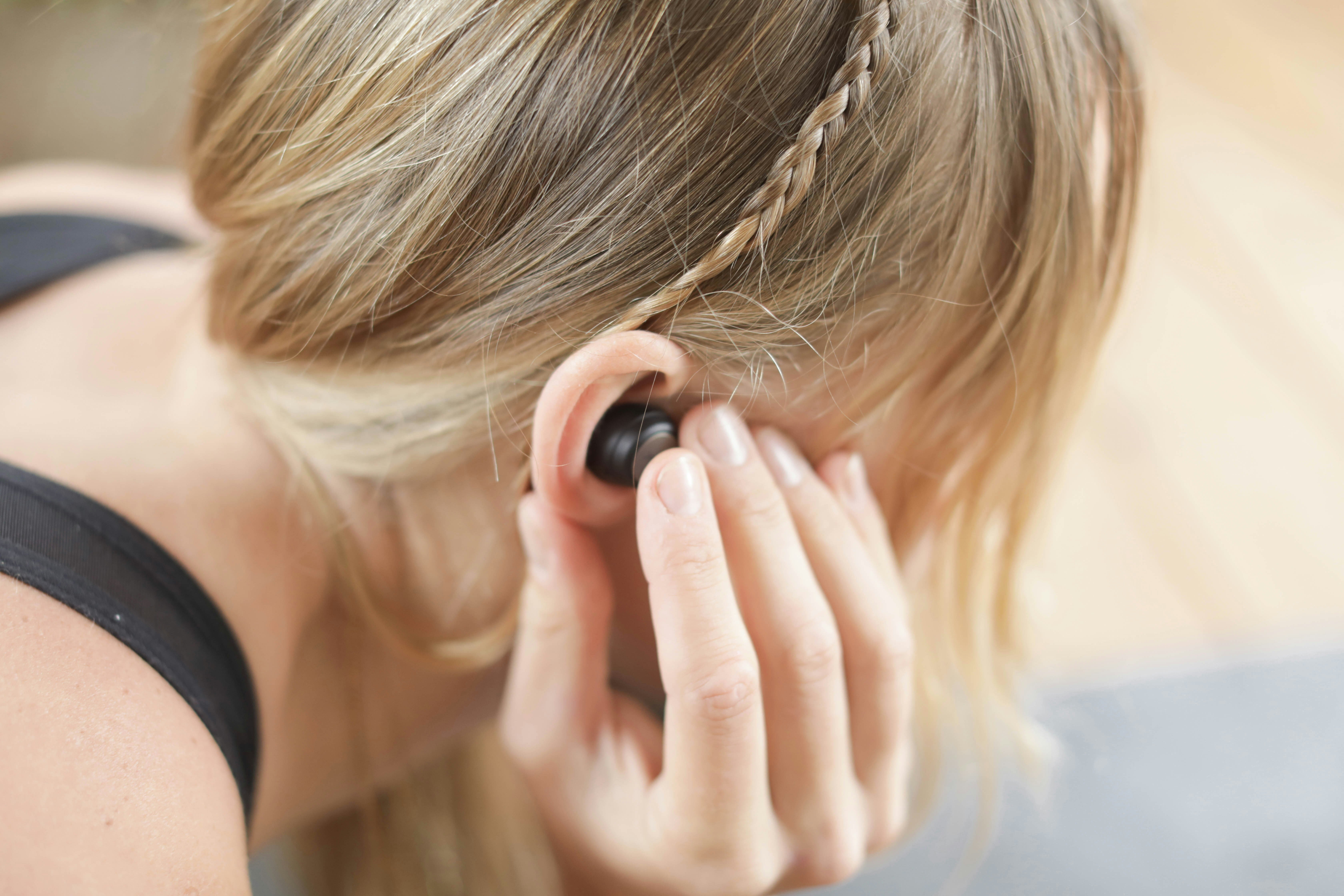
In a recent paper published in the journal Advanced Materials, researchers looked at how wireless headphone battery life declines after leaving the box, by using imaging technology, infrared scanners and even X-rays.
They wanted to find out whether headphones which last for eight hours when they were new can only run for, say, six hours after a couple of years without needing a charging break.
Our suspicions aren’t unfounded, it seems ― the longer we own our battery-powered earphones, the shorter the battery life seems to get.
Advertisement
Why?
The scientists found that little structures in earphones like Bluetooth antennae, microphones and circuit boards can make the battery’s environment a little taxing (for instance, it can warm up one side of the battery but not the other).
Even temperature changes in our own lives, like going for a walk in the cold with our earphones in, risk slightly damaging the battery, the researchers add.
For that reason, the study says: “Conventional battery failure analysis in controlled lab settings may not capture the complex interactions and environmental factors encountered in real-world, in-device operating conditions.”
Advertisement
In other words, the batteries in your earphones weren’t tested for real-life conditions as they actually play out.
Wait ― how can you tell what’s happening inside a battery to begin with?
It’s a big ask, which is why the University of Texas at Austin team used some of the world’s most advanced X-rays for the job.
They worked with groups from SLAC National Accelerator Laboratory’s Stanford Synchrotron Radiation Lightsource, Brookhaven National Laboratory’s National Synchrotron Light Source II, Argonne National Laboratory’s Advanced Photon Source, and the European Synchrotron Radiation Facility (ESRF) to get their data, Science Direct reports.
Advertisement
Physicist Xiaojing Huang, who worked in the Brookhaven lab that collaborated with these researchers, told the publication: “Most of the time, in the lab, we’re looking at either pristine and stable conditions or extremes.”
“As we discover and develop new types of batteries, we must understand the differences between lab conditions and the unpredictability of the real world and react accordingly. X-ray imaging can offer valuable insights for this.”
Low potassium is also known as ‘Hypokalemia’, and the health experts at Cleveland Clinic say: “Your body needs potassium to function correctly. It gets potassium through the food you eat.
“Hypokalemia is often caused by an excessive loss of potassium in your digestive tract due to vomiting, diarrhoea or laxative use.”
Advertisement
They also urge that if left untreated, Hypokalemia can cause serious heart rhythm problems and life-threatening paralysis may occur.
Probably best to stay on top of it, then…
The symptoms of low potassium to look for
According to Healthline, these are 7 crucial signs of low potassium:
While it is a good idea to try and eat potassium-rich foods, Healthline warns that this likely won’t be sufficient to treat a deficiency, saying: “Mild to moderate hypokalemia is typically treated with oral potassium supplements. In some cases, a healthcare professional may also need to adjust any other medications or treat underlying causes, like diarrhea, vomiting, or eating disorders.
Advertisement
“A potassium-rich diet is usually not enough to treat hypokalemia, since most potassium in food is paired with phosphate, not potassium chloride. Hypokalaemia often also involves a chloride deficiency, so it’s best to treat both deficiencies with potassium chloride supplements.”
However, if you are looking to prevent Hypokalemia, there are foods you can eat…
Potassium-rich foods
BBC Good Food advises that the following foods are high in potassium:
The food and cooking experts add: “As it’s water-soluble, potassium is lost during boiling, so it’s better to steam, bake or stir-fry vegetables. In addition, food processing reduces the amount of potassium in many foods and a diet high in processed foods and low in fresh fruits and vegetables may lack potassium.”
They also differ by gender ― women usually have lower cholesterol readings than men, but this can change after menopause, which causes some peoples’ levels to skyrocket.
And while most of us know that fatty foods, smoking, and staying inactive can also put your cholesterol levels outside of the healthy range, I for one wasn’t aware how much of an effect booze can have on the metric.
Advertisement
According to cholesterol charity Heart UK, alcohol’s better-known toll on your liver can have knock-on effects on your heart.
How does alcohol affect cholesterol?
When we drink alcohol, it gets broken down into triglycerides (a type of fat) and cholesterol in our body.
Triglycerides can settle in our liver, which causes fatty liver if it happens too often.
In that case, Heart UK says your liver stops being as good at removing cholesterol from your system as it should be. That leads to higher cholesterol levels.
Advertisement
“Alcohol can lead to the combination of a high triglyceride level along with low HDL cholesterol,” they add, which may cause heart disease.
Over time, drinking a lot of alcohol can lead to high blood pressure too (this is sometimes referred to as a “silent killer” because it’s linked to heart health issues like cardiac arrest and stroke, but shows few symptoms).
Drinkaware adds that you can even develop a condition called ‘Holiday Heart Syndrome’, when you experience an irregular heartbeat following a period of binge drinking.
Advertisement
How much should I drink to prevent heart issues?
The Chief Medical Officers’ guidelines read: “to keep health risks from alcohol to a low level it is safest not to drink more than 14 units a week on a regular basis.”
If you do go over those limits, it’s better to do so over three or more days, they advise.
Drinkaware offers a test to see whether your relationship to alcohol may be unhealthy.
If you’re worried about it, seek help ― you don’t have to manage any concerns alone.
Help and support:
Drinkline ― call 0300 123 1110 (weekdays 9 am to 8 pm, weekends 11 am to 4 pm).
Al-Anon Family Groups offer support and understanding to the families and friends of problem drinkers. Alateen is part of Al-Anon and can be attended by 12 to 17-year-olds who are affected by another person’s drinking.
We Are With You is a UK-wide treatment agency that helps individuals, families and communities manage the effects of drug and alcohol misuse.
Adfam is a national charity working with families affected by drugs and alcohol. Adfam operates an online message board and local support groups.
The National Association for Children of Alcoholics (Nacoa) provides a free, confidential telephone and email helpline for children of alcohol-dependent parents and others concerned about their welfare. Call 0800 358 3456 for the Nacoa helpline.
SMART Recovery groups help people decide whether they have a problem, build up their motivation to change, and offer a set of proven tools and techniques to support recovery.
Flight delays are inevitable, but they can be incredibly frustrating.
If you don’t fly very often, you might think the situation is completely out of your hands, and you’ll wind up stewing in annoyance and uncertainty. But there are ways to reduce your risk of facing a flight delay or, at the very least, know when they’re coming, to make the experience less stressful.
We asked travel experts to share what many inexperienced passengers don’t know about flight delays and their advice for understanding the process. After all, knowledge is power.
Advertisement
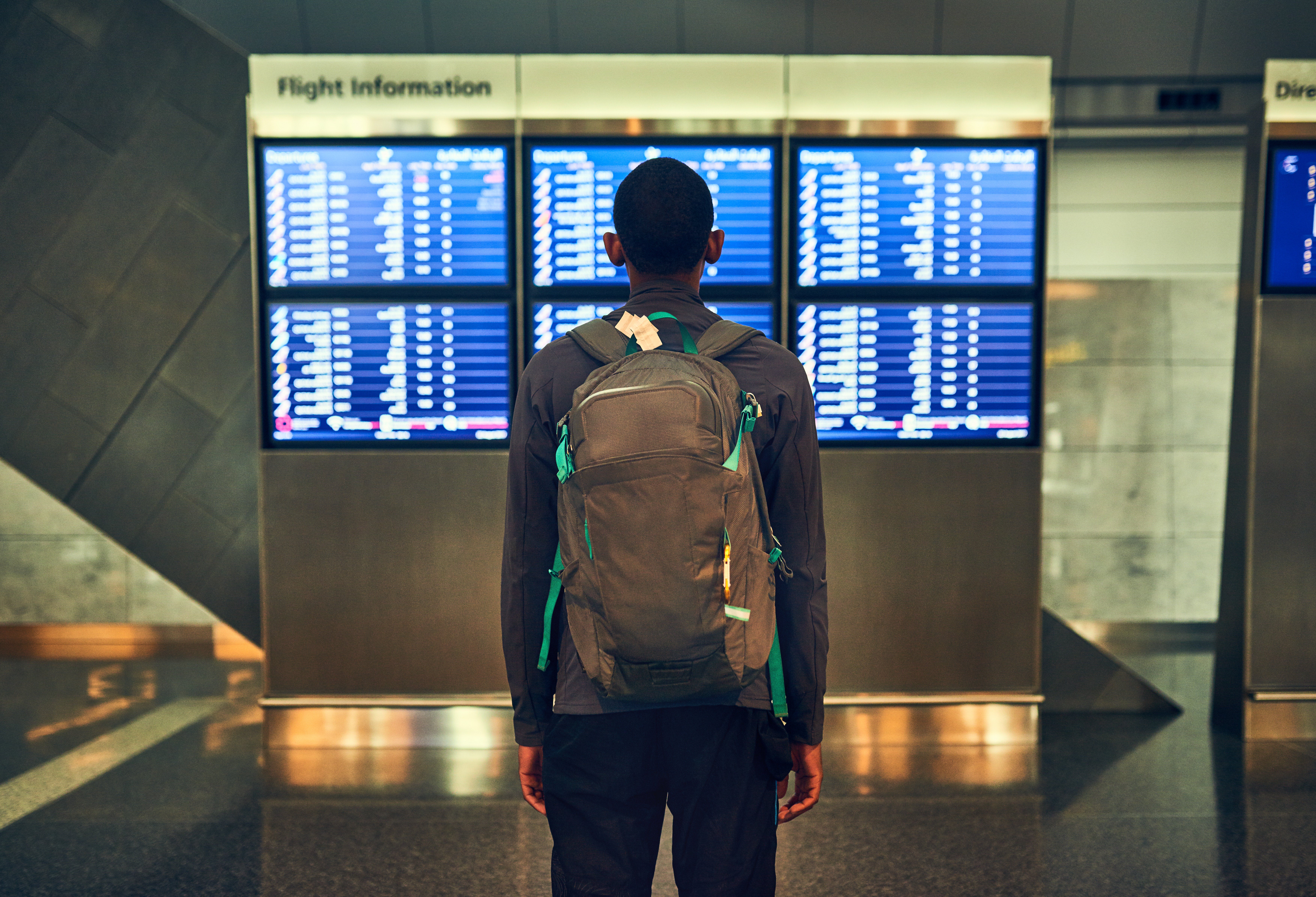
You can track your airplane.
It’s useful to download the mobile app for the airline you’re flying to get notifications about gate changes and delays before they even get announced on the screen at the airport. But you can also use it to follow your plane’s journey ahead of its arrival at your airport and anticipate potential delays to your flight.
“In the app for your airline, you can often see specifically where the plane is coming from and if it is arriving on time,” said Ravi Roth, queer travel expert and “Gaycation Travel Show” host.
There are also a number of non-airline apps and websites that allow you to keep tabs on your flight and previous departures. All you need is your flight number, the airline and the departure date.
Advertisement
“FlightAware and Flightradar are two of my favourites, and you are able to track where your flight came from and also where it is in that moment, which I think is so fun to be able to see your plane in real time,” said travel blogger Esther Susag. “Also, just simply checking the published flight status of the plane via a simple Google search can also be much more informative than you think.”
Earlier flights are less likely to get delayed.
“Later flights, which are relying on crew and potentially the plane itself from a prior segment, are more susceptible to be delayed,” said Adit Damodaran, an economist at the travel booking app Hopper. “In other words, an early flight getting delayed can have a ‘ripple effect’ in which subsequent flights are also delayed. We recommend always booking the first flight out if you can to avoid any impact of delays from earlier in the day.”
So if you hate flight delays more than you hate waking up at the crack of dawn, opt for a morning flight. Being able to track your plane can also be reassuring when you have a morning flight.
Advertisement
“If I wanted to fly from D.C. to Chicago tomorrow, I could book a 6:45 a.m. flight from Dulles and see that the plane will arrive from Los Angeles at 12:45 a.m.,” said Willis Orlando, senior product operations specialist at Scott’s Cheap Flights. “The plane is scheduled to arrive six hours before my flight, so even if there are mass delays, that plane ― or at least a plane ― will be there for me in the morning. Whereas, if I decided on a 1 p.m. flight, my plane would be arriving only an hour beforehand, and the odds increase that there might be a delay due to weather issues, staffing issues, mechanical issues.”
Of course, morning flights aren’t immune to delays and other problems. But even if something does happen with your morning flight or it ends up getting canceled, you’ll typically have many more options for getting to your destination on the same day ― whereas a cancelled flight in the late afternoon or evening often means having to go home or to a hotel and return to the airport the following day.
Flying nonstop also offers better odds.
In addition to booking a morning flight, you can also try to avoid delays by opting for nonstop when possible.
Advertisement
“Obviously you lower your odds of being delayed by flying nonstop because there are fewer flights involved,” Orlando said.
The nonstop option can cost more money, but you don’t have to go to as many airports and gates. You can also avoid worrying about missing the connection if your first flight is delayed. If you crave that peace of mind and can’t stand delays, paying a little extra might be worth it.
That being said, nonstop isn’t always an option. In those cases, you can be strategic about your layover choices with timing and location. Aim to give yourself at least an hour between flights. You should also try to connect through a city that has many flights to your final destination.
Advertisement
“Choose a route that’s offered several times in the day,” Orlando advised. “That way your chances of getting rebooked on another flight quickly are better.”
SimonSkafar via Getty Images

Factor the weather at hubs into your travel planning.
Paying attention to weather patterns can help.
Another way to stay on top of flight delays is to think about weather. This also plays into your choice of flight connections.
Advertisement
“If you’re flying cross-country on a major U.S. airline and have to make a stop, they have hubs in both warm and cold places,” Orlando explained. “So with United, you could connect through Chicago or Houston. The wise choice would be Houston in the winter to avoid the snow in Chicago and Chicago in the summer to avoid potential tropical storms in Houston.”
As your trip approaches, you might want to pay attention to weather patterns at your departure and arrival airports and along the flight route. Being aware of bad storms ahead of time can help you anticipate potential delays, especially around the holidays, when winter storms are a concern.
Weather issues in other parts of the country can also have a cascading effect on flights across the U.S., including places that aren’t directly affected. And, of course, weather isn’t the only cause for delays.
Advertisement
“Keep in mind that even in clear weather conditions, airlines can still face delays and cancellations as a result of disruptions to incoming flights, staffing issues, technical issues or other unforeseen circumstances, so don’t let clear skies stop you from being vigilant,” said Jen Moyse, senior director of product at TripIt.
You can check the on-time percentage for your flight when you book.
Federal regulations require airlines to share the on-time flight performance data on their websites. So when you’re scheduling your travel, you can usually see how frequently a given flight arrives on time. Understandably, you might want to opt for one with a higher on-time percentage.
If you can’t easily find that data on the airline’s website, there are other places that publish this information, including FlightAware and FlightStats.
Advertisement
The U.S. Bureau of Transportation Statistics website also offers statistics on airline and airport delays to give you a better picture before you purchase your ticket.
It’s important to know your rights.
Even if air travel makes you feel like a herded cow, you actually do have rights as a passenger. The Department of Transportation website outlines your rights during a delay at the airport or on the tarmac.
“Luckily there are rules tied to tarmac delays, or passengers stuck in a plane waiting on the tarmac,” Moyse said. “Airplanes are required to allow passengers to leave an outbound or inbound plane after three hours for domestic flights, and four for international.”
Advertisement
Passengers are also entitled to up-to-date information about their delays from the airline, so don’t hesitate to inquire about what’s going on if you feel it’s been a while since you heard an update.
You might be entitled to money.
“When I think about flight delays and common mistakes people make, I think about how many times people miss out on the chance to get money back or compensated,” Susag said. “Always, always look at the airline terms and conditions, because most of the time you can always find a way to get a large chunk of what you paid for back when your flight is delayed.”
Indeed, eligible passengers traveling in the European Union can be entitled to compensation for flights delayed three hours or more. Your travel insurance plan could also include compensation for delays of a certain duration, so check the fine print.
Advertisement
Susag also noted that airlines are obligated to give your refund in money rather than in miles or a credit with the carrier, so ask for cash if you prefer that option. Depending on the circumstances, airlines can also be obliged to cover expenses incurred due to delays or cancellations (like food and hotel accommodations).
Additionally, some travel rewards credit cards include trip delay protection, so you could get reimbursed for expenses that the airline won’t cover. If you booked your trip through a third-party travel planner, pay attention to the plan you chose. Apps like Hopper offer plans with compensation or free rebooking options for flights delayed more than one hour, for example.
Delays happen. Build in a buffer for important trips and don’t take it out on airport workers.
Sometimes travel stakes are high. You might be flying to your wedding weekend or trying to make it home for the holidays for the first time in years. In these instances, it’s helpful to build in a buffer to avoid having a delay derail your plans.
Advertisement
“Try to bake some flexibility into your schedule if you can, especially for Christmas and New Year’s holidays coming up,” Damodaran said. “It’s always a good idea to buffer an extra day or so, in case there are disruptions to your trip, to ensure you can make it in time for any holiday festivities.”
Delays are normal, especially in peak travel season. The days just before Christmas and New Year’s Eve are some of the busiest of the year, and the air travel industry is still recovering from staffing shortages.
“It’s been an unusual year for travel with flight disruptions and changing COVID-19 restrictions,” Moyse noted. “This has led to many heated interactions at the airport and on planes, and a rise in unruly passengers, which have impacted the overall travel experience.”
Advertisement
Whatever happens with your flights, taking out your frustration on airport workers will probably not make the experience more pleasant.
“Patience is key to managing the ups and downs of travel, as it will always be a little stressful to navigate schedules and crowds,” Moyse said. “Prepare for potential disruptions and pack a smile.”
Vapes, which were originally introduced as a measure to help smokers give up ciggies, have proven a vice of their own to some.
Per a 2023 survey, 15% of occasional or one-off vapers aged 11-17 and 32% of regular vapers in the same age group said they’d never touched a cigarette before trying a vape.
“The good news is that there are tools that you can use” to cut down on the habit, the doctor advised.
Advertisement
These include nicotine replacement therapy, prescription medications (like Varenicline), and sometimes therapy.
But, the doctor added that “the bad news is that these are all smoking cessation tools” ― in other words, they’re usually designed for people who smoke cigarettes, rather than vape users.
Indeed vapes themselves feature in the same list as other nicotine replacement options on the NHS’ site, as e-cigarettes were meant to be one such treatment for smokers to begin with.
Advertisement
“Whilst they may work for vaping too, this highlights the fact that there’s almost no high-quality research on how to quit vaping, specifically,” Dr Rajan continued.
Why is vaping so addictive?
The surgeon says that vaping is a slightly “different beast” to smoking, which is part of the reason why it’d be so useful to have more data on effective ways to give up e-cigarettes.
That’s because they’re “more habitual” than ciggies, Dr Rajan shared ― “with cigarettes, you light one, smoke it, and move on. With vaping, you can take a puff every few minutes, turning it into an almost unconscious reflex.”
Advertisement
Add that to the fact that you can vape in places you wouldn’t usually smoke and it’s no wonder vaping ends up “seamlessly integrated into daily life,” the doctor says.
That can make it “more challenging” to quit.
The sooner quality research can be done into quitting the pens, the better, Dr Rajan added, stressing that this “isn’t just a tobacco problem with a glossy finish ― it’s a new public health frontier that requires its own solutions.”