Heat-Related Deaths in UK Could Triple In The Next 30 Years

Heat-related deaths in the UK could triple in the next 30 years, according to a new report by the British Red Cross.

The charity’s Feeling The Heat report looks at how prepared the UK is for rising temperatures and more frequent heatwaves, and warns of a dangerous perception gap when it comes to awareness of the risks posed by heat.

Heatwaves – defined as a period of extreme heat lasting three days or more – have increased in the UK, with 84 registered between 2000 and 2020, and will continue to do so, the report says, both in intensity and length.

“The average length of warm spells have more than doubled in length in the last few decades, and by 2050 the UK will be 50% more likely to experience hot summers, while heat-related deaths could more than triple, to around 7,000 per year,” the charity’s briefing says.

The report, which surveyed 2,000 UK adults in June, comes after another period of weather in the UK that prompted extreme heat warnings, and found the risks that can come from heatwaves are not matched by the level of public concern.
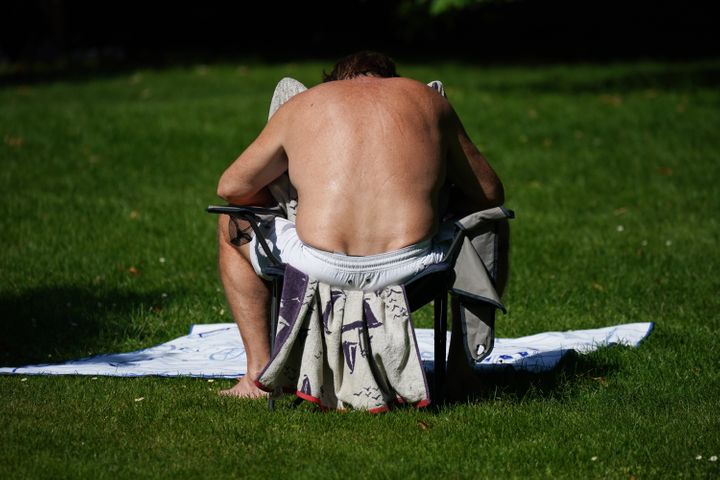
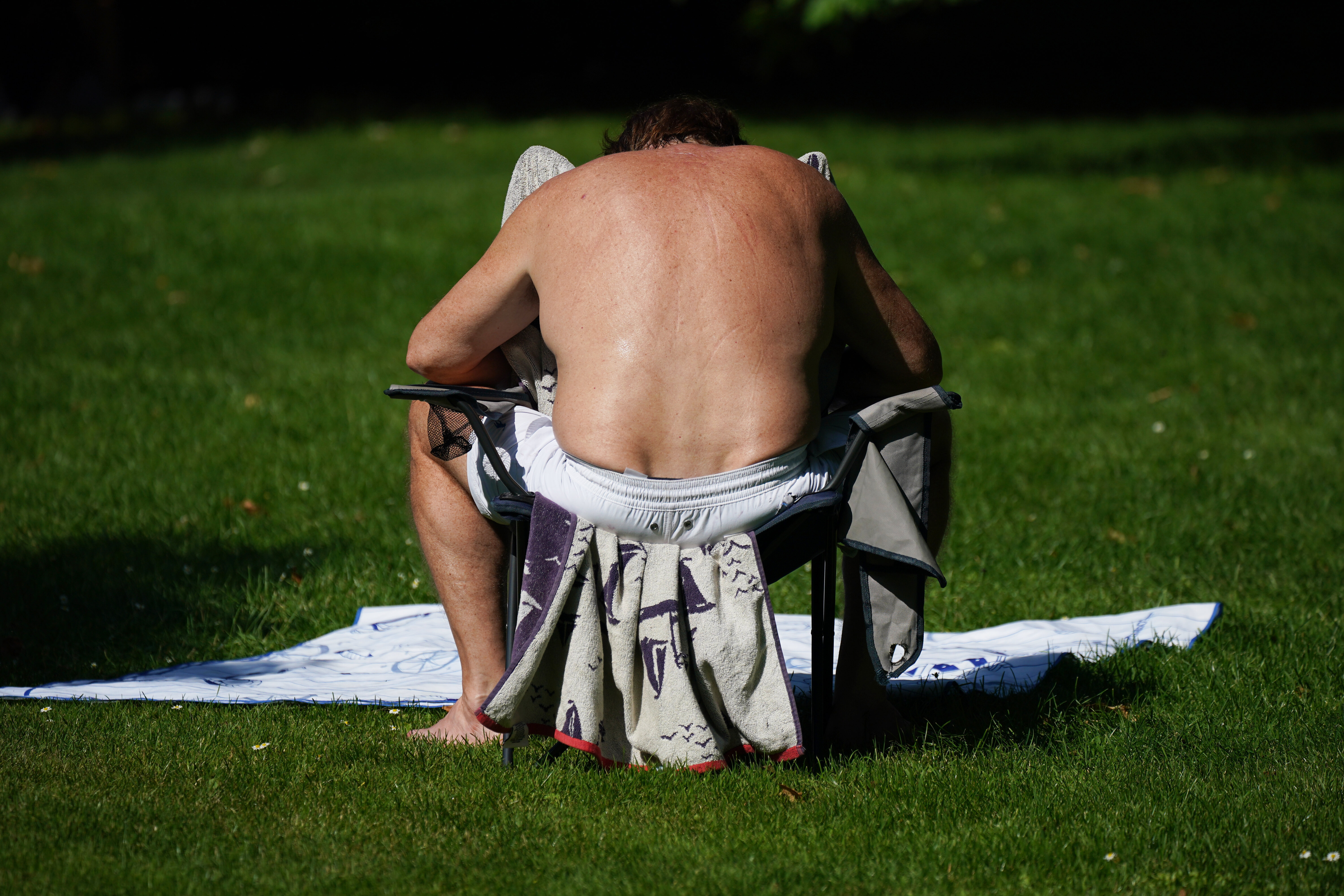
A man sunbathing in St James's Park, London on the hottest day of the year so far.

A man sunbathing in St James’s Park, London on the hottest day of the year so far.

Even the word heatwave has positive connotations for the public, and is seen as bringing good weather, with a survey suggesting more than a quarter (26%) of people see heatwaves as a good thing. Meanwhile, more than a third (37%) believe heatwaves will be a problem in the future, but not now.

However, August 2020 heatwaves caused a record 2,556 excess deaths in England, as well as significant disruption across the UK, it warns. A severe water shortage led to more than 300 households in West Sussex having no water for five days, and there were an estimated five million staff days lost, at a cost of approximately £770m to the UK economy.

The survey suggests the majority (60%) of UK adults have experienced at least one adverse effect of hot weather in the UK, most commonly headaches (33%), dizziness or feeling faint (22%), or heat rash (21%). However it found that 40% of adults have never seen information on how to protect themselves during a heatwave, and 9% said they’ve never had advanced warning of a heatwave.

People who are more vulnerable to heatwaves

Hot weather can impact us all, but the following groups can be more vulnerable, the report says:

  • Older people and people who live in care homes
  • Babies and children
  • People who are pregnant
  • People with chronic health conditions
  • People with mental health conditions
  • Those drinking to much or taking recreational drugs
  • People who live alone or are socially isolated
  • Homeless people and marginalised groups
  • Refugees and migrants
  • Outdoor workers

Despite those aged 75 and above being at high risk form these effects, more than half of this age group surveyed said they do not consider themselves as vulnerable to the impact of heatwaves, the research found.

“Through the British Red Cross’s work responding to emergencies here in the UK and abroad, we are already seeing the devastating impact of climate change, including hot weather,” the report says. “But we also know that extreme weather emergencies don’t need to be disasters.”

The charity is calling on the government to ensure the most vulnerable to heat have access to adequate information and support. Former TV weather presenter Sian Lloyd has joined the call for greater awareness and understanding of the risks associated with rising temperatures.

“The UK is getting hotter,” she says. “As a result of climate change, heatwaves are becoming longer and more extreme, and many people’s health and wellbeing will continue to suffer as a result.

“We already know that certain groups are more at risk from extreme heat, including people aged over 75, adults with underlying health conditions, children and babies, as well as people living in top floor flats and in built-up urban areas where temperatures are higher.”

Matthew Killick, director of crisis response and community resilience at British Red Cross, said: “Despite what many think, UK heatwaves can impact us all.

“But heatwaves don’t need to be deadly. From checking on your neighbours to providing first aid, simple early actions can keep you, your family and friends safe and well during hot weather.”
Share Button

Covid Travel Restrictions: Your Ultimate Guide To The Latest Rules

Going on holiday this summer just got a little bit easier, because the government has relaxed some of the quarantine rules on international travel.

From July 19, those who have had both doses of the coronavirus vaccine will no longer have to quarantine upon return from amber list destinations.

In addition, children under the age of 18 will not have to quarantine on their return to England from amber list destinations, transport secretary Grant Shapps confirmed.

The long awaited announcement will be music to the ears of Brits dreaming of sunshine, particularly those who’ve already got holidays booked to destinations such as Portugal, which moved from the green to amber list last month.

But there’s still a lot to consider before you jet off. Here are the essentials you need to know.

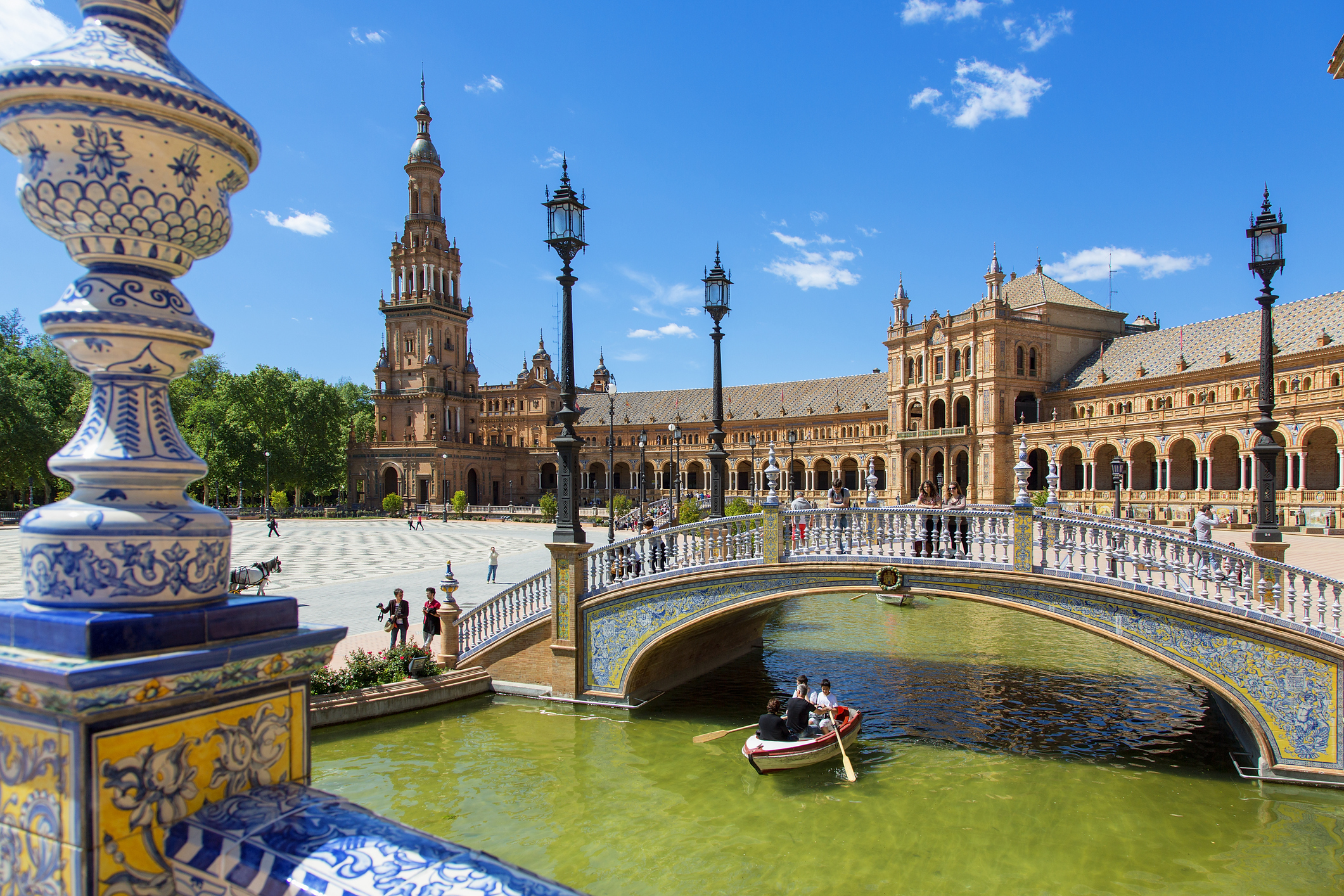
Plaza de Espana, Seville, Spain

Plaza de Espana, Seville, Spain

There’s still a traffic light system to contend with:

The traffic light system is still in place and while the quarantine rules may have softened a little, you’ll still need to take a number of coronavirus tests before and after travel. Here’s a reminder:

Green countries

People returning from green destinations must take a test before they depart, then another test on or before the second day of their return. You do not need to quarantine unless the test result is positive.

Amber countries

People returning from amber destinations, such as France, mainland Spain, and Portugal, will still be required to take a Covid-19 test before returning to the UK.

They will also have to take a test on or before the second day of their return, but will be exempted from the day eight test from July 19.

While double jabbed and under 18s are exempt from quarantine, adults who have only received one coronavirus vaccine (or none at all) will still need to self-isolate at home for 10 days after returning from an amber country. You need to have had your second vaccine at least 14 days before travel in order for it to kick and for you to be exempt.

Red countries

People returning from red destinations must take a test before they return to the UK. They’ll then be required to book a quarantine package in a government-approved quarantine hotel, plus two more tests, on or before day two and on or after day eight of quarantining.

You’ll need to find the correct test

There’s been a lot of confusion about which tests you can take for travel. The Department for Transport confirmed to HuffPost UK that lateral flow tests are allowed for pre-departure tests, as long as they abide by the sensitivity required (performance standards of ≥97% specificity, ≥80% sensitivity at viral loads above 100,000 copies/ml). The jargon is complicated, but do check your test to make sure it meets this requirement

You cannot take an NHS test abroad with you to use on yourself before you return. Instead, the government says you must buy a test from a reputable private company. It’s your responsibility to ensure the test meets the minimum standards for sensitivity, specificity and viral load details.

Once you’ve arrived back in the UK, tests taken on day two and day eight must be PCR tests, the Department for Transport confirmed. Again, you must use a test that meets the government’s minimum standards.

You’re required to book a “test pack” before you travel and leave enough time for tests to be delivered to your address in England.

If you’re struggling to find a test that meets the government’s standards, the government’s website has a list of providers that meet the threshold.

Remember: the traffic light system is not reciprocal

Just because a country is on the UK’s green or amber list, it does not necessarily mean Brits are able to travel there quarantine-free. Every country sets its own entry requirements.

Take Portugal, which is currently on the UK’s amber list, as an example. Portugal recently updated its rules to say all adults and children over the age of 12 must have proof of a negative Covid-19 test to travel to or through Portugal.

If you’ve travelled from the UK to mainland Portugal, you must also quarantine for 14 days in the place you’re staying – or at a place indicated by the Portuguese health authority – unless you can prove you’ve been double jabbed with an EU approved Covid-19 vaccine at least 14 days prior to travel.

The Portuguese tourist board confirmed to HuffPost UK “children under the age of 12 do not need to quarantine or show a negative test or proof of vaccination”. It means that those travelling with teens – who are not exempt from quarantine but can not yet get a vaccine in the UK – can’t now holiday in Portugal.

Malta, on the UK’s green list, also has strict rules. You can only enter Malta if you’re double-vaccinated. Children under 12 will be permitted to enter the country if they’re holidaying with parents who have been double jabbed. Although exempt from quarantine, those aged between five and 11 must also show evidence of a negative PCR test taken within the previous 72 hours before arrival.

The Balearic Islands of Mallorca, Menorca and Ibiza are other popular options for families this summer, as they recently moved to the UK’s green list. However, all visitors to the Spanish islands must present evidence of double vaccination or a negative coronavirus test.

Children under 12 are “not required to present these certificates or supporting documents”. If you’re travelling with kids aged 13-18 years old, they can enter the country as long as they can demonstrate a negative test.

It’s vital to check the entry requirements of a country before you book flights or accommodation. You can search your holiday destination on the Foreign, Commonwealth and Development Office (FCDO) website to see the latest guidance. And remember, all the rules are subject to change if Covid cases go up or down.

Share Button

9 Innovative Ways To Survive A Heatwave With Small Children

HuffPost is part of Oath. Oath and our partners need your consent to access your device and use your data (including location) to understand your interests, and provide and measure personalised ads. Oath will also provide you with personalised ads on partner products. Learn more.

Select ‘OK’ to continue and allow Oath and our partners to use your data, or select ‘Manage options’ to view your choices.

Share Button

How To Survive The Summer School Holidays – A Bumper Guide For Parents

HuffPost is part of Oath. Oath and our partners need your consent to access your device and use your data (including location) to understand your interests, and provide and measure personalised ads. Oath will also provide you with personalised ads on partner products. Learn more.

Select ‘OK’ to continue and allow Oath and our partners to use your data, or select ‘Manage options’ to view your choices.

Share Button

The Best Rosé To Drink This Summer – According To Wine Experts

HuffPost is part of Oath. Oath and our partners need your consent to access your device and use your data (including location) to understand your interests, and provide and measure personalised ads. Oath will also provide you with personalised ads on partner products. Learn more.

Select ‘OK’ to continue and allow Oath and our partners to use your data, or select ‘Manage options’ to view your choices.

Share Button

So. Many. Bodily Fluids – Readers Share Their Most WTF Festival Moments

HuffPost is part of Oath. Oath and our partners need your consent to access your device and use your data (including location) to understand your interests, and provide and measure personalised ads. Oath will also provide you with personalised ads on partner products. Learn more.

Select ‘OK’ to continue and allow Oath and our partners to use your data, or select ‘Manage options’ to view your choices.

Share Button