If You Want Stronger Legs But Have Sore Knees, A Surgeon Loves ‘Cyclist Squats’

We’ve written before about how helpful Spanish squats and reverse lunges can be if you sometimes struggle doing exercise due to knee pain.

And according to orthopaedic surgeon Dr Chris Raynor, you can add “cycling squats” to that list.

In a YouTube short, the expert said he loves to use these kinds of exercises “for rehabilitation after knee injury or knee surgery, because I think that they are a safe way of activating the quadricep muscle and developing quadricep strength”.

Men’s Health, meanwhile, called them the “ultimate quad burn” which can increase your ankle mobility, reduce the strain on your lower back, and, of course, strengthen your legs.

What are cyclist squats?

Also known as “heel elevation squats”, cyclist squats involve – surprise – keeping your heels elevated as you perform the exercise.

This is sometimes done with a sloped squat ramp or “riser”.

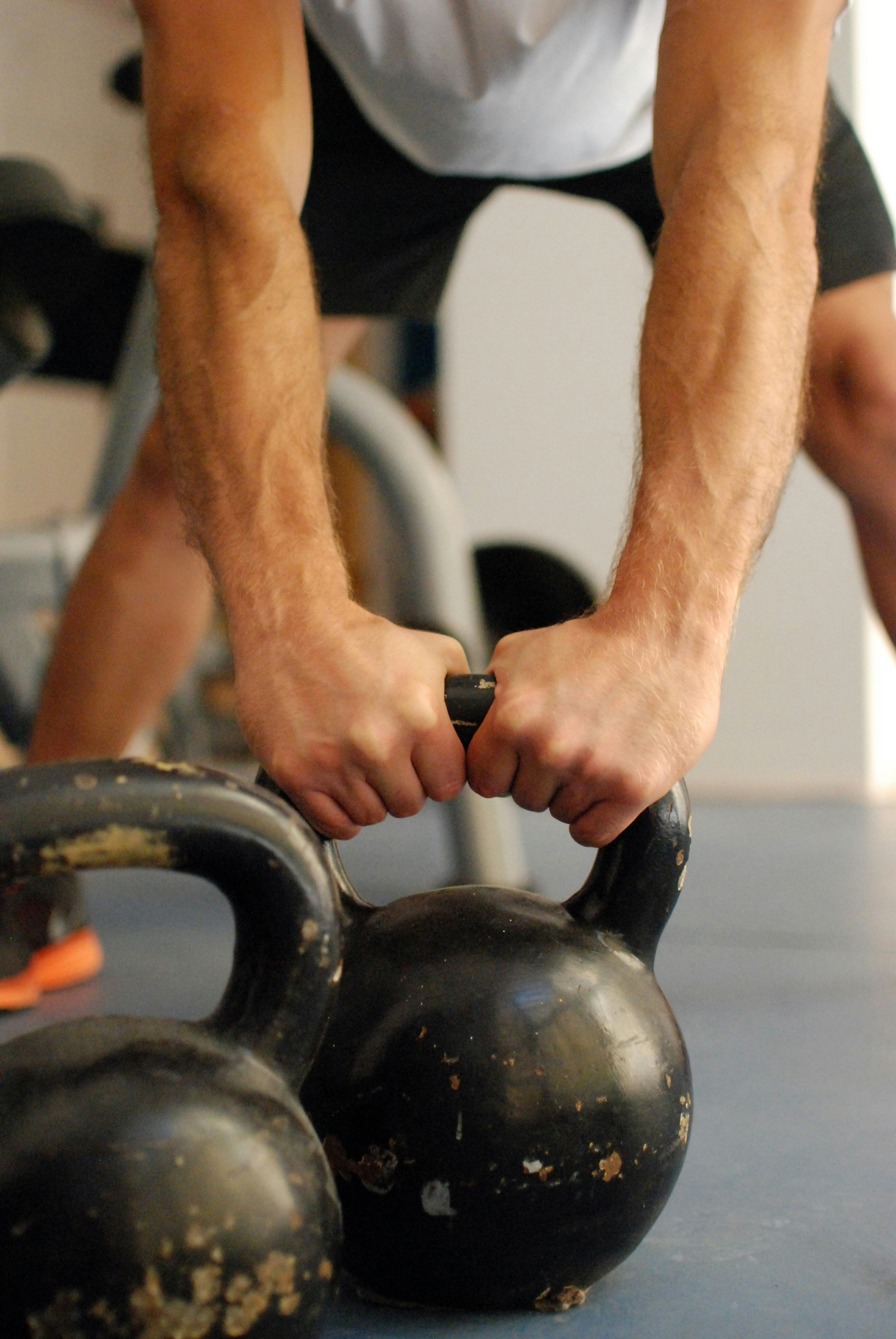
You should keep your feet together as you perform the movement, which can be done with or without a kettlebell or dumbbell held in front of you to your chest.

Cyclist or heel elevated squats with a kettlebell are called “goblet cyclist squats”.

How do you complete a cyclist squat?

The steps include:

  • Stand on a squat ramp or “riser” with your feet together, torso straight, and arms either straight in front of you or holding a weight to your chest.
  • Lower yourself down, hinging at the hips and knees, as if you’re trying to tuck your bottom on top of your heels.
  • Rise back up, “pushing” the floor away with your feet.

What are the benefits of cyclist squats?

This type of squat “encourages more work from the quads, and less on the hips, low back and adductors” than a regular squat, Mirafit explained.

They added that for people with weaker knees, cycling squats can help you progressively overload the joint over time, protecting it from future harm.

The heel elevation can help you achieve a deeper squat, too. And if you’re holding a kettlebell while doing the exercise, you’ll work your postural muscles, which help both your upper and lower back.

Dr Raynor added that goblet cyclist squats may help to activate the vastus medialus obliqus (VMO), a teardrop-shaped muscle in our upper legs, as “one of the best ways to make sure that it is engaged is to activate the quad when it is in its most lengthened position”.

That happens during deeper squats, like this one. The VMO is a key muscle in stabilising our knees.

A 2025 paper found that “elevated heel heights… can enhance squat stability by reducing centre of pressure (COP) deviation and trunk lean, both of which are key factors for minimising injury risks in squatting exercise”.

Share Button

Stop Binning Your Coffee Grounds: The ‘Rubbish’ Hack That Solves A Stinky Fridge Overnight

I’m still reeling from the stench I smelled in my fridge the other day. After an unpleasant inspection, I realised the issue wasn’t a rotting courgette or some turned milk; instead, the little drainage hole at the back of the fridge had gotten blocked, leading stagnant water to pool under our bottom drawer.

I probably don’t need to tell you that this was not a welcome aroma. Nor did it go away completely after I flushed and cleared the drain, no matter how many times I wiped and re-wiped the surfaces.

It took a tip from appliance company Whirlpool – using coffee grounds – to finally rid our kitchen of the stinky spectre.

Coffee grounds can absorb smells from your fridge

You’ve likely already heard that a bowl of baking powder can help to get rid of some odours.

But if you don’t have that, coffee grounds do just as good a job, said Whirlpool.

“Coffee grounds contain nitrogen, which is great for neutralising odours. If you’re dealing with refrigerator odours, try placing a small bowl of coffee grounds in your fridge compartment,” their site reads.

“It will not only help absorb the odour but also leave behind a slight coffee smell.”

They do also reccomend vinegar for stronger smells, though we were dealing with a lingering, one-off scent remnant here rather than an ongoing smell issue.

And yes, old coffee grounds do the job brilliantly, as The Kitchn noted. Just make sure they’re dry; you can do that by placing them in a thin layer on a baking tray after use and waiting.

So far, it’s worked. A day after the Great Stink, our fridge is back to its normal aroma.

Anything else?

The Kitchn also recommended using their deodorising power on your hands.

“The next time your hands are stinky from cutting fish, onions, or garlic, wet them and then use the coffee grounds to scrub them,” they said.

One caveat, though: do this over a bin with its lid off rather than a sink, so the grounds don’t go down the drain.

Share Button

New obesity discovery rewrites decades of fat science

For decades, scientists believed they understood one of the body’s key fat-burning proteins. Known as hormone-sensitive lipase, or HSL, the enzyme was thought to work mainly as the body’s emergency fuel switch, helping release stored fat when energy runs low.

But researchers uncovered something unexpected. HSL was not just working on the surface of fat droplets inside fat cells. It was also operating deep inside the nucleus of those cells, where DNA is stored and important genetic activity is controlled. The discovery revealed an entirely different side to a protein scientists had studied since the 1960s.

The findings, published in Cell Metabolism, helped solve a long-standing mystery in obesity research and opened new directions for understanding diabetes, heart disease, and other metabolic disorders.

Fat Cells Do Far More Than Store Calories

Fat cells, also called adipocytes, are often viewed as passive storage containers for excess calories. In reality, they are highly active cells that help regulate the body’s entire energy system.

Inside adipocytes, fat is stored in structures called lipid droplets. When the body needs fuel between meals or during fasting, hormones such as adrenaline trigger the release of that stored energy. HSL plays a central role in this process by breaking down triglycerides into fatty acids that other organs can use for fuel.

Scientists long assumed that removing HSL would prevent fat breakdown and lead to obesity. Surprisingly, that is not what happened.

Studies in both mice and people with mutations in the HSL gene showed the opposite effect. Instead of accumulating extra fat, they developed lipodystrophy, a rare condition in which the body loses healthy fat tissue.

That contradiction puzzled researchers for years.

Obesity and Dangerous Fat Loss Share Similar Problems

Although obesity and lipodystrophy seem completely different, they can produce many of the same health complications.

In obesity, fat tissue becomes enlarged and dysfunctional. In lipodystrophy, the body lacks enough properly functioning fat tissue. In both cases, adipocytes fail to regulate energy normally, which can contribute to insulin resistance, type 2 diabetes, fatty liver disease, inflammation, and cardiovascular problems.

This overlap suggested that healthy fat tissue is not simply about how much fat the body carries. The quality and function of fat cells may be just as important.

Researchers at the Institute of Cardiovascular and Metabolic Diseases (I2MC) at the University of Toulouse wanted to understand why the loss of HSL caused fat tissue to break down instead of build up. What they found changed the scientific picture of fat metabolism.

Scientists Discover HSL Inside the Cell Nucleus

The research team, led by Dominique Langin, discovered that HSL was located in an unexpected place inside adipocytes: the nucleus.

The nucleus acts as the cell’s control center. It contains DNA and regulates which genes are switched on or off. Proteins found in the nucleus often help control cell growth, repair, metabolism, and communication.

“In the nucleus of adipocytes, HSL is able to associate with many other proteins and take part in a program that maintains an optimal amount of adipose tissue and keeps adipocytes ‘healthy’,” explained Jérémy Dufau, co-author of the study.

Researchers found that nuclear HSL appears to help regulate important cellular systems, including mitochondrial activity and the extracellular matrix, which provides structural support for tissues.

Mitochondria are often called the power plants of cells because they generate energy. The extracellular matrix helps maintain the shape and integrity of tissues. Problems in either system have been linked to obesity, inflammation, and metabolic disease.

A Protein With Two Very Different Jobs

The study showed that HSL behaves differently depending on where it is located inside the cell.

On lipid droplets, HSL acts as an enzyme that helps release stored fat during fasting or exercise. In the nucleus, however, it appears to work more like a regulator that helps maintain healthy adipose tissue.

Researchers also discovered that the amount of HSL inside the nucleus changes in response to the body’s metabolic state.

During fasting, adrenaline activates HSL and pushes it out of the nucleus so it can help mobilize fat stores. In obese mice fed a high-fat diet, nuclear HSL levels increased.

The protein’s movement appears to be controlled by signaling pathways involving TGF-β and SMAD3, molecules already known to influence inflammation, tissue remodeling, and metabolic disease.

Scientists also found evidence that nuclear HSL interacts with proteins involved in gene expression and RNA processing, suggesting it may directly influence how fat cells function at a genetic level.

Why the Discovery Matters

The findings helped explain why complete HSL deficiency causes lipodystrophy instead of obesity. Without HSL in the nucleus, fat cells may lose their ability to stay healthy and properly maintain adipose tissue.

“HSL has been known since the 1960s as a fat-mobilizing enzyme. But we now know that it also plays an essential role in the nucleus of adipocytes, where it helps maintain healthy adipose tissue,” Langin said.

The discovery may also help researchers better understand why some obesity treatments succeed while others fail. Many current therapies focus mainly on reducing fat mass. But the study suggests preserving healthy fat tissue function could be equally important.

Scientists are increasingly recognizing that adipose tissue acts as a complex endocrine organ that communicates with the brain, liver, muscles, and immune system through hormones and signaling molecules. Dysfunctional fat tissue can disrupt the body far beyond weight gain alone.

Obesity Remains a Global Health Challenge

The research arrives as obesity rates continue to rise worldwide. According to global estimates, billions of people are now overweight or obese, increasing the risk of diabetes, heart disease, stroke, sleep apnea, and some cancers.

Researchers hope that understanding how proteins like HSL regulate fat cell health could eventually lead to more targeted therapies for metabolic disease.

Instead of simply trying to eliminate fat, future treatments may focus on restoring the normal function of adipocytes and protecting the biological systems that keep fat tissue healthy in the first place.


Share Button

Worldwide race to trace passengers from hantavirus-hit cruise ship

About 12 countries have so far been linked to the hantavirus outbreak on the MV Hondius, as the UN health agency confirms at least five cases.

Share Button

A common constipation drug shows surprising power to protect kidneys

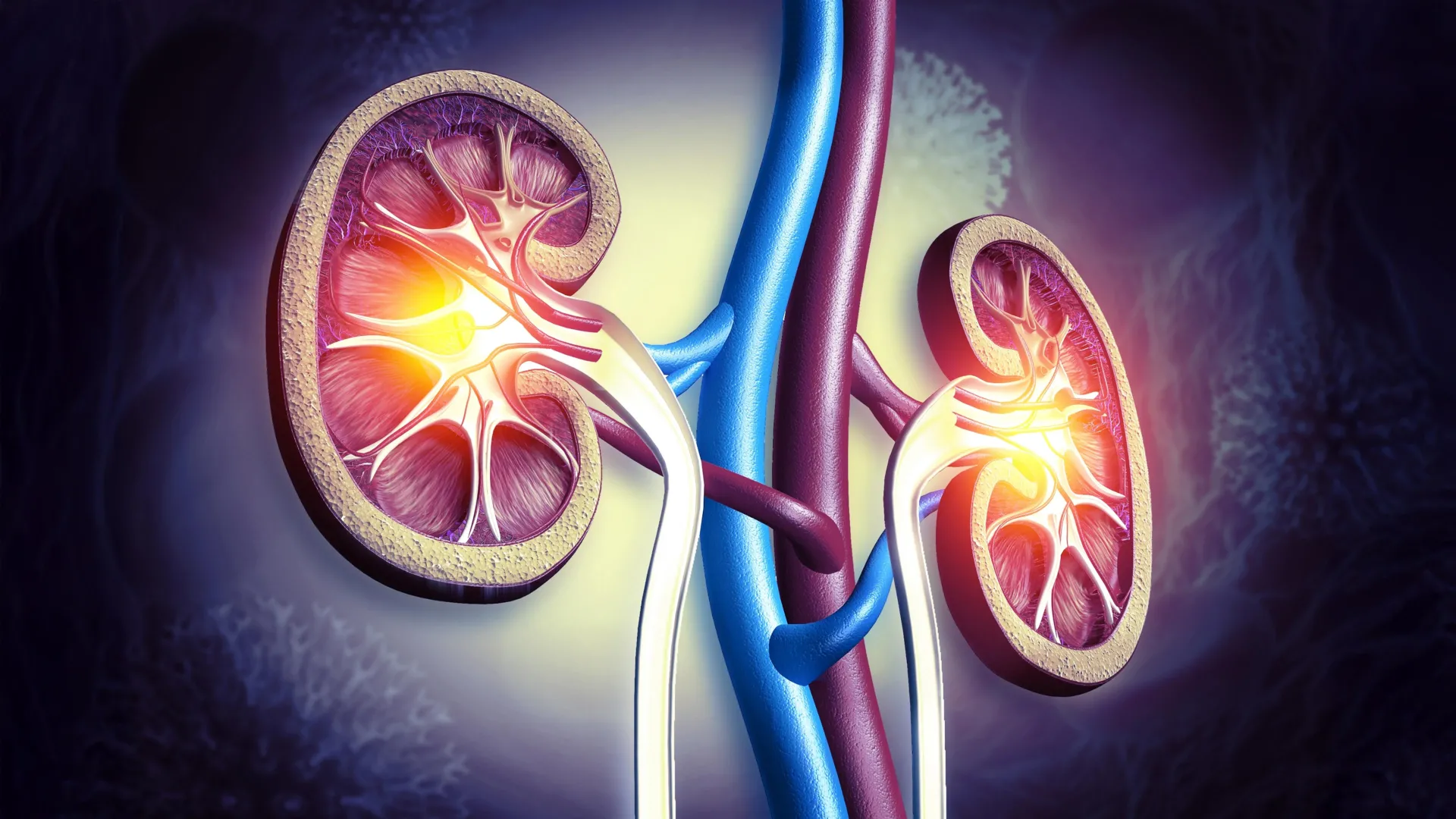
Chronic kidney disease (CKD) affects hundreds of millions of people worldwide and is one of the leading causes of kidney failure. As the disease progresses, many patients eventually need dialysis to survive. While current treatments can help slow damage, there are still no approved medications that directly restore kidney function.

Researchers at Tohoku University Graduate School of Medicine uncovered an unexpected possibility involving a drug that has long been used to treat constipation. In a clinical trial, the medication lubiprostone appeared to slow the decline of kidney function in patients with moderate CKD, raising hopes for an entirely new approach to kidney disease treatment.

“We noticed that constipation is a symptom that often accompanies CKD, and decided to investigate this link further,” explains Abe. “Essentially, constipation disrupts the intestinal microbiota, which worsens kidney function. Working backwards, we hypothesized that we could improve kidney function by treating constipation.”

The Surprising Gut Kidney Connection

Doctors have increasingly focused on what researchers call the “gut kidney axis,” the complex relationship between intestinal bacteria and kidney health. People with CKD often experience constipation and imbalances in gut microbes, which can contribute to inflammation and the buildup of harmful compounds in the body.

Earlier research had hinted that improving gut health might help protect the kidneys, but evidence in humans remained limited. To explore the idea further, researchers launched the multicenter Phase II clinical trial known as the LUBI-CKD TRIAL across nine medical institutions in Japan.

The study enrolled 150 patients with moderate chronic kidney disease. Participants received either lubiprostone or a placebo, allowing scientists to compare how the treatment affected kidney function over time.

The results surprised the researchers. Patients who received either 8 µg or 16 µg doses of lubiprostone showed a slower decline in kidney function compared with those in the placebo group. Kidney performance was measured using estimated glomerular filtration rate (eGFR), one of the most widely used indicators of kidney health.

Researchers reported that the protective effect appeared dose dependent, meaning higher doses were linked to greater benefits. The 16 µg group showed particularly promising preservation of kidney function signals during the 24 week trial period.

How a Constipation Drug May Protect the Kidneys

Scientists then investigated why the drug appeared to help the kidneys.

Their analysis pointed to changes in the gut microbiome. Lubiprostone increased the production of spermidine, a naturally occurring compound tied to healthier mitochondrial activity. Mitochondria are often described as the power plants of cells because they generate the energy cells need to function properly.

The researchers found that improved mitochondrial function may help shield kidney tissue from further damage. They also identified changes in bacterial pathways connected to polyamine production, adding more evidence that gut microbes may directly influence kidney health.

Interestingly, the treatment did not significantly reduce certain uremic toxins that scientists originally expected to change. Instead, the kidney benefits seemed tied more closely to microbiome remodeling and mitochondrial support. That finding could reshape how researchers think about treating CKD in the future.

Why Researchers Are Excited About the Findings

The study has drawn attention because lubiprostone is already an approved medication for chronic constipation, potentially making future clinical use faster than developing a completely new drug from scratch.

Researchers also believe the discovery may have implications beyond kidney disease. Because mitochondrial dysfunction is involved in many chronic illnesses, scientists are exploring whether similar gut targeted approaches could eventually help other disorders as well.

The research team is now planning larger Phase 3 trials to confirm whether the benefits hold up in broader patient populations. Scientists are also searching for biomarkers that could predict which patients are most likely to respond to treatment.

Although more research is still needed, the findings have added momentum to a rapidly growing area of medicine focused on the connection between gut bacteria, cellular energy production, and chronic disease progression. For people living with CKD, even modest slowing of kidney decline could potentially delay dialysis and improve quality of life.

Share Button

Scientists discover a new way to prevent gum disease without killing good bacteria

Bacteria are constantly evolving to survive. One major consequence is that many harmful microbes are becoming resistant to antibiotics and disinfectants, creating serious challenges for medicine and public health. But not all bacteria are dangerous. In fact, many are essential to keeping the human body healthy. Now, scientists are exploring whether it may be possible to influence bacterial behavior instead of simply trying to destroy bacteria outright.

Inside the human mouth, bacteria are in near constant communication. Roughly 700 bacterial species live there, and many exchange chemical messages through a process called quorum sensing. Some of these microbes communicate using signaling molecules known as N-acyl homoserine lactones (AHLs).

Researchers from the College of Biological Sciences and the School of Dentistry set out to investigate how these bacterial signals shape the oral microbiome and whether interrupting those signals could help prevent harmful plaque buildup while preserving healthy bacteria. Their findings, published in npj Biofilms and Microbiomes, could eventually influence treatments far beyond dentistry.

Scientists Target Bacterial Communication

The research team discovered several important patterns in how mouth bacteria interact:

  • Bacteria living in dental plaque produce AHL signals in aerobic environments (such as above the gumline), and those signals can still affect bacteria in anaerobic environments (beneath the gumline).
  • Removing AHL signals using specialized enzymes called lactonases increased populations of bacteria associated with good oral health.
  • The findings suggest that carefully selected enzymes may be able to reshape dental plaque communities and support a healthier oral microbiome.

“Dental plaque develops in a sequence, much like a forest ecosystem,” said Mikael Elias, associate professor in the College of Biological Sciences and senior author of the study. “Pioneer species like Streptococcus and Actinomyces are the initial settlers in simple communities — they’re generally harmless and associated with good oral health. Increasingly diverse late colonizers include the ‘red complex’ bacteria like Porphyromonas gingivalis, which are strongly linked to periodontal disease. By disrupting the chemical signals bacteria use to communicate, one could manipulate the plaque community to remain or return to its health-associated stage.”

Oxygen Levels Change Bacterial Behavior

The researchers also found that oxygen plays a surprisingly important role in determining how these bacterial messages influence plaque growth.

“What’s particularly striking is how oxygen availability changes everything,” said lead author Rakesh Sikdar. “When we blocked AHL signaling in aerobic conditions, we saw more health-associated bacteria. But when we added AHLs under anaerobic conditions, we promoted the growth of disease-associated late colonizers. Quorum sensing may play very different roles above and below the gumline, which has major implications for how we approach treatment of periodontal diseases.”

This discovery suggests that bacterial communication works differently depending on where bacteria live inside the mouth. That insight could help researchers design more targeted approaches to controlling gum disease and maintaining a healthier balance of microbes.

Future Treatments Could Protect Healthy Bacteria

The next phase of the research will examine how bacterial signaling differs across various areas of the mouth and in people with different stages of periodontal disease.

“Understanding how bacterial communities communicate and organize themselves may ultimately give us new tools to prevent periodontal disease — not by waging war on all oral bacteria, but by strategically maintaining a healthy microbial balance,” said Elias.

Researchers believe this strategy could eventually be expanded beyond oral health. Imbalances in the microbiome, known as dysbiosis, have been linked to numerous diseases throughout the body, including certain cancers. Scientists hope these findings could help lay the groundwork for future therapies that guide microbial communities toward healthier states rather than eliminating bacteria altogether.

Funding for the study was provided by the National Institutes of Health.

Share Button

The Global Story

When conversation drifted into fantasy, one man grabbed a hammer and prepared for war.

Share Button

New Reform Councillor Mistakenly Announces ‘UKIP’s Here’ In Fumble For The Ages

A newly-elected Reform UK councillor mistakenly declared that “UKIP’s here” in his first message to voters.

Peter Reeve, who was formally UKIP group leader on Huntingdonshire District Council, has gone viral after accidentally mixing up the two parties.

Speaking to ITV Anglia, Reeve said: “Our message is UKIP’s here, working hard with local communities –”

“UKIP?” The reporter cut in.

“Reform, sorry!” Reeve replied, looking embarrassed. “Reform’s here, working hard with local communities.

“I’ve been doing this for 15 years, from the UKIP days through to Reform.”

The slip-up is especially unfortunate as Reform has tried to distance itself from its rival right-wing party – also once led by Nigel Farage – since getting into the mainstream.

However, the MP for Clacton has himself accidentally called Reform UKIP in the past.

Reeve has just been elected as the new Stanground South councillor on Peterborough City Council.

He’s one of four new Reform councillors within the local authority, taking the party’s total representatives to five out of a possible 18 on the council.

Farage’s party has made major gains among councils in England at the expense of both Labour and the Conservatives, winning almost 300 seats by 9am.

With the two main parties taking heavy losses, Farage has already insisted “what you’re witnessing is an historic change in British politics” even as the count continues.

He added: “Forget left-right, there is no more left-right, it’s gone, it’s out the window, it’s finished. As you can see we’re scoring stunning percentages in traditional old Labour areas.”

Subscribe to Commons People, the podcast that makes politics easy. Every week, Kevin Schofield and Kate Nicholson unpack the week’s biggest stories to keep you informed. Join us for straightforward analysis of what’s going on at Westminster.

Share Button

Exclusive: Former Labour Minister Calls For Andy Burnham To Replace Keir Starmer

A former Labour minister has called for Andy Burnham to replace Keir Starmer as prime minister.

Lord Dave Watts said the party should allow the Greater Manchester mayor to return to Westminster in a by-election, which would then pave the way for a leadership challenge.

Watts was a government whip under Tony Blair and Gordon Brown, and also chair of the Parliamentary Labour Party (PLP) from 2012 until 2015.

His intervention came as Labour braced for a catastrophic set of results in elections across England and in Scotland and Wales.

The party is on course to lose more than 1,000 English councillors, and be resoundingly defeated in the Scottish Parliament and Welsh Senedd.

Writing for HuffPost UK, Lord Watts said: “The leadership question must be confronted head-on and without further delay.

“Does Keir Starmer possess the qualities required to steer the country through these turbulent times and reconnect with a disillusioned electorate? On the evidence of Thursday’s results, the answer is no.

“It’s clear we need a change, and many MPs and Labour voters are looking to the most successful and popular Labour politician, Andy Burnham, to provide that change.

“I believe that Andy should be allowed to stand in a by-election to boost Labour’s prospects and to provide the leadership needed.

“This is not a discussion that can be kicked into the long grass. Ministers need clear direction and the confidence that the prime minister is fully behind the bold changes necessary to regain public support.”

A senior Labour source said: “Dave Watts is not a usual suspect. He has always been a leadership loyalist.

“But he was the elected chair of the PLP for many years, and he’s right about Starmer. I think he is saying out loud what many in the PLP are thinking and whispering quietly to each other.

“These voices are only going to get louder. And no amount of Comical Ali spin from No.10 can change that.”

Starmer insisted on Friday morning that he took responsibility for Labour’s terrible performance, but insisted he will not “walk away” from Downing Street.

Burnham was a Labour MP from 2001 until 2017, but has made no secret of his desire to return to Westminster.

He tried to be Labour’s candidate in the Gorton and Denton by-election, but was blocked from standing by the party’s ruling national executive committee under orders from the PM.

However, speculation is mounting that a Labour MP is ready to trigger a by-election to allow Burnham to mount another comeback attempt.

Subscribe to Commons People, the podcast that makes politics easy. Every week, Kevin Schofield and Kate Nicholson unpack the week’s biggest stories to keep you informed. Join us for straightforward analysis of what’s going on at Westminster.

Share Button

‘This Guy Can Get F*cked’: Ryanair Boss’ Call For 6am Airport Pint Ban Divides Passengers

Recently, Ryanair CEO Michael O’Leary called for an end to pre-flight pints.

Speaking to The Times, he said that the problem of inebriated passengers has gotten worse, claiming his company now has to divert an average of one flight a day due to rowdy behaviour on board.

This, he shared, is up from one diversion a week a decade ago.

“It’s becoming a real challenge for all airlines. I fail to understand why anybody in airport bars is serving people at five or six o’clock in the morning. Who needs to be drinking beer at that time?” he asked.

He also pointed out that airport bars don’t have to follow the usual operating hours of other alcohol vendors, saying, “There should be no alcohol served at airports outside [of those] licensing hours.”

O’Leary even called for a two-drink limit on airport bars, though he didn’t confirm whether Ryanair – which he said generally sticks to that rule anyway – would adopt the policy itself.

“We are reasonably responsible, but the ones who are not responsible, the ones who are profiteering off it, are the airports who have these bars open at five or six o’clock in the morning and during delays are quite happy to send these people as much alcohol as they want because they know they’re going to export the problem to the airlines,” he added.

It is, of course, already illegal to be drunk on a plane. Punishments include two years in prison or a £5,000 fine.

So perhaps it’s no wonder fans of the time-honoured British airport tradition had stern words for O’Leary (whose company previously took a disruptive passenger to court for losses over a diverted flight).

“This guy can get fucked,” one X poster commented on the site. “If I’m at an airport at 6:00 AM, having a beer is pretty much the only comfort.”

“Surely Ryanair should stop serving drinks on their morning flights before Michael O’Leary starts lecturing the rest of us?” another post read.

<div class="js-react-hydrator" data-component-name="Twitter" data-component-id="2627" data-component-props="{"itemType":"rich","isLiveblogEmbed":false,"index":16,"contentIndexByType":3,"contentListType":"embed","code":"

Surely Ryanair should stop serving drinks on their morning flights before Michael O’Leary starts lecturing the rest of us?

— Richard Barrett (@richardluddite) May 6, 2026

","type":"rich","meta":{"author":"Richard Barrett","author_url":"https://twitter.com/richardluddite","cache_age":86400,"description":"Surely Ryanair should stop serving drinks on their morning flights before Michael O’Leary starts lecturing the rest of us?— Richard Barrett (@richardluddite) May 6, 2026\n\n\n","options":{"_maxwidth":{"label":"Adjust width","placeholder":"220-550, in px","value":""},"_theme":{"value":"","values":{"dark":"Use dark theme"}}},"provider_name":"Twitter","title":"Richard Barrett on Twitter / X","type":"rich","url":"https://twitter.com/richardluddite/status/2052009396301877465","version":"1.0"},"flags":[],"enhancements":{},"fullBleed":false,"options":{"theme":"life","device":"desktop","editionInfo":{"id":"uk","name":"U.K.","link":"https://www.huffingtonpost.co.uk","locale":"en_GB"},"originalEdition":"uk","isMapi":false,"isAmp":false,"isMobile":false,"isAdsFree":false,"isVideoEntry":false,"isEntry":true,"isMt":false,"entryId":"69fd92c7e4b065a1677d8338","entryPermalink":"https://www.huffingtonpost.co.uk/entry/ryanair-airport-drink-ban-reaction_uk_69fd92c7e4b065a1677d8338","entryTagsList":"travel,ryanair,flying","sectionSlug":"lifestyle","deptSlug":null,"sectionRedirectUrl":null,"subcategories":"","isWide":false,"isShopping":false,"headerOverride":null,"noVideoAds":false,"disableFloat":false,"isNative":false,"commercialVideo":{"provider":"custom","site_and_category":"uk.lifestyle","package":null},"isHighline":false,"vidibleConfigValues":{"cid":"60afc140cf94592c45d7390c","disabledWithMapiEntries":false,"overrides":{"all":"60b8e525cdd90620331baaf4"},"whitelisted":["56c5f12ee4b03a39c93c9439","56c6056ee4b01f2b7e1b5f35","59bfee7f9e451049f87f550b","5acccbaac269d609ef44c529","570278d2e4b070ff77b98217","57027b4be4b070ff77b98d5c","56fe95c4e4b0041c4242016b","570279cfe4b06d08e3629954","5ba9e8821c2e65639162ccf1","5bcd9904821576674bc55ced","5d076ca127f25f504327c72e","5b35266b158f855373e28256","5ebac2e8abddfb04f877dff2","60b8e525cdd90620331baaf4","60b64354b171b7444beaff4d","60d0d8e09340d7032ad0fb1a","60d0d90f9340d7032ad0fbeb","60d0d9949340d7032ad0fed3","60d0d9f99340d7032ad10113","60d0daa69340d7032ad104cf","60d0de02b627221e9d819408"],"playlists":{"default":"57bc306888d2ff1a7f6b5579","news":"56c6dbcee4b04edee8beb49c","politics":"56c6dbcee4b04edee8beb49c","entertainment":"56c6e7f2e4b0983aa64c60fc","tech":"56c6f70ae4b043c5bdcaebf9","parents":"56cc65c2e4b0239099455b42","lifestyle":"56cc66a9e4b01f81ef94e98c"},"playerUpdates":{"56c6056ee4b01f2b7e1b5f35":"60b8e525cdd90620331baaf4","56c5f12ee4b03a39c93c9439":"60d0d8e09340d7032ad0fb1a","59bfee7f9e451049f87f550b":"60d0d90f9340d7032ad0fbeb","5acccbaac269d609ef44c529":"60d0d9949340d7032ad0fed3","5bcd9904821576674bc55ced":"60d0d9f99340d7032ad10113","5d076ca127f25f504327c72e":"60d0daa69340d7032ad104cf","5ebac2e8abddfb04f877dff2":"60d0de02b627221e9d819408"}},"connatixConfigValues":{"defaultPlayer":"16b0ecc6-802c-4120-845f-e90629812c4d","clickToPlayPlayer":"823ac03a-0f7e-4bcb-8521-a5b091ae948d","videoPagePlayer":"05041ada-93f7-4e86-9208-e03a5b19311b","defaultPlaylist":"2e062669-71b4-41df-b17a-df6b1616bc8f"},"topConnatixThumnbailSrc":"https://img.connatix.com/dd823778-08ec-4ae2-97dd-623358fa5856/1_th.jpg?crop=629:354,smart&width=629&height=354&format=jpeg&quality=60&fit=crop","customAmpComponents":[],"ampAssetsUrl":"https://amp.assets.huffpost.com","videoTraits":null,"positionInUnitCounts":{"buzz_head":{"count":0},"buzz_body":{"count":0},"buzz_bottom":{"count":0}},"positionInSubUnitCounts":{"article_body":{"count":12},"blog_summary":{"count":0},"before_you_go_content":{"count":0}},"connatixCountsHelper":{"count":1},"buzzfeedTracking":{"context_page_id":"69fd92c7e4b065a1677d8338","context_page_type":"buzz","destination":"huffpost","mode":"desktop","page_edition":"en-uk"},"tags":[{"name":"travel","slug":"travel","links":{"relativeLink":"news/travel","permalink":"https://www.huffingtonpost.co.uk/news/travel","mobileWebLink":"https://www.huffingtonpost.co.uk/news/travel"},"section":{"title":"Life","slug":"lifestyle"},"topic":{"title":"Travel","slug":"travel","overridesSectionLabel":false},"url":"https://www.huffingtonpost.co.uk/news/travel/"},{"name":"ryanair","slug":"ryanair","links":{"relativeLink":"news/ryanair","permalink":"https://www.huffingtonpost.co.uk/news/ryanair","mobileWebLink":"https://www.huffingtonpost.co.uk/news/ryanair"},"url":"https://www.huffingtonpost.co.uk/news/ryanair/"},{"name":"flying","slug":"flying","links":{"relativeLink":"news/flying","permalink":"https://www.huffingtonpost.co.uk/news/flying","mobileWebLink":"https://www.huffingtonpost.co.uk/news/flying"},"url":"https://www.huffingtonpost.co.uk/news/flying/"}],"isLiveblogLive":null,"isLiveblog":false,"signInUrl":"https://login.huffpost.com/login?dest=https%3A%2F%2Fwww.huffpost.com%2Fentry%2Fryanair-airport-drink-ban-reaction_uk_69fd92c7e4b065a1677d8338%3Fhp_auth_done%3D1","cetUnit":"buzz_body","enableIncontentPlayer":false,"bodyAds":["

\r\n\r\n HPGam.cmd.push(function(){\r\n\t\treturn HPGam.render(\"inline-1\", \"entry_paragraph_1\", false, false);\r\n });\r\n\r\n","

\r\n\r\n HPGam.cmd.push(function(){\r\n\t\treturn HPGam.render(\"inline\", \"entry_paragraph_2\", false, false);\r\n });\r\n\r\n","

\r\n\r\n HPGam.cmd.push(function(){\r\n\t\treturn HPGam.render(\"inline-2\", \"entry_paragraph_3\", false, false);\r\n });\r\n\r\n","

\r\n\r\n HPGam.cmd.push(function(){\r\n\t\treturn HPGam.render(\"inline-infinite\", \"repeating_dynamic_display\", false, false);\r\n });\r\n\r\n"],"adCount":0,"midArticleAdPartner":null},"isCollectionEmbed":false}”>

Surely Ryanair should stop serving drinks on their morning flights before Michael O’Leary starts lecturing the rest of us?

— Richard Barrett (@richardluddite) May 6, 2026

“Time doesn’t exist in the airport,” yet another person commented on an Instagram post.

They’re joined in their disapproval by Wetherspoons boss Sir Tim Martin, who’s called O’Leary’s proposal a “big brother” approach.

Speaking to The Times, he said: “A two-drink limit would be extraordinarily difficult to implement, short of breathalysing passengers, and would, in our opinion, be an overreaction, especially since many of the problems stem from incoming flights.”

Still, not everyone hates the idea.

“A two-drink limit feels fair to me,” one Instagram user said.

“Alcohol can metabolise differently in [the] air, and no one wants to risk being sat next to someone who’s an angry drunk who’s metabolised four drinks like they’re eight and is now plastered and raving in a metal box.”

“Ban ALL alcoholic drinks on airlines and don’t open airport bars until 12 noon,” an X poster added.

The debate takes place days after Jet2 called for a cross-airline database of disruptive passengers.

Share Button