Five Gut-Healthy Foods The BHF Warns May Be Bad For Your Heart

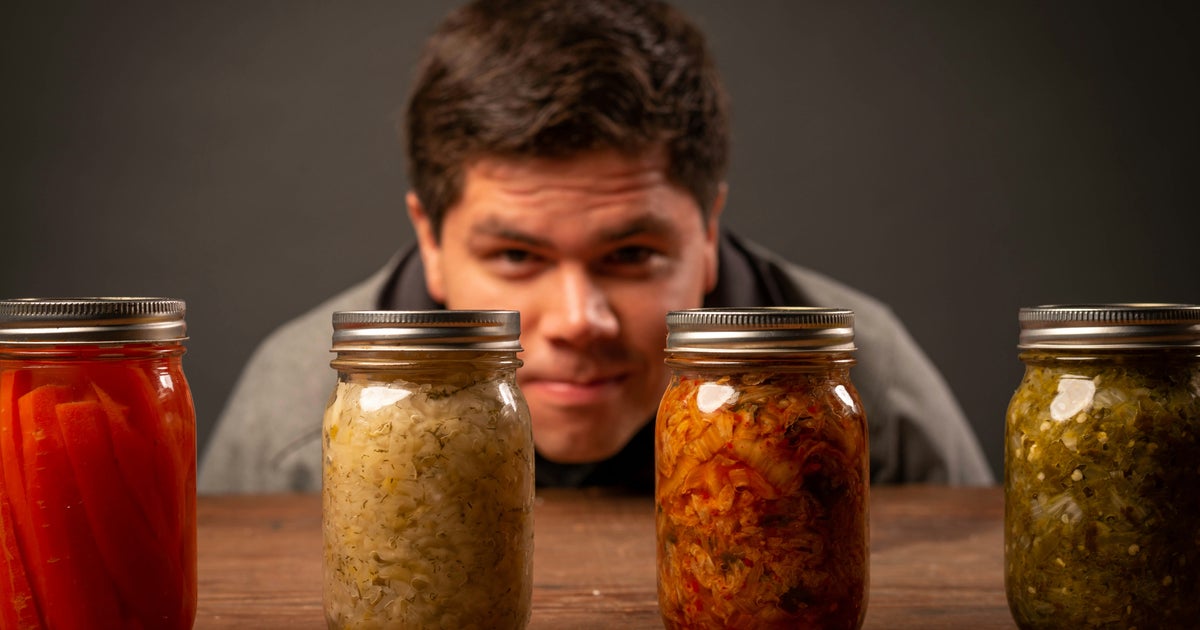
Probiotic and fibre-rich foods are great for our guts (which, it turns out, influence a lot of our overall health).

But the British Heart Foundation (BHF) have warned that not all of these are as kind to our hearts, even though happier guts usually mean better cardiovascular health.

BHF nutrition lead Tracy Parker said that though, “We encourage everyone to choose foods that can keep their gut microbiome healthy… A lot of these products can contain high levels of salt or sugar.”

Here are five foods they warn to “watch out for”:

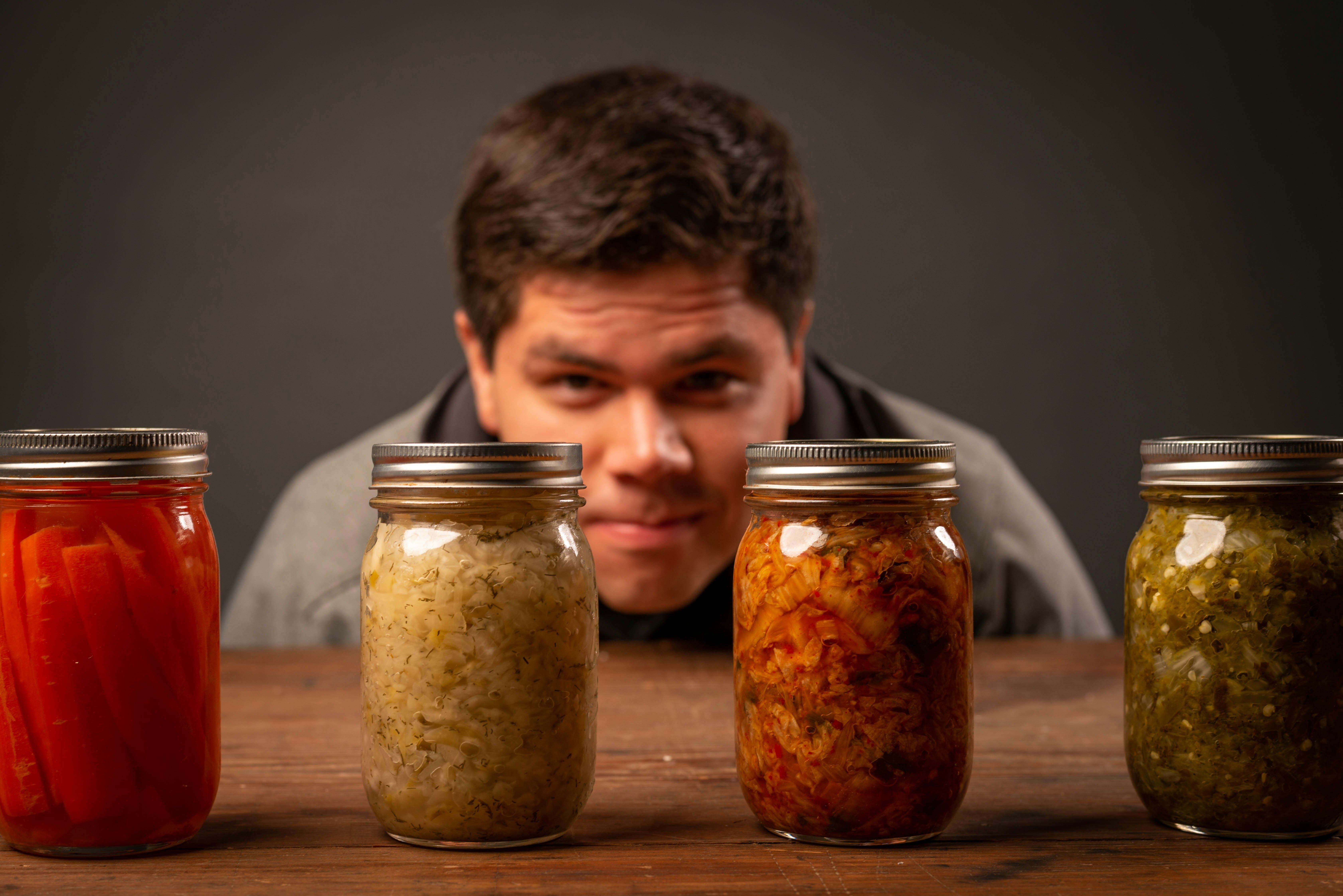
1) Kimchi

The fermented cabbage dish is great for our gut microbiomes. It’s packed with probiotics, and it may make your digestive tract an unwelcome space for “bad” gut bacteria.

But, the BHF said, “traditional kimchi is often made with a lot of salt, so it can raise blood pressure if eaten frequently or in large quantities. High blood pressure is known to increase your risk of having a heart attack or stroke”.

They advise trying smaller portions or lower-salt versions.

2) Kombucha

The jury’s still out on whether kombucha, a fermented tea, definitely benefits your gut health, though the BHF says it “can be a healthier alternative to sugary or fizzy drinks and has become a popular choice for people looking to introduce fermented products into their daily routine”.

But, they add, “many commercial kombucha products contain added sugars. Eating too much sugar can lead to weight gain, which in turn can increase the risk of a heart attack or stroke or other cardiovascular disease.”

Stick to kinds with “no added sugar” written on the label if you can.

3) Fruit yoghurt

Plain yoghurt contains live bacteria that could benefit the gut, and it’s also high in calcium, which is linked to a lower risk of bowel cancer.

But flavoured, sweetened, and “fruit” yoghurts often “contain added sugars and may have fewer live cultures than plain versions,” the BHF cautioned.

They reccomend choosing plain yoghurt with “live and active cultures” on the label to “ensure you are buying a low sugar option that is good for your gut”.

If you like, you can add fresh fruit at home.

4) Smoothies

“Smoothies made with whole fruits provide prebiotic fibre that feeds the beneficial gut bacteria and supports digestive health,” the BHF said.

But a mere 150ml counts as one of your five a day, and many of us are drinking more than that.

Additionally, “blending breaks down the structure of fruit, releasing ‘free sugars’ that behave like added sugars in the body and cause faster rises in blood sugar levels,” they shared.

“Regularly consuming too much sugar can lead to weight gain, which can increase the risk of developing type 2 diabetes, heart and kidney disease.”

Stick to recommended portion sizes and consider adding nuts, which provide protein and fibre that may help to control the impact of the sugars.

5) Sauerkraut

Like kimchi, this fermented cabbage dish can also be high in probiotics.

But it also often runs a little salty, the BHF said, “which may be a concern for anyone watching their blood pressure. Some shop-bought versions are also pasteurised, which removes most of the live bacteria”.

Try “checking the label and eating small portions,” as well as looking for “raw” sauerkraut or those described as containing “live cutlures”.

Share Button

No Screens Before Two: Inside The UK’s Tough New Guidance For Babies And Toddlers

New screen time limits have been revealed for children in the UK under five.

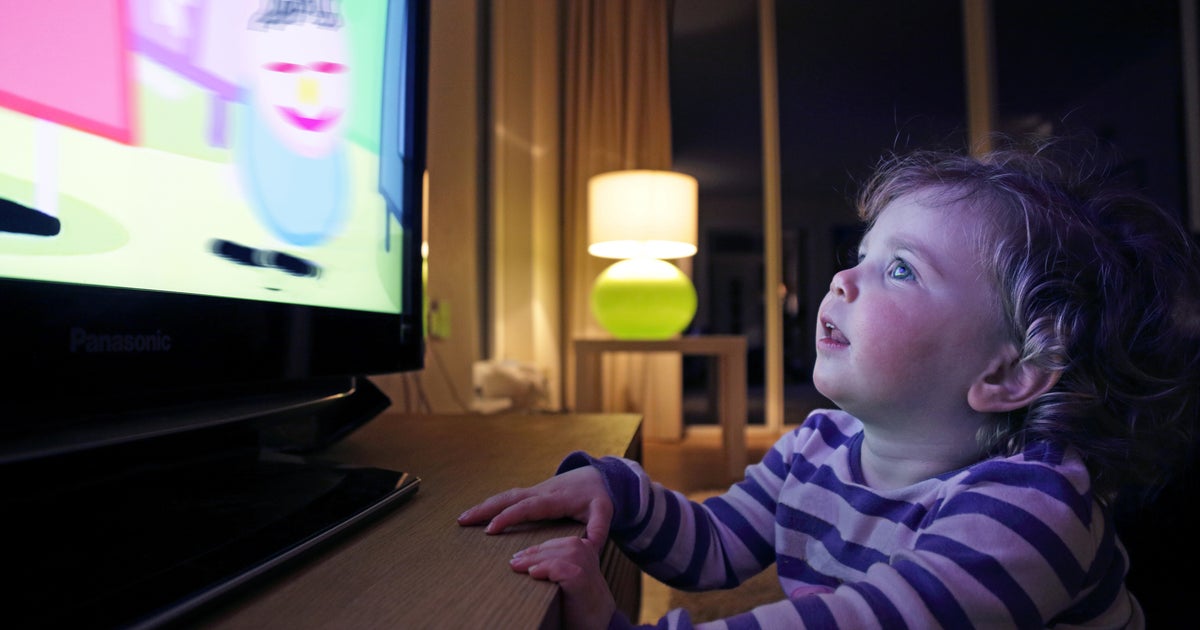
The guidance, from the UK government, comes as almost one-quarter (24%) of parents of three‑ to five‑year‑olds say they find it hard to control their child’s screen time, and 98% of two‑year‑olds watch screens every day.

In response to parents calling for support on how much screen time is too much, as well as how to build healthy habits, the government shared new evidence-informed guidance for babies, toddlers and pre-schoolers.

What are the new screen time rules?

Under twos should avoid screen time other than for shared activities that encourage bonding, interaction and conversation (ie. FaceTiming family), per the new guidance.

Meanwhile two- to five-year-olds should stick to no more than one hour of screen time a day.

The government also advises avoiding screen time at mealtimes and in the hour before bed, so as not to disrupt sleep.

What else does the guidance say?

  • Opt for slow-paced, age-appropriate content.
  • Fast-paced, social media-style videos and AI toys or tools should be avoided for young children.
  • Parents are encouraged to watch or use screens together to make the experience more interactive, as talking, asking questions, and engaging with the content is better for children’s development.
  • Make safe screen swaps like reading bedtime stories together or playing simple games at mealtimes.

The guidance stems from the findings of an expert panel led by the Children’s Commissioner Dame Rachel de Souza and Professor Russell Viner, a paediatrician and expert in children’s health.

The panel reviewed the latest evidence on screen use in under-5s, and found long periods of time spent on screens alone can get in the way of activities critical for development.

Think: sleep, physical activity, creative play, and interaction with parents.

But not all screen use is equal.

Watching screens with an engaged adult where parents talk and ask questions is linked to better cognitive development than solo use.

Slow-paced content is also far better for development than fast-paced social media-style videos.

Evidence also suggests time limits shouldn’t apply in the same way for screen-based assistive technologies to support children with special educational needs and disabilities.

Prime minister Keir Starmer said: “Parenting in a digital world can feel relentless. Screens are everywhere, and the advice is often conflicting.”

The new guidance “cuts through the noise”, he added, “to keep children safe and make sure healthy habits are baked in from the start”.

Admitting that some will oppose the guidance, he added, “I will always stand on the side of parents doing their best for their children”.

Children’s Commissioner Dame Rachel de Souza said: “Young children need their parents to be confident in managing their screen use, but often this can be overwhelming for parents learning to navigate this.

“My hope is that this guidance helps to cut through the conflicting advice available and prioritise children’s development and wellbeing, as well as their safety.”

Neil Leitch, CEO of the Early Years Alliance, welcomed the new guidance and its emphasis on providing practical tips and advice for parents and carers.

He added he hopes it’s “the first step towards equipping children – and those supporting them – with the skills they need to thrive in an increasingly digital world and ensuring that technology enhances rather than undermines early learning and wellbeing”.

Share Button

This cow uses tools like a primate—and scientists are stunned

In 1982, cartoonist Gary Larson introduced a famous Far Side comic called Cow Tools. The illustration showed a cow proudly standing next to a strange collection of useless objects labeled as tools. The humor relied on a widely accepted idea that cows lack the intelligence to create or use tools.

That assumption is now being questioned thanks to a real cow named Veronika. A study published in Current Biology reports the first documented case of tool use in a pet cow, suggesting that cattle may be far more cognitively capable than previously believed.

“The findings highlight how assumptions about livestock intelligence may reflect gaps in observation rather than genuine cognitive limits,” says Alice Auersperg, a cognitive biologist at the University of Veterinary Medicine, Vienna.

Meet Veronika, the Tool-Using Cow

Veronika is a Swiss Brown cow who lives as a companion animal rather than being raised for food production. She belongs to Witgar Wiegele, an organic farmer and baker who considers her part of the family.

More than a decade ago, Wiegele noticed an unusual behavior. Veronika would pick up sticks and use them to scratch her body. This behavior eventually caught scientific attention when it was recorded on video and shared with researchers.

“When I saw the footage, it was immediately clear that this was not accidental,” Auersperg says. “This was a meaningful example of tool use in a species that is rarely considered from a cognitive perspective.”

Testing Tool Use in Controlled Experiments

To better understand this behavior, researchers conducted structured tests with Veronika. They placed a deck brush on the ground in different positions and observed how she interacted with it.

Across multiple trials, Veronika consistently chose specific parts of the brush depending on where she wanted to scratch. Her selections were not random. Instead, they matched the needs of different areas of her body.

“We show that a cow can engage in genuinely flexible tool use,” says Antonio Osuna-Mascaró. “Veronika is not just using an object to scratch herself. She uses different parts of the same tool for different purposes, and she applies different techniques depending on the function of the tool and the body region.”

Flexible and Multi-Purpose Tool Use

The researchers found clear patterns in how Veronika used the brush. For larger, firmer areas like her back, she preferred the bristled side. For more sensitive regions on her lower body, she switched to the smoother handle.

She also adjusted her movements. Scratching her upper body involved broader, stronger motions, while movements directed at lower areas were slower and more precise.

Tool use is defined as using an external object to achieve a goal through physical interaction. Veronika’s actions meet this definition and go beyond it. Her behavior qualifies as flexible, multi-purpose tool use, meaning she uses different features of the same object for different outcomes.

This type of behavior is extremely rare and has previously been clearly documented only in chimpanzees among non-human species.

Overcoming Physical Limitations

Veronika’s tool use is directed at her own body, which is known as egocentric tool use. While this form is typically considered less complex than using tools on external objects, it still presents challenges.

Because cows lack hands, Veronika must manipulate tools using her mouth. Despite this limitation, she shows careful control and appears to anticipate the effects of her actions. She adjusts her grip and movements to achieve the desired result.

Why This Behavior May Be Rare

The researchers believe Veronika’s unique living conditions may have contributed to her behavior. Unlike most cattle, she has lived a long life in a complex and stimulating environment. She has daily interactions with humans and access to a variety of objects she can manipulate.

These factors likely created opportunities for exploration and innovation that are uncommon for most cows.

“[Veronika] did not fashion tools like the cow in Gary Larson’s cartoon, but she selected, adjusted, and used one with notable dexterity and flexibility,” the researchers write. “Perhaps the real absurdity lies not in imagining a tool-using cow, but in assuming such a thing could never exist.”

Rethinking Animal Intelligence

This discovery represents the first confirmed case of tool use in cattle and expands the range of species known to demonstrate this ability. It also raises the possibility that similar behaviors may exist but have gone unnoticed.

The research team is now exploring which environmental and social conditions allow such behaviors to develop. They also encourage others to report similar observations.

“Because we suspect this ability may be more widespread than currently documented,” Osuna-Mascaró says, “we invite readers who have observed cows or bulls using sticks or other handheld objects for purposeful actions to contact us.”

Share Button

Jersey’s wellbeing score is below UK and France

Jersey’s wellbeing score is below UK and France in survey of data from 41 countries.

Share Button

Vivid dreams may be the secret to deeper, more restful sleep

Feeling like you had “a good night’s sleep” depends on more than just how long you slept. It also reflects how deeply and continuously you believe you slept. Scientists still do not fully understand what happens in the brain to create this sense of deep, refreshing rest.

A new study from researchers at the IMT School for Advanced Studies Lucca, published in PLOS Biology, points to an unexpected factor. Dreams, especially those that are vivid and immersive, may actually make sleep feel deeper and more restorative rather than interrupting it.

Rethinking Deep Sleep and Brain Activity

For decades, deep sleep was viewed as a state where the brain is essentially “switched off,” with slow brain waves, minimal activity, and little awareness. Under this traditional view, deeper sleep meant less brain activity. In contrast, dreaming has typically been linked to Rapid Eye Movement (REM) sleep and considered a sign of partial “awakenings” in the brain.

However, this creates a paradox. REM sleep involves intense dreaming and brain activity that resembles wakefulness, yet people often report that this stage still feels like deep sleep.

To explore this contradiction, researchers analyzed 196 overnight recordings from 44 healthy adults. Participants slept in a laboratory while their brain activity was monitored using high-density electroencephalography (EEG). The data came from a broader project funded by a European Research Council (ERC) Starting Grant examining how different types of sensory stimulation influence the experience of sleep.

Dreaming and Perceived Sleep Depth

Over four nights, participants were awakened more than 1,000 times and asked to describe what they were experiencing just before waking. They also rated how deeply they felt they had been sleeping and how sleepy they were.

The results showed that people reported the deepest sleep not only when they had no conscious experience, but also after vivid, immersive dreams. In contrast, shallow sleep was linked to minimal or fragmented experiences, such as a vague sense of presence without clear dream content. “In other words, not all mental activity during sleep feels the same: the quality of the experience, especially how immersive it is, appears to be crucial” explains Giulio Bernardi, professor in neuroscience at the IMT School and senior author of the study. “This suggests that dreaming may reshape how brain activity is interpreted by the sleeper: the more immersive the dream, the deeper the sleep feels.”

How Dreams May Sustain Deep Sleep

Another surprising finding emerged across the night. Even though physiological signs of sleep pressure gradually decreased, participants reported that their sleep felt deeper as time went on.

This perceived deepening closely followed an increase in how immersive their dreams became. The findings suggest that dream experiences may help preserve the feeling of deep sleep even as the body’s biological need for sleep declines. Immersive dreams may also help maintain a sense of separation from the external environment, which is a key feature of restorative sleep, even while parts of the brain remain active.

Dreams as “Guardians of Sleep”

“Understanding how dreams contribute to the feeling of deep sleep opens new perspectives on sleep health and mental well-being,” says Bernardi. “If dreams help sustain the feeling of deep sleep, then alterations in dreaming could partly explain why some people feel they sleep poorly even when standard objective sleep indices appear normal. Rather than being merely a by-product of sleep, immersive dreams may help buffer fluctuations in brain activity and sustain the subjective experience of being deeply asleep.” This idea echoes a long-standing hypothesis in sleep research — and even in classical psychoanalysis — that dreams may act as “guardians of sleep.”

A New Multidisciplinary Approach to Sleep Research

The study was carried out as part of a broader collaboration between the IMT School, Scuola Superiore Sant’Anna in Pisa, and Fondazione Gabriele Monasterio, where a new sleep laboratory has been established to integrate neuroscientific and medical expertise.

This facility supports a multidisciplinary approach to studying sleep and the sleep-wake cycle, enabling researchers to better understand how brain activity interacts with bodily processes. These findings represent an early step in that effort and provide a foundation for future research into how brain-body dynamics shape sleep in both healthy individuals and those with sleep disorders.

Share Button

Scientists found a bug that generates its own heat in freezing cold

Snow flies might seem like ordinary insects, but their survival strategy is anything but typical.

In a new study, scientists at Northwestern University investigated how these small, wingless insects, which move across snowy surfaces to find mates and lay eggs, stay alive in freezing conditions. They discovered that snow flies rely on a surprising mix of biological tools. The insects can generate their own body heat like mammals and produce antifreeze proteins similar to those found in Arctic fish.

While most insects cannot survive below freezing, snow flies remain active at temperatures as low as -6 degrees Celsius (or 21.2 degrees Fahrenheit).

These findings provide new insight into how life adapts to extreme environments. They may also help researchers develop new ways to protect cells, tissues and materials from damage caused by cold.

The study was published on March 24 in the journal Current Biology.

“Insects are cold-blooded, so they are at the mercy of external temperatures,” said Northwestern’s Marco Gallio, who led the study. “But they have a mind-boggling ability to adapt to extremes. When it gets cold, a common strategy is to find shelter and become dormant until conditions get better. But instead of slowing down, snow flies actually prefer freezing cold, snowy conditions and hide away when the snow melts and it gets warm. They really push the limit of what’s possible. Now we’ve found snow flies aren’t just tolerating the cold, they have multiple ways to counteract it.”

Gallio studies how temperature shapes biology and is the Soretta and Henry Shapiro Research Professor in Molecular Biology as well as a professor of neurobiology at Northwestern’s Weinberg College of Arts and Sciences. He co-led the study with Marcus Stensmyr, a biology professor at Lund University in Sweden. Other Northwestern contributors include William Kath of the McCormick School of Engineering and Alessia Para from Weinberg. Gallio and Kath are also affiliated with the NSF-Simons National Institute for Theory and Mathematics in Biology (NITMB).

Unusual Genes and Antifreeze Proteins

To understand how snow flies survive such harsh conditions, researchers first examined their genetic makeup. Gallio and his team were the first to sequence the snow fly genome and compare it with related insects that are not adapted to cold environments. They also analyzed RNA to identify which genes are actively used for survival in freezing temperatures. These complex comparisons were carried out by Richard Suhendra, a Ph.D. student working with Kath.

The results were unexpected.

“We couldn’t find many of the genes within any database,” Gallio said. “Initially, I thought we must have sequenced some alien species. It’s very rare for an active gene, which makes a protein, to not have a match.”

Further investigation showed that these unusual genes produce antifreeze proteins. Like those found in Arctic fish, these proteins attach to ice crystals and prevent them from growing. This process protects cells from damage during freezing.

“Remarkably, some of the antifreeze proteins we found are actually structurally related to those of Arctic fish,” Gallio said. “That suggests evolution came to the same solution for a common problem.”

Heat Production Helps Snow Flies Stay Active

The team also identified genes linked to energy use and cellular processes involved in producing heat. This suggested another unexpected ability. Snow flies do not just resist freezing, they also generate their own heat.

“We found genes that in larger animals are associated with mitochondrial thermogenesis in brown adipose tissue,” Gallio said. “Many animals like marmots and polar bears have brown fat, which is there to produce heat. When they go into hibernation, they burn this stored fat to produce heat rather than to produce chemical energy. So, in some ways snow flies use a combination of the strategies used by polar bears and by Arctic fish.”

Blocking Ice and Creating Warmth

To test how the antifreeze proteins work, Matthew Capek, a Ph.D. student in the Gallio Lab, modified fruit flies to produce one of the snow fly proteins. He then exposed them to freezing temperatures in a lab freezer. The modified flies survived at much higher rates than normal fruit flies, confirming that the proteins act as barriers that stop ice from spreading.

In another experiment, researchers tested whether snow flies actually generate heat. They measured the insects’ internal temperature while gradually lowering the surrounding temperature below freezing. During this process, snow flies consistently remained slightly warmer than expected by a couple of degrees Celsius compared to other insects.

“Other insects, like bees and moths, shiver to increase their heat,” Stensmyr said. “But we found no evidence of shivering. Snow flies instead likely produce heat at the cellular level, more similar to how mammals and even some plants generate heat.”

Even a small increase in temperature can be critical for survival in such extreme conditions. This brief warmth may give snow flies enough time to find shelter and avoid freezing when temperatures suddenly drop.

Reduced Sensitivity to Cold Pain

Snow flies also appear to be less sensitive to the painful effects of extreme cold. Most people recognize the sharp sting of touching ice or cold metal. This sensation is triggered by reactive molecules in cells that signal the body to avoid harm. In snow flies, this response is significantly reduced.

Gallio and his team found that a key sensory protein involved in detecting harmful stimuli is much less responsive in snow flies than in other insects. As a result, these insects can tolerate higher levels of cold-related stress and continue functioning in conditions that would overwhelm most species.

“It turns out that a specific irritant receptor is 30 times less sensitive in snow flies than in mosquitoes and fruit flies,” Gallio said. “So, they can cope with higher levels of noxious irritants produced by cold exposure.”

Future Research on Extreme Cold Survival

Next, the researchers plan to explore in greater detail how snow flies generate heat at the cellular level and to identify the full range of antifreeze proteins they produce. This work could reveal whether other organisms use similar strategies to survive in extreme cold environments.

The study, “Coordinated molecular and physiological adaptations enable activity at subfreezing temperature in the snow fly Chionea alexandriana,” will appear in the April 6 volume of the journal Current Biology and feature on the cover. The work in the various labs was partially supported by the National Institutes of Health, the Pew Scholars Program, the McKnight Foundation, the Paula M. Trienens Institute for Sustainability and Energy, the Crafoord Foundation, the National Science Foundation, the Simons Foundation and NITMB. External collaborators included the DNAzoo project and Olga Dudchenko and Erez Lieberman Aiden, who are both faculty members at Rice University and at the Baylor College of Medicine.

Share Button

Doctors announce six-day strike in England as talks break down

The walkout over jobs and pay is one of the longest yet in the dispute, and will begin on 7 April in England.

Share Button

Exclusive: Reform UK Asked Rival Party Councillor To Be ‘Paper Candidate’ In Local Election

A Lib Dem councillor was left stunned after being asked by Reform UK to stand for the party at the local elections in May.

Sam Webber, who sits on Bromley Council in south east London, was phoned out of the blue by the party’s membership team and asked if he wanted to be a “paper candidate” on May 7.

A paper candidate is someone whose name goes on the ballot representing a party but is not expected to win or do any campaigning.

Speaking to HuffPost UK, Webber accused Nigel Farage’s party of “making a mockery of the election nomination process”.

He said: “Is Reform just randomly calling up people across the country and asking them to stand for election?

“Nominations open in five days time. How much vetting will the party be doing on their candidates in that time? This runs the risk people getting nominated who would be ineligible to serve even if they were elected.

“That would see costly and unnecessary by-elections having to take place after May 7, as we saw after the 2025 local elections.

“Reform UK is making a mockery of the election nomination process. As we have seen in authorities like Kent County Council, it would be total chaos if the party gets anywhere near power. I suspect voters will not like being taken for fools.”

Reform has been contacted for comment.

A staggering 65 Reform councillors who were elected at last May’s local elections have since either resigned as councillors, defected or quit the party.

Share Button

‘You feel forgotten’ – the reality for boxers after the fights stop

Retired boxer Stephen Smith shares how boxers can struggle to “fill the void” after hanging up their gloves.

Share Button

Five Habits A GP Says Separates People Who Age Well From Those Who Don’t

It turns out that tiny changes – minutes more exercise, a few grams more veggies – can make a surprisingly large difference to your longevity and heart attack risk.

And Dr Dominic Greenyer, a private GP at The Health Suite, said that those lifestyle changes become medically obvious in time.

“If you followed two twins over time, you would often see clear differences in their skin, body composition, energy levels and overall health depending on how they live,” Dr Greenyer said.

“Ageing is not just about time passing. It’s about how well the body is maintained.”

Here, he shared the five factors he feels make all the difference:

1) Building and maintaining muscle

As we age, our muscles begin to wane – a process called sarcopenia. If we do nothing to maintain or build it, some research says we’re expected to lose half our muscle mass by 80.

“One of the biggest predictors of healthy ageing is muscle mass,” Dr Greenyer said.

2) Prioritising sleep and recovery

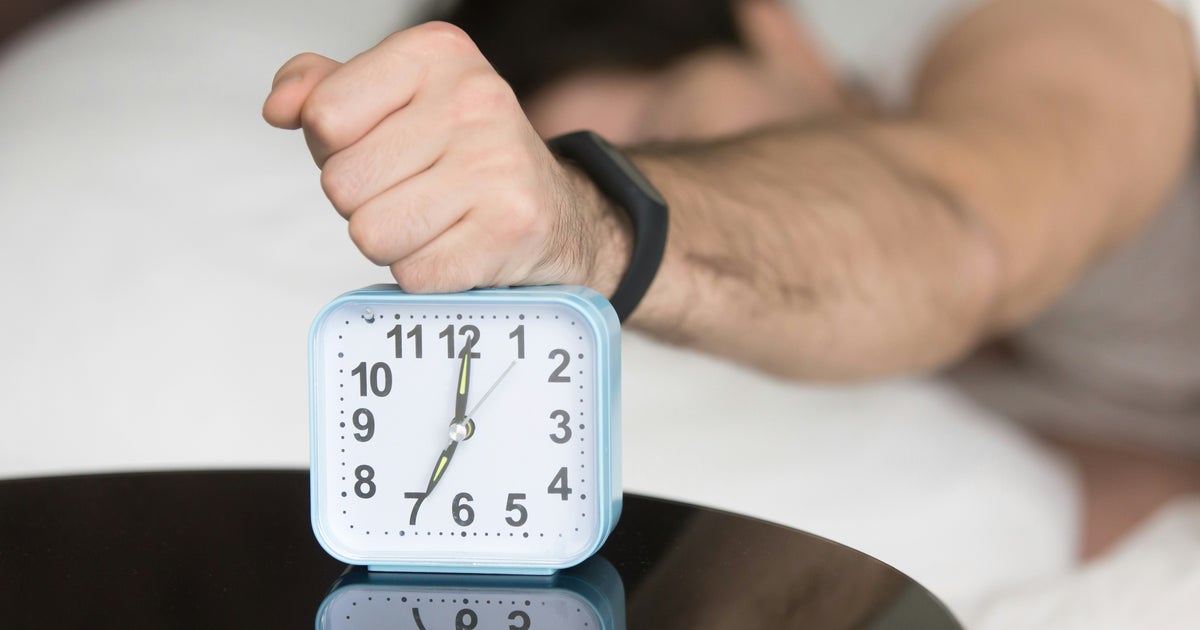
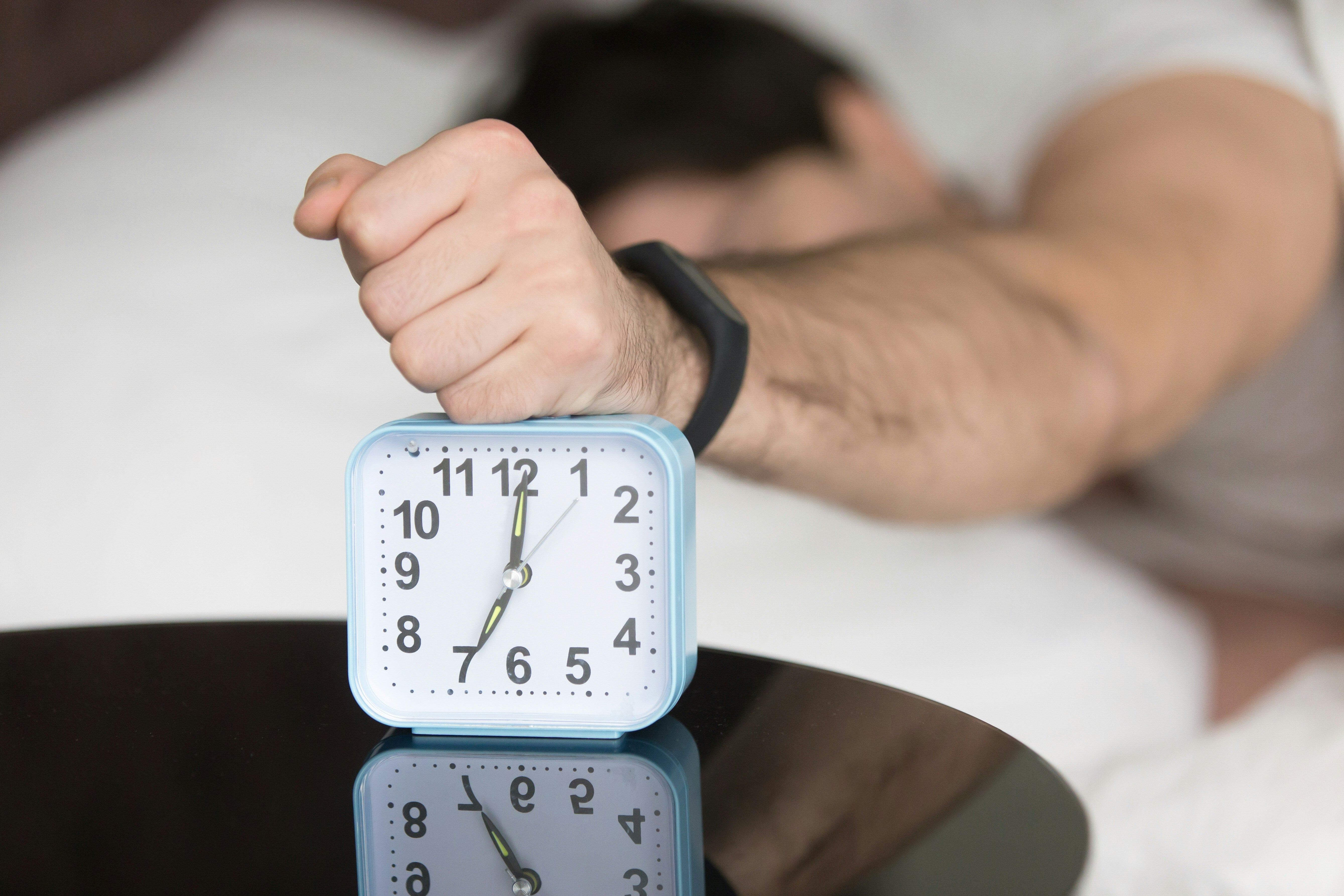
“Chronic poor sleep can accelerate ageing at a cellular level,” Dr Greenyer said.

“It affects hormones, recovery, inflammation and even visible signs like skin quality.”

Experts think that following a “7-1” sleeping rule (getting at least seven hours of sleep a night, with no more than an hour’s variance between bedtimes and wake-up times) could add years to your life.

3) Reducing inflammation through lifestyle choices

In and of itself, inflammation isn’t a problem – it can help our bodies to heal and may be an important part of muscle growth.

But “inflammaging” can occur when inflammation is chronic, and might contribute to conditions such as heart disease, type 2 diabetes, dementia, and frailty.

It “is influenced by diet, stress, alcohol intake and overall lifestyle,” Dr Greenyer said.

Those who eat whole foods, stay active, and manage stress well may have less unwanted inflammation, he added.

4) Enjoy life, in moderation

There’s lots of research to support the idea that enjoying ourselves – be it through socialising or even eating some candy – might help us to live longer.

“There is good evidence that polyphenol-rich foods such as dark chocolate can support cardiovascular health when consumed in moderation,” Dr Greenyer added. “Just as important is maintaining strong social connections, which are consistently associated with longer lifespan and better mental wellbeing.”

He ended, “The difference comes from small choices repeated over years – but they should still allow you to enjoy life.”

Share Button