Trump Rips ‘Disgusting Degenerate’ Nancy Pelosi In Saturday Night Stock Rant

US President Donald Trump furiously accused former Speaker of the House Nancy Pelosi (Democrat, California) of shady stock market dealings this weekend.

Shooting off an angry Truth Social post on Saturday night, the president wrote, “Crooked Nancy Pelosi, and her very ‘interesting’ husband, beat every Hedge Fund in 2024. In other words, these two very average ‘minds’ beat ALL of the Super Geniuses on Wall Street, thousands of them.”

“It’s all INSIDE iNFORMATION! Is anybody looking into this???” he then asked.

Hiding no hints of bitterness, Trump added, “She is a disgusting degenerate, who Impeached me twice, on NO GROUNDS, and LOST! How are you feeling now, Nancy???”

Her husband Paul Pelosi’s seemingly knack for trading has long been a topic of conversation.

For years, Paul Pelosi’s portfolio has regularly outperformed top hedge funds, raising questions about if his wife’s role in Washington, DC, has helped give him an unfair edge on the market.

Estimates from stock research platform Quiver Quantitative peg the Pelosis’ holdings to be worth around $164 million.

Pelosi has claimed she has no say in her husband’s trading decisions and defended his stock dealings as his right to participate in the free market.

Though she previously balked at the idea of enacting trade restrictions on politicians, Pelosi seems to have shifted her position in recent days.

Last month, she endorsed Senator Josh Hawley’s (Republican, Missouri) bipartisan backed HONEST Act (Halting Ownership and Non-Ethical Stock Transactions, which would ban federal legislators, the president and the vice president from trading stocks.

“The American people deserve confidence that their elected leaders are serving the public interest, not their personal portfolios,” she told The Associated Press in July.

In 2023 when the legislation was originally introduced, it was dubbed the PELOSI Act, short for Preventing Elected Leaders from Owning Securities and Investments.

According to Bloomberg, the president’s net worth has more than doubled since he launched his last campaign for office.

Trump and his family’s cryptocurrency coins have banked them hundreds of millions of dollars.

Tech mogul Jeff Bezo’s Amazon Studios purchased rights for a Melania Trump documentary for $40 million in January, nearly three-times more than the next closest offer, according to the Wall Street Journal.

Share Button

A US Ambassador Ranted About The UK After It Criticised Israel. This Labour MP Had Just 1 Thing To Say.

A Labour MP tore into Donald Trump’s ambassador to Israel this morning after he criticised the UK.

Mike Huckabee slammed Britain and prime minister Keir Starmer on X after the UK condemned Israel’s plan to expand its military operation in Gaza, despite the ongoing humanitarian crisis there.

Starmer joined many European allies in warning Israel that occupying Gaza City, the largest city in the Palestinian territory, would only cause further “bloodshed”, almost two years after Israel first declared war on Hamas.

In a statement on Friday, the prime minister said: “Wwe urge it to reconsider immediately. Every day the humanitarian crisis in Gaza worsens and hostages taken by Hamas are being held in appalling and inhuman conditions. We need a ceasefire now.”

But Huckabee replied by bizarrely talking about World War 2.

He wrote on X: “So Israel is expected to surrender to Hamas & feed them even though Israeli hostages are being starved?

“Did UK surrender to Nazis and drop food to them? Ever heard of Dresden, PM Starmer?

“That wasn’t food you dropped. If you had been PM then UK would be speaking German!”

In a second post, he added: “How much food has Starmer and the UK sent to Gaza? @IsraeliPM has already sent 2 MILLION TONS into Gaza & none of it even getting to hostages. Maybe UK PM ought to sit this one out & follow Arab League who said Hamas should disarm & release ALL hostages immediately.”

Huckabee’s analogy compares the current war in Gaza to the joint British and American decision to bomb the German city of Dresden in February 1945.

It was one of the most controversial moments from World War 2 because many argue the attack, which killed around 25,000 people was unnecessary and cruel – especially as it occurred just months before the conflict ended.

Meanwhile, Israel is coming under intense scrutiny for its war in Gaza where at least 60,000 Gazans have been killed, and Israel’s aid blockade is causing mass starvation.

So Emily Thornberry, the chair of the UK’s Foreign Affairs Committee and a former member of Starmer’s shadow cabinet, offered a no-nonsense response to Huckabee on X.

She wrote: “This Ambassador is clearly an idiot.”

Trump has tried to end the war in Gaza but has refused to commit to recognising a Palestinian state, unlike the UK, France and Canada.

Just days after he acknowledged that people are starving in the territory, the US president said it was Israel’s choice to expand its military offensive.

Trump told reporters: “That’s going to be pretty much up to Israel.”

Share Button

This tiny spacecraft could race to a black hole and rewrite physics

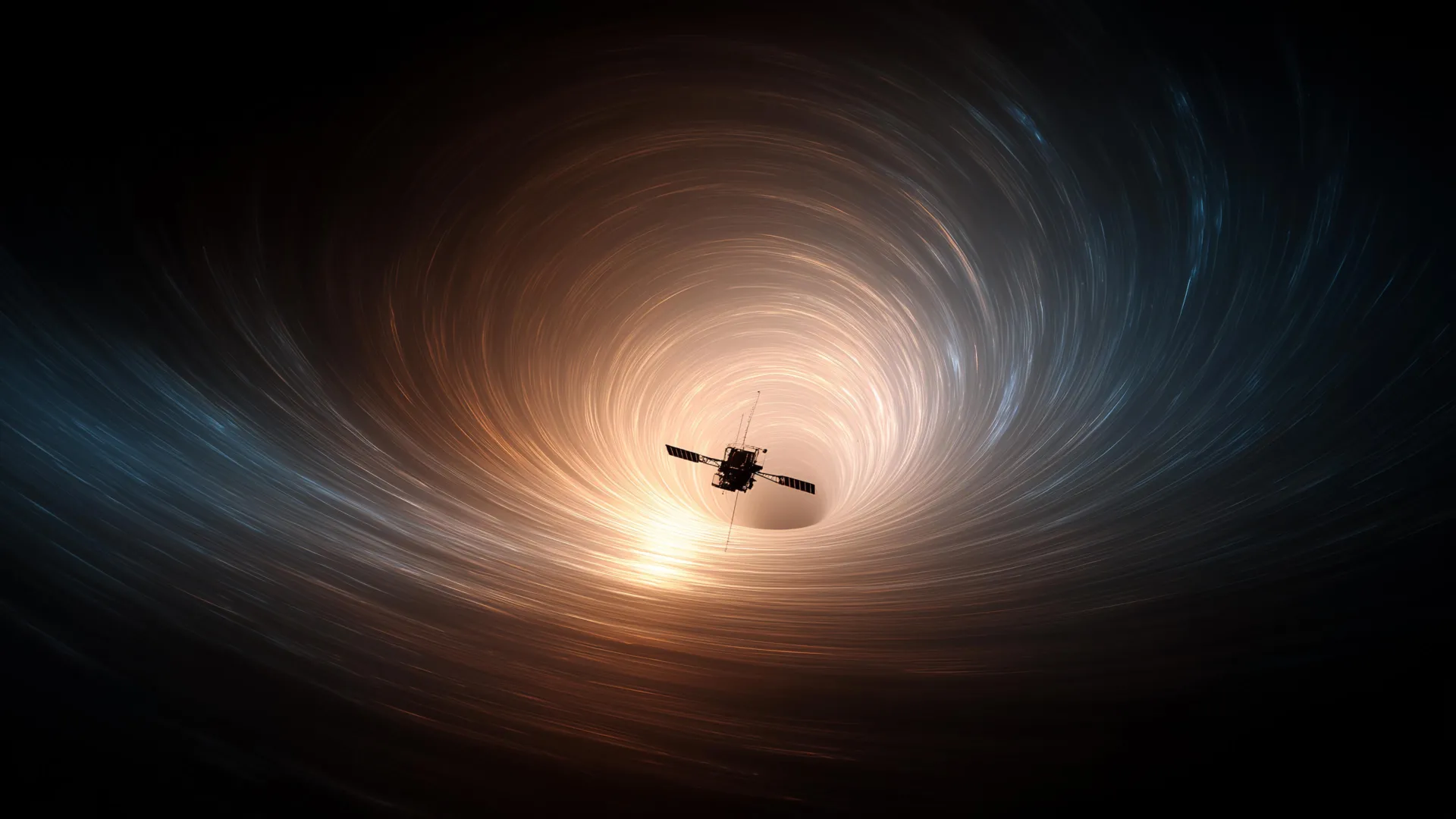
It sounds like science fiction: a spacecraft, no heavier than a paperclip, propelled by a laser beam and hurtling through space at the speed of light toward a black hole, on a mission to probe the very fabric of space and time and test the laws of physics. But to astrophysicist and black hole expert Cosimo Bambi, the idea is not so far-fetched.

Reporting in the Cell Press journal iScience, Bambi outlines the blueprint for turning this interstellar voyage to a black hole into a reality. If successful, this century-long mission could return data from nearby black holes that completely alter our understanding of general relativity and the rules of physics.

“We don’t have the technology now,” says author Cosimo Bambi of Fudan University in China. “But in 20 or 30 years, we might.”

The mission hinges on two key challenges — finding a black hole close enough to target and developing probes capable of withstanding the journey.

Previous knowledge on how stars evolve suggests that there could be a black hole lurking just 20 to 25 light-years from Earth, but finding it won’t be easy, says Bambi. Because black holes don’t emit or reflect light, they are virtually invisible to telescopes. Instead, scientists detect and study them based on how they influence nearby stars or distort light.

“There have been new techniques to discover black holes,” says Bambi. “I think it’s reasonable to expect we could find a nearby one within the next decade.”

Once the target is identified, the next hurdle is getting there. Traditional spacecrafts, powered by chemical fuel, are too clunky and slow to make the journey. Bambi points to nanocrafts — gram-scale probes consisting of a microchip and light sail — as a possible solution. Earth-based lasers would blast the sail with photons, accelerating the craft to a third of the speed of light.

At that pace, the craft could reach a black hole 20 to 25 light-years away in about 70 years. The data it gathers would take another two decades to get back to Earth, making the total mission duration around 80 to 100 years.

Once the craft is near the black hole, researchers could run experiments to answer some of the most pressing questions in physics. Does a black hole truly have an event horizon, the boundary beyond which not even light can escape its gravitational pull? Do the rules of physics change near a black hole? Does Einstein’s theory of general relativity hold under the universe’s most extreme conditions?

Bambi notes that the lasers alone would cost around one trillion euros today, and the technology to create a nanocraft does not yet exist. But in 30 years, he says that costs may fall and technology may catch up to these bold ideas.

“It may sound really crazy, and in a sense closer to science fiction,” says Bambi. “But people said we’d never detect gravitational waves because they’re too weak. We did — 100 years later. People thought we’d never observe the shadows of black holes. Now, 50 years later, we have images of two.”

This work was supported by funding from the National Natural Science Foundation of China.

Share Button

Giant Einstein ring reveals one of the Universe’s biggest black holes

Astronomers have discovered potentially the most massive black hole ever detected.

The cosmic behemoth is close to the theoretical upper limit of what is possible in the universe and is 10,000 times heavier than the black hole at the center of our own Milky Way galaxy.

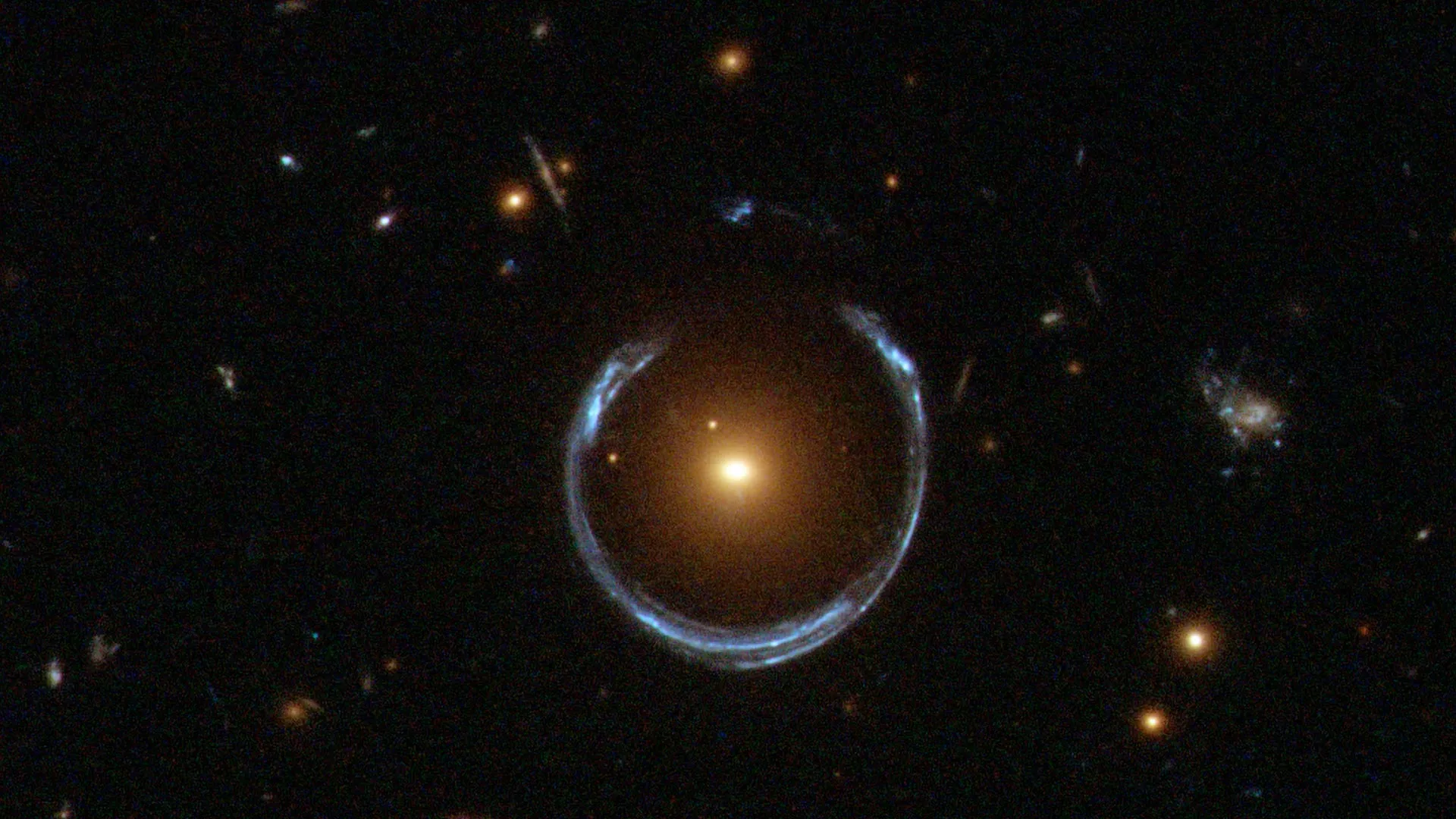
It exists in one of the most massive galaxies ever observed – the Cosmic Horseshoe – which is so big it distorts spacetime and warps the passing light of a background galaxy into a giant horseshoe-shaped Einstein ring.

Such is the enormousness of the ultramassive black hole’s size, it equates to 36 billion solar masses, according to a new paper published on August 7 in Monthly Notices of the Royal Astronomical Society.

It is thought that every galaxy in the universe has a supermassive black hole at its center and that bigger galaxies host bigger ones, known as ultramassive black holes.

“This is amongst the top 10 most massive black holes ever discovered, and quite possibly the most massive,” said researcher Professor Thomas Collett, of the University of Portsmouth.

“Most of the other black hole mass measurements are indirect and have quite large uncertainties, so we really don’t know for sure which is biggest. However, we’ve got much more certainty about the mass of this black hole thanks to our new method.”

Researchers detected the Cosmic Horseshoe black hole using a combination of gravitational lensing and stellar kinematics (the study of the motion of stars within galaxies and the speed and way they move around black holes).

The latter is seen as the gold standard for measuring black hole masses, but doesn’t really work outside of the very nearby universe because galaxies appear too small on the sky to resolve the region where a supermassive or ultramassive black hole lies.

Adding in gravitational lensing helped the team “push much further out into the universe,” Professor Collett said.

“We detected the effect of the black hole in two ways – it is altering the path that light takes as it travels past the black hole and it is causing the stars in the inner regions of its host galaxy to move extremely quickly (almost 400 km/s).

“By combining these two measurements we can be completely confident that the black hole is real.”

Lead researcher, PhD candidate Carlos Melo, of the Universidade Federal do Rio Grande do Sul (UFRGS) in Brazil, added: “This discovery was made for a ‘dormant’ black hole – one that isn’t actively accreting material at the time of observation.

“Its detection relied purely on its immense gravitational pull and the effect it has on its surroundings.

“What is particularly exciting is that this method allows us to detect and measure the mass of these hidden ultramassive black holes across the universe, even when they are completely silent.”

The Cosmic Horseshoe black hole is located a long way away from Earth, at a distance of some 5 billion light-years.

“Typically, for such remote systems, black hole mass measurements are only possible when the black hole is active,” Melo said. “But those accretion-based estimates often come with significant uncertainties.

“Our approach, combining strong lensing with stellar dynamics, offers a more direct and robust measurement, even for these distant systems.”

The discovery is significant because it will help astronomers understand the connection between supermassive black holes and their host galaxies.

“We think the size of both is intimately linked,” Professor Collett added, “because when galaxies grow they can funnel matter down onto the central black hole.

“Some of this matter grows the black hole but lots of it shines away in an incredibly bright source called a quasar. These quasars dump huge amounts of energy into their host galaxies, which stops gas clouds condensing into new stars.”

Our own galaxy, the Milky Way, hosts a 4 million solar mass black hole. Currently it’s not growing fast enough to blast out energy as a quasar but we know it has done in the past, and it may will do again in the future.

The Andromeda Galaxy and our Milky Way are moving together and are expected to merge in about 4.5 billion years, which is the most likely time for our supermassive black hole to become a quasar once again, the researchers say.

An interesting feature of the Cosmic Horseshoe system is that the host galaxy is a so-called fossil group.

Fossil groups are the end state of the most massive gravitationally bound structures in the universe, arising when they have collapsed down to a single extremely massive galaxy, with no bright companions.

“It is likely that all of the supermassive black holes that were originally in the companion galaxies have also now merged to form the ultramassive black hole that we have detected,” said Professor Collett.

“So we’re seeing the end state of galaxy formation and the end state of black hole formation.”

The discovery of the Cosmic Horseshoe black hole was somewhat of a serendipitous discovery. It came about as the researchers were studying the galaxy’s dark matter distribution in an attempt to learn more about the mysterious hypothetical substance.

Now that they’ve realized their new method works for black holes, they hope to use data from the European Space Agency’s Euclid space telescope to detect more supermassive black holes and their hosts to help understand how black holes stop galaxies forming stars.

Share Button

My Lab Conducted A Study On Preschool Girls. What We Discovered Should Disturb You.

Over the past year, a friend’s daughter – let’s call her Lily – has repeatedly called herself ugly.

When Lily is supposed to be brushing her teeth, she looks in the mirror with a frown on her face, eyes scanning her features with disappointment.

Lily has wavy dark-brown hair; she wants straight blonde hair.

One morning Lily put pink marker all over her mouth. The day before, a child at school had called her ugly, and she thought the “lipstick” would make her look prettier.

Lily is 4. And she is beautiful.

How has the world warped this child’s view of herself? Why does Lily even need to care about looking beautiful at 4? Is she worried about getting a date for the class field trip?

More attention is finally being paid toward the harmful effects of social media on teens’ body image and mental health. However, a study my lab conducted suggests that we are missing an important piece of the puzzle. Specifically, we discovered that among girls, a preoccupation with appearance starts as young as age 3.

In our study, we interviewed 170 children ages 3 to 5 to examine when kids start to value being beautiful. Across all of the measures that we assessed, girls on average greatly valued their appearances. Girls said that to be a girl they needed to be pretty, and looking pretty was important.

When asked to select from an array of outfits and occupations, the girls in our study tended to select many fancy outfits and appearance-related occupations, like being a model or makeup artist. They showed good memory for pictures of fashionable clothing when these pictures were later hidden from view.

When explaining why they liked a pop culture character, girls often said things like, “I like all the princesses because they are pretty.” In a previous study, young girls also tended to purchase many toys that focused on appearance (e.g., a vanity set) with play money.

Across both studies, not only did girls tend to care highly about appearances, but they also did so more than boys.

Girls were about five times more likely than boys to say they liked a character due to what I refer to as “appearance reasons”.

Boys more often cited “action reasons,” such as liking Spider-Man “because he jumps high, climbs and shoots webs”.

Our study concluded that gender differences related to how much emphasis we place on beauty likely start in preschool.

While girls around the world have long been taught that beauty is of utmost importance, conversations with other gender development experts point to the early 2000s as a pivotal period when a new “girlie-girl” culture emerged.

One driver of this culture was the launch of the Disney Princess franchise in 2000, which continues to enamour young girls. My two young daughters have probably drawn upwards of a thousand pictures of Moana over the past two years.

Although Disney movies have evolved and now try to include more agentic heroines, the take-home message received by children still centred on beauty.

By adolescence, children are already primed to be preoccupied with how they look – a vulnerability that social media, often a very visual platform, taps into and exploits.

Decades of research have shown that tying self-worth to looks and having a distorted body image are linked to a whole host of negative outcomes, which can include poorer physical health (e.g., eating disorders, substance abuse) and mental health (e.g., depression). An unhealthy focus on appearance can also detract from a focus on school, interfere with academic performance and limit the career aspirations of young women.

If we know that emphasising physical appearance sets girls up for unhappiness – or worse – we must rethink our words and actions that instil this value, and we must begin before adolescence and social media use.

The preschool and kindergarten years are especially critical, as it’s during this time that children typically begin to strongly identify with a gender – whether the one they were assigned at birth or the one they know themselves to be – and they are hungry to learn what that gender means.

Children form gender stereotypes based on the information that is available to them and often doggedly follow these stereotypes. Because children are learning that girls are defined by how they look and boys by what they do, we must change the information they receive.

We can do this in a variety of ways. One is to (re)examine the images and toys our children encounter on a daily basis. Those beloved princesses and mermaid dolls with absurd body proportions can create internal standards that are impossible to attain.

Although adults understand the metaphor in making a superhero larger than life, children, who are extremely visual and swayed by how objects and people look, take these images at face value. We need to buy and create toys that feature diverse body shapes and sizes, varied and accurate facial features, different hair textures and a spectrum of skin colours.

There are some bright spots already out there. Our family loves the three Madrigal sisters from the movie Encanto. Mirabel, the main protagonist, has glasses and curly hair. Her oldest sister Luisa is renowned not for her beauty, but for her physical strength. Isabella, the middle sister, has darker skin and realistic body proportions that my children not only see but also feel when handling their dolls. The village values all three of them for their helpfulness, and their primary goals do not centre around attracting a prince. Barbie is also making more diverse dolls, but those more representative toys are still the minority.

There are also toys and games that encourage girls to solve problems, build structures and robots and use their creativity, but because our culture is still so influenced by gender stereotypes, young girls are often not exposed to them. We need to not only add positive and diverse images and toys, but move away from featuring and selling the harmful ones that currently dominate the market.

Until corporations do better, it’s up to us to do what we can. If you find yourself reaching for an “appearance toy” for a girl in your life, look for toys that encourage a wider variety of activities. Believe me, harmful images and toys will seep into your household, often through gifts from friends and family members, so parents and teachers need to take an active stance. Don’t feel guilty saying no to a toy that promotes an unhealthy approach to appearance.

We can also change how we talk to the children in our lives. Instead of constantly commenting on a child’s appearance – “You look so pretty!” or “That’s a beautiful dress!” – try focusing on other admirable attributes, especially when you’re speaking to girls.

On a broader level, let’s expand the idea of what a girl or a boy can be. By having more examples of the different ways that kids can be their gender (whether by being more or less traditionally feminine, masculine or something in between), everybody wins.

Of course, it’s important to instill a sense of pride in one’s appearance. But this is possible without focusing on traditionally esteemed – and frequently policed – characteristics. It can be even more complicated for children of colour or children from low-income backgrounds, where looking “good” can be unfairly and dangerously tied to respectability.

In these contexts, parents are often actively fighting to keep their kids from internalising insidious white beauty standards, in addition to challenging gender stereotypes.

And although appearance is typically emphasised more among girls, boys also face unrealistic standards regarding muscles and strength. One study found that 49% of boys ages 8-12 were unhappy with their appearance and another found that boys as young as 6 showed preferences for thinner and more muscular bodies.

Many of us relate to feeling dissatisfied with the way we look and have experienced negative outcomes due to our fixation on it. As a 12-year-old, I was obsessed with the weight I gained during puberty. Though doing varsity volleyball and track and field made me fit and strong when I was 15, I was unhappy with my body, and experienced depression and suicidal ideation.

I was not alone. I knew many other girls who were dealing with similar feelings. When I later attended Stanford, I was surrounded by incredible, high-achieving women, some who were world-class athletes, but who also struggled with their body image and disordered eating.

Seeing so many others who also suffered made me realise that these appearance- and health-related matters were bigger than just me.

Ultimately, I was motivated to study gender development as a career, which I’ve been doing for 17 years, in the hopes of addressing this complex and alarming societal issue.

I am anxious about what will happen when my two young daughters become teens, in a society where sexism and patriarchy still run rampant.

My husband and I have even contemplated leaving Los Angeles, arguably one of the most image-obsessed cities in the world.

Whenever we drive down Santa Monica Boulevard, billboards and advertisements expose my daughters to the supposed wonders of plastic surgery, implants and freezing off fat.

When we traipse down Montana Avenue, a swanky shopping area, we pass dozens of eyelash salons, hair salons, nail salons, waxing salons, sugaring salons and skincare shops squeezed in tightly next to each other along the street.

I know that these messages would still reach them no matter where we moved. This is the world we live in. This is the culture we’ve been told to want. These are the messages our children pick up – not just from where they live, but from the shows they watch, the movies they see, the songs they hear, the friends they make and even in their schools. And thanks to social media, AI technology, filters and photoshopping, it’s only getting worse.

So, we need to do whatever we can to combat all of this.

My research shows we have a huge problem on our hands. If a child is already steeped in these gender stereotypes and dysmorphic body ideals by age 5, just imagine what she’ll be thinking by 15.

It’s our responsibility to do whatever we can to foster healthier values and provide more diverse images and ideas of what it means to be a girl, a boy and a human being. I want my daughters – and everyone else’s kids – to always be able to recognise their own unique beauty, and I want them to know their value does not depend on that beauty.

This piece was originally published in May 2024 and is being rerun now as part of HuffPost Personal’s “Best Of” series.

May Ling Halim, Ph.D., is a developmental psychologist and is a mother of two girls. She is a Professor of Psychology at California State University, Long Beach, and the Director of the Culture and Social Identity Development Lab. Her research focuses on gender identity development among diverse young children. Her work has been published in leading academic journals on child development.

Do you have a compelling personal story you’d like to see published on HuffPost? Find out what we’re looking for here and send us a pitch at pitch@huffpost.com.

Help and support:

Share Button

A Single Moment In High School Tore My Life Apart. 1 Regret Has Followed Me Ever Since.

My truest taste of regret happened when I was just 16. I was a junior in high school and feeling fully overwhelmed by things I had no control over. That feeling came directly from living in a family unraveling at the seams, but I was too young to understand what was happening. My emotions were packaged up tightly, so I grabbed hold of things I did understand, and what I understood more than anything else was swimming.

I had been a competitive swimmer for almost all of my childhood. I had pushed my way near the top of my high school team, yet I was afraid to be there. I will never quite know if I was afraid of failing, afraid of being good or both. It didn’t matter. I wasn’t willing to live up to my full potential, and the worst part was that I knew it.

By the time I reached my third high school swim season, I was tired. I was tired of treading in one place, but mostly, I was tired of the lack of effort I was putting into the thing I loved. I couldn’t trust myself enough to try to be my best self, because there was no comfort in that. I carried a great burden because of my lack of self-worth, but I wouldn’t actually know that until much, much later — when I could no longer do anything about it.

I spent the entirety of my freshman and sophomore years of high school working tirelessly to dis-earn my spot in the lane with the fastest swimmers. I had goggle issues. I had shoulder problems. There were even moments when I quietly prayed I’d break my leg so I didn’t have to go to practice anymore.

But it wasn’t the swimming, the practices or even the racing or the other girls that was the problem. It was me.

However, as most things go, once I finally realised that, it was too late.

In the middle of my junior season, I went to a high school dance with a few other swimmer friends (the ones who actually longed to lead the lane) and my then-boyfriend. I wore a satin periwinkle above-the-knee dress with a velvet bodice and a matching cropped coat. I shoved tissues into the toes of my T.J. Maxx clearance rack patent-leather shoes because I had bought them a size too big. The night was supposed to be perfect.

But in the time that it takes to sneeze, everything changed.

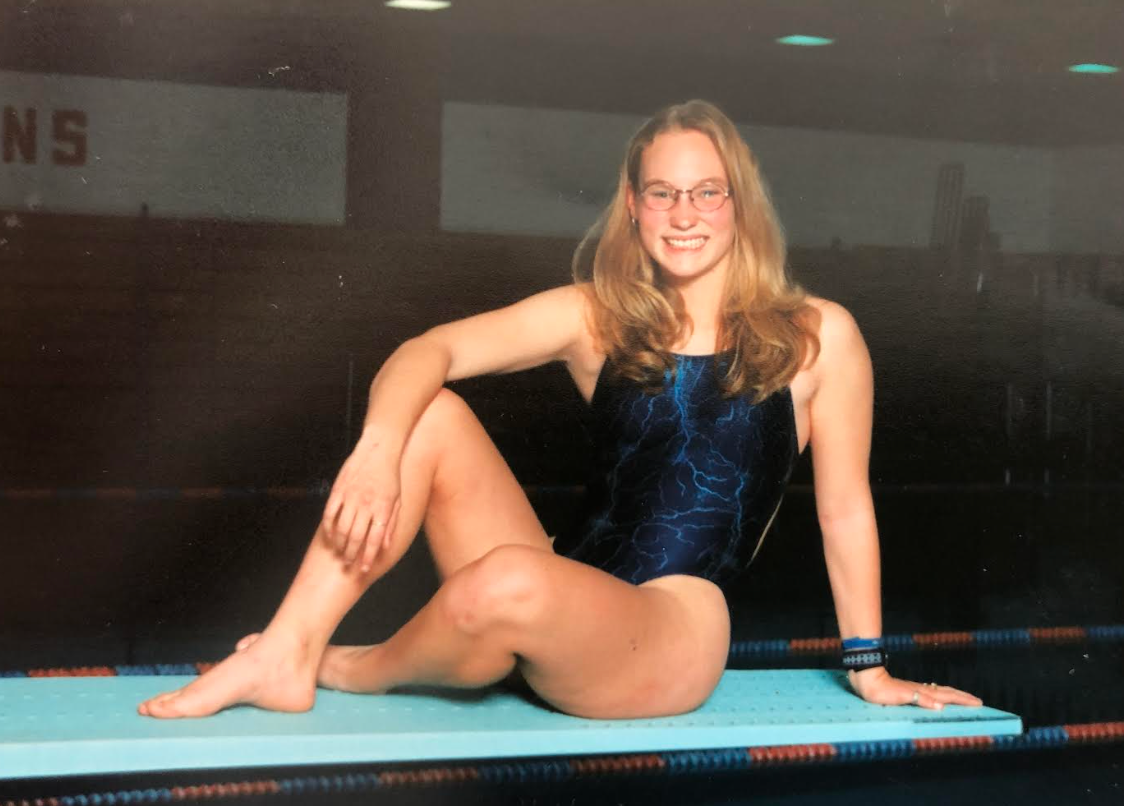
A varsity photo of the author during her junior year of high school in 1997. "This was just a few months before my accident," she writes.

Courtesy of Ryan Rae Harbuck

A varsity photo of the author during her junior year of high school in 1997. “This was just a few months before my accident,” she writes.

The car I was riding in on the way home from the dance jerked and shuddered, and then it flew. It rolled across the grass median of the highway and struck another vehicle head-on. My blood-starved body wept on the asphalt until paramedics arrived. Two people lost their lives, and though I had instantly been paralysed from the chest down, because I survived, I was considered one of the lucky ones.

Months and even years later, I had no recollection of that night. It became a story that I told to people with little emotion or remorse. The pain of what I experienced rarely crept in because my brain never allowed me to see what really happened. What was lost. What was taken away.

Many years later, I’ve learned to live my new life from the seat of a wheelchair. I have done so with great purpose and gusto because, even though I don’t remember that night, I will always feel its rubble. The accident and my wheelchair brought about a new perspective on living, and I vowed to always live each day to its greatest potential — without new regrets.

Still, when my 16-year-old self’s physical wounds had healed, and I was lowered into my high school pool by my coaches and teammates, all that invigoration and determination melted away. My legs could no longer support me in my swim. They had grown skinny and frail. They were scarred and scathed. My lower half was pale and cold, and those legs would never bring me back to the lane with the fastest swimmers whom I loved to loathe.

I lost that moment. All the control. Forever.

My regret of holding myself back because I was afraid to try has followed me since. My swimming career was taken away before I was ready to give up fully. My life as I knew it — as a naïve teenage-sort-of-swimmer — was too.

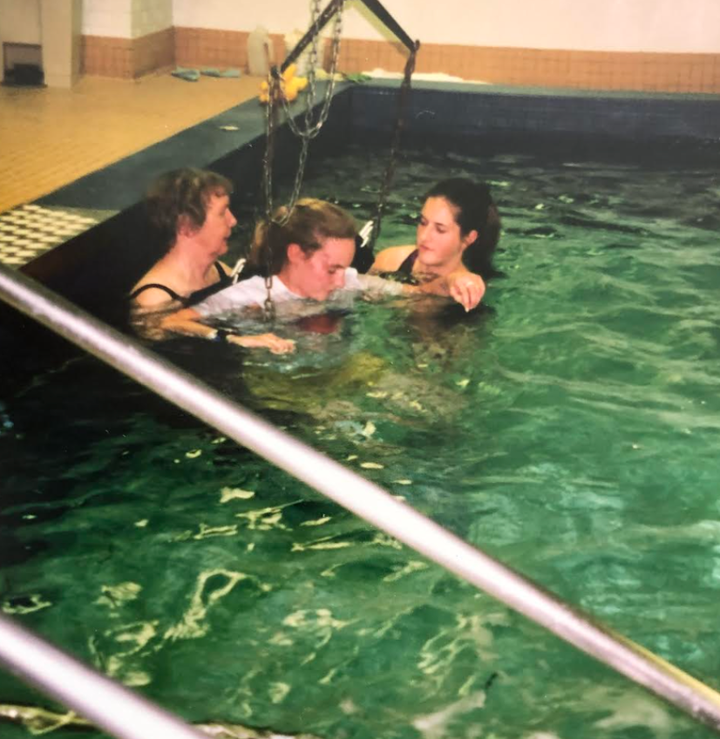
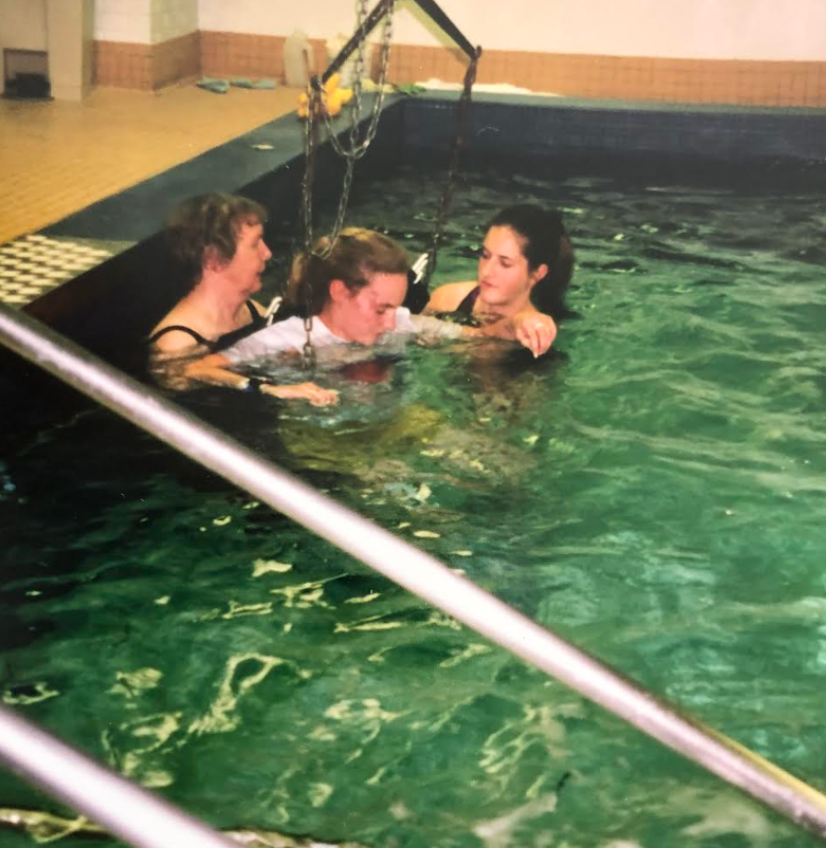
The author at the hospital doing pool therapy after her car accident in 1997. "They used a lift to get me into the pool," she writes.

Courtesy of Ryan Rae Harbuck

The author at the hospital doing pool therapy after her car accident in 1997. “They used a lift to get me into the pool,” she writes.

I will never know what I could have done with the determination I have now. I will never know what I could have been. I used to dream about a different path, a different life for myself — but I have learned that doesn’t serve me. The energy and force it takes to dream something different for yourself should be used to make those changes in your everyday.

Because of a single moment of regret — that raw sense of pain and oozing remorse — I decided I would never allow myself to live another minute like that ever again. There isn’t enough time in this precious world to navigate the elusive “what ifs.” Take advantage of what you can control to push forward.

Feeling an unresolved sense of competition, I found my way back to the pool years later. Twice. First I began coaching swimming, which ultimately led me to coaching at the high school where I was once too shy to truly try. I kept a keen eye out for the girls who, like me, were afraid to succeed. Coaching became a way for me to teach those lessons I had learned to wide-eyed teens before it was too late for them too.

It led me to create new swimming goals for myself.

For two years straight, I trained to try to make the Paralympic swim team. At the time, I was a high school teacher, so I woke up each day at 3:30 a.m. just to get my practice in. I thrashed through the water each morning, day in and day out, because I had the passion to prove to myself and prove to the world how powerful it is to try.

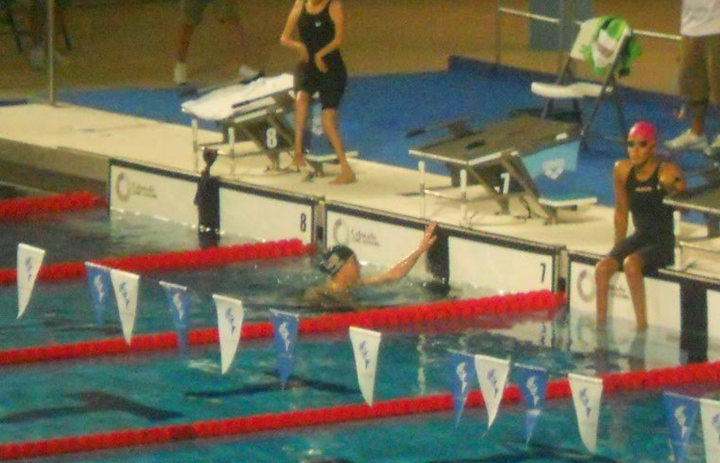
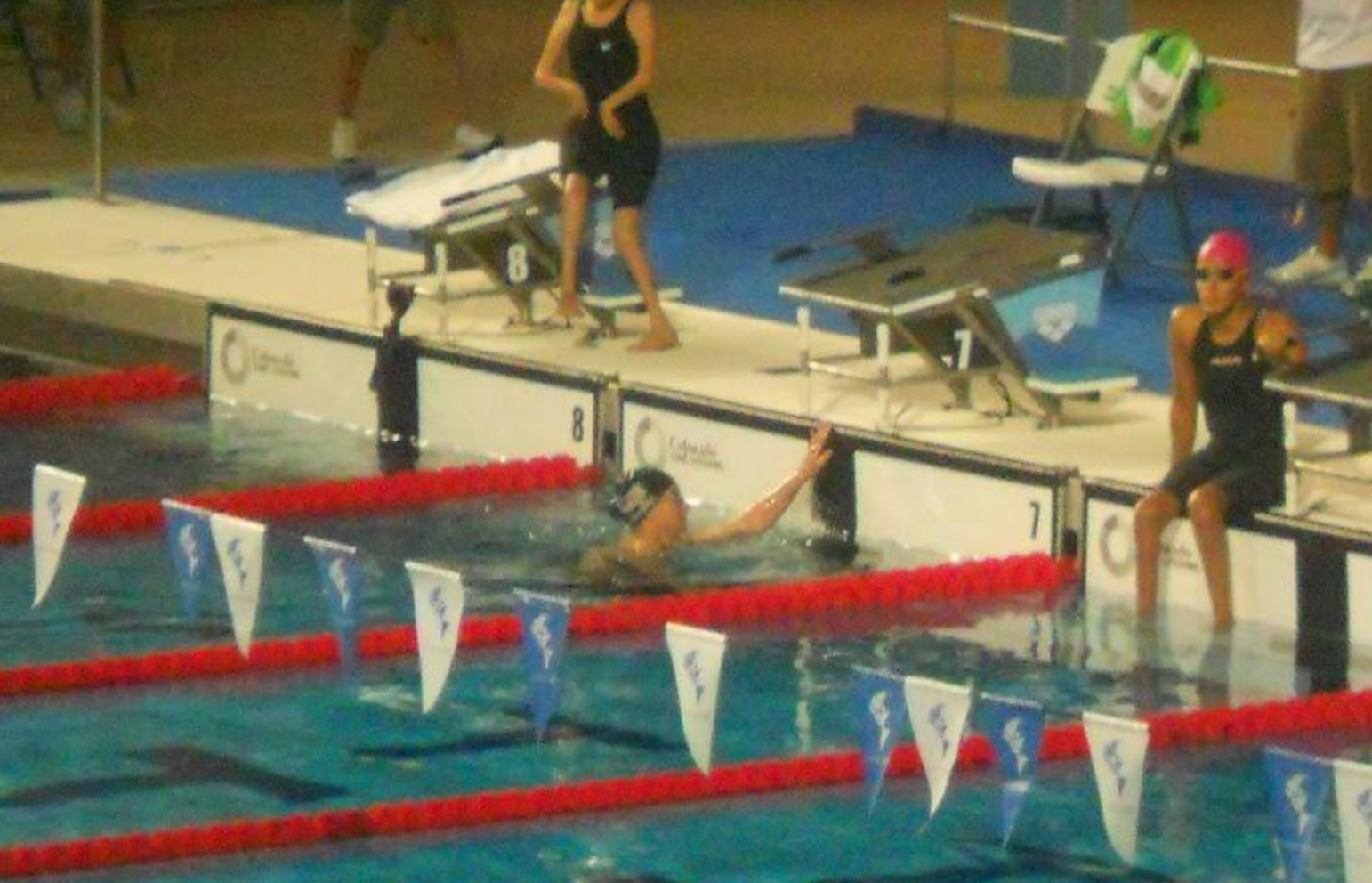
The author (in the water) at the Parapan American Games in Guadalajara, Mexico, in 2011. "I was one of the only athletes in my classification who had to start in the water," she writes.

Courtesy of Ryan Rae Harbuck

The author (in the water) at the Parapan American Games in Guadalajara, Mexico, in 2011. “I was one of the only athletes in my classification who had to start in the water,” she writes.

I spent countless sums of money traveling to meets to help achieve my goal. And I performed. I broke several American records during this time and even landed a spot on the Parapan American swim team, which gave me the privilege of competing for my country and donning the highly coveted navy-blue American flag swim cap.

All of my effort led me to the Paralympic trials. I raced my heart out. I left it all in the pool. I strolled away feeling like I had done everything in my power to make the team. I had zero regrets.

I did not make the team.

I left the meet with a warm sense of pride. Yes, I was disappointed to not have attained the goal I had zoned in on for two years, but I knew I had done everything I could and left no room for that sneaky antagonist to settle in. I had no regrets about my performance, and I had the regret I felt after my accident to thank for that.

My 16-year-old mind had been in a constant spin of wondering what might have been if I made a different choice. How my life would be better if I would have only tried and trusted myself in the water, before I was broken. Paralysed. Back then, the world pushed me to be better, and I hid from it. However, I didn’t realise at the time that my regret would lead me to live the most championed life I could have ever imagined — and from the seat of a wheelchair.

As an adult, I have chosen paths that won’t leave me wondering. Some of those trails have been winding and treacherous, some have been painful, and some of them have been the result of wrong choices. But even a wrong choice has value if you can push forward from it, and that is always my goal.

Living with a ribbon of regret from decades ago tied around my finger, I have been able to accomplish many more things even bigger than I imagined. I’ve traveled abroad completely alone. I spent a summer in New Delhi. I met a man and fell in love and married him three months later. I gave birth to two healthy children when medical professionals weren’t sure it was possible.

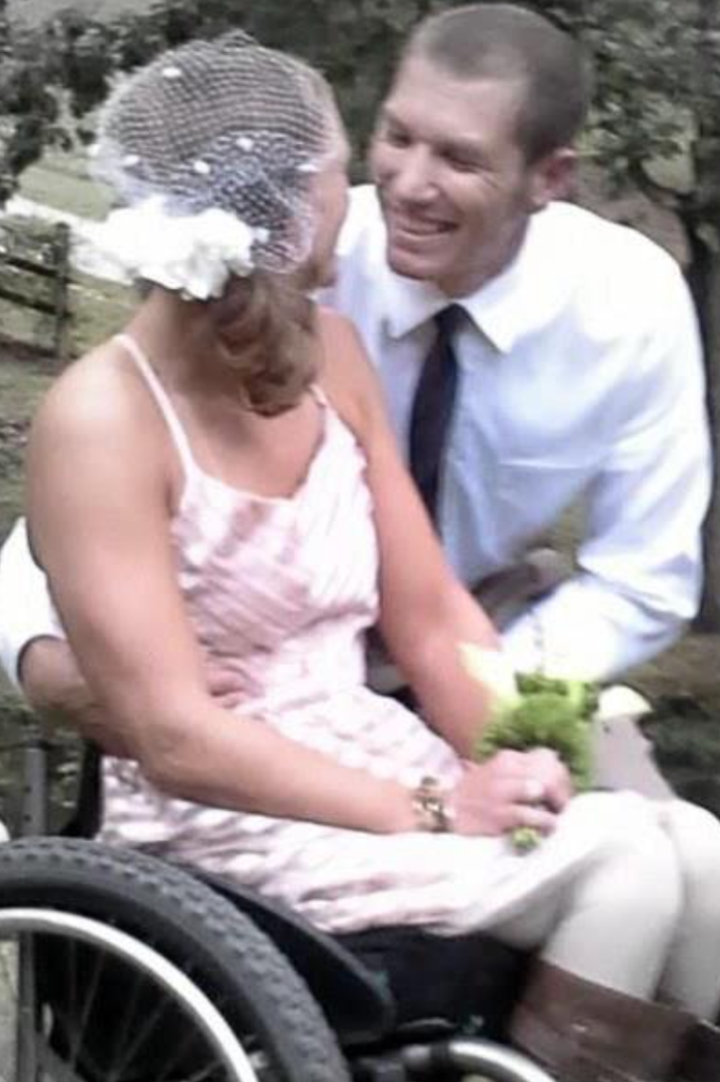
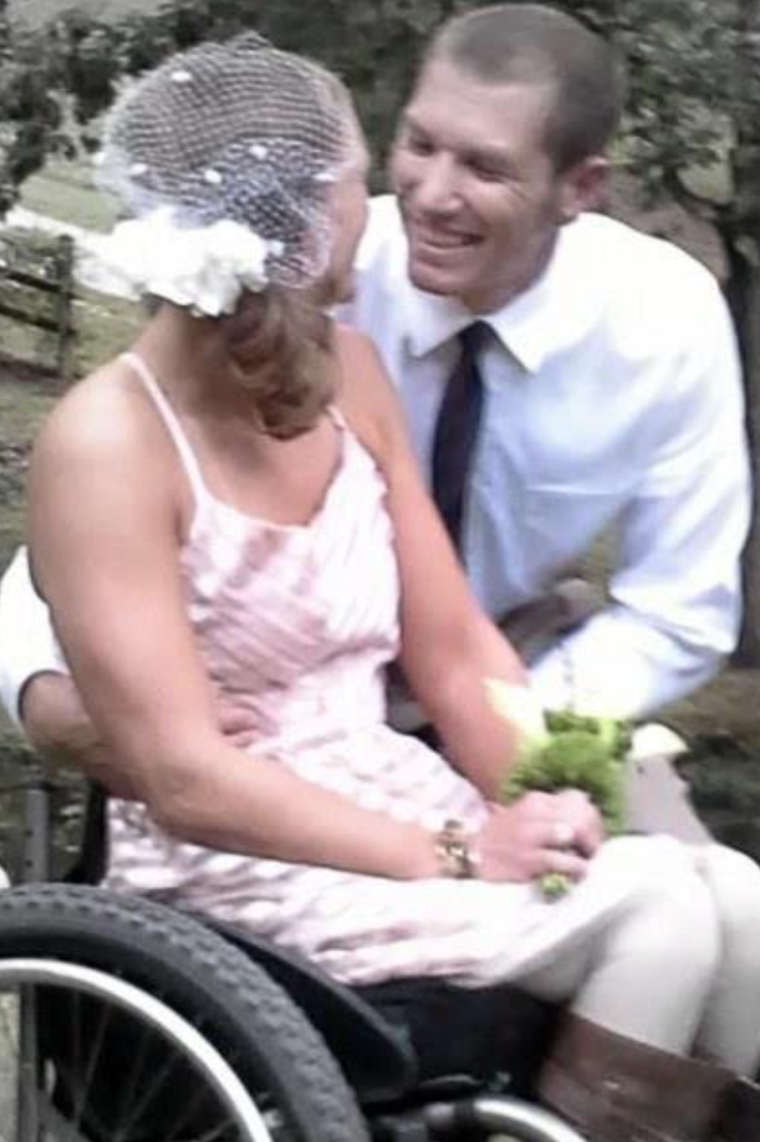
The author and her husband on their wedding day in 2012.

Courtesy of Ryan Rae Harbuck

The author and her husband on their wedding day in 2012.

Now, I wouldn’t change a thing.

The choices we make are often so rooted in active situations — what would happen if we do something? Yet, centering myself around steering clear of new regrets, I am more often asking myself what would happen if I don’t do something. What if I hadn’t trained so hard? Then I would have always wondered what I could have truly accomplished. What if I didn’t trust my gut? Then I wouldn’t have two beautiful sons and a loving family to go home to each night.

And still, I cannot fully escape regret. It’s like a long shadow at the end of a sunlit day. It moves and flows with me, attached directly to the base of my feet. No matter how fast I can go, I will never out-swim it.

But I’m no longer afraid of it. I now see my teenage regret as the very thing that has helped me live the best life I can. It lingers so close simply to remind me to make the best choices, live the best way and be the happiest I know how to be. It’s my guiding antagonist.

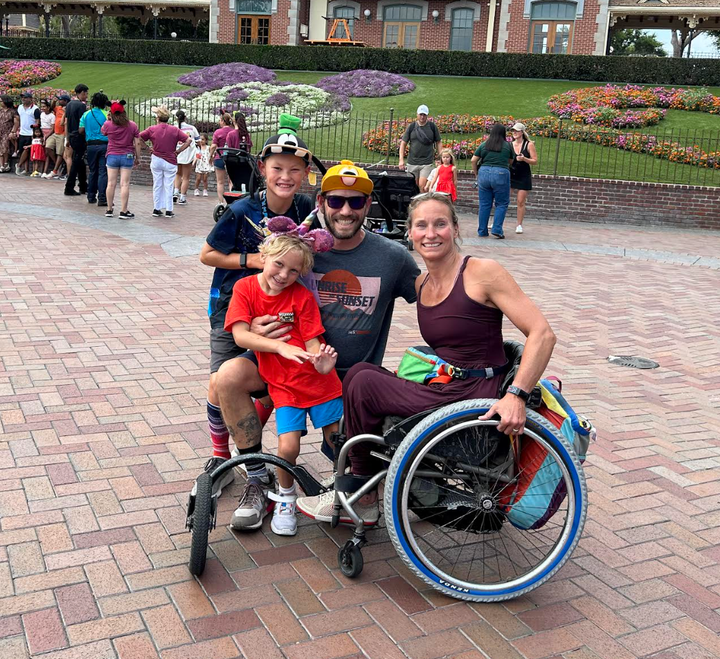
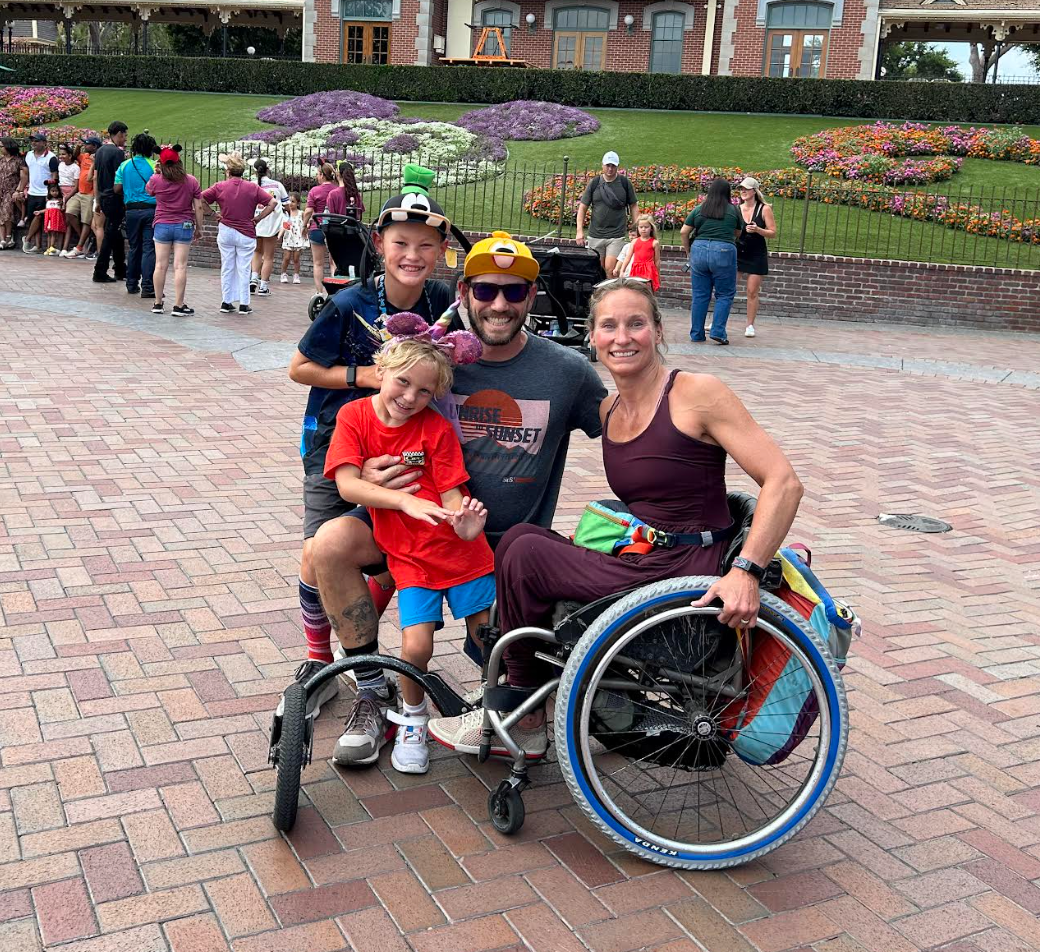
The author and her family on vacation at Disneyland in 2024 in California.

Courtesy of Ryan Rae Harbuck

The author and her family on vacation at Disneyland in 2024 in California.

Ryan Rae Harbuck is the author of her memoir, “When I Grow Up I Want to Be a Chair.” She has been a teacher and a swim coach but enjoys being Mom the most. She resides in her hometown of Denver with her husband and two mudslinging boys. To learn more, visit her website at RyanRaeHarbuck.com.

Share Button

Can a diet really ease lipoedema? Sunniva’s journey to pain relief and weight loss

  • Lipoedema is thought to be a common, but little-known disease that mainly affects women.
  • The disease is painful. Lipoedema is characterized by disproportionate and excess fatty tissue on the thighs and calves, and sometimes on the arms, while the hands and feet are unaffected.
  • A new doctoral thesis at NTNU investigated the relationship between two different diets and the effect on pain, quality of life, body weight and body composition, appetite and inflammation.

It all started when she was in lower secondary school.

Her thighs, calves and upper arms suddenly began to grow, and she could not understand why it was so painful. It was not until she was over 40 years old that Sunniva Kwapeng was diagnosed with lipoedema.

However, before a correct diagnosis was made, she tried all sorts of diets — with little success.

A recent NTNU study shows that her experience is quite typical. It is unlikely that the body fat associated with lipoedema can be lost through dieting.

Limited knowledge

“Despite this being a disease that affects many women, little is known about it, which is rather thought-provoking,” said Julianne Lundanes, a former PhD candidate at NTNU.

Lipoedema is a poorly understood disease that primarily affects women.

The disease is characterized by disproportionate and excess fatty tissue on the thighs and calves, and sometimes on the arms, while the hands and feet remain unaffected.

Lundanes recently submitted her doctoral thesis at NTNU on the relationship between two different diets and their effects on pain, quality of life, body weight and composition, appetite and inflammation.

Some people also become obese

Lipoedema is painful. It can be painful to move, and it is easy for people with the disease to get caught up in a vicious cycle of inactivity and reduced quality of life. Lipoedema is often mistaken for obesity, but they are two distinct conditions.

If a person with lipoedema loses weight, it is common to see normal fat disappear, such as on the stomach, while the calves and thighs remain the same size. When a person is obese, fat can be stored all over the body, both under the skin and around the internal organs.

In lipoedema, the accumulation of fatty tissue occurs mainly under the skin on the hips, thighs, calves and arms.

The pain associated with the disease can have a significant impact on quality of life, making movement difficult.

“We don’t know why the disease is so painful. We believe it involves an inflammatory condition in the fat, and that this is what causes the pain,” said Lundanes.

Lipoedema is often hereditary

There are currently no Norwegian national guidelines for the treatment or follow-up of women with lipoedema.

“We also don’t know much about why some women develop lipoedema, except that it appears to be hereditary. It is often the case that several people in the same family are affected by it. The disease often manifests during hormonal changes such as puberty, pregnancy and menopause,” Lundanes said.

The aim of Lundanes’s study was to determine whether a low-carbohydrate diet could serve as an alternative form of treatment for patients with the disease.

She had a sample of 70 women with lipoedema aged 19-73 years old, which was divided into two groups.

One group followed a low-carb diet, while the other followed a low-fat diet. Both groups ate the same number of calories each day, but the amount of carbohydrates and fat varied.

The participants received weekly follow-up for eight weeks and were tested at the beginning and end of the study. Pain and quality of life were measured through a questionnaire.

The results showed clear differences between the two groups.

Similar degrees of inflammation

“The women in the low-carb group had less pain. The participants in the other group did not experience any change in pain, but both groups reported better quality of life,” said Lundanes.

Tests were also carried out to see if the reduction in pain was due to the low-carb diet leading to less inflammation in the body. This turned out not to be the case.

“There was no difference in changes in inflammation between the two groups. We also measured inflammation through blood tests, so inflammation in the fatty tissue itself still needs to be investigated in order to draw any conclusions,” Lundanes said.

Greater weight loss on the low-carb diet

The women who followed the low-carb diet lost more weight than those who followed the low-fat diet.

“At the end of the study, we found that the women who ate fewer carbohydrates were less hungry than the other group. The feeling of being less hungry is a well-known benefit of low-carb diets once ketosis is achieved. This may have helped these women lose more weight than the other group,” Lundanes said.

There is no treatment that can eliminate the causes of or cure lipoedema. There’s only treatment that can alleviate some of the symptoms.

Liposuction is one option, but it is currently only offered as part of a research study at Haraldsplass Hospital in Bergen. The only other alternative is to pay for private surgery, and that can cost hundreds of thousands of Norwegian kroner.

“The long-term effects of lipoedema liposuction have still not been fully investigated. There is a lack of research in this area too,” Lundanes said.

Compression reduces pain

Most people currently receive help in the form of physical therapy and compression garments that squeeze and support the fatty tissue.

“Compression garments give many people relief,” says Lundanes.

For Kwapeng, compression garments have been a great help in managing the pain.

“I’ve also lost many centimeters on my legs because of the compression garments. My expenses for compression are covered, but in other parts of the country, they’re not. It’s completely random what kind of help you get,” says Kwapeng.

At home, she has a machine that’s also used by patients with other conditions. The machine is called a pulsator and is a vacuum treatment for the lymphatic vessels designed to activate the lymphatic system. Lymphatic drainage initiates several cleansing processes in the body and can help improve blood circulation.

The machine is like a giant pair of pants used while lying down.

“It works really well for me. It takes away the pain. I also get more energy. If I have low energy and lie down in it, it’s like my body wakes up,” says Kwapeng.

Over time, she has learned to live with the disease.

“It’s frustrating to have a condition that is so poorly understood. A doctor once told me that at least I won’t die from having lipoedema — but I die a little every time I can’t sit on the floor with my daughter. I die a little every time I can’t go on a hike I want to take because of the pain. And I die a little every time people think I’m just fat and lazy,” Kwapeng said.

Share Button

As Freakier Friday Hits Cinemas, 11 Sequels That Were Better Than The Original Film

A version of this article was previously published in 2020.

The old saying goes that a sequel is never as good as the original, and over the years, plenty of films have proved this to be the case.

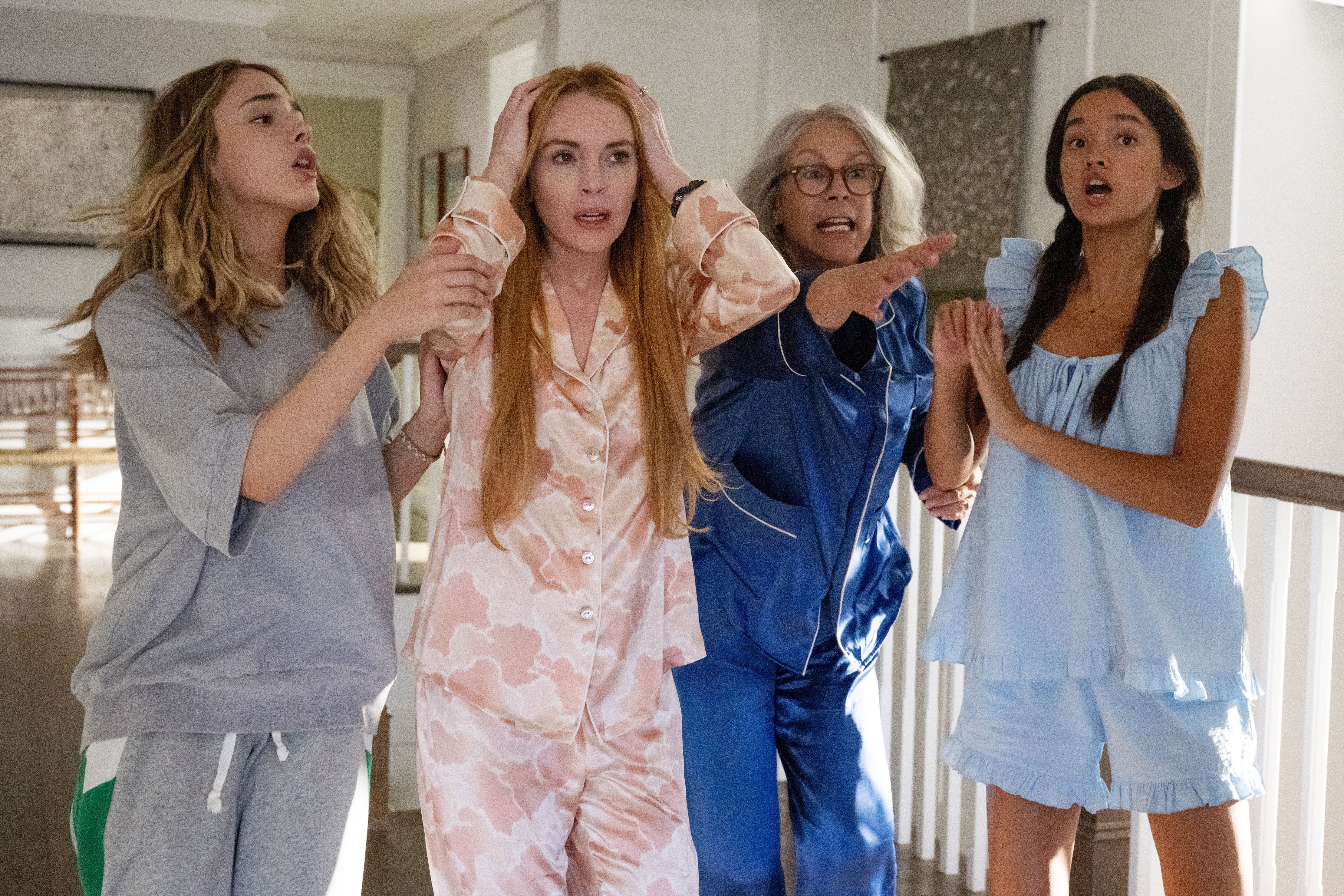
Fortunately for the team behind Freakier Friday, the long-awaited sequel to 2003′s iconic body-swap comedy, critics seem pretty impressed with the follow-up, with many hailing it as a worthy successor to Freaky Friday.

But what about those rare sequels that somehow manage to better the movie that came before it?

Here are 11 of the most celebrated follow-ups in modern movie history…

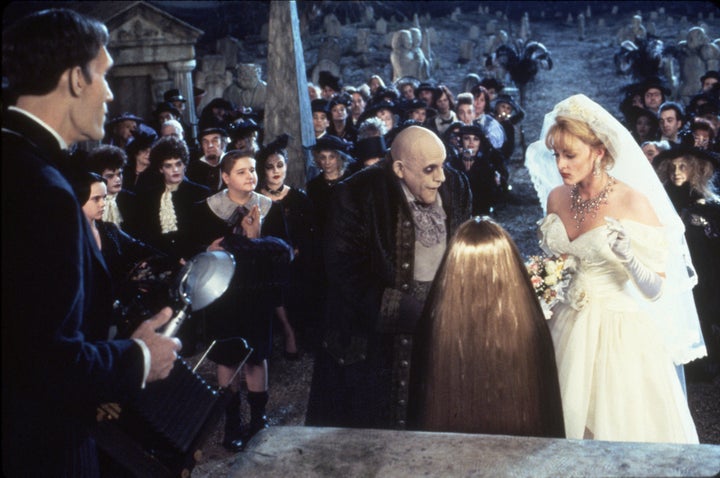
Addams Family Values

Snap/Shutterstock

We don’t use terms like “perfection” lightly, but if there were ever a perfect family comedy then Addams Family Values might well be it. The fact it’s actually a sequel to a less-revered live-action version of the classic cartoon is even more impressive.

Obviously all of the cast members playing the creepy, kooky, mysterious, spooky and, indeed, altogether ooky family shine as brightly as their dark surroundings will allow (special shout-out to Anjelica Huston serving true macabre glamour as Morticia). But Addams Family Values really belongs to new addition Joan Cusack, who stars as Uncle Fester’s love interest Debbie.

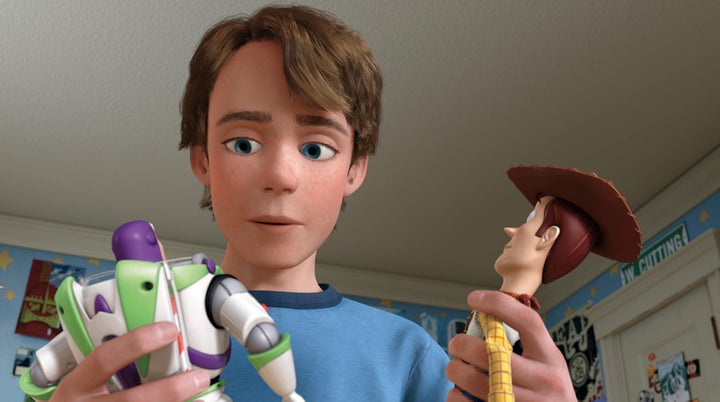
Toy Story 3

Moviestore/Shutterstock

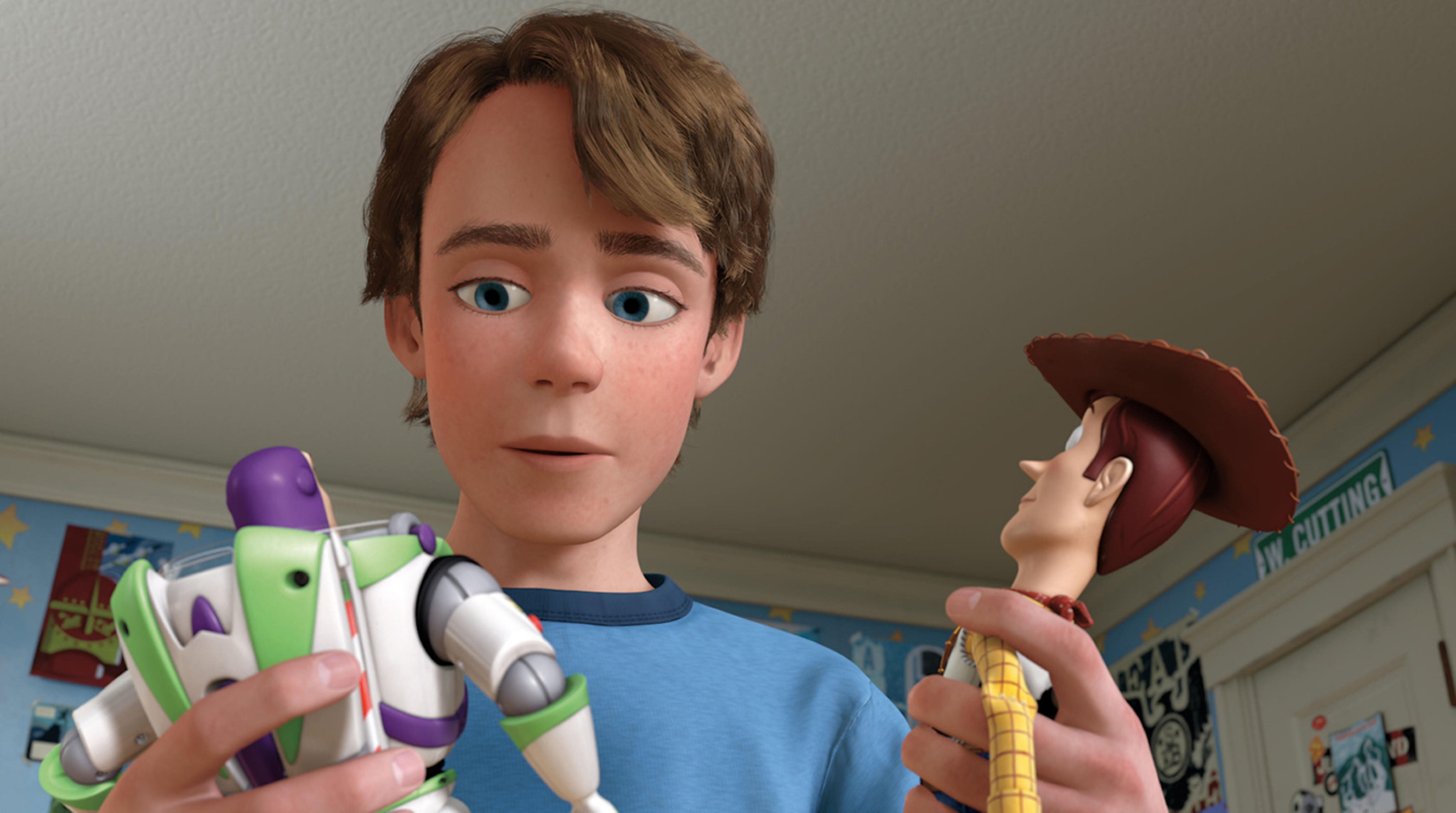
Who’d have guessed that an animated buddy comedy about a toy cowboy and a plastic astronaut would have sparked one of the most lucrative film sagas of recent times?

And while Toy Story 2 – released four years after the original – kicked things up several notches, it was the third instalment in the series that people really went wild for. Toy Story 3 served up adorable new characters, scooped an impressive Best Picture nomination at the Oscars and, crucially, delivered not one but two ugly-cry moments.

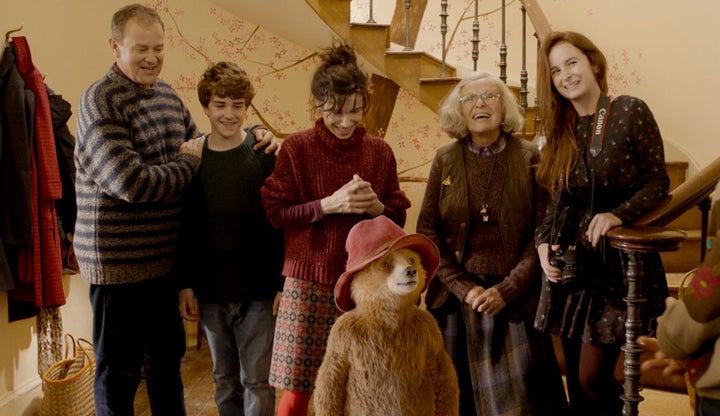
Paddington 2

Warner Bros/Moviestore/Shutterstock

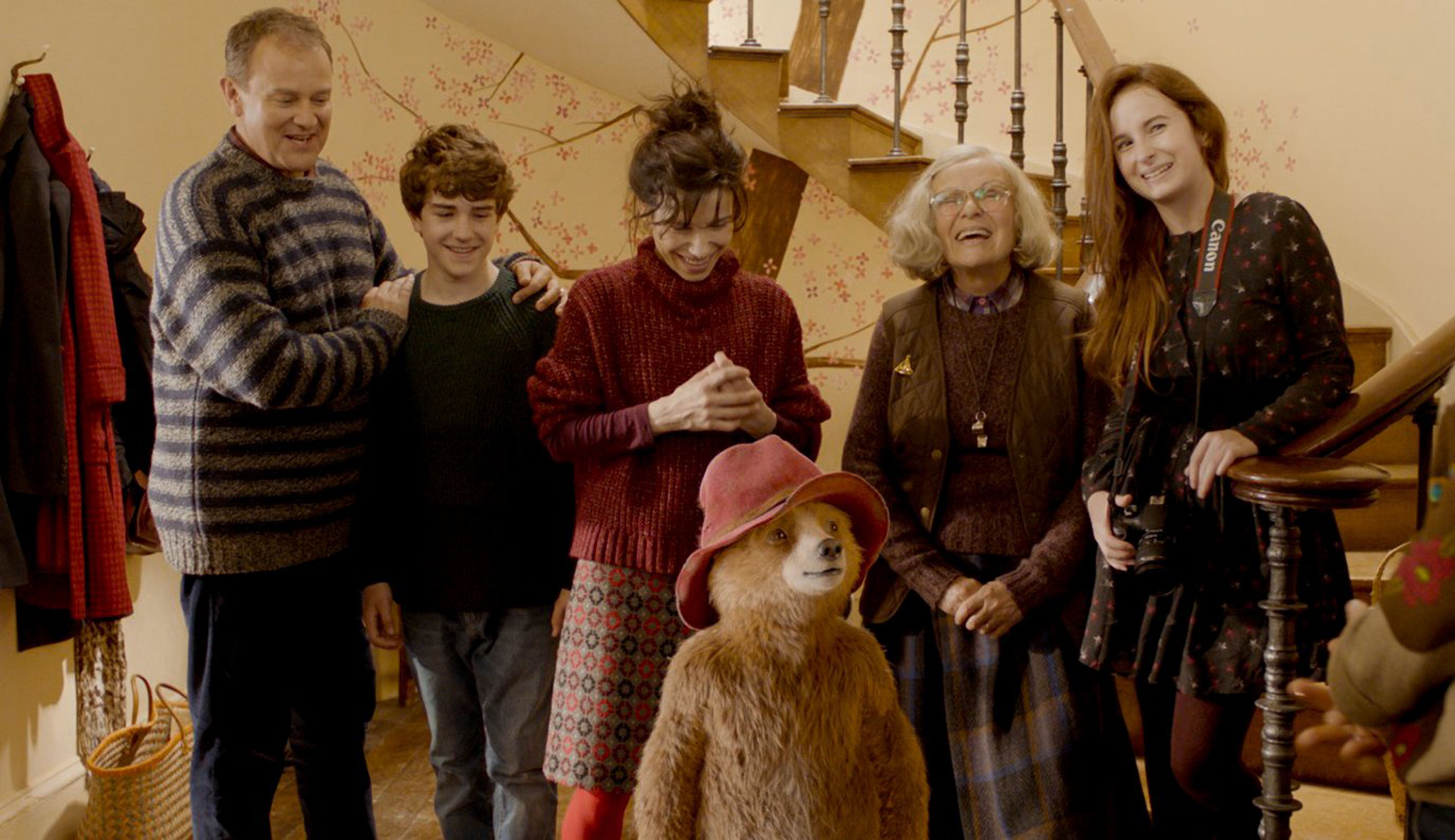
Even though the original Paddington film was well-received when it first hit cinemas in 2014 – featuring a CGI version of the classic character interacting with live-action actors – few could predict just how beloved its sequel would go on to become.

Not only was it nominated for Outstanding British Film at the Baftas, it’s also one of the few movies with a perfect score on review site Rotten Tomatoes. With 238 positive reviews, it’s also the highest-rated film on the entire website. Take that, Citizen Kane.

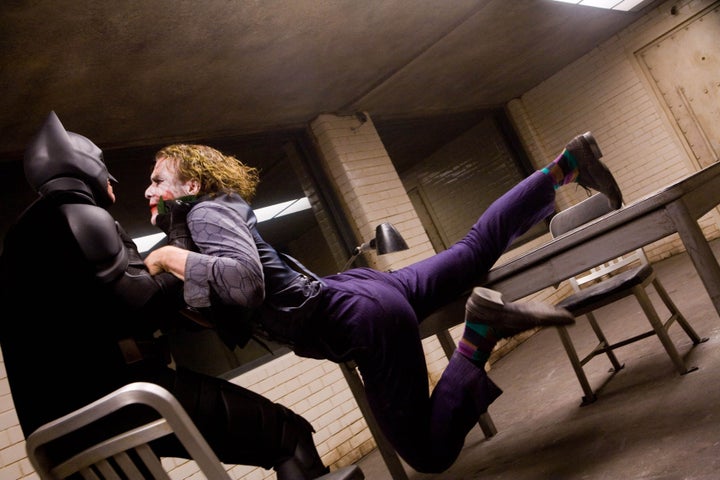
The Dark Knight

Warner Bros/Dc Comics/Kobal/Shutterstock

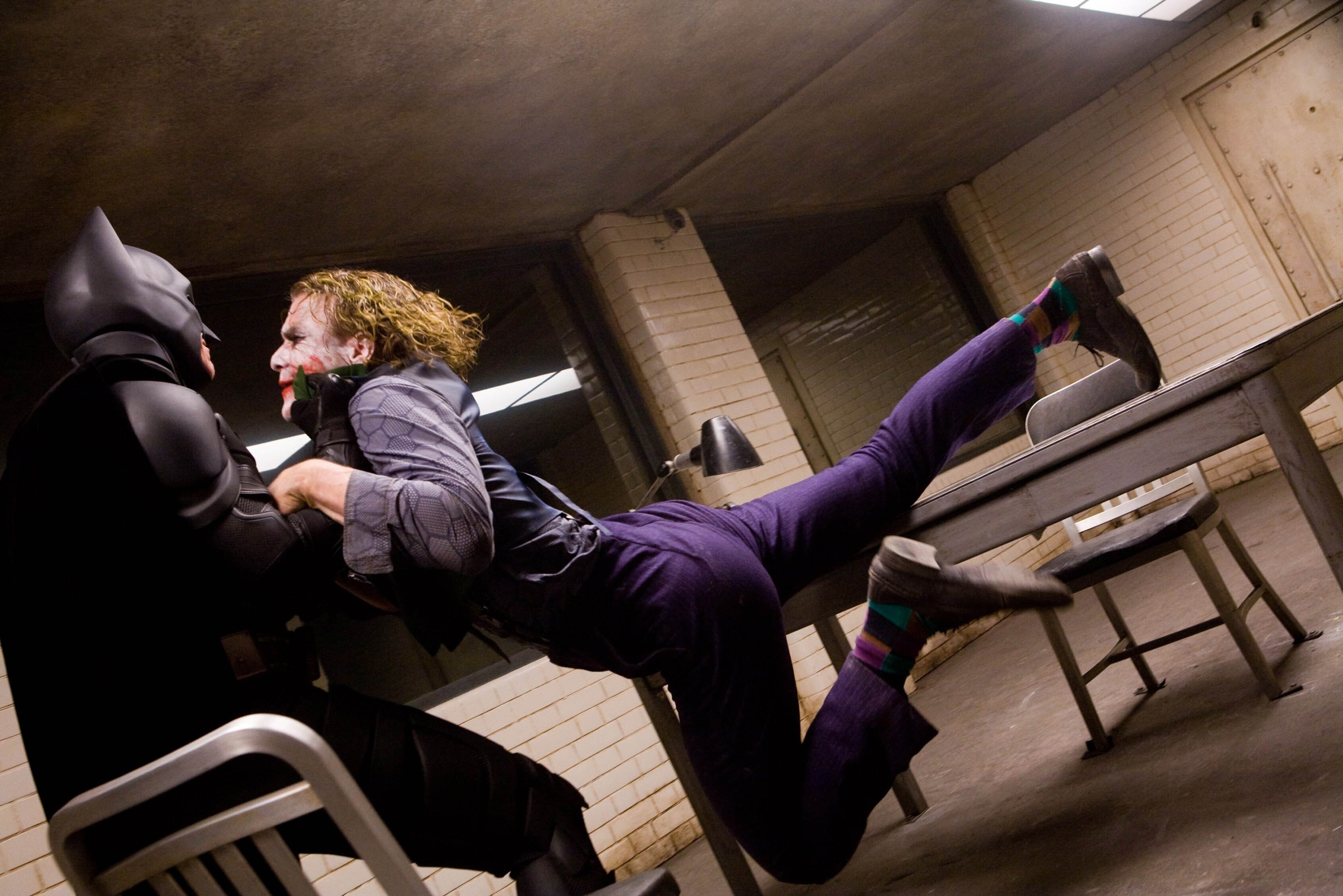
Like many, we were sold on The Dark Knight from the moment we saw its infamous viral marketing campaign (back in the day when viral marketing campaigns were actually still new and exciting).

We could probably talk all day about how this film is a level up on Batman Begins, from Christopher Nolan’s direction, to the incredible costumes and special effects. But let’s be honest, this film is all about Heath Ledger, who earned a posthumous Academy Award for his unforgettable portrayal of the Joker.

Aliens

20th Century Fox/Kobal/Shutterstock

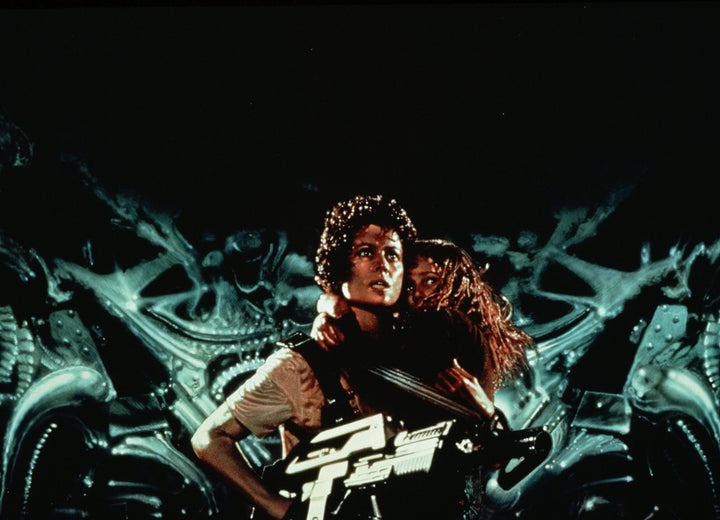
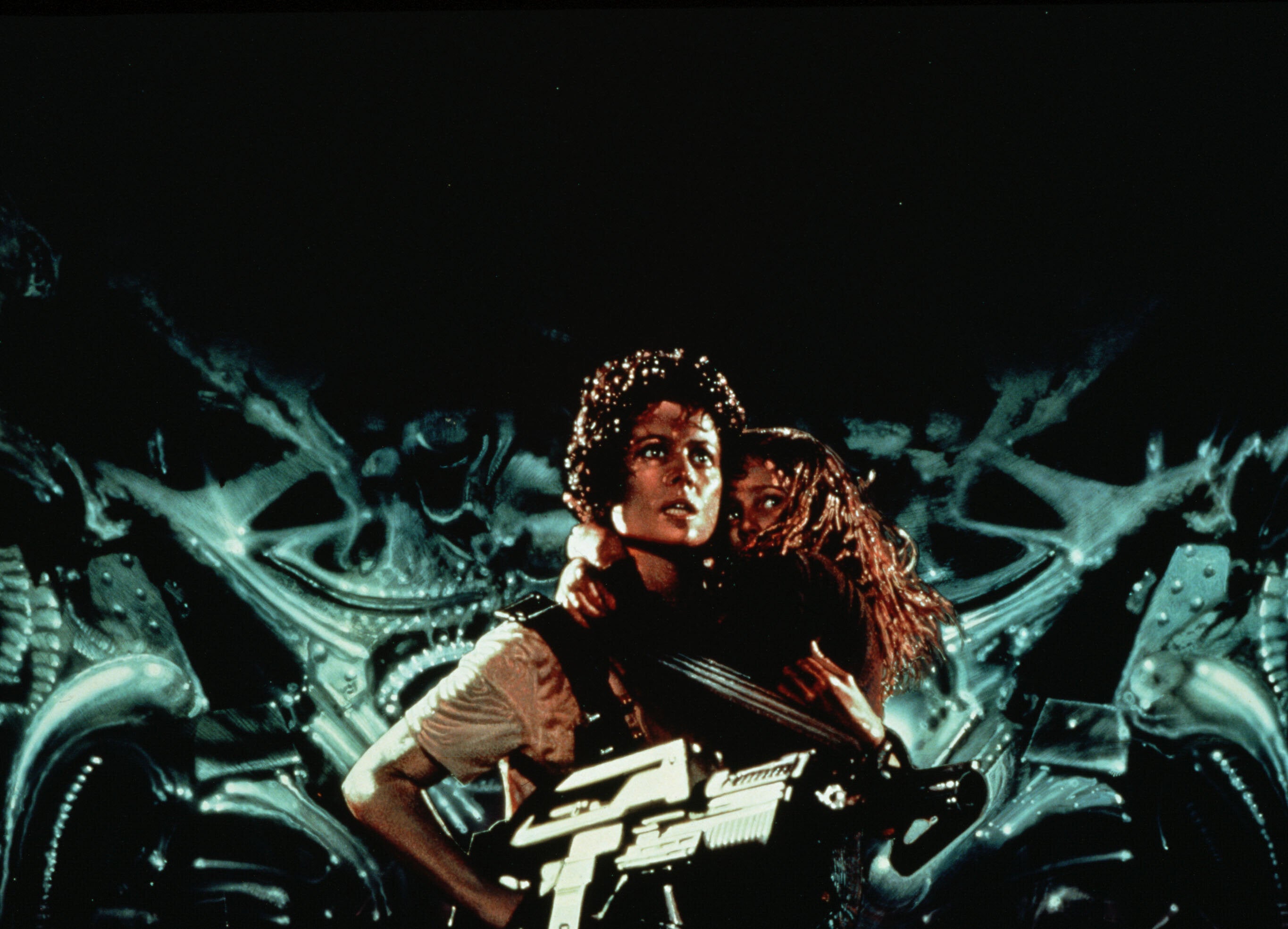
Although the original Alien divided critics upon its original release in 1979, the film quickly garnered a loyal following, and by the mid-1980s, was revered among fans of sci-fi.

Putting out a sequel was therefore always going to be a bit of a risk, but fortunately 1986′s Aliens more than lived up to its predecessor. It earned Sigourney Weaver a game-changing Oscar nomination as the star of a sci-fi film. It has also been named the Best Sequel Of All Time by Empire magazine.

Mad Max: Fury Road

Moviestore/Shutterstock

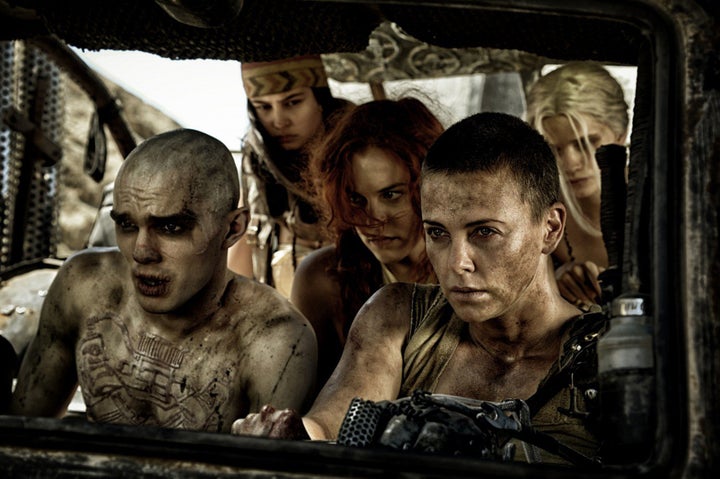
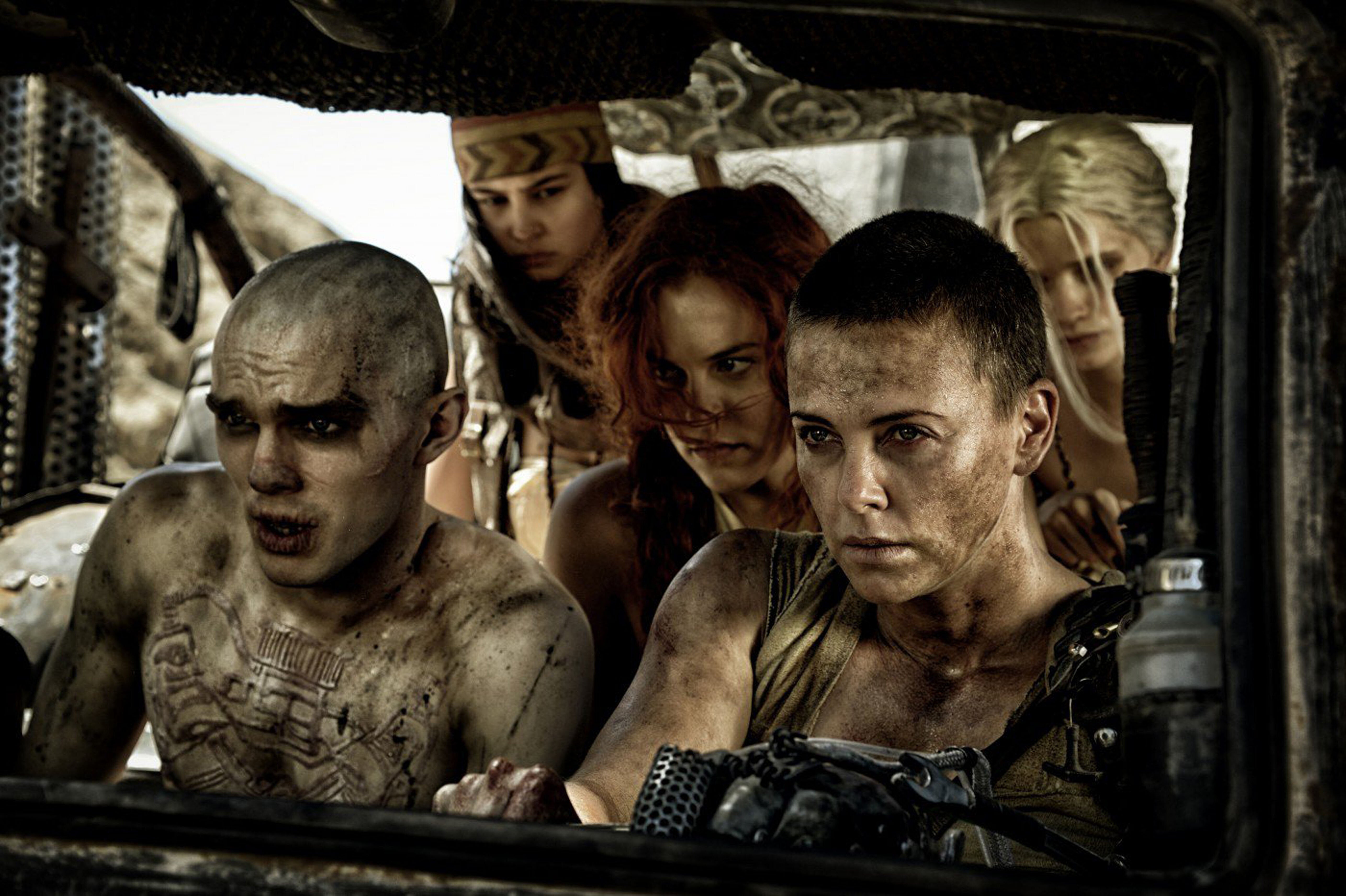
Listen, we get it, Fury Road was billed as a “revisiting” of the original Mad Max trilogy, rather than a straight-up sequel or a traditional reboot.

Still, the film was so well-received – check that 97% approval rating on Rotten Tomatoes if you don’t believe us, not to mention its six Oscar wins – we felt we couldn’t leave it off this list. Plus, who would pass up the opportunity to see Charlize Theron in all her buzzed glory again?

Star Wars: The Empire Strikes Back

Lucasfilm/Fox/Kobal/Shutterstock

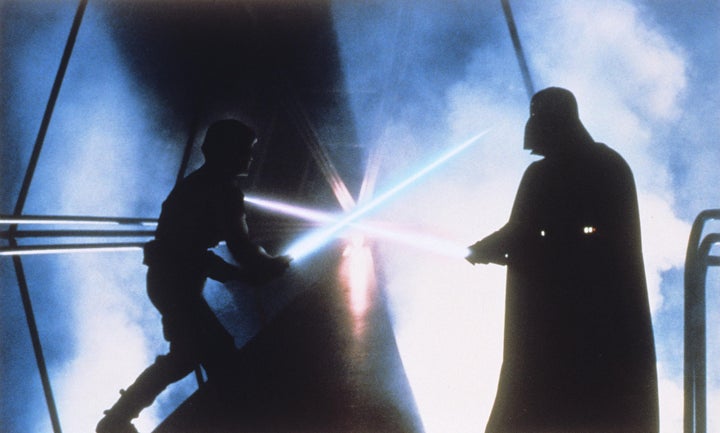
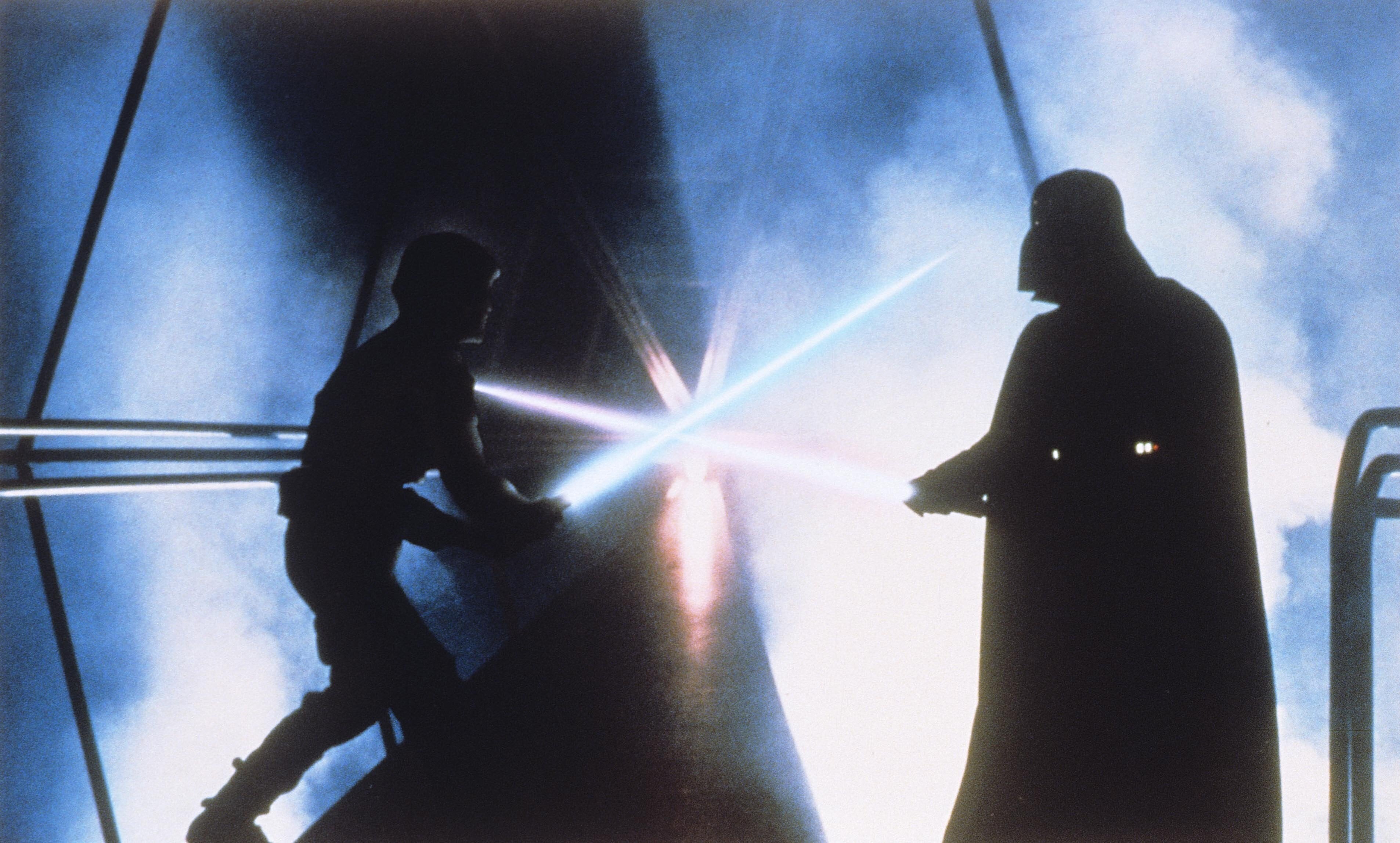
Star Wars has so many different instalments, and a fan community that stretches far and wide, that it would be literally impossible to decide which of the numerous sequels is the superior one.

So while we’d struggle to pinpoint which of film is the best, we’ve gone with The Empire Strikes Back for the simple reason it contains arguably the most iconic moment in Star Wars history, when Darth Vader’s true identity is revealed.
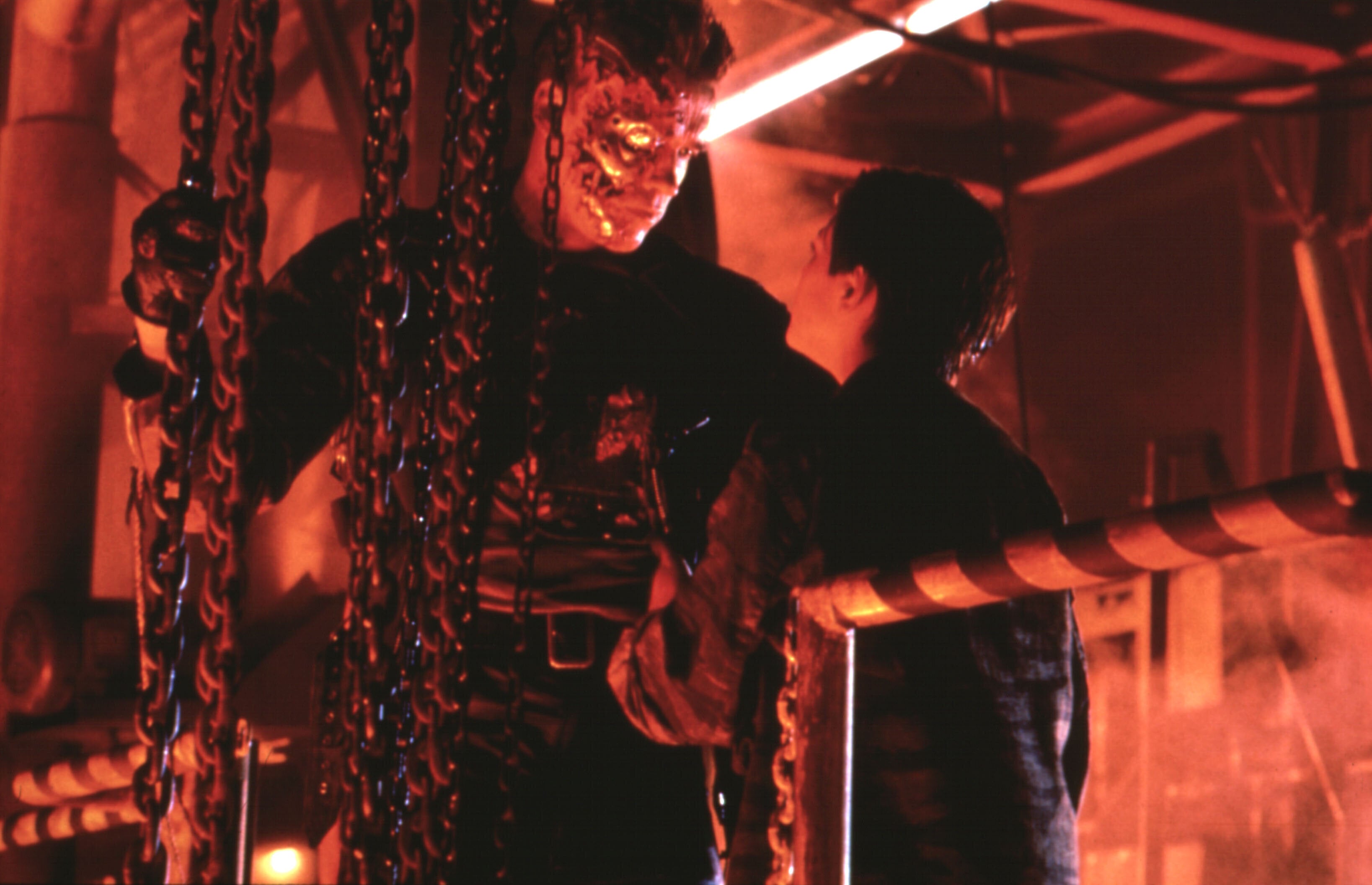
Terminator 2: Judgement Day

Moviestore/Shutterstock

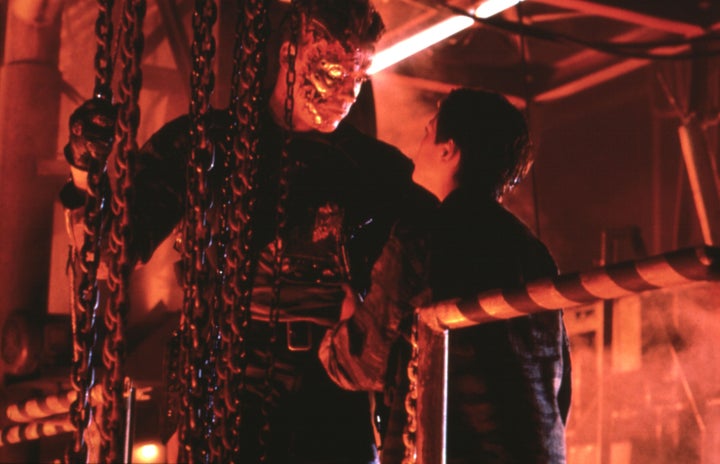
He said “I’ll be back”, and apparently he meant it, although it did take seven years.
Terminator 2: Judgement Day was hailed as even better than the original film by many critics, who were wowed by the advanced special effects (which went on to win one of the film’s four Academy Awards).

The success of Terminator 2 led to a number of additional spin-offs and sequels, although none of these have quite been able to match the original two films.

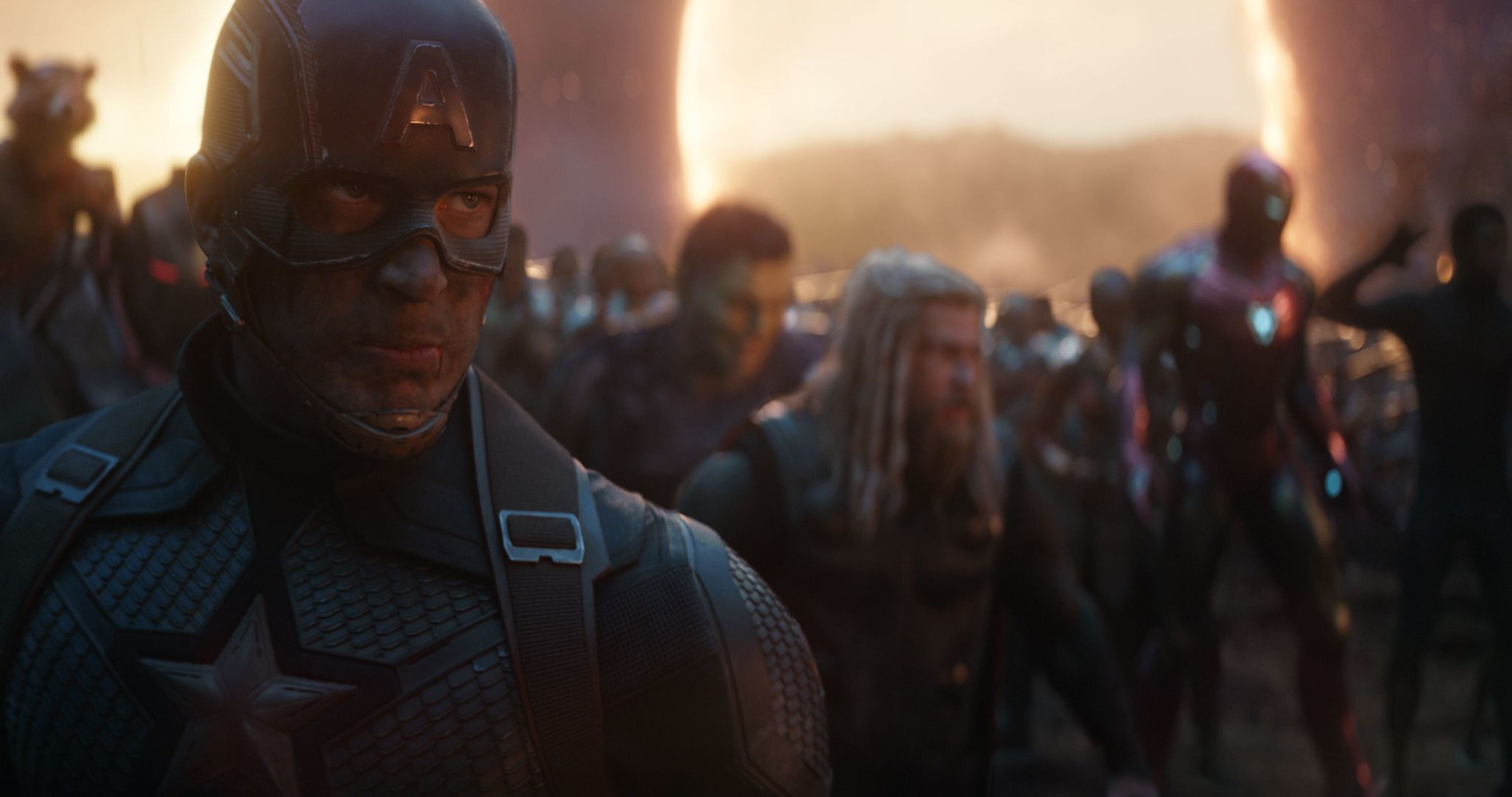
Avengers: Endgame

Avengers: Endgame
Avengers: Endgame

Marvel/Disney/Kobal/Shutterstock

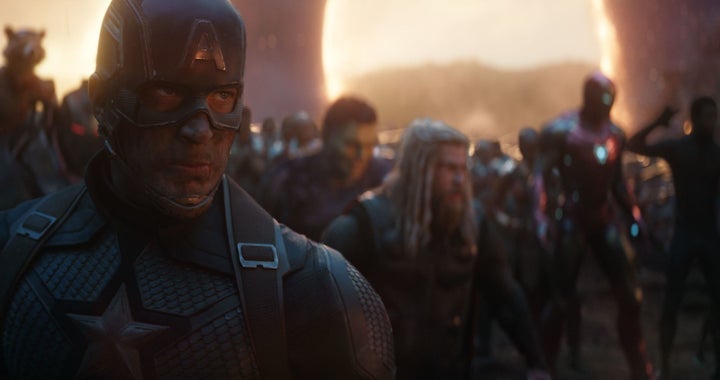
Essentially the sequel to around 100 other films from the Marvel Cinematic Universe, Avengers: Endgame was much-awaited when it hit cinemas in 2019, wrapping up stories that began in the Iron Man, Thor and Captain America film series.

Fortunately, the majority of cinema-goers felt the ambitious project was worth the wait, with Avengers: Endgame landing rave reviews and becoming the highest-grossing film of all time (that’s second-highest, when adjusted for inflation).

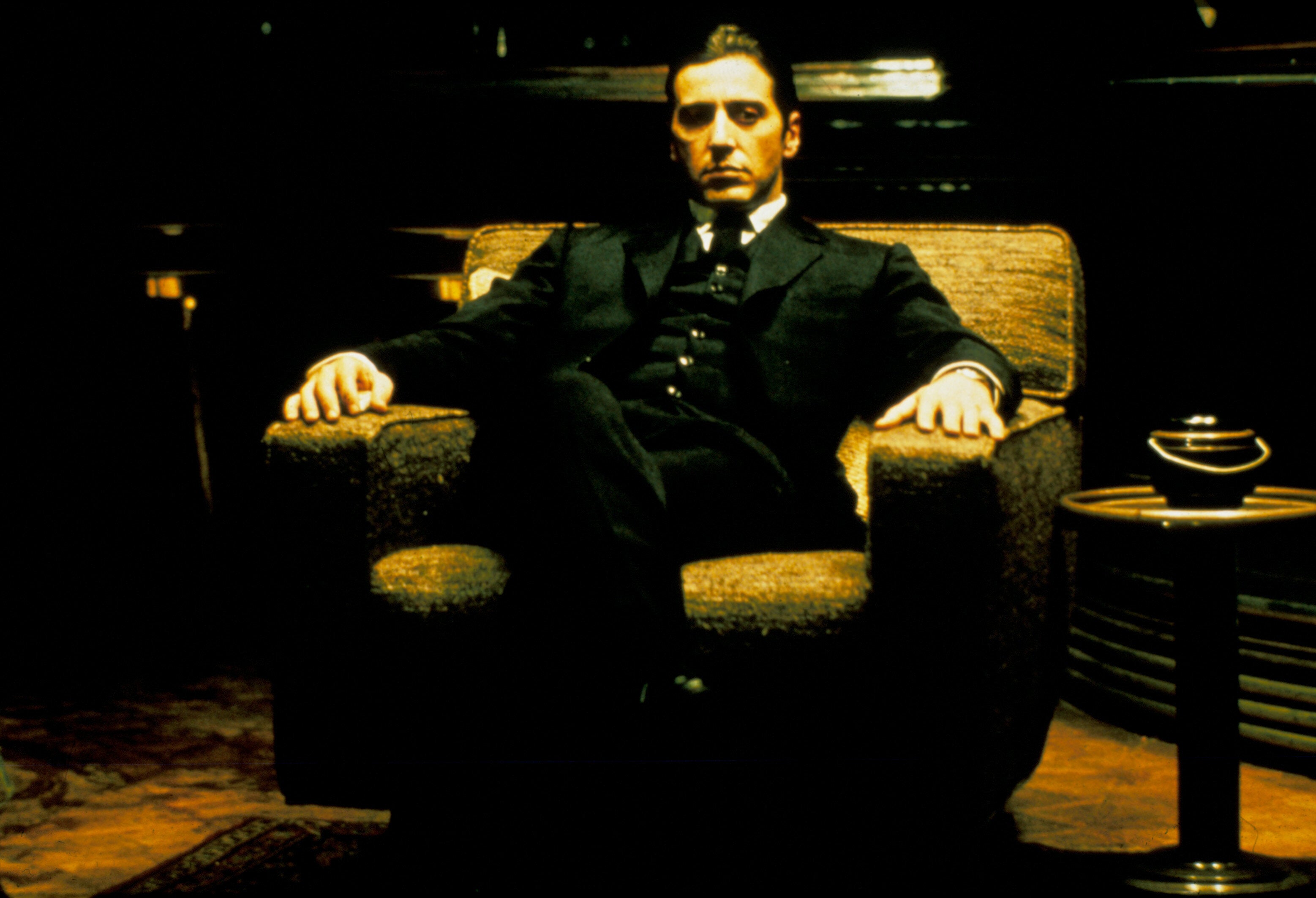
The Godfather Part II

Moviestore/Shutterstock

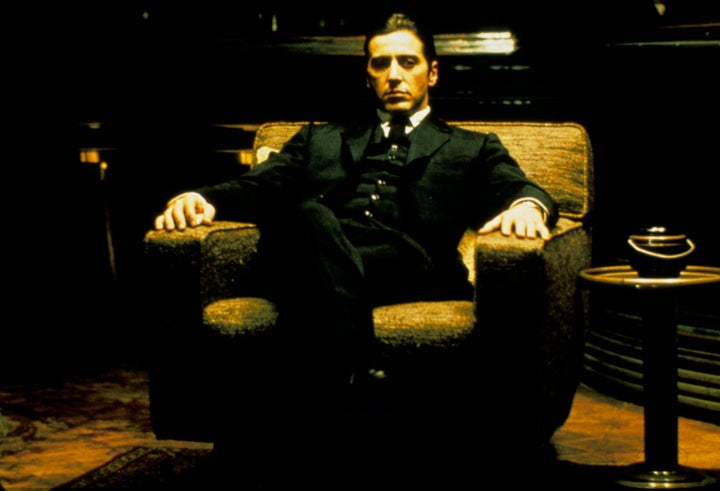
The first sequel to ever win Best Picture at the Academy Awards (the only other being Lord Of The Rings: The Return Of The King), Godfather II is so revered it was added to the U.S. National Film Registry of the Library of Congress due to its cultural significance, alongside the original Godfather film.

The same can not be said for the follow-up, Godfather III.

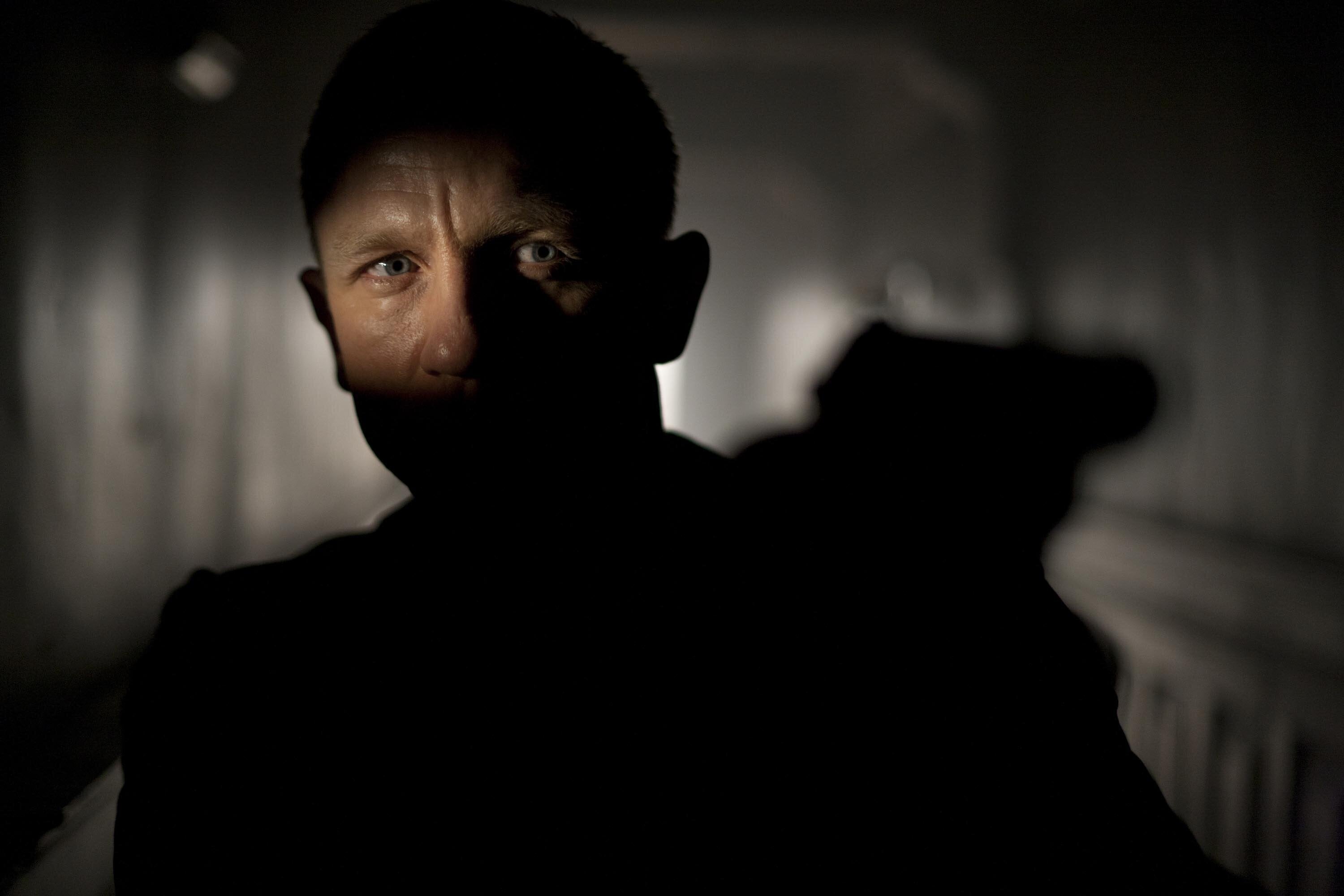
Skyfall

Danjaq/Eon Productions/Kobal/Shutterstock

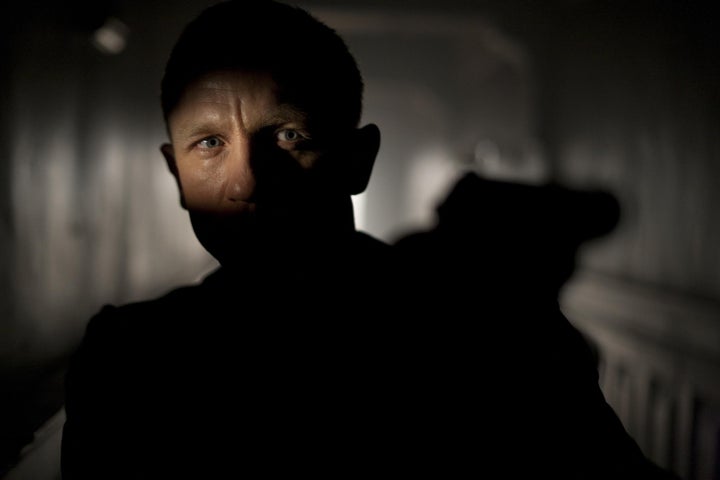
Although Casino Royale and Quantum Of Solace proved popular, many 007 fans still breathed a sigh of relief when Skyfall was released, as they felt it was more in keeping with the James Bond franchise than Daniel Craig’s first two outings.

Skyfall won largely positive reviews from critics, many of whom praised the decision to give more material for Dame Judi Dench to work with, and became the highest-grossing film in the UK ever at that time. Follow-up Spectre was similarly well-received, with the Daniel’s fifth and final Bond film, No Time To Die, set to hit cinemas… soon. Let’s just say soon.

Share Button

Drinks that make you chill – do they really do what it says on the tin?

The wellness drinks industry is booming – but the big benefits they promise might be too good to be true.

Share Button

Wednesday Season 2 Cast: Here’s Where You’ve Seen The New Stars Before

The Wednesday universe just got a whole lot bigger after a new cohort of stars joined the Netflix hit for its long-awaited second season.

After a three-year wait, the new episodes see Jenna Ortega’s character finally heading back to Nevermore to tackle new mysteries while she navigates family, friends and old foes.

Joining returning stars like Catherine Zeta-Jones, Luis Guzmán, Isaac Ordonez and the rest of the kooky family, this season brings a host of new stars and A-list performers into the mix.

With the first four episodes of the season available to watch now (ahead of part two dropping on 3 September), you might have spotted more than a few familiar faces.

Here’s where you’ve seen them before…

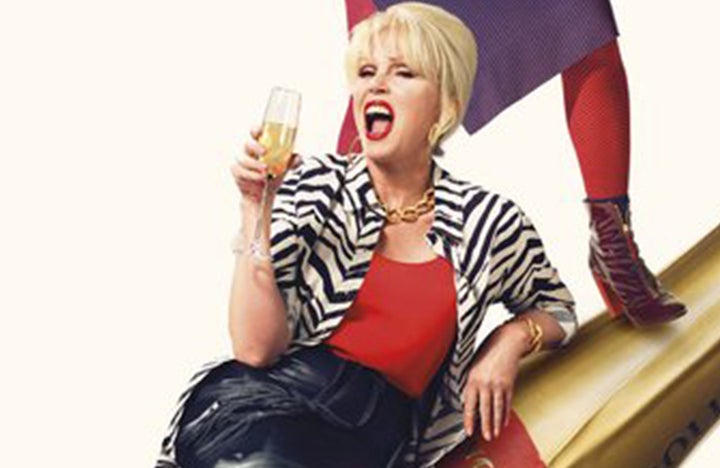
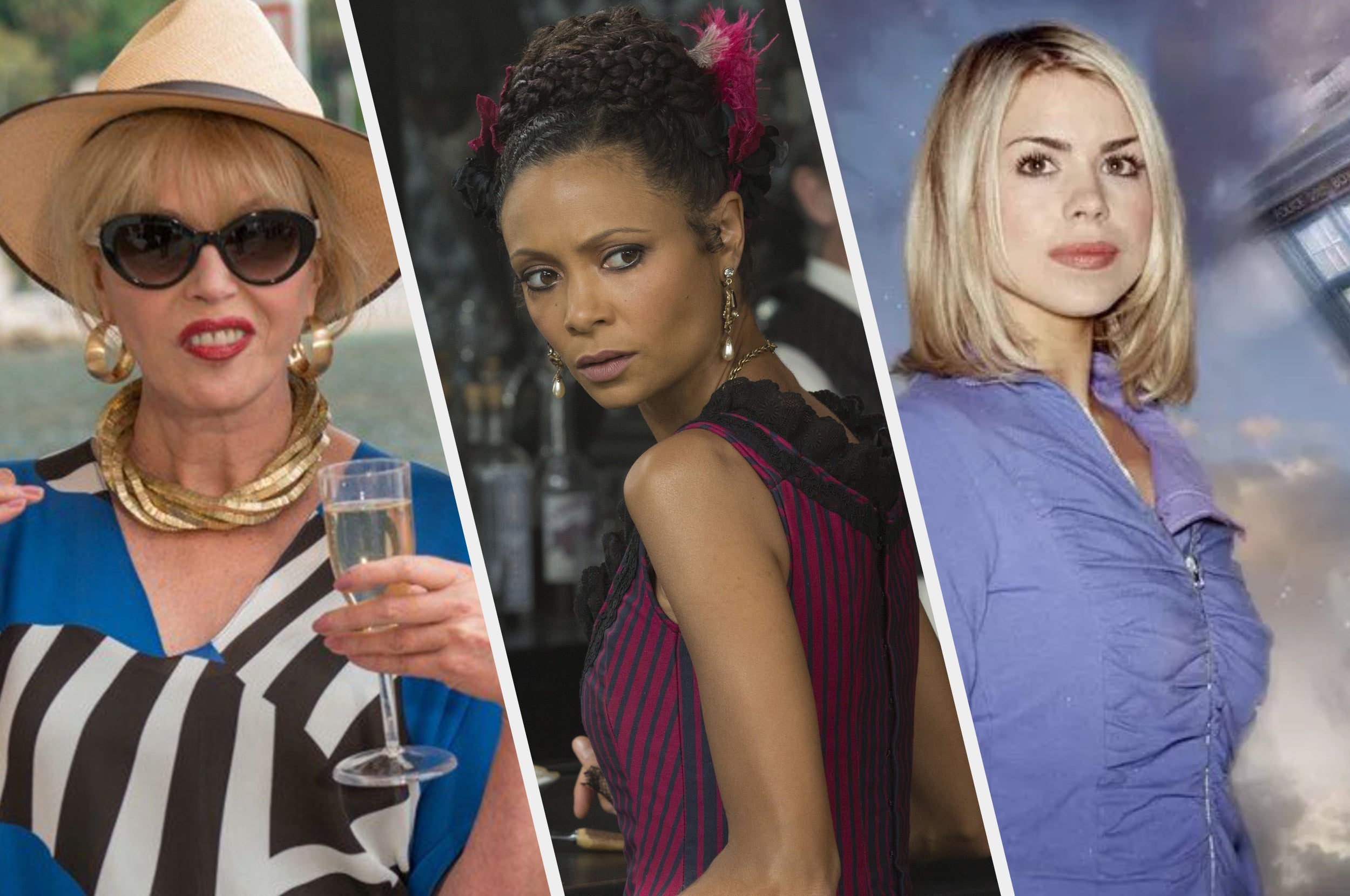
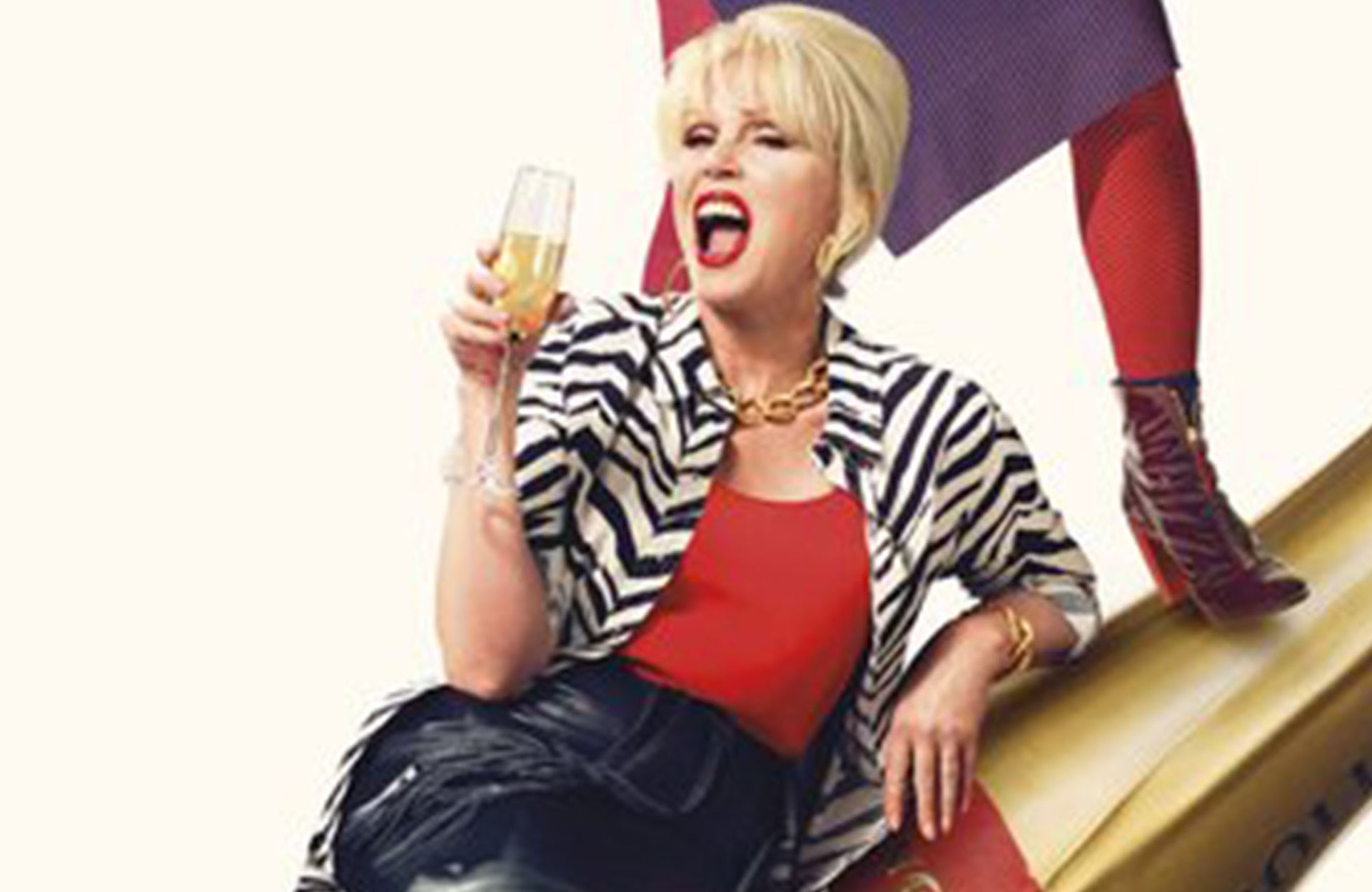
Joanna Lumley

Dame Joanna Lumley as Patsy Stone in Absolutely Fabulous

Moviestore/Shutterstock

Joining season two as the Addams family matriarch, Grandmama Hester Frump, British acting icon Dame Joanna Lumley is best known for starring in the British sitcom Absolutely Fabulous alongside Jennifer Saunders.

Dame Joanna’s career spans decades, including TV shows like The New Avengers, Sapphire & Steel, Sensitive Skin, Finding Alice and Fool Me Once, while The Wolf Of Wall Street, Ella Enchanted, Paddington 2 are among her many film credits.

She’s also known for her numerous travel series where she’s journeyed all over the world to countries like Russia, Japan and India (where she was born).

Wednesday actually marks a Tim Burton reunion for Dame Joanna, who voiced Maudeline Everglot in his 2005 stop-motion classic Corpse Bride and played Aunt Spiker in James And The Giant Peach, which he produced.

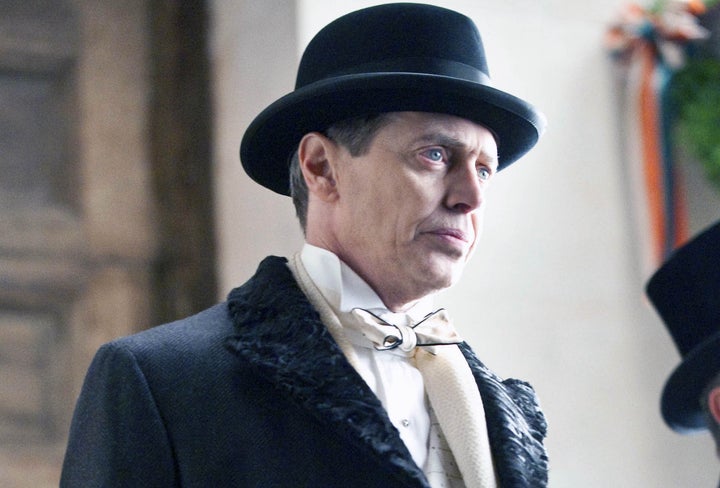
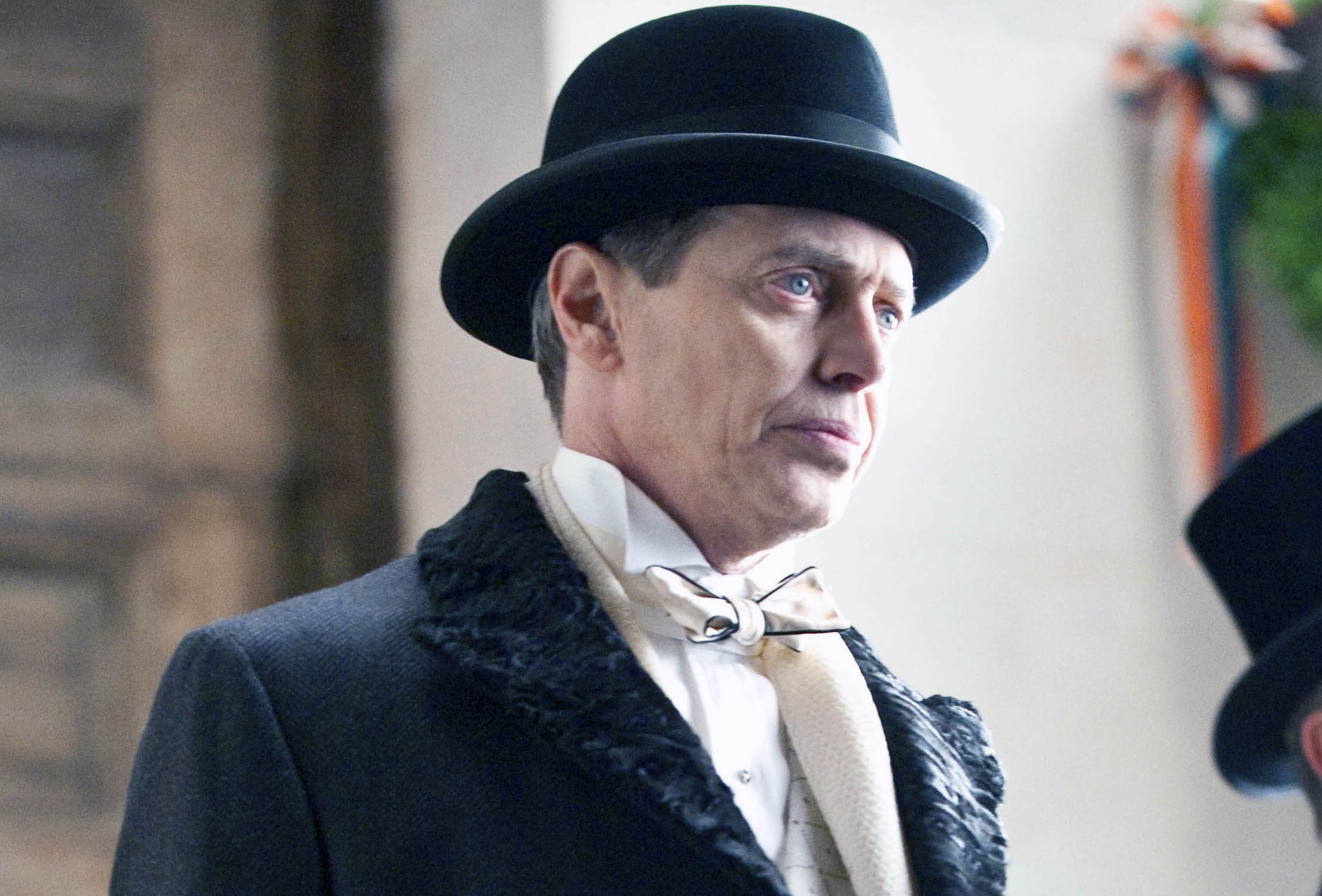
Steve Buscemi

Steve Buscemi in Boardwalk Empire

Moviestore/Shutterstock

Another screen legend joining this season is Steve Buscemi in the role of Principal Dort. You’ll know him for playing Nucky in Boardwalk Empire, along with Mr “I Don’t Tip” Pink in Reservoir Dogs.

His other big movie credits include Fargo, The Death Of Stalin and Ghost World. With more than a few hardman roles added to his resume over the years, he’s also no stranger to comedy, having appeared in Hubie Halloween, The Unbreakable Kimmy Schmidt, and The Week Of.

If nothing else, you’ve most definitely seen his famous “how do you do, fellow kids” line memed to high heaven from 30 Rock, or heard his voice as Randall in Pixar’s Monsters, Inc.

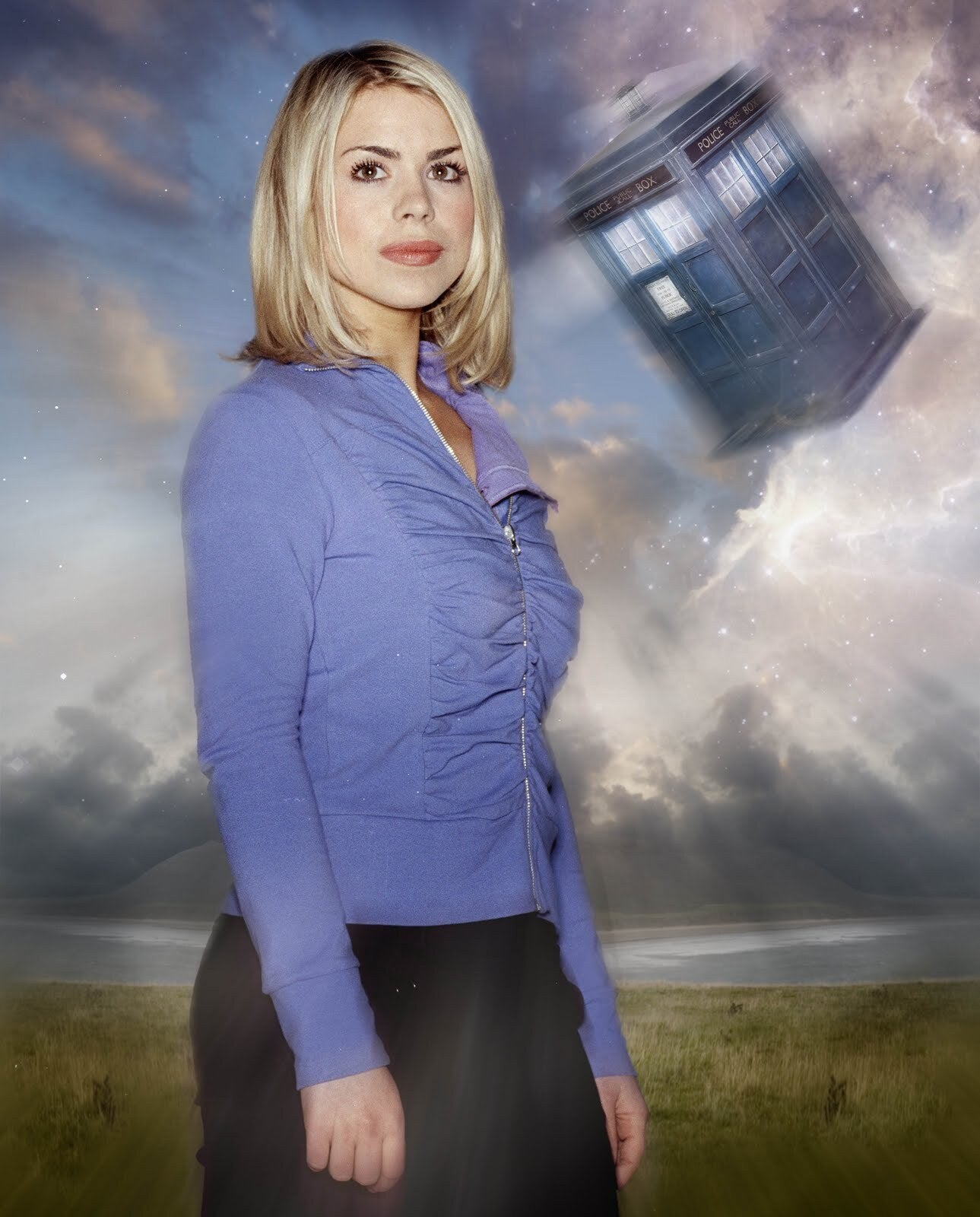
Billie Piper

Billie Piper as Rose Tyler in Doctor Who

Doctor Who fans will always know and love Billie Piper as the iconic companion Rose in the first two revived seasons of the beloved sci-fi show.

She joins Wednesday as Isadora Capri, the Academy’s new head of music, and has previously starred in shows like Secret Diary Of A Call Girl, I Hate Suzie and Penny Dreadful, and portrayed Fanny Price in the Jane Austen TV movie adaptation of Mansfield Park.

More recently, you might have watched her in Lena Dunham’s movie Catherine Called Birdy or Netflix’s Scoop about the Prince Andrew Newsnight interview about the Jeffrey Epstein scandal.

Before all of that, though, she was a chart-topping popstar, racking up hits like Because We Want To, Day And Night and Girlfriend.

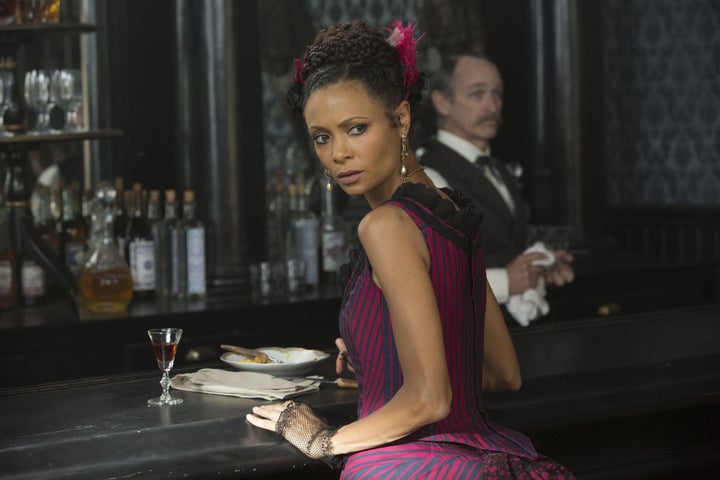
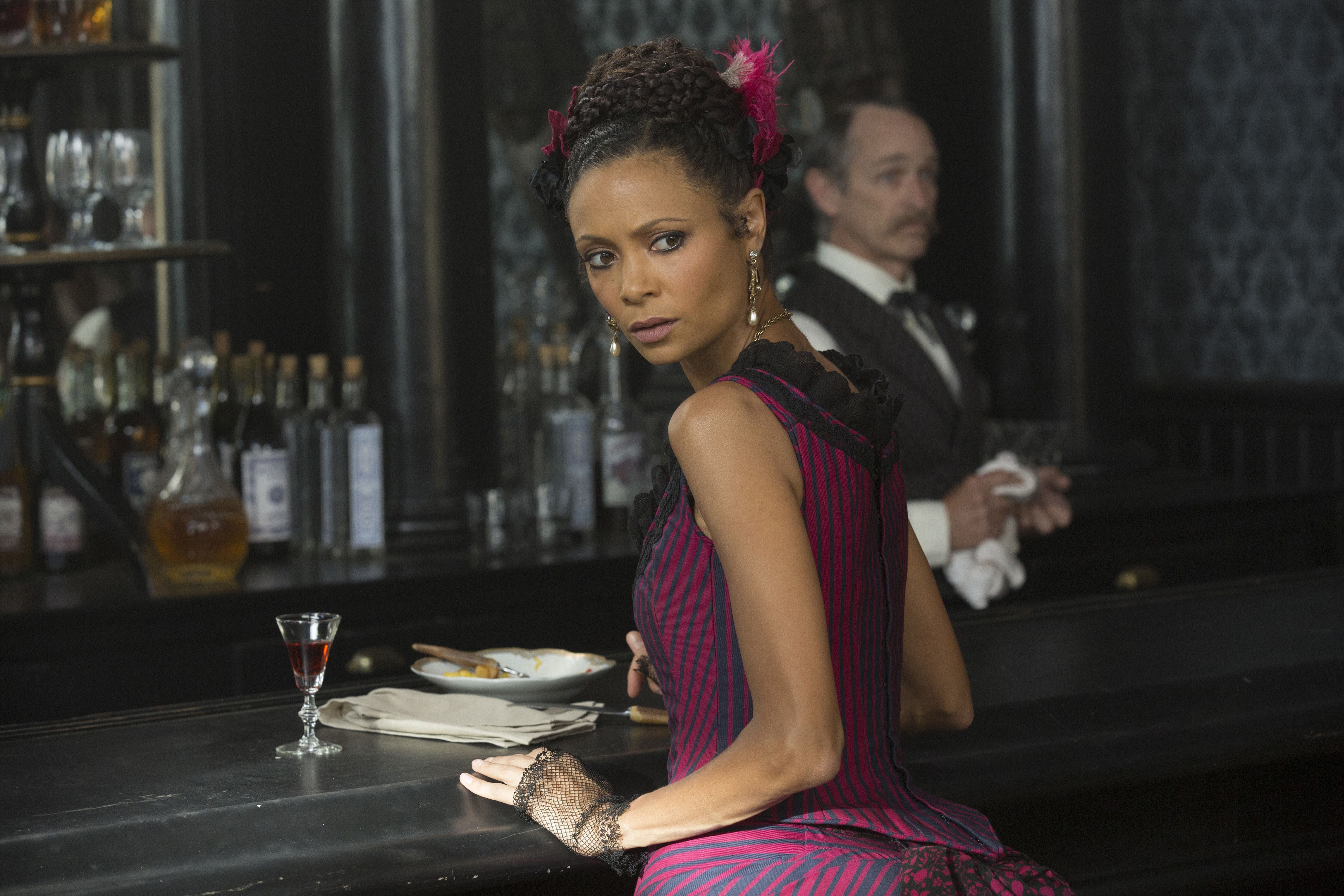
Thandiwe Newton

Thandiwe Newton as Maeve in Westworld

Bad Robot/Kobal/Shutterstock

The A-list Brits just keep on coming, with Thandiwe Newton joining Wednesday in the role of psychiatrist Dr. Rachael Fairburn.

She won an Emmy for her stunning portrayal of brothel madam Maeve in Westworld, while her other memorable roles across film include Beloved, Mission Impossible II and Crash. Her TV credits, meanwhile, range from Line Of Duty, Rogue and ER.

Thandiwe has also had some huge voice parts, including Mona in Big Mouth and Eshe in Disney’s Lion King prequel Mufasa, which came out last year.

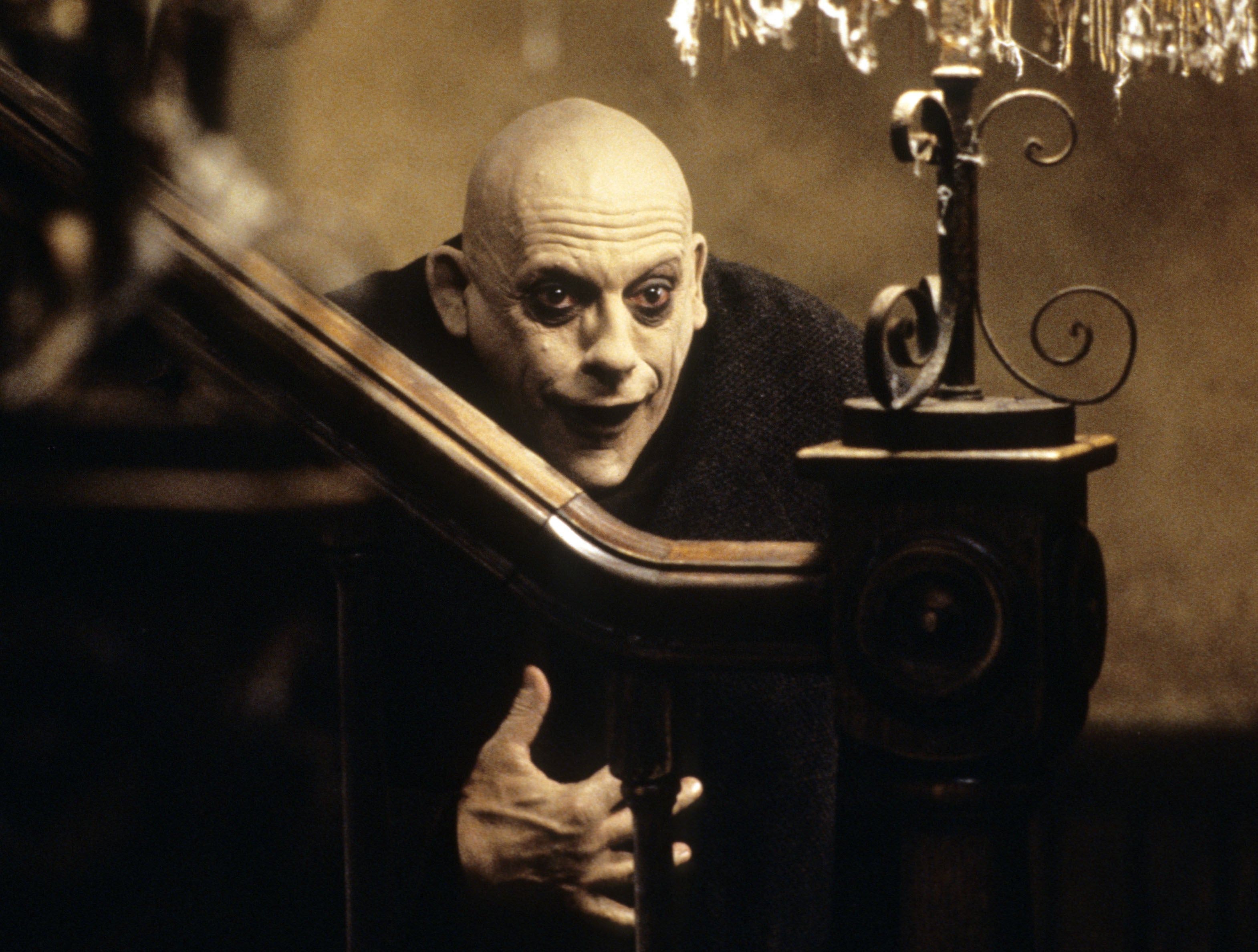
Christopher Lloyd

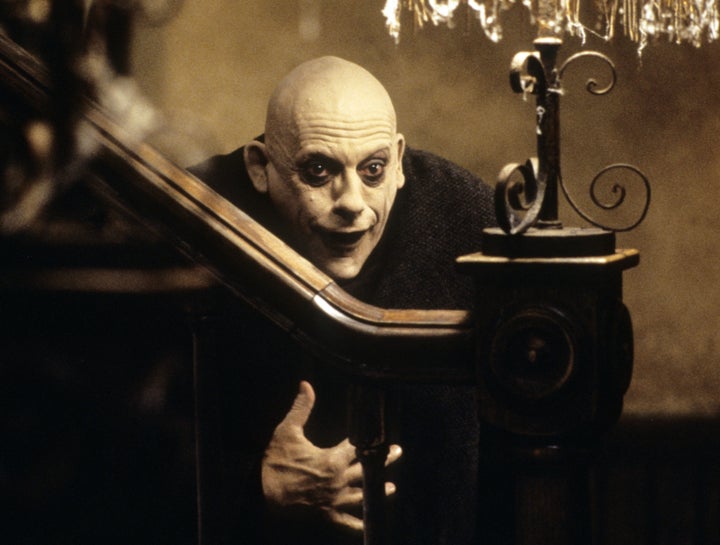
Best known for his work in Back To The Future, Christopher Lloyd previously played Uncle Fester in two Addams Family movies

Paramount/Kobal/Shutterstock

The Back To The Future legend is officially returning to the Addams Family universe, after portraying Uncle Fester in Barry Sonnenfeld’s 1990s films.

However, this time around, he’s playing Professor Orloff, Nevermore’s longest-serving teacher. Along with his unforgettable role as Doc Brown in the iconic sci-fi trilogy, he’s also known for playing Jim Ignatowski in the Emmy-winning comedy series Taxi.

Christopher’s other notable movie credits include Who Framed Roger Rabbit, One Flew Over The Cuckoo’s Nest and Star Trek III: The Search for Spock.

Lady Gaga

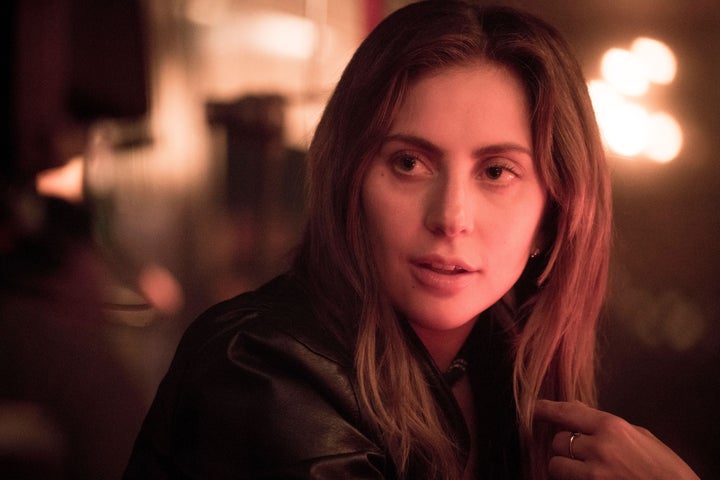
Lady Gaga as Ally in A Star Is Born

Warner Bros/Kobal/Shutterstock

Does this legend really need an introduction?

The pop superstar, Oscar-recognised actor and all-round entertainment icon is set to guest star in the second part of this season when it arrives on 3 September.

She won an Academy Award for her contribution to the A Star Is Born soundtrack (and snagged an additional nomination for her performance as Ally in the film itself), and has gone on to land starring roles in Joker: Folie à Deux and the 2021 series House Of Gucci.

Gaga previously led the fifth season of American Horror Story back in 2015, winning a Golden Globe in the process, before returning to play the witch Scáthach in the the following year’s series.

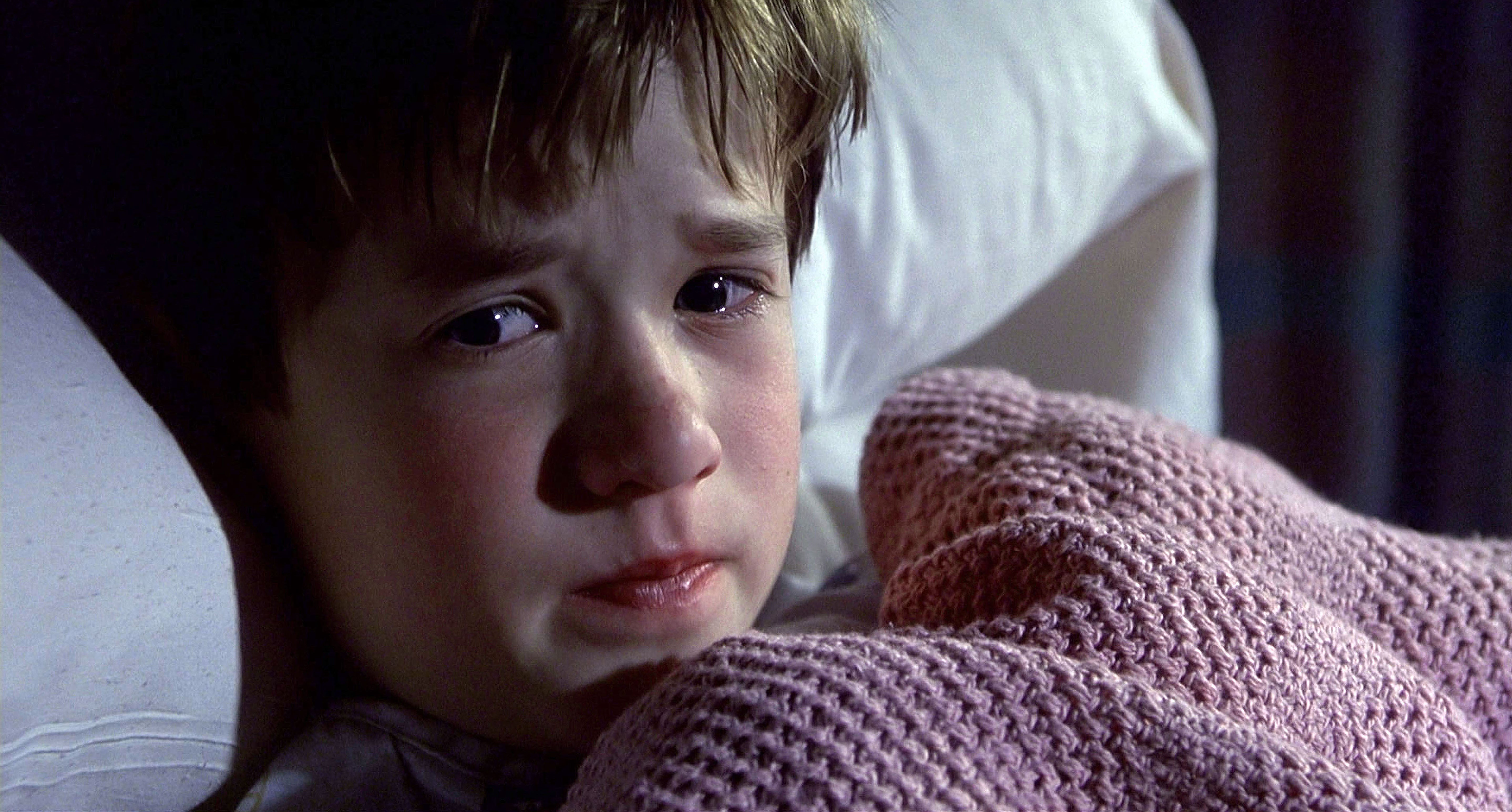
Haley Joel Osment

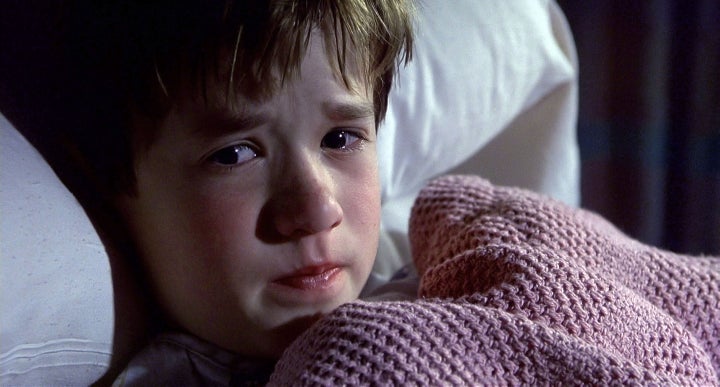
Haley Joel Osment in The Sixth Sense

Moviestore/Shutterstock

Former child actor Haley Joel Osment guest stars in the first episode of season two as a serial killer known as the Kansas City Scalper.

You may well still be a little traumatised from his performance in The Sixth Sense (for which he received an Oscar nomination) with Bruce Willis. He also delivered a hugely moving performance in A.I. Artificial Intelligence.

As an adult, you might have watched him in Blink Twice, Sex Ed, Extremely Wicked, Shockingly Evil And Vile and, much more recently, Happy Gilmore 2.

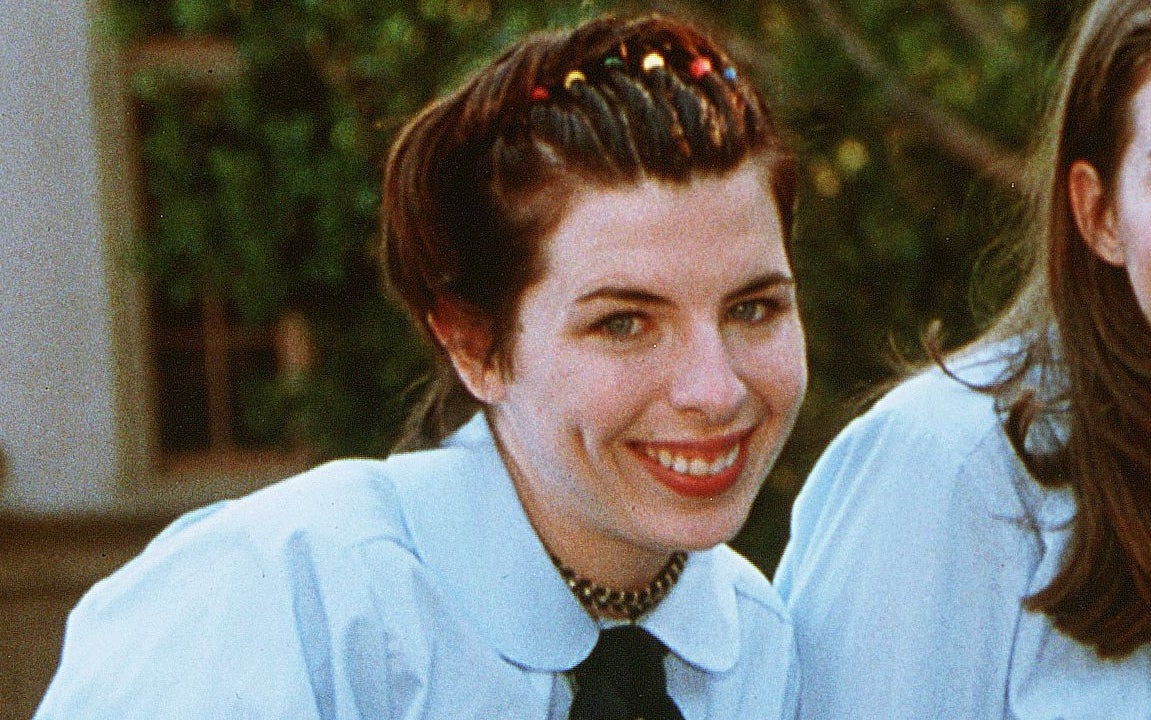
Heather Matarazzo

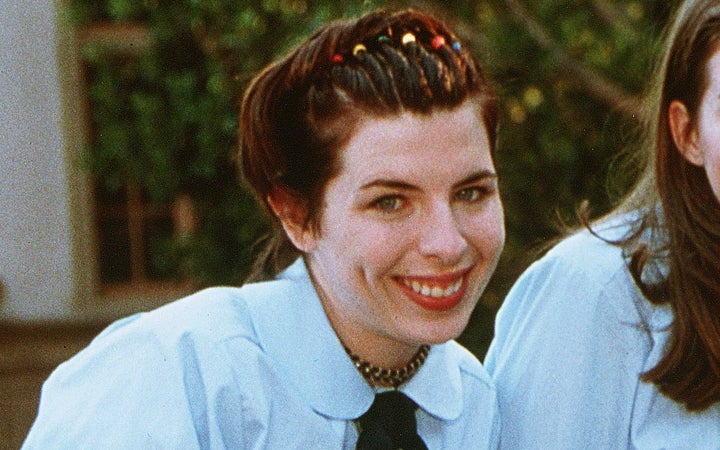
Heather Matarazzo on the set of The Princess Diaries in 2001

Ron Batzdorff/Brownhouse Prod/Botnp Inc/Kobal/Shutterstock

All millennials likely did a double take when they spotted Heather Matarazzo in the new season as Dr. Fairburn’s righthand woman Judi – who is best known to many of us for playing Mia’s best friend Lily Moskowitz in The Princess Diaries.

Her other credits include Welcome to the Dollhouse, Saved!, The Devil’s Advocate and Hostel: Part II.

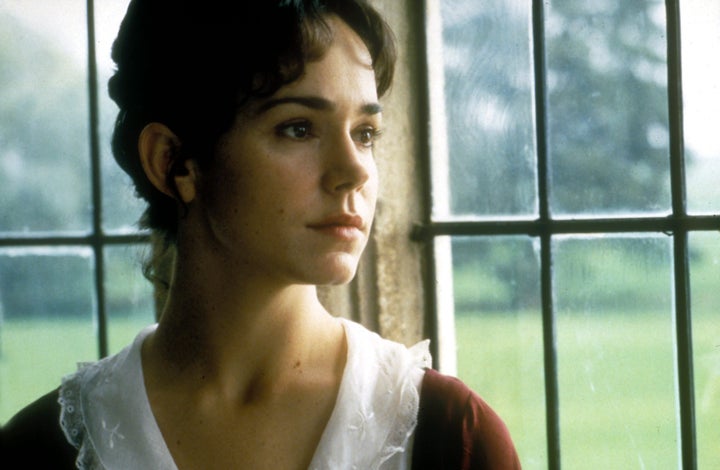
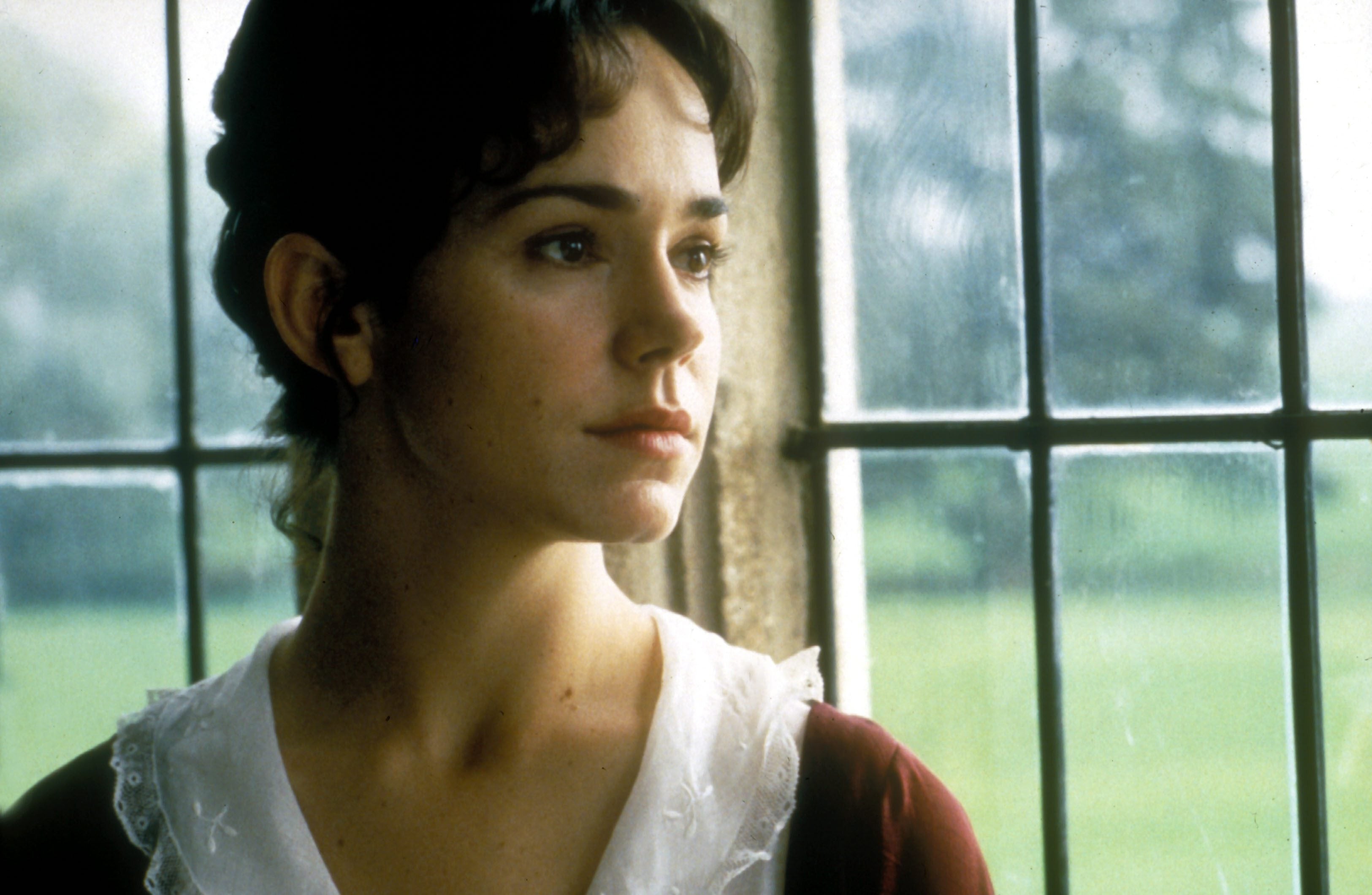
Frances O’Connor

Frances O'Connor in the 1999 adaptation of Mansfield Park
Frances O’Connor in the 1999 adaptation of Mansfield Park

Moviestore/Shutterstock

Another season two guest star is Frances O’Connor, who is, funnily enough, another A.I. Artificial Intelligence alum, previously playing Haley Joel Osment’s mum in the Spielberg movie.

Frances has also been seen in the 1999 adaptation of Mansfield Park, The Conjuring 2, Mr. Selfridge and The End.

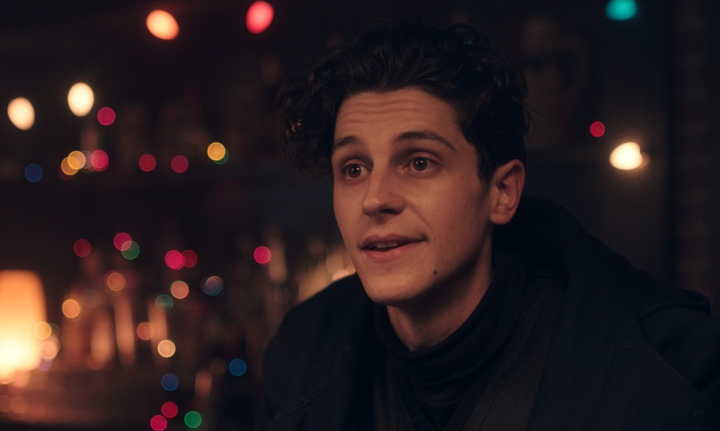
Owen Painter

Owen Painter in The Handmaid's Tale
Owen Painter in The Handmaid’s Tale

Hulu/Instagram/Eva Vives

You might not recognise him in his Slurp zombie get-up in Wednesday, but Owen’s resume includes a small role as a border control guard in The Handmaid’s Tale and a young Lucas in Tiny Beautiful Things.

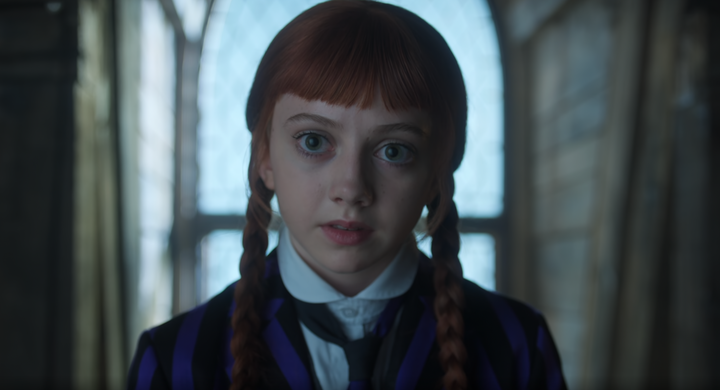
Evie Templeton

Evie Templeton in season two of Wednesday

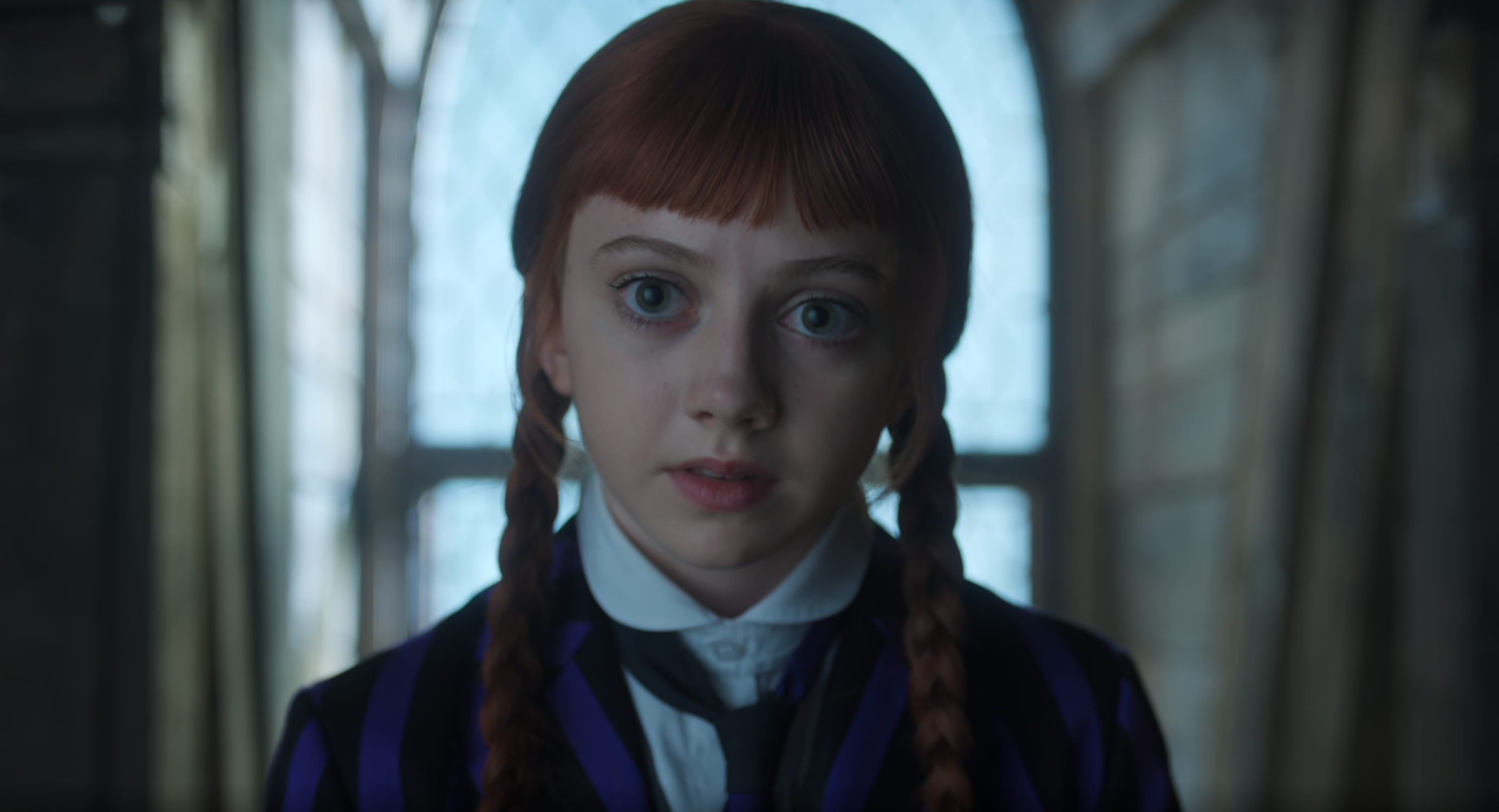
Nevermore student Agnes DeMille, a superfan of Wednesday’s, is set to make Evie Templeton one of the breakout stars of season two.

Wednesday is Evie’s biggest acting gig to date, but she’s also had small roles in Criminal Record, Life After Life and Robert Zemeckis’ reimagining of Disney’s Pinocchio.

Share Button