West Yorkshire Trading Standards says it receives a “high number of allergen complaints”.


West Yorkshire Trading Standards says it receives a “high number of allergen complaints”.
Lucy Buckle says she was told by NHS 111 to attend A&E and says the hospital was “very chaotic”.
Guy’s and St Thomas’ NHS Trust says online videos falsely show clinicians promoting weight loss patches.
Lesson 19 explores how to finish what you start without killing your creative spark. You’ll learn how to work with different energy phases – inspiration, staging, and completion – so projects flow forward naturally instead of stalling or burning out.
This approach helps you move projects across the finish line while preserving enthusiasm, clarity, and momentum, so you can enjoy a richer and more consistent flow of completed projects and treasured experiences in your life.
You’ll find the rest of the Engage course videos in the Video section.
Join the Engage notification list to get an email whenever a new Engage lesson is published. I also encourage you to subscribe to my YouTube channel to follow the course there.
Enjoy!

2026 wasn’t supposed to be like this for Keir Starmer.
Downing Street had planned, according to the prime minister’s top spin doctor Tim Allan, a “strong start” to the New Year.
A series of announcements on how the government was going to tackle the cost of living were meant to get the embattled PM onto the front foot.
Advertisement
Unbeknown to No.10, of course, Donald Trump had plans of his own that would blow everyone off course.
Not content with bombing Venezuela and kidnapping the country’s president, Nicolas Maduro, and his wife, the US president has also ramped up the rhetoric on Greenland.
America will take control of the Arctic island “one way or the other”, according to Trump, to the horror of European leaders, including Starmer.
Advertisement
Throw in the uprising in Iran and it’s easy to see why the prime minister has struggled to seize the political initiative.
He did finally make some headlines on Tuesday night – but not in the way he had hoped.
To general bewilderment at Westminster, it was confirmed that the government was ditching its plans to make it compulsory to carry state-sanctioned digital ID cards.
That’s despite Starmer himself announcing the policy just four months ago with great fanfare.
For those understandably struggling to keep count, it was the 13th major policy U-turn the government has performed since being elected in July, 2024.
Advertisement
For MPs who were already sceptical about Starmer’s ability to improve Labour’s miserable poll numbers, it could prove to be the final straw.
“People who are not normally as bothered by this issue are livid,” one MP told HuffPost UK. “It’s another case of them being made to look like utter fools.”
A backbencher added: “We’re just running through the motions. The lights are on but no one is home.”
Other MPs are just glad they no longer have to pretend to support the policy.
“I never made a big deal of going out and defending it,” said one. “A lot of us just feel relief that we don’t have to flog it on the doorsteps.”
Advertisement
Supporters of digital ID cards on the Labour benches are also frustrated by how the latest climbdown has been handled.
One senior MP said: “It has ended up in the place that most MPs and the public advised it should start from.
“I hope the damage hasn’t been done as it’s a very positive initiative that will help us to transform public services, give the public more control over their data, and make the user interaction with government better.
Advertisement
“It doesn’t need to be mandatory as I’d be confident that the public will see huge benefits to having it so take up will be large.”
No.10 officials are desperately trying to put a positive spin on Starmer’s latest calamity, insisting it is part of a strategy of ditching unpopular policies to focus on putting more money in voters’ pockets.
They compare it to former Tory election guru Lynton Crosby’s infamous “get the barnacles off the boat” policy.
Advertisement
However, critics point out that only works if the prime minister isn’t the one responsible for putting the barnacles there in the first place.
The new year is only 14 days old, and Starmer once again finds himself fighting for his political life as a result of a wholly self-inflicted mistake.


Many people who are prescribed statins to lower cholesterol end up stopping the medication because of muscle pain, weakness, or ongoing fatigue. These symptoms are among the most common reasons patients abandon the drugs.
New research from Columbia University suggests a possible explanation for why this happens in some individuals. The study indicates that certain statins can attach to a protein inside muscle cells, triggering a leak of calcium ions that disrupts normal muscle function.
“It is unlikely that this explanation applies to everyone who experiences muscular side effects with statins, but even if it explains a small subset, that’s a lot of people we could help if we can resolve the issue,” says Andrew Marks, chair of the Department of Physiology and Cellular Biophysics at the Vagelos College of Physicians and Surgeons.
Statins are widely used in the United States. Roughly 40 million adults take them to control cholesterol levels, and about 10 percent develop muscle related side effects.
“I’ve had patients who’ve been prescribed statins, and they refused to take them because of the side effects. It’s the most common reason patients quit statins, and it’s a very real problem that needs a solution,” Marks says.
A Longstanding Puzzle Around Statin Muscle Pain
Scientists have been trying to understand statin related muscle problems since the drugs first became available in the late 1980s. Statins work by binding to an enzyme involved in cholesterol production, but they can also attach to other unintended targets in the body.
Earlier research hinted that muscle side effects might occur when statins interact with a specific protein in muscle tissue. Until now, the details of that interaction were unclear.
Using cryo-electron microscopy, a powerful imaging method that allows researchers to see structures down to individual atoms, the Columbia team was able to directly observe how a statin interacts with muscle cells.
Calcium Leaks Inside Muscle Cells
The images showed that a commonly prescribed statin, simvastatin, binds to two specific sites on a muscle protein known as the ryanodine receptor. This binding opens a channel in the protein, allowing calcium to leak into areas of the cell where it does not normally flow.
According to Marks, this calcium leak may explain muscle pain and weakness linked to statins. The excess calcium can weaken muscle fibers directly or activate enzymes that gradually break down muscle tissue.
Toward Safer Cholesterol Drugs
The findings point to new possibilities for reducing statin side effects. One approach would be to redesign statins so they continue to lower cholesterol but no longer bind to the ryanodine receptor in muscle cells.
Marks is currently working with chemists to develop statins that avoid this unwanted interaction.
Another potential strategy focuses on stopping the calcium leak itself. The researchers showed that in mice, statin related calcium leaks can be closed using an experimental drug created in the Marks laboratory for other disorders involving abnormal calcium flow.
“These drugs are currently being tested in people with rare muscle diseases. If it shows efficacy in those patients, we can test it in statin-induced myopathies,” Marks says
Study Details and Disclosures
Andrew Marks is also the Clyde and Helen Wu Professor of Medicine at Columbia University Vagelos College of Physicians and Surgeons, a professor of biomedical engineering, and director of the Wu Center for Molecular Cardiology.
The study was published Dec. 15 in “Structural basis for simvastatin-induced skeletal muscle weakness associated with RyR1 T4709M mutation,” in the Journal of Clinical Investigation.
The full author list includes Gunnar Weninger, Haikel Dridi, Steven Reiken, Qi Yuan, Nan Zhao (University of Rochester), Linda Groom (University of Rochester), Jennifer Leigh (University of Rochester), Yang Liu, Carl Tchagou, Jiayi Kang, Alexander Chang, Estefania Luna-Figueroa, Marco C. Miotto, Anetta Wronska, Robert T. Dirksen (University of Rochester), and Andrew R. Marks.
Funding for the research came from the NIH (R01HL145473, R01DK118240, R01HL142903, R01HL140934, R01NS114570, R01AR070194, R01AR078000 , R25HL156002, R25NS076445, P01HL164319, and T32HL120826.
Marks owns stock in RyCarma Therapeutics Inc., which is developing compounds that target the ryanodine receptor, and is a coinventor on U.S. patent nos. US8022058 and US8710045. Gunnar Weninger, Haikel Dridi, Marco Miotto, and Marks are also inventors on the patent application titled “STATIN INNOVATION FOR MUSCLE-FRIENDLY CHOLESTEROL MANAGEMENT” [Invention Report (IR) #CU24350], which will be filed by Columbia University.
YouTube has revealed it’s changing children’s accounts in the UK to help parents keep kids safer online.
The update comes as the UK government faces growing calls to follow in Australia’s footsteps and ban social media for under-16s.
Advertisement
A petition to ban it has garnered 25,000 signatures (at the time of writing) and prime minister Keir Starmer has now said he’s open to the idea of a similar ban here in the UK.
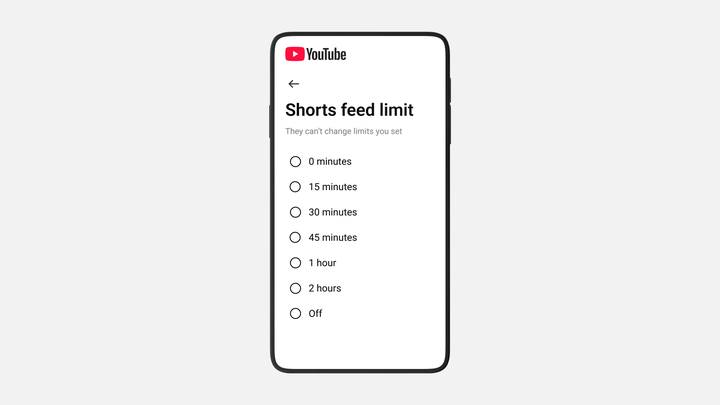
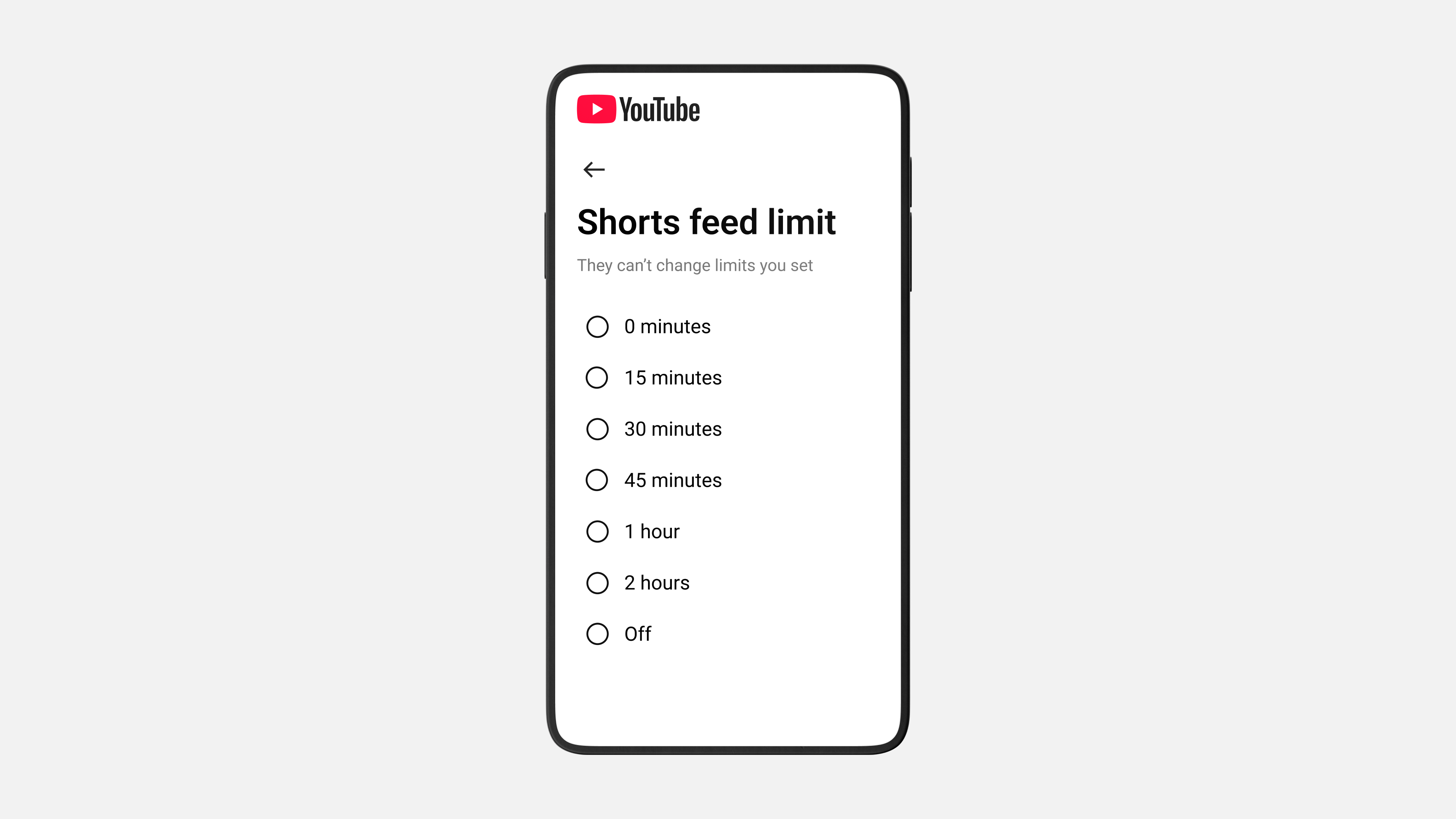
In a bid to improve the wellbeing of young users, YouTube has revealed parents will now be able to set time limits for scrolling Shorts, and will also enable caregivers to set bedtime and break reminders.
Advertisement
As part of the Online Safety Act, social media companies have a duty to protect children and stop them from accessing harmful or age-inappropriate content. Sites can face fines or be blocked in the UK if they don’t take protective steps.
The social media and online video sharing platform is also launching new ‘Quality Principles’ for content creators, developed alongside experts, to ensure videos created for teens are “age-appropriate” and “enriching”.
Professor Peter Fonagy, head of the division of psychology and language sciences at UCL, which partnered with YouTube to provide evidence-based insights on adolescent development, said: “The mental health of children and young people is a global concern, and in the digital age the content teens encounter online can have both positive and negative impacts.”
Advertisement
He said the new quality principles will give creators a “practical, research-informed roadmap for making videos that are developmentally appropriate, emotionally safe, and genuinely supportive of young people”.
The principles include:
YouTube said parents will be able to set time limits for scrolling Shorts – including having the option to set the timer to zero.
Advertisement
This gives parents flexibility to set the Shorts feed limit to zero when they want their teen to use YouTube to focus on homework, for example.
Or they could change it to 60 minutes during a long car trip to keep kids entertained.
Parents can also set custom Bedtime and Take a Break reminders.
This has been designed to make it easier for parents to create a new kid account and switch between family accounts in the mobile app, depending on who’s watching, so they’re shown the most appropriate content for their age.
Dr Garth Graham, global head of YouTube Health, said: “We believe in protecting kids in the digital world, not from the digital world. That’s why providing effective, built-in tools is so essential, as parents play a critical role in setting the rules for their family’s online experiences.”
Advertisement
According to the social media giant, the updates will be rolling out from 14 January and will expand globally over the coming months.
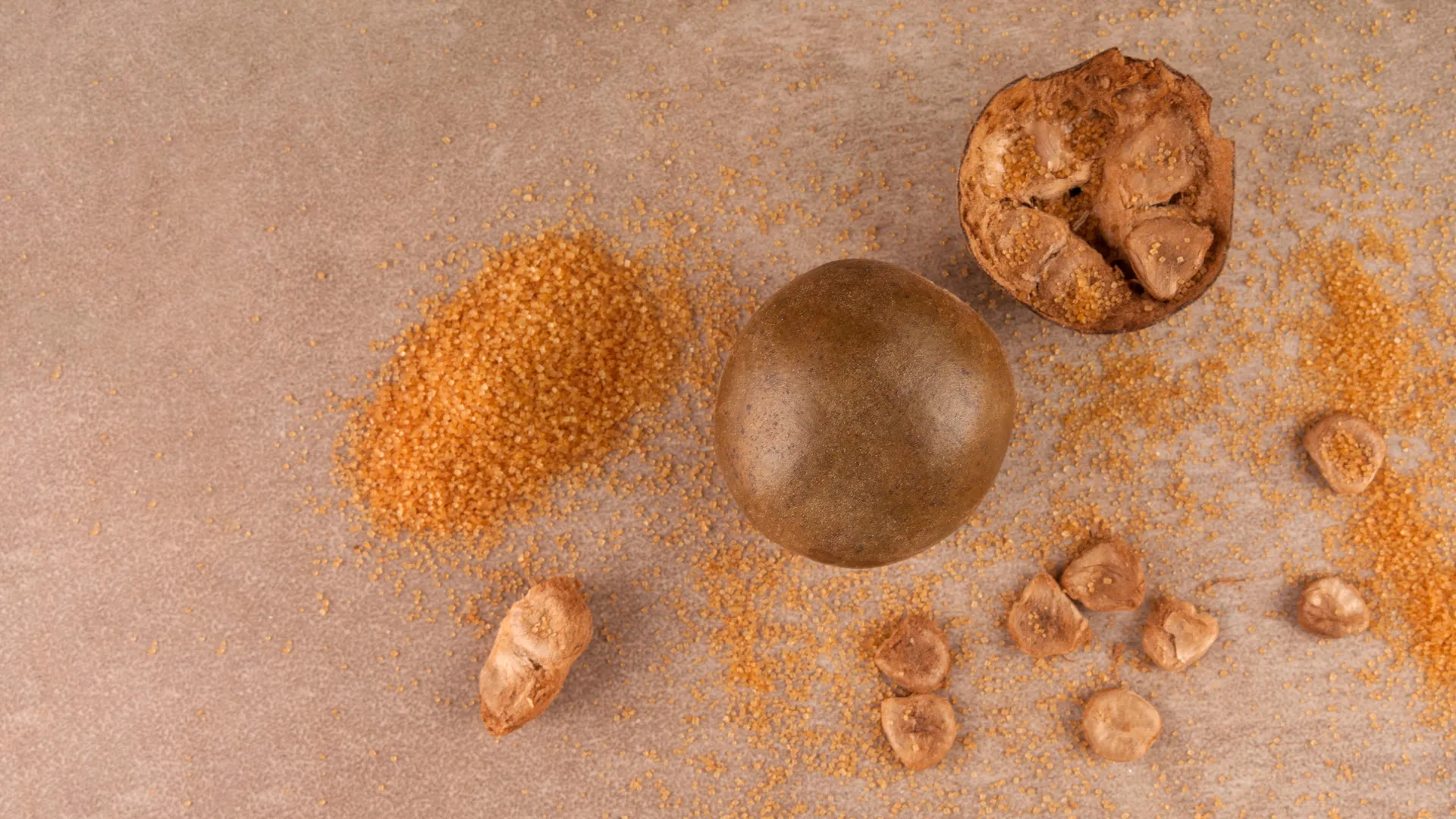
Luo Han Guo (Siraitia grosvenorii), more commonly known as monk fruit, is a long living vine that belongs to the gourd family, the same plant group as cucumbers and squash. It is native to southern China, where it has been used for centuries in traditional foods and remedies. In recent years, monk fruit has drawn modern scientific attention because it contains high levels of antioxidants. Antioxidants are substances that help protect cells from damage caused by unstable molecules known as free radicals, which are linked to aging and many chronic diseases.
New findings published in the Journal of the Science of Food and Agriculture take a closer look at what makes this fruit biologically active. The research focuses on the specific chemical compounds inside Luo Han Guo and how they may support health.
The Compounds Inside Monkfruit
One of the most important features of Luo Han Guo is its abundance of what scientists call secondary metabolites. These are natural plant chemicals that are not required for basic growth, but often play a role in defense, color, flavor, and health effects in humans. In this case, researchers concentrated on three major groups: terpenoids, flavonoids, and amino acids.
Terpenoids are compounds commonly found in plants that can have antioxidant and anti inflammatory properties. Flavonoids are another large class of plant compounds known for their ability to neutralize free radicals and support heart and metabolic health. Amino acids, which are the building blocks of proteins, are essential for many processes in the body, including tissue repair and immune function.
The scientists examined both the peel and the pulp of four different Luo Han Guo varieties. By doing so, they were able to identify where these compounds are concentrated and how they behave biologically.
How These Compounds Interact With the Body
Beyond simply identifying these substances, the study explored how they interact with antioxidant receptors and other biological targets. Receptors are structures in cells that receive chemical signals and trigger responses in the body. These interactions influence various biological pathways, which are step by step processes that help regulate functions such as inflammation, metabolism, and cellular protection.
Understanding these pathways helps explain why monk fruit may have health promoting properties beyond its use as a natural sweetener.
Why Researchers Studied Multiple Varieties
The researchers emphasized that not all monkfruit is chemically identical. Different varieties can contain different levels and combinations of active compounds. As the authors explained, “it is crucial to conduct an in-depth investigation on the high-resolution metabolic profiles of different Luo Han Guo varieties, providing valuable insights into the nutritional and health characteristics as well as the manufacturing suitability of the various resources available from this plant.”
This type of detailed chemical mapping helps scientists determine which varieties may be best suited for food products, supplements, or other uses.
Monk Fruit at a Glance
Monk fruit is a perennial vine native to China and a member of the gourd family. It is best known today as a zero calorie natural sweetener, but research shows it also contains a wide range of bioactive compounds. These include antioxidants, plant metabolites, and amino acids that interact with important biological systems in the body. As scientists continue to study its chemistry, monk fruit is emerging as more than just a sugar substitute, offering potential nutritional and health benefits rooted in its unique natural makeup.
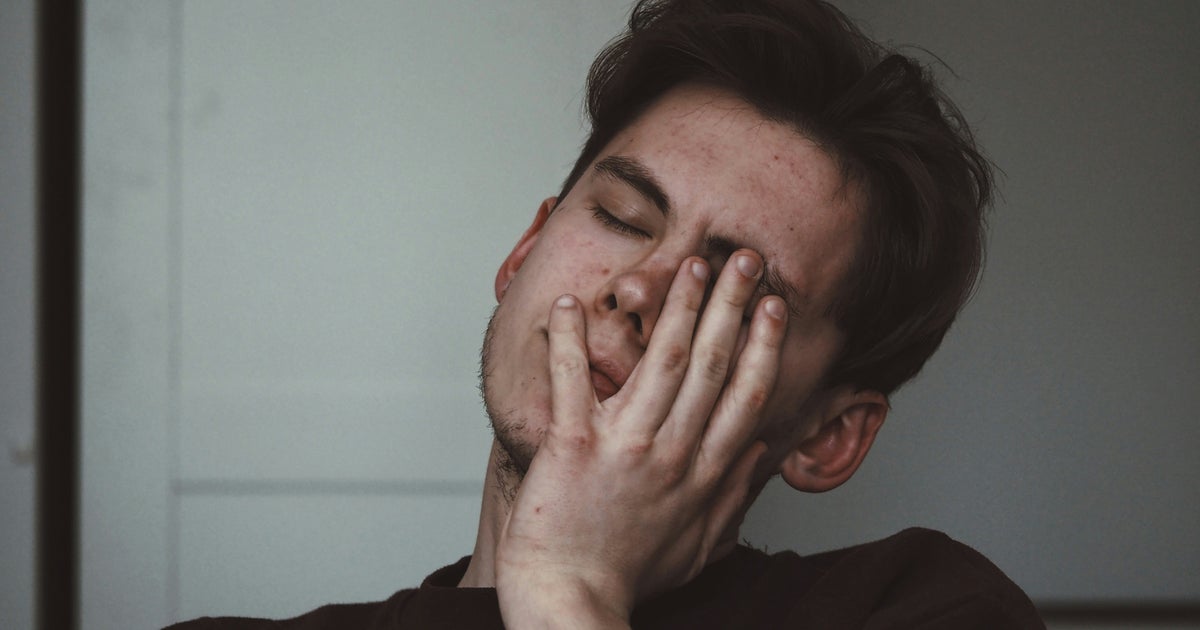
One in eight people in the UK say they feel tired “all the time,” YouGov reported in 2022.
In fact, the feeling is so common that the NHS says it has its own acronym, TATT (tired all the time).
But while the health service said most causes of TATT are “obvious,” like overwork or having a young child, Amir Bhogal, director and superintendent pharmacist at Pyramid Pharmacy Group, told us that “there are several hidden causes that may be easy to overlook”.
Advertisement
Here, he shared seven potential causes:
“Iron helps transport oxygen throughout the body via red blood cells. When iron levels are low, your body struggles to carry enough oxygen to your muscles and organs, leading to constant tiredness and weakness,” Bhogal said.
These are common signs of iron deficiency anaemia. Others include shortness of breath, headaches, paler than usual skin, and palpitations.
It “is surprisingly common, especially among women, due to regular menstrual blood loss, as well as those who follow a strictly vegetarian or vegan diet. While symptoms can be subtle at first, fatigue can interfere with daily activities and overall quality of life,” Bhogal added.
Advertisement
A blood test can confirm whether you have iron deficiency anaemia.
The thyroid is a gland in your neck that produces hormones. These affect things like your heart rate and body temperature.
“An underactive thyroid (hypothyroidism) can slow down metabolic processes and reduce the body’s ability to produce energy efficiently, leading to sluggishness or temperature sensitivity,” Bhogal said.
And an overactive thyroid can do the opposite, causing bursts of energy sometimes followed by crashes. It can create difficulty sleeping, too.
Advertisement
“Thyroid issues can develop slowly, with subtle symptoms ranging from unexplained changes in weight and mood, as well as dry skin or thinning hair. However, blood tests can confirm a thyroid imbalance,” the pharmacist said.
Though high blood pressure can make you tired, that usually happens indirectly through organ changes or associated lifestyle choices. But “low blood pressure (hypotension) can also sap energy,” the pharmacist told us.
Advertisement
“When blood pressure is too low, your organs and muscles may not receive enough oxygen-rich blood, leading to dizziness and constant tiredness.”
Sometimes, he added, low blood pressure can be created by dehydration, nutritional deficiencies, and some medications, and even some heart conditions.
“If fatigue is accompanied by lightheadedness or fainting, please consult with a medical professional immediately,” Bhogal stated.
Advertisement
“Getting your blood pressure tested regularly, even without symptoms, can help detect underlying issues early and support long-term health.”
Lots of us don’t drink enough water in winter, but Bhogal said this mistake could be making us very tired.
“Water is essential for just about every function in the body, including energy production. Even just mild dehydration can reduce blood volume, making the heart work harder and leaving you feeling lethargic,” he told us.
Advertisement
“The reality is that many people underestimate their daily fluid needs, especially when the weather is warm, or they are physically active. Instead, they compensate with sugary drinks, alcohol, or caffeine, all of which are diuretics that can worsen dehydration.”
Drinking more water and eating more water-rich foods, like fruits and vegetables, can help a lot.
Sometimes, conditions like the flu or glandular fever can stay in your system for longer than you realise. This, Bhogal explained, can keep you feeling run-down after sneezes, sniffles, and sore throats have abated.
This, he continued, can even be the case with UTIs and chronic sinusitis.
“Often, these infections present with subtle symptoms like low-grade fever or mild muscle aches that are easy to dismiss. Identifying the underlying infection usually requires medical testing, and treatment may involve antibiotics or antiviral therapy to restore energy levels,” he said.
Advertisement
When it comes to feeling rested, sleep quality can sometimes matter as much as the number of hours slept.
And, Bhogal said, “Frequently waking up can be caused by environmental disturbances, and sometimes from conditions like sleep apnoea or restless leg syndrome, which can prevent the body from entering deep, restorative rest.
“Fatigue caused by poor sleep often presents as brain fog and irritability that manifests as low motivation throughout the day. Overuse of electronic devices before bedtime can also interfere with the natural sleep cycle, so I advise putting away gadgets at least two hours before bedtime.”
Advertisement
If you’re concerned about your sleep, speak to your GP.
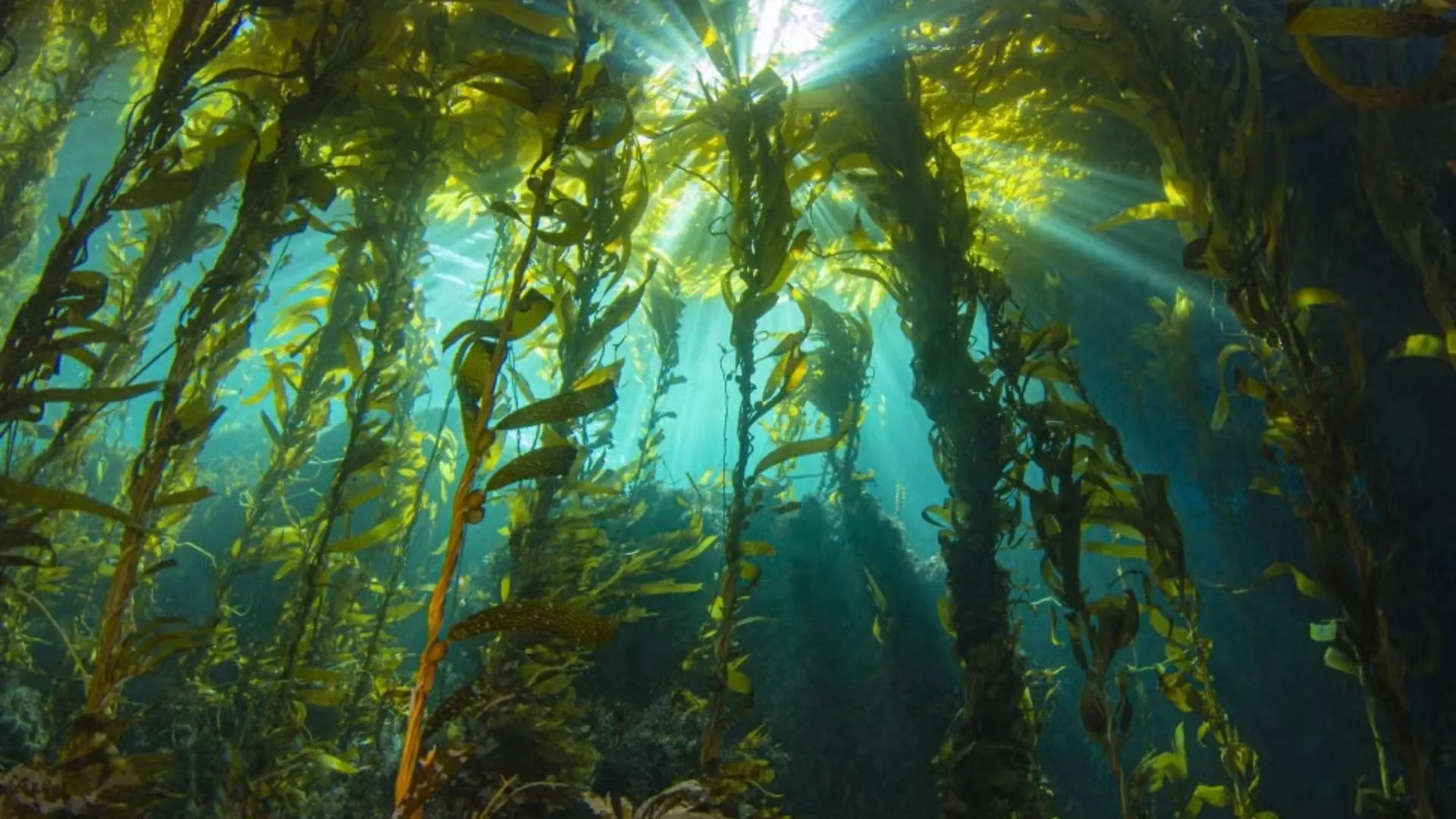
Clouds, smoke, and fog can block sunlight in the sky, but beneath the ocean surface, very different forces can plunge the seafloor into darkness. Sediment runoff, algae blooms, and organic debris can sharply reduce underwater light, sometimes transforming bright coastal waters into near night. To better understand these events, an international team of scientists has developed the first system designed to identify and compare what they call marine blackouts.
The research, published in Communications Earth & Environment, introduces the concept of a marine darkwave. These events are short-lived but intense periods of underwater darkness that can seriously disrupt kelp forests, seagrass meadows, and other marine organisms that depend on light to survive.
Why Light Matters in the Ocean
“We have long known that light levels are critical for photosynthetic organisms — like algae, seagrasses and corals — and that factors that reduce light to the seafloor can impact them,” said co-author Bob Miller, a research biologist at UC Santa Barbara’s Marine Science Institute. “This study creates a framework for comparing such events, which we call darkwaves.”
Until now, scientists lacked a shared method for evaluating extreme losses of underwater light across different regions. The goal of the new framework is to make these events measurable and comparable worldwide.
“Light is a fundamental driver of marine productivity, yet until now we have not had a consistent way to measure extreme reductions in underwater light,” said lead author François Thoral, a postdoctoral fellow at the University of Waikato and Earth Sciences New Zealand.
Decades of Data Reveal a Hidden Pattern
To build the framework, researchers analyzed long-term data from multiple coastal regions. The study used 16 years of measurements from the Santa Barbara Coastal Long Term Ecological Research Site (LTER) and 10 years of observations from New Zealand coastal locations in Hauraki Gulf/Tīkapa Moana, in the Firth of Thames. The team also examined 21 years of seafloor light estimates derived from satellite data along New Zealand’s East Cape.
Across these areas, marine darkwaves ranged from brief events lasting only a few days to prolonged episodes that persisted for more than two months. In some cases, light reaching the seabed was almost completely eliminated.
The researchers identified between 25 and 80 darkwave events along the East Cape since 2002. Many were associated with powerful storms and large-scale weather systems, including Cyclone Gabrielle.
Short-Term Darkness With Lasting Consequences
For years, scientists have focused on slow, long-term declines in water clarity as a major threat to coastal ecosystems. The new findings suggest that sudden darkwave events may be just as damaging.
“Even short periods of reduced light can impair photosynthesis in kelp forests, seagrass and corals,” Thoral said. “These events can also influence the behaviour of fish, sharks and marine mammals. When darkness persists, the ecological effects can be significant.”
A New Tool for Tracking Ocean Stress
The marine darkwave framework adds to existing tools used to monitor marine heatwaves, ocean acidification, and deoxygenation. Together, these systems offer coastal communities, conservation groups, and resource managers a clearer way to recognize when marine ecosystems are under intense and immediate stress.
Because the Santa Barbara Coastal LTER is one of the few programs worldwide that collects long-term measurements of light on the seafloor, Miller and his colleagues at UCSB plan to expand their work. They aim to investigate how sedimentation and turbidity — which are influenced by fires and mudslides — affect California’s kelp forests.
