Ike Ekweremadu is said to have arranged the transport of a boy to the UK for organ-harvesting.


Ike Ekweremadu is said to have arranged the transport of a boy to the UK for organ-harvesting.
What is polio and how can you protect yourself from it?
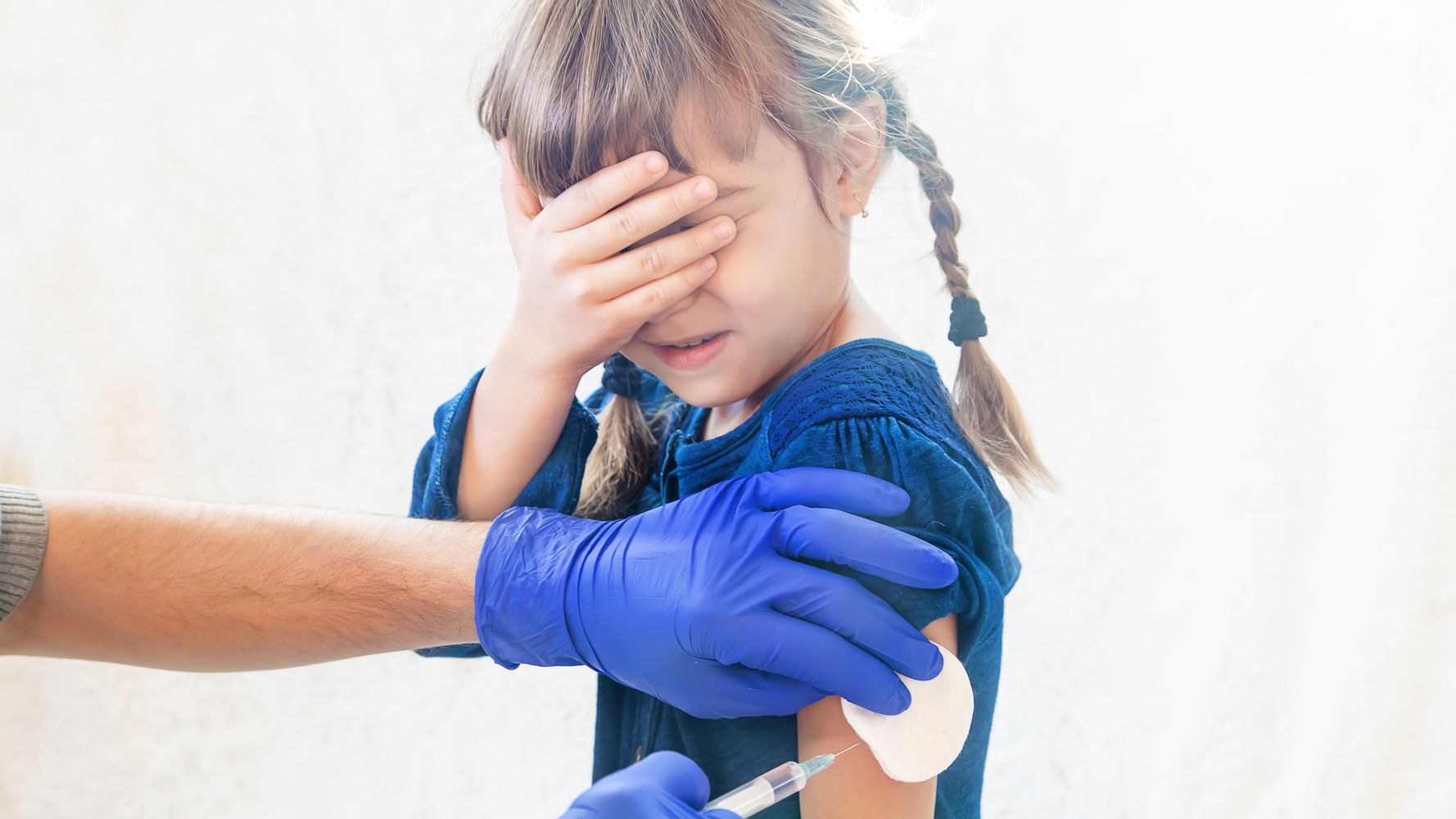
Polio, which was officially eradicated in the UK in 2003, can cause paralysis in rare cases and can be life-threatening. Public health officials have declared a national incident while the latest traces are being investigated.
Polio is caused by a virus that spreads easily when an infected person coughs or sneezes, according to the NHS. It can also be caught from food or water that’s been in contact with the poo of someone who has the virus.
So far, it’s unclear how many people may be affected by the new outbreak, but being fully vaccinated will protect you. Here’s how to check if you (and your kids) are up to date with jabs.
The polio vaccine is given on the NHS when a child is eight, 12 and 16 weeks old as part of the 6-in-1 vaccine. It is given again at three years and four months old as part of the 4-in-1 (DTaP/IPV) pre-school booster, and at 14 as part of the 3-in-1 (Td/IPV) teenage booster. The teenage vaccine is given routinely in secondary schools.
All of these vaccines need to have been given for a person to be fully vaccinated, though babies who have had two or three doses will have substantial protection.
Latest figures show that by the age of two in the UK, almost 95% of children have had the correct number of doses. However, this drops to just under 90% in London. When it comes to the pre-school booster, just 71% of children in London have had it by the age of five.
All immunisation records are linked to your unique NHS number, which is assigned to you at birth.
You may be able to see your full health records (including your immunisation history) via the NHS app or NHS online portal, if you’ve already registered for full online access.
You’ll need to register with your GP surgery for online access to see your full record. If you only downloaded the NHS app to see your Covid travel pass, for example, the basic profile only shows your Covid vaccines, medicines and allergies – not your full medical history.
There’s a portal on the NHS website which details further instructions on how to register for full online access to your records. But something to note: this service works alongside GP surgeries and is not yet available in all areas of the UK.
If you’re having trouble accessing your records online, or your surgery does not offer this service, you’ll need to contact your GP to enquire about your polio records via email or telephone.
When you do access your records, don’t panic: a polio vaccine is rarely labelled with the name ‘polio’.
On Twitter, GP and broadcaster Dr Ellie Cannon shared the labels to look out for:

Anne Hathaway has recalled an incident earlier in her career in which the people around her failed to tell her that her red carpet outfit was see-through.
During a recent sit-down with Interview magazine, the Oscar-winning star was asked questions by a host of celebrities, including fashion legend Marc Jacobs.
Advertisement
Marc asked Anne for the “one thing you regretted wearing that you look back on and wish you could erase”.
“Marc Jacobs, I love you and I love your wickedness,” she responded, before sharing an anecdote from years earlier.
Anne explained: “There was this one time where I was very young and dressed myself for an event, and I stepped onto a red carpet and did not know my dress was see-through, and I wasn’t wearing a bra.
“It was a very long carpet, and at no point did any of the people in that wall of photographers stop to give me a heads-up or offer me a jacket.”
Advertisement
She continued: “I’m not naive. I don’t expect that, but it’s something I would do for another person if I saw it. And so I would erase that, just because it sucked.”
Elsewhere in the interview Mindy Kaling asked Anne about the “cancelled” public figure whose work she still enjoys (“Aziz Ansari,” she said), as well as the stars she thinks emit BDE.
Other co-stars of Anne’s to contribute to the piece included Dame Julie Andrews, Octavia Spencer, Jessica Chastain, Awkwafina and Jake Gyllenhaal.
Read the full piece on Interview’s website here.

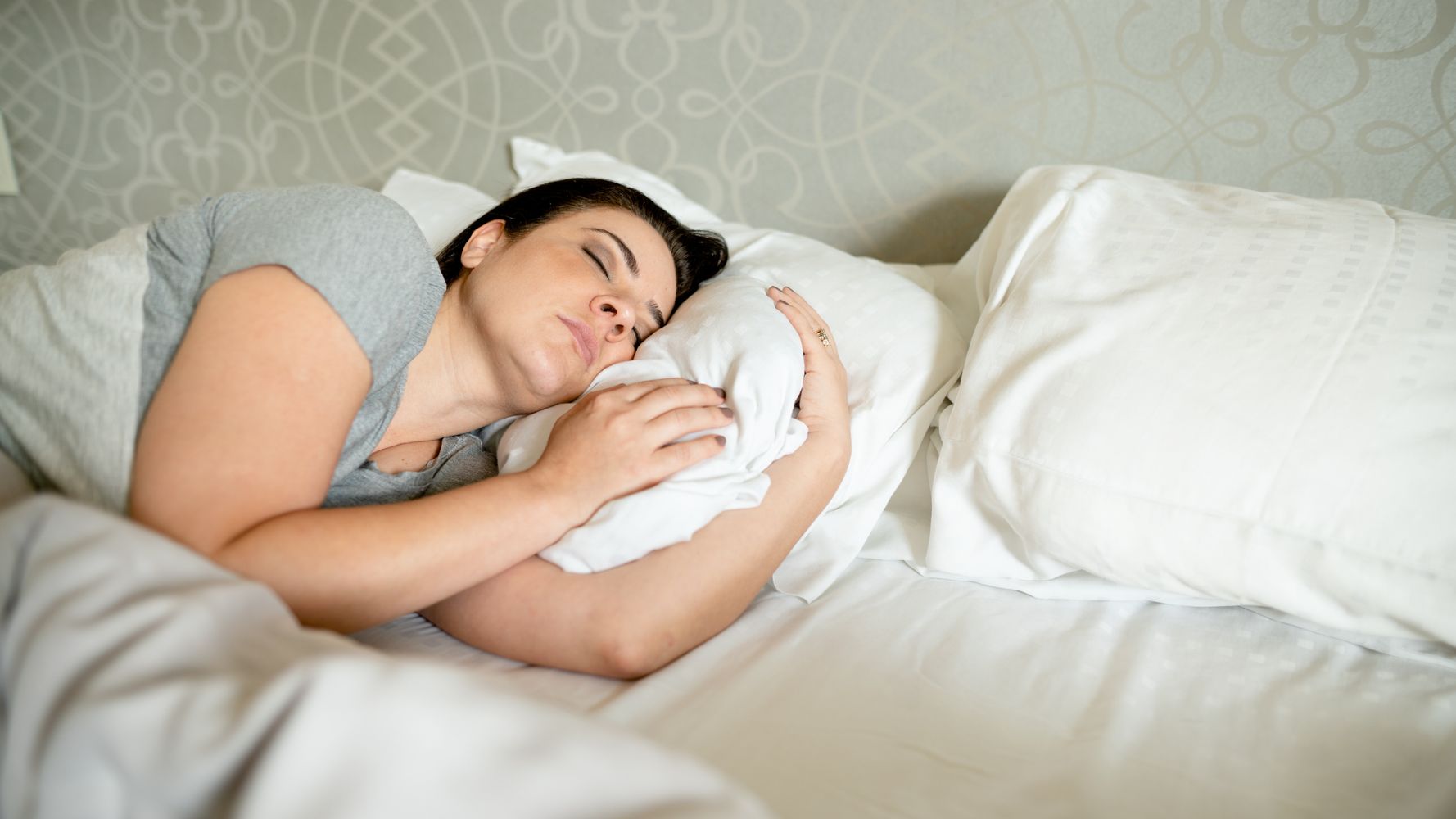
Sleep, O sweet sleep, where art thou? Some nights it’s impossible to doze off, all the world’s thoughts heavy on your eyelids.
So whenever I see a trick or vital TikTok that promises a hack to make you fall asleep instantly, I’m hooked.
Advertisement
This week, I came across a content creator who goes by @YoungerYouDoc, teaching people “how to become the youngest version of themselves”.
In one video, he demonstrates how rubbing your wrists for two to three minutes can help you nod off. This is because a spot on your wrist provides one of several pressure points for sleep, according to reflexologists.
“There are four acupressure points starting at the pinky side of the wrist crease and moving up the inner forearm,” Dr Shari Auth, chief healing officer and co-founder of WTHN, told Bustle.
“They are good for insomnia and are excellent to rub at bedtime. These points are commonly used by acupuncturists to treat sleep, palpitations, and mental health issues such as depression and anxiety.”
Advertisement
So, for the last two nights I’ve tried the trick to see how it affects me. And unfortunately, it didn’t help at all.
Perhaps I had the wrong point (I watched a video about pressure points and it seems I did rub the suggested area). But what stopped me from falling into a slumber was being conscious that I was rubbing my wrist.
Before I fall asleep I like to be as still as possible, so I think for me it felt unnatural to keep rubbing for a few minutes.
I also switched hands in case one wrist was more effective than the other. But after doing it for a while, my wrist started getting warm and I decided to give up.
Advertisement
I also didn’t sleep very well and it took me longer to fall asleep than it would usually (though that might be unrelated).
As far as sleep hacks go, I prefer content creator Justin Agustin’s method.
In another viral video, he explained how his two-minute method was adopted by military personnel who often sleep in rough conditions.
It consists of incrementally relaxing your body, then imagining a warm light travelling through your body, while focussing on your breathing. Then you clear your mind of all stresses.
To do this, Agustin advises imagining one of two scenarios; the first is lying in a canoe in a calm clear lake, with a blue sky above you. The other is lying in a velvet black hammock under a pitch black sky.
Any time your thoughts try to distract you, repeat the words ‘don’t think’ 10 times.
Sounds simple enough, right? Well, Agustin explains, you’d need to do this every day for six weeks to see it work effectively enough to fall asleep within two minutes.
It might sound tedious, but it might be worth it in the long run.

When most people think of aging, they think of loose skin, brittle hair and fragile bones — but there’s one more thing to add to the list, and it involves your nails.
With time, you may have noticed changes to your nails’ texture, thickness, strength and even growth rate. According to experts, this is completely normal, and most people will experience age-related nail changes by the time they’re 40. Despite these side effects of aging being inevitable, there’s a lot you can do to manage them.
Advertisement
We tapped experts to learn about the different ways nails change as we get older along with tips on how to navigate them.
Noticing ridges on your nails? This is referred to medically as onychorrhexis and is akin to wrinkles on the nail.
“When parts of the nail growth plate (aka the nail matrix) become thinner and begin to atrophy, the result is ridging (parallel longitudinal depressions in the nail plate),” said Dr. Dana Stern, assistant clinical professor of dermatology at Mount Sinai Hospital in New York.
A number of things can contribute to onychorrhexis, including nutritional deficiencies and hormonal changes, but age is another factor.
Advertisement

Giuseppe Elio Cammarata via Getty Images
According to Dr. Michelle Henry, the founder of Skin and Aesthetic Surgery of Manhattan, our nails can also become brittle over time. This is due in large part to the degradation of the structural keratin proteins in our nails, which play a major role in our nail health and protect against external damage.
“As we age, our bodies start to produce less of the natural proteins found in nails, which can lead to nails becoming more brittle, dry, and prone to breaking,” Henry noted. “These keratin proteins are also found in our hair follicles, which is why we may also see a change in our hair texture as we age.” What’s more, if you have a family history of brittle nails, one study found that your chance of developing brittle nails is greater.
If you’ve removed your nail polish only to find that your natural nails are yellowing, know that it’s most likely related to a slower growth rate.
“Fingernails grow on average 3.47 mm a month, which means the average fingernail takes six months to replace,” Stern said. “As our nail growth rates slow, the nails are exposed to considerably more environmental influences and these exposures, over time, can affect the color and overall appearance and strength of our nails.” Other common causes of yellowing include fungal infections and prolonged polish wear, Stern added.
Advertisement
But why exactly does nail growth rate slow down with age? Henry said it relates back to our bodies producing fewer keratin proteins. “With less keratin being produced, our nails naturally start to lose their strength and structural integrity, which may lead to thinning and discoloration,” she said.
An often-overlooked nail change people undergo relates to cuticles. Cuticles act as the nail’s natural protective seal, and when they’re ragged and dehydrated, they can separate and lift, resulting in hangnails and openings where organisms and water can enter the nail unit, Stern said. This can not only lead to infection but, combined with other changes in nail texture and thickness, can highlight these age-related changes. Ultimately, healthy cuticles can contribute to more youthful-looking nails.
Finally, onycholysis, a condition in which the nail lifts off the underlying nail bed, is one of the most common age-related nail changes, according to Stern. “The slightest trauma, such as overly vigorous cleaning under the nail with a tool, can result in the nail lifting off of the nail bed,” Stern said. Over time and with age, your nails may fail to adhere to nail beds as firmly as well.
Catherine Falls Commercial via Getty Images
There are several things you can do to manage age-related nail changes. For one, develop a routine for your cuticles to keep them hydrated and well-kempt. Stern recommended gently pushing them back with a washcloth after a shower or bath, as well as hydrating them daily with oils or ointments (versus creams, which tend to not absorb as effectively, she said). If you’re experiencing a hangnail, resist the urge to bite or pull it off and instead use a clean cuticle nipper and cut it at the base. When it comes to using nail polish remover, look for hydrating, acetone-free formulas, as acetone can dehydrate and weaken the nail and surrounding area.
Advertisement
Also, consider the nail file you use. Stern said to use a glass file instead of a cardboard emery board, as these can cause microscopic tears at the nail tip, which can turn into splits and breakage. Glass files, on the other hand, create a perfectly smooth edge. And, be sure to replace dull nail clippers, as Stern said old ones can lead to splits and snags.
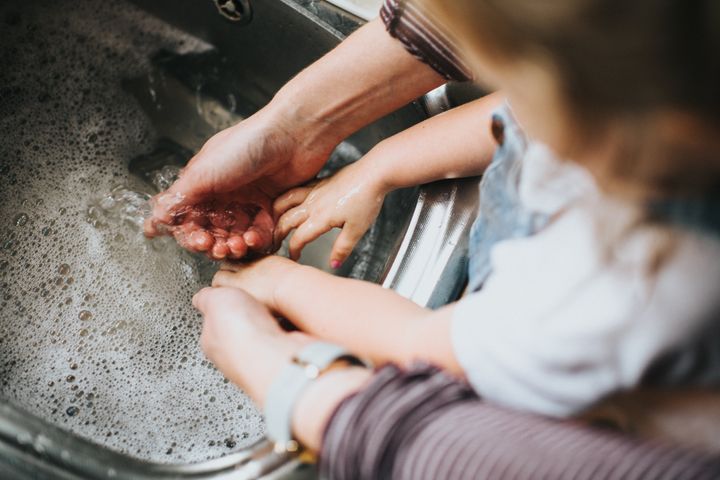
You should also consider the amount of water that hits your nails. “Nails are extremely absorptive of water (even more so than skin) ― when water is constantly moving in and out of the nail it puts a tremendous strain on the delicate nail cells, which can result in weakening, softening and breakage,” Stern explained. Not to mention, this can dehydrate your cuticles and cause them to lift and separate, which can lead to hangnails or openings where infections can more easily gain entry. A good solution? Wear protective gloves when washing dishes, cleaning the house or gardening.
Finally, Stern said if you’re experiencing sudden nail changes, see your board-certified dermatologist, as these can potentially be a sign of internal disease.

Court backs Ted Jennings to try for a baby with a surrogate, using embryo he created with late wife.
More than 1,300 claims have been made but only about 20 sent for medical assessment.

New Princeton research shows that prehistoric megatooth sharks — the biggest sharks that ever lived — were apex predators at the highest level ever measured.
Megatooth sharks get their name from their massive teeth, which can each be bigger than a human hand. The group includes Megalodon, the largest shark that ever lived, as well as several related species.
While sharks of one kind or another have existed since long before the dinosaurs — for more than 400 million years — these megatooth sharks evolved after the dinosaurs went extinct and ruled the seas until just 3 million years ago.
“We’re used to thinking of the largest species — blue whales, whale sharks, even elephants and diplodocuses — as filter feeders or herbivores, not predators,” said Emma Kast, a 2019 Ph.D. graduate in geosciences who is the first author on a new study in the current issue of Science Advances. “But Megalodon and the other megatooth sharks were genuinely enormous carnivores that ate other predators, and Meg went extinct only a few million years ago.”
Her adviser Danny Sigman, Princeton’s Dusenbury Professor of Geological and Geophysical Sciences, added, “If Megalodon existed in the modern ocean, it would thoroughly change humans’ interaction with the marine environment.”
A team of Princeton researchers has now discovered clear evidence that Megalodon and some of its ancestors were at the very highest rung of the prehistoric food chain — what scientists call the highest “trophic level.” Indeed, their trophic signature is so high that they must have eaten other predators and predators-of-predators in a complicated food web, say the researchers.
“Ocean food webs do tend to be longer than the grass-deer-wolf food chain of land animals, because you start with such small organisms,” said Kast, now at the University of Cambridge, who wrote the first iteration of this research as a chapter in her dissertation. “To reach the trophic levels we’re measuring in these megatooth sharks, we don’t just need to add one trophic level — one apex predator on top of the marine food chain — we need to add several onto the top the modern marine food web.”
Megalodon has been conservatively estimated at 15 meters long — 50 feet — while modern great white sharks typically top out around five meters (15 feet).
To reach their conclusions about the prehistoric marine food web, Kast, Sigman and their colleagues used a novel technique to measure the nitrogen isotopes in the sharks’ teeth. Ecologists have long known that the more nitrogen-15 an organism has, the higher its trophic level, but scientists have never before been able to measure the tiny amounts of nitrogen preserved in the enamel layer of these extinct predators’ teeth.
“We have a series of shark teeth from different time periods, and we were able to trace their trophic level versus their size,” said Zixuan (Crystal) Rao, a graduate student in Sigman’s research group and a co-author on the current paper.
One way to tuck in an extra trophic level or two is cannibalism, and several lines of evidence point to that in both megatooth sharks and other prehistoric marine predators.
The nitrogen time machine
Without a time machine, there’s no easy way to recreate the food webs of extinct creatures; very few bones have survived with teeth marks that say, “I was chewed on by a massive shark.”
Fortunately, Sigman and his team have spent decades developing other methods, based on the knowledge that the nitrogen isotope levels in a creature’s cells reveal whether it is at the top, middle or bottom of a food chain.
“The whole direction of my research team is to look for chemically fresh, but physically protected, organic matter — including nitrogen — in organisms from the distant geologic past,” said Sigman.
A few plants, algae and other species at the bottom of the food web have mastered the knack of turning nitrogen from the air or water into nitrogen in their tissues. Organisms that eat them then incorporate that nitrogen into their own bodies, and critically, they preferentially excrete (sometimes via urine) more of nitrogen’s lighter isotope, N-14, than its heavier cousin, N-15.
In other words, N-15 builds up, relative to N-14, as you climb up the food chain.
Other researchers have used this approach on creatures from the recent past — the most recent 10-15 thousand years — but there hasn’t been enough nitrogen left in older animals to measure, until now.
Why? Soft tissue like muscles and skin are hardly ever preserved. To complicate matters, sharks don’t have bones — their skeletons are made of cartilage.
But sharks do have one golden ticket into the fossil record: teeth. Teeth are more easily preserved than bones because they are encased in enamel, a rock-hard material that is virtually immune to most decomposing bacteria.
“Teeth are designed to be chemically and physically resistant so they can survive in the very chemically reactive environment of the mouth and break apart food that can have hard parts,” Sigman explained. And in addition, sharks aren’t limited to the 30 or so pearly whites that humans have. They are constantly growing and losing teeth — modern sand sharks lose a tooth every day of their decades-long lives, on average — which means that every shark produces thousands of teeth over its lifetime.
“When you look in the geologic record, one of the most abundant fossil types are shark teeth,” said Sigman. “And within the teeth, there is a tiny amount of organic matter that was used to build the enamel of the teeth — and is now trapped within that enamel.”
Since shark teeth are so abundant and are preserved so well, the nitrogen signatures in enamel provide a way to measure status in the food web, whether the tooth fell from a shark’s mouth millions of years ago or yesterday.
Even the largest tooth has only a thin casing of enamel, of which the nitrogen component is only a tiny trace. But Sigman’s team has been developing more and more refined techniques for extracting and measuring these nitrogen isotope ratios, and with a little help from dentist drills, cleaning chemicals and microbes that ultimately convert the nitrogen from within the enamel into nitrous oxide, they’re now able to precisely measure the N15-N14 ratio in these ancient teeth.
“We’re a little bit like a brewery,” he said. “We grow microbes and feed our samples to them. They produce nitrous oxide for us, and then we analyze the nitrous oxide they produced.”
The analysis requires a custom-built, automated nitrous oxide preparation system that extracts, purifies, concentrates and delivers the gas to a specialized stable isotope ratio mass spectrometer.
“This has been a multiple-decades-long quest that I’ve been on, to develop a core method to measure these trace amounts of nitrogen,” Sigman said. From microfossils in sediments, they moved on to other types of fossils, like corals, fish ear bones and shark teeth. “Next, we and our collaborators are applying this to mammalian teeth and dinosaur teeth.”
A deep dive into the literature during lockdown
Early in the pandemic, while her friends were making sourdough starters and bingeing Netflix, Kast pored through the ecologic literature to look for nitrogen isotope measurements of modern marine animals.
“One of the cool things that Emma did was really dig into the literature — all the data that’s been published over decades — and relate that to the fossil record,” said Michael (Mick) Griffiths, a paleoclimatologist and geochemist at William Patterson University and a co-author on the paper.
As Kast quarantined at home, she painstakingly built up a record with more than 20,000 marine mammal individuals and more than 5,000 sharks. She wants to take things much further. “Our tool has the potential to decode ancient food webs; what we need now is samples,” said Kast. “I’d love to find a museum or other archive with a snapshot of an ecosystem — a collection of different kinds of fossils from one time and place, from forams near the very base of the food web, to otoliths — inner ear bones — from different kinds of fish, to teeth from marine mammals, plus shark teeth. We could do the same nitrogen isotope analysis and put together the whole story of an ancient ecosystem.”
In addition to the literature search, their database includes their own samples of shark teeth. Co-author Kenshu Shimada of DePaul University connected with aquariums and museums, while co-authors Martin Becker of William Patterson University and Harry Maisch of Florida Gulf Coast University gathered megatooth specimens on the sea floor.
“It’s really dangerous; Harry’s a dive master, and you really need to be an expert to get these,” said Griffiths. “You can find little shark teeth on the beach, but to get the best-preserved samples, you need to go down to the bottom of the ocean. Marty and Harry have collected teeth from all over the place.”

With some 7,000 islands and cays and a 7,000-year history of human habitation, the Caribbean Sea is practically synonymous with maritime travel. The very word “canoe” is derived from the term “kana:wa,” used by the Indigenous Arawakans of the Caribbean to describe their dugout vessels.
Without clear road signs to indicate where native islanders were traveling, however, the task of reconstructing ancient trade routes relies on subtle clues locked away in the archaeological record. Researchers at the Florida Museum of Natural History recently turned to pottery to tease apart the navigational history of the Caribbean, analyzing the composition of 96 fired clay fragments across 11 islands.
The study, published in the Journal of Archaeological Science: Reports, is the broadest of its kind yet conducted in the Greater Antilles and marks the first time that pottery artifacts from the Lucayan Islands — The Bahamas plus the Turks and Caicos Islands — have been analyzed to determine their elemental composition and origin.
“Our methods mark a big improvement over other studies that mostly look at a single site or single island, where you might see differences but not know what it means because you’re looking at the results in isolation,” said co-author Lindsay Bloch, a courtesy faculty member with the Florida Museum’s Ceramic Technology Lab.
People have lived on the Caribbean islands on and off for more than 7,000 years, migrating in waves from Central and South America. As early as 800 B.C., new groups arrived from Venezuela and established a trading network among islands, which they used to exchange food, tools and jewelry. But the most common artifacts that survived to the present are the pottery vessels these objects were carried in.
“Most materials don’t preserve well in the Caribbean because of the warm, humid environment, but pottery is durable, so it ends up being one of the most common things we find,” said lead author Emily Kracht, a collections assistant in the Ceramic Technology Lab.
Over the ensuing millennia, different Caribbean cultures developed unique styles and techniques for constructing their pottery. Some artifacts are simple and unadorned, while others are highly decorated, with a lattice of incised lines, punctations, raised ridges and flared rims.
Many studies have relied almost entirely on similarities in style to distinguish between different cultures and infer their movements. But, as Bloch explains, this method has often left more questions than answers and excludes material with potentially valuable information.
“The vast majority of pottery that we find anywhere in the world is going to be undecorated. It’s going to be things used for cooking or storage, which are typically plain and often get ignored because they’re seen as generic,” she said.
Rather than studying the minutiae of varying styles, the researchers focused instead on what the pottery was made of. Using a laser to etch microscopic lines into their samples, the researchers determined the exact amounts and identities of each element in the clay used to make the pottery. Their final analysis included more than seven decades’ worth of archaeological collections that span over 1,000 years of Indigenous Caribbean history.
“One of the advantages of elemental analysis is that we’re explicitly looking for differences, which allows us to see where a pot was made and compare that to where it ended up,” Bloch said.
Such detailed comparisons are possible due to the complexity of the Caribbean’s underlying geology. The largest islands in the archipelago likely got their start as an ancient underwater plateau in the Pacific Ocean. After the breakup of the supercontinent Pangaea, the Caribbean plate drifted east in a flurry of volcanic eruptions that elevated the plateau above sea level before ultimately reaching its current position in the Atlantic.
Millions of years of weathering reduced these volcanic outcrops into fine-grained clays with differing concentrations of elements like copper, nickel, chromium and antimony. These differences mean that even the smallest Caribbean pottery sherd bears the elemental signature of the region it was made in.
The results of researchers’ comparative analysis aren’t what might be expected by simply looking at a map. The Lucayan Islands were initially used only temporarily for harvesting resources, and the people who traveled to them would have set sail from the larger islands to the south that supported permanent population centers.
Cuba might initially seem like it’s the perfect staging ground for these operations, being by far the largest Caribbean island and the closest to The Bahamas. While people did make the trek across open water from Cuba, the results of the study indicate the Caribbean’s cultural hub was instead centered on the northwest coast of Hispaniola, from which people imported and exported goods for hundreds of years.
“At least some of the pottery would have been used to ferry goods out to these islands, and people would potentially carry back a variety of marine resources,” Bloch said.
People eventually struck up permanent settlements in The Bahamas and Turks and Caicos, becoming collectively known as the Lucayans, or the People of the Islands. They began making their own pottery from claylike soils deposited by African dust plumes blown in from the Saharan Desert, but the results didn’t quite hold up to the pottery from Hispaniola — literally. Lucayan pottery, called Palmetto Ware, is most often thick and soft and crumbles over time due to the poor quality of the grainy Saharan soil.
Thus, up until the arrival of the Spanish, Hispaniola remained the main trading partner and exporter of pottery to the Lucayan Islands.
“We knew that the Lucayans were related to people in Hispaniola, and this study shows their enduring relationship over hundreds of years through pottery,” Kracht said.
William Keegan of the Florida Museum of Natural History is also a co-author on the study.
