My Family Didn’t Want Me To Know Who My Grandpa Was. At 13, I Finally Found Out Why.

Most people sign their names on forms, emails and notes without giving it a second thought, but every time I write my name or introduce myself, there’s a twinge of hesitation.

Last week, I stood in a small art gallery in the East Village and stared at a list of names spelled out in black vinyl letters and affixed to a wall near the entrance. As people moved through the space looking at the actual artwork, I stood with my eyes locked on my own name, slowly analysing each letter. I was simultaneously proud and disgusted because I couldn’t shake the fact that my accomplishments are linked to the name of a man who assaulted my grandmother, refused to acknowledge my father’s birth and doesn’t even know I exist.

In the latter years of World War II, as part of the WAVES (Women Accepted for Volunteer Emergency Service) program, my grandmother Josephine Jovino, born and raised in Sunset Park, Brooklyn, was shipped out to the Naval Air Station in Jacksonville, Florida, where she worked as an aviation mechanic. While living there, she met Cecil. They went on a single date, he sexually assaulted her, and they never spoke again after that night. My grandmother had not only experienced a great trauma, but she soon discovered she was pregnant with her abuser’s child. She sent a letter to Cecil telling him about the pregnancy, but he never responded.

My father, William Jovino, was born later that year, and together, Josephine and baby Billy, as he was affectionately called, returned to Brooklyn to live with Josephine’s parents. It was 1947, and being a single mother was not necessarily unusual because of the vast number of fathers who died in the war, but openly having a child outside of wedlock was not socially acceptable. Due to fears about how my father would be received in the neighbourhood, my great-grandparents firmly encouraged my grandmother to change not only my father’s name, but also hers, to Short, Cecil’s surname, thereby giving the impression that she was previously married and that Billy was born legitimately.

Seventy-nine years later, Short has been passed to my older brother, my mother, my brother’s wife, my 4-year-old nephew and me.

A portrait of the author's grandmother Josephine during her time serving in the Navy (1944).

Courtesy of Ciaran Short

A portrait of the author’s grandmother Josephine during her time serving in the Navy (1944).

I never gave much thought to my last name when I was growing up. I was more preoccupied with having to constantly correct the pronunciation of my first name, Ciarán (“KEER-awn”), which was a battle I slowly abandoned in elementary school, when I dropped the accent and went by the still-difficult-to-pronounce but more familiar “KEER-an,” like Kieran Culkin. As I grew accustomed to answering to everything from “Karen” to “Syrian” in the cacophony of mispronunciations of my name, I gained a greater sensitivity to the meaning and power of names. When I discovered the origins of my family’s last name, I was dumbfounded.

My grandmother was a social worker for the majority of her life, a devout Catholic and fluent in French. These are facts I learned from reading her biography on a paper handout at her funeral when I was 7 years old. I also learned she was born with a different last name than mine: Jovino. I innocently inquired about this and was met with an intensely disproportionate amount of animosity from my father, which made me even more curious.

I knew my dad grew up without ever meeting his father, and from the ferocity with which he spoke of my absent grandfather whenever I asked, I learned early on not to bother him with questions about this mysterious figure in our lineage. Instead, I directed all sensitive inquiries to my mom. When I asked her why Grandma’s whole family had the last name Jovino and we didn’t, she didn’t dismiss me, but coolly said, “You’ll understand when you’re older.” I asked my brother, who was five years older than me, and he said Short must have been our grandpa’s last name. “But we don’t have a grandpa,” I asserted.

Six years later, when I was taking a computer research class in middle school, I was tasked with making a family tree. I grew up using the internet, so even at 13, I was able to find birth records, marriage certificates and other details to fill out a thorough tree on the maternal side of my family by starting a seven-day trial on Ancestry.com. I came across very little information about my dad’s side — until I remembered the name Jovino. However, I realized I didn’t even know my paternal grandfather’s first name.

I went home and presented what I had discovered at school that day. I didn’t have to do much after that to get my mom to tell me the truth. I had no delusions about my paternal grandfather being a war hero or secret rock star, but I wasn’t expecting him to be a monster.

My maternal grandmother was the gentlest person I ever met. She spoke at a volume barely above a whisper, smiled and said hello to everyone we passed on the street, and spent hours of her days volunteering at her church. I was heartbroken knowing that she was not only assaulted by this man, but also had to take his name and be constantly reminded of him. I was also filled with rage on her behalf. From that point on, I constantly pleaded with my parents to change our last name to my grandmother’s original surname. I printed forms, found articles with detailed instructions, and one year, I even created matching shirts for everyone with “Jovino” printed on the backs.

My enthusiasm was met with somber indifference. My parents also hated what the name represented, but they didn’t see the point of changing their name after so many years. The harder I pushed, the sadder my dad seemed to get, so I gave up that fight when I was 17 and began to concentrate on a new goal: finding Cecil and forcing him or his family to acknowledge my family’s existence.

The only things I had to aid me in my search were his name and his military record. It turns out more than one Cecil Short was enlisted during World War II, which made things more complicated than I expected. I tried messaging a couple of relatives of the various Cecil Shorts I found online, but none of them responded. Rather than continuing to grope in the dark and jump down every online rabbit hole I found, I tucked my feelings away. After some time had passed, my animosity receded into a silent discomfort that I was able to tolerate.
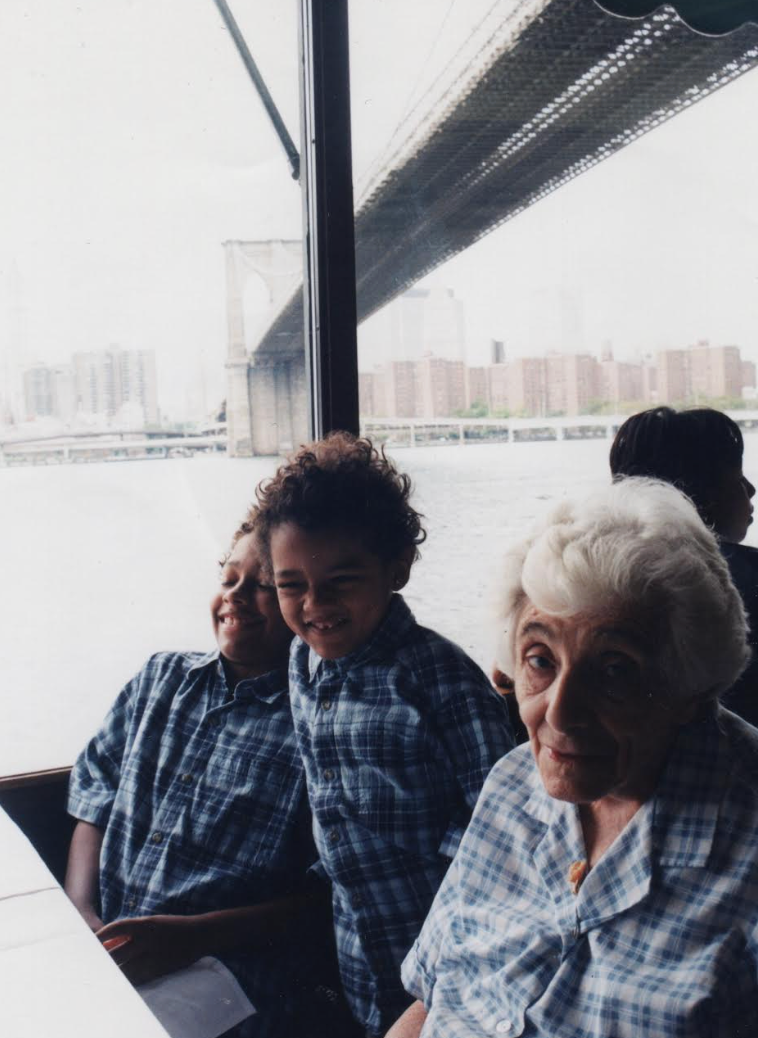
The author (middle), his older brother and his grandmother in 2004.

Courtesy of Ciaran Short

The author (middle), his older brother and his grandmother in 2004.

Things came to a head again in 2021 when my nephew was born. It felt completely unnecessary to have this brand-new, innocent baby be anchored down by a legacy of trauma and shame due to his last name. I was 23 at the time and equipped with a liberal arts post-grad moral superiority complex that gave me the skills and passion to make a far more convincing argument than I had in the past, but, once again, it fell on uninterested ears. I had become politically active during my college years, which coincided with Donald Trump’s first term, the start of the MeToo movement and George Floyd’s murder. I spent hours and hours organizing protests and going to marches, sit-ins, and demonstrations on behalf of strangers, yet in my own family, it felt as though the ghost of a genuine villain was perpetually haunting us, and there was nothing I could do about it.

The current Short family is composed of my father, who was raised in a very stereotypical working-class Italian-American household in Brooklyn during the 1950s, my mother who was born and raised in the Bronx by her parents (two Jamaican immigrants), myself and my brother (two Upper West Siders who are mixed race but identify and visually present as Black), my brother’s wife (a Chinese immigrant), and now my nephew, who is Chinese, Black, Italian, and whatever Cecil is. My family’s complex cultural heritage has been completely flattened into the generic surname of a white man, who, based on my calculations, was born in the South in the early 1920s.

I know nothing about Cecil’s lineage or what his feelings were about identity politics, but his surname enduring through various generations of racial amalgamation is hardly unique. Through forced assimilation, slavery, prejudice faced by immigrants, and various other forms of colonisation that have shaped our country, cultural erasure via altering or completely changing names is nothing new in America.

I’m now 27 years old, engaged to be married, and facing the question of whether I want my fiancée to share my last name. When considering the broader context of my family’s name, I’ve come to realise that my biggest issue with our surname is what it conceals and, in turn, who it celebrates. Beneath every last name are hundreds of ancestors whose impact on a lineage gets a little bit dimmer and more obscured with every passing generation. One can only have so many hyphens in a name.

While I still feel a deep-seated unease about having Cecil Short’s last name, I cannot escape the fact that I’m his descendant, and I’ve realised that to change my name would be to abridge my family’s story. What feels far more resonant for me is to embrace and acknowledge the peaks and valleys in my lineage. Rather than running away from a shameful family secret, I believe facing it head-on and chronicling it will allow me to finally move forward and give a new context to my name. I now believe that my surname doesn’t represent shame but instead honors what my grandmother endured. By embracing her perseverance and maintaining a record of where my family has been and how we got to where we are now, I hope our story won’t be forgotten, even when the names of my descendants inevitably change.

Ciaran Short is a multidisciplinary artist and writer born and raised in New York City. His work explores New York culture and often tackles issues of race and masculinity. He is a cofounder of All Street Gallery, an art collective and gallery with two locations in Manhattan’s Lower East Side, which exhibits work by emerging and underrepresented artists. He holds a master’s degree in media studies from The New School.

Do you have a compelling personal story you’d like to see published on HuffPost? Find out what we’re looking for here and send us a pitch at pitch@huffpost.com.

Share Button

Satellites are exposing weak bridges in America and around the world

Scientists are using satellites to reveal which bridges around the world may be at risk of failure — and how to catch problems before disaster strikes.

  • Adding satellite monitoring to bridge inspections reduces the number of structures labeled high risk by about one third.
  • Among the bridges that still rank as high risk, roughly half could benefit from ongoing observations from space.
  • The biggest gains could occur in regions such as Africa and Oceania, where bridge monitoring is currently limited or almost nonexistent.

A researcher from the University of Houston is helping identify vulnerable bridges across the planet and offering a new way to address potential failures before they become catastrophic.

In a global analysis of 744 bridges published in Nature Communications, Pietro Milillo and collaborators from several international institutions evaluated the condition of bridges around the world. Their results showed that bridges in North America are generally in the poorest condition, followed by those in Africa. The team also proposed a strategy that could transform how infrastructure is monitored worldwide by using satellites to track bridge stability and detect warning signs early.

Aging Infrastructure and a Growing Risk

Many of the bridges identified in the study are approaching the limits of their intended lifespan. Construction of bridges in North America surged during the 1960s, meaning many of these structures are now decades old and nearing or surpassing their original design life.

To address this challenge, researchers are turning to space based monitoring systems that rely on Synthetic Aperture Radar. This technology captures high resolution images frequently and covers large areas of the planet, while also providing access to extensive historical data.

“Our research shows that spaceborne radar monitoring could provide regular oversight for more than 60 percent of the world’s long-span bridges,” said Milillo, co author of the study and an associate professor of civil and environmental engineering at UH. “By integrating satellite data into risk frameworks, we can significantly lower the number of bridges classified as high-risk, especially in regions where installing traditional sensors is too costly.”

Detecting Tiny Movements From Space

The international research team included Dominika Malinowska from Delft University of Technology (TU Delft) and the University of Bath, Cormac Reale and Chris Blenkinsopp from the University of Bath, and Giorgia Giardina from TU Delft. They relied on a remote sensing method known as Multi-Temporal Interferometric Synthetic Aperture Radar (MT-InSAR).

This technique can complement traditional inspections by identifying extremely small shifts in structures. The system can measure movements as small as a few millimeters caused by slow geological processes such as landslides or ground subsidence. It can also reveal unusual patterns across wide areas that might signal emerging structural issues.

Bridges represent some of the most fragile components of transportation systems, yet the current approaches used to monitor them have clear limitations. Visual inspections carried out in person can be costly and sometimes subjective. They are also typically performed only twice a year, which means early warning signs of deterioration may go unnoticed between inspections.

Structural Health Monitoring (SHM) sensors provide a more continuous way to track structural performance. However, these systems are usually installed only on newer bridges or structures already known to have issues. According to the study, fewer than 20% of the world’s long span bridges are equipped with these sensors, leaving many structures without consistent monitoring.

A Satellite Based Monitoring Solution

“Remote sensing offers a complement to SHM sensors, can reduce maintenance costs, and can support visual inspections, particularly when direct access to a structure is challenging,” said Millilo. “For bridges specifically, MT-InSAR allows for more frequent deformation measurements across the entire infrastructure network, unlike traditional inspections, which typically occur only a few times per year and require personnel on the ground.”

Said Malinowska. “While using MT-InSAR to monitor bridges is well-established in academic circles, it has yet to be routinely adopted by the authorities and engineers responsible for them. Our work provides the global-scale evidence showing this is a viable and effective tool that can be deployed now.”

The researchers found that adding MT-InSAR data to bridge risk evaluations can improve accuracy. The technique analyzes satellite pixels known as persistent scatterers (PS), which have stable radar reflections. Using these signals reduces uncertainty and allows engineers to better prioritize which bridges require maintenance or closer inspection.

The approach proposed by the research team combines monitoring information from SHM sensors with satellite observations from systems such as the European Space Agency’s Sentinel-1 and the recently launched NASA NISAR mission. Integrating these data sources into a bridge’s structural vulnerability score allows engineers to receive more frequent updates than traditional inspection schedules provide.

With more consistent monitoring, authorities can gain a clearer picture of a bridge’s condition and make better decisions about maintenance and risk management.

Share Button

Donald Trump Launches His Fiercest Attack Yet On Keir Starmer Over UK Response To Iran War

The US president described Britain as “our once great ally” as he told the prime minister that America doesn’t need the two Royal Navy aircraft carriers due to be sent to the Gulf.

He added: “We will remember. We don’t need people that join Wars after we’ve already won.”

Trump’s comments, in a post on Truth Social, are another shattering blow to the so-called “special relationship” between Britain and America.

The president said: “The United Kingdom, our once Great Ally, maybe the Greatest of them all, is finally giving serious thought to sending two aircraft carriers to the Middle East. That’s OK, Prime Minister Starmer, we don’t need them any longer — But we will remember. We don’t need people that join Wars after we’ve already won!”

Trump has been furious with Starmer ever since he turned down his initial request for US jets to use British bases to launch bombing raids alongside the Israelis in Iran.

Starmer changed his mind las Sunday after Iran began bombing countries across the Gulf region, putting up to 300,000 British lives at risk.

Share Button

AI discovers the hidden signal of liquid-like ion flow in solid-state batteries

All-solid-state batteries (ASSB) are widely viewed as a safer and potentially more energy-dense alternative to traditional lithium-ion batteries. Their performance depends strongly on how quickly ions can travel through solid electrolytes. Identifying materials that enable this rapid ion movement has traditionally required time-consuming synthesis and experimental characterization. Researchers also rely on computer simulations, but existing computational approaches often struggle to accurately model the complex and disordered behavior of ions at high temperatures.

Another major difficulty is detecting and predicting when ions move through crystals in a liquid-like manner. Standard computational techniques that attempt to calculate the properties of such dynamically disordered systems demand extremely high computing power, making large-scale studies impractical.

Machine Learning Predicts Raman Signals of Liquid-Like Ion Motion

To address these challenges, researchers developed a machine learning (ML) accelerated workflow that combines ML force fields with tensorial ML models to simulate Raman spectra. Their findings show that strong low-frequency Raman intensity can act as a clear spectroscopic indicator of liquid-like ionic conduction.

When ions move through a crystal lattice in a fluid-like way, their motion temporarily disturbs the lattice symmetry. This disturbance relaxes the usual Raman selection rules and produces distinctive low-frequency Raman scattering. These spectral signals can be directly connected to high ionic mobility.

The new approach allows scientists to simulate the vibrational spectra of complex and disordered materials at realistic temperatures with near-ab initio accuracy while significantly reducing computational cost. When applied to sodium-ion conducting materials such as Na3SbS4, the method revealed pronounced low-frequency Raman features. These signals arise from symmetry breaking caused by rapid ion transport and provide a reliable indicator of fast ionic conduction. The results also help explain earlier experimental observations and open the door to high-throughput screening for new superionic materials.

Raman Features Reveal Superionic Conductors

The researchers further tested the method using sodium-ion conducting systems. The workflow successfully identified Raman signatures linked to liquid-like ion motion. Materials that displayed strong low-frequency Raman features also showed high ionic diffusivity and dynamic relaxation of the host lattice.

By contrast, materials where ion transport occurs mainly through hopping between fixed positions did not produce these Raman signatures. This distinction highlights how Raman signals can reveal the underlying transport mechanism inside a material.

Accelerating Discovery of Advanced Battery Materials

By extending the breakdown of Raman selection rules beyond traditional superionic systems, the study provides a broader framework for interpreting diffusive Raman scattering across many classes of materials. The ML-accelerated Raman pipeline connects atomistic simulations with experimental measurements, allowing scientists to evaluate candidate materials more efficiently.

This strategy introduces a powerful new route for data-driven discovery in energy storage research. By helping researchers quickly identify fast-ion conductors, the method could accelerate the development of high-performance solid-state battery technologies.

The findings were recently published in the online edition of AI for Science, an international journal focused on interdisciplinary artificial intelligence research.

Share Button

The Issues Straight Women Bring Up Most In Sex Therapy

Sexologist comment provided by licensed sexologist, relationship therapist, and author at Passionerad, Sofie Roos.

Last week, sexologist and therapist Sofie Roos shared the issues straight men most often brought up in sex therapy.

And this week, she spoke to us about straight women.

Here, she shared the topics she hears about most frequently:

1) Having a lower sex drive than their partner

“The single most common problem straight women bring up with me is that their sex drive has decreased or is overall low, while their partner is way more interested in being intimate, leading to worries and tension in the relationship,” Roos told us.

She added that women may be more likely to compare their lust levels to their partner’s, and feel their lower desire poses an “issue”.

2) Pain during penetrative sex

Experiencing pain during sex thanks to conditions like vulvodynia, vaginal dryness, or pelvic floor issues is “extremely common” among this group, said Roos.

“What most don’t know is that there’s both a physical and mental part… pain leads to fear, and fear leads to deeper problems,” leaving some in a vicious cycle.

3) Not orgasming during partnered sex

Straight women have long suffered from “the orgasm gap”. The sexologist said this doesn’t seem to be going away.

“Many straight women are having a very hard time orgasming during intimacy with their partner, and they don’t know how to solve it,” she said.

4) Body image issues

“I’ve met countless straight women that are extremely aware of how their own bodies look, smell and feel… they think so much about age, weight and how they are seen that it becomes difficult to just let go and be in the moment,” Roos added.

5) Losing desire thanks to the mental load

In straight relationships, the mental load – or having to think about, keep track of, and remember the endless tasks that keep a household going – still predominantly falls on women’s shoulders.

And the sexologist said that can have a knock-on effect in the bedroom. Doing “all the planning… as well as all the emotional work in the relationship” can “lead to higher stress levels, which makes the body de-prioritise desire”.

6) Not putting their own pleasure first

“I often meet women who describe themselves as having a hard time with setting their sexual needs and boundaries first, as they’ve been taught to be accommodating rather than prioritise what they want and don’t want,” she stated.

So, uh, any advice?

Yes. The sexologist said that accepting shifts in your levels of lust and trying alternative forms of intimacy, like “oral sex, massage, kisses, caresses and more mentally-focused pleasure, such as roleplaying or dirty talk,” may help.

Explore your own desires, perhaps through masturbation, and communicate them with your partner. “As a majority of women can only reach all the way via clitoral stimulation, I also advise focusing more on that, either with your hands, mouth or a sex toy,” the sexologist said.

Remember also that “pain during sex isn’t normal”, so it’s important to seek professional help if you experience it.

And keep in mind that “your sex life isn’t isolated from the rest of the way you live, so try to look at your diet, sleep schedule, exercise habits, how you drink, how you deal with stress and how your relationships are,” she concluded.

Share Button

These 8 Common Habits Could Increase Your Risk Of Dementia

As folks grow older, many health fears come to mind. But one in particular tends to really worry folks.

“One of the most consuming fears of older adults [is] that they might lose their memory and become a burden to others,” said Dr. James Ellison, a geriatric psychiatrist at Jefferson Health in Philadelphia.

The specific type of memory loss that’s a top fear for many older adults is known as dementia, which is an umbrella term that refers to conditions that cause “mental loss, cognitive loss that’s severe enough to affect daily function,” said Dr. Victor Henderson, the director of the NIH Stanford Alzheimer’s Disease Research Center in California.

Dementia may make someone forget their address, not remember why they’re running a certain errand or no longer be able to pay bills they always pay. It’s a scary disease that some folks are genetically predisposed to, but there are thought to be lifestyle habits, too, that can put you at heightened risk.

“Let me begin with a caveat; there are a lot of lifestyle factors that have been associated with the risk of developing dementia. The caveat is that most of these haven’t been studied, at least adequately studied, in randomized clinical trials,” said Henderson.

Meaning, following the guidance below isn’t going to totally prevent a dementia diagnosis, but these are habits that also benefit your health as a whole. So, there’s no reason not to follow them, whether they are good for lowering your dementia risk, chance of a heart attack or bettering your mood. Here’s what to know:

Certain behavioral habits may put you at higher risk of developing dementia.

Javier Zayas Photography via Getty Images

Certain behavioral habits may put you at higher risk of developing dementia.

1. Ignoring the impact food has on your brain health.

“Many of the things that we talk about for dementia prevention or brain health optimization are the types of things that people will be familiar with hearing from cardiovascular and other health initiatives,” said Dr. Christina Prather, director of the Division of Geriatrics and Palliative Medicine at the George Washington University School of Medicine & Health Sciences.

“We always have said, what’s good for the heart is good for the brain,” Dr. Rudy Tanzi, the director of the McCance Center for Brain Health at Massachusetts General Hospital, previously told HuffPost.

Just as the Mediterranean diet ― which is high in healthy fats, lean meats, whole grains, fruits and veggies — is good for your heart health, it’s also good for your brain health, and is a diet that Prather recommends.

She also suggest following the MIND diet, which encourages whole grains, beans, berries, leafy greens, fish, olive oil and other foods that are said to have brain health benefits. A plant-based diet is also a good one to follow for brain health, Prather noted.

2. Not managing other health issues like diabetes, high blood pressure and more.

You shouldn’t shy away from managing your medical conditions, Prather said. Certain medical conditions, such as diabetes, high blood pressure and high cholesterol are dementia risk factors, she said.

“Really aggressively managing those risk factors is well established to be a way of reducing the risk of cognitive health dementia in the future,” Prather said.

“This is particularly important for vascular risk factors like atrial fibrillation or high blood pressure or hyperlipidemia,” Ellison added. Doing so protects circulation, blood supply and oxygen supply to the brain, Ellison noted.

This is important for the prevention of vascular dementia in particular, which happens when blood flow is blocked to the brain. Vascular dementia is a common kind of dementia.

3. Not getting enough restorative sleep.

“People need to sleep adequately because the brain renews itself during deep sleep and lowers its concentration of beta amyloid, which is the toxic protein that contributes to the development of Alzheimer’s disease,” said Ellison.

Prather added that you should also be sure to treat any sleep disorders that are interfering with your rest.

“There is an epidemic of undiagnosed sleep apnea in older adults,” Prather said.

And sleep apnea results in poor-quality sleep.

Sleep can also be impacted by the use of medications that induce sleep, she noted.

“Those are all signs your body is not getting the restorative sleep that it needs to consolidate memories and to have the most optimal cognitive function going forward,” said Prather.

4. Not making time for friends and family.

It’s also important to prioritize social connections, said Prather. “We know that loneliness and depression and isolation are exceptionally negative for health,” she noted.

“They have impacts on cognition as well as mortality,” said Prather.

“Loneliness is an epidemic among older adults, and has a mortality associated with it [that’s] similar to moderate smoking,” said Ellison.

Keeping your mind socially engaged is also an important way to stay cognitively engaged, Prather said, whether that’s by taking part in conversations or listening to stories from loved ones.

5. Drinking too much alcohol.

Lots of recent research has found that alcohol is not good for your health. It can lead to liver damage, increase your risk of certain cancers, and it’s also not good for your brain health.

“I tell people, if you’re having issues with your cognition or you’re worried about your memory, one of the first pieces of advice I’m going to give you is to reduce your alcohol use,” said Prather. Just like our body as a whole, the liver is aging and can’t handle alcohol the same way it could when you were 21.

“The other piece about alcohol is not only that, it’s a direct toxin (we increasingly know it increases risk for almost all cancers), but it can really disrupt sleep,” Prather said.

Next time you have a drink before bed, notice how it impacts your sleep, she suggested. And, as mentioned above, it’s important to get restorative sleep to reduce your dementia risk.

After 65, it’s recommended that folks have no more than one standard drink a day and no more than seven in a week, Prather noted.

The CDC recommends no more than two drinks each day for men and no more than one for women.

Head injuries are associated with a higher dementia risk, which makes it important to wear a helmet when getting on your bike.

Halfpoint Images via Getty Images

Head injuries are associated with a higher dementia risk, which makes it important to wear a helmet when getting on your bike.

6. Skipping out on exercise.

According to Ellison, it’s important to both live a generally active lifestyle and get in aerobic and other forms of exercise.

This could mean walking to do your errands instead of driving while also making plans to go to a workout class or go for a bike ride.

“It’s recommended that older adults exercise 30 minutes aerobically, five days a week, but only about 10% of those over 75 meet that level of activity,” said Ellison.

Exercise is good for your cardiovascular health, which, as mentioned above, is also good for your brain health.

Prather added that fitness is something you should be prioritizing no matter your age and, “well before any cognitive changes happen.”

7. Not wearing a helmet.

“One of the things I tell my patients is, if you’re bicycling, wear a helmet,” said Henderson.

“There have been a huge number of observational studies linking head injury to dementia,” Henderson added. There is a consistent association that head injuries likely do play a role in dementia risk, he said.

How large of a role does it play in someone’s dementia risk? “The answer might be that it doesn’t play a huge role at a population level, but on an individual level, it’s probably really important,” said Henderson.

8. Ignoring depressive symptoms.

“As a psychiatrist, of course I want to shine a little light on depression,” Ellison said.

While severe depression isn’t as common in older adults when compared to younger adults, both severe depression and low-grade depressive symptoms can disrupt the things that are important for cognitive health such as socialization, exercise, self-care and diet, Ellison noted.

“So, treatment of depression may be one way of improving cognitive aging,” he said.

Dementia rates are decreasing and it may be due to some of these lifestyle habits — but if someone does develop dementia, it’s not their fault.

“The number of people with dementia is increasing. I think everyone is aware of that. But it’s increasing in part because the number of people living to a very old age is increasing,” said Henderson.

Most dementia happens in older folks, Henderson added.

But, on the bright side, “if you look at the actual chance of getting dementia at a particular age, it’s actually come down slightly, not a whole lot, but slightly, and it seems to parallel advances in taking care of cardiovascular health,” Henderson said.

There are also now disease-modifying FDA-approved medications for the most common form of dementia, which is Alzheimer’s, said Ellison, who stressed that it’s important to start these medications early on in the disease course.

This makes it important to talk to your doctor if you do notice that you have cognitive challenges such as frequently misplacing items, memory changes that disturb your life or have trouble solving problems.

“It’s so hard not to be afraid of something when most people have someone in their life that has been touched by this disease, and it feels as though your future risk of it … is out of your control. But the things that we’ve talked about, all lifestyle changes that can be done better that are in our control,” said Prather.

Still, there will be people who get types of dementia because of genetics or other unmodifiable risk factors, “and we cannot set up the expectation that they failed to prevent [dementia] through their own actions or choices. That is just not fair,” Prather noted.

“But, for many of us, we can make changes to our lifestyle and know confidently that we’ve done everything that we can to prevent this,” she said.

The original version of this story was published on HuffPost at an earlier date.

Share Button

Mayo Clinic discovers rare gene mutation that causes fatty liver disease

Scientists at Mayo Clinic’s Center for Individualized Medicine have identified a rare genetic variant that can directly cause metabolic dysfunction-associated steatotic liver disease, formerly known as nonalcoholic fatty liver disease.

Researchers previously believed this condition developed mainly from a mix of genetic susceptibility and lifestyle or environmental influences. However, findings published in Hepatology show that in certain cases, a single inherited mutation can play a central role in triggering the disease.

The team traced the variant to the MET gene, which plays an important role in liver repair and how the body processes fat. When this gene does not function properly, fat begins to build up inside liver cells. This buildup can lead to inflammation. Over time, inflammation can progress to fibrosis and scarring that stiffens the liver. In more advanced stages, the condition can develop into cirrhosis, which may cause permanent liver damage or even liver cancer.

Metabolic dysfunction-associated steatotic liver disease affects roughly one-third of adults worldwide. Its more severe form, metabolic dysfunction-associated steatohepatitis, is expected to become the leading cause of cirrhosis and the primary reason for liver transplants in the near future.

“This discovery opens a window into how rare inherited genetic variants can drive common diseases,” says lead author Filippo Pinto e Vairo, M.D, Ph.D., medical director of the Program for Rare and Undiagnosed Diseases at Mayo Clinic’s Center for Individualized Medicine. “It provides new insights into this disease pathogenesis and potential therapeutic targets for future research.”

Family Case Reveals the Genetic Clue

The discovery began with genomic analysis of a woman and her father who both had metabolic dysfunction-associated steatohepatitis. Interestingly, neither of them had diabetes or high cholesterol, two of the most common risk factors associated with fat accumulation in the liver.

Because the usual explanations did not apply, researchers performed an extensive genetic analysis, examining DNA across more than 20,000 genes. During this search, they identified a small but potentially meaningful alteration in the MET gene.

Working together with scientists from the Medical College of Wisconsin’s John & Linda Mellowes Center for Genomic Sciences and Precision Medicine, led by Raul Urrutia, M.D., the research team confirmed that this mutation interfered with a critical biological process.

Genes are made up of chemical letters that carry instructions for how the body functions. In this case, a single swapped letter within the DNA sequence disrupted the message, preventing the liver from properly processing fat. This rare genetic variant found in the family has not previously been documented in scientific literature or public genetic databases.

“This study demonstrates that rare diseases are not rare but often hidden in the large pool of complex disorders, underscoring the immense power of individualized medicine in identifying them, and enabling the design of advanced diagnostics and targeted therapies,” Dr. Urrutia says.

Large Genomic Study Finds Similar Variants

To understand whether this mutation might appear in other patients, researchers analyzed data from Mayo Clinic’s Tapestry study. This large exome sequencing initiative aims to identify genetic factors that influence disease.

The Tapestry project has examined germline DNA from more than 100,000 participants across the United States, creating an extensive genomic database that supports research into both established and emerging health conditions.

Among nearly 4,000 adults in the Tapestry study who had metabolic dysfunction-associated steatotic liver disease, about 1% carried rare variants in the same MET gene that may contribute to the condition. Nearly 18% of these variants occurred in the same key region identified in the original family, strengthening the evidence that this gene plays a role in liver disease.

“This finding could potentially affect hundreds of thousands, if not millions, of people worldwide with or at risk for metabolic dysfunction-associated steatotic liver disease,” says Konstantinos Lazaridis, M.D., a lead author and the Carlson and Nelson Endowed Executive Director for the Center for Individualized Medicine.

Dr. Lazaridis also emphasized the importance of the Tapestry study in revealing hidden genetic factors behind disease.

“Once a pathogenic variant is discovered, interrogating our Tapestry data repository is giving us a clearer lens into the hidden layers of disease, and this discovery is one of the first to demonstrate its scientific significance,” Dr. Lazaridis says. “This finding highlights the profound value of studying familial diseases and the merit of large-scale genomic datasets, which can reveal rare genetic variations with broader implications for population health.”

Precision Genomics Helps Solve Medical Mysteries

The findings also highlight the growing role of genomic medicine in clinical care at Mayo Clinic. Researchers and clinicians are increasingly using advanced genetic technologies to help uncover the causes of complex diseases.

Since it launched in 2019, the Program for Rare and Undiagnosed Diseases has provided more than 3,200 patients with access to comprehensive genomic testing. The program works with nearly 300 clinicians across 14 divisions at Mayo Clinic to deliver precision diagnostics for patients with difficult-to-diagnose conditions, including rare liver diseases.

Researchers say future studies will examine how this discovery involving metabolic dysfunction-associated steatotic liver disease could guide the development of targeted treatments and improve how the disease is diagnosed and managed.

Share Button

Super-Crisp Chips And Mango Chutney: Chef Tips For Perfect Spice Bags At Home

I can make potato farls at home (honestly, they’re tastier than shop-bought). And tea loaves are more delicious homemade, too.

But some Irish staples are so, so much better from delis and takeaways, IMO. Chicken fillet rolls, for instance, aren’t meant to be gourmet: I want chalky cheese, heat lamp-warm chicken, and slightly limp baguettes.

The food I miss most while living in the UK, however, is spice bags. The Irish-Chinese takeaway staple can be hard to find here.

So, I asked Chef Kenneth Tyrrell, an executive chef at Burger & Lobster, how to make them at home.

What are spice bags?

They combine chips, peppers, onion, crispy chicken, and (obviously) spices in a grease-spotted paper bag of perfection.

I associate them most with Dublin – they weren’t much of a big deal in my rural hometown, but when I moved to the capital for uni, it felt like spice bags were everywhere.

Some say spice bags were first made in Dublin takeaway Sunflower, though this origin story is hotly debated.

When attempting my own version, I found the spice blend hardest to recreate.

Experts think they’ve cracked the code with an MSG, onion powder, pepper, garlic powder, five-spice, sugar, and crumbled chicken stock cube combo.

But it changes from place to place. Experiment a little to find your favourite tingly, salty mix.

How can I perfect spice bags at home?

Some things must remain constant: mix chips, spices, something fried and crispy (like chicken), and veggies like onion and peppers together.

But, Chef Tyrell said, you can have some fun with these.

“Customisation is the fun part of spice bags. The classic spice bag is with crispy battered chicken, but get creative with yours – at Burger & Lobster, we’ve added a twist to ours with fried lobster and king prawns,” he said.

Other rules, though, are stricter.

“Make sure the protein, chunky chips, onions and peppers are piping hot before you add your spice to get maximum flavour. I also like to throw in a bit of mango chutney for an added sweetness,” the chef said.

“Chips MUST be super crispy before mixing with everything else. I would cook them for slightly longer than you usually would, as they then retain some crispiness after sitting in a bag with all the other ingredients,” he continued.

And “Don’t eat your spice bag straight away… it always tastes better after you’ve let it sit in the bag for a couple of minutes”.

One last suggestion? The dish is “Best served after a few pints and never wear a white shirt.”

Share Button

A 4,000-year-old sheep reveals the secret of an ancient plague

During the Middle Ages, a devastating plague wiped out roughly one third of Europe’s population. The disease spread through fleas that carried the bacterium Yersinia pestis. These fleas passed the infection from rats to humans, fueling the catastrophe known as the Black Death.

But the history of plague goes back even further. An earlier form of Y. pestis appeared about 5,000 years ago during the Bronze Age. This ancient strain infected people across Eurasia for nearly two millennia before disappearing. Unlike the medieval plague, however, this earlier version could not be transmitted by fleas. For years, scientists have struggled to understand how the disease managed to spread across such a vast region without that transmission pathway.

Ancient Sheep Provides a Critical Clue

Researchers have now uncovered an important piece of the puzzle. An international team that includes University of Arkansas archaeologist Taylor Hermes identified the first evidence of Bronze Age plague in a nonhuman host. The scientists detected Y. pestis DNA in the remains of a domesticated sheep that lived about 4,000 years ago.

The animal came from Arkaim, a fortified settlement in the Southern Ural Mountains of present day Russia near the border with Kazakhstan. The finding suggests that livestock may have played a role in the spread of plague during the Bronze Age, helping explain how the disease traveled so widely across Eurasia.

The research was published in Cell under the title “Bronze Age Yersinia pestis genome from sheep sheds light on hosts and evolution of a prehistoric plague lineage.” The international collaboration includes researchers from Harvard University and leading institutions in Germany, Russia and South Korea.

Searching Ancient DNA for Clues

Hermes co leads a major research project that studies ancient livestock DNA. By examining genetic material preserved in bones and teeth, his team is tracing how domesticated animals such as cattle, goats and sheep spread from the Fertile Crescent across Eurasia. These movements helped shape the rise of nomadic cultures and early empires.

“When we test livestock DNA in ancient samples, we get a complex genetic soup of contamination,” Hermes said. “This is a large barrier to getting a strong signal for the animal, but it also gives us an opportunity to look for pathogens that infected herds and their handlers.”

Working with ancient DNA is challenging and time consuming. Scientists must separate the DNA of the animal from many other sources found in the sample. Microorganisms living in the soil where bones were buried leave behind their own genetic traces. Researchers can also accidentally introduce DNA from their own skin cells or saliva.

The fragments recovered from ancient remains are extremely small. Many pieces measure only about 50 base pairs. For comparison, the full human genome contains more than 3 billion base pairs.

Animal remains also tend to be less well preserved than human remains, which are usually carefully buried. Animals were often cooked and eaten, and their bones discarded in waste piles where exposure to heat and weather gradually breaks down genetic material.

The Moment of Discovery

While studying livestock remains excavated from Arkaim in the 1980s and 1990s, Hermes and his colleagues noticed something unexpected. One sheep bone contained DNA belonging to Yersinia pestis.

“It was alarm bells for my team. This was the first time we had recovered the genome from Yersinia pestis in a non-human sample,” Hermes said. “We were extra excited because Arkaim is linked to the Sintashta culture, which is known for early horse riding, impressive bronze weaponry and substantial geneflow into Central Asia.”

How Did Bronze Age Plague Spread?

Researchers have previously found identical Bronze Age plague strains in human remains located thousands of kilometers apart. The question has been how the disease managed to travel such long distances.

“It had to be more than people moving. Our plague sheep gave us a breakthrough. We now see it as a dynamic between people, livestock and some still unidentified ‘natural reservoir’ for it, which could be rodents on the grasslands of the Eurasian steppe or migratory birds,” Hermes said.

A natural reservoir is an animal species that carries a pathogen without becoming sick. In the Middle Ages, rats served as the reservoir for Y. pestis, while fleas acted as the vector that spread the bacterium. Today, bats often fill this role for viruses such as Ebola and the Marburg virus.

Lessons From an Ancient Epidemic

Hermes recently received a five year grant from Germany’s Max Planck Society worth 100,000 Euros to continue excavations in the Southern Urals near Arkaim. His team will search for additional human and animal remains that may contain traces of Y. pestis.

The Bronze Age was a period when the Sintashta culture began managing larger livestock herds while also becoming skilled horse riders. Increased interaction with animals and expanding travel across the steppe may have exposed people to disease reservoirs in the environment.

Although these events happened thousands of years ago, Hermes believes the findings carry an important message today. Expanding economic activities into natural environments can disrupt ecosystems and increase the risk of disease spillover.

“We should appreciate the delicate inner workings of the ecosystems we might disturb and aim to preserve the balance,” Hermes said.

“It’s important to have a greater respect for the forces of nature,” he said.

Share Button

Six Early Bowel Cancer Signs Two Doctors Say You Should Always See A GP About

Medical advice provided by Dr Asiya Maula, private GP at The Health Suite, and Dr Donald Grant, GP and Senior Clinical Advisor at The Independent Pharmacy.

Recently, new data found that 40% of bowel cancer cases occur among under-65s.

We recently asked two doctors, Dr Asiya Maula and Dr Donald Grant, to share their tips for reducing your risk of developing bowel cancer as much as possible.

And we also asked them to share the symptoms they’d never ignore – after all, an awful lot of UK adults can’t name a single sign of the condition.

Here are their answers:

1) Dr Maula

“Symptoms I would never ignore include persistent changes in bowel habit lasting more than three weeks, blood in the stool, unexplained weight loss, ongoing abdominal pain, or persistent fatigue,” she said.

Bowel changes can include diarrhoea, constipation, or softer stools.

And despite recent data showing an increasing number of under-65s with bowel cancer, she added, “Younger people often dismiss these symptoms because they don’t perceive themselves to be at risk.”

Lastly, the doctor explained, “Rectal bleeding should never automatically be attributed to haemorrhoids without proper assessment. It is always safer to investigate early”.

2) Dr Grant

Dr Grant also said age shouldn’t be a factor; some symptoms should always be taken seriously.

“Regardless of age, there are plenty of indicators people should be aware of, which can lead to early intervention and a greater chance of recovery,” he said.

“Symptoms such as changes in bowel habits, unexplained weight loss, persistent fatigue and abdominal pain should never be ignored.”

Having one or even a couple of these symptoms doesn’t mean you definitely have bowel cancer.

But, “While these symptoms are often caused by less serious conditions, it’s important to seek medical advice if they persist, as they can also be common signs of bowel cancer.” the doctor ended.

Share Button