Catherine Cox is certain taking valproate while pregnant caused her son’s disabilities.


Catherine Cox is certain taking valproate while pregnant caused her son’s disabilities.

Victoria Derbyshire cornered a minister today over Europe’s exclusion from the US’s peace talks in Ukraine with Russia.
US president Donald Trump is pushing for a quick resolution to the Ukraine war.
He has already signalled that Kyiv may have to give up occupied territory to Russia and forfeit hopes of getting into Nato any time soon.
Advertisement
The US is planning to hold talks with Russian negotiators in the coming weeks – but the UK and the rest of Europe have not been invited to join.
Controversially, Washington says it will just consult the continent and not directly involve them in the peace talks.
So, speaking to business and trade secretary Jonathan Reynolds this morning, presenter Derbyshire pointed out that the UK and its European allies were absent from the “new world order”.
Advertisement
On the BBC’s Sunday with Laura Kuenssberg, she said: “I’m trying to understand what appears to be the new world order.
“And it appears the UK, and the Europeans, are not even at the table when it comes to discussing negotiations over how the war in Ukraine will end.”
Reynolds replied: “The US defence secretary has also said everything is still on the table, and we shouldn’t rule out potential outcomes –”
Advertisement
Derbyshire cut in: “Yes everything is on the table, but you’re not there!”
Reynolds said: “For a peace settlement to be durable it will simply have to have the involvement of the Europeans and the Ukrainians themselves.
“There’s been an incredible contribution from Europe alongside the US to the defence of Ukraine.”
He added that Trump “likes to win” and the way to do that is not awarding aggression.
The presenter asked: “Right, so why do you think the US defence secretary Pete Hegseth said earlier in the week Ukraine won’t be in Nato and Ukraine will have to give up some of its territory?”
“He’s also said he’s not ruling anything out,” Reynolds repeated. “That’s their position they have outlined in terms of the immediate short-term.”
Advertisement
The cabinet minister noted peace requires security guarantees, and “we will all have to play a part in that”.
He also said there was still a “great deal of common ground between the US and its European allies”.
Derbyshire asked how PM Keir Starmer plans to act as a bridge between the US and Europe as he joins European leaders for an emergency summit in Paris on Ukraine.
Reynolds replied: “Both allies will always be fundamentally important to us, I do think we can play a constructive role in this.
Advertisement
“I’m not saying it’s going to be easy, there’s a very assertive agenda from the US,” he said, while adding that the UK offers a lot in terms of defence and economic relations with the US.
’But there appear to be differences on Ukraine?” Derbyshire pointed out.
The minister said both sides want peace and a durable end to the war, so Ukraine can be rebuilt.
Reynolds also said the UK would “play its part” when pressed over whether it could send peacekeeping troops into Ukraine – but it was a “hypothetical right now”.
Advertisement


There’s no such thing as the perfect workplace – but if yours is far from perfect, then it may well be keeping you up at night.
It’s not always obvious, but there are plenty of signs that workplace stress is seeping into your life – with it even affecting your sleep.
Advertisement
Speaking exclusively to HuffPost UK, sleep expert Martin Seeley, from MattressNextDay, walks us through five “red flag” signs that could indicate your work stress is impacting you more than you might think.
Waking up at the same time every night may serve as a signal that your subconscious mind is fixated on workplace stress.
Our sleep cycles are hugely influenced by feelings of stress. And our levels of cortisol, the hormone associated with stress, are higher in the morning.
Advertisement
Waking at the same time in the early hours every morning suggests that cortisol levels are peaking sooner than they should be.
“When you are in a heightened state of stress throughout the day, your body will remain in that state even when it’s time to rest. If you find yourself waking at odd hours, it may be worth evaluating if the workplace is to blame,” says Seeley.
Advertisement
We all know about the Sunday scaries – that feeling where dread sinks in on the last day of the weekend ahead of your Monday return to work.
Advertisement
But if you always struggle to fall asleep on a Sunday, even when sticking to your usual sleep routine, it’s very likely to be because of work.
The Sleep Foundation polled people who said Sunday is the hardest night to fall asleep and, of these, 63.9% cited next-day worries as a key factor in their Sunday scaries and 55% of these linked their worries to their jobs.
It’s no surprise that it can impact sleep, really – the thought of returning to work after the weekend triggers a stress response in the body as the brain visualises the upcoming pressures of the working week.
Advertisement
Seeley suggests that analysing whether feelings of stress gradually rise throughout the weekend is a great way to assess whether the thought of approaching a new week is impacting your wellbeing.
Plenty of us spend most of our time at work, so it’s no surprise that, on occasion, we’ll dream about it. However, if you are dreaming of work several times a week and the dreams are more nightmarish than pleasant, it could be a warning sign that it’s impacting your overall health.
Seeley explains: “If the content of your workplace dreams are always surrounded by negativity such as missing deadlines, oversleeping, or even being fired, it suggests that workplace stress is engrained in the subconscious mind as the brain is not able to successfully disconnect from the workplace.”
Advertisement
This refers to the act of procrastinating instead of going to sleep. Dr. Aditi Nerurkar, a Harvard physician, previously shared some of the signs of RVP:
Having consistent late nights: Even though you know you should go to bed earlier, you find yourself staying up late almost every night.
Feeling tired but resisting sleep: You might be exhausted, but you’re unwilling to go to bed because you want to enjoy some “me time.”
Engaging in low-value activities: You might find yourself scrolling through social media, watching mindless TV, or playing video games for hours on end.
Feeling guilty or regretful in the morning: You might wake up feeling tired and regretting your late-night choices.
“If you are staying up late and engaging in non-work-related activities, even though you know you need to wake up early, it can signal that you feel you have no or little control over your work/life balance and choose to delay sleep to recoup a sense of autonomy,” warns Seeley.
Advertisement
If you sleep for several hours throughout the weekend to counteract work week sleep deprivation, this is a “clear sign” that your job is impacting your sleep cycle, adds the sleep expert.
“This scenario is often referred to as ‘social jet lag’ and can be incredibly disruptive to your overall health,” says Seeley.
“The body favours structure, and when your weekday sleep schedule is dramatically different from your weekend sleep routine, it leads to exhaustion and decreased cognitive function.”
Advertisement
It’s not always possible to just quit a job and start fresh (because time, money, job availability, etc.), so what can you do if your workplace is impacting your sleep? Seeley recommends the following:
Establish boundaries. Refrain from checking emails or working late into the evening to prevent stress from transitioning into bedtime.
Structure a nighttime routine. Take part in calming activities before bed, such as reading, meditating, or taking a warm bath, to signal to your body that it’s time to wind down.
Advertisement
Maintain a consistent sleep schedule. Try to go to bed and wake up at the same time every day, even on weekends, to regulate your internal body clock.
Seek professional support. If workplace stress is leading to chronic insomnia or anxiety, consult a sleep specialist or mental health professional for guidance.
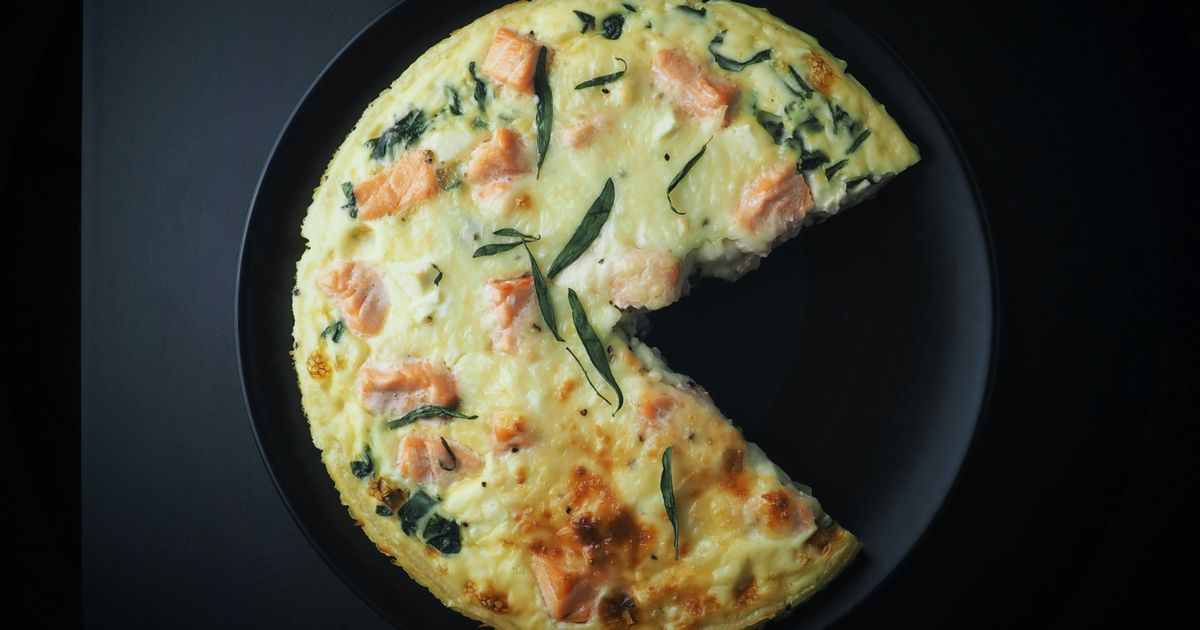
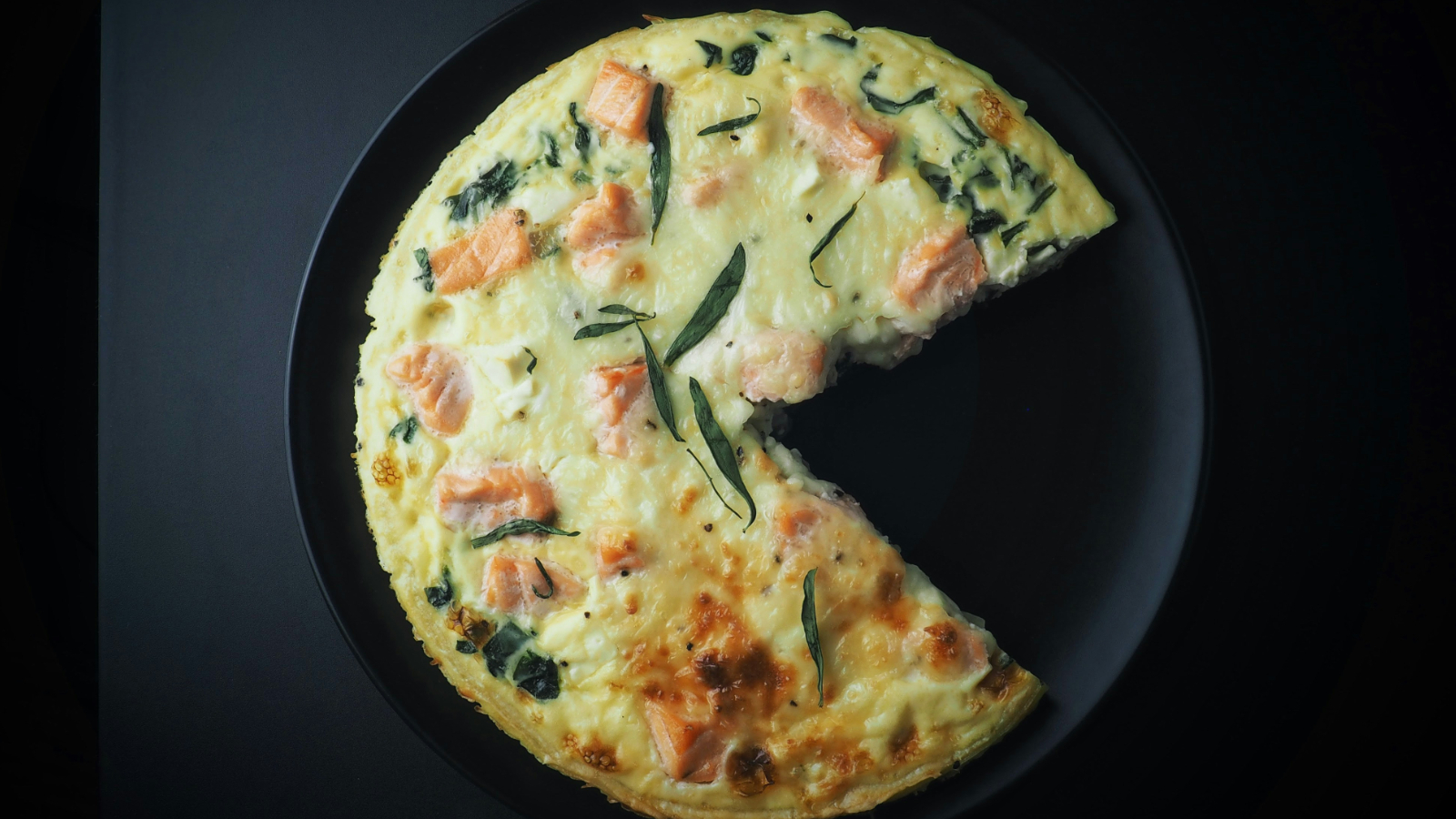
Mary Berry isn’t afraid to switch up a classic recipe.
She uses tortillas in place of pasta sheets in her speedy “Mexican lasagne” recipe, for instance ― wraps form the base of her no-fuss midweek quiche too.
And her posh version of cottage pie is topped not with mash, but with creamy, cheesy dauphinoise.
So perhaps I shouldn’t be surprised to learn that the former Great British Bake-Off host’s fish pie recipe has a similarly decadent topping.
Advertisement
In her elevated version of the dish, Mary’s “fish pie with a twist” boasts a topping most chefs would be proud to present.
Mary adds a “fancy soufflé style topping” to the usually humble meal.
After cooking off her leeks and forming a roux, she seasons the sauce and adds fish to it.
Then, she spoons the pie base into a casserole dish with some hard-boiled eggs and places it on the counter ’til cold, then in the fridge until hardened.
Once it’s chilled, the Cordon Bleu-trained chef starts on her soufflé, copping some crustless white bread into chunks.
Advertisement
She puts cream cheese, butter and cheese in a pan until melted, setting it aside to cool when she starts whisking egg whites in a separate, “spotlessly clean” bowl.
After the egg whites have reached stiff peaks, Mary adds salt and pepper to them before gently folding the mixture into the cheese and butter along with the bread chunks.
That goes on top of the chilled fish pie mix before hitting the oven for 20-25 minutes, or “until golden-brown and bubbling.”
Advertisement
Delia Smith has a similar recipe, sharing that most cuts of white fish “instantly become more special when made into a fluffy soufflé.”
Her recipe incorporates the fish into the batter, rather than sitting underneath it, though.
Chef Marcello Tully does separate his fish-infused soufflé from its spinach base and creamy sauce, but doesn’t keep the haddock away from the topping.
You can’t say Mary isn’t original…
More young people are presenting to audiology teams in England with difficulty processing sound.
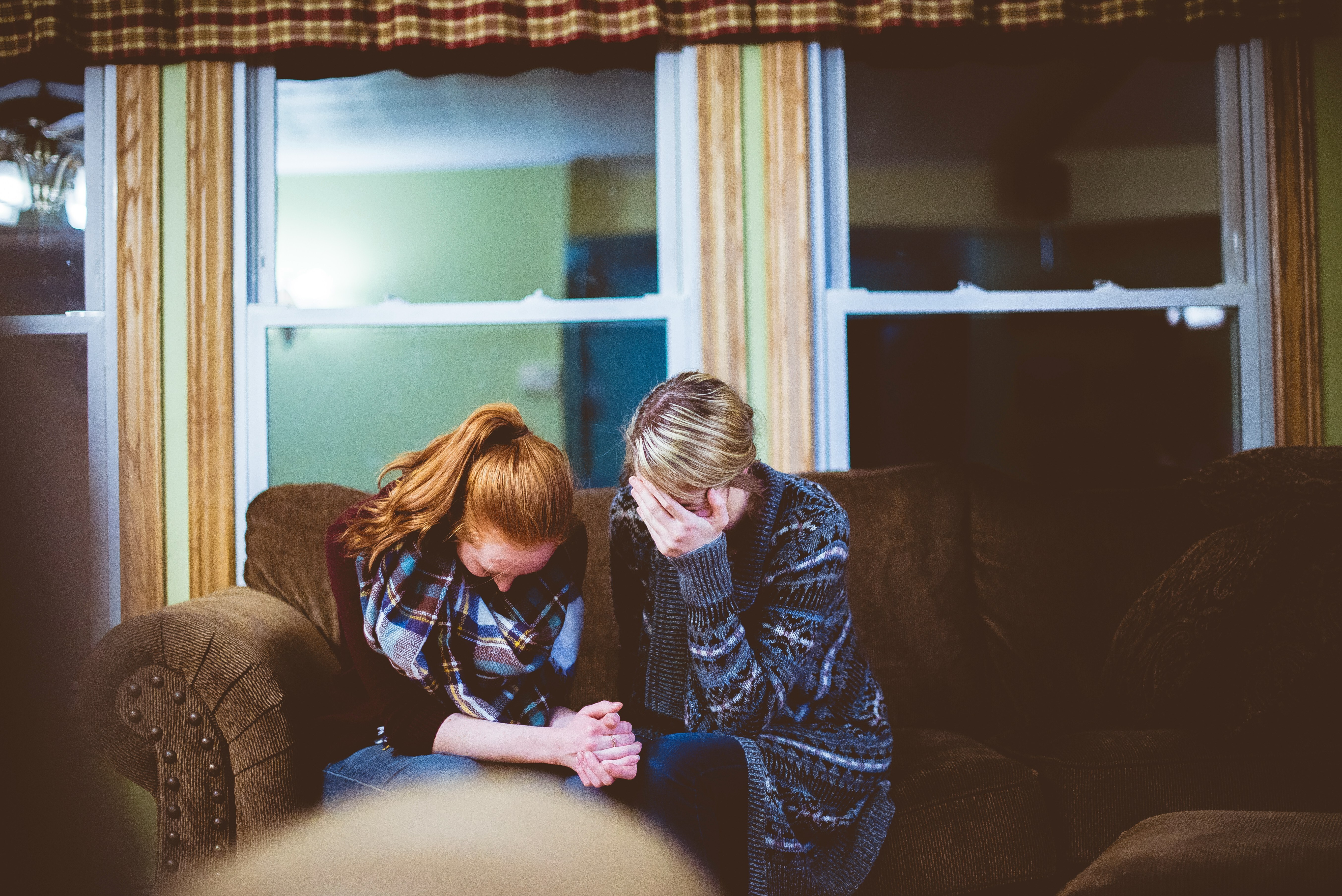
Losing a loved one is something we all will experience at some point – and unfortunately, no prior loss can prepare us for the ones that lie ahead and the world-shattering emotions that come with them.
For those of us who have to face the financial admin that’s left behind when somebody dies, there is a compounded grief as we try to navigate the institutions and paperwork that are an essential part of death admin.
Advertisement
In fact, in Octopus Legacy’s Human Cost of Dying report, families rank financial institutions among the least helpful when dealing with a loved one’s death.
These findings reflect the stories of people like Rosie and Lucy, who have faced overwhelming hurdles in the wake of their loved ones’ passing.
HuffPost UK spoke with Rosie and Lucie about the traumatic obstacles they faced following their losses – and what needs to change.
Advertisement
Rosie lives in Edinburgh with her husband and three children.
Back in 2003, Rosie’s mother came to live with the family. But sadly in 2009 she suffered from a ruptured aortic aneurysm, was rushed to hospital and placed in the high-dependency unit.
Speaking with HuffPost UK, Rosie explains how her mother’s health deteriorated over time: “She was non-responsive for a couple of weeks – and as she woke up, it became evident that something wasn’t right.
“She had suffered a stroke during the operation and was eventually transferred to a hospital which supported stroke rehabilitation. From there, she was eventually well enough to come home.”
Advertisement
Unfortunately, their family’s peace didn’t last long.
“A few months later, as I was coming home from a run, I saw my mum waving at me from a bedroom window. I then watched her fall,” says Rosie.
“I ran home and found that she had suffered another stroke – we returned her to the local stroke unit, and then back to the rehabilitation hospital. This time, she wasn’t in for stroke rehabilitation but in a geriatric ward. She never left.”
Rosie admits: “For me the grieving process was initiated in 2009 when she first went into emergency surgery. This was a long, tortured process of gradually watching my mother losing herself.
Advertisement
“My mother had been a force of nature, immensely practical and sensible. If there was a problem, my mother would find a way to resolve it.
“There were moments, during her rehabilitation when her very strong sense of humour would peep through. She would have a twinkle in her eyes watching the banter between staff on the ward. She would beam at me or my children when we came to visit – and pat our hands.”
But mostly, as she watched her mum deteriorate, she grieved.
“When my mum died it was a release. For her – and for all of us. We could actually say goodbye,” says Rosie.
Advertisement
Thankfully, the funeral went smoothly. Rosie and her family shared stories of her mother and bonded with others over their stories.
Rosie is self-employed and offered to work on the financial side of her mother’s estate on behalf of her siblings for an agreed fee. However, it wasn’t as simple as she had expected it to be.
“My mother had 13 ISAs with different institutions,” Rosie says.
“When my father died, my mother had become really interested in money management. She had invested in the stock market and had also taken advantage of great rates each year for her TESSA (tax exempt special savings scheme) and ISA allowance.
Advertisement
“I discovered that each bank had different requirements in order to close the accounts. Some required a death certificate certified in a branch. Some required a death certificate certified by a lawyer. Some required correspondence just from me. Some required correspondence from all three siblings. No two of the financial institutions I approached required the same process.
“The details are woolly now – but I remember sending endless letters / forms to my siblings for them to sign and return.”
For Rosie, it seemed bizarre that there wasn’t a standard process that institutions used.
“Had I known at the outset, I would not have proposed to complete this work, particularly given the fact that my mother had died in Scotland, but her will was drawn up in England,” she says.
Advertisement
The siblings ended up needing to engage a legal firm to complete the work anyway.
“The whole process was time consuming, resulting in me spending far longer on the process than I had anticipated. Rather than supporting each other in a period of loss, we were really discussing who wanted a footstool, a salad bowl – or who had signed what form,” she says.
“The length of the process created friction between me and my siblings to the point that we had periods of not speaking following this time.”
One silver lining during this dark time was that Rosie’s mother had already been through the process of settling an estate when her husband died in 1993.
Advertisement
“As a very practical person, she had written a list every year, of all her assets and where they were. That was invaluable,” says Rosie.
“My mother had also taken the precaution to open joint accounts with each of us, so that we would be able to access funds in the event of her death.”
Advertisement
After losing her husband during the pandemic, Lucie encountered administrative hurdles that sent her back to when she lost her husband.
Advertisement
Between receiving questions from pension providers like “could you have saved your husband?” and having bailiffs sent to her property, Lucie spent the next two years battling against a range of institutions.
Her life was on pause, and she was forced to relive the trauma of finding her husband dead every single time.
Speaking with HuffPost UK, Lucie says that young widowers face a wealth of obstacles that leave them unable to process their grief: “There are very few widows, particularly young widows, who can leave the financials to sort themselves out.
Advertisement
“Mostly, we really need that cash to keep going and enable at least a sense of stability at a time which is so destabilising. Having to relive your trauma, deal with what seems so trivial (yet unfortunately vital) takes strength and clarity which is so challenging to achieve at this time.
“Instead of focusing on self or family, one has to really focus on getting through a challenging process which means setting aside the grieving process – which, in my view, prolongs the process.”
If Lucie could suggest anything to organisations that frequently speak with grieving families, it’s better training. She urges: “Have specifically trained teams with appropriate scripts and understanding of the challenges.
Advertisement
“Additionally, ensure that customers are regularly reminded to provide statements of wishes, emergency contacts, nominated representatives who can deal with financials in the event of death or critical illness.”
Following a loss, particularly the loss of somebody very close to you, the world can feel like such a strange place – like you are the walking wounded and nobody quite understands the particular pain that you are feeling.
This is compounded by a lack of empathy in institutions that aren’t suitably prepared to work with people going through something so life-altering.
Advertisement
Lucie admits: “I was made to feel like a nuisance. So many inappropriate questions about the nature and circumstances of my husband’s death, none of which were relevant.
“Because I was pushing hard for resolution, I was made to feel like I was in the wrong and almost not grieving enough. It was a genuinely awful process.”
Some of this is still unavoidable for families in the wake of a death, but Lucie believes preparation is essential.
Advertisement
She advises: “Agree on where you will store passwords. Communicate well about what financial products you have and where the information is.
“Draft a will. Complete your expression of wishes and update them regularly. Get comfortable talking about money and death.
“My biggest reflection is that these were not conversations we had; I had no idea where my husband’s paperwork was and most of it was on his laptop, the password of which I did not know… Share this stuff!”
Advertisement

Yesterday, I left my weekly spin class ― with its lovely dim lighting ― only to feel a hand on my bicep seconds after facing the bright lights of the gym.
A fellow cycle class member wanted to know if I was alright, which confused me until I spotted my scarlet, sweat-drenched face and slicked hair in a mirror.
Advertisement
Still, I told myself, my embarrassing appearance was worth it. After all, the more you sweat, the better the workout ― right?
Well, according to Nuffield Health’s personal training lead, Sam Quinn, apparently not.
“There is a common myth around sweating being an indicator of intensity, but this isn’t always the case,” he told HuffPost UK.
Sam explains that all sweat really means is that your body needs to cool down.
That could be because you’re working your body hard, thus bringing your core temperature up ― but the amount you perspire is “dependent on the individual and isn’t an indicator of how hard you are working or how intense your workout is.”
Advertisement
Clothing, environment, medical conditions (like diabetes and hypothyroidism), body composition, cardiovascular fitness, and genes can all affect how sodden our T-shirts get after the end of our sessions, the personal trainer explains.
So, Sam shared, “Sweating is not an indicator of how hard you are working or how effective your workout is.”
Instead, he recommends gauging how hard we’ve gon in the gym using other metrics.
“Measuring heart rate, VO2 max and tracking your workouts which are proven methods of measuring the efficiency and intensity” of your exercise.
Advertisement
If you usually leave the gym without much perspiration, that might not be a sign of anything unusual ― you could just naturally sweat less.
But physical therapist John Gallucci told Healthline that sometimes, a bone-dry armpit after an intense session can reveal dehydration.
“Dehydration before a workout means that your body will be severely lacking in fluids. And since sweat is primarily composed of water, not having enough of it may mean that your body is unable to sweat,” he told the publication.
Advertisement
Still, if you know you drink enough fluids and still don’t break much of a sweat during a workout, fear not ― your intensity might not necessarily need to change.
And for those of us who could fill a bathtub by wringing out our post-workout gym ’fit, sorry, but apparently that doesn’t mean we’re necessarily doing the class any better (sigh).


Is it us or is everyone talking about gut health right now?
We recently learned that sourdough bread is better for our guts, that gut health is tied to Alzheimer’s disease, and there are specific times of the day that are best to eat to protect your gut health (to name a few).
However, with all this news coming at once, it is easy to feel overwhelmed and not understand where to start with your own gut health. How do you even know if yours is that healthy beyond how it feels?
Advertisement
Well, according to Nick Ilott, senior researcher and lead bioinformatician at The Oxford Centre for Microbiome Studies, University of Oxford, all you need is a little bit of sweetcorn.
I’m sure you know where this is going.
First of all, and this may be difficult for some people, to do this test, you can’t eat sweetcorn for 7-10 days in something that is called the ‘wash-out phase’.
Once this time has passed, note down the date and time and eat some sweetcorn. You don’t need to have more than a handful of corn for this test to work but if you’ve been craving some corn on the cob, treat yourself.
Advertisement
Ilott explained: “Because the outer shell of the corn is indigestible, it will pass through your gastrointestinal tract with the rest of the food you’ve eaten and will eventually be visible in your stool.”
What you then need to do is keep an eye on the next few stools that you pass, and once you do spot a little kernel or two, note down the date and time.
“If you pass the corn in 12 hours or less, your gut is fast. If you don’t pass it for around 48 hours of more, then your gut is slow,” explained the expert.
Advertisement
“If you find your gut motility is on either end of the spectrum, there are fortunately things you can do to improve it.”
He advises that if your gut is consistently fast, you should visit your doctor for further tests.
Studies suggest that the median gut motility time is about 28 hours, and it’s considered “normal” for an individual person’s transit time to fall between 10 and 73 hours. If yours falls within this range, you don’t have to seek any further advice.
However, Ilott urges that if you feel your gut motility time is a little slow but you aren’t experiencing symptoms such as bloating, abdominal pain, lack of appetite or nausea, you should eat more fruit and vegetables to increase your fibre intake, as well as drink more water and exercise.
Advertisement


Humanity may not be extraordinary but rather the natural evolutionary outcome for our planet and likely others, according to a new model for how intelligent life developed on Earth.
The model, which upends the decades-old “hard steps” theory that intelligent life was an incredibly improbable event, suggests that maybe it wasn’t all that hard or improbable. A team of researchers at Penn State, who led the work, said the new interpretation of humanity’s origin increases the probability of intelligent life elsewhere in the universe.
“This is a significant shift in how we think about the history of life,” said Jennifer Macalady, professor of geosciences at Penn State and co-author on the paper, which published today (Feb. 14) in the journal Science Advances. “It suggests that the evolution of complex life may be less about luck and more about the interplay between life and its environment, opening up exciting new avenues of research in our quest to understand our origins and our place in the universe.”
Initially developed by theoretical physicist Brandon Carter in 1983, the “hard steps” model argues that our evolutionary origin was highly unlikely due to the time it took for humans to evolve on Earth relative to the total lifespan of the sun — and therefore the likelihood of human-like beings beyond Earth is extremely low.
In the new study, a team of researchers that included astrophysicists and geobiologists argued that Earth’s environment was initially inhospitable to many forms of life, and that key evolutionary steps only became possible when the global environment reached a “permissive” state.
For example, complex animal life requires a certain level of oxygen in the atmosphere, so the oxygenation of Earth’s atmosphere through photosynthesizing microbes and bacteria was a natural evolutionary step for the planet, which created a window of opportunity for more recent life forms to develop, explained Dan Mills, postdoctoral researcher at The University of Munich and lead author on the paper.
“We’re arguing that intelligent life may not require a series of lucky breaks to exist,” said Mills, who worked in Macalady’s astrobiology lab at Penn State as an undergraduate researcher. “Humans didn’t evolve ‘early’ or ‘late’ in Earth’s history, but ‘on time,’ when the conditions were in place. Perhaps it’s only a matter of time, and maybe other planets are able to achieve these conditions more rapidly than Earth did, while other planets might take even longer.”
The central prediction of the “hard steps” theory states that very few, if any, other civilizations exist throughout the universe, because steps such as the origin of life, the development of complex cells and the emergence of human intelligence are improbable based on Carter’s interpretation of the sun’s total lifespan being 10 billion years, and the Earth’s age of around 5 billion years.
In the new study, the researchers proposed that the timing of human origins can be explained by the sequential opening of “windows of habitability” over Earth’s history, driven by changes in nutrient availability, sea surface temperature, ocean salinity levels and the amount of oxygen in the atmosphere. Given all the interplaying factors, they said, the Earth has only recently become hospitable to humanity — it’s simply the natural result of those conditions at work.
“We’re taking the view that rather than base our predictions on the lifespan of the sun, we should use a geological time scale, because that’s how long it takes for the atmosphere and landscape to change,” said Jason Wright, professor of astronomy and astrophysics at Penn State and co-author on the paper. “These are normal timescales on the Earth. If life evolves with the planet, then it will evolve on a planetary time scale at a planetary pace.”
Wright explained that part of the reason that the “hard steps” model has prevailed for so long is that it originated from his own discipline of astrophysics, which is the default field used to understand the formation of planets and celestial systems. The team’s paper is a collaboration between physicists and geobiologists, each learning from each other’s fields to develop a nuanced picture of how life evolves on a planet like Earth.
“This paper is the most generous act of interdisciplinary work,” said Macalady, who also directs Penn State’s Astrobiology Research Center. “Our fields were far apart, and we put them on the same page to get at this question of how we got here and are we alone? There was a gulf, and we built a bridge.”
The researchers said they plan to test their alternative model, including questioning the unique status of the proposed evolutionary “hard steps.” The recommended research projects are outlined in the current paper and include such work as searching the atmospheres of planets outside our solar system for biosignatures, like the presence of oxygen. The team also proposed testing the requirements for proposed “hard steps” to determine how hard they actually are by studying uni- and multicellular forms of life under specific environmental conditions such as lower oxygen and temperature levels.
Beyond the proposed projects, the team suggested the research community should investigate whether innovations — such as the origin of life, oxygenic photosynthesis, eukaryotic cells, animal multicellularity and Homo sapiens — are truly singular events in Earth’s history. Could similar innovations have evolved independently in the past, but evidence that they happened was lost due to extinction or other factors?
“This new perspective suggests that the emergence of intelligent life might not be such a long shot after all,” Wright said. “Instead of a series of improbable events, evolution may be more of a predictable process, unfolding as global conditions allow. Our framework applies not only to Earth, but also other planets, increasing the possibility that life similar to ours could exist elsewhere.”
The other co-author on the paper is Adam Frank of the University of Rochester. Penn State’s Astrobiology Research Center, the Penn State Center for Exoplanets and Habitable Worlds, the Penn State Extraterrestrial Intelligence Center, the NASA Exobiology program and the German Research Foundation supported this work.

The clownfish-anemone living arrangement is one of the most widely recognized examples of symbiosis. Researchers have made a breakthrough in understanding how anemonefish can live safely among sea anemones without being stung by their venomous tentacles, solving a century-long mystery.
Scientists at the Okinawa Institute of Science and Technology (OIST) and their international collaborators have discovered that anemonefish have evolved to maintain very low levels of sialic acid in their skin mucus to avoid triggering the release of nematocysts (stinging cells) in their sea anemone hosts. The researchers found that sea anemones also lack these sugar compounds in their own mucus, likely to avoid stinging themselves. Their findings, published in the journal BMC Biology, suggest anemonefish might be using a similar protective strategy to their hosts.
Comparing symbiotic and non-symbiotic species
The study combined multiple approaches, including glycobiology (the study of sugars) and transcriptomics — the study of all RNA molecules produced by an organism’s genome to understand gene expression and regulation. The researchers measured and analyzed mucus samples from both anemonefish and non-symbiotic damselfish species, using advanced techniques to separate and analyze the components of a mixture (liquid chromatography).
Sialic acids are important sugar molecules naturally present in most living organisms that play important roles in cellular processes such as cell-cell interactions and protein communication. Previous studies have shown that these molecules can trigger the release of sea anemone stinging cells. Very interestingly, scientists found that while anemonefish maintain certain levels of sialic acid in their internal organs like the brain and gut, they have specifically evolved to have very low levels in their protective mucus layer compared to non-symbiotic damselfish.
They also studied a unique case of the domino damselfish, which can live with anemones as juveniles. They found that these fish also show reduced sialic acid levels in their mucus during their juvenile stage, suggesting that different species have evolved similar adaptations for achieving symbiosis with sea anemones.
A particularly interesting finding was the correlation between sialic acid levels and the developmental stages of anemonefish. Young larvae, which are not yet ready to live with sea anemones, have normal sialic acid levels and get stung if they approach an anemone. However, when they metamorphose and develop their characteristic white stripes and bright orange coloring, their sialic acid levels drop, allowing them to safely enter the anemone.
“Our findings represent a major advancement because it’s one of the first studies to combine glycobiology with transcriptomic analysis to investigate this mechanism,” Dr. Natacha Roux, a researcher at Centre de Recherches Insulaires et Observatoire de l’Environnement (CRIOBE) and former researcher in OIST’s Computational Neuroethology Unit, elaborated.
Adapting for co-existence
The research team has two main hypotheses about how anemonefish maintain low sialic acid levels: either their mucus-producing cells express high levels of enzymes that cut sialic acid, or bacteria in their mucus microbiome are responsible for breaking it down. The second hypothesis is supported by previous observations that when anemonefish and sea anemones live together, their bacterial flora converge over time.
Prof. Vincent Laudet, head of OIST’s Marine Eco-Evo-Devo Unit emphasized that this is likely just one part of a complex symbiotic relationship. “Other factors might include the thickness of fish scales, the exchange of nutrients between species, and possible adjustments by the anemones themselves. The relationship is mutually beneficial, with anemonefish receiving protection from predators while helping to defend the anemone and providing nutritional benefits,” he said.
Future research aims to provide ultimate proof of this mechanism by attempting to manipulate the system — making anemonefish sensitive to anemone stings and non-symbiotic fish resistant. However, this is technically challenging and remains a work in progress. The study is also significant because it represents the first major paper from a new international research laboratory collaboration between France’s National Centre for Scientific Research (CNRS) and OIST.
