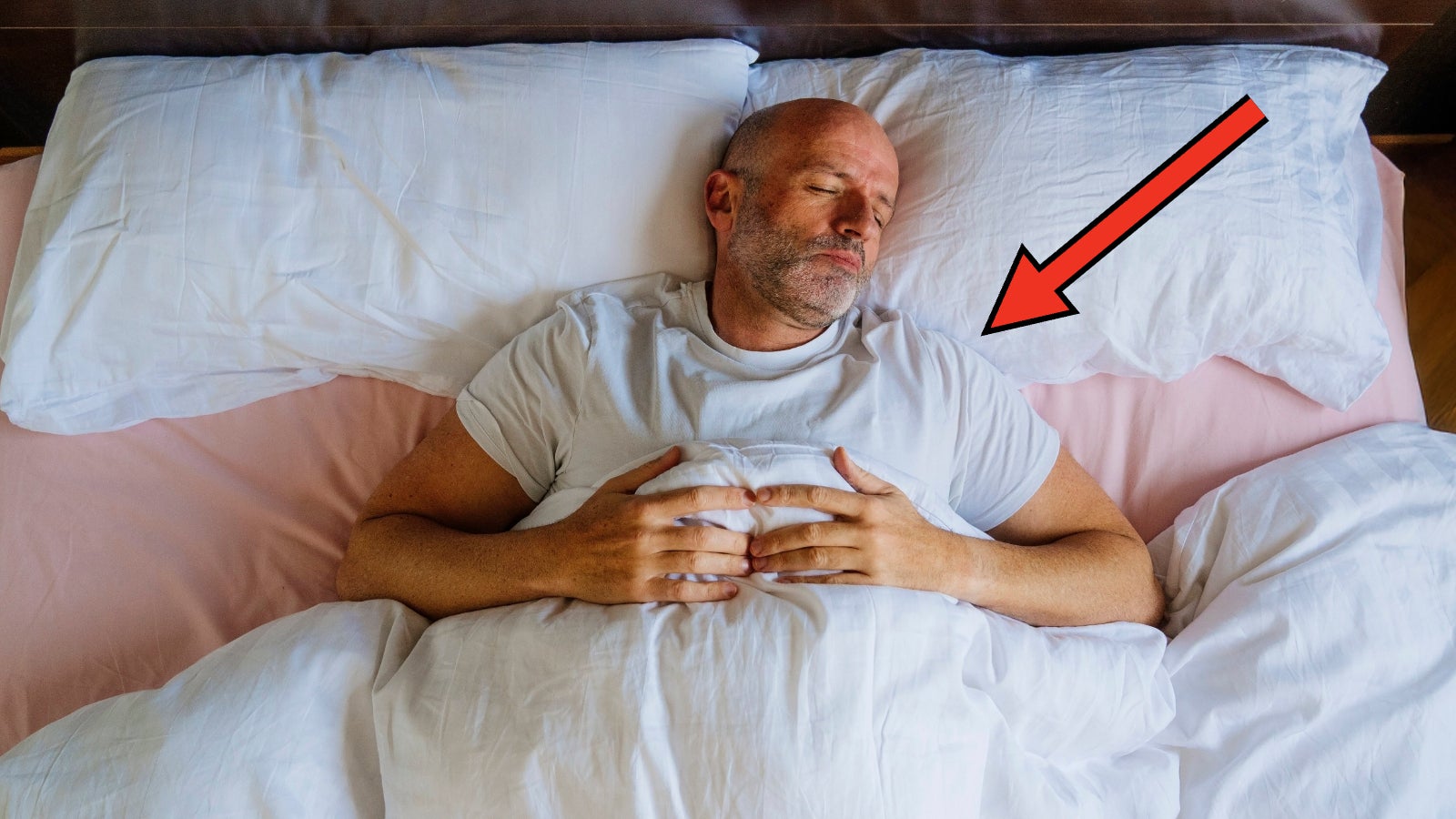
I Gave Up Sleep Tracking For A Week, And I’ve Never Felt More Rested

Speaking to HuffPost UK previously, sleep expert Dr Nerina Ramlakhan from Oak Tree Mobility told us that “there’s a form of insomnia that has risen… called ‘orthosomia’, a term for the obsession with getting a good night’s sleep.”

It might affect type-A people and perfectionists more than others, she suggested, and could paradoxically make existing sleep problems worse.

She added, “Alongside the strategies and supplements for getting better sleep that are flooding the market, trackers have joined the sleep bandwagon. Trackers can (up to a point) be helpful, but I think they’re driving an unhelpful obsession.”

I have to confess that even though I know the importance of “clock blocking” and avoiding as much worry as I can at night, I’ve become obsessed with my own smart watch.

But after a little bit of skin irritation and frankly forgetting to put it back on my wrist after a previous charge, I accidentally ended up following Dr Ramalkhan’s advice: I haven’t been wearing the fitness tracker that logs my sleep for a week.

And honestly, I’ve already been impressed by how much more rested I feel.

Why might sleep tracking make sleep worse?

If trackers help you, that’s all the evidence you need to keep using them.

But as sleep expert Kathryn Pinkham, founder of The Insomnia Clinic, told Which?, they might make those with existing poor sleep (like me) panic more about their poor “performance”.

This stress forms a vicious cycle, ironically keeping worriers up at night.

This happened to me most nights. I would anxiously tell my partner I’d only had four to six hours last night, and spend the rest of the day battling fatigue and panic in equal, exhausting turns.

I’d avoid naps for fear of ruining my sleep cycle, then feel too awake, and too anxious at being awake, to fall asleep at night.

But by day two of not using a tracker, I noticed I wasn’t thinking about my sleep as much – since then, I’ve woken up far more refreshed.

This included nights I think my watch would have told me constituted a “bad” sleep. The less I knew about the supposed quality of my sleep – which some say trackers may not measure as accurately as experts like – the better I felt.

Perhaps it might be as Dr Ramlahkhan said: “With sleep trackers, unless you’re having your data measured in a lab, you need to take it all with a pinch of salt.

“Your tracker may say you didn’t get good sleep, but maybe you feel great. Check in with yourself before you check your data.”

How can I tell if I should give up sleep tracking?

Again, everyone’s different. But, per Dr Ramlahkhan, “An important thing is not to get too obsessed with the numbers, and take a break from tracking if you find yourself in that position.”

She also said many of us might be looking at the data from trackers with overly short sight, thereby accidentally misunderstanding their insights.

“Once you’ve been wearing it for a while (at least 6 months to a year), only then can you start to look at the trends,” she revealed.

“For example, if you change some elements of your life such as cutting back on caffeine, exercising more, and drinking less alcohol, then it can be helpful to see this reflected on the tracker.”

But if you think your tracker might be harming your sleep more than it helps, and if the data causes you more worry than curiosity, it might be time to put yours to bed.

Share Button

5 Salmon Myths Seafood Experts Wish Everyone Would Stop Believing

Seafood consumption in the US is at an all-time high, with salmon being the most consumed fish, according to the US Department of Agriculture. It’s easy to see why salmon is so popular: A staple of the Mediterranean diet, it’s packed with nutrients, including omega-3 fatty acids (which are good for your heart, brain and skin), protein and vitamin D.

Despite its popularity, seafood experts we talked to say that there are still some common misconceptions about salmon that simply aren’t true. Here, grocery store seafood buyers, as well as seafood science professors, dispel the most popular myths about salmon and give their tips on what to keep in mind when you’re shopping.

Myth #1: Fresh is better than frozen

When it comes to buying salmon, the first decision you have to make is whether you’re heading to the seafood counter or the frozen section. Jason Hedlund, the principal category merchant of seafood procurement at Whole Foods Market, shared that fresh salmon isn’t more nutrient-dense — or even necessarily tastier — than frozen salmon.

If you’re going to eat your salmon relatively quickly (within the next two days), Hedlund says fresh salmon is a good bet. But if you want salmon to keep on hand and you’re not sure when you’re going to eat it, go for frozen. He added that many people don’t realize that salmon is frozen mere hours after being caught, which locks in all the nutrient density and flavour.

Mark Lang, a food marketing professor at the University of Tampa who is passionate about aquaculture, said this too. “Salmon is frozen so quickly [after being caught] that it may be the freshest option to eat,” he told HuffPost, adding that it’s frozen right at the source where it’s caught.

If you want to eat salmon more often because of its health benefits, Lang recommends buying it frozen so you can thaw it the day before you’re ready to cook it.

Myth #2: Farm-raised salmon isn’t as good as wild-caught

Every seafood expert we talked to said that farm-raised salmon tends to get a bad rap, and it’s completely unwarranted. “Without responsible farming methods, there wouldn’t be enough salmon to meet the demands of consumers,” said Mark LaMonaco, the seafood category merchant at Wegmans Food Markets.

“Without farmed salmon, we wouldn’t have enough to feed the world. Just like we farm chicken, beef and pork, salmon farming is necessary to support global demand and helps protect wild populations from overfishing,” added Doug Varanai, the senior manager of seafood at Sprouts Farmers Market.

Experts say that the nutrient density of farmed salmon and wild-caught salmon is similar, but they do say there is a slight difference in taste.

fotograzia via Getty Images

Experts say that the nutrient density of farmed salmon and wild-caught salmon is similar, but they do say there is a slight difference in taste.

Lang explained that the stigma surrounding farmed salmon goes back to the ’70s, when there were few regulations around salmon-farming practices, which led to salmon being farmed in dirty, overcrowded water. But he emphasised that times have changed.

“Most grocery retailers rely on certification companies with auditors on the ground inspecting the fish farms. They do inspections, test the water and test the fish. If you break the rules, you lose your certification,” Lang explained. If you want to educate yourself on the conditions of farmed salmon available at your preferred grocery retailer, Lang recommends searching for the regulations they follow on their website. (Here’s where you can find the details on farmed fish practices for Whole Foods, Sprouts and Wegmans.)

All of the experts say that the nutrient density of farmed salmon and wild-caught salmon is similar, but they do say there is a slight difference in taste. “Wild salmon often has a firmer texture, leaner flesh and a more intense, ‘oceanic flavor’ due to natural diets. Farmed salmon tends to be milder, fattier and softer in texture, with flavour influenced by feed formulations,” said Alexander Chouljenko, an assistant professor of seafood science at North Carolina State University. “Some people prefer the richness of farmed; others prefer the complexity of wild. Blind taste tests show people’s preferences can be split, often depending on cooking method and seasoning,” he added.

Myth #3: Farmed salmon is full of antibiotics

If you’ve been avoiding farmed salmon because you believe it’s full of antibiotics, the experts say you can rest assured that it isn’t something you need to obsess over. “In the US, Canada, Norway and many well-regulated countries, antibiotics are rarely used, and if they are, they are under strict veterinary oversight with mandatory withdrawal periods before harvest,” Chouljenko said.

That said, Chouljenko explained that in some countries with weaker regulations, overusing antibiotics in farmed fish has been documented, raising both health and environmental concerns. To avoid this, he recommends looking for salmon labeled with certifications like ASC (Aquaculture Stewardship Council) or BAP (Best Aquaculture Practices).

Again, this is also where checking out the standard of your preferred retailer comes in handy. “At Sprouts, all the farm-raised fish in our responsibly sourced program are BAP 3-star or higher certified, which ensures they are raised without the routine use of antibiotics. While antibiotics may be used in some unregulated countries, we prioritise sourcing from certified farms to ensure safety, quality and sustainability,” Varanai told HuffPost.

Myth #4: Salmon is high in mercury

PSA: Salmon is not high in mercury and is safe to eat regularly. “The health benefits of eating salmon far outweigh any concerns about mercury,” Varanai said. He explained that its short lifespan and position low on the food chain means it doesn’t accumulate much mercury, making it a healthy and safe choice for most people, including children and pregnant women.

“When we think about fish with high mercury levels, we have to understand how mercury accumulates in seafood. There are two major contributing factors: time and diet,” LaMonaco told HuffPost. He explained that the higher up a fish is on the food chain, the more mercury it may contain because of the mercury found in its diet. Similarly, he said that the longer a fish lives, the more it eats over its lifetime and could raise the overall levels. “From beginning to end, a salmon’s life cycle is typically three to five years and isn’t enough time to accumulate levels of mercury that should be a cause for concern,” LaMonaco said.

Myth #5: Salmon’s colour can tell you how fresh it is

According to the experts, while a salmon’s colour is important, a vibrant colour isn’t always an indicator of freshness. “Some salmon, especially farmed, get colour from astaxanthin in feed, so vibrant colour doesn’t automatically mean fresher or less fresh,” Choujenko said. LaMonaco explained that astaxanthin is the dietary supplement added to the feed for farmed fish, which can also be found in wild salmon’s natural diet, typically found in krill and other sources. “Astaxanthin is also a popular supplement for humans, often used as an antioxidant with various potential benefits,” he added.

When buying fresh salmon, Choujenko recommends checking the smell (it should be mild, not fishy), texture (firm, not mushy) and appearance (moist, not dry or discoloured with unusual spots, dull patches, browning or gray areas).

If the head is still on the salmon, Lang recommends checking out the eyes. “They should be clear. That means it hasn’t been out of the water for very long. If the eyes are cloudy, it’s been in the food supply chain for a while,” he said.

With these myths dispelled, you can shop for salmon confidently, whether you’re getting it fresh or frozen. And if you have any questions about it, ask the experts behind the seafood counter. After all, they have a front-row seat to the best options available and can even offer up some cooking tips.

Share Button

7 ‘Normal’ Symptoms A Doctor Says You Should Never, Ever Ignore

Though everything from our nails to the colour of our poop can sometimes reveal health issues; often, variants in both are perfectly normal.

Besides, it feels like everyone is battling with issues like fatigue and back pain most of the time.

So what is “normal”, and what is worth seeing a doctor about?

Dr Kaywaan Khan, a GP at Harley Street’s Hannah London, told HuffPost UK about the seven signs you should never ignore – even if you feel fine.

1) Unexplained weight loss

If you’re shedding the pounds without even trying, Dr Khan warned that everything from thyroid imbalances to early diabetes, digestive disorders, and even stomach or pancreatic cancer could be to blame.

“Unexplained weight loss is typically defined as losing more than 5% of your body weight over a span of 6-12 months, without any changes in diet or physical activity levels,” he explained.

2) Constant exhaustion, even after rest

Though you probably hear “I’m so tired!” from every adult in your life, Dr Khan said it’s still worth seeing a doctor if exhaustion is affecting your day-to-day.

Persistent fatigue can be linked to conditions such as anaemia, chronic infections like mononucleosis, or even early-stage heart disease… Sleep disorders like insomnia or mental health conditions can also leave you feeling drained and unmotivated on a daily basis, even without physical exertion,” he stated.

If adequate rest doesn’t leave you feeling refreshed, see your GP.

3) Changes in bowel habits

Sudden or long-term changes in your poop can also be worthy of alarm.

“Constipation and diarrhoea are typically just side effects of dietary changes, severe stress, or certain medications, but this could also be from underlying conditions like irritable bowel syndrome (IBS) or coeliac disease (severe gluten intolerance),” Dr Khan told us.

And bleeding from your bottom may be haemorrhoids, but it could also be caused by stomach or colon cancers.

4) Frequent headaches

If your headaches happen all the time and/or affect your daily functioning, that’s well worth talking to a GP about, Dr Khan said.

And “if headaches are accompanied by other symptoms like vomiting, debilitating pain, vision changes or thunderclap onset, this should prompt urgent GP review,” he added.

The same goes if you notice numbness, weakness, or fainting alongside headaches.

“In these cases, I would advise asking your GP for a referral to a CT or MRI scan to see if there could be any brain-related causes like tumours or aneurysms that might not be visible through blood work alone.”

5) Being short of breath

OK, panting after a jog is normal. But if you can’t catch your breath after taking a few stairs or walking around the shops, that’s worth flagging to a doctor.

This could be down to “respiratory diseases like asthma or chronic obstructive pulmonary disease (COPD), which you can get from smoking or long-term exposure to pollution and allergens,” Dr Khan said.

Additionally, “shortness of breath can also be linked to heart disease or blood clots in the lungs (pulmonary embolism), both of which can reduce oxygen supply and strain the heart, lungs, and blood flow all at once”.

If you have sudden shortness of breath alongside chest pain, blue lips, and/or numbness, seek urgent medical help.

6) Lumps and swellings

Sure, Dr Khan admitted, a lot of these are harmless.

“Yes, many lumps are typically benign, such as those that appear consistently in the breast area during menstruation or ovulation due to sudden hormonal changes,” he said, while common conditions can lead to swelling of the glands and abscesses.

“While these lumps are easily treatable, others could point to more serious conditions like breast cancer or lymphoma,” the doctor added. So, it’s always worth getting checked out.

7) Skin changes

Not only can changes to, or the sudden addition of, moles belie skin cancer, but “skin discolouration can also be a major clue”.

Per the GP, “yellowing of the skin (jaundice) warrants same-day assessment and may point to liver issues, bile duct obstruction or even pancreatic problems”.

“A bluish skin tinge to the skin could indicate poor circulation, while grey patches may be linked to autoimmune disorders like lupus,” he added.

Dry and scaly skin may be a sign of everything from dermatitis to allergies, he ended, which is better investigated than ignored.

Share Button

‘Zone Zero’ Exercise Is The Workout You Don’t Even Know You’re Doing – Here Are Its Benefits

Good news for fellow slow runners: it turns out zone two cardio, which sees joggers plod along at a conversational pace, is incredibly good for us.

Professional runners spend about 85% of their training doing that sort of low-impact activity. It puts runners at about 60-70% of their max heart rate.

But if even that sounds a little too much, zone zero movement (yes, really) might be the under-appreciated, super-low-effort way to keep you active without a pricey gym membership or even a pair of trainers.

Never putting your heart above 50% of its max rate, it can be done accidentally – it’s that easy and approachable.

What is zone zero training?

Primary care organisation The Lanby describes zone zero training as a kind of “active rest” – it “aids in active recovery, ensuring your body is ready for the next challenge”.

It means your heart rate never goes above half its maximum level, as we mentioned above. Your max heart rate changes by age: in general, it’s calculated by subtracting your age from 220.

So, say you’re 30 years old. Your max heart rate is around 190; and zone zero training will never see your pulse go above 95 beats per minute.

It can include slow walking, gentle cycling, and yoga. But popping to the shops, doing a bit of light tidying, and pottering around in the kitchen count too.

What are the benefits of zone zero training?

Zone zero training is not only a great way to make exercise accessible to those who might find the idea of a full-on workout a bit much, but active recovery also benefits active people as it helps to flush out waste material that builds up in tired muscles.

Some experts think that those who work out might subconsciously compensate for the added load by not engaging in zone zero moves (like tapping your foot or taking an extra few steps) throughout the day. Remembering to include zone zero work in your routine might help this.

Taking a short stroll after eating, in particular, might help to even out your blood sugar, too. And some suggest that pottering can keep you alive for longer.

What are some examples of zone zero training?

These can include:

  • Stretching at your desk
  • Light walking
  • Yoga
  • Walking meetings
  • Rolling your feet on a roller or ball as you work
  • Gently yoga
  • Slow cycling
  • Tidying
  • Cooking.

Parking a couple more metres away from work than usual or popping to the shops instead of ordering in can all add up.

That’s not to say that zone zero training should replace current health guidelines – the NHS says we should stick to 75 minutes of high-intensity or 150 minutes of moderate-intensity (over 50% of your max heart rate) activity a week.

Not doing so has been linked to shorter, less healthy lives.

Still, going from no activity to some has enormous health benefits too – and whether you find yourself intimidated by intense exercise or are struggling to properly recover from your most hardcore workouts, zone zero may offer an approachable answer.

Share Button

Pregnant Women In UK Told To Take Action Ahead Of RSV Season

For years; women, trans and non-binary people have been urged to get the flu and whooping cough vaccines during pregnancy.

Last year, a new vaccine was added to the list. But you may not have heard about it.

The vaccine is for RSV (respiratory syncytial virus). The illness can be very serious for babies, causing lung infections, breathing difficulties and even death, which is why pregnant individuals are urged to get vaccinated.

As the NHS explains: “When you have the RSV vaccine in pregnancy, the protection from the vaccine is passed to your baby. This means your baby is less likely to get severe RSV for the first six months after they’re born.”

Last winter, Australia saw record numbers of RSV since reporting began. This year, cases had been creeping up again (although they did recently plateau).

Australian winter illness levels can help give some indication of how viruses will spread in England when the cooler weather arrives, which is why the NHS’s top midwife is urging people in the UK who are currently pregnant to prioritise getting vaccinated against the virus.

What do I need to know?

If you’re 28 weeks (or more) pregnant, speak to your maternity service provider or GP about getting booked in for the RSV vaccine.

The vaccine can cause some mild side effects like swelling or pain at the injection site, a headache, and an aching body.

No side effects have been reported in babies born to mothers who have been vaccinated.

Babies born in ‘late summer or the autumn are most likely to be admitted to hospital’

Kate Brintworth, chief midwifery officer for NHS England, said: “While for most adults RSV only causes mild, cold like symptoms, for older adults and young children it can lead to serious breathing problems that can end up in hospitalisation.

“Getting vaccinated while pregnant is the best way to protect your baby from the moment they are born, and now is the time for mums to act, to make sure their babies are protected ahead of their first few months this winter, when there tends to be more bugs circulating.”

Research from the UK Health Security Agency (UKHSA) has found the RSV vaccine is 72% effective in preventing hospitalisation for newborns whose mothers are vaccinated more than 14 days before delivery.

Greta Hayward, consultant midwife at the UK Health Security Agency, said the vaccine boosts the pregnant parent’s immune system “to produce more antibodies against the virus, and these then pass through the placenta to help protect their baby from the day they are born”.

RSV season usually starts in October and Hayward said “babies born in late summer or the autumn are most likely to be admitted to hospital”.

Typical symptoms are a sore throat, runny nose, cough or fever, drowsiness, problems feeding or drinking, and difficulty breathing (including wheezing).

Some children with RSV can go on to develop complications such as pneumonia and bronchiolitis. In fact, RSV is the leading cause of bronchiolitis in infants, accounting for around 60-80% of infections.

“Hundreds of babies attend Emergency Departments each day for bronchiolitis through most of November and December,” said Hayward. “That is why it is so important that over the summer pregnant women reaching 28 weeks of pregnancy, ensure they are vaccinated as soon as possible.”

Share Button

What Is A Fart Walk And Why Is It So Good For Ageing?

The benefits of walking are pretty undeniable.

A simple stroll can “improve cardiovascular health by strengthening the heart, thereby helping circulation, lower[ing] blood pressure, [and] helping in the prevention of heart disease and stroke,” Matthew Nolan, a chief instructor at Barry’s in New York City, previously told HuffPost.

It’s even been linked to lower dementia risk.

But in a recent Instagram Reel, Dr Tim Tiutan – a physician and assistant professor – signed off on the idea of adding some, er, gas to your evening wander too.

Stitching a video in which author and creator of the hashtag #fartwalks Mairyln Smith said she and her husband go for “fart walks” after dinner to help them “age beautifully,” the doctor helped us to “look into the science of fart walks.”

Yup, ‘fart walking’ really is good for us

Walking can help to improve “intestinal motility” Dr Tiutan said, meaning it can banish both gas and constipation.

But Smith explained that “the main reason we do fart walks is because by walking… we are helping reduce our chances of developing type 2 diabetes… as you age, especially after 40, you have a bigger chance of developing type 2 diabetes.”

The National Institutes of Health puts the age at which type 2 diabetes risk rises a little younger, at 35. Diabetes UK says that walking may help us to regulate insulin better.

A 2016 study involving people with type 2 diabetes found that 10 minutes of “light” walking following each meal did a better job of managing participants’ blood sugar than walking for 30 minutes at any one time.

That’s partly why a likely gassy (thanks to the “intestinal motility”) post-dinner walk may be better for you than you might think.

Exercise of any kind prevents “large spikes in blood sugar,” the doctor agreed (it can lower your blood glucose for up to 24 hours after completion).

The practice may lower your cancer risk, too

Walking “also lowers our cancer risk,” Dr Tiutan continued.

Professor Amy Berrington, Leader of the Institute for Cancer Research [ICR]’s Clinical Cancer Epidemiology Group, said: “There is strong evidence that getting enough physical activity is linked to a lower risk of many types of cancer in both men and women.”

Cancer.gov says we should aim roughly for 150-300 minutes per week of moderately paced walking.

So perhaps I shouldn’t have been as surprised as I initally was to hear Dr Tiutan say, “I totally support fart walks.”

Share Button

Your Meal Deal Might Be Raising Your Risk Of Lung Cancer, Study Warns

Eating ultra-processed food (UPFs) has already been linked to 32 harmful effects to health, including a raised risk of type 2 diabetes, heart disease and early death.

Now, another study has linked a higher intake of ultra-processed food to an increased risk of lung cancer.

Lung cancer is the most common cancer in the world. It’s the third most common cancer in the UK, with around 49,000 people diagnosed each year.

Previous research has noted a “significant association” between intake of UPF and the risk of several cancers, including colorectal, breast and pancreatic cancer.

Here’s what you need to know about the latest study.

First up, what is ultra-processed food?

Ultra-processed food typically undergoes multiple processing steps and contains long lists of additives and preservatives. It’s often ready-to-eat or heat.

Examples include ham, mass-produced bread, cereal, crisps and biscuits.

It’s thought more than half of the typical British daily diet is made up of ultra-processed food. But not all of these foods are terrible news – yoghurt and high-fibre cereals, for instance, can form a part of a healthy diet.

There is however a clear link emerging between negative health outcomes and diets high in UPF.

The Food Standards Agency (FSA) noted “we still don’t know whether it is because these foods are unhealthy because of how they are made, or if it’s because a large majority of processed foods are high in calories, saturated fat, salt and sugar”.

UPF intake also increases the risk of weight gain, overweight and obesity, which is the second biggest cause of cancer in the UK.

As high consumption has already been linked to a heightened risk of several health conditions, researchers wanted to know if this might also include lung cancer.

What did the new lung cancer study find?

Researchers used data from the US Prostate, Lung, Colorectal and Ovarian (PLCO) Cancer Screening Trials, involving 155,000 participants aged 55–74.

Cancer diagnoses were tracked until the end of 2009 and cancer deaths until the end of 2018.

Some 101,732 people (50,187 men and 51,545 women; average age 62) who completed a Food Frequency questionnaire on their dietary habits on entry to the trials were included in the study.

Foods were categorised as: unprocessed or minimally-processed; containing processed culinary ingredients; processed; and ultra-processed.

The three types of UPF that featured the most were lunch meat (11%), diet or caffeinated soft drinks (just over 7%) and decaffeinated soft drinks (nearly 7%).

Over a period of 12 years, 1,706 new cases of lung cancer were diagnosed, including 1,473 (86%) cases of non-small cell lung cancer and 233 (14%) of small cell lung cancer.

After accounting for factors including smoking and overall diet quality, researchers discovered participants who ate a diet high in UPF were 41% more likely to be diagnosed with lung cancer than those who ate the least UPF.

Specifically, they were 37% more likely to be diagnosed with non-small cell lung cancer and 44% more likely to be diagnosed with small cell lung cancer. The findings were shared in the respiratory journal, Thorax.

The study has major limitations

The study is observational, so no firm conclusions can be drawn about cause and effect.

The researchers also acknowledged they weren’t able to factor in smoking intensity (worth noting given smoking is the main cause of lung cancer) and dietary information was collected once, so couldn’t account for changes over time.

In response to the study, Professor Sam Hare, consultant chest radiologist at the Royal Free London NHS Trust, said: “A quarter of lung cancer cases occur in non-smokers so we do need research exploring whether other factors are associated with lung cancer. We also know immunity is linked to cancer biology so it is a good idea to do research into factors like diet.”

Yet he said more work is needed to establish direct causation between UPFs and lung cancer.

“Crucially, whilst the study does make some adjustments for smoking status, the amount of smoking is not factored in, which is known to be directly related to lung cancer development,” he said.

“Dietary habits also change considerably over the course of such long term studies. As such, it is difficult to directly conclude that lung cancer is related to the level of UPF consumption alone given it was only declared at the start of the study.”

Professor Tom Sanders, an expert in nutrition at King’s College London, also noted the smoking link, and added: “Unhealthy diets often go hand in hand with smoking habit and low socioeconomic status. But there appears to be no plausible mechanism to explain why ultra-processed food should affect risk of lung cancer.”

Should you cut out UPFs?

The study’s researchers suggested limiting consumption of ultra-processed food may help curb the global toll of lung cancer.

Supermarkets are home to thousands of UPF products, which can make it really hard to know where to turn during your weekly food shop. Often, these are the most affordable products, too.

The British Heart Foundation previously advised: “Instead of trying to completely cut out these foods, think about the balance in your diet.

“Make sure that there are minimally processed foods in there too – eat fruit and vegetables with your meals and drink water instead of sugary drinks – and try to fit in time over the week for home cooking.”

Whole grains, fruit, and vegetables could help protect against cancer, so it’s certainly worth trying to add more of these to your trolley if you can.

Share Button

This Handwriting Change May Be An Early Sign Of Parkinson’s

Parkinson’s disease, the condition Ozzy Osborne was diagnosed with roughly five years before his death, affects about 153,000 people in the UK at the moment.

It is a progressive neurological disease. While there is no single, outright cure for it yet, the NHS says therapies like medication and physiotherapy can minimise its symptoms for many.

But sadly, the condition is often misdiagnosed, even though early diagnosis can be very beneficial.

That’s why organisations like Parkinson’s UK champion better, earlier diagnoses, and hope one day for a single test that can accurately spot the disease as soon as possible.

In the meantime, however, they’ve shared early signs of the condition; one of which involves changes to your handwriting.

How is handwriting linked to Parkinson’s?

Parkinson’s UK says that noticing smaller handwriting over time is one potential early sign.

This is called micrographia, and could affect as many as 50-60% of people living with Parkinson’s, though the numbers are not settled.

“You may notice the way you write words on a page has changed, such as letter sizes are smaller and the words are crowded together,” the charity shared.

A 2022 paper suggested that the handwriting change may precede other motor symptoms of Parkinson’s, like tremors.

Parkinson’s is not the only cause of handwriting changes – it’s been linked to other neurological changes, while Parkinson’s UK says “writing can change as you get older, if you have stiff hands or fingers or poor vision” – but it may be worth seeing your doctor about it, especially if it comes with other symptoms.

What are the other early symptoms of Parkinson’s?

According to Parkinson’s UK, having a single early symptom doesn’t mean you’ve got the disorder.

But “if you have more than one sign, you should consider making an appointment to talk to your doctor,” they wrote.

Aside from micographia, the other possible symptoms they listed were:

  • Tremors. Shaking in your finger, thumb, hand, or chin while at rest is a common early symptom.
  • Loss of smell, especially for strongly-scented foods like bananas, liquorice, and gherkins.
  • Moving a lot in your sleep, especially if you start acting out your dreams or thrashing around a lot.
  • Trouble with movement or walking. You might find your arms don’t swing as much as they used to when you walk, that your limbs or stiff, that your shoulders of hips feel tight, or that your feet feel “stuck to the floor.”
  • Constipation. This can be normal, but it can persist with Parkinson’s.
  • Developing a soft, low voice that others might describe as hoarse or breathy and which might sound quieter than usual.
  • ’Facial masking,′ or a sad or angry expression on your face that happens regardless of your mood.
  • Dizziness or fainting, for instance, when getting up out of a chair – this can be linked to low blood pressure, which is associated with Parkinson’s.
  • Stooping or hunching over, especially if this is new for you.
Share Button

So THAT’s Why You Keep Waking Up At 3AM

Even though I have insomnia, my issue doesn’t actually lie in getting to sleep.

Nope – I nod off just fine. My problem is staying in dreamland; more often than not, I wake up at 3am and simply cannot get back to sleep.

There are things I’ve learned to do to cope with the problem. “Clock blocking”, refusing to stay in bed for more than 20 minutes, and (paradoxically) willing myself to stay awake have all been effective at getting me back to sleep.

But given that almost a third of us wake up in the middle of the night at least three times a week – and that multiple friends had cited 3am as their most common early rising hour – I thought I’d ask Dr Seeta Shah from PANDA London if there’s anything “special” about that time.

Here’s what she told us…

Why do I always wake up at 3am?

“Waking up around 3am is a surprisingly common experience,” Dr Shah confirmed.

This, she said, could be down to a mixture of biological and lifestyle factors, like your body’s natural sleep cycle.

“During a typical night’s sleep, we go through multiple 90-minute cycles that include different stages of sleep, from light to deep and REM sleep,” the doctor said.

“Around 3am, most people are transitioning between cycles, and the sleep tends to be lighter at this point. That makes us more susceptible to waking, especially if there are external disturbances such as noise, light, temperature changes or even the need to use the loo.”

Then, she said, there’s a hormonal component. “In the early hours of the morning, the body begins to increase its production of cortisol, the ‘stress hormone,’ in preparation for waking,” she explained.

“This natural rise in cortisol, combined with a dip in melatonin (the sleep hormone), can make the body more alert and prone to waking around this time.”

Cortisol usually dips to a low at around midnight and slowly rises thereafter.

“If you’re feeling anxious or have an active mind, this early-morning wakefulness can quickly turn into prolonged sleeplessness,” Dr Shah told us.

How can I stop waking up at 3am?

“Lifestyle factors such as alcohol consumption, late-night screen use, inconsistent bedtimes, and even blood sugar dips can all contribute to waking at this hour,” the doctor explained.

If you suspect this may be the cause of your early morning wake-ups, consider changing your habits and seeing how it affects your kip.

But “if waking at 3am becomes a regular pattern, it’s worth examining both physical and mental health, as well as evening habits, to identify and address any underlying causes,” Dr Shah cautioned.

The NHS said that if poor sleep is affecting your day-to-day life and causing you distress, you should speak to your GP about it.

Share Button

This Low-Impact Exercise May Land You 2 Extra Hours Of Sleep

Though exercising too close to your bedtime may actually harm your sleep more than it helps, the NHS says that getting enough movement in your day is key to consistently good slumber.

Johns Hopkins Medicine writes that we don’t actually know why physical activity helps you snooze. It might be because working out releases “happy chemicals”, endorphins, or because it raises your body’s core temperature, they suggest.

A half-hour of exercise is linked to better sleep that same night, nonetheless.

And now, a new review has been published in the journal BMJ Evidence-Based Medicine that has named the low-impact exercise that could improve the sleep of insomniacs like me by almost two hours.

Yoga might give you two hours of extra sleep

The scientists looked at 22 previous randomised controlled trials involving over 1,300 people with insomnia.

They found that while cognitive behavioural therapy (CBT) was helpful for managing the condition, so too was exercise.

“Among the various modalities examined, yoga, Tai Chi, and walking or jogging appear to be particularly effective,” they wrote.

Not only did yoga improve sleep time by just under two hours on average, but it also helped participants to nod off half an hour earlier than usual.

The review found that the positive sleep effects of Tai Chi and CBT combined may last for as long as two years for people with insomnia, while those associated with aerobic activity or aerobic activity with strength training seemed to last for seven months.

Of the activities included in the research, though, yoga won out in sheer added minutes of kip.

The scientists encouraged more research into the topic

As we mentioned above, the relationship between sleep and exercise is still not fully understood.

Perhaps that’s why this study didn’t recommend an exact amount of yoga or time at which to do it.

“To confirm and extend these findings, future research should prioritise large-scale, high-quality RCTs with standardised intervention protocols,” they wrote in their paper.

The more data we have, the more exercise and sleep scientists can rest easy (sorry….).

Share Button