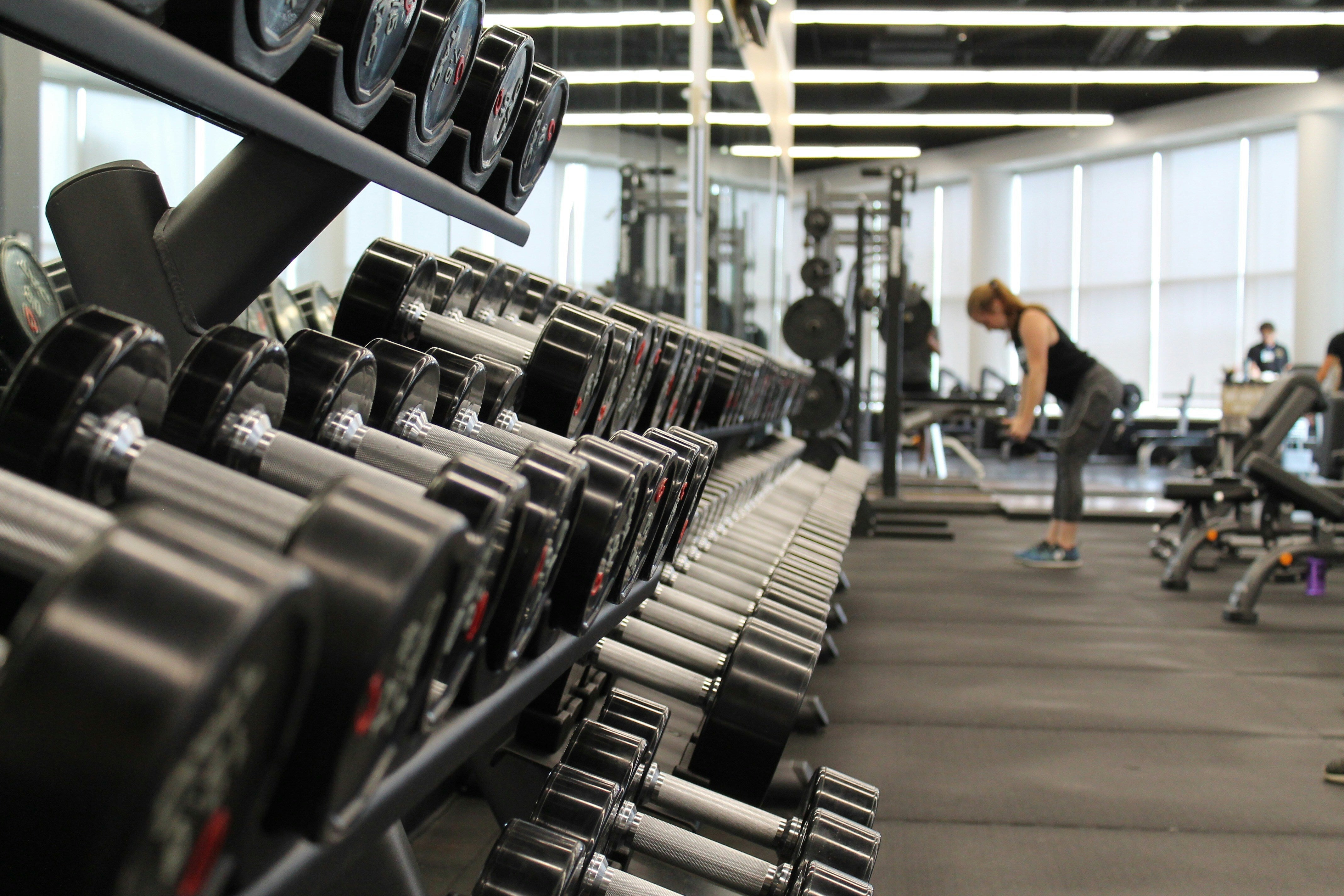
After all, the endless gadgets and machinery pros use can hog space and drain your bank account ― the same can be said for gym equipment.
Advertisement
Most of us can’t pack a treadmill, an elliptical, a stair master, a full rack of weights, and a Smith machine into our homes, after all.
So, we thought we’d ask Sam Quinn, a personal training lead at Nuffield Health Devonshire, which one piece of gym kit he can’t go without.
If Sam had to pick, he’d go with an Olympic barbell
The fitness expert told HuffPost UK: “The Olympic barbell is the single most valuable piece of equipment for achieving athletic performance, fitness goals, and changing body composition.”
Advertisement
It’s suitable for beginners and pros alike, the personal trainer added, explaining that its versatility makes it a must-have.
“The 20KG 7ft long Olympic barbell is used for resistance and strength training, building muscle, powerlifting and Olympic weightlifting,” Sam advised.
“This enables the individual to have the ability to train whichever muscle group of the body they are looking to develop or improve all physical characteristics from strength, power or speed using only one piece of equipment.”
Advertisement
We’ve written before at HuffPost UK about how important resistance and strength training is, especially as we age.
Of course, everyone’s at different points in their strength training, and progressive overload is key for muscle growth.
So it’s a good thing “the bar is loaded with plates varying in weight for resistance training,” allowing each user to change the intensity according to their ability.
Advertisement
Though some machines dedicate themselves to one part of our anatomy, though, Sam told us that the barbell can be “used to develop all the various movement patterns of the body.”
What exercises can I do with an Olympic barbell?
“The Olympic bar is a versatile, robust and easy-to-use piece of equipment,” Sam told HuffPost UK.
“The exercises that can be performed with the Olympic barbell include clean and jerk, snatch, bench press, squat, deadlift, bent over row, overhead press, hip thrust, landmine presses, bicep curls and skull-crushers.”
A parenting coach has shared the two-word response parents can use if their kids are being disrespectful – and it’s surprisingly simple.
In a TikTok video, Mike Wallach, who runs Apparently Parenting, said: “Stop letting your kids walk all over you with this one trick.
Advertisement
“It’s super simple – and when done correctly, they rarely push back against it.”
What’s the trick?
The parenting coach and behaviour analyst said if a child is disrespectful or rude towards you, all you need to say in response is: “Try again.”
This can be used in a variety of scenarios, added the parenting coach, such as “when they slam the door, when they yell back ‘no’, when they’re playing too rough, [or] when they snatch a toy out of someone’s hand”.
“They immediately know what needs to be done to change their behaviour,” he explained.
Of course, some younger children might need a bit more direction than simply “try again”. If they say something rude to you, or shout at you, you could respond: “That’s not how we talk to each other. Can you try again?”
Advertisement
If they shout a demand at you, like “I want a snack!” you could respond: “Let’s try that again. How do we ask nicely?”
According to My Parenting Solutions, asking for a replay is “so simple and effective”. But if your child is having a tantrum, it’s probably best to wait until they’ve calmed down to encourage them to try again.
Advertisement
The method can work well, because you’re giving children the opportunity to practice acting respectfully.
Any more tips?
Yes! If your child is being angry or rude, or having constant tussles with siblings, ‘special time’ might just help.
Child psychologist Dr Becky Kennedy, founder of Good Inside, described it as the “best bang-for-your-buck” parenting strategy.
Advertisement
Put simply, ‘special time’ is a period of time you carve out in your day where you and your child have one-on-one time together.
“So often, our attention as parents is split between work, siblings, admin, getting everyone fed, and the endless mental to-do list and demands on our time and resources,” Anna Mathur, a psychotherapist and author of The Uncomfortable Truth, told HuffPost UK.
But special time “cuts through that noise”.
It could be five minutes, it could be 15 minutes – but the idea is you get rid of all distractions and just sit and spend time with your kid.
Advertisement
Mathur said it works because “even 10 minutes of dedicated one-on-one time is a statement that tells your child: you matter, you’re seen, I want to be with you” and helps kids “feel emotionally secure, which strengthens their nervous system and improves behaviour”.
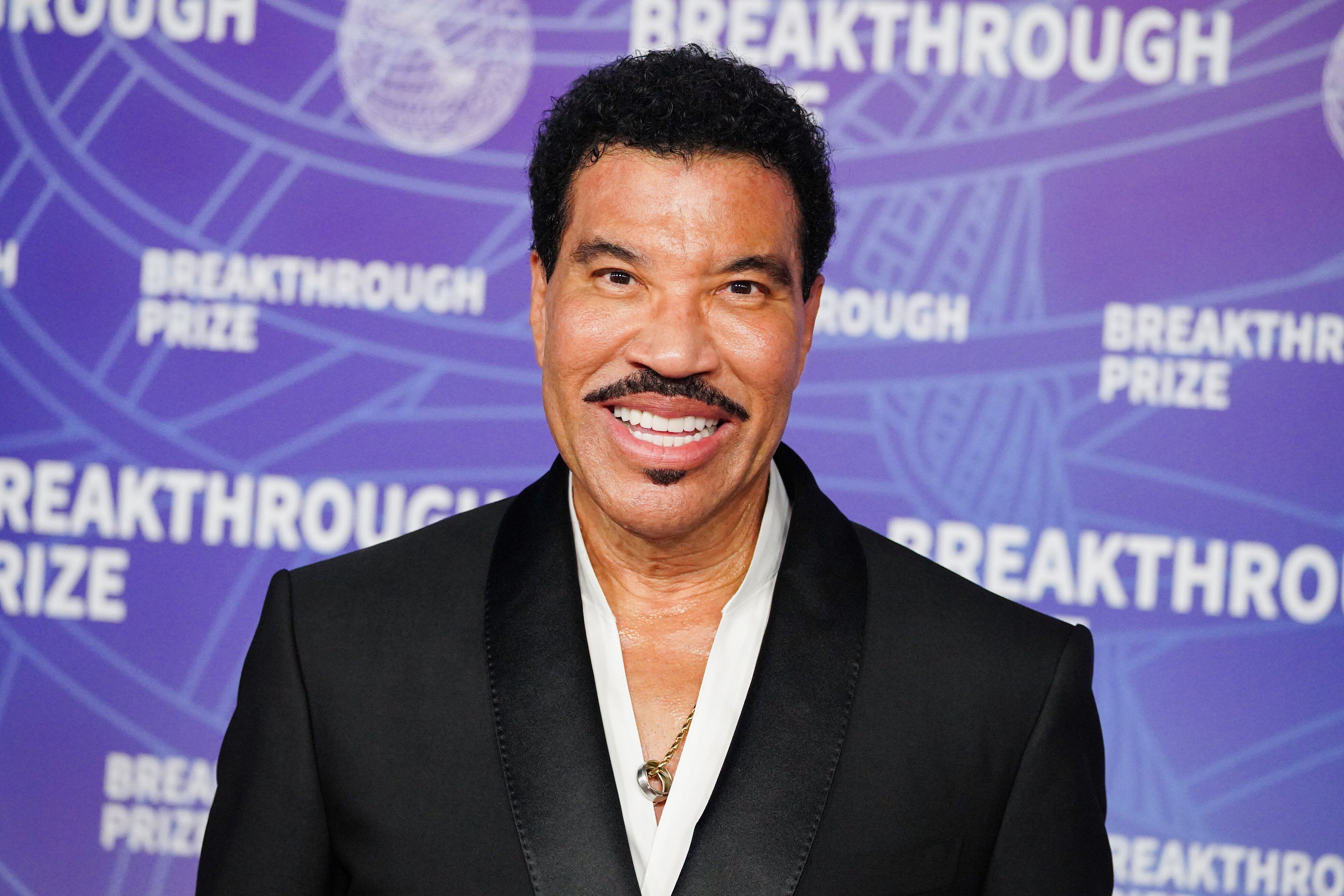
77-year-old musician Lionel Richie cut the first concert of his 26-date Sing A Song All Night Long tour short last night after saying he was “dizzy” on stage, Minnesota publication Bring Me The News has reported.
The iconic Endless Love star, who was headlining alongside Earth, Wind & Fire, was playing at the Grand Casino Arena in St Paul, Minnesota, the publication shared.
Advertisement
But about an hour into his set, after playing beloved hit Three Times A Lady, he apparently called for an unexpected break.
Afterwards, Deadline said, saxophonist Dino Soldo came on stage and announced Lionel wouldn’t be coming back as he was unwell.
“Unfortunately, Lionel is not feeling well,” the musician announced, adding, “Additional information will be available”.
Advertisement
The Minnesota Star Tribute added that he said he’d never sat down while performing energetic hit Dancing On The Ceiling before, and joked: “When you’re feeling dizzy, sit your ass down”.
HuffPost UK has reached out to Lionel’s representatives, who have yet to confirm the events or the celebrity’s health status.
Advertisement
An outpouring of well wishes has appeared on social media since. “Hope he’s OK”, one fan said on X after praising the “teriffic” show.
“Wishing him all the best! It was a great concert up to that point. EWF [Earth Wind & Fire] was at the top of their game,” another added.
Advertisement
Before the show, Lionel had shared an excited post to his Instagram, which read: “Opening night. Rehearsals. Sound check. Showtime tonight. Saint Paul, you’re up!!!”
Fans have since replied to the post: “Hope you are feeling better. Take care of yourself! We love you and enjoyed every minute of the show tonight. Your fans will always support you!”
Advertisement
More comments read, “hope you’re okay after the break!! what we heard was amazing! best of luck to future tour dates,” and thanking him for his performance.
The group, whose eligible members decide who’s the Academy Awards winners and nominees at the Oscars, boasts thousands of members who are divided into 19 branches.
Advertisement
If all the invitees take the Academy up on their offer, its voting members will rise to 10,338, The Guardian said.
Not all of these members are actors, either. Some are executives or PRs, while others work in the film industry in roles like writing and producing.
Advertisement
Academy CEO Bill Kramer and Academy President Lynette Howell Taylor said: “We are delighted to invite this remarkable group of film artists and professionals from around the world to join the Academy.
“Through their commitment to filmmaking, this year’s exceptionally talented class has made significant contributions to our global movie industry.”
Certain invitees, like Florence Miailhe, Chris Lavis, Oliver Laxe, Josh Safdie, Benny Safdie, and Ronald Bronstein, have asterisks next to their names in the invitation list.
Advertisement
That, the Academy explained, means they “have been invited to join the Academy by multiple branches. These individuals must select one branch upon accepting membership”.
During 2024′s Oscars ceremony, Janet Yang, then-president of the Academy, said: “Actors vote for actors; film editors vote for film editors; costume designers for costume designers; and so on… Best Picture nominations, however, are determined by all Academy members.”
Advertisement
The Academy’s site said that “Most categories are voted on by eligible voting members of the corresponding branch; however, certain categories may be open to members across all voting branches. Entries are voted on by a secret online ballot.”
In the finals voting process, meanwhile, “all eligible Academy members may participate… Members may vote in all 24 award categories.”
Who’s joining the Academy in 2026?
Actors
Mathieu Amalric – The Grand Budapest Hotel, The Diving Bell and the Butterfly Jon Bernthal – King Richard, Ford v Ferrari Raúl Briones – La Cocina, A Cop Movie Kenneth Choi – Spider-Man: Homecoming, The Wolf of Wall Street Jemaine Clement – Avatar: The Way of Water, What We Do in the Shadows Paddy Considine – The Death of Stalin, In America David Dastmalchian – Oppenheimer, Dune Ṣọpẹ́ Dìrísù – My Father’s Shadow, His House Jacob Elordi – Frankenstein, Saltburn Veronica Ferres – The Comedian, Schtonk! Stephen Fry – Love & Friendship, Gosford Park Josh Gad – Marshall, Frozen Julia Garner – Weapons, The Assistant Mia Goth – Frankenstein, Pearl Wood Harris – One Battle after Another, Remember the Titans Suzy Eddie Izzard – Victoria & Abdul, Ocean’s Twelve Inga Ibsdotter Lilleaas – Sentimental Value, Women in Oversized Men’s Shirts Simu Liu – Barbie, Shang-Chi and the Legend of the Ten Rings Scoot McNairy – A Complete Unknown, Argo Tig Notaro – Am I OK?, Instant Family Josh O’Connor – Wake Up Dead Man: A Knives Out Mystery, Challengers Jenna Ortega – Death of a Unicorn, Beetlejuice Beetlejuice Daniella Pineda – The Accountant 2, Jurassic World: Fallen Kingdom Lily Rabe – The Tender Bar, Miss Stevens Anthony Ramos – A House of Dynamite, In the Heights Miguel Sandoval – Tortilla Heaven, Clear and Present Danger Bill Skarsgård – Dead Man’s Wire, Nosferatu Jenny Slate – Marcel the Shell with Shoes On, Obvious Child Teyana Taylor – One Battle after Another, A Thousand and One
Advertisement
Animation
Chris Appelhans – KPop Demon Hunters, Wish Dragon Rachel Bibb – Ralph Breaks the Internet, Moana Ugo Bienvenu – Arco, A Kind of Testament Sharon Bridgeman – Over the Moon, Spider-Man: Into the Spider-Verse Jude Brownbill – Elio, Soul Tom Caulfield – Zootopia 2, Wish Lillian Chan – Space Cadet, Cities Mingjue Helen Chen – KPop Demon Hunters, Raya and the Last Dragon Félix de Givry – Arco, A Kind of Testament Camilla Deakin – Kensuke’s Kingdom, Ethel & Ernest Mary Alice Drumm – Elio, Coco Nathan Engelhardt – Forevergreen, Zootopia 2 Ruth Fielding – Kensuke’s Kingdom, Ethel & Ernest Corrie Francis Parks – SKRFF, Foreign Exchange Liane-Cho Han – Little Amélie or the Character of Rain, Calamity Jane Jason Hand – Moana 2, Encanto Maggie Kang – KPop Demon Hunters, The LEGO Ninjago Movie Avneet Kaur – Moana 2, Raya and the Last Dragon Liz Kearney – Magic Beach, Memoir of a Snail John Kelly – Retirement Plan Tom Knott – Ultraman: Rising, The Little Prince Michael Lasker – Spider-Man: Across the Spider-Verse, The Mitchells vs. the Machines Chris Lavis – The Girl Who Cried Pearls, Madame Tutli-Putli Henri Magalon – Little Amélie or the Character of Rain, Calamity Jane Florence Miailhe* – Butterfly, The Crossing Yoriko Mizushiri – Ordinary Life, Anxious Body Adrian Molina – Elio, Inside Out 2 Lucija Mrzljak – Eeva, The Stork Betsy Nofsinger – Kung Fu Panda 4, The Croods: A New Age Matt Nolte – Elio, Brave Andrzej Radka – Wolfwalkers, Ernest & Celestine Michelle Lee Robinson – Encanto, Ralph Breaks the Internet Ritchie Sacilioc – The Wild Robot, The Bad Guys JP Sans – The Bad Guys 2, The Bad Guys Sean Sexton – Kung Fu Panda 4, How to Train Your Dragon: The Hidden World Sajan Skaria – Luca, Toy Story 4 David Scott Smith – The Croods, Jimmy Neutron: Boy Genius Jeremy Spears – Forevergreen, Zootopia 2 Maciek Szczerbowski* – The Girl Who Cried Pearls, Madame Tutli-Putli Lynn Tomlinson – The Elephant’s Song, The Ballad of Holland Island House Maïlys Vallade – Little Amélie or the Character of Rain, I Lost My Body Benjamin Willis – The Bad Guys 2, Trolls Band Together Michelle L.M. Wong – KPop Demon Hunters, Vivo
Artist Representatives
Gabriel Cohen Victoria Cook Houston Costa Philip d’Amecourt Pete Franciosa Matt Galsor Emily Gerson Saines Jason Heyman Zach Kaplan Aleen Keshishian Anthony Mestriner Jimmy Miller Daniella Milton Brent Morley Abram Nalibotsky Paul Nelson Jim Osborne Peter Principato Bradley Rainey Danielle Shebby Stephen Travierso Alexandra Trustman Jason Weinberg Alan Wertheimer Andrew Zack
Casting Directors
Nicole Abellera – Project Hail Mary, One of Them Days Nicole Arbusto – His Three Daughters, Terri Chelsea Ellis Bloch – Emily the Criminal, Honey Boy Scot Boland – Flight, The Lovely Bones Nicole Daniels – The Beguiled, Beginners Gabriel Domingues – The Secret Agent, Power Alley Barbara Giordani – Immaculate, The Two Popes Tanja Grunwald – Another Round, The Hunt Dan Hubbard – The Damned United, United 93 Cassandra Kulukundis – One Battle after Another, There Will Be Blood Shayna Markowitz – Maestro, Joker Roberto Matus – The Settlers, Endless Poetry Rick Montgomery – Green Book, There’s Something about Mary Yoko Narahashi – Touch, The Wolverine Jessica Ronane – After the Hunt, Queer Marisol Roncali – Emily the Criminal, Atomic Blonde Dilip Shankar – Last Film Show, Monsoon Wedding Robert Sterne – Paddington in Peru, The World’s End Jennifer Venditti – Bugonia, Marty Supreme
Cinematographers
Evgenia Alexandrova – The Secret Agent, The Balconettes Ehab Assal – Omar, Unexpected Peace Michael Bauman – One Battle after Another, Licorice Pizza Ante Cheng – Preparation for the Next Life, Jamojaya Christopher Chomyn – Como caído del cielo, Wild about Harry Wilssa Esser – Our Secret, Aurora Markus Förderer – September 5, Red Notice Brian Rigney Hubbard – Paint It Black, Rock Hudson: All That Heaven Allowed Amin Jafari – It Was Just an Accident, Divine Comedy Kim Woo-hyung – No Other Choice, Assassination Olympia Mytilinaiou – Miss Violence, Maestra Tudor Vladimir Panduru – The President’s Cake, Metronom Anna Patarakina – Dreamers, The Lesson Laurie Rose – Catherine Called Birdy, Rebecca Joe Saade – Joyland, A Sad and Beautiful World Juan Sarmiento G. – The Voice of Hind Rajab, Islands Malik Hassan Sayeed – After the Hunt, He Got Game Glynn Speeckaert – Marguerite, Life for Real Suren Tadevosyan – Yasha and Leonid Brezhnev, The Reverse Side of the Medal Adolpho Veloso – Train Dreams, Jockey Nicole Whitaker – Dust Bunny, Chasing the Blues Paul Yee – Joy Ride, Colewell
Costume Designers
Nadia Acimi – Sirāt, Fire Will Come Rita Azevedo – The Secret Agent, Bacurau Miyako Bellizzi – Marty Supreme, Uncut Gems Jacqueline Bouchard – Thérèse, I’ve Loved You So Long Vera Chow – Rosemead, Boogie Retno Ratih Damayanti – Samsara, Before, Now & Then Malena de la Riva – I’m No Longer Here, Museo Stefano De Nardis – Book Club: The Next Chapter, L’imbroglio nel lenzuolo Michaela Horáčková Hořejší – Franz, Princ Mamánek Siân Jenkins – Good Luck to You, Leo Grande, The Lighthouse Sabrina Krämer – Sound of Falling, Sweet Disaster Eka Lakhani – Rocky Aur Rani Kii Prem Kahaani, Chekka Chivantha Vaanam Katarzyna Lewińska – EO, In Darkness Stewart Meachem – The Mistress of Spices, Billy Elliot Olga Mill – Eileen, Hereditary Karen Muller Serreau – Stillwater, At Eternity’s Gate Kumiko Ogawa – Kokuho, Kill Bill – Vol. 1 Giulia Piersanti – Suspiria, Call Me by Your Name Peggy Schnitzer – Honey Don’t!, Elvis & Nixon Emily Seresin – Carmen, I Am Woman Nami Shinozuka – Eiga Biri Gyaru, Herutā Sukerutā Anna Vilppunen – Sisu, Tom of Finland PC Williams – The Roses, Polite Society Karen Yip – Twilight of the Warriors: Walled In, Anita Ellen Ystehede – Sentimental Value, The Worst Person in the World
Advertisement
Directors
Eugene Ashe – Sylvie’s Love, Homecoming Marcelo Caetano – Baby, Body Electric Zach Cregger – Weapons, Barbarian Gyula Gazdag – Hungarian Chronicles I-II, A Hungarian Fairy Tale Daniel Goldhaber – Faces of Death, How to Blow Up a Pipeline Guan Hu – Black Dog, The Eight Hundred Tom Harper – Peaky Blinders: The Immortal Man, The Aeronauts Raven Jackson – All Dirt Roads Taste of Salt Kim Jee-woon – Cobweb, I Saw the Devil Oliver Laxe* – Sirāt, Fire Will Come Rashid Masharawi – Passing Dreams, Laila’s Birthday James Ponsoldt – The End of the Tour, The Spectacular Now Haider Rashid – Europa, It’s About to Rain Nicole Riegel – Dandelion, Holler Alonso Ruizpalacios – La Cocina, A Cop Movie Benny Safdie* – The Smashing Machine, Uncut Gems Josh Safdie* – Marty Supreme, Uncut Gems Julia Solomonoff – Nobody’s Watching, The Last Summer of La Boyita Anocha Suwichakornpong – Come Here, By the Time It Gets Dark Tusi Tamasese – One Thousand Ropes, The Orator Fernanda Valadez – Sujo, Identifying Features
Documentary
Juan Arredondo – Armed Only with a Camera: The Life and Death of Brent Renaud, The Prosecutors David Borenstein – Mr. Nobody against Putin, Can’t Feel Nothing Isabel Castro – Selena y Los Dinos, Mija Kahane Corn Cooperman – The Antidote, Joe’s Violin Jessica Edwards – Eno, Mavis! Mohammadreza Eyni – Cutting through Rocks, Convergence: Courage in a Crisis Helle Faber – Mr. Nobody against Putin, Mummy’s Boys Amber Fares – Coexistence, My Ass!, The Devil Is Busy Maxyne Franklin – The Edge of Democracy, Virunga Jeff Gilbert – Holding Liat, Boys State Lizzie Gillett – Super/Man: The Christopher Reeve Story, The Territory Ingvil Giske – The Remarkable Life of Ibelin, The Painter and the Thief Anna Godas – Every Little Thing, McEnroe Christalyn Hampton – The Devil Is Busy, Maxine’s Baby: The Tyler Perry Story Oli Harbottle – Every Little Thing, McEnroe Andrew Jarecki – The Alabama Solution, Capturing the Friedmans Conall Jones* – All the Empty Rooms, Stranger at the Gate Shalini Kantayya – TikTok, Boom., Coded Bias Alžběta Karásková – Mr. Nobody against Putin, Blix Not Bombs Charlotte Kaufman – The Alabama Solution, Occupy Cannes! Sara Khaki – Cutting through Rocks, Convergence: Courage in a Crisis Paweł Łoziński – The Balcony Movie, Father and Son Michelle Mizner – 2000 Meters to Andriivka, 20 Days in Mariupol Jenni Morello – The AI Doc: Or How I Became an Apocaloptimist, Victim/Suspect Peter Murimi – The Battle for Laikipia, I Am Samuel Iris Ng – There Are No Words, One of Ours Camilla Nielsson – President, Democrats David Osit – Predators, Mayor Joseph Patel – SLY LIVES! (aka The Burden of Black Genius), Summer of Soul (…Or, When the Revolution Could Not Be Televised) Alisa Payne – The Perfect Neighbor, Stamped from the Beginning Craig Renaud* – Armed Only with a Camera: The Life and Death of Brent Renaud, Shelter Marcia Rock – I Remember, Duet Afsaneh Salari – Writing Hawa, The Silhouettes Alicia Sams – Art Spiegelman: Disaster Is My Muse, By the People: The Election of Barack Obama Radovan Síbrt – Mr. Nobody against Putin, Blix Not Bombs Sky Sitney – Life and Debt Robert Stengård – The Remarkable Life of Ibelin, The Painter and the Thief Audrius Stonys – Bridges of Time, Woman and the Glacier Rea Tajiri – Wisdom Gone Wild, Lordville Catalina Villar – Ana Rosa, The New Medellín Jeremy Workman – Secret Mall Apartment, Lily Topples the World Dorottya Zurbó – Agent of Happiness, The Next Guardian
Executives
Angel An Carolyn Bernstein Farhana Bhula Josh D’Amaro Daniela Elstner John Friedberg Michael Heimler Fionnuala Jamison Liz Jenkins Janine Jones-Clark Nathanaël Karmitz Natalie Rae Lehmann Christina Leotis Matt Levin Dennis Lim Theresa Steele Page Mike Polydoros Rayne Roberts Andrea Scrosati Shary Shirazi Daniel Steinman Lorna Tee Jason Wald Kevin Michael Wilson Alex Almogabar Zahn Zhang Xin
Advertisement
Film Editors
Martin Bernfeld – Little Wing, Saban’s Power Rangers Deepa Bhatia – Skater Girl, Taare Zameen Par Daysha M. Broadway – Ricky, Whitney Houston: I Wanna Dance with Somebody Ronald Bronstein* – Marty Supreme, Uncut Gems Nena Hsu Erb – Joy Ride, Dealin’ with Idiots Amir Etminan – It Was Just an Accident, No Bears Matheus Farias – The Secret Agent, Pictures of Ghosts Cristóbal Fernández – Sirāt, Mimosas Paola Freddi – Another End, Monica Ahmed Hafez – El Sett, Clash Jean-Christophe Hym – Four Daughters, Stranger by the Lake Andy Jurgensen – One Battle after Another, Licorice Pizza Dimitri Komm – The Master and Margarita, T-34 Joseph Krings – Captain Fantastic, Supermensch: The Legend of Shep Gordon Parker Laramie – Train Dreams, Sing Sing Viridiana Lieberman – The Perfect Neighbor, Born to Play Melody London – Novocaine, Down by Law Rebekka Lønqvist – Mr. Nobody against Putin, Mr. Graversen Bret Marnell – Ultraman: Rising, Smurfs: The Lost Village Nicolaj Monberg – Mr. Nobody against Putin, Riders of Justice Olivia Neergaard-Holm – The Chronology of Water, The Apprentice A. Sreekar Prasad – RRR, Dil Chahta Hai Jane Rizzo – The Hunt, Leave No Trace Laurent Rouan – Case 137, The Night of the 12th Josh Safdie* – Marty Supreme, Daddy Longlegs Evan Schiff – Frankenstein, Nobody Eduardo Serrano – The Secret Agent, Bacurau Michael P. Shawver – Sinners, Black Panther Rosario Suárez – Kill the Jockey, The Last Summer of La Boyita
Makeup Artists and Hairstylists
Marisa Amenta – The Secret Agent, I’m Still Here Jana Carboni – Gladiator II, Napoleon Orla Carroll – The Banshees of Inisherin, Cinderella Cliona Furey – Frankenstein, Nightmare Alley Stephen Kelley – Bill & Ted Face the Music, John Wick Jordan Samuel – Frankenstein, Crimson Peak Anne Cathrine Sauerberg – The Ugly Stepsister, The Girl with the Needle Shunika Terry – Sinners, The Matrix Resurrections Kyoko Toyokawa – Kokuho, The Great Passage Chiara Tripodi – Send Help, The Naked Gun
Advertisement
Marketing and Public Relations
Emily Lu Aldrich Susie Arons Thomas Beatty Sharon Black Ben Carlson Rocío Chicharro Gutiérrez Tom Cunha Harris Dew David Gray Edwards Jonathan David Epstein Andrew Ferguson Danielle Freiberg Madelyn Hammond Josh Haroutunian Teri Kane Amanda Levin Joey Monteiro Megan Moss Claire-Marie Murphy Ben Proctor Rachel Rosen Tolley Shields Hugh Kashnor Spearing Kara Spector Telly Wong
Music
Sara Bareilles – Come See Me in the Good Light, Battle of the Sexes
Vishal Bhardwaj – Crazxy, Gustaakh Ishq
Suad Bushnaq – Yunan, Hobal
Arturo Cardelús – Dragonkeeper, Black Beach
Angela Rose Claverie – Silent Night, The Nun 2
EJAE – KPop Demon Hunters
Karim Sebastian Elias – Cutting through Rocks, Of Fathers and Sons
James Fauntleroy – Black Panther: Wakanda Forever, Dolemite Is My Name
Robert Aiki Aubrey Lowe – Seeds, Candyman
Haim Mazar – Self-Help, Desperation Road
Denise Okimoto – Dead Man’s Wire, First They Killed My Father
Felipe Pacheco – Sinners, Oppenheimer
Laetitia Pansanel-Garric – Olivia and the Invisible Earthquake, Hola Frida
Nicolas Rabæus – Hello Betty, Thunder
Hania Rani – Sentimental Value, The Summer Book
Ryan Romeyn Rubin – F1, Dune
Batu Sener – Atatürk 1881-1919, Better Man
Glenn Evan Slater – Spellbound, Tangled
Mark Sonnenblick – KPop Demon Hunters, Spirited
Daniel Waldman – Knives Out, Joker
DeVaughn Watts – The Wild Robot, Shang-Chi and the Legend of the Ten Rings
Oren Yaacoby – KPop Demon Hunters, Spirited
Ben Zales – Freakier Friday, Ballerina
Producers
Karim Aïtouna – Poisonous Roses, Where the Wind Comes From Andrea Berentsen Ottmar – Sentimental Value, The Worst Person in the World Yulia Evina Bhara – Autobiography, Tiger Stripes Olha Bregman – Timestamp, Stop-Zemlia Eli Bush – Marty Supreme, Lady Bird Mark Ceryak – Sorry, Baby, Aftersun Lamia Chraïbi – Mica, The End Robert Connolly – Paper Planes, Emily Sylvain Corbeil – Falcon Lake, It’s Only the End of the World Andrew D. Corkin – Rosemead, The Desperate Hour Ben Cosgrove – The Good German, Rumor Has It… Rodolfo Cova – The Family, Fortitude Liz Destro – Clerks III, The Little Hours Marta Donzelli – The Last One for the Road, Sworn Virgin Maria Ekerhovd – Sentimental Value, The Ugly Stepsister Tania El Khoury – Backstage, The River Negar Eskandarfar – Careless Crime, A Separation Nicolas Gonda – Hamnet, The Tree of Life Adrián Guerra – The Penguin Lessons, Buried Marianela Illas – The Family, El Amparo Oleg Kokhan – Animals in War, Eternal Homecoming Nataliya Libet – Timestamp, Stop-Zemlia Kevin Loader – My Cousin Rachel, The Personal History of David Copperfield Liza Marshall – Hamnet, The End We Start From Matthew Miller – Nirvanna The Band The Show The Movie, Blackberry Mason Novick – Juno, Lisa Frankenstein Chad Oman – F1, Top Gun: Maverick Leontine Petit – Sweet Dreams, Mr. K Igor Savychenko – When the Trees Fall, Brothers. The Final Confession Shan Zuolong – Resurrection, Long Day’s Journey into Night Alexandru Teodorescu – Dracula, Kontinental ’25 Volodymyr Yatsenko – U Are the Universe, Reflection
Production and Technology
Alicia Accardo Jeff Barnes Derek Bradley Gregory Brentin Marguerite Derricks David Eubank Maxine Gervais Jillian Giacomini Geoffrey Haley Josh Haynie Jim Helman Farah Khan Theodore Kim Lori Korngiebel Mark Meyer John Moyer Domonkos Párdányi Alexandra Patsavas Karyn Ruth Rachtman Rajesh Ramachandran Christopher Russell Christopher Paul Scott Steven S. Shapiro Jamal Sims Andrea Wertheim
Production Design
Serge Archambault – Dune: Part Two, Beau Is Afraid Mohamed Attia – Al Aref, Al Feel Al Azraq Andrew Bennett – Glass Onion: A Knives Out Mystery, No Time to Die Anthony Carlino – One Battle after Another, Babylon Monique Champagne – Sinners, Nickel Boys Gina Louise Sara Cromwell – Downton Abbey, Mary Queen of Scots Tamara Deverell – Frankenstein, Nightmare Alley Kelsi Ephraim – Everything Everywhere All at Once, Palm Springs Zachary Fannin – Guardians of the Galaxy Vol. 3, Avatar: The Way of Water Thales Junqueira – The Secret Agent, Baby Jason Kisvarday – Everything Everywhere All at Once, Swiss Army Man Carlos Lagunas – Cabrini, Sound of Freedom Elizabeth Linn – West Side Story, Joker Florencia Martin – One Battle after Another, Babylon Caty Maxey – Civil War, Jurassic World Brad Ricker – Black Panther: Wakanda Forever, Dune Clint Schultz – Top Gun: Maverick, Star Trek Lisa Scoppa – Caught Stealing, The Whale Hugues Tissandier – Valerian and the City of a Thousand Planets, The Messenger: The Story of Joan of Arc Simon Weisse – Asteroid City, The Grand Budapest Hotel Jane Wuu – Star Trek, The Curious Case of Benjamin Button
Short Films
Scott Aharoni – Money Talks, Leylak David Atrakchi – Five to One, Rise of a Star Arvin Belarmino – Agapito, Hinakdal Miguel Angel Caballero – The Ballad of Tita and the Machines, Acuitzeramo Bruno Carnide – Memories of an Empty House, The Girl Who Walked on Snow Chiang Wei Liang – Kaohsiung City, Yancheng District, Fubei Rd., No.31, Luzon Akinola Davies – Lizard, Contactless Dani Feixas Roca – Tito, Paris 70 Andrew Freedman – Retirement Plan, Undressing My Mother Kryzz Gautier – Chimera, Keep Delete Conall Jones* – All the Empty Rooms, Stranger at the Gate Abby Lynn Kang Davis – The Queen of Basketball, A Concerto Is a Conversation Mickey Lai – WAShhh, The Cloud Is Still There Tamika Lamison – Superman Doesn’t Steal, The Magic Bracelet Chris Lavis* – The Girl Who Cried Pearls, Madame Tutli-Putli Andrew Stephen Lee – At Little Wheelie Three Days Ago, Manila Is Full of Men Named Boy Noëlle Lévénez – The Man Who Could Not Remain Silent, Alarms Vea Mafile’o – I Am Not Your Dusky Maiden, Lea Tupu’ Anga (Mother Tongue) Florence Miailhe* – Butterfly, Urban Tale Natalie Musteata – Two People Exchanging Saliva, The Appointment Sharon S. Park – The Unreachable Star, Soak Jack Piatt – The Singers, Lolo & The Barbershop Lkhagvadulam Purev-Ochir – A South Facing Window, Snow in September Christopher Radcliff – We Were the Scenery, Jonathan’s Chest Craig Renaud* – Armed Only with a Camera: The Life and Death of Brent Renaud, Between Borders: American Migrant Crisis Alexandre Singh – Two People Exchanging Saliva, The Appointment Maciek Szczerbowski* – The Girl Who Cried Pearls, Madame Tutli-Putli Peter Tscherkassky – Train Again, The Exquisite Corpus Tom Van Avermaet – Hearts of Stone, Death of a Shadow Loren Waters – Tiger, Udeyonv (What They’ve Been Taught)
Sound
Eric Beam – The Novice, Justice League Laia Casanovas – Sirāt, Parallel Mothers Greg Chapman – Frankenstein, Nightmare Alley Ryan Delavan Cole – Deadpool & Wolverine, Miss Juneteenth Ron Eng – The Nun, Mulholland Drive Victoria Franzan – Belén, Heroic Losers Trevor Gates – Twinless, Doctor Sleep Abdolreza Heidari – It Was Just an Accident, Terrestrial Verses Warren Keith Hendriks – Bad Boys: Ride or Die, Better Man Rawad Hobeika – Palestine 36, Goodbye Julia Kim Eun-jung – Concrete Utopia, Decision to Leave Patrushkha Mierzwa – Killers of the Flower Moon, Ad Astra Michael Miller – Spinal Tap II: The End Continues, Nosferatu Rodrigo Ortiz – Primate, Patriots Day Jessie Pariseau – Superman, Wicked Yasmina Praderas – Sirāt, A Perfect Enemy Nina Rice – The Sheep Detectives, Barbie Jacob Riehle – Project Hail Mary, The Batman Nathan Robitaille – Frankenstein, The Shape of Water Steve Schatz – Project Hail Mary, Guardians of the Galaxy Vol. 2 Tetsuo Segawa – Matinee, Akira Hassan Shabankareh – The Seed of the Sacred Fig, Finding Farideh Bernardo Uzeda – My Name Is Daniel, Good Manners Tony Villaflor – One Battle after Another, Vice Amanda Villavieja – Sirāt, Mimosas Chris Welcker – Sinners, Bill & Ted Face the Music Jack Whittaker – Smurfs, Seberg Alexa Zimmerman – Black Phone 2, Little Women Brad Zoern – Frankenstein, The Shape of Water
Advertisement
Visual Effects
Stephen Aplin – Jurassic World Rebirth, Aladdin Christopher Batty – Transformers One, Aquaman Daniel Bethell – Furiosa: A Mad Max Saga, The Flash Jelmer Boskma – Eternals, Ant-Man and the Wasp Russell Bowen – The Lost Bus, Venom: Let There Be Carnage Gavin Boyle – Creation of the Gods II: Demon Force, Creation of the Gods I: Kingdom of Storms Mike Brazelton – Madame Web, Bullet Train Stuart Bullen – Mission: Impossible – The Final Reckoning, Guardians of the Galaxy Vol. 3 TJ Burke – Project Hail Mary, Ballerina Charmaine Chan – Jurassic World Rebirth, The Creator Nicolas Chevallier – F1, The Fall Guy Amy Beth Christenson – Transformers One, Indiana Jones and the Dial of Destiny Sonia M. Contreras – Tron: Ares, The Irishman Keith Dawson – F1, Ready Player One Donnie Dean – Sinners, Nickel Boys Tara DeMarco – The Marvels, The Bronze Raul Essig – Wicked: For Good, Wicked Bill Georgiou – Twisters, Mission: Impossible – Dead Reckoning Part One Becky Graham – Death on the Nile, Bhoot: Part One – The Haunted Ship Pablo Grillo – Paddington in Peru, The Little Mermaid Robert Harrington – F1, Thunderbolts* Nicole Herr – The Lion King, The Jungle Book Christian Kaestner – Gladiator II, Alien: Covenant Shawn Kelly – Venom: The Last Dance, Avengers: Infinity War Andy Kind – How to Train Your Dragon, The Little Mermaid Brandon K. McLaughlin – The Lost Bus, Killers of the Flower Moon Jay Mehta – Creation of the Gods I: Kingdom of Storms, Maharshi Glenn Joseph Melenhorst – How to Train Your Dragon, John Wick: Chapter 3 – Parabellum Espen Nordahl – The Electric State, Sinners Thomas Proctor – Mortal Kombat II, Justice League Michael Ralla – Sinners, Black Panther: Wakanda Forever Joshua Keir Simmonds – The Sheep Detectives, Together Fausto Tejeda – Now You See Me: Now You Don’t, The Ambush Marjolaine Tremblay – The Shack, Game Night Guido Wolter – Sinners, Shang-Chi and the Legend of the Ten Rings Clement Yip – Atlas, Sonic the Hedgehog 3 David Zaretti – The Lost Bus, The Running Man
Writers
Jesse Andrews – Elio, Luca Ronald Bronstein* – Marty Supreme, Uncut Gems Cheo Hodari Coker – Creed II, Notorious Gary Dauberman – It Chapter Two, It Santiago Fillol – Sirāt, Fire Will Come Dan Fogelman – Cars 2, Crazy, Stupid, Love. Holly Gent – Nouvelle Vague, Where’d You Go, Bernadette Tearepa Kahi – Muru, Hunt for the Wilderpeople Alireza Khatami – The Things You Kill, Terrestrial Verses Oliver Laxe* – Sirāt, Fire Will Come Lee Kyoung-mi – No Other Choice, The Truth Beneath Satoko Okudera – Kokuho, Rebirth Vince Palmo – Nouvelle Vague, Where’d You Go, Bernadette Shadmehr Rastin – It Was Just an Accident, As Simple as That Klaudia Reynicke – Reinas, Love Me Tender Benny Safdie* – The Smashing Machine, Uncut Gems Josh Safdie* – Marty Supreme, Uncut Gems Nader Saïvar – It Was Just an Accident, The Witness Tarik Saleh – Eagles of the Republic, Cairo Conspiracy Joe Shrapnel – The Woman in Cabin 10, Rebecca Will Tracy – Bugonia, The Menu Aslihan Unaldi – Afloat, Skate Kitchen Anna Waterhouse – The Woman in Cabin 10, Rebecca Christopher Makoto Yogi – I Was a Simple Man, August at Akiko’s Nathan Zellner – Damsel, Kumiko, the Treasure Hunter Sameh Zoabi – Tel Aviv on Fire, The Idol
We hope you love the products we recommend! All of them were independently selected by our editors. Just so you know, HuffPost UK may collect a share of sales or other compensation from the links on this page if you decide to shop from them. Oh, and FYI — prices are accurate and items in stock as of time of publication.
I hate cleaning. I know, that’s not revolutionary or new in any way. But if I’m being honest with myself, it’s simply not going to get done amidst the million other things I have going on at all times. I’m a busy gal!
Advertisement
Recently, I did something life-changing: I accepted that about myself, and got a robot vacuum.
Specifically, the Shark PowerDetect UV Reveal, which hoovers and mops your entire house without you even having to think. I got it for full price but good news for you: you can get more than 50% off the original price of £1,099 on Amazon right now!
A robot vacuum is something I’ve been contemplating for a long time – I knew I wanted one that could do multiple things (I mean, preferably clean my shower and toilet, too) but I was yet to find the right one.
When Shark released its latest vacuum, I was convinced to finally make the jump.
Using UV detection, it’s able to find the most stubborn stains in your house that not even you can see. It also empties its own rubbish into its base, including dust and dirty mop water, so you don’t have to do anything – finally, exactly what I need.
Advertisement
An honest review of the SharkPowerDetect UV Reveal
First impressions
After managing to somehow lug the vacuum up my stairs by myself (that’s on going to the gym) it was time to face what I think is the worst part of getting any new product: the set up.
Luckily, assembling the parts was fairly easy – I filled the water tank with the included floor cleaner and plugged the base into a wall socket. Then came connecting the Shark Clean app to the vacuum, which was painless thanks to the inclusion of a QR code.
Somewhat surprisingly, the most difficult part was connecting the vacuum to WiFi. I’m Gen Z, so this shouldn’t happen, but it took me about three attempts to successfully make the robot stay connected.
Advertisement
Getting started
Once the robot was talking to me, I knew everything was working as it should. The app instructed me to get the robot to map my house, which it did quickly, marking out where there were chairs, tables, rugs, and sofas.
It also gave me the option to demarcate where each room starts and ends – great, as I have an open floor kitchen and living room – and section off ‘no-go’ zones the robot had missed on its initial scan.
Then came for the first clean. I asked it to vacuum just my living room, which it did with complete ease.
Advertisement
I hate to admit this, but I finally understood why some people get emotionally attached to their robot: watching it twirl around chair legs, figure out where my rugs start and end, and empty itself at its base was like watching a confused (but unusually elegant) dog sniff around my house.
My affection only grew when I realised, around 40 minutes later, that my house was completely spotless. Before investing in a robot vacuum, my biggest concern was whether it would be able to get deep into the corners of my room.
But thanks to the included side brushes, it managed to get into hard-to-reach spots, and spent more time around bases of chairs than I usually would when hoovering myself.
Advertisement
The mop function was also completely unobtrusive, as it dries after itself, so you never have to worry about slipping on its wet trail.
It also takes itself back to the base for an empty whenever its dust tank gets full, and (reassuringly) to clean its mop pad several times during the course of a full-room mop.
Added features
After using the vacuum for the first time, I used the Shark app to set a cleaning schedule.
What’s great is you can ask the robot to only vacuum or mop at a time – because who’s mopping every day unless you have a particularly dirty dog or mucky children – or to spot clean an area you’ve had an unfortunate spillage in.
Advertisement
You can even do this when you’re not home, so you know you’ll always come home to a clean house.
Much to my joy, that means I rarely ever have to think about cleaning, other than when I happen to be in my living room when it’s time for its clean, and every 60 days when you need to empty its base and refill its water.
Final verdict
Rating: 4.5/5
It’s easy to use once you’ve set it up
Gets into the corners and around chairs
Doesn’t leave a wet trail behind it
Can detect where the carpet is and spot clean
Empties its own dust and cleans its own water pad
A little noisy
It can’t clean your skirting or areas that are covered (duh)
Connectivity to the app can be a little tricky
Overall, I’ve been extremely happy with my new robot friend. Yes, I’ve developed an unhealthy dependence on it (don’t worry, I’m still cleaning the rest of my house) and find it way too charming.
Now, though, I no longer have to worry about doing basic but boring cleaning tasks. Naturally, its format means it doesn’t clean skirting boards or countertops, so Shark, please develop that next.
But it does a great job of checking off all-over vacuuming and mopping. The only drawback is that connectivity to the app can occasionally fall off.
Advertisement
I also think the Shark Clean app could use some work, it’s a pretty basic interface, which does get the job done, but in future I’d like to see more features.
For £489 on Amazon right now, though, I have no complaints. So run, don’t walk, because you only have 36 hours left to snatch up this, frankly, insane deal.
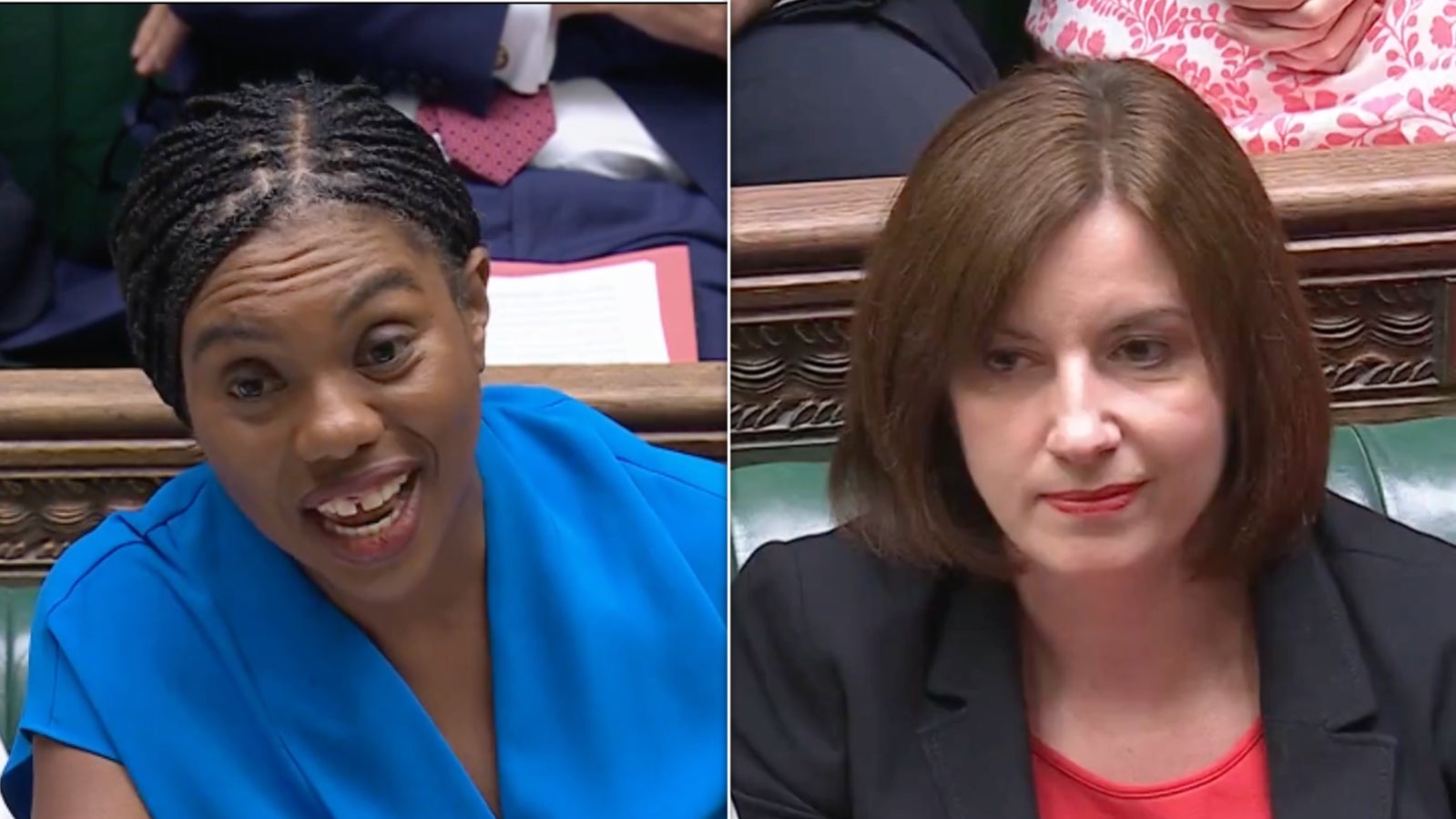
A Tory source said: “Labour MPs confronted Kemi, including Bridget Phillipson. Kemi replied: ‘I will never stop fighting you. You’re destroying children’s lives’.”
An ally of Phillipson told HuffPost UK: “Badenoch has once again disgraced herself.
“She and her putrid party can’t stand working class women who do well.
“If standing up for the 94% of kids in state schools makes Bridget a spiteful class warrior then she’ll wear it with pride.”
The Conservative leader stunned many within the Labour Party with her visceral attack on Keir Starmer and his most senior ministers in the Commons today.
“When we leave this chamber, don’t be surprised when constituents think they can use the same language against each other. Let us show a little bit more decorum and respect to each other.”
Advertisement
Listen to Commons People, the podcast that makes politics easy. Every week, Kevin Schofield and Kate Nicholson unpack the week’s biggest stories to keep you informed. Join us for straightforward analysis of what’s going on at Westminster.
Unfortunately, this is how my week goes: I buy my groceries on Sunday, enjoy them until Wednesday, and then realise that I’ve bought way too many fresh fruits and veggies that have now turned brown in the bowl.
The worst culprit is bananas. And while I love using the older ones for banana bread, sometimes I wish I could keep them firm and yellow for longer than two poxy days.
Advertisement
But it turns out I could have been enjoying their creamy, unblemished centres for longer – if only I’d wrapped the stalks in tinfoil.
Why does wrapping banana stalks in tinfoil keep them fresher?
It’s down to a gas called ethylene. This is responsible for the enzymatic browning (basically, “going off”) of bananas.
It’s the same substance that causes fruit to ripen, which is why placing unripe fruit in the same bag as a banana can encourage them to mature.
If you’re out of tinfoil, according to fruit company Dole, simply chucking your bananas in the fridge can stall the ripening process.
Advertisement
They say that the anti-browning effects are so strong, you should only place your bananas in the fridge when they’re at a perfect ripeness.
Martha Stewart’s site suggests that “bananas can be stored on a kitchen counter until they are ripe, and then they can be stored in the refrigerator for at least two days more or until the skin becomes black”.
This is because while refrigerating bananas will keep their flesh from ripening, it may also blacken their skin prematurely.
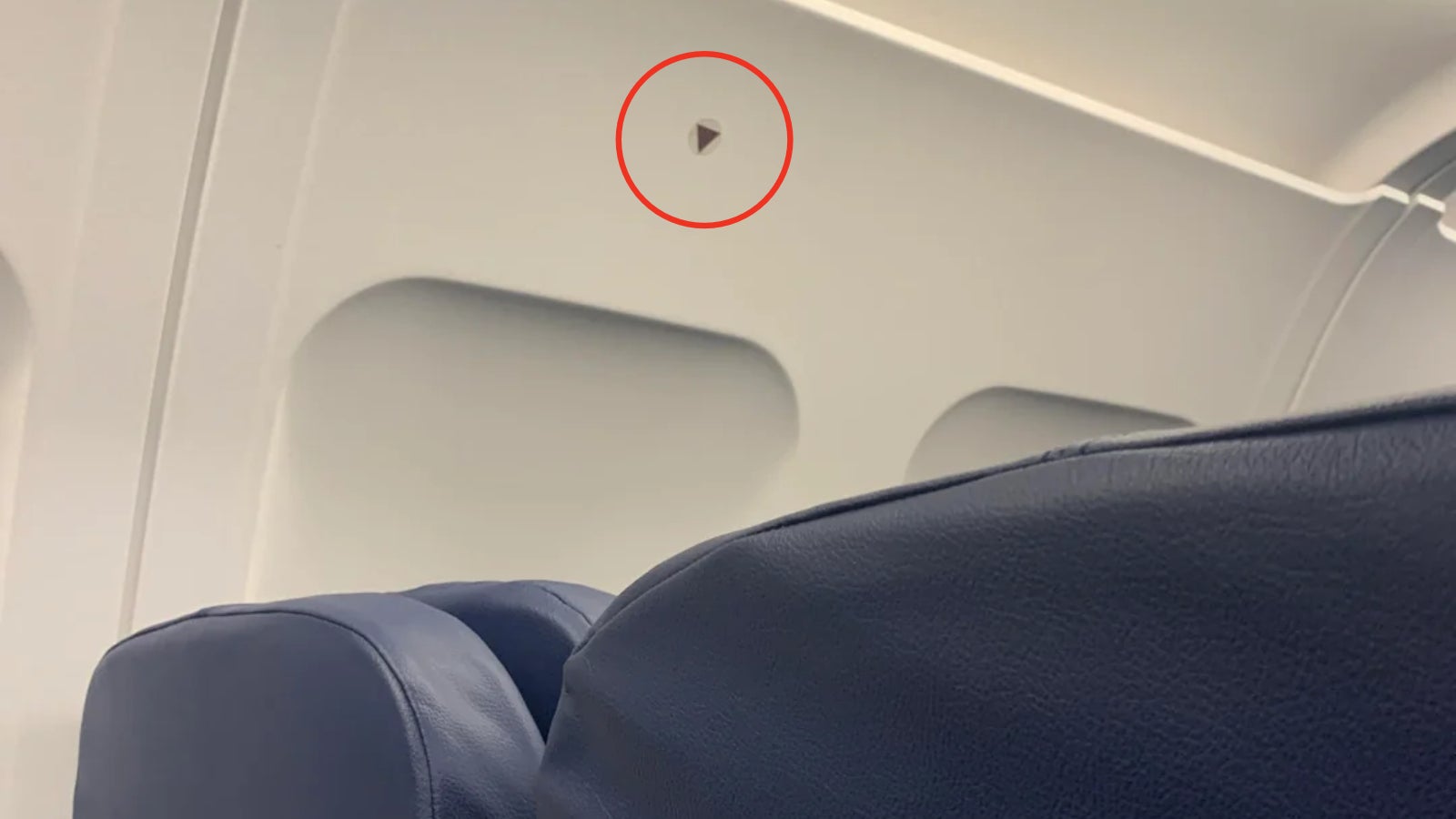
“TIL about the ‘William Shatner’ seat, a term for the seat on an aeroplane providing the clearest view of the wings, allowing flight attendants and other crew easier inspection. It is denoted with a black triangle,” they wrote.
Advertisement
Is that true? What is a “Shatner seat”?
On TikTok, a flight attendant for Cebu Pacific, Henny Joyce Lim, agreed.
“Passengers sitting next to the triangles get the best view of the wings,” she added.
“If the flight crew need to check the wings, these triangles let them know the best vantage points for the slats and flaps outside.”
In other words, if something seems to be wrong with the wings of the plane, either mid-flight or on the runway, this is the vantage point from which staff assess the situation. It can also help to check for ice on the wings.
The pro suggested picking seats beneath these tiny triangular stickers if you get the option to select your row on board, because the scenery it offers is stunning.
Advertisement
She also advised that “those triangle-marked seats are either at number 10 or at 18, but it still depends on the type of aircraft one is travelling in.”
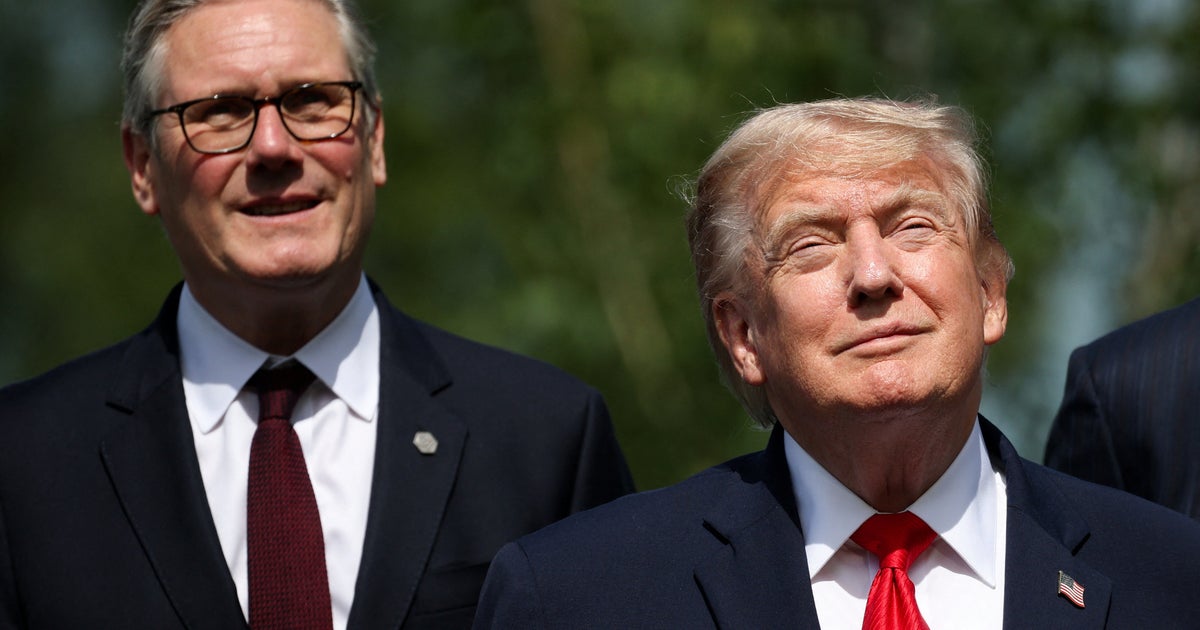
He said: “I think he’s a lovely man, but you’re really messing up energy, you’ve got windmills all over the place and in the meantime you have the North Sea oil and they won’t let anybody drill! It’s one of the great fields in the world.”
He continued: “The UK buys much of its energy – you know where? Norway. You know where they get their oil? The North Sea.
“The UK has a much better portion of the sea. They don’t want to do it for environmental purposes.”
The UK does allow drilling in the North Sea for oil but only for the existing licences. It has permanently banned any new explorations.
Advertisement
The fossil fuels extracted is then be sold on to the highest bidder on the international stage.
The oil can not be used domestically for UK energy because domestic refineries are not able to refine it, meaning expanding North Sea drilling would not directly ease the country’s energy problem.
Even so, Trump has regularly criticised Labour’s refusal to “drill, baby, drill”.
The president continued: “I told him [Starmer] – he’s sort of a friend of mine – I mean, he was not good to us with Nato, he said we can’t use the island to land, that was a first, for a couple of weeks.
“He said, but I gave it to you – that was a bad move, that hurt him badly. But I’m going to wish well. But he’s got two problems, energy and immigration. And crime.
He did grant permission for limited, defensive strikes on the Middle East, but the president was deeply offended and lambasted the PM in public for weeks.
No other Nato ally offered to help Trump with his war against Iran, either.
🚨 WATCH: Donald Trump reacts to Keir Starmer resigning as Prime Minister
“He’s a very nice man. Sort of a friend of mine. I mean, he was not good to us with NATO… he said we can’t use the island… but I wish him well” pic.twitter.com/3i9RTurid5
If no other MP can build up enough support from fellow MPs, he will run uncontested and likely be in No.10 by July 18 at the latest.
Listen to Commons People, the podcast that makes politics easy. Every week, Kevin Schofield and Kate Nicholson unpack the week’s biggest stories to keep you informed. Join us for straightforward analysis of what’s going on at Westminster.
Hot weather is expected to “rise quickly” and stay high throughout the week.
That can ruin your sleep. One paper found that heatwaves are especially ruinous, causing us to lose crucial minutes of shut-eye.
Advertisement
But if you’ve been sleeping in the nip for a cooler night, Natalie Pennicotte-Collier, a resident sleep expert at MattressNextDay, says you might want to reconsider.
You might think that water wicks away faster when we’re naked. But the sleep expert said that’s not always true,
Advertisement
The move “feels logical, but without breathable natural fibre bedding to wick sweat away, moisture simply sits on the skin and creates a clammy humid ‘microclimate’ that is more likely to wake you up in the middle of the night.” Pennicotte-Collier explained.
The same logic applies to your bedsheets – we “should replace [our duvet] with a lightweight breathable layer instead of sleeping completely uncovered,” she said.
Research has her (pyjamaed) back. One paper from the University of Birmingham found that linen bedding was linked to fewer wake-ups among younger participants in hot weather.
Advertisement
How can I get to sleep in a heatwave?
Sleeping on a lower level in your home might help, the Red Cross said, as heat rises.
And paradoxical as it might sound, taking a warm shower might help, too.
Speaking to HuffPost UK previously, Dr Seeta Shah from PANDA London said: “Many take a cold shower before bed in hot weather, but a shockingly cold shower can actually raise core body temperature as your body works to counteract the sudden cold.
“A lukewarm to slightly cool shower is better. It gently reduces body temperature and triggers the parasympathetic nervous system, helping your body wind down and enter a sleep-conducive state.”