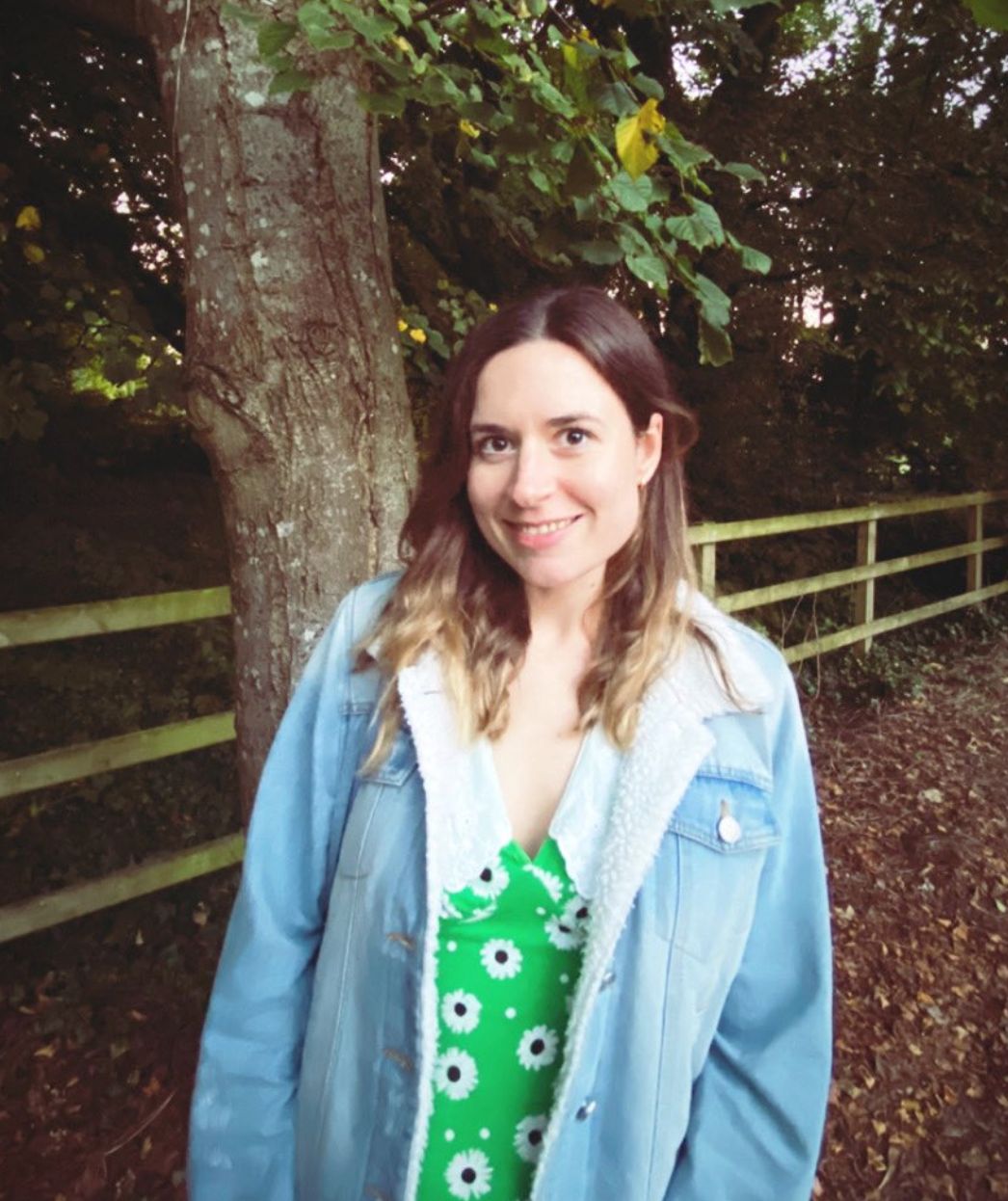
Girls Aloud Stars ‘Devastated’ Following ‘Utterly Cruel’ Death Of Bandmate Sarah Harding

Nadine Coyle and Nicola Roberts have said they are “absolutely devastated” by the death of their Girls Aloud bandmate Sarah Harding at the age of 39.

The singer revealed last August that she had been diagnosed with breast cancer, which had spread to other parts of her body.

Her mother Marie announced her death on Instagram on Sunday and described her “beautiful” daughter as “a bright shining star”.

Nadine shared a photo of a smiling Sarah on Instagram and said she was “absolutely devastated” by the news.

“I can’t think of words that could possibly express how I feel about this girl & what she means to me,” she wrote.

“I know so many of you will be feeling this way. For now I’m sending so much love to you!!!”

Nicola shared a series of photos of them together during Girls Aloud’s early years and wrote: “I’m absolutely devastated and I can’t accept that this day has come. My heart is aching and all day everything we went through together has raced round my mind.

“Especially this last year since her diagnosis, as hard as the year has been, our new memories are strong in my heart.

“There are so many things to say and at first it felt to personal to put them here and then I remembered that there are so many other people grieving her too.

“A part of me or us isn’t here anymore and it’s unthinkable and painful and utterly cruel. She would have loved your messages today.”

Nicola described her bandmate as an “electric girl” and added: “You gave it everything and still with a smile.

“A white butterfly flew past my window this morning before I knew, it must have been you.”

Sarah’s mother Marie announced her death on Sunday with a message which said: “It’s with deep heartbreak that today I’m sharing the news that my beautiful daughter Sarah has sadly passed away.

“Many of you will know of Sarah’s battle with cancer and that she fought so strongly from her diagnosis until her last day. She slipped away peacefully this morning.

“I’d like to thank everyone for their kind support over the past year.

“It meant the world to Sarah and it gave her great strength and comfort to know she was loved.

“I know she won’t want to be remembered for her fight against this terrible disease – she was a bright shining star and I hope that’s how she can be remembered instead. – Marie x”

Following the news of Sarah’s death, tributes poured in from the world of entertainment. Music manager Louis Walsh, who helped create Girls Aloud on ITV show Popstars: The Rivals in 2002, said he would remember Sarah with “great fondness”.
Oliver RudkinOliver Rudkin/Shutterstock

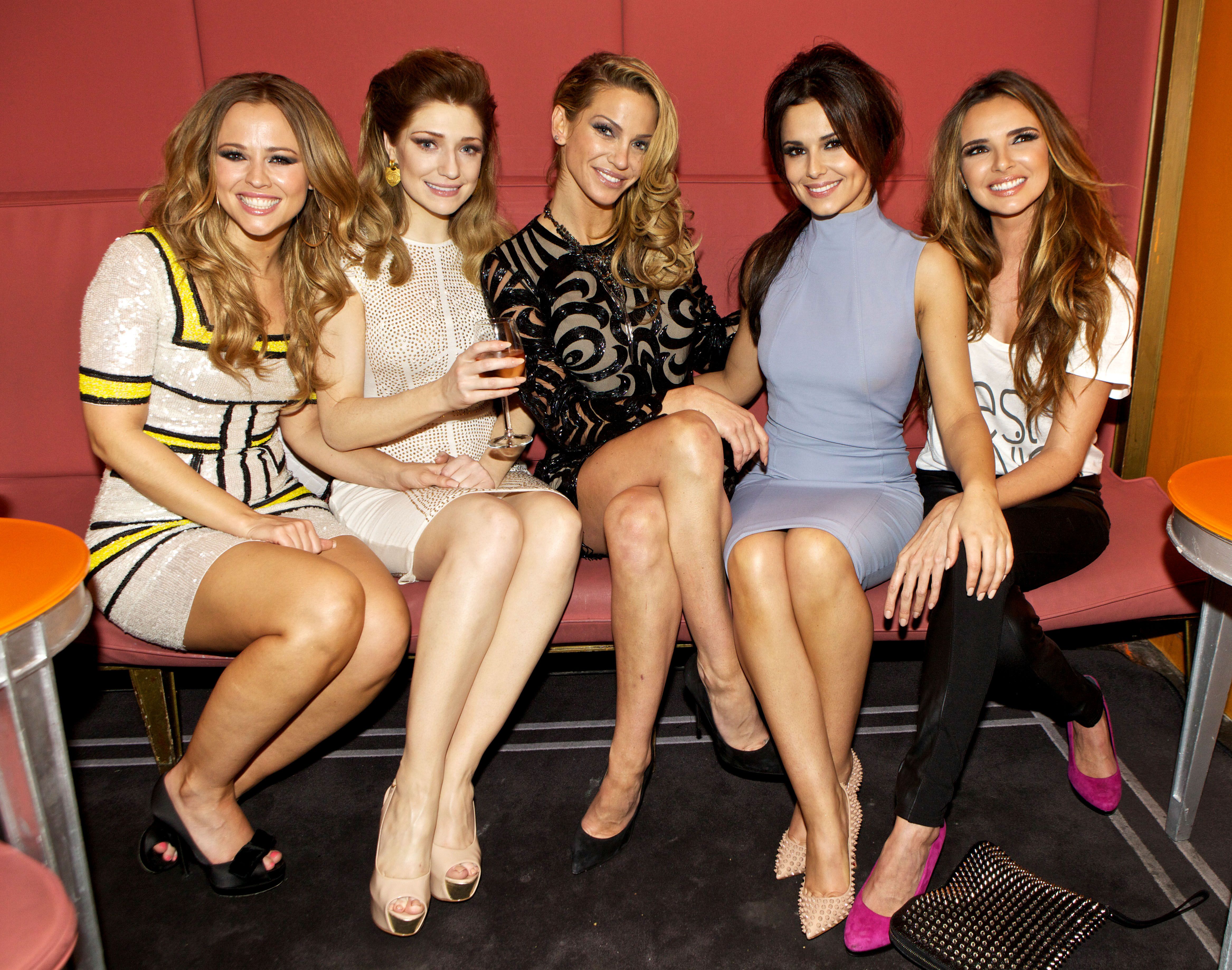
Girls Aloud (L-R): Kimberley Walsh, Nicola Roberts, Sarah Harding, Cheryl Cole, Nadine Coyle

In a statement, he said: “It’s just sad she has gone too young. She was always fun and the life and soul of the party.

“Anytime she came to Dublin in the early days we went out to the Pod nightclub and would be the last to leave.

“It’s just so unfair, I was hoping she was getting better. She was fun and loved music, dancing and life. I will remember her with great fondness.”

Geri Horner of the Spice Girls, who was also a judge on The Rivals, wrote on Twitter: “Rest in peace, Sarah Harding. You’ll be remembered for the light and joy you brought to the world.”

Former Big Brother host, Davina McCall, wrote: “So so sad to hear about Sarah … a star from the get go, hugely fun and outgoing yet also somehow fragile … love to her family and friends.”

Earlier this year, Sarah said she was told by a doctor she will probably not be alive next Christmas.

In an extract of her memoir, titled Hear Me Out, which was published in The Times, she wrote: “In December my doctor told me that the upcoming Christmas would probably be my last.

“I don’t want an exact prognosis. I don’t know why anyone would want that.

“Comfort and being as pain-free as possible is what’s important to me now.”

She said she is “trying to live and enjoy every second of my life, however long it might be”.

“I am having a glass of wine or two during all this, because it helps me relax,” she added.

“I’m sure some people might think that’s not a great idea, but I want to try to enjoy myself.

“I’m at a stage now where I don’t know how many months I have left.

“Who knows, maybe I’ll surprise everyone, but that’s how I’m looking at things.”

The singer said publicly revealing her diagnosis was “scary” but was also “the right thing to do”.

She said the support she has received has been “incredible”, adding: “I’ve been inundated with lovely messages from my fans. I’m grateful beyond words for that.”

Share Button

Is It Covid Or A Back-To-School Bug? Here’s When To Keep Your Kids Off

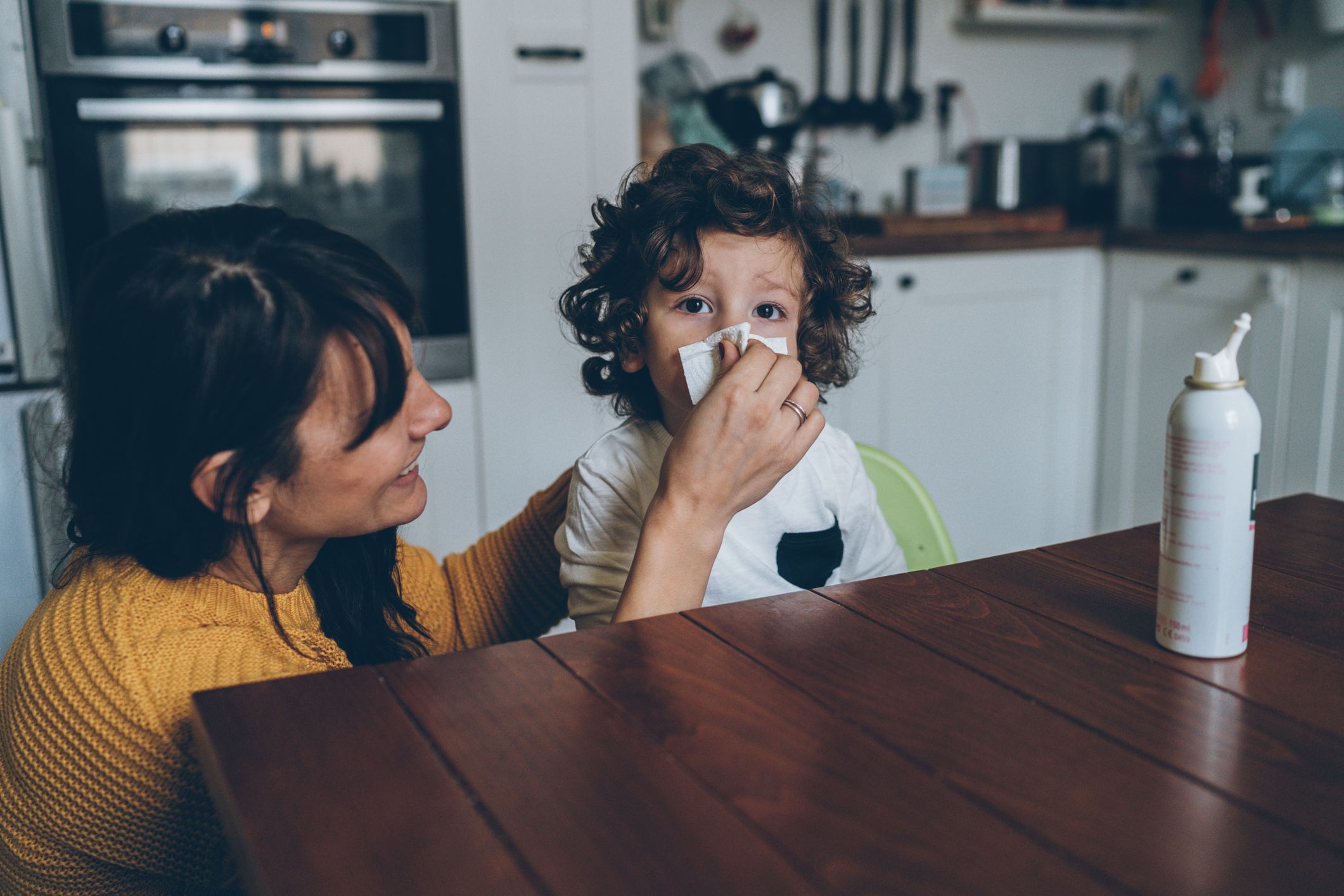
The start of the school term often brings snot, coughs and dodgy tummies. But the last 18 months has taught us all to be hyper-vigilant about health, so we’re looking at back-to-school bugs a little differently.

Previously, we may have sent children into the classroom with a mild sniffle, but now, with Covid still a factor, parents may be wondering whether to keep kids home. We’ve also been warned that cases of norovirus are likely to spike this September, just to add fuel to the fire.

But why do kids get poorly at the start of term anyway? And when they’ve already missed so much school last year, when’s the correct time to keep them off? Dr Sameer Sanghvi, who’s clinical technology lead at Lloyds Pharmacy Online Doctor, answered our questions.

Why do kids get ill at the start of the school term?

“Often children (and teachers) get ill at the start of term because they’re suddenly exposed to lots of people, after a summer often spent mainly with a small number of family and friends,” says Dr Sanghvi.

“The more people you mix with, the more likely you are to catch and spread germs off one another. And we all know children, even after the last year, aren’t quite as good as adults at good hygiene practices like washing their hands thoroughly, covering their faces when they cough and blowing their noses etc.”

The start of term can also be very tiring, especially for young children, who aren’t as used to being sat in a classroom all day.

“When we get tired our immune systems sometimes find it harder to fight off bugs. So this can also mean kids (and anyone who works in a school) might be more susceptible to picking something up,” Dr Sanghvi explains.

“Coughs, colds and norovirus can all be very contagious, particularly in an environment like a school, where you have lots of people in one room for long periods of time.”

What are the most common symptoms of Covid in kids?

By now, we all know the importance of self-isolating if you’ve got Covid. But kids get a lot of sniffles at school, so how can you tell the difference?

“Like with adults, the main symptoms of Covid-19 in children are still a high temperature, a new, continuous cough and a loss or change of taste or smell,” says Dr Sanghvi.

“With the start of term it’s likely lots of kids will get a cough, cold or runny nose. But if you think your child has Covid-19 symptoms, you should book them a test. That’s the easiest way to confirm if it is or isn’t Covid-19.”

If it’s not Covid, is it okay to go to school?

“It can be hard knowing when to keep a child off school. Sometimes it’s okay to send them in with a mild illness, but other times it better to keep them at home,” says Dr Sanghvi.

“If your child has Covid-19 symptoms, you should get them a test and keep them off school unless they get a negative result.

“Generally speaking, if your child has a fever, they should be off school until it’s gone (unless it’s due to Covid-19, in which case they’ll need to self-isolate and follow the advice from Test and Trace).”

As a rule, if your child has been sick or has diarrhoea, they should be off school for 48 hours from the last time they vomited or had diarrhoea, she adds.

“The NHS has lots of advice for different conditions like cold sores, chicken pox, impetigo and many others, and when to keep your kids off school,” says Dr Sanghvi. “So it’s always best checking their website, and don’t forget if you’re worried about your child, you can always ring up your GP and speak to them.”

Share Button

Why People of Colour Should Interview Their Interviewer When Applying For Jobs

As someone who’s had more than 20 jobs (fluctuating from temporary positions to career-defining roles), nearly all of my interviewers have been white.

Each interview I’ve stepped into, I’ve known my otherness – my ethnicity, my religion, and even my gender – was going to be a player during this time.

Though I’ve used this to my advantage to impress employers, I wish I’d spent time being wooed by them too. Because I’ve ended up working for companies which are toxic, ruthless and uncaring.

Understandably, the power dynamics in a job interview are unlike anything else; you’re supposed to show yourself off and grovel for approval. That doesn’t leave a lot of time to get to know the company and how it can benefit you.

The only part of the process – the “Do you have any questions for us?” segment – is usually a closing feature, where participants often ask questions that will say more about them, than the company (the “look, I’ve done my research about you” trick).

But there’s a real reason to use the final moments of an interview to quiz your interviewers and get to the nitty gritty. After all, you also need to find out if the company is the correct fit for you – and crucially, how they nurture diverse talent.

The pandemic especially has shown the importance of having employers that work for individual needs. And where they don’t, many staff are quitting in their droves – a Microsoft survey of more than 30,000 global workers showed 41% were considering quitting or changing professions this year. In the US alone, April saw more than four million people quit their jobs, according to the Department of Labor – the biggest spike on record.

A few months ago (before joining HuffPost), I was interviewed for a leadership position, but I had a lot of questions and arranged for a follow-up interview where I could take the time to enquire about everything.

I’m glad I did, because the recruiters showed their true colours. When it came to negotiating salaries, I was told by the CEO it was concerning for me to discuss money for a role that was otherwise a ‘compliment’ to me.

I promptly wrote the letters NO on my notebook as he spoke, deciding to reject the offer. Given that ethnic minority women are overlooked for such positions and grossly underpaid (Black, Asian and other minority ethnicities lose out on £3.2 billion a year in wages compared to white colleagues doing the same work), it didn’t feel concerning at all to bring up money.

If we didn’t have this conversation so early on, I may have ended up working for a company that would make me unhappy. It might feel like you’re being ungrateful, but there’s merit in quizzing your interviewer – it shows recruiters you’re keen to know your place in the company, as well as signalling to you any potential red flags about them.

An interview is a chance to see if the company works for you. 

An interview is a chance to see if the company works for you. 

For 27-year-old Masuma*, a Muslim woman from Manchester, who applied for a marketing position, asking questions about faith provisions led to positive changes.

“I once asked if there was a prayer space and the reply was ‘you can use the board room but there’s usually meetings in there so maybe avoid booking it during lunch breaks’ – which were prayer times so that was going to be a problem,” she tells HuffPost UK.

“While I never got the job, because it was definitely out of my reach, I got an interview anyway. The recruiters really liked me and then offered me a role that was linked to the original. I took the job because it was really exciting and since then, I’ve voiced a lot of my concerns regarding prayer space and other things like diversity and inclusivity, which they’ve listened to.”

For 33-year-old Hina Jabeen, from Solihull, West Midlands, asking questions resulted in a confrontation which secured her feelings towards the recruiter.

“I’m an expert at interviewing,” she says. “Over the past two years since being made redundant, I’ve interviewed 174 times including getting to final stages. And the majority of the time there was a 50/50 rate of rejections against me rejecting the offer.”

For Jabeen, the answers to questions she had left her disappointed, so she turned offers down. Some of the questions interviewers asked her, including invasive ones about her childcare responsibilities, also resulted in rejections on her part.

“I rejected eight offers where I had put in my CV with a western name and when they offered the role under the western name, I rejected the offer and explained that my CV/application under my actual name wasn’t even considered. Both applications were identical, just name changes,” she says. “In the interview, I asked why and they denied any bias and accepted my rejections. There was one incident where the company identified bias and ‘took action to rectify the discrepancy’.

“But 176 interviews later and I finally have the perfect role, so [I’m] happy with the combination of rejections.”

Of course, there’s a way to be tactical about questioning your interviewers – and Hira Ali, an author, career coach, and leadership trainer, advocates doing it in a strategic way.

“A relevant and appropriate number of questions may be three to five, which indicates genuine interest and natural curiosity,” explains Ali. “Asking questions also shows that you have done your research and that you have knowledge of the role and the industry―it’s also another opportunity to demonstrate your confidence and highlight your knowledge and experience. Finally, the right questions can help you decide whether this company is aligned with your goals and aspirations or not.”

To gauge compatibility, asking certain questions will also be beneficial, especially if you’re an ethnic minority trying to understand the company’s diversity.

Ali adds: “I would definitely recommend asking about the team’s diversity composition and what measures they have in place to ensure that people from minority backgrounds are given ample opportunities to thrive and reach the top. And if it’s not satisfactory, ask for the challenges they are currently facing in implementing it and how they aim to address it. Honesty and transparency is always preferable over half-hearted cover-ups lacking authenticity.

“The interview is also a key opportunity to find out how you can turn your diversity into a competitive advantage and leverage your uniqueness. It’s also useful to throw in questions about your potential career trajectory if you are selected and what are the key qualities or deliverables of the most successful people at the company.“

As a minority in the workplace, Black, Asian and other groups may feel alienated from the rest of the team, affecting their self-confidence.

“People from marginalised backgrounds often shy away from advocating for themselves, expressing their talents, and showcasing their achievements in case they are labelled as ‘braggarts’ or as ‘trying too hard,’” explains Ali.

“They are not only hesitant to put themselves forward, but also show reluctance in raising complaints, or voicing concerns for fear of being judged ill-favourably. They may feel as if asking too many questions will make them appear incompetent or ignorant or even difficult.”

Ali says that many people she has coached from minority backgrounds are afraid of putting their vulnerability out in the open. The idea of exposing how they really feel or think or opening themselves up can seem “dangerous and risky”.

“Because the latter are reluctant to speak their mind, they are often viewed as lacking self-confidence,” she adds. “However, in any interview, it’s crucial to show your worth and defy these internal barriers. It’s only people who carry themselves with confidence and who clearly vocalise their asks that typically get noticed more.
“Research reveals that recruiters show clear preference for people who are confident and display powerful posing despite being unaware of the interviewee’s background, hypothesis and conditions.”

So come with confidence, and ask everything you intend to – it might help you make up your decision when you finally land that offer.

*Name has been changed to provide anonymity.

Share Button

Perrie Edwards And Alex Oxlade-Chamberlain Introduce Newborn Son To The World

Two weeks after the birth, the singer shared a new snap of her son, and told fans his name, which you might notice is not entirely dissimilar to his father’s.

She wrote: “2 weeks of loving you. I’ve never felt love like this before! Axel Oxlade-Chamberlain.” 

Perrie first announced she was expecting a child back in May, posting a close-up of her pregnancy bump on Instagram with the message: “So happy to be on this wild journey with my soulmate… We can’t wait to meet you baby Ox!”

During their pregnancies, Perrie and her bandmate Leigh-Anne have been hard at work, promoting new Little Mix music and filming music videos for Confetti, Heartbreak Anthem and Kiss My (Uh Oh), as well as their most recent offering Love (Sweet Love), which serves as the lead single from their upcoming greatest hits album.

SOPA Images via Getty Images

Alex Oxlade-Chamberlain and Perrie Edwards at the 2019 Brit Awards

Back in May, the two singers recalled the emotional moment that they each found out the other was pregnant.

“We were on a work Zoom and we were chatting about things that were coming up in our schedule because in Little Mix we are blocked out two years in advance,” Perrie explained. “I was thinking, ‘I won’t be able to do [certain things months down the line]’.

“I messaged my manager and she called me and said, ‘You’re pregnant’. I was like, ’How do you know?’, and she said, ‘Because I am pregnant’. Then she said, ‘Can I add someone to the call?’

Perrie continued: “I just heard this voice that said, ‘Perrie! You too!’ And then we just cried our eyes out. We couldn’t believe it. What timing! It wasn’t planned.”

Share Button

Beyoncé’s Friends And Peers Share The Love On Her 40th Birthday

Celebrities are singing their excitement for Beyoncé in honor of the Queen Bey’s milestone birthday.

Beyoncé, who turned 40 on Saturday, received a lot of love from fellow stars and fans on social media, with many referring to the big day as #BeyDay.

Jennifer Hudson, who starred alongside Beyoncé in the 2006 movie musical Dreamgirls, tweeted sweet birthday wishes to the chart-topping singer.

“Dreamgirls will never leave you!” she wrote. “Happy birthday to my forever Dreamgirl and Virgo sister @Beyonce! I love u!”

Missy Elliott also shared her pride in Beyoncé.

“Happy Birthday sis I am PROUD of your growth” she wrote, adding that her “success is DESERVING.”

Though it’s difficult to encapsulate Beyoncé’s overall achievements and contributions to music and entertainment succinctly, her official website shared an extensive collage with photos representing some of the singer’s most iconic moments over the last four decades.

During an interview with Harper’s Bazaar last month, Beyoncé shared that she hopes her 40s will be “fun and full of freedom.”

“I want to feel the same freedom I feel on stage every day of my life,” she said.

“I want to explore aspects of myself I haven’t had time to discover and to enjoy my husband and my children. I want to travel without working. I want this next decade to be about celebration, joy, and giving and receiving love. I want to give all the love I have to the people who love me back.”

Stars continued to honour Beyoncé with tributes and sweet notes on Twitter over the course of the day:

Share Button

20 Most Picturesque Places To Move To In The UK

Lockdown has made us reassess the way we see our homes. Having spent more than 18 months being cooped up inside, many of us are considering a change of scenery.

More than a quarter of UK homeowners (29%) say they want to move house this year to get more outside space, according to the newest Home Improvement Trends Report from the tradesperson site Rated People. A quarter (25%) also want a bigger home.

And what better place to move than somewhere that is Instagram-worthy?

As part of the report, researchers analysed Instagram hashtag data for over 500 towns and cities in the UK and compared this with each place’s population size, to reveal the locations that people want to photograph the most.

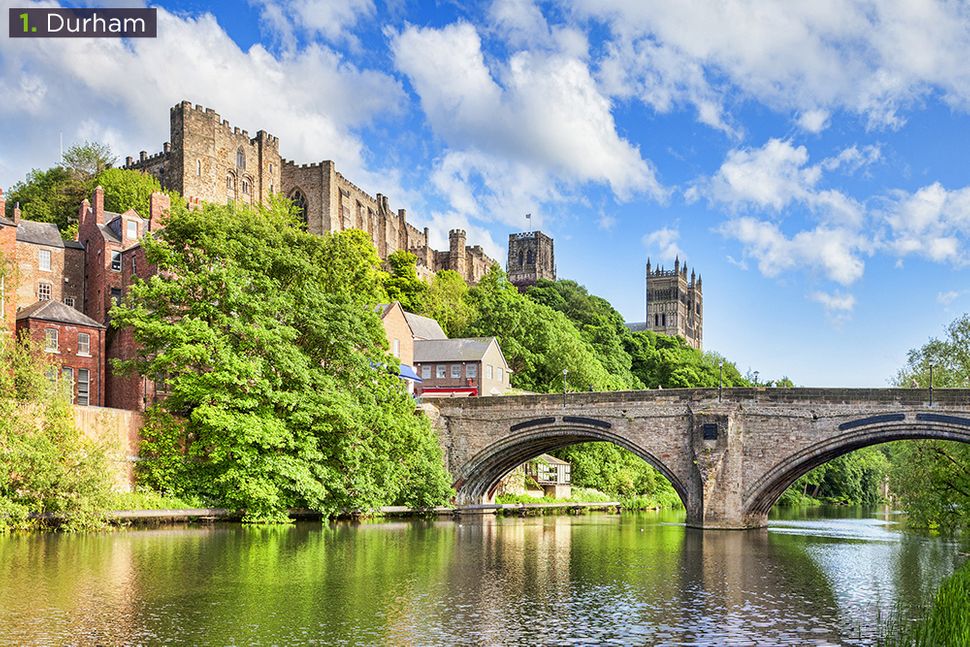
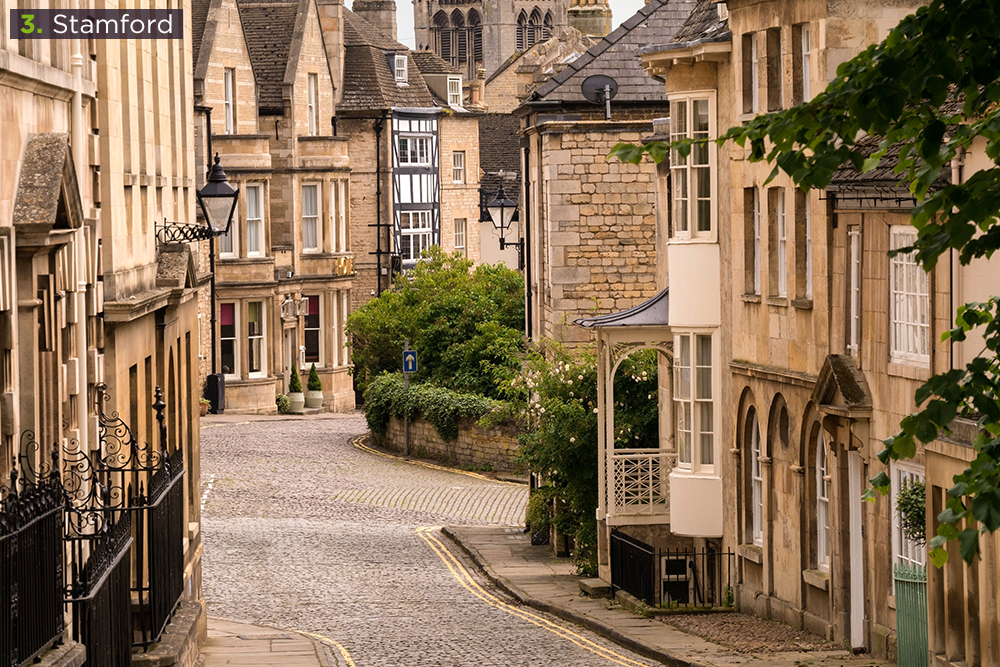
Durham is seen as the most Intstagram-worthy place to live as it’s surrounded by the River Wear and boasts a beautiful romanesque cathedral. Over 2.5 million photos of Durham have been shared on Instagram, even though the population is just over 50,000 people. That means for every person there are 50 photos shared online, making it the UK’s most photographed city.

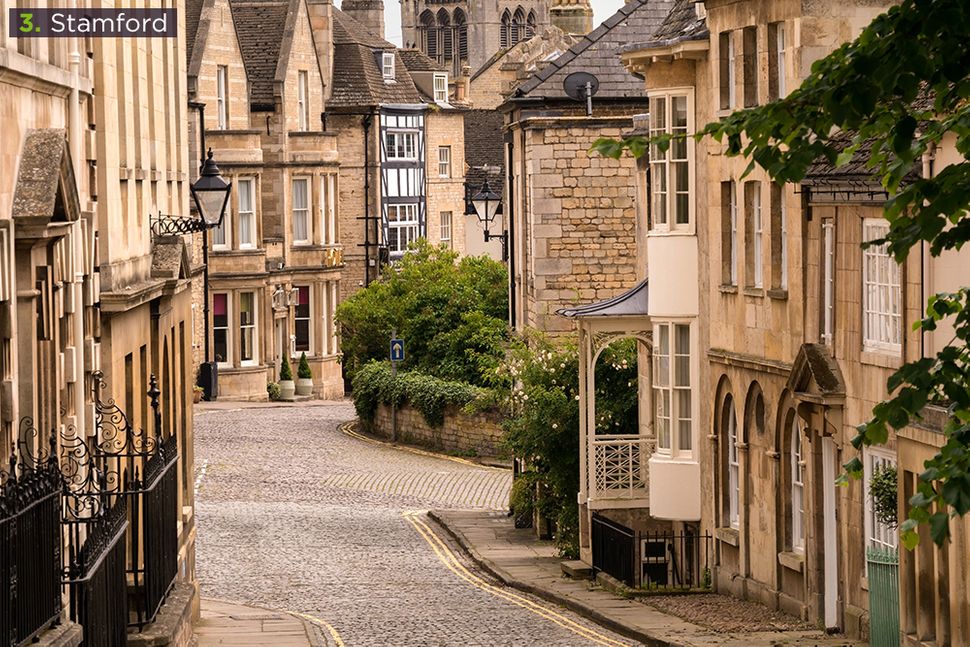
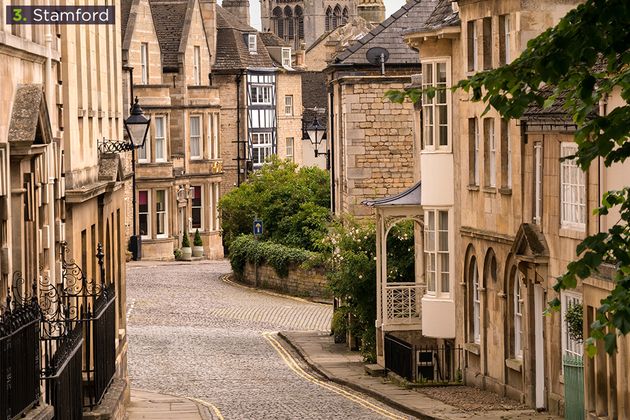
Cornish surfing town Newquay makes the list as the second most scenic place in the UK, with 42 photos shared per capita, and Stamford in Lincolnshire is third, with 32 photos.

If you’re thinking about moving or visiting somewhere new, here are 20 of the most picturesque places.

1. Durham, 2,601,061 Instagram photos

2. Newquay, 909,883 Instagram photos

3. Stamford, 653,624 Instagram photos

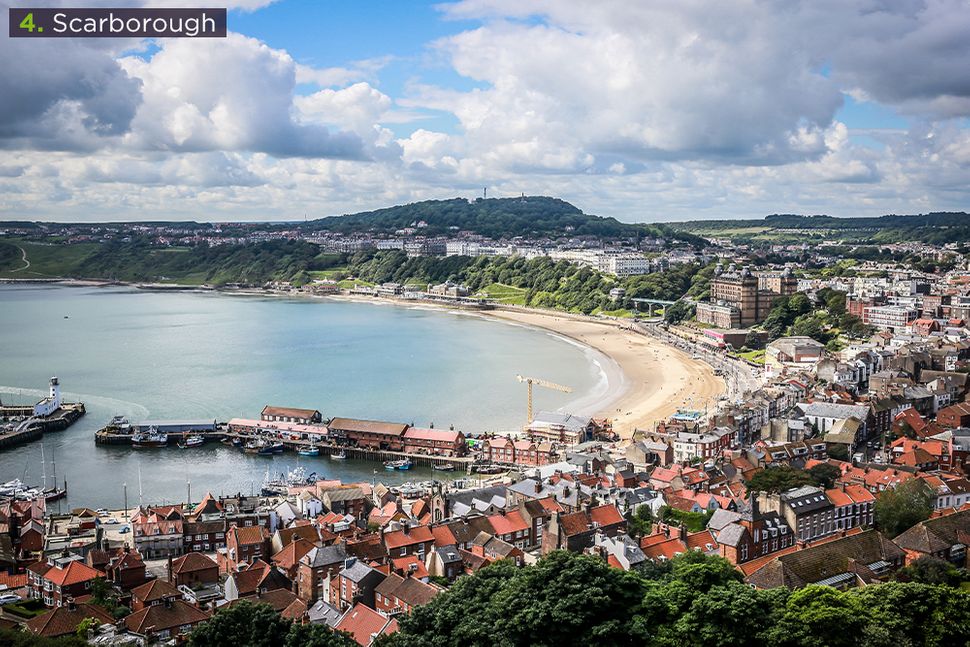
4. Scarborough, 1,901,394 Instagram photos

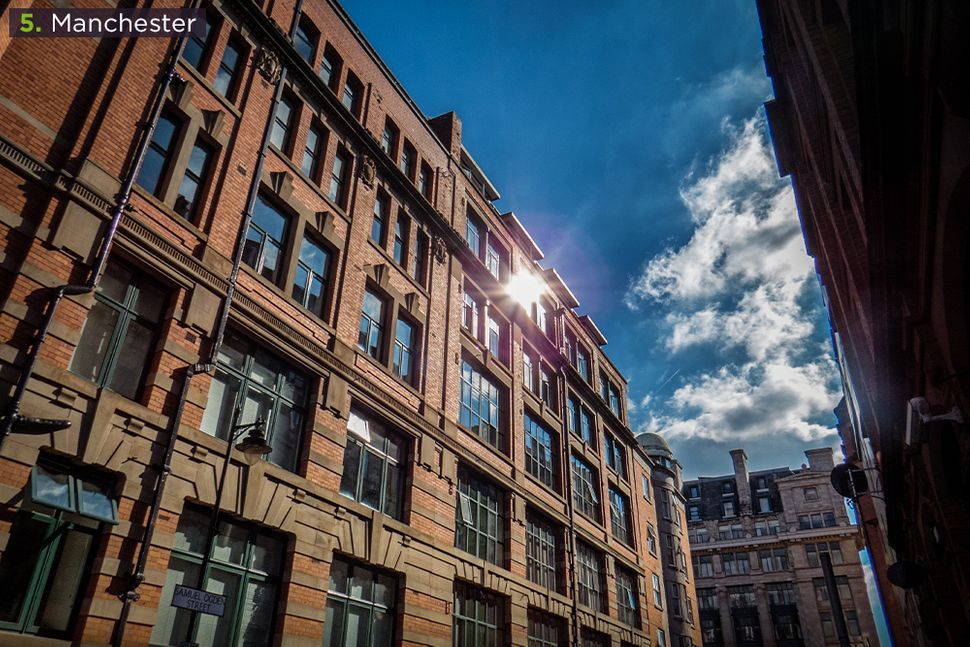
5. Manchester, 16,468,992 Instagram photos

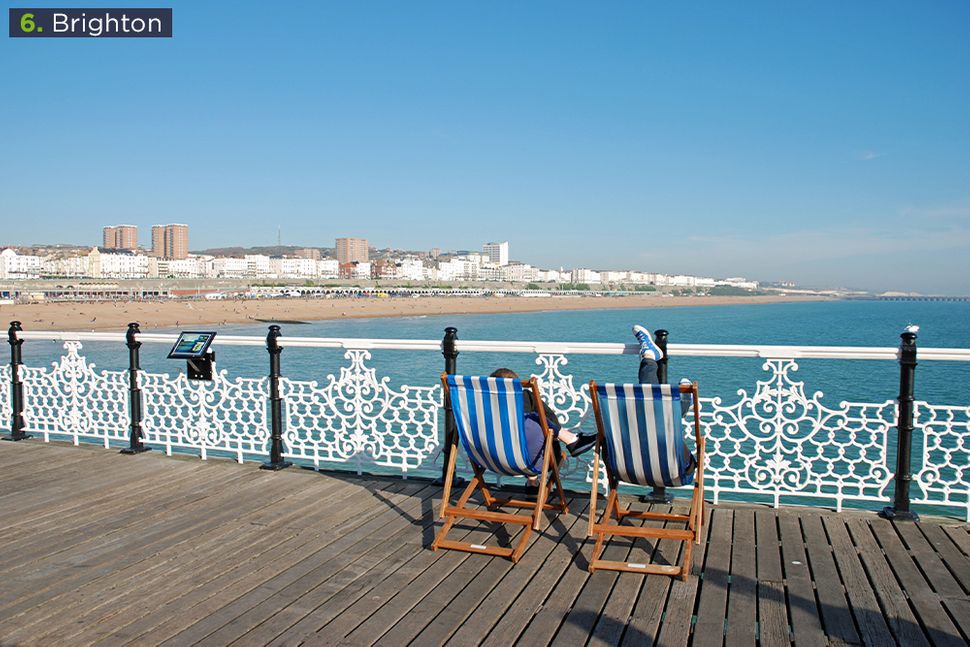
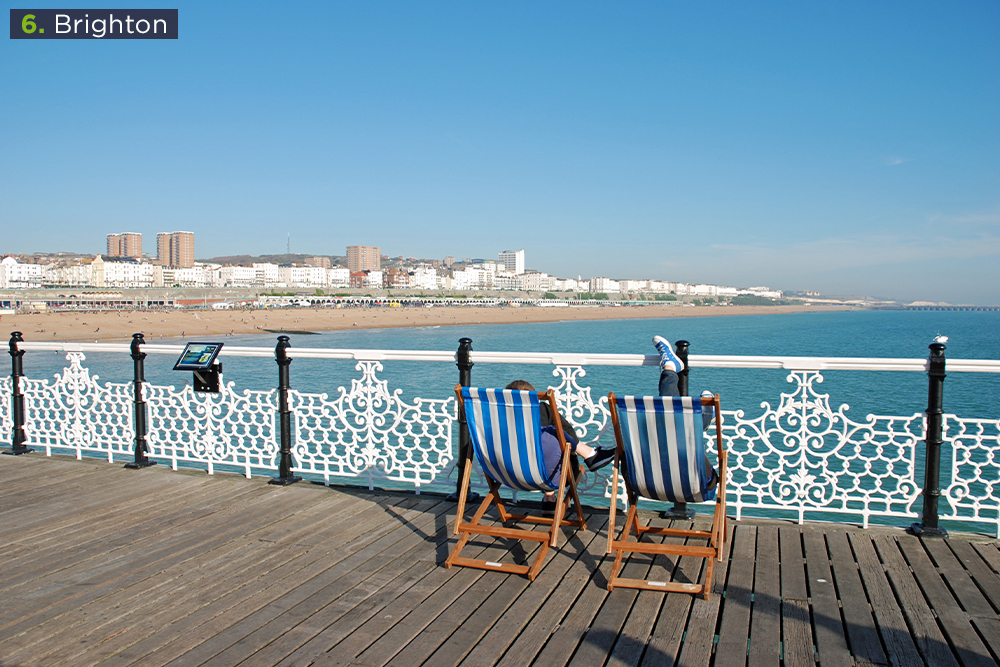
6. Brighton, 7,075,737 Instagram photos

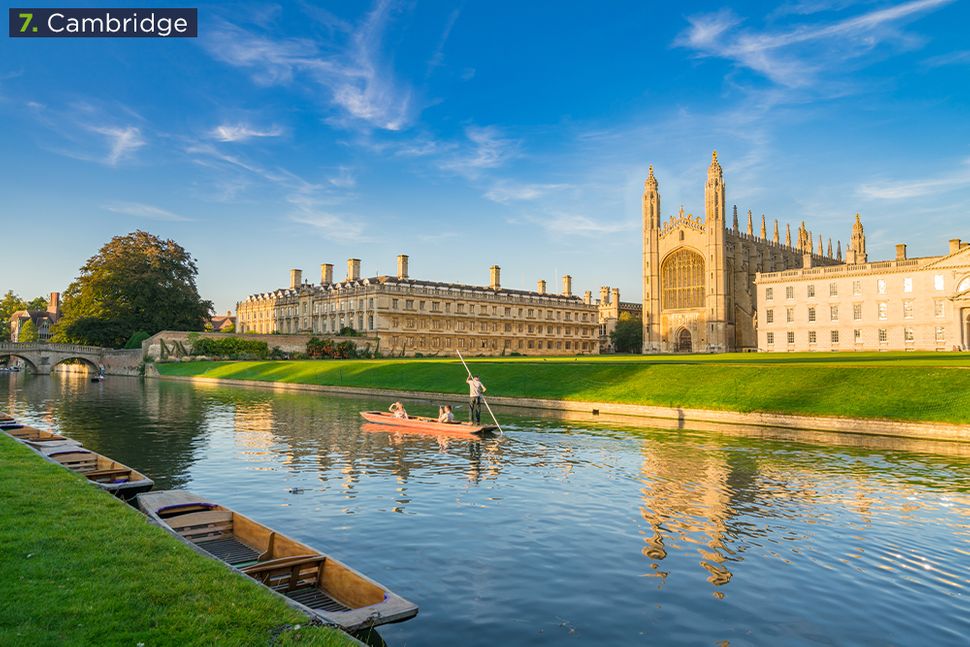
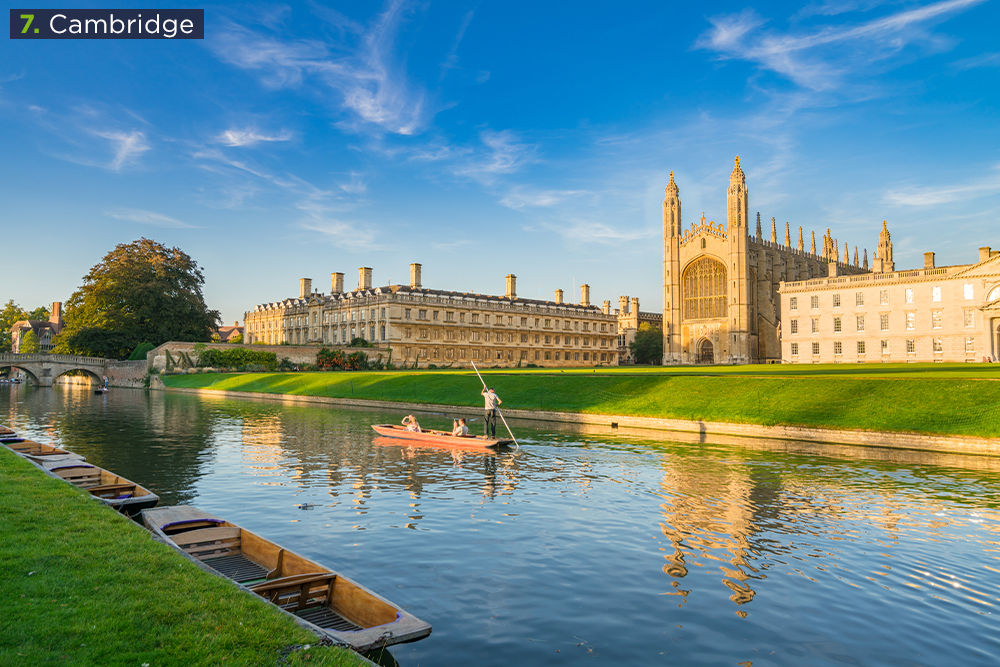
7. Cambridge, 4,319,044 Instagram photos

8. Falmouth, 684,587 Instagram photos

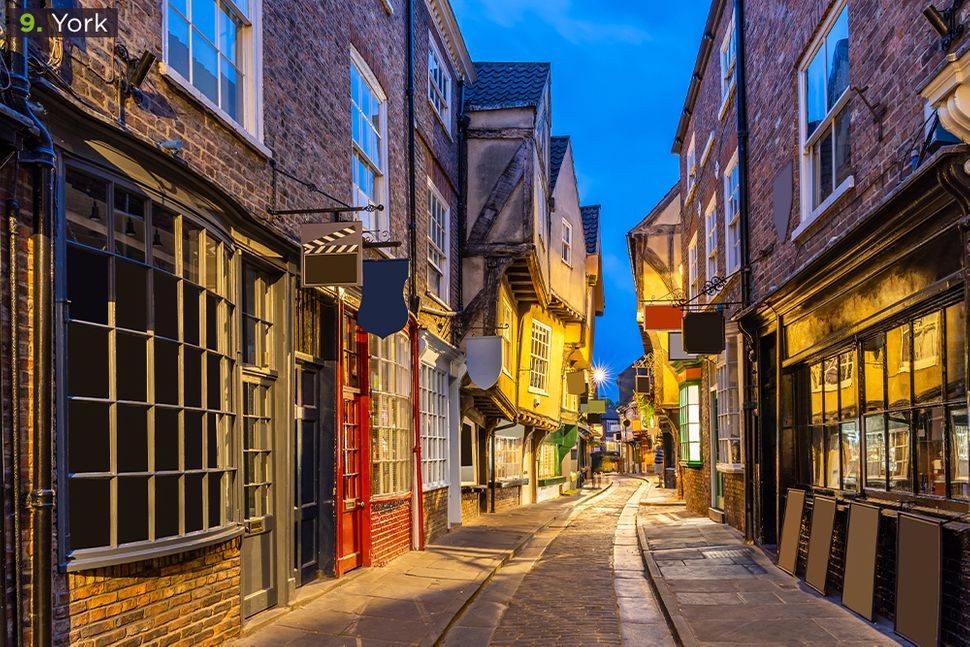
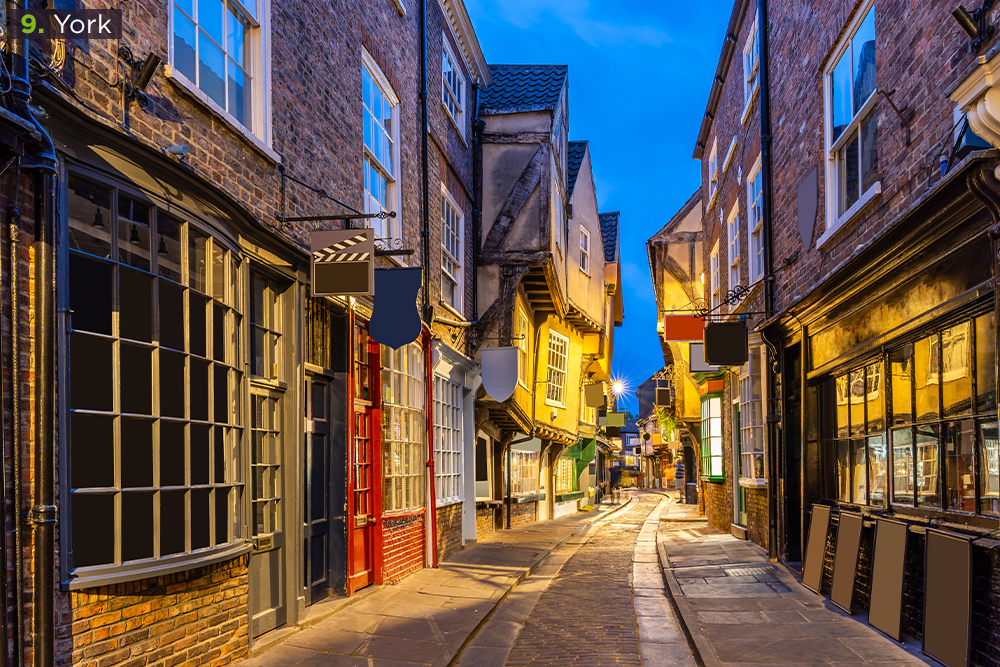
9. York, 4,554,540 Instagram photos

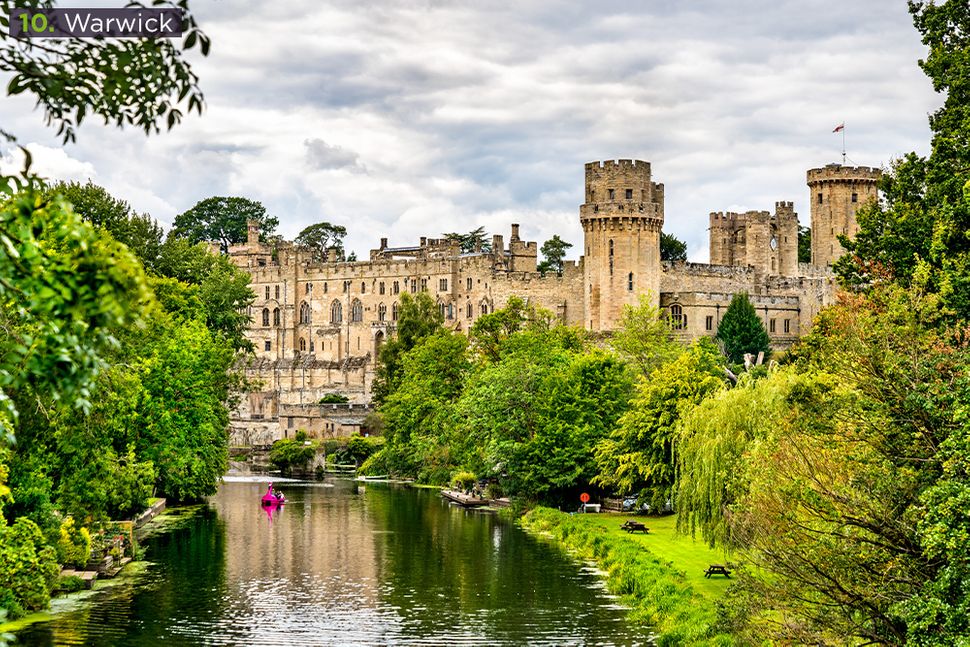
10. Warwick, 851,832 Instagram photos

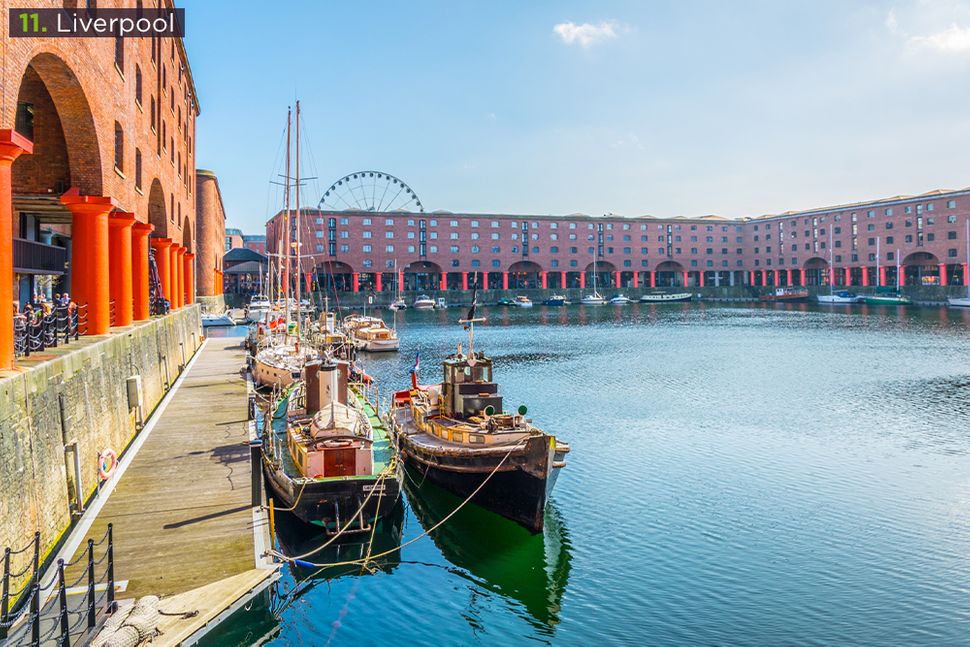
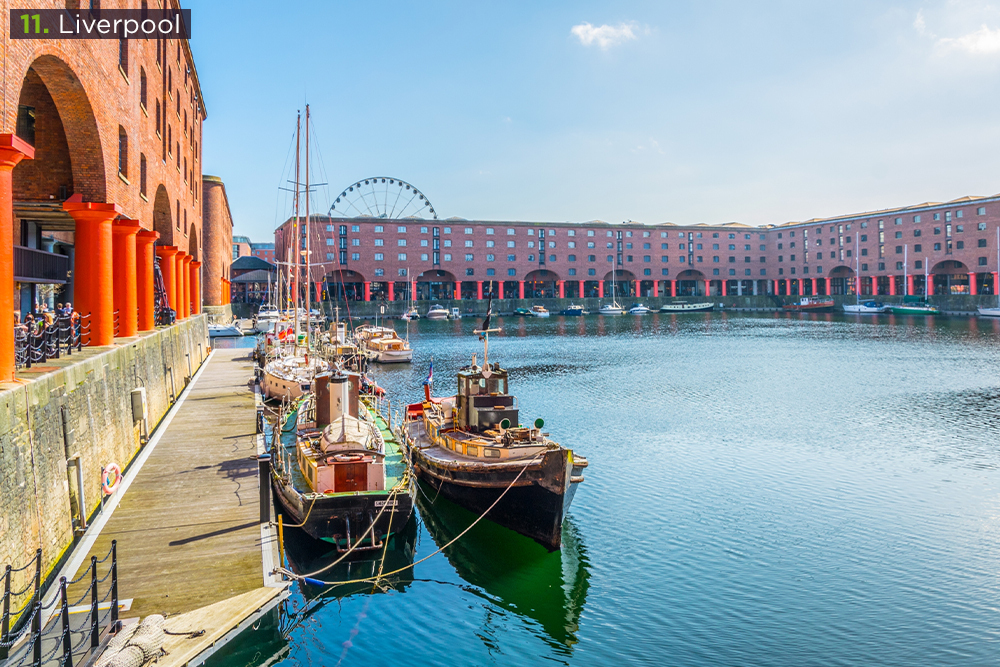
11. Merseyside, Liverpool 14,833,871 Instagram photos

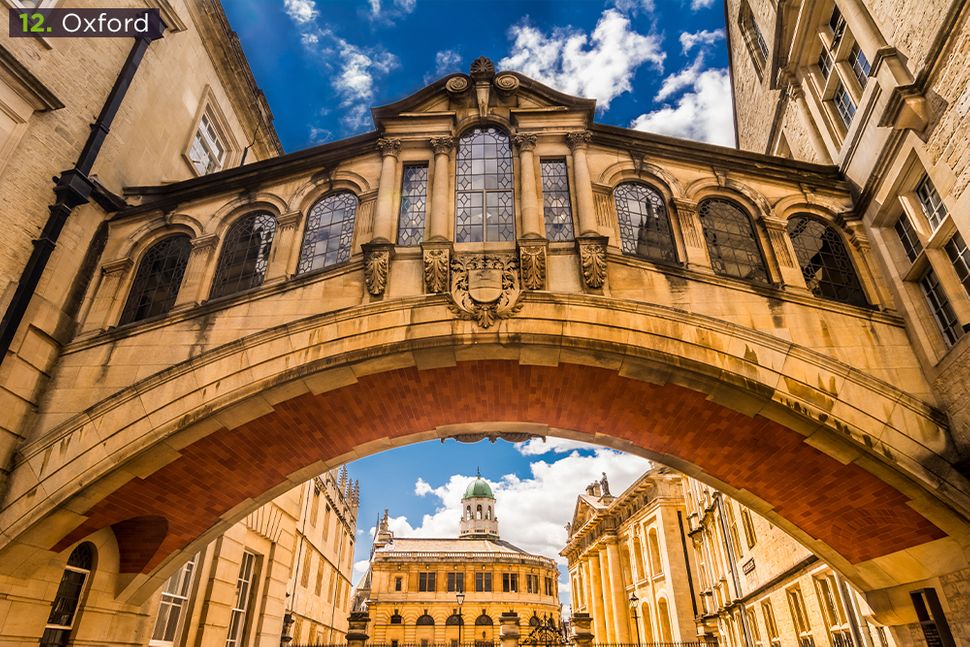
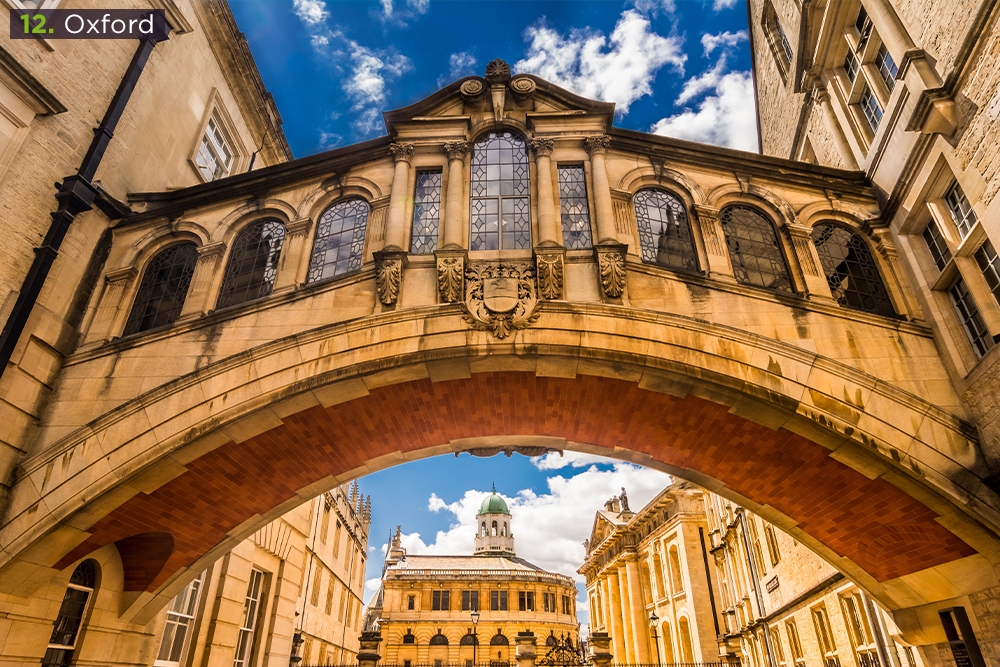
12. Oxford, 146,065 Instagram photos

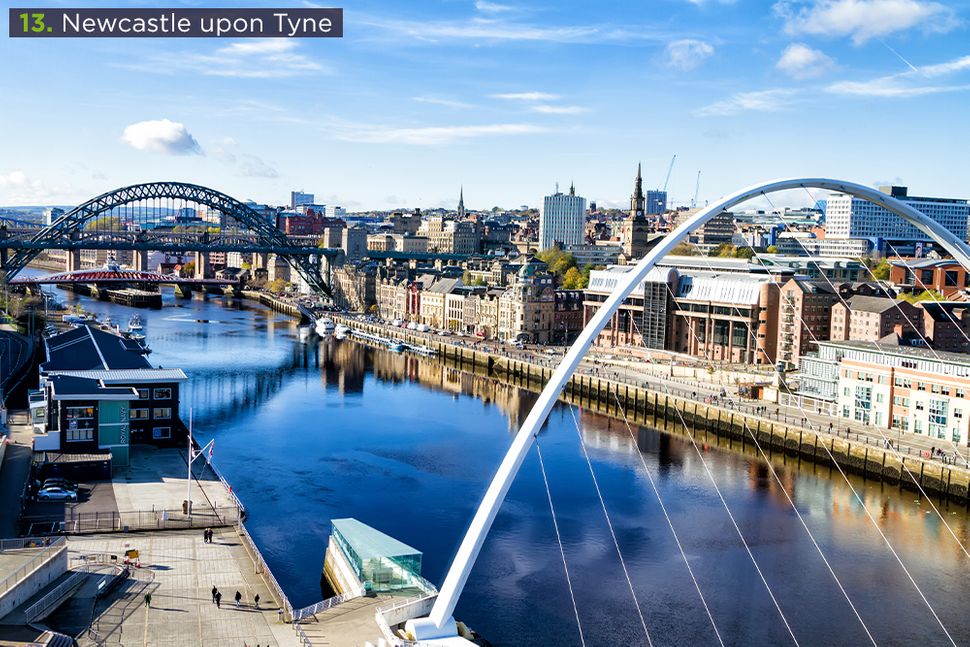
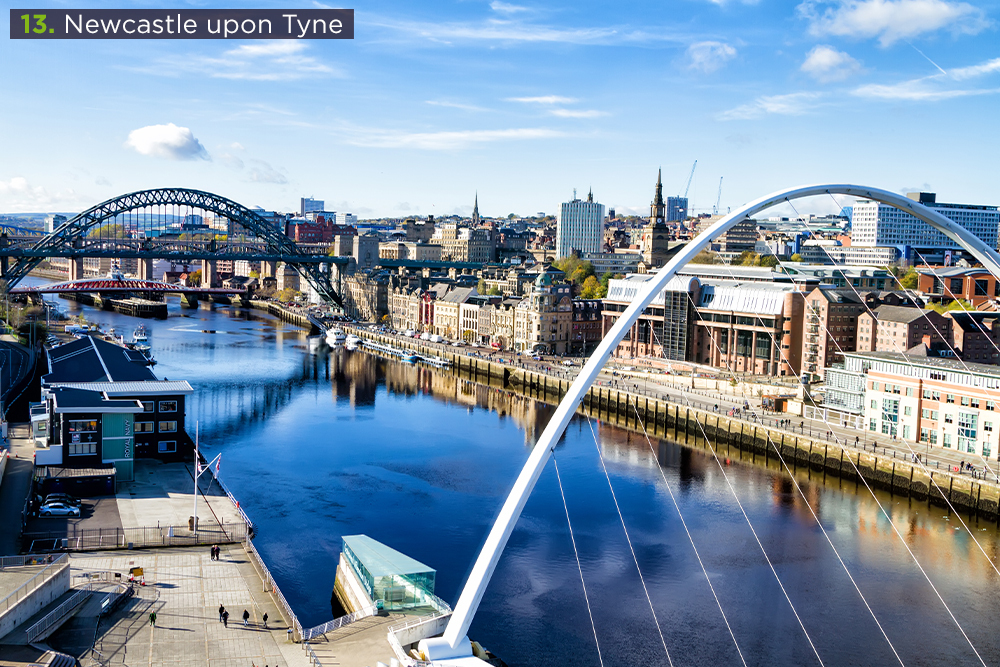
13. Tyne and Wear, Newcastle upon Tyne, 5,646,656 Instagram photos

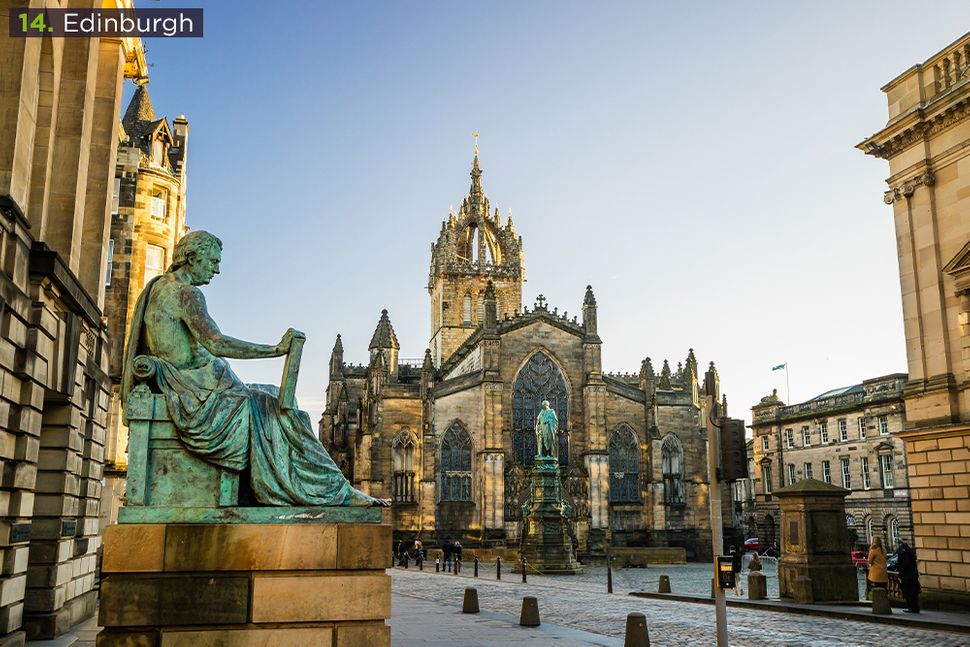
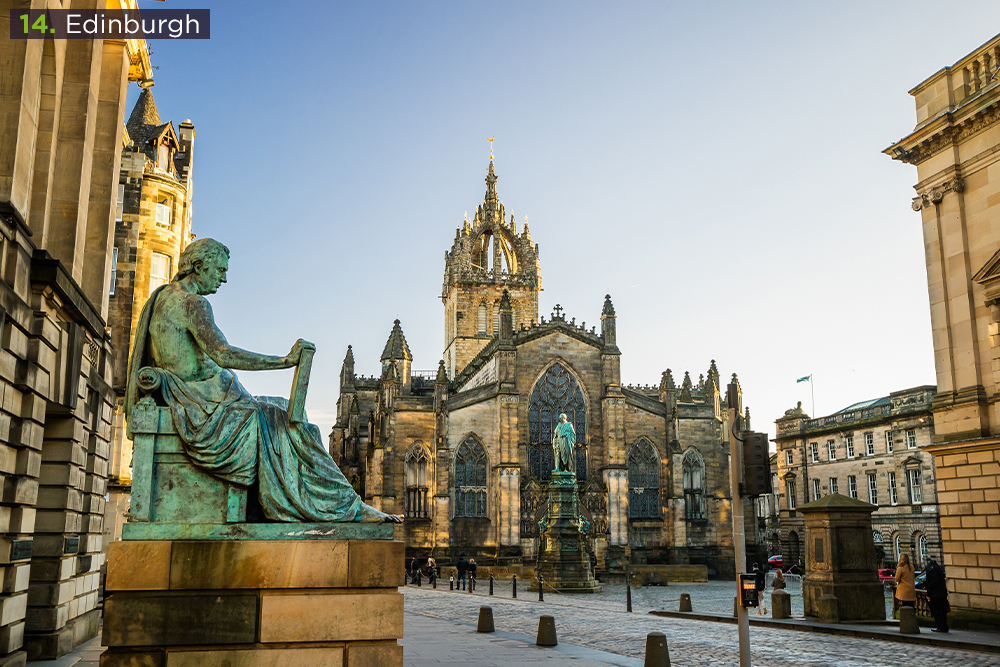
14. Edinburgh, 9,581,542 Instagram photos

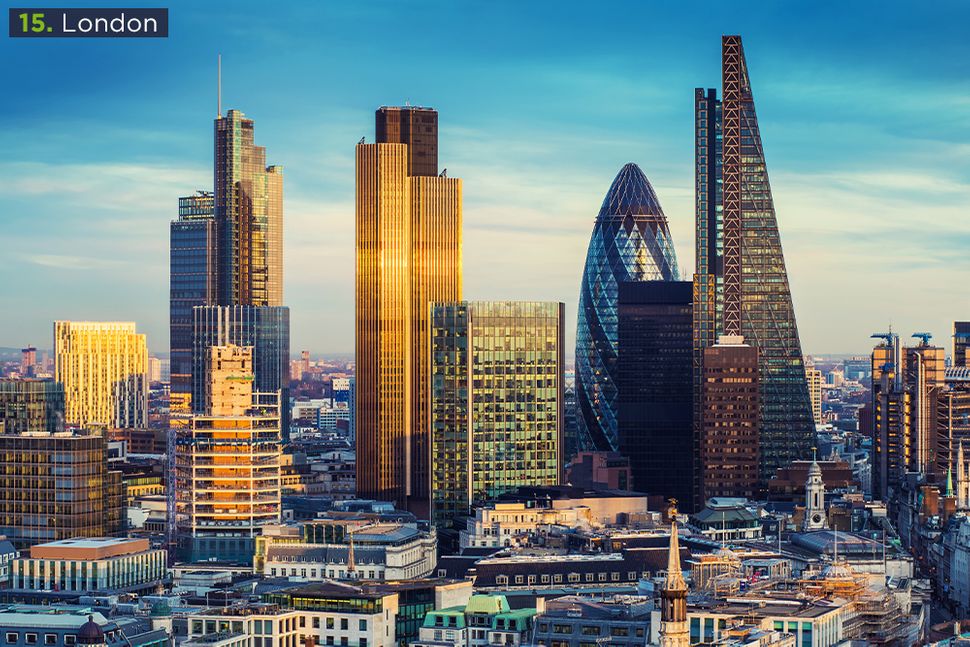
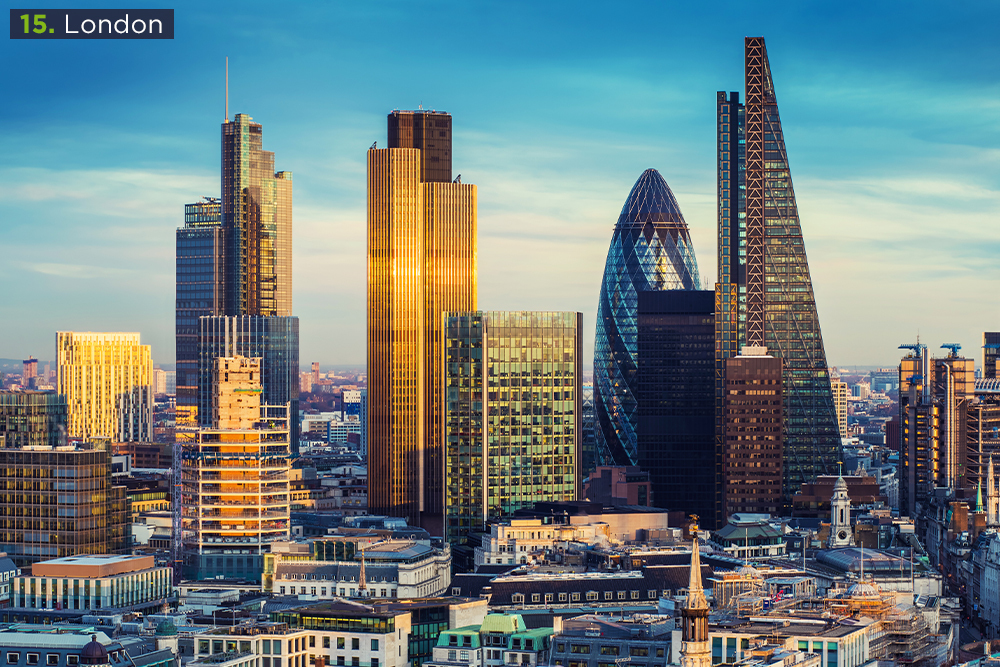
15. London, 150,696,691 Instagram photos

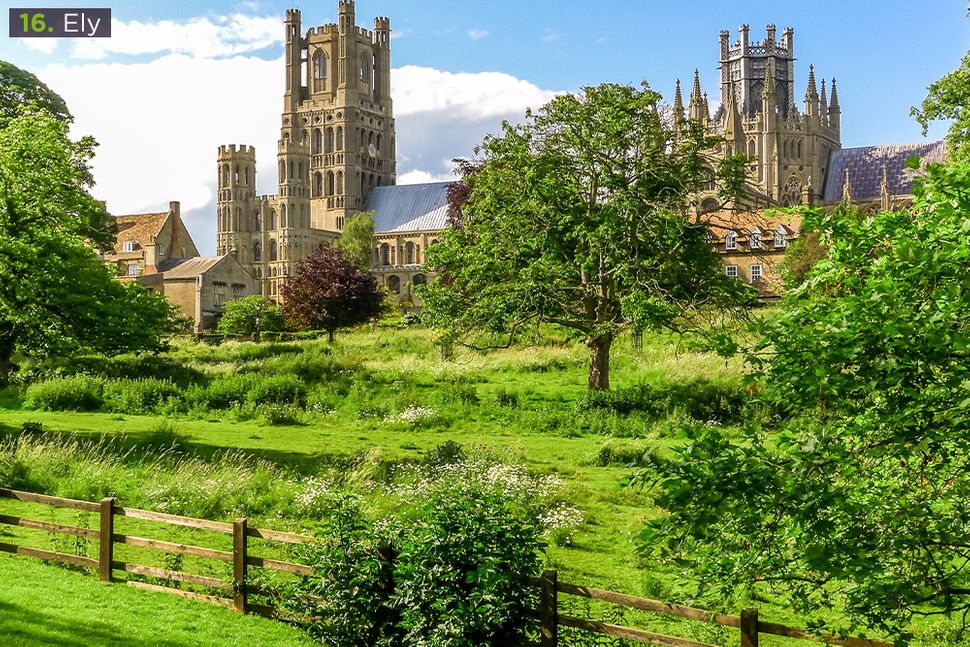
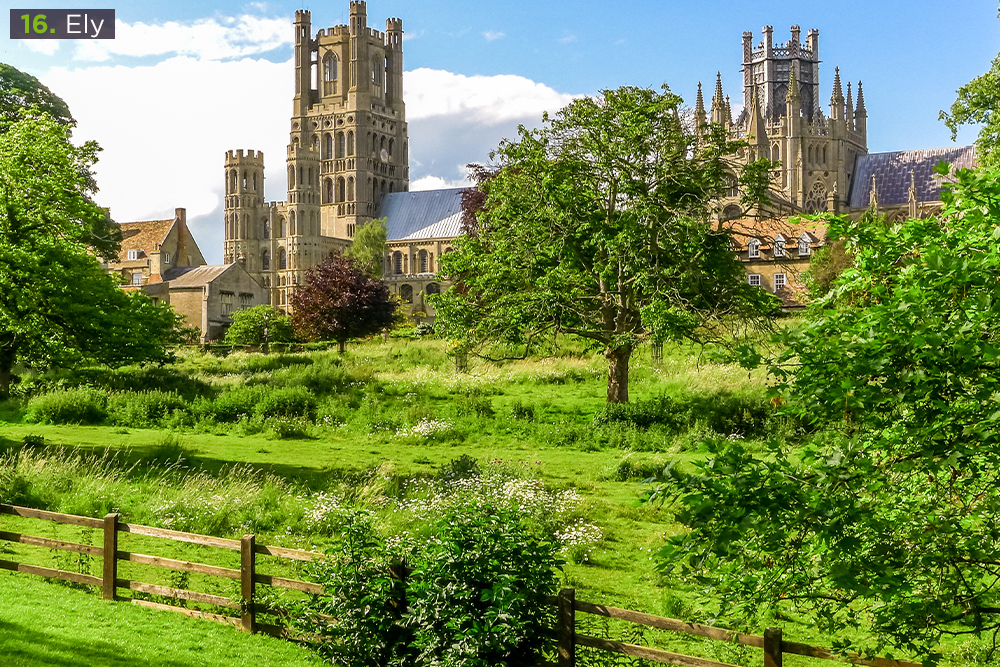
16. Ely, Cambridgeshire, 335,558 Instagram photos

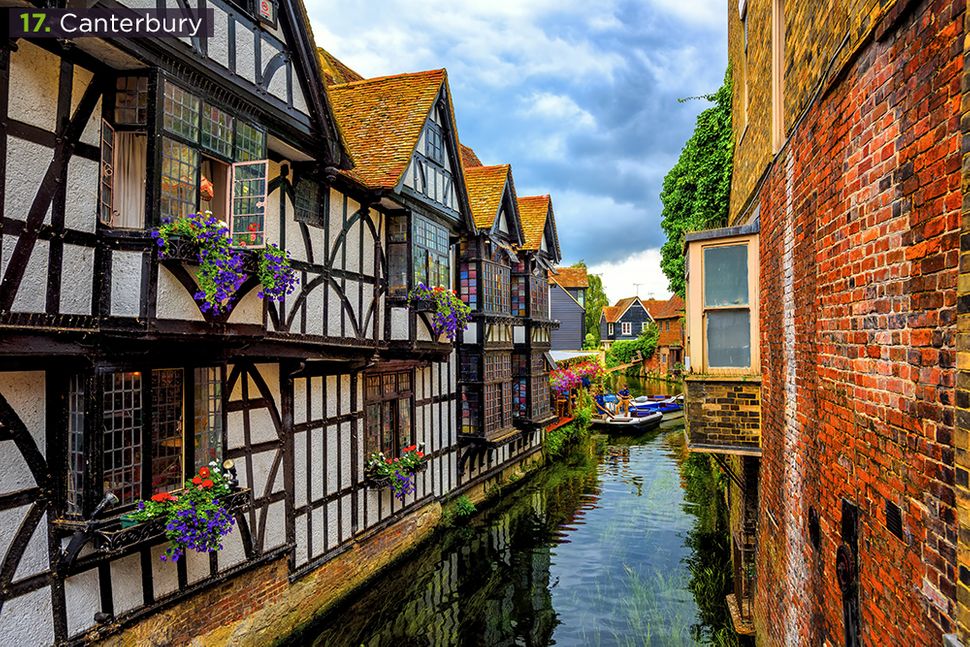
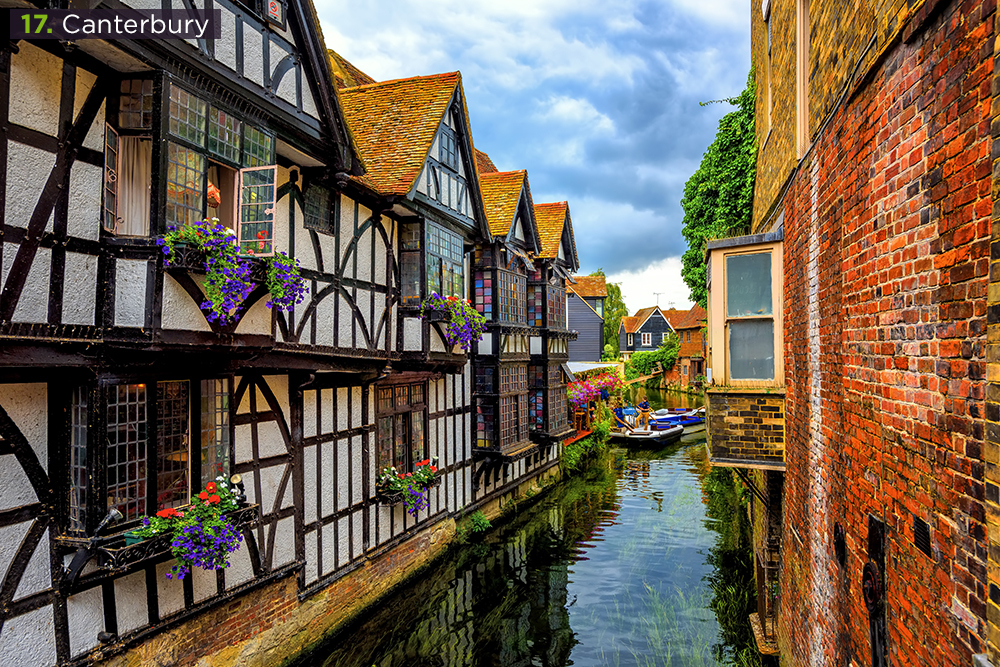
17. Canterbury, Kent, 1,028,006 Instagram photos

18. Devon, 822,303, Instagram photos

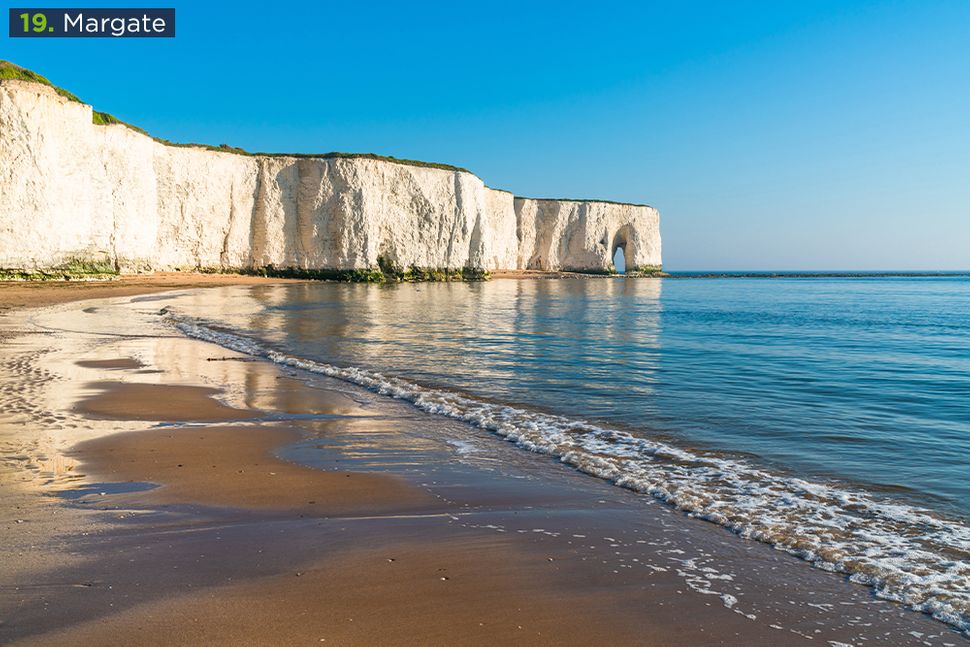
19. Margate, Kent, 870,828 Instagram photos

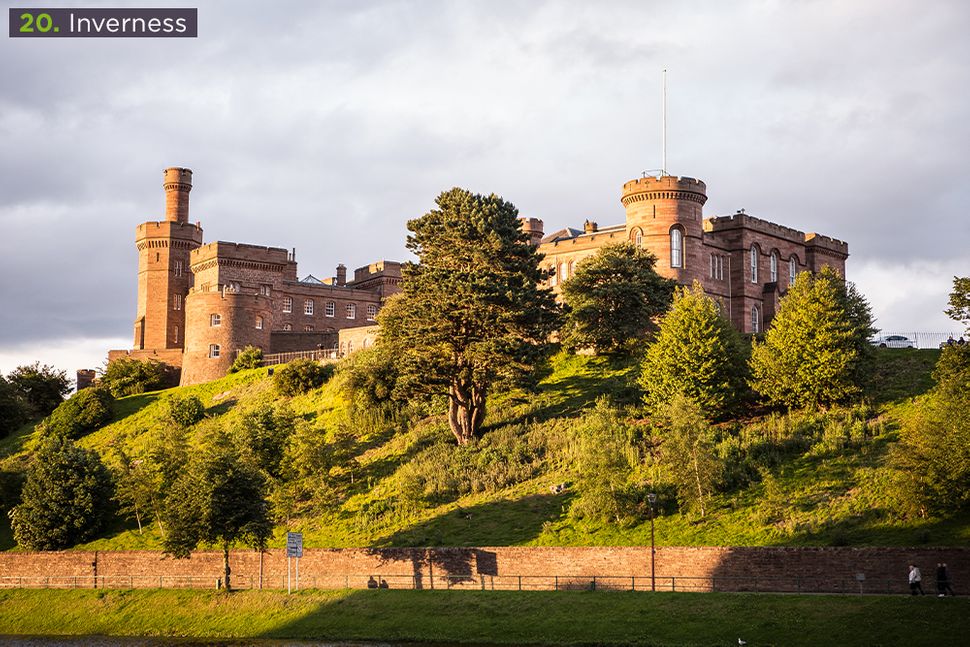
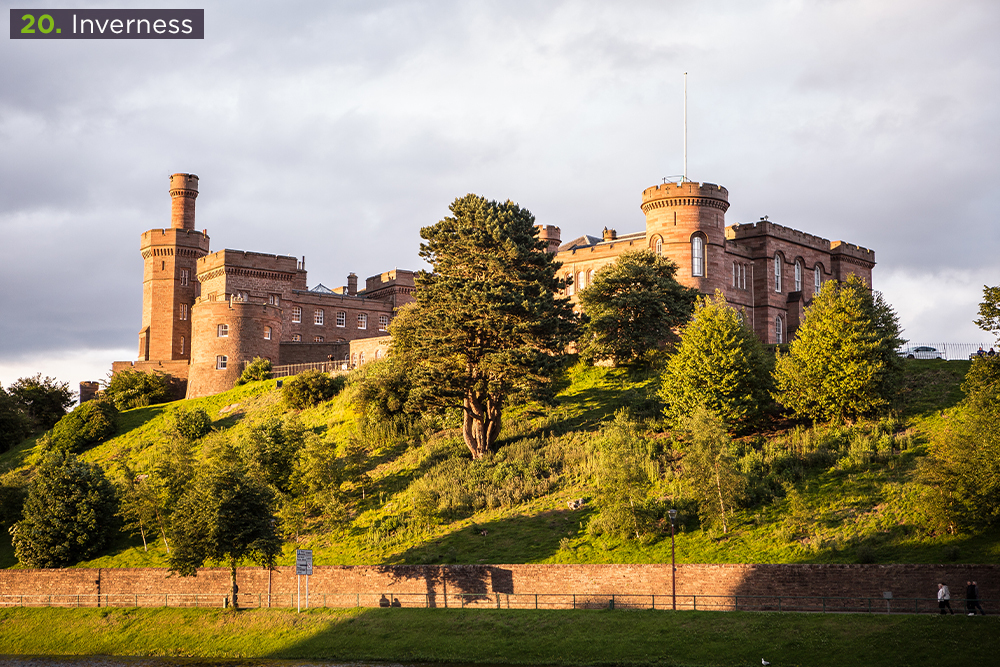
20. Inverness, Highland, 621,240 Instagram photos

Share Button

Drake Samples R. Kelly On New Album And Fans Have Thoughts

Seems like Drake is both in his feelings and in hot water with some of his fans.

The Toronto native released his latest album, Certified Lover Boy, on Friday, and fans quickly began listening to it and offering their thoughts in real time on social media. 

A significant flurry of chatter has since emerged in response to one song, TSU, which appears to be about about a stripper who wanted to better her life so Drake gave her money to start a business.

Notably, the song’s writing credits are OG Ron C, Noel Cadastre, Timbaland, Justin Timberlake, Christopher Cross, Harley Arsenault, Drake and R. Kelly.

R. Kelly has been in the midst of a criminal trial for the last several weeks in New York as he’s facing five federal charges, including one count of racketeering and four counts of violating the Mann Act, which prohibits taking minors across state lines for the purpose of prostitution.

The R&B singer’s accusers have testified in the last two weeks that Kelly took part in beatings, sexual assault, and statutory rape. One woman claimed he forced her to have an abortion, while several others claimed he knowingly gave them herpes.

TSU is reportedly the “most high-profile usage sampling since the singer was indicted,” said Rolling Stone.

Representatives for Drake did not immediately respond to HuffPost’s request for comment.

Some have argued that because the song’s production samples Kelly’s song Half On A Baby, Drake automatically had to give him a writing credit on the track. Others, however, argue that he didn’t have to use the song at all and “could easily have passed on this one.”

Share Button

Don’t Use Your Birthday To Bash Yourself Over Your Achievements

Beyoncé, the multi-hyphenate queen that she is, has achieved a lot.

On her 40th birthday, she remains the first artist to debut at number one on the Billboard 200 with their first six solo studio albums, she has broken the record for the most Grammys won by a woman, and is one of the world’s biggest trailblazers.

Most of us pale in comparison. And when it comes to birthdays, it’s especially difficult to not tally up all that we’ve achieved.

But comparing yourself to the greats or even those around you can have serious detrimental effects. At cliched as it sounds, there is only one you, marching to the beat of your own drum towards your own timeline.

Grammy or not, there’s a lot to celebrate if you’re approaching a big birthday (let’s not forget to commend our sheer resilience in navigating the pandemic). And it seems plenty of people are doing just that.

We spoke to four people about milestone ages – and how they’re rejecting ideas of where they’re “supposed” to be.

“Time is precious and short.” – Vicky Clapham, business owner, 40, Leeds

Vicky turns 40 in a few weeks.

Vicky turns 40 in a few weeks.

“I actually feel ok about turning 40 – and much more accepting than reaching 30! I have more of a ‘age is but a number’ type mentality.

“For my birthday this year I’m having a party at my home with family and friends followed by a weekend away sans children with my husband, best friend and her husband. We’re going to see the Tina Turner musical and can’t wait! I’ll really enjoy doing these things that only a few short months ago wouldn’t have been an option.

“I do think a birthday can be a bit of catalyst to think about what you have or haven’t achieved, and changes that need to be made. Personally, I don’t feel like that now. It was definitely something I was more conscious about when I was younger – especially the pressure around having children, getting married, career etc.

“I’m much more self-assured and accepting now and realise that everyone is on their own path. Time is precious and short – which this last 18 months has been an incredibly stark reminder of – and you’ve just got to make the most of it, including celebrating getting older.”

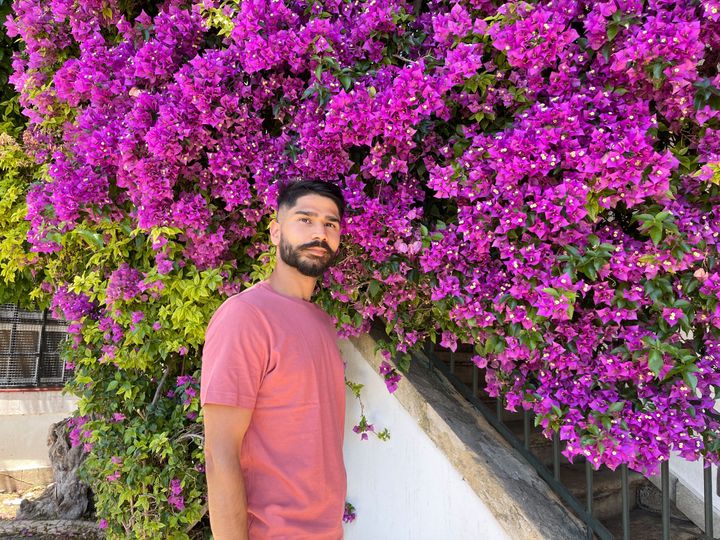
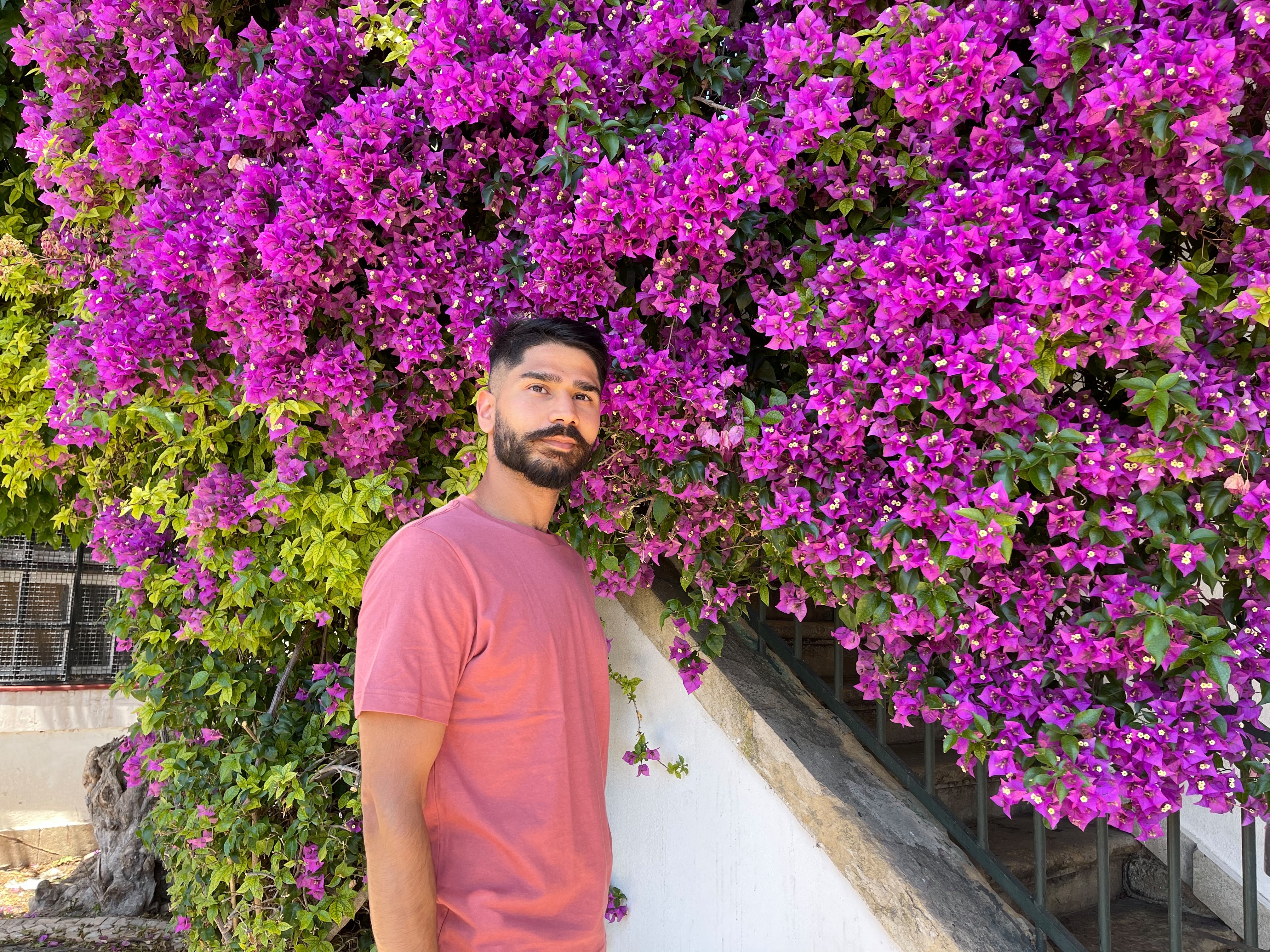
“As I turn 30, I actually feel a level of freedom.” – Taimour Ahmed, mental health consultant, 30, Lisbon

Taimour feels a sense of freedom as he gets older.

Taimour feels a sense of freedom as he gets older.

“There really is societal pressure to achieve things by a certain age and in my view, it’s quite detrimental to our mental wellbeing, [causing us to] chase things and achievements we think we want, when in reality this might not be the case.

“As I turn 30, I actually feel a level of freedom, knowing that I am setting my own pace in life as opposed to living to society and other peoples’ rhythm, which effectively destroyed my mental wellbeing.

“In terms of achievements [we’re expected to reach], it’s very black and white i.e. progressing on the corporate career ladder, having a property and potentially being married, depending on your cultural context.

“In my view it’s not possible to achieve them because 1) London living is so expensive 2) we need to better understand at a base level whether or not these things are actually what we want.”

“Covid and turning 30 have made me reconsider what’s important in my life.” – Joanne Goldy, marketing specialist, 30, Isle of Man

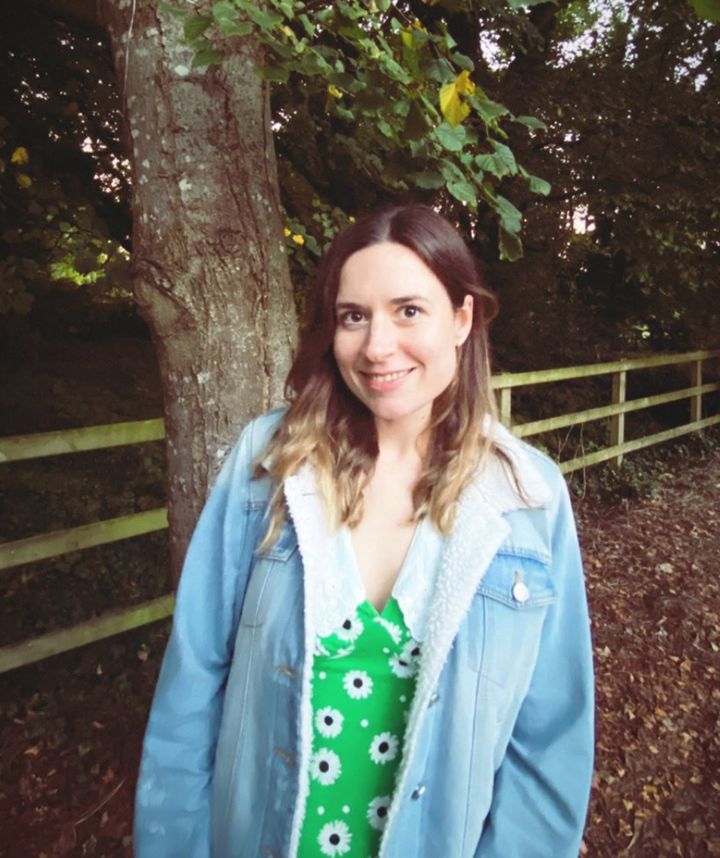
Joanne has mixed feelings about turning 30.

Joanne has mixed feelings about turning 30.

“I’d love to say that I’m not sweating it, turning 30, but I do have mixed feelings. On the one hand I’m telling myself that 30 is only a number and other clichés like ‘you’re only as old as you feel,’ but I can’t help feeling a little sad that my 20s and that time of my life is over.

“I definitely feel more reflective around this birthday than I have in previous years. For my birthday, I’m hoping to have a big family get together – less to do with celebrating my birthday and more about reconnecting in light of the Covid situation. Both that and turning 30 have made me reconsider what’s important in my life.

“Ageing is an interesting one for women as many of us naturally begin to question if/when is the ‘best’ or ‘right’ age to have children. In part I feel there’s a societal expectation to have settled down by or in your 30s, but there’s also a biological pressure there too. Many female friends my age already have children and although kids aren’t on my radar right now, it’s tricky not to compare lives sometimes and wonder ‘is time running out?’. At the end of the day, there will always be societal expectations of some sort around age, but my opinion is that most people are fortunate to have the choice of whether to live up to them or not.

“I used to be very future-driven and focused on having achieved x,y,z by age x. Over the last couple of years though, my outlook has changed significantly; I now try to focus much more on living in the present (literally day to day) and avoid thinking too much about the bigger picture or ticking things off by a certain age.”

“I never beat myself about anything”– Sarah Lee, mum, 50, Worthing

“I turned 50 this year and I felt fine, and quite proud, actually. Unfortunately my birthday was spent at home with my husband due to Covid. However, he did a gorgeous breakfast spread for me.

“I never beat myself about anything, take every day as your last, do things when you can or when monies allow, don’t stress as life is too short.”

Share Button

As Beyoncé Turns 40, We Look Back At Her Political Evolution

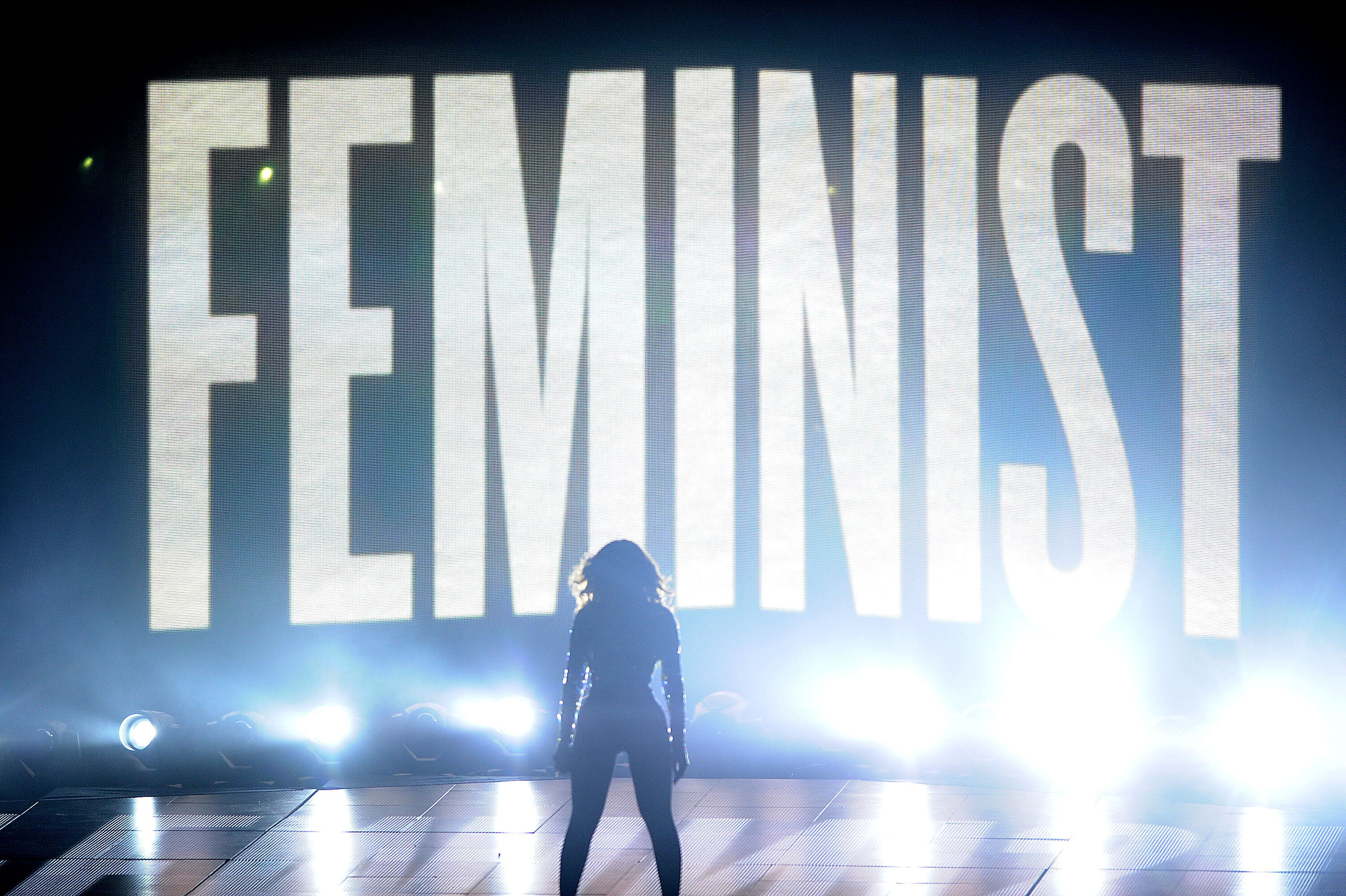
When she performed in front of the word ‘feminist’, some said she didn’t do enough. When she wore an outfit inspired by the Black Panthers, others said she did too much.

In her decades-spanning career, Beyoncé has been accused of being both too political and not political enough. As the icon turns 40, I’ve started to wonder why – and whether we’ve been too harsh on Queen B, who was just 16 when Destiny’s Child released their first single.

For Black women like myself, growing up and seeing Beyoncé elevate and making cultural strides gave me the push that I needed. From the age of five to my current age of 26, I’ve watched Beyoncé grow from a teenager to a mother-of-three, all while creating a legacy.

She has, some would say, become more involved in politics in that time. Others have argued that Beyoncé has always been political – you just didn’t see it. Either way, the way she presents her politics has certainly evolved, but it’s not been without its hiccups.

Professor Lucy Robinson, whose research spans the history of sexuality and identity politics, isn’t sure that matters. “We hold celebrities like Beyoncé accountable in impossible ways, as if they might not have changing ideas about the world around them,” she tells HuffPost UK.

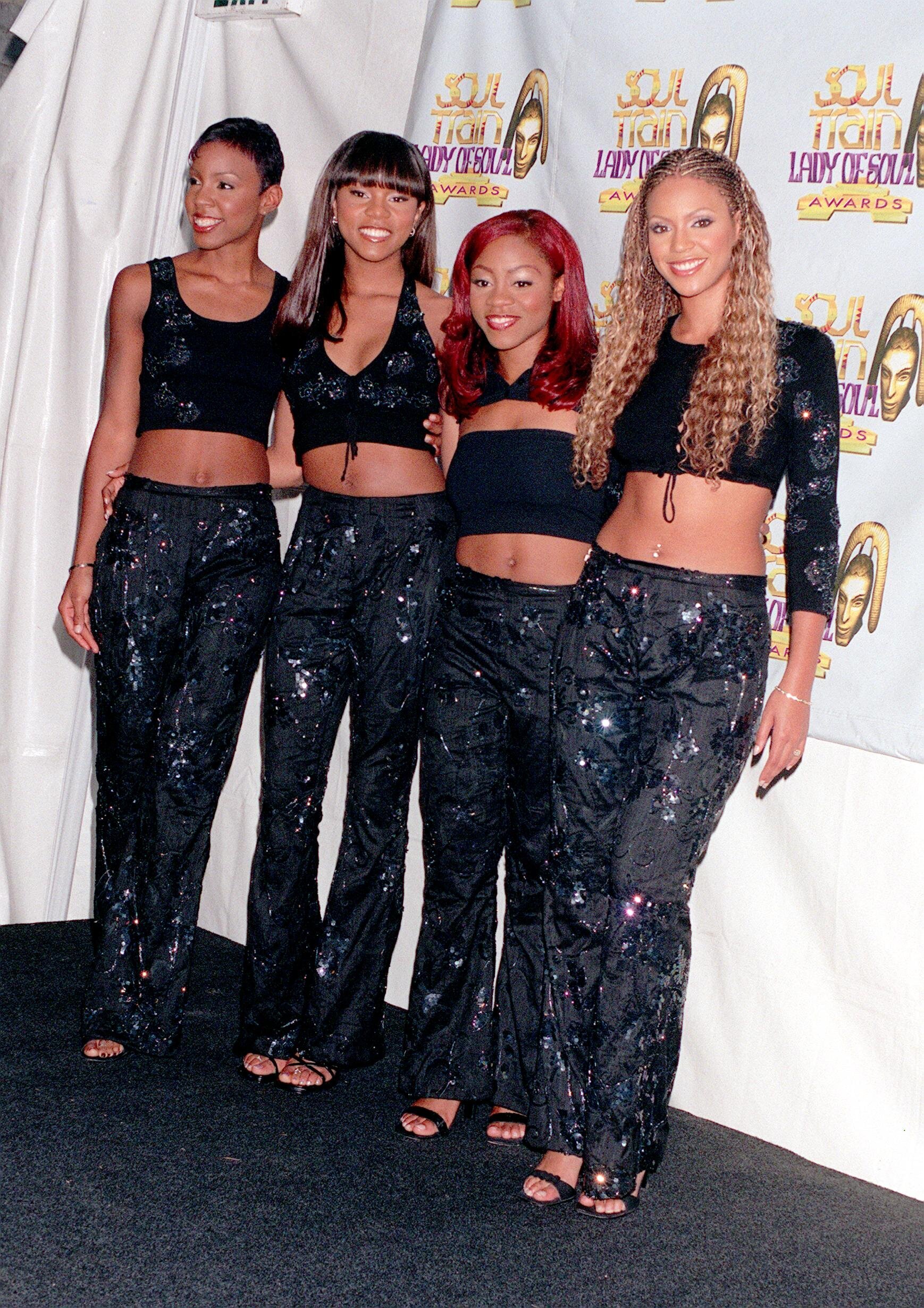
To look at at Bey’s evolution properly, we need to start from the beginning, going back to the days of Destiny’s Child. “Girl power” was alive and kicking, with fellow girl bands including The Spice Girls and TLC bringing third-wave feminism to a new, ’90s generation.

The bands were still writing about love and men, but we started to see more women in music reclaiming their time and money – and Destiny’s Child were no different. In 1999′s Bills, Bills, Bills, we see the group talking about a man who becomes dependent on his girlfriend to pay for his expenses – until she has enough and demands he pays his own way. In Hey Ladies, also released in ’99, the song focuses on why women choose to stay with men who do them wrong. The singers state that if a man messes up, he has to go. The narratives are almost empowering, but still focus heavily on heteronormative coupledom.

Beyonce with the original Destiny's Child band members. 

Beyonce with the original Destiny’s Child band members. 

But with their third album, titled Survivor, Beyoncé and the band members find new autonomy. The album starts with Independent Women and features anthems like Survivor, highlighting female strength, and Bootylicious, which celebrates the way the woman see themselves and their bodies.

As Beyoncé transitions into her solo career, her first songs – Crazy in Love and Baby Boy – focus on men again. Did her political empowerment take a backward turn? Professor Robinson doesn’t think that’s necessarily the case.

“It’s really interesting that we expect an individual to have a straight line of political development as if anybody does that, let alone a Black female artist,” she says. “We expect them to have this coherent development of political analysis, as if we can get inside their brain.”

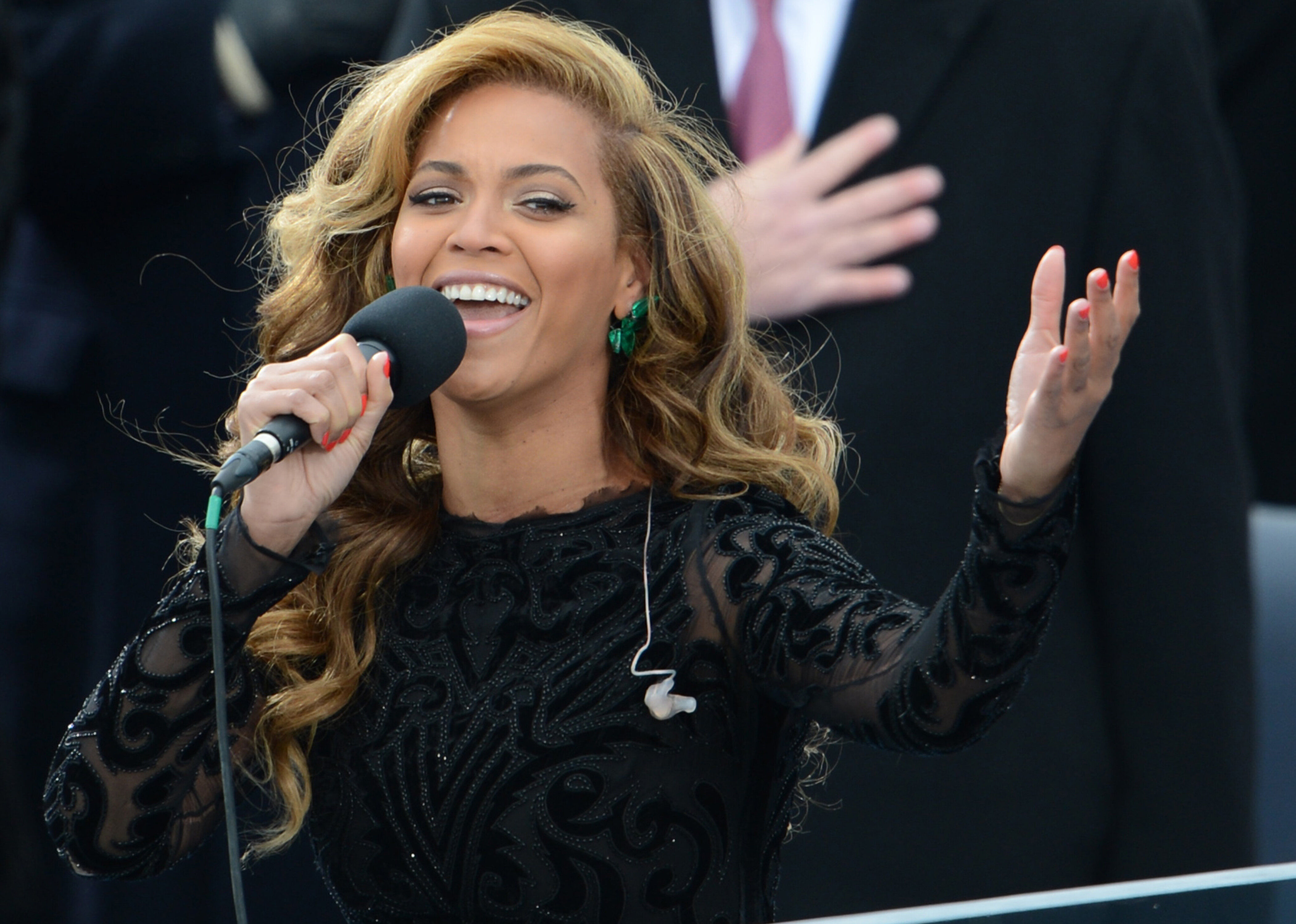
By 2008, though, Beyoncé is telling the world what she’d do if she was born with male privilege (If I Were A Boy) and celebrating all the Single Ladies. Fast forward to her 2011 album ‘4’ – two years after she sang at Barack Obama’s inauguration – and she has millions of women chanting: “Who run the world? Girls.”

Beyonce performing at President Barack Obama's inauguration. 

Beyonce performing at President Barack Obama’s inauguration. 

It was Bey’s most obvious move into feminism, but writer Zeba Blay argues the song – along with Beyoncé’s light skin and blonde hair – still has mass appeal, because it’s “palatable…to white audiences”.

“When she sings ‘Who run the world ― girls!’ the girls she speaks of are an amorphous, ever-changing group, racially-ambiguous, of no specific social class,” she says.

Being a Black woman in the public eye is inherently political, and by adding your own opinions to the mix, you face even more scrutiny. Beyoncé’s ability to appeal to multiple groups while getting political is no mean feat.

“To have found ways to slip through the gaps and to own her own narrative, I think it’s kind of historically pretty unprecedented, to be able to do both of those things,” says Professor Robinson. “And then on top of that you have the impossibility to then be the right role model for all groups, it’s an impossible position.”

When Beyoncé eventually did make her personal stances clear, white mainstream media had a lot to say about it. Her 2014 VMA performance – when she stood proudly in front of the word ‘feminist’, singing tracks from her self-titled visual album – was divisive. Some said it was game-changing, others questioned her validity as a feminist.

In a piece for the Telegraph, Emma Watson said: “I felt her message felt very conflicted, in the sense that on one hand, she is putting herself in a category of a feminist, but then the camera, it felt very male, such a male voyeuristic experience of her.” Black woman like myself felt frustrated with the critique, as it seemed like white feminists were gatekeeping Black women from the feminist movement. During her ‘Mrs Cater’ tour, she received backlash again, as fans questioned why she used her married name.

But it was when she performed with Bruno Mars at the Super Bowl in 2016 – the year of Donald Trump’s election – that Beyoncé’s feminism became intersectional, focussing on race and politics. Some viewers found it uncomfortable to watch, because her outfit was inspired by the Black Panthers (as if that’s a bad thing).

Beyonce performing during the Super Bowl 50 Halftime Show in 2016.  

Beyonce performing during the Super Bowl 50 Halftime Show in 2016.  

Professor Robinson believes this upset people’s feelings, as she let white audiences know she wasn’t holding back any more. “There’s a big difference between being at a political inauguration and being associated with presidential politics,” she says. “Those things are accommodated within that comfort of white audiences enjoying Black music. But when you bring that to a football pitch, those lines are drawn, which makes people uncomfortable.”

Seeing her political transition at first did make me question why she wasn’t vocal about these issues in the past. I wasn’t sure if she was being performative or if it was authentic. But then I started to think about my own journey. I don’t think the same way I did when I was 18, and I’m sure my opinions will change when I’m older too. Nevertheless, I thought adding Chimamanda’s speech to Flawless was a huge power move. The speech resonated with me and made me think about my ideas of what it looks like to be a Black feminist. And it seems like I’m not the only one.

Abigail, a 27-year-old trainee lawyer from London, thinks Beyoncé has always been quite political, but believes we started to see a shift when she had her first daughter, Blue Ivy, in 2012. A bigger pivotal turn in her political awareness came during the Lemonade era, she argues.

“The visual album as a whole touched on the Black female experience in America and globally,” says Abigail, who chose not to share her surname.

“However, this is just looking at her career as a musician. She has always looked to address social and economic imbalances and this is evidenced in her building homes for Hurricane Katrina victims, supporting the families of those killed by police brutality, encouraging voter registration by having registrations booths at her concerts, creating the Formation and Homecoming scholarships for black students.”

As Beyoncé has evolved, so have her fans – and the long nature of Bey’s career means she has a special place in the hearts of many. “To me, as a Black woman, Beyoncé feels like a favourite aunt,” adds Abigail.

“She’s a reflection of the Black female experience. Her approach to the media and how she interacts with them is not just her maintaining the mystique of being a celebrity, but it’s her protecting her peace whilst still having a presence, something that so many Black women need in the workplace and in society in general.”

It’s been a hell of a ride – and it seems the Beyoncé conundrum is only set to continue. Her most recent album, Black is King, was applauded as a “love letter to Africa” by some, while others called it “incomplete”.

No one is above critique and rightly so – we should question celebrities and celebrity culture, but we should also allow them some grace. Beyoncé’s presence in mainstream media has allowed us to have conversations around Black feminism and intersectionality that we might not have had before.

As Robinson says: “I think the fans and the conversations around an artist, are actually where the real politics happens.

“Black feminism has had to do a brilliant job of explaining to white women that their experiences aren’t universal. These conversations have highlighted that some feminist issues don’t represent the experiences of Black women.”

Share Button

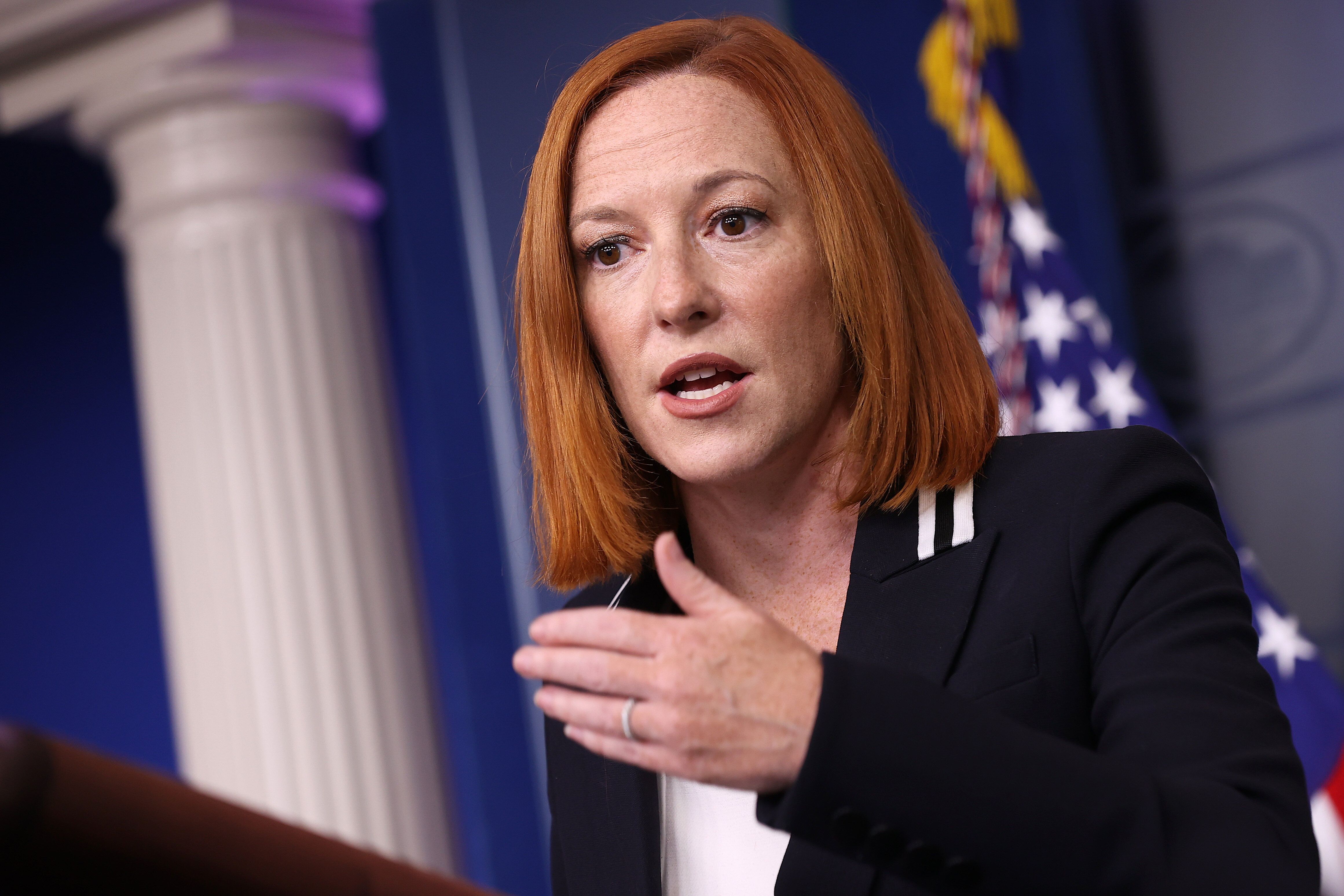
White House Press Secretary Jen Psaki Shreds Male Reporter With Response On Why Joe Biden Supports Right To An Abortion

White House press secretary Jen Psaki had a powerful response to a male reporter who inquired why President Joe Biden supports the right to an abortion, telling him “you have never faced those choices, nor have you ever been pregnant.”

On Thursday, Psaki was asked about the decision by the US Supreme Court earlier this week that allowed a restrictive abortion law to go into effect in Texas. The law effectively bans abortion at six weeks, which is earlier than when many people realise they’re pregnant, and puts citizens at the forefront of enforcement by offering a financial incentive to sue those who have helped someone seeking an abortion. The court denied a request by abortion providers in the state to prevent the law from going into effect.

Upon a male reporter inquiring why Biden supports abortion “when his own Catholic faith teaches abortion as morally wrong?”, Psaki responded forcefully: “He believes that it’s a woman’s right. It’s a woman’s body, and it’s her choice.”

The reporter pressed Psaki further and asked, “Who does he believe, then, should look out for the unborn child?”

In response, Psaki emphasised that Biden “believes that it is up to a woman to make those decisions, and up to a woman to make those decisions with her doctor.”

“I know you have never faced those choices, nor have you ever been pregnant, but for women out there who have faced those choices, this is an incredibly difficult thing. The president believes that right should be respected,” she fired back. 

Earlier on Thursday, Biden issued a statement on the court’s ruling and lambasted the Texas law as “an unprecedented assault on a woman’s constitutional rights,” insisting that it “unleashes constitutional chaos.”

The statement criticised how the law deputises citizens, noting that people will “now be empowered to inject themselves in the most private and personal health decisions faced by women” and added that the court is allowing “millions of women in Texas in need of critical reproductive care to suffer while courts sift through procedural complexities.”

Biden said he would direct the Gender Policy Council and the Office of the White House Counsel to launch “a whole-of-government effort” to respond to the court’s decision and ensure that those seeking abortions in Texas can safely access them.

Share Button