Speaking to HuffPost UK previously, orthopaedic surgeon Dr Pamela Mehta of Resilience Orthopaedics said that “Two of the most common causes of runner’s knee are overuse and muscular imbalances”.
This includes weaker hips, which can lead some muscles further down the leg or closer to the small of your back to work harder to compensate.
Advertisement
Which is why some experts, like online run coach Ken Graham, reccomend runners in particular try the “Myrtl routine”.
In an Instagram Reel, Graham explained “It only takes five minutes but could save you weeks of injuries”.
What is the Myrtl routine?
It’s a series of body weight exercises devised by running coach Jay Johnson, SELF explained. These are designed to strengthen your hips and improve flexibility.
Advertisement
One study found that runners with greater hip strength and balance ran more economically. Another noted a link between weaker hip muscles and overuse injuries in recreational runners.
On his site, Johnson said: “I get asked all the time, ‘Why was it named Myrtl?’ Because Myrtl rhymed with ‘hip girdle.’ I had no idea that Myrtle is the common spelling”.
The hip girdle is sometimes also called the pelvic girdle and involves the hip bone.
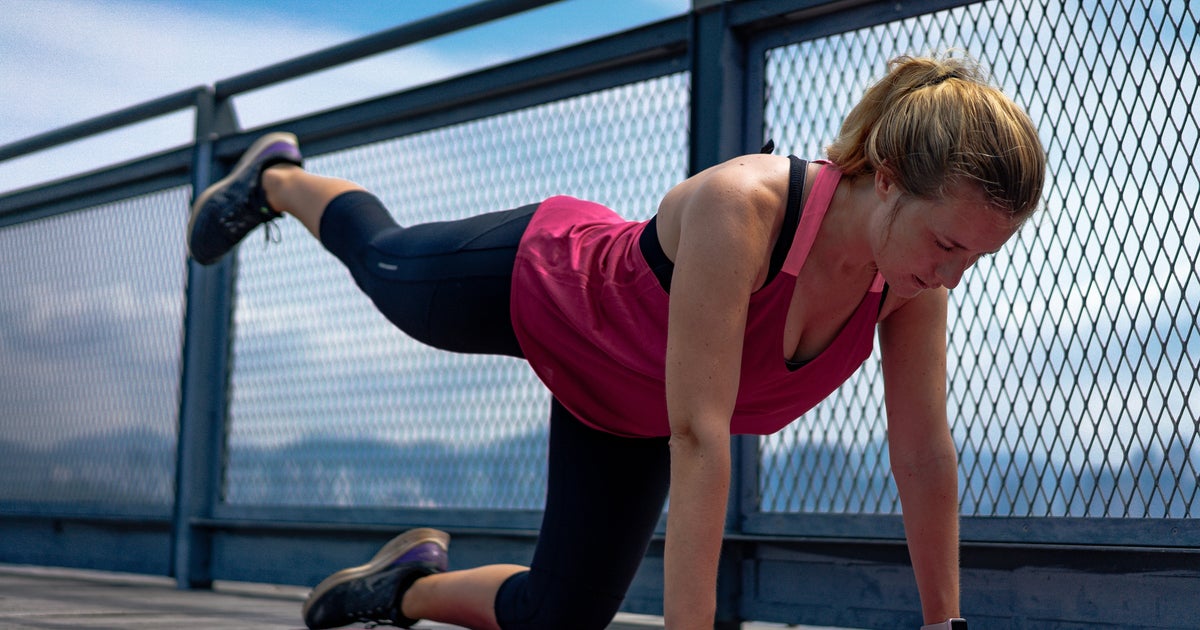
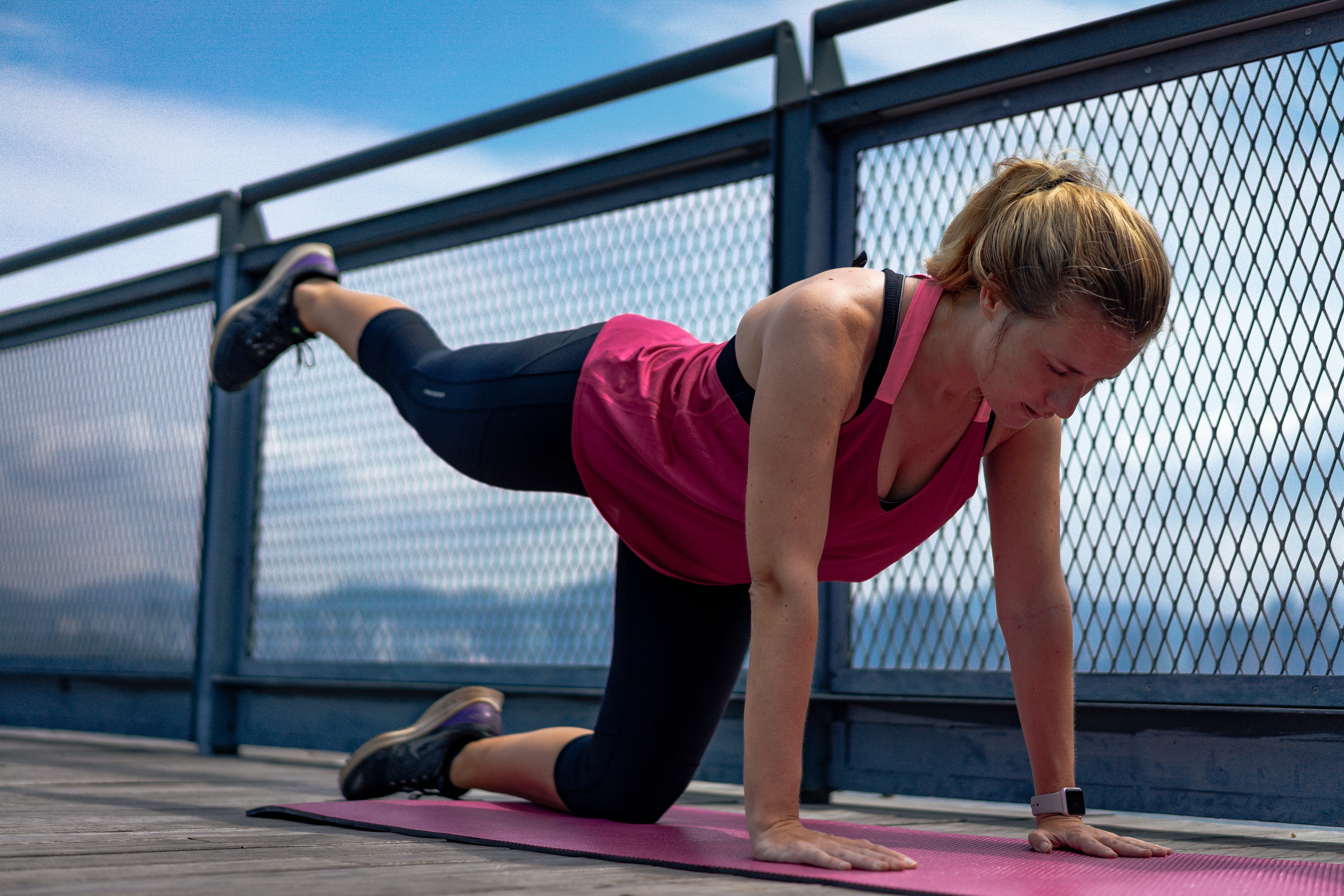
Reverse knee circles or hurdle trail legs – 10 each leg,
Lateral leg swing – 10 each leg,
Forward leg swing – 10 each leg,
Bent knee leg swing – 10 each leg.
Should I do the Myrtl routine before or after running?
Graham advised doing the routine three times a week after your runs.
Writing for Runner’s World, Jay Johnson himself said it should be done after your run, too.
“This routine takes no more than five minutes once you’ve learned the exercises. Once you’ve done it a handful of times it will become an easy, gentle cool-down routine,” he shared.
They have said it’s important for the public to “stay vigilant” as the “pest” begins to make its hairy way onto oak trees.
Not only can they harm the iconic trees, which The Tree Council has described as being “under threat” in the UK, but they can also cause irritation “and should not be touched under any circumstances”, the Government said.
Advertisement
What are oak processionary moth caterpillars?
They’re the caterpillar, or the younger stage, of the oak processionary moth.
The Forestry Commission’s Oak Processionary Moth Programme Manager, Dr Edward Straw, said we might see more of these than usual as “The warm weather in spring has led to oak processionary moth growing quicker than in previous years and we may see higher infestation levels”.
How can I spot an oak processionary moth caterpillar?
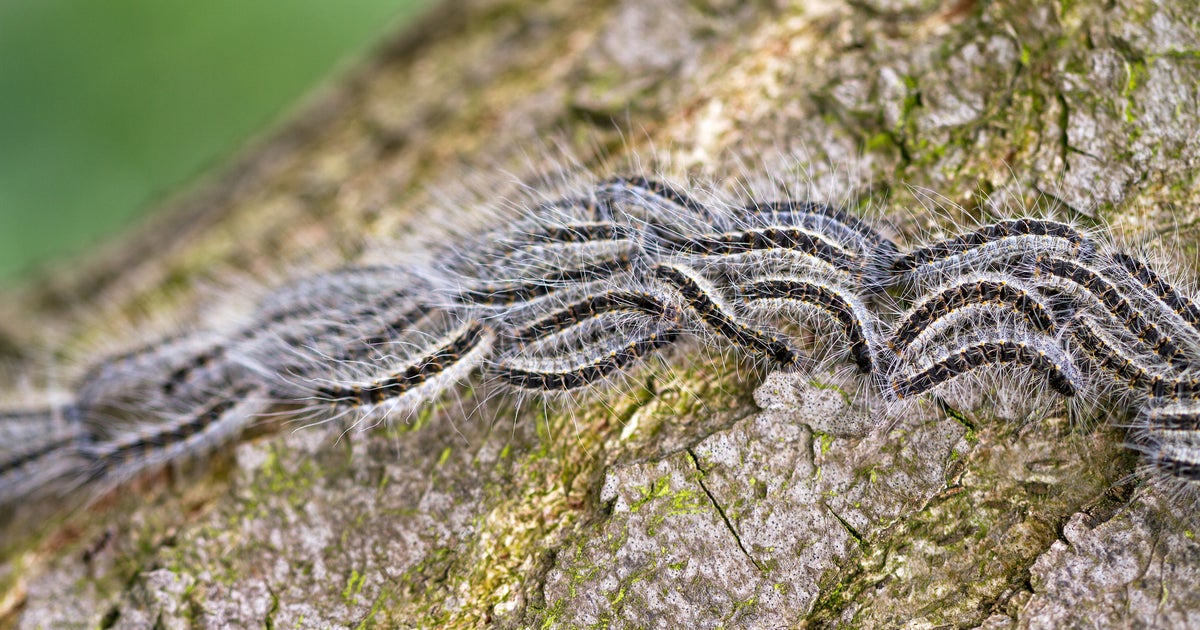
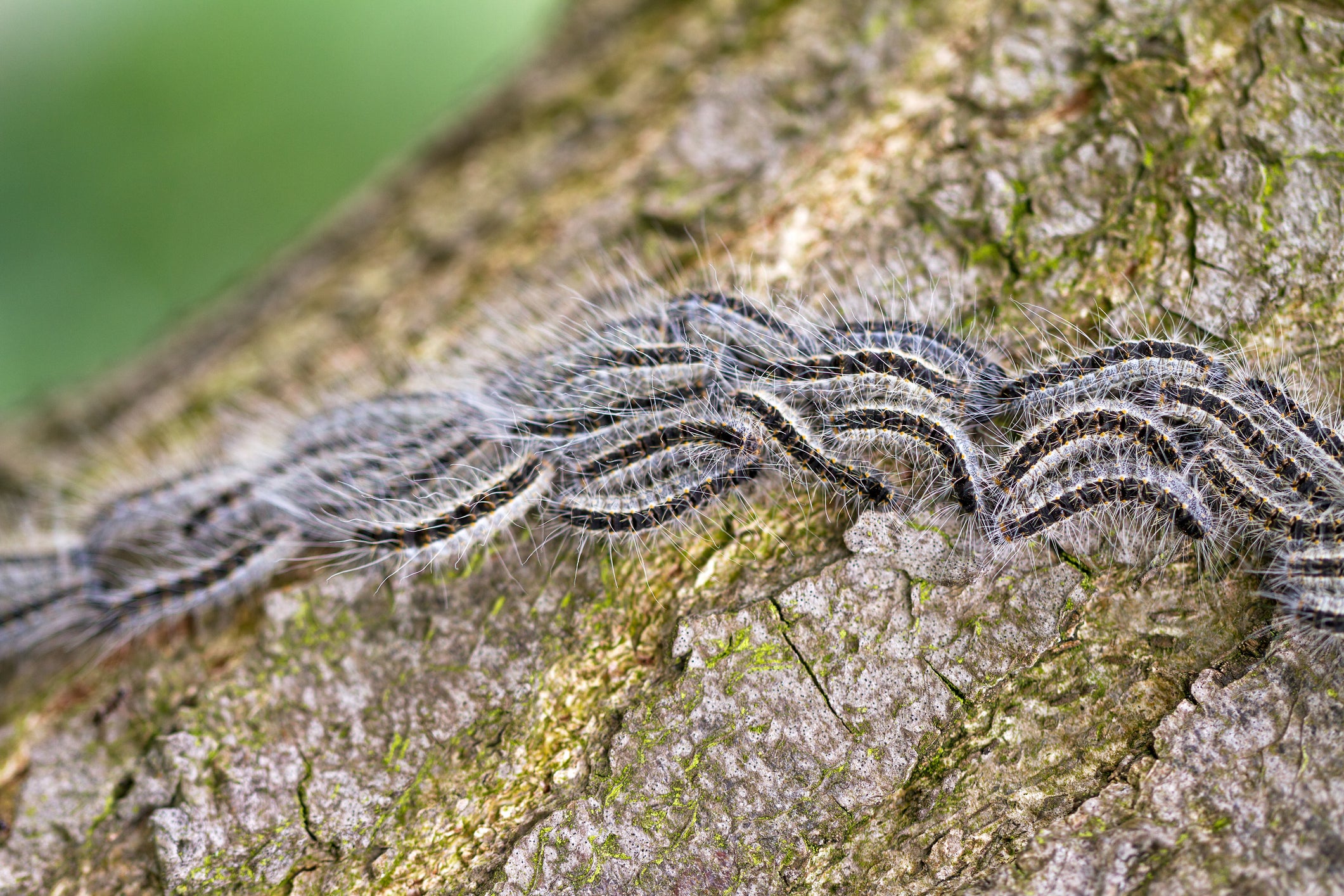
They’re about 2-3cm-long caterpillars with a grey body and a dark head with lengthy, white hairs. They usually form a nose-to-tail formation in groups as they travel down oak trees.
They have nests which the Government has said are usually teardrop-shaped or dome-shaped and can range from the size of a 50p coin to that of a melon. These look white at first, but can turn brown later on.
Advertisement
Forest Research said that while the invasive oak processionary caterpillar looks like harmless native species – including the lackey moth and brown tail moth caterpillars – there are ways to distinguish the “pest” from the rest.
They said, ”(The) oak processionary moth feeds only on oak and produces large nests on oak trunks and large branches from May onwards. Hairy caterpillars which are not on oak or are not associated with a silk nest are almost certainly not (oak processionary moths)”.
Advertisement
Where are oak processionary moths found in the UK?
They’re usually found in the South-West of the UK.
Professor Nicola Spence, Defra Chief Plant Health Officer, said: “I would advise that members of the public living in the South East, Derbyshire and Dorset, avoid any contact with the caterpillar and its nests, as this can cause irritation”.
Why are oak processionary moths bad?
Firstly, they feed on the leaves of oak trees, which means they can hamper the trees’ growth. This can leave them more vulnerable to disease.
Secondly, the tiny hairs on the caterpillars’ bodies can “cause itchy rashes, eye and throat irritation and should not be touched under any circumstances,” said the Government.
Advertisement
What should I do if I see an oak processionary moth caterpillar?
Firstly, don’t touch them. Don’t even touch the nest, the government warned, as this could contain the irritating hairs.
Secondly, report any sightings so experts can keep track of the caterpillars.
The Royal Horticultural Society (RHS) also said that “Due to the irritant hairs, control of this insect should only be carried out by professional contractors”.
Advertisement
What if I touch an oak processionary moth?
The government previously said, “if you or someone in your care has a serious allergic reaction, get medical help. For less severe reactions, a pharmacist can provide advice on relief from skin or eye irritations.”
They also say that “if an animal in your care is seriously affected, get advice from a vet”, and warn to “Tell the medical person or vet you suspect it is due to OPM [oak processionary moth] contact.“
If anal sex is on the menu tonight, you might be worried about what you ate beforehand. After all, if letting one rip embarrasses you in yoga class, then getting intimate with a partner can feel even more anxiety-inducing.
Maybe you’re wondering whether that chili and beans for dinner was a terrible idea before a roll in the hay.
And while certain foods can make things a little less comfortable – like, say, chili and beans – experts say there’s also a huge misconception around the idea of being “perfectly prepared” for anal sex.
Advertisement
“There’s this idea that you can be perfectly clean for anal play, but the anus is where poop exits the body,” Javay Frye-Nekrasova, a sex educator atWe-Vibe, tells HuffPost. “Mess is to be expected, regardless of how you prepare, because we are human, and that’s life. And that’s OK!”
She adds, “Trust me, even as a sex educator I still have instances where the realities of a booty happen.”
In other words, you don’t need to obsessively restrict food or try to achieve some impossible standard of being ready “back there”.
Advertisement
“The rectum, the part of the body involved in most anal play, is not a storage chamber. For most people, most of the time, it’s actually empty,” Dr. Jenni Skyler, a sex therapist, says. “Stool is stored higher up, in the colon, and only moves down when your body is preparing to have a bowel movement.”
LSOphoto via Getty Images
There’s no reason to stigmatize a perfectly normal part of your body and a perfectly normal way to give and receive pleasure. But you can set yourself up for minimal discomfort by learning what sits better in your body before you play.
“This is good news,” she continues. “It means that with reasonable preparation, anal play is far less messy than most people fear.”
Here are the foods experts say are best to avoid before anal sex – and a few suggestions of what to eat instead.
Very spicy foods
According to Skyler, spicy foods can irritate the digestive tract and speed up digestion, which may lead to looser or more unpredictable bowel movements.
Advertisement
“Spicy foods are not fully broken down during digestion,” she says. “They irritate the digestive tract on the way in and out.”
Registered dietitianKristen Kuminski adds that capsaicin – the compound responsible for heat in spicy foods – “passes through the digestive tract and causes irritation on the way out.”
If you already know spicy foods tend to upset your stomach, experts say the hours before anal play probably aren’t the time to test your limits with hot wings or extra chili oil.
Advertisement
Greasy or fried foods
Heavy, oily foods can sit heavily in the stomach and may contribute to bloating, sluggishness and loose stool.
“Being ‘stuffed’ – pun intended – only makes it more uncomfortable,” Frye-Nekrasova says.
Skyler adds that greasy foods are harder to digest overall, which can make people feel “sluggish and bloated – the opposite of relaxed.”
Gas-causing foods
Beans, lentils, broccoli, cabbage, cauliflower, Brussels sprouts and onions are all healthy foods, but they can also increase gas production.
Advertisement
Kuminski says high-fibre foods eaten in large amounts right before anal sex are some of the biggest offenders when it comes to bloating and digestive discomfort.
Skyler stresses that passing gas is completely normal and nothing to be ashamed of, especially when it happens in the bedroom. But if someone is already anxious about anal sex, feeling bloated or gassy can make it harder to relax and stay present.
“These foods are great,” she says. “Just maybe not at lunch on the day of.”
C3PICS via Getty Images
Some of your favorite foods might not set you up for success for anal play later in the evening.
Advertisement
Dairy (if you’re sensitive to it)
Even mild lactose intolerance can trigger bloating, gas or digestive upset.
“If you know dairy sometimes disagrees with you, the hours before anal play are a good time to skip the cheese plate and the ice cream,” Skyler says.
Kuminski notes that even mild lactose sensitivity can lead to “bloating and urgency that is badly timed”.
Artificial sweeteners
Sugar alcohols like sorbitol, xylitol, erythritol and mannitol – commonly found in sugar-free gum, protein bars and “diet” snacks – are well known for causing bloating and digestive distress.
Advertisement
“This one surprises people,” Skyler says, noting they can sometimes trigger loose stool “quite dramatically”.
Excess alcohol
Sure, that bottle of wine at dinner might have loosened your inhibitions, but that’s not the only thing it loosened. Alcohol can irritate the digestive tract, while also loosening stool and contributing to dehydration.
But Skyler says there’s another concern, too: drinking heavily can make it harder for people to stay aware of discomfort or pain during anal sex.
Advertisement
“In large amounts we struggle to be present and can override our pain receptors,” she says.
Kuminski similarly notes that alcohol “loosens inhibitions but also loosens gut motility,” which can create unpredictable bowel behaviour.
Huge meals before sex
Even if you haven’t eaten any of the foods above, experts say timing still matters. “A huge meal eaten right before play can trigger the urge for a bowel movement at an inconvenient time,” Skyler says.
Kuminski recommends giving yourself three to four hours after a meal before anal play, adding that “timing matters as much as what you eat.”
Advertisement
So what should you eat?
Experts generally recommend sticking to foods that support predictable digestion and well-formed bowel movements.
Skyler recommends:
soluble fibre
lean proteins
cooked vegetables
bananas
lots of water
Kuminski also suggests low-fibre, easy-to-digest foods in the hours beforehand, including:
white rice
eggs
plain chicken
bananas
“It’s basically the same logic as eating before a long run or race where you don’t want any GI surprises,” she explains.
But Frye-Nekrasova says people shouldn’t become obsessive or restrictive around food before sex.
Instead, she recommends simply paying attention to your own digestion and giving yourself enough time between eating and anal play.
Advertisement
“A good rule of thumb I follow is to try to stop eating at least three hours before planned anal play,” she says. “Just to give my body enough time to digest food so I can have a bowel movement beforehand.”
Artem Peretiatko via Getty Images
Everyone’s body is different when it comes to food, digestion and comfort during sex — and, ultimately, learning how to listen to your body and communicate with your partner(s) is key to having a good time.
She adds that everyone’s digestion works differently, so there’s no perfect formula.
“If you are more regular with your digestion and bowel movements, shorter timeframes could absolutely work for you,” she says.
Advertisement
Rather than stressing over eating “perfectly,” Frye-Nekrasova suggests planning ahead in realistic ways – especially on date nights involving heavier meals.
“If you’re going to dinner and it’s going to be something heavier, then planning an activity afterward to give yourself enough time to digest the food before sex would be a good move,” she says.
Most importantly, she stresses that relaxation and communication matter more than perfection.
“Bodies are weird,” Frye-Nekrasova says. “I know that being told to relax doesn’t actually help anyone relax, but I do want to say it because being relaxed helps our bodies function in the typical, expected way (aka digestion and bowel movements) a lot easier than if we are stressed.”
Advertisement
Frye-Nekrasova adds, “And stressing about being perfectly prepared is actually the opposite of what helps people relax.”
There are trips where you pack every waking moment full of sightseeing, activities and excursions. And then there are trips you spend mostly horizontal: laying in a lounge chair, reading a book, sipping on a cold beverage and occasionally getting up for a dip in the ocean or pool.
The latter is what cookbook author and mum-of-four Caroline Chambers aptly refers to as a “plop vacation.”
Advertisement
A “plop” holiday is one in which you “wake up in the morning and pack a pool or beach bag, and literally plop by the pool or beach for the entire day,” Chambers explained in a comment on an Instagram post from a Mexico trip she and her family took earlier this year.
“My sister is a luxury travel agent, and I often see her talking about this type of vacation where you fly to a destination and then basically flop down and don’t leave for the rest of the week,” she said. “Some people call it ‘flop.’ I call it ‘plop.’”
Advertisement
Certain travellers might look down on trips that don’t maximise time away by trying to see more, do more, learn more. And that kind of perspective-widening travel does have its benefits. Chambers herself loves “really, really adventurous travel where you are getting off the beaten path, seeing a local community in a way that you never could otherwise,” she said.
Thomas Barwick via Getty Images
“There is no better balm for the soul that is overtaxed by all the daily logistics of running a career and having a house full of kids than plopping down by a pool and having a waiter come take your drink order and bring you lunch by the pool,” said Caroline Chambers, who coined the term “plop vacation.”
But there are also some notable upsides to holidays of the plop variety.
“Sometimes you just need to completely reset your nervous system and not have to deal with any logistics,” Chambers said. “There is no better balm for the soul that is overtaxed by all the daily logistics of running a career and having a house full of kids than plopping down by a pool and having a waiter come take your drink order and bring you lunch by the pool.”
Advertisement
Plop vacations are great for anyone who just wants to rest and recharge their battery. But they can be particularly enjoyable and (relatively) low-stress for people with young kids. Just pack a bag with everything your family needs for the day: “snacks, diapers, toys, all of it, minimising schlepping as much as possible,” said Chambers.
“It allows the parents to actually feel relaxed afterwards because our needs are being taken care of too,” Chambers said. “We can sit by the pool and have a margarita and order our kids’ lunch.”
Kelsey Pomeroy is a content creator who specialises in parenting and travel with kids, and has two young children of her own. When she hears the term “plop vacation,” she pictures “setting it all down and letting it all go, a rare treat in the life of parents to young kids,” she told HuffPost. It’s appealing because “schlepping stuff around is “the bane of [her] existence,” Pomeroy said.
Advertisement
Plopping with little kids in tow is not going to be as tranquil as plopping child-free. But it can still be pretty relaxing.
“A plop vacation is what people imagine when they think of the word ‘vacation,’ and I love the idea that even if it isn’t the same as a vacation was pre-kids, you can still plop and achieve pockets of peace throughout the day,” Pomeroy said.
As Chambers wrote in a post on her Substack, even though your kid is “spilling half of your margarita before you can even take a sip,” she still finds it “very restful and fun.” And if you need some grown-up plop time, you can sign the kids up for camp at the resort or book a local sitter, she said.
Advertisement
As parents and caregivers know, it can sometimes feel intimidating to leave the house – let alone leave the country – with young kids.
“So whether the beat of your family is to run around all day or plop, I love seeing easy frameworks like ‘plop vacations’ making traveling with little kids feel more accessible,” Pomeroy said.
A new paper published in the British Journal of Sports Medicine has added clarifying details for those hoping to see the most benefits from the activity.
Advertisement
After 30 years of follow-up from 147,374 participants, they found the optimum amount of lifting and resistance training per week for longevity.
How much strength training should I do per week?
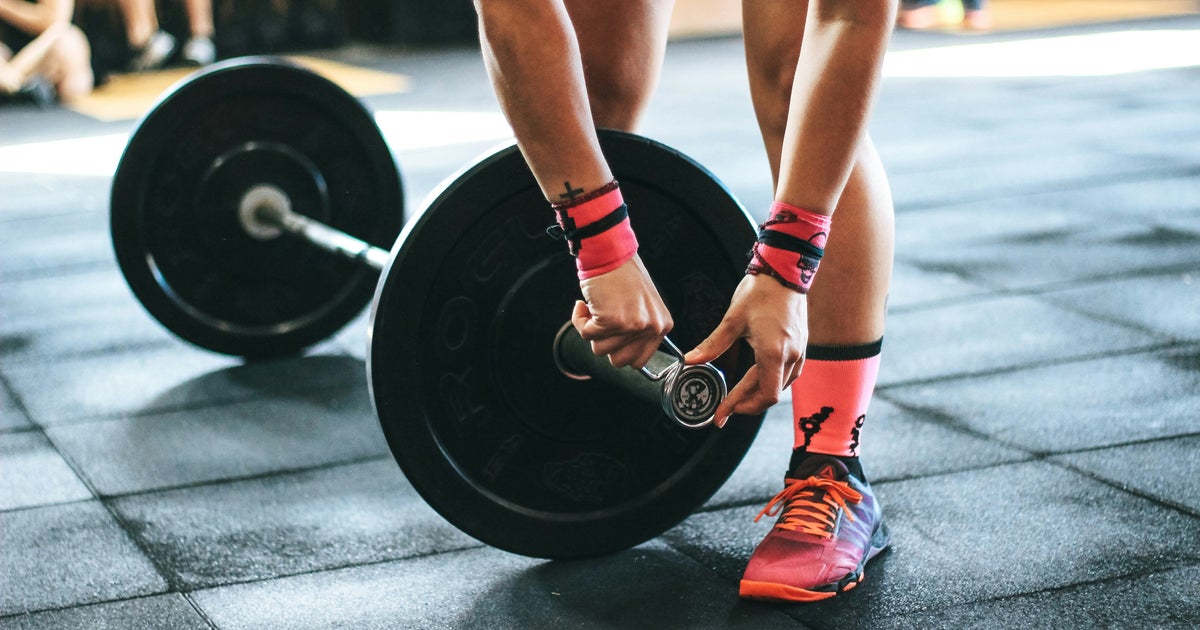
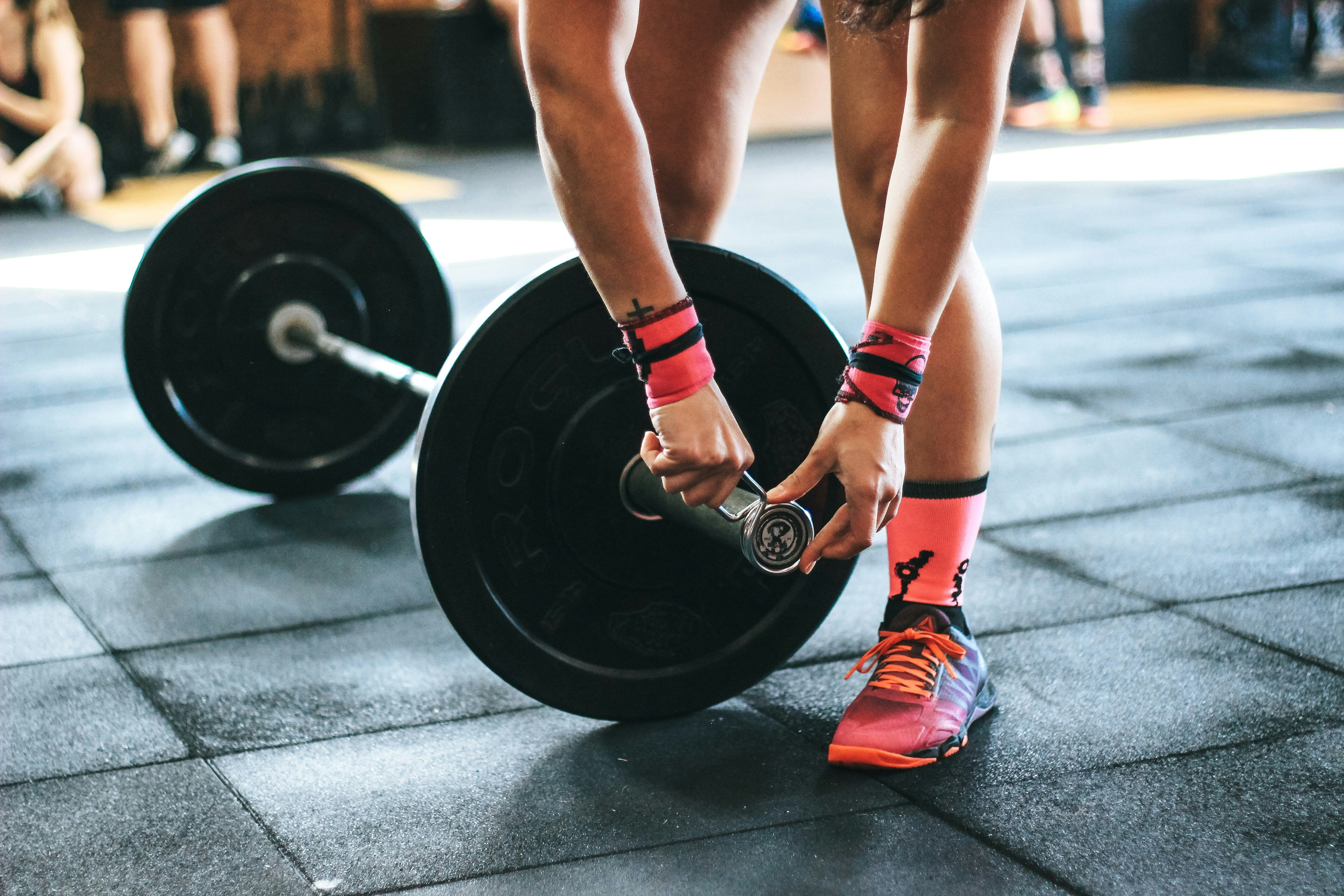
This research found that the lowest risk of all-cause mortality was linked to one to two hours (60-119 minutes) of resistance training, especially if it was done alongside aerobic training.
Advertisement
The benefits of strength training seemed to “plateau” at two hours a week in this study, meanwhile.
Speaking to HuffPost UK previously, Dr Suzanne Wylie, GP and medical adviser for IQdoctor, said: “I would generally advise at least two sessions of strength training per week, focusing on all the major muscle groups”.
How much of a difference does one to two hours a week of strength training make?
In this study:
60-120 minutes of strength training a week was linked to 13% lower all-cause mortality risk,
The risk of death from cardiovascular disease, like heart attack or stroke, was 19% lower,
The risk of death from dementia was 27% lower,
The risk of all-cause mortality was 58% lower when 90-120 minutes of strength training was combined with a high level of aerobic activity (30-45 hours a week).
What counts as resistance or strength training?
You don’t always need weights to do strength training.
Dr Wylie formerly told us that strength training “might include bodyweight exercises like squats, push-ups, or step-ups, or using resistance bands or weights at home or in the gym”.
Advertisement
The point is that your muscles work against a form of resistance, be that a dumbbell or your own weight.
She added, “The emphasis should be on steady, safe progression rather than attempting heavy lifts immediately”.
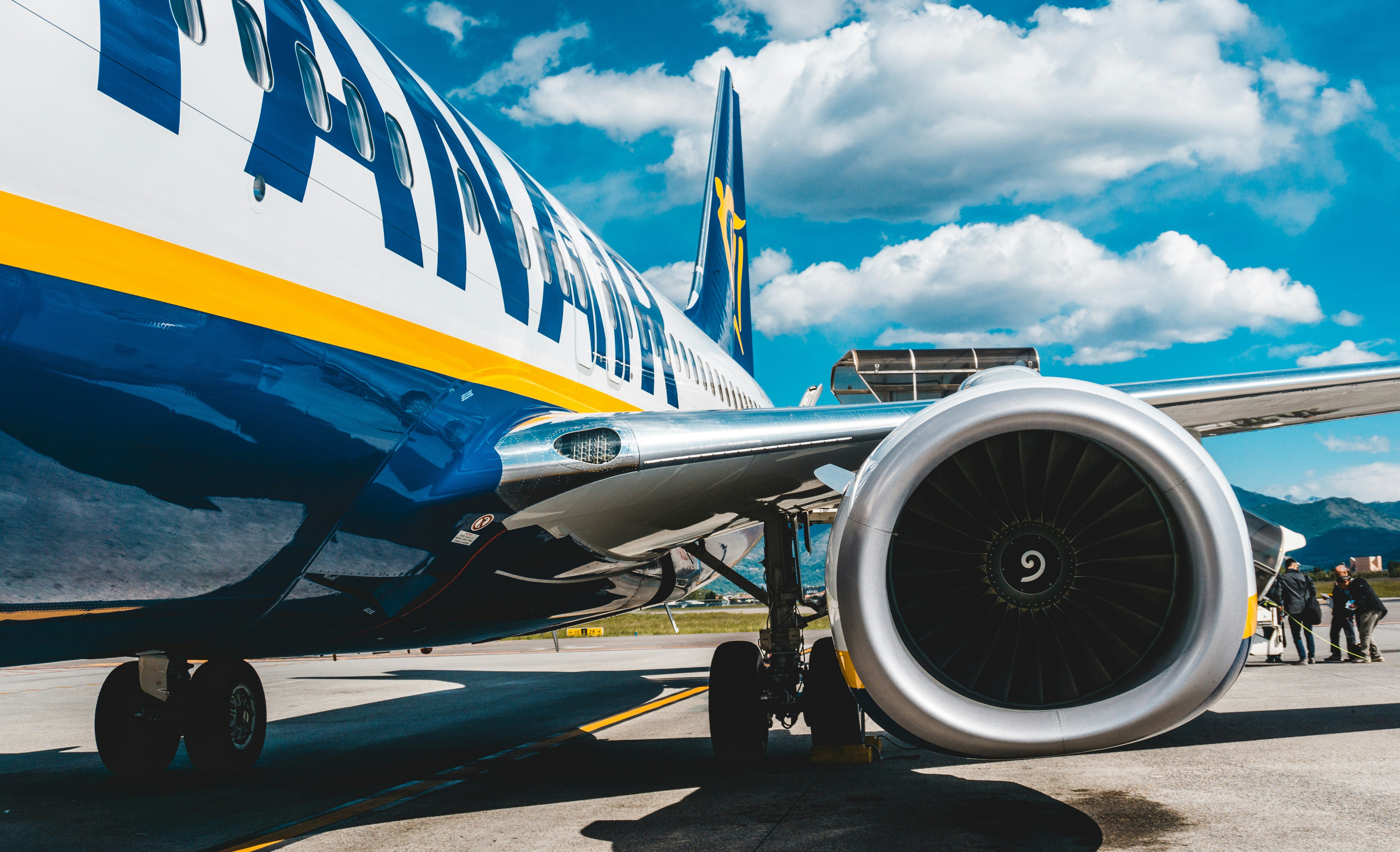
But while Simple Flying reports the airline’s busiest bases include London Stansted, Dublin, Milan Bergamo, Brussels Charleroi, and Barcelona, none of the new routes are in those airports.
Advertisement
Instead, the 15 new routes, which were launched on 1 and 2 June respectively, include destinations like Poland’s Gdańsk and Albania’s Tirana.
The UK’s Manchester airport will get a brand-new Ryanair link to Spain’s Castellón, too.
Full list of 15 new Ryanair routes for summer 2026
Manchester fliers have a new route to an underrated Spanish destination
These changes mean passengers from Manchester Airport now have a direct Ryanair flight to Spain’s Castellón.
Lonely Planet wrote that while “you don’t hear a great deal about the province of Castellón, to the north of the Valencia region,” the region’s airport, which saw its first commercial flight in 2015, years after officially opening, made it more viable for visitors.
Ryanair was the first airline to fly to what was then dubbed a “ghost” airport, The Guardian reported in 2015.
Advertisement
Over a decade on, the carrier has added Manchester and Bologna connections to its existing routes at the Valencian base. They added an Essex route to the destination in April, too.
Airports aside, Castellón has often been lauded as a quieter Spanish location with fewer tourists but tonnes of local charm.
“Castellon de la Plana’s sleepy city streets hide many treasures for the discerning tourist. If you’re hunting for a holiday off the beaten track, away from the hustle and bustle of Barcelona or Madrid but still bursting with unique Spanish charm, there is nowhere better than Castellon de la Plana,” they wrote.
Advertisement
“It’s great for families too with loads of local attractions including nearby beaches, escape rooms and hot springs.”
On 1 June, the official start of summer, the Met Office released its three-month outlook for the UK.
The meteorological service explained on its site that this outlook is not an exact prediction or a guarantee of what will happen in the season. Instead, they say, it’s about broader trends; you can’t say for sure whether something like a heatwave will happen based on this information.
Advertisement
Nonetheless, they added, the most “notable” part of their most recent outlook is the expected hotter-than-usual UK summer temperatures.
“It follows that there is an increased chance of heatwave conditions developing at times,” they said.
We have already had an unusually hot start to the year, with temperatures reaching a record-breaking 35.1°C in Kew Gardens this May.
This outlook doesn’t aim to calculate exact dates, nor does it say there definitely will be heatwaves.
Advertisement
But it did mention that higher pressure, linked to hotter weather, is expected in the middle of June after a rainy start to the month.
“Towards the end of June, low pressure may begin to have more of an influence, especially across the south, where heavy showers and thunderstorms become more probable. It may also become hot in parts of the south,” the Met Office shared.
Why has this year been so hot?
Even for the UK, 2026′s weather has been especially volatile. We went from record-breaking heatwaves to floods in a matter of days.
Advertisement
The Met Office’s Dr Emily Carlisle previously said this is part of a broader warming trend.
“This spring highlights both the natural variability of the UK’s weather and the longer-term warming we are observing. While conditions varied through the season, all three months of meteorological spring recorded mean temperatures within the UK’s top ten warmest on record,” she stated.
“While we expect fluctuations from year to year, this spring shows some of the changes we’re seeing in our weather patterns, with more extreme conditions becoming more frequent. The fact that nine of the ten warmest springs in England have occurred since 2007 illustrates this ongoing shift in the UK’s climate.”
That means most of us should focus on getting enough fibre to begin with. But dietitians say that eating it early on in the day can not only help us to achieve that goal, but might confer greater benefits too.
Advertisement
“If you start your day [of eating fibre] in the morning, you get a big advantage,” registered dietitian Lisa Young told TODAY.
And the Mayo Clinic said we should try to choose a breakfast with at least 5g of fibre.
Why should I eat fibre in the morning?
Part of it has to do with motivation. If you begin your day with more fibre, you don’t have to make up for any gaps later on in the day when you’re more tired.
Advertisement
One study found that people who ate higher-fibre breakfasts went on to eat healthier, more fibre-rich fare throughout the day.
That might mean that your body has more of a chance to process and enjoy the satiating benefits of fibre if you consume it first thing.
“For some people, especially those with bloating, reflux, or slower digestion, a super fibre-heavy meal right before bed can feel like it just kind of sits there,” registered dietitian Alyssa Simpson told EatingWell.
Advertisement
How can I eat more fibre in the morning?
Another good reason to eat fibre at breakfast? A lot of breakfast foods, including cereals like bran flakes, porridge, wholemeal bread, and fruit, are naturally high in fibre, making it easier to sneak more of the nutrient into your diet.
″[Two] slices of wholemeal toast with peanut butter followed by a medium-size orange should give you around 8.3g of fibre” at breakfast, for instance, the NHS said. That equates to almost a third of your daily goal.
Add more fruits to your breakfast, choose bran or wholegrain versions of your food, or add wheat bran to lower-fibre versions, the Mayo Clinic added.
No – eating it in the morning might have extra benefits, but the most important thing is to meet your fibre goal in the first place.
Eating too much fibre in one go can sometimes cause digestive issues, too, registered dietitian Brea Lofton from Lumen shared previously.
Advertisement
“I usually find that spreading it out across the day is better tolerated than having one giant fibre-heavy meal, especially for people with bloating or sensitive digestion”, Simpson said.
As a reminder, most adults should aim for 30g of fibre a day.
But a new review published in Science suggested that one thing might link multiple dementia risk factors: how well our brain is able to clear waste while we’re sleeping.
What part of sleep may affect dementia risk factors?
Researcher and neuroscientist Professor Maiken Nedergaard from the University of Rochester Medicine (URM) tried to look at sleep in terms of brain chemicals such as norepinephrine, serotonin, and dopamine.
These “neuromodulators” affect our mood, attention, how awake we feel, and even how well we learn.
Her research noted that “neuromodulators” behave differently during sleep. They run in slow cycles that turn roughly every minute in a manner believed to affect everything from breathing to brain activity.
Advertisement
These sleep changes are also linked to changes in blood vessels called vasomotion, which works independently of our hearts’ pumping motion. One effect of this process is pushing fluid through the brain, helping to clear waste products such as amyloid-beta and tau proteins.
Amyloid plaques come from the buildup of abnormal protein fragments, while tau can turn into stringy proteins that lead to tau tangles. Amyloid plaques and tau tangles have been compared to the “trigger and bullet” of dementia progression.
This paper argued that changes to vasomotion, which happen when we age, face stress, experience some heart conditions, experience poor sleep, or take certain medications, might connect various dementia risk factors.
Advertisement
“Many disorders that increase dementia risk also disrupt the brain’s sleep rhythms”, Prof Nedergaard told URM.
“Our work suggests these may not be separate phenomena. They may be connected through the brain’s ability to clear waste during sleep”.
Advertisement
The researchers hope this will lead to earlier dementia detection
The study authors hope that tracking this might serve as a non-invasive way to monitor the brain’s waste-clearing systems, potentially helping to spot dementia risk earlier.
“Sleep is not a quiet or inactive state,” Prof Nedergaard said.
“During sleep, the brain shifts into a coordinated rhythm that appears to support one of its most important housekeeping functions.”
And even though no hosepipe bans have been announced in the UK, a peek at Google Trends shows that searches are significantly up from last week. It looks like gardeners are prepping, or at least checking, for sanctions.
Advertisement
But are those fears reasonable, and how can we get our gardens ready now for possible bans later on?
Will we have a hosepipe ban in 2026?
We can’t say for sure yet.
Speaking to HuffPost UK, the Royal Horticultural Society (RHS)′ Chief Horticulturist, Guy Barter, said: “Although we had a wet winter which filled reservoirs and aquifers and there is no indication of temporary use restrictions (as hosepipe bans are officially called), supply and demand problems in the intense recent heat have been reported in the press”.
Professor Emeritus of Geophysical and Climate Hazards at University College London, Prof Bill McGuire, previously told HuffPost UK that this extreme weather event could have “a huge impact on global weather, bringing drought, floods and other extreme weather right across the planet”.
How can I start to prepare now for possible hosepipe bans?
Barter told us that “Episodes like this [recent heatwave] remind gardeners why it is wise to have water butts for tiding the garden over dry periods. With luck, they will be refilled by summer rainstorms.”
Advertisement
Water butts divert rainfall from places like your gutter into a large barrel, which often has a tap on the bottom, so it’s smart to place it on a stand.
In that case, try mulching to keep whatever rain has fallen on your soil. Additionally, putting saucers under plants allows rain to collect in helpful puddles underneath pots.
Advertisement
During water shortages, the RHS added, “grey water” from e.g. your shower or washing-up bowl will do the job for a while.
“Waste water from the kitchen, bathroom basins, baths and showers can also be used in summer gardening. Plants seldom resent this and it ekes out mains water supplies,” Barter said.
Smart planting matters, too.
“Gardeners who have planted drought-tolerant borders and gardens have been rewarded by lovely flowers and plants with no need to water. Where watering has been needed, consider planting more drought-tolerant plants in autumn for next year,” the expert said.
Advertisement
“It is a bit late for planting now, but any containers or baskets that need restocking can be planted with angelonia, pelargoniums and salvia, all of which can get by with less water than most plants.”